






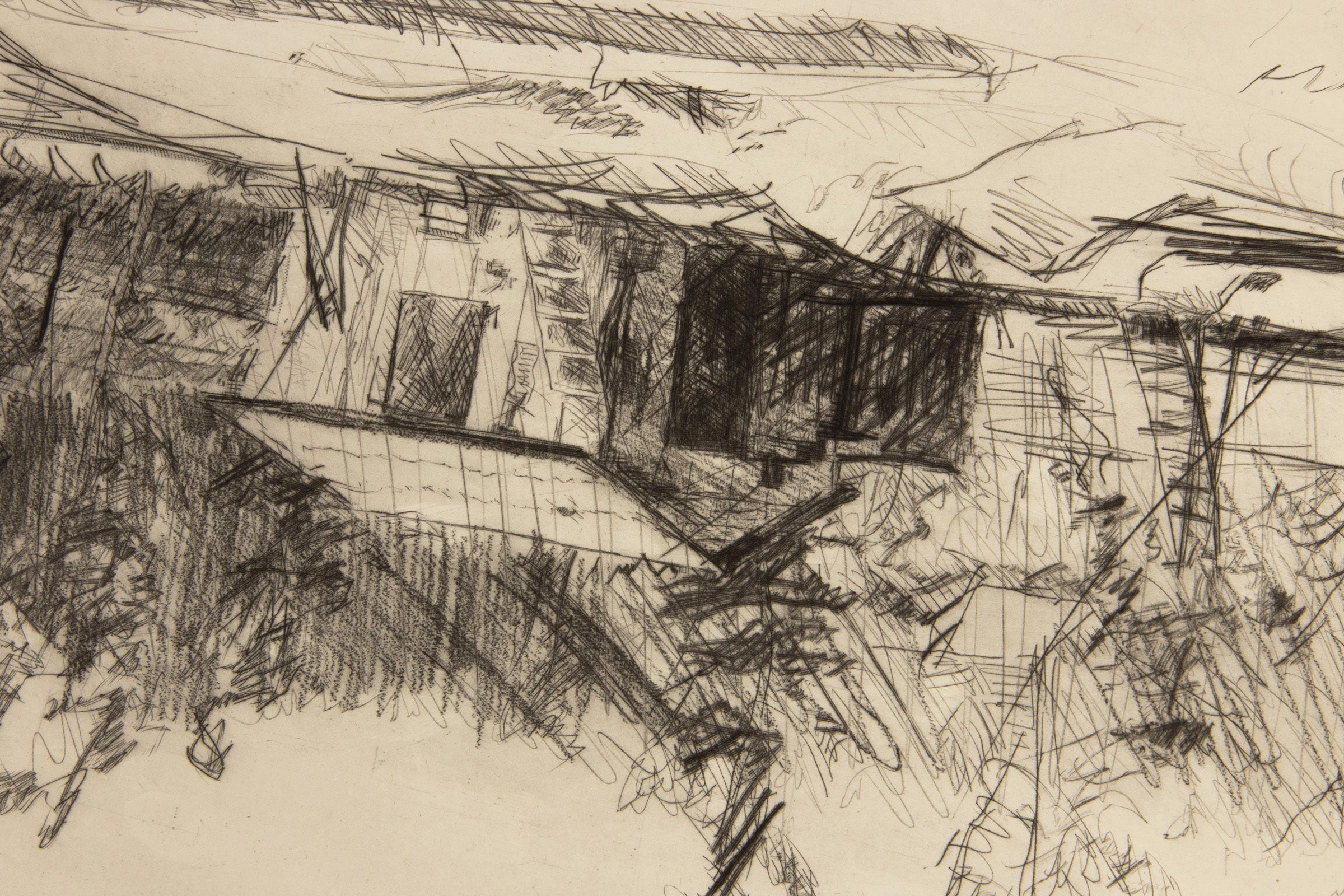
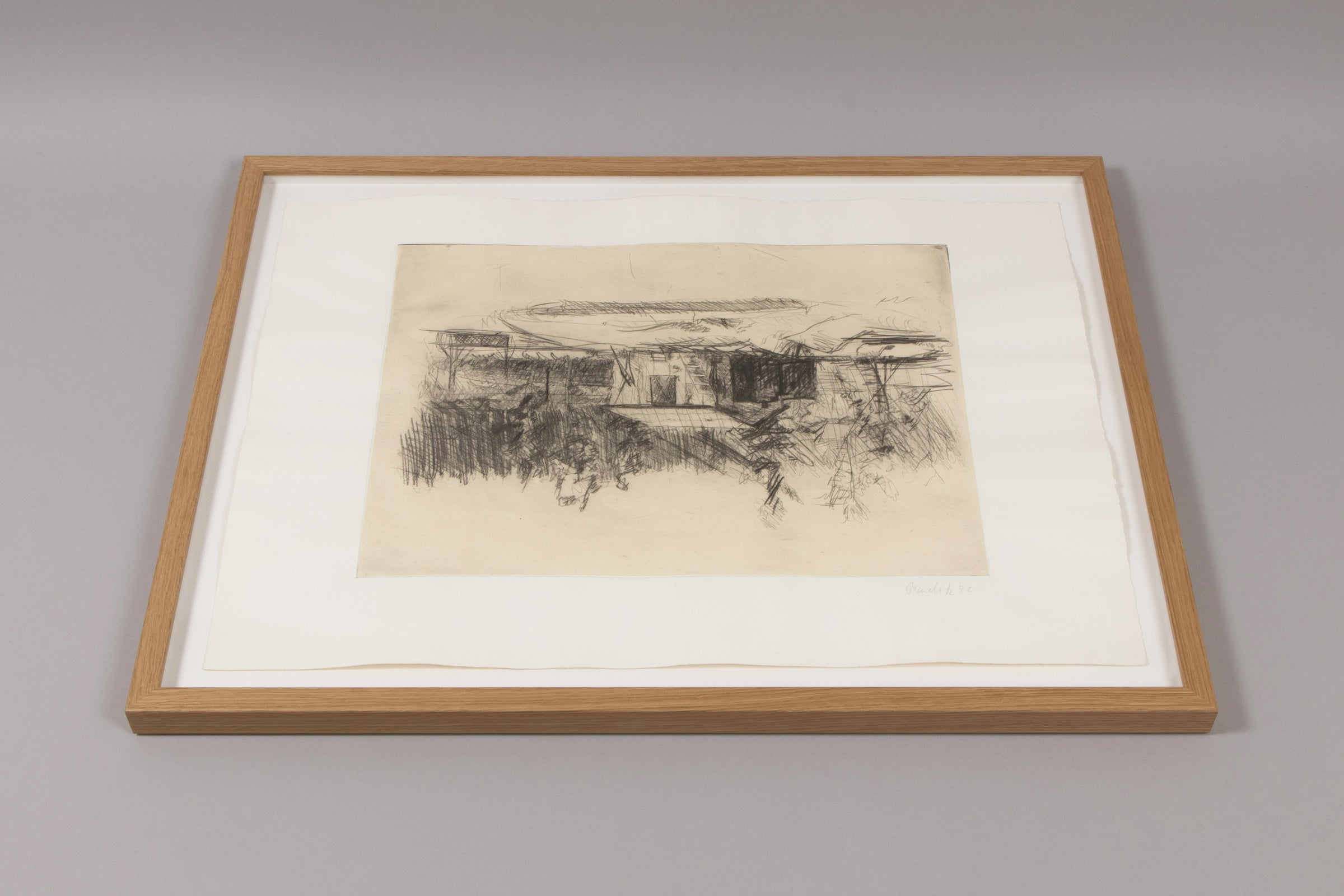

About Georg Baselitz
Georg Baselitz (born 1938, Deutschbaselitz, Germany) is one of the most influential German artists of the postwar period and a central figure in Neo-Expressionism. Working across painting, sculpture, drawing, and printmaking, he is internationally recognized for his radical inversion of motifs, a strategy he introduced in the late 1960s to detach subject matter from narrative and shift attention to formal structure, color, and painterly gesture.
By turning his figures, landscapes, and symbols upside down, Baselitz disrupted conventional modes of representation and challenged viewers' expectations. The inversion does not negate the image but destabilizes it, foregrounding the act of painting itself. This approach, present in both his paintings and limited edition prints, marked a decisive break with prevailing tendencies in postwar abstraction and conceptual art.
Baselitz's work is deeply informed by German history and the psychological legacy of World War II. His fractured figures, raw surfaces, and aggressive mark-making confront themes of identity, memory, and cultural rupture. Influences ranging from Mannerism to African sculpture and Soviet-era illustration inform his expressive visual language.
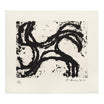
Throughout his career, Baselitz has maintained a strong commitment to printmaking, producing etchings, woodcuts, and lithographs that parallel the intensity and formal experimentation of his paintings. His artworks are held in major museum collections worldwide, affirming his lasting impact on contemporary art and the ongoing relevance of painting as a critical medium.


