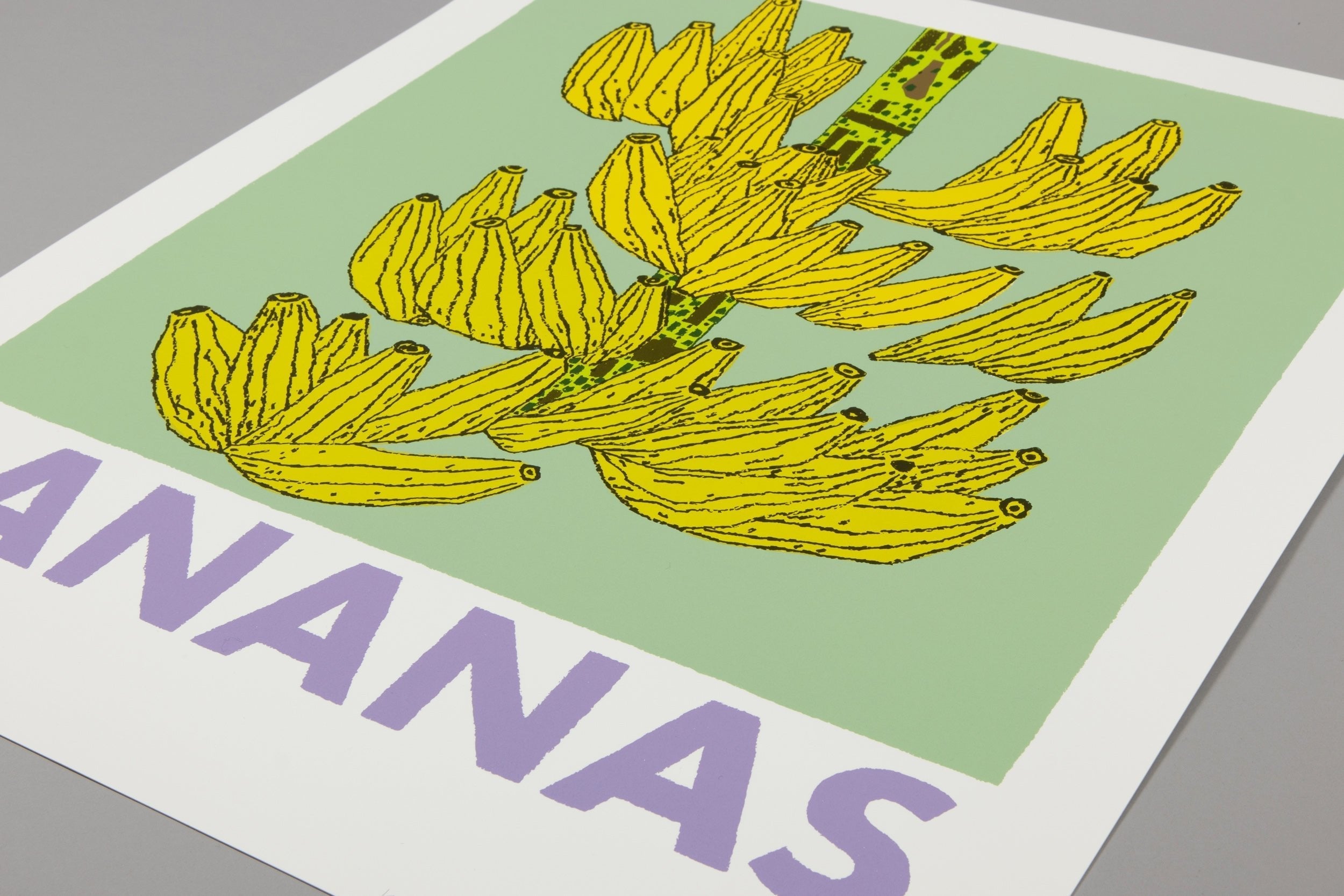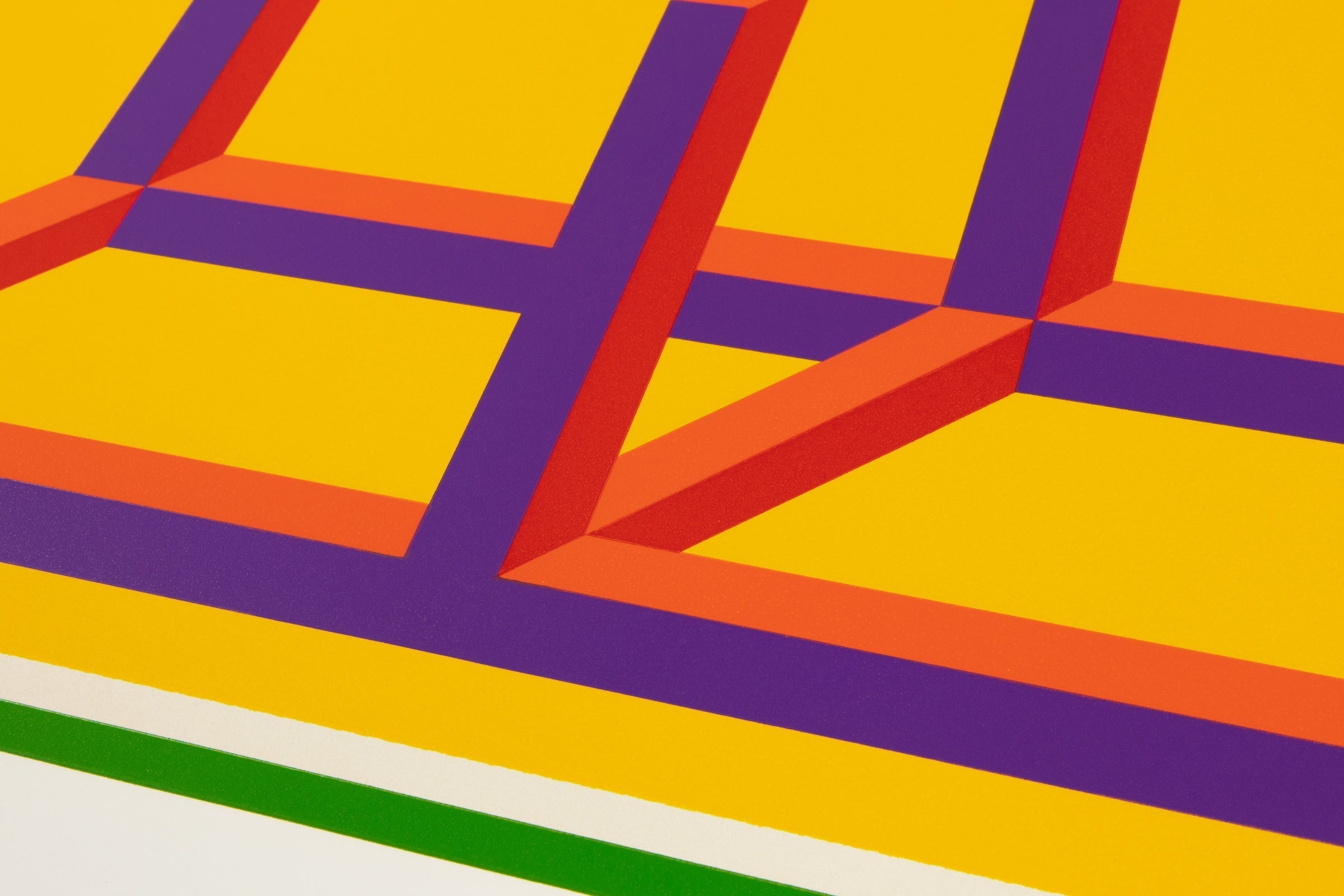

Limited Edition Prints

Fine art prints for sale. Signed and numbered editions by museum-collected post-war and contemporary artists such as Ed Ruscha, Tracey Emin and Georg Baselitz. Our limited edition prints are original artworks — as integral to an artist's oeuvre as a painting, a drawing or a sculpture. Each is produced in a strictly limited run, available at a fraction of the cost of a unique work by the same artist.

Filters

Sort by:

107 products

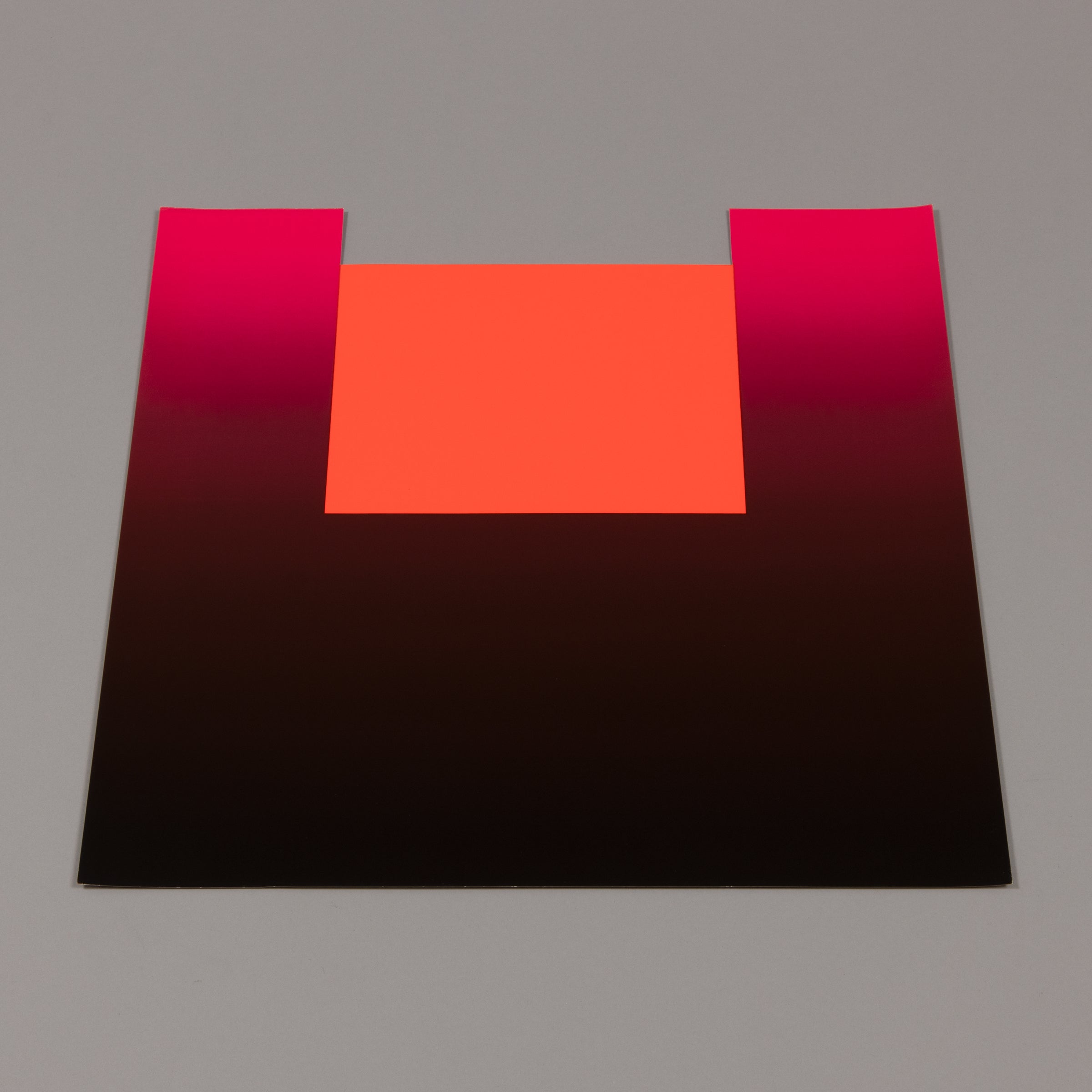
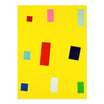
Rupprecht Geiger – Black on Different RedsRupprecht Geiger – Black on Different Reds
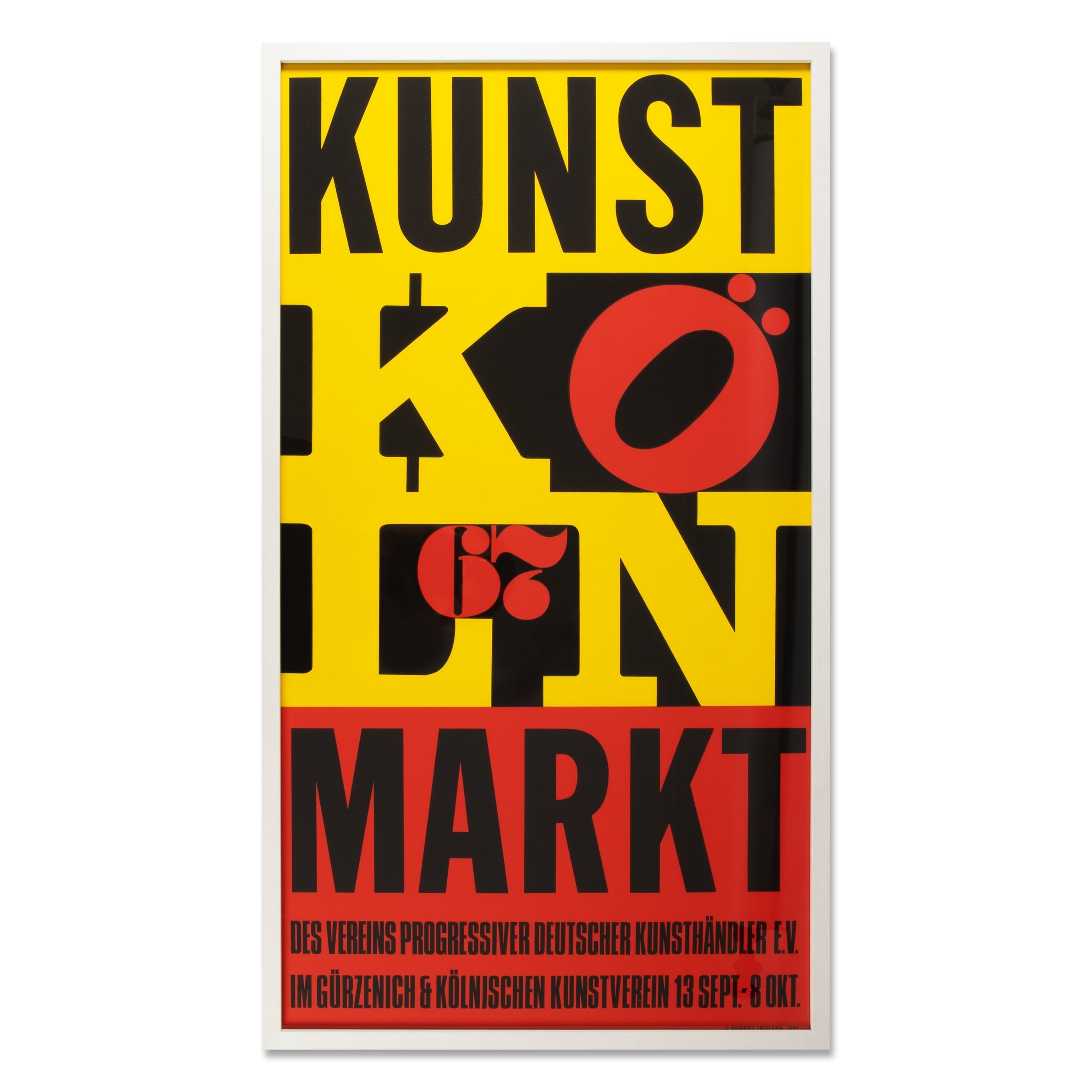
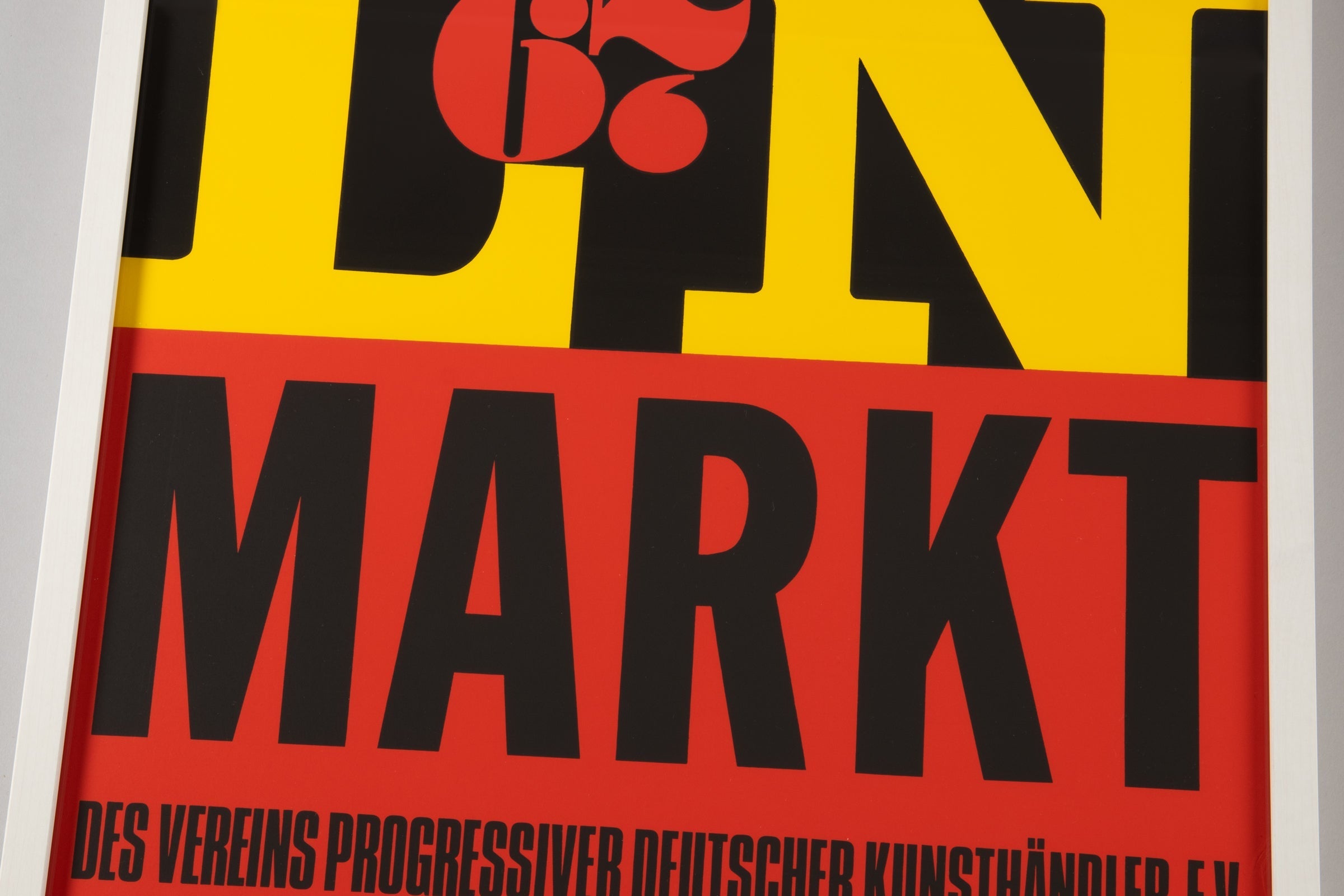
Robert Indiana – Kunstmarkt Köln 67Robert Indiana - Kunstmarkt Köln 67
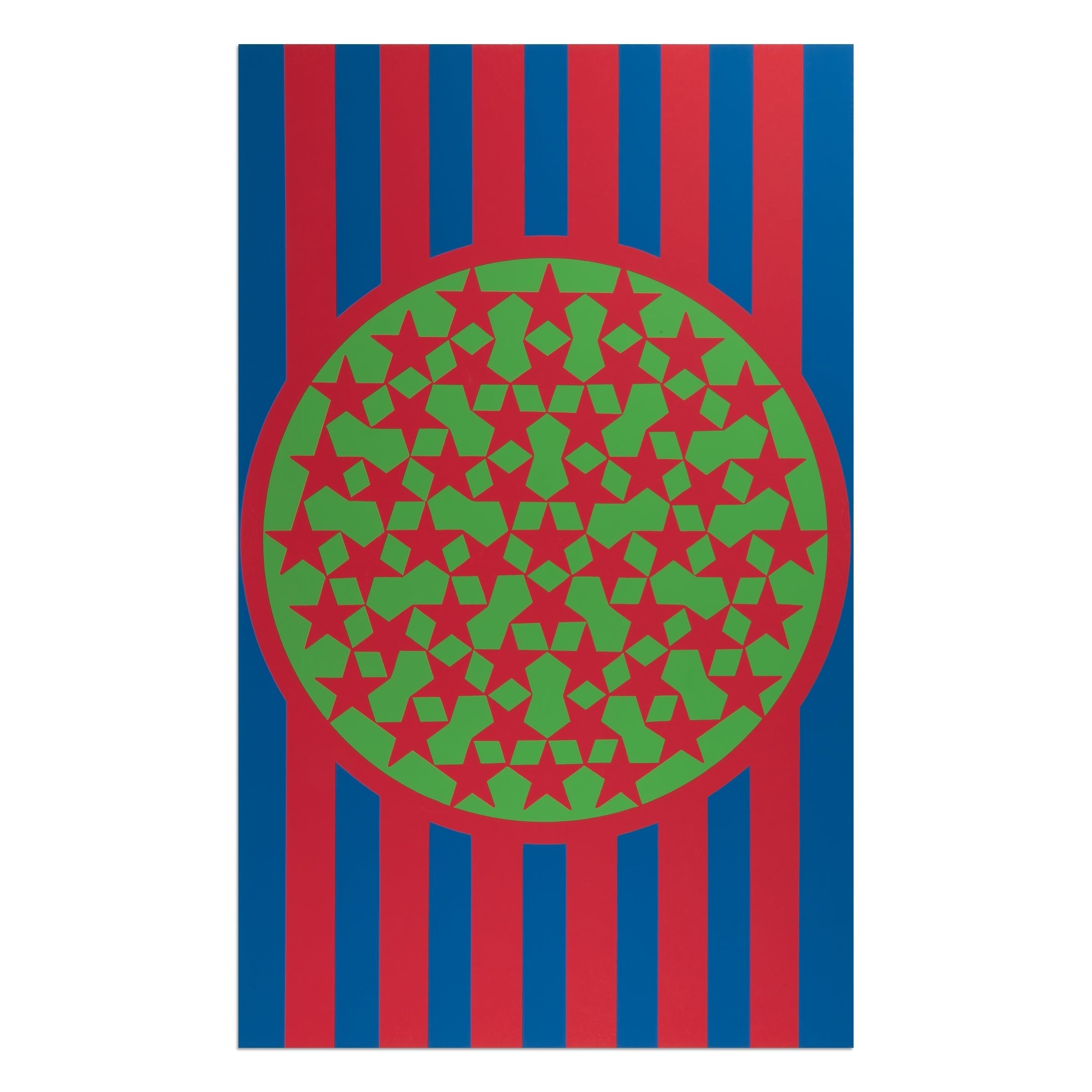
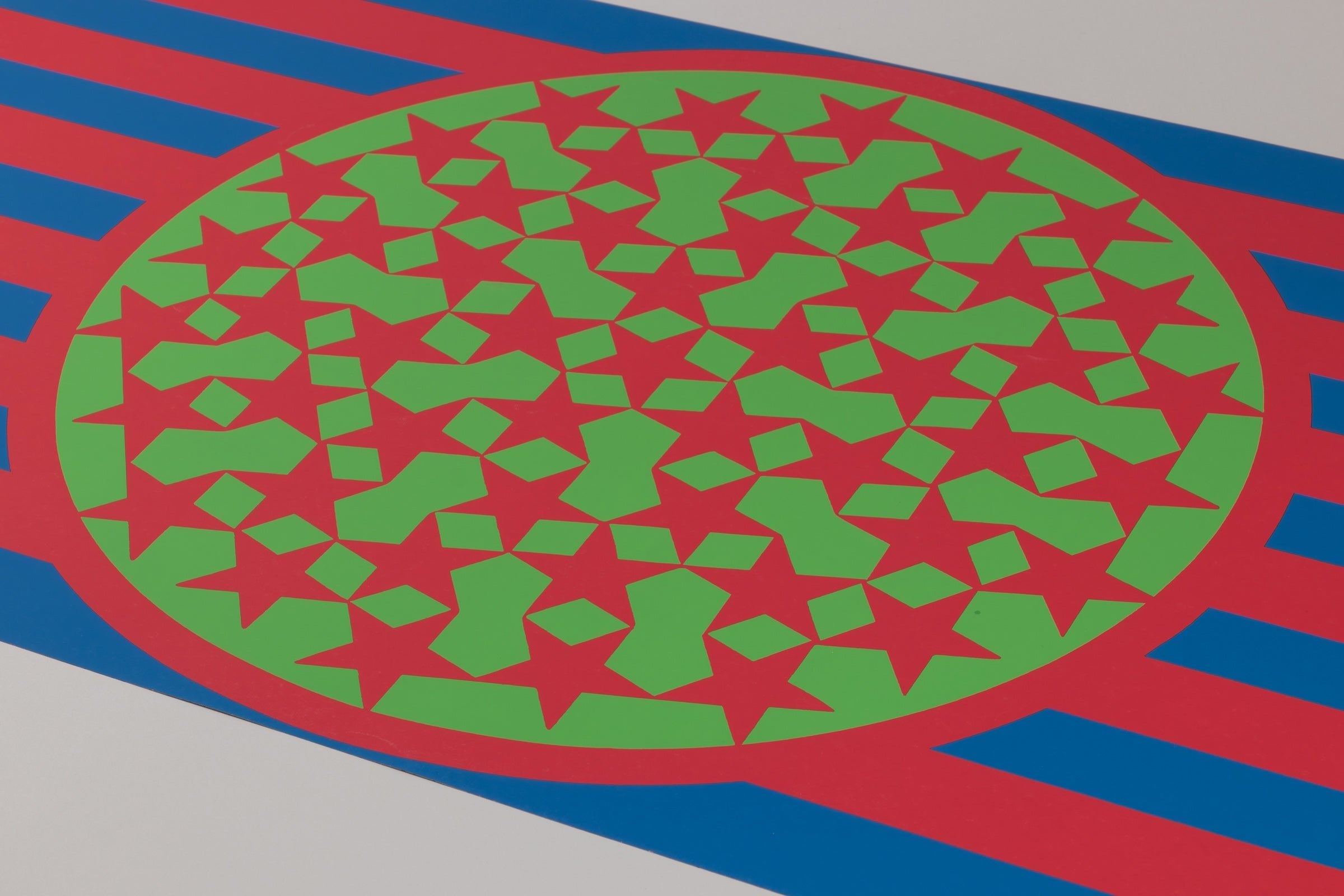
Robert Indiana – BannerRobert Indiana – Banner
Robert Indiana – Banner Sale price€1.000,00
Richard Tuttle – SurfaceRichard Tuttle - Surface
Richard Tuttle – Surface Sale price€1.300,00
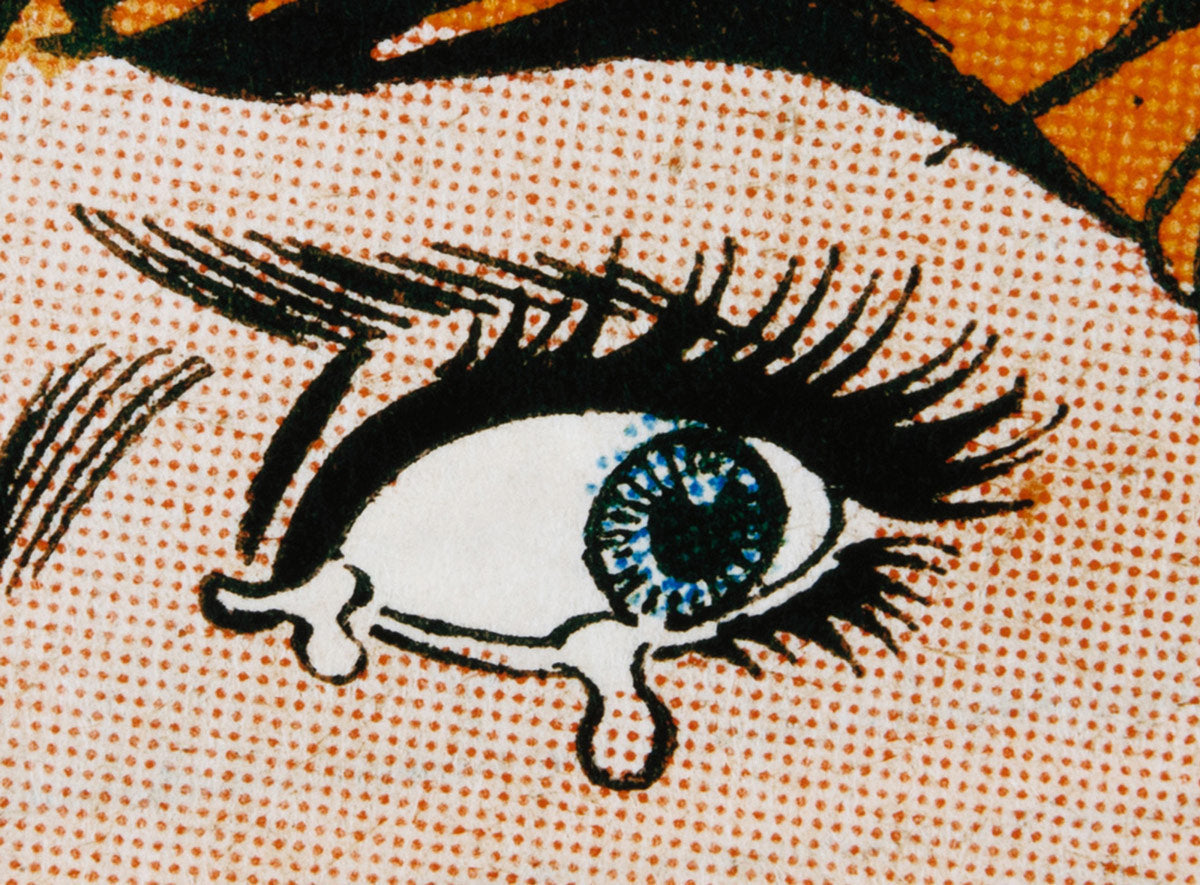
Peter Halley – Cartoon ExplosionPeter Halley - Cartoon Explosion
Peter Halley – Cartoon Explosion Sale price€1.300,00
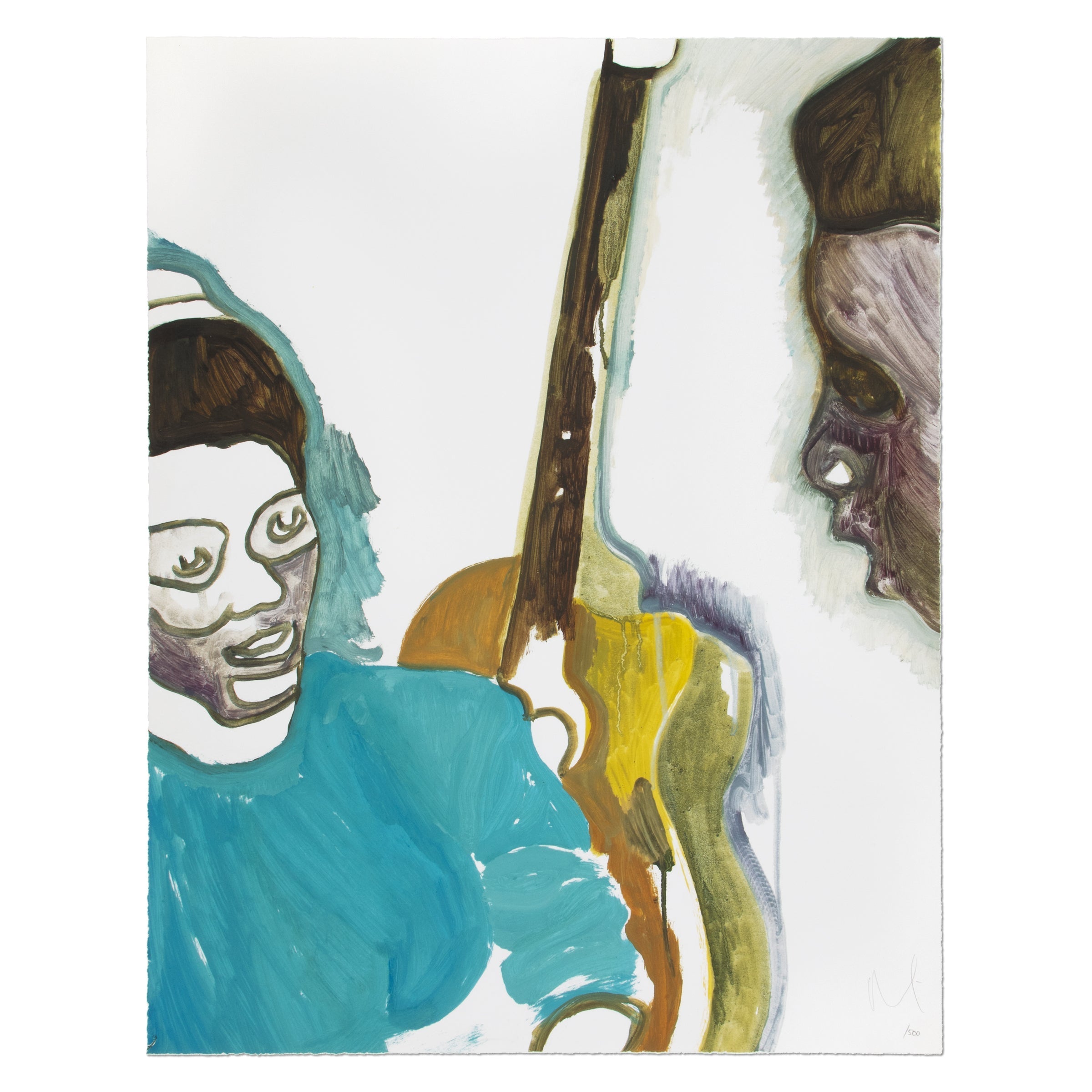
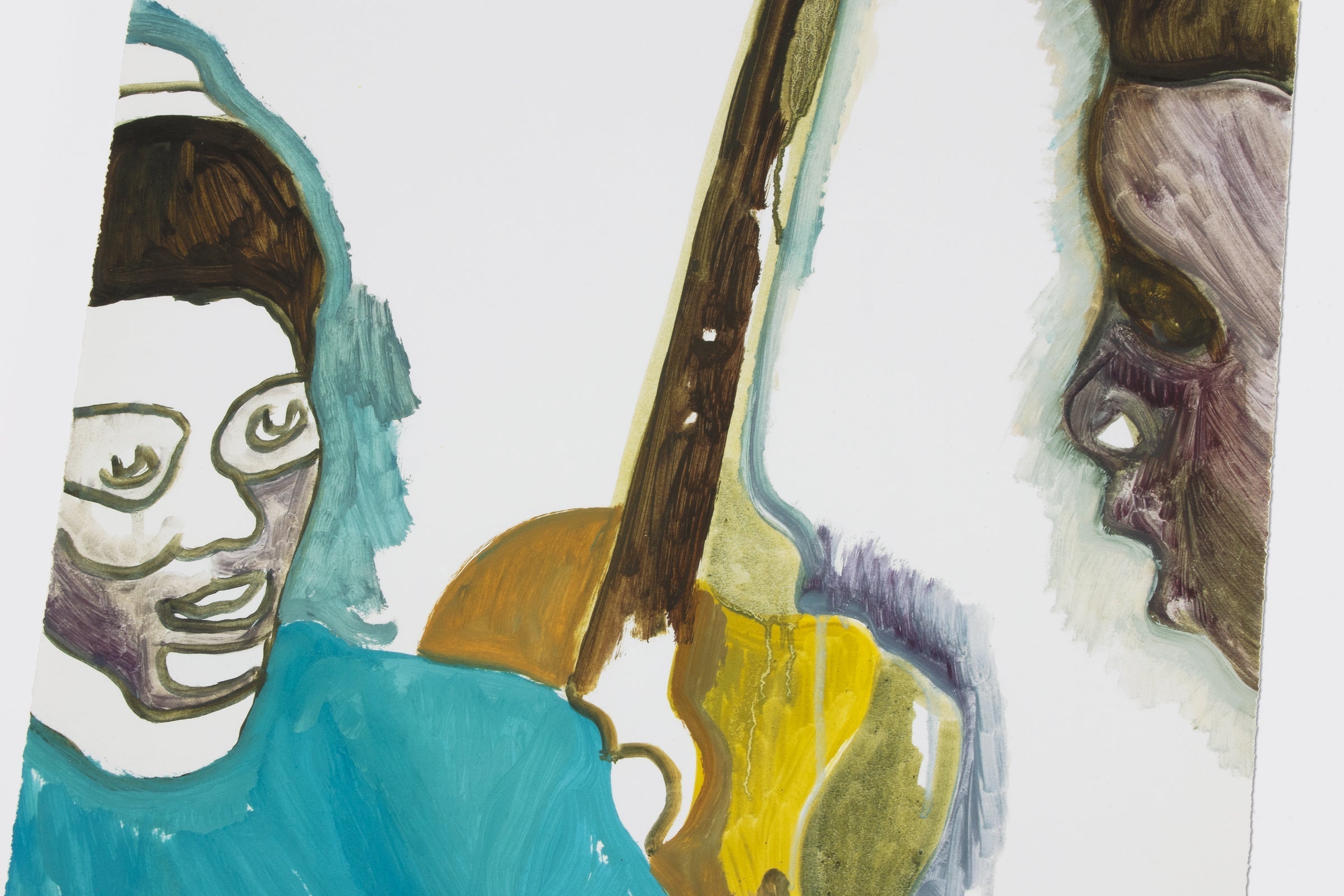
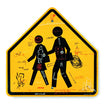
Peter Doig – Two StudentsPeter Doig - Two Students
Peter Doig – Two Students Sale price€1.900,00
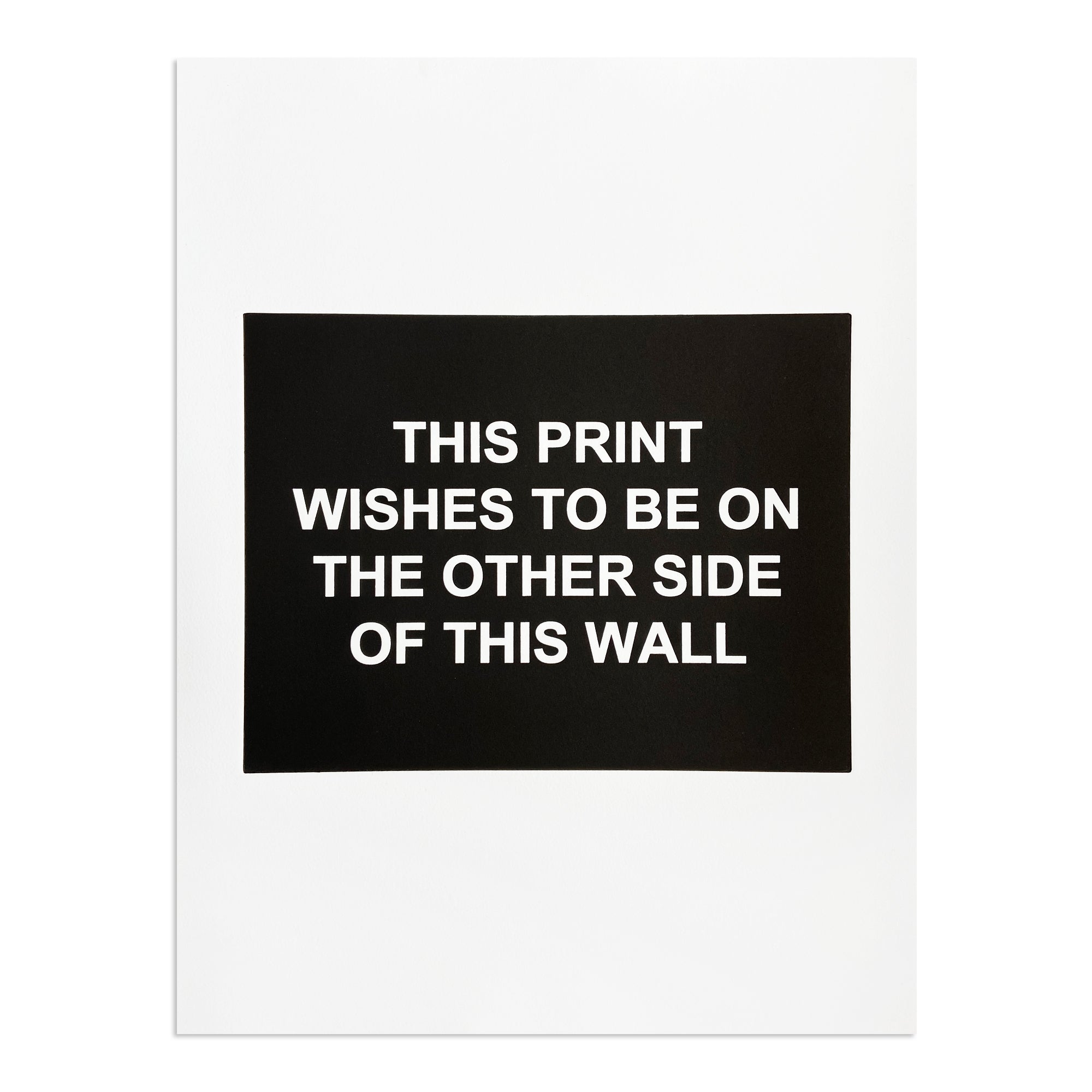
Laure Prouvost – This Print Wishes to Be On the Other Side of This WallLaure Prouvost - This Print Wishes to Be On the Other Side of This Wall
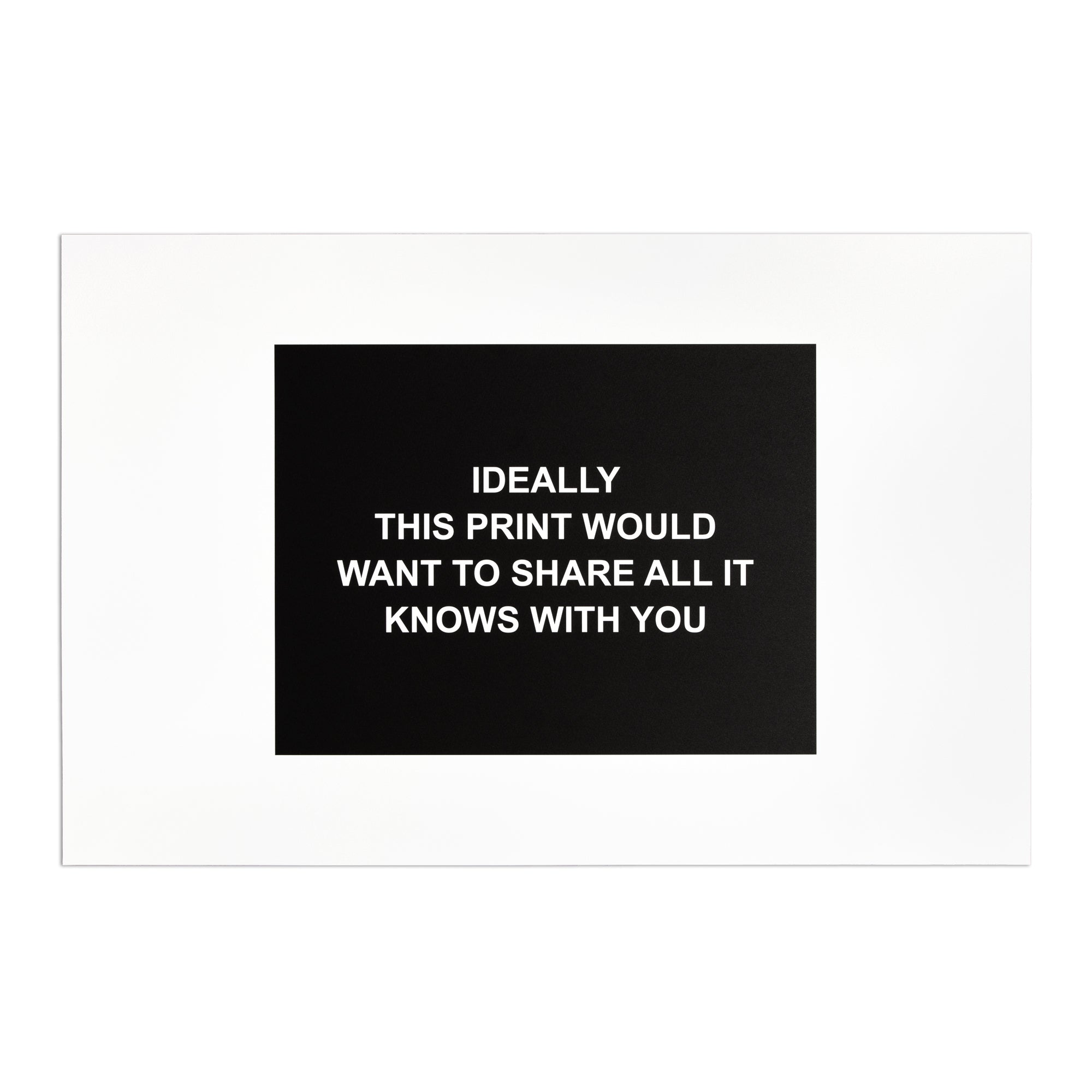
Laure Prouvost – Ideally this print would want to share all it knows with you
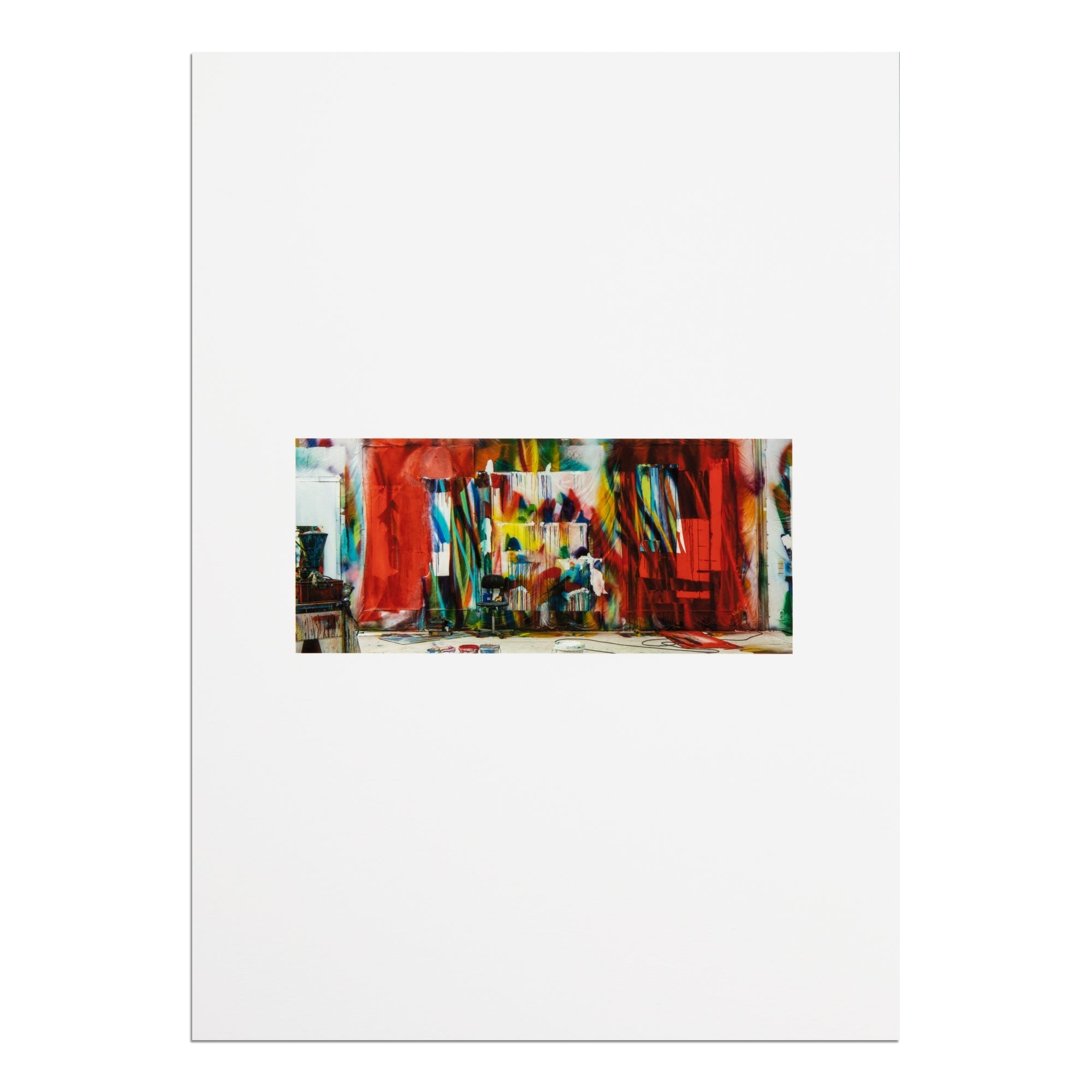
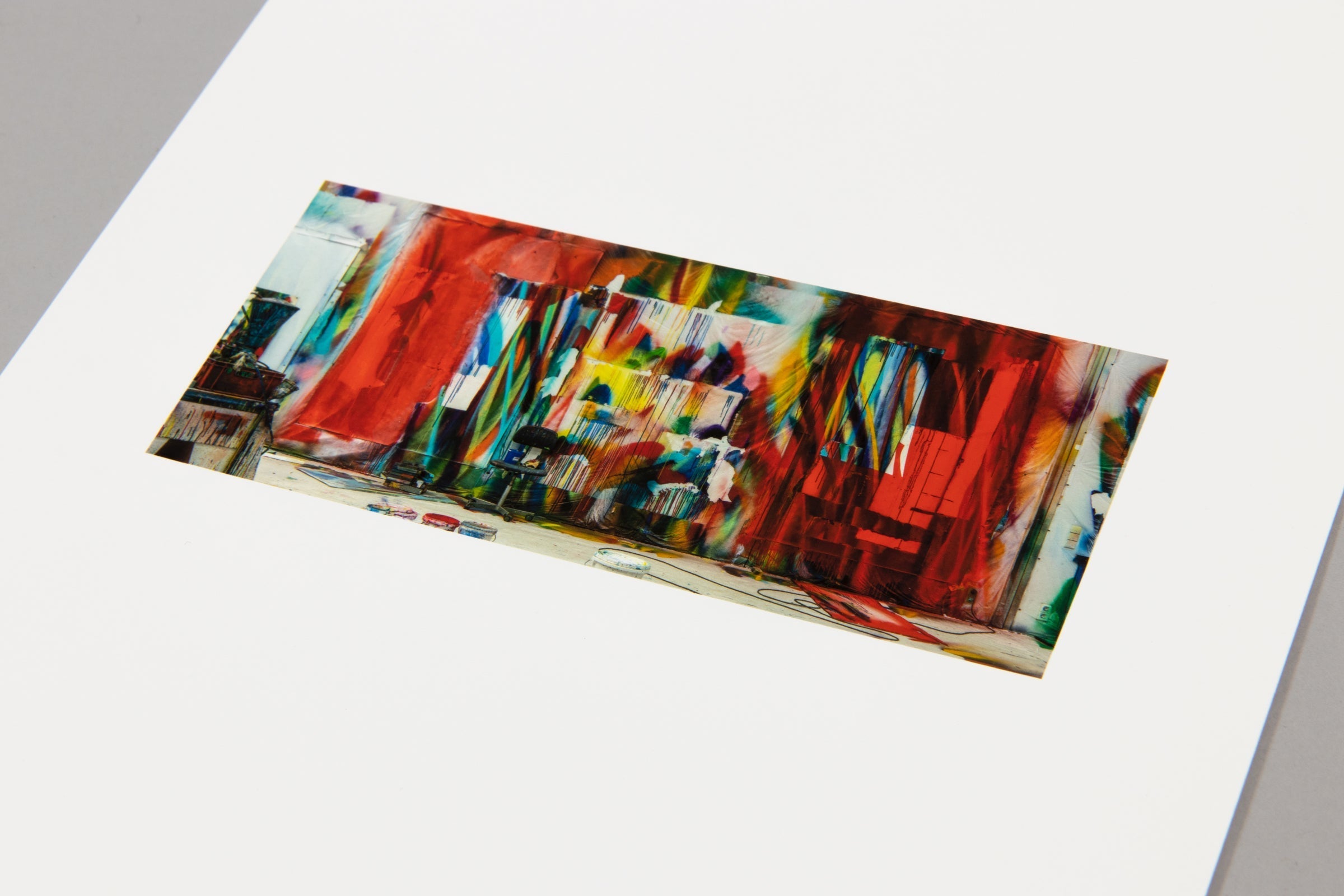
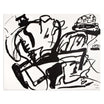
Katharina Grosse – Der StuhlKatharina Grosse - Der Stuhl
Katharina Grosse – Der Stuhl Sale price€1.800,00
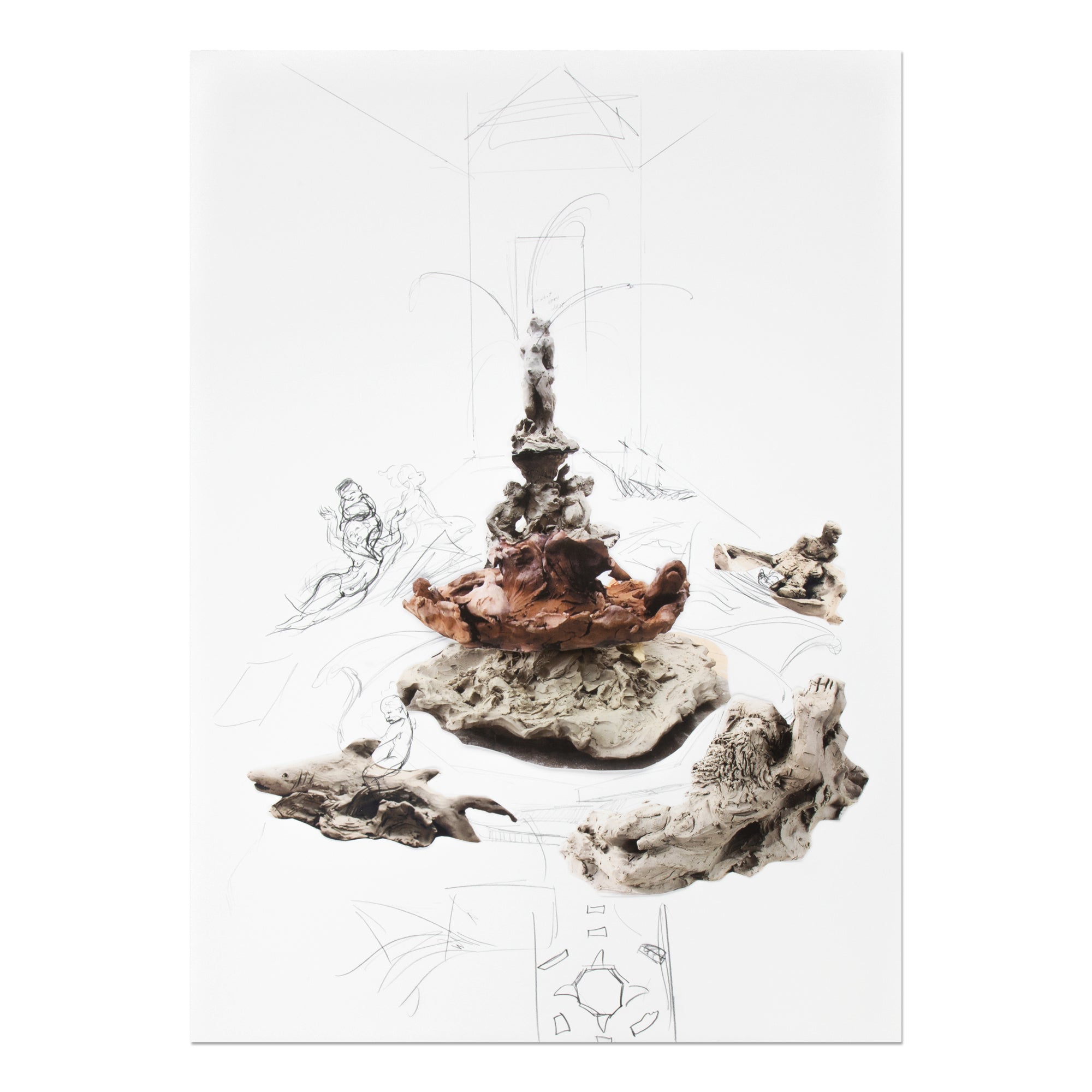
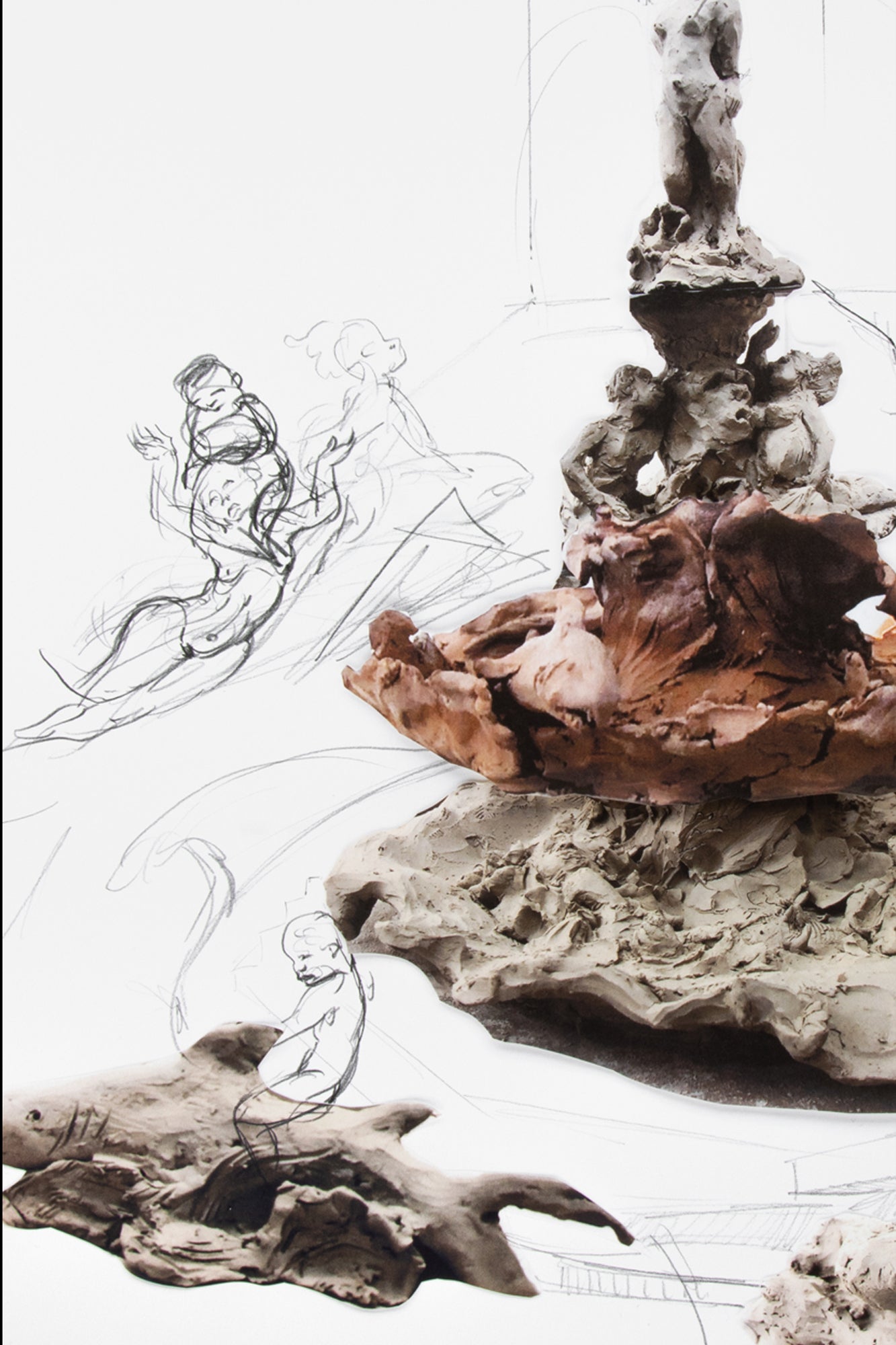
Kara Walker – Theme for the Fons AmericanusKara Walker - Theme for the Fons Americanus
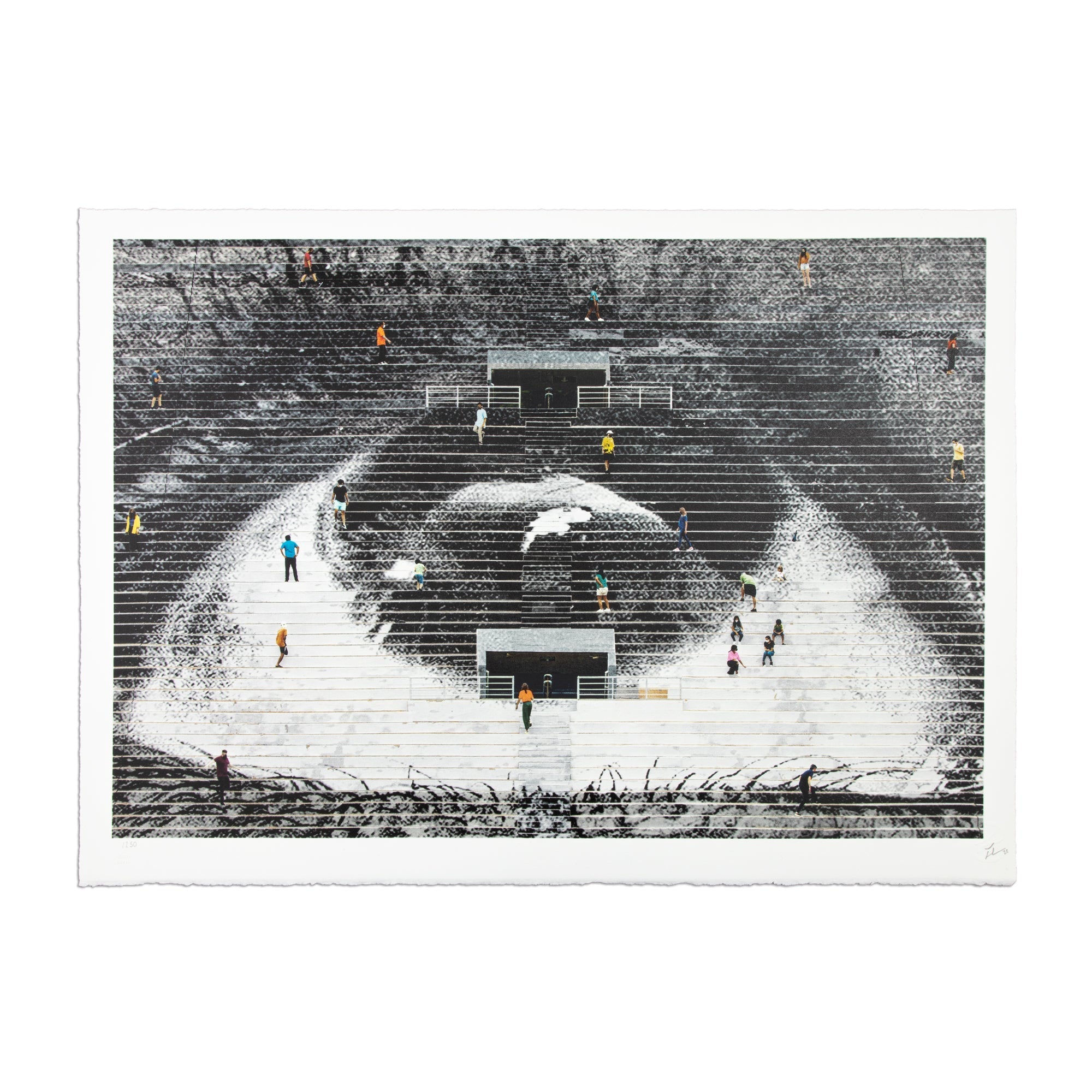
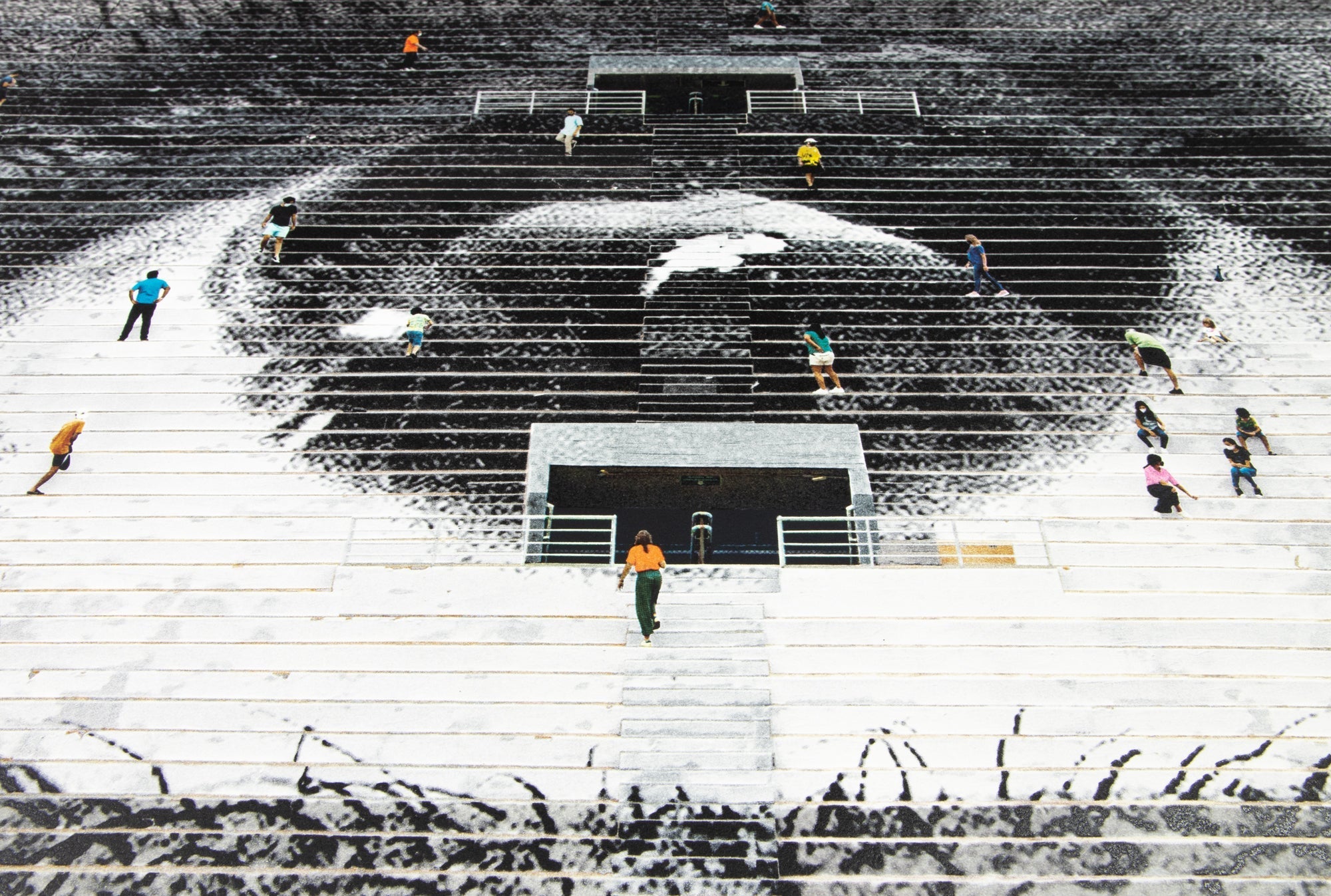
JR - Olho, Estadio de PacaembuJR – Olho, Estadio de Pacaembu
JR – Olho, Estadio de Pacaembu Sale price€1.400,00
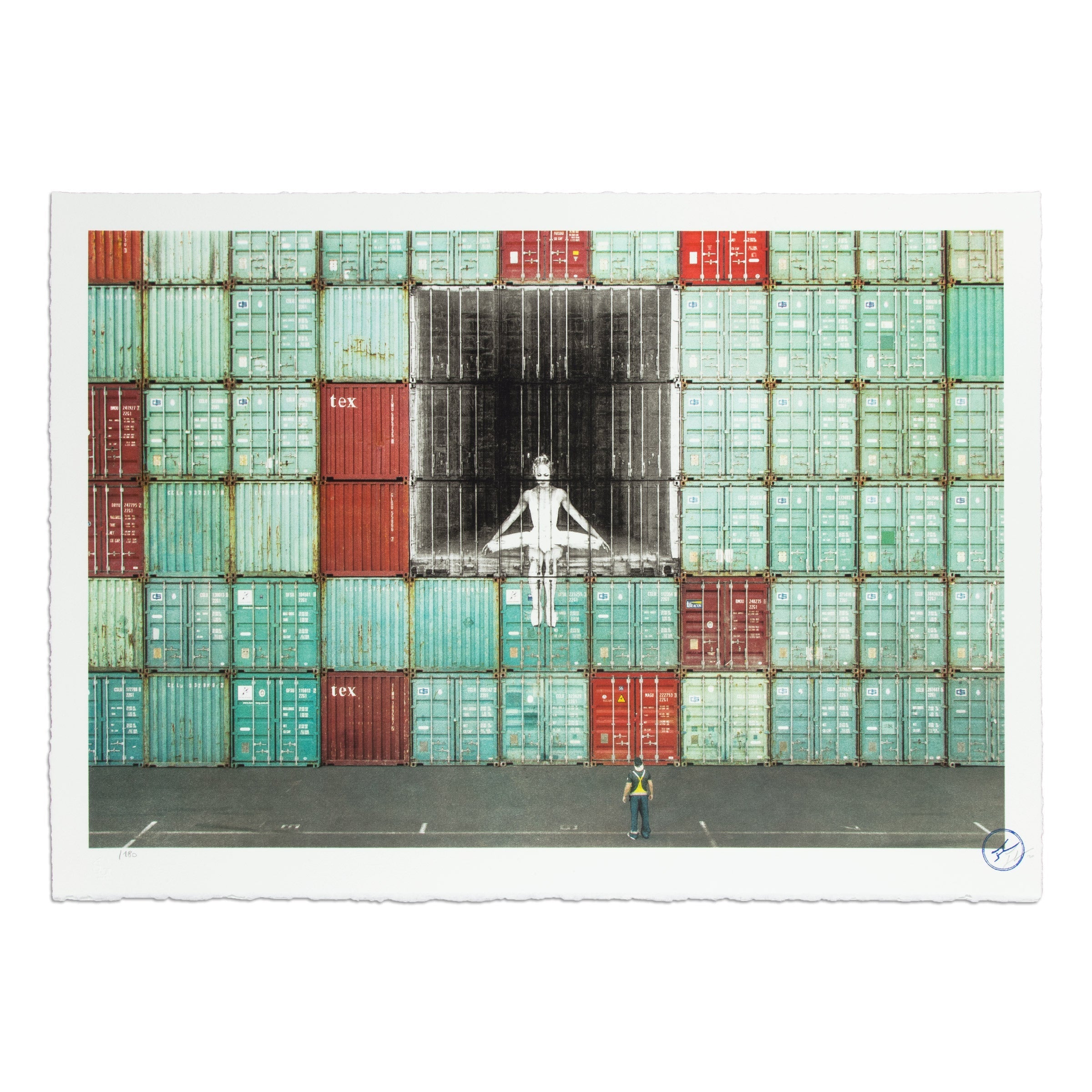
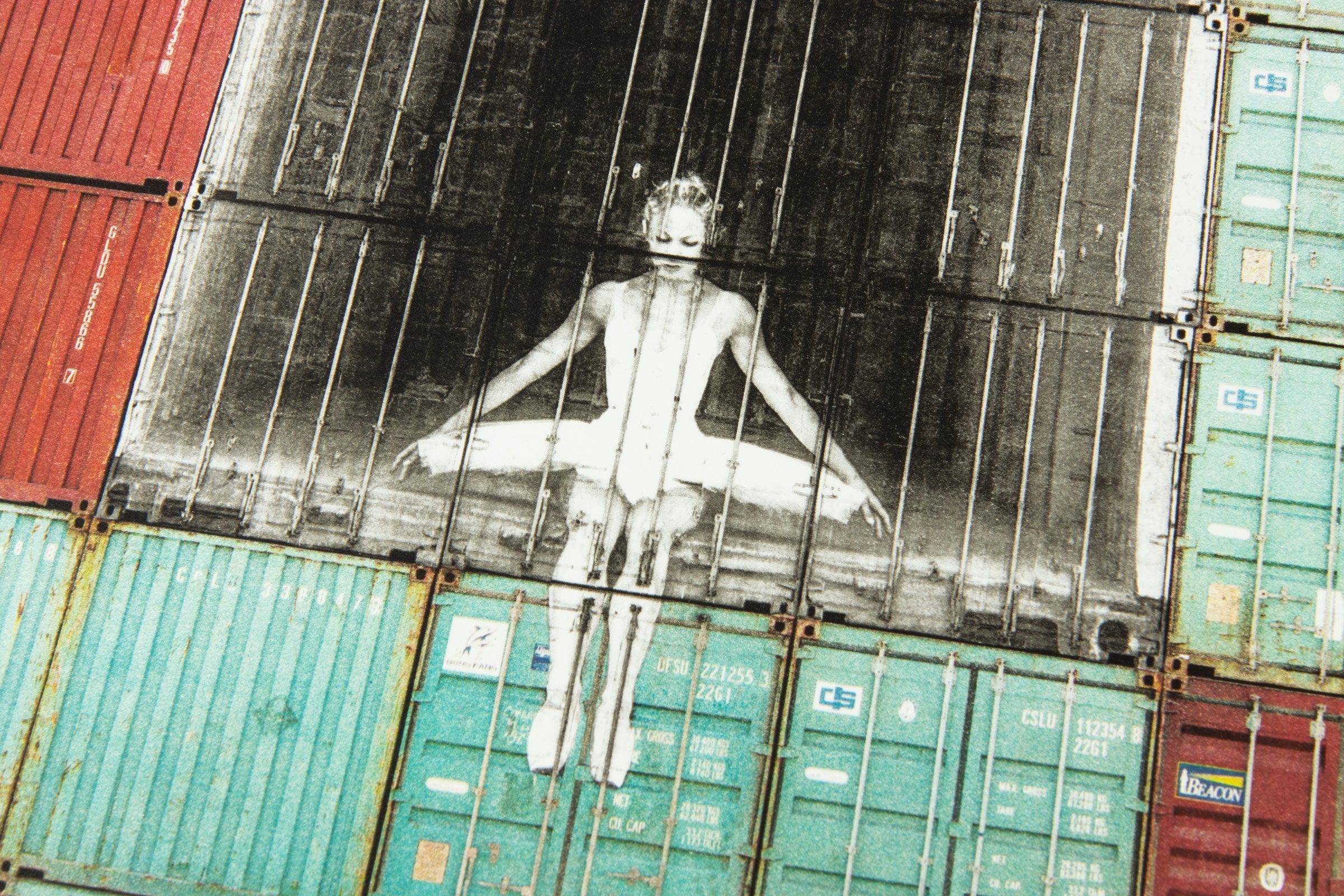
JR – In the Container WallJR - In the Container Wall
JR – In the Container Wall Sale price€2.400,00
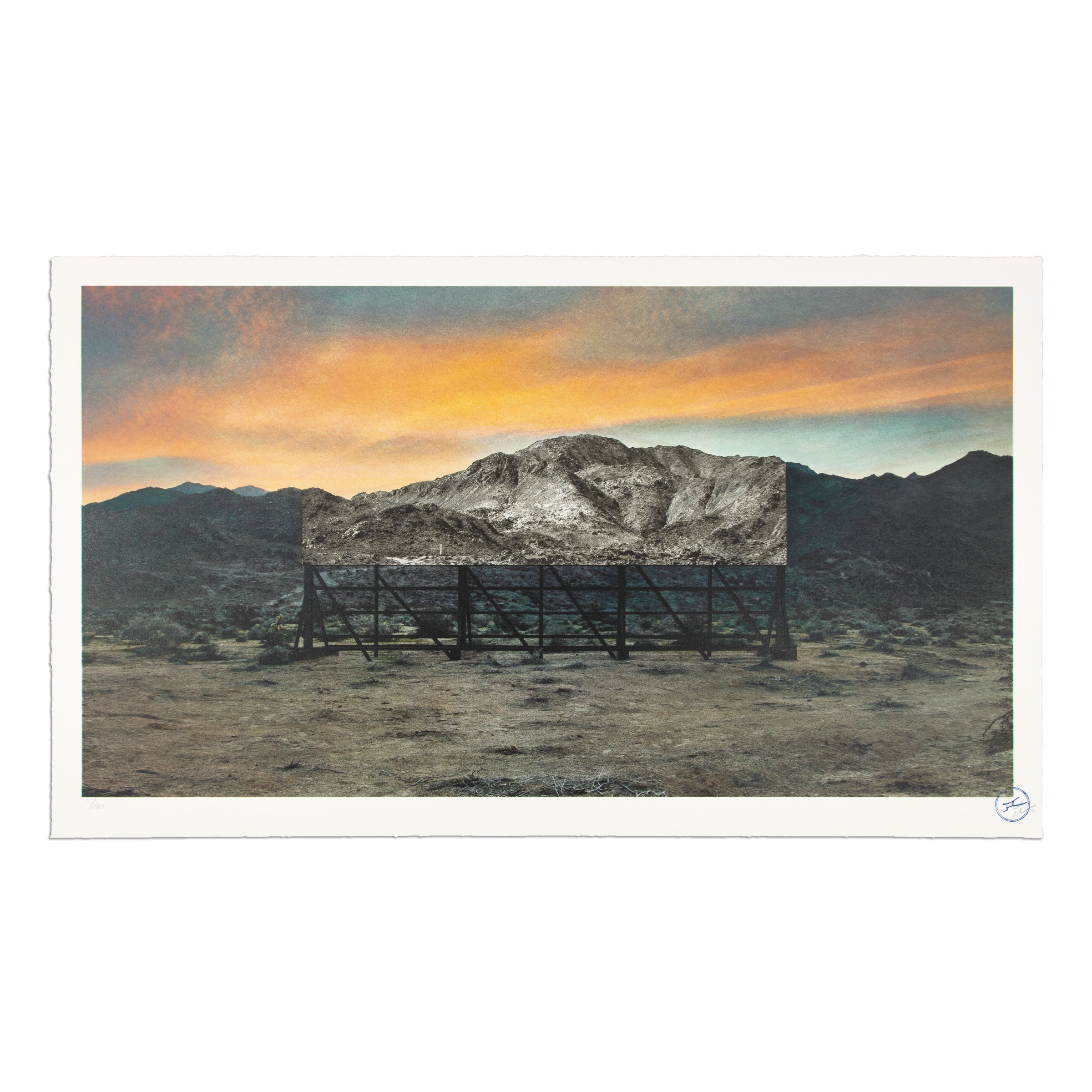
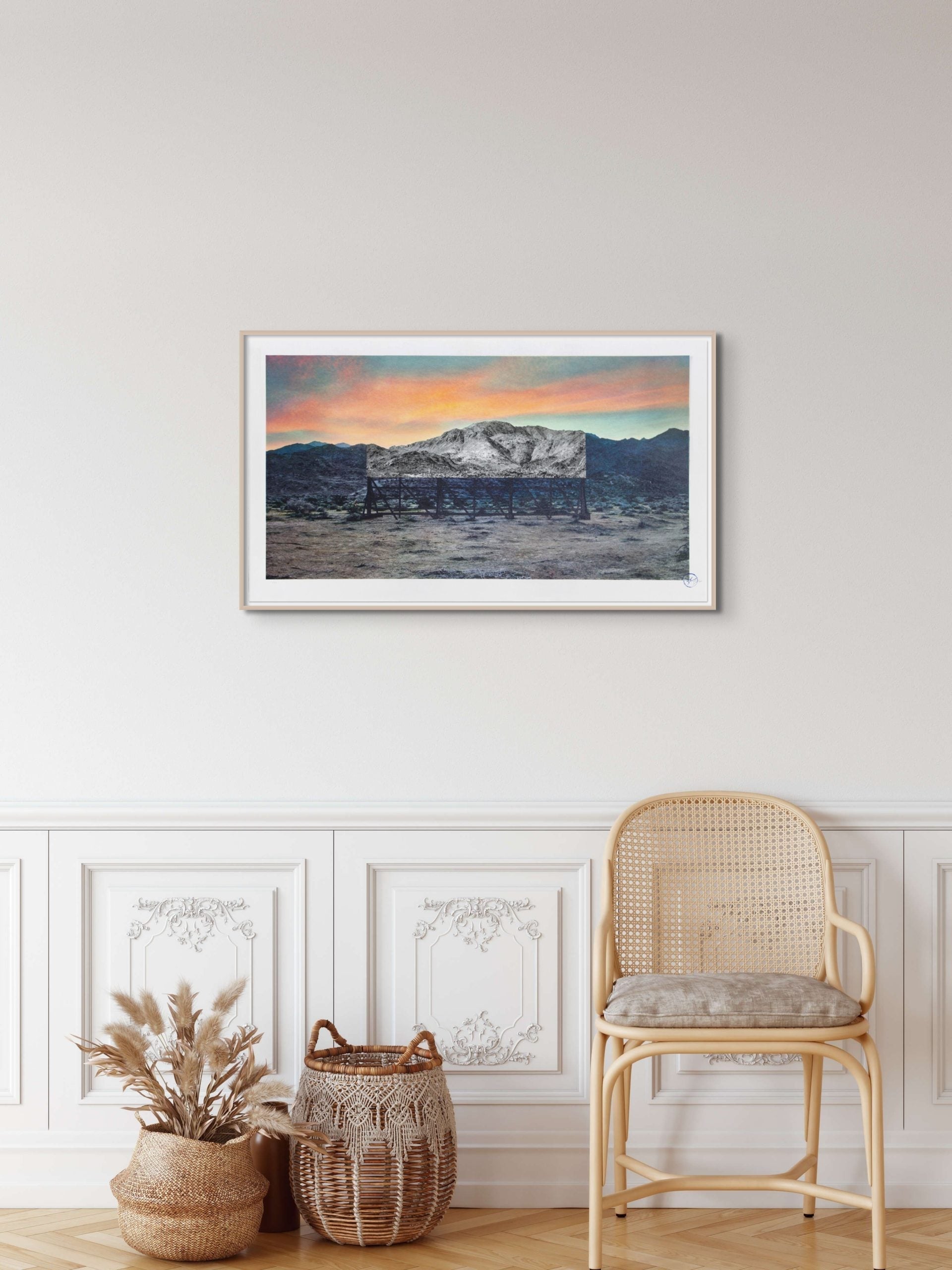
JR – Death Valley BillboardJR - Death Valley Billboard
JR – Death Valley Billboard Sale price€2.000,00
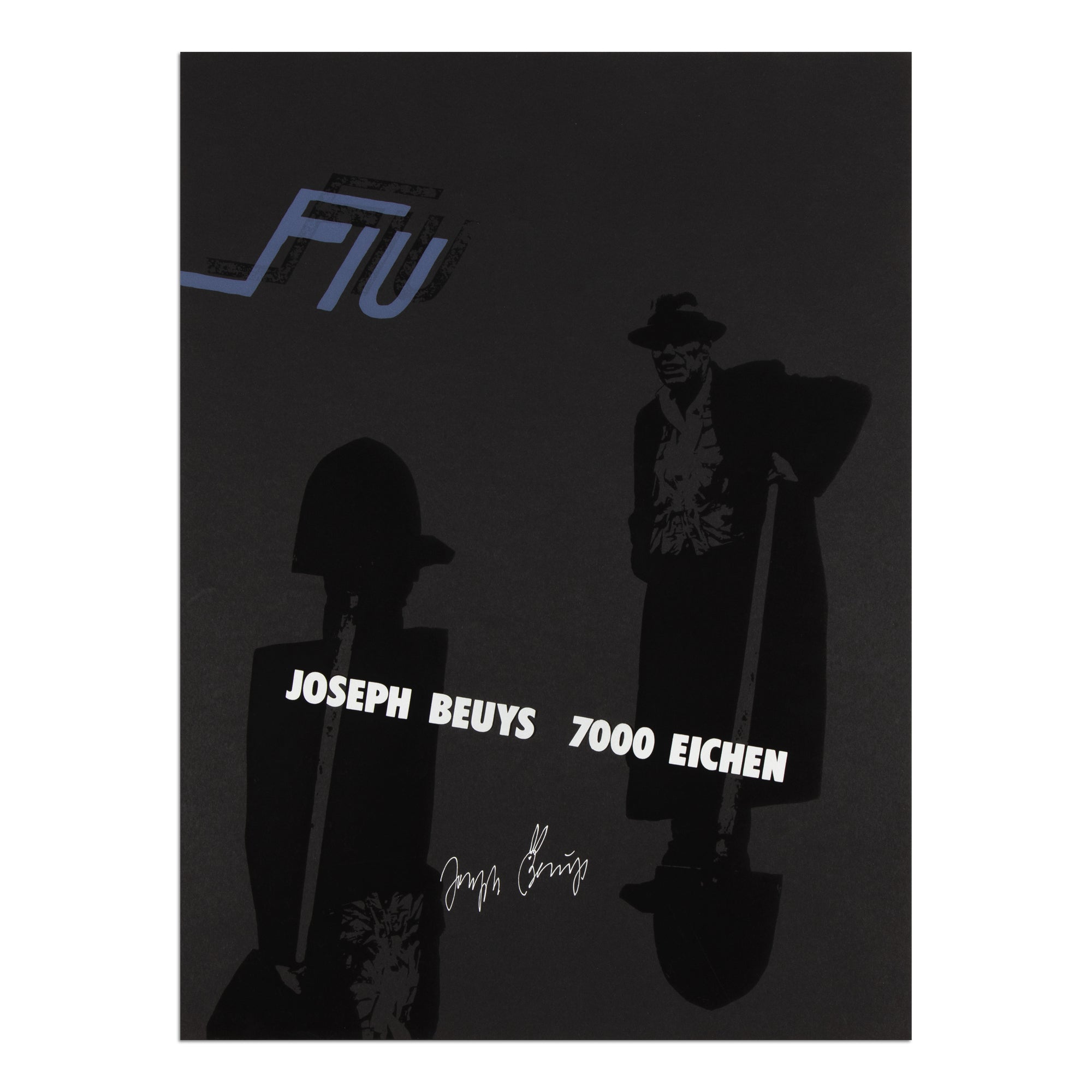
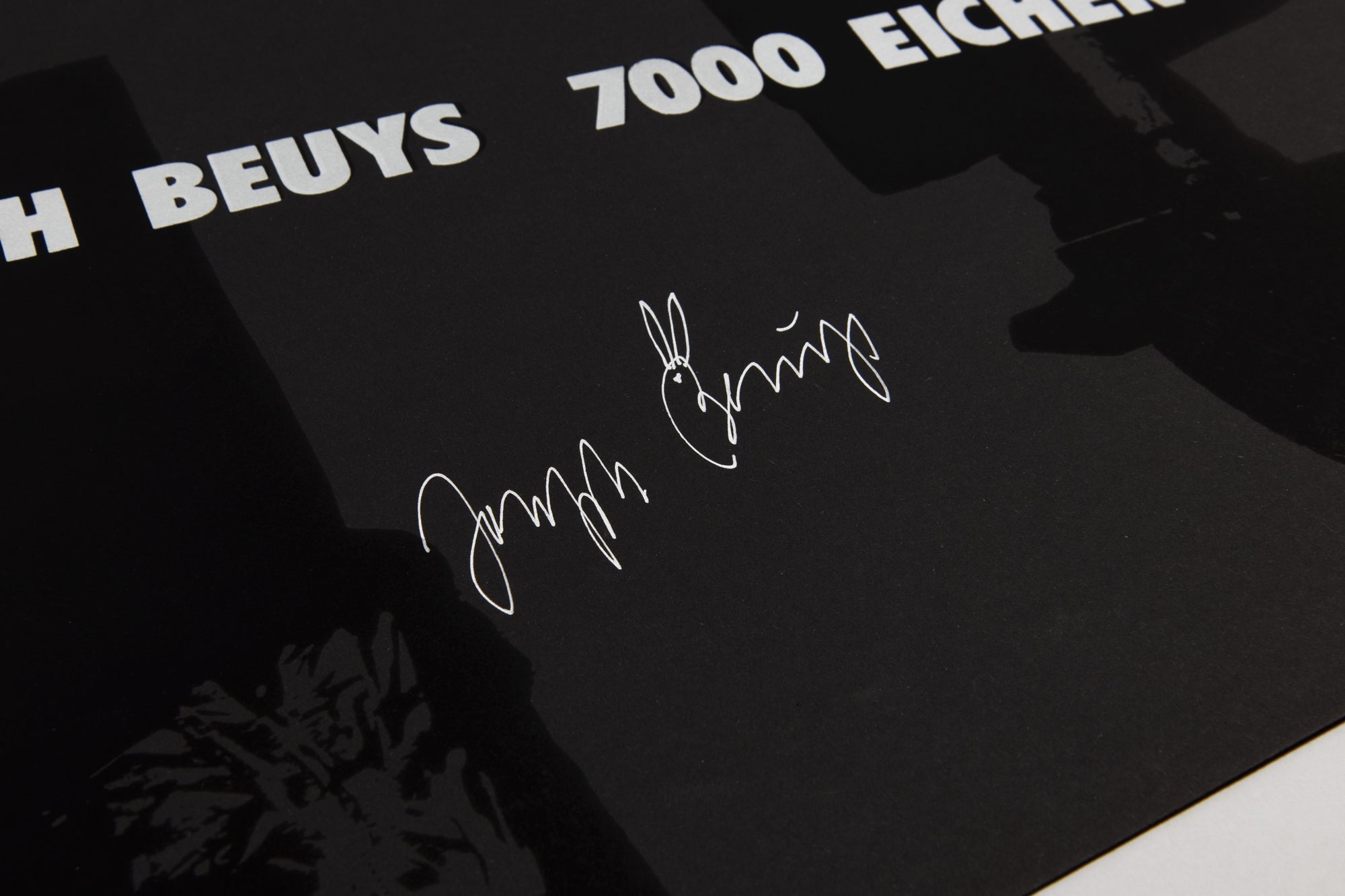
Joseph Beuys - 7000 EichenJoseph Beuys - 7000 Eichen
Joseph Beuys – 7000 Eichen Sale price€1.400,00
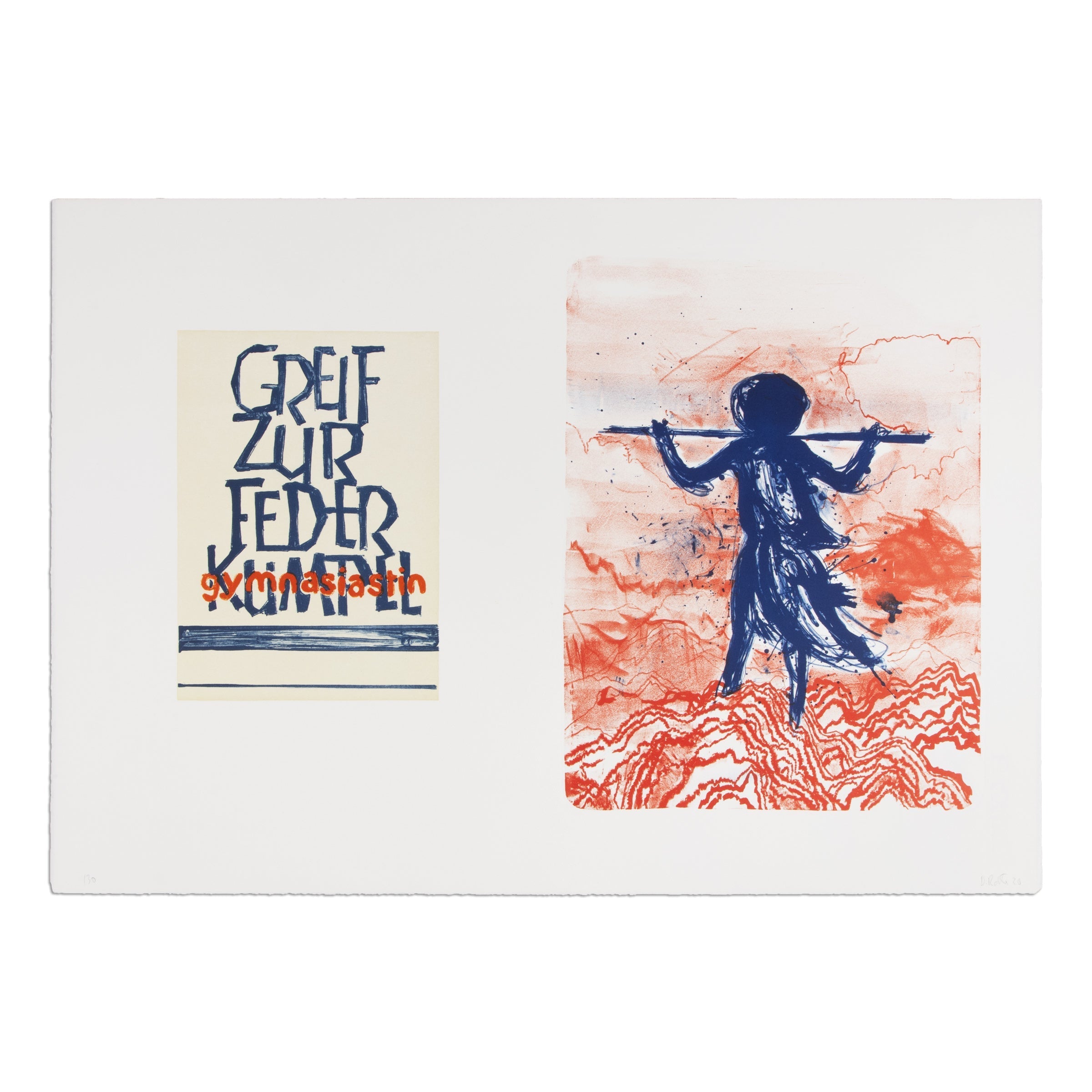
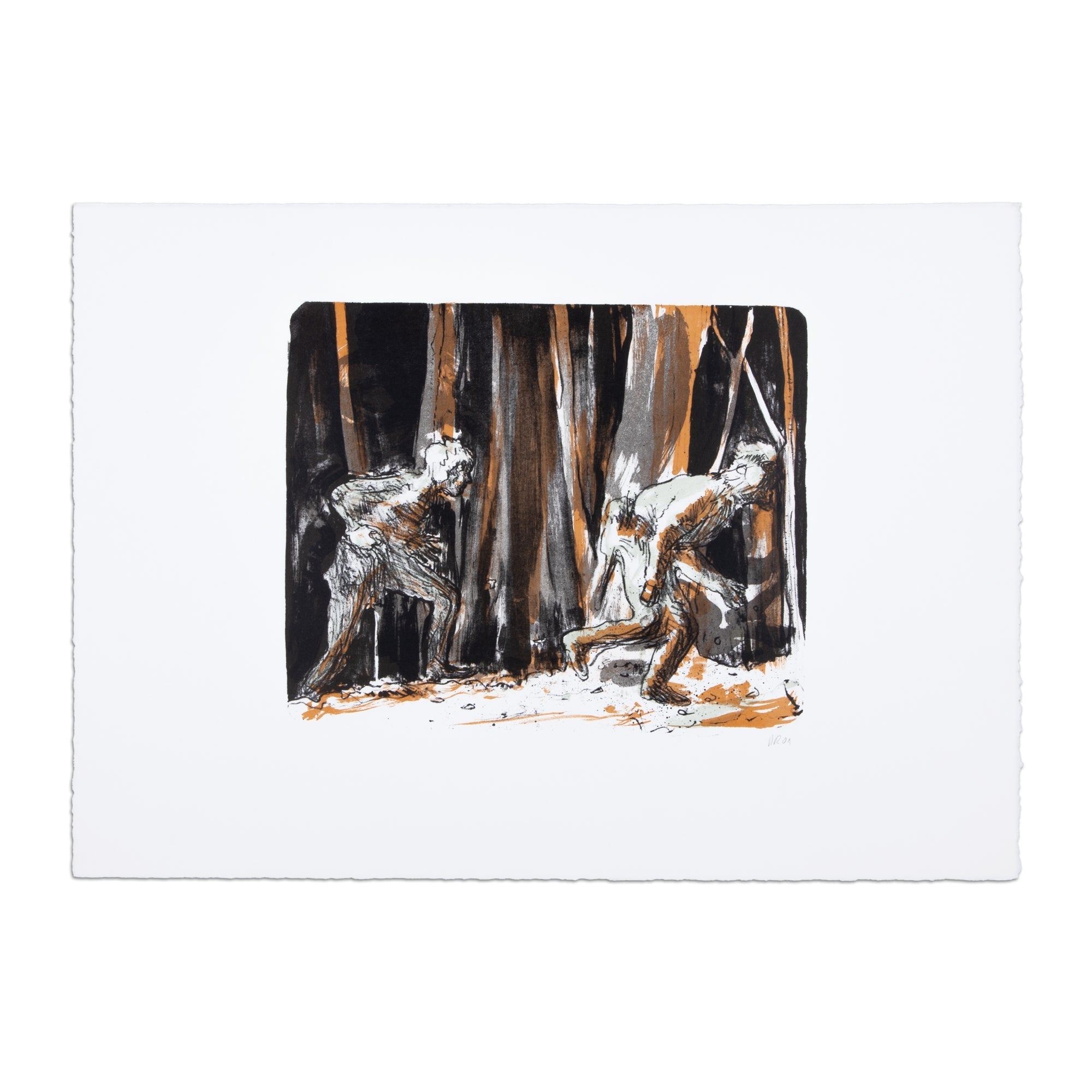
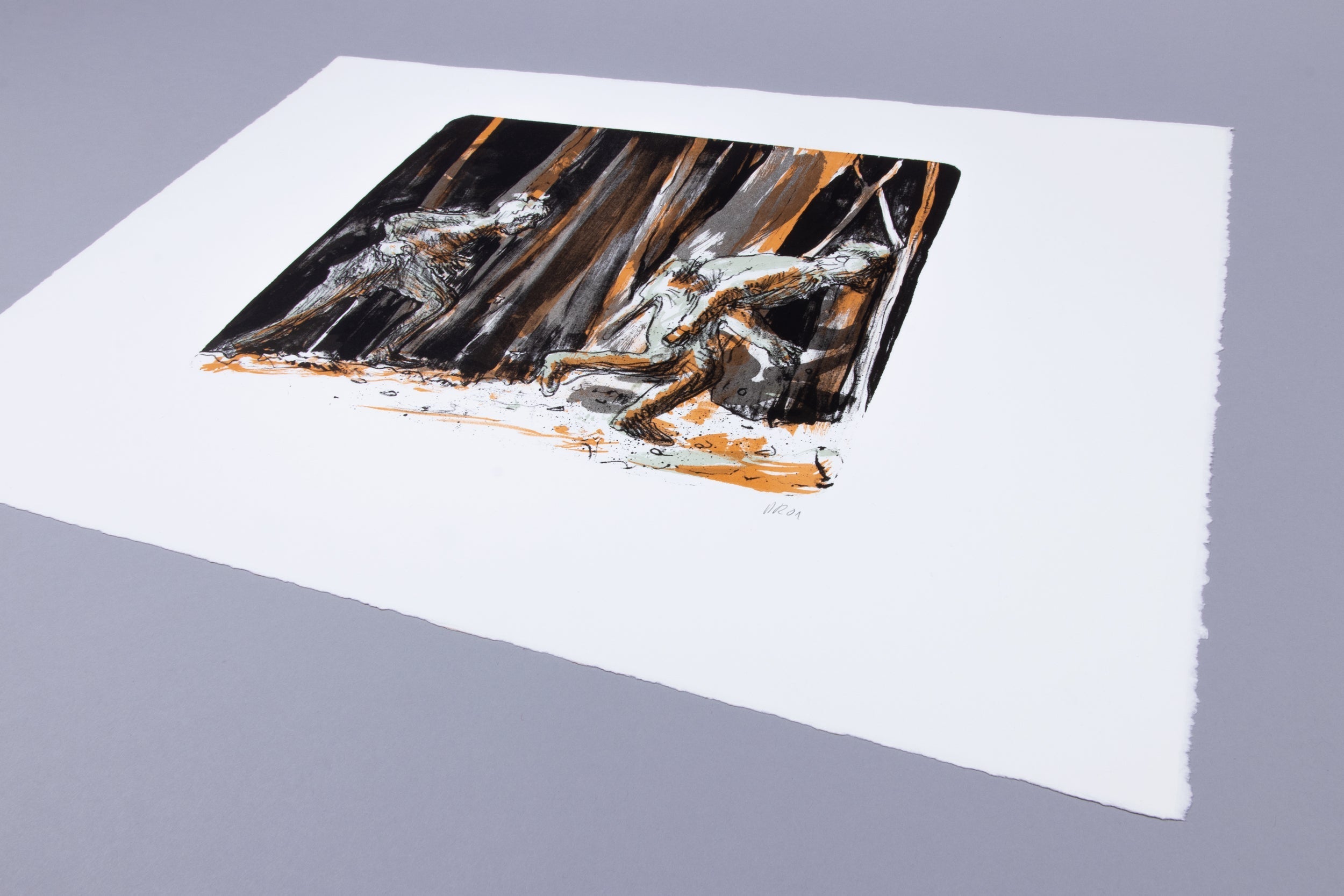
Daniel Richter – Greif zur FederDaniel Richter – Greif zur Feder
Daniel Richter – Greif zur Feder Sale price€1.900,00
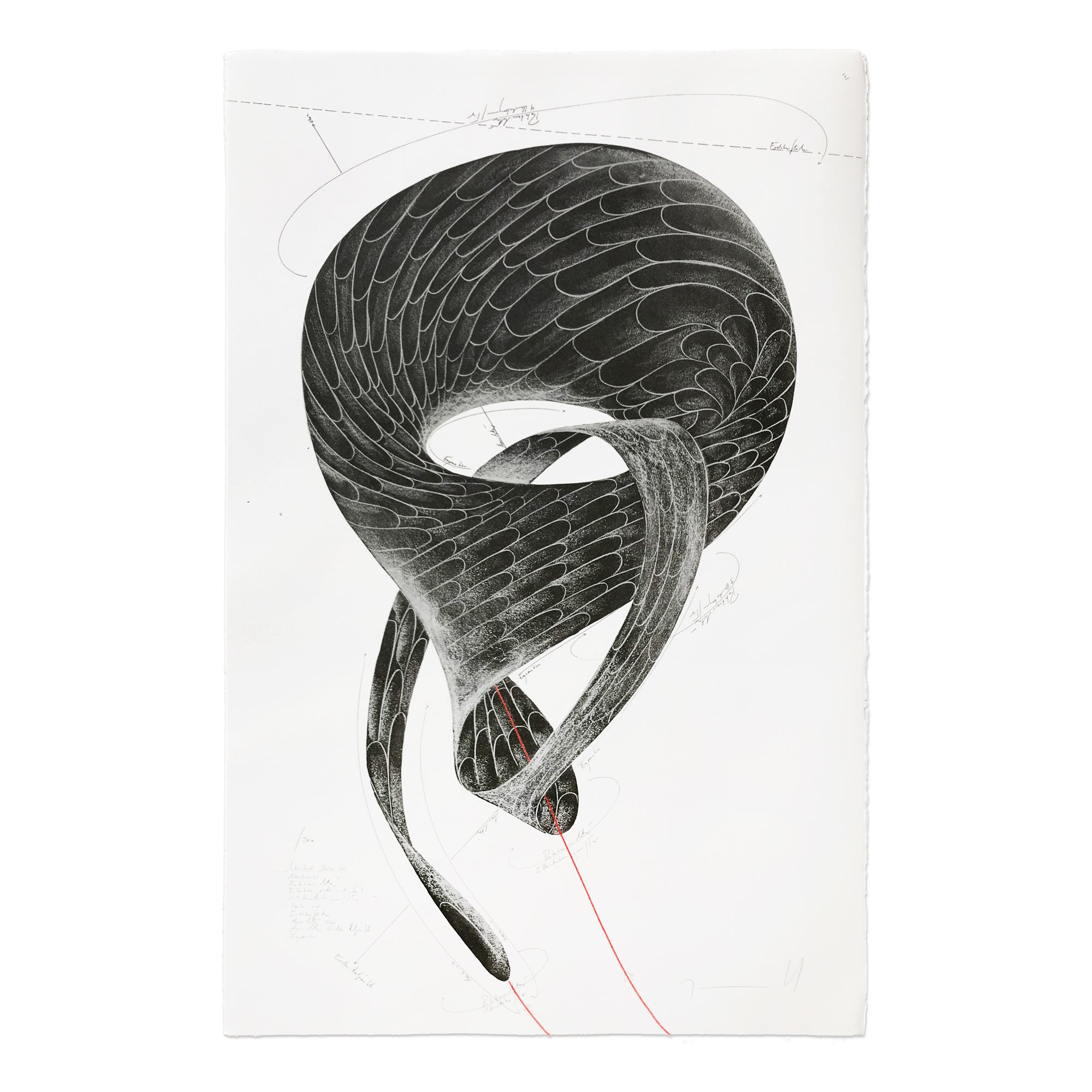
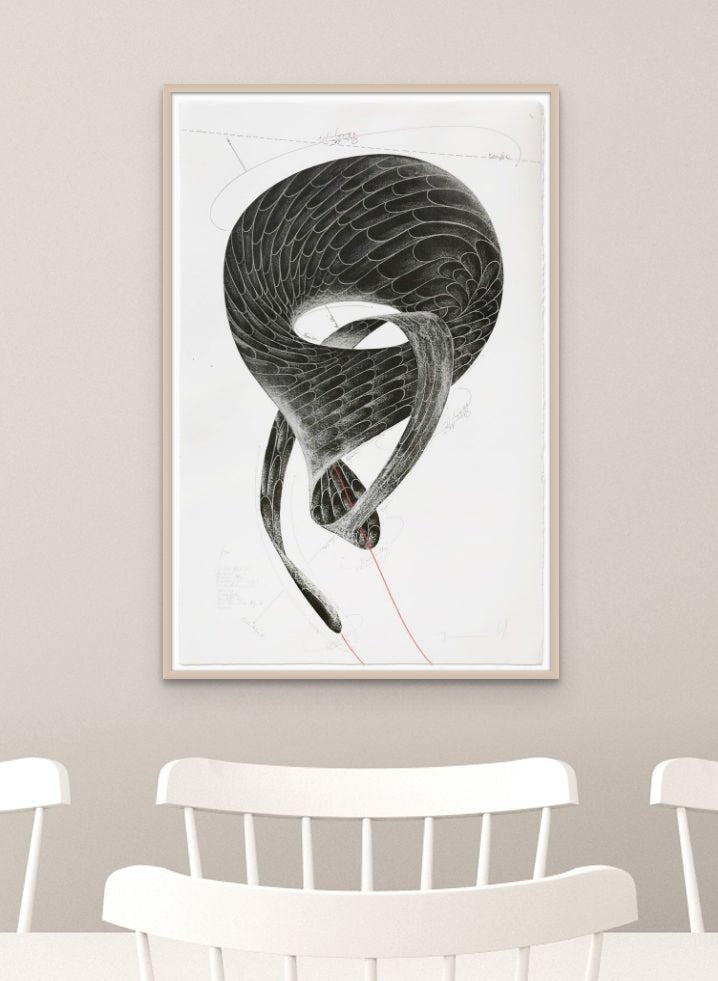
Jorinde Voigt - Inherited DesireJorinde Voigt - Inherited Desire
Jorinde Voigt – Inherited Desire Sale price€2.400,00
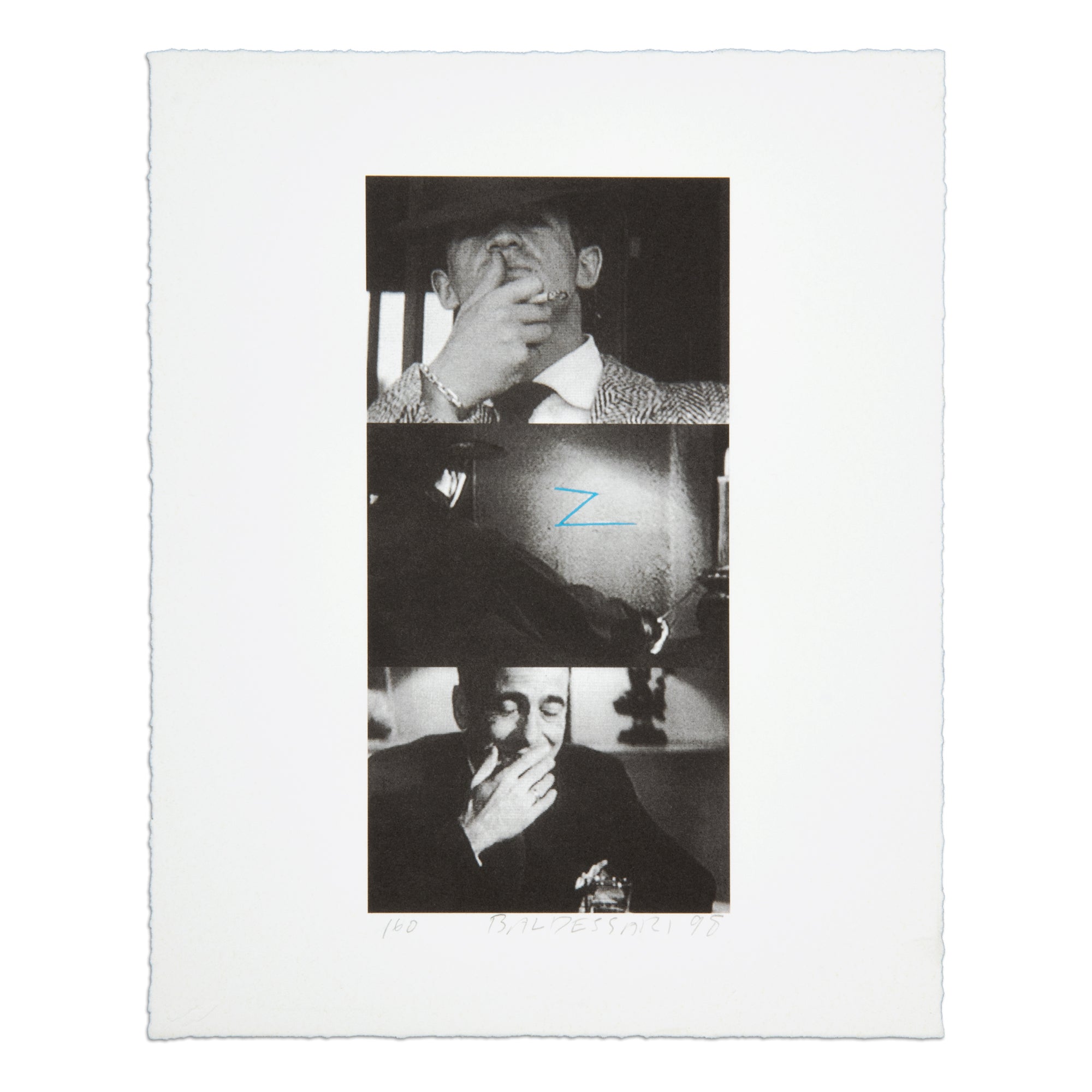
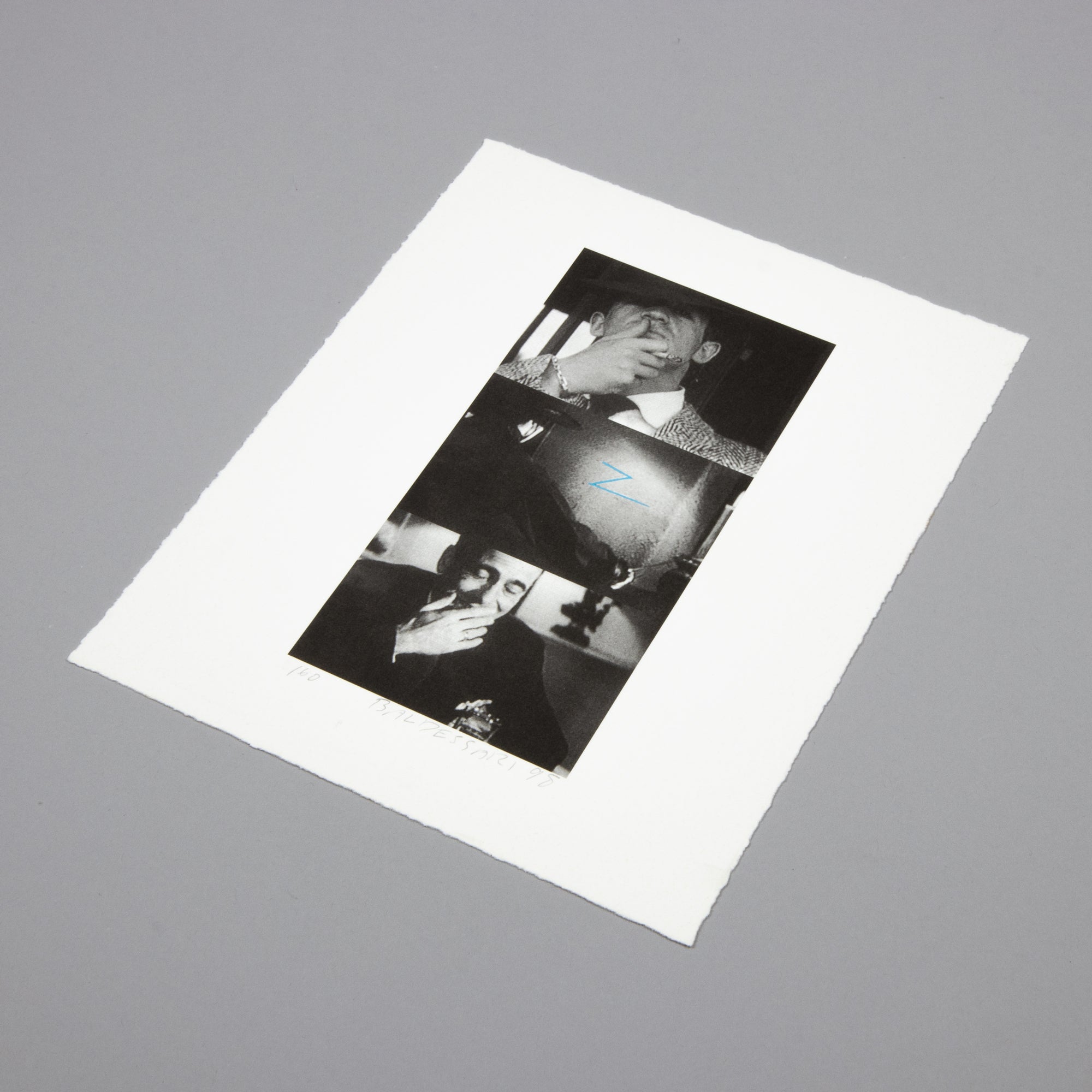
John Baldessari - Zorro (Two Gestures and One Mark)John Baldessari - Zorro (Two Gestures and One Mark)
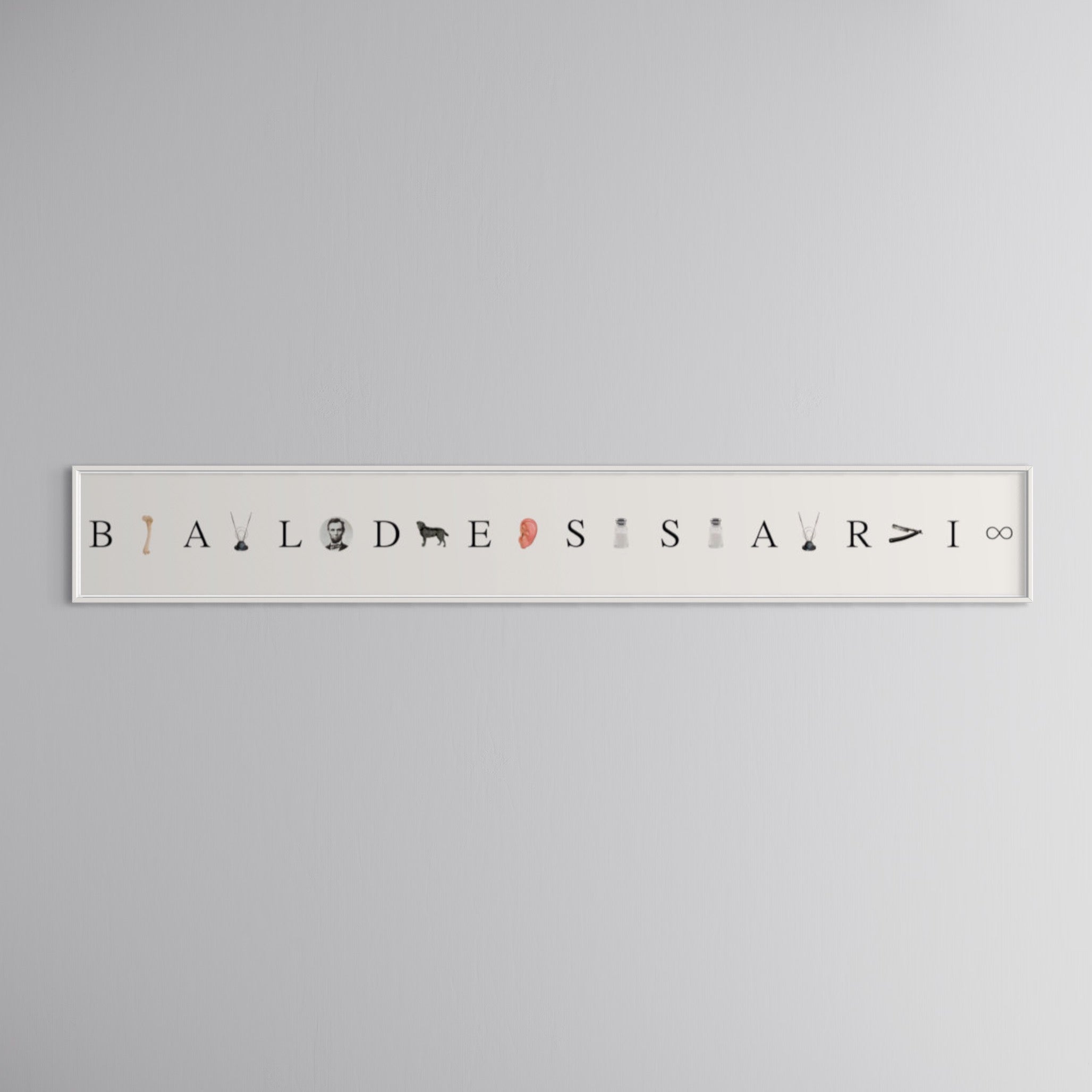
John Baldessari - Give me a B, give me an A...John Baldessari - Give me a B, give me an A...
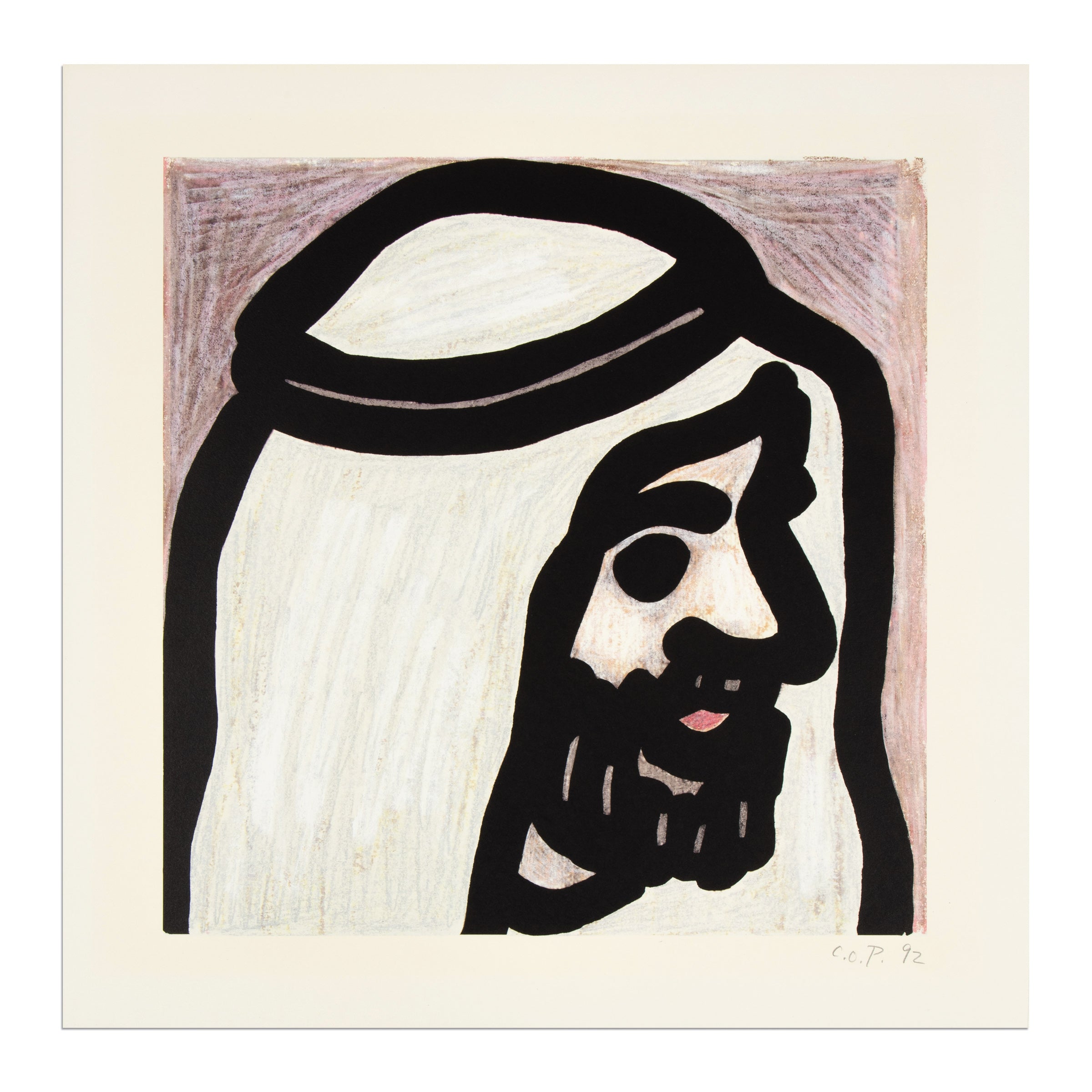
C.O. Paeffgen – ScheichC.O. Paeffgen – Scheich
C.O. Paeffgen – Scheich Sale price€800,00
Rosemarie Trockel - Für Freunde und Förderer Rosemarie Trockel - Für Freunde und Förderer
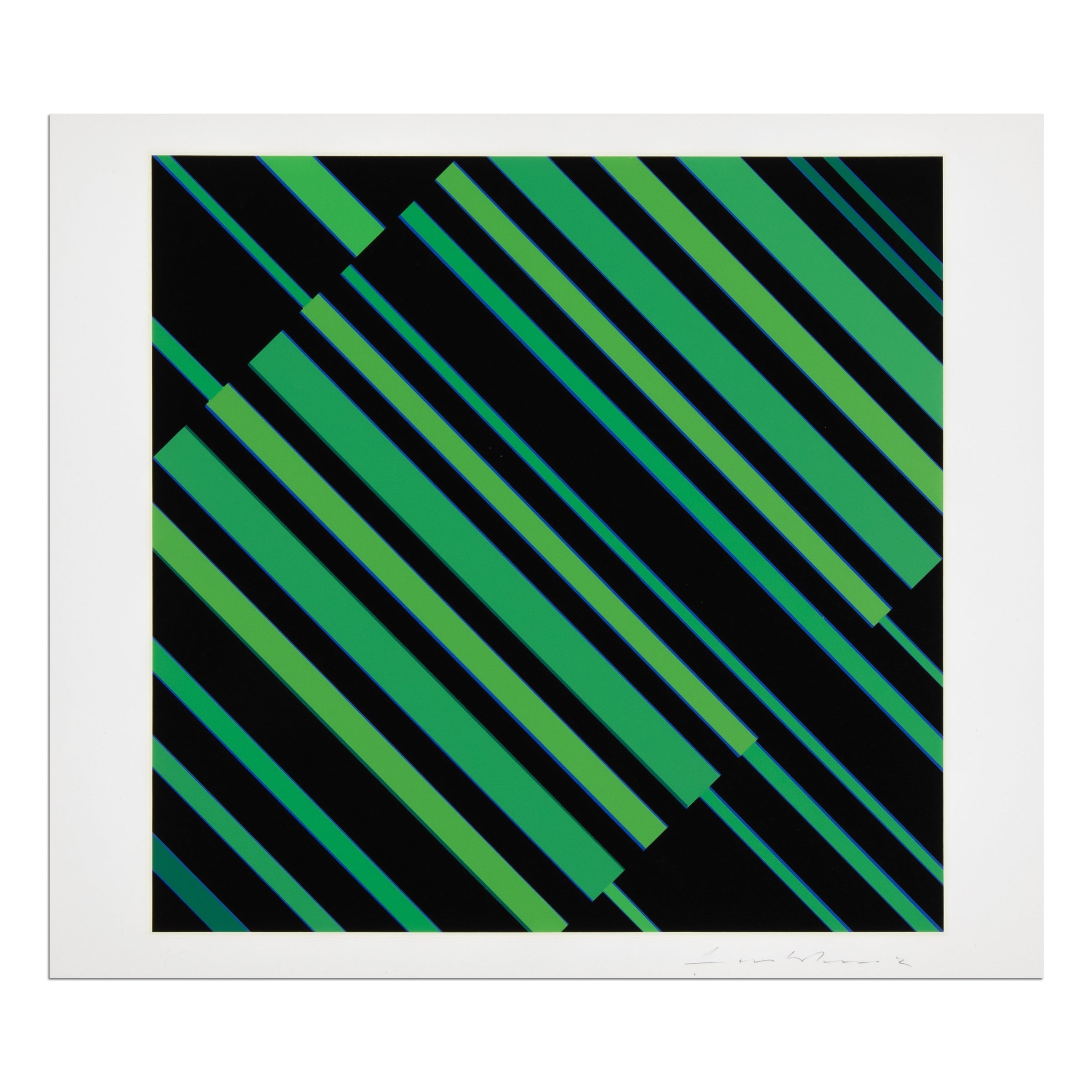
Günter Fruhtrunk - Schwarz-Grünes KontinuumGünter Fruhtrunk - Schwarz-Grünes Kontinuum
Gert & Uwe Tobias - UntitledGert & Uwe Tobias - Untitled
Gert & Uwe Tobias – Untitled Sale price€1.200,00
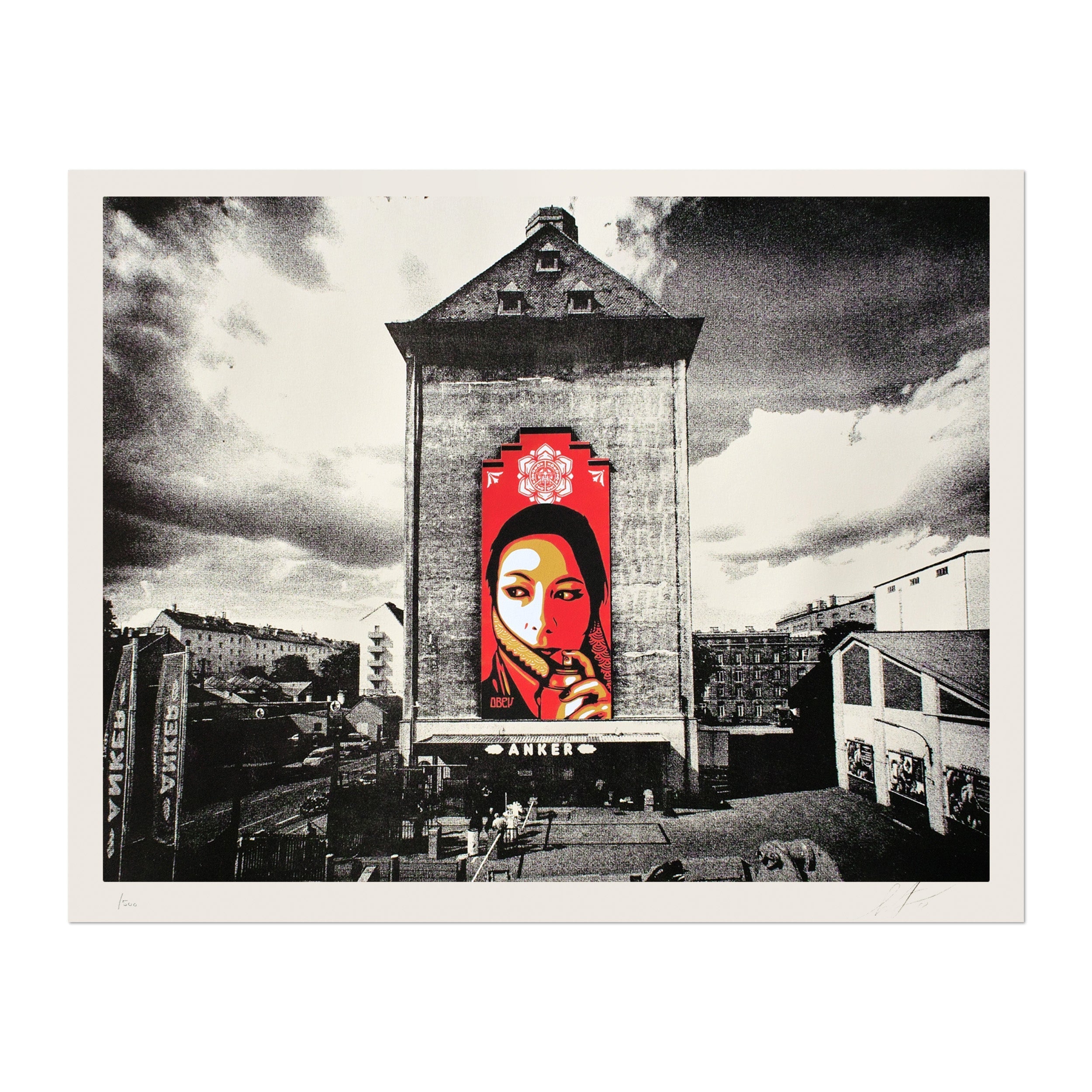
Shepard Fairey - Commanda Vienna
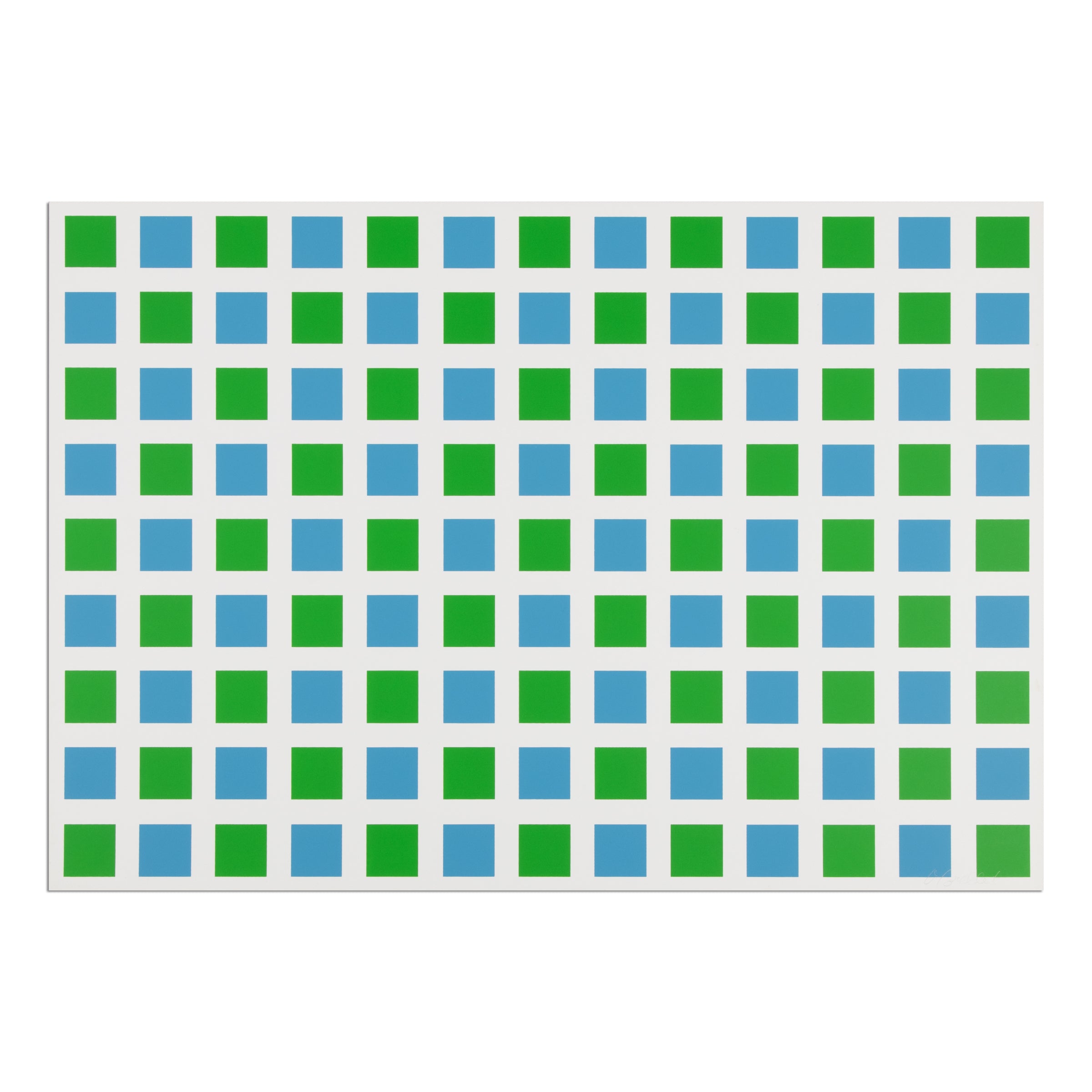
François Morellet - UntitledFrançois Morellet - Untitled
François Morellet – Untitled Sale price€1.300,00
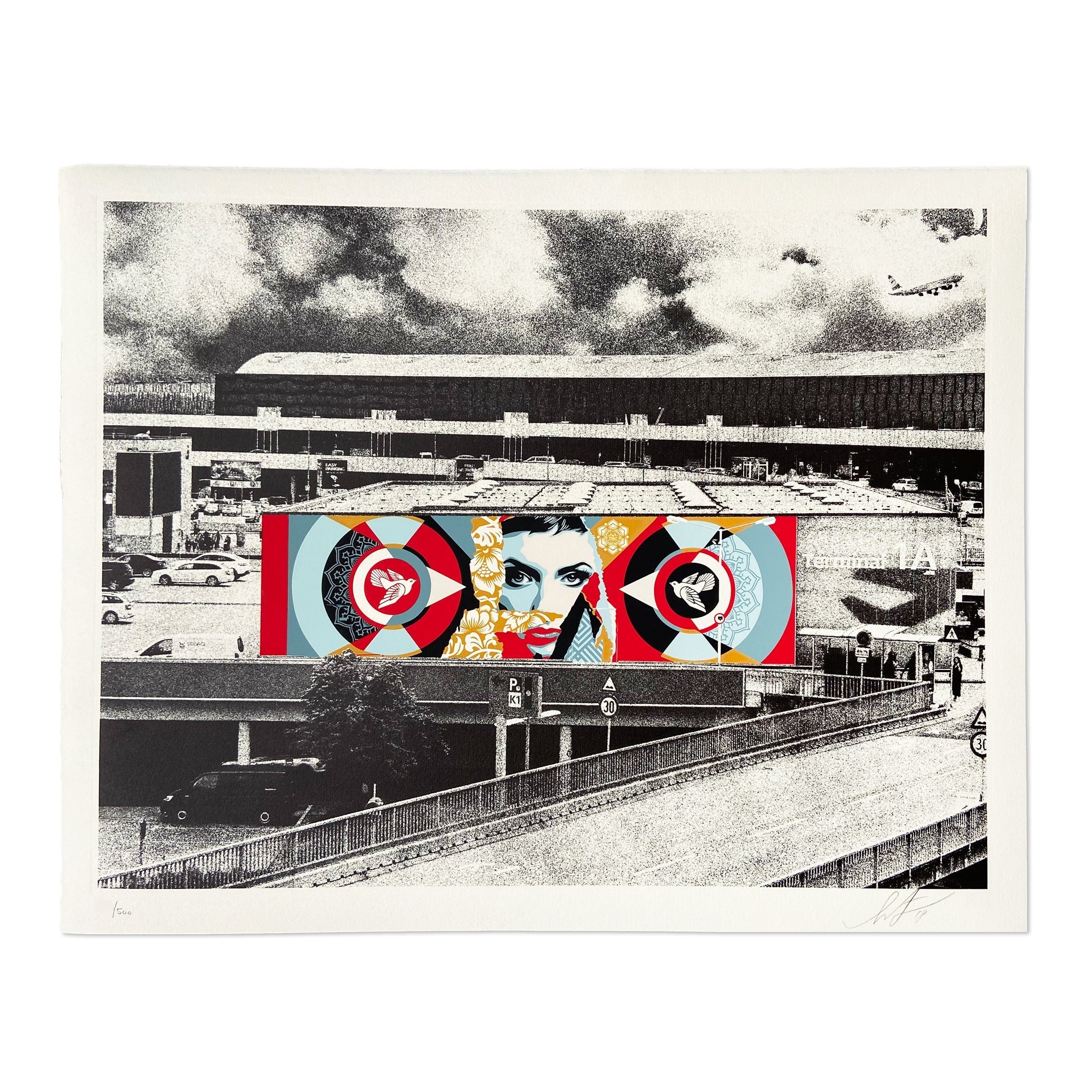
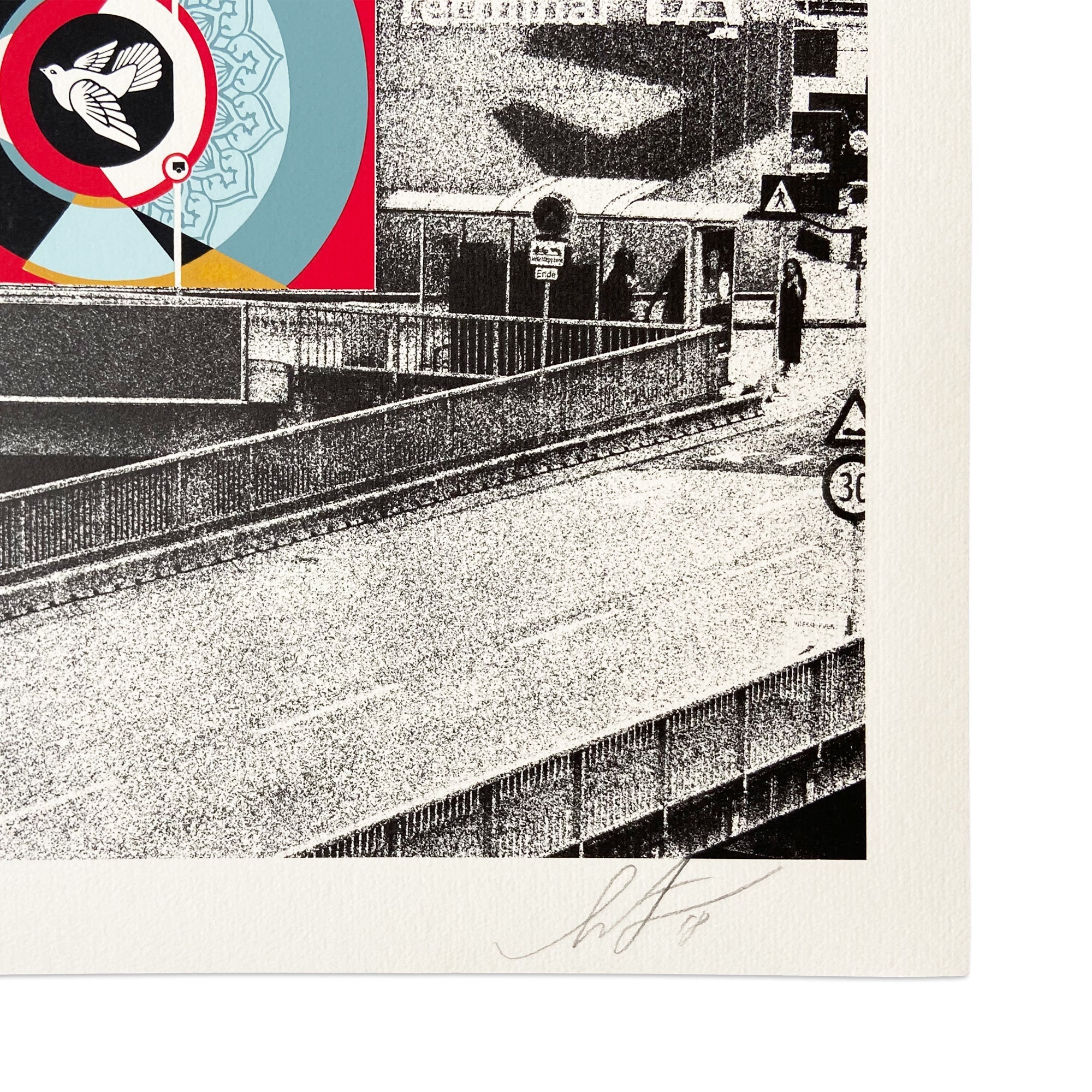
Shepard Fairey - Ideal Power DoveShepard Fairey - Ideal Power Dove
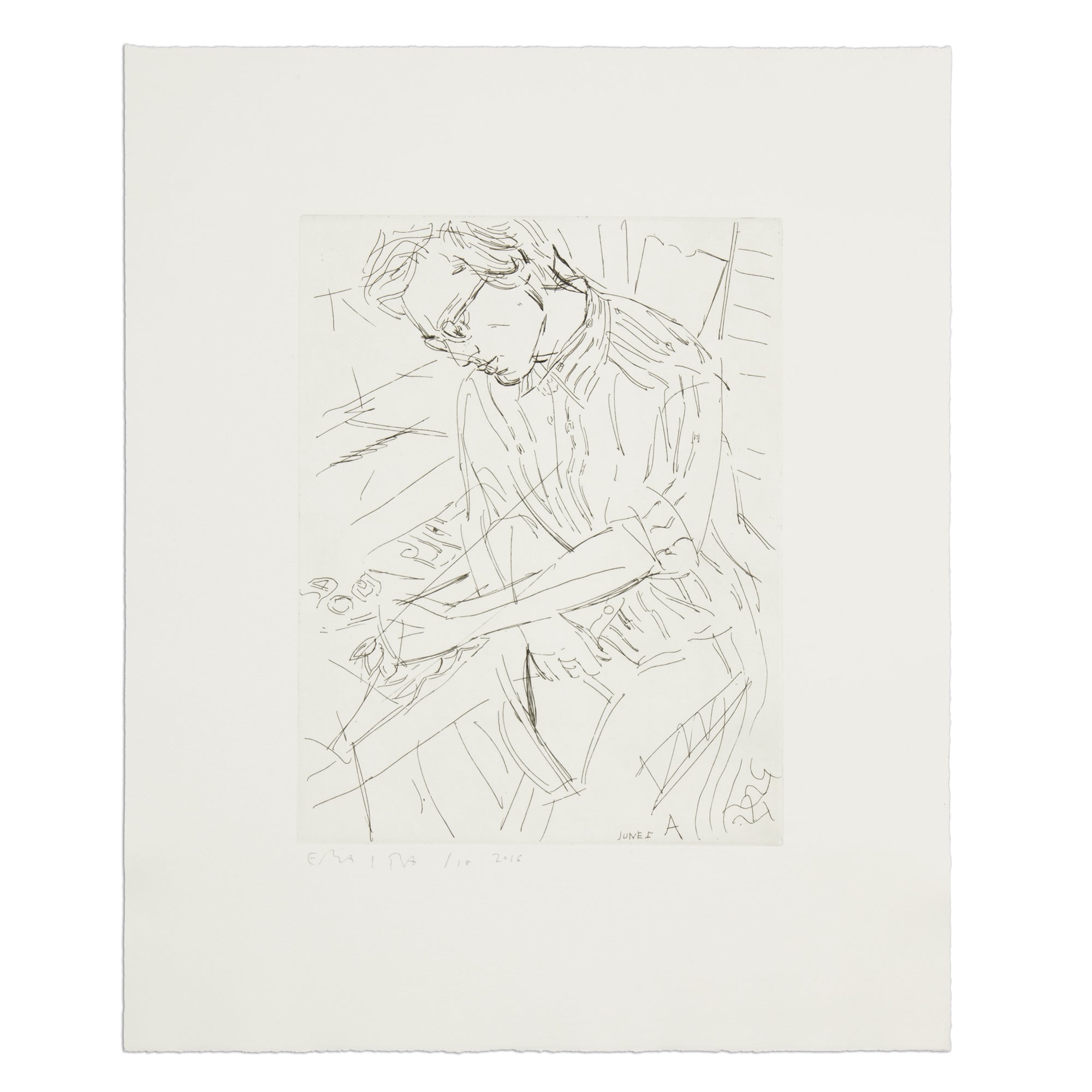
Elizabeth Peyton - Portrait of Alexander TovborgElizabeth Peyton - Portrait of Alexander Tovborg
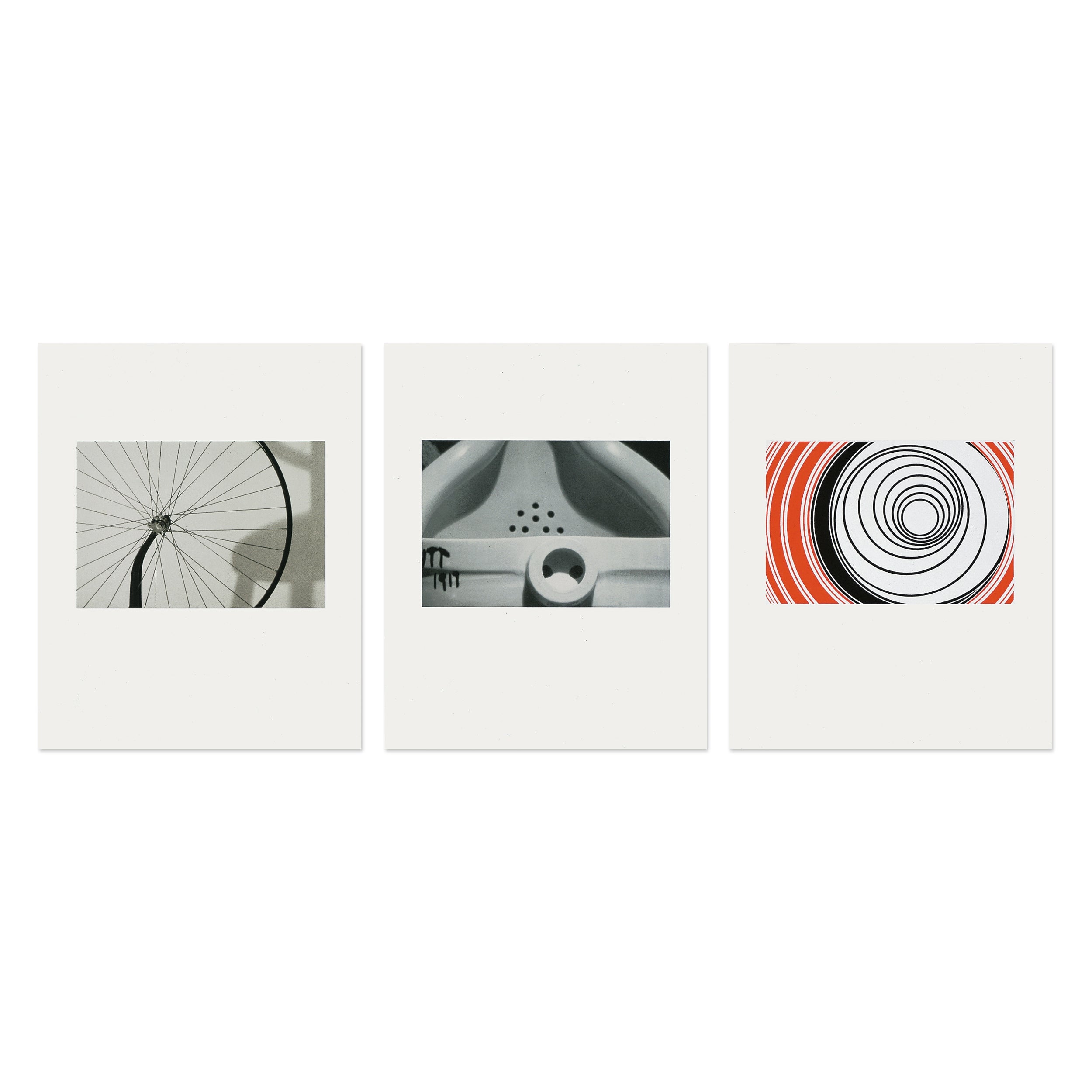
Elaine Sturtevant - Duchamp Triptych
David Shrigley - The Moon Makes Us CrazyDavid Shrigley - The Moon Makes Us Crazy
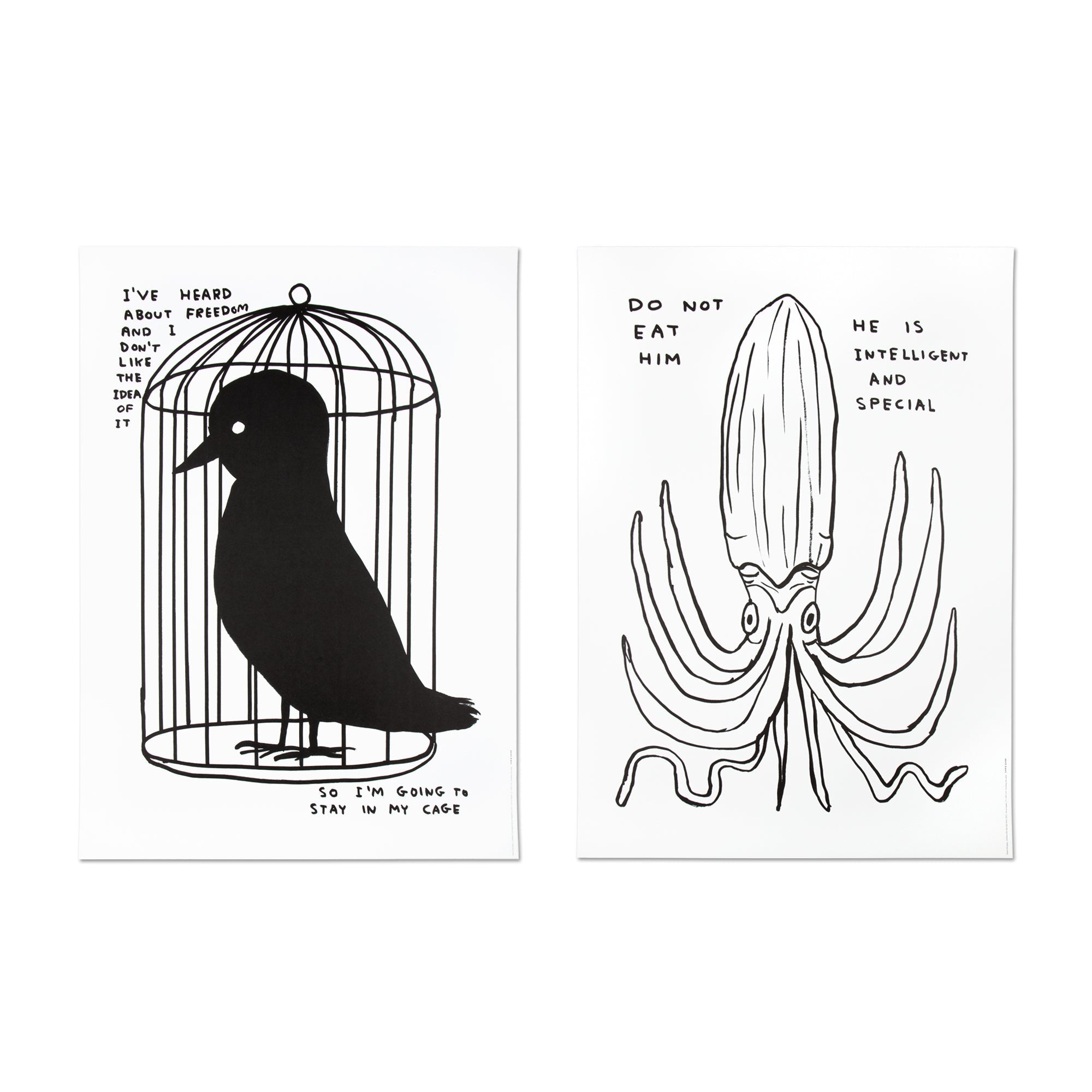
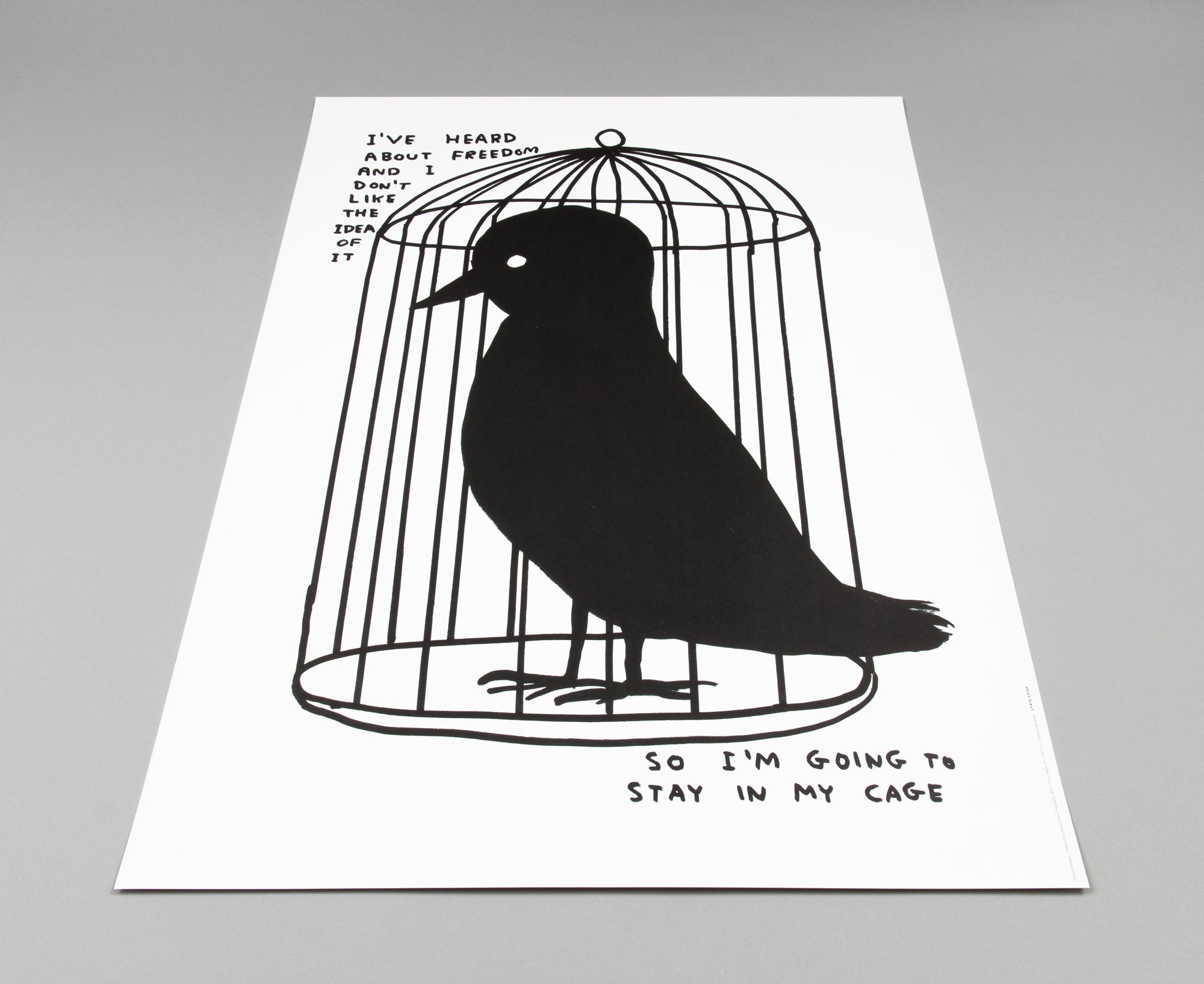
David Shrigley - I've Heard About Freedom + Do Not Eat Him - 2 PrintsDavid Shrigley - I've Heard About Freedom
Daniel Richter  - Propaganda IIDaniel Richter  - Propaganda II
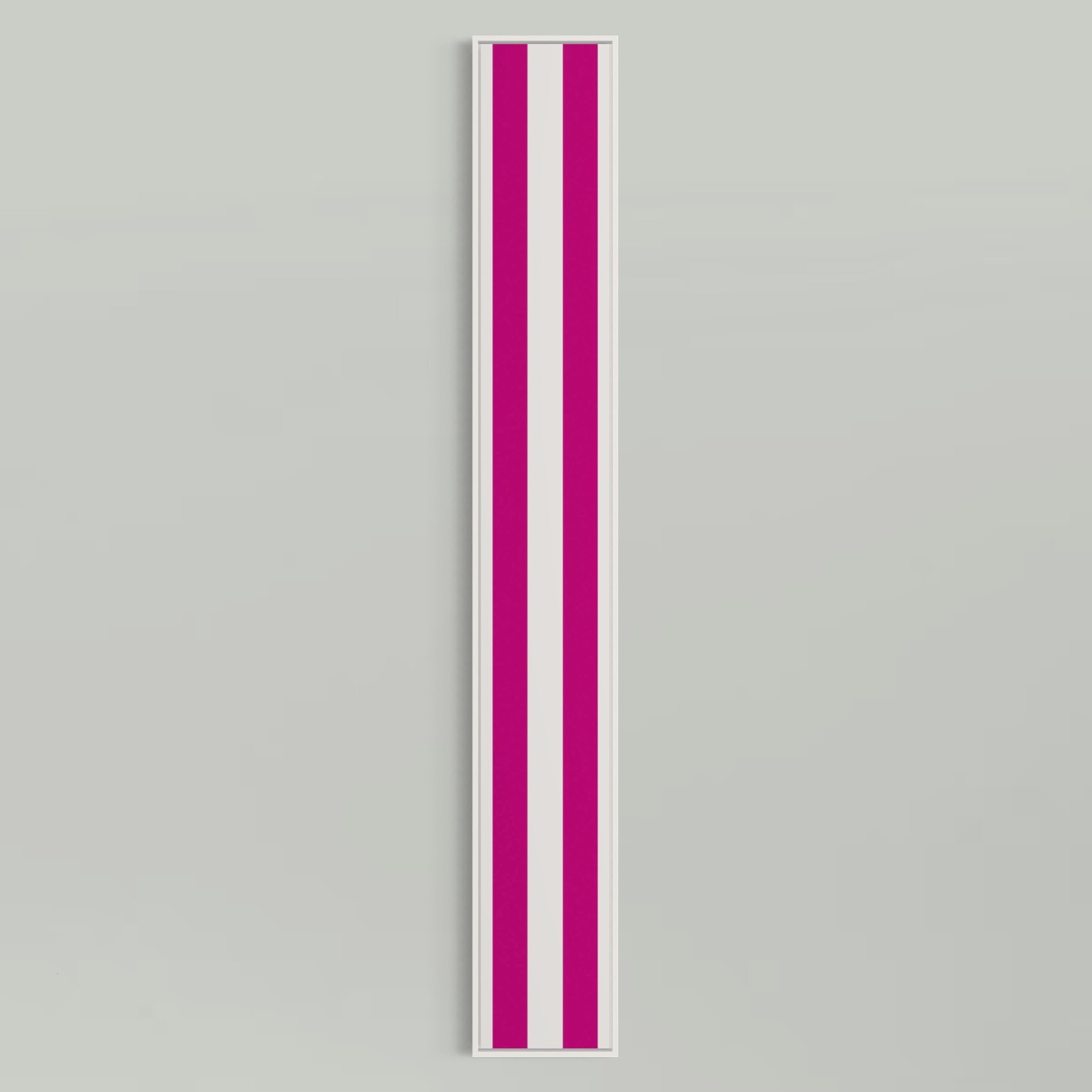
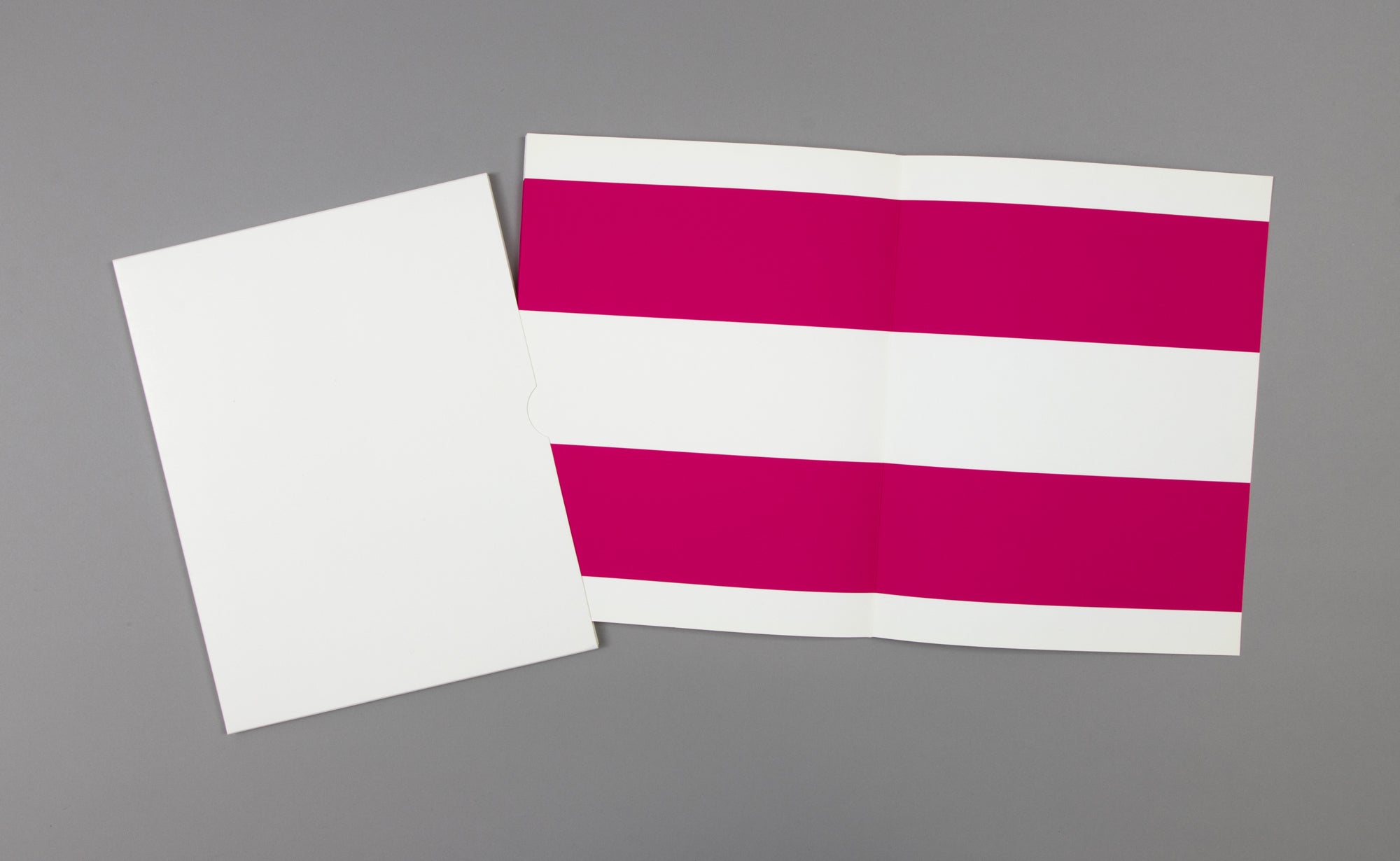
Daniel Buren - Untitled (Leporello)Daniel Buren - Untitled (Leporello)
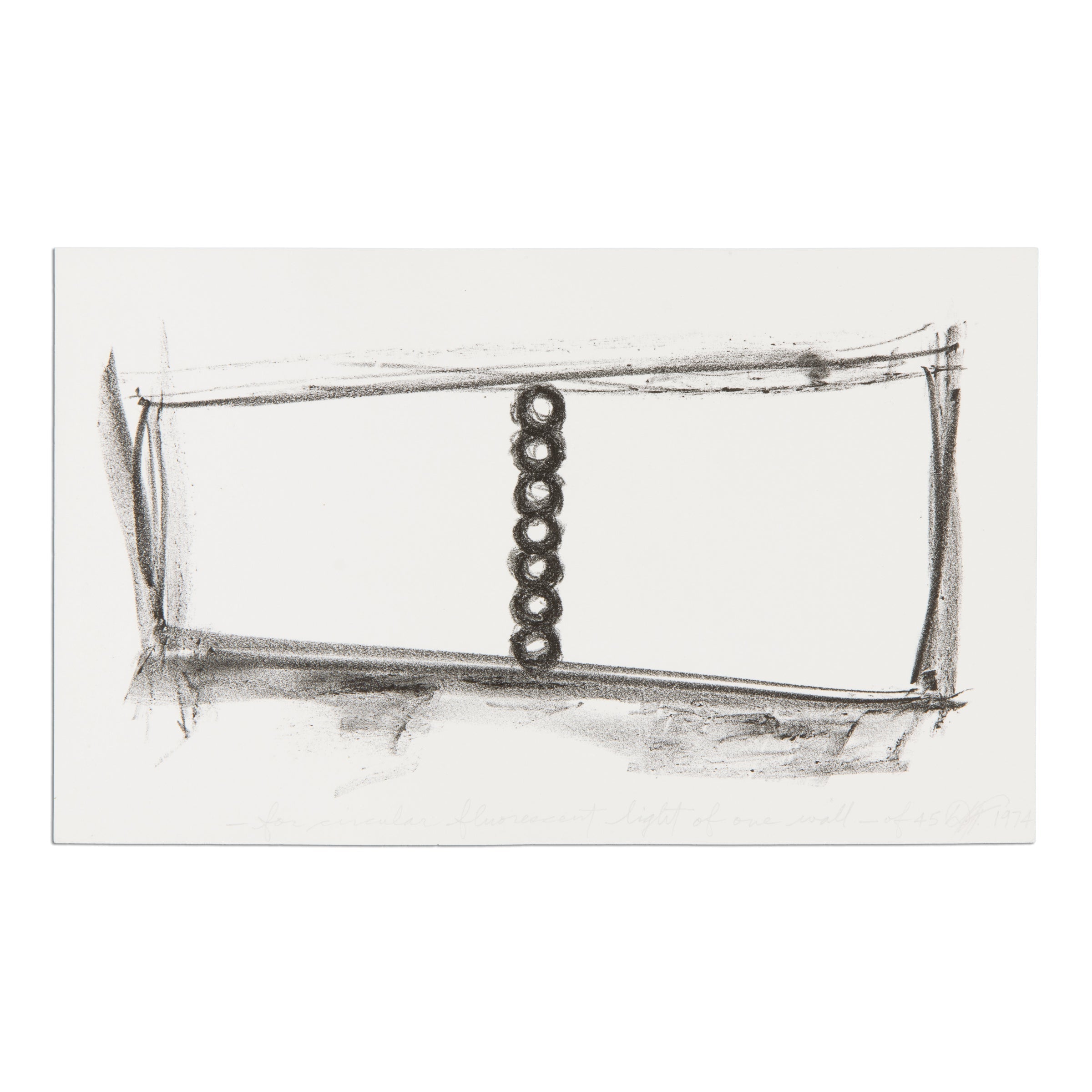
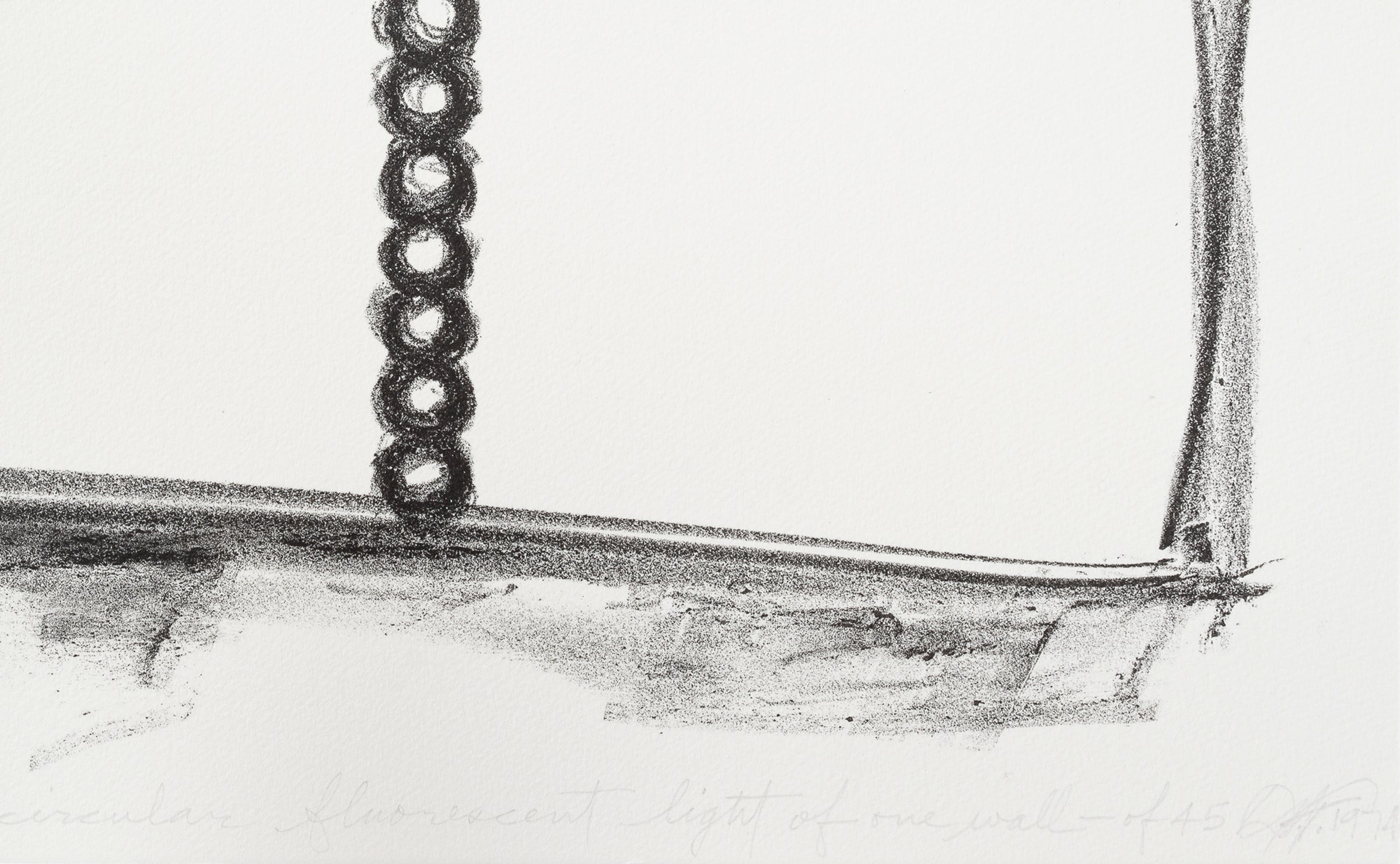
Dan Flavin - For Circular Fluorescent Light Of One WallDan Flavin - For Circular Fluorescent Light Of One Wall
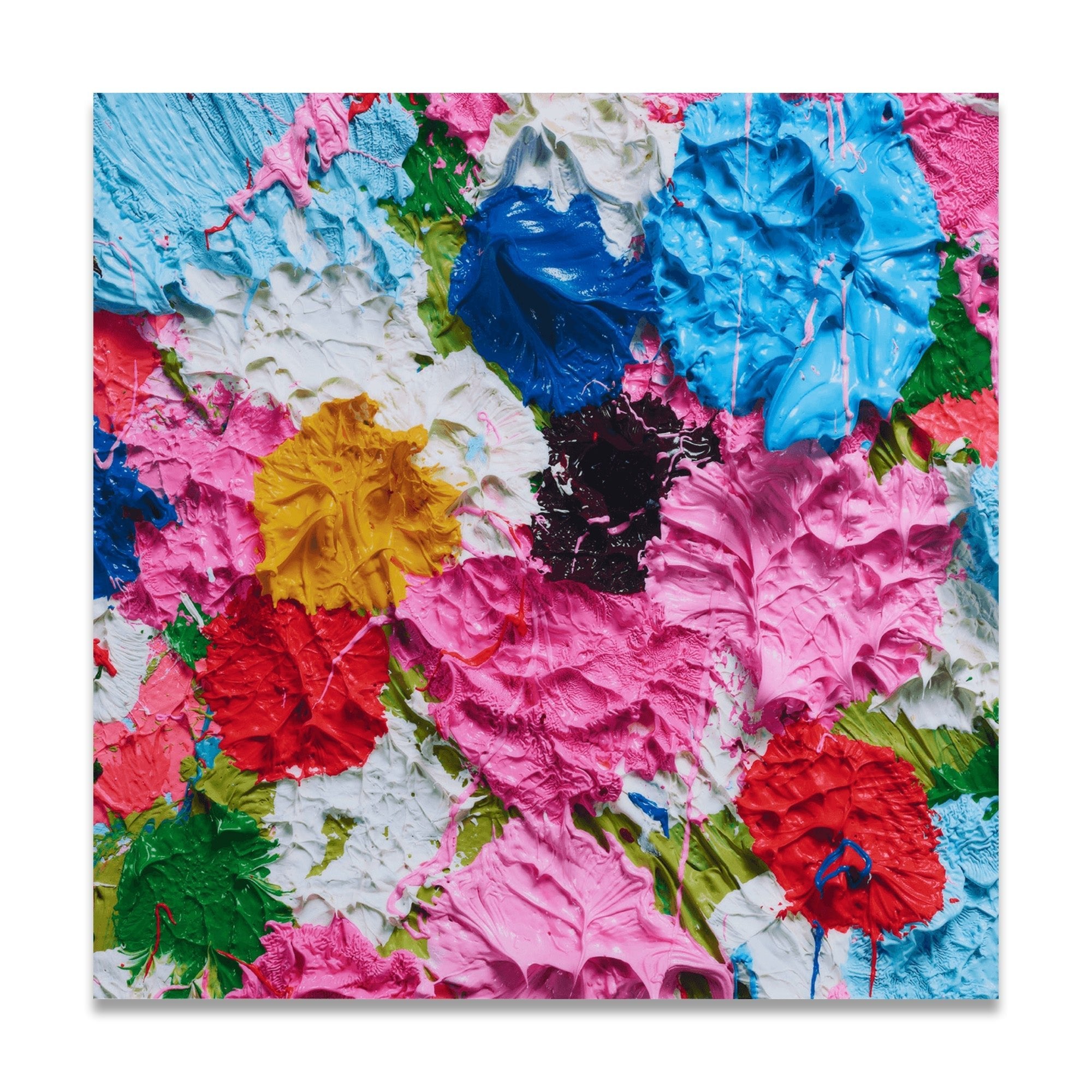
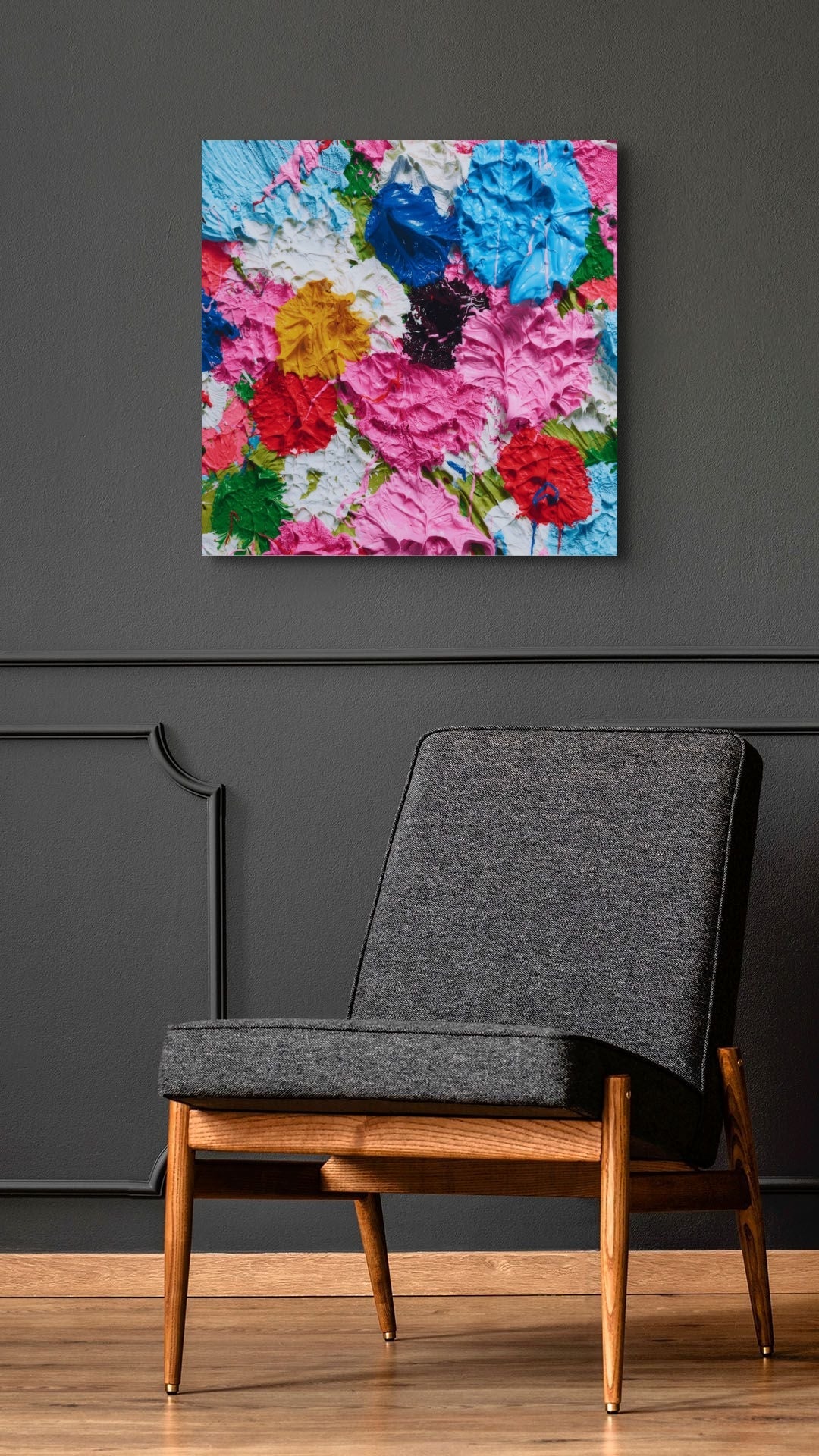
Damien Hirst - Fruitful (Small)Damien Hirst - Fruitful (Small)
Damien Hirst – Fruitful (Small) Sale price€1.300,00
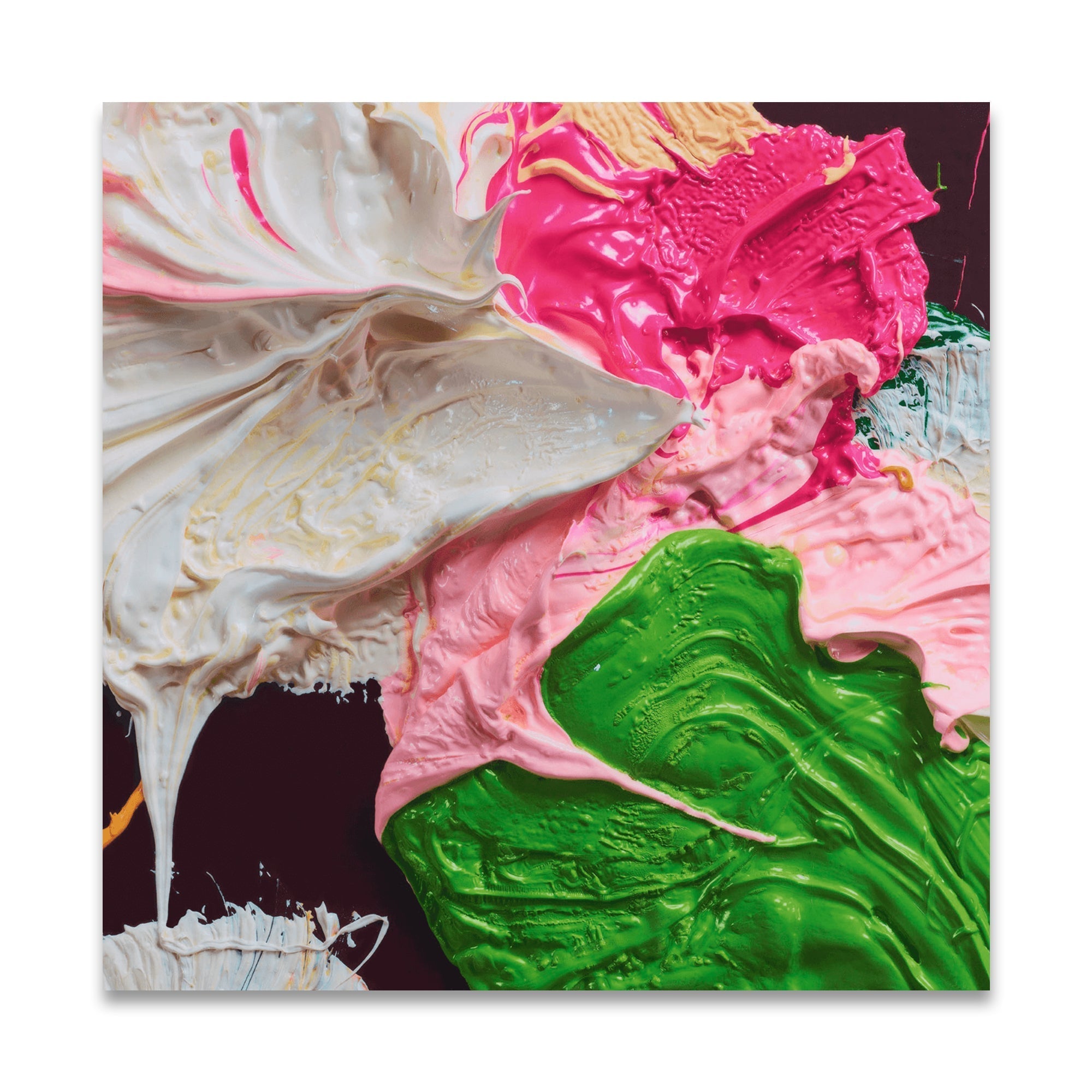
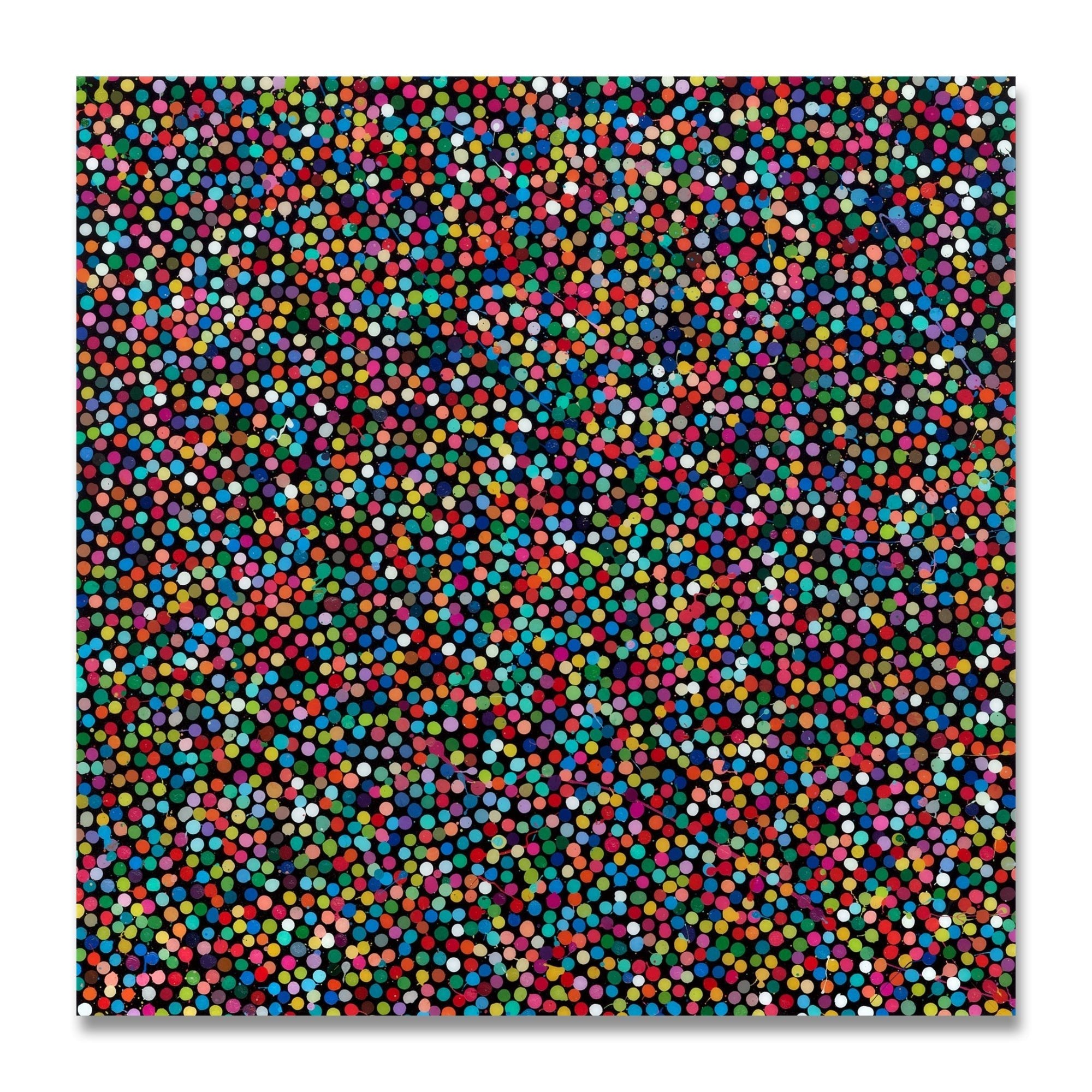
Damien Hirst - Forever (Small)
Damien Hirst – Forever (Small) Sale price€1.300,00
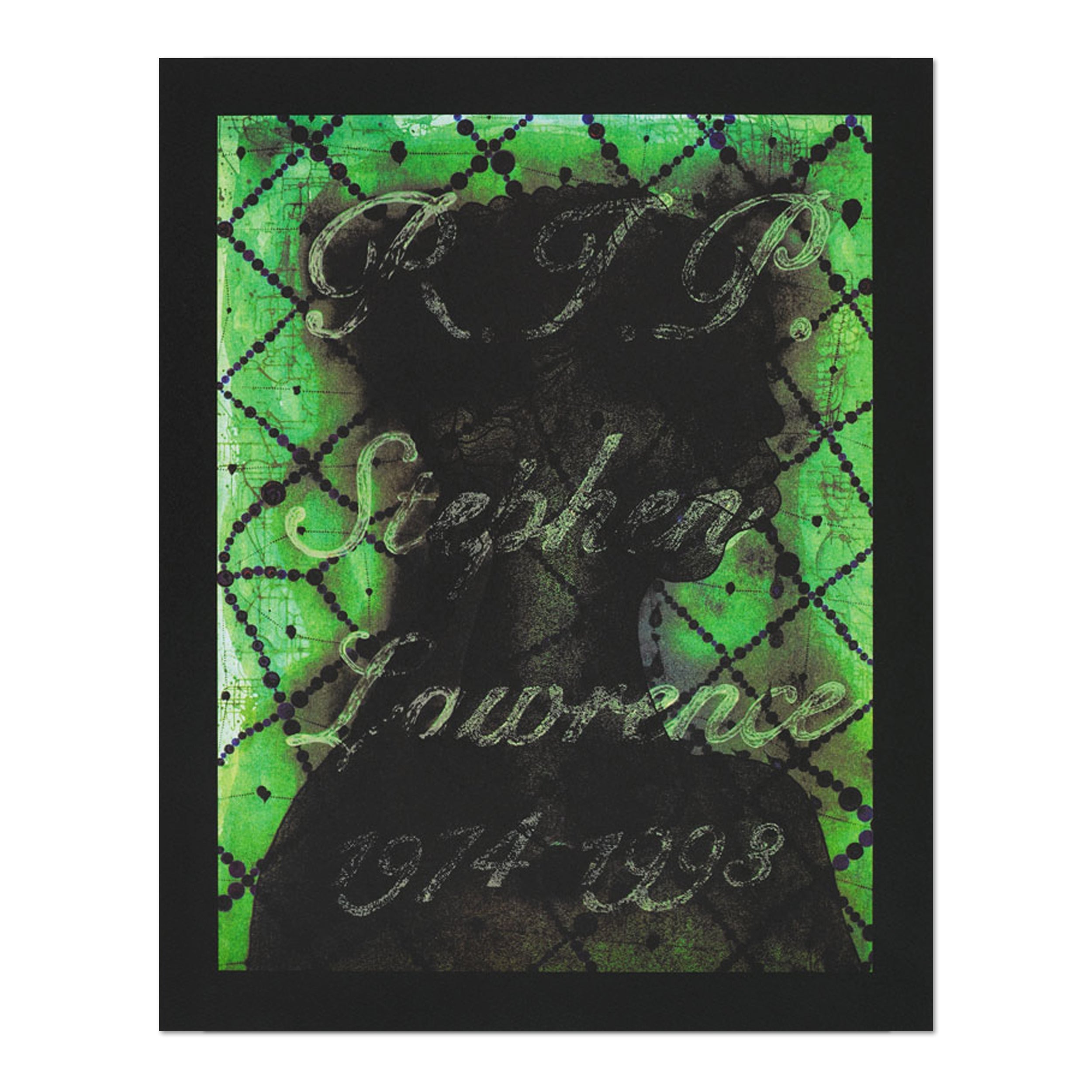
Chris Ofili - R.I.P. Stephen Lawrence
C.O. Paeffgen - NudeC.O. Paeffgen - Nude
C.O. Paeffgen - Nude Sale price€800,00

Museum-Collected Artists
Signed limited edition prints by artists collected at institutions including Tate, MoMA and the Centre Pompidou, alongside mid-career names whose markets are still taking shape.

All artists
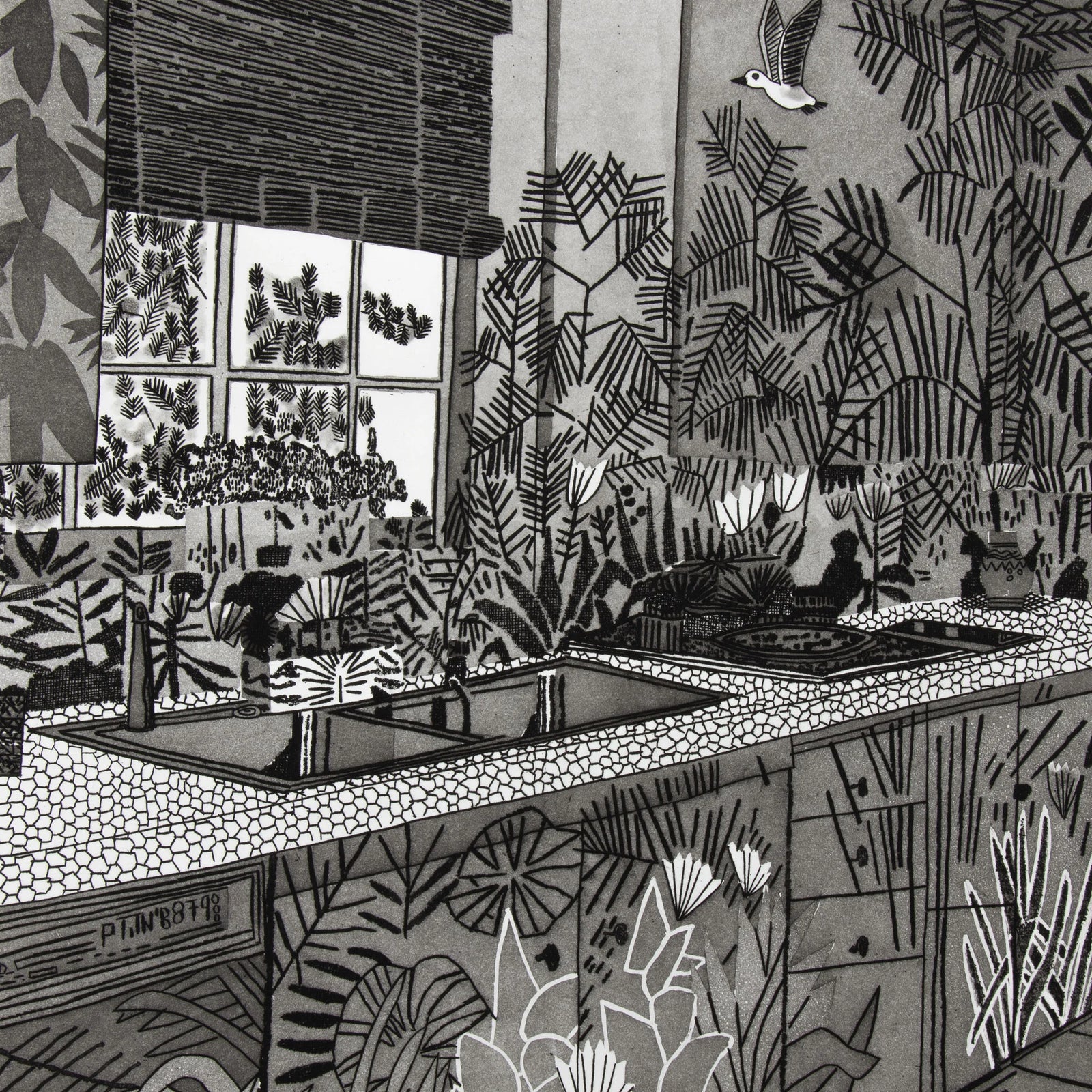
Jonas Wood  – Jungle Kitchen

What Are Limited Edition Prints?

A limited edition print is an artwork made to exist in more than one impression. The image is carried by a matrix — a copper plate, a lithographic stone, a woodblock, a mesh screen — and each sheet is printed from it, usually with a master printer, using traditional techniques such as lithography, screenprinting and etching, or contemporary methods such as archival pigment printing.

Each impression is hand-signed and numbered by the artist (e.g. 25/100), or numbered alone where that is how the artist issued the edition. The lower figure is the size of the edition, the upper one identifies the sheet, and proofs are counted separately, outside the edition total.

What separates a limited edition from an open one is that the size is fixed before printing begins. What keeps it fixed is authorisation: a matrix may not be printed again without the artist’s explicit consent, which is why unauthorised later impressions and editions published after an artist’s death are matters of record rather than guesswork. Plates and screens are often defaced or destroyed once an edition is complete, but it is the documentation, not the destroyed plate, that a collector relies on.

Are Prints Original Artworks?

“Ah, it’s just a print — we were looking for an original.” Every print dealer has heard it, and it rests on an assumption worth naming: that printing is a way of copying. It isn’t. Prints are original artworks — the question is what makes an edition one.

Three things make an edition original: the artist conceived it as a work meant to exist in multiple, the edition was fixed in size and its impressions documented, and the artist authorised it — often by entering it in their own catalogue raisonné. The decisions are the artist’s: image, technique, paper, colour, edition size, frequently taken at the press alongside the printer. Editions printed after an existing painting or photograph are no less original, provided the artist made and recorded that decision. What falls outside is the unauthorised copy: a reproduction issued without the artist’s involvement, in an open run, is a poster, whatever paper it is printed on. The line is hardest to judge with digital processes, which our guide to digital prints covers in detail.

For many artists the print was never secondary: Andy Warhol, David Hockney and Richard Serra each treated it as a primary medium.

Jonas Wood shows where that can lead. A painter by training, he learned print technique by technique with the master printers of Los Angeles, beginning with line etching and adding soft ground and aquatint only in 2017, by which time he had his own etching studio. Jungle Kitchen, from that year, combines all three grounds. The direction of influence is what makes the case: Wood describes his own painting as an accumulation of printing methods, built in layers from back to front, and says he looks at his canvases through a printmaker’s eye.

Christo makes the case at its most extreme. Running Fence stood for fourteen days before it was removed without a trace, leaving the editions and photographs as lasting physical records of the work. The sale of his own works, original lithographs among them, is what paid for the project. The edition was not a by-product of the work; it was the condition for it.

Why Collect Signed and Numbered Prints?

Access. A signed print by an artist whose paintings sell in six figures can often be had for a four-figure sum — and one such budget can build a group rather than buy a single piece.

Documentation. A hundred impressions in circulation get recorded, discussed and catalogued; a single painting can vanish into a private collection for forty years. Editions are correspondingly well represented in catalogues raisonnés — and because sister impressions are published and illustrated, a buyer without specialist training can compare a sheet against them.

Liquidity. More impressions and lower prices mean more buyers and more sellers, so a print is generally simpler to sell on than a unique work at the same price level. The figures are in our Collector Insights on Investing in Prints and Editions.

Building a collection. Prints make it possible to collect an artist across periods, techniques and ideas that unique works alone would rarely allow. They let a new collector buy, learn and get things wrong without losing a fortune, and they are how an established collection deepens its representation of an artist. Our guide to buying art prints sets out the order we would use ourselves.

Which of these qualities actually moves a price is a separate question, and our guide to what makes a print valuable takes it apart.

Printmaking Techniques

Limited edition fine art prints are created using a range of traditional printmaking techniques, each with distinct visual qualities. Lithographs translate drawing into print, screenprints build images through layered colour, etchings produce precise lines using acid-bitten plates, and woodcuts create bold graphic compositions from carved blocks. View our Glossary of Editions.

View all

Limited Edition Prints: Key Questions

Collecting Limited Edition Prints?

Looking for a specific artwork or have a question about an edition? We're happy to advise on availability, pricing, condition, and provenance — and to source artworks beyond our current selection.

Contact us

Prints, Photographs & Multiples

View our full collection of

Prints, Photographs & Multiples

Explore editions