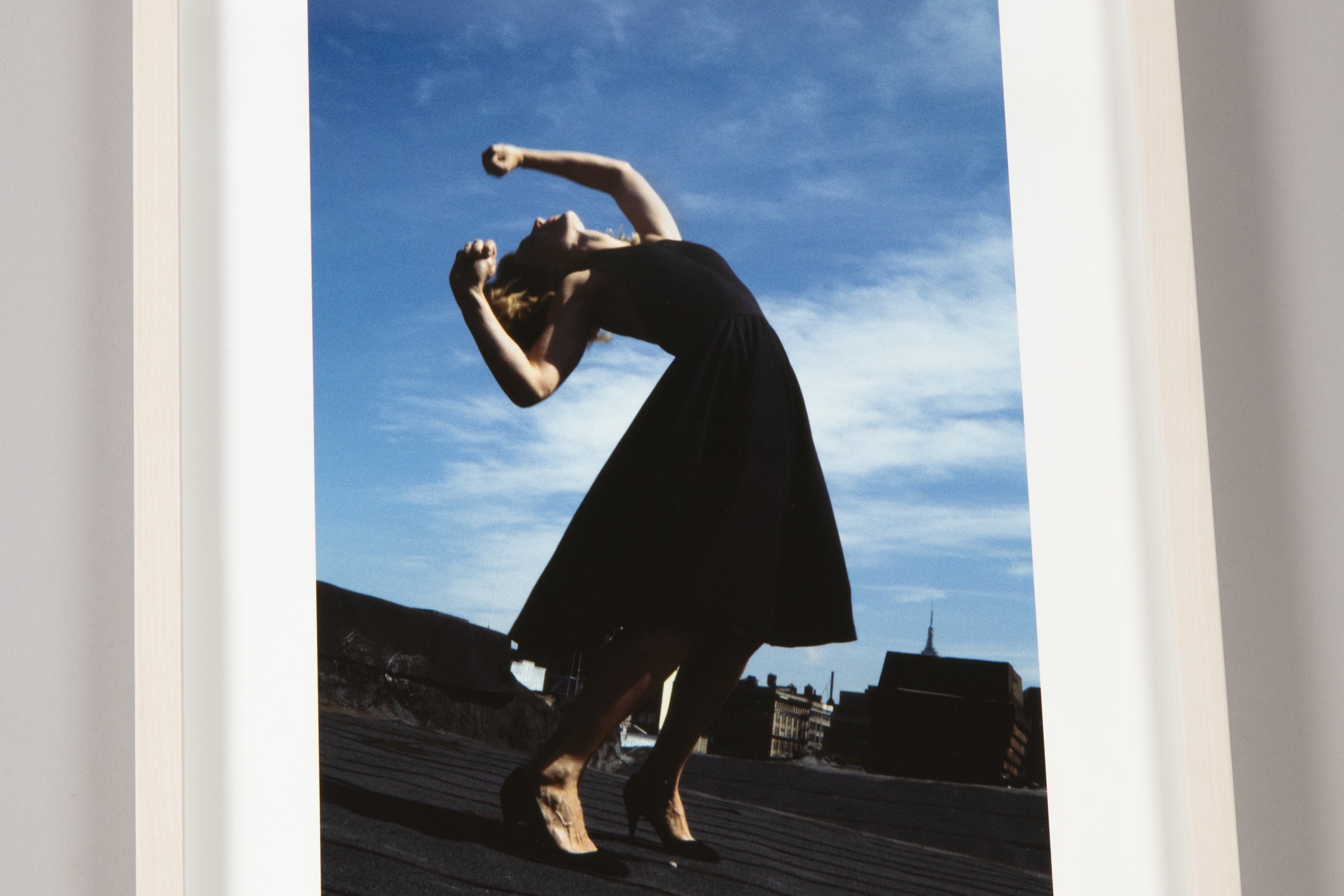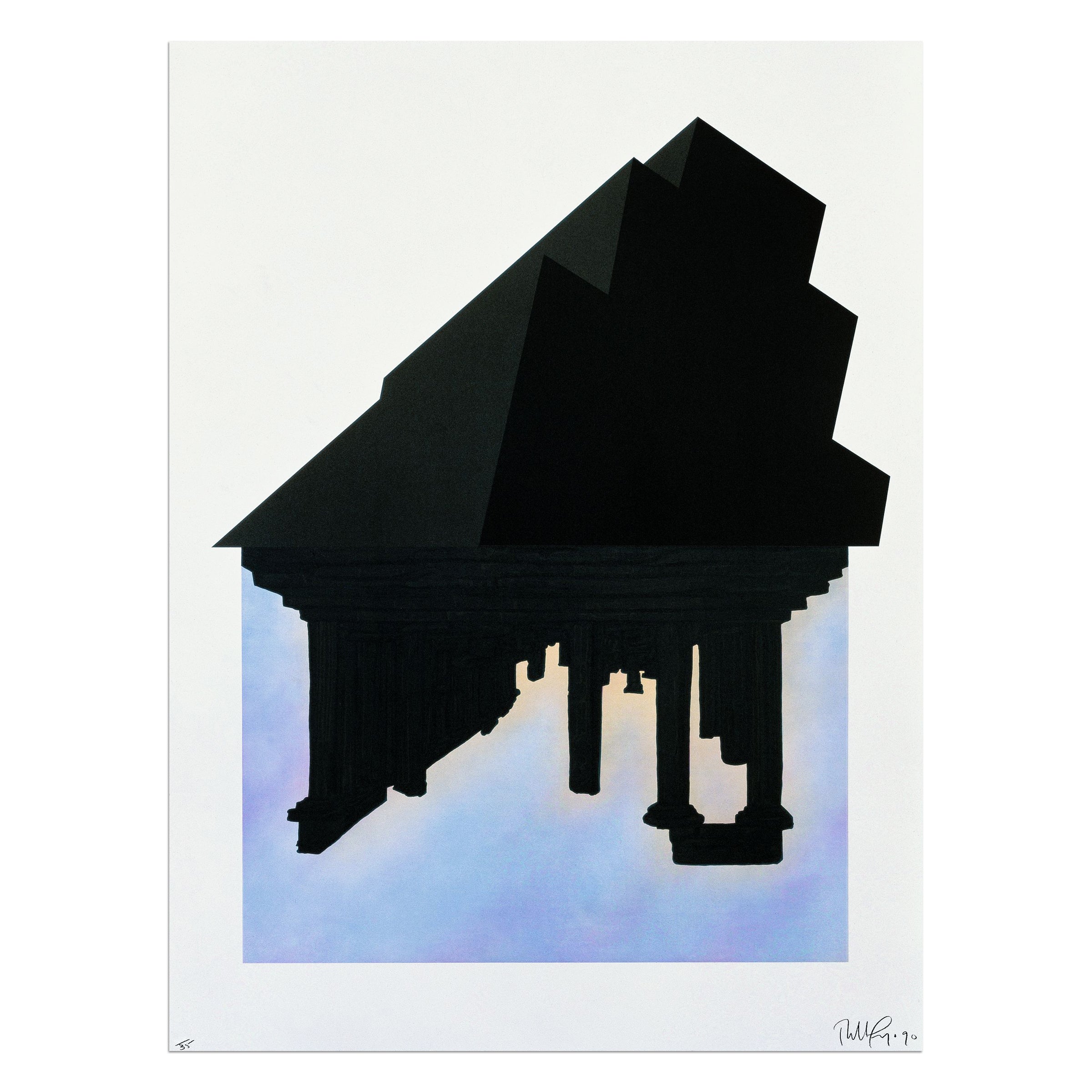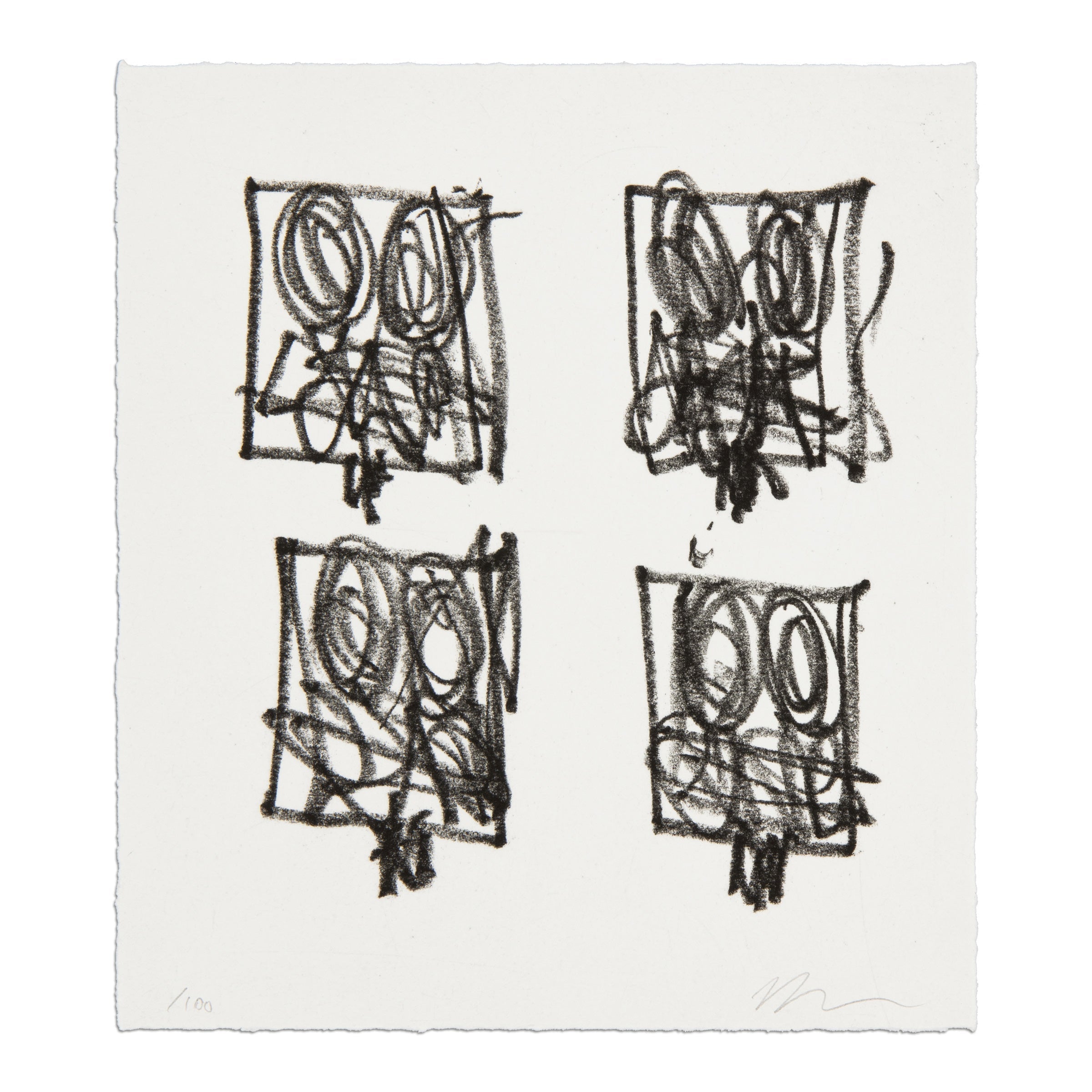

Figurative Art

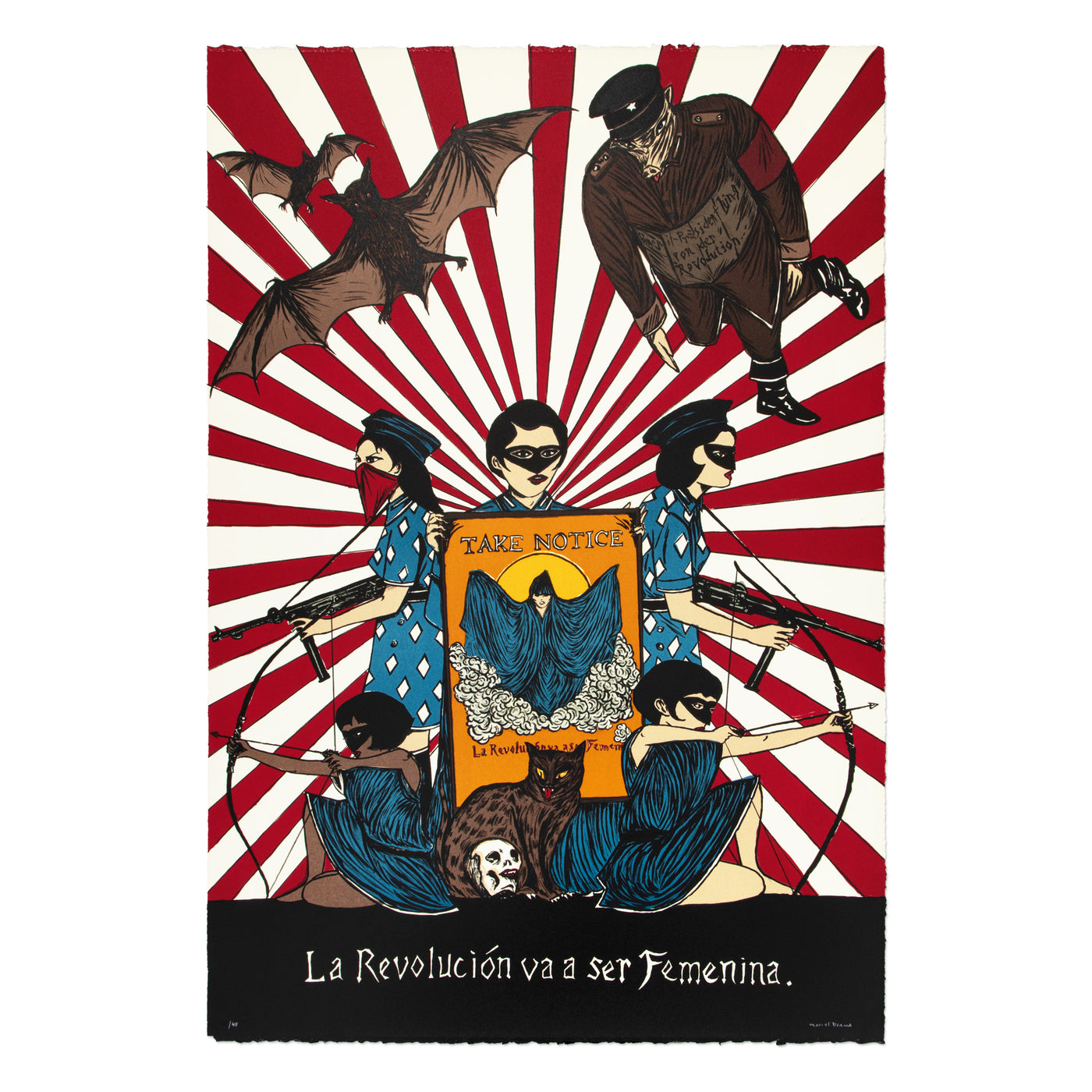
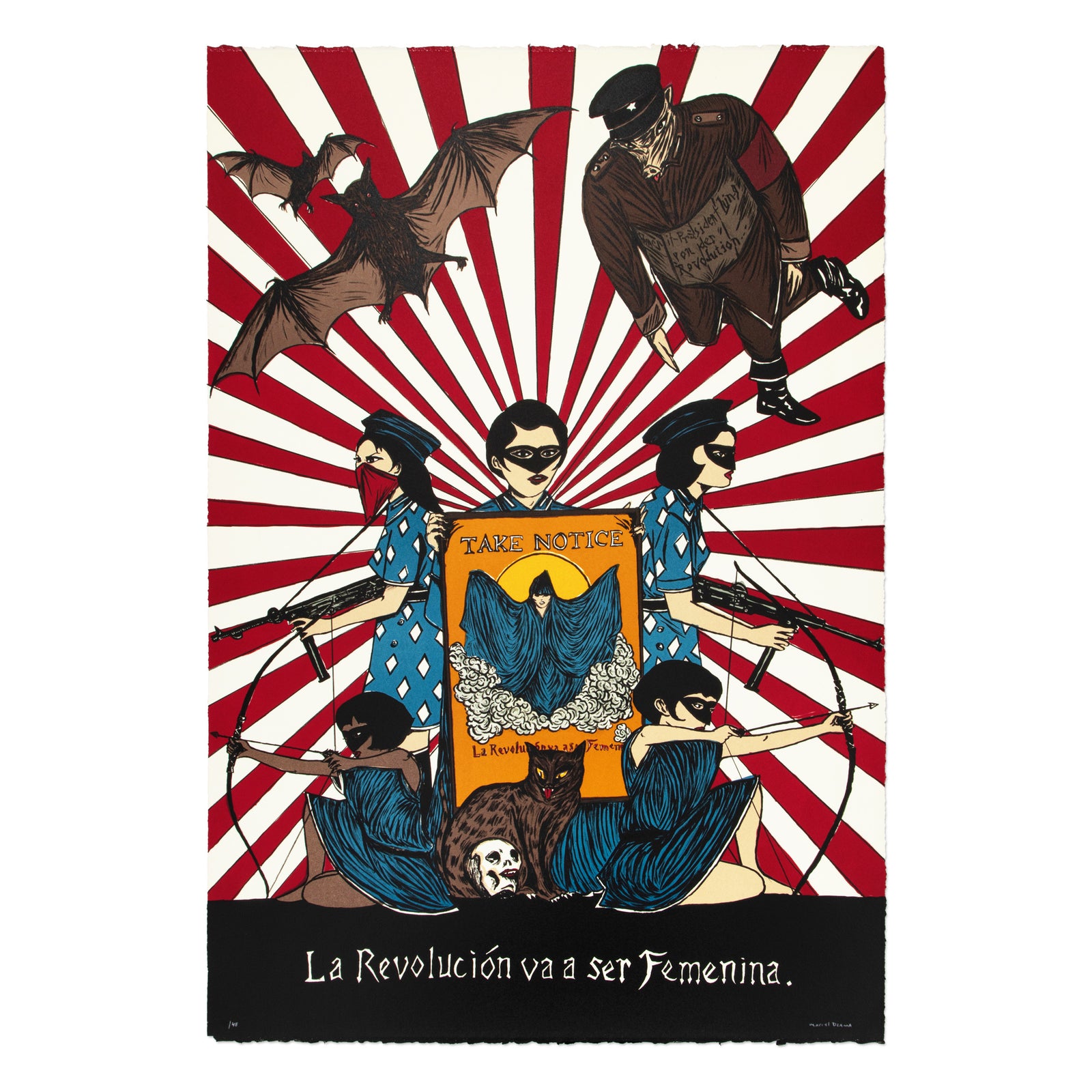
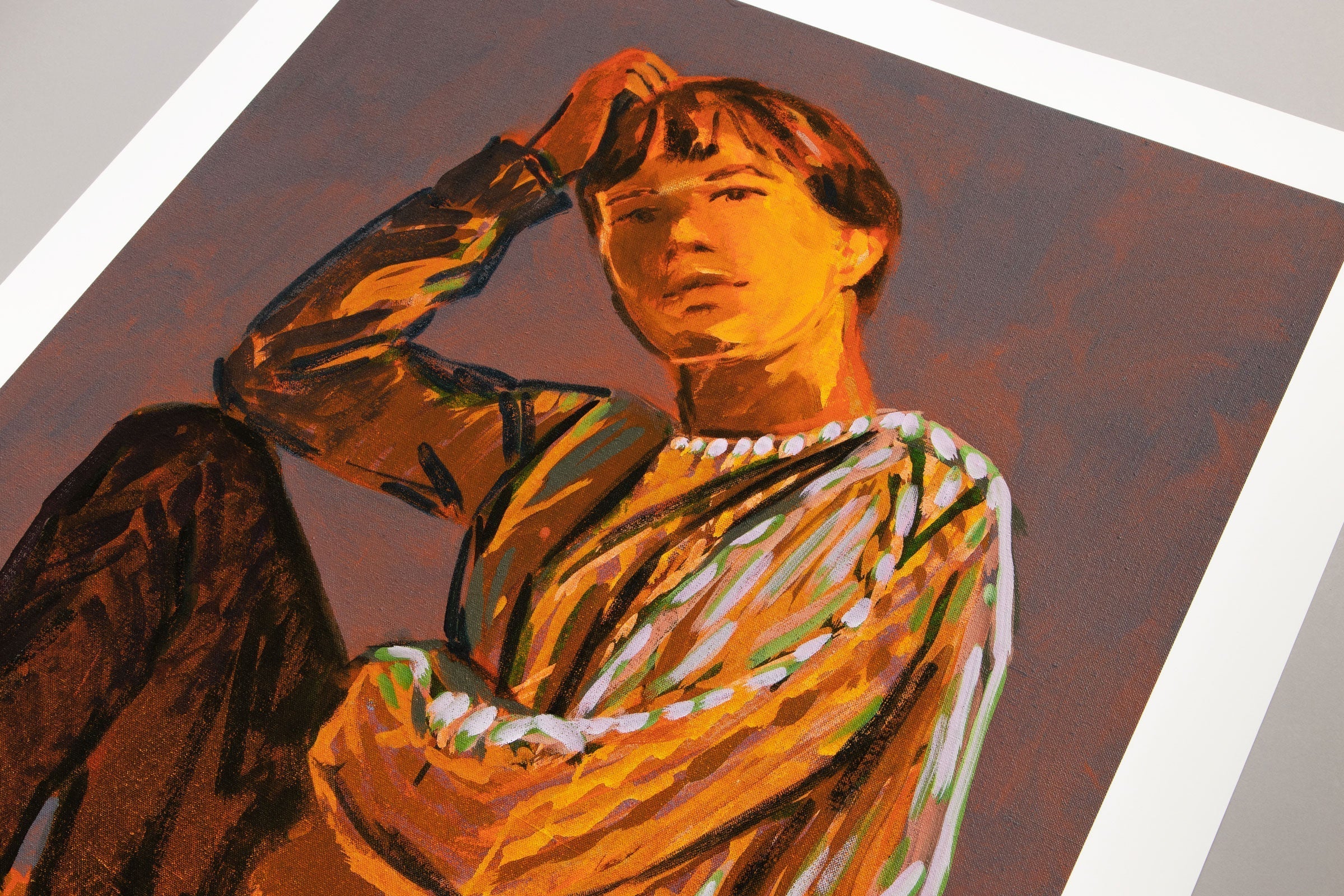
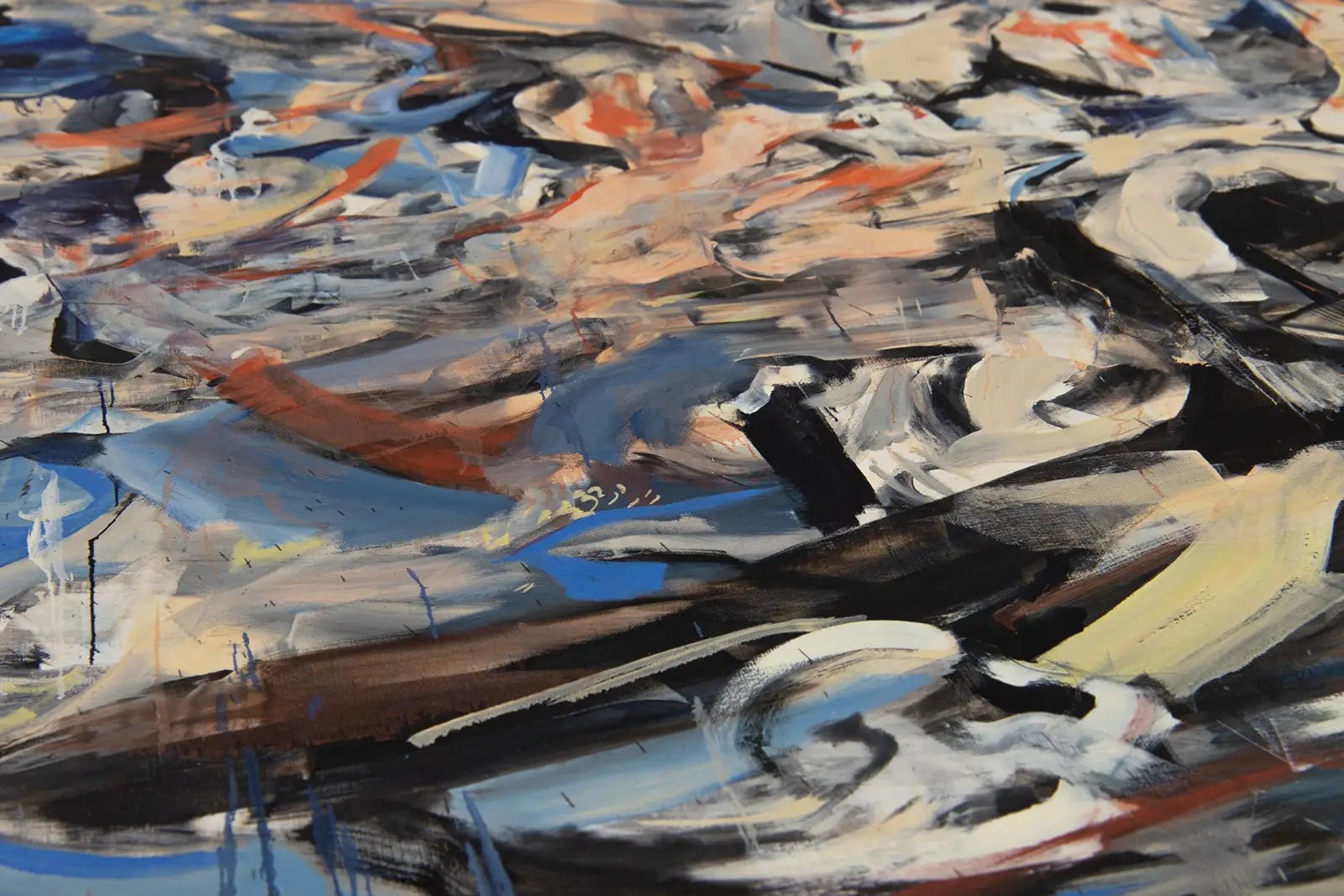
Figuration never disappeared — it just spent decades treated as art history's unfashionable cousin while abstraction claimed critical seriousness. That hierarchy collapsed by the 1980s, and the artists here prove why: recognisable subject matter — bodies, objects, landscapes, the legible world — remains the most direct way to carry narrative, psychology, and political weight in an image. What unites this collection is the joy of storytelling, even at its darkest, from Marcel Dzama's masked archetypes to Cecily Brown's dissolving anatomies.

Browse signed figurative art prints and editions.

Filters

Sort by:

232 products

Takashi Murakami - Flowers of GratitudeTakashi Murakami - Flowers of Gratitude
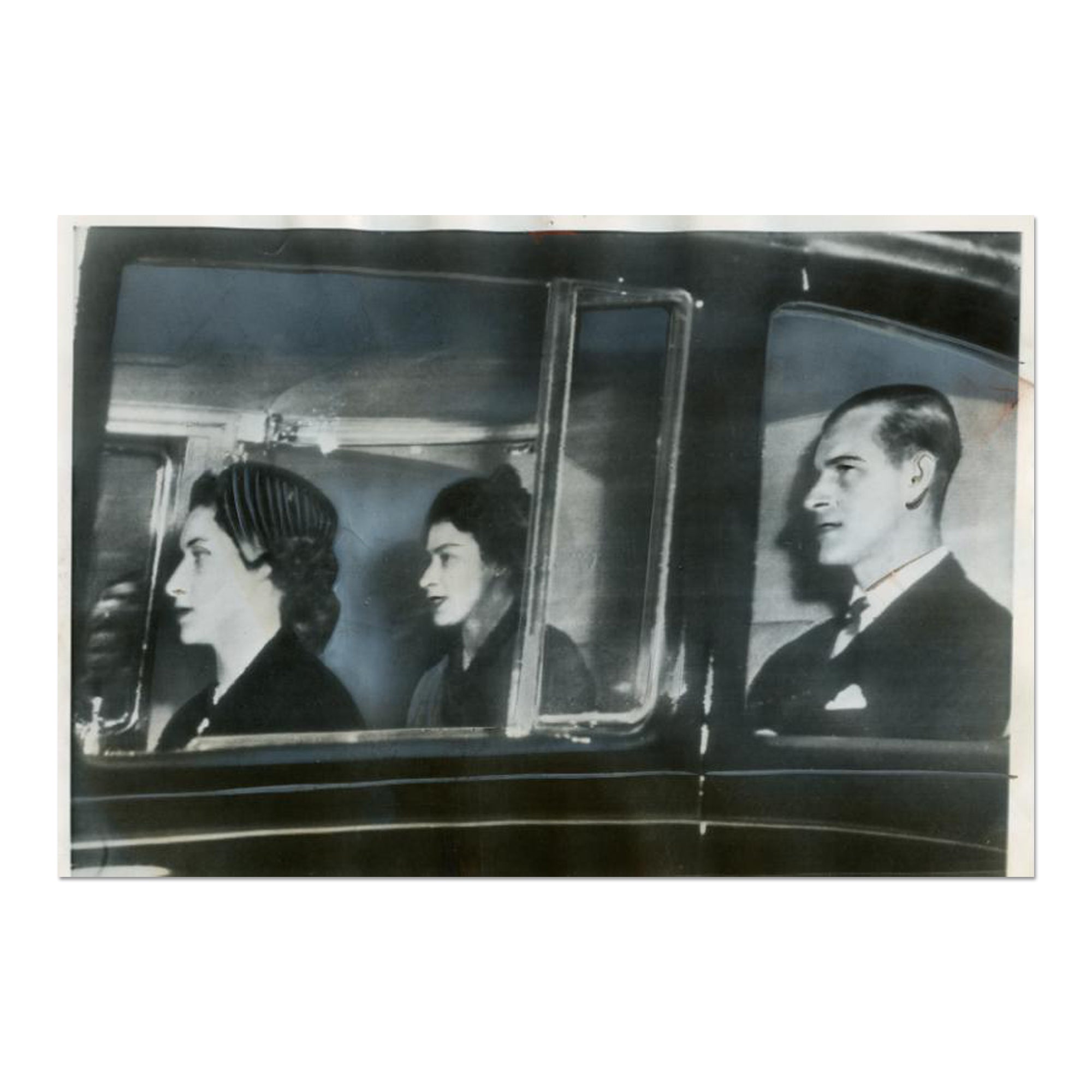
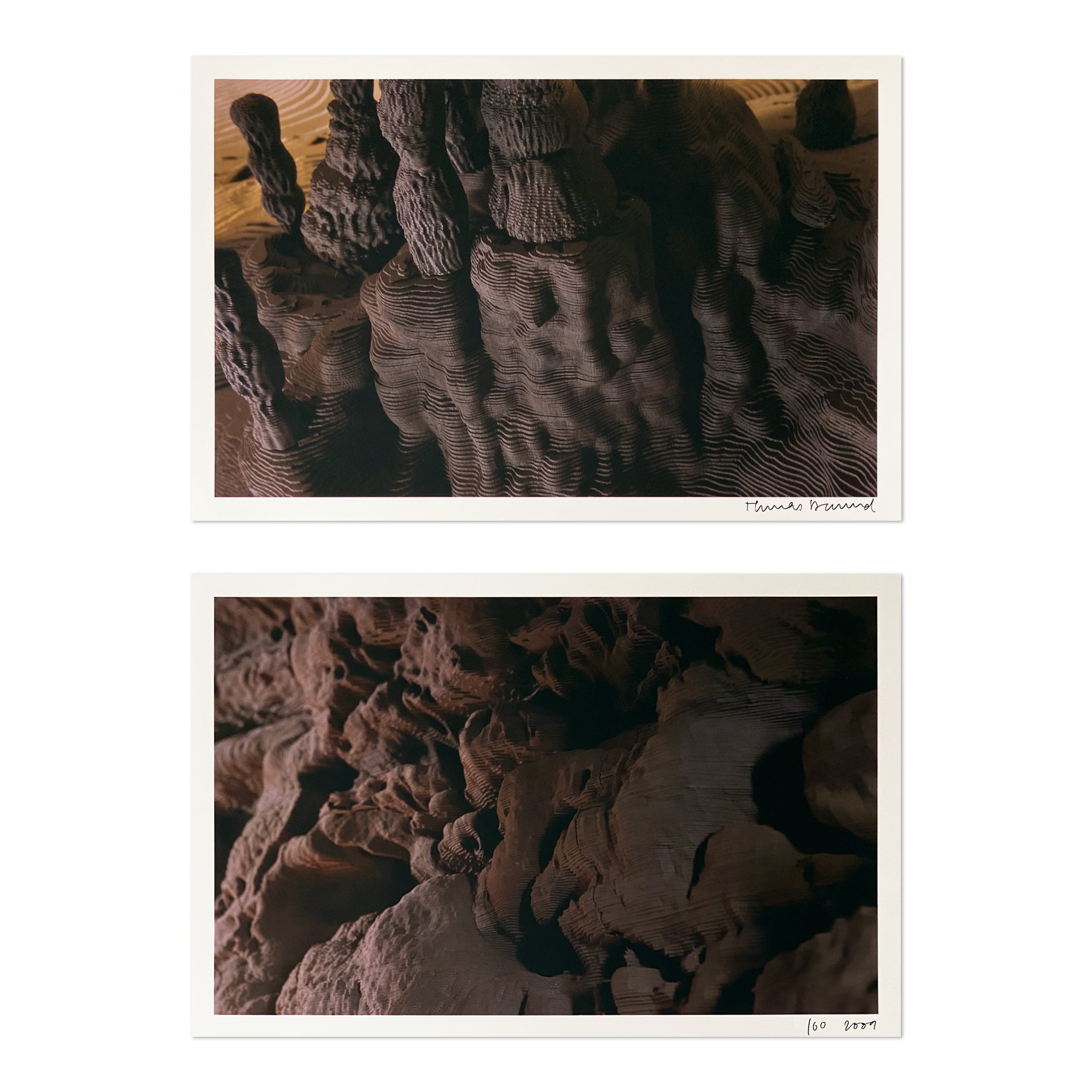
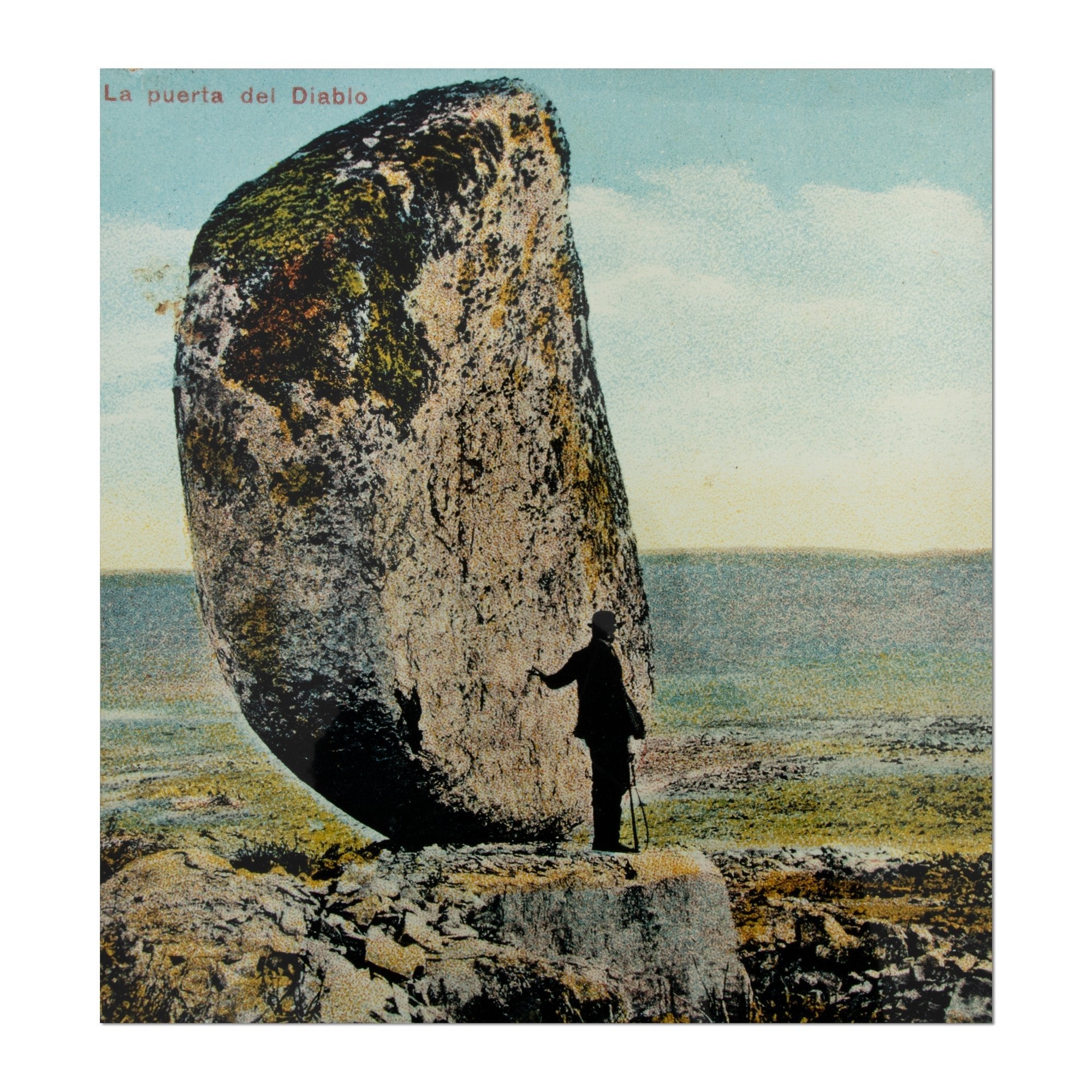
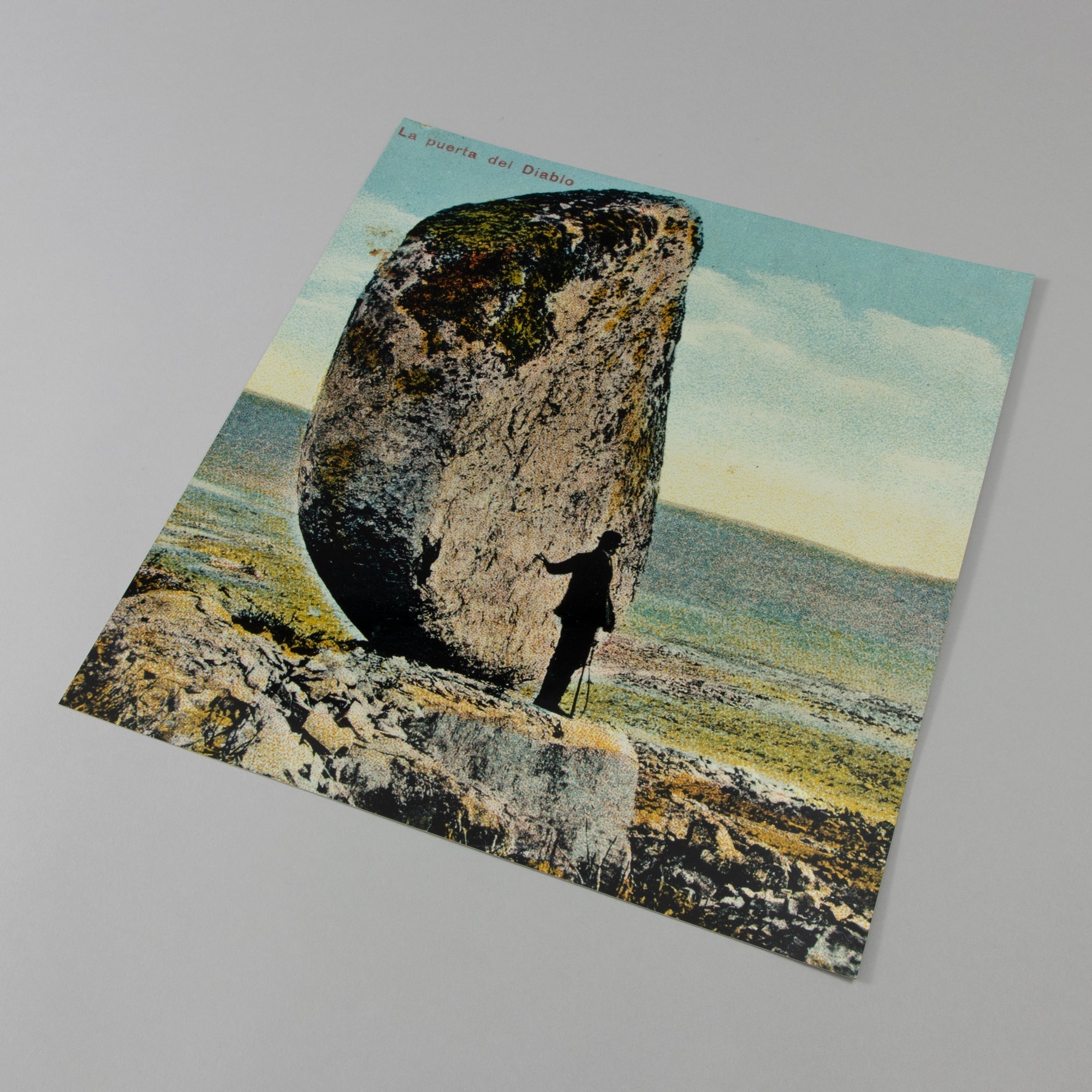
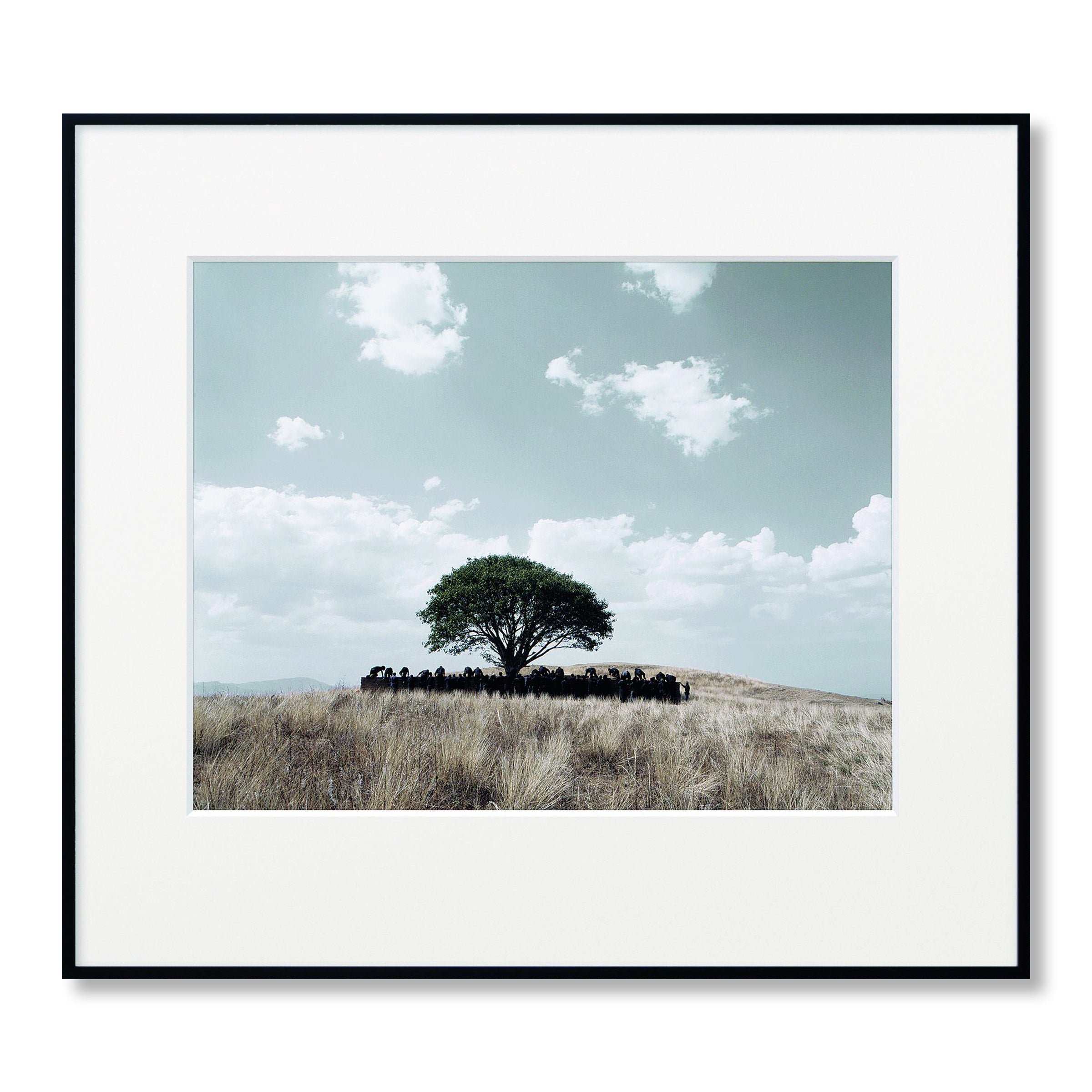
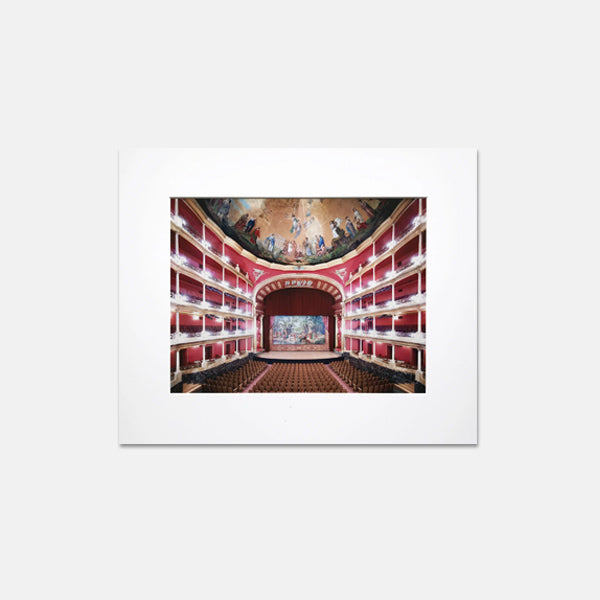
Tacita Dean - La Puerta del DiabloTacita Dean - La Puerta del Diablo
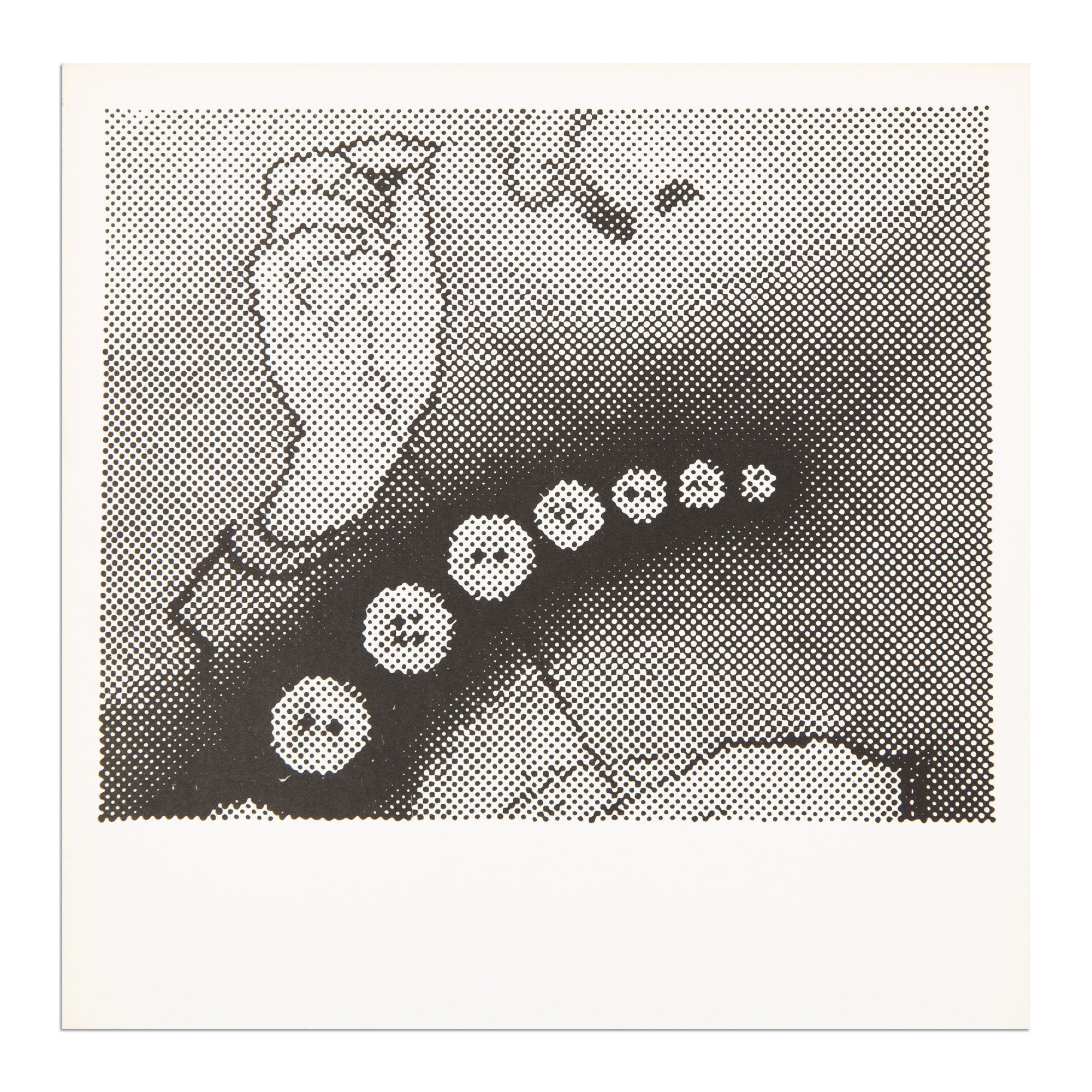
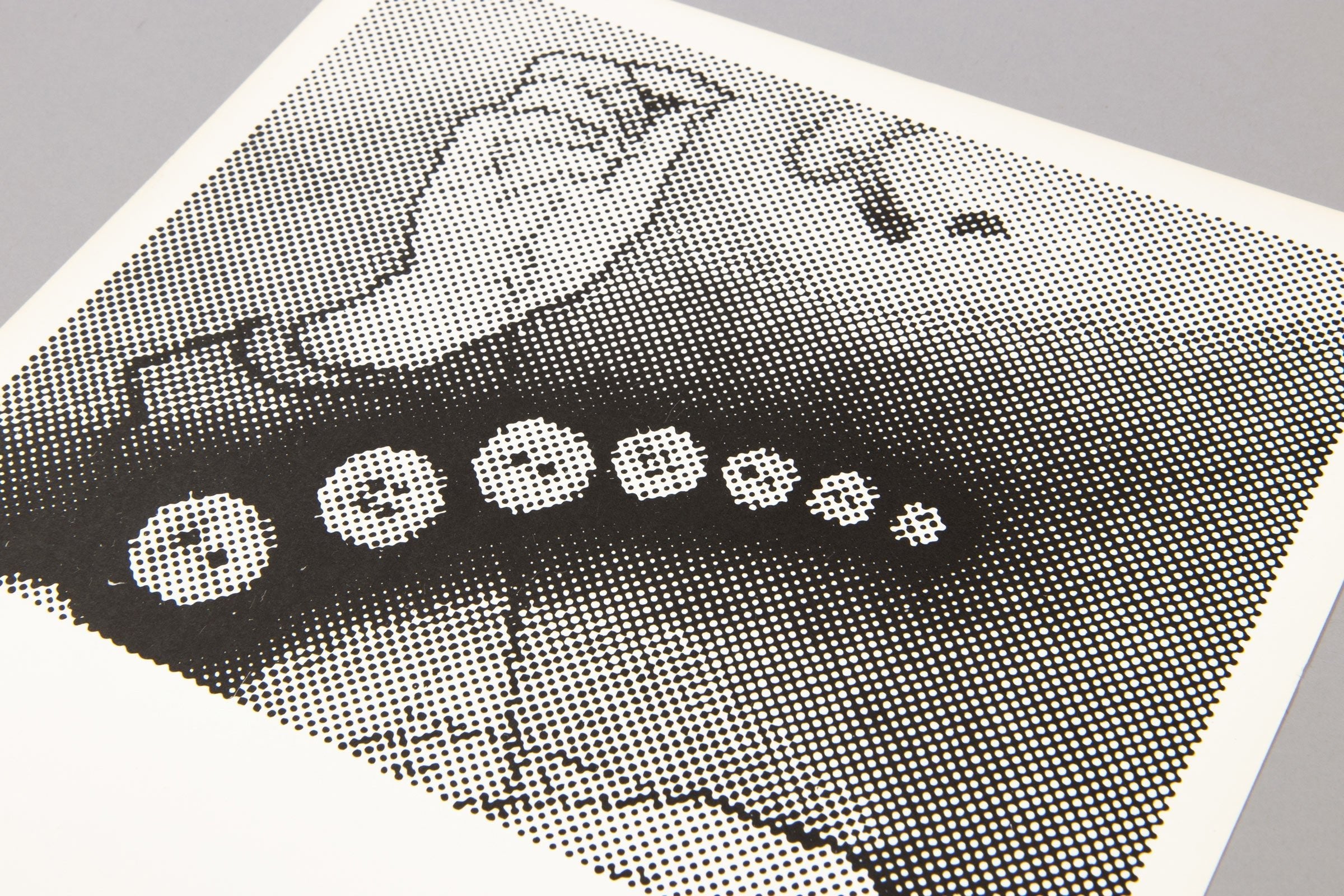
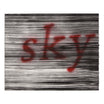
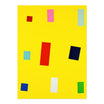
Sigmar Polke - KnöpfeSigmar Polke - Knöpfe
Sigmar Polke – Knöpfe Sale price€800,00
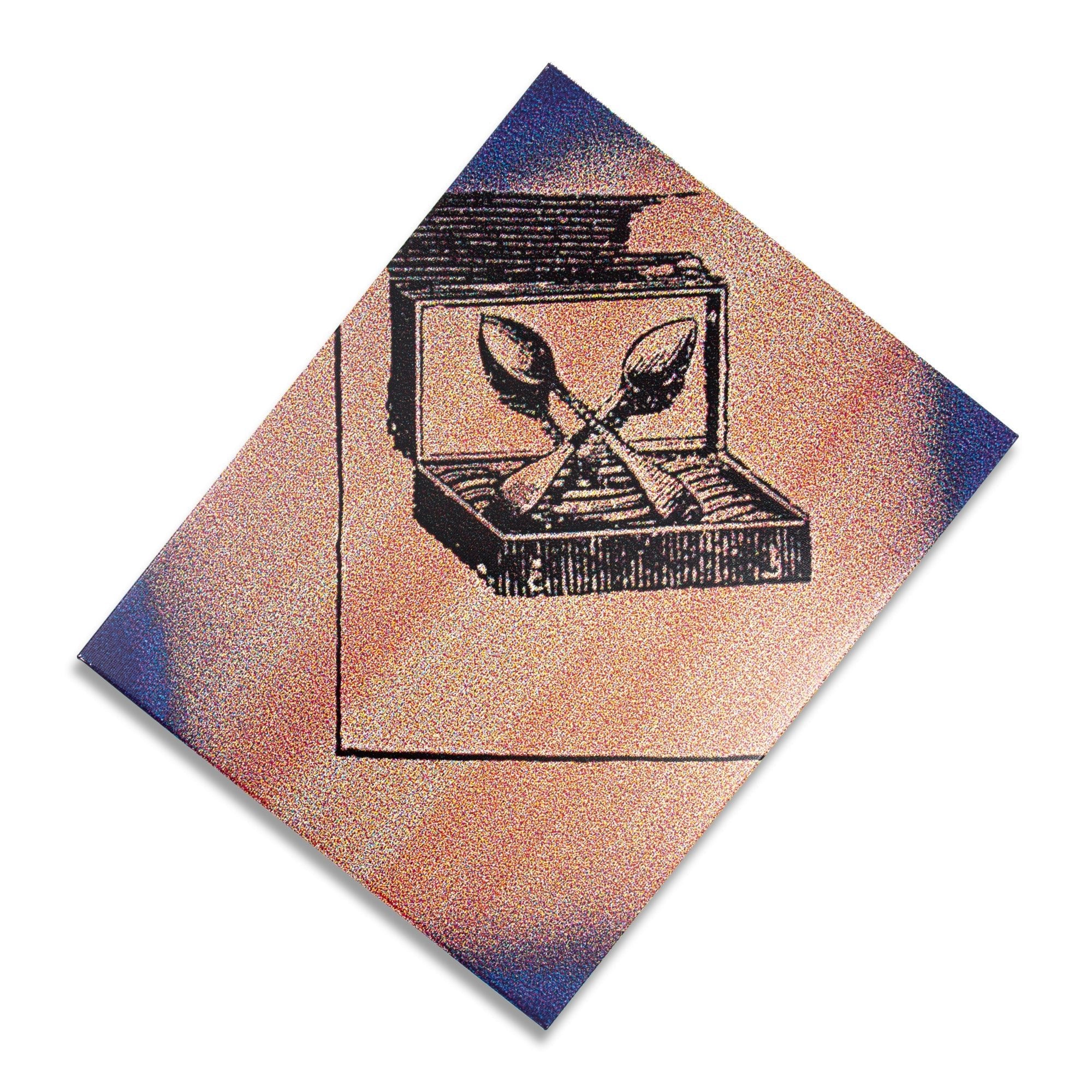
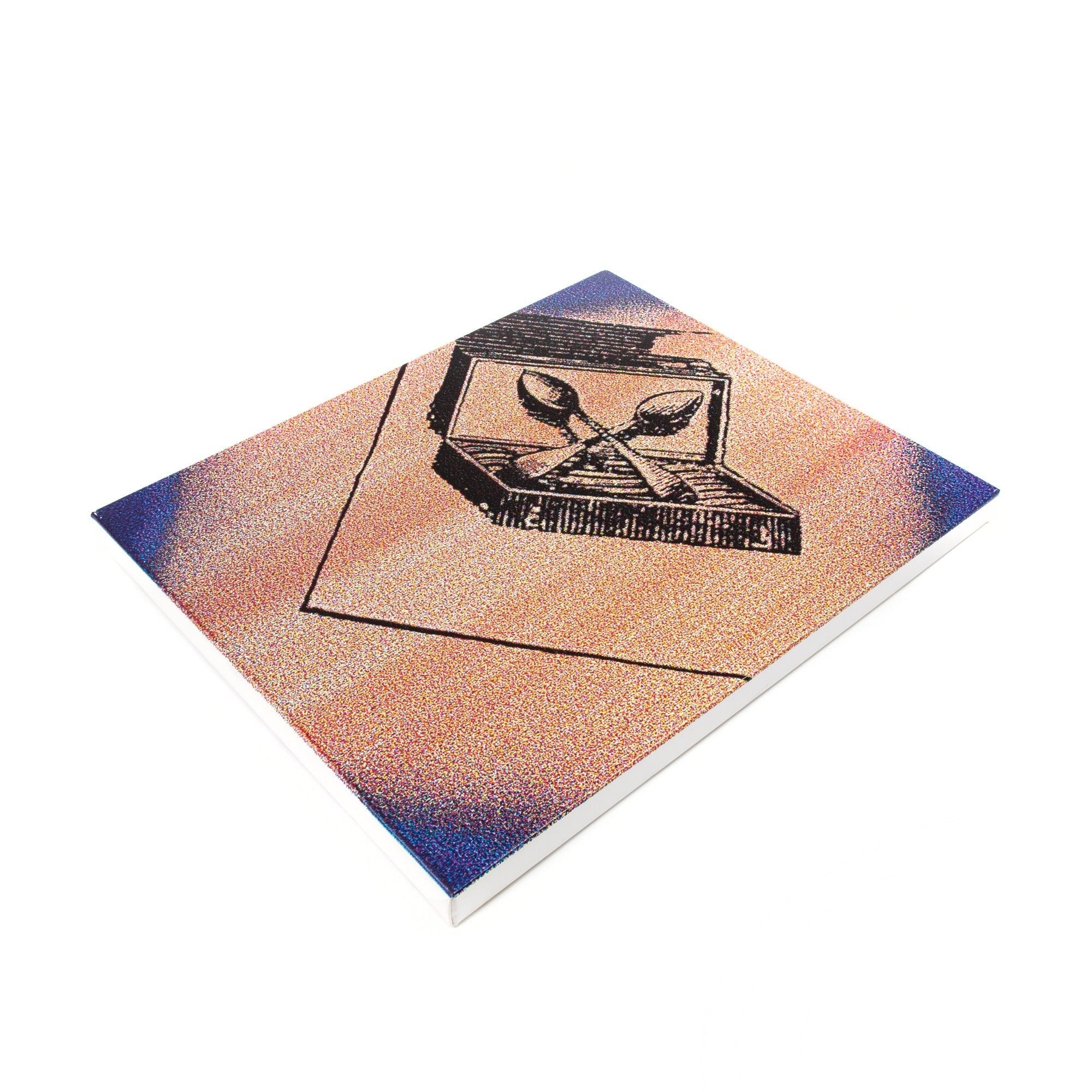
Sigmar Polke – Dr Pabscht het z'Schpiez...Sigmar Polke – Dr Pabscht het z'Schpiez...
Shirin Neshat, Tooba
Shirin Neshat – Tooba Sale price€5.900,00
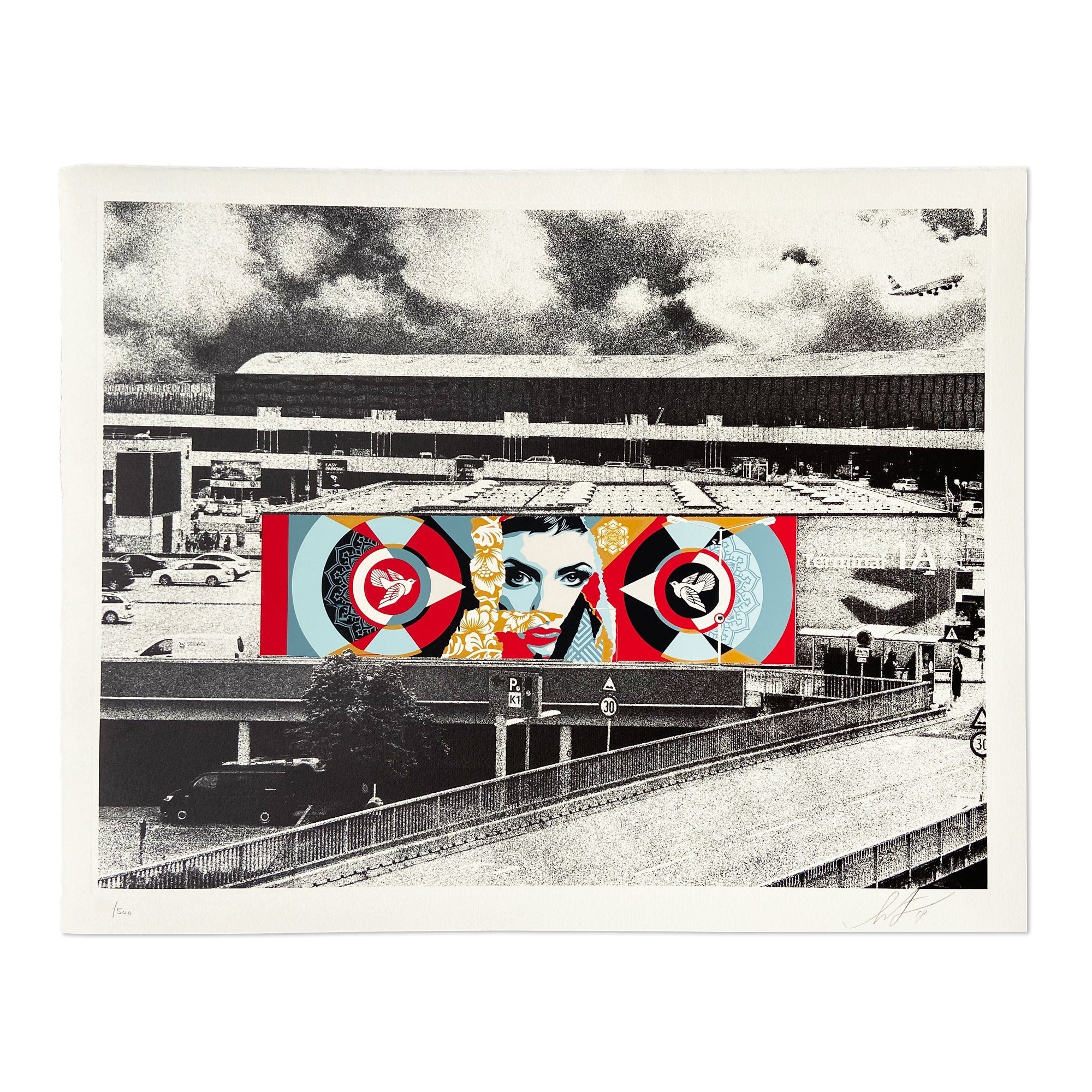
Shepard Fairey - Ideal Power DoveShepard Fairey - Ideal Power Dove
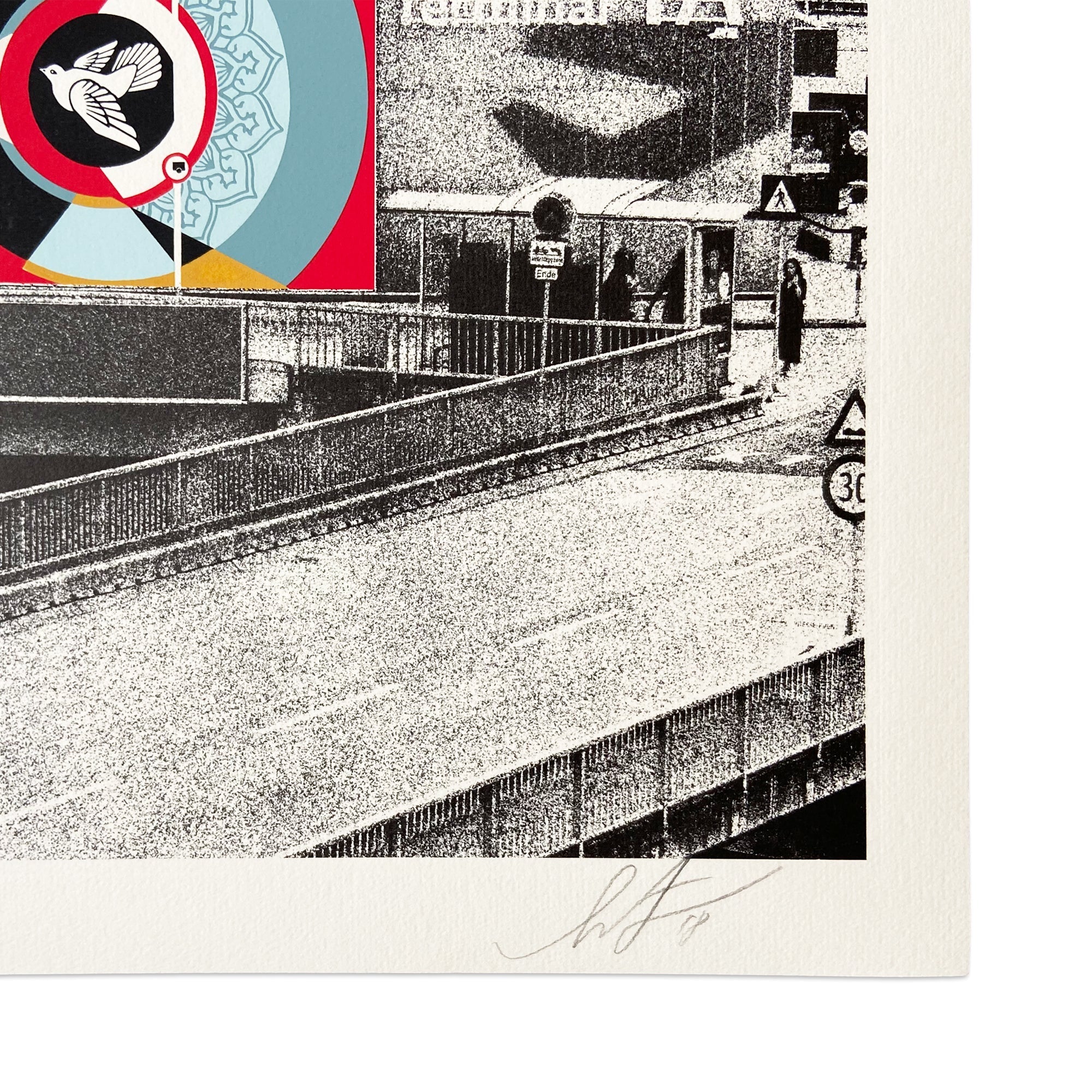
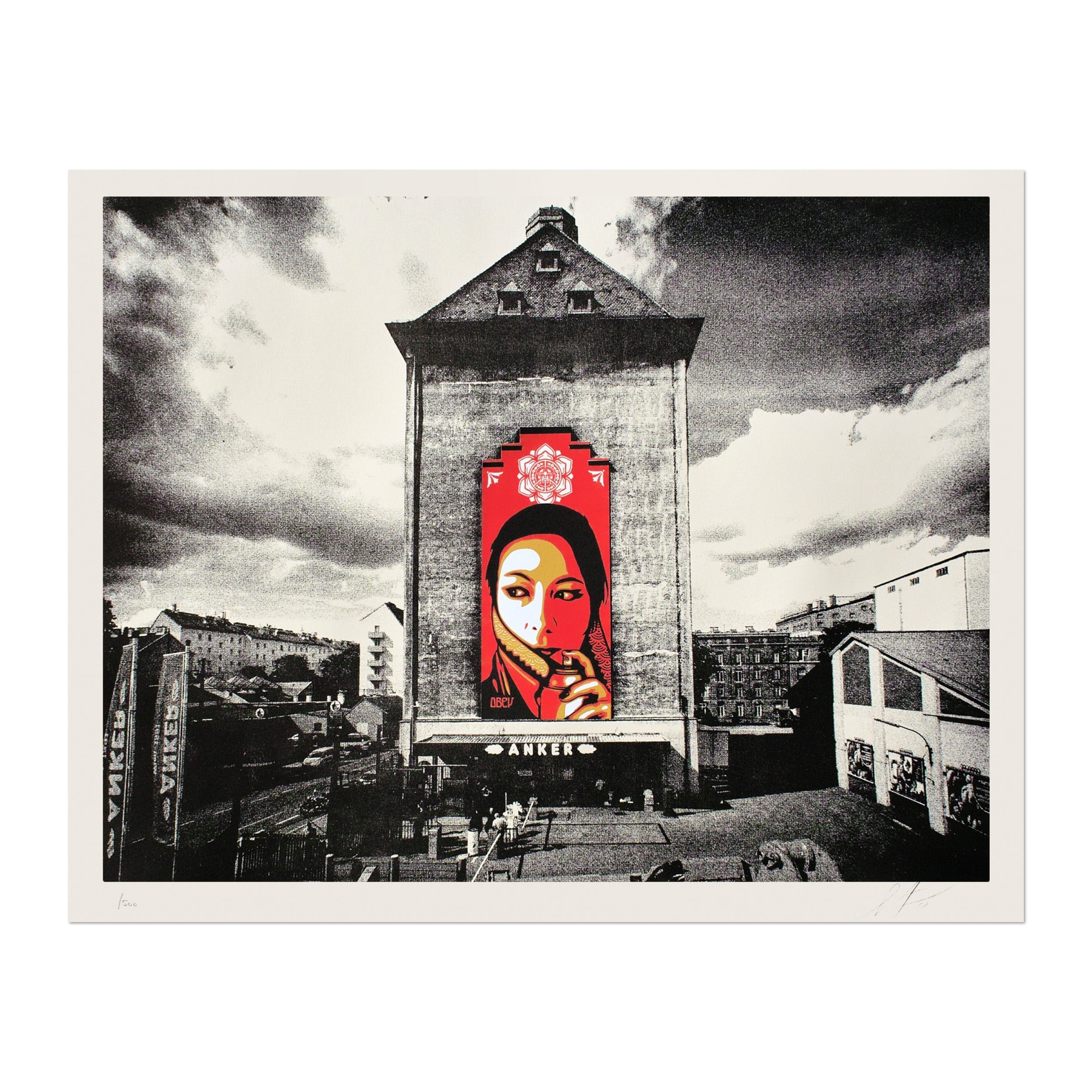
Shepard Fairey - Commanda Vienna
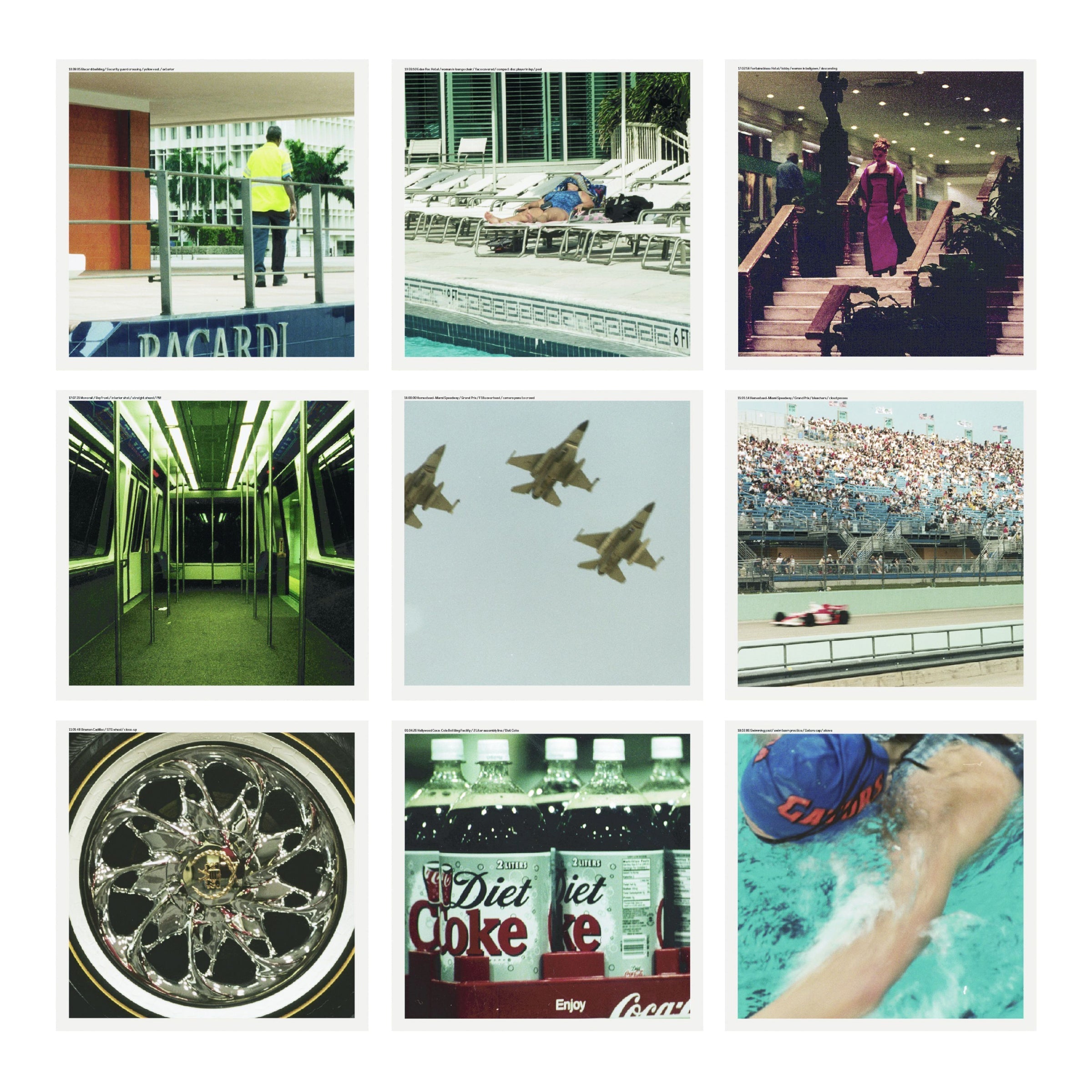
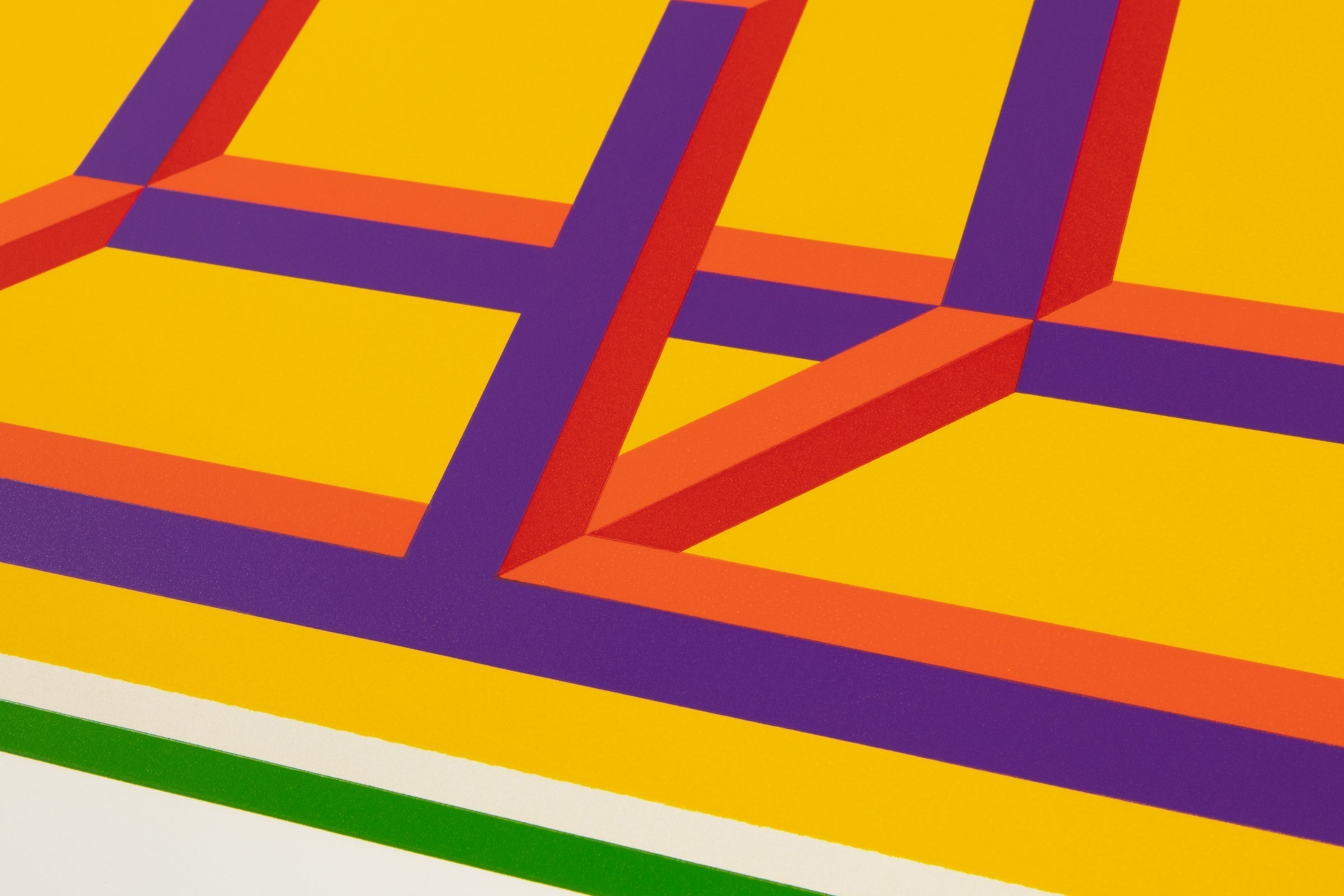
Sarah Morris - Color Referents (Miami)
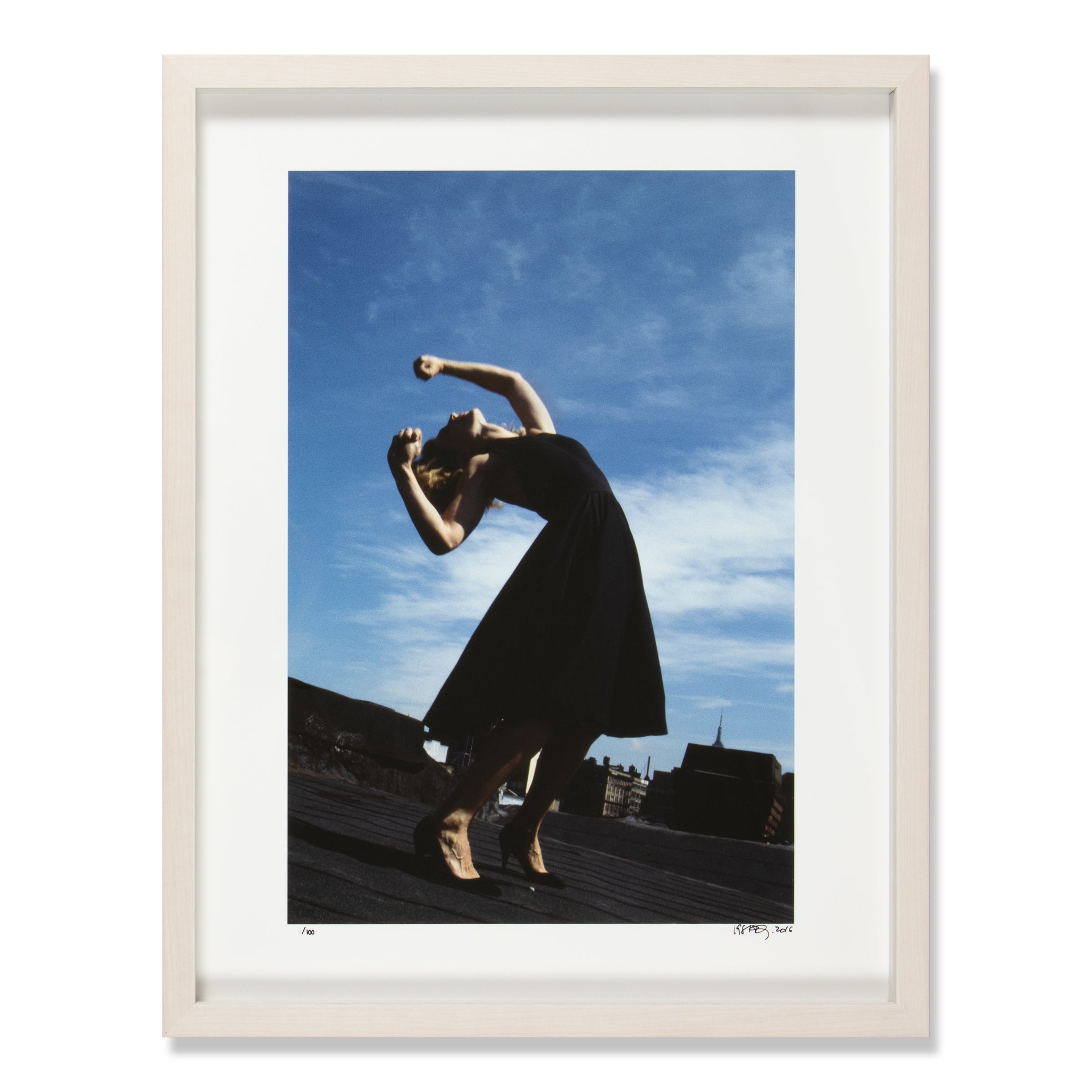
Robert Longo – Janet (from Men in the Cities)Robert Longo - Janet (from Men in the Cities)
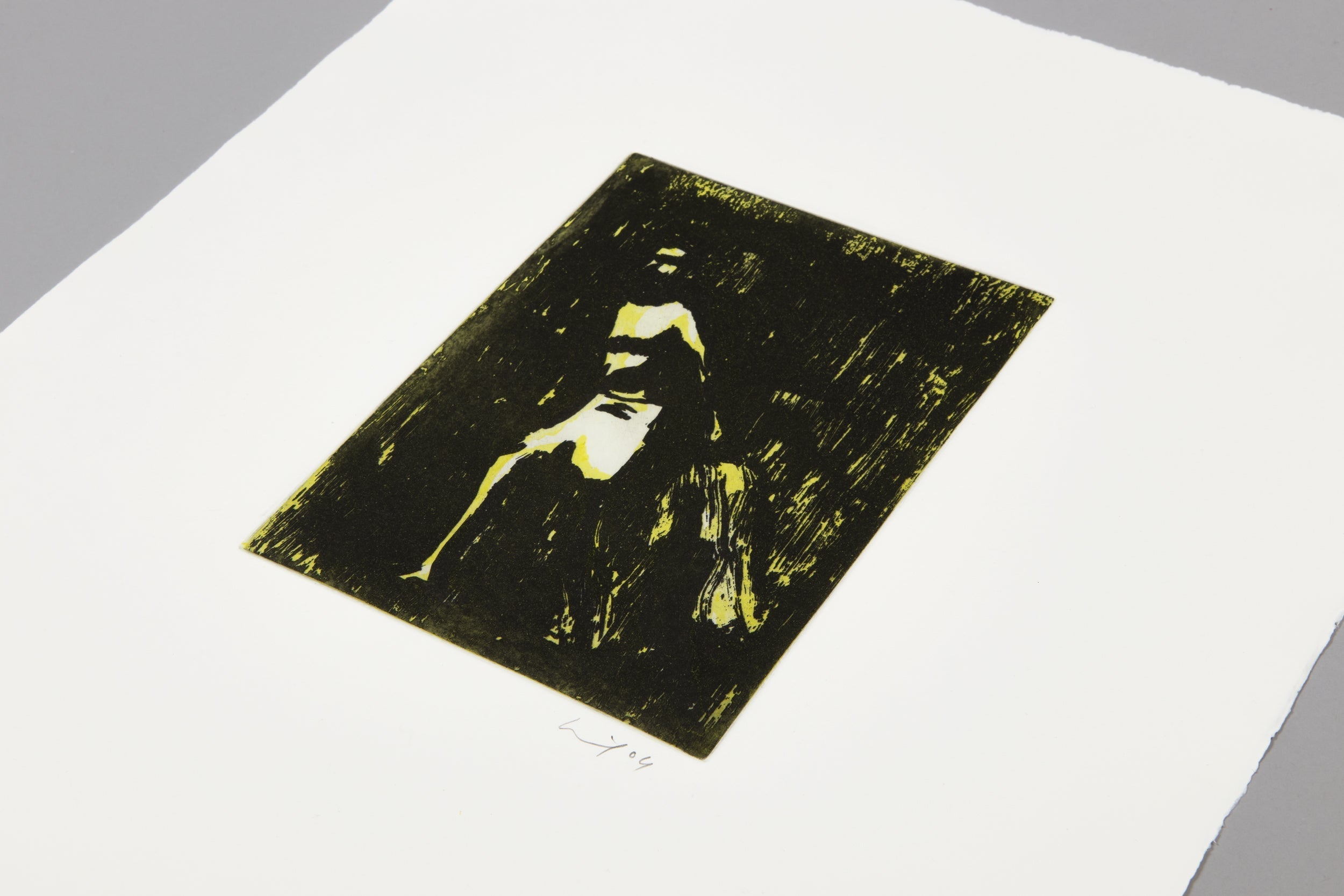
Robert Longo – Black Palms
Robert Longo – Black Palms Sale price€3.400,00

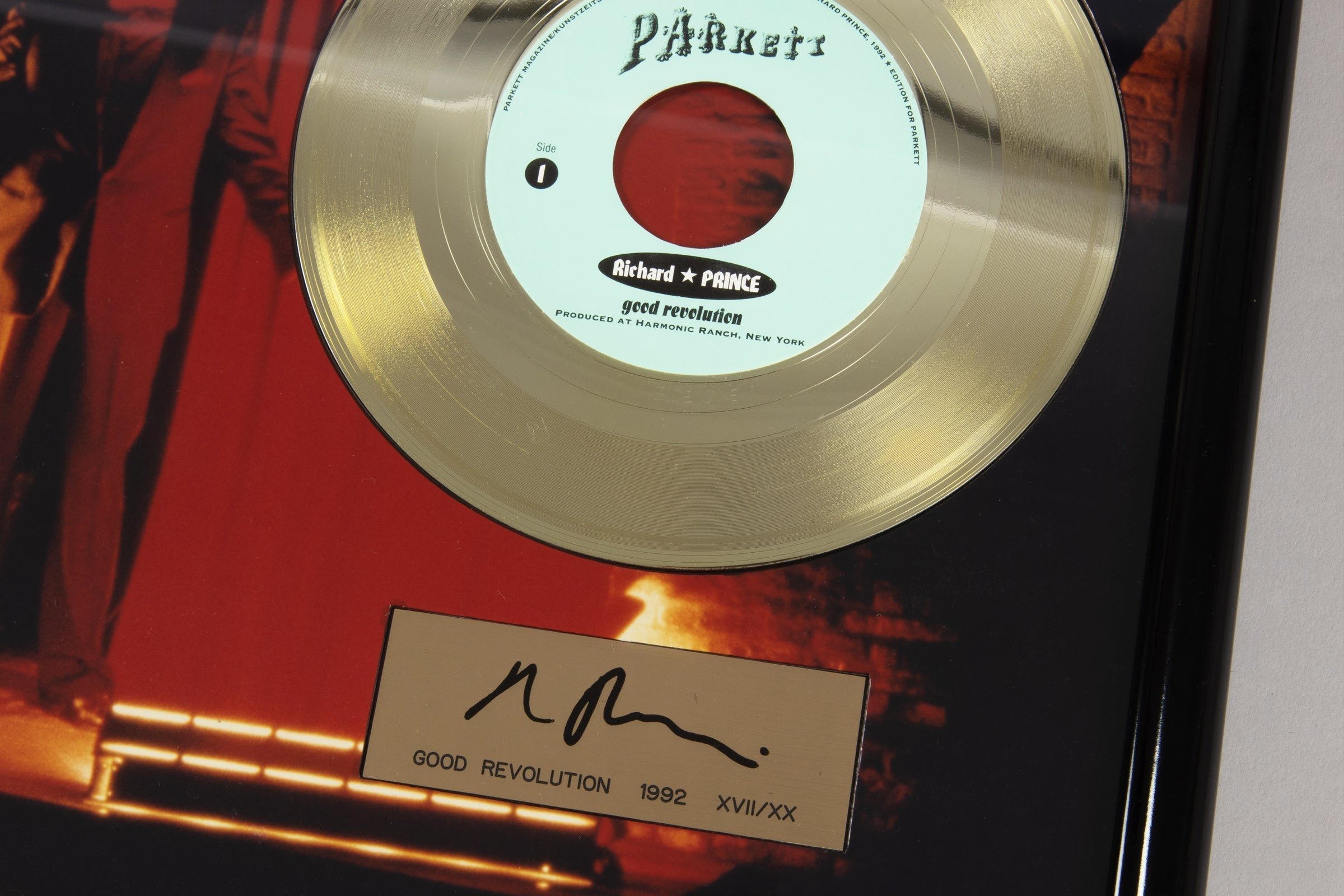
Richard Prince – Good RevolutionRichard Prince – Good Revolution
Richard Prince – Good Revolution Sale price€3.400,00
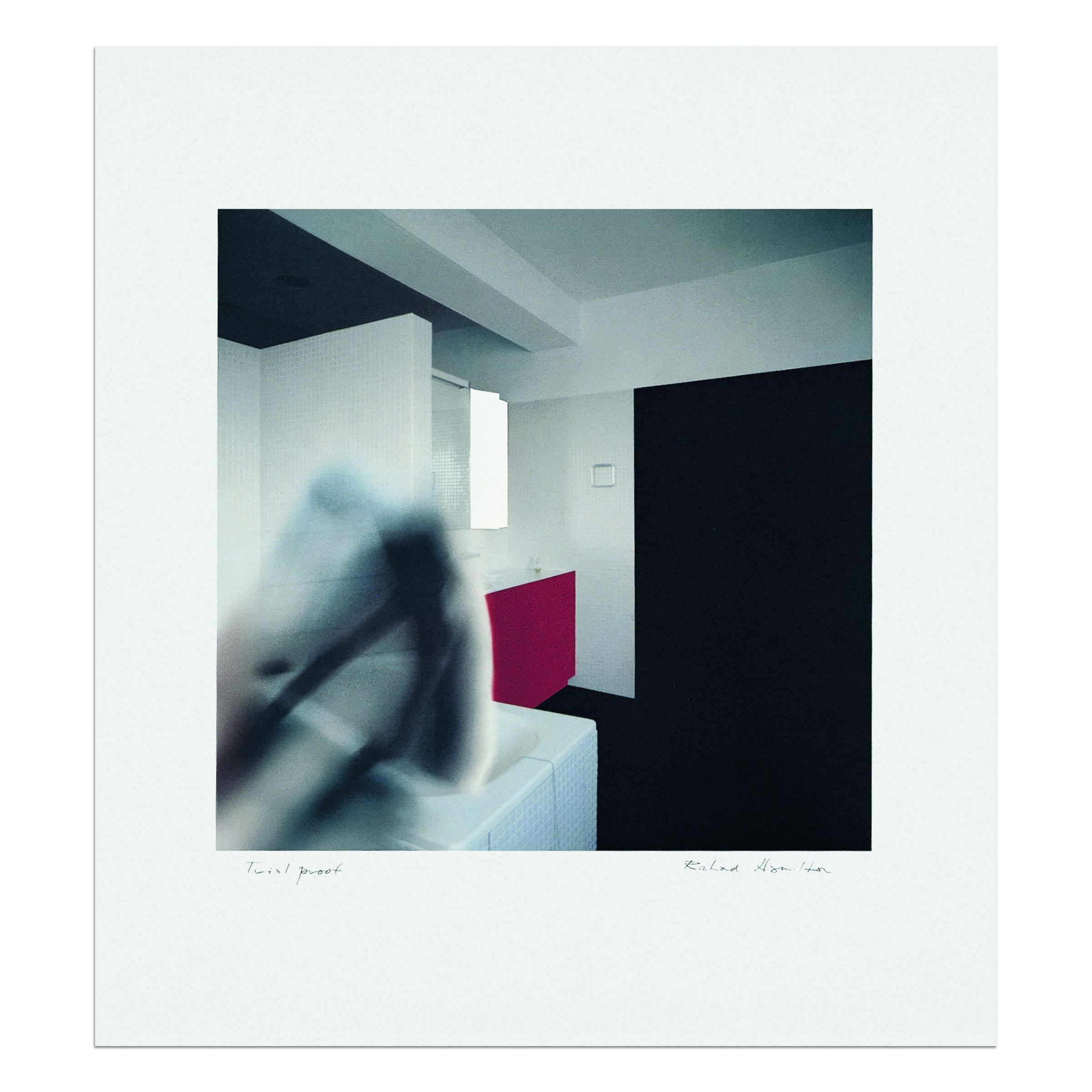
Richard Hamilton – Bathroom Fig. 1
Sold out
Rashid Johnson – Untitled Anxious PrintRashid Johnson - Untitled Anxious Print
Peter Doig – Two StudentsPeter Doig - Two Students
Peter Doig – Two Students Sale price€1.900,00
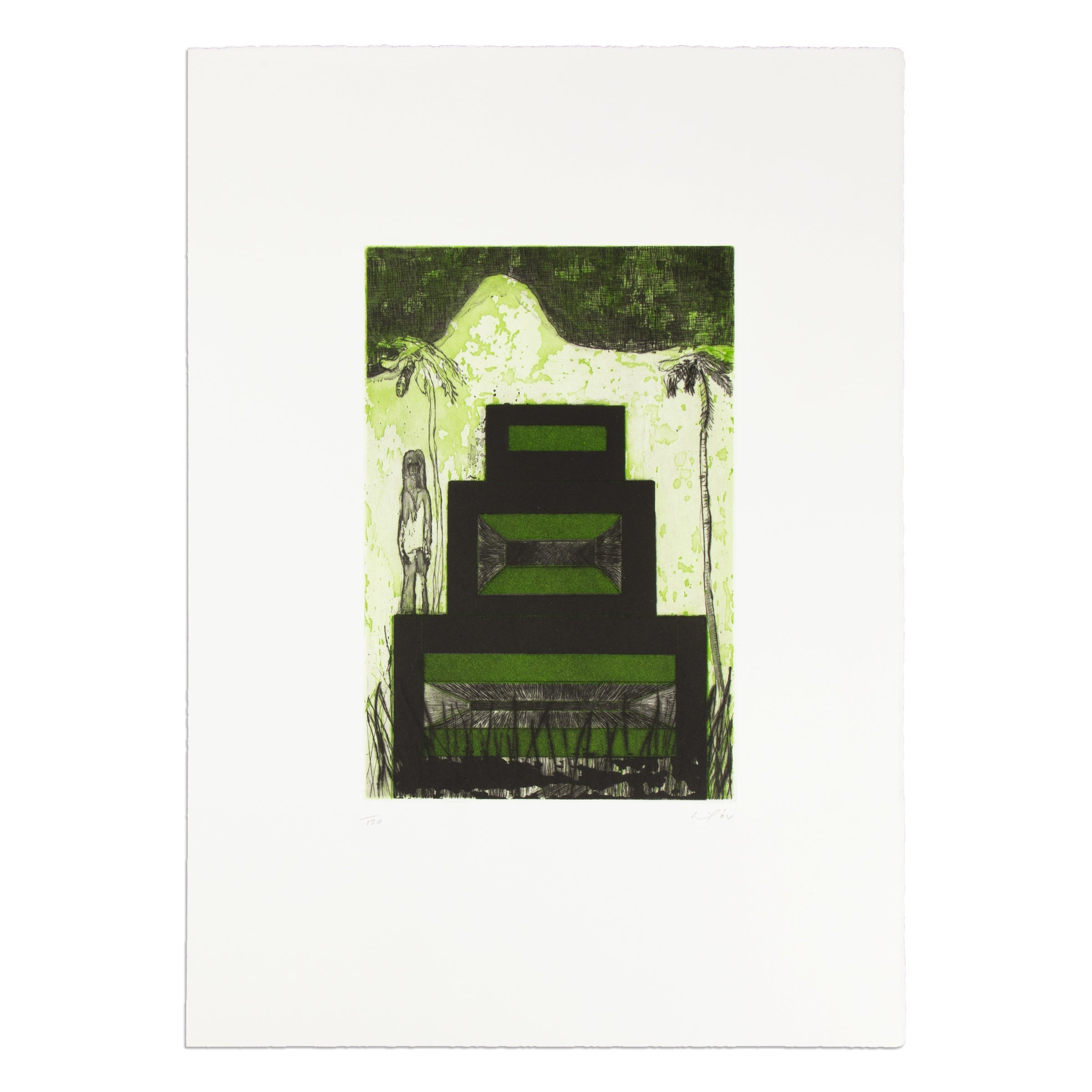
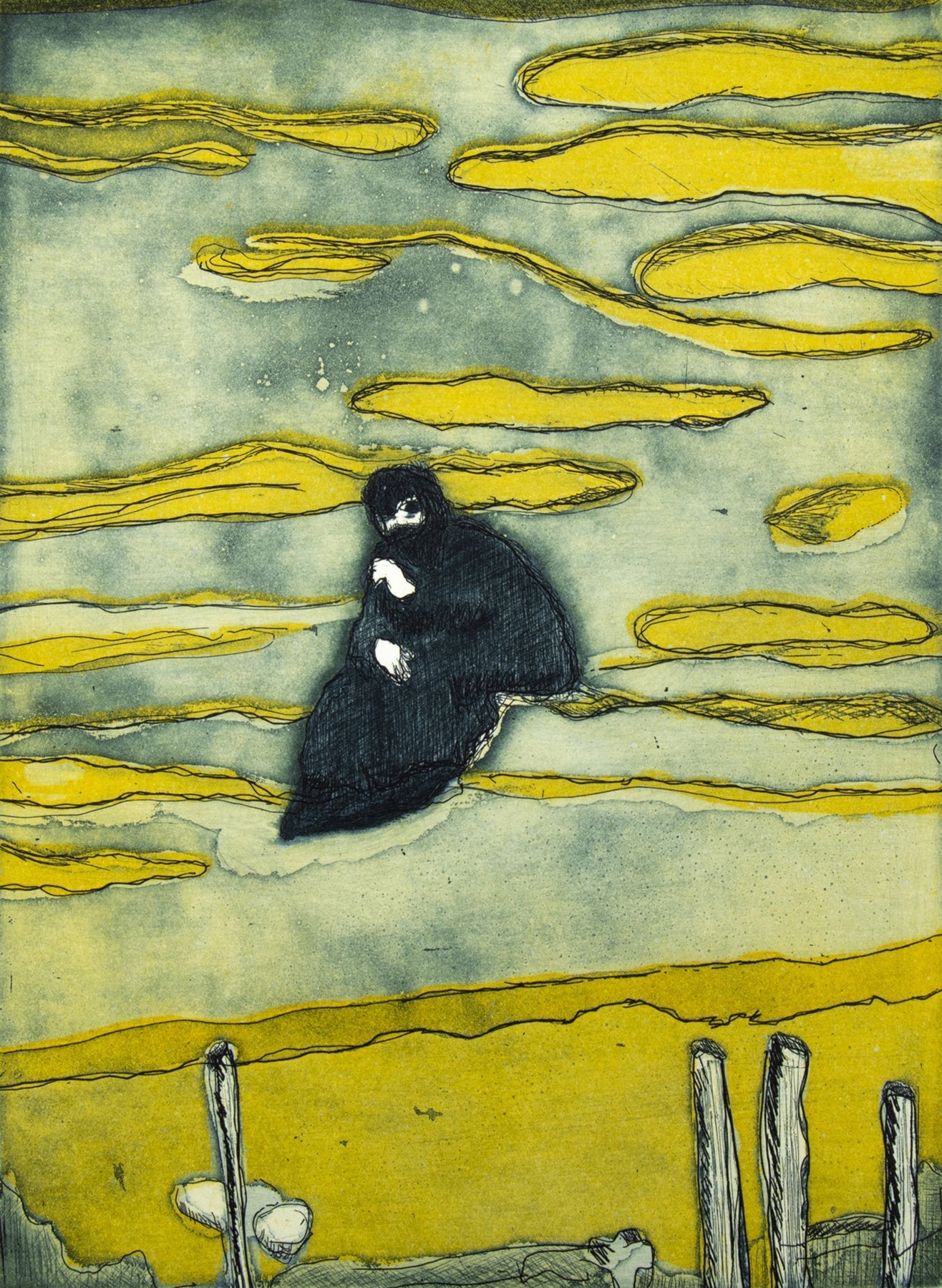
Peter Doig – MaracasPeter Doig - Maracas
Peter Doig – Maracas Sale price€3.900,00
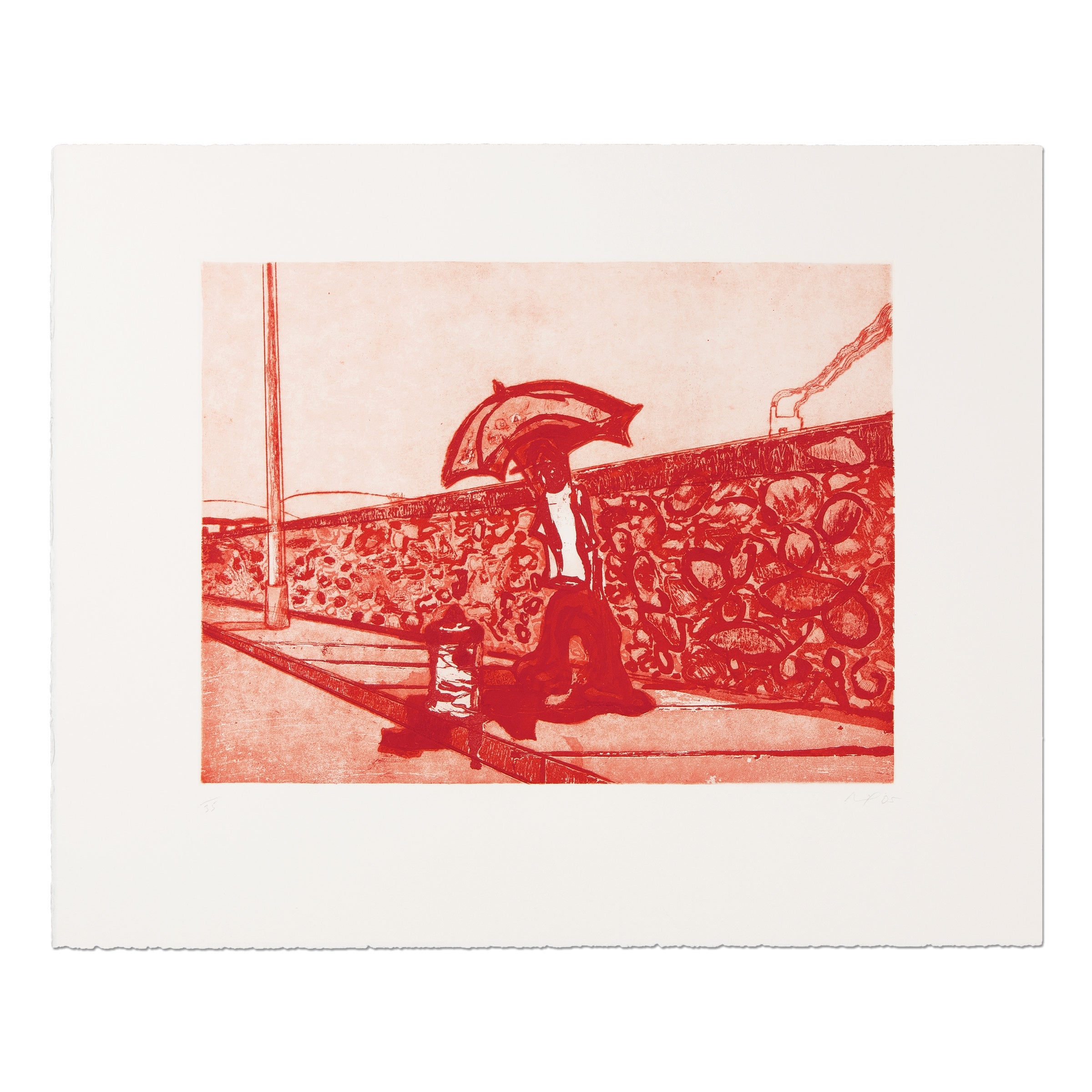
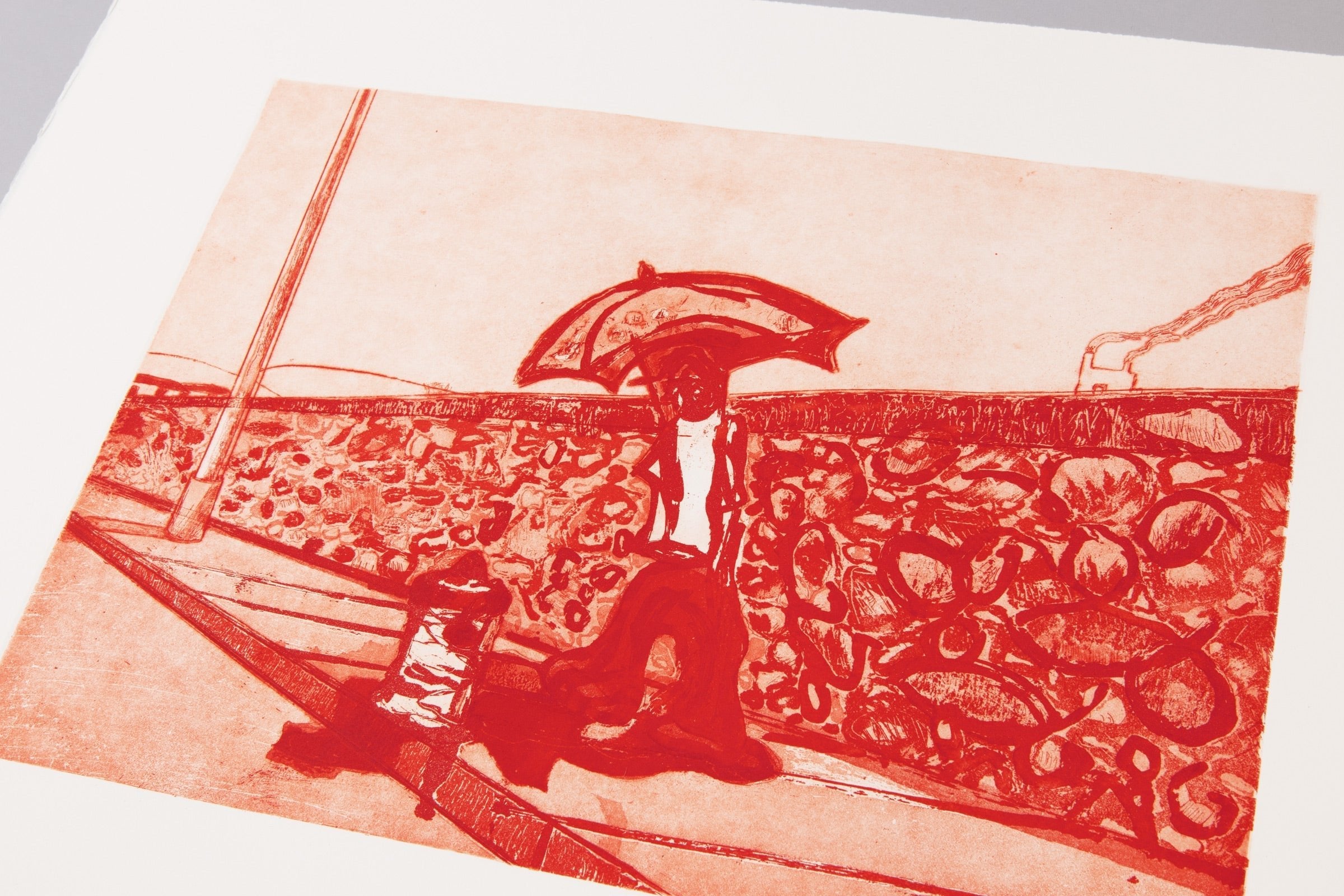
Peter Doig – Lapeyrouse WallPeter Doig - Lapeyrouse Wall
Peter Doig – Lapeyrouse Wall Sale price€5.600,00
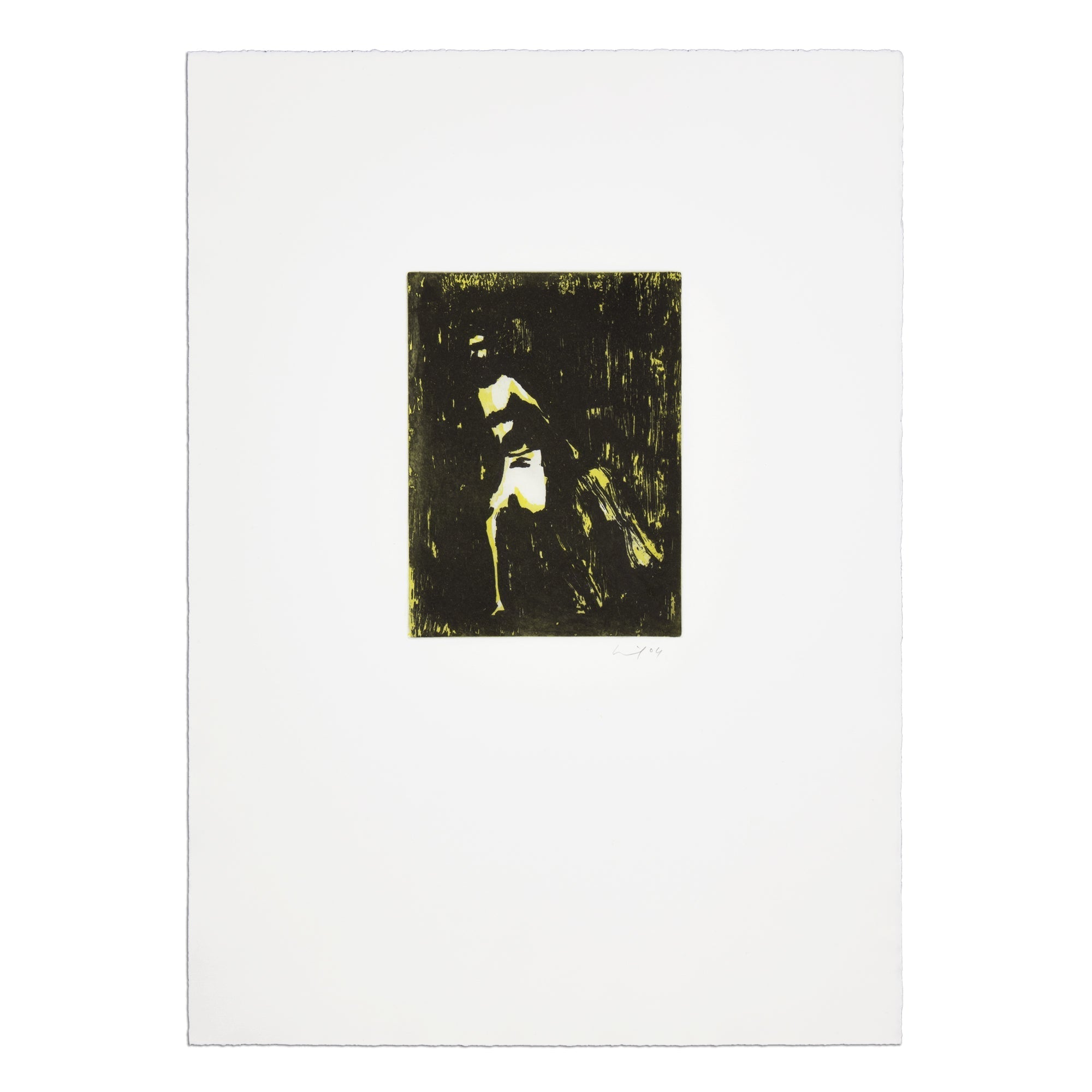
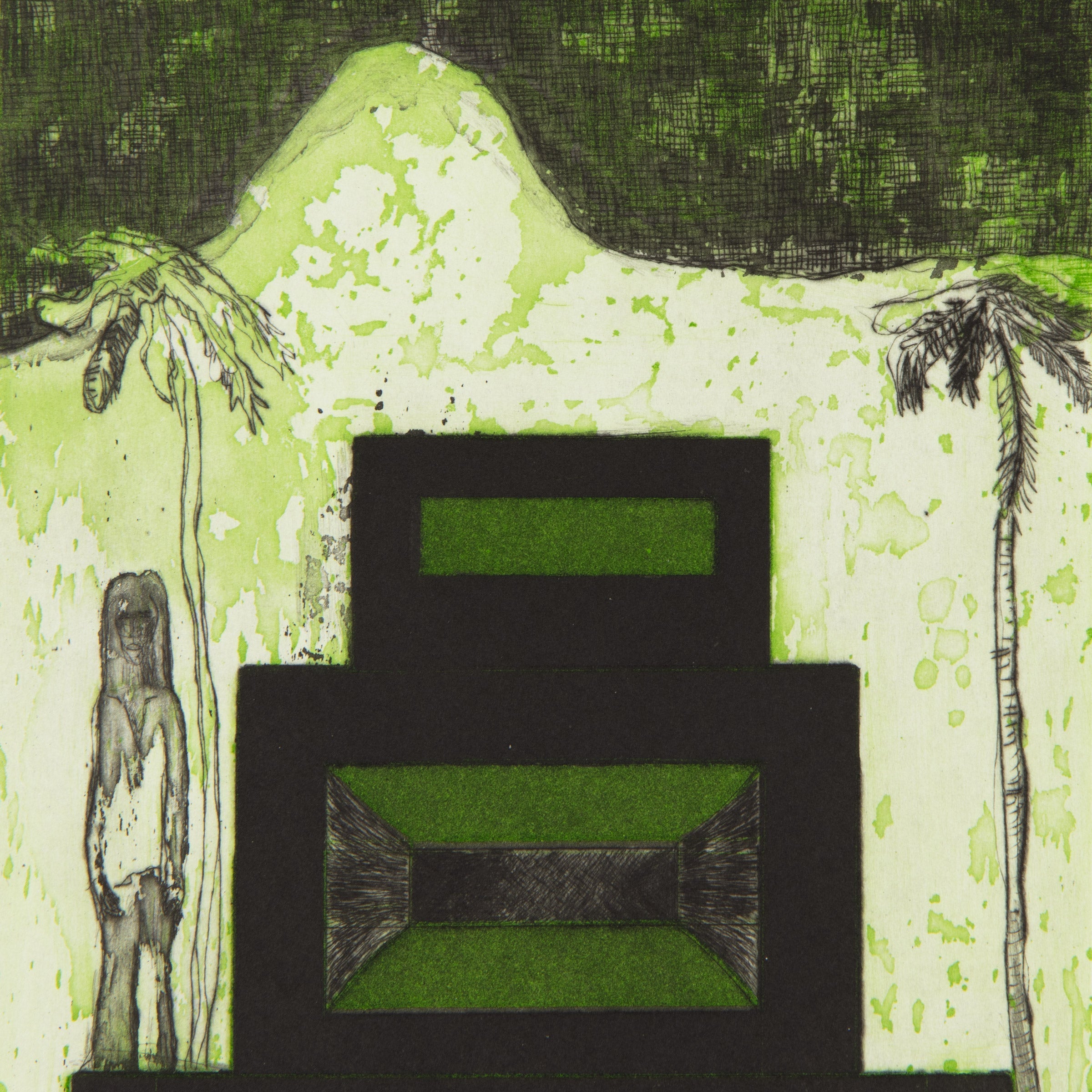
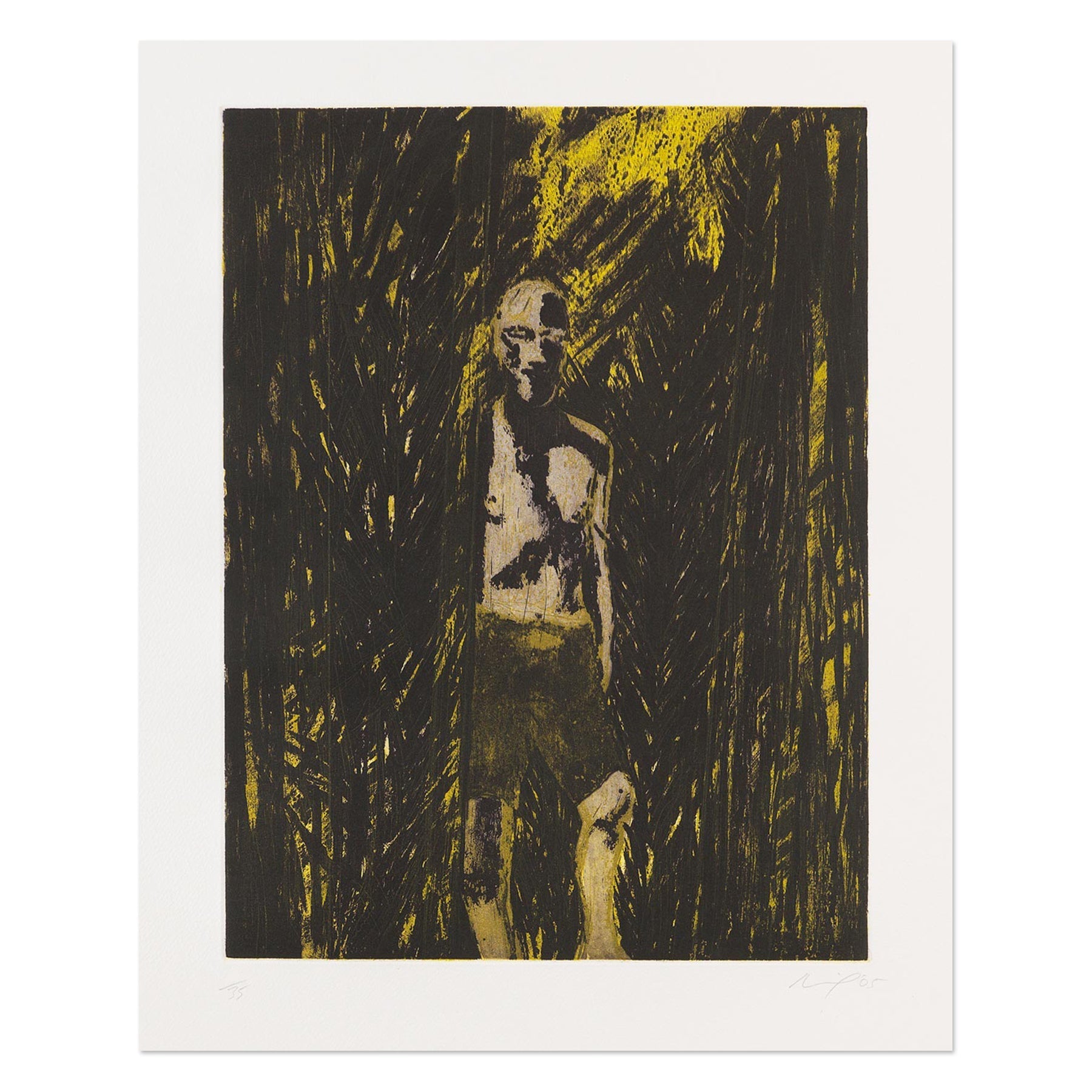
Peter Doig – FishermanPeter Doig - Fisherman
Peter Doig – Fisherman
Peter Doig – Fisherman Sale price€4.800,00
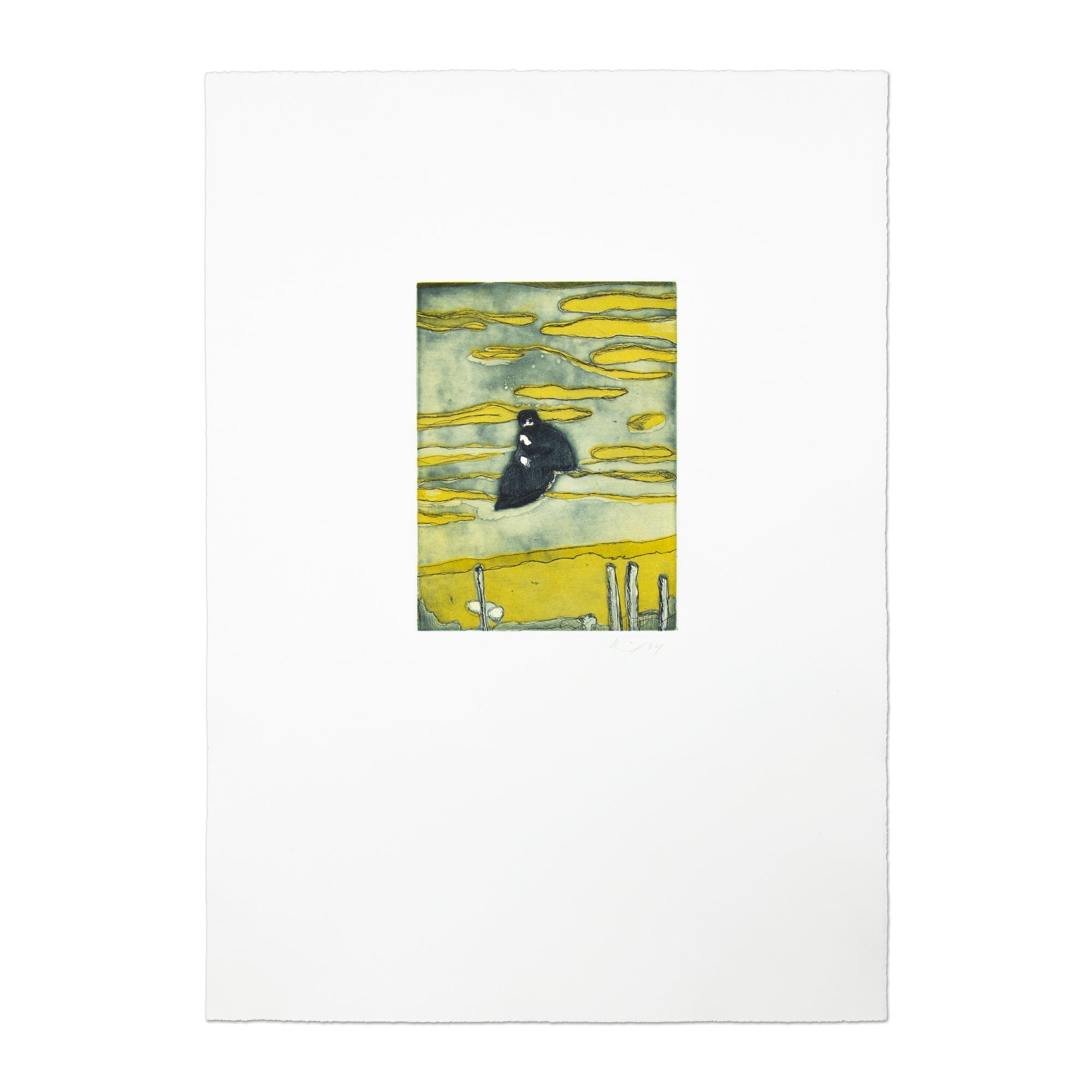
Peter Doig – BoathousePeter Doig - Boathouse
Peter Doig – Boathouse Sale price€3.600,00
Peter Doig – Untitled (Winter Scene)Peter Doig - Untitled (Winter Scene)
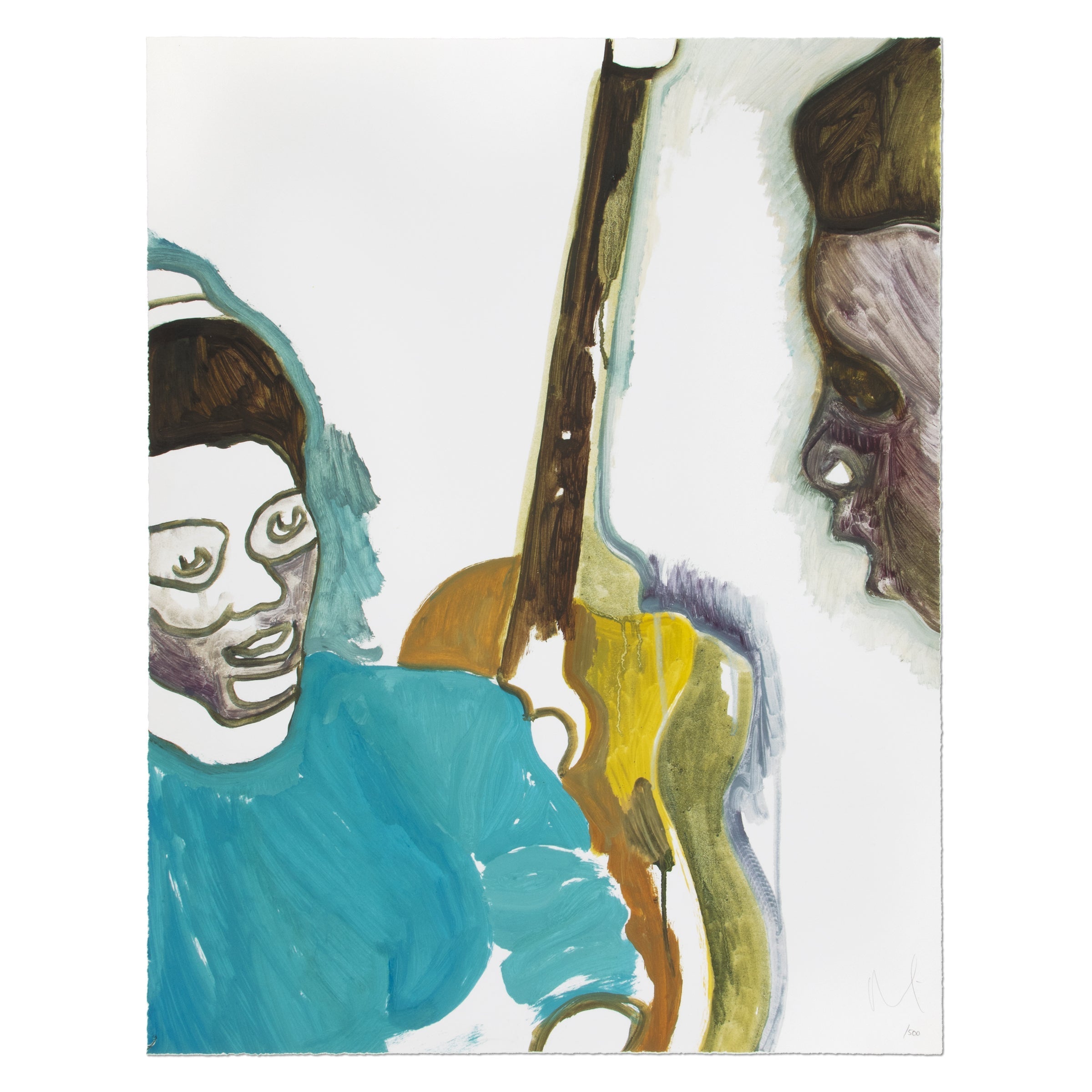
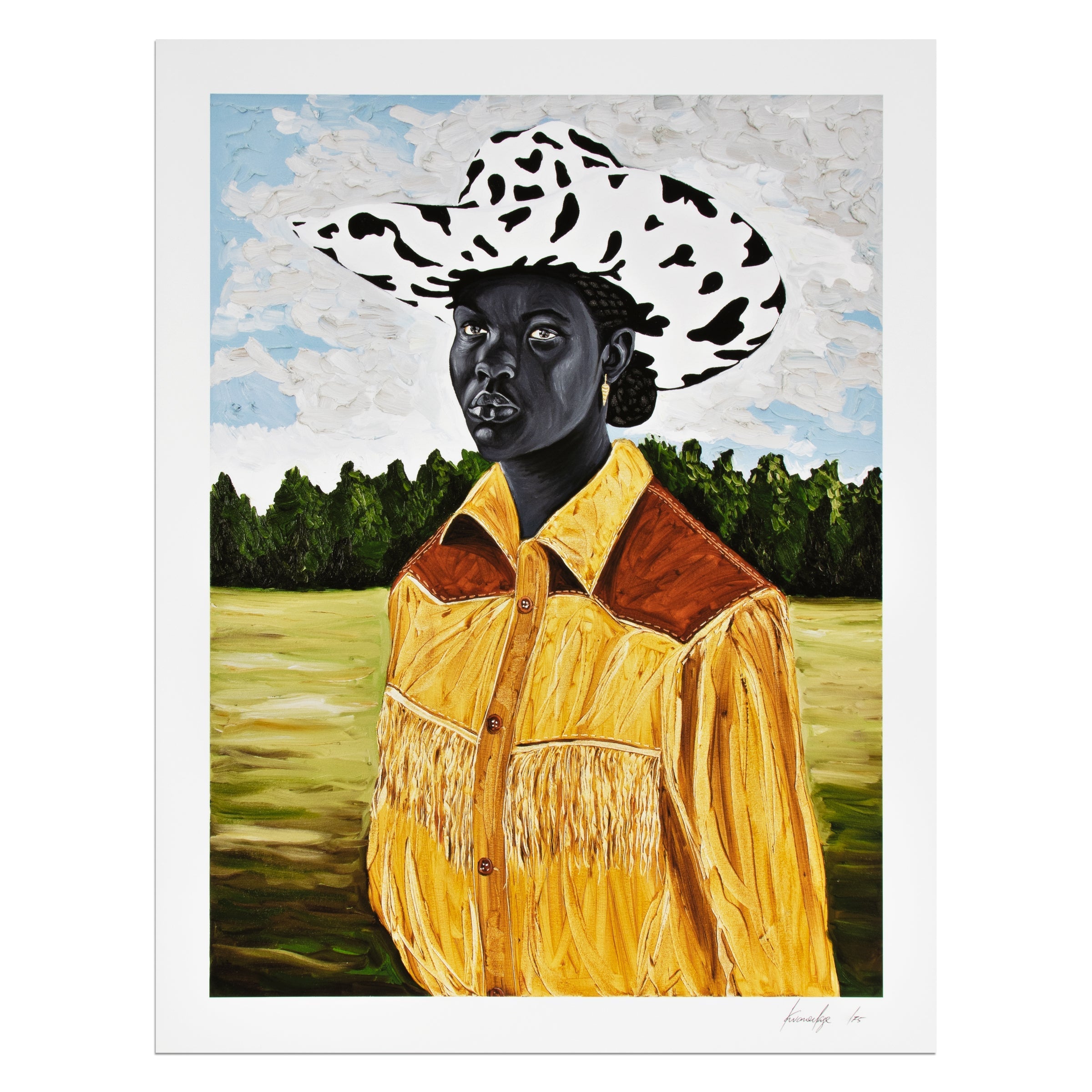
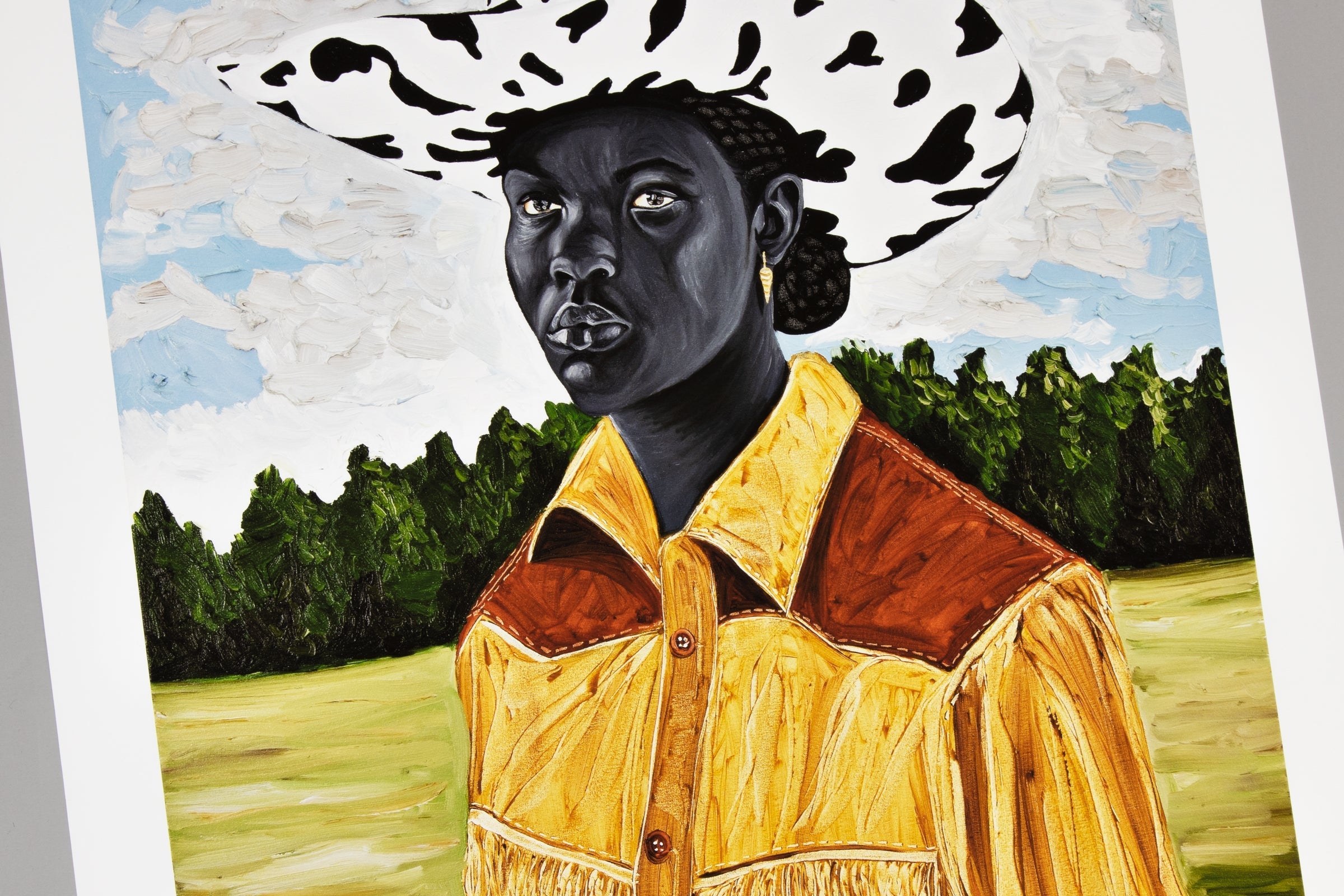
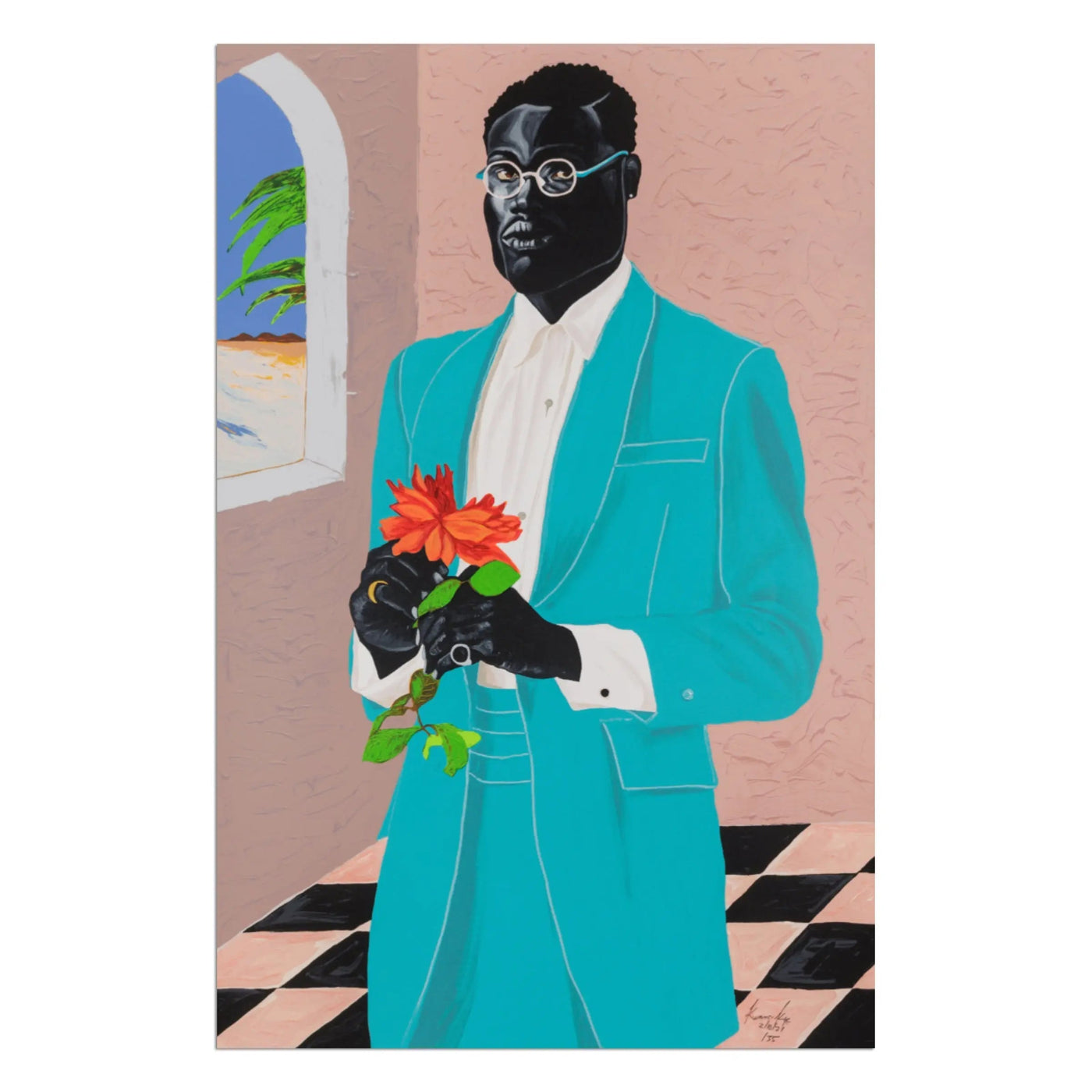
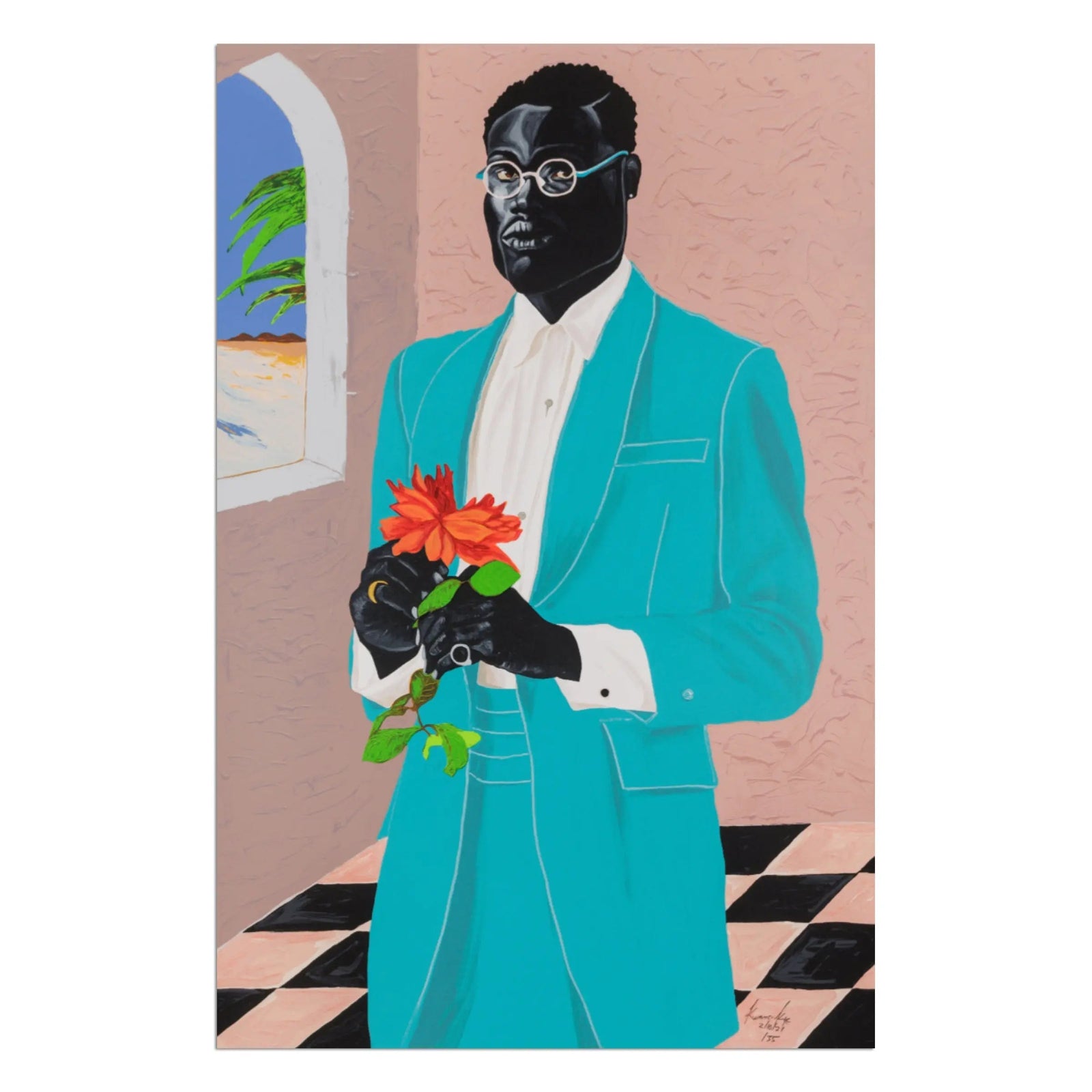
Otis Kwame Quaicoe – RancherOtis Kwame Quaicoe, Rancher
Otis Kwame Quaicoe – Rancher Sale price€4.000,00
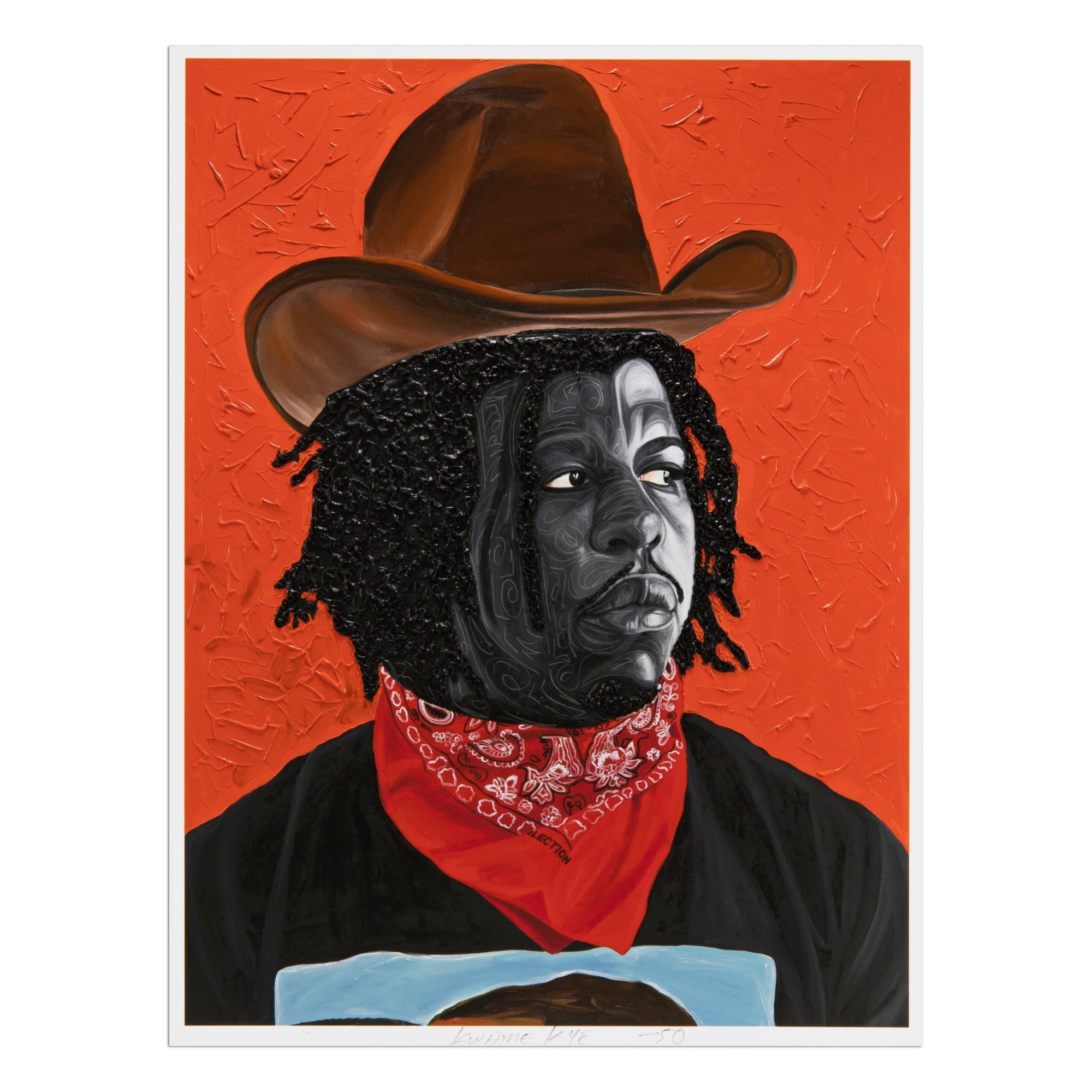
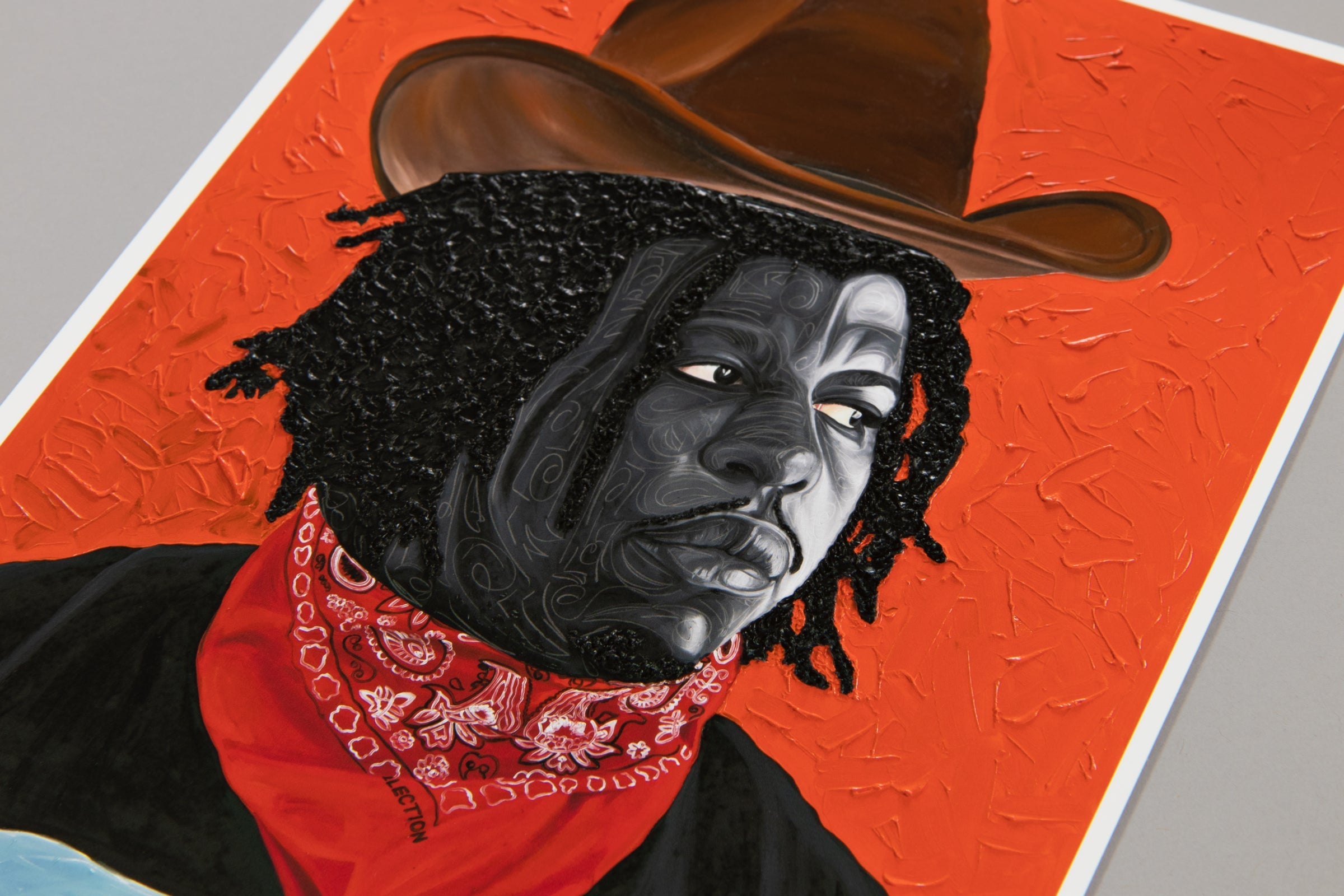
Otis Kwame Kye Quaicoe - Jon Gray (Black Rodeo)Otis Kwame Kye Quaicoe - Jon Gray (Black Rodeo)
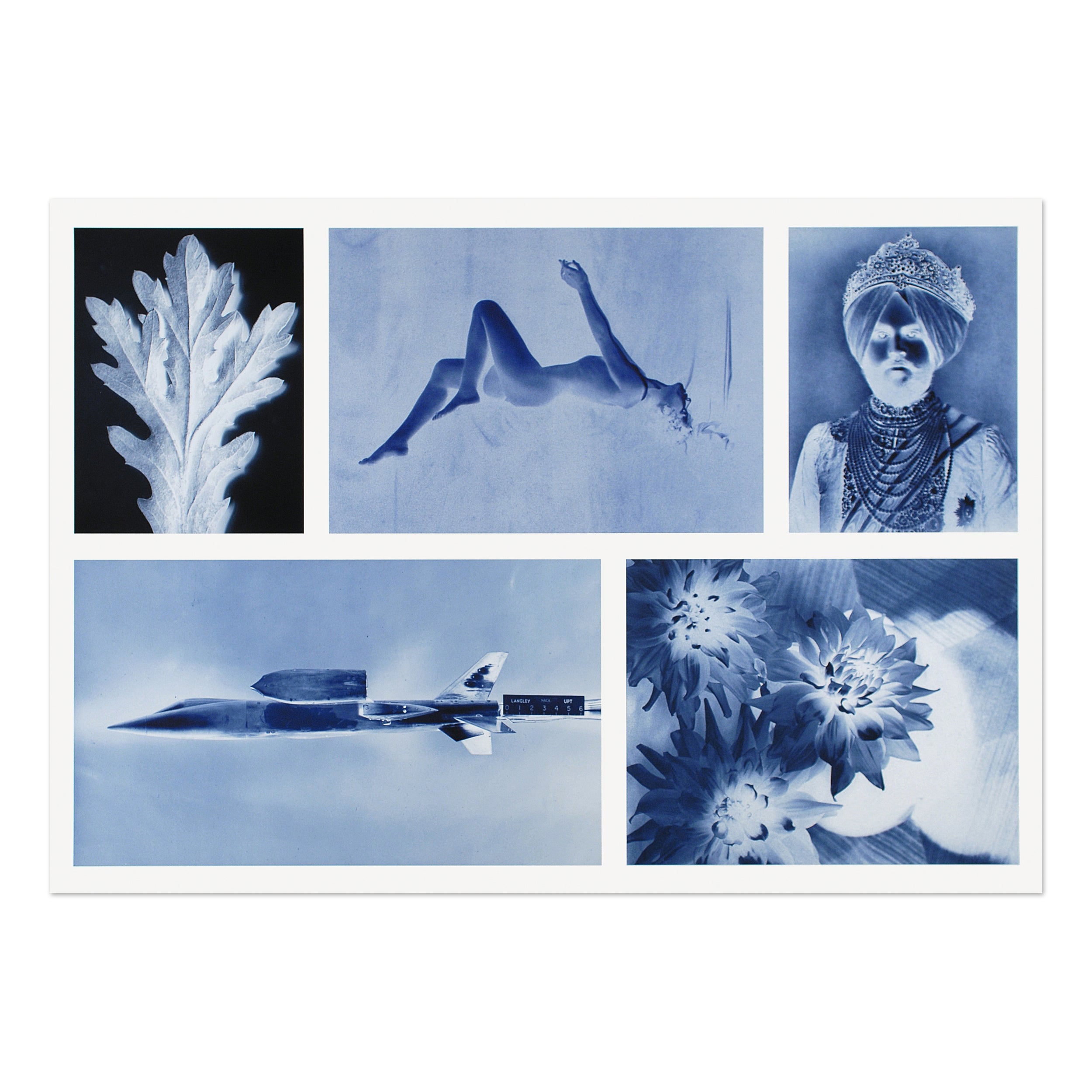
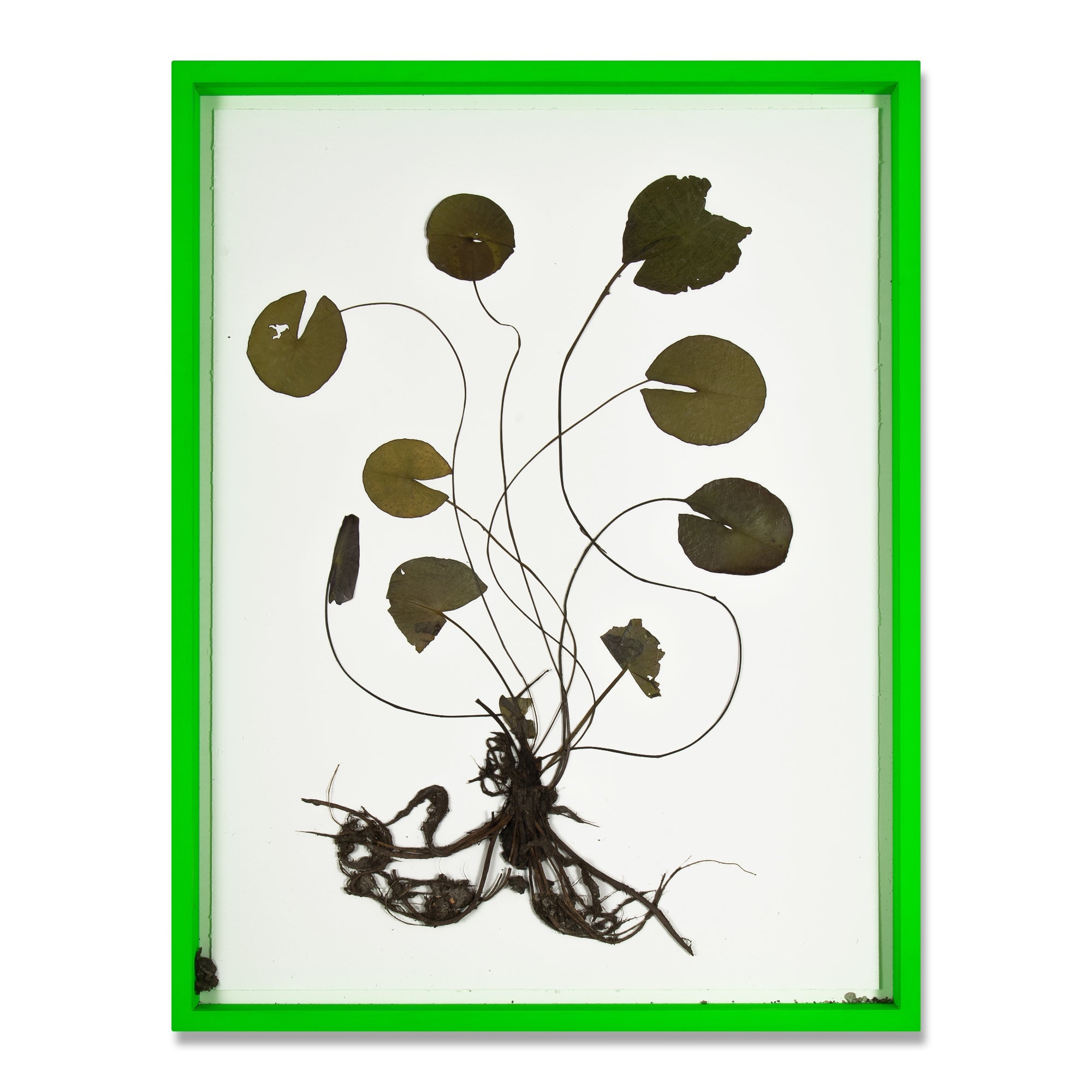
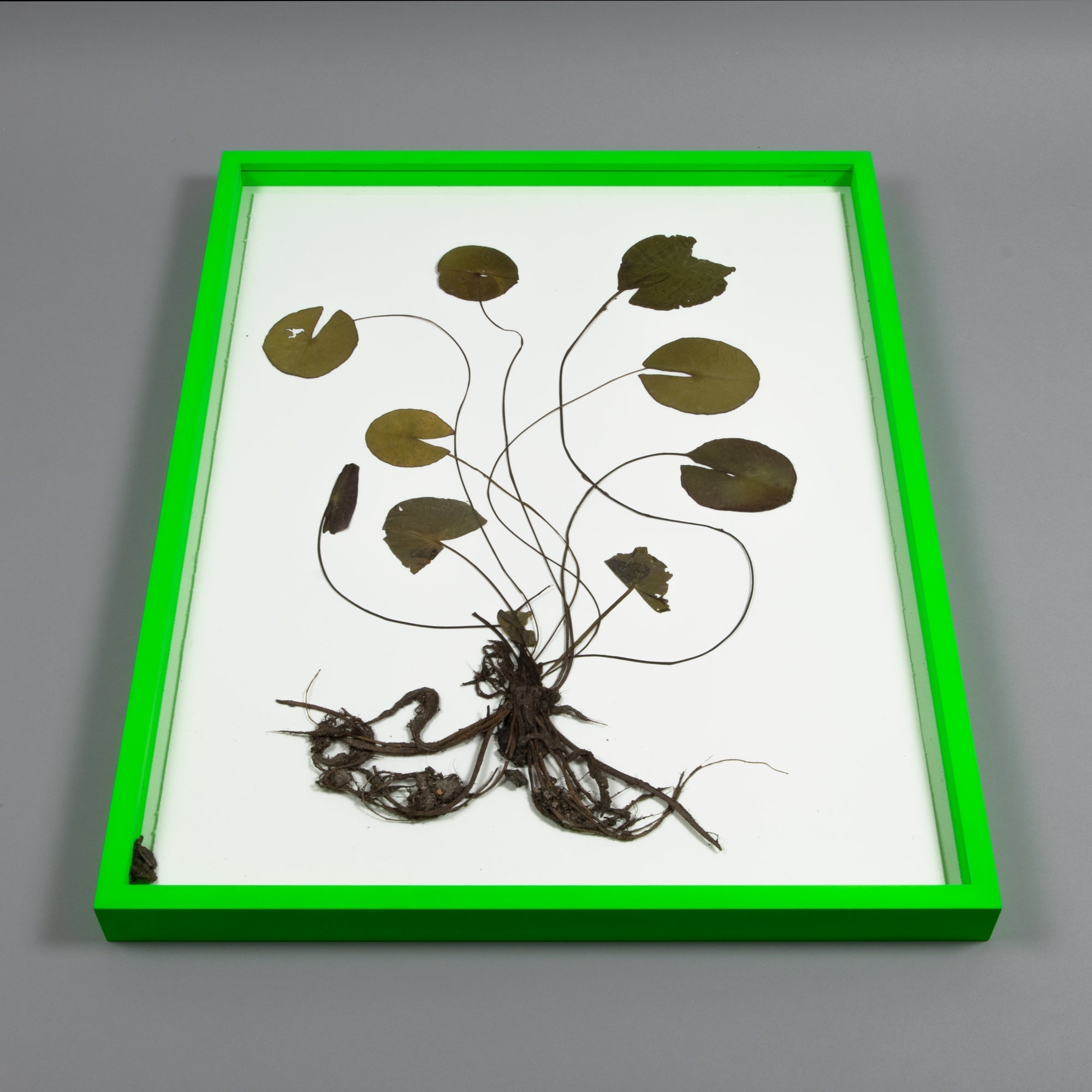
Olafur Eliasson – HerbariumOlafur Eliasson - Herbarium
Olafur Eliasson – Herbarium Sale price€5.400,00
Nicolas Party – Portrait with ShellsNicolas Party - Portrait with Shells
Nicolas Party – Portrait of a Seahorse NecklaceNicolas Party - Portrait of a Seahorse Necklace
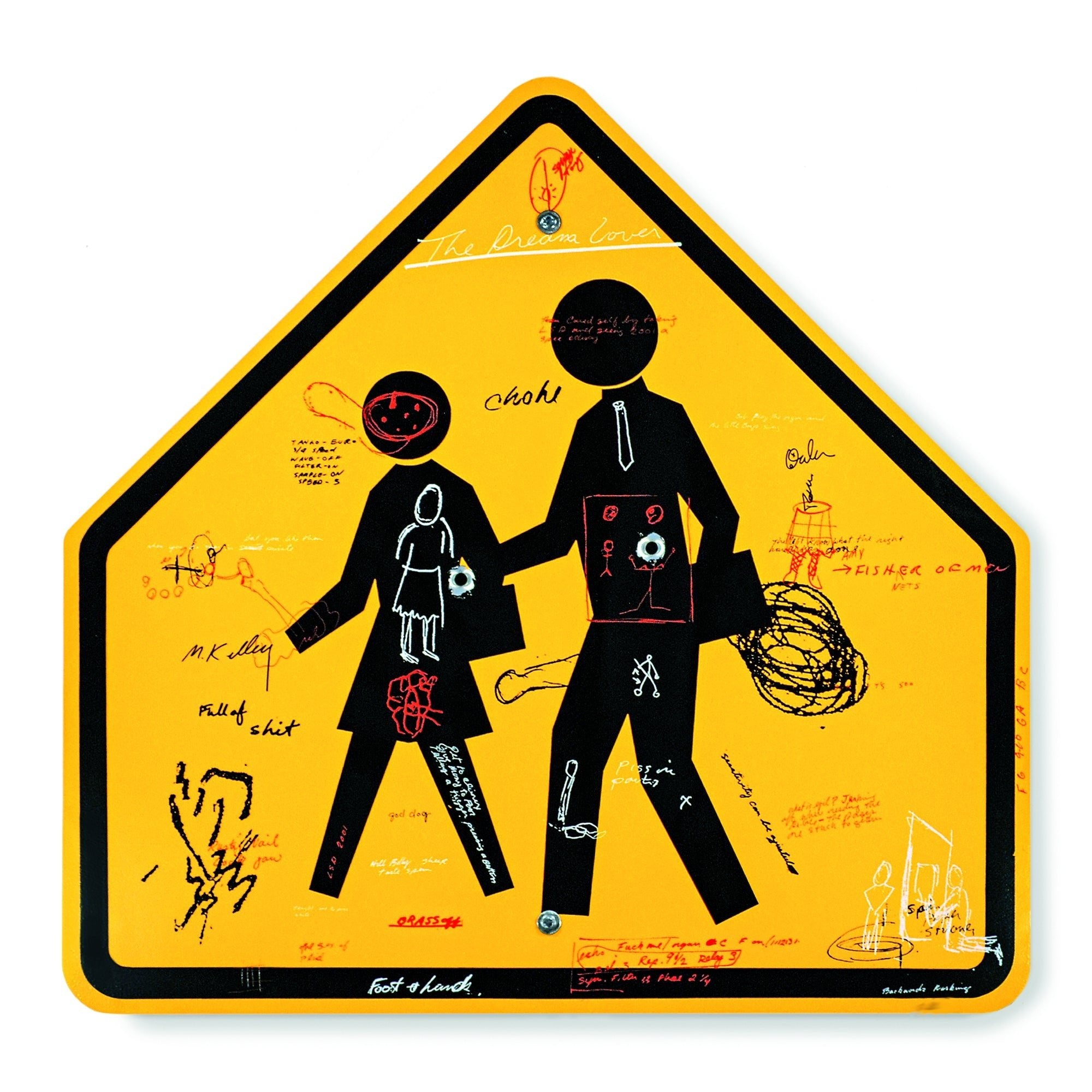
Mike Kelley and Tony Oursler – Poetics Country
Mel Ramos – Wonder Woman 3
Mel Ramos – Wonder Woman 3 Sale price€2.800,00

Mel Ramos – Toblerone Tess
Mel Ramos – Toblerone Tess Sale price€6.600,00
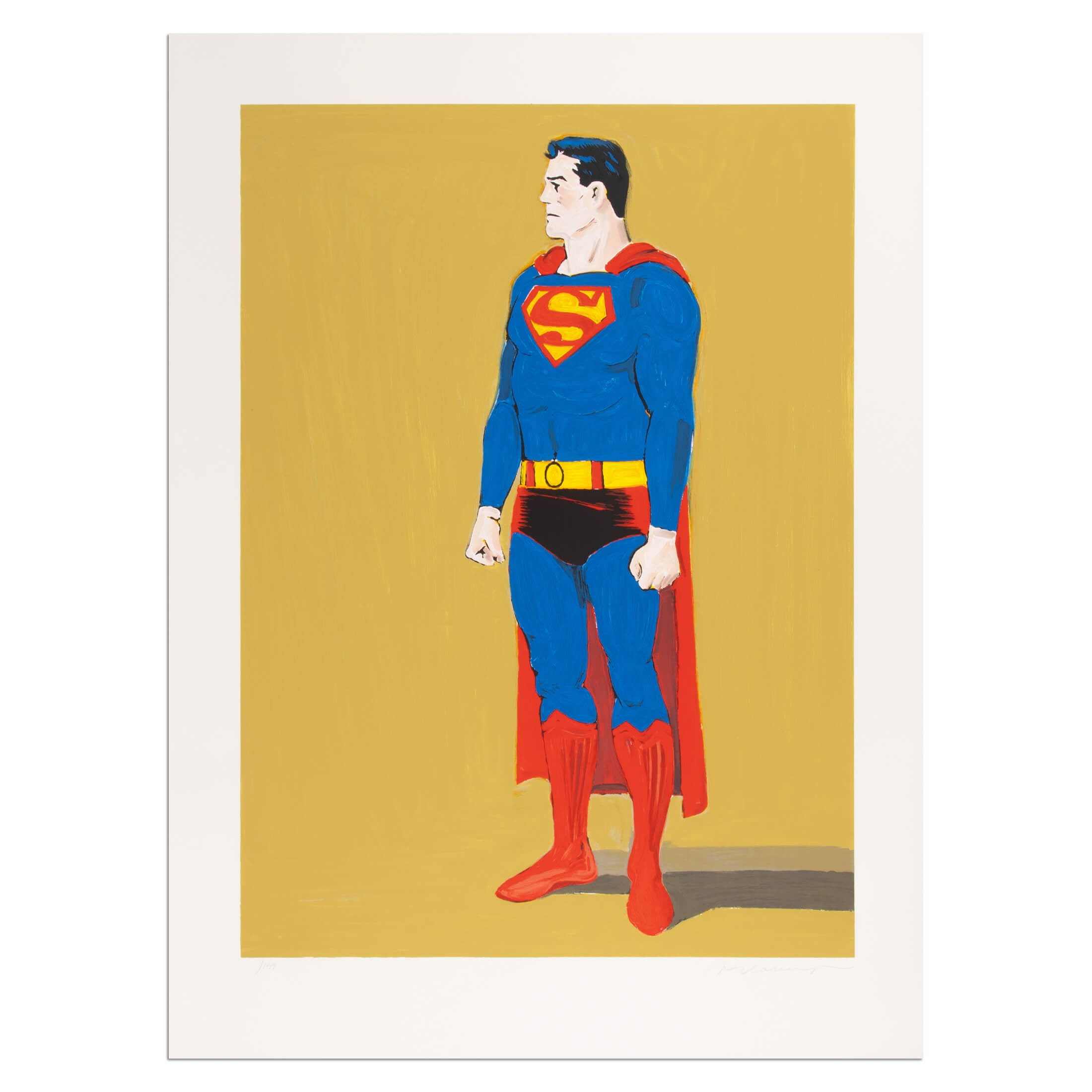
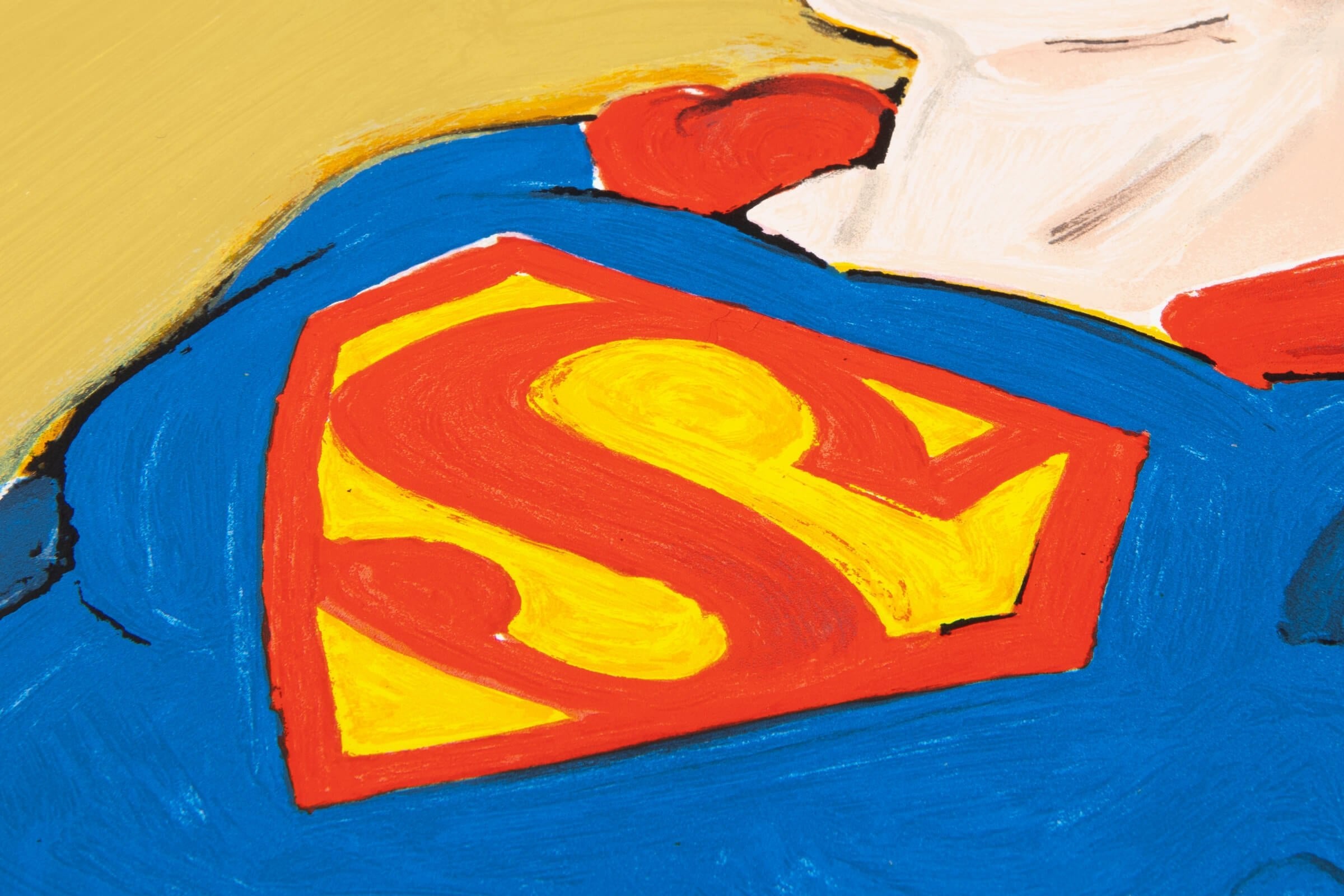
Mel Ramos – SupermanMel Ramos – Superman
Mel Ramos – Superman Sale price€3.000,00
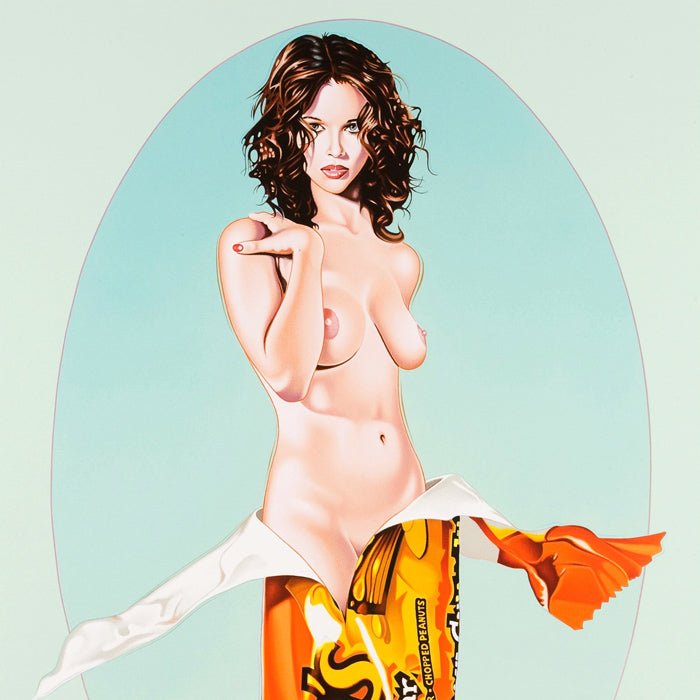
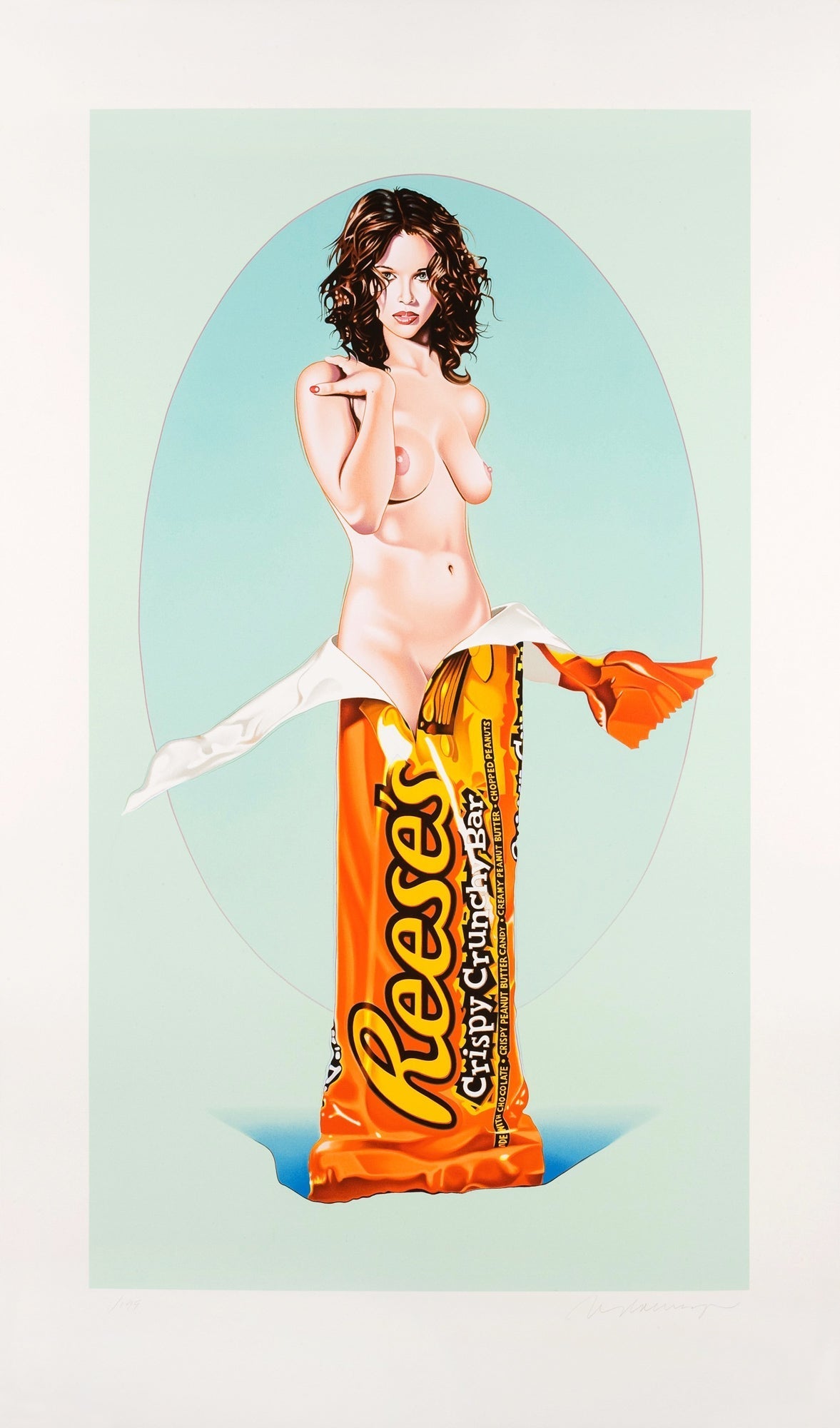
Mel Ramos - Reese's RoseMel Ramos – Reese's Rose
Mel Ramos – Reese's Rose Sale price€3.900,00
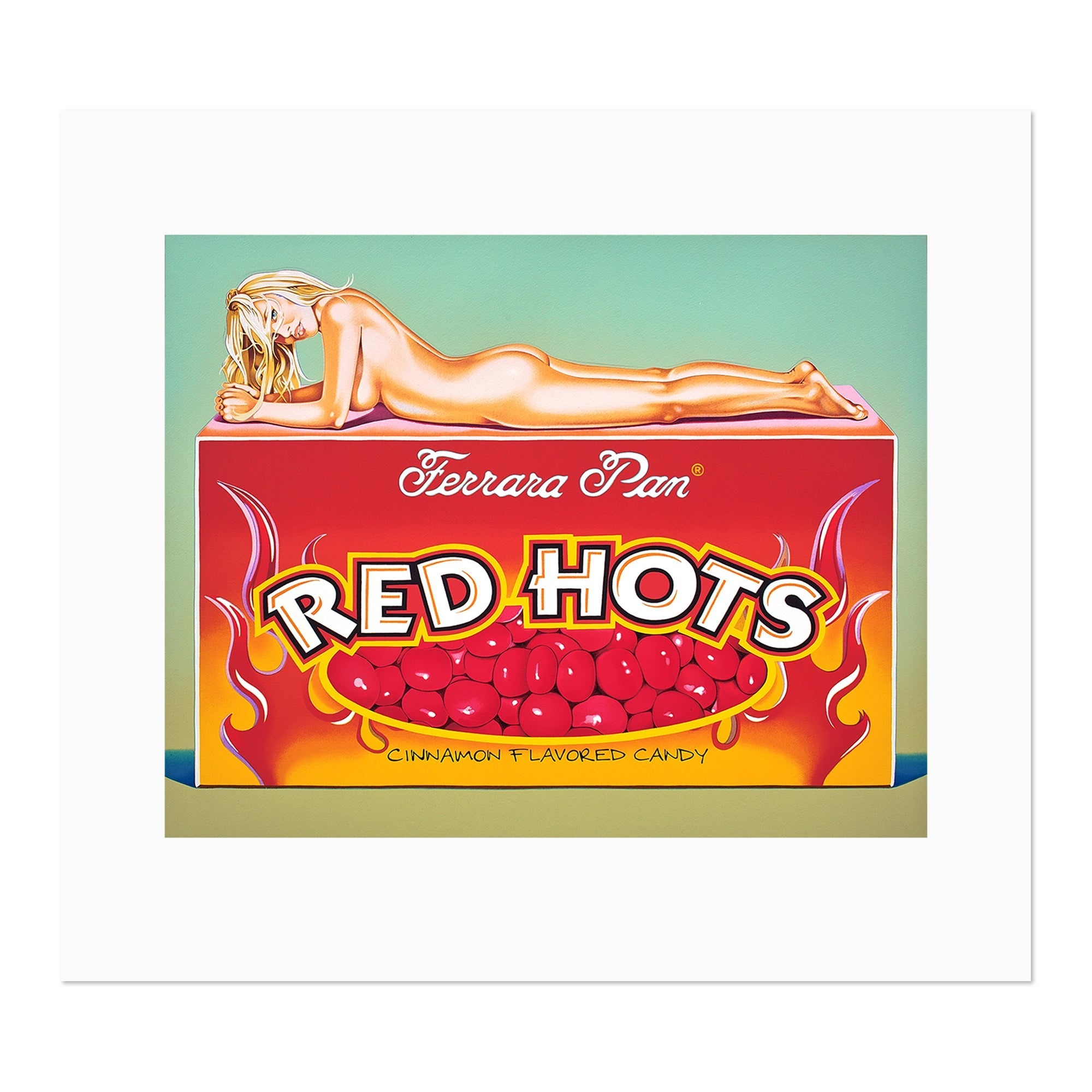
Mel Ramos – Red Hots
Mel Ramos – Red Hots Sale price€3.000,00
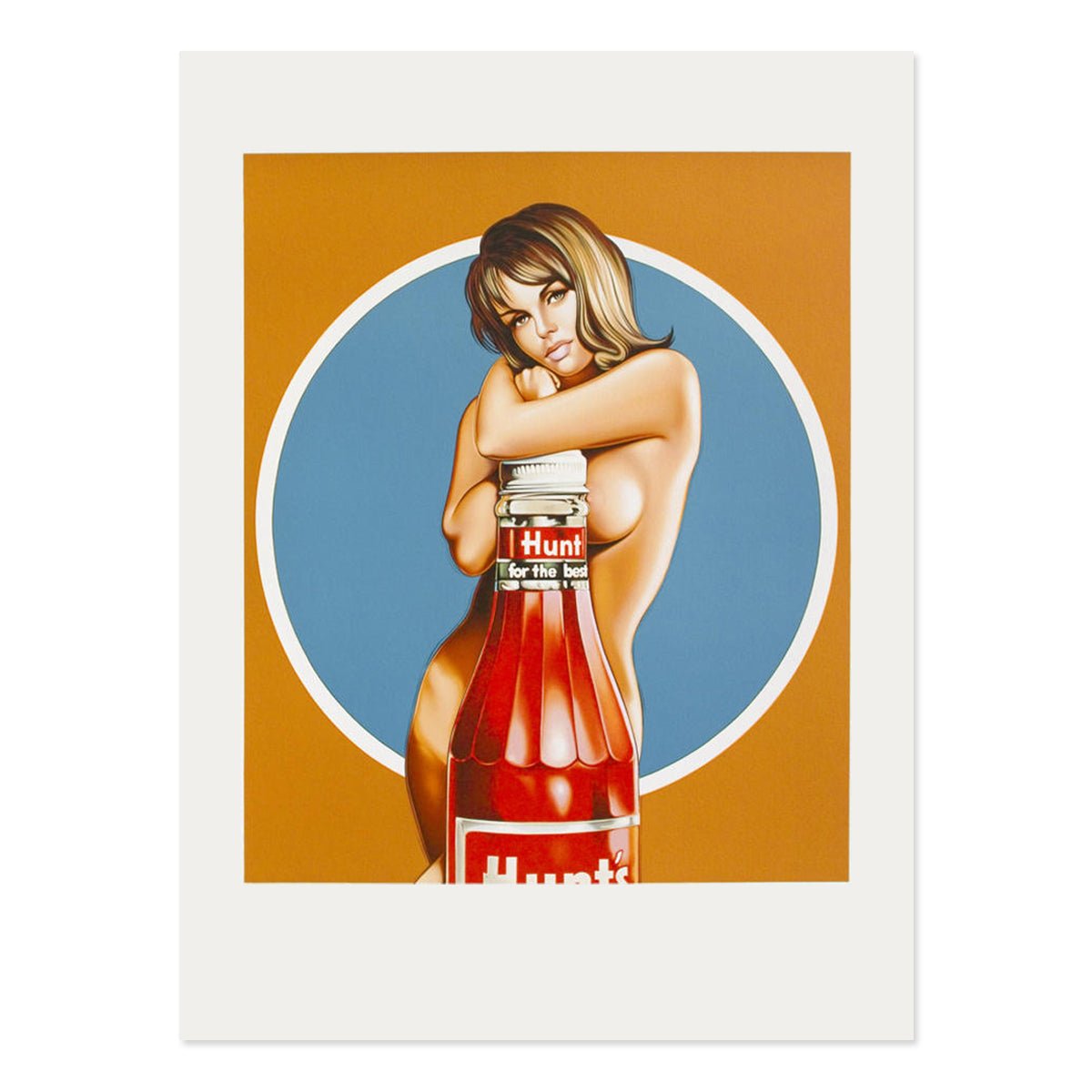
Mel Ramos – Hunt For The Best
Mel Ramos – Hunt For The Best Sale price€4.400,00

Mel Ramos – Hav-A-Havana 6
Mel Ramos – Hav-A-Havana 6 Sale price€4.000,00
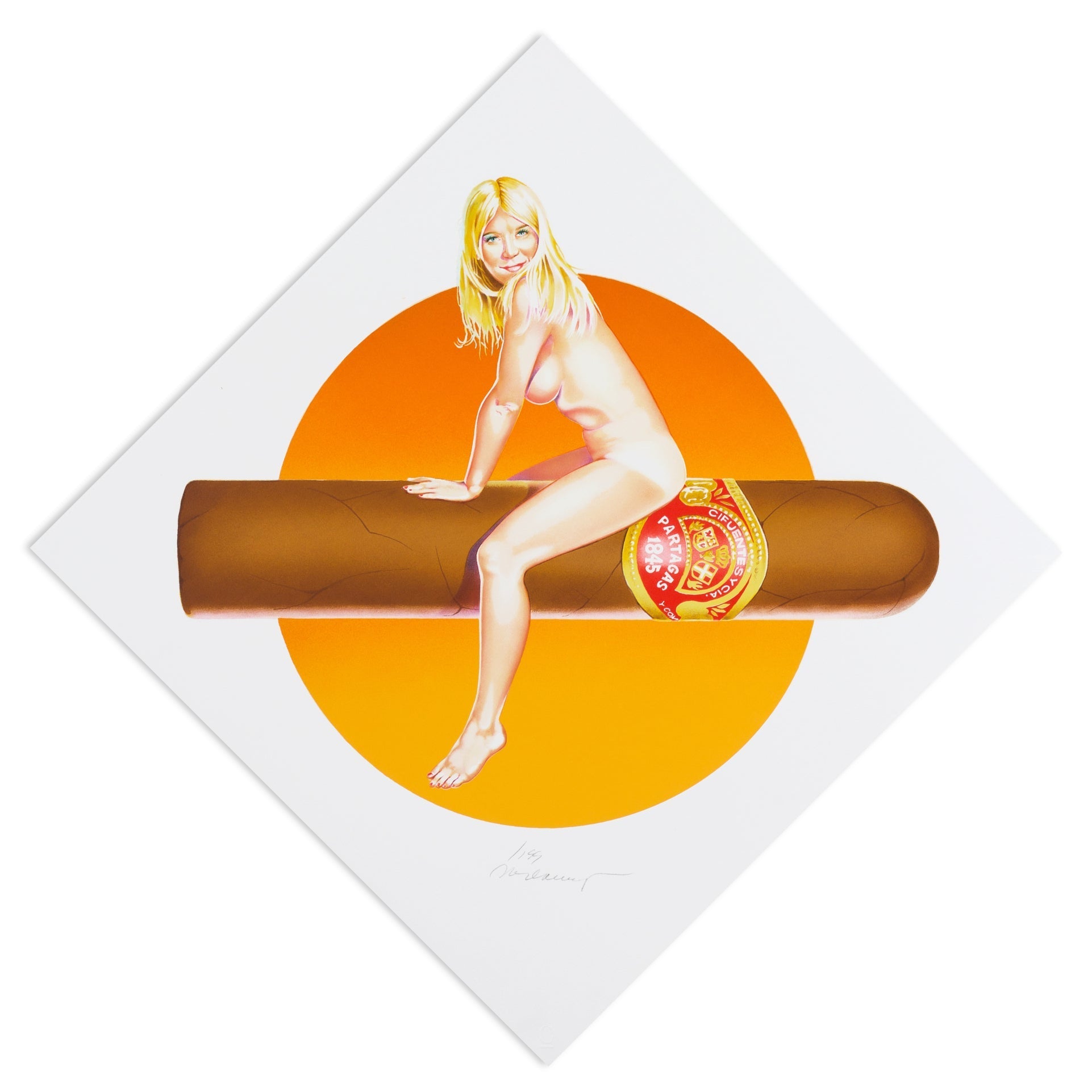
Mel Ramos - Hav-A-Havana 3
Mel Ramos – Hav-A-Havana 3 Sale price€3.500,00
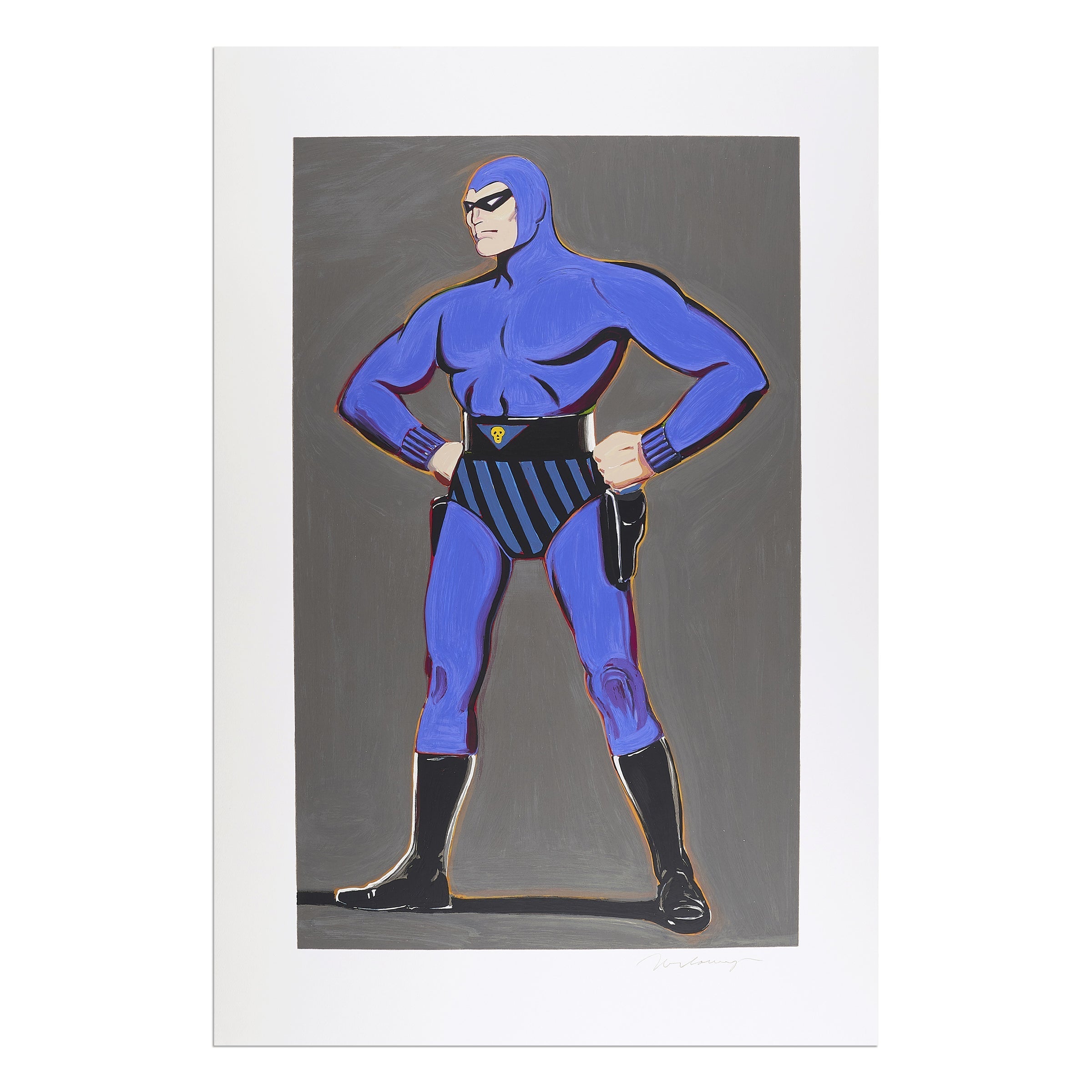
Mel Ramos - PhantomMel Ramos - Phantom
Mel Ramos – Phantom Sale price€2.800,00
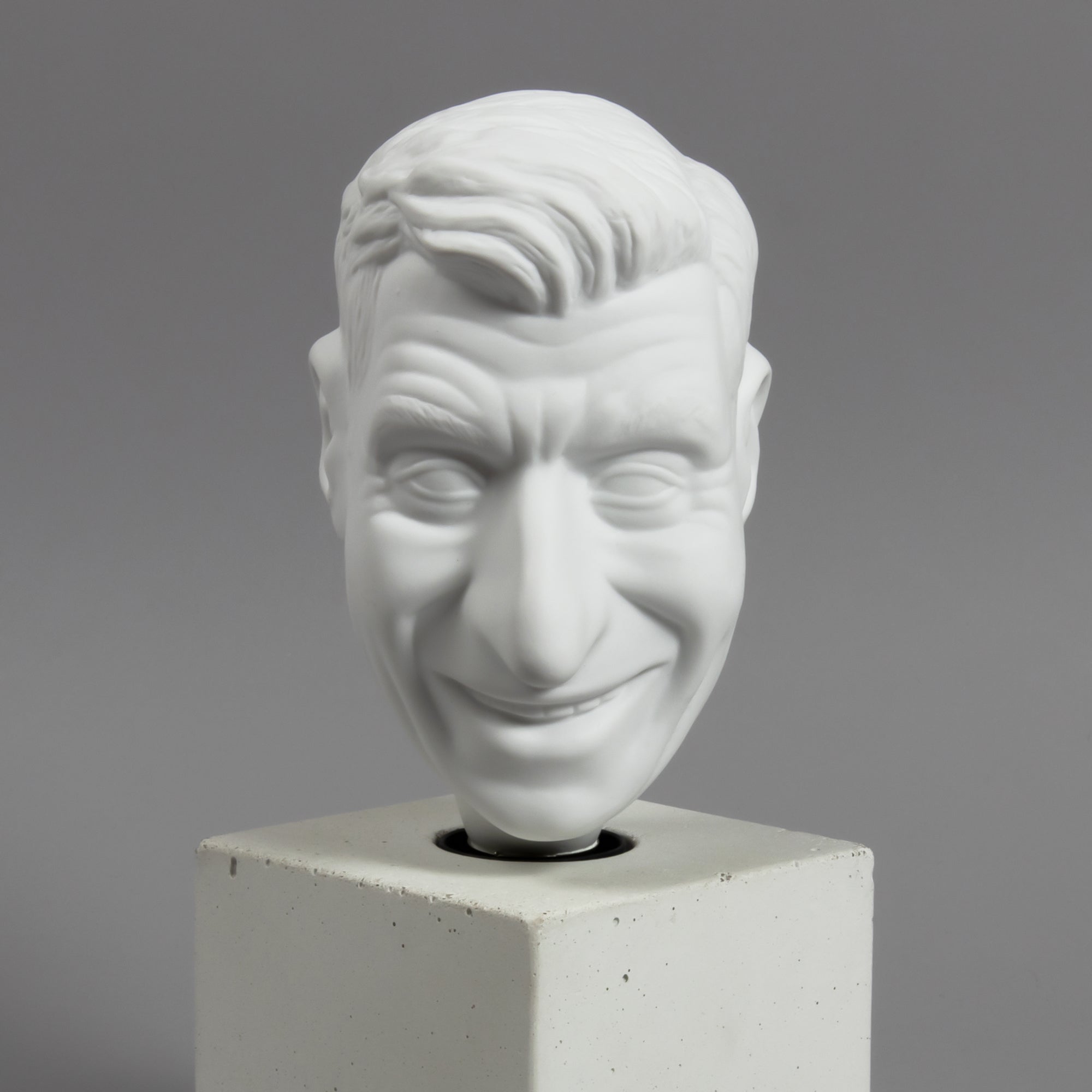
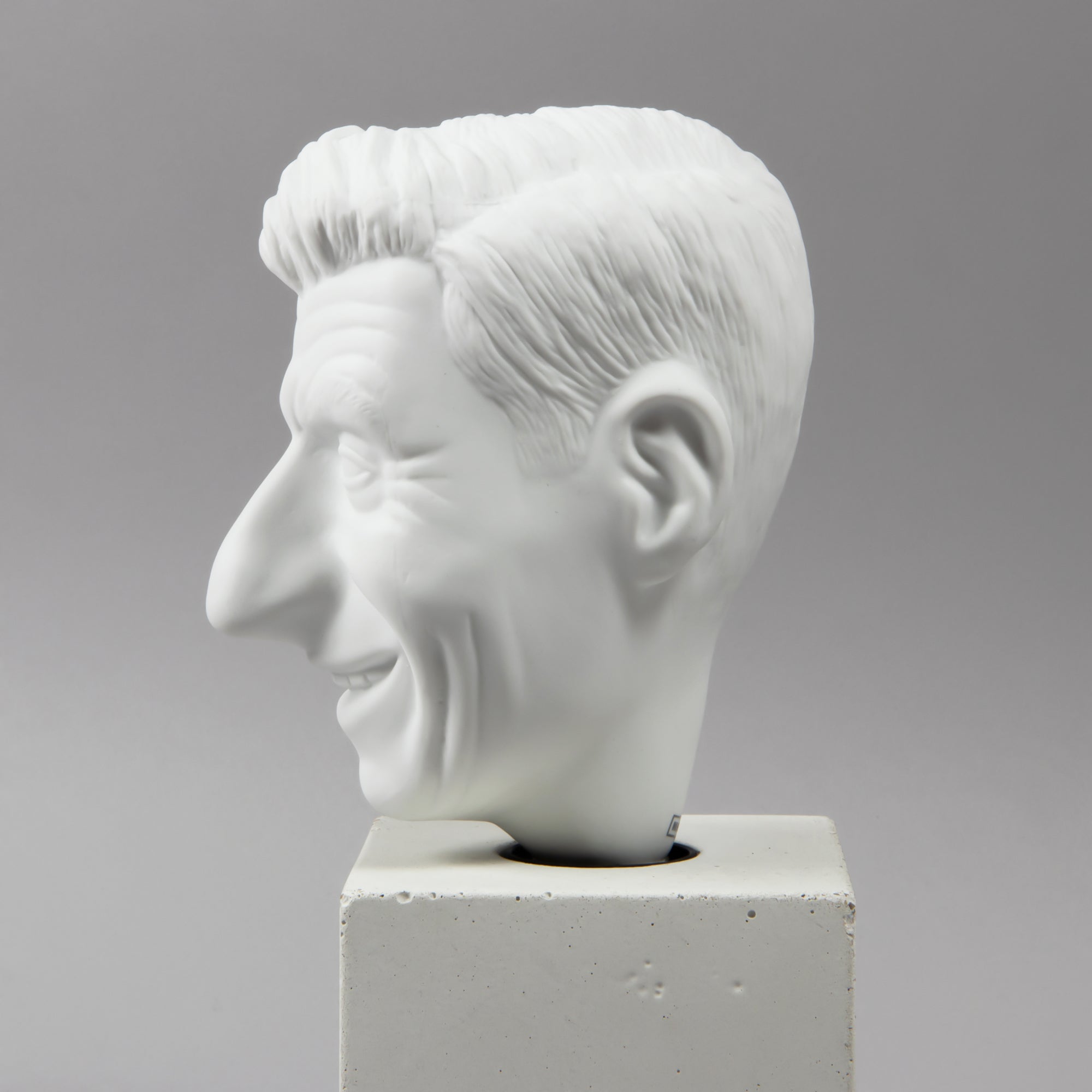
Maurizio Cattelan - Yes!Maurizio Cattelan - Yes!
Maurizio Cattelan – Yes! Sale price€1.300,00
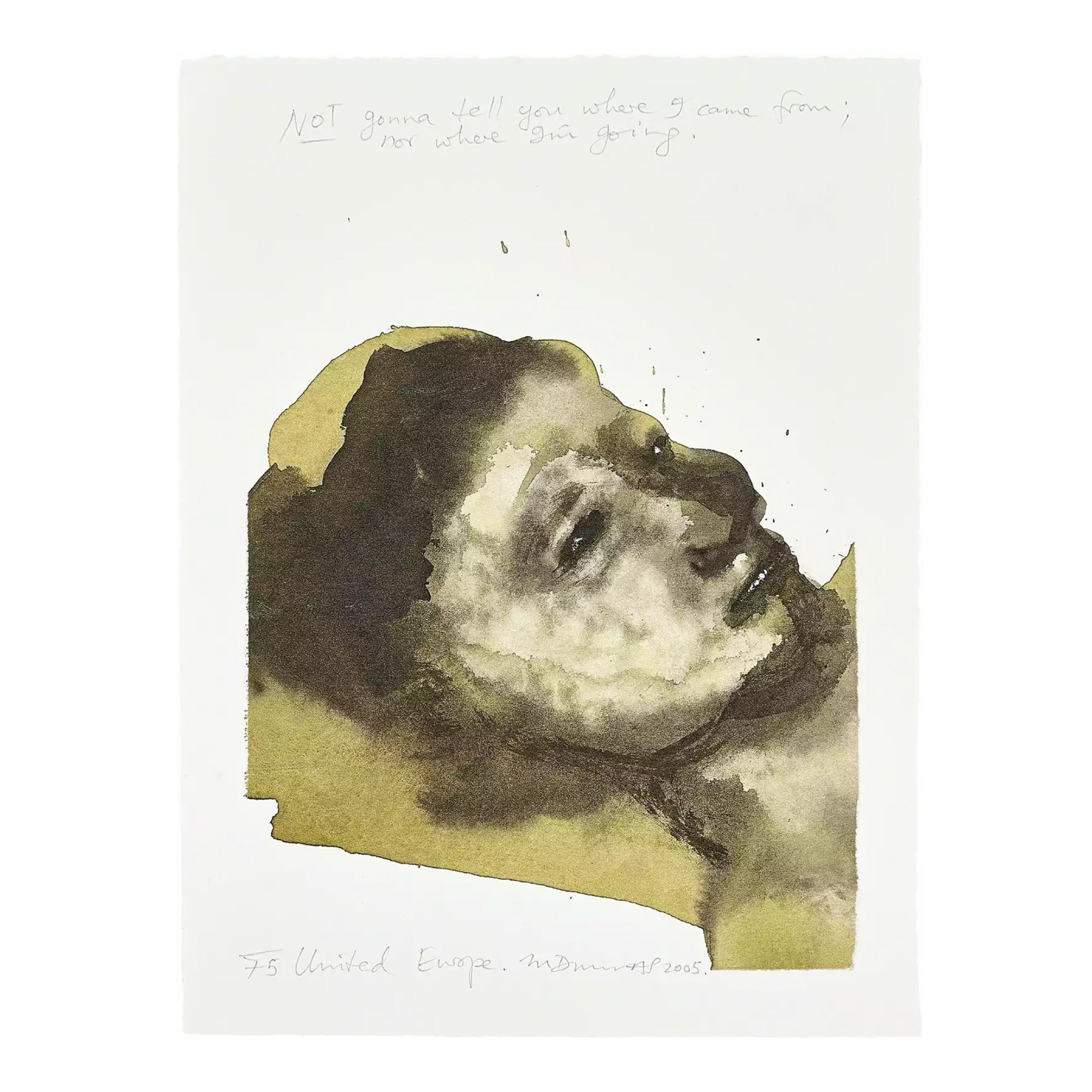
Marlene Dumas - United Europe
Marlene Dumas – United Europe Sale price€5.000,00
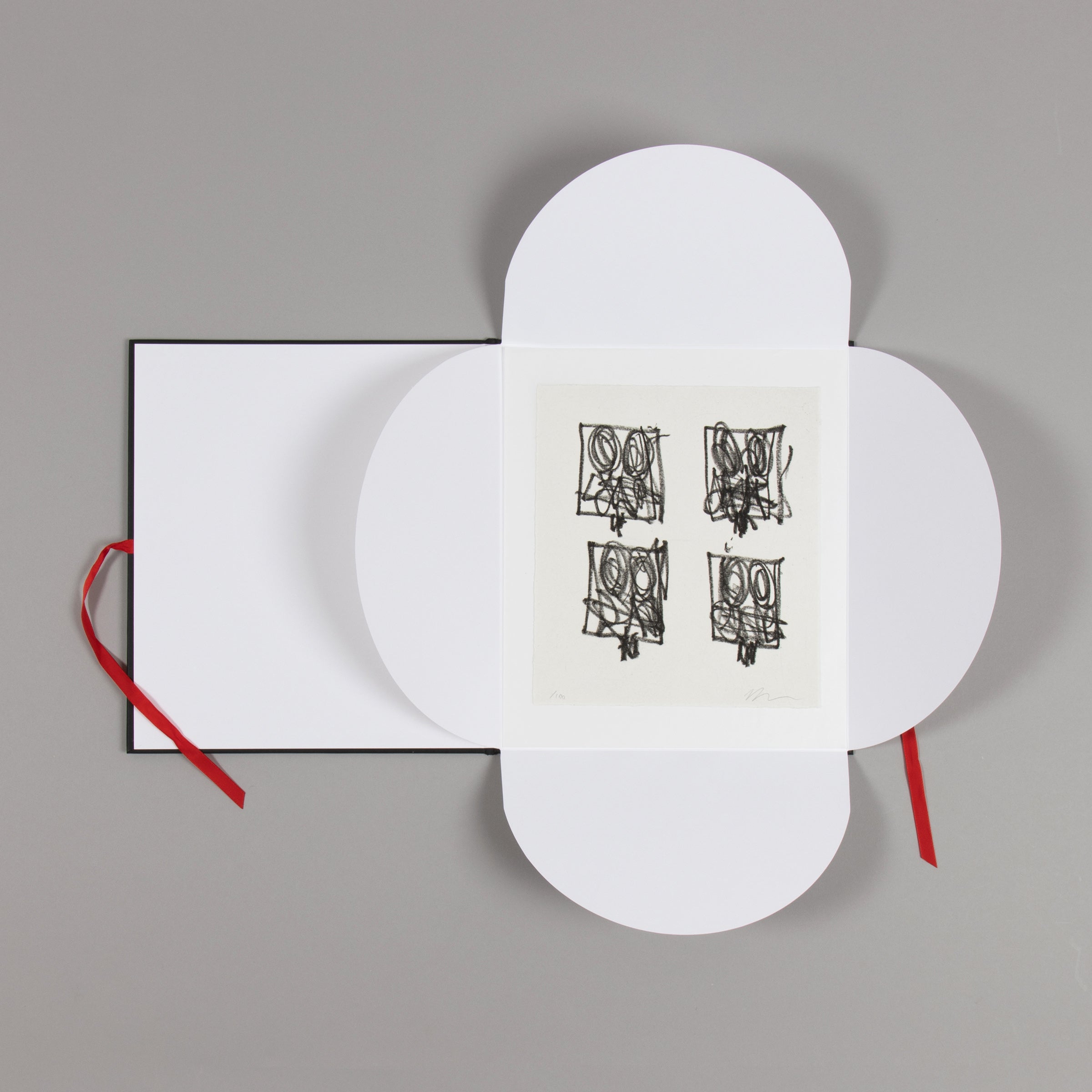
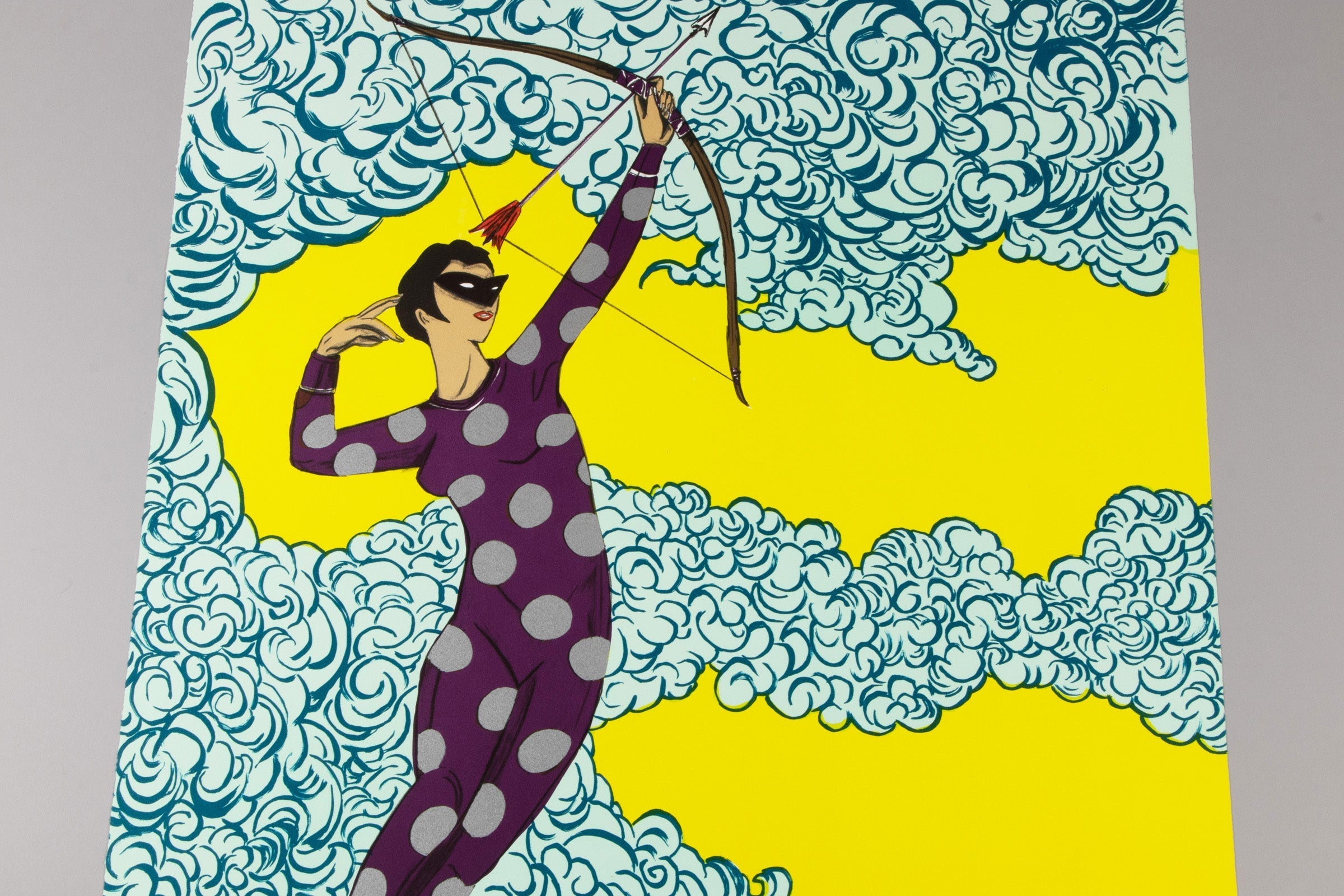
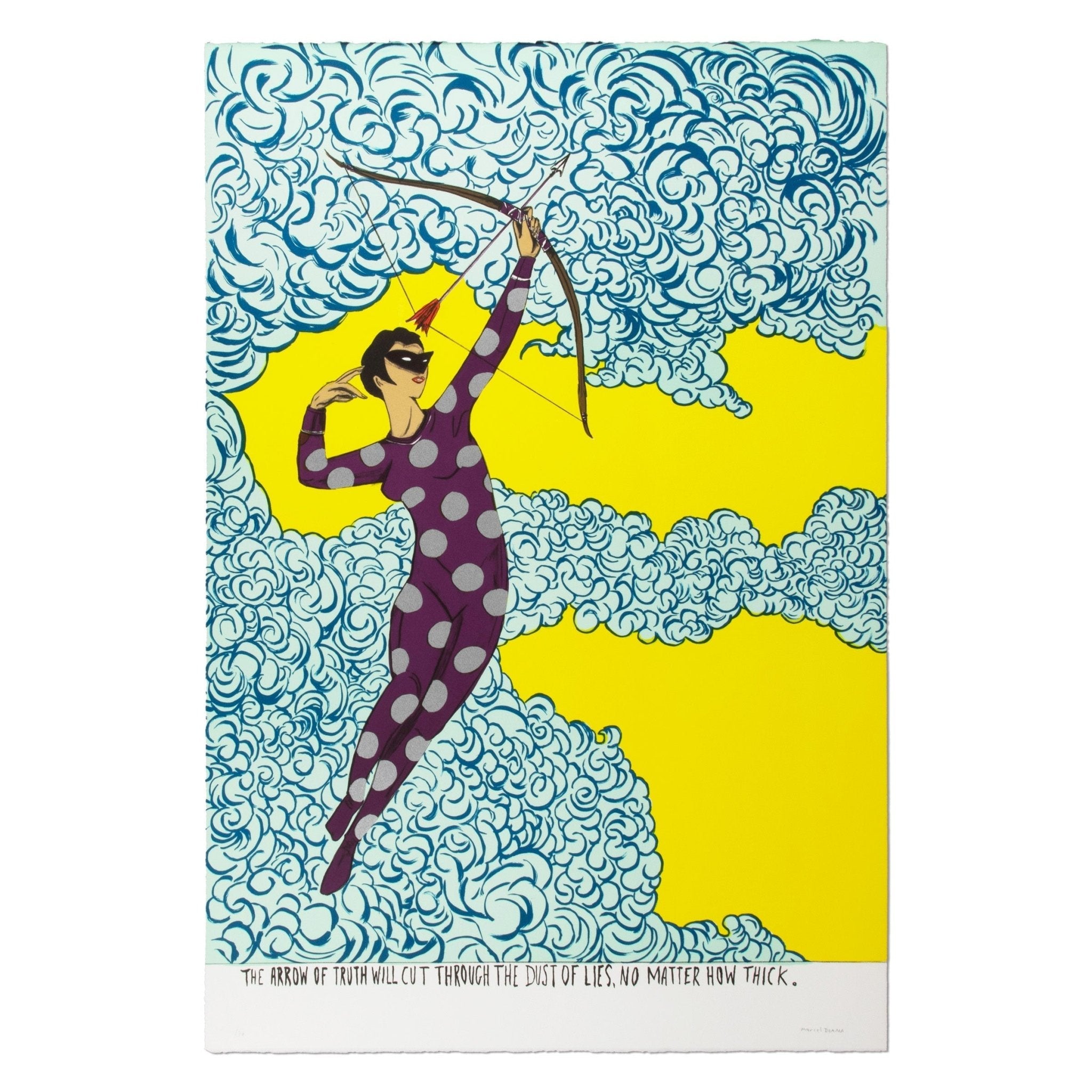
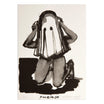
Marcel Dzama – The Arrow of TruthMarcel Dzama - The Arrow of Truth
Marcel Dzama – La Revolución va a Ser Femenina
Sold out
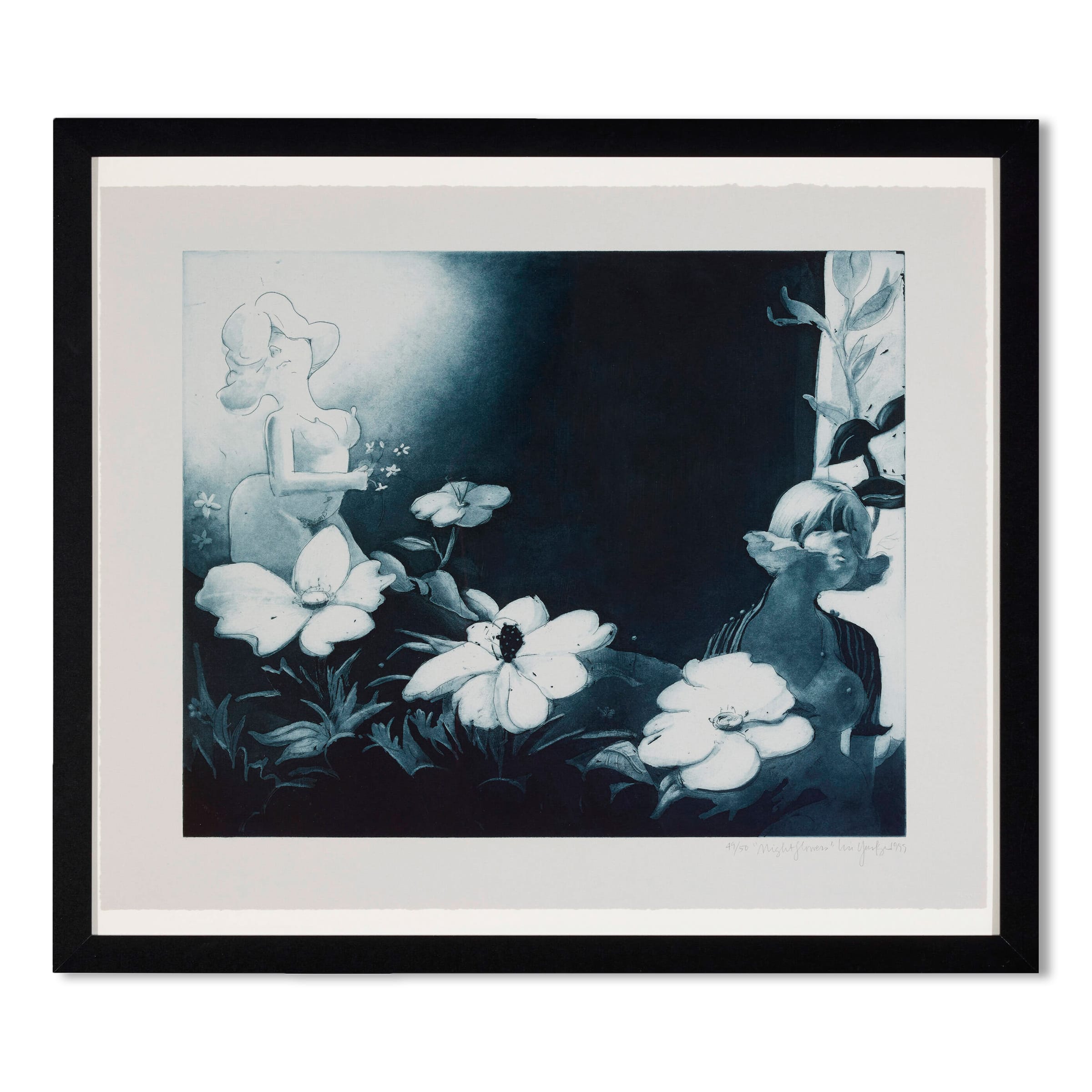
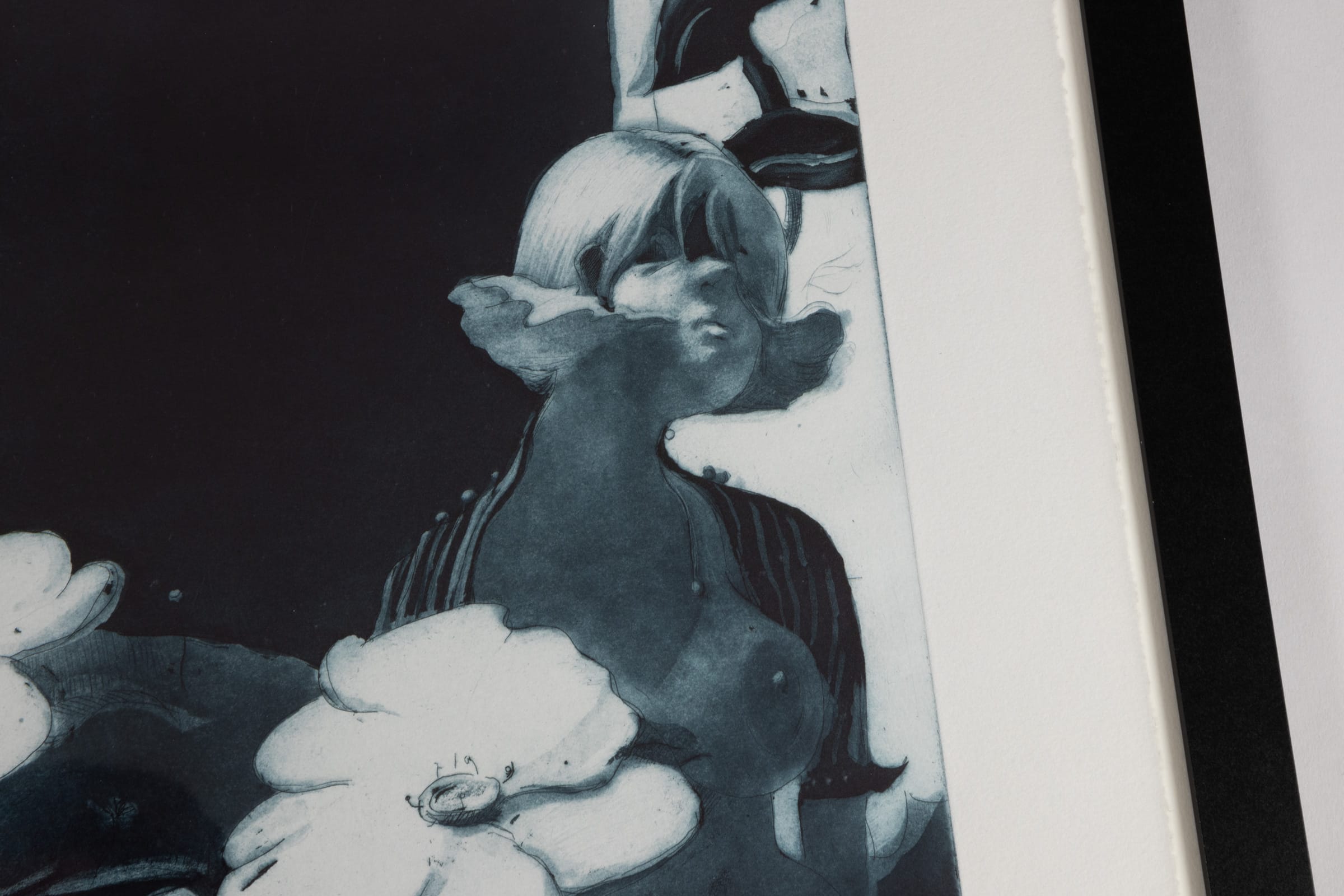
Lisa Yuskavage - Night FlowersLisa Yuskavage - Night Flowers
Lisa Yuskavage - Night Flowers Sale price€4.000,00
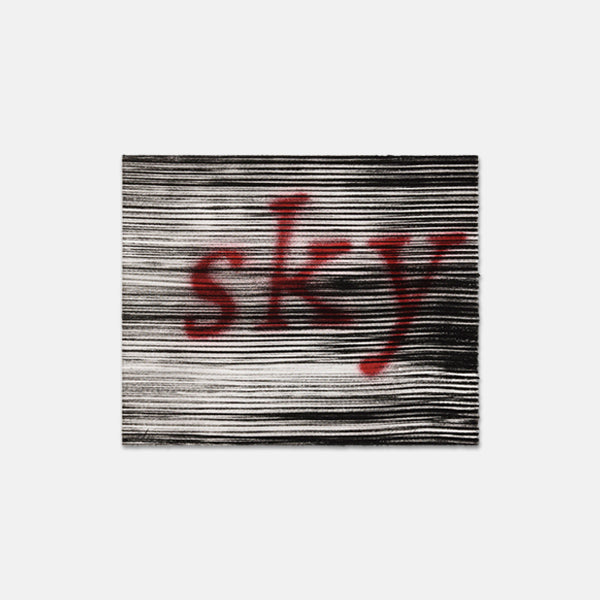
Lawrence Weiner – Wir sind keine Enten auf dem Teich
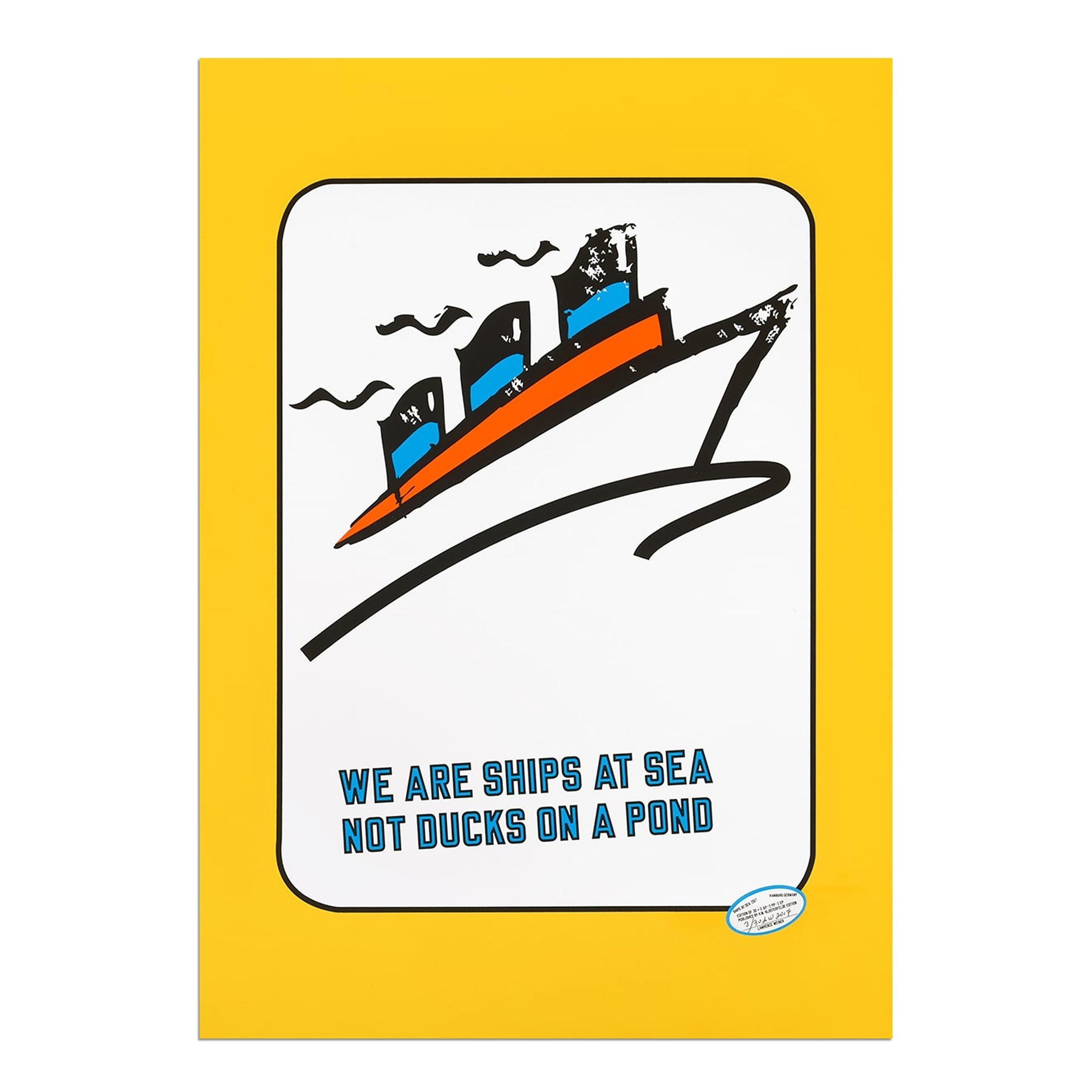
Lawrence Weiner – We Are Ships at Sea Not Ducks on a Pond
KAWS, GoneKAWS, Gone
KAWS – Gone Sale price€5.600,00
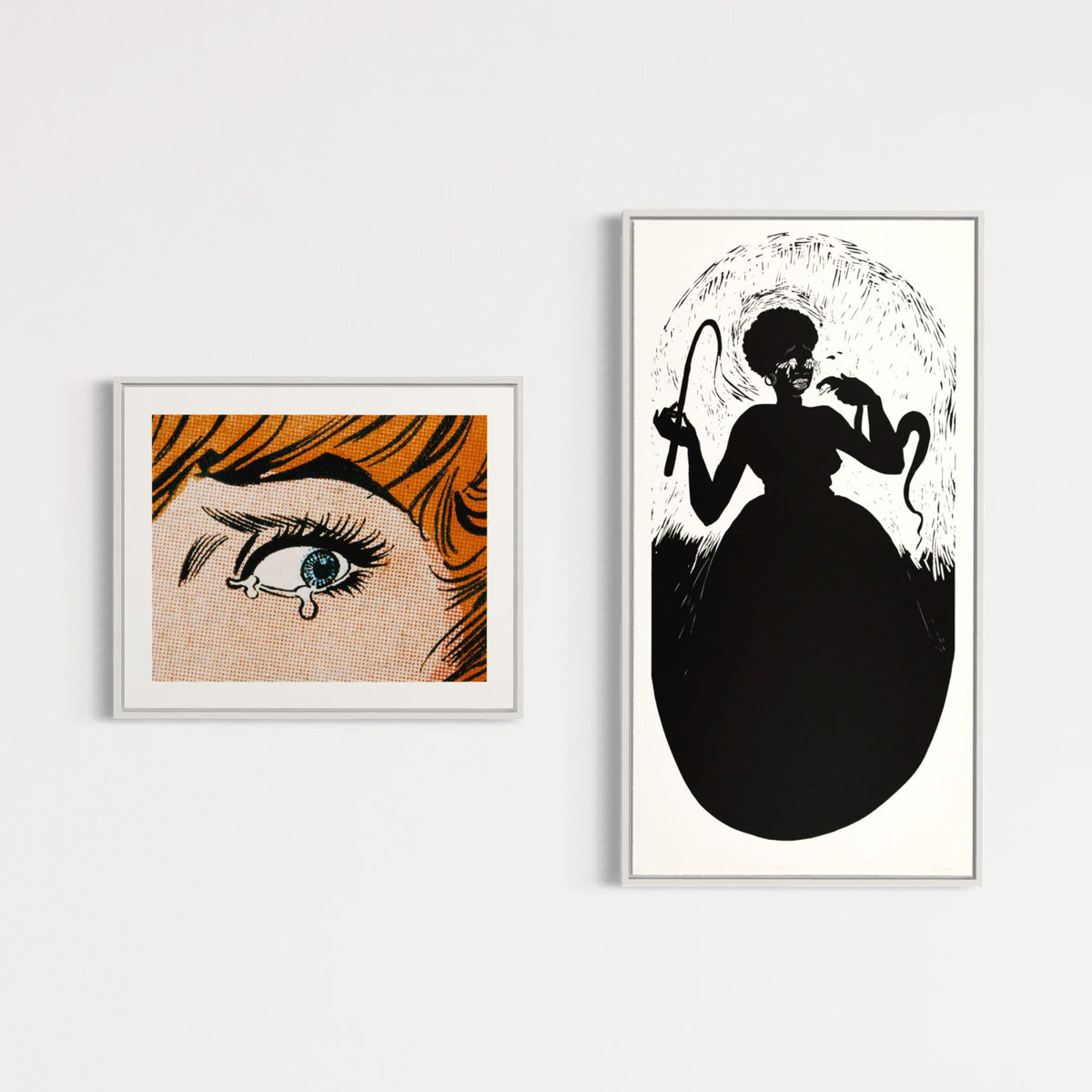
Kara Walker – Theme for the Fons AmericanusKara Walker - Theme for the Fons Americanus
Kara Walker – Boo-HooKara Walker - Boo-Hoo
Sold out
JR - Women Are HeroesJR - Women Are Heroes
JR - Women Are Heroes Sale price€1.900,00
JR - Olho, Estadio de PacaembuJR – Olho, Estadio de Pacaembu
JR – Olho, Estadio de Pacaembu Sale price€1.400,00
JR, KikitoJR, Kikito
JR – Kikito Sale price€1.500,00

Leading Figurative Artists

Explore figurative art prints and artworks by leading contemporary artists, including Peter Doig, Nicolas Party, Marcel Dzama, and Marlene Dumas, whose practices engage the human figure through diverse contemporary approaches.

All artists
Otis Kwame Kye Quaicoe - View of Yoei William
01

Collect Figurative Art

Figurative art carries a distinct advantage: it communicates without translation. Where abstraction and conceptual work often demand a critical vocabulary, the figure speaks immediately — a body, a face, a gesture legible to anyone. That immediacy is precisely why figuration has become one of the most sought-after fields in contemporary collecting. In a culture saturated with screens, algorithms, and AI-generated imagery, collectors are drawn to what is visibly, deliberately human-made.

But immediacy is not simplicity. The strongest figurative work sustains a second reading — psychological, political, art-historical — beneath its accessible surface. A Marlene Dumas portrait is legible in seconds and unresolvable over years. A Peter Doig landscape reads as a place and a memory at once. This collection brings together prints, photographs, and editions by artists who work across that full range, from intimate portraiture to fragmented, dissolving bodies — each a signed, strictly limited work by an artist whose practice is held in major museum collections.

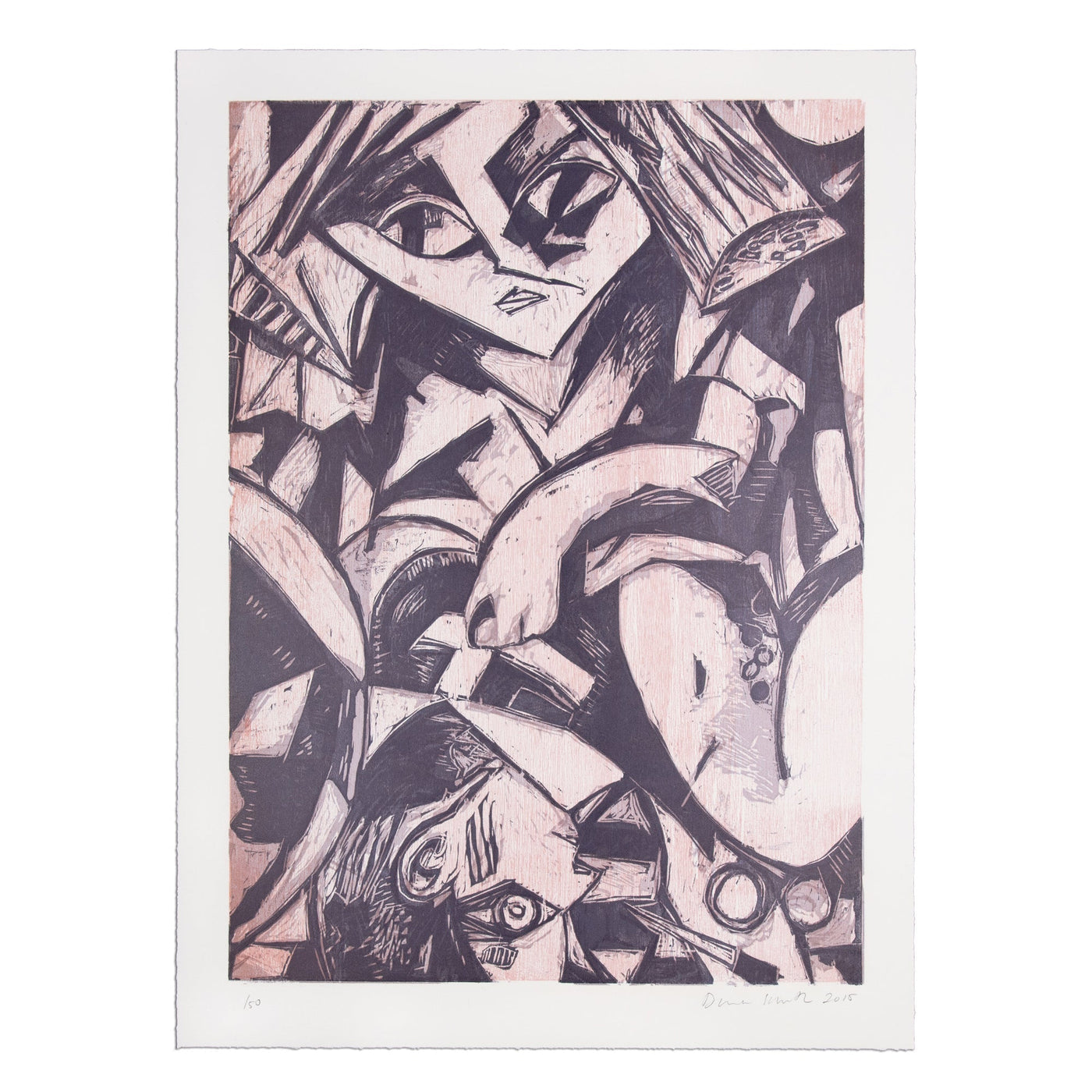
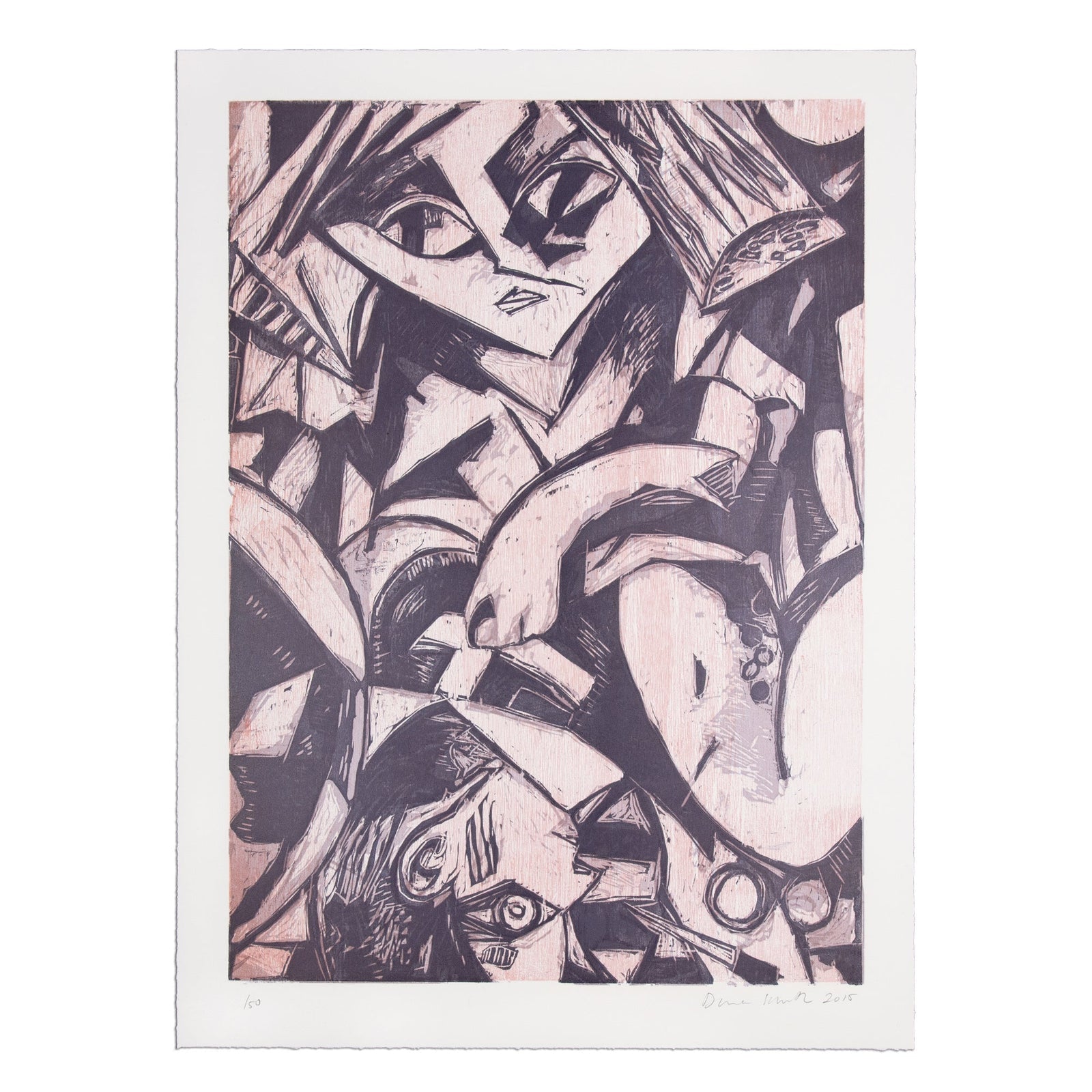
Dana Schutz - Back Surgery in Bed
02

What Is Figurative Art?

Figurative art depicts recognisable subjects from the visible world — most often the human figure — rather than abstract forms. It is the oldest impulse in art, and one of the most persistent: even through the twentieth century's decisive turn toward abstraction, figuration never disappeared. It went underground and re-emerged transformed.

The postwar reassertion of the figure came through artists who refused both academic realism and pure abstraction. Francis Bacon rendered the body as raw nerve and distortion; Lucian Freud pushed observation to an almost forensic intensity; David Hockney brought a cool, stylised clarity drawn equally from Pop and old-master portraiture. In the following decades, Marlene Dumas and Luc Tuymans expanded figuration into more conceptual territory — painting from photographs and media images, treating the figure as something mediated, uncertain, politically charged.

What unites these approaches is a conviction that the human image remains the most direct instrument art possesses for addressing identity, memory, and mortality. Today, figurative prints, photographs, and editions are central to both private and institutional collections — valued for combining visual immediacy with genuine conceptual depth.

Marcel Dzama, La Revolución va a Ser Femenina
03

Contemporary Figuration

Figuration returned to the centre of contemporary art around the turn of the millennium, led by artists including Peter Doig, Elizabeth Peyton, Neo Rauch, and Cecily Brown — painters who merged pop-cultural reference with the material pleasure of paint, reasserting the figure as a serious critical language rather than a nostalgic retreat. What began as a reassertion quickly became something broader: a recognition that the figure could hold as many sensibilities as there were artists willing to test it.

That range is the defining feature of figuration today. Marcel Dzama's folkloric masked archetypes, Yoshitomo Nara's deceptively simple confrontational children, Jonas Wood's flattened domestic interiors, Tracey Emin's raw autobiographical line — each treats the legible world as an open instrument rather than a fixed tradition, extending figuration's possibilities in entirely different directions.

The most recent development foregrounds identity, representation, and previously marginalised perspectives. Artists including Amoako Boafo, Jordan Casteel, and Otis Kwame Kye Quaicoe use the figure to centre Black subjectivity and diasporic experience, often through heightened colour and monumental scale. Their rapid institutional and market recognition reflects a broader correction: the art world reckoning with whose bodies have historically been painted, and by whom.

This is why figurative art now sits at the centre of contemporary collecting rather than its margins. It offers what a screen cannot — the visibly human-made, emotionally direct, and conceptually serious. For collectors, that combination of immediacy, relevance, and art-historical weight makes figuration one of the most compelling fields to collect today.

01

Collect Figurative Art

Figurative art carries a distinct advantage: it communicates without translation. Where abstraction and conceptual work often demand a critical vocabulary, the figure speaks immediately — a body, a face, a gesture legible to anyone. That immediacy is precisely why figuration has become one of the most sought-after fields in contemporary collecting. In a culture saturated with screens, algorithms, and AI-generated imagery, collectors are drawn to what is visibly, deliberately human-made.

But immediacy is not simplicity. The strongest figurative work sustains a second reading — psychological, political, art-historical — beneath its accessible surface. A Marlene Dumas portrait is legible in seconds and unresolvable over years. A Peter Doig landscape reads as a place and a memory at once. This collection brings together prints, photographs, and editions by artists who work across that full range, from intimate portraiture to fragmented, dissolving bodies — each a signed, strictly limited work by an artist whose practice is held in major museum collections.

02

What Is Figurative Art?

Figurative art depicts recognisable subjects from the visible world — most often the human figure — rather than abstract forms. It is the oldest impulse in art, and one of the most persistent: even through the twentieth century's decisive turn toward abstraction, figuration never disappeared. It went underground and re-emerged transformed.

The postwar reassertion of the figure came through artists who refused both academic realism and pure abstraction. Francis Bacon rendered the body as raw nerve and distortion; Lucian Freud pushed observation to an almost forensic intensity; David Hockney brought a cool, stylised clarity drawn equally from Pop and old-master portraiture. In the following decades, Marlene Dumas and Luc Tuymans expanded figuration into more conceptual territory — painting from photographs and media images, treating the figure as something mediated, uncertain, politically charged.

What unites these approaches is a conviction that the human image remains the most direct instrument art possesses for addressing identity, memory, and mortality. Today, figurative prints, photographs, and editions are central to both private and institutional collections — valued for combining visual immediacy with genuine conceptual depth.

03

Contemporary Figuration

Figuration returned to the centre of contemporary art around the turn of the millennium, led by artists including Peter Doig, Elizabeth Peyton, Neo Rauch, and Cecily Brown — painters who merged pop-cultural reference with the material pleasure of paint, reasserting the figure as a serious critical language rather than a nostalgic retreat. What began as a reassertion quickly became something broader: a recognition that the figure could hold as many sensibilities as there were artists willing to test it.

That range is the defining feature of figuration today. Marcel Dzama's folkloric masked archetypes, Yoshitomo Nara's deceptively simple confrontational children, Jonas Wood's flattened domestic interiors, Tracey Emin's raw autobiographical line — each treats the legible world as an open instrument rather than a fixed tradition, extending figuration's possibilities in entirely different directions.

The most recent development foregrounds identity, representation, and previously marginalised perspectives. Artists including Amoako Boafo, Jordan Casteel, and Otis Kwame Kye Quaicoe use the figure to centre Black subjectivity and diasporic experience, often through heightened colour and monumental scale. Their rapid institutional and market recognition reflects a broader correction: the art world reckoning with whose bodies have historically been painted, and by whom.

This is why figurative art now sits at the centre of contemporary collecting rather than its margins. It offers what a screen cannot — the visibly human-made, emotionally direct, and conceptually serious. For collectors, that combination of immediacy, relevance, and art-historical weight makes figuration one of the most compelling fields to collect today.

Otis Kwame Kye Quaicoe - View of Yoei WilliamDana Schutz - Back Surgery in BedMarcel Dzama, La Revolución va a Ser Femenina

Explore Art Editions

Explore curated art collections across movements, themes, and artist groups, offering multiple ways to navigate and discover contemporary art.

View all
Prints, Photographs & Multiples

View our full collection of

Prints, Photographs & Multiples

Shop now