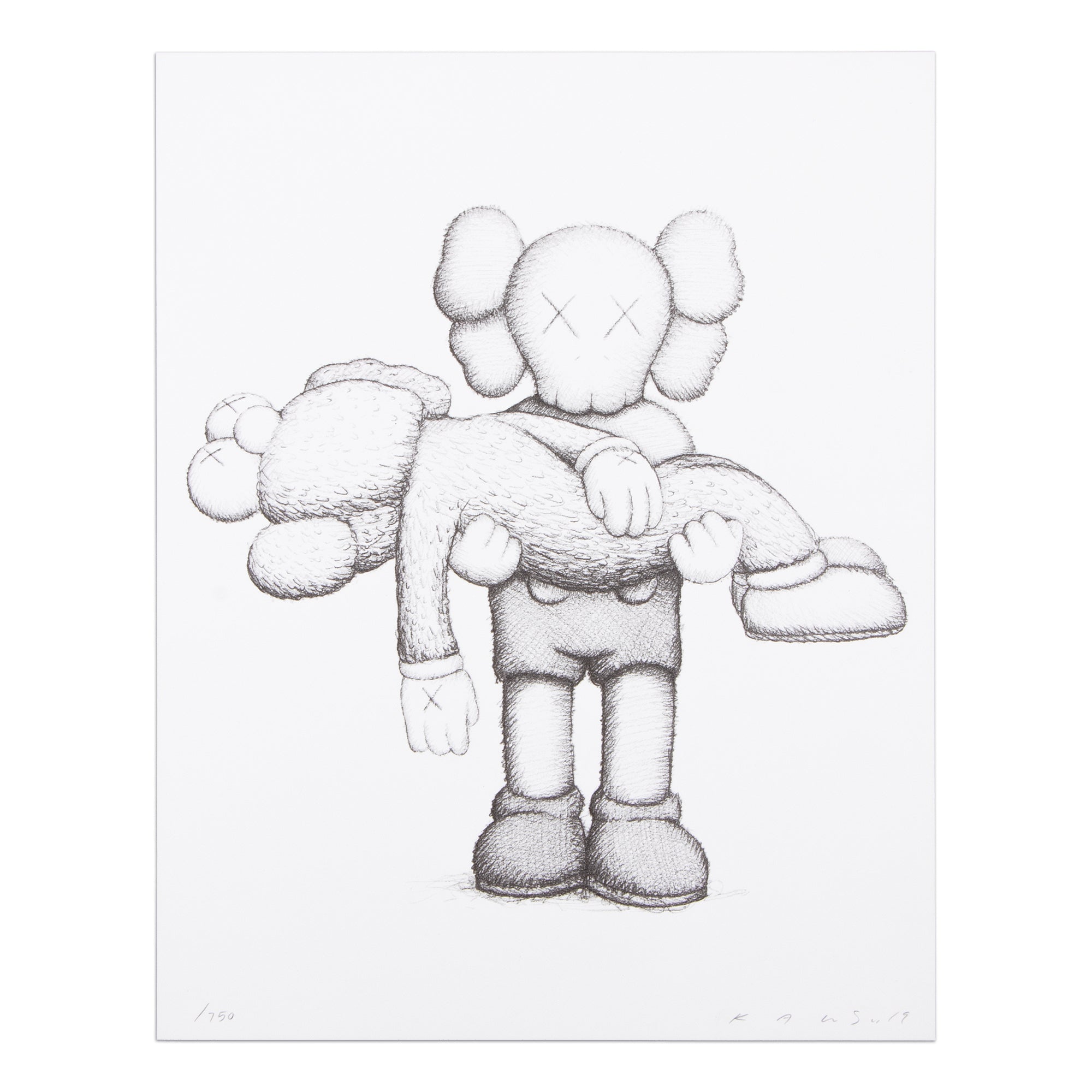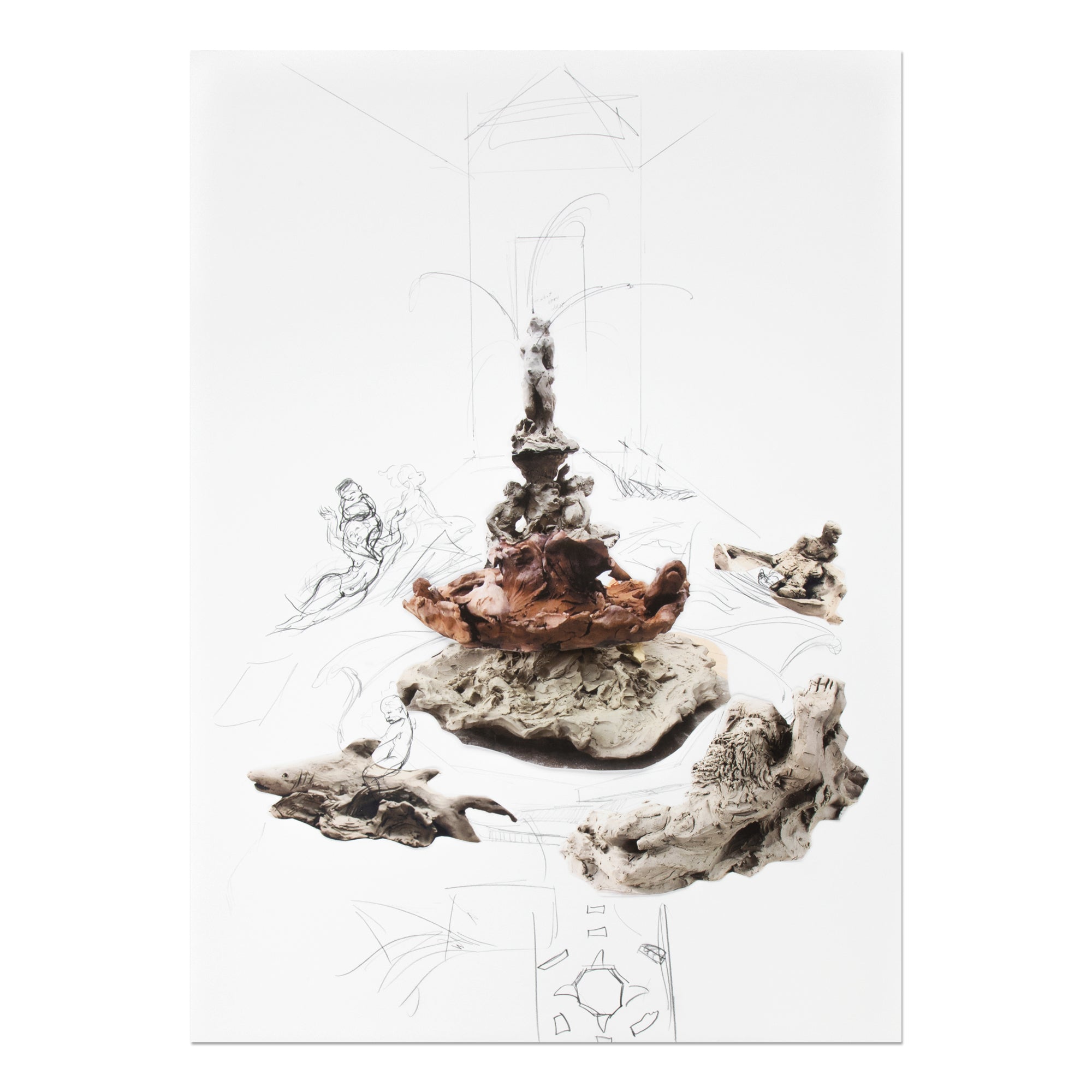


Figurative Art

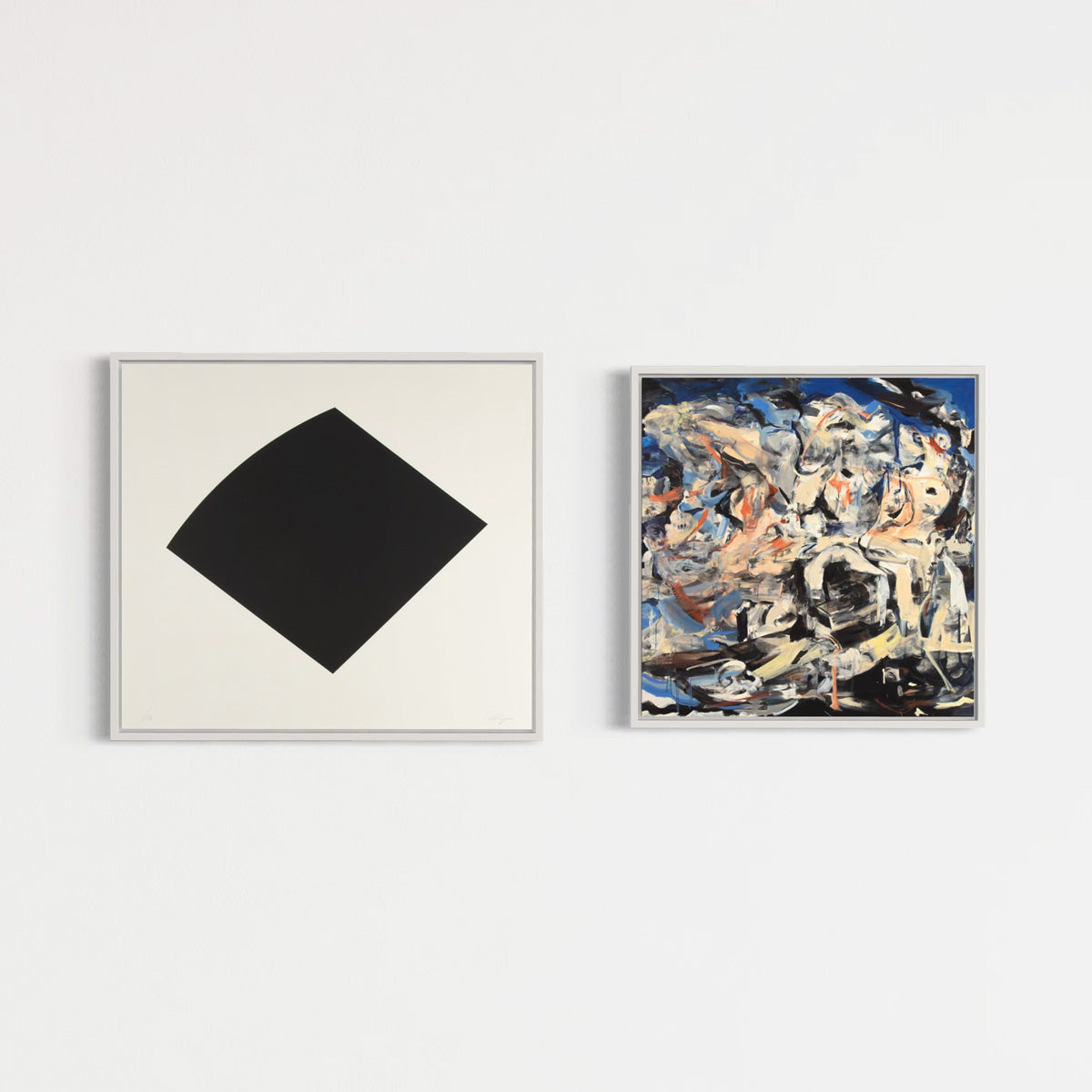
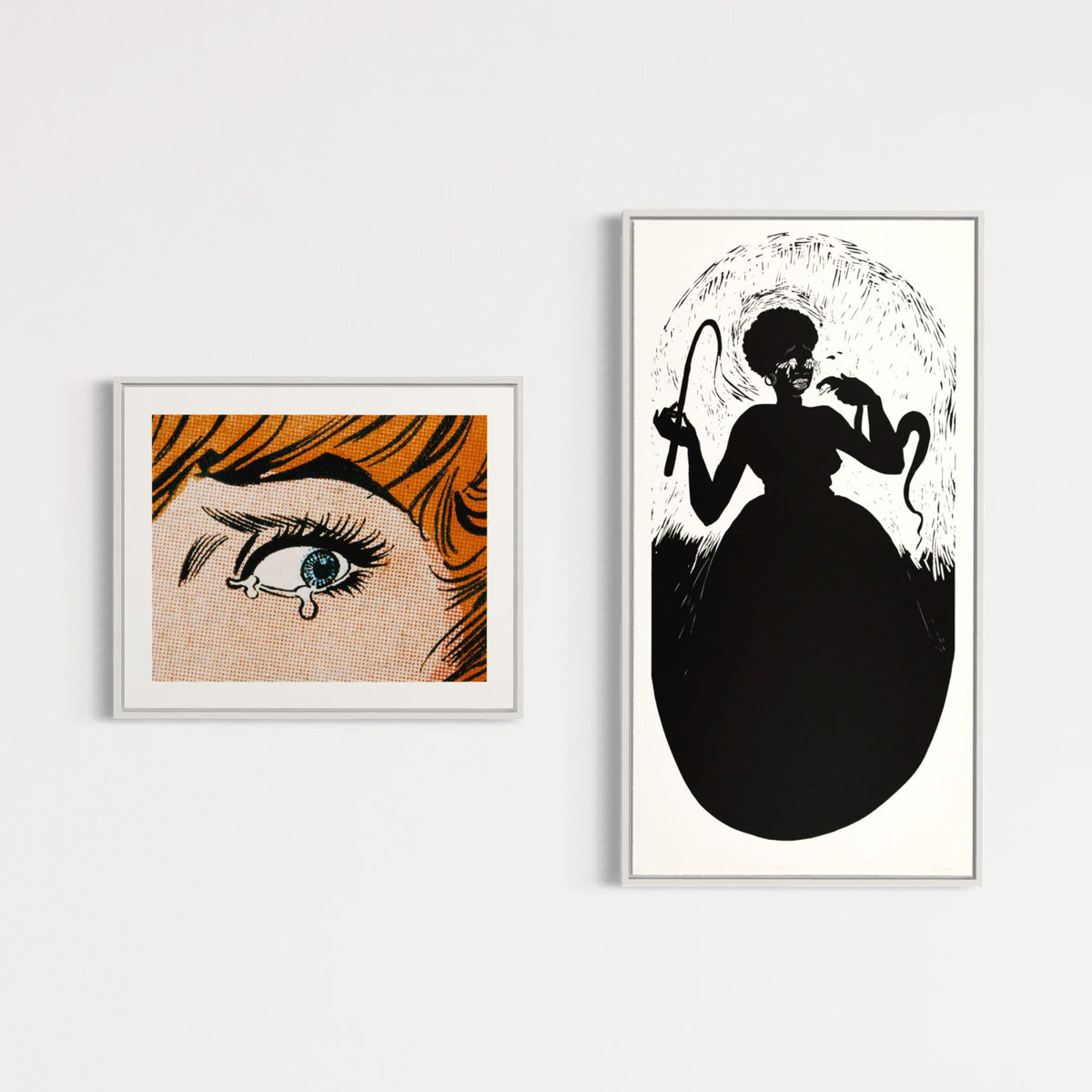
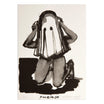
Figuration never disappeared — it just spent decades treated as art history's unfashionable cousin while abstraction claimed critical seriousness. That hierarchy collapsed by the 1980s, and the artists here prove why: recognisable subject matter — bodies, objects, landscapes, the legible world — remains the most direct way to carry narrative, psychology, and political weight in an image. What unites this collection is the joy of storytelling, even at its darkest, from Marcel Dzama's masked archetypes to Cecily Brown's dissolving anatomies.

Browse signed figurative art prints and editions.

Filters

Sort by:

232 products

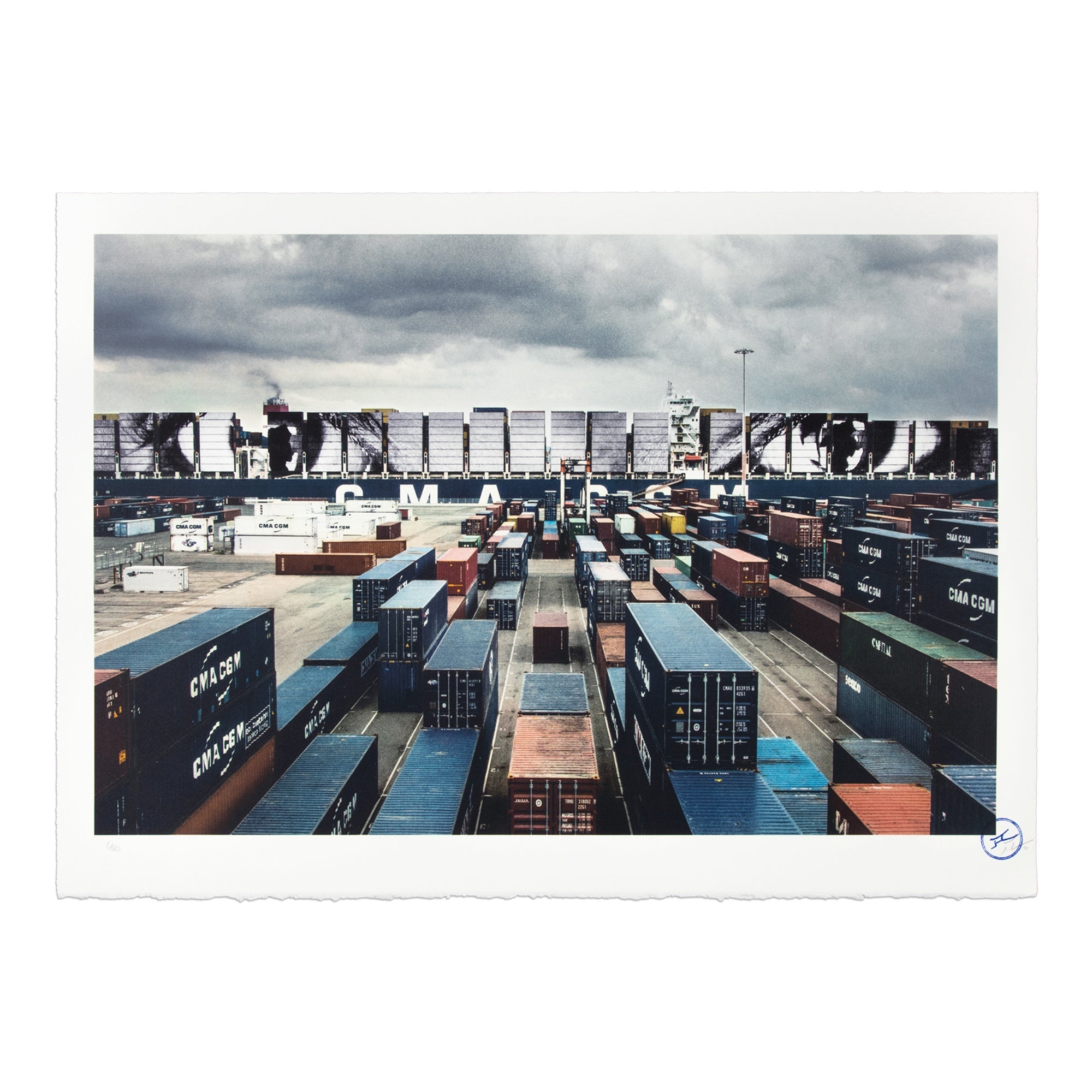
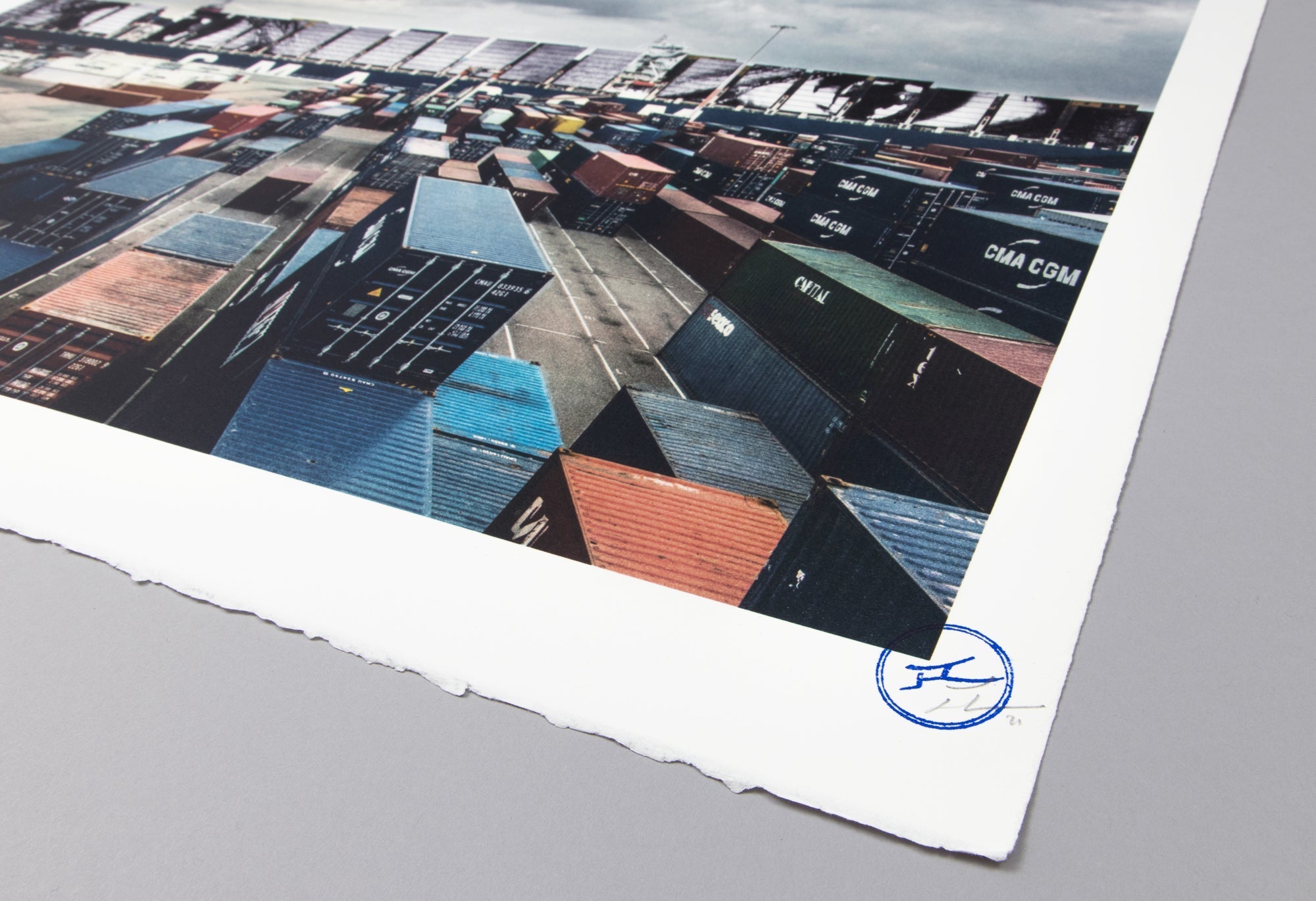
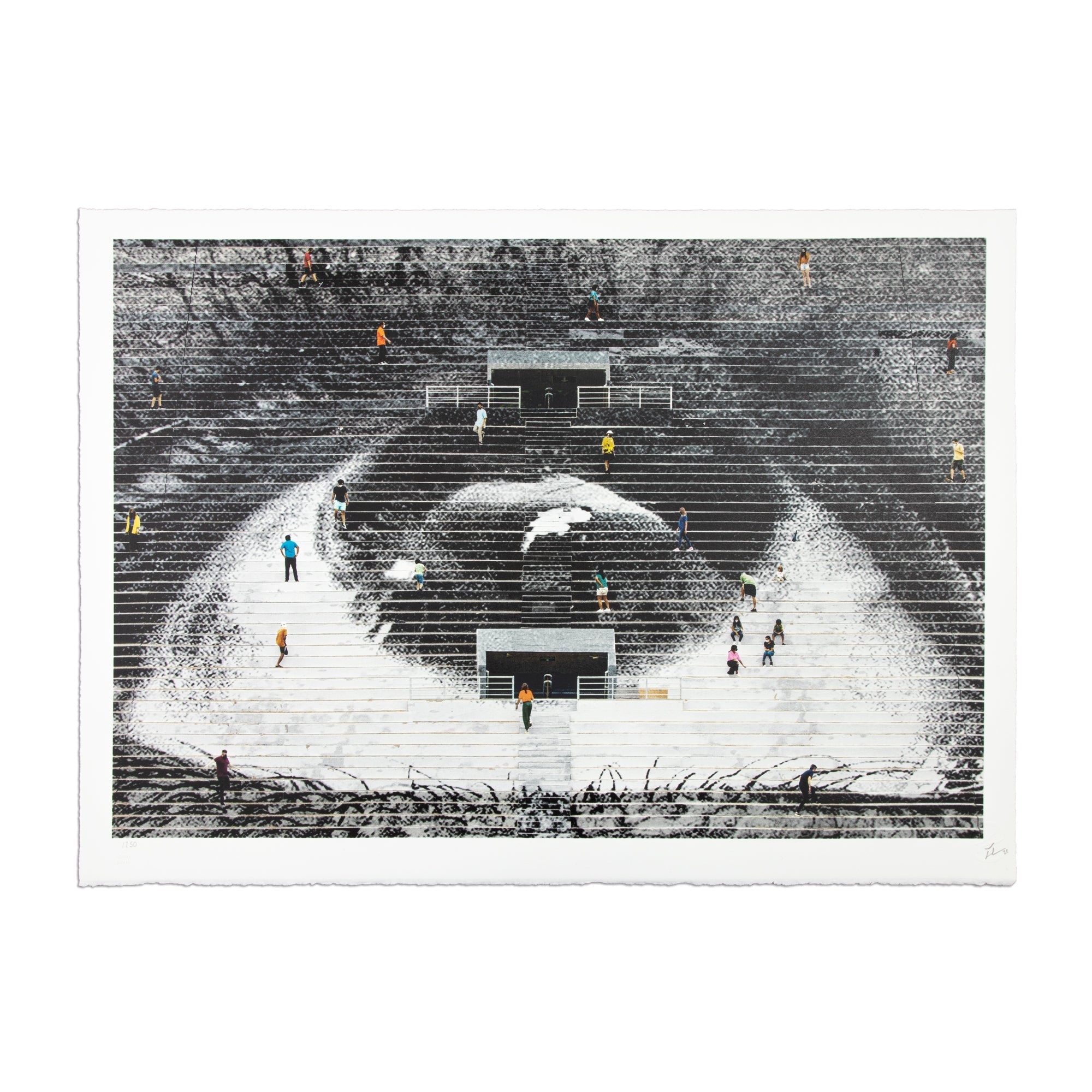
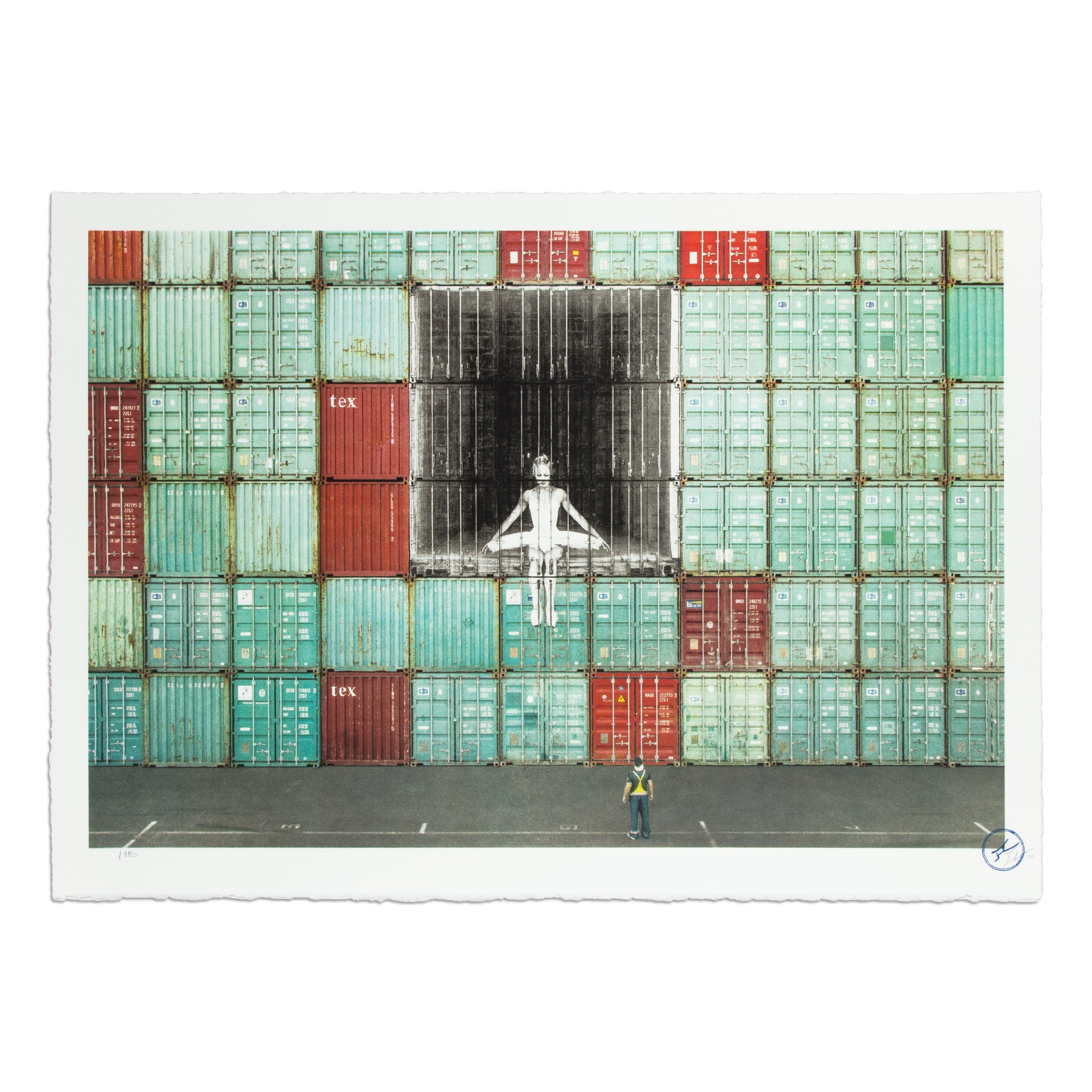
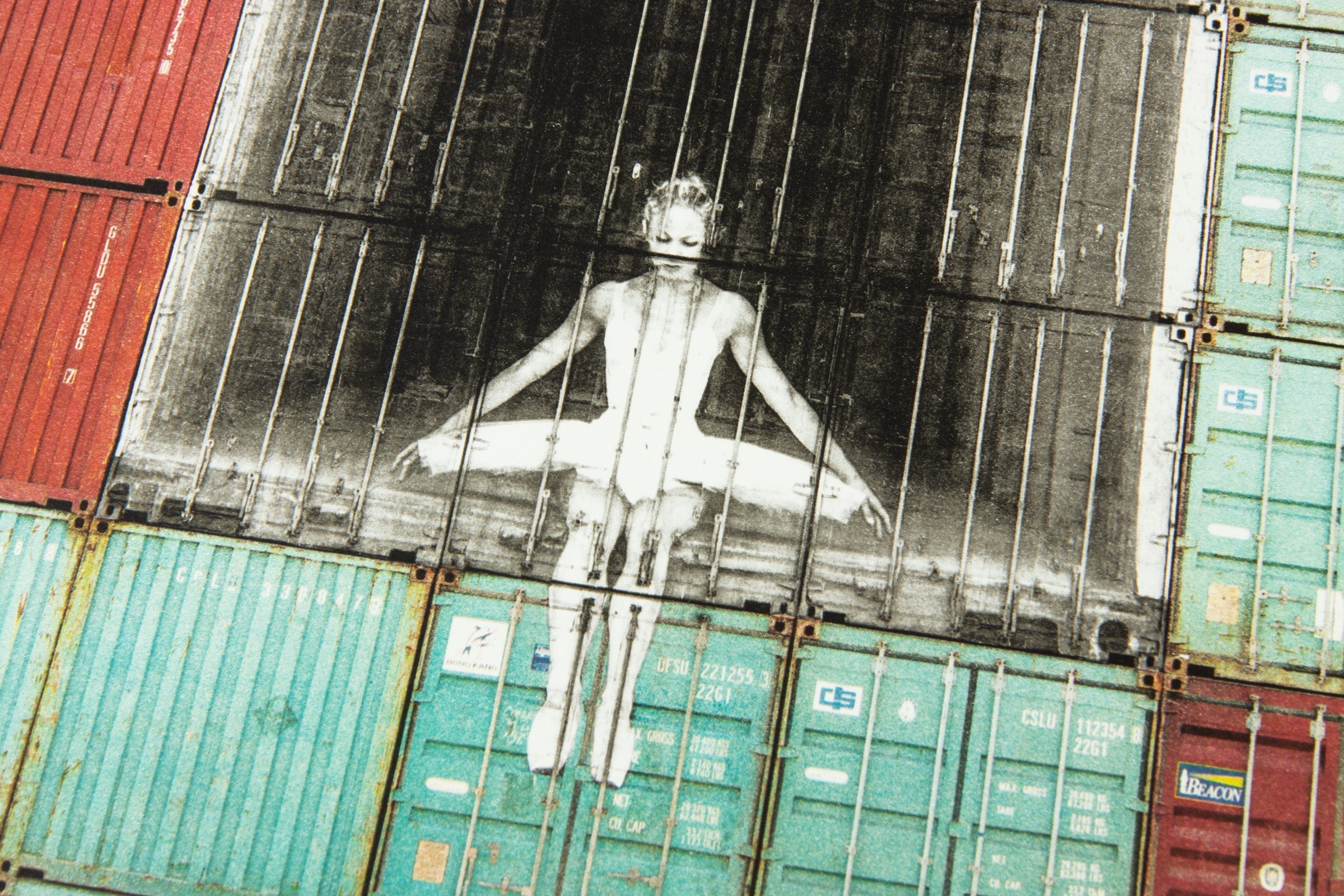
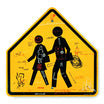
JR – In the Container WallJR - In the Container Wall
JR – In the Container Wall Sale price€2.400,00
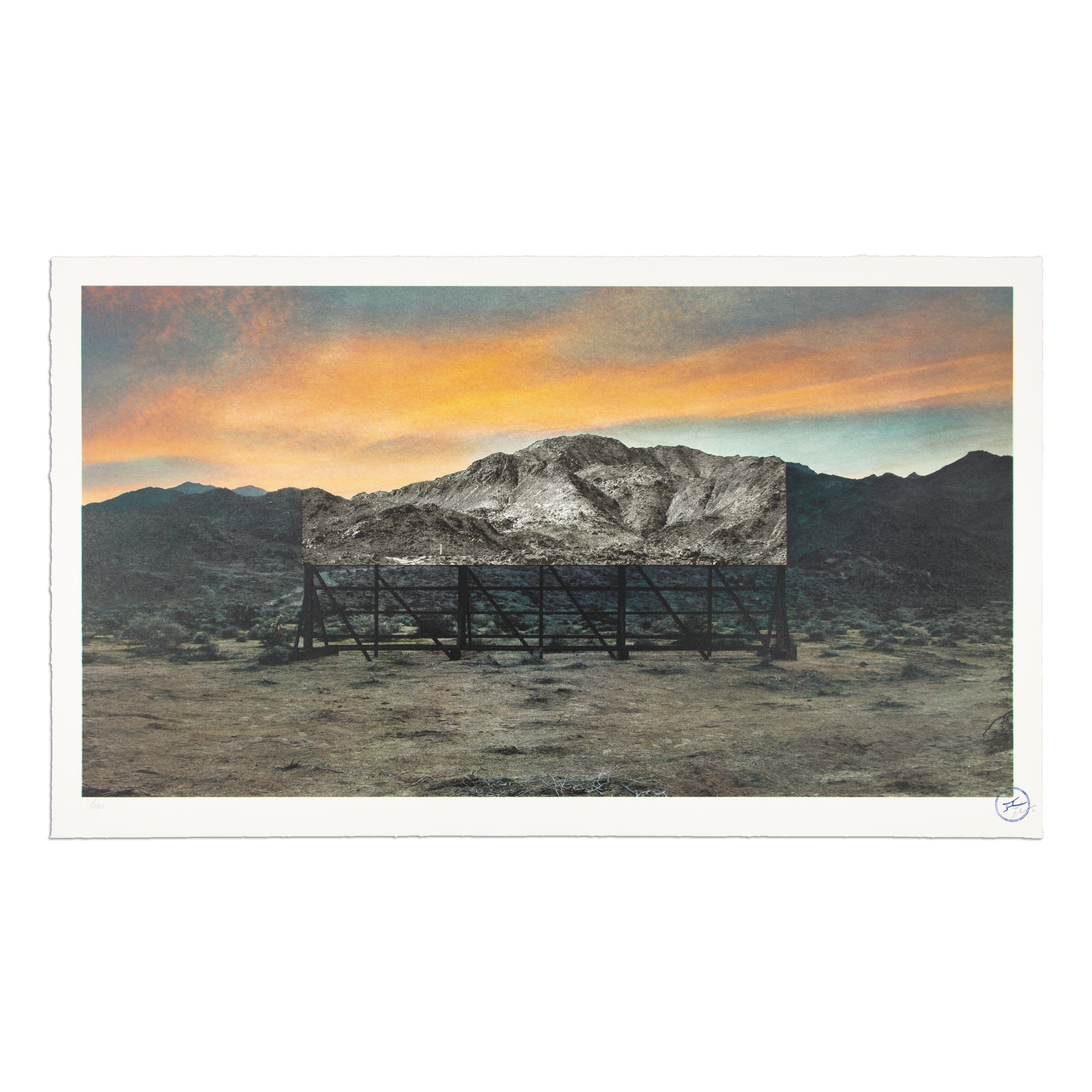
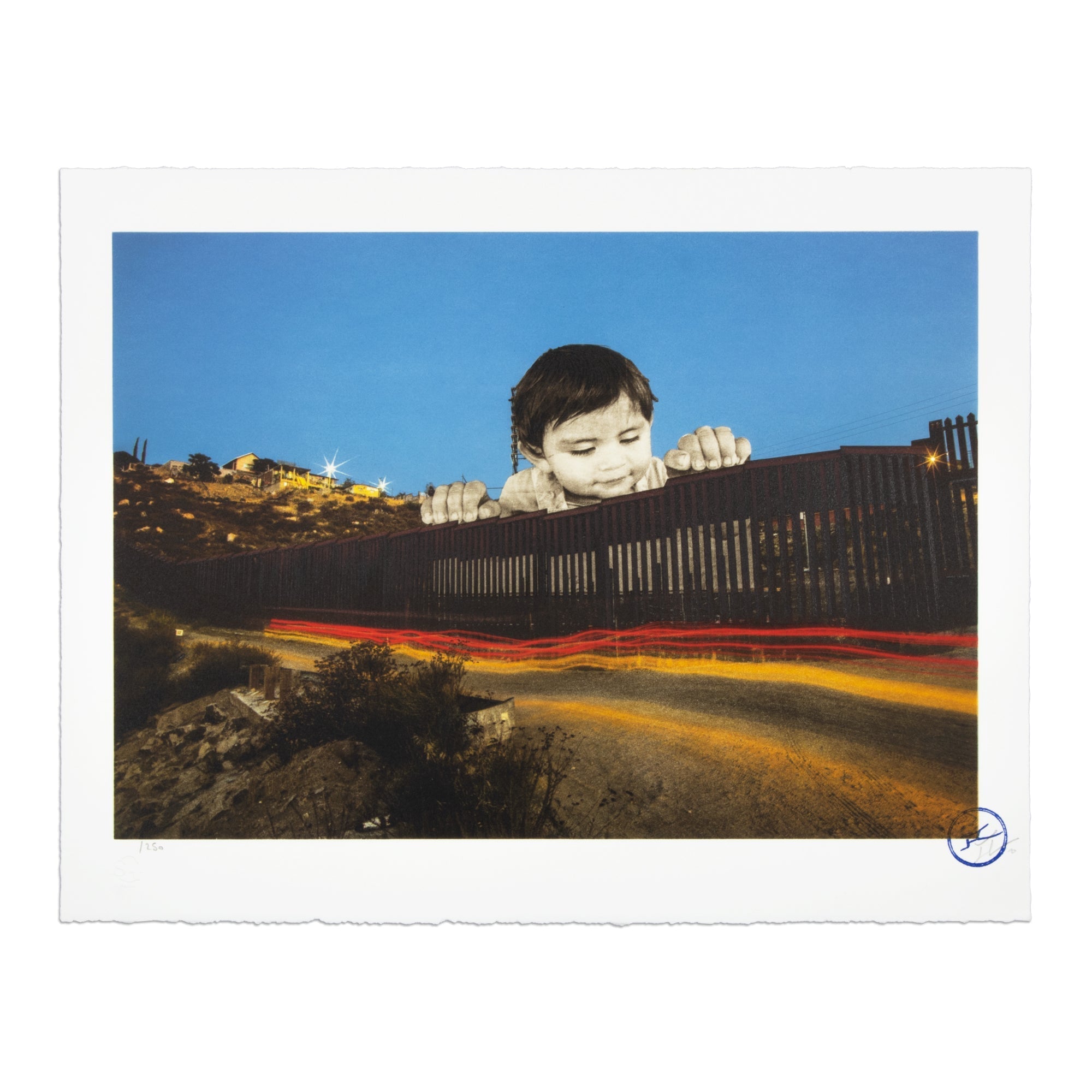
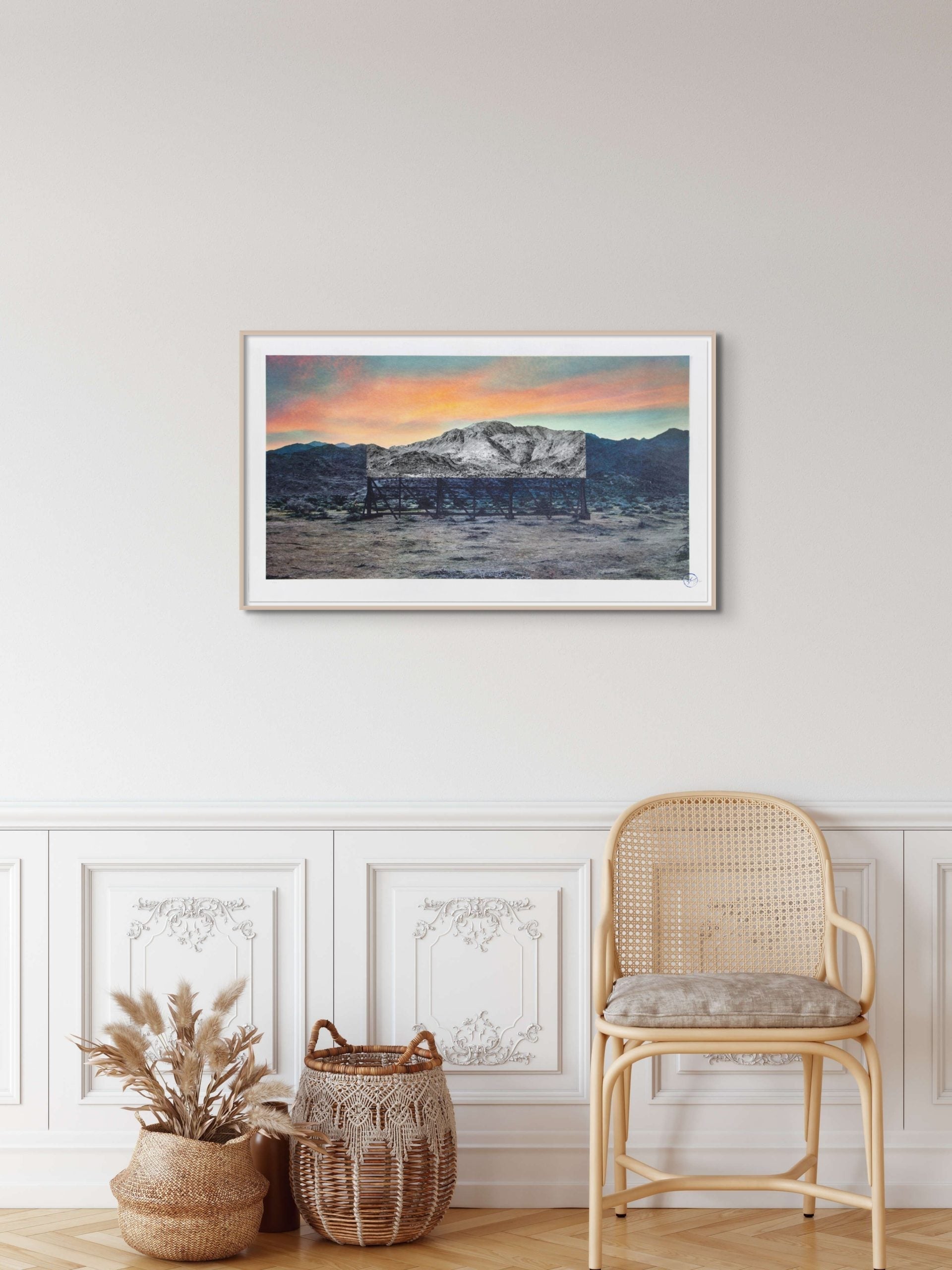
JR – Death Valley BillboardJR - Death Valley Billboard
JR – Death Valley Billboard Sale price€2.000,00
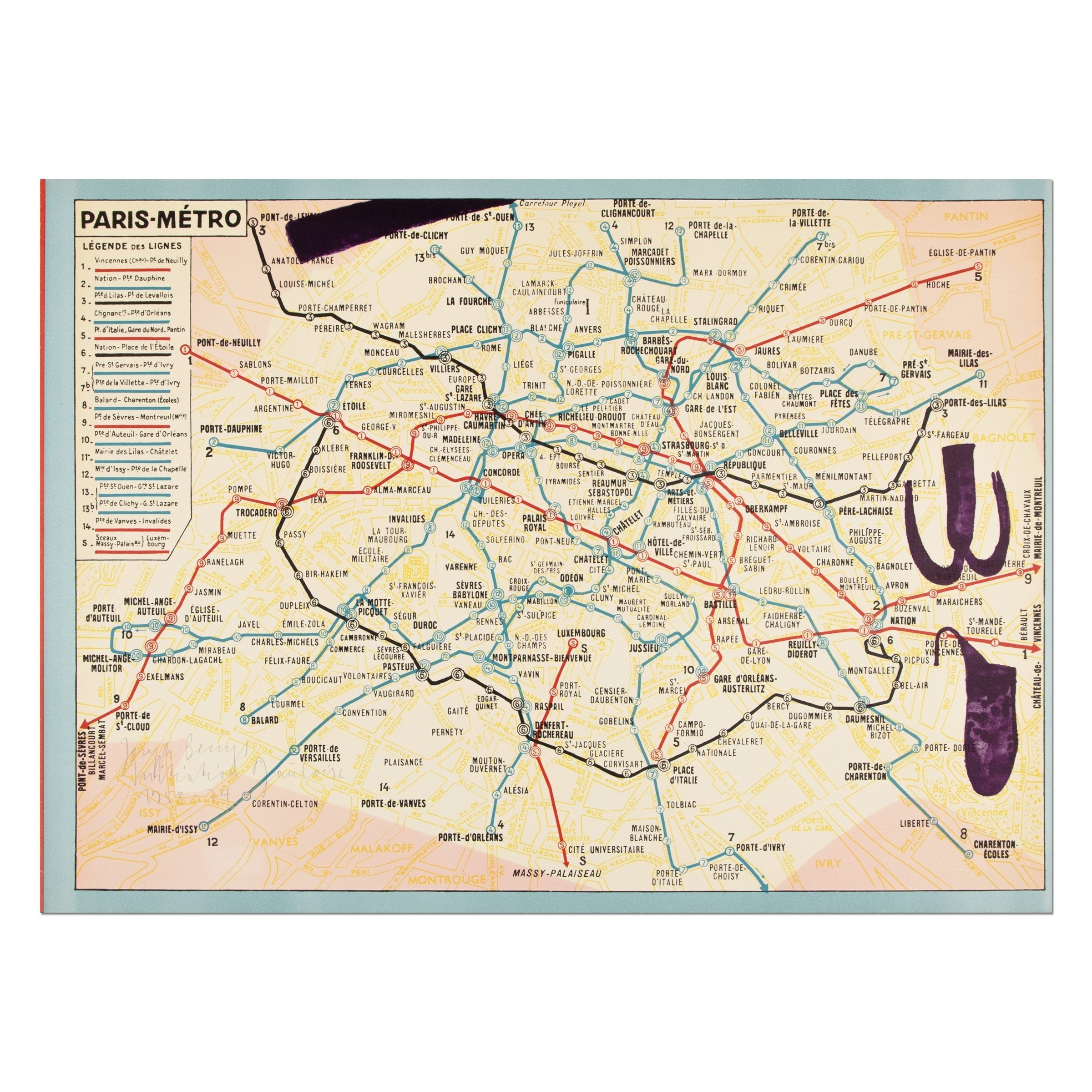
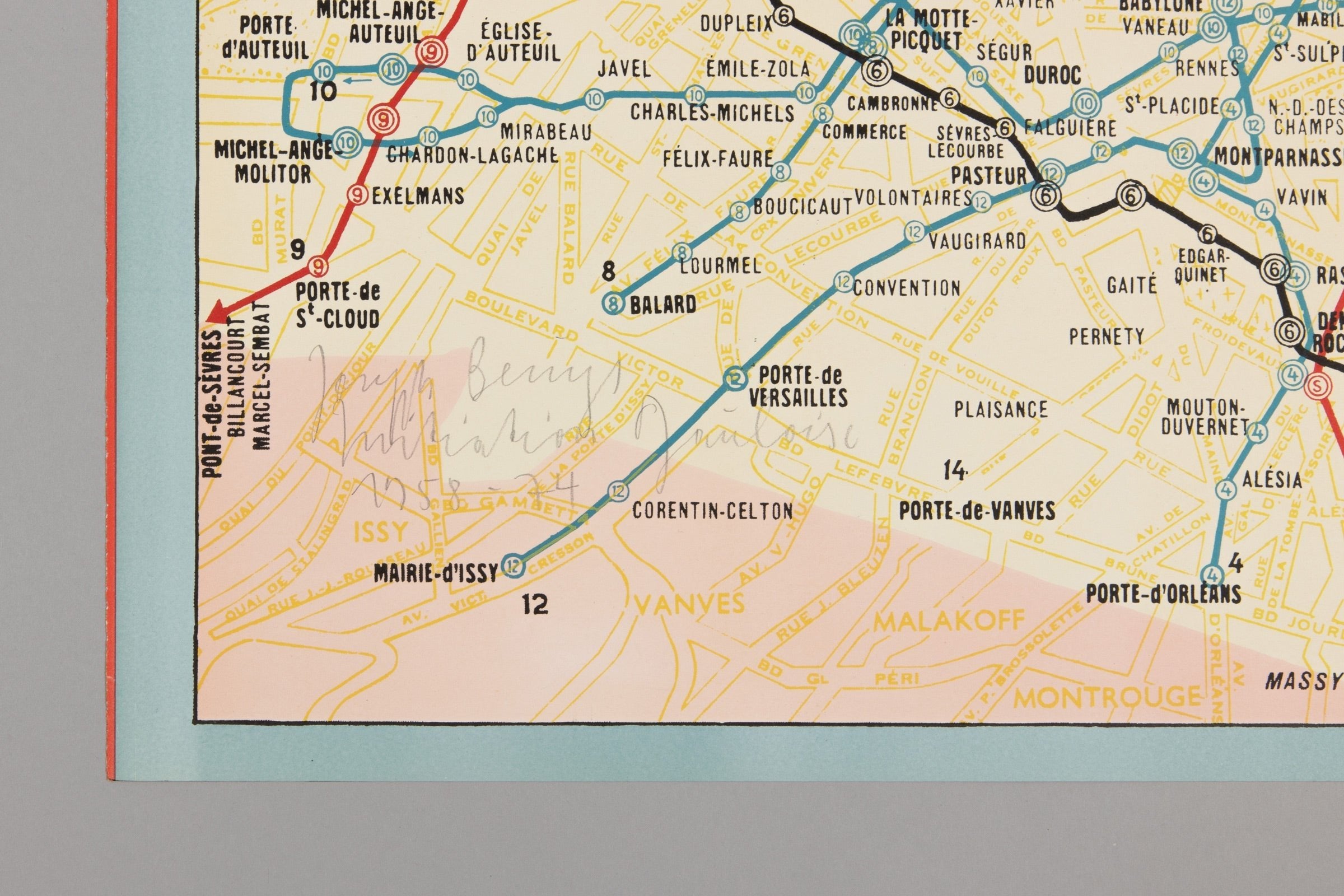
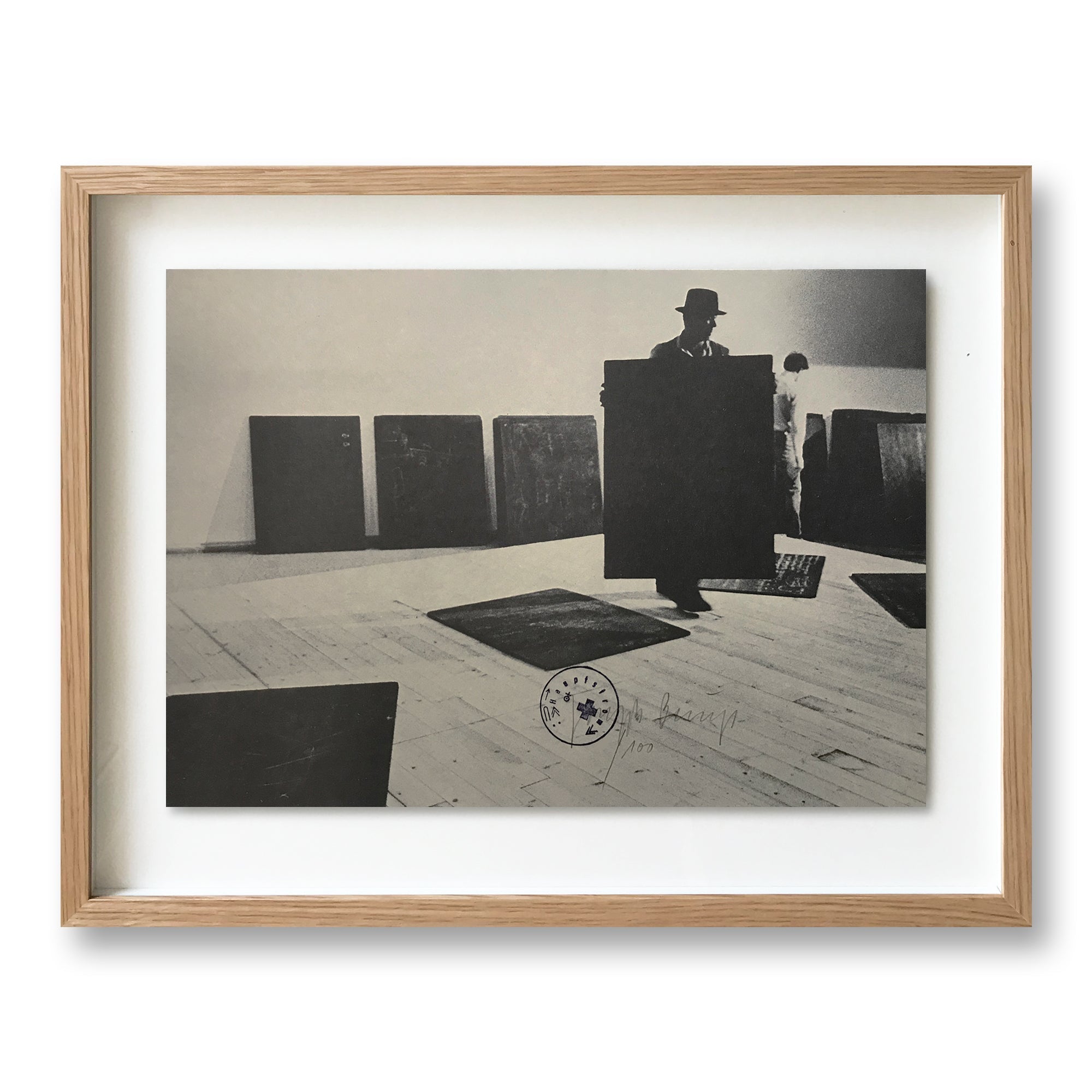
Joseph Beuys – Initiation GauloiseJoseph Beuys - Initiation Gauloise
Joseph Beuys - Aufbau
Joseph Beuys – Aufbau Sale price€1.700,00

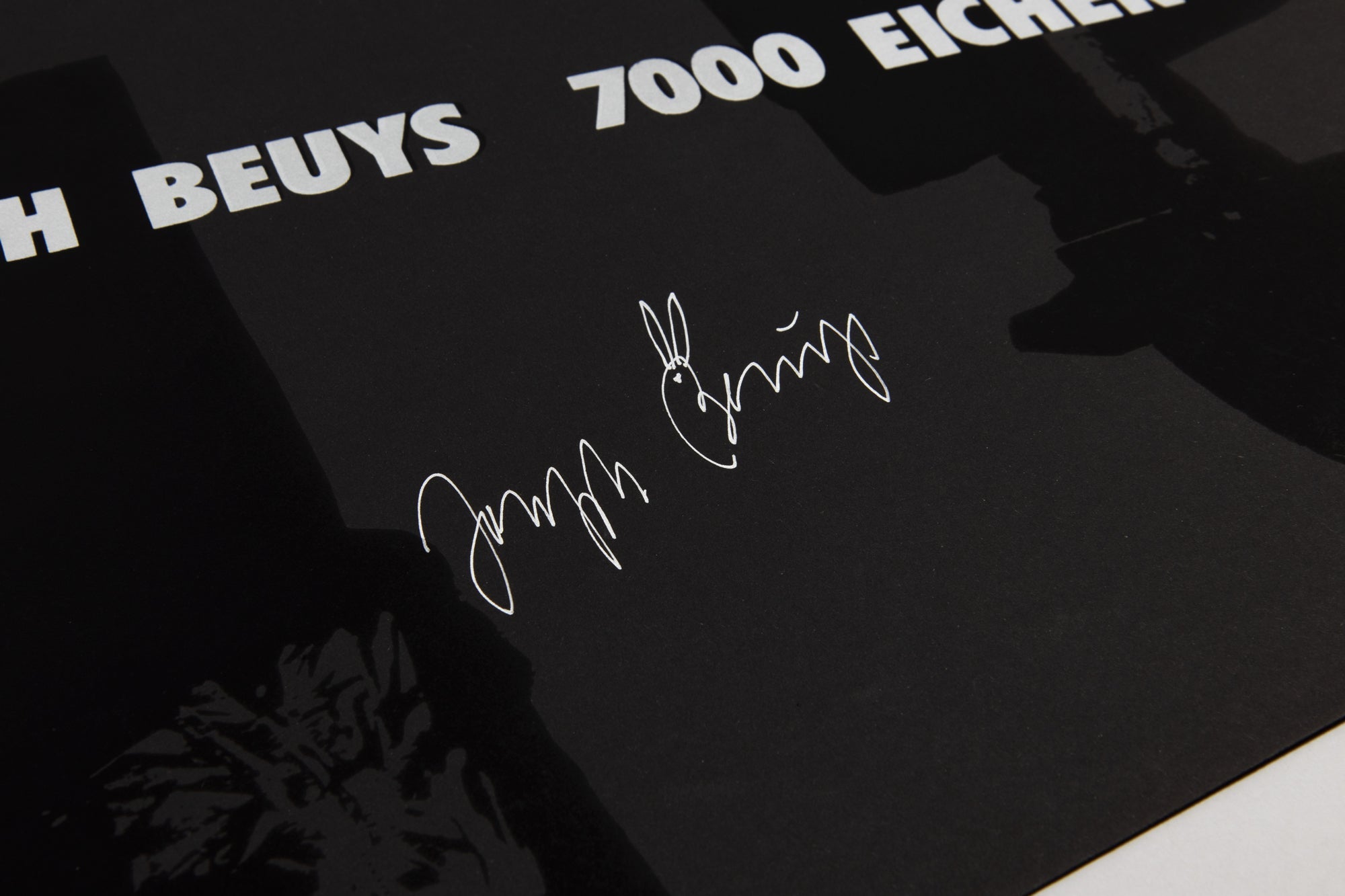
Joseph Beuys - 7000 EichenJoseph Beuys - 7000 Eichen
Joseph Beuys – 7000 Eichen Sale price€1.400,00
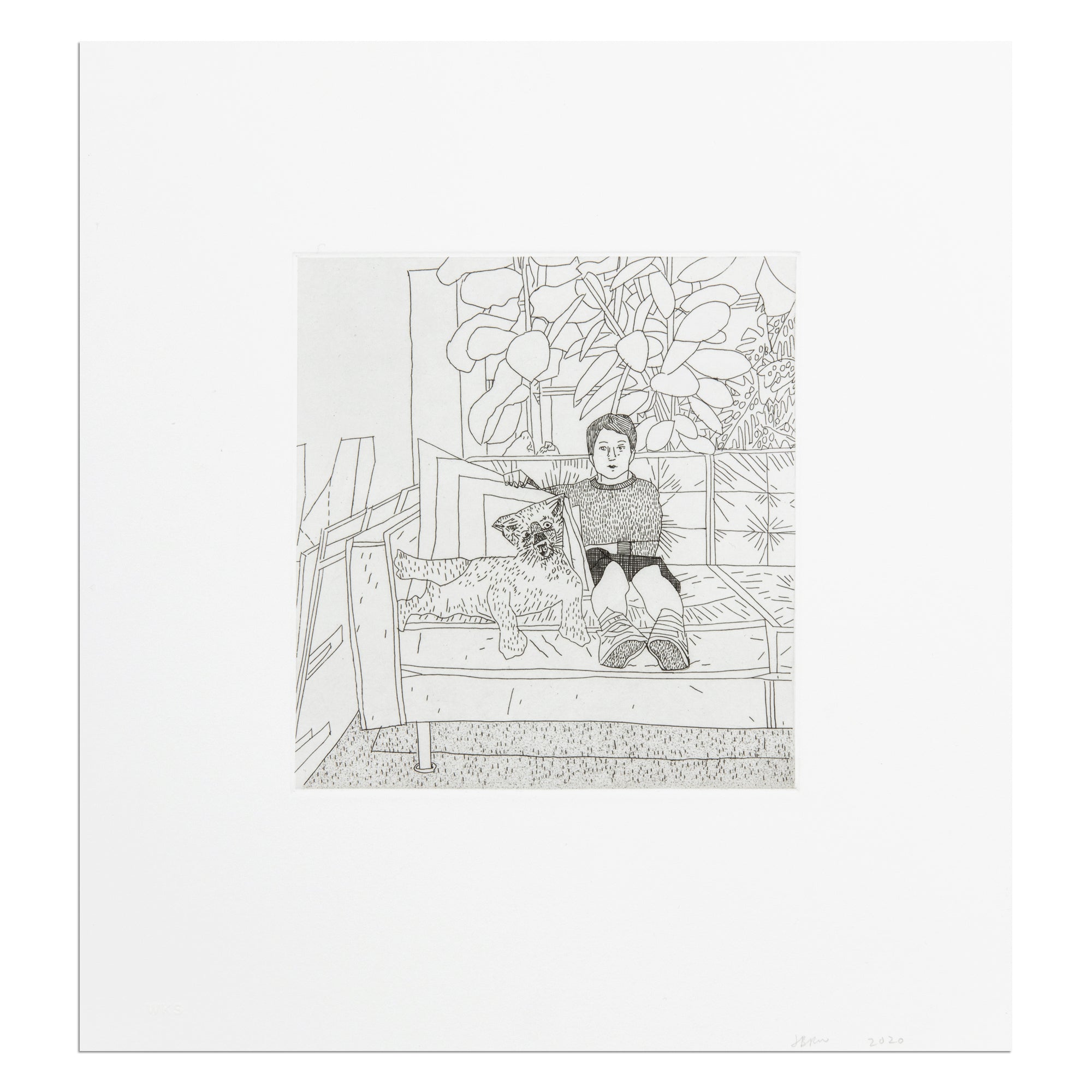
Jonas Wood – Kiki and LeopardJonas Wood - Kiki and Leopard
Jonas Wood – Kiki and Leopard Sale price€9.000,00
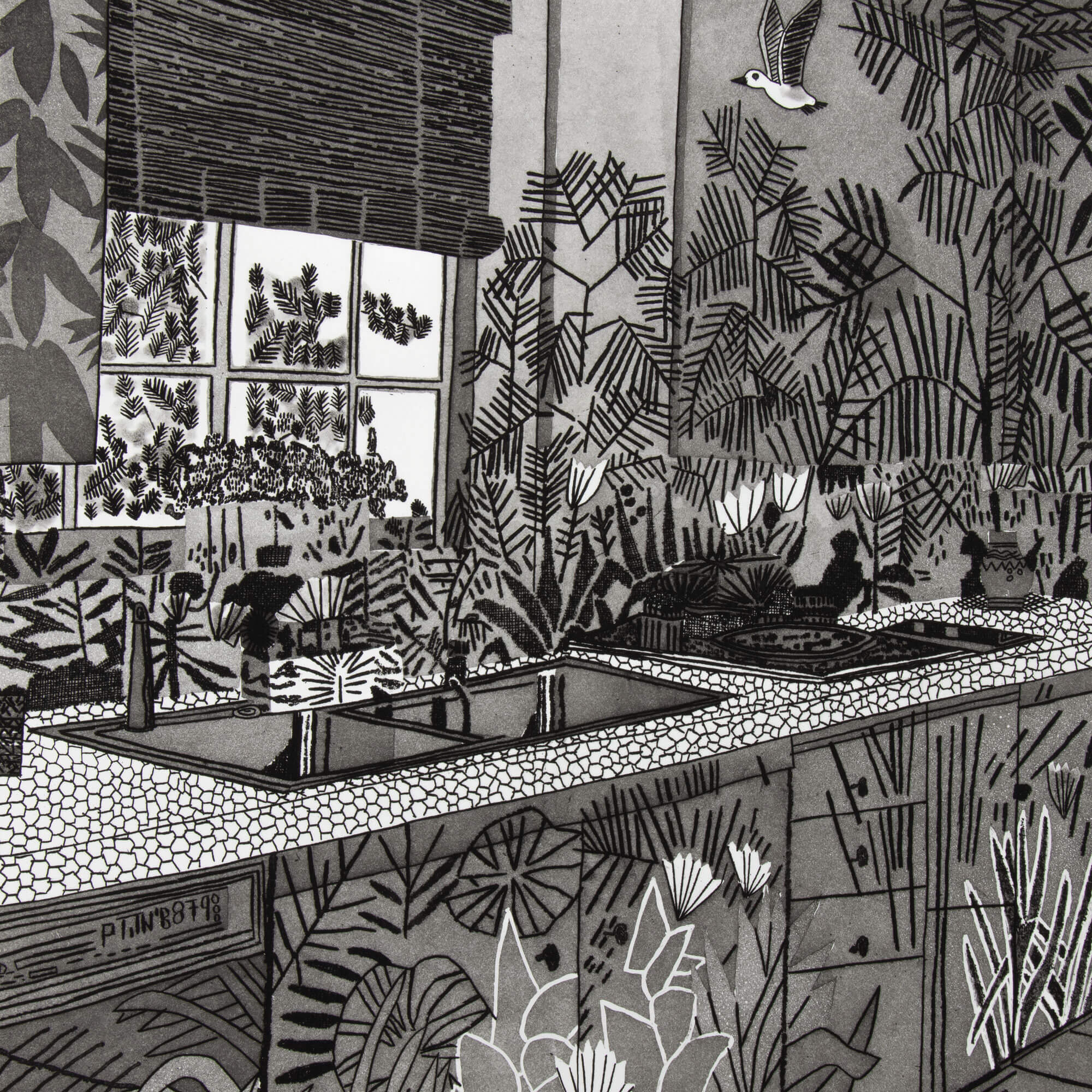
Jonas Wood - Jungle KitchenJonas Wood - Jungle Kitchen
Sold out
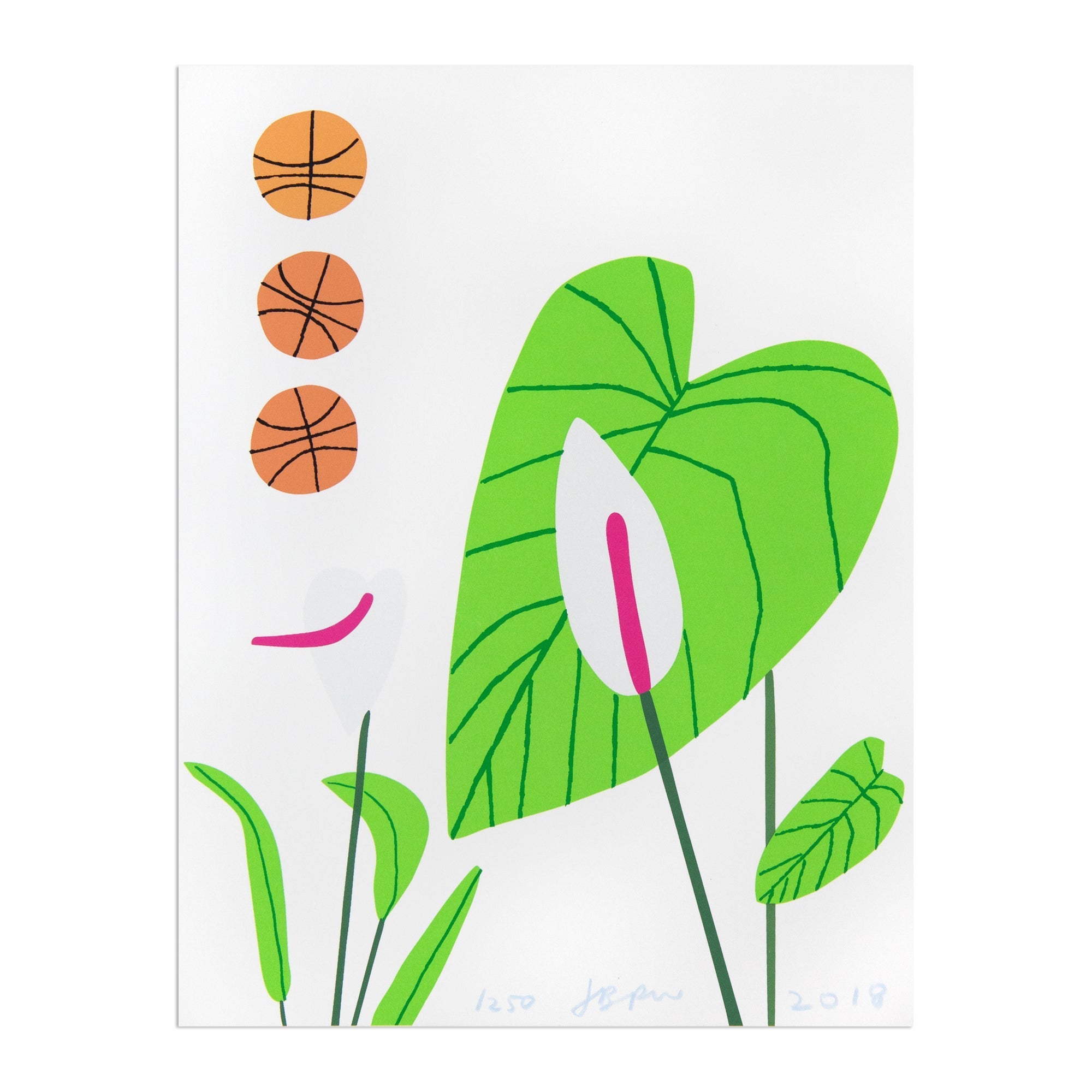
Jonas Wood - HolidayJonas Wood - Holiday
Jonas Wood – Holiday Sale price€6.900,00
Jonas Wood – BromeliadJonas Wood - Bromeliad
Jonas Wood – Bromeliad Sale price€5.400,00
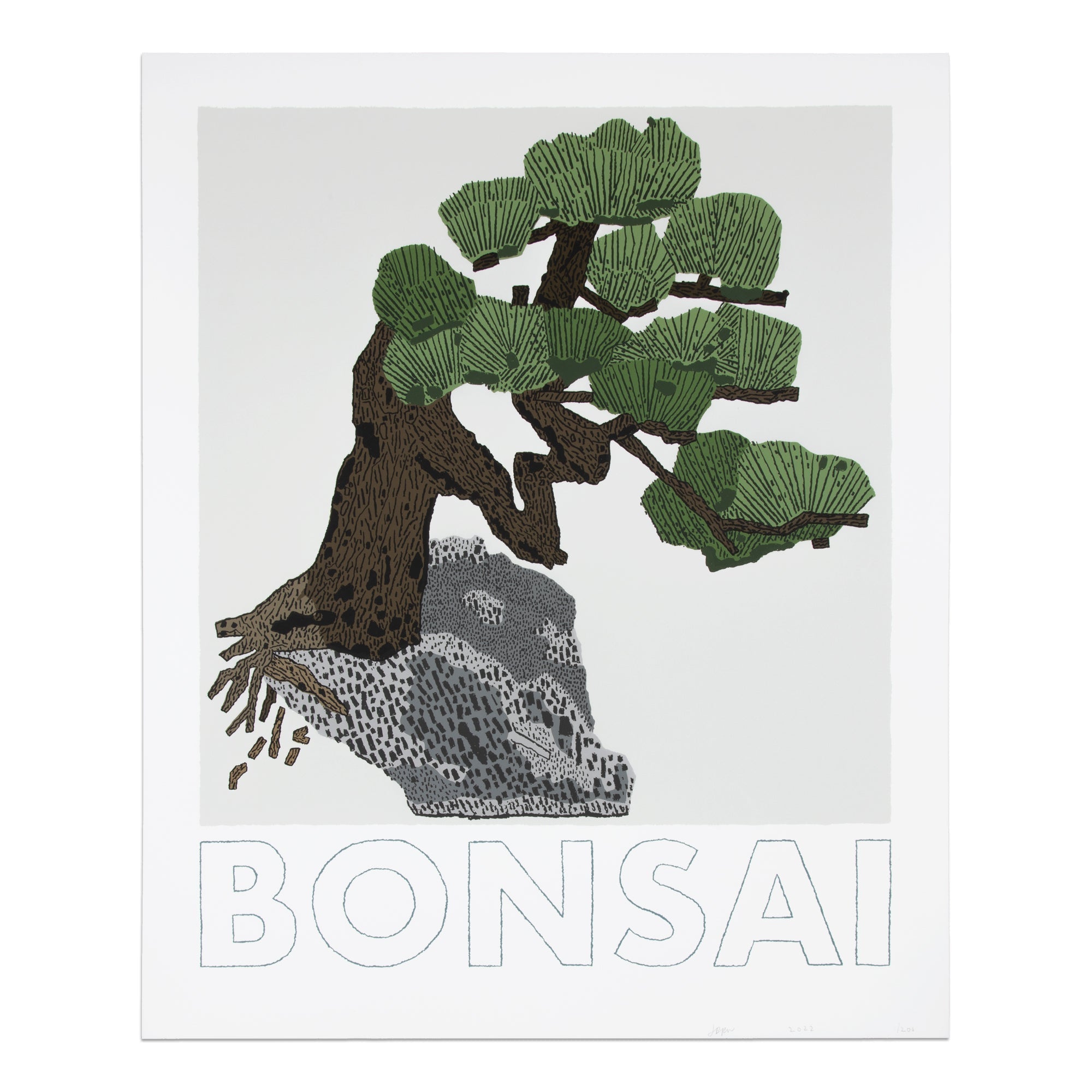
Jonas Wood - BonsaiJonas Wood - Bonsai
Jonas Wood – Bonsai Sale price€5.400,00
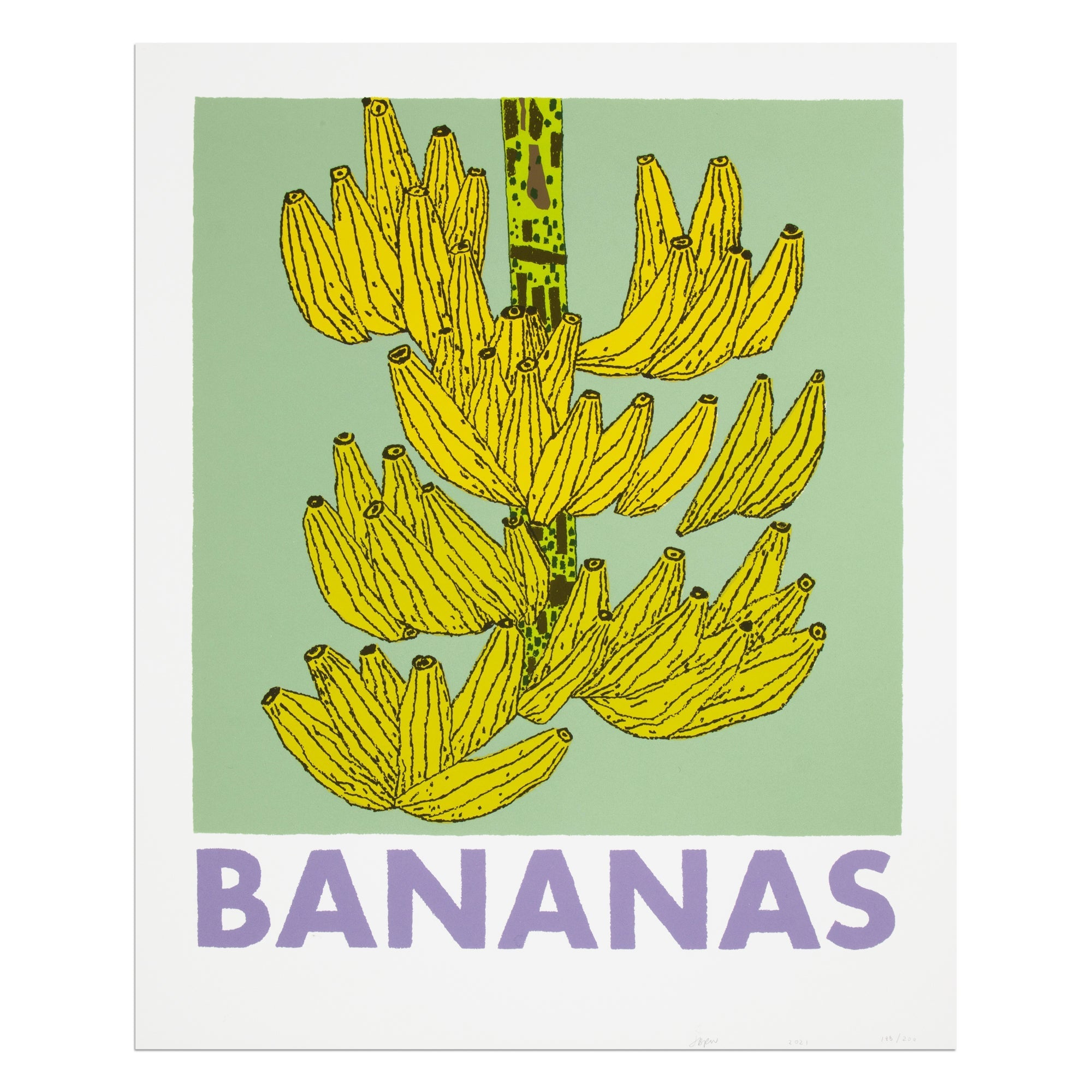
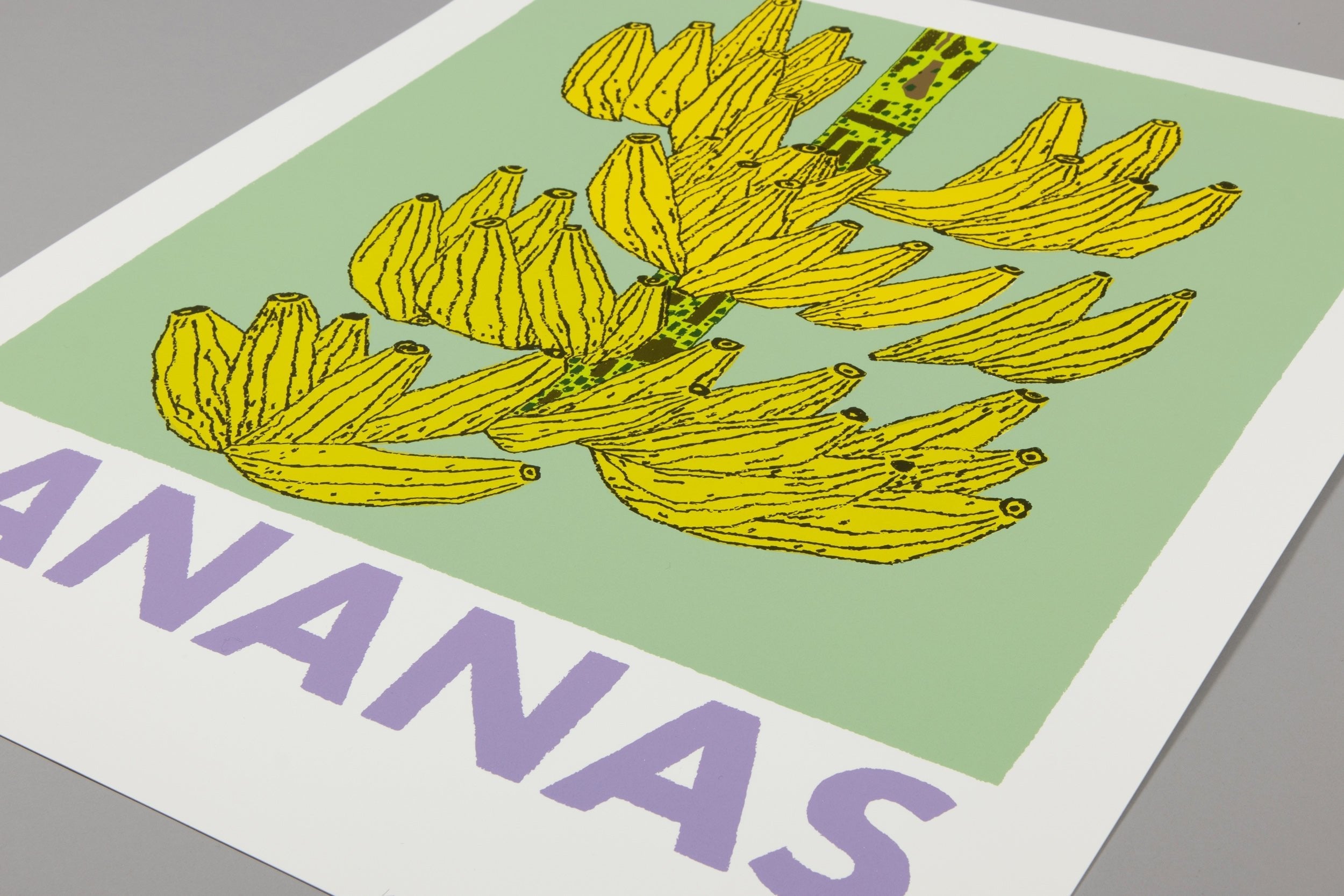
Jonas Wood – BananasJonas Wood - Bananas
Jonas Wood – Bananas Sale price€4.600,00
Jonas Wood - Bball StudioJonas Wood - Bball Studio
Jonas Wood – Bball Studio Sale price€2.800,00
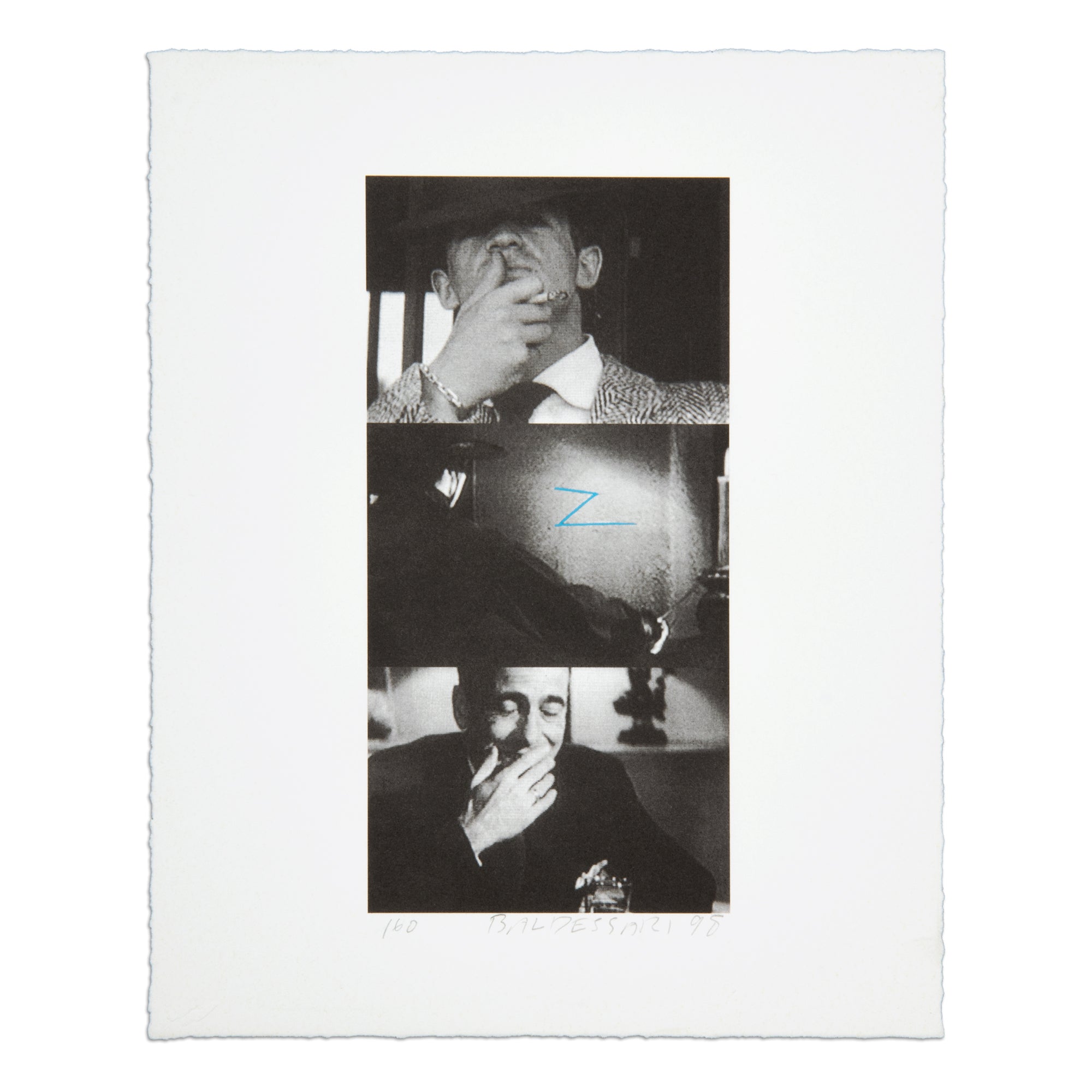
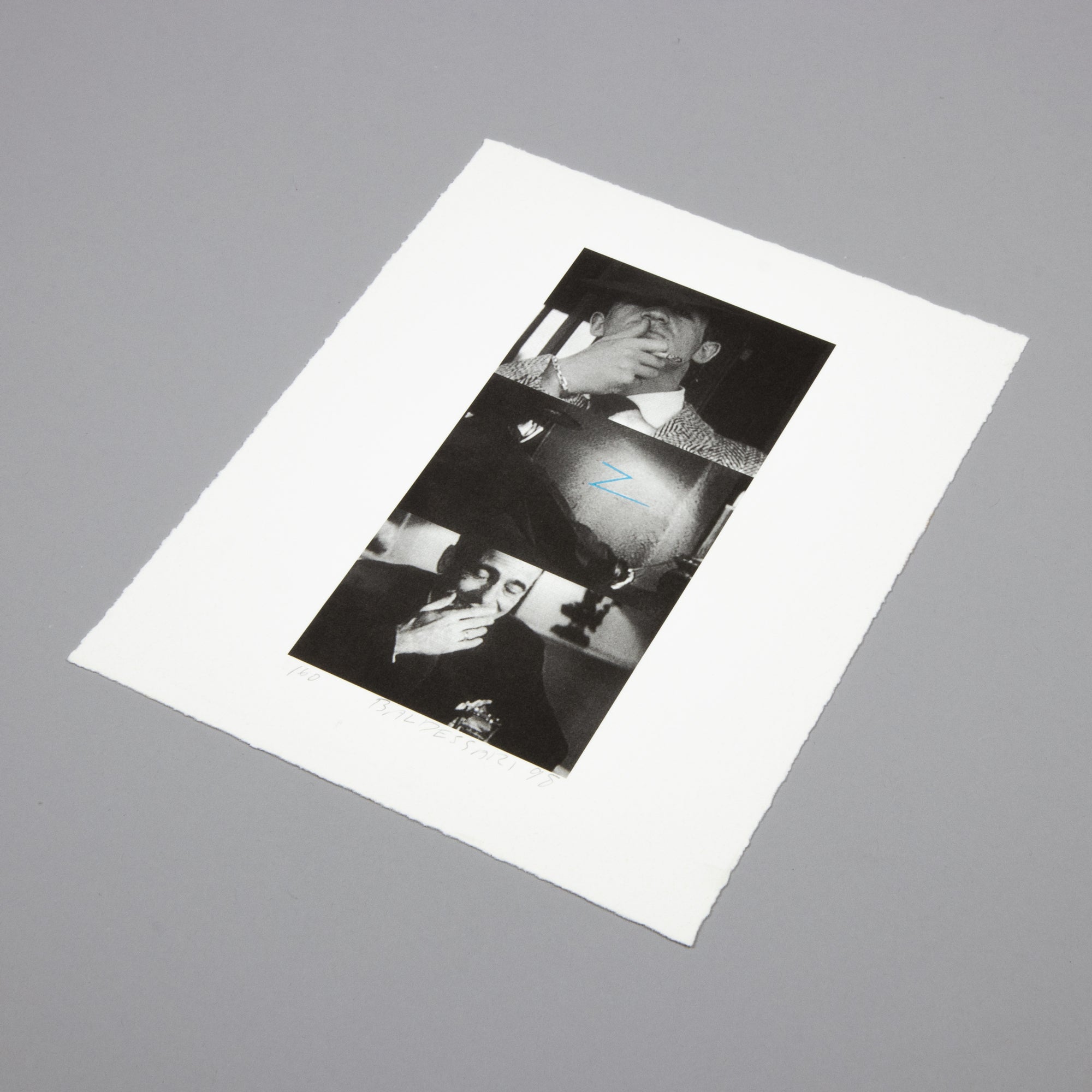
John Baldessari - Zorro (Two Gestures and One Mark)John Baldessari - Zorro (Two Gestures and One Mark)
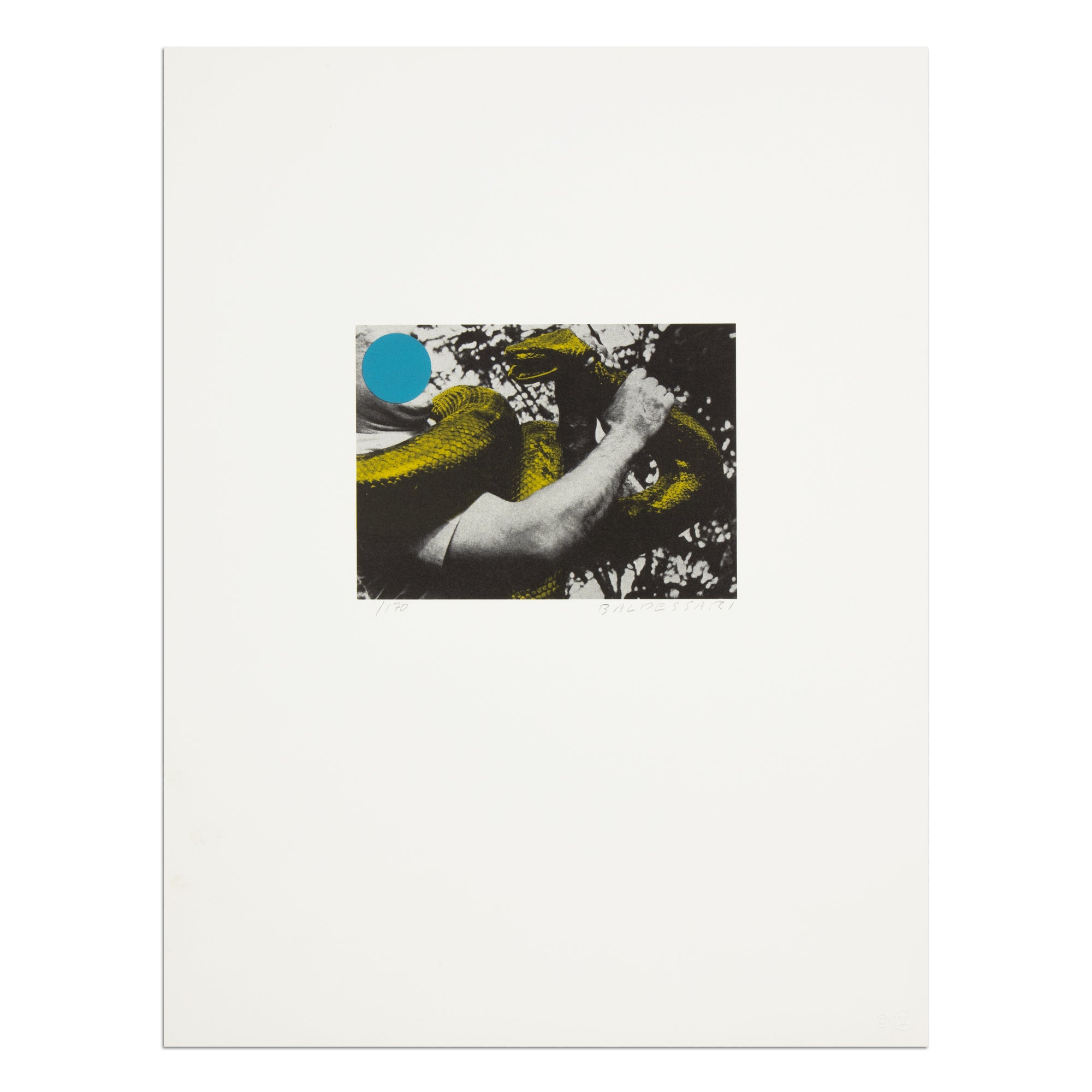
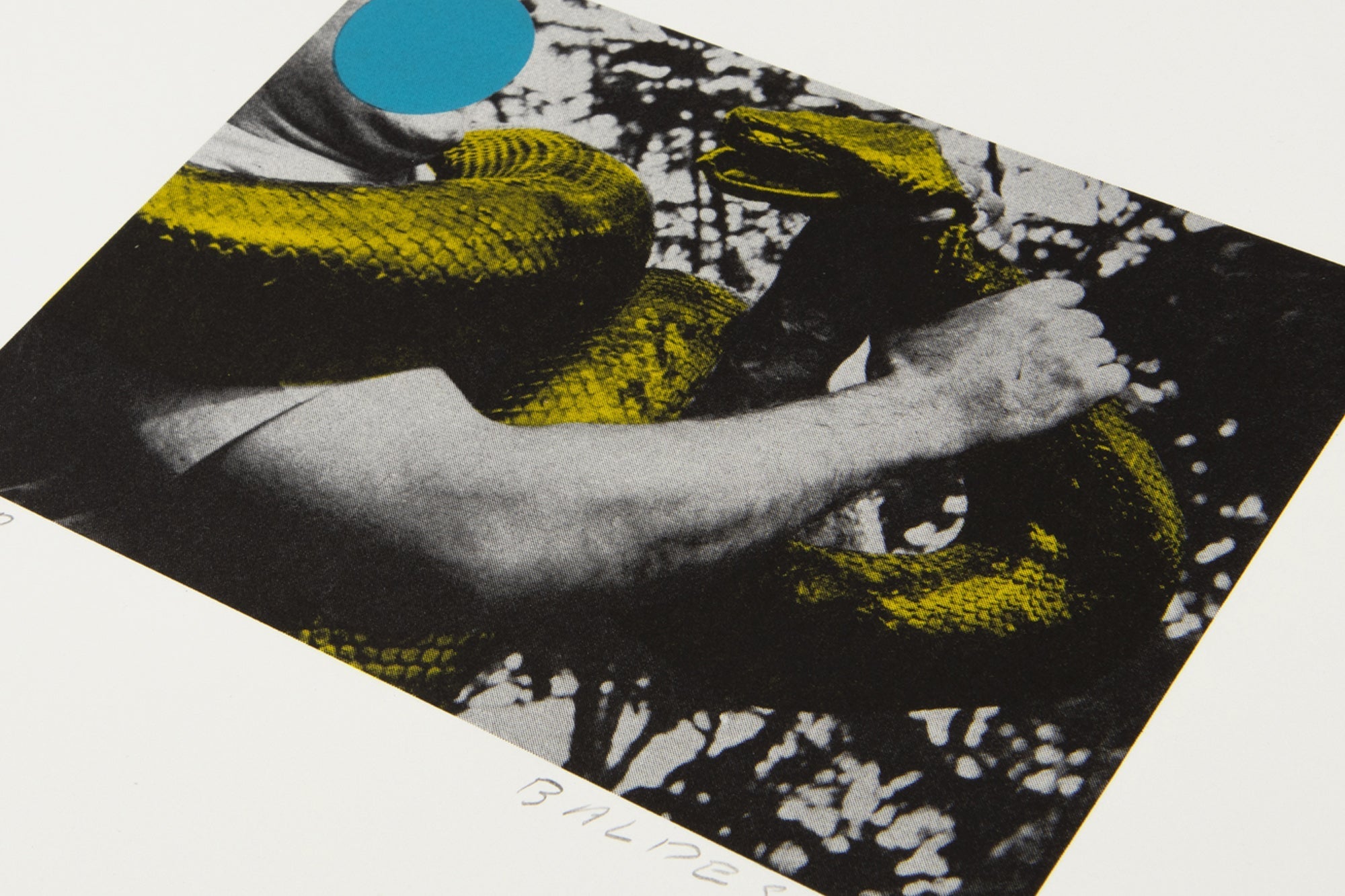
John Baldessari - Man with SnakeJohn Baldessari - Man with Snake
John Baldessari – Man with Snake Sale price€2.800,00
John Baldessari - Hands and/ or FeetJohn Baldessari - Hands and/ or Feet
John Baldessari – Hand and Chin (with Entwined Hands)John Baldessari - Hand and Chin (with Entwined Hands)
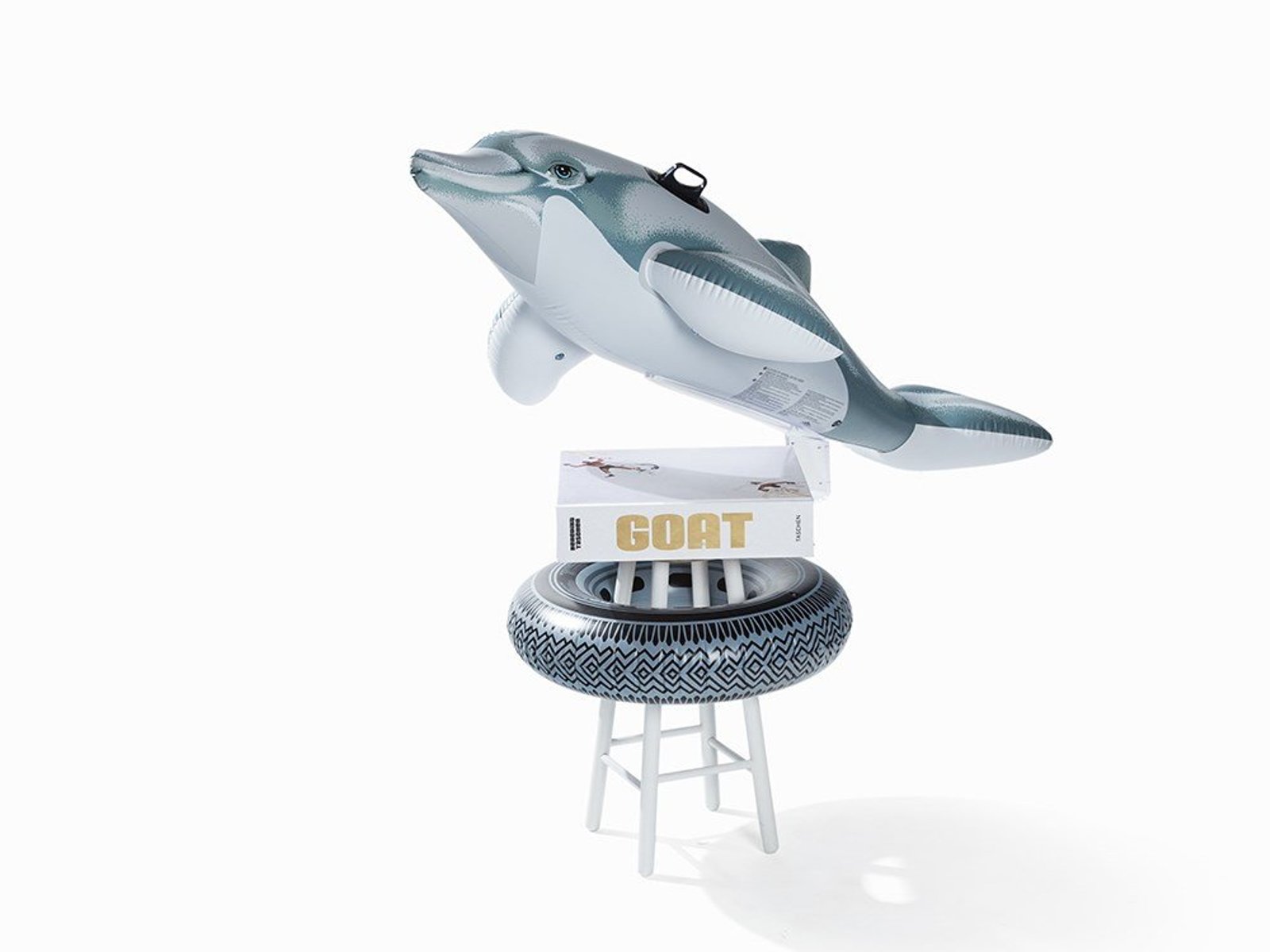
Jeff Koons - GOAT (Champ's Edition)Jeff Koons - GOAT (Champ's Edition)
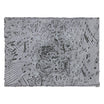
Jean - Luc Mylayne - N°476, Décembre 2006 – Mars 2007Jean - Luc Mylayne - N°476, Décembre 2006 – Mars 2007
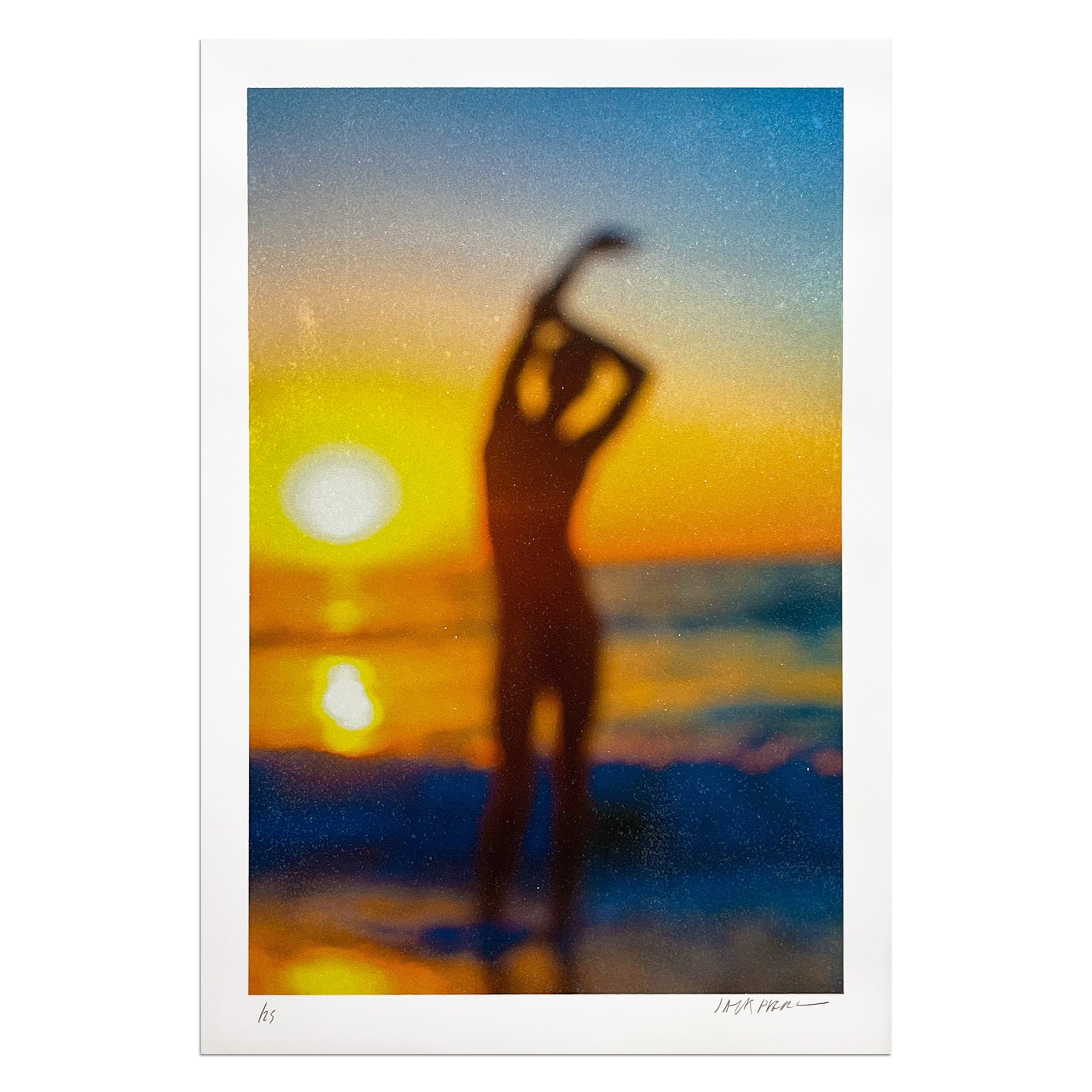
Jack Pierson - Untitled (Sunset)Jack Pierson - Untitled (Sunset)
Jack Pierson – Untitled (Sunset) Sale price€4.400,00

Jack Pierson - Stardust
Jack Pierson – Stardust Sale price€1.200,00
Invader - Rubik Shot Red Marilyn
Invader – Rubik Shot Red Marilyn Sale price€5.400,00
Harland Miller - Hate's Outta DateHarland Miller - Hate's Outta Date
Harland Miller – Hate's Outta Date Sale price€12.000,00
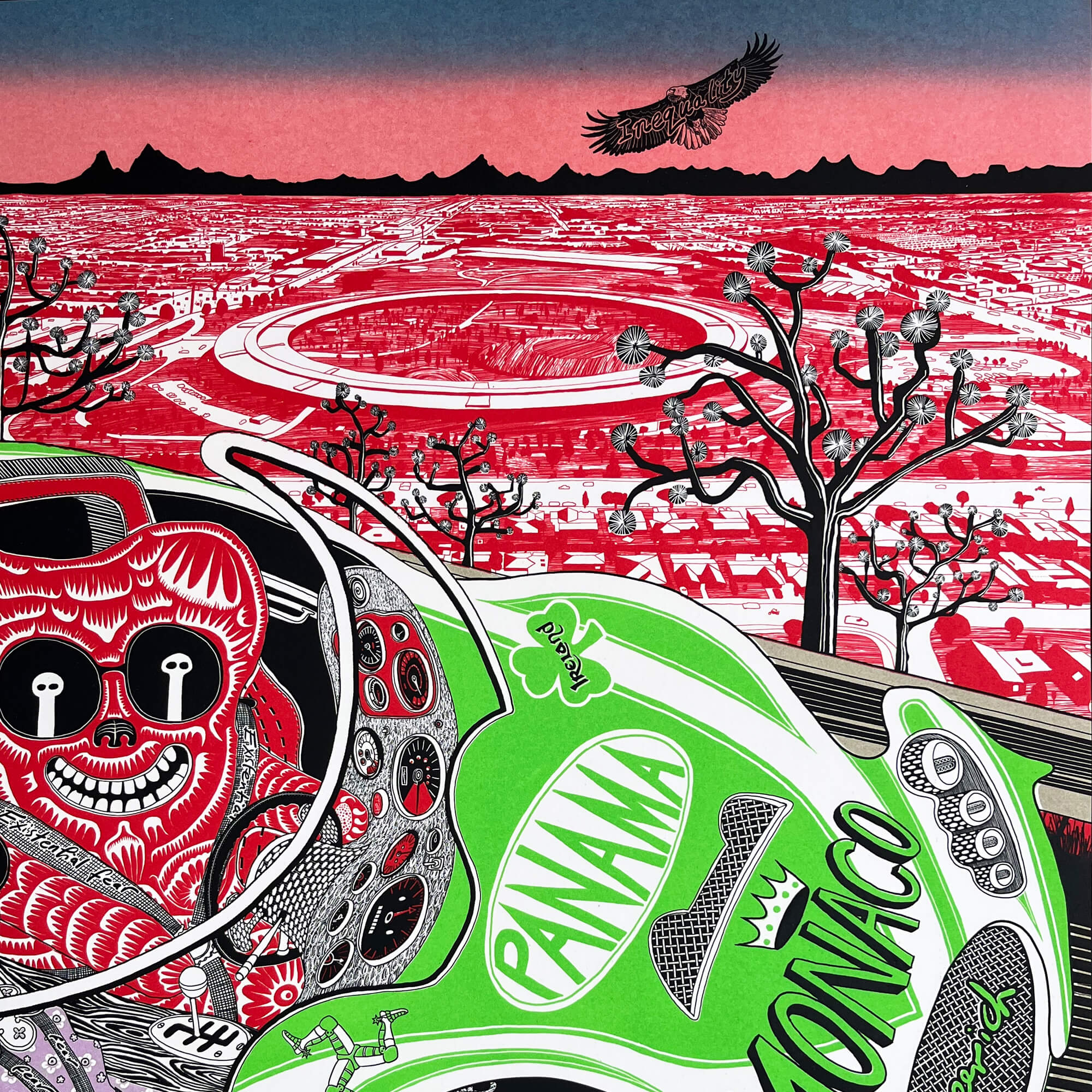
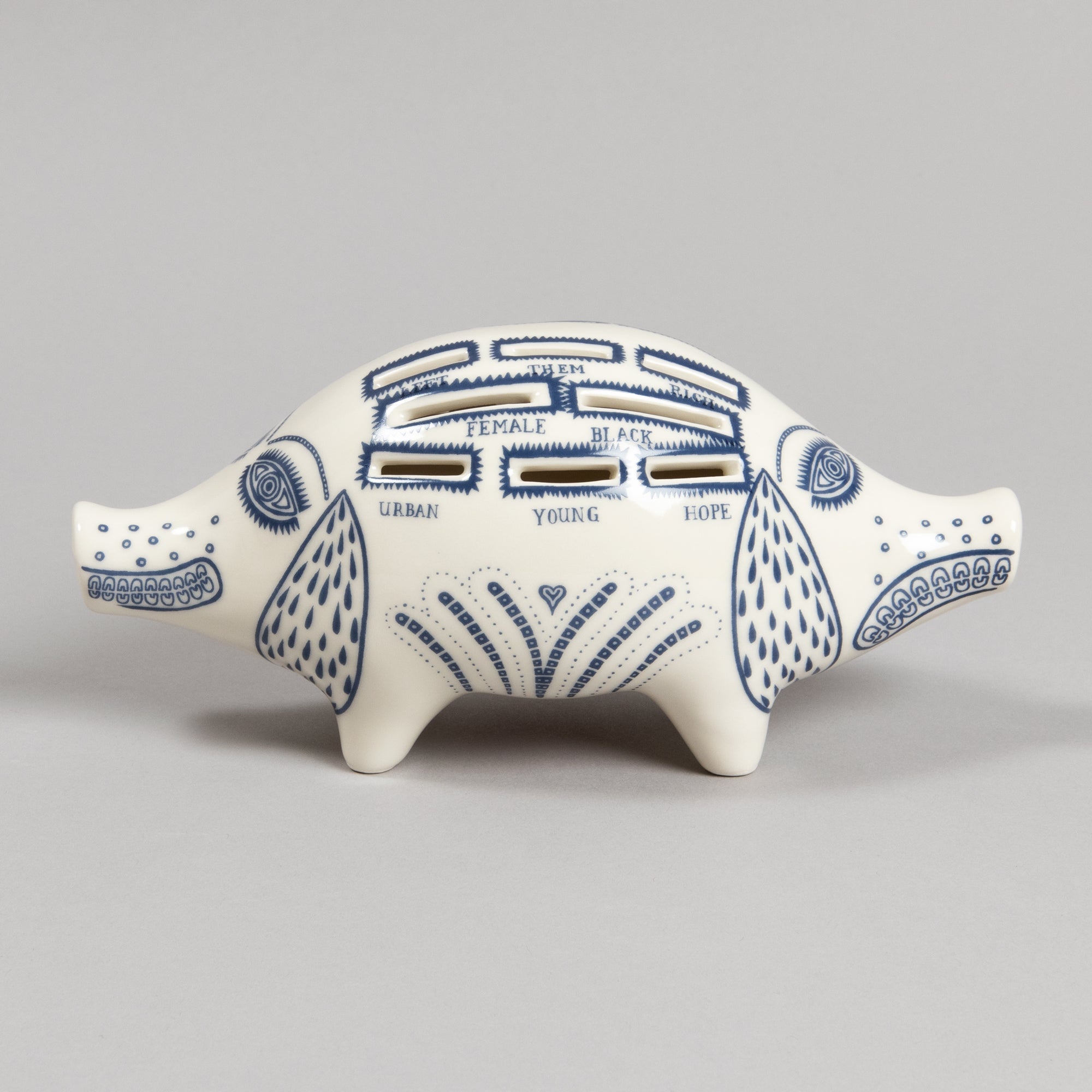
Grayson Perry - Sponsored by YouGrayson Perry – Sponsored by You
Grayson Perry, Piggy BankGrayson Perry, Piggy Bank
Grayson Perry – Piggy Bank Sale price€1.500,00
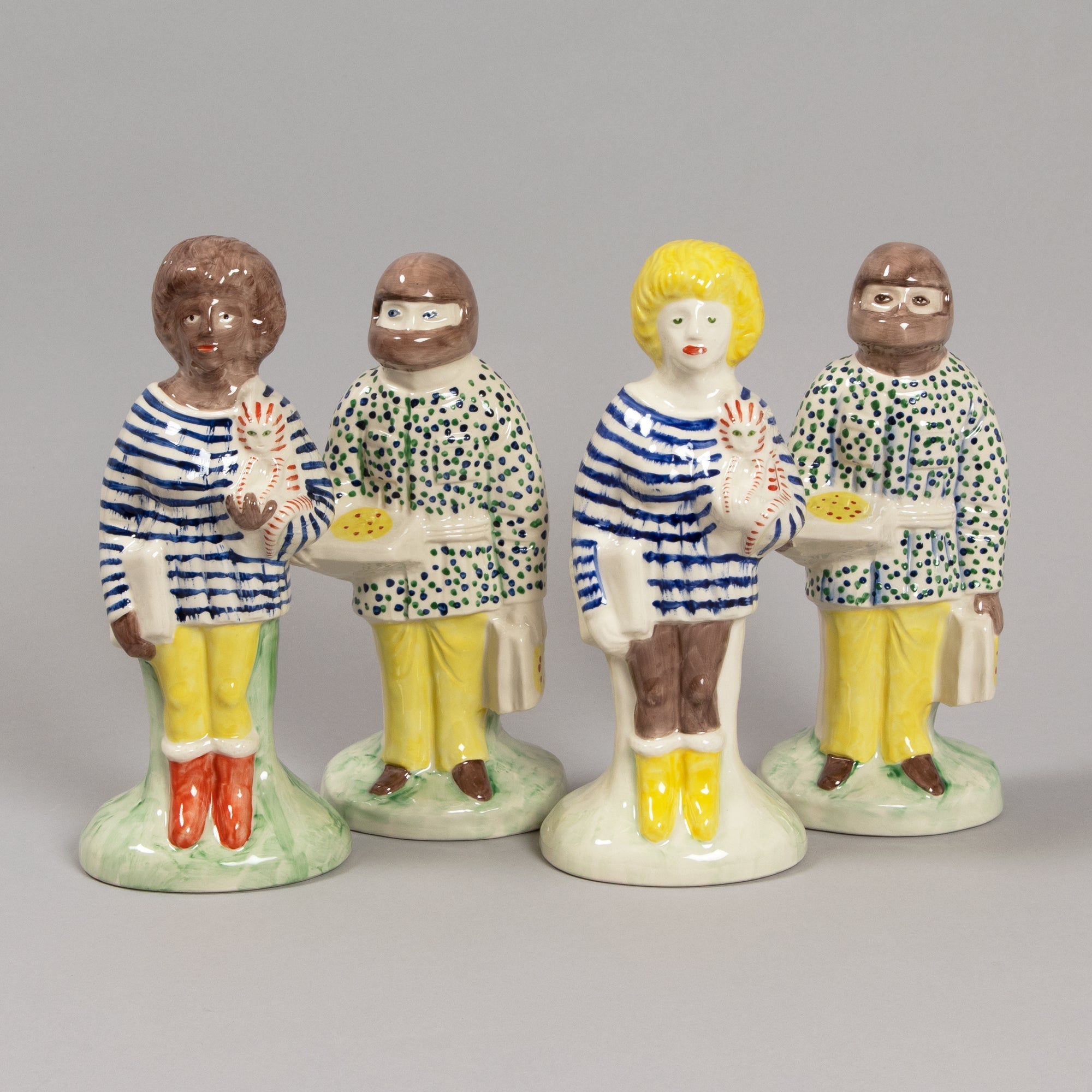
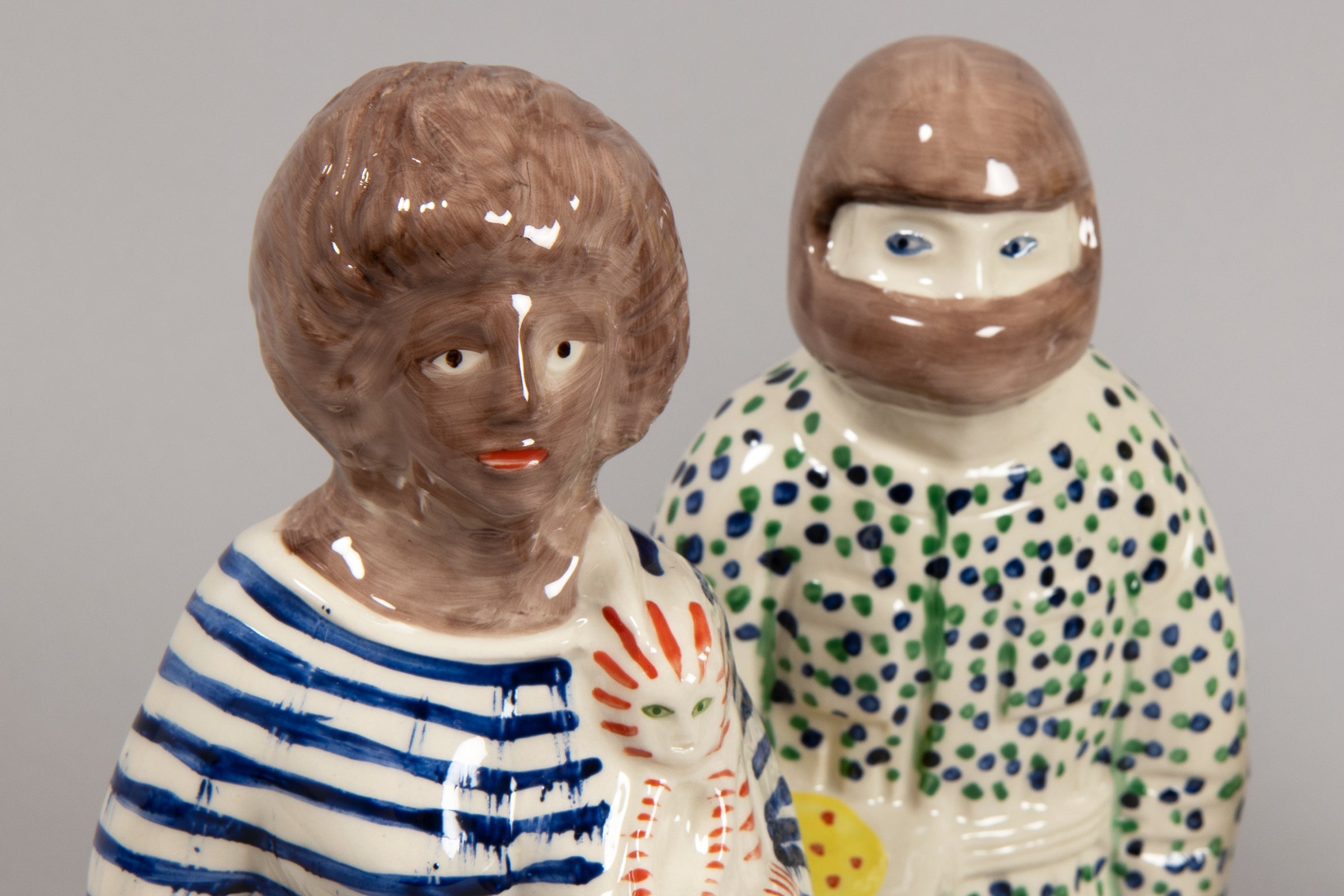
Grayson Perry - Home Worker & Key Worker Staffordshire FiguresGrayson Perry - Home Worker & Key Worker Staffordshire Figures
Grayson Perry - Magical ThinkingGrayson Perry - Magical Thinking
Grayson Perry – Magical Thinking Sale price€3.000,00
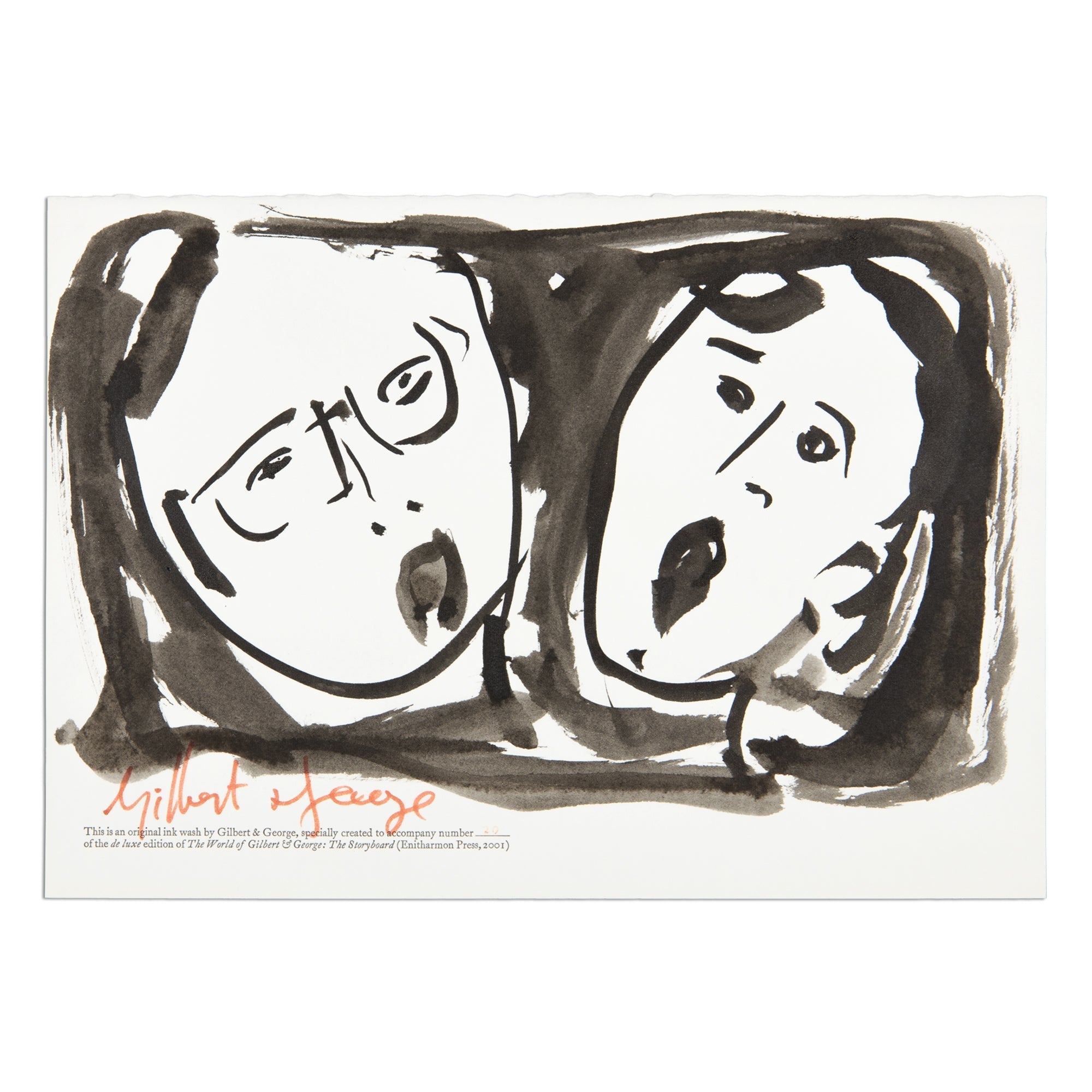
Gilbert & George - The World of Gilbert & GeorgeGilbert & George - The World of Gilbert & George
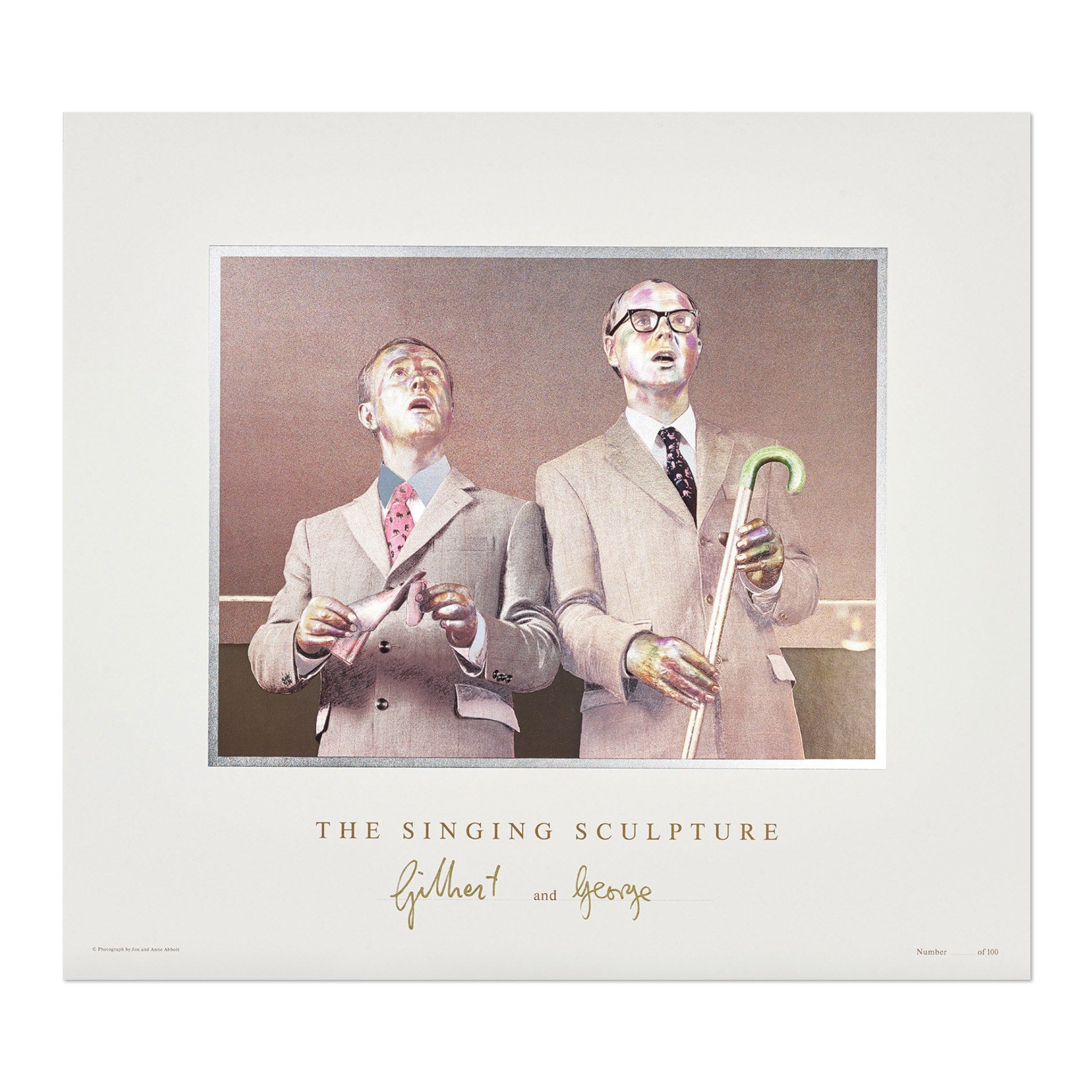
Gilbert & George - The Singing SculptureGilbert & George - The Singing Sculpture
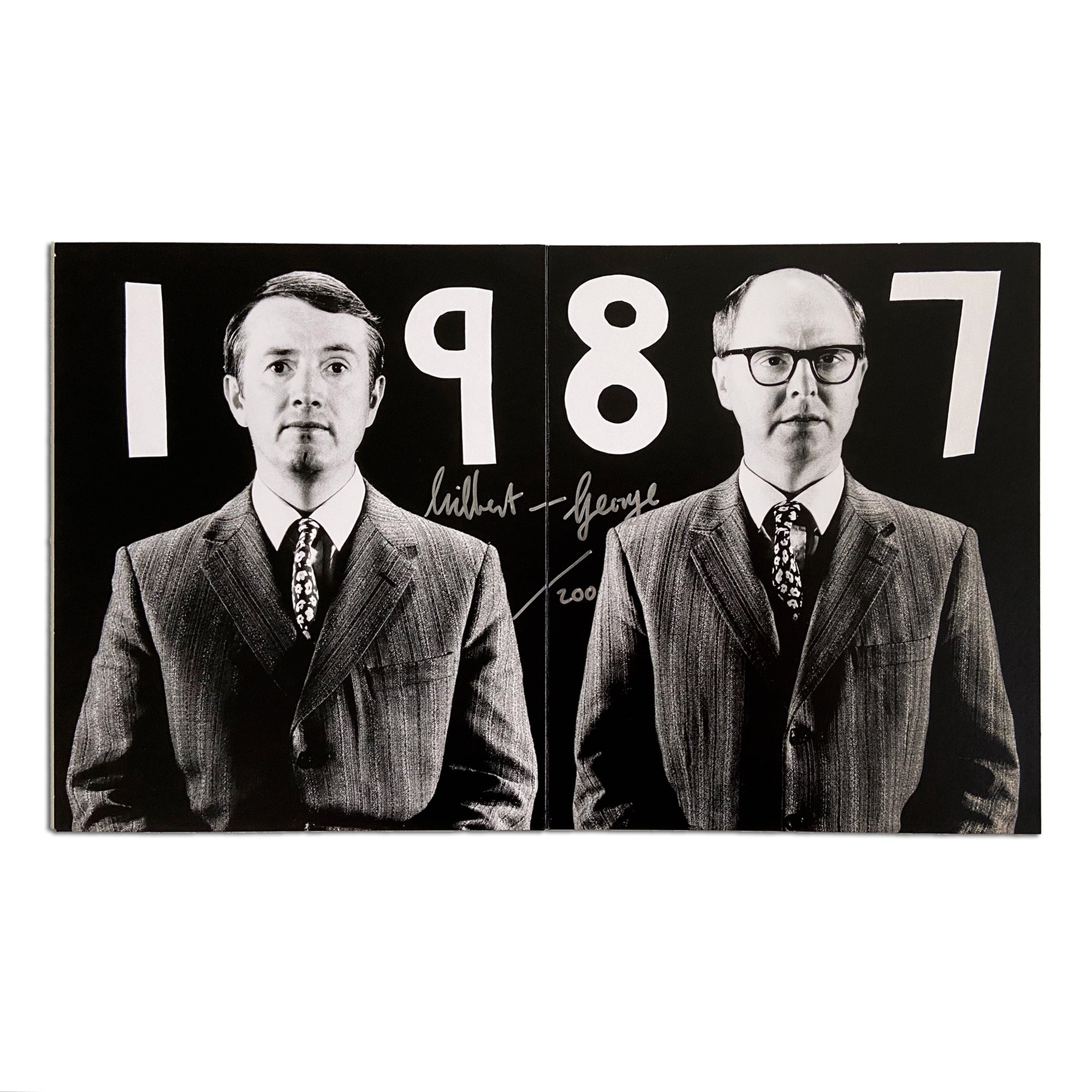
Gilbert & George - 1987 (Parkett Edition No. 14)
Gerhard Richter - ZaunGerhard Richter - Zaun
Gerhard Richter – Zaun Sale price€8.900,00
Sold out
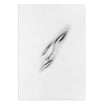
Gerhard Richter - Kerze I (Poster Mönchehaus-Museum)Gerhard Richter - Kerze I (Poster Mönchehaus-Museum)
Genieve Figgis - PicnicGenieve Figgis - Picnic
Genieve Figgis – Picnic Sale price€5.800,00
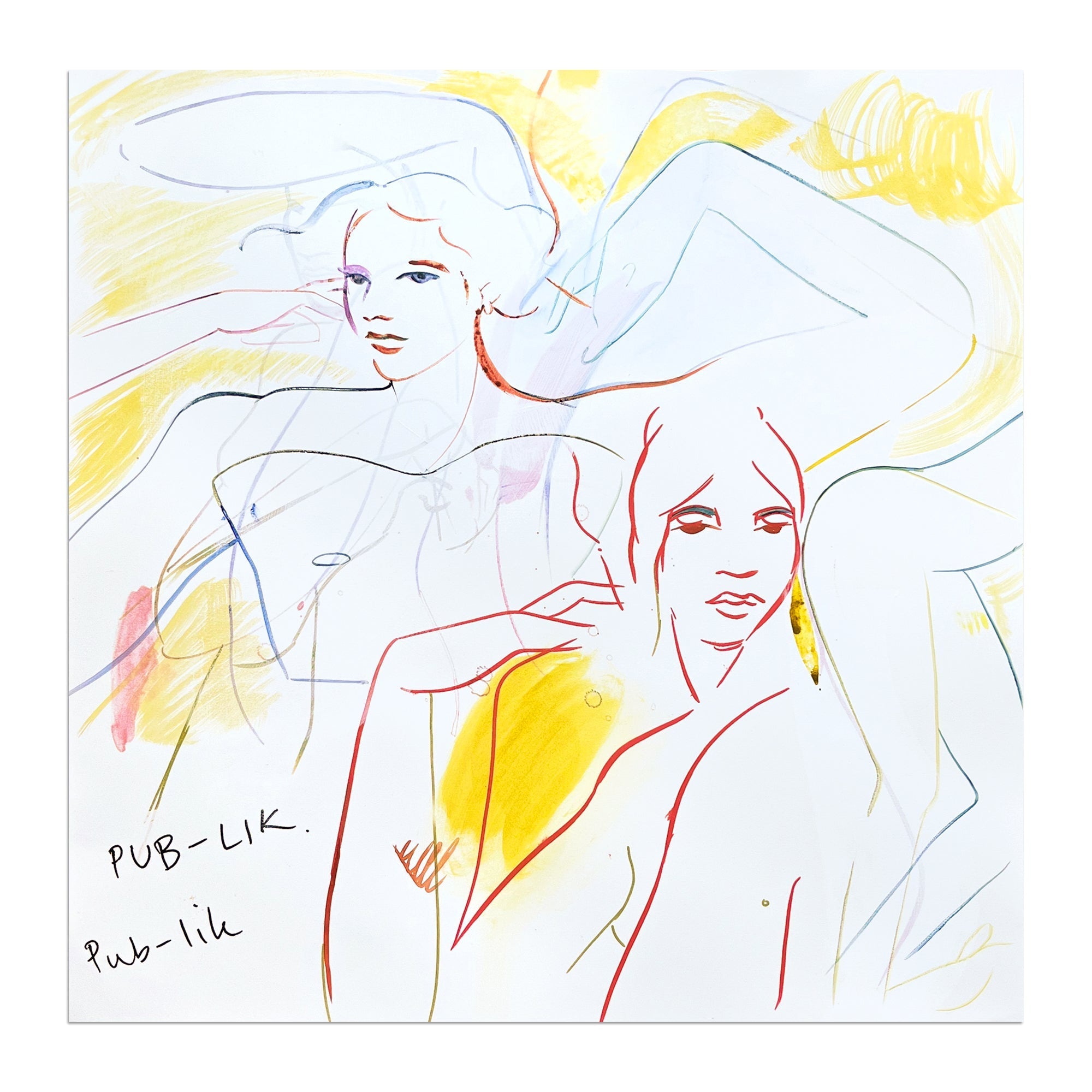
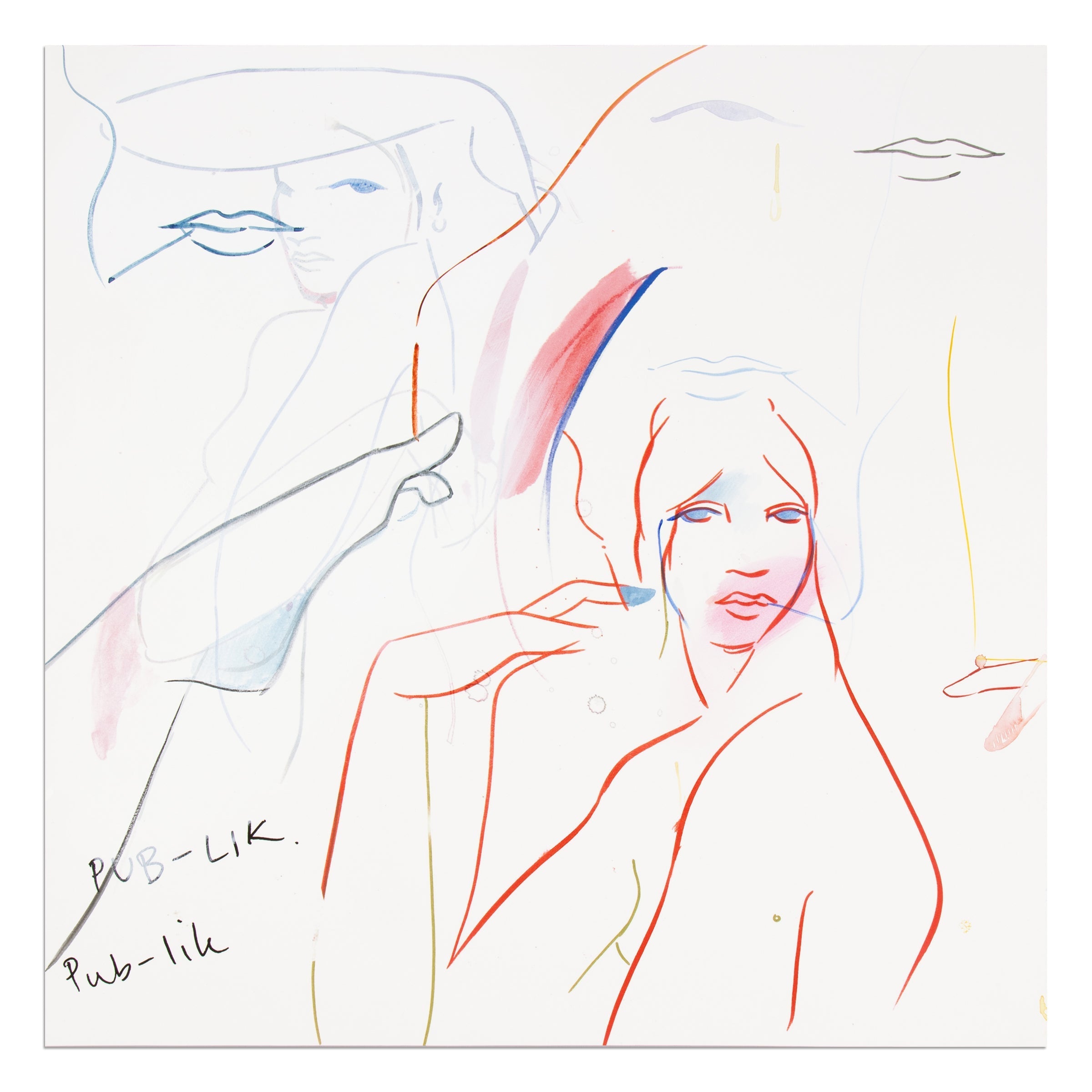
France-Lise McGurn - In Pub-lik 5
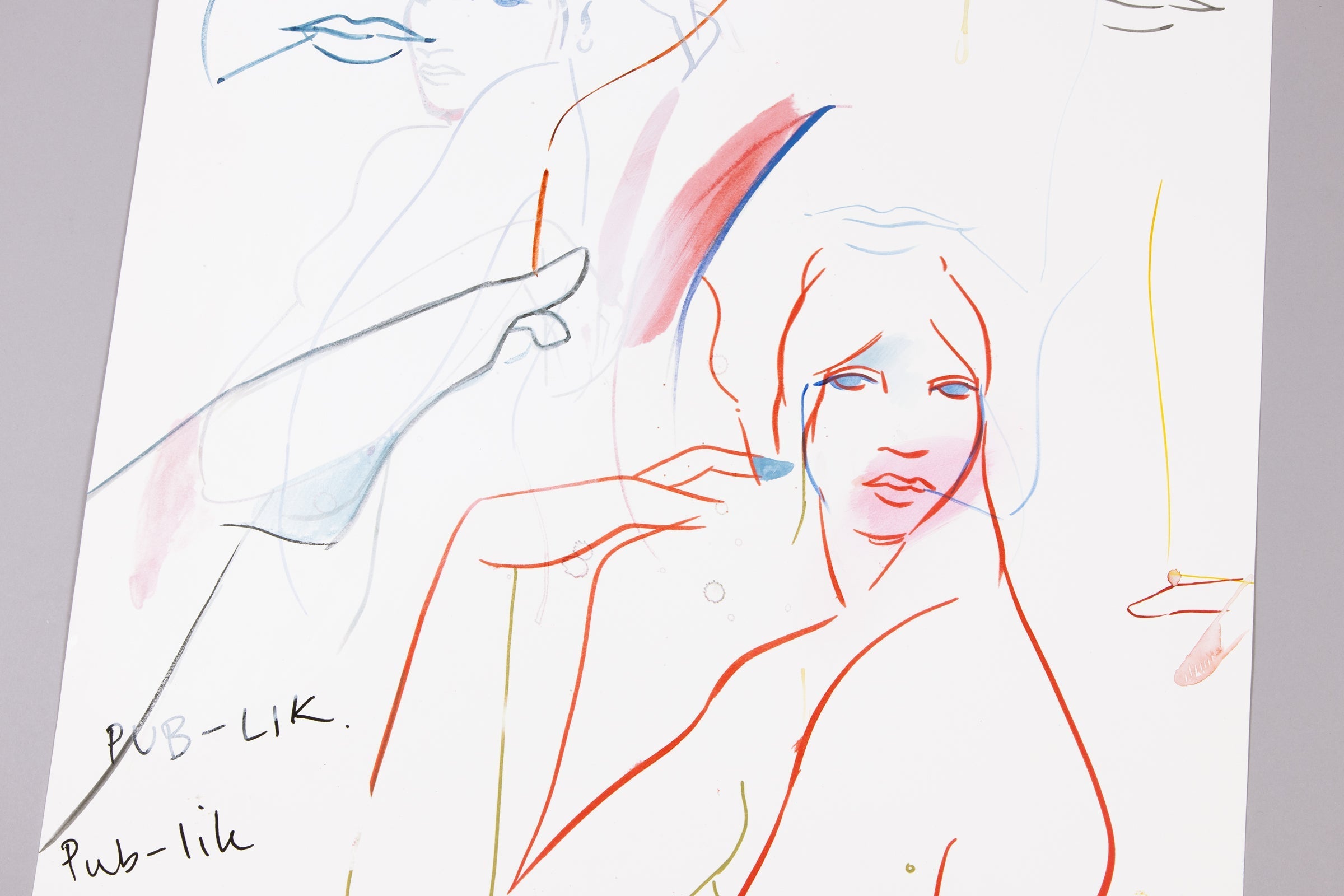
France-Lise McGurn - In Pub-likFrance-Lise McGurn - In Pub-lik
France-Lise McGurn – In Pub-lik Sale price€5.500,00
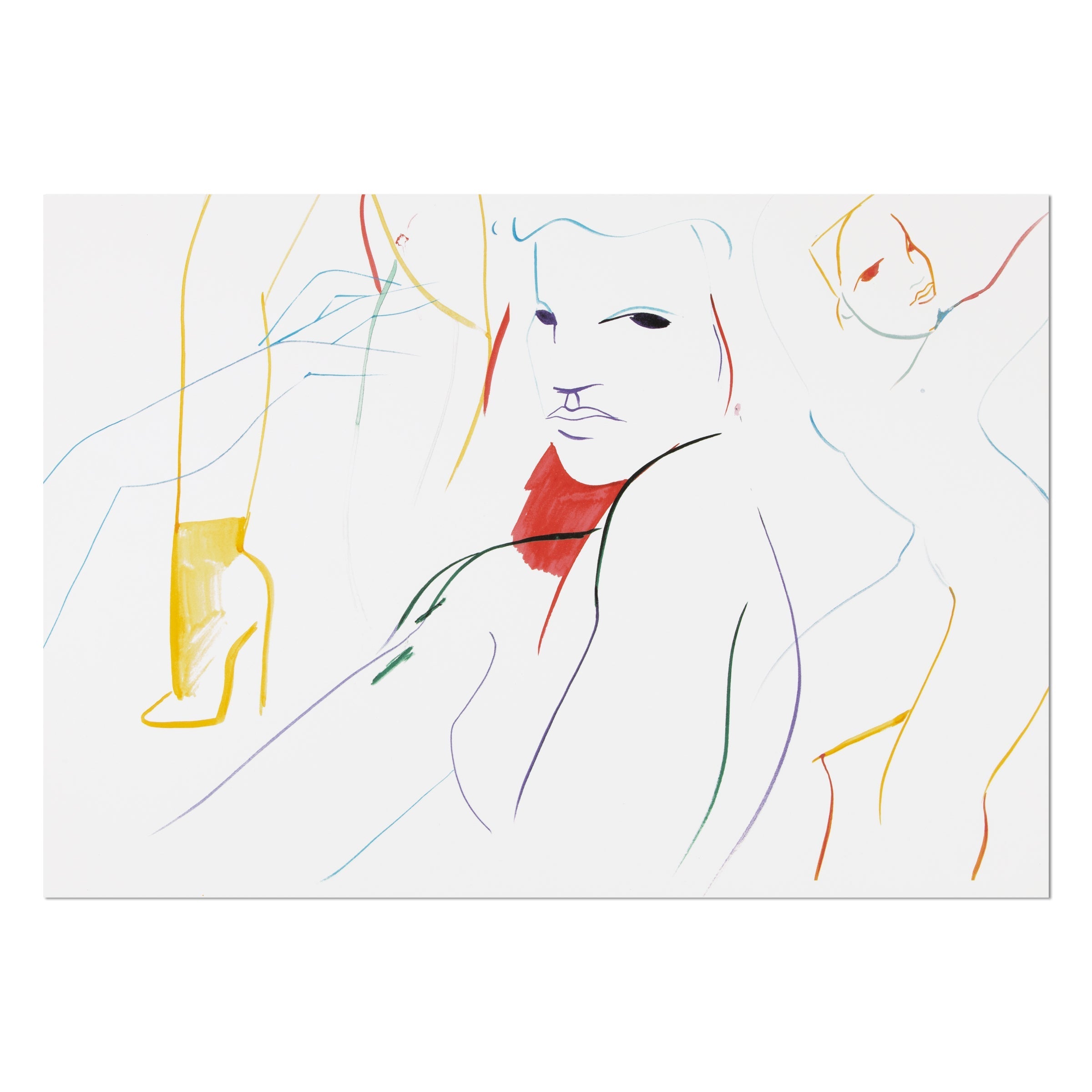
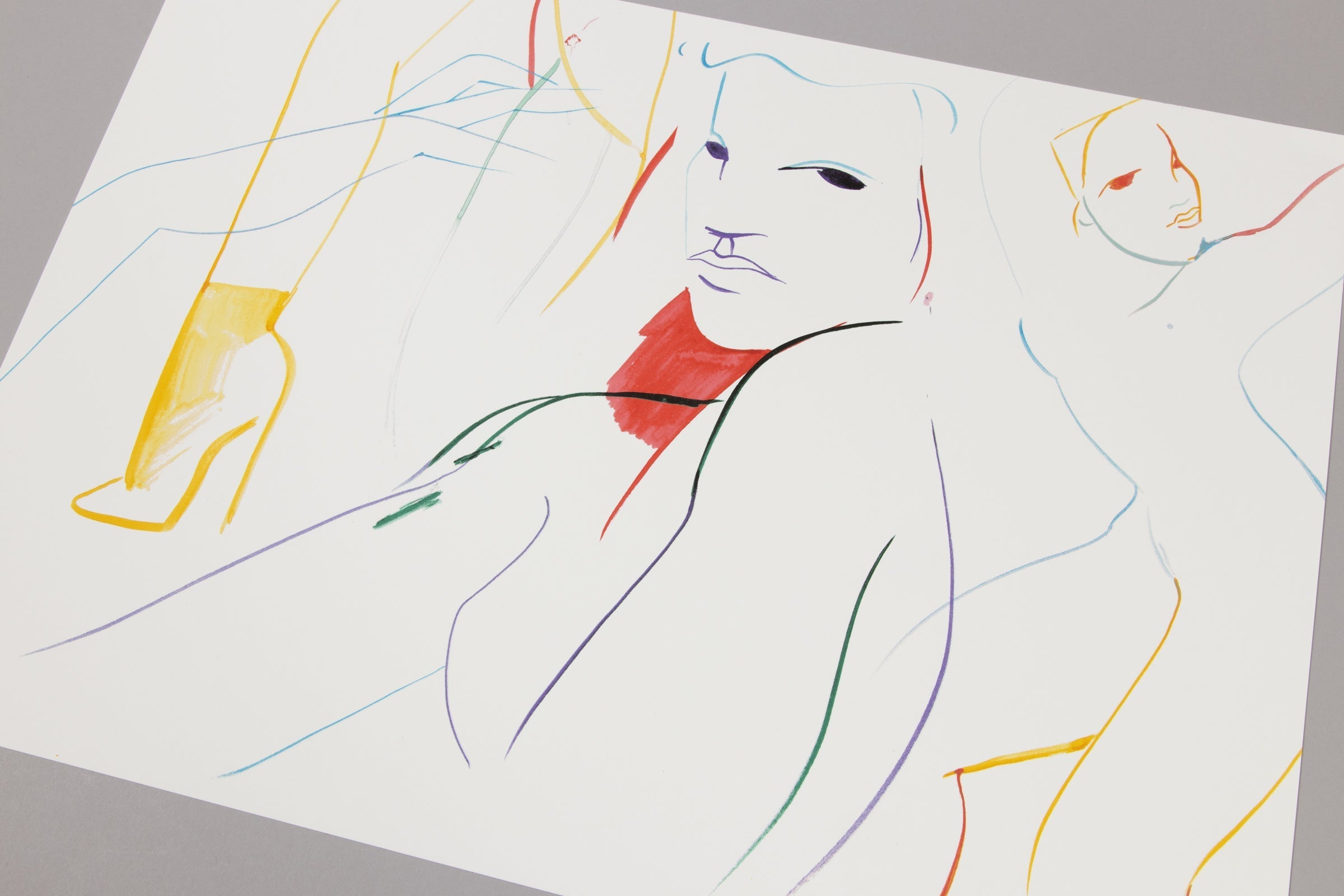
France-Lise McGurn - Dream Bod and BroncoFrance-Lise McGurn - Dream Bod and Bronco
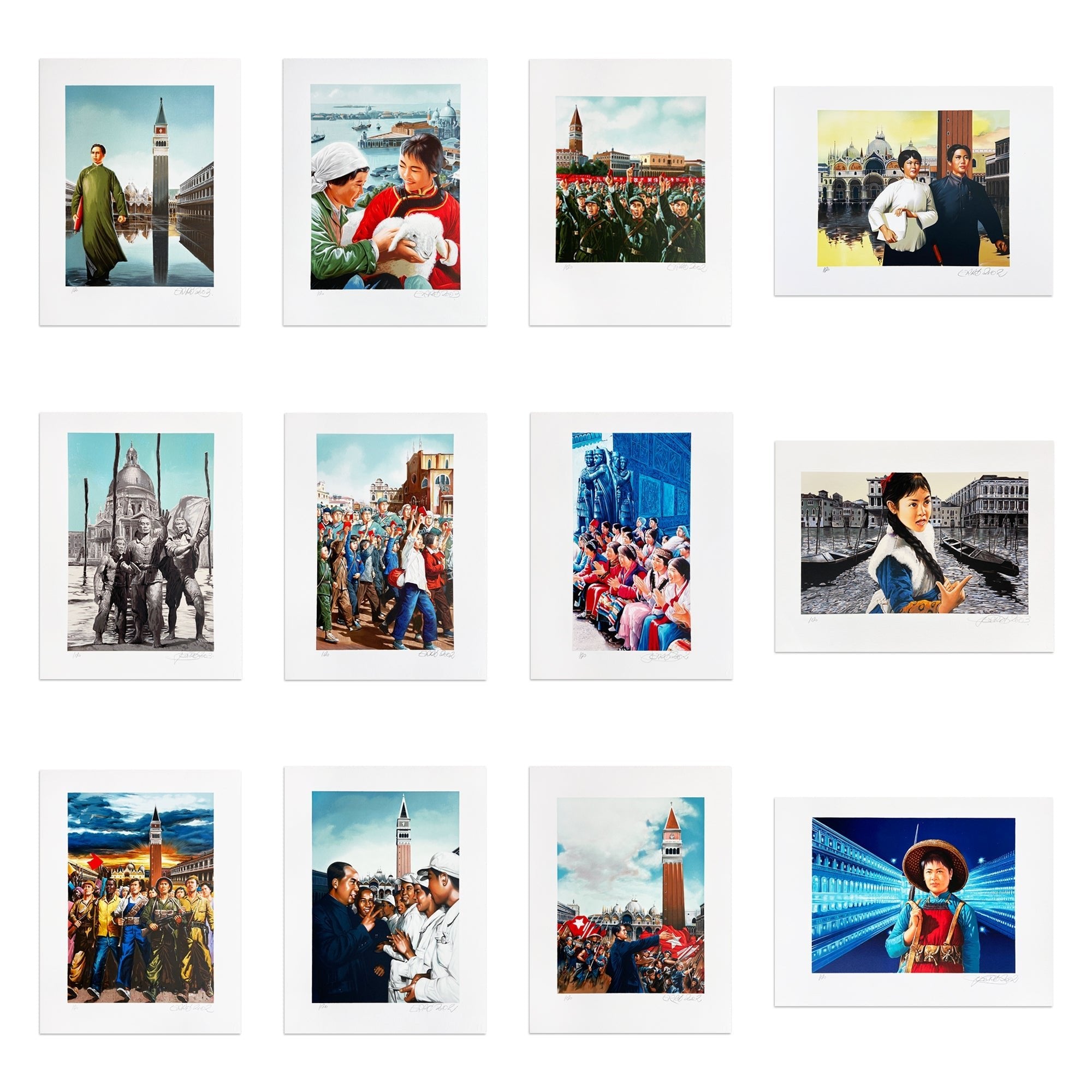
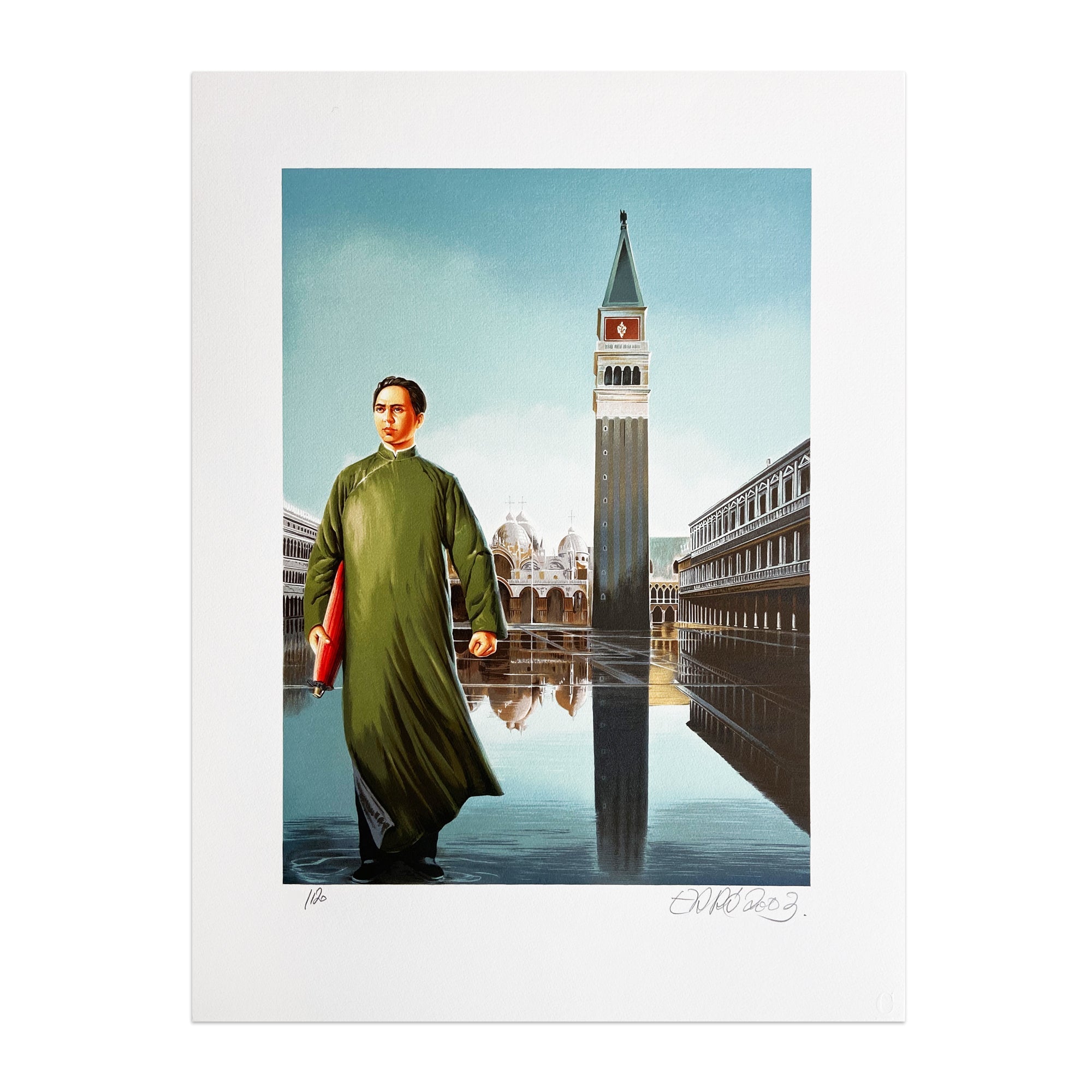
Erró, L'ultima visita di Mao a VeneziaErró, L'ultima visita di Mao a Venezia
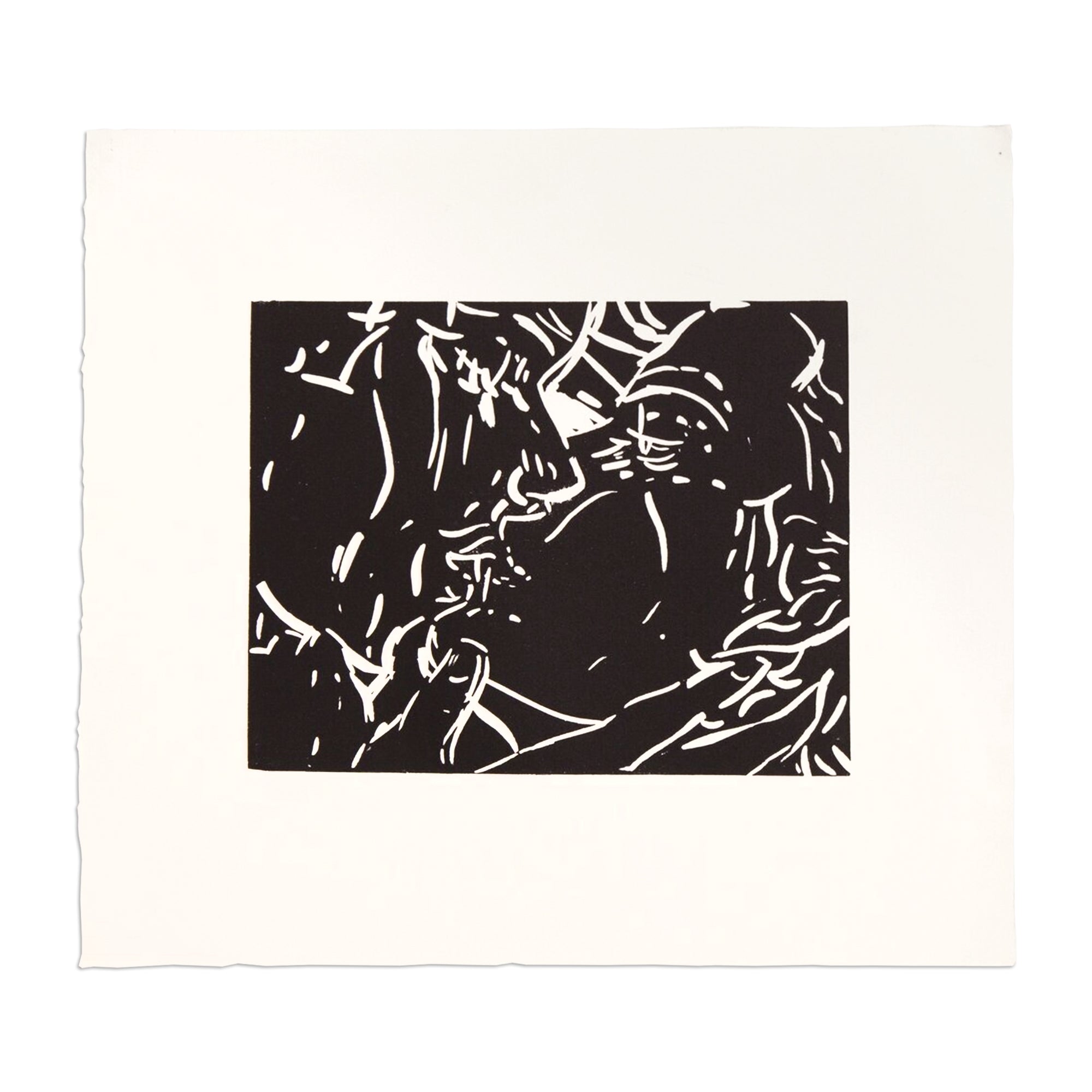
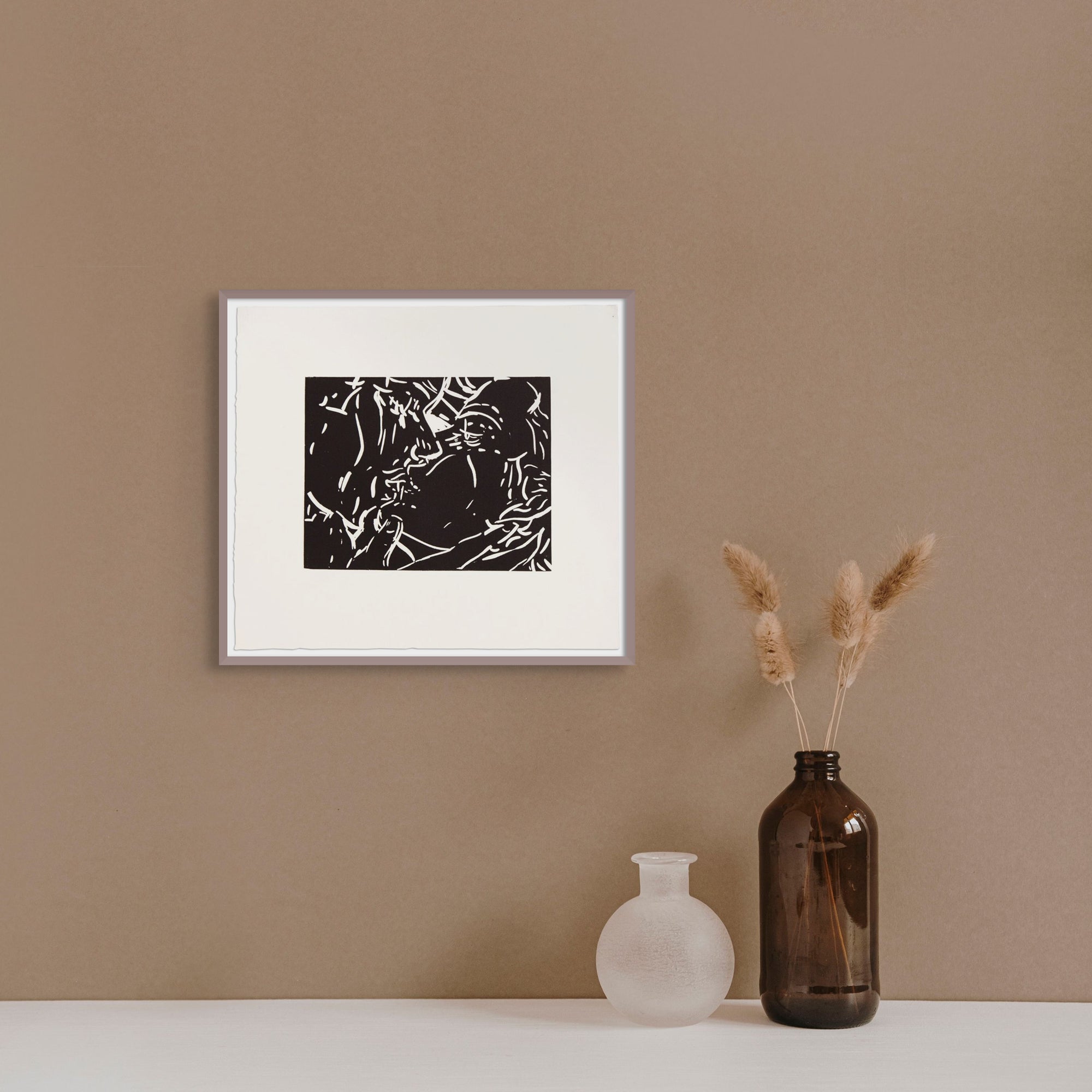
Elizabeth Peyton - The KissElizabeth Peyton - The Kiss
Elizabeth Peyton – The Kiss Sale price€3.200,00
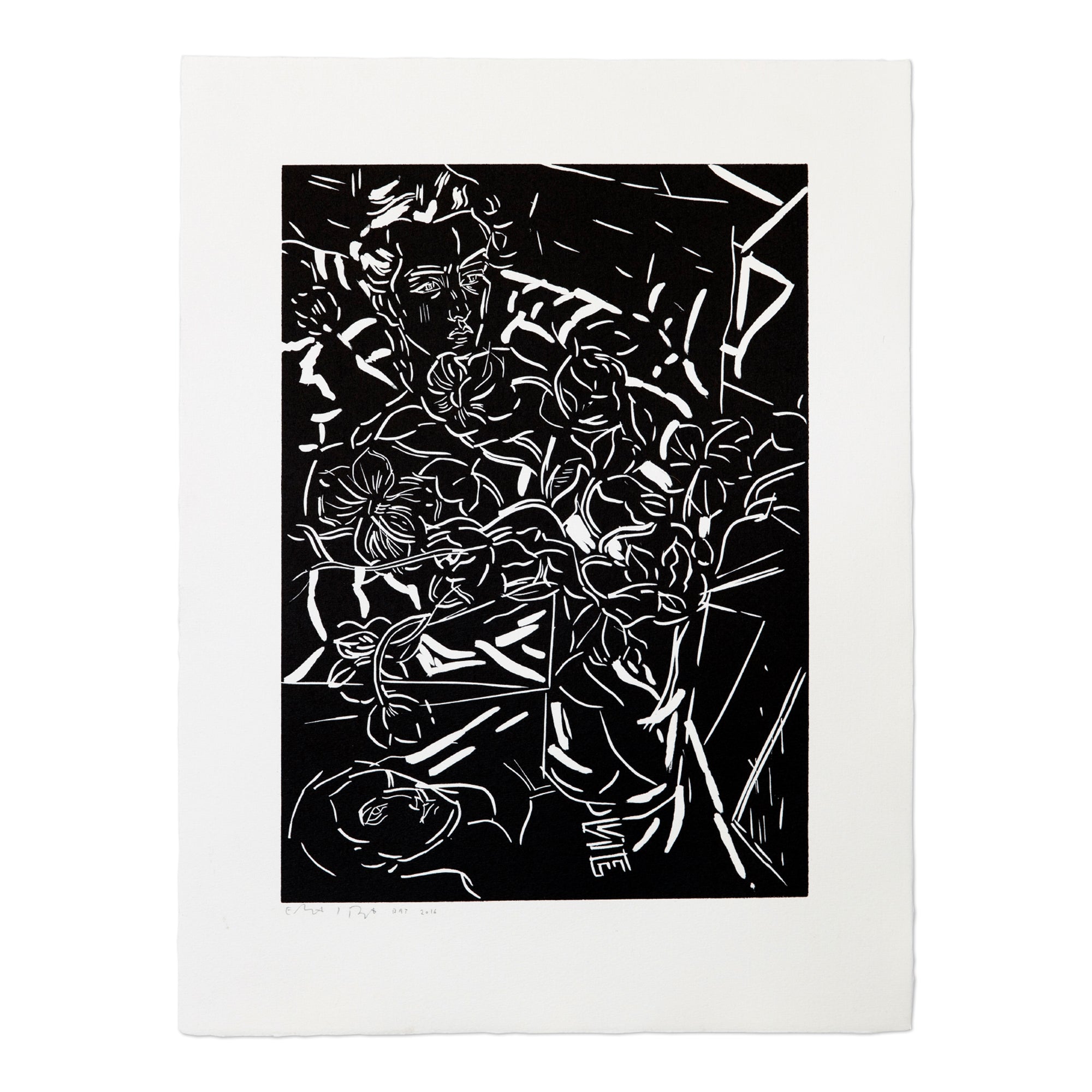
Elizabeth Peyton - Still Life
Elizabeth Peyton – Still Life Sale price€5.500,00
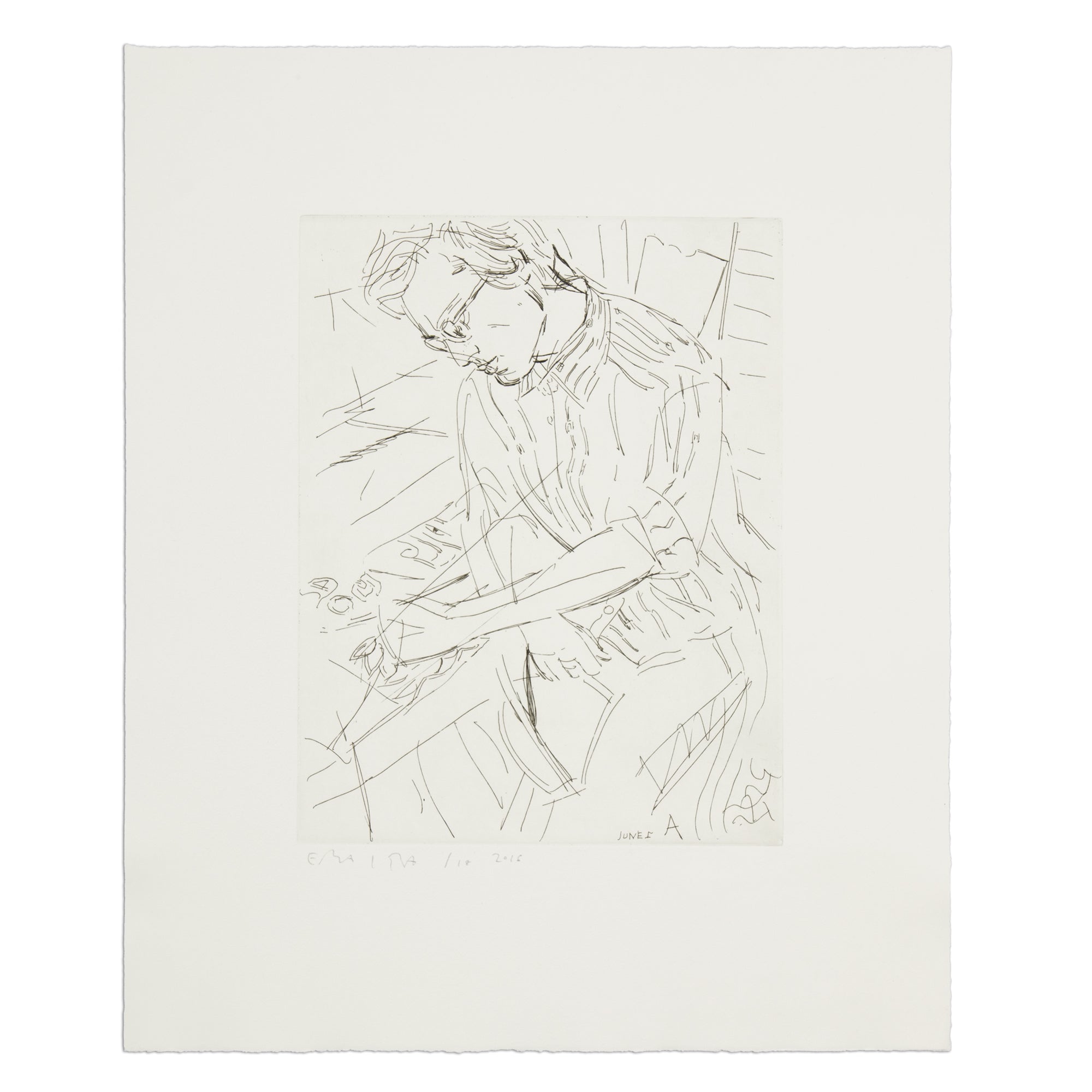
Elizabeth Peyton - Portrait of Alexander TovborgElizabeth Peyton - Portrait of Alexander Tovborg
Elizabeth Peyton - Peter
Elizabeth Peyton – Peter Sale price€3.700,00
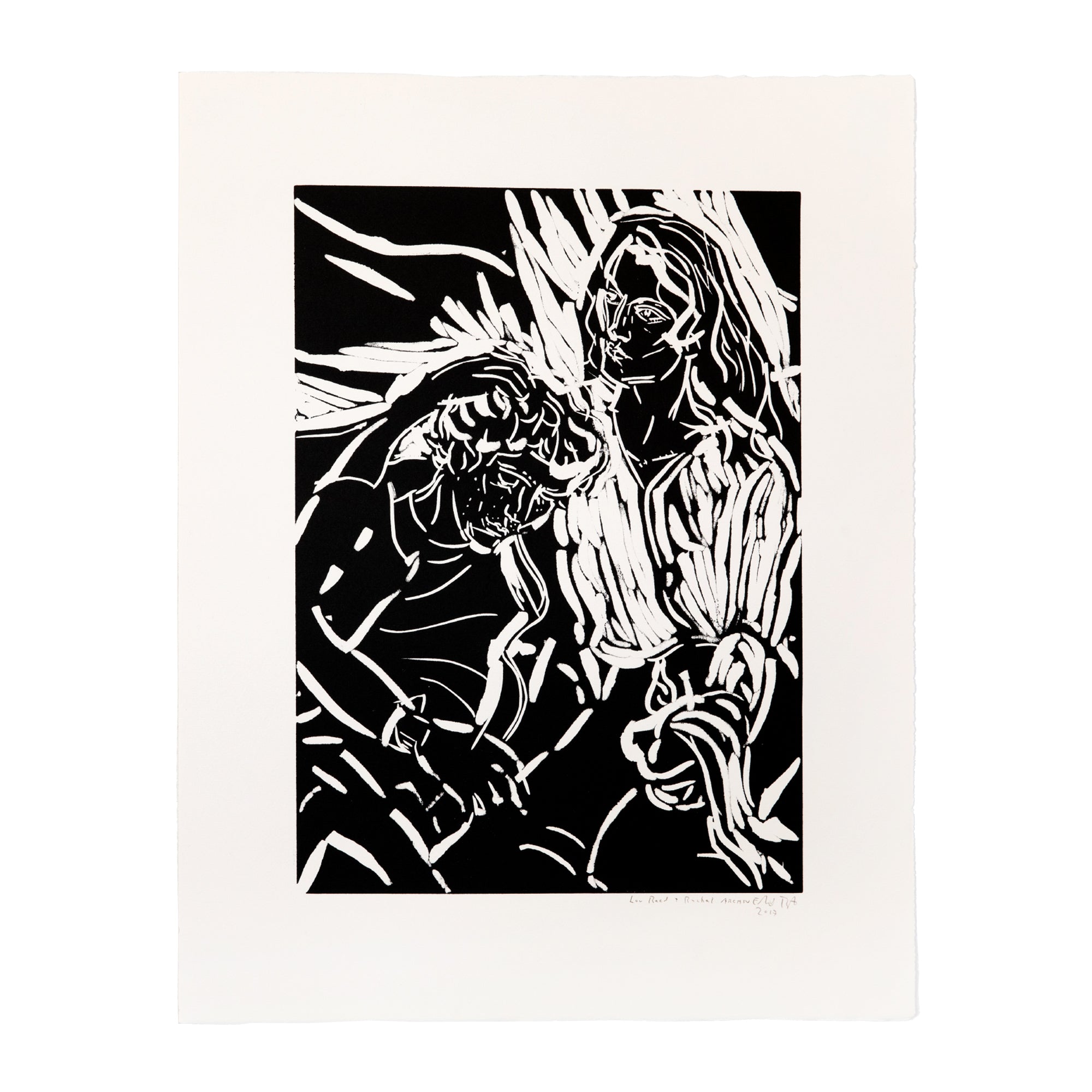
Elizabeth Peyton - Lou Reed + Rachel
Elizabeth Peyton - Frank Ocean
Elizabeth Peyton – Frank Ocean Sale price€4.200,00
Elizabeth Peyton - E (Self-Portrait)
Elizabeth Peyton - Camille Claudel Flowers and BooksElizabeth Peyton - Camille Claudel Flowers and Books
Ed Ruscha - Various Small Fires and MilkEd Ruscha - Various Small Fires and Milk
Ed Ruscha – Some Los Angeles ApartmentsEd Ruscha - Some Los Angeles Apartments
Ed Ruscha - L.C.Ed Ruscha - L.C.
Ed Ruscha - L.C. Sale price€5.400,00
Ed Ruscha - Insect Slant (Ants)Ed Ruscha - Insect Slant (Ants)
Ed Ruscha – Insect Slant (Ants) Sale price€9.000,00

Leading Figurative Artists

Explore figurative art prints and artworks by leading contemporary artists, including Peter Doig, Nicolas Party, Marcel Dzama, and Marlene Dumas, whose practices engage the human figure through diverse contemporary approaches.

All artists
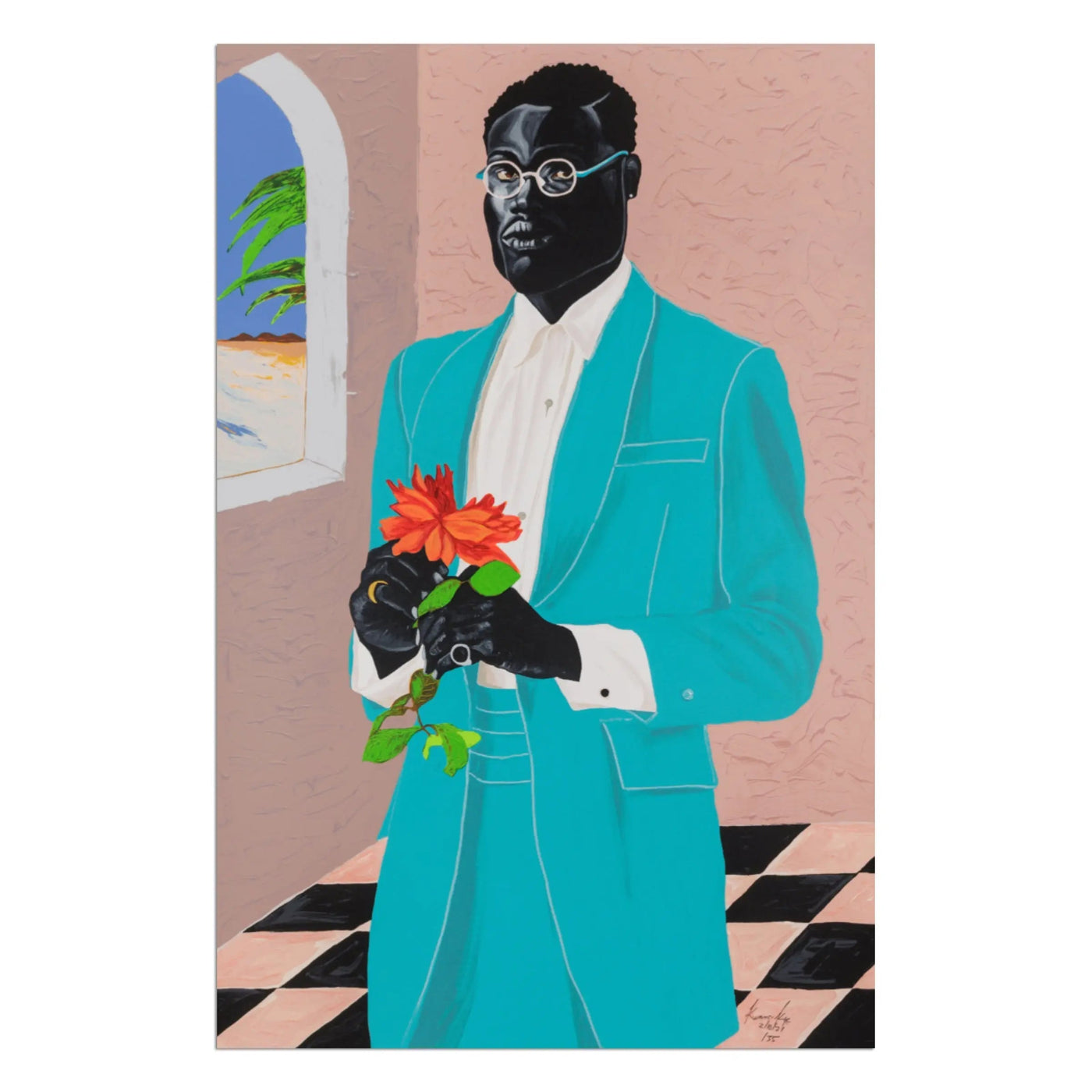
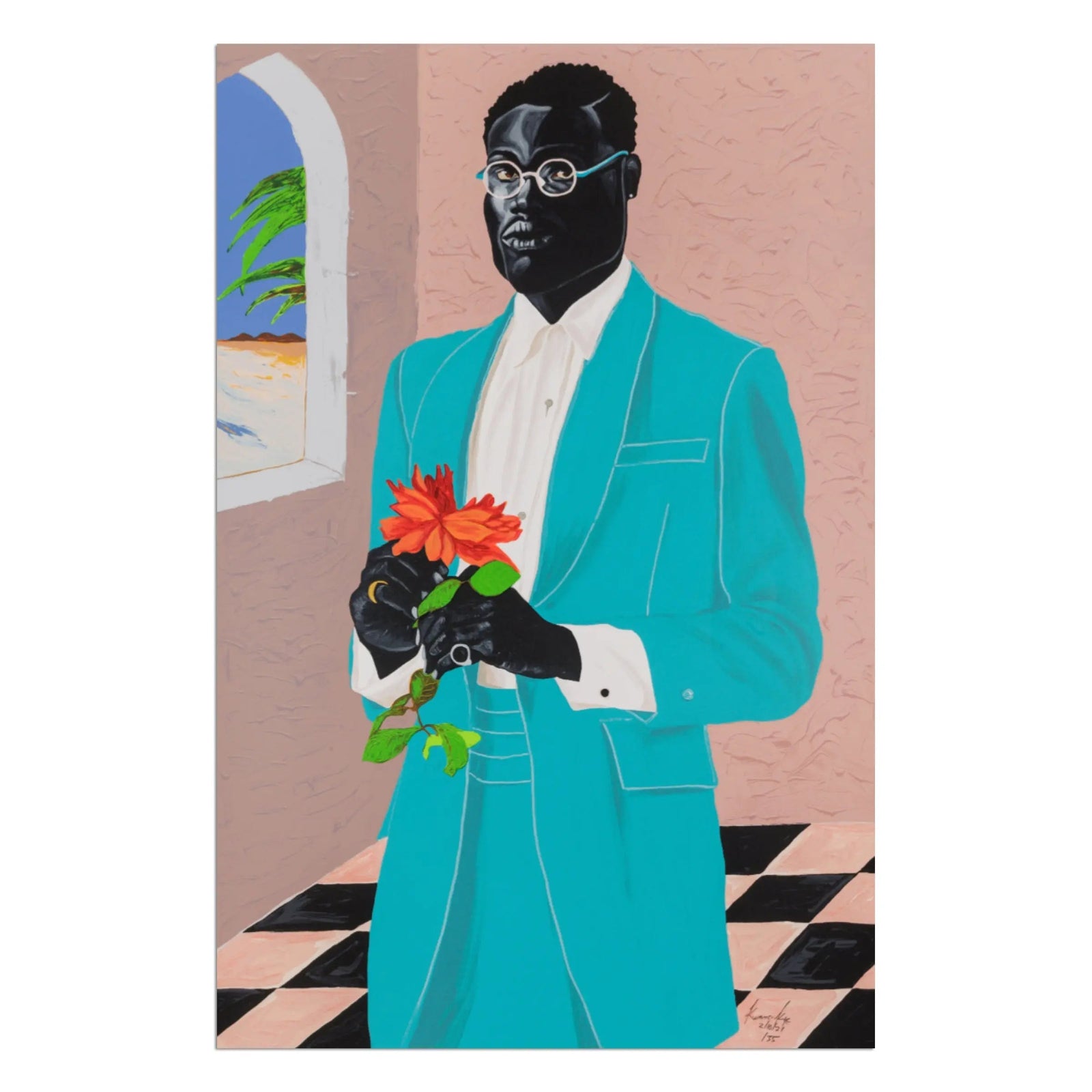
Otis Kwame Kye Quaicoe - View of Yoei William
01

Collect Figurative Art

Figurative art carries a distinct advantage: it communicates without translation. Where abstraction and conceptual work often demand a critical vocabulary, the figure speaks immediately — a body, a face, a gesture legible to anyone. That immediacy is precisely why figuration has become one of the most sought-after fields in contemporary collecting. In a culture saturated with screens, algorithms, and AI-generated imagery, collectors are drawn to what is visibly, deliberately human-made.

But immediacy is not simplicity. The strongest figurative work sustains a second reading — psychological, political, art-historical — beneath its accessible surface. A Marlene Dumas portrait is legible in seconds and unresolvable over years. A Peter Doig landscape reads as a place and a memory at once. This collection brings together prints, photographs, and editions by artists who work across that full range, from intimate portraiture to fragmented, dissolving bodies — each a signed, strictly limited work by an artist whose practice is held in major museum collections.

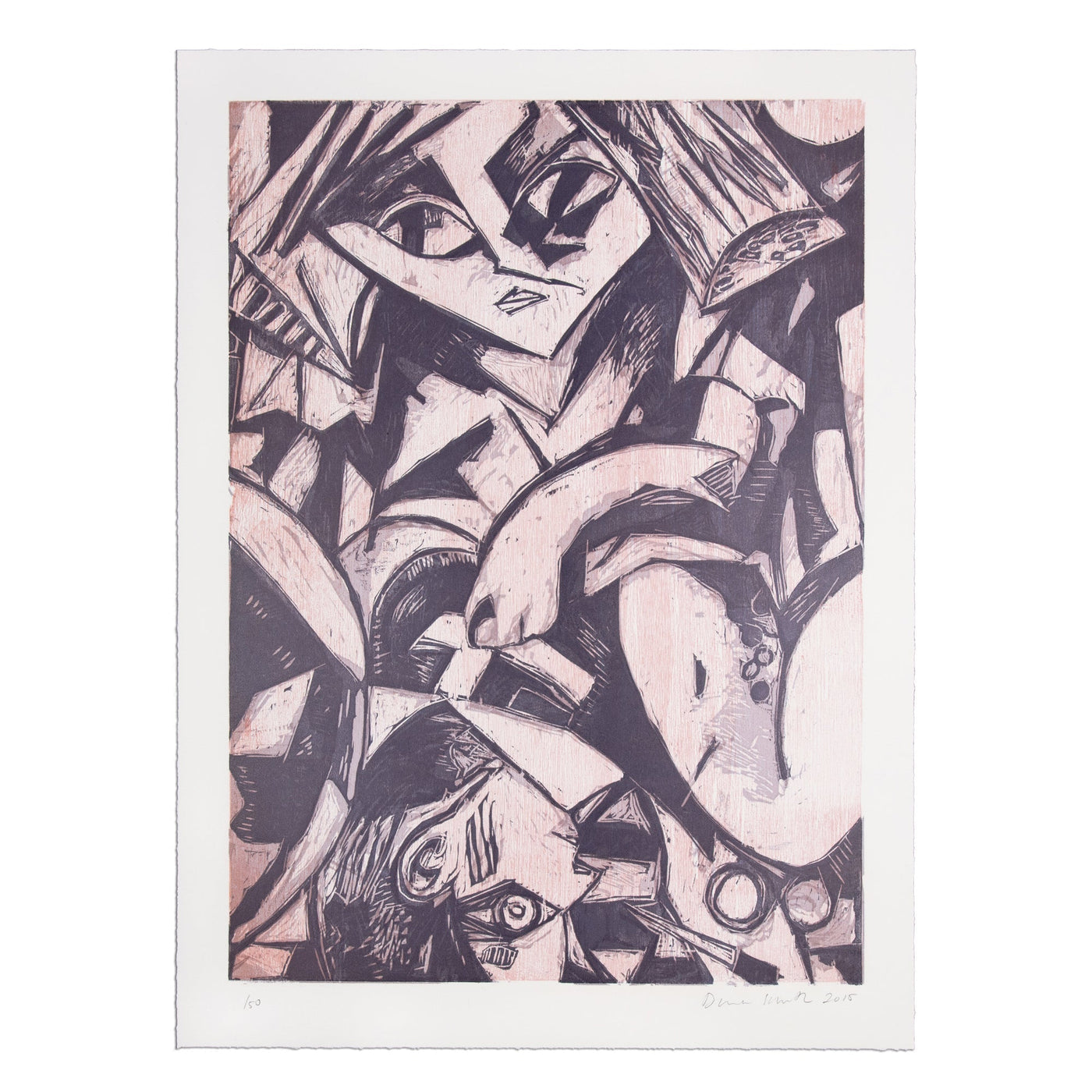
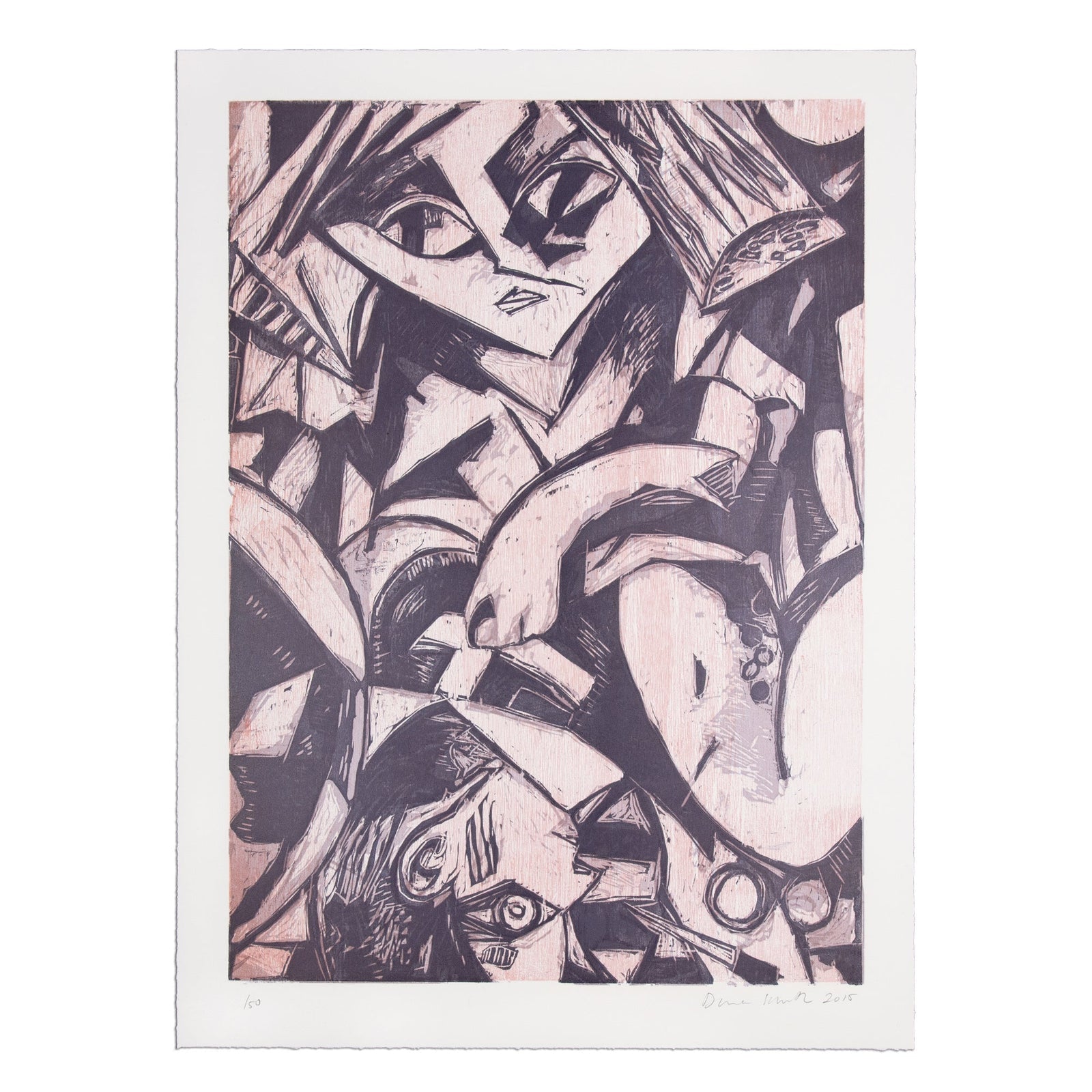
Dana Schutz - Back Surgery in Bed
02

What Is Figurative Art?

Figurative art depicts recognisable subjects from the visible world — most often the human figure — rather than abstract forms. It is the oldest impulse in art, and one of the most persistent: even through the twentieth century's decisive turn toward abstraction, figuration never disappeared. It went underground and re-emerged transformed.

The postwar reassertion of the figure came through artists who refused both academic realism and pure abstraction. Francis Bacon rendered the body as raw nerve and distortion; Lucian Freud pushed observation to an almost forensic intensity; David Hockney brought a cool, stylised clarity drawn equally from Pop and old-master portraiture. In the following decades, Marlene Dumas and Luc Tuymans expanded figuration into more conceptual territory — painting from photographs and media images, treating the figure as something mediated, uncertain, politically charged.

What unites these approaches is a conviction that the human image remains the most direct instrument art possesses for addressing identity, memory, and mortality. Today, figurative prints, photographs, and editions are central to both private and institutional collections — valued for combining visual immediacy with genuine conceptual depth.

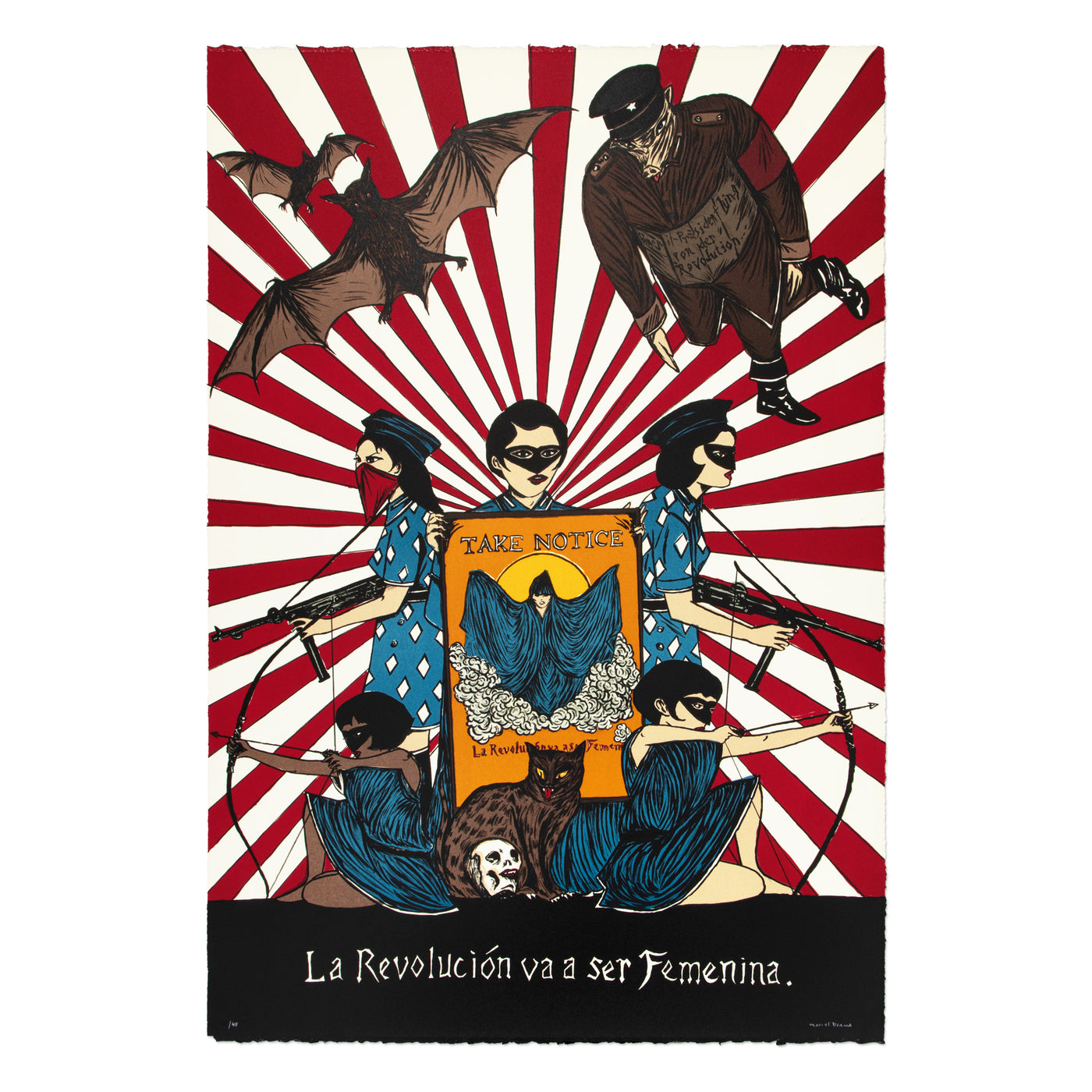
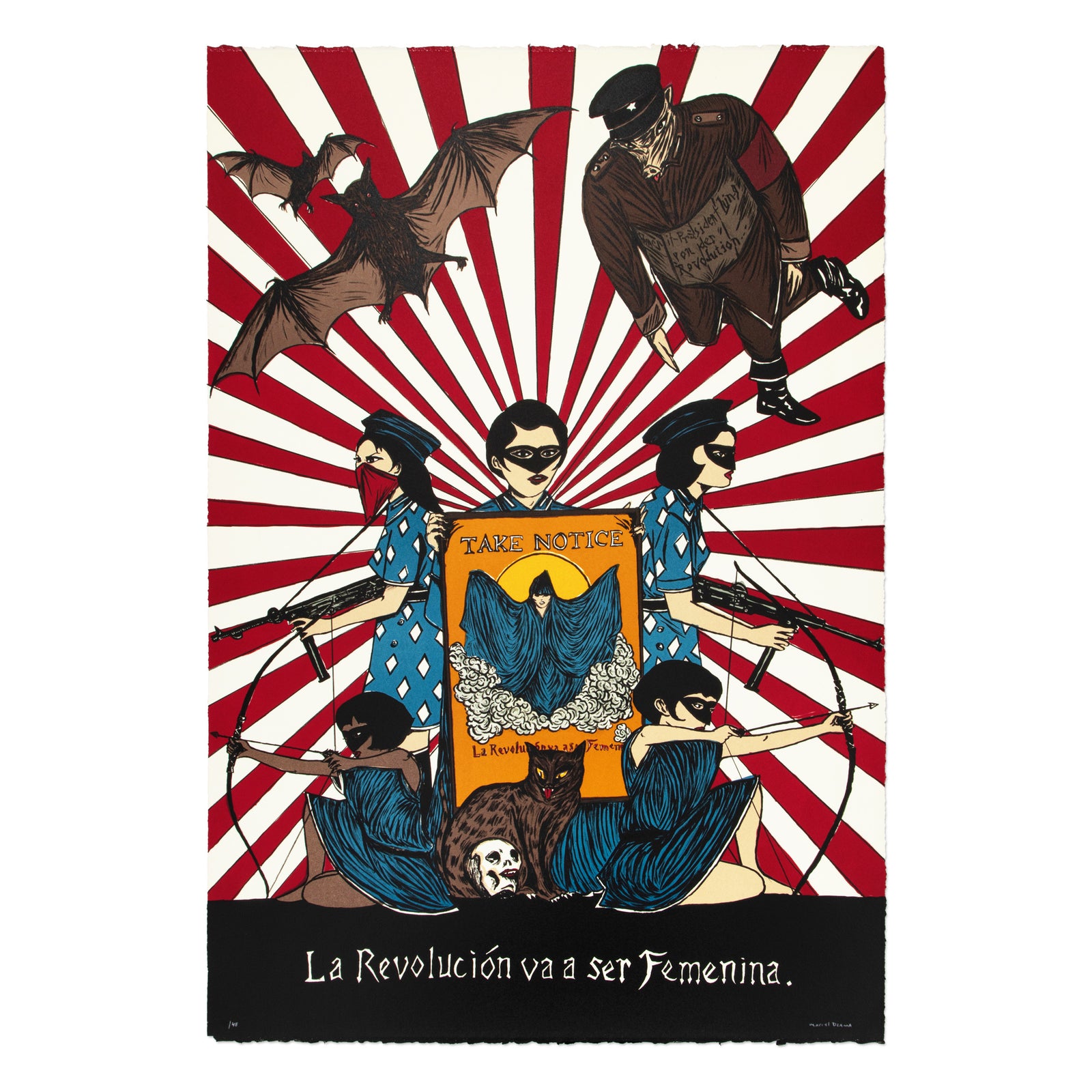
Marcel Dzama, La Revolución va a Ser Femenina
03

Contemporary Figuration

Figuration returned to the centre of contemporary art around the turn of the millennium, led by artists including Peter Doig, Elizabeth Peyton, Neo Rauch, and Cecily Brown — painters who merged pop-cultural reference with the material pleasure of paint, reasserting the figure as a serious critical language rather than a nostalgic retreat. What began as a reassertion quickly became something broader: a recognition that the figure could hold as many sensibilities as there were artists willing to test it.

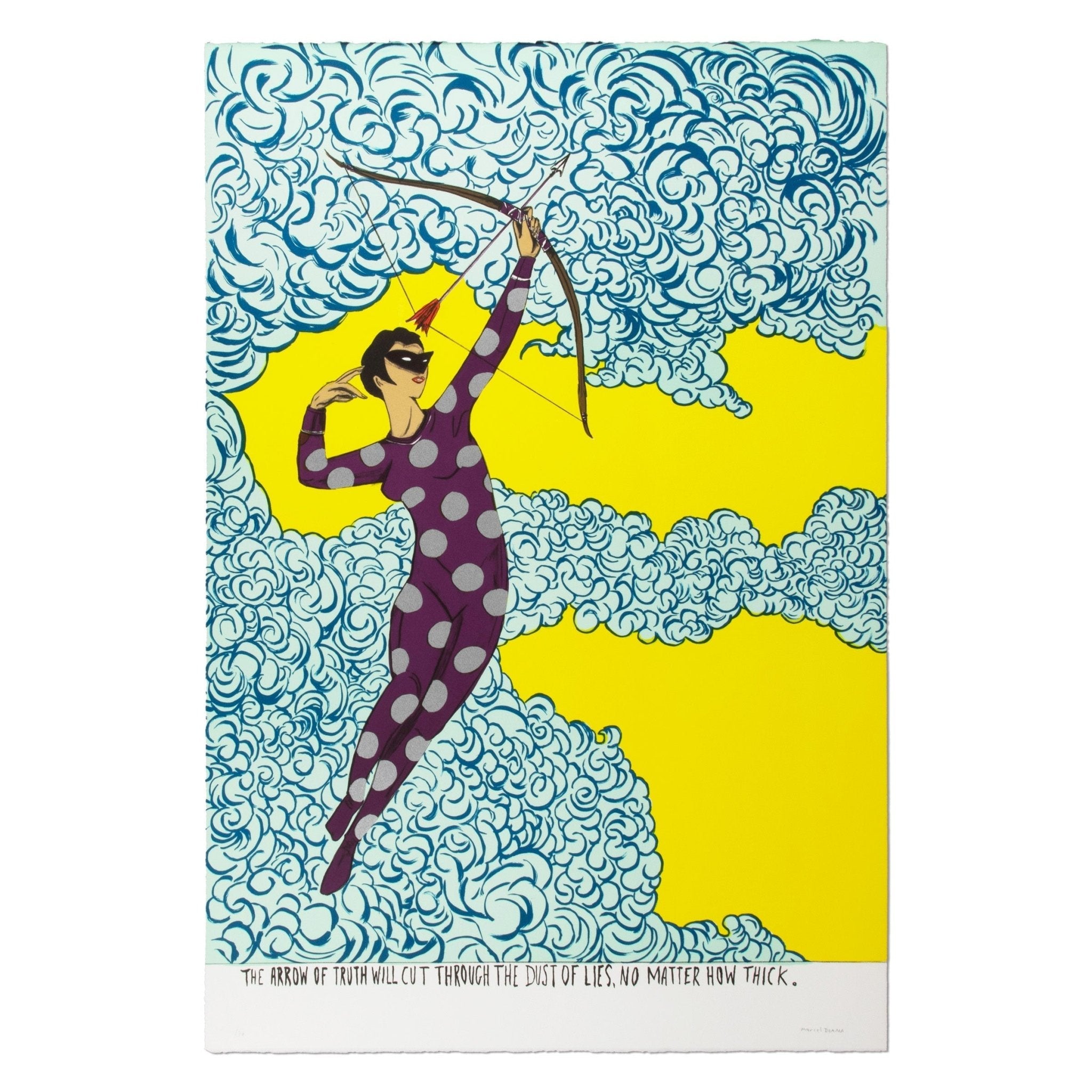
That range is the defining feature of figuration today. Marcel Dzama's folkloric masked archetypes, Yoshitomo Nara's deceptively simple confrontational children, Jonas Wood's flattened domestic interiors, Tracey Emin's raw autobiographical line — each treats the legible world as an open instrument rather than a fixed tradition, extending figuration's possibilities in entirely different directions.

The most recent development foregrounds identity, representation, and previously marginalised perspectives. Artists including Amoako Boafo, Jordan Casteel, and Otis Kwame Kye Quaicoe use the figure to centre Black subjectivity and diasporic experience, often through heightened colour and monumental scale. Their rapid institutional and market recognition reflects a broader correction: the art world reckoning with whose bodies have historically been painted, and by whom.

This is why figurative art now sits at the centre of contemporary collecting rather than its margins. It offers what a screen cannot — the visibly human-made, emotionally direct, and conceptually serious. For collectors, that combination of immediacy, relevance, and art-historical weight makes figuration one of the most compelling fields to collect today.

01

Collect Figurative Art

Figurative art carries a distinct advantage: it communicates without translation. Where abstraction and conceptual work often demand a critical vocabulary, the figure speaks immediately — a body, a face, a gesture legible to anyone. That immediacy is precisely why figuration has become one of the most sought-after fields in contemporary collecting. In a culture saturated with screens, algorithms, and AI-generated imagery, collectors are drawn to what is visibly, deliberately human-made.

But immediacy is not simplicity. The strongest figurative work sustains a second reading — psychological, political, art-historical — beneath its accessible surface. A Marlene Dumas portrait is legible in seconds and unresolvable over years. A Peter Doig landscape reads as a place and a memory at once. This collection brings together prints, photographs, and editions by artists who work across that full range, from intimate portraiture to fragmented, dissolving bodies — each a signed, strictly limited work by an artist whose practice is held in major museum collections.

02

What Is Figurative Art?

Figurative art depicts recognisable subjects from the visible world — most often the human figure — rather than abstract forms. It is the oldest impulse in art, and one of the most persistent: even through the twentieth century's decisive turn toward abstraction, figuration never disappeared. It went underground and re-emerged transformed.

The postwar reassertion of the figure came through artists who refused both academic realism and pure abstraction. Francis Bacon rendered the body as raw nerve and distortion; Lucian Freud pushed observation to an almost forensic intensity; David Hockney brought a cool, stylised clarity drawn equally from Pop and old-master portraiture. In the following decades, Marlene Dumas and Luc Tuymans expanded figuration into more conceptual territory — painting from photographs and media images, treating the figure as something mediated, uncertain, politically charged.

What unites these approaches is a conviction that the human image remains the most direct instrument art possesses for addressing identity, memory, and mortality. Today, figurative prints, photographs, and editions are central to both private and institutional collections — valued for combining visual immediacy with genuine conceptual depth.

03

Contemporary Figuration

Figuration returned to the centre of contemporary art around the turn of the millennium, led by artists including Peter Doig, Elizabeth Peyton, Neo Rauch, and Cecily Brown — painters who merged pop-cultural reference with the material pleasure of paint, reasserting the figure as a serious critical language rather than a nostalgic retreat. What began as a reassertion quickly became something broader: a recognition that the figure could hold as many sensibilities as there were artists willing to test it.

That range is the defining feature of figuration today. Marcel Dzama's folkloric masked archetypes, Yoshitomo Nara's deceptively simple confrontational children, Jonas Wood's flattened domestic interiors, Tracey Emin's raw autobiographical line — each treats the legible world as an open instrument rather than a fixed tradition, extending figuration's possibilities in entirely different directions.

The most recent development foregrounds identity, representation, and previously marginalised perspectives. Artists including Amoako Boafo, Jordan Casteel, and Otis Kwame Kye Quaicoe use the figure to centre Black subjectivity and diasporic experience, often through heightened colour and monumental scale. Their rapid institutional and market recognition reflects a broader correction: the art world reckoning with whose bodies have historically been painted, and by whom.

This is why figurative art now sits at the centre of contemporary collecting rather than its margins. It offers what a screen cannot — the visibly human-made, emotionally direct, and conceptually serious. For collectors, that combination of immediacy, relevance, and art-historical weight makes figuration one of the most compelling fields to collect today.

Otis Kwame Kye Quaicoe - View of Yoei WilliamDana Schutz - Back Surgery in BedMarcel Dzama, La Revolución va a Ser Femenina

Explore Art Editions

Explore curated art collections across movements, themes, and artist groups, offering multiple ways to navigate and discover contemporary art.

View all
Prints, Photographs & Multiples

View our full collection of

Prints, Photographs & Multiples

Shop now