








About Jack Pierson
Jack Pierson (born 1960) is a leading American contemporary artist whose multidisciplinary practice spans photography, sculpture, text-based works, painting, installations, and limited edition prints. He first gained recognition in the 1980s as part of the Boston School, alongside artists such as Nan Goldin and Philip-Lorca diCorcia, and has since become known for his deeply personal and emotionally charged approach to art-making.
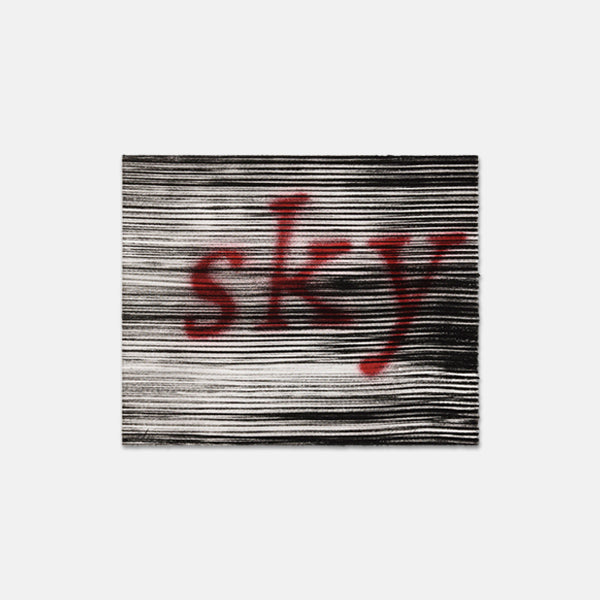
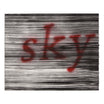
Central to Pierson's work are themes of desire, nostalgia, identity, and longing. His artworks often draw on autobiographical material and lived experience, capturing moments of intimacy, vulnerability, and emotional intensity. A defining element of his practice is the use of found signage and salvaged typography. By assembling discarded letters and signs into poetic phrases, Pierson transforms everyday materials into evocative text works that reflect on memory, loss, and the emotional power of language.
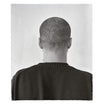
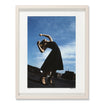
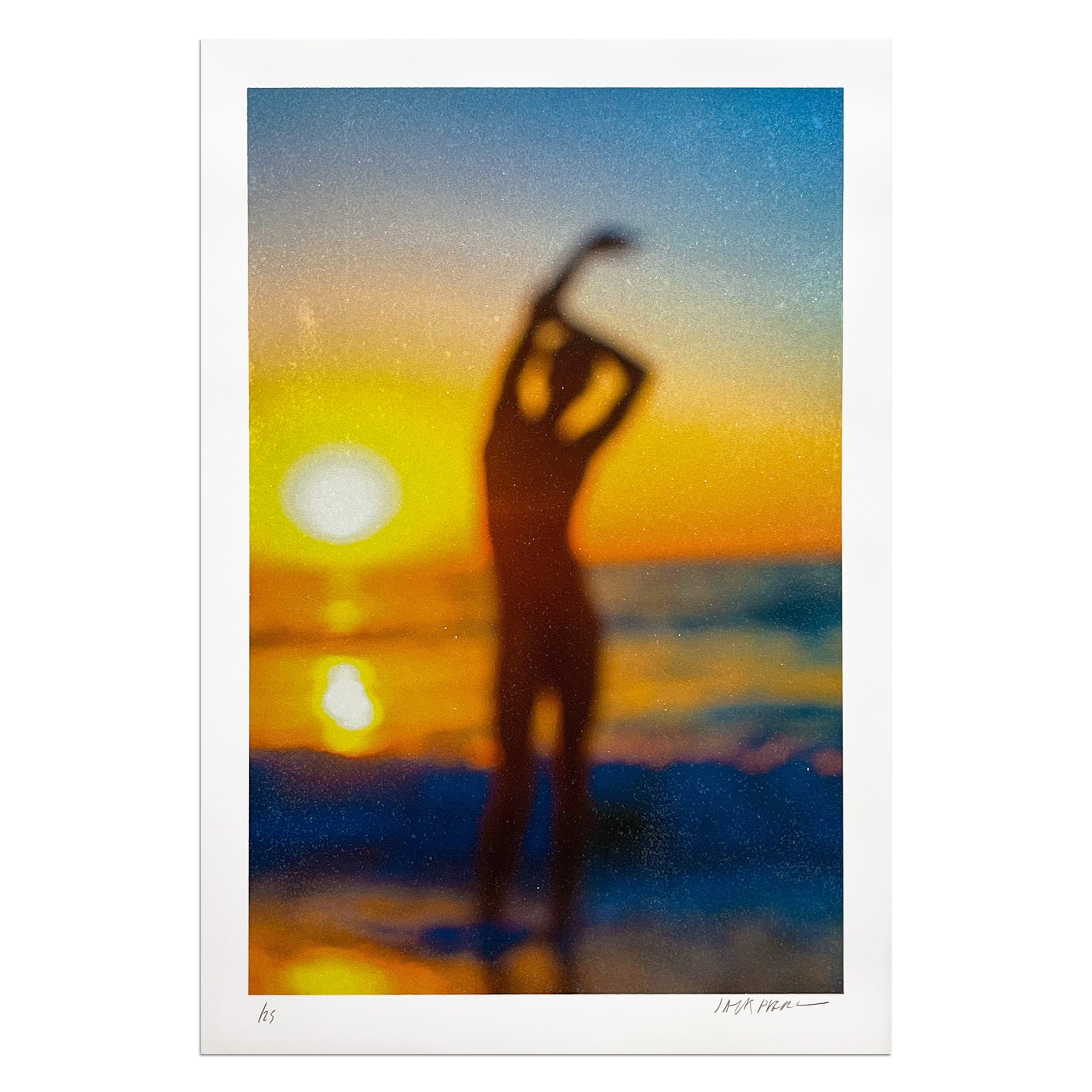
Pierson's photography is equally integral to his oeuvre. His signed limited edition photographs and C-prints convey a raw sense of closeness and impermanence through candid portraits of friends, lovers, and acquaintances, emphasizing the fragile beauty of human connection. These fine art prints translate his intimate vision into collectible formats. Across all media, his work blends elements of kitsch, pop culture, and urban decay, creating a distinctive visual language marked by warmth, melancholy, and lyrical ambiguity.
Jack Pierson's photographs and prints have been exhibited internationally and are held in major institutional collections, with exhibitions at the Museum of Contemporary Art Chicago, The Geffen Contemporary at MOCA Los Angeles, the Aspen Art Museum, and the Irish Museum of Modern Art in Dublin. His work remains highly regarded for its emotional immediacy and its ability to translate personal experience into universally resonant imagery.


