


Conceptual Photography refers to photographic practices in which the idea, structure, or proposition underlying the work takes precedence over traditional concerns of aesthetic composition or documentary immediacy. Emerging in close dialogue with Conceptual Art in the late 1960s and 1970s, Conceptual Photography redefined the medium as a site of inquiry rather than a transparent record of reality.
Instead of treating the photograph as objective evidence, artists working conceptually approached the image as a constructed statement. The camera became an instrument for examining language, authorship, systems, identity, mediation, and the institutional frameworks through which images acquire meaning. In this shift, photography moved from indexical document to analytical proposition.
Origins and the Conceptual Turn
The development of Conceptual Photography is inseparable from the broader dematerialization of the artwork in the late 1960s. As artists questioned the primacy of painting and sculpture, photography offered a reproducible and flexible medium aligned with process and linguistic inquiry.
Joseph Kosuth established a philosophical framework in which art functions as a proposition rather than an aesthetic object. Photography became an ideal medium for such inquiry, capable of circulating ideas without reliance on expressive gesture.
Initially used to document performances and ephemeral works, photography gradually became the primary site of conceptual engagement. The photograph no longer merely recorded an event; it constituted the work itself.
Language and Image
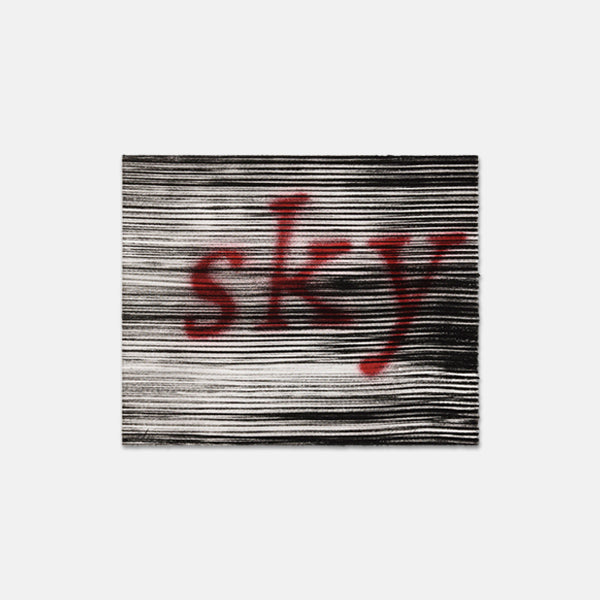
A defining strand of Conceptual Photography interrogates the relationship between text and image. Artists questioned whether photographs communicate meaning autonomously or depend upon linguistic structures.
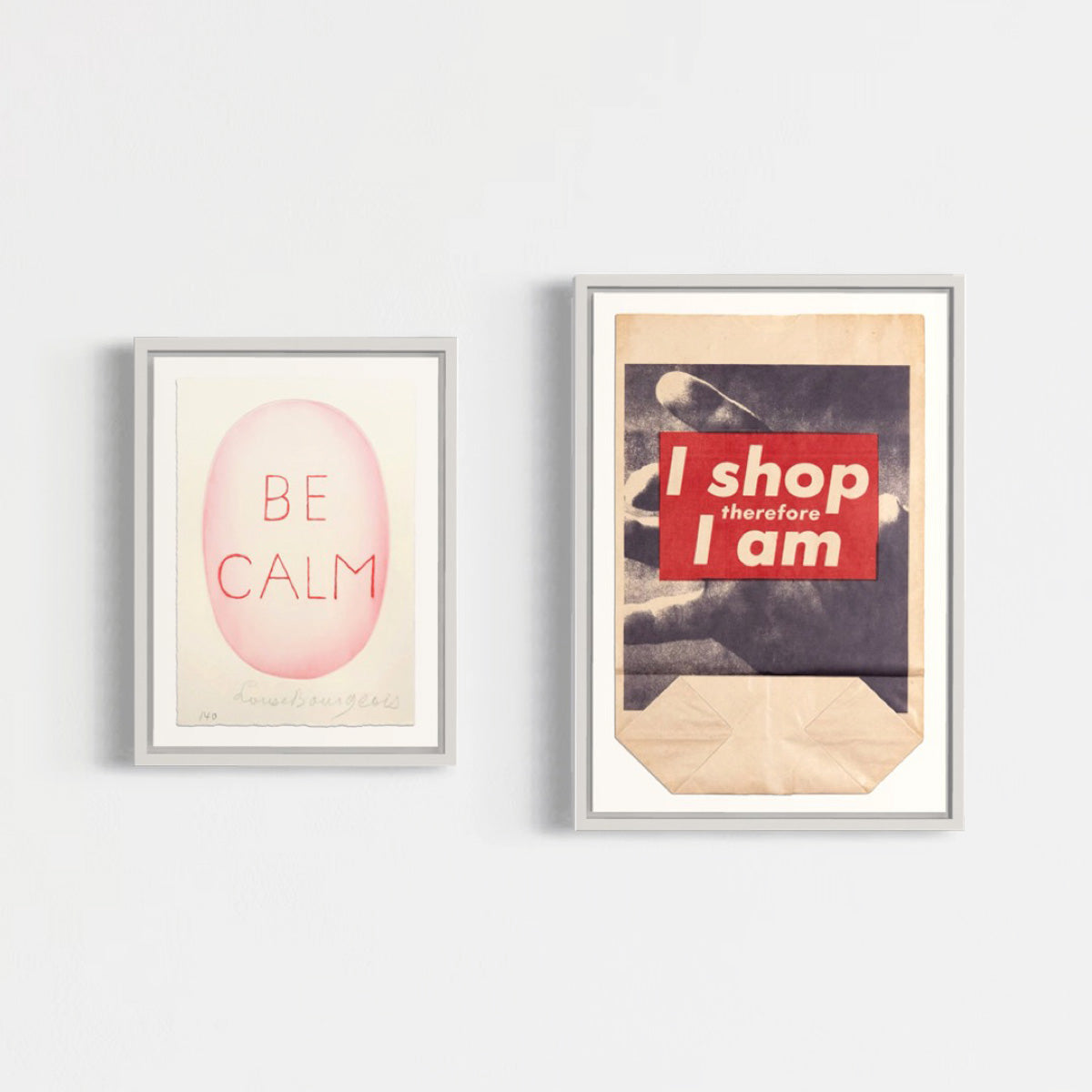
Barbara Kruger fused appropriated mass-media imagery with declarative text, exposing how representation is shaped by ideology and power. Ed Ruscha explored repetition, neutrality, and the tension between word and image through serial photographic projects and artist's books.
Within these practices, photography becomes inseparable from discourse. The image does not simply depict; it constructs and destabilizes meaning.
Seriality and Typology
Conceptual Photography frequently adopts systematic and serial approaches that minimize subjective decision-making. Rather than privileging singular, expressive images, artists construct rule-based sequences that emphasize comparison and structural coherence.
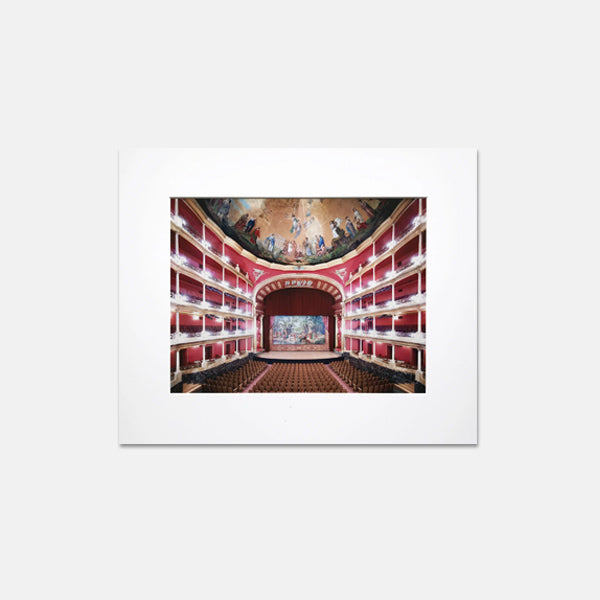
This logic is strongly associated with the Düsseldorf School. Thomas Ruff developed large-scale portraits and architectural works that foreground neutrality and repetition. Thomas Struth transformed museum spaces and urban environments into conceptual subjects, examining how institutions shape visual experience.
Through seriality, photography becomes part of an analytical system in which meaning emerges through accumulation rather than isolated aesthetic impact.
Appropriation and Media Critique
In the late 1970s and 1980s, artists associated with the Pictures Generation extended conceptual strategies into media analysis. Rather than inventing new imagery, they appropriated and reframed existing visual material.
Cindy Sherman dismantled assumptions of photographic authenticity through staged self-portraits that present identity as constructed performance. Richard Prince rephotographed advertising imagery, challenging notions of originality and authorship.
Photography becomes a tool for interrogating image economies. The artwork resides not in invention, but in repositioning and reframing.
Staging and Constructed Reality
Conceptual Photography often involves deliberate staging. Sets, lighting, and architectural reconstructions foreground the constructed nature of the image.
Thomas Demand constructs life-size paper models of media-sourced scenes, photographs them, and then destroys the models. The resulting images appear documentary yet depict temporary fabrications, transforming photography into an inquiry into mediation and political memory.
Gilbert & George employ large-scale photographic grids combining portraiture, symbolism, and text. By positioning themselves as both subject and artwork, they collapse distinctions between image, persona, and ideology.
In these practices, photography does not capture the world; it constructs and interrogates it.
Post-Conceptual Expansion
By the 1990s, Conceptual Photography expanded into new institutional and spatial contexts. The photograph grew in scale and architectural presence.
Wolfgang Tillmans dissolves hierarchies between abstraction and documentary through installation strategies that treat photography as a dynamic spatial system. Tacita Dean foregrounds analogue processes and duration, positioning the medium itself as conceptual subject.
These artists demonstrate that Conceptual Photography continues to evolve through reflexive engagement with medium, exhibition format, and institutional context.
Institutional and Market Context
Conceptual Photography now occupies a central position within museums and major collections. Large-scale photographic works are exhibited alongside painting and sculpture, reinforcing photography’s institutional legitimacy.
Limited editions and certificates redefine scarcity within a mechanically reproducible medium. Conceptual frameworks emphasize authorization over singularity, reshaping models of ownership and circulation.
Legacy and Contemporary Relevance
The core insight of Conceptual Photography—that images are constructed, contextual, and ideologically charged—remains foundational in the digital era. In a culture defined by image saturation and algorithmic mediation, the medium’s critical self-awareness is increasingly urgent.
Rather than marking a closed chapter, Conceptual Photography established a methodological shift in how contemporary art understands representation.
Editorial Note
This editorial page provides a comprehensive overview of Conceptual Photography, tracing its emergence and examining its development through language, seriality, appropriation, staging, and post-conceptual expansion.
Selected works by artists associated with Conceptual Photography are available through our collection.
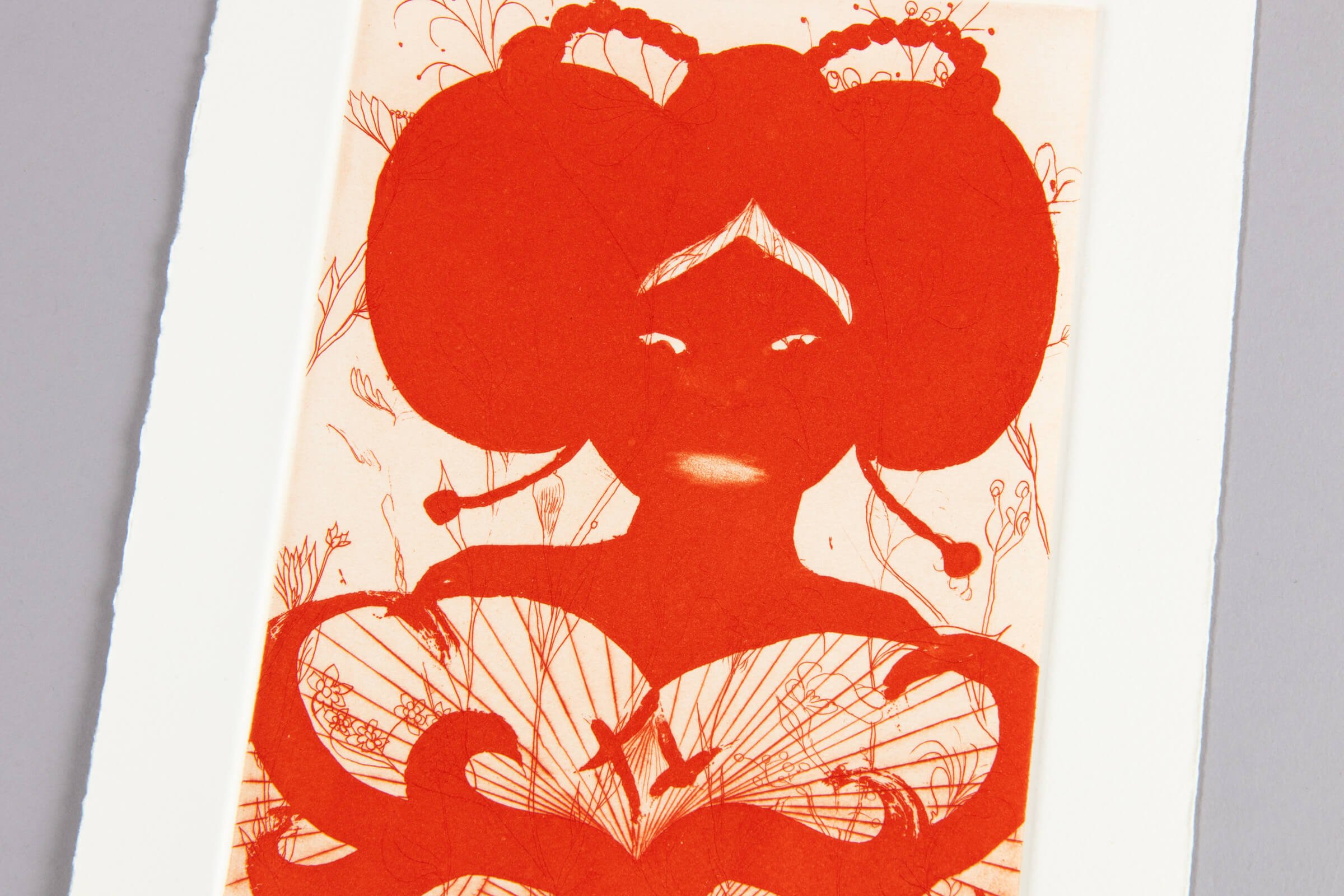
The Art of Printmaking
From the precise lines of woodcuts to the velvety depth of lithographs. Discover a curated selection of editioned works on paper that celebrate the unique texture and heritage of traditional print media.
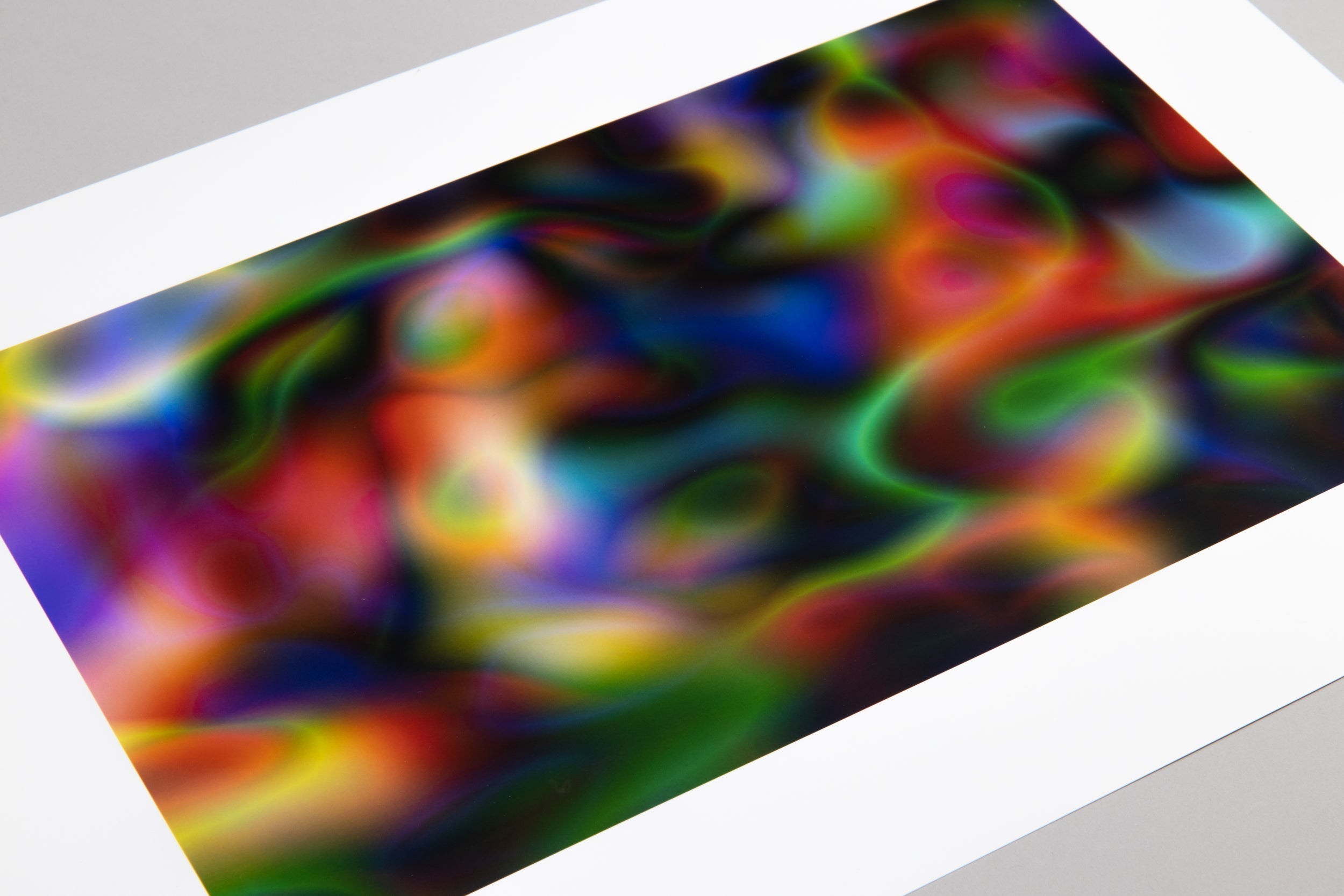
The Photographic Image
Explore contemporary photography through the lens of precision and scale. Our collection features exceptional photo editions that investigate the boundaries of representation and spatial order.
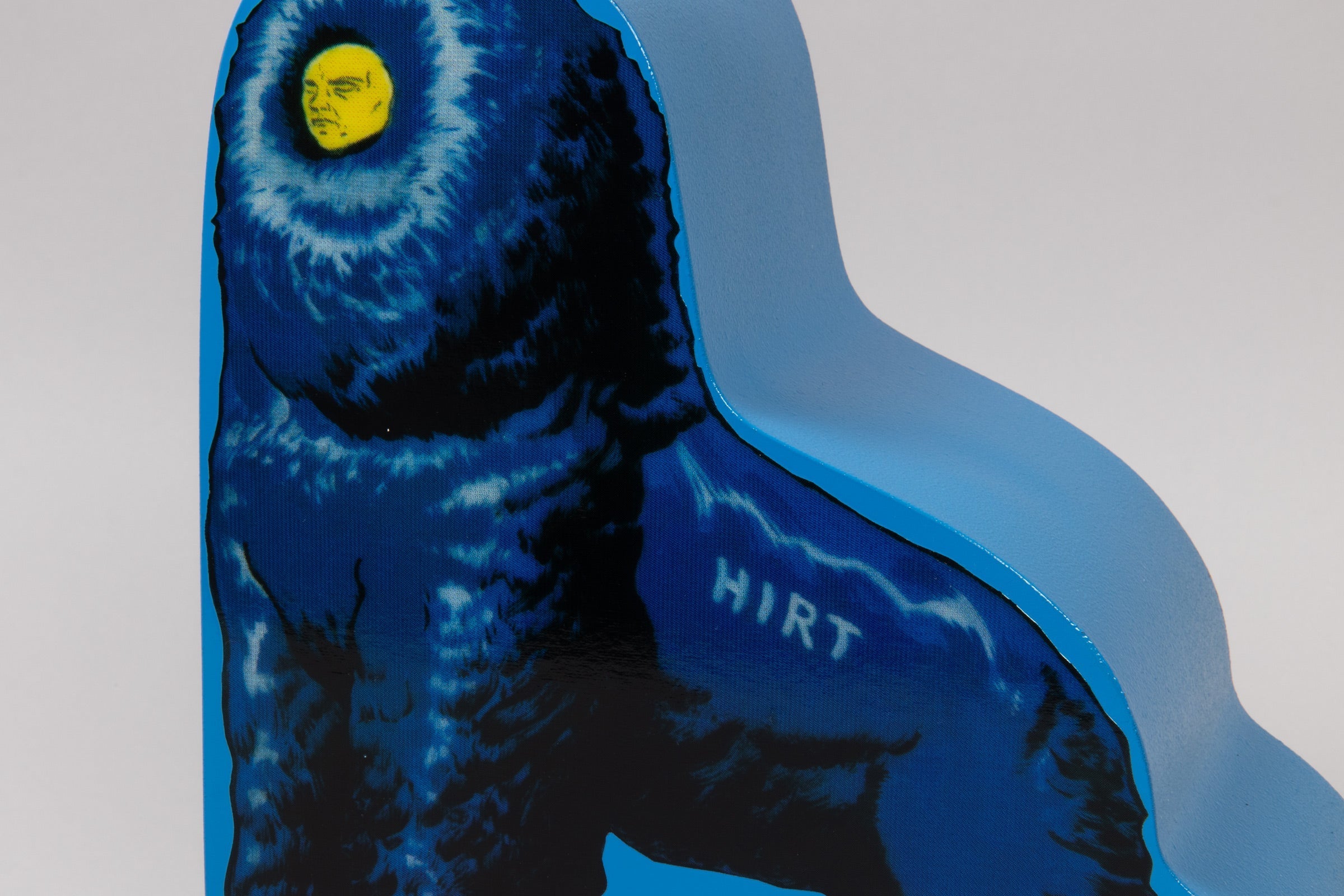
The Sculptural Multiple
Art beyond the pedestal. Discover three-dimensional objects designed to circulate ideas in space. These works bridge the gap between sculpture and the everyday, making radical art accessible.


