
Thomas Struth (born 1954 in Geldern, Germany, to a ceramicist mother and a bank director father) enrolled at the Kunstakademie Düsseldorf in 1973, initially studying painting under Peter Kleemann and, from 1974, under Gerhard Richter. His earliest photographs were made purely as reference material for his paintings — until a 1976 student exhibition changed the direction of his career entirely. Struth displayed a grid of forty-nine black-and-white photographs of deserted Düsseldorf streets, each shot from a rigidly centred perspective, unaware that Bernd and Hilla Becher had been developing an almost identical grid-based method for over a decade. The coincidence was conclusive: Struth abandoned painting and joined the Bechers' first photography class that same year, alongside fellow students Candida Höfer and Thomas Ruff, becoming one of the founding figures of what would become known as the Düsseldorf School of Photography.
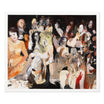
A 1977–78 scholarship took him to New York, where his empty-street method extended internationally. But it was Museum Photographs, begun in June 1989 at the Louvre and the Musée d'Orsay, that established his reputation. Positioning a large-format camera inside the world's most visited museums, Struth photographed visitors looking at canonical paintings — a crowd jostling before the Mona Lisa, a group frozen beneath David's Coronation of Napoleon, a solitary figure before Bellini. He has described the museums as almost always crowded, prompting him to question what visitors were actually searching for in front of works centuries old. The photographs function as double portraits: of the viewers, and of the art they contemplate, museum-going staged as a genuine social ritual rather than passive spectatorship.
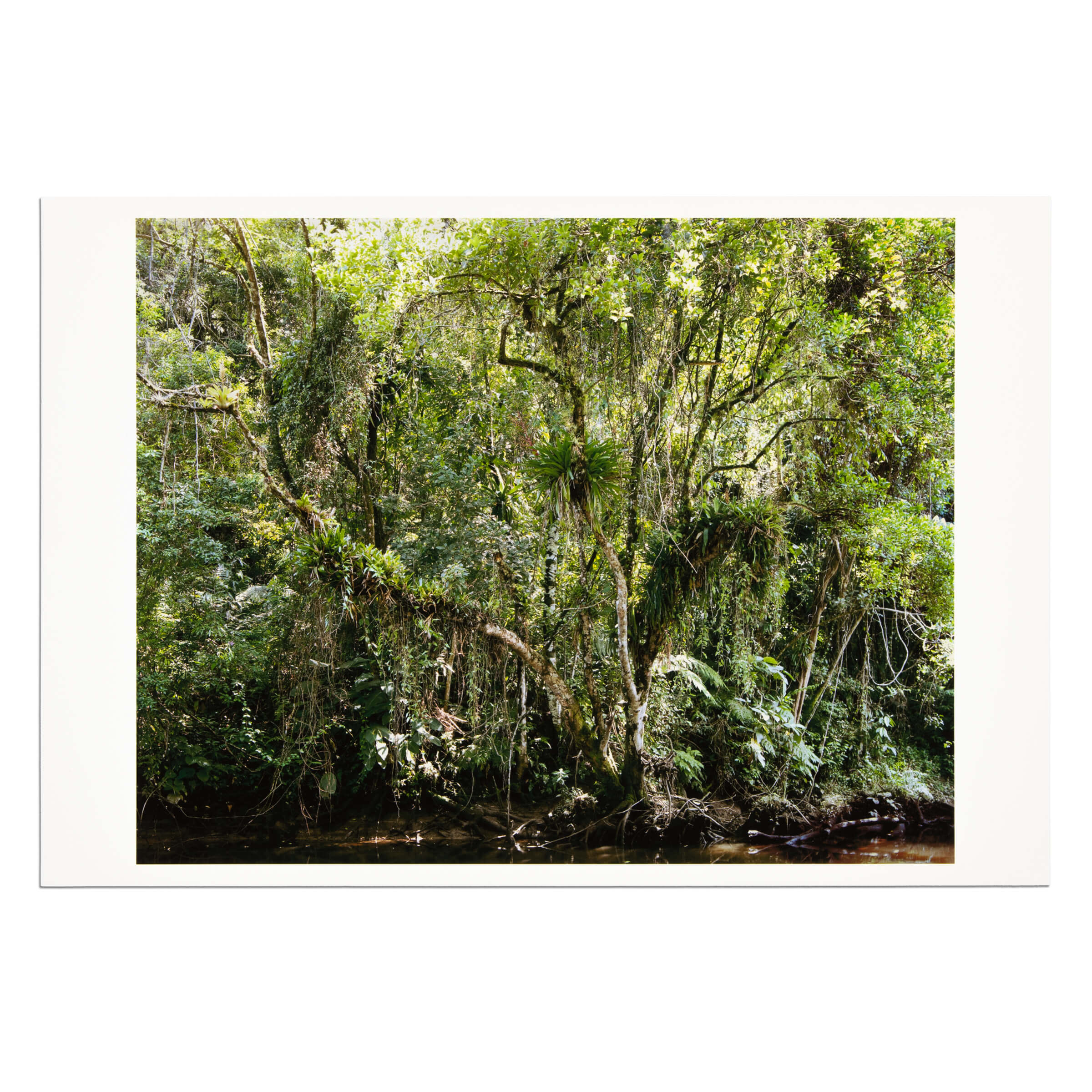
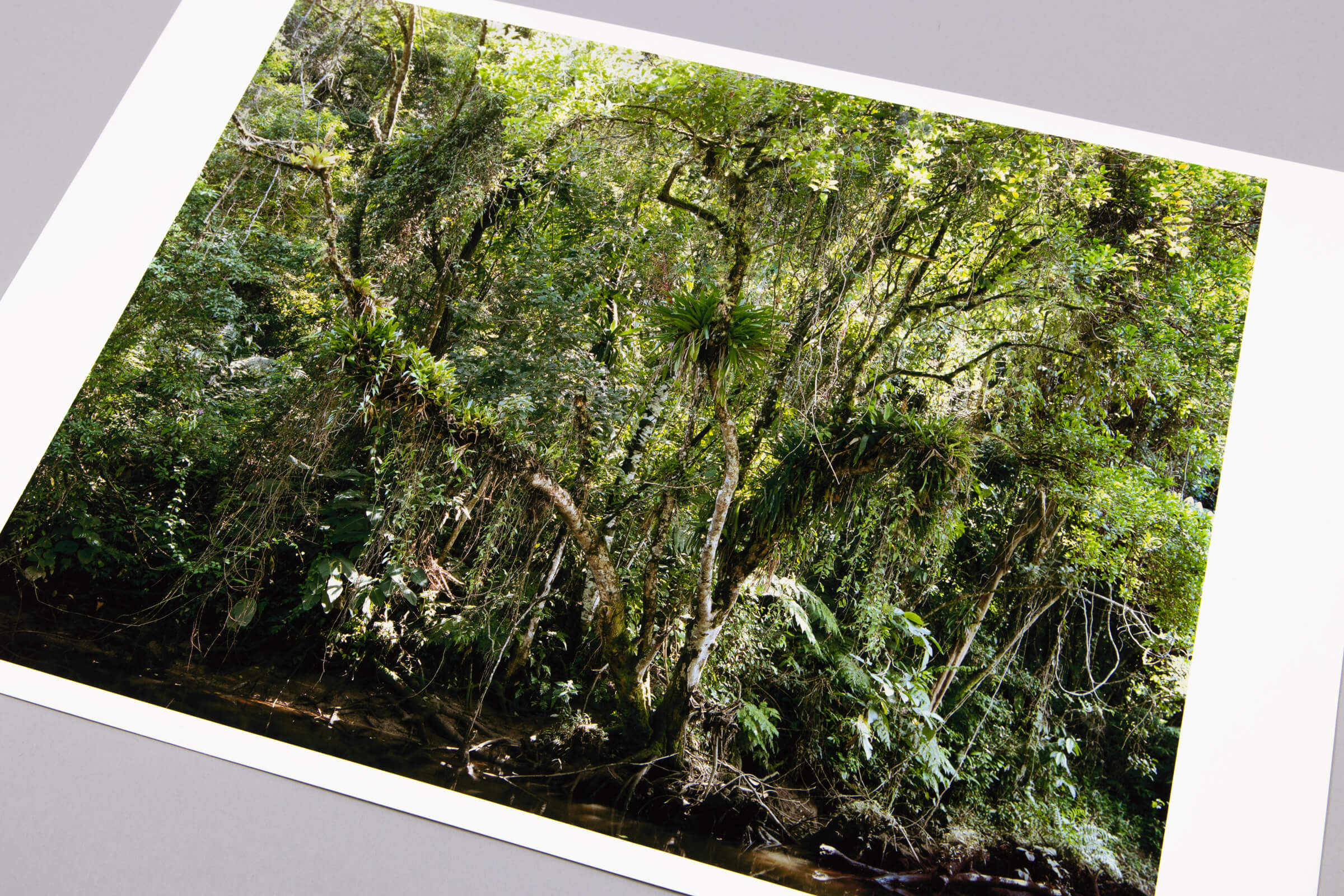
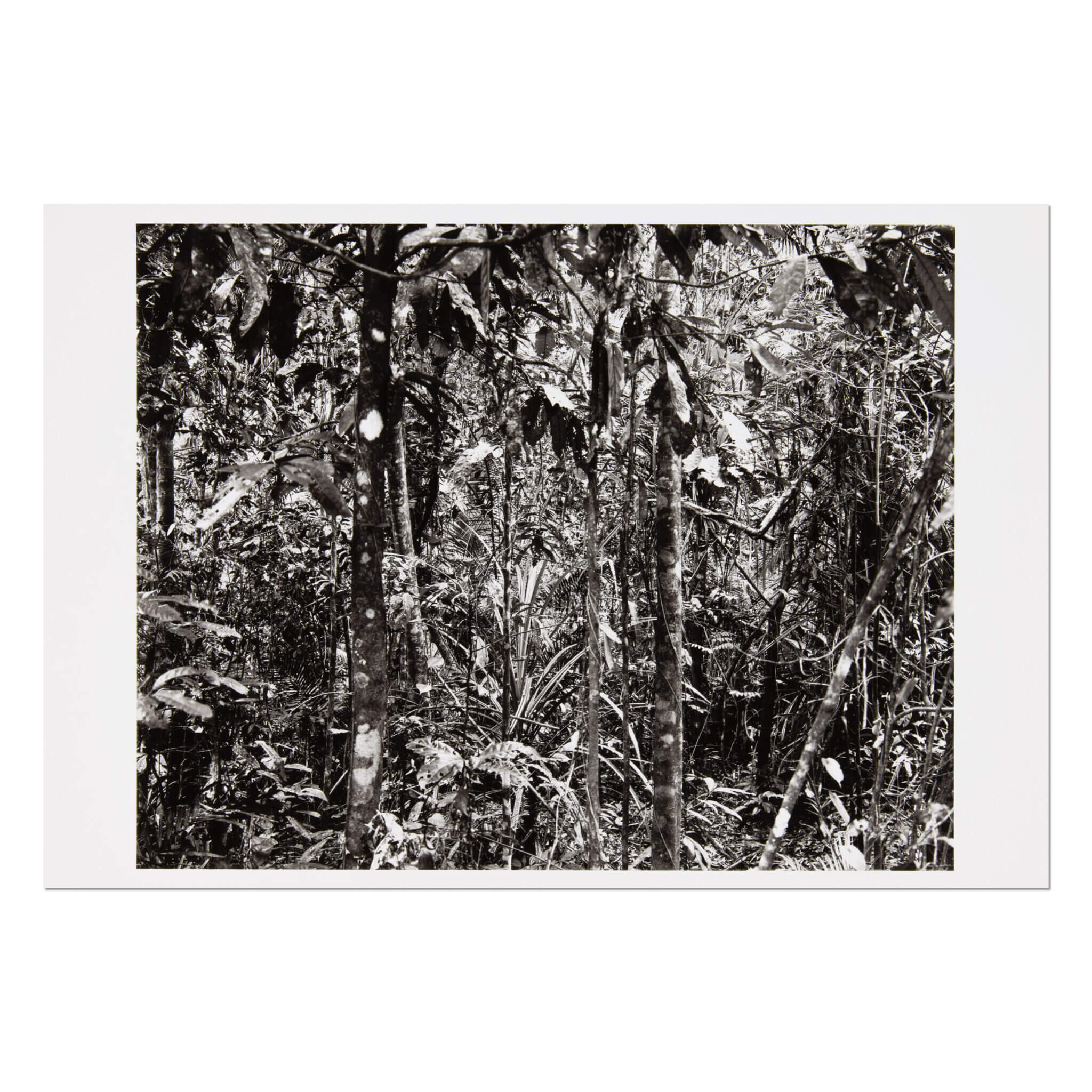
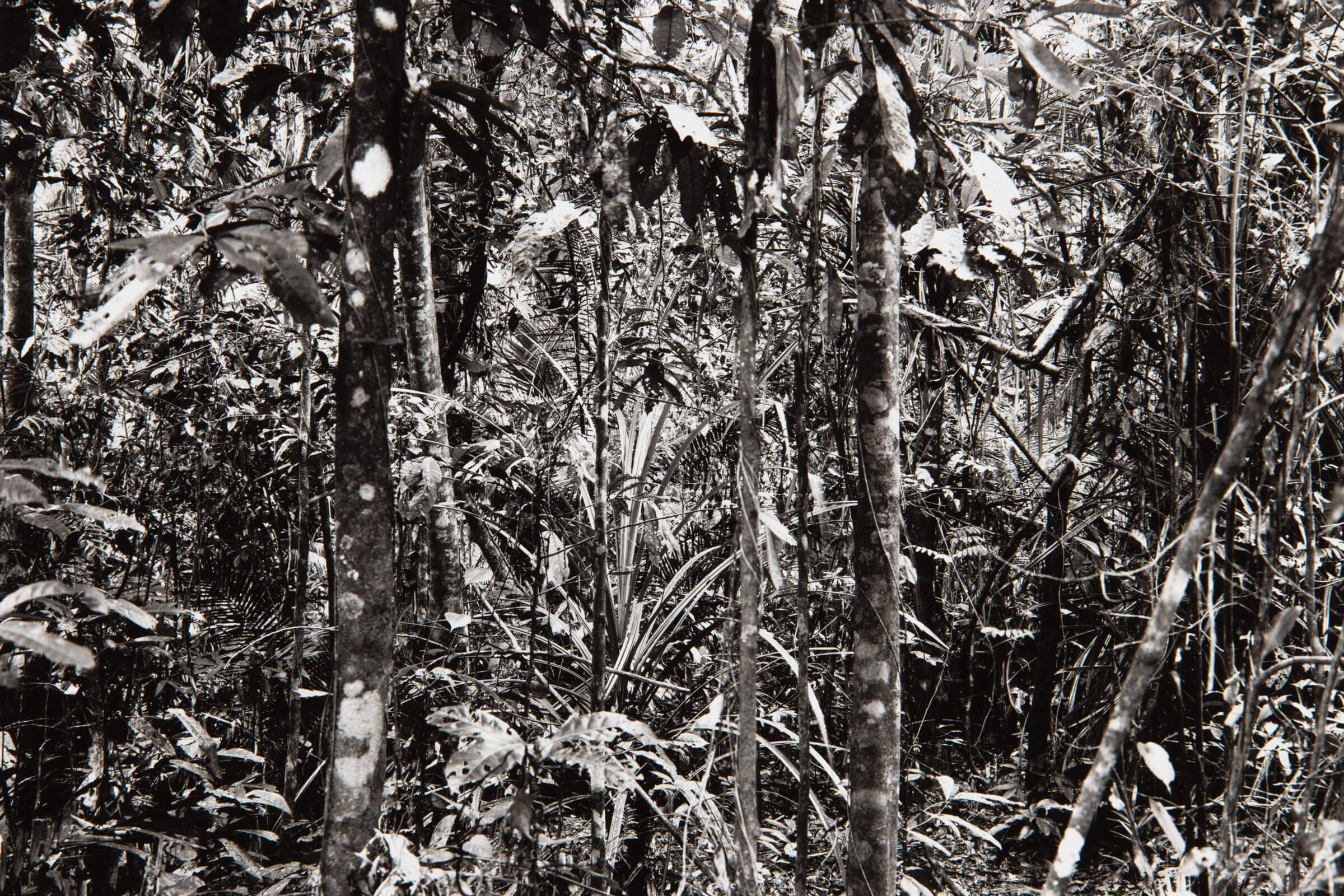
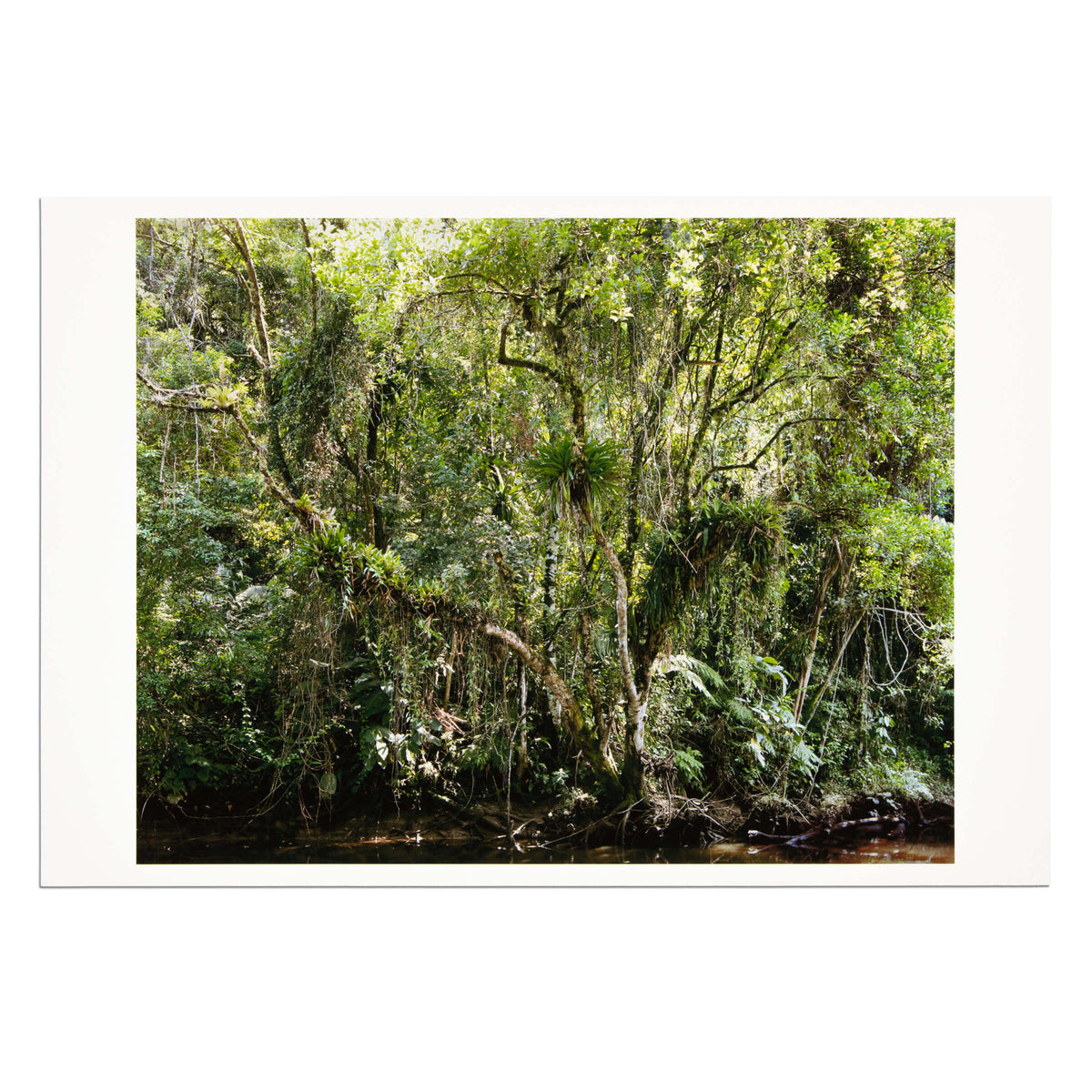
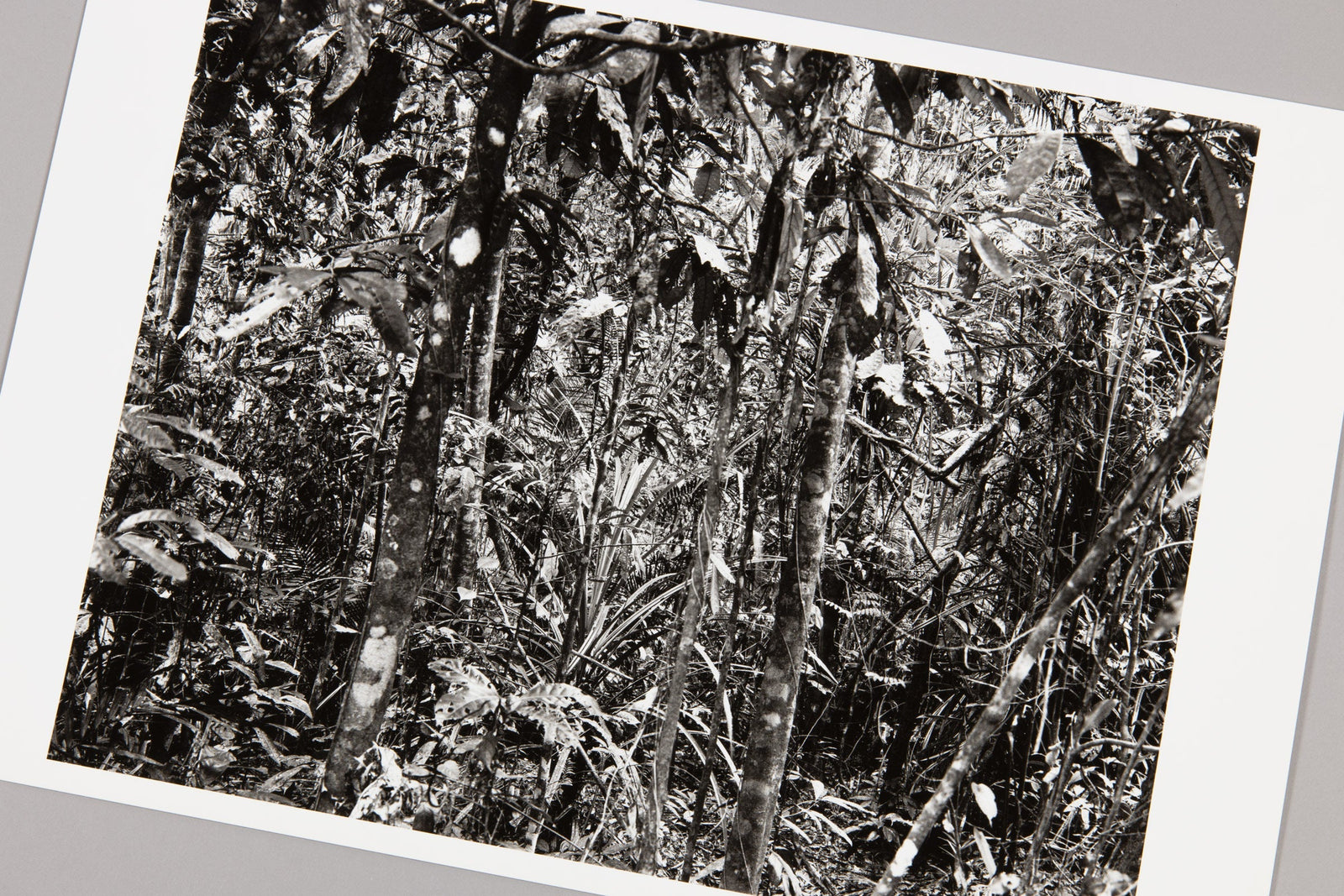
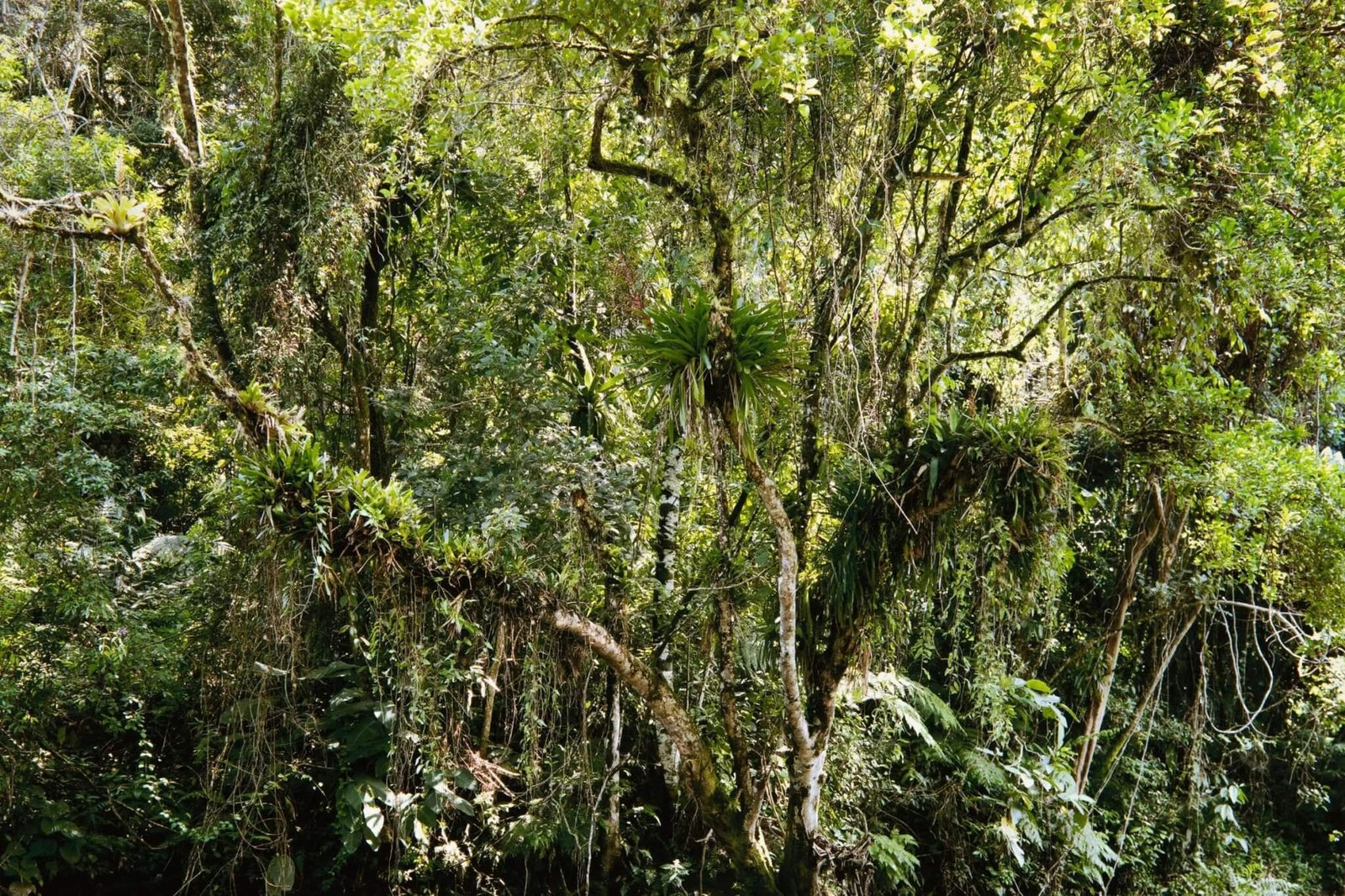
In a full-circle moment in 2002, Richter — Struth's own former teacher — asked him to make a portrait, later included among Struth's celebrated series of formal likenesses. Struth's Paradise series, begun in the late 1990s, turned away from human subjects entirely: dense, unspoiled forest interiors in Peru, Japan, and China, photographed with the same rigorous formal control he brought to crowded galleries, but with every trace of a viewer removed.
Major retrospectives have followed steadily across four decades, including surveys at the Metropolitan Museum of Art (2003), the Museo del Prado (2007), Munich's Haus der Kunst (2017), and the Guggenheim Museum Bilbao (2019), alongside presentations at Berlin's Gropius Bau and the Kunsthaus Zürich. He divides his time between Berlin and New York.