






About Thomas Struth
Thomas Struth (born 1954, Geldern, Germany) is a distinguished photographer and a key figure of the Düsseldorf School, internationally recognized for his rigorous exploration of perception, observation, and the environments we inhabit. Trained at the Kunstakademie Düsseldorf under Bernd and Hilla Becher, Struth developed a precise documentary approach that combines conceptual discipline with exceptional visual clarity. His photographic artworks examine how individuals relate to cultural spaces, urban architecture, and the natural world.
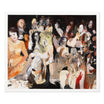
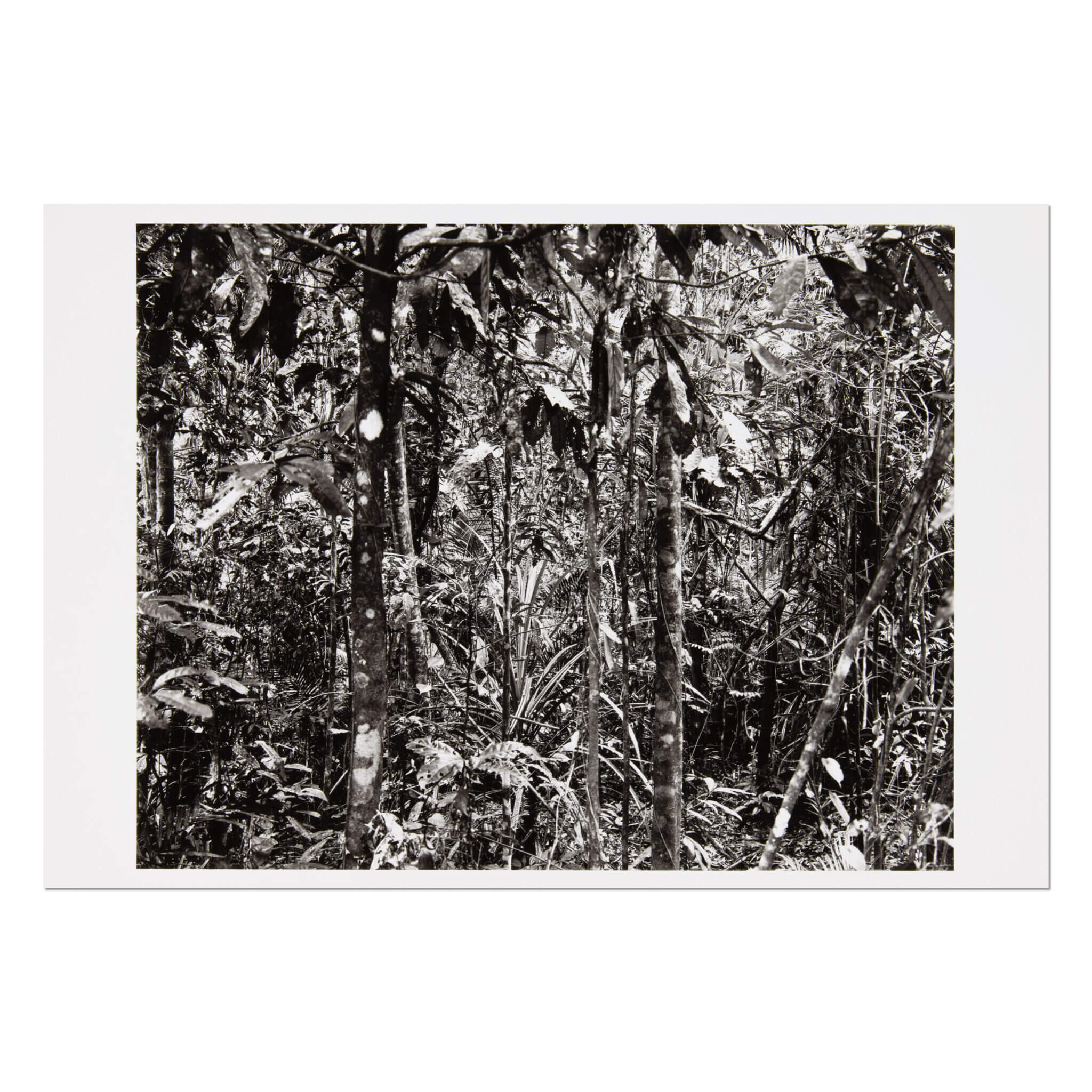
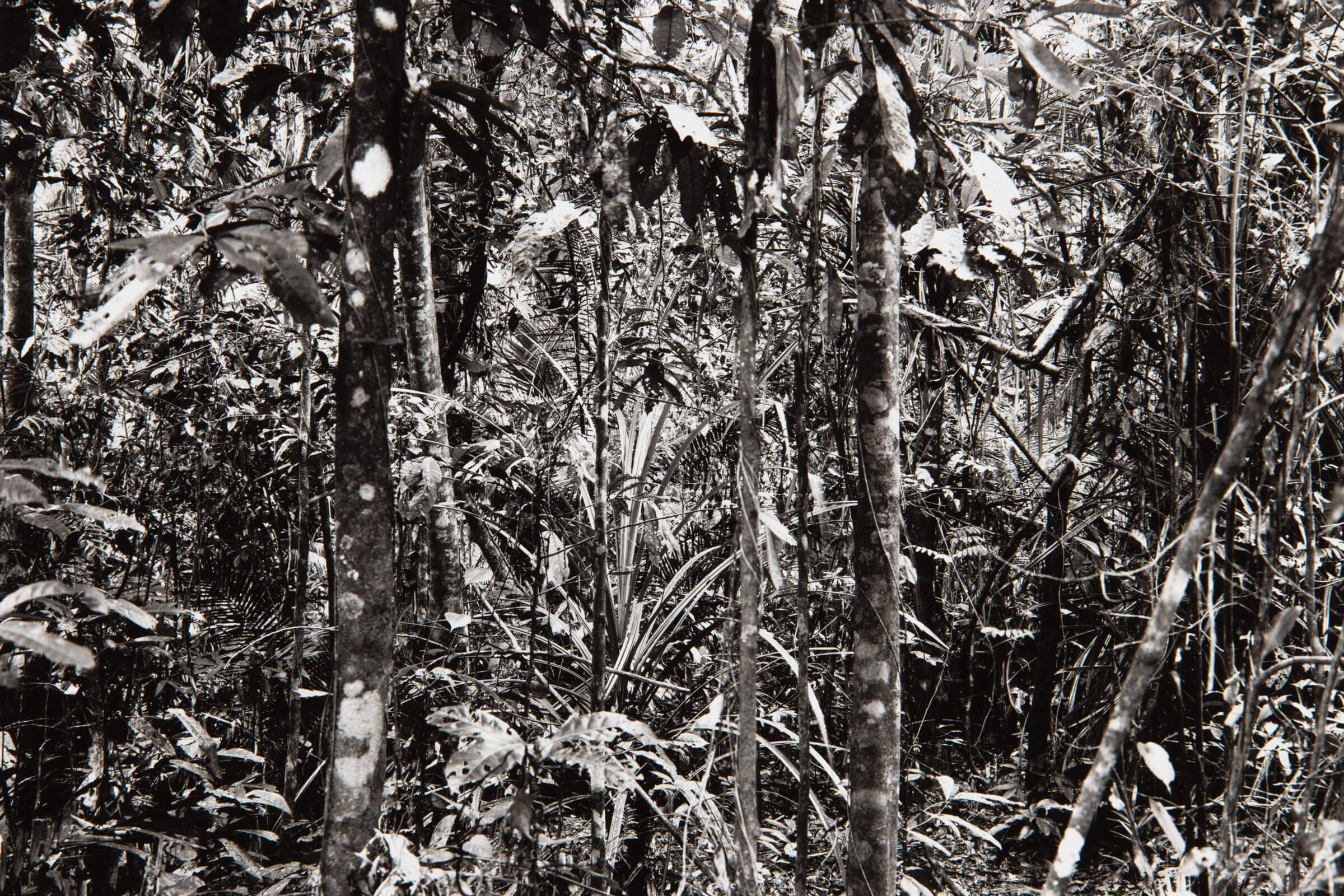
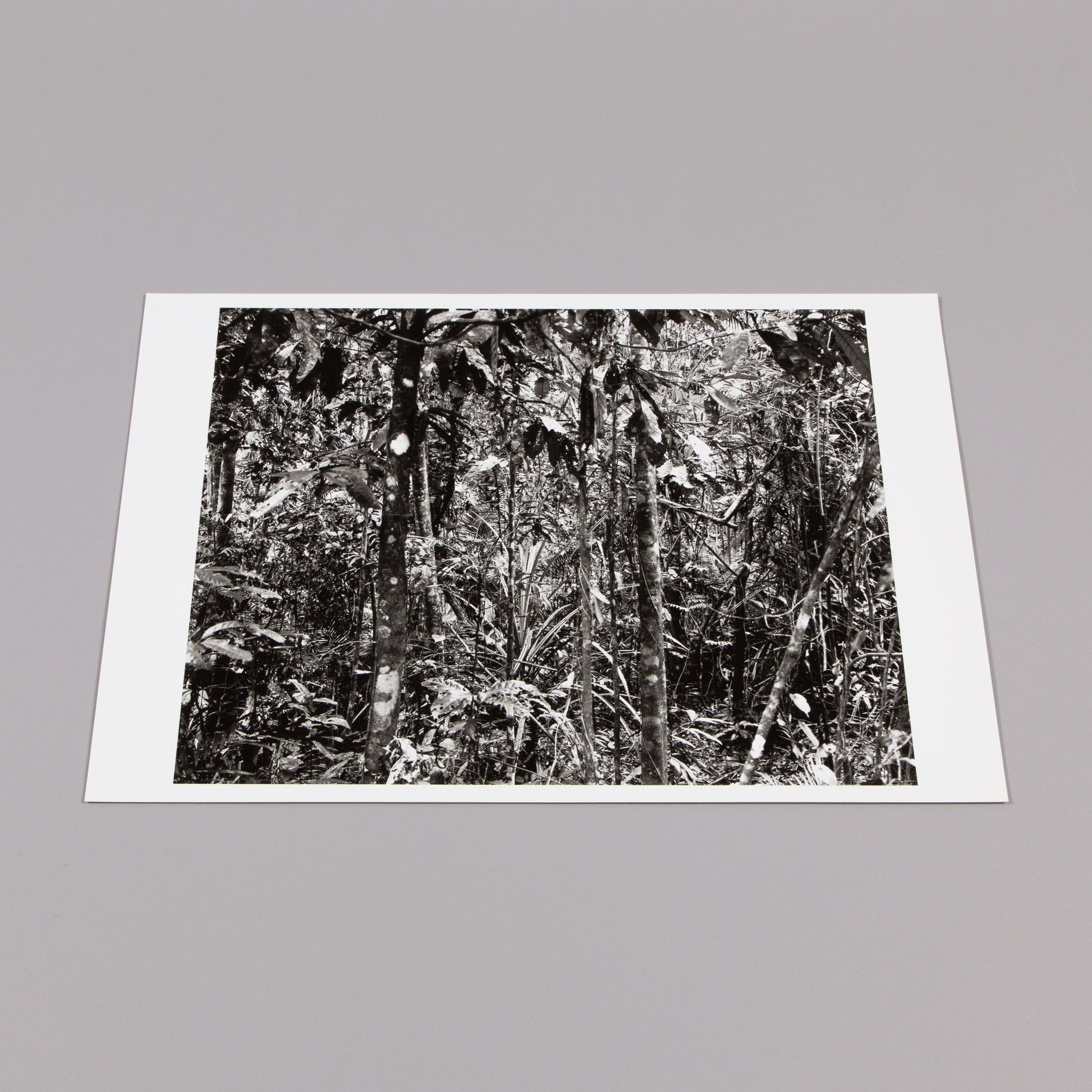
Among his most celebrated bodies of work are the museum photographs, which depict visitors contemplating masterpieces in institutions such as the Louvre, the Prado, and the National Gallery. These large-scale photographs investigate spectatorship itself, turning the act of looking into the central subject. In contrast, Struth's Paradies series presents dense, untouched landscapes devoid of human presence. Each photograph becomes an immersive artwork that evokes both reverence and unease, underscoring the complexity, beauty, and vulnerability of natural ecosystems.
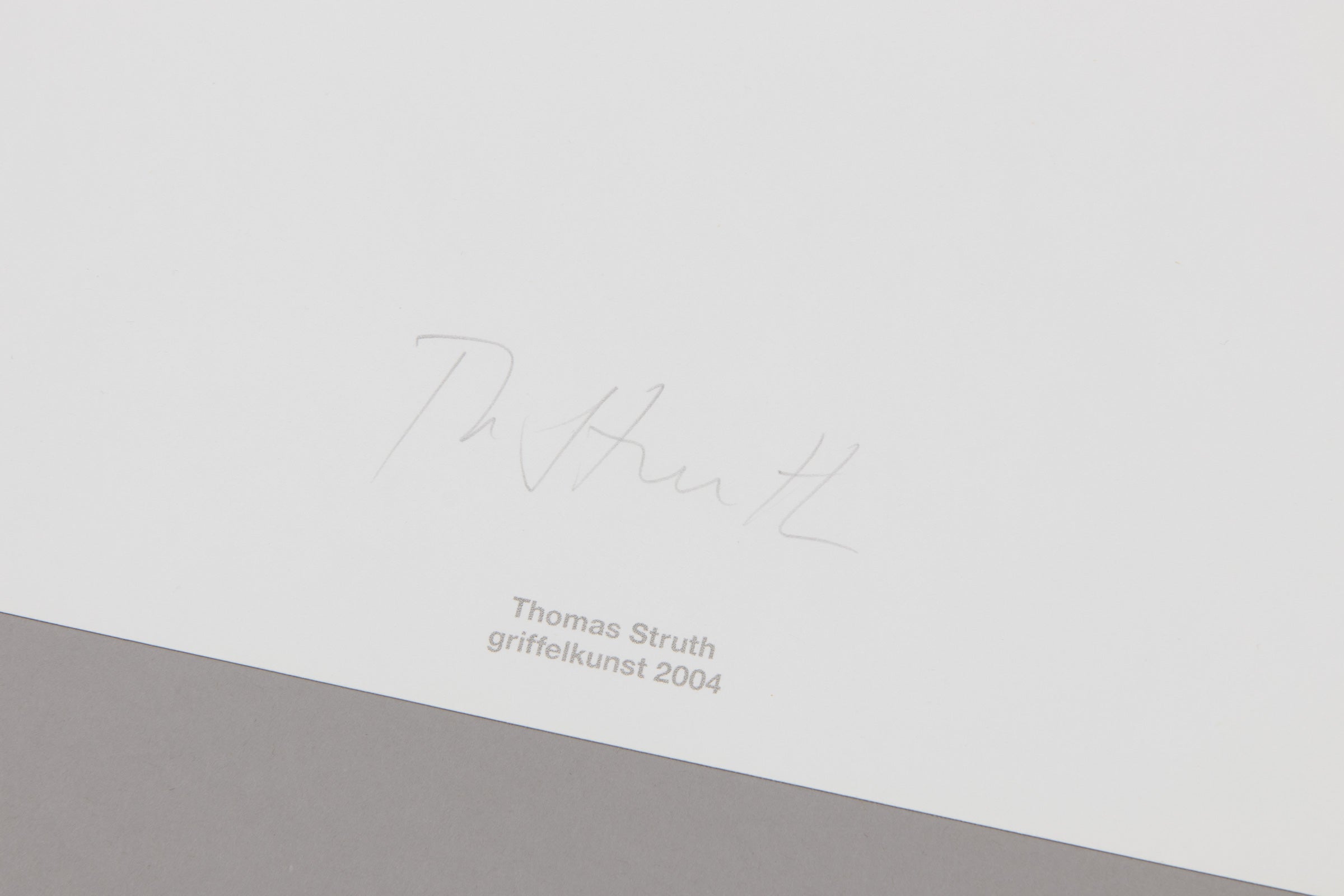
Since the early 1990s, Thomas Struth has expanded his practice to include cityscapes, family portraits, architectural interiors, and technologically advanced industrial sites. Across these series, he consistently interrogates the relationship between humanity, culture, and environment. Struth's limited edition photographs and prints reflect the same intellectual depth and formal precision as his monumental works, making them highly sought after by collectors of contemporary photography and museum-quality artworks.


