
Candida Höfer

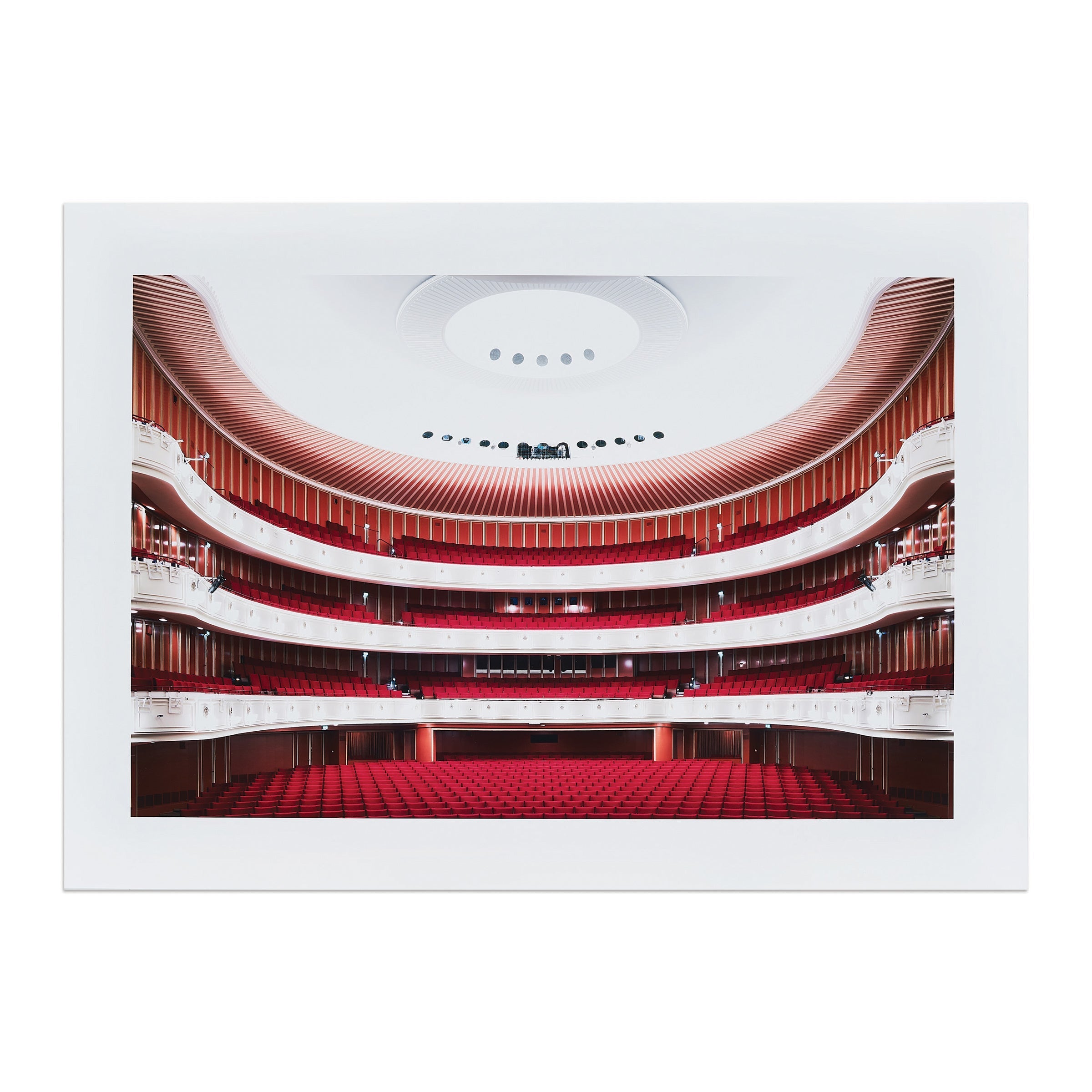
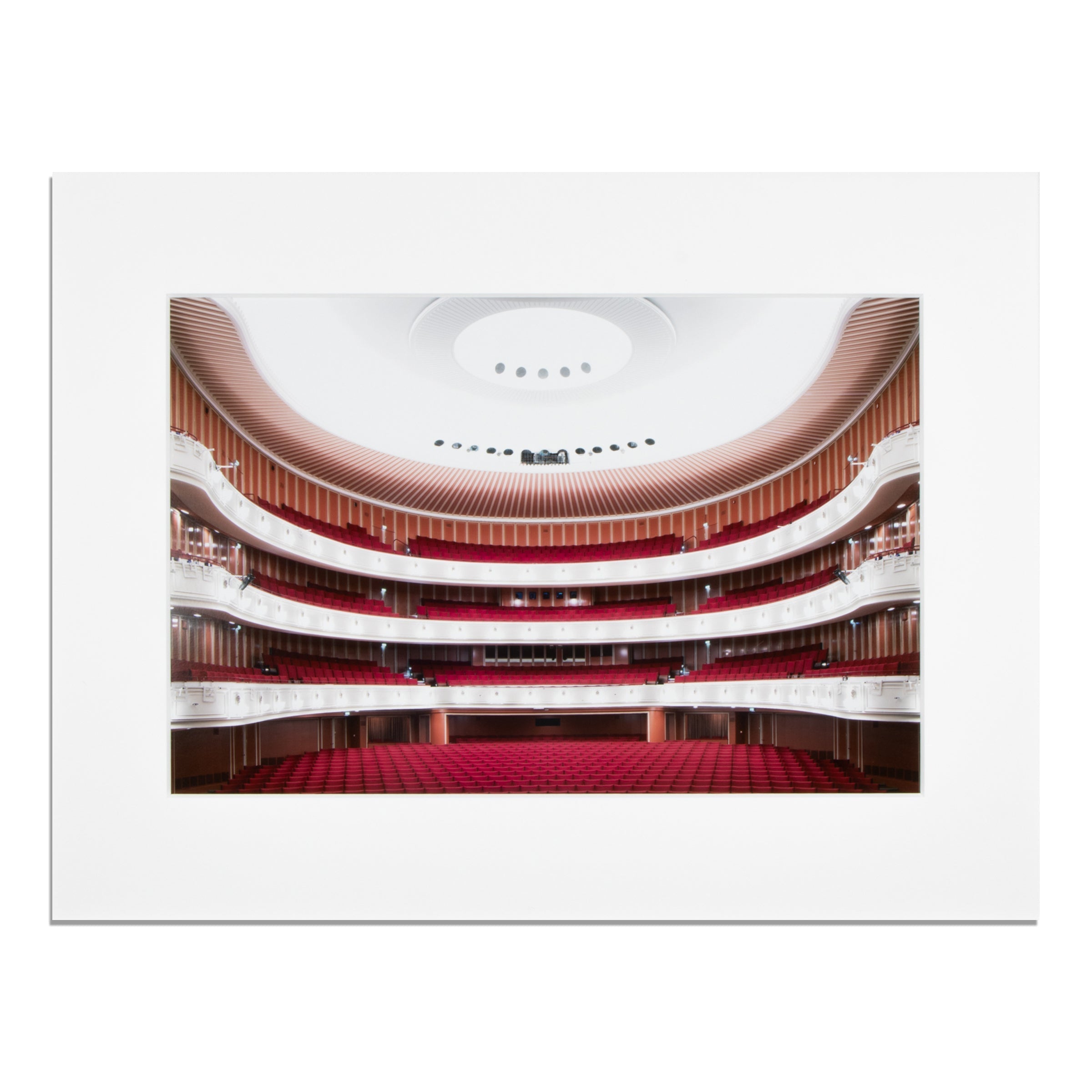
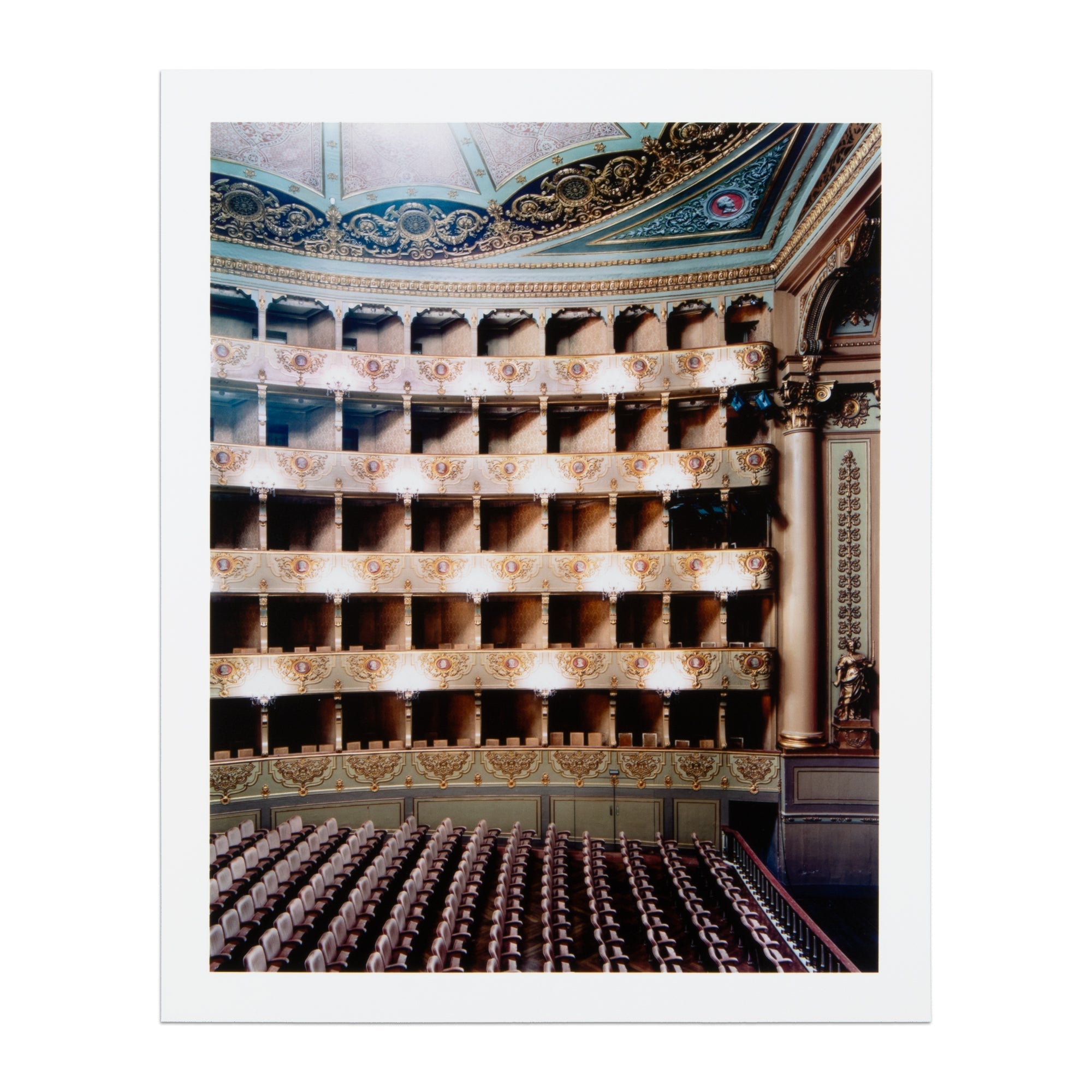
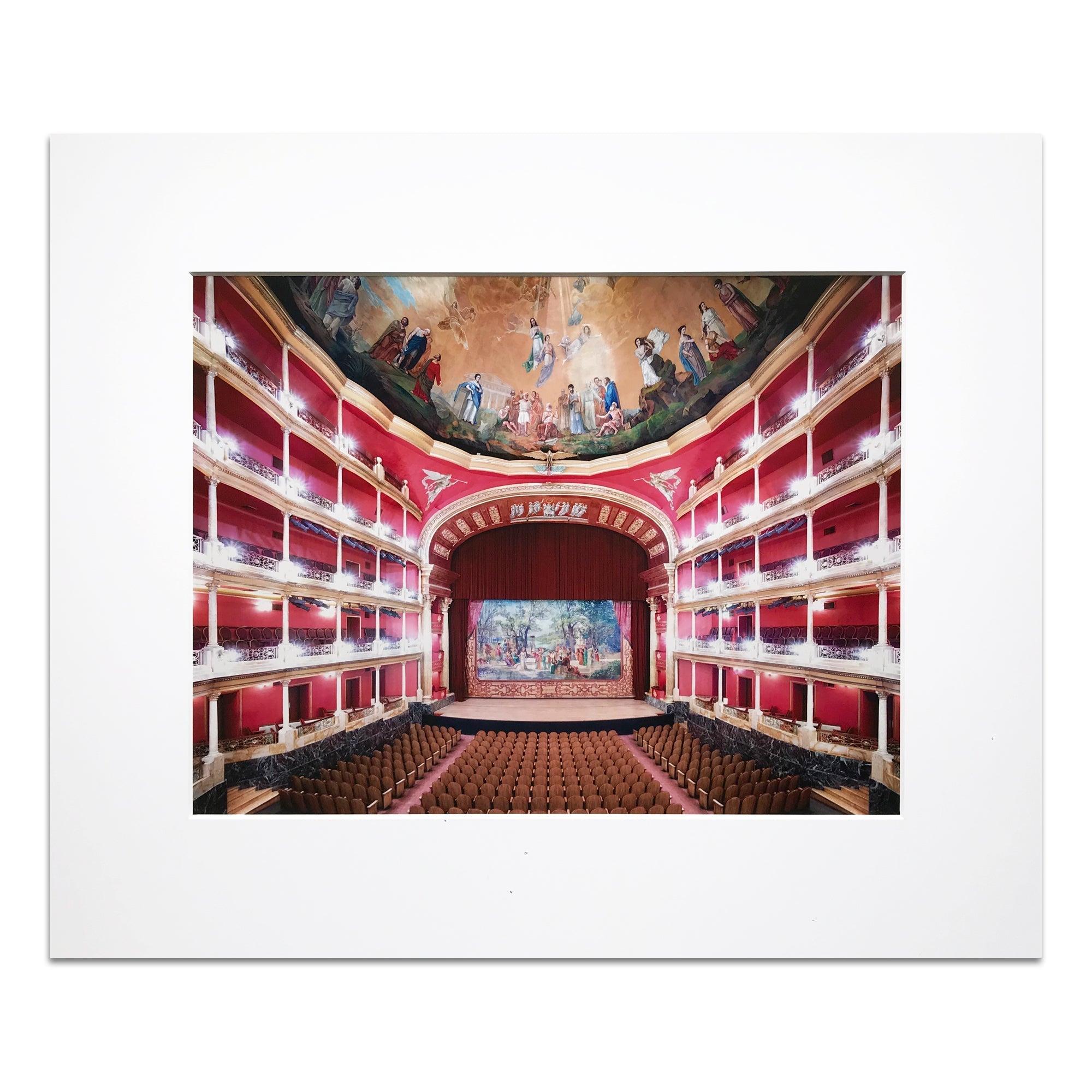
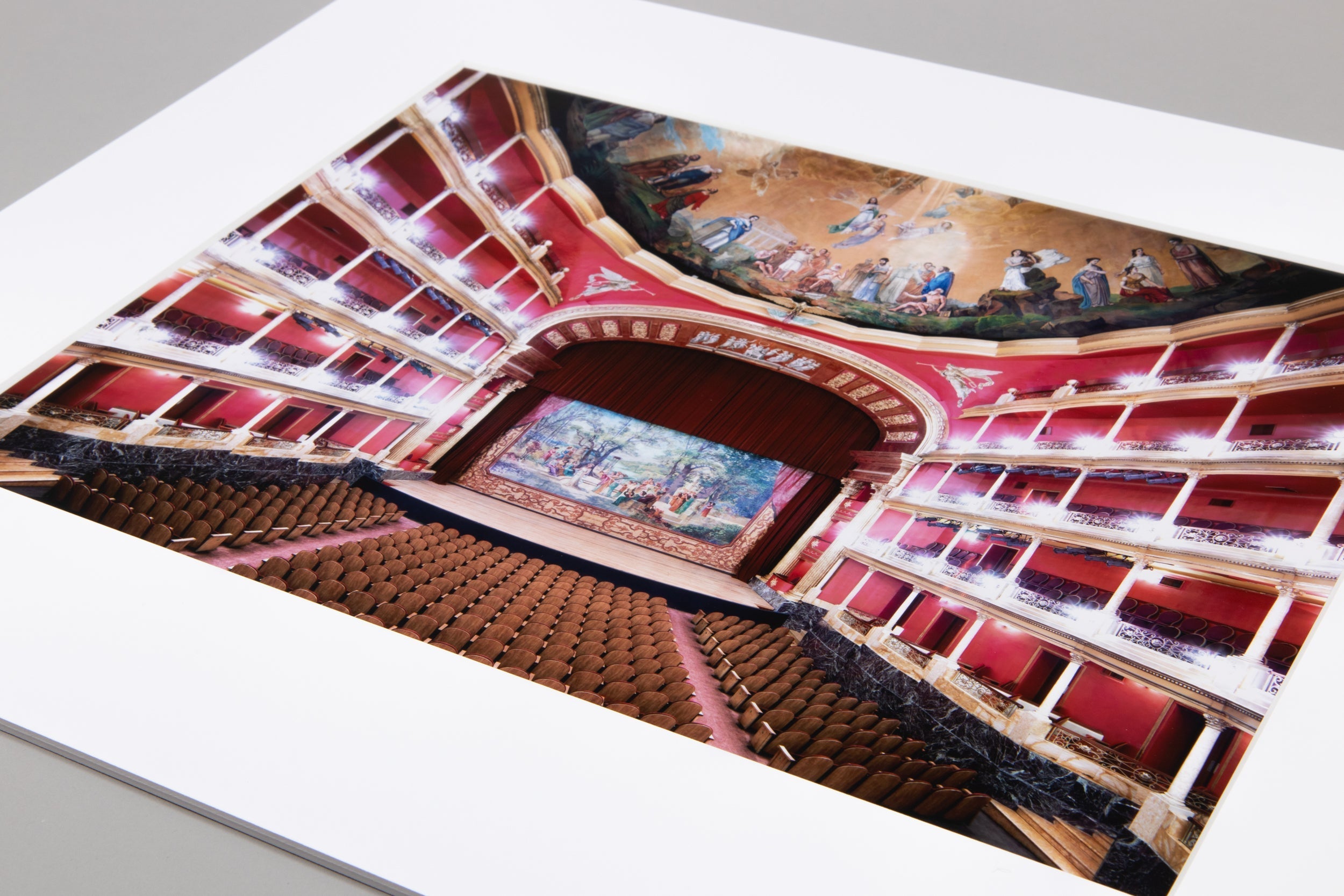
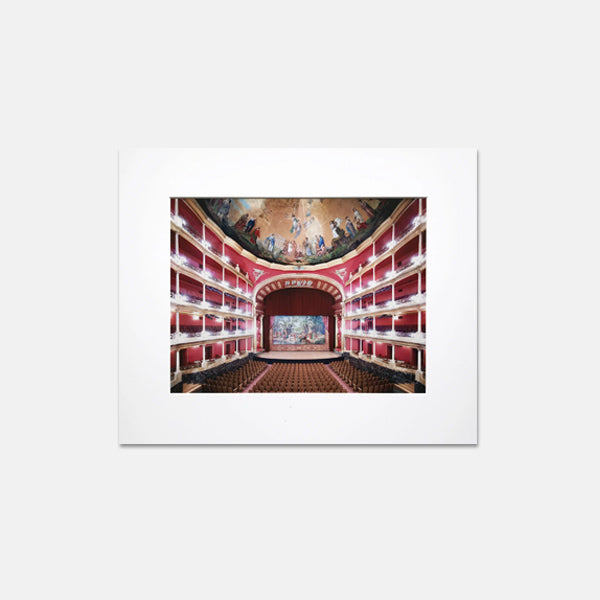
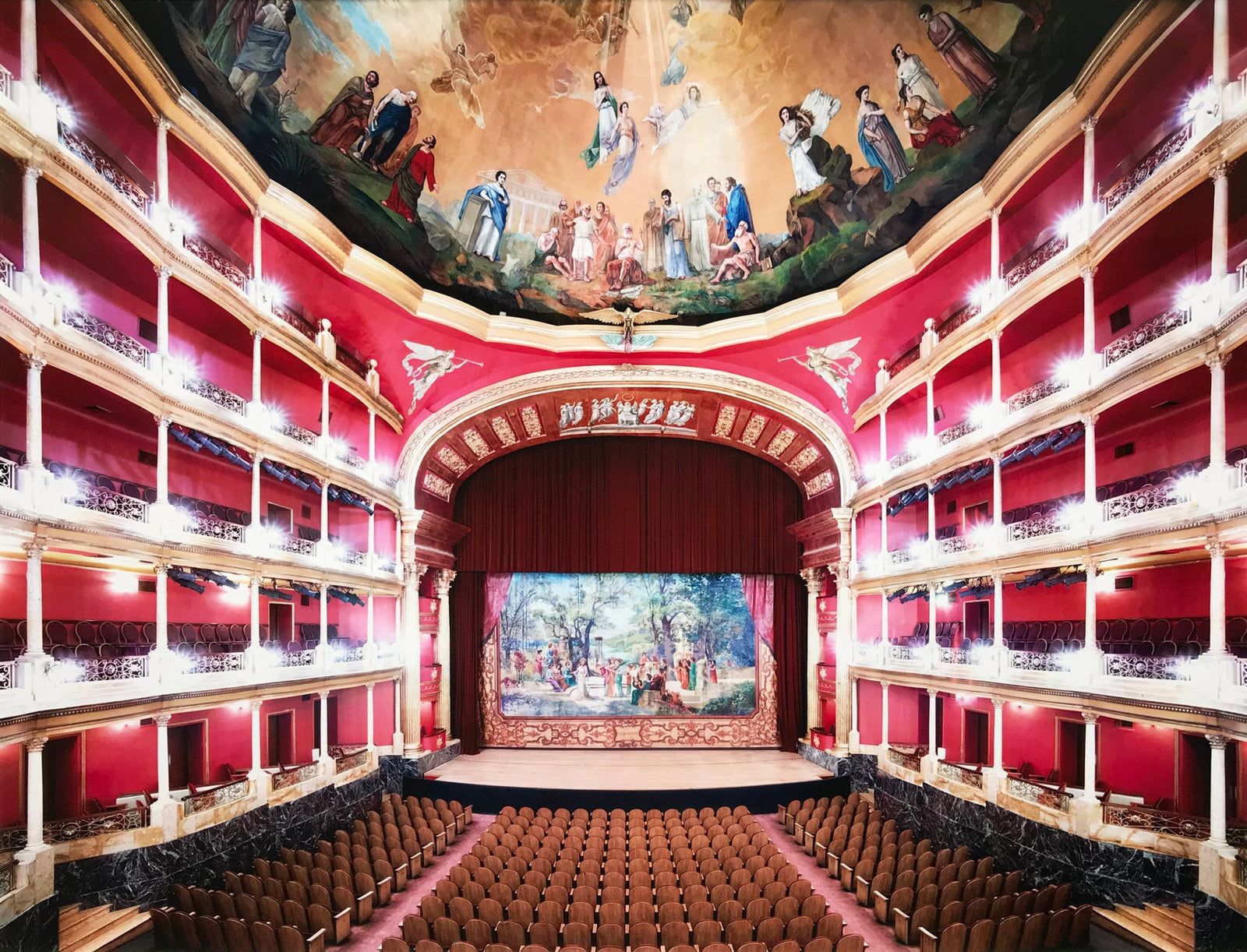
Candida Höfer - Teatro Degollado Guadalajara III

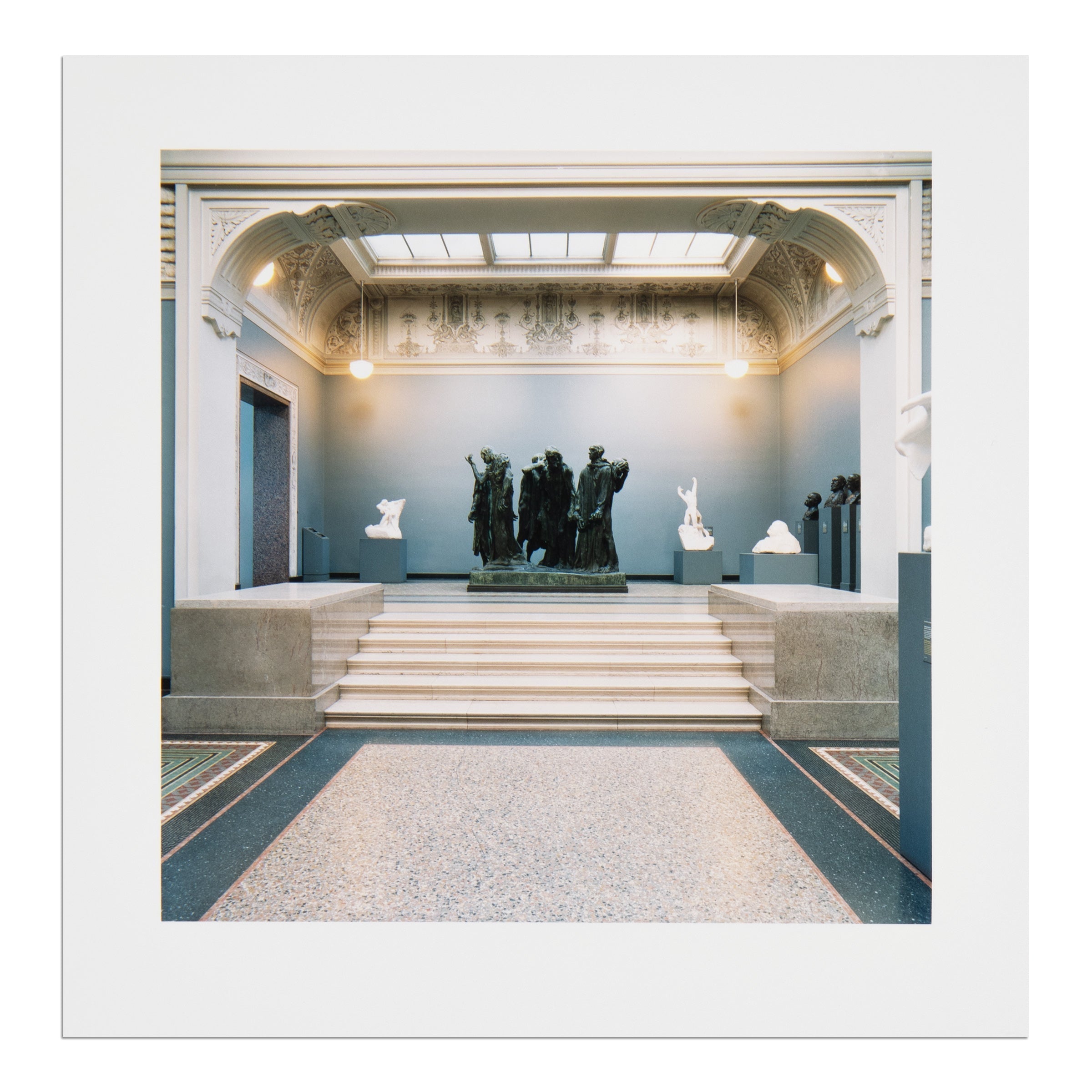
Candida Höfer photographs public spaces after the public has left — libraries, opera houses, museums, zoos — and finds in their emptiness a more precise portrait of how institutions shape human behaviour than any crowded interior could offer. A student of Bernd and Hilla Becher and one of the first of their students to work in colour, she brings the same typological rigour to grand civic architecture that her teachers brought to industrial structures. These prints and editions carry that same exactitude, at the scale her work demands.

Browse signed Candida Höfer photographs and editions now.

Available Prints & Editions

Candida Höfer - Teatro Degollado Guadalajara III
01

Candida Höfer Biography

Candida Höfer (born 1944 in Eberswalde, Germany) came to photography by an indirect route: newspaper portraiture in the late 1960s, an apprenticeship in daguerreotype technique in Hamburg, then enrolment at the Kunstakademie Düsseldorf in 1973 — initially to study film. She transferred to photography in 1976 under Bernd Becher, becoming, alongside Thomas Ruff, one of the first of the Becher students to work seriously in colour, at a moment when her teachers' black-and-white typologies still defined the school's visual language.

Her early work — including Türken in Deutschland (1973–79), documenting Turkish migrant families in Germany — was concerned with people directly. The pivot that defined her mature practice came with the Räume (Spaces) series, begun in 1980: interiors emptied of human presence, photographed frontally or along a revealing diagonal, always with the same unhurried, symmetrical precision. Höfer has described her subject not as architecture but as the psychological residue architecture leaves behind — "spaces may or may not invite the image; if they do, they mostly do it with their spatial layers of time."

The absence of people in her photographs is not a formal preference but the entire argument: libraries, opera houses, and museums reveal how they shape behaviour most clearly when no one is present to be shaped. Her 1990–92 Zoologischer Garten series extended this logic further, examining how architecture contains and directs its occupants — animal or human — through structure alone.

Höfer represented Germany at the Venice Biennale in 2003 and received the Sony World Photography Awards' Outstanding Contribution to Photography in 2018. She lives and works in Cologne.

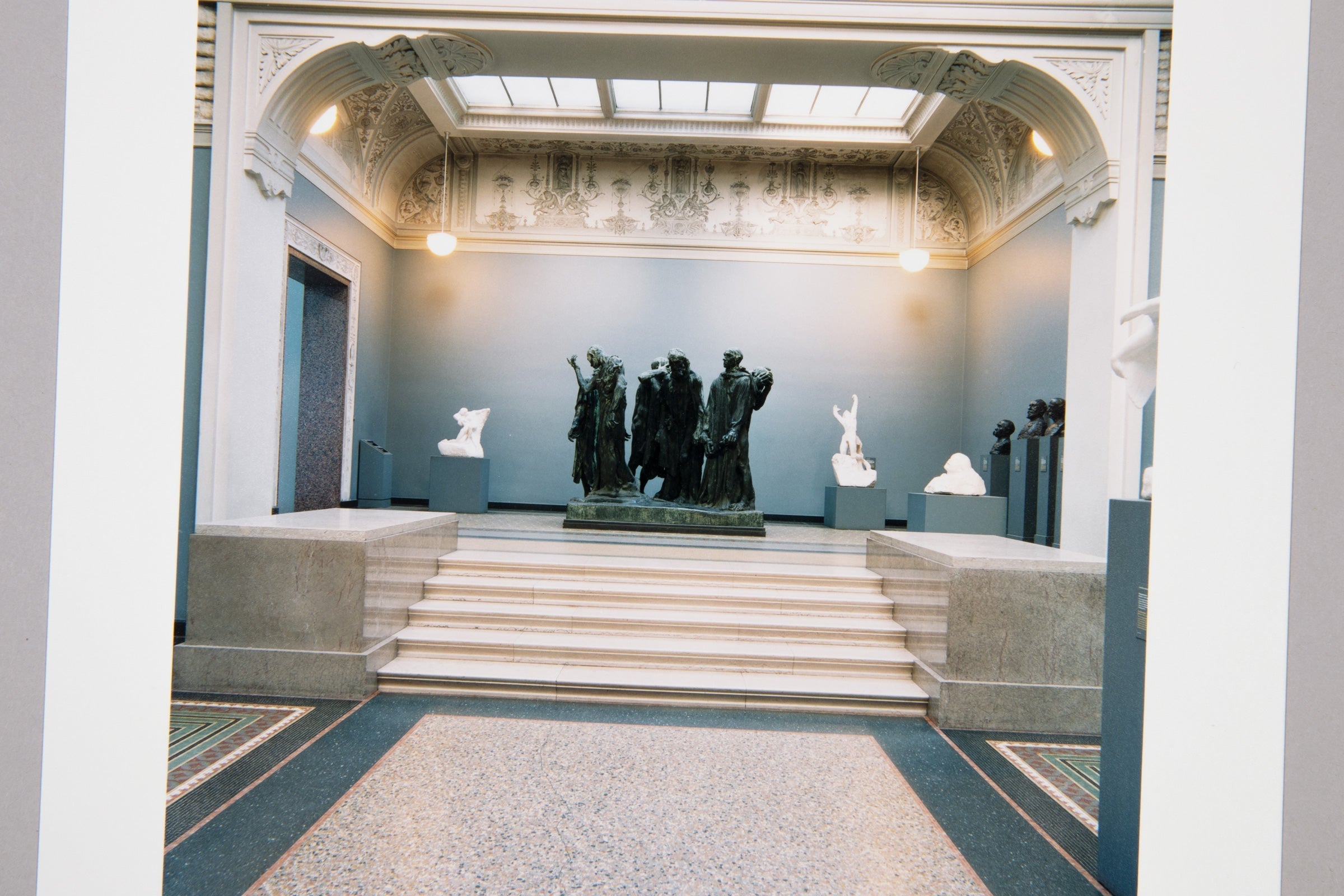
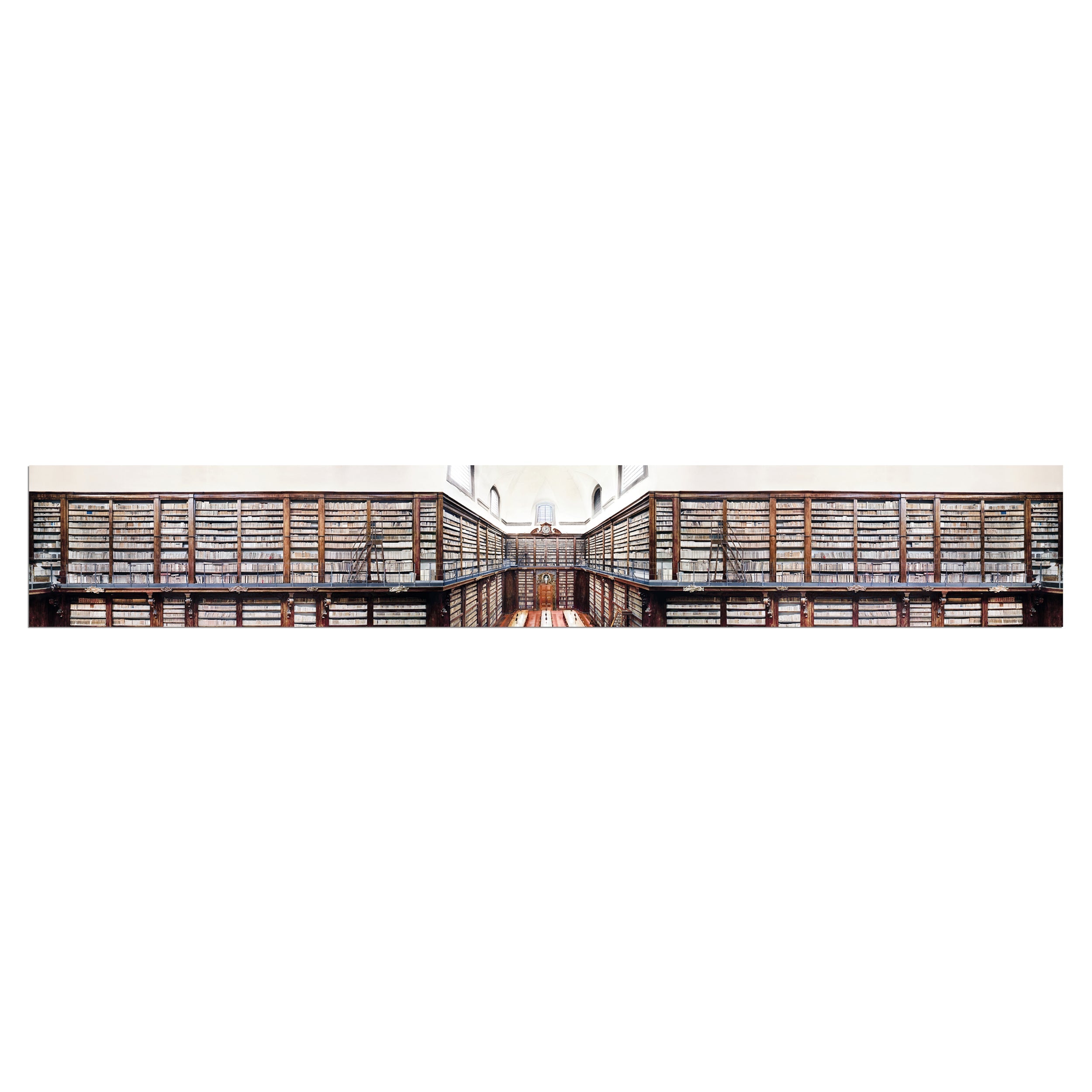
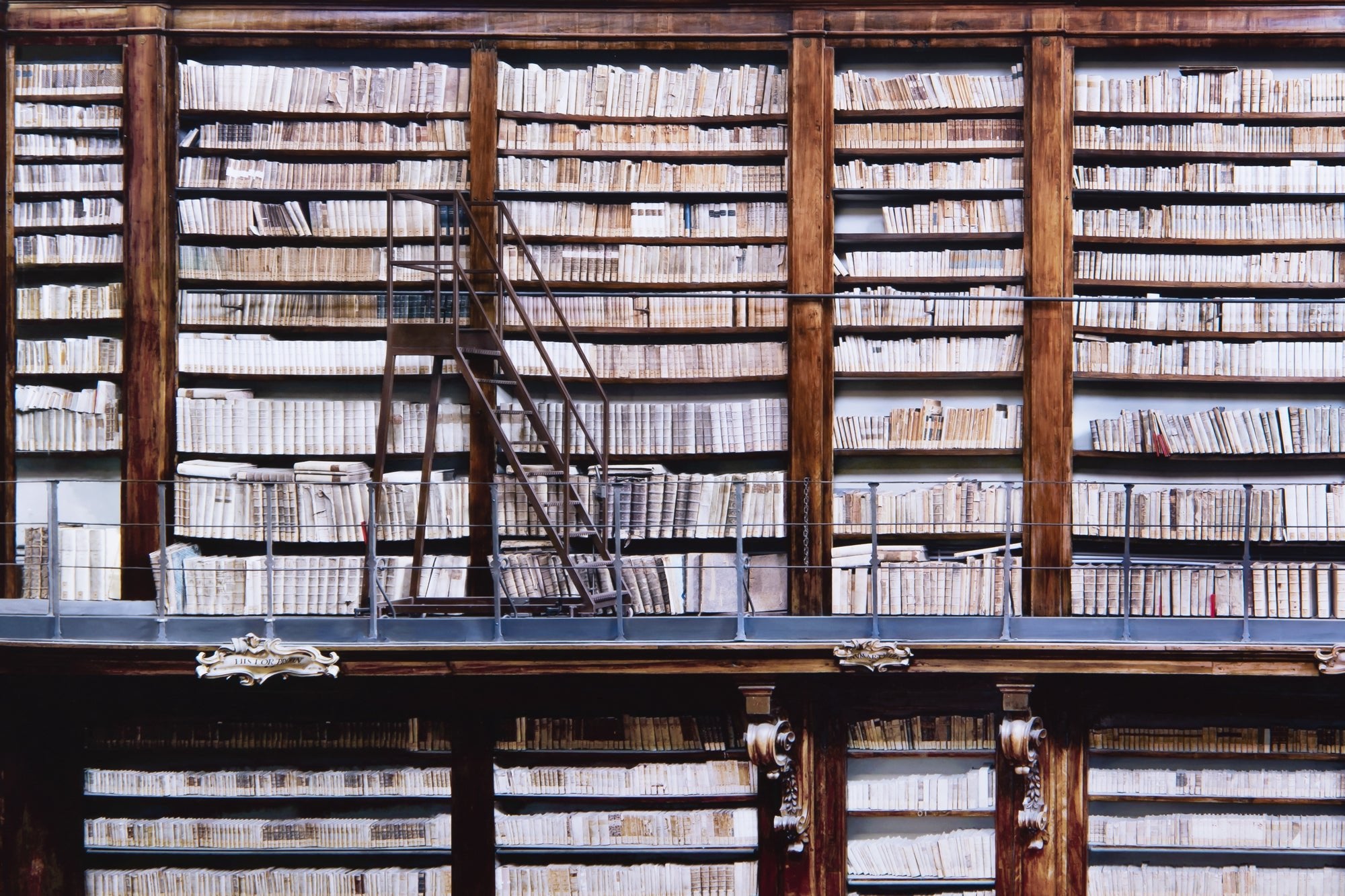
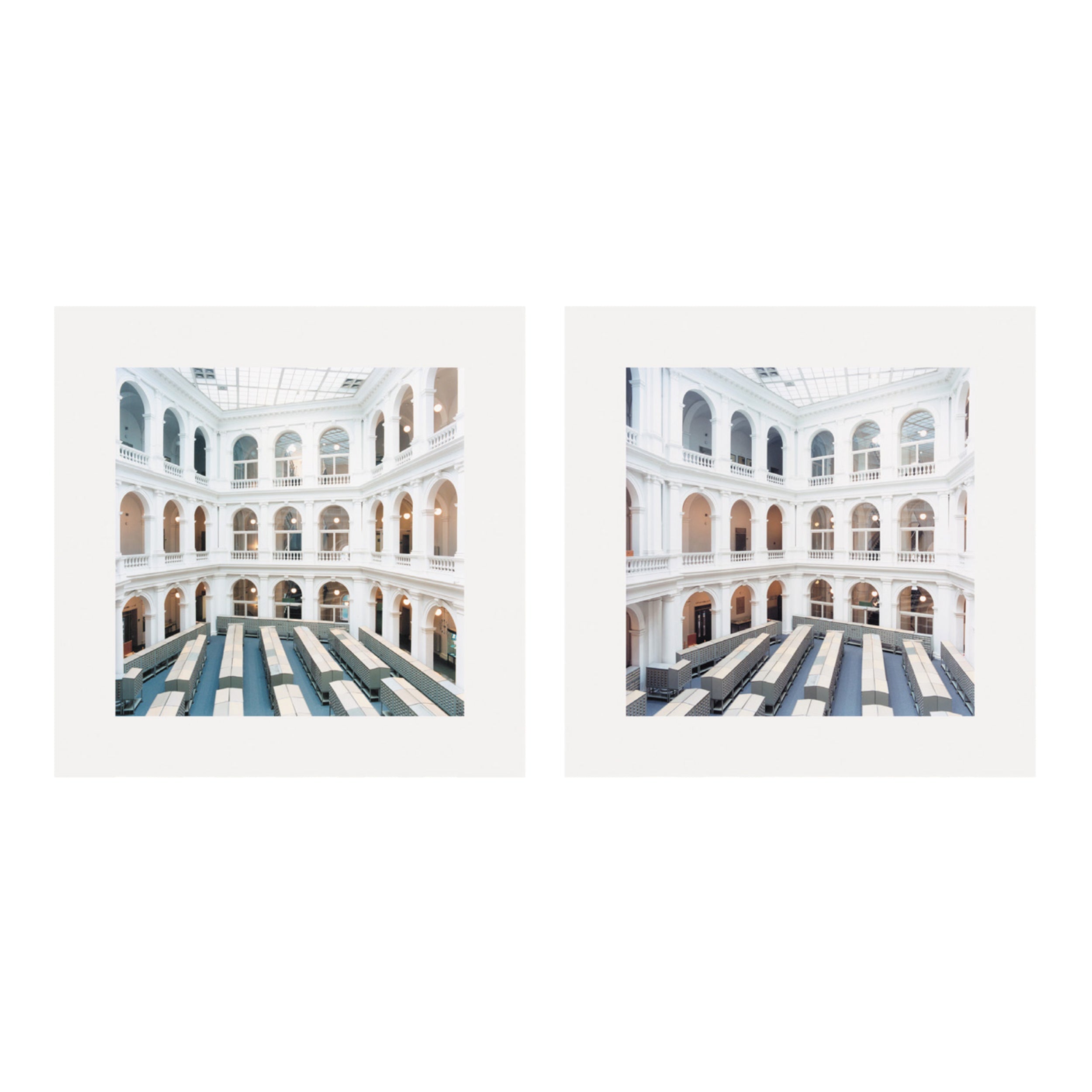
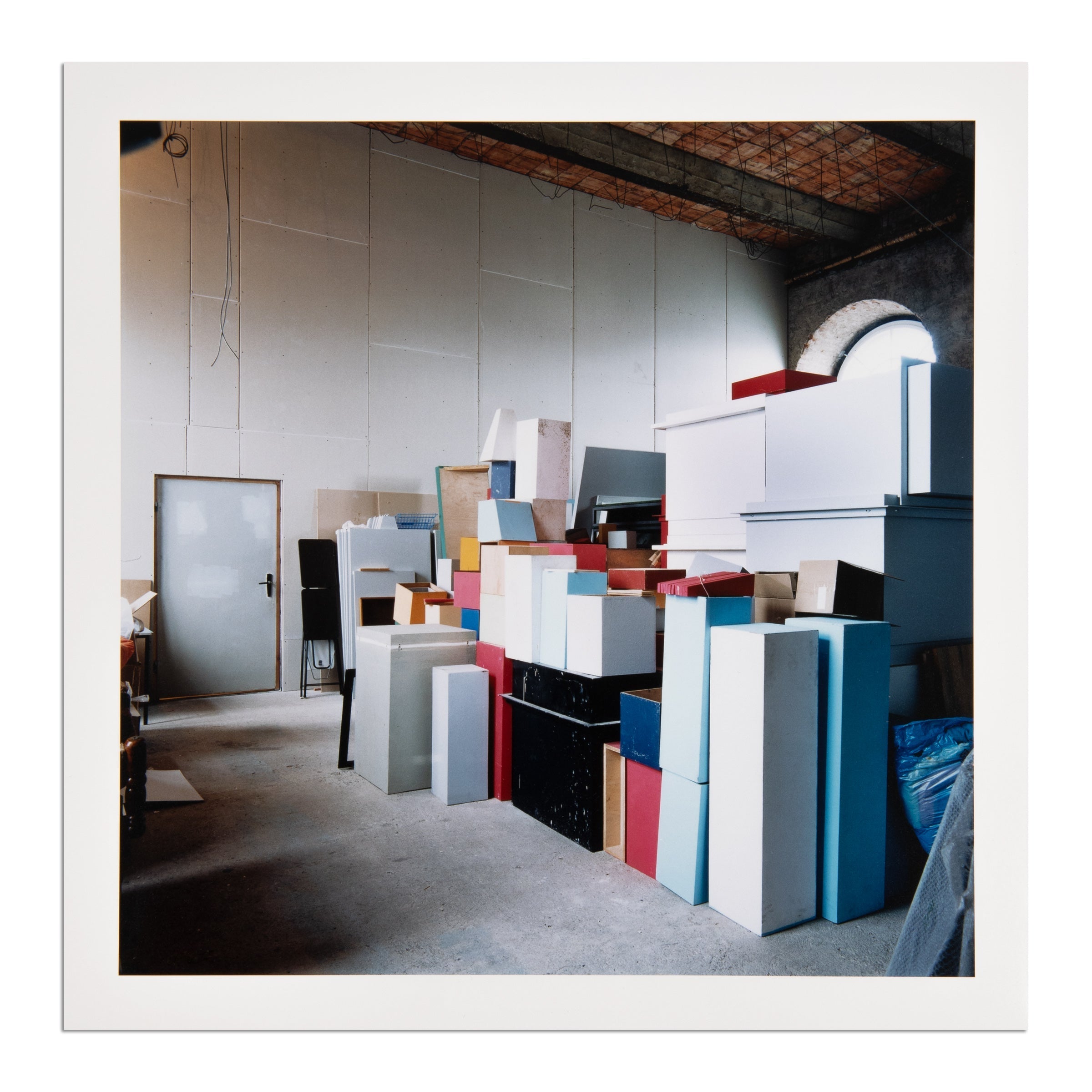
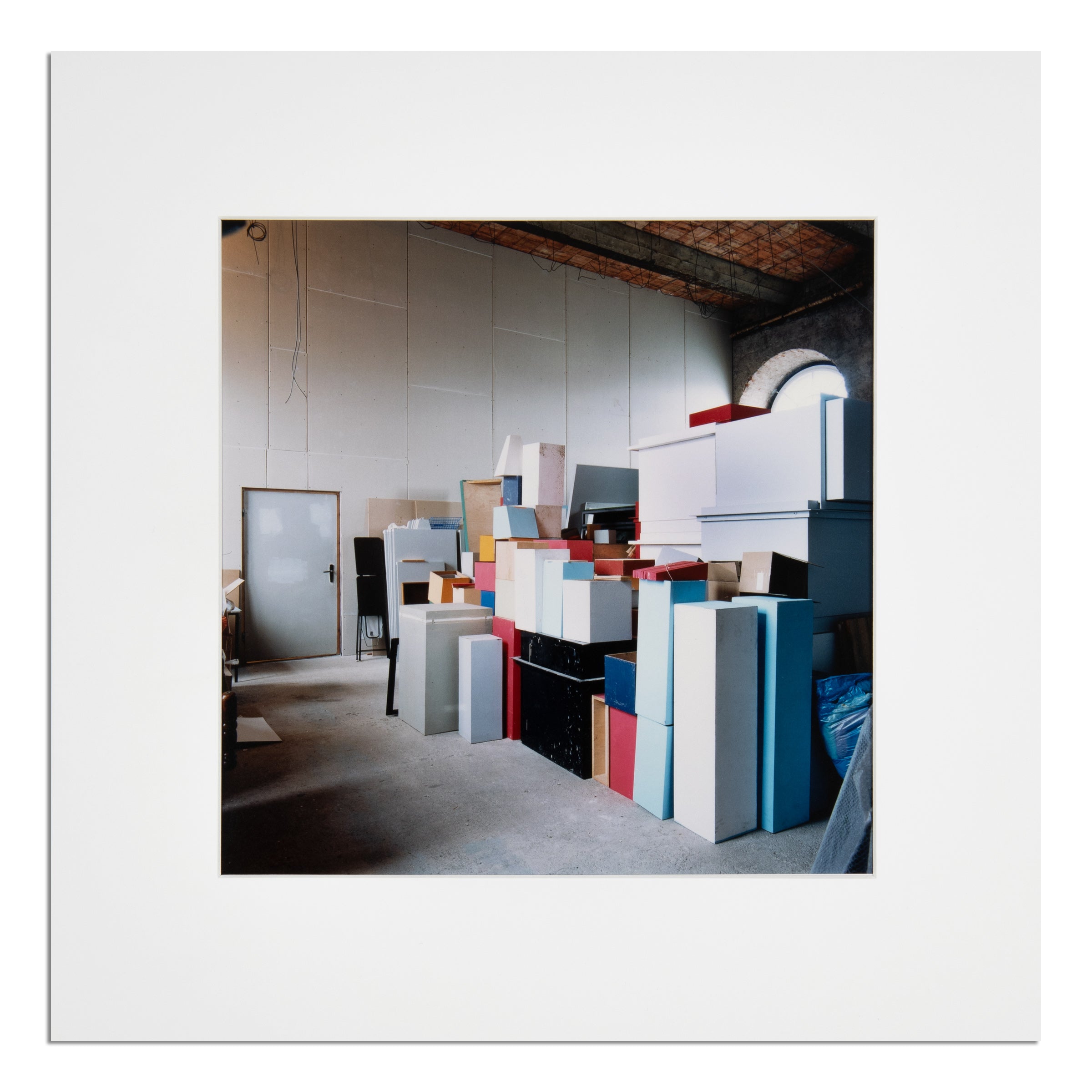
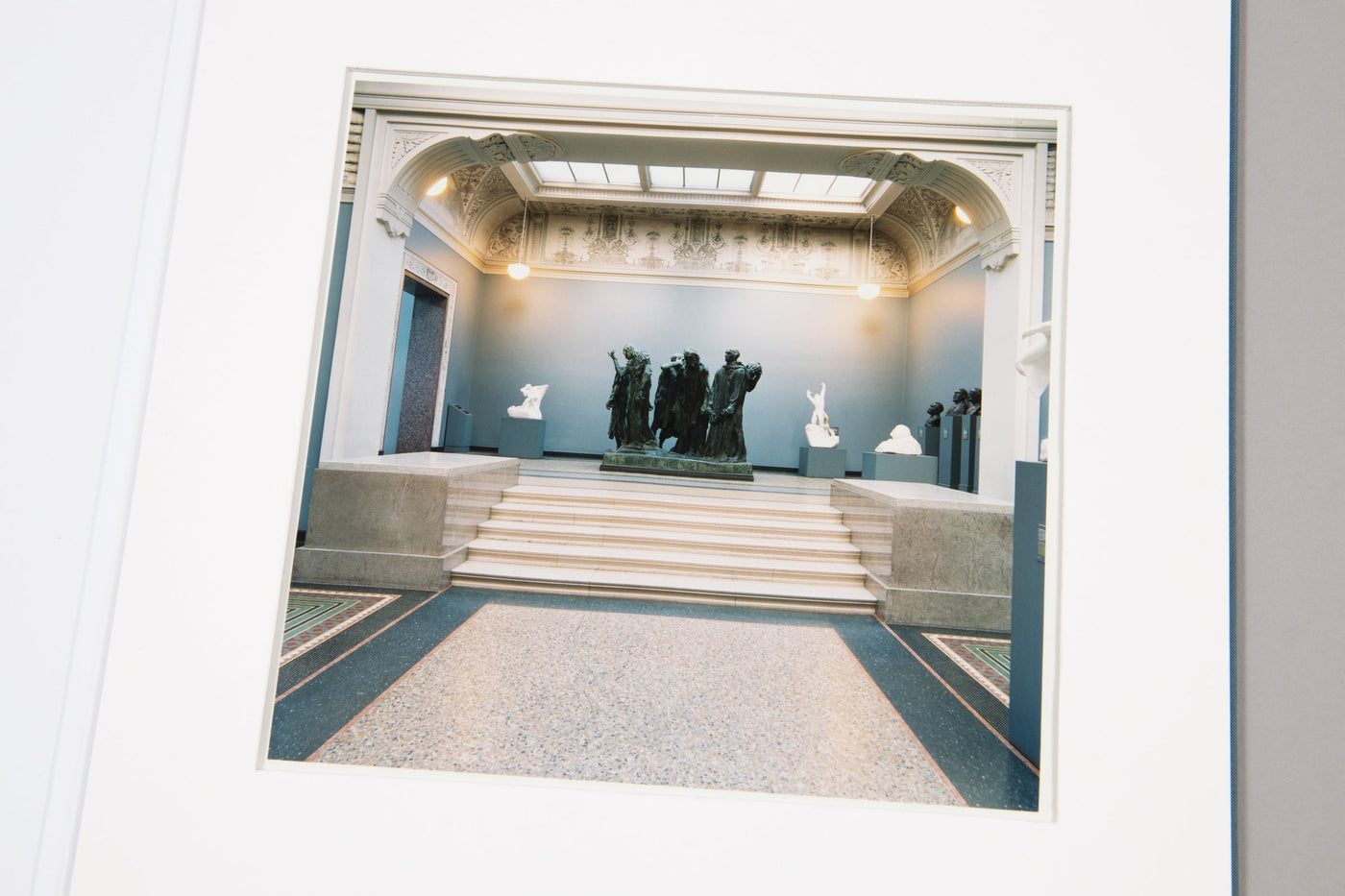
Candida Höfer - N.Y Carlsberg Glyptotek Copenhagen III
02

Famous Candida Höfer Artworks

Palazzo Pisani Moretta, Venezia I (2005) stands as Höfer's auction record — a photograph of a Venetian palace interior that exemplifies her signature approach: perfect symmetry, saturated colour, and a scale that makes the viewer feel physically present in a room built for spectacle, not habitation.

Zoologischer Garten Hannover V (1992), from her zoo series, is among her most quietly unsettling images: a lion staring out from behind cage bars, composed with the same formal precision she applies to a library or opera house. The photograph collapses the distance between institutional architecture and the bodies it contains — human or animal — making explicit an argument implicit throughout her work.

Flipper (1973), a large photo-collage of 47 gelatin silver prints depicting pinball machines in arcades and pubs, predates her mature style but reveals its origins: an early instinct for serial repetition and typological observation, made years before she turned that same instinct toward grand civic interiors.

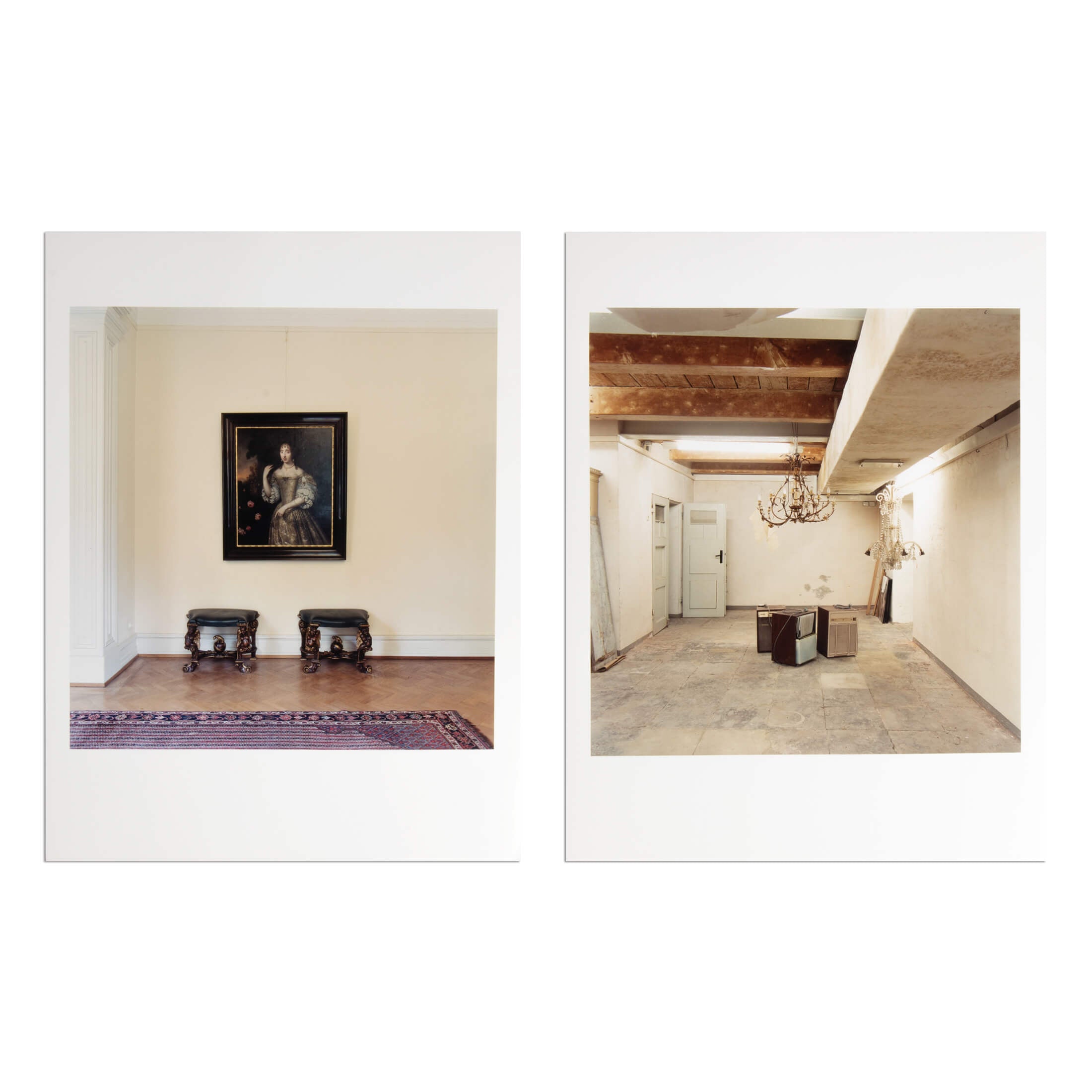
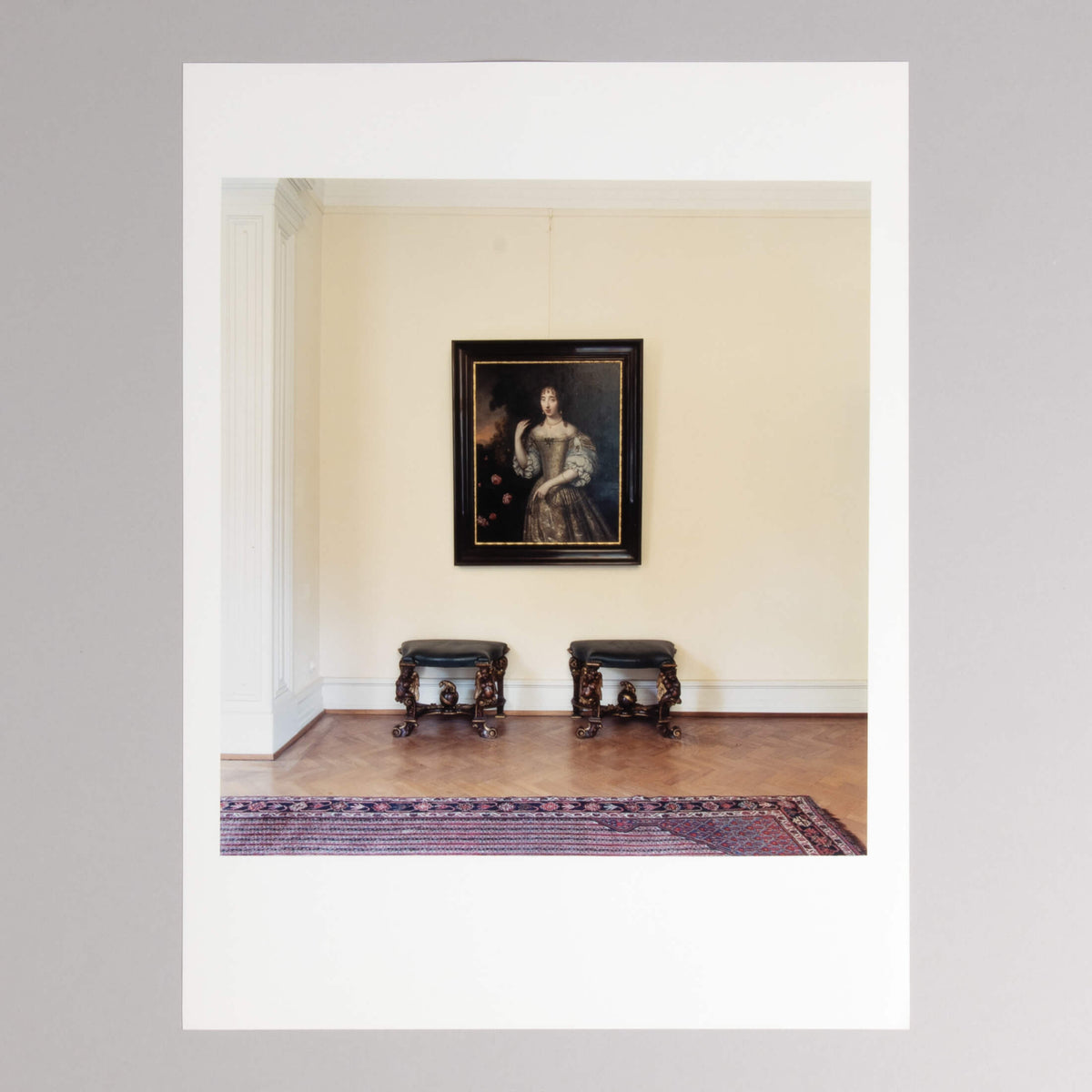
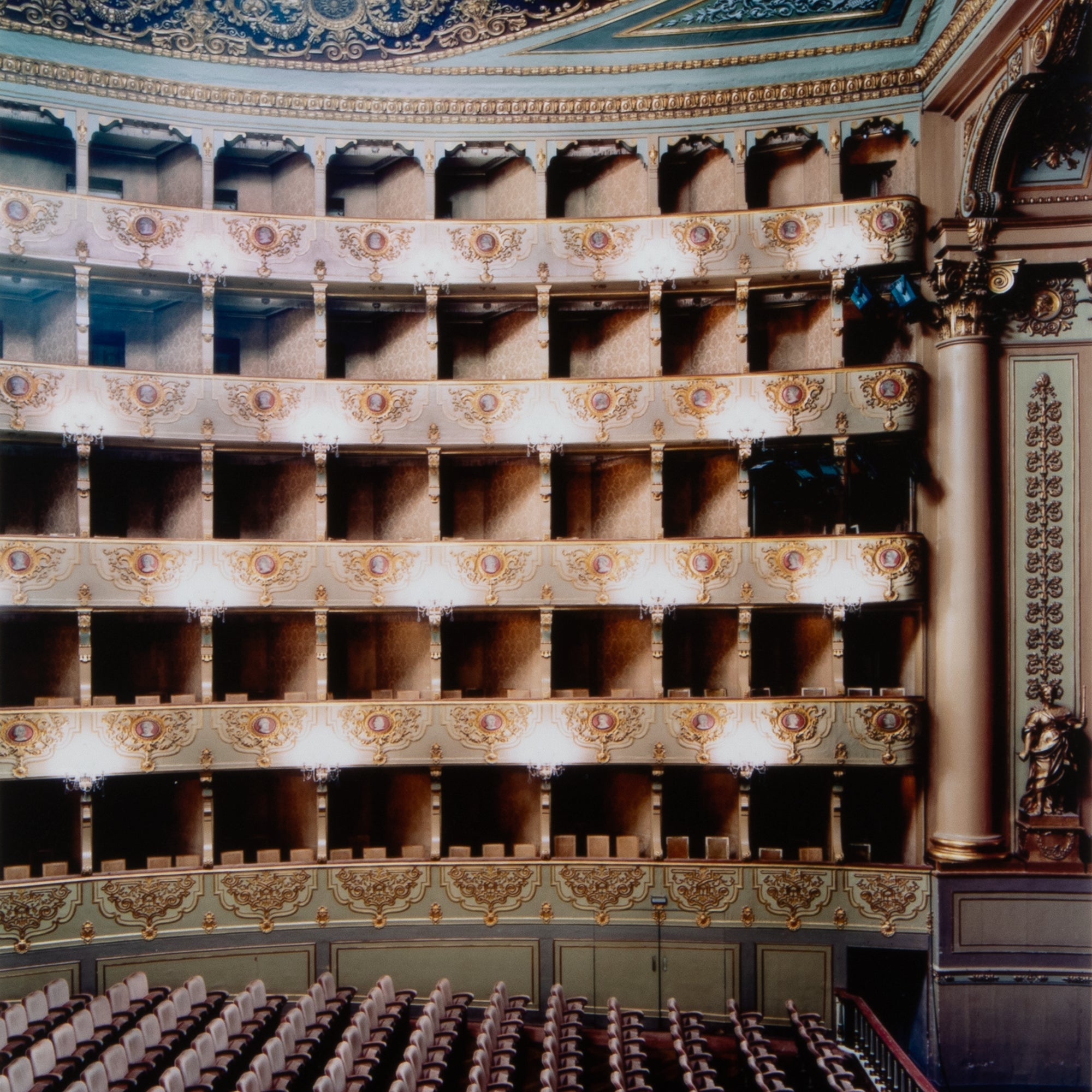
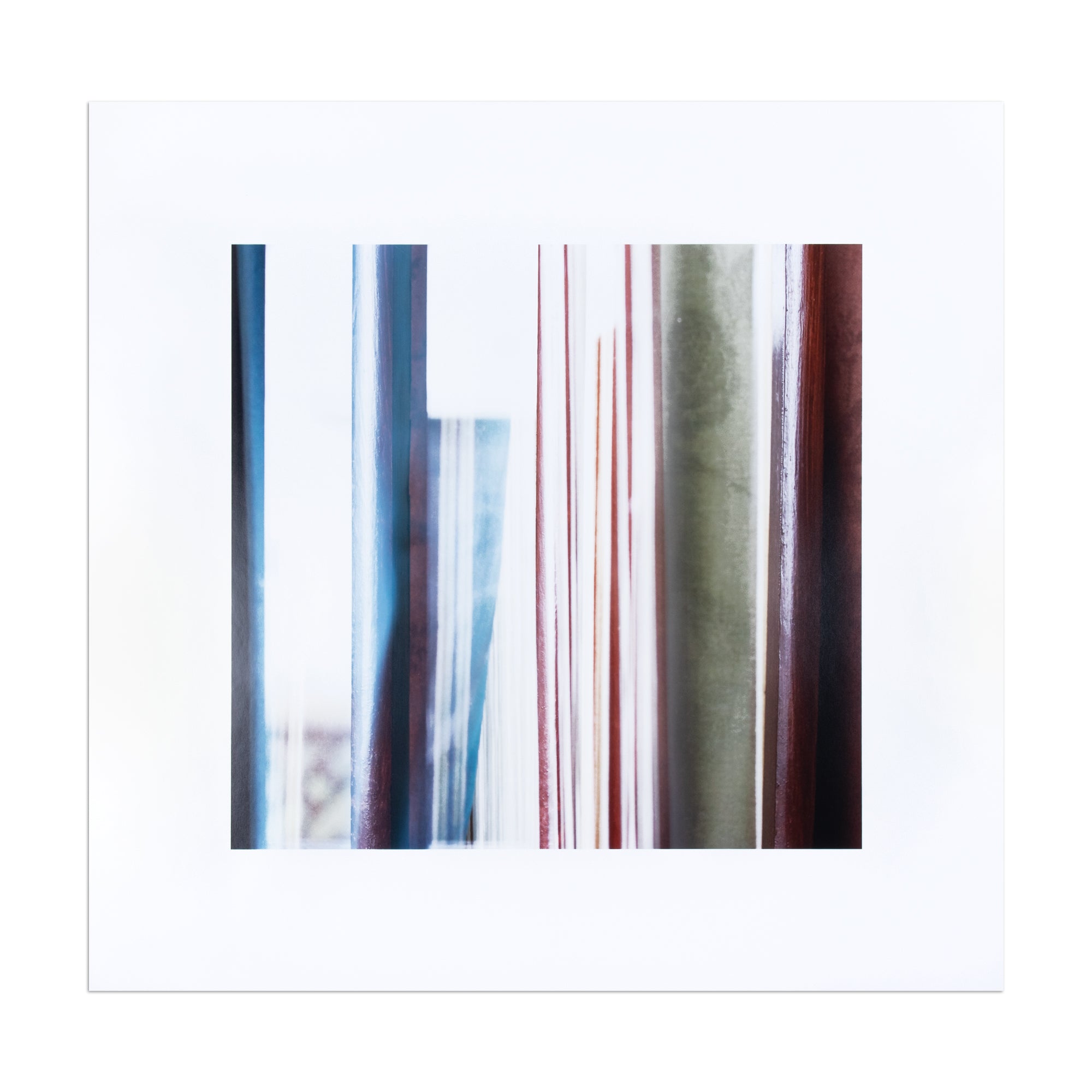
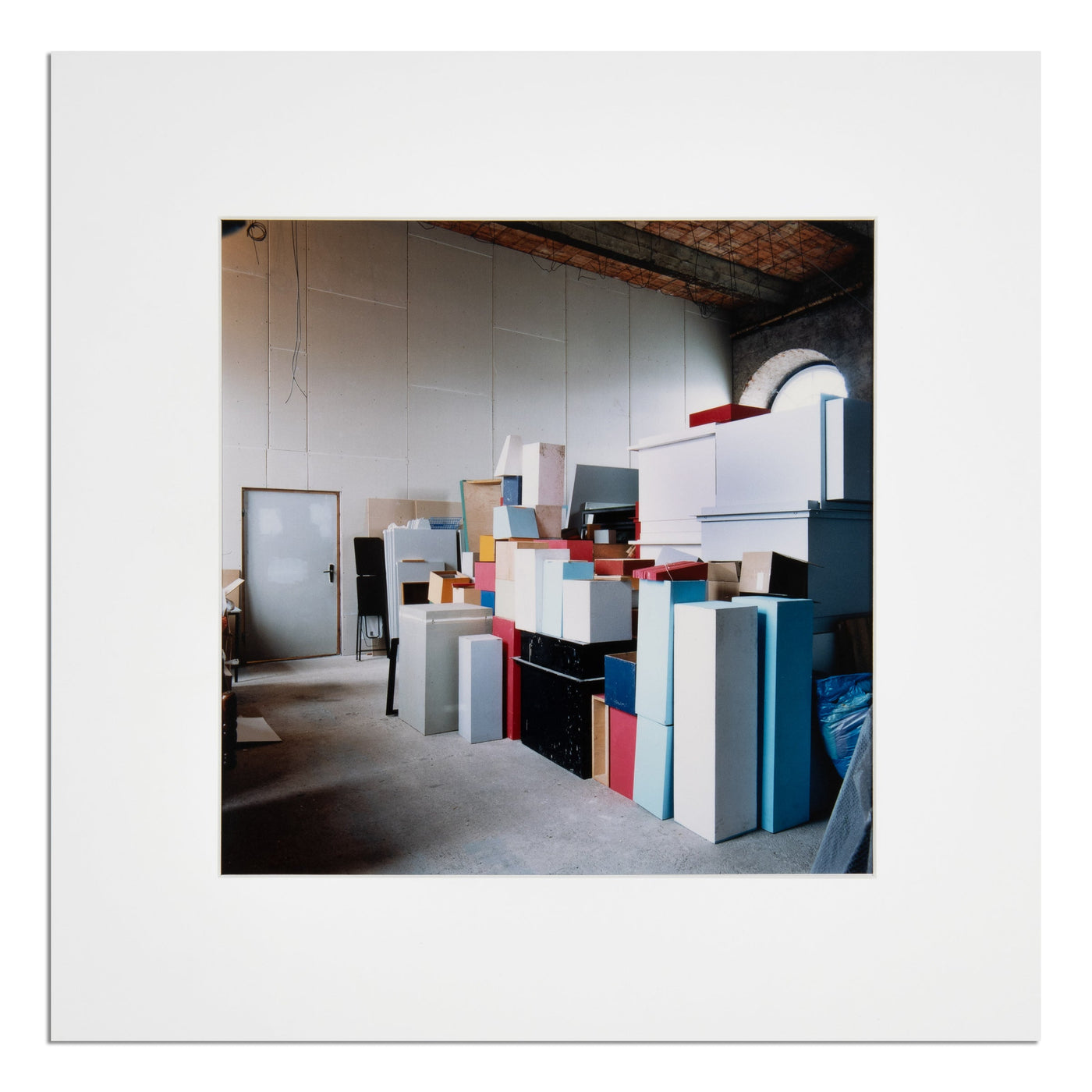
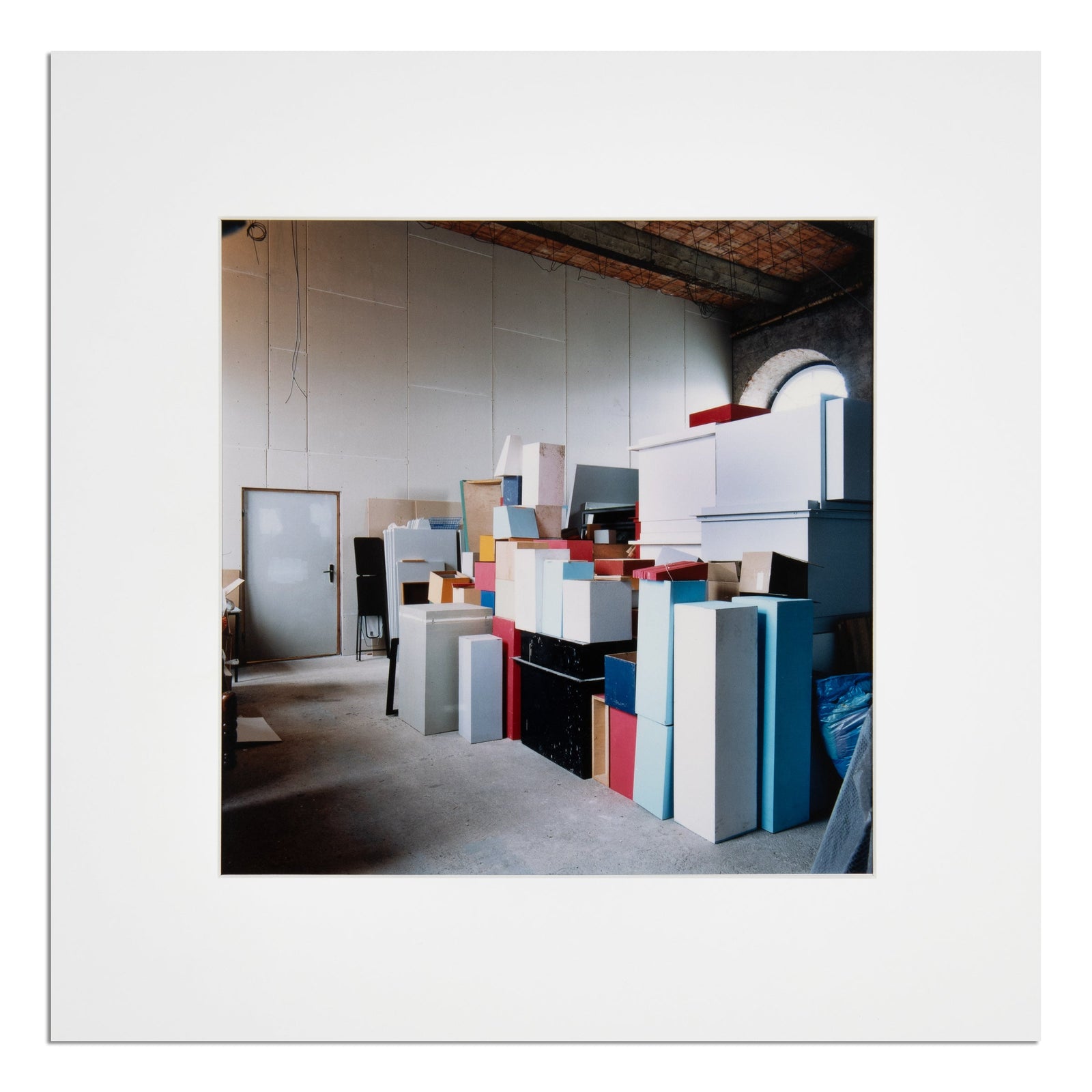
Candida Höfer - Museum für Völkerkunde Dresden
03

Candida Höfer Photographs & Editions

For Candida Höfer, the print is not a secondary object translating some more authentic original — photography, editioned and exhibited at scale, is the work itself. There is no separate category of "unique" work standing behind her editions: every photograph exists only as a print, and format and edition size are simply variables within the same practice. Her major artworks are typically produced in very small editions of two to six impressions at large scale, while smaller formats may appear in larger runs — but both are editions of the same photograph, differing only in size and rarity, never in kind.

This is consistent with the broader practice of the Düsseldorf School, where Höfer trained alongside Thomas Ruff, Andreas Gursky, and Thomas Struth — photography treated with the same conceptual seriousness and physical presence as painting, never as documentation in service of something more permanent elsewhere.

For collectors, Höfer's editions offer direct access to a body of work built on typological precision and how architecture shapes human behaviour. Works are held in the permanent collections of MoMA, Tate, the Centre Pompidou, and the Guggenheim.

01

Candida Höfer Biography

Candida Höfer (born 1944 in Eberswalde, Germany) came to photography by an indirect route: newspaper portraiture in the late 1960s, an apprenticeship in daguerreotype technique in Hamburg, then enrolment at the Kunstakademie Düsseldorf in 1973 — initially to study film. She transferred to photography in 1976 under Bernd Becher, becoming, alongside Thomas Ruff, one of the first of the Becher students to work seriously in colour, at a moment when her teachers' black-and-white typologies still defined the school's visual language.

Her early work — including Türken in Deutschland (1973–79), documenting Turkish migrant families in Germany — was concerned with people directly. The pivot that defined her mature practice came with the Räume (Spaces) series, begun in 1980: interiors emptied of human presence, photographed frontally or along a revealing diagonal, always with the same unhurried, symmetrical precision. Höfer has described her subject not as architecture but as the psychological residue architecture leaves behind — "spaces may or may not invite the image; if they do, they mostly do it with their spatial layers of time."

The absence of people in her photographs is not a formal preference but the entire argument: libraries, opera houses, and museums reveal how they shape behaviour most clearly when no one is present to be shaped. Her 1990–92 Zoologischer Garten series extended this logic further, examining how architecture contains and directs its occupants — animal or human — through structure alone.

Höfer represented Germany at the Venice Biennale in 2003 and received the Sony World Photography Awards' Outstanding Contribution to Photography in 2018. She lives and works in Cologne.

02

Famous Candida Höfer Artworks

Palazzo Pisani Moretta, Venezia I (2005) stands as Höfer's auction record — a photograph of a Venetian palace interior that exemplifies her signature approach: perfect symmetry, saturated colour, and a scale that makes the viewer feel physically present in a room built for spectacle, not habitation.

Zoologischer Garten Hannover V (1992), from her zoo series, is among her most quietly unsettling images: a lion staring out from behind cage bars, composed with the same formal precision she applies to a library or opera house. The photograph collapses the distance between institutional architecture and the bodies it contains — human or animal — making explicit an argument implicit throughout her work.

Flipper (1973), a large photo-collage of 47 gelatin silver prints depicting pinball machines in arcades and pubs, predates her mature style but reveals its origins: an early instinct for serial repetition and typological observation, made years before she turned that same instinct toward grand civic interiors.

03

Candida Höfer Photographs & Editions

For Candida Höfer, the print is not a secondary object translating some more authentic original — photography, editioned and exhibited at scale, is the work itself. There is no separate category of "unique" work standing behind her editions: every photograph exists only as a print, and format and edition size are simply variables within the same practice. Her major artworks are typically produced in very small editions of two to six impressions at large scale, while smaller formats may appear in larger runs — but both are editions of the same photograph, differing only in size and rarity, never in kind.

This is consistent with the broader practice of the Düsseldorf School, where Höfer trained alongside Thomas Ruff, Andreas Gursky, and Thomas Struth — photography treated with the same conceptual seriousness and physical presence as painting, never as documentation in service of something more permanent elsewhere.

For collectors, Höfer's editions offer direct access to a body of work built on typological precision and how architecture shapes human behaviour. Works are held in the permanent collections of MoMA, Tate, the Centre Pompidou, and the Guggenheim.

Candida Höfer - Teatro Degollado Guadalajara IIICandida Höfer - N.Y Carlsberg Glyptotek Copenhagen IIICandida Höfer - Museum für Völkerkunde Dresden

Candida Höfer: Key Questions

Collecting Candida Höfer?

Looking for a specific artwork or have a question about an edition? We're happy to advise on availability, pricing, condition, and provenance — and to source artworks beyond our current selection.

Contact us

Prints, Photographs & Multiples

View our full collection of

Prints, Photographs & Multiples

Explore editions