





Candida Höfer (born 1944, Eberswalde, Germany) is a contemporary photographer best known for her large-scale, meticulously composed images of interior spaces. Working within photography, Höfer has developed a practice that examines architecture, institutional order, and the social codes embedded within public interiors.
Associated with the Düsseldorf School of Photography, Höfer emerged in the late twentieth century as part of a generation that approached photography with analytical distance and formal precision. Her work has been exhibited internationally and is held in major public collections, positioning her as a central figure in contemporary photographic practice.
Artistic Practice
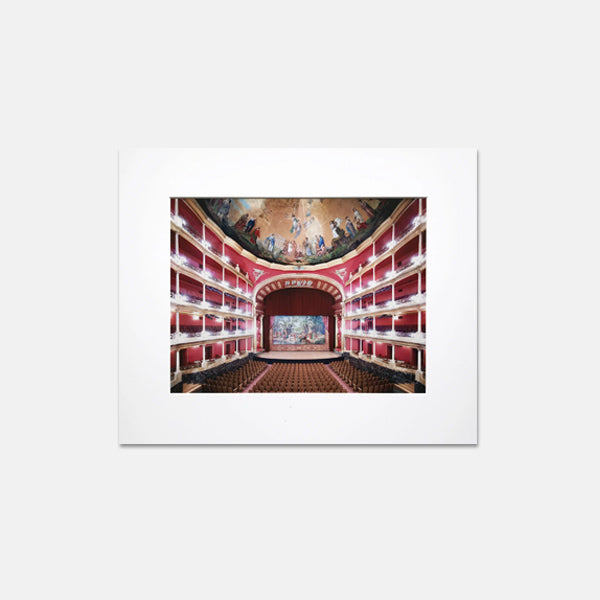
Candida Höfer’s artistic practice is defined by systematic observation and rigorous compositional control. Her photographs typically depict libraries, museums, theaters, archives, and other institutional interiors, rendered with clarity, symmetry, and restrained neutrality.
Human presence is usually absent, allowing architecture, furnishings, and spatial organization to become the primary subjects. This absence heightens attention to structure, function, and the implicit rules governing public space.
Höfer’s use of large-format photography emphasizes detail and scale, encouraging prolonged viewing and analytical engagement.
Key Themes and Motifs
Central to Höfer’s work are themes of order, knowledge, and cultural authority. Her images explore how institutions shape behavior, perception, and access through architectural design.
Motifs such as reading rooms, shelves, seating arrangements, and corridors recur throughout her practice. These elements function as visual systems rather than narrative settings.
By isolating space from activity, Höfer transforms functional environments into sites of contemplation and critique.
Historical and Cultural Context
Höfer’s practice developed within the pedagogical framework of Bernd and Hilla Becher at the Kunstakademie Düsseldorf, which emphasized typology, precision, and objectivity.
While sharing this methodological foundation, Höfer diverged by focusing on interior spaces rather than industrial structures, shifting attention toward cultural institutions and their role in knowledge production.
Her work reflects broader postwar concerns with systems, bureaucracy, and the visual language of authority.
Architecture, Space, and Institutional Order
Architecture functions as both subject and structure in Höfer’s work. Her photographs reveal how spatial design encodes hierarchy, discipline, and access.
Careful attention to perspective, symmetry, and lighting reinforces the sense of control and permanence associated with institutional environments.
Rather than critiquing directly, Höfer allows architecture to speak through its own visual logic.
Editions and Works on Paper
Editioned photographic prints form the core of Candida Höfer’s output. Works are produced in carefully controlled editions that emphasize scale, surface quality, and tonal consistency.
Works on paper and smaller-format prints provide alternative modes of engagement while maintaining the conceptual rigor of her larger photographs.
Editions are conceived as autonomous works that preserve the analytical clarity central to her practice.
Market and Circulation Context
Candida Höfer’s work circulates within a firmly established institutional and market framework. Her photographs are widely collected by museums, corporate collections, and private collectors.
Editioned works play a central role in the circulation of her practice, aligning with the reproducible nature of photography while maintaining scarcity and control.
Within the contemporary art ecosystem, Höfer’s work is regarded as foundational to architectural and conceptual photography.
Institutional Exhibitions and Collections
Höfer has been the subject of numerous solo exhibitions and major retrospective presentations at leading museums worldwide. These exhibitions often emphasize seriality, scale, and architectural context.
Her work has been exhibited at institutions including the Museum of Modern Art, New York; Tate Modern, London; the Centre Pompidou, Paris; and the Kunstsammlung Nordrhein-Westfalen.
Höfer’s photographs are held in major public collections globally, where they occupy a central position in narratives of contemporary photography.
Position within Contemporary Art
Within contemporary art, Candida Höfer occupies a pivotal position as an artist who transformed architectural photography into a tool for cultural analysis.
By combining formal precision with conceptual restraint, her practice continues to influence artists working with space, systems, and institutional critique.
Editorial Note
This editorial page provides a structured overview of Candida Höfer’s artistic practice, thematic concerns, institutional context, and market circulation, with particular attention to her photographic investigation of public space.
Selected works by Candida Höfer are available through our collection.
The Art of Printmaking
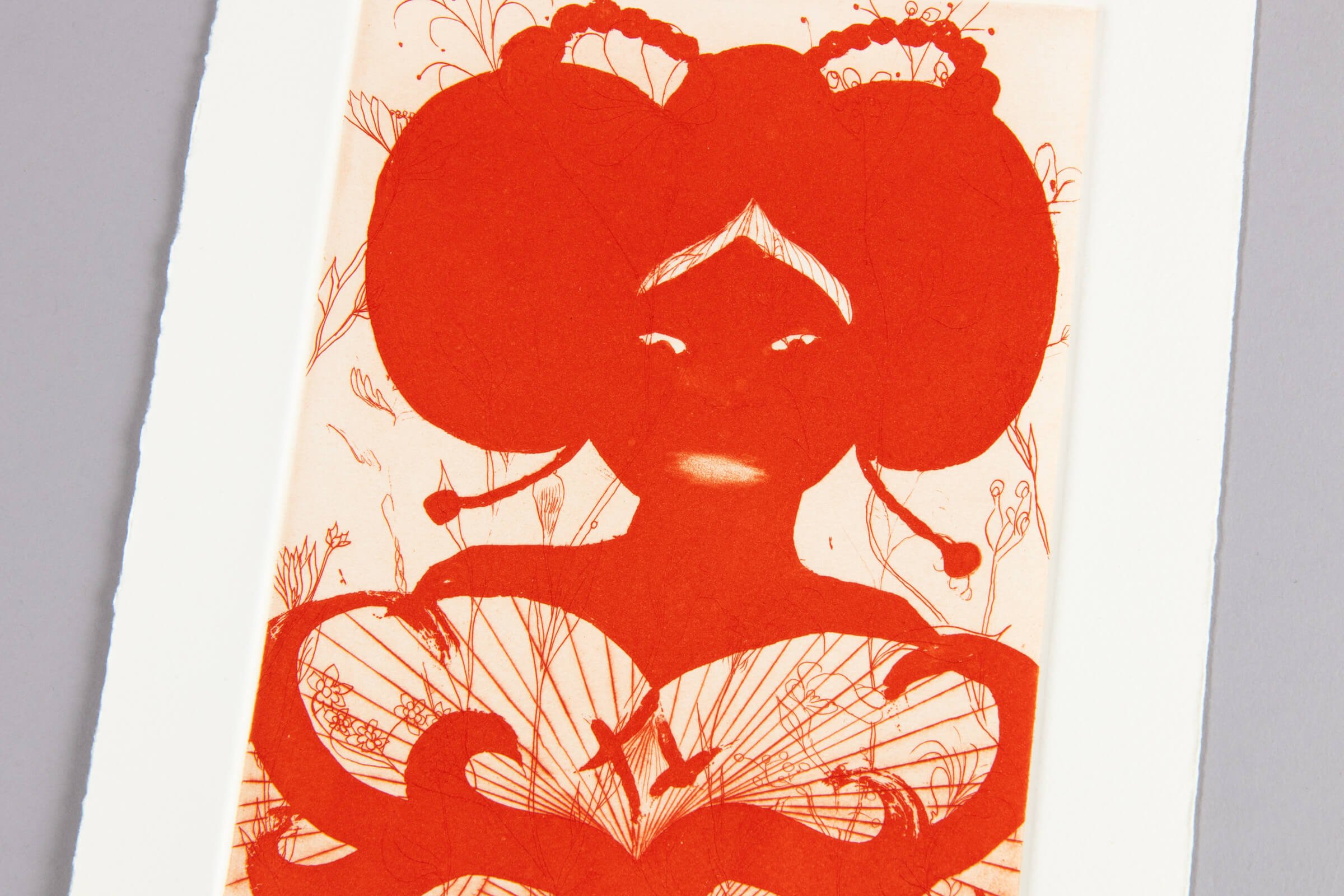
From the precise lines of woodcuts to the velvety depth of lithographs. Discover a curated selection of editioned works on paper that celebrate the unique texture and heritage of traditional print media.
The Photographic Image
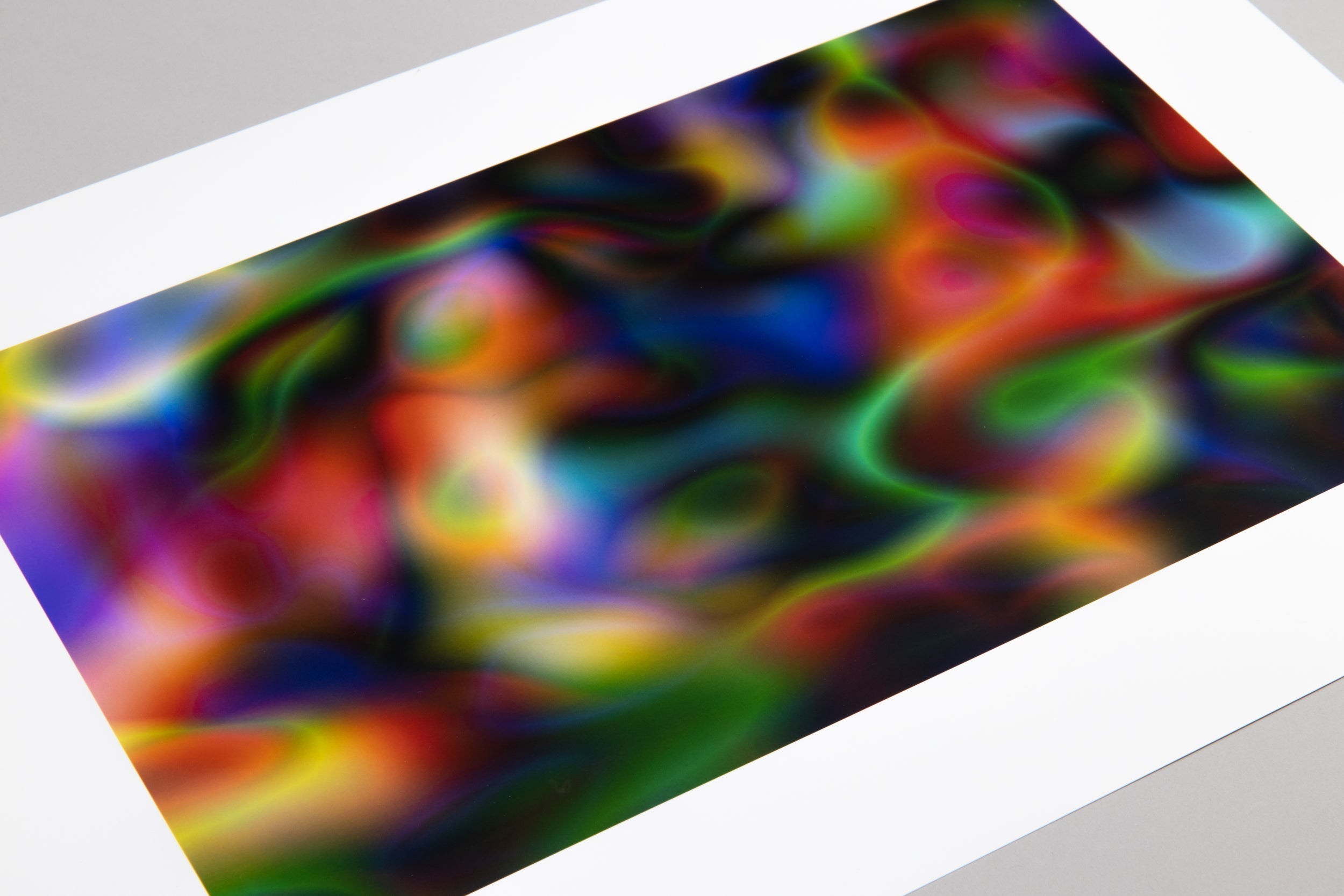
Explore contemporary photography through the lens of precision and scale. Our collection features exceptional photo editions that investigate the boundaries of representation and spatial order.
The Sculptural Multiple
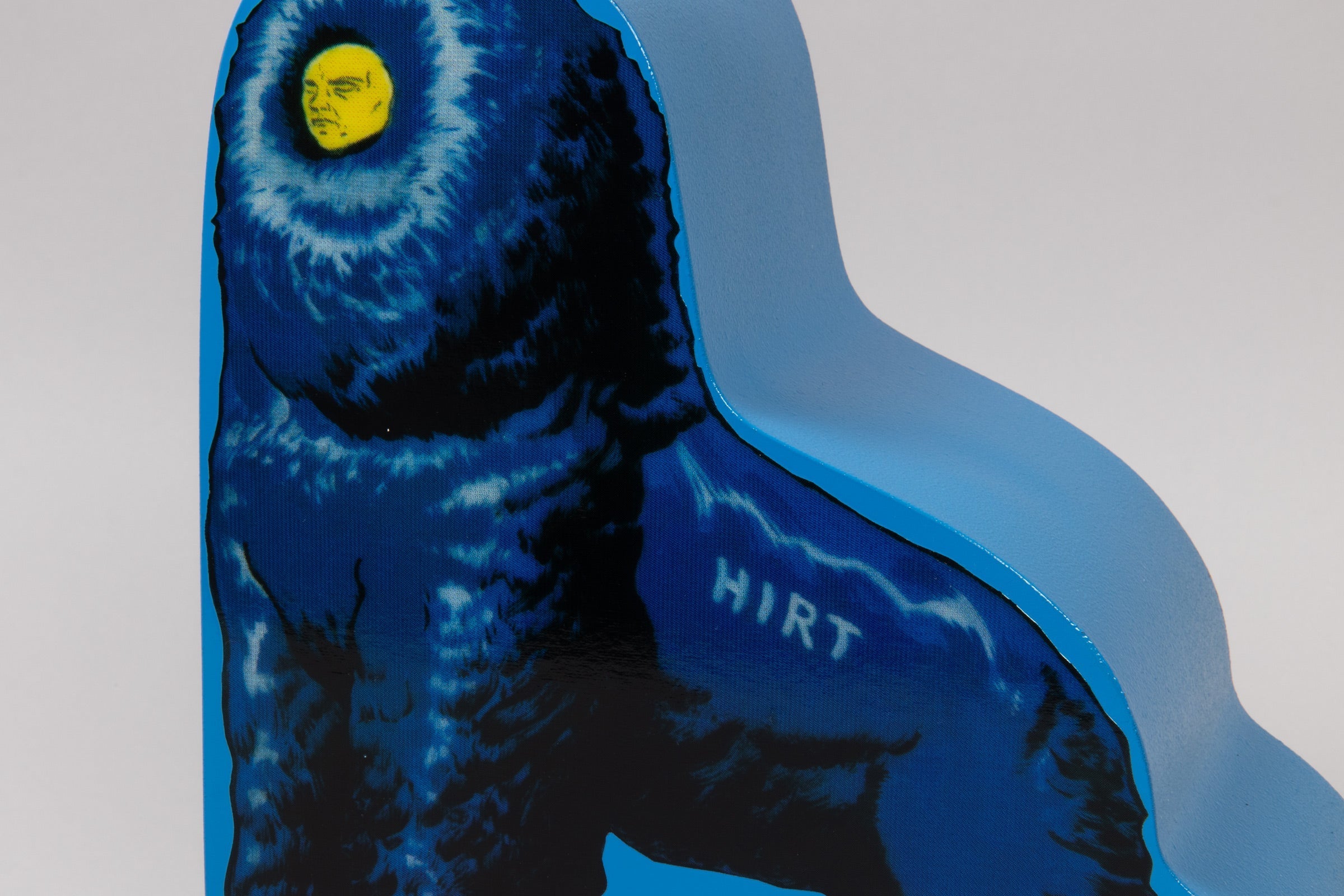
Art beyond the pedestal. Discover three-dimensional objects designed to circulate ideas in space. These works bridge the gap between sculpture and the everyday, making radical art accessible.


