


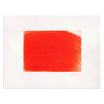
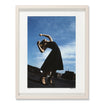
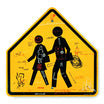
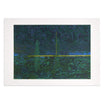

Thomas Ruff (born 1958, Zell am Harmersbach, Germany) is a contemporary photographer whose work has fundamentally expanded the conceptual and technical possibilities of the photographic image. Working across large-scale photography, digitally manipulated images, and image-based series, Ruff has developed a practice that interrogates perception, representation, and the conditions under which images are produced and consumed.
Associated with the Düsseldorf School of Photography, Ruff emerged in the late 1980s alongside a generation of artists who approached photography with analytical distance and formal rigor. His work has been exhibited internationally and is held in major public collections, positioning him as a central figure in contemporary photographic practice.
Artistic Practice
Thomas Ruff’s practice is defined by a sustained investigation of photography as both medium and system. Rather than treating photographs as transparent records of reality, Ruff examines their construction, circulation, and technological foundations.
His work is organized into distinct series, each governed by specific conceptual and technical parameters. These series often involve systematic manipulation of scale, resolution, color, and digital processing, foregrounding the image as an object shaped by tools, protocols, and visual conventions.
Across his practice, Ruff maintains a deliberate neutrality, allowing structural decisions to determine the visual outcome rather than expressive gesture.
Key Themes and Motifs
Central to Ruff’s work are themes of perception, objectivity, and the limits of photographic truth. His images frequently challenge assumptions about realism, clarity, and authenticity.
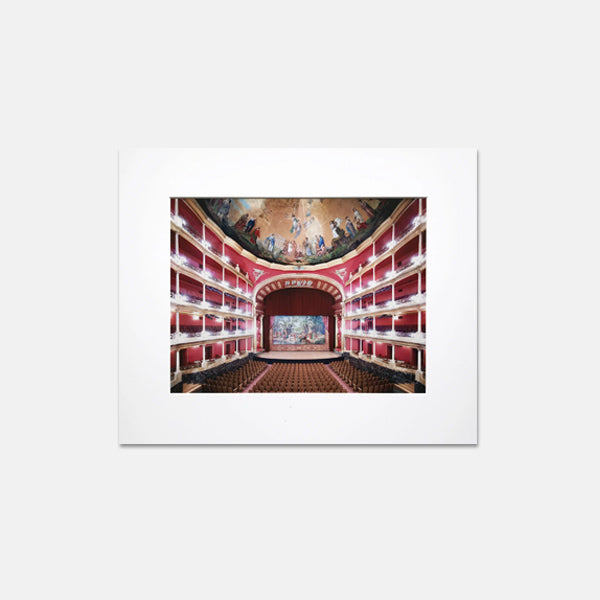
Motifs vary widely across series, ranging from portraiture and architectural imagery to night skies, internet-sourced images, and abstract digital compositions. Despite this diversity, Ruff’s work remains unified by its focus on how images function rather than what they depict.
Repetition, seriality, and analytical distance recur as guiding principles, reinforcing the conceptual framework of his practice.
Historical and Cultural Context
Ruff’s practice developed within the context of postwar German photography, particularly the pedagogical environment shaped by Bernd and Hilla Becher at the Kunstakademie Düsseldorf. This context emphasized typology, precision, and systematic observation.
While grounded in this tradition, Ruff extended its principles into the digital era, engaging with emerging technologies and the growing influence of electronic and networked images.
His work reflects broader cultural shifts toward image saturation, data circulation, and the erosion of photographic indexicality in contemporary visual culture.
Series, Technology, and Digital Image-Making
Series play a central role in Ruff’s practice. Each body of work establishes a set of rules that govern image production, whether through camera-based photography, digital manipulation, or the appropriation of existing imagery.
Ruff has consistently engaged with technological developments, including digital enlargement, image compression, and algorithmic processes. These strategies expose the material and informational structures underlying photographic images.
By foregrounding technology, Ruff situates photography within a broader field of visual systems rather than as a purely optical medium.
Editions and Works on Paper
Editions and works on paper form a significant component of Thomas Ruff’s output. Photographic prints are often produced in carefully controlled editions that emphasize scale, surface, and technical precision.
Works on paper allow Ruff to explore variations within series while maintaining strict adherence to conceptual parameters. Editions are conceived as integral components of his practice rather than secondary reproductions.
Through editions, Ruff’s investigations into image systems achieve broader circulation across institutional and private contexts.
Market and Circulation Context
Thomas Ruff’s work circulates within a firmly established institutional and market framework. His photographs are widely collected and regularly presented in museum exhibitions and international surveys.
Large-scale photographic works and editioned series play complementary roles within the market, reflecting the conceptual coherence and technical consistency of his practice.
Within the contemporary art ecosystem, Ruff’s work is regarded as foundational to discussions of photography in the digital age.
Institutional Exhibitions and Collections
Ruff has been the subject of numerous major solo exhibitions and retrospectives at museums and institutions worldwide. These presentations often emphasize the serial structure of his practice and its engagement with technological change.
His work has been exhibited at institutions including the Museum of Modern Art, New York; Tate Modern, London; the Centre Pompidou, Paris; and the Städel Museum, Frankfurt.
Ruff’s photographs are held in major public collections globally, where they are positioned within narratives of contemporary photography and conceptual art.
Position within Contemporary Art
Within contemporary art, Thomas Ruff occupies a pivotal position as an artist who expanded photography beyond documentary and expressive models into a conceptual and technological field of inquiry.
By treating images as systems shaped by tools, rules, and circulation, his practice continues to influence artists working with photography, digital media, and image-based art.
Editorial Note
This editorial page provides a structured overview of Thomas Ruff’s artistic practice, thematic concerns, institutional context, and market circulation, with particular attention to his engagement with photographic systems and digital image-making.
Selected works by Thomas Ruff are available through our collection.
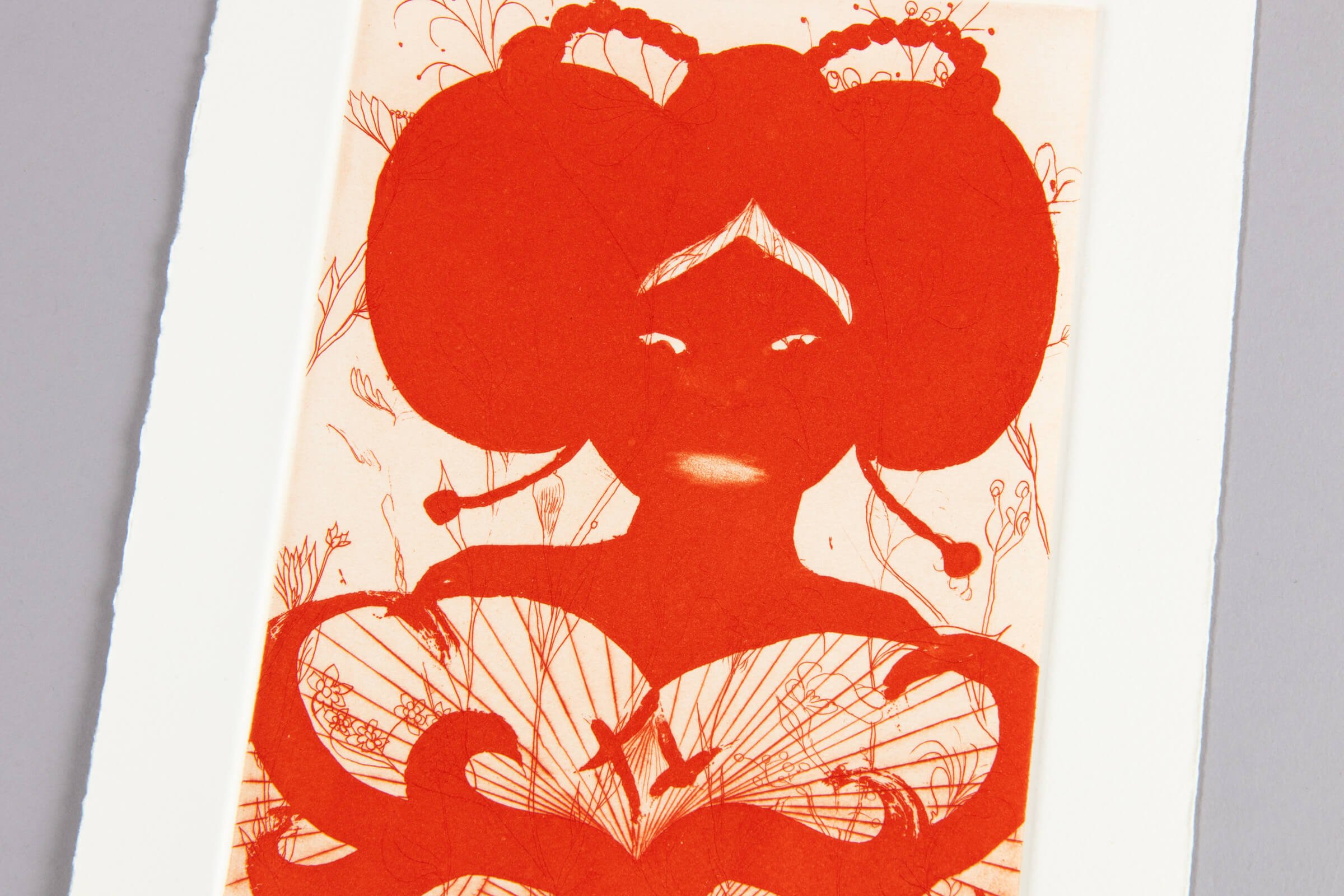
The Art of Printmaking
From the precise lines of woodcuts to the velvety depth of lithographs. Discover a curated selection of editioned works on paper that celebrate the unique texture and heritage of traditional print media.
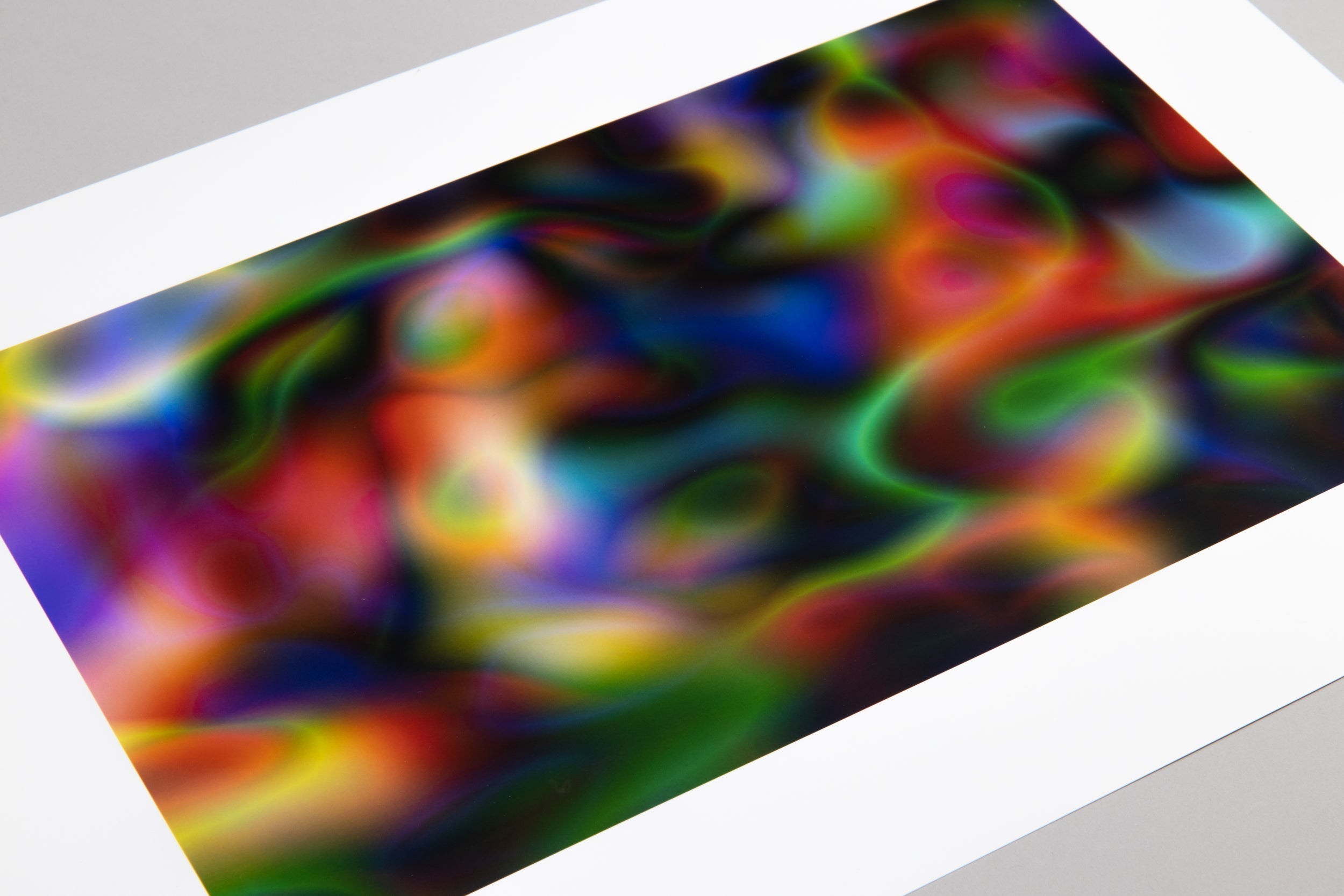
The Photographic Image
Explore contemporary photography through the lens of precision and scale. Our collection features exceptional photo editions that investigate the boundaries of representation and spatial order.
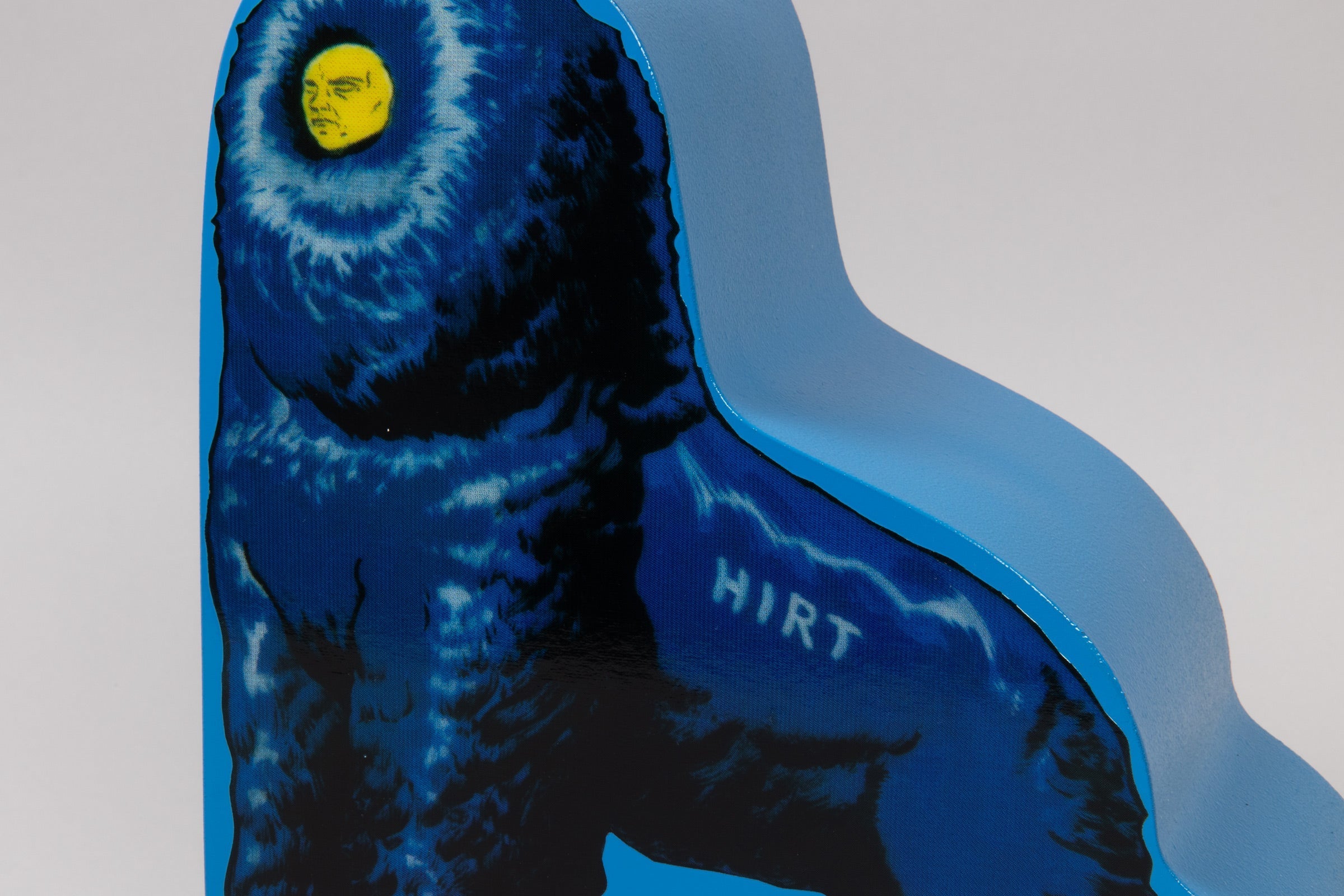
The Sculptural Multiple
Art beyond the pedestal. Discover three-dimensional objects designed to circulate ideas in space. These works bridge the gap between sculpture and the everyday, making radical art accessible.


