


Gilbert & George are a British artist duo, formed in London in the late 1960s, whose work has consistently challenged the boundaries between art and life. Working collaboratively across performance, photography, drawing, and large-scale photographic works, they developed a practice in which the artists themselves function as both subjects and authors.
Emerging from a conceptual and performative framework, Gilbert & George positioned art as a total practice, rejecting traditional distinctions between medium, persona, and daily existence. Their work has been exhibited internationally and is held in major public collections, establishing them as central figures in contemporary art.
Artistic Practice
Gilbert & George’s artistic practice is grounded in the idea of “living sculpture,” a concept that collapses the separation between art production and everyday life. From early performances to later photographic works, they present themselves as constant protagonists within their work.
Their practice evolved from live performance and drawing into meticulously composed, large-scale photographic panels. These works are constructed through complex digital processes but retain a formal rigidity and iconic presence.
Across all phases of their work, control, repetition, and consistency are central, reinforcing art as a lifelong commitment rather than a discrete activity.
Key Themes and Motifs
Central to Gilbert & George’s work are themes of identity, morality, religion, sexuality, nationalism, and social conflict. Their imagery frequently confronts taboos and contested values within contemporary society.
Recurring motifs include the artists’ own figures, urban signage, bodily fluids, religious symbols, flowers, and architectural fragments. These elements are arranged within grid-like compositions that emphasize order and confrontation.
The directness of their imagery is intentional, positioning the viewer in an ethical and emotional dialogue rather than offering interpretive distance.
Historical and Cultural Context
Gilbert & George’s practice developed in postwar Britain amid shifting social norms, political tension, and debates around public morality. Their work reflects sustained engagement with the cultural realities of urban life, particularly in London’s East End.
Rejecting irony and ambiguity, they positioned themselves against both modernist formalism and detached conceptualism, insisting on art’s direct engagement with lived experience.
Their practice has remained intentionally provocative, addressing social change without adopting a neutral or academic tone.
Photography, Scale, and Formal Structure
Photography became the dominant medium in Gilbert & George’s practice from the 1980s onward. Their photographic works are characterized by bold color, high contrast, and precise compositional grids.
Scale is central to their visual strategy. Large-format works assert physical presence and demand confrontation rather than passive viewing.
The rigid structural frameworks contrast with the emotional and political intensity of the imagery, reinforcing tension between control and excess.
Persona, Performance, and Authorship
The artists’ public personas are inseparable from their work. Appearing consistently in formal attire, they present themselves as unified, disciplined figures.
This self-representation operates as both performance and critique, questioning notions of authorship, individuality, and artistic identity.
By positioning themselves as subjects, Gilbert & George eliminate distance between artist, artwork, and audience.
Editions and Works on Paper
Editioned works and works on paper form an important component of Gilbert & George’s output. These works translate their photographic and graphic language into reproducible formats.
Editions preserve the formal clarity and confrontational presence of their larger works while enabling broader circulation.
They are conceived as autonomous works rather than secondary reproductions.
Market and Circulation Context
Gilbert & George’s work circulates within a firmly established institutional and market framework. Their photographic works, editions, and drawings are widely collected internationally.
Editions provide accessible entry points into their practice while maintaining conceptual and formal consistency.
Within the contemporary art ecosystem, their work is recognized for its sustained coherence and uncompromising stance.
Institutional Exhibitions and Collections
Gilbert & George have been the subject of numerous major retrospectives and solo exhibitions at leading museums worldwide.
Their work has been exhibited at institutions including Tate Modern, London; the Centre Pompidou, Paris; the Museum of Modern Art, New York; and the Stedelijk Museum Amsterdam.
Their work is held in major public collections globally, where it occupies a central position in narratives of contemporary art.
Position within Contemporary Art
Within contemporary art, Gilbert & George occupy a distinctive position as artists who erased boundaries between art, life, and identity.
By sustaining a unified artistic vision over decades, their practice continues to influence artists engaged with performance, self-representation, and social critique.
Editorial Note
This editorial page provides a structured overview of Gilbert & George’s artistic practice, thematic concerns, institutional context, and market circulation, with particular attention to their concept of living sculpture.
Selected works by Gilbert & George are available through our collection.
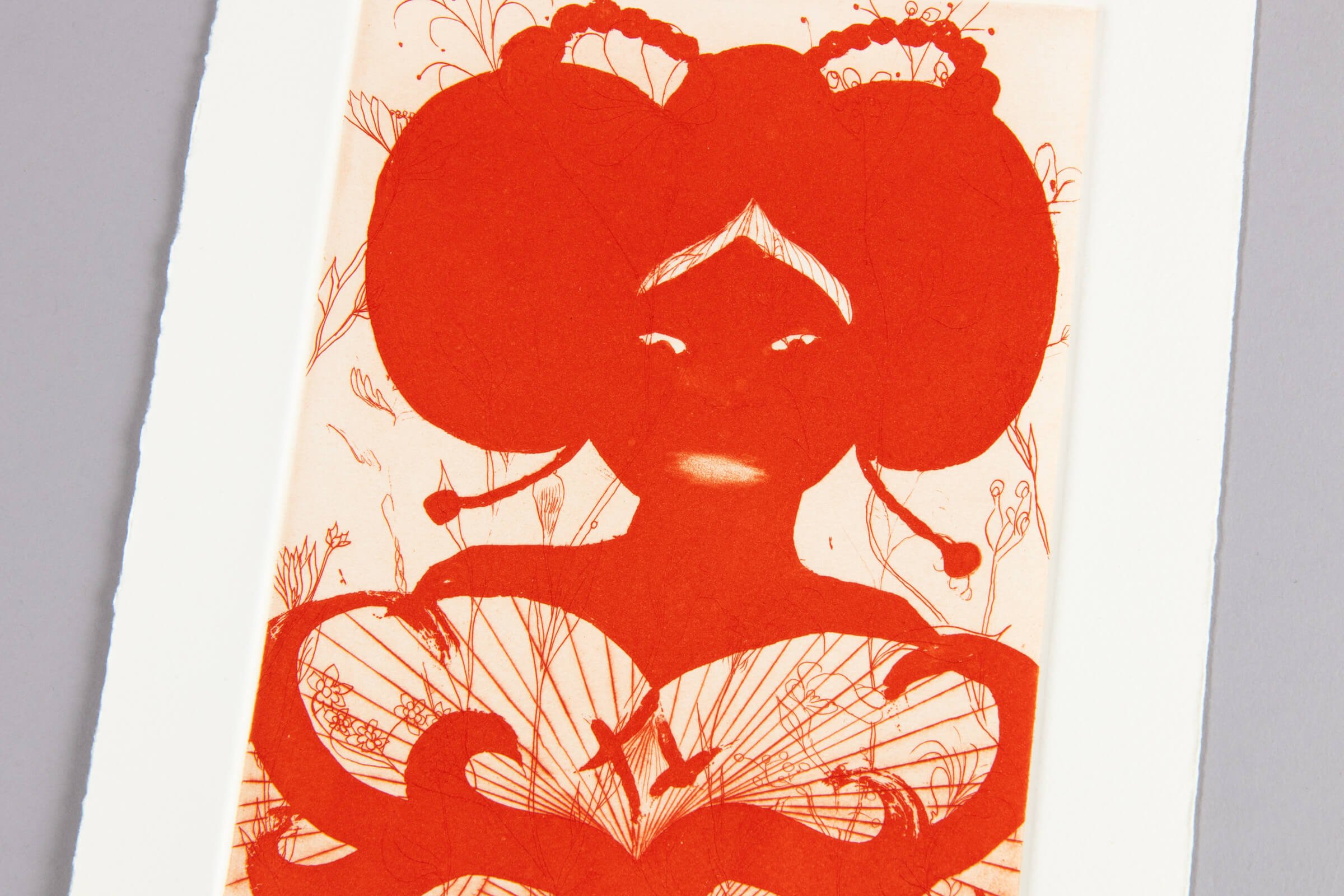
The Art of Printmaking
From the precise lines of woodcuts to the velvety depth of lithographs. Discover a curated selection of editioned works on paper that celebrate the unique texture and heritage of traditional print media.
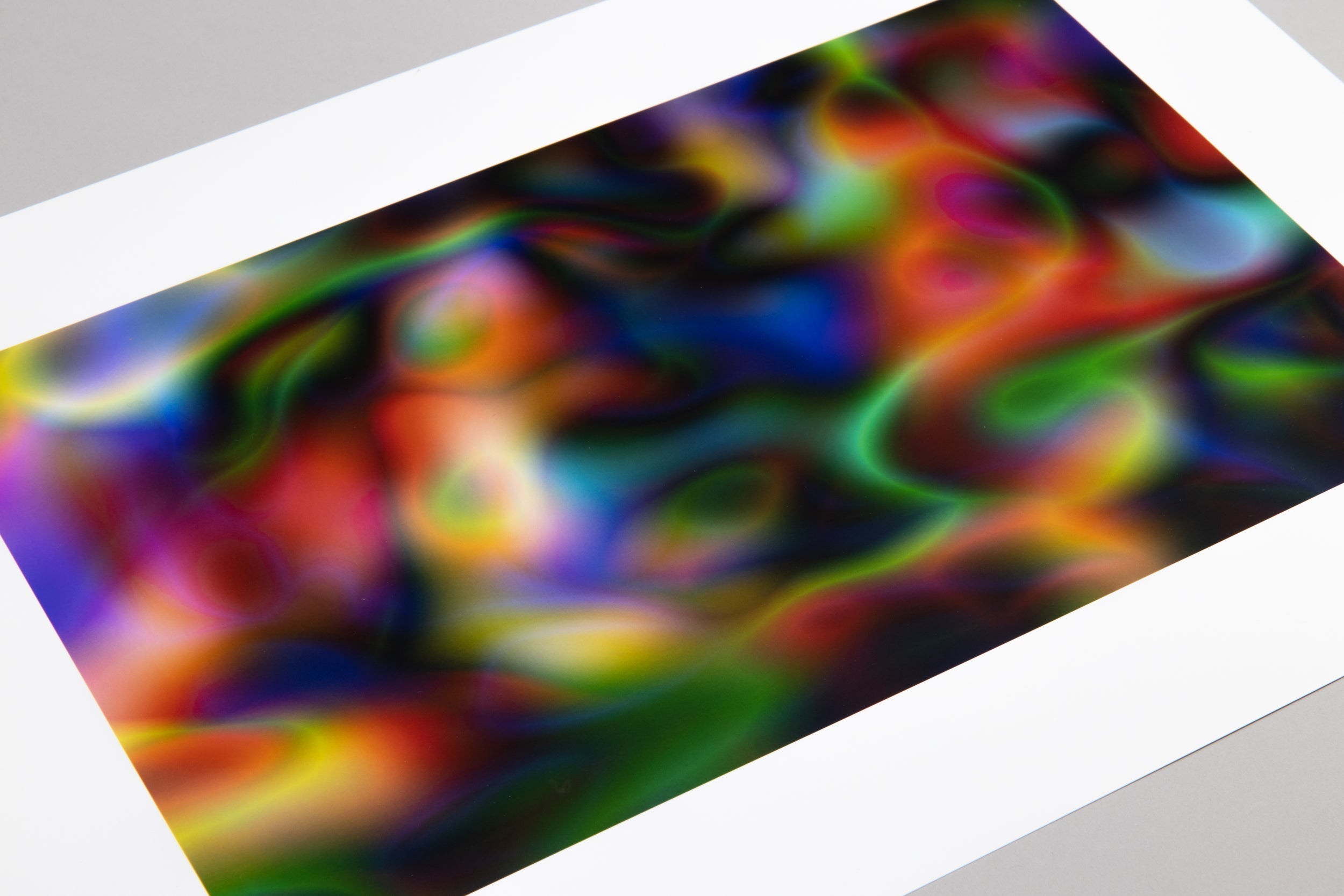
The Photographic Image
Explore contemporary photography through the lens of precision and scale. Our collection features exceptional photo editions that investigate the boundaries of representation and spatial order.
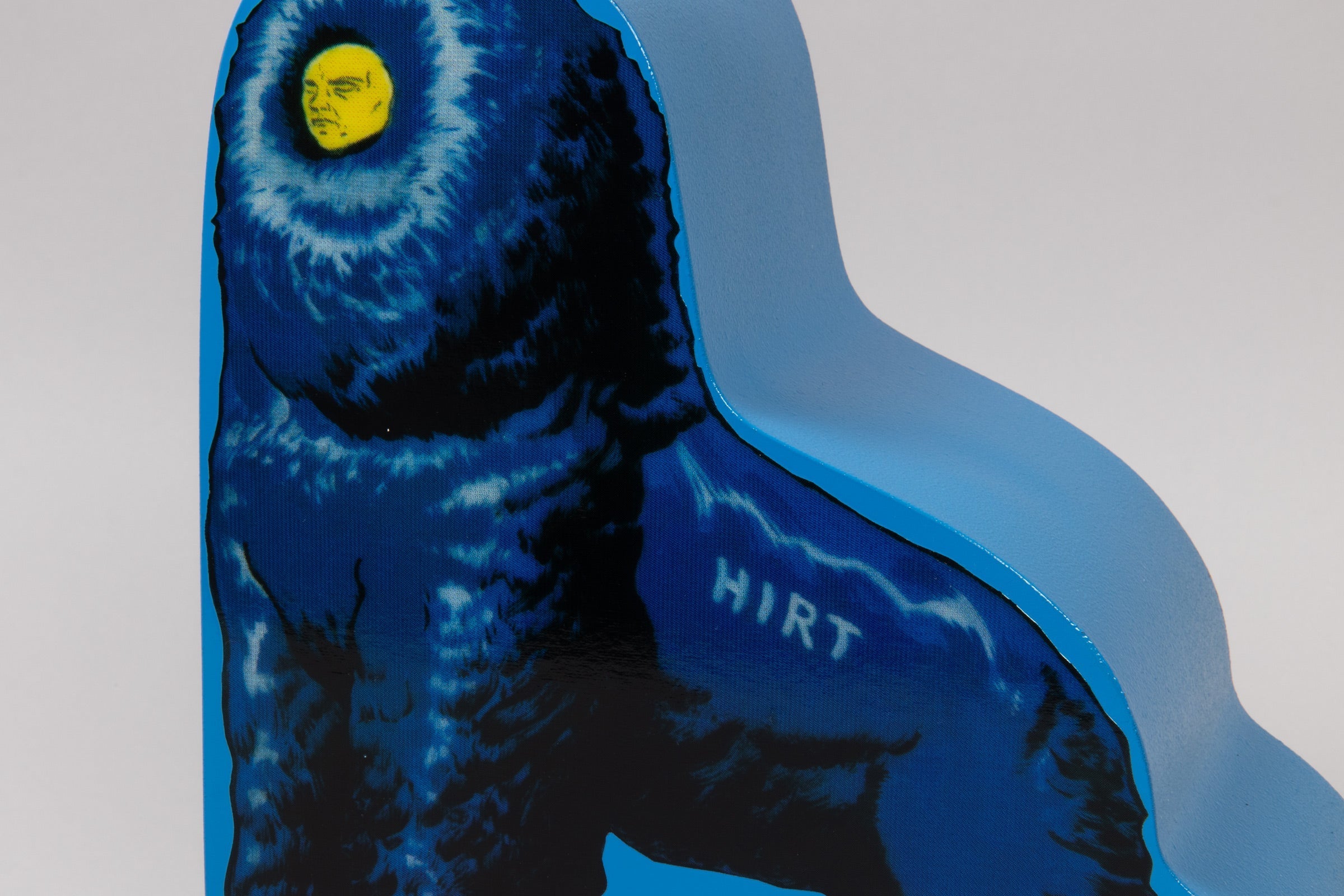
The Sculptural Multiple
Art beyond the pedestal. Discover three-dimensional objects designed to circulate ideas in space. These works bridge the gap between sculpture and the everyday, making radical art accessible.


