
Richard Prince (born 1949, Panama Canal Zone) is a contemporary artist whose work fundamentally redefined authorship, originality, and image circulation within postwar art. Working across photography, painting, drawing, sculpture, and text, Prince developed a practice centered on appropriation as both method and critique.
Emerging in the late 1970s as a key figure within the Pictures Generation, Prince became known for rephotographing existing images drawn from advertising, mass media, and popular culture. His work has been exhibited internationally and is held in major public collections, positioning him as one of the most influential artists in contemporary art discourse.
Artistic Practice
Richard Prince’s artistic practice is grounded in the act of appropriation. By isolating, reframing, and reproducing existing images, he interrogates the mechanisms through which meaning, desire, and value are produced.
Rather than altering images through formal transformation, Prince often presents them with minimal intervention. This strategic restraint shifts focus from aesthetic manipulation to contextual displacement.
Across media, his practice challenges conventional definitions of creativity, ownership, and originality.
Key Themes and Motifs
Central to Prince’s work are themes of authorship, masculinity, desire, and cultural myth-making. His imagery frequently engages with stereotypes embedded in advertising and popular media.
Recurring motifs include cowboys, motorcycles, jokes, nurses, pulp fiction imagery, and social media content. These subjects function as cultural symbols rather than personal narratives.
The repetition of motifs underscores the circulation and normalization of images within consumer culture.
Historical and Cultural Context
Prince’s practice developed alongside a generation of artists who critically examined the role of mass media in shaping perception. As part of the Pictures Generation, his work engaged directly with photography’s claim to authenticity.
Drawing from advertising and mass communication, Prince exposed the ideological structures embedded within images designed to persuade.
His work reflects late twentieth-century skepticism toward originality and the authority of the artist.
Appropriation and Rephotography
Rephotography is central to Prince’s early work. By photographing printed images rather than producing original scenes, he emphasized mediation over representation.
The removal of text and branding isolates visual codes associated with desire, freedom, and identity.
This process transforms familiar imagery into objects of critical examination.
Painting, Text, and Joke Works
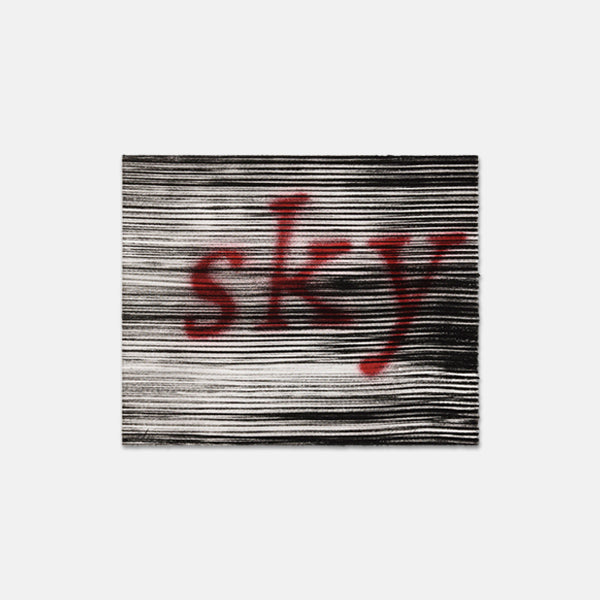
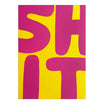
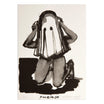
From the 1980s onward, Prince expanded his practice into painting and text-based works. Joke paintings present humor as both social mechanism and cultural artifact.
Text is rendered in expressive, often deliberately awkward forms, emphasizing delivery over punchline.
These works explore language as a vehicle for power, discomfort, and collective identity.
Nurses, Figures, and Fictional Imagery
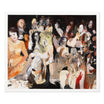
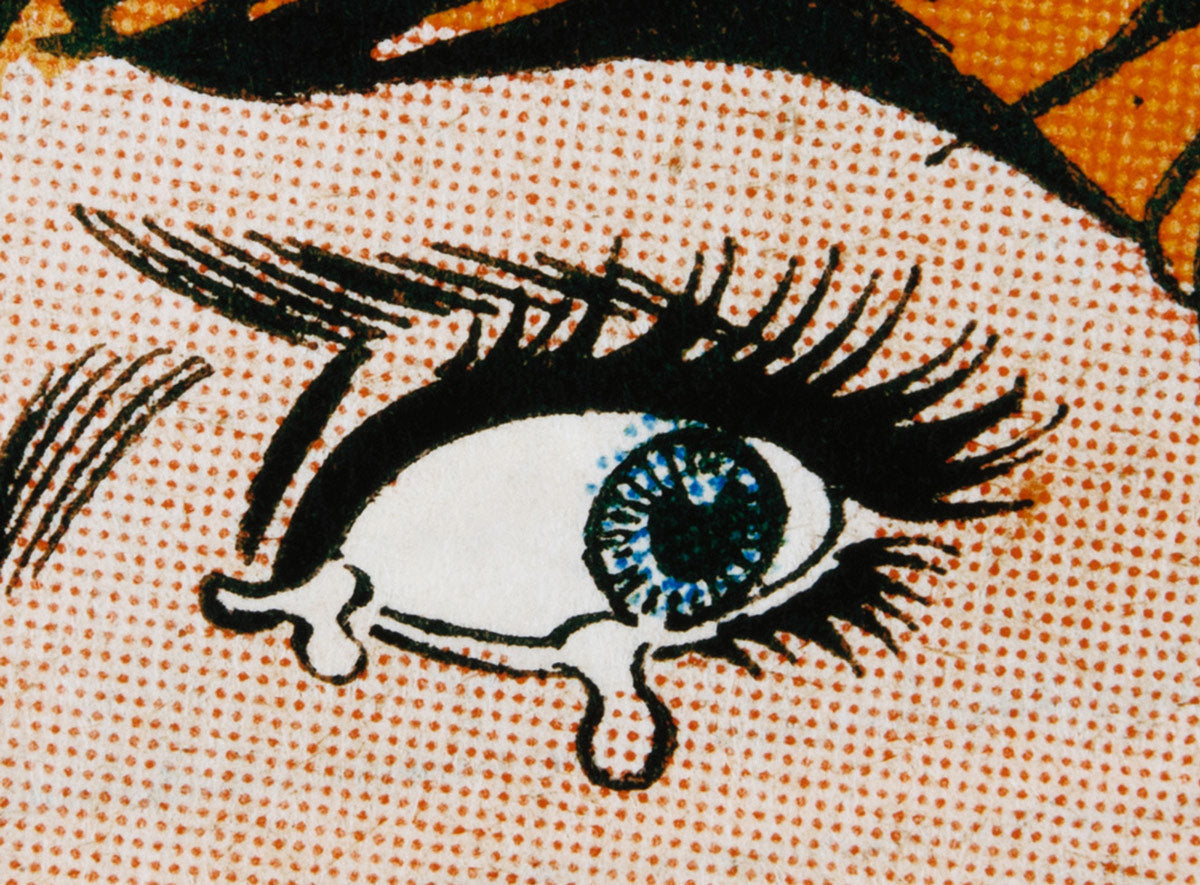
Prince’s Nurse paintings revisit pulp fiction imagery, merging eroticism, fantasy, and abstraction. Figures are rendered through layered paint and expressive color.
These works blur distinctions between representation and invention, appropriation and transformation.
By reworking commercial imagery through painting, Prince complicates his earlier photographic strategies.
Social Media and Contemporary Image Circulation
In later works, Prince turned to social media as source material. Screenshots and re-presented digital images reflect contemporary modes of self-representation.
These works extend his critique of authorship into the digital sphere, addressing visibility, consent, and reproduction.
The shift underscores the evolving nature of image circulation.
Editions and Works on Paper
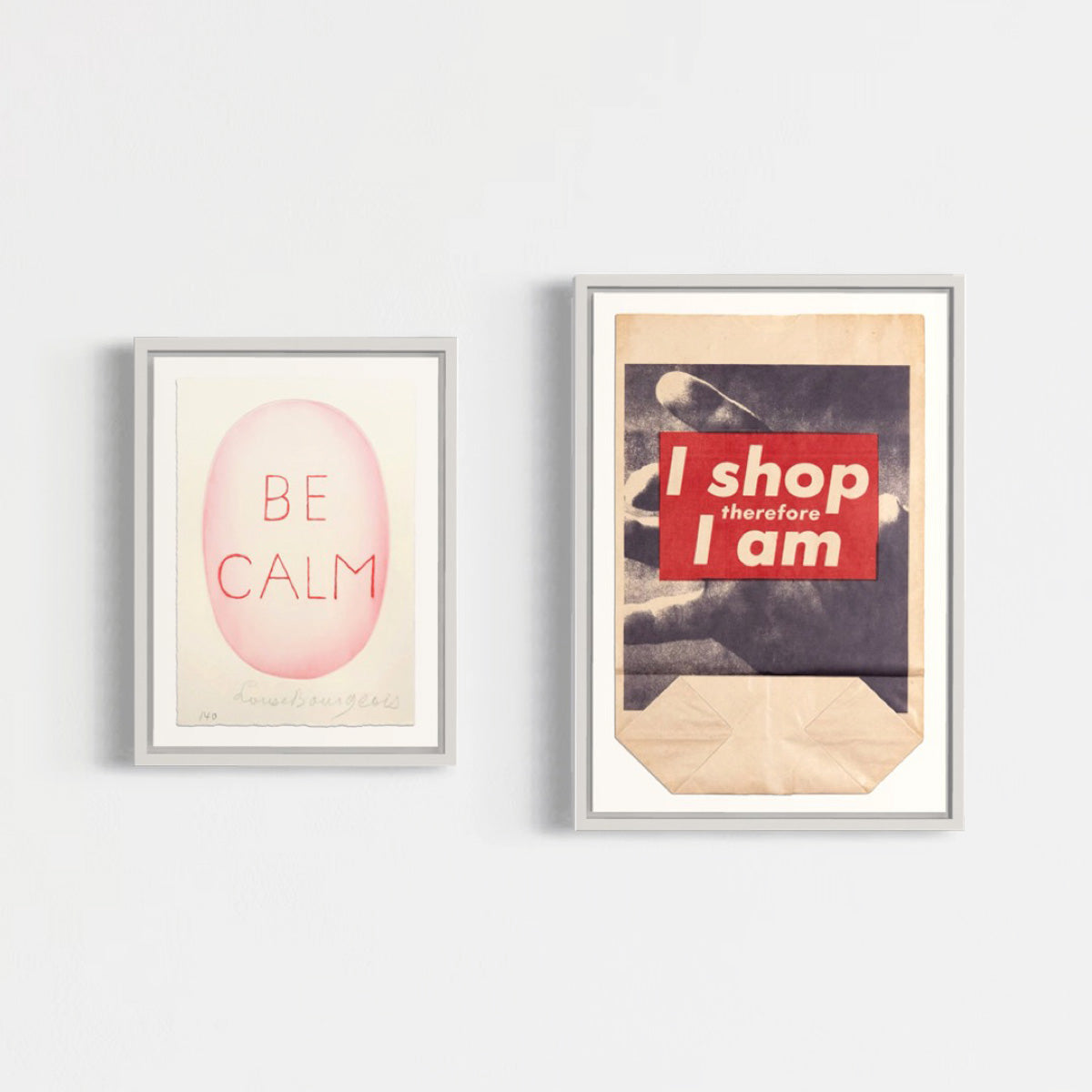
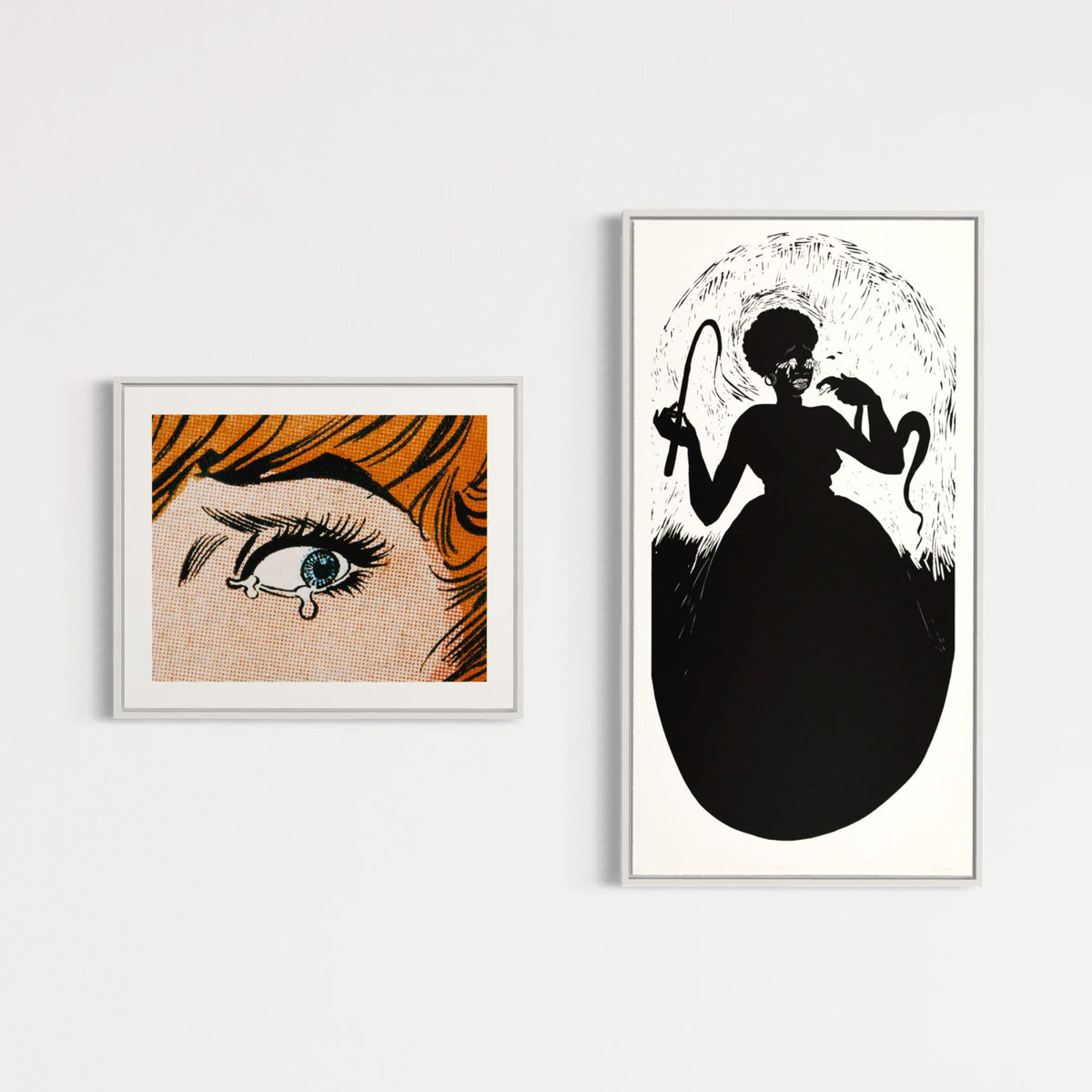
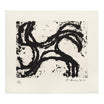
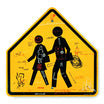
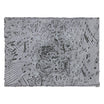
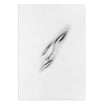
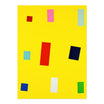
Works on paper and editioned prints form an important component of Richard Prince’s output. These works emphasize repetition, seriality, and distribution.
Editions allow key conceptual strategies to circulate beyond unique works.
They are conceived as autonomous works rather than reproductions.
Market and Circulation Context
Richard Prince’s work occupies a complex position within the art market, shaped by debates around value, authorship, and legality.
His photographs, paintings, and editions are widely collected and frequently discussed within institutional and commercial contexts.
Within the contemporary art ecosystem, Prince’s work remains central to ongoing debates about originality and appropriation.
Institutional Exhibitions and Collections
Prince has been the subject of numerous major exhibitions and retrospective presentations at leading museums worldwide.
His work has been exhibited at institutions including the Museum of Modern Art, New York; the Whitney Museum of American Art; Tate Modern, London; and the Solomon R. Guggenheim Museum.
His work is held in major public collections globally.
Position within Contemporary Art
Within contemporary art, Richard Prince occupies a pivotal position as an artist who permanently altered understandings of authorship and originality.
By foregrounding appropriation as artistic strategy, his practice continues to influence artists engaging with media, copyright, and image culture.
Editorial Note
This editorial page provides a structured overview of Richard Prince’s artistic practice, thematic concerns, institutional context, and market circulation, with particular attention to his role in redefining appropriation in contemporary art.
Selected works by Richard Prince are available through our collection.
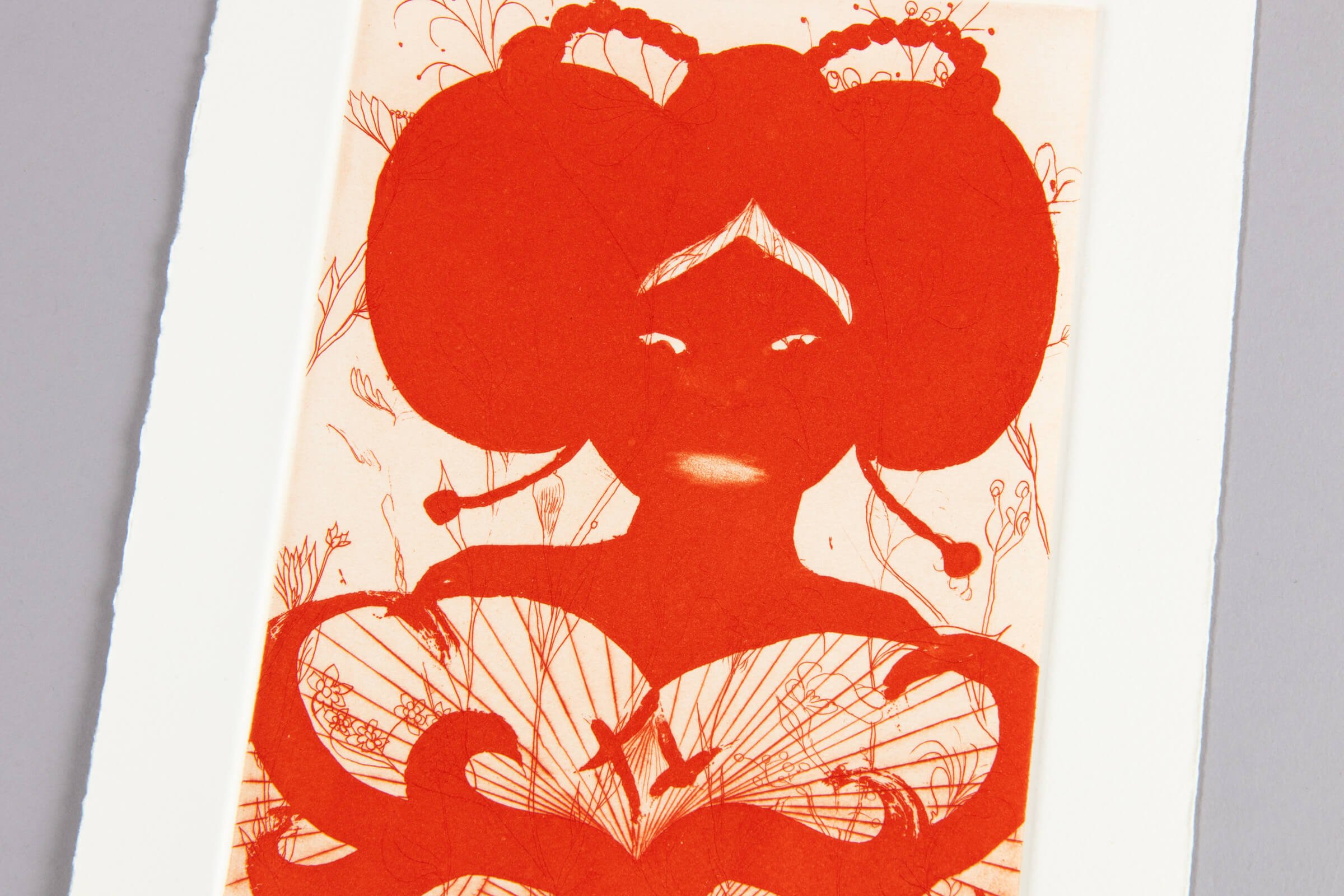
The Art of Printmaking
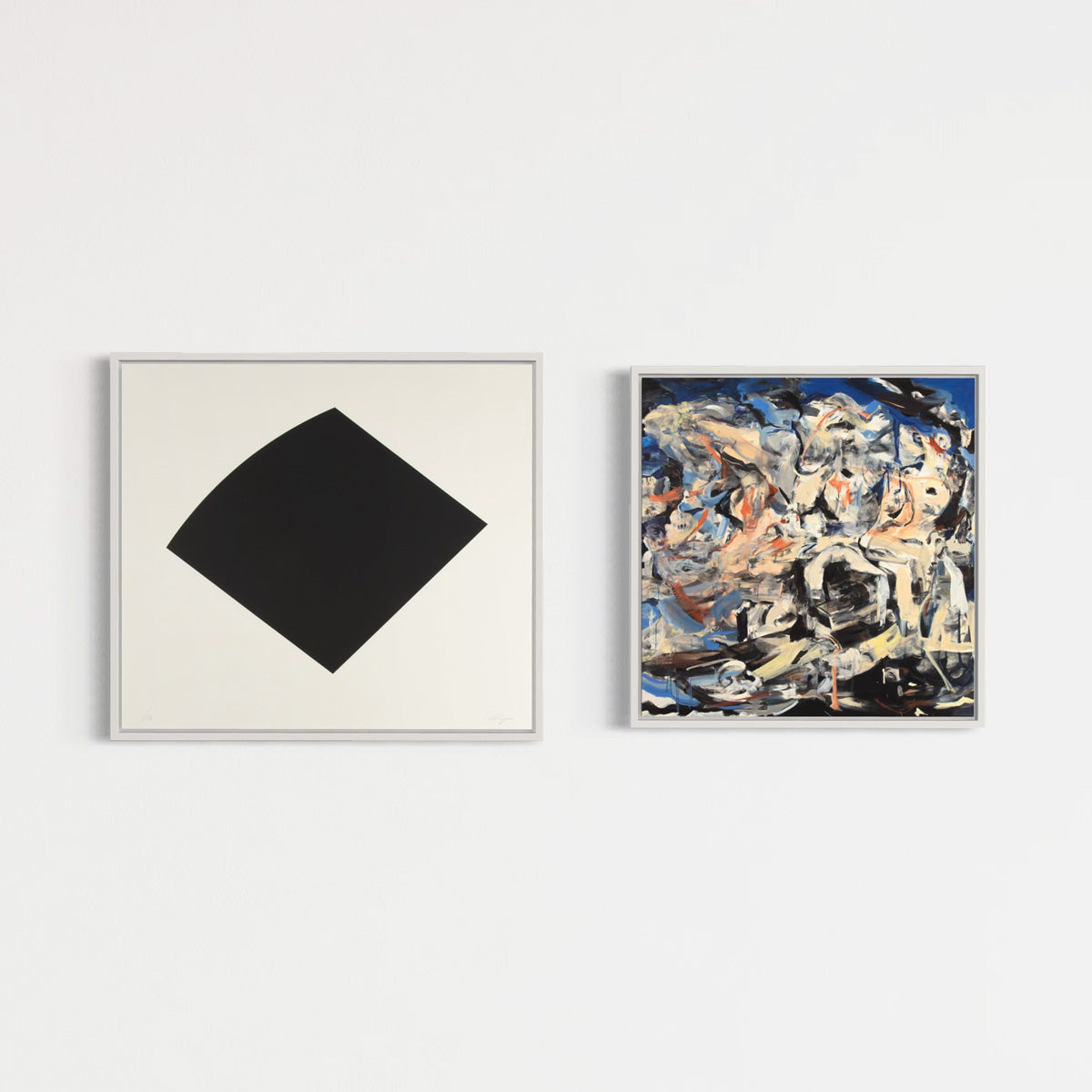
From the precise lines of woodcuts to the velvety depth of lithographs. Discover a curated selection of editioned works on paper that celebrate the unique texture and heritage of traditional print media.
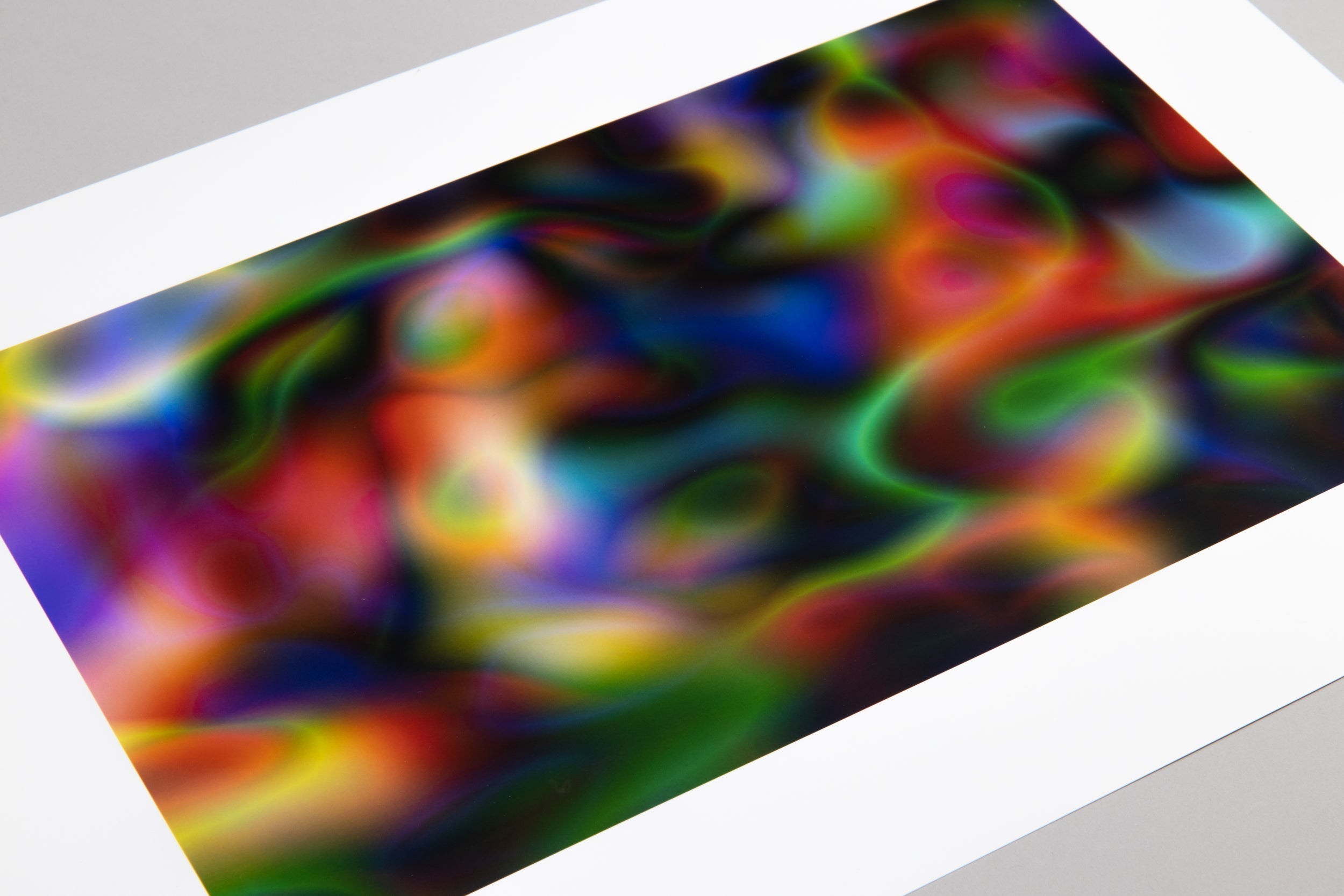
The Photographic Image
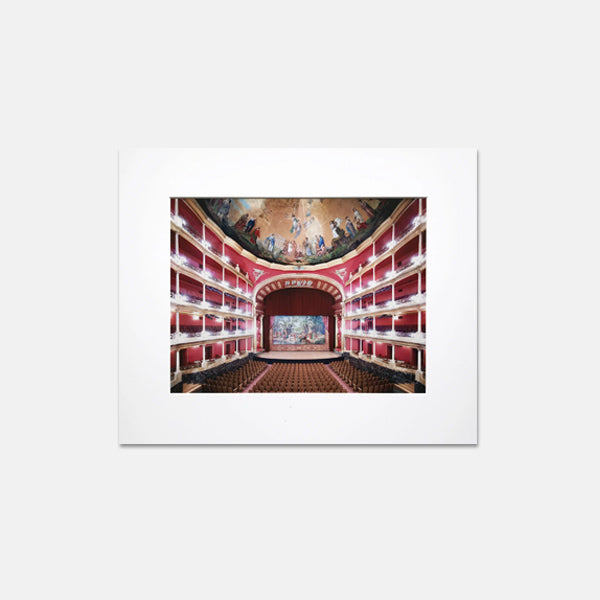
Explore contemporary photography through the lens of precision and scale. Our collection features exceptional photo editions that investigate the boundaries of representation and spatial order.
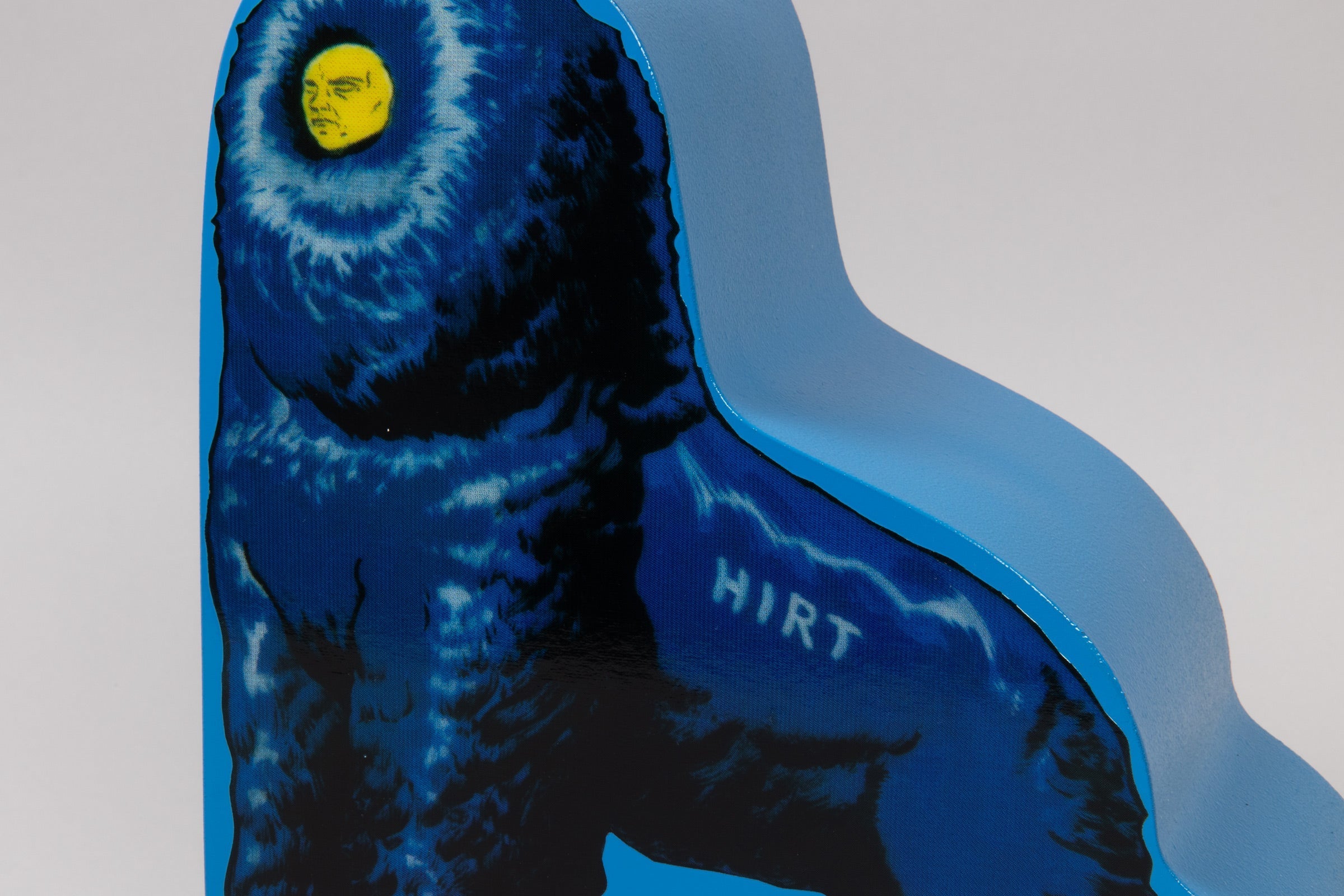
The Sculptural Multiple
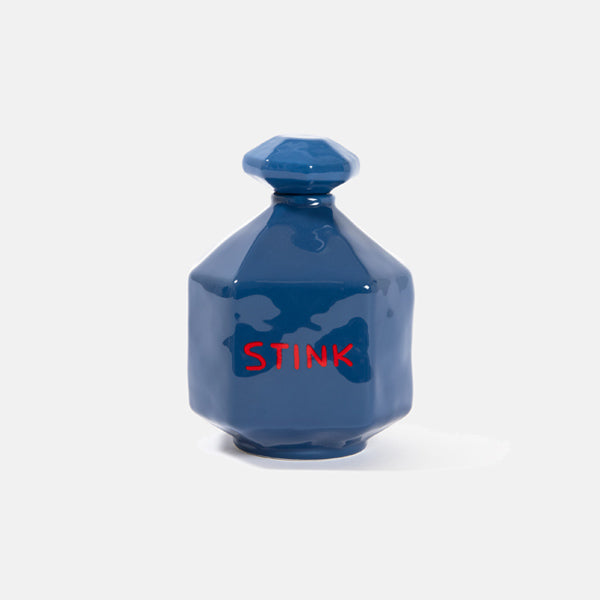
Art beyond the pedestal. Discover three-dimensional objects designed to circulate ideas in space. These works bridge the gap between sculpture and the everyday, making radical art accessible.


