






The Pictures Generation refers to a loosely affiliated group of artists who emerged in the United States in the late 1970s and early 1980s, united by a critical engagement with images drawn from mass media, advertising, cinema, and popular culture. Rather than producing original imagery in a traditional sense, these artists examined how images circulate, acquire meaning, and shape perception within contemporary society.
The term originates from the 1977 exhibition “Pictures” curated by Douglas Crimp, which identified a shift toward appropriation, re-photography, and quotation as central artistic strategies. The Pictures Generation marked a decisive turn toward image critique, positioning representation itself as the primary subject of art.
Historical Context
The emergence of the Pictures Generation coincided with the expansion of mass media, television, and advertising, as well as growing skepticism toward originality and authorship in the wake of Conceptual Art. Artists associated with the movement responded to an image-saturated environment in which meaning was increasingly mediated by reproduction.
Rather than rejecting images, these artists analyzed them, treating photographs, film stills, and printed matter as cultural codes. This approach reflected broader postmodern debates around simulation, authorship, and the instability of meaning.
Appropriation and Re-photography
Appropriation is a defining strategy of the Pictures Generation. By reusing existing images, artists exposed how meaning is produced through framing, context, and repetition rather than through originality.
Richard Prince exemplifies this approach through the re-photographing of advertising imagery, isolating images from their commercial context to reveal the constructed nature of desire, masculinity, and identity.
Cindy Sherman employed staged self-portraiture to examine how femininity and identity are shaped by cinematic and photographic conventions. By inhabiting multiple roles, Sherman revealed identity itself as a performative construct.
Media, Language, and Power
Many artists associated with the Pictures Generation investigated the ideological dimensions of mass media, focusing on how images reinforce systems of power, gender, and consumption.
Barbara Kruger combined appropriated imagery with direct, declarative text, drawing on the visual language of advertising to confront viewers with questions of authority, control, and belief. Her work bridges image critique with political engagement.
Through such strategies, the Pictures Generation transformed familiar visual languages into tools of critical analysis.
Photography and Conceptual Strategies
Photography played a central role within the Pictures Generation, not as a neutral recording device, but as a conceptual medium. Artists used photography to question truth claims, representation, and the status of the image.
Rather than emphasizing technical mastery, these practices foregrounded selection, framing, and context. The photograph became a site of interrogation rather than documentation.
Relationship to Conceptual Art
The Pictures Generation is closely linked to Conceptual Art, inheriting its skepticism toward authorship and originality while reintroducing imagery as a central concern. Conceptual strategies of language, systems, and critique provided the foundation for image-based inquiry.
John Baldessari occupies a pivotal position in this lineage, bridging Conceptual Art and the Pictures Generation through works that combine text, photography, and instruction. His pedagogical influence further shaped a generation of artists working with images.
Legacy and Contemporary Practice
The influence of the Pictures Generation extends well beyond its original historical moment. Its strategies underpin contemporary practices concerned with appropriation, circulation, and the politics of images.
Artists working today continue to engage with mass media, digital imagery, and networked visual culture, adapting the analytical tools of the Pictures Generation to new technological contexts.
Market and Institutional Reception
Artists associated with the Pictures Generation have been extensively exhibited and collected by major museums, securing the movement’s place within the canon of contemporary art.
In the market, photographic works, editions, and works on paper have played a central role, reflecting the movement’s engagement with reproducibility and circulation.
Editorial Note
This editorial page provides an overview of the Pictures Generation, outlining its historical context, key strategies, and lasting impact on contemporary art.
Selected works by artists associated with the Pictures Generation are available through our collection.
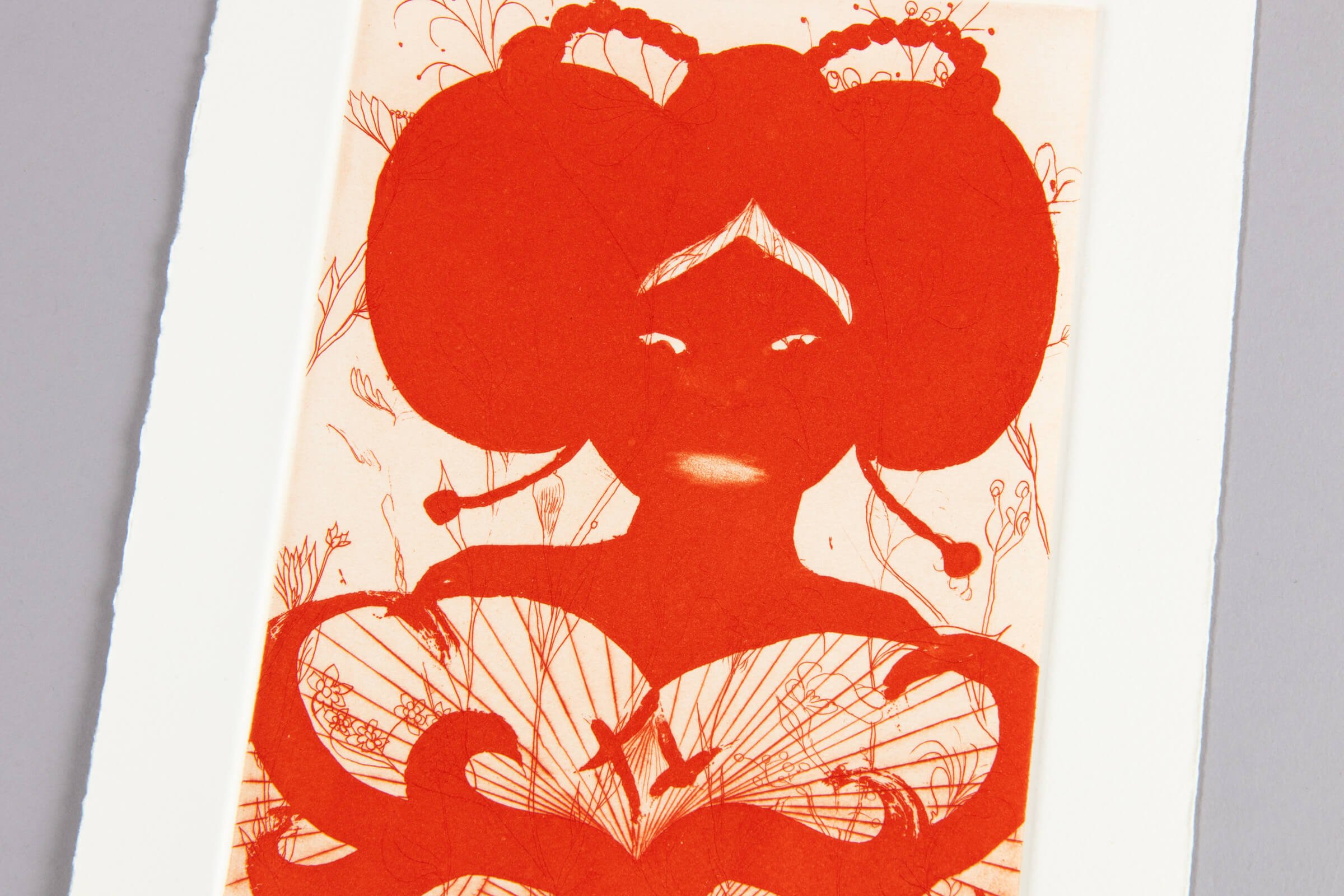
The Art of Printmaking
From the precise lines of woodcuts to the velvety depth of lithographs. Discover a curated selection of editioned works on paper that celebrate the unique texture and heritage of traditional print media.
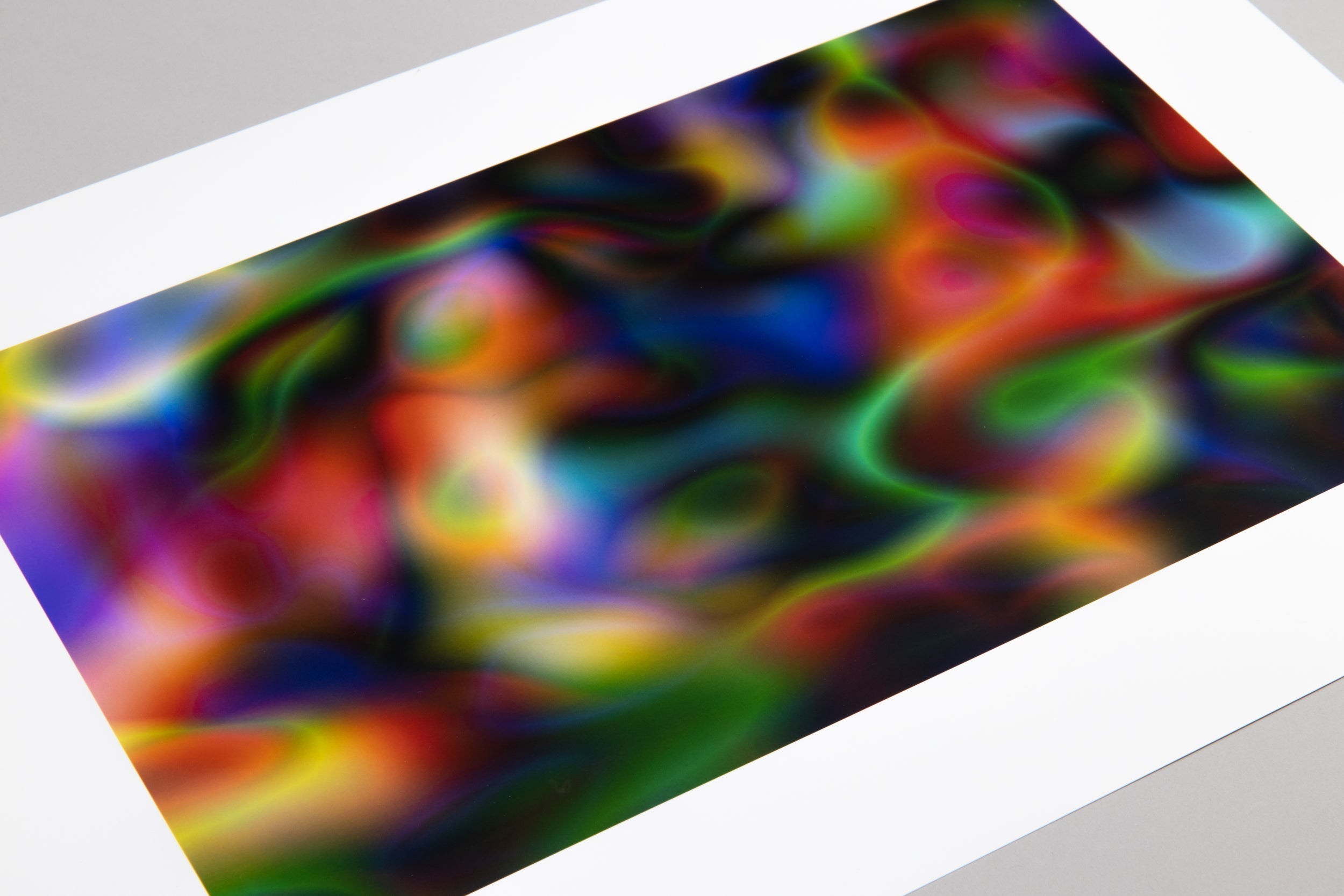
The Photographic Image
Explore contemporary photography through the lens of precision and scale. Our collection features exceptional photo editions that investigate the boundaries of representation and spatial order.
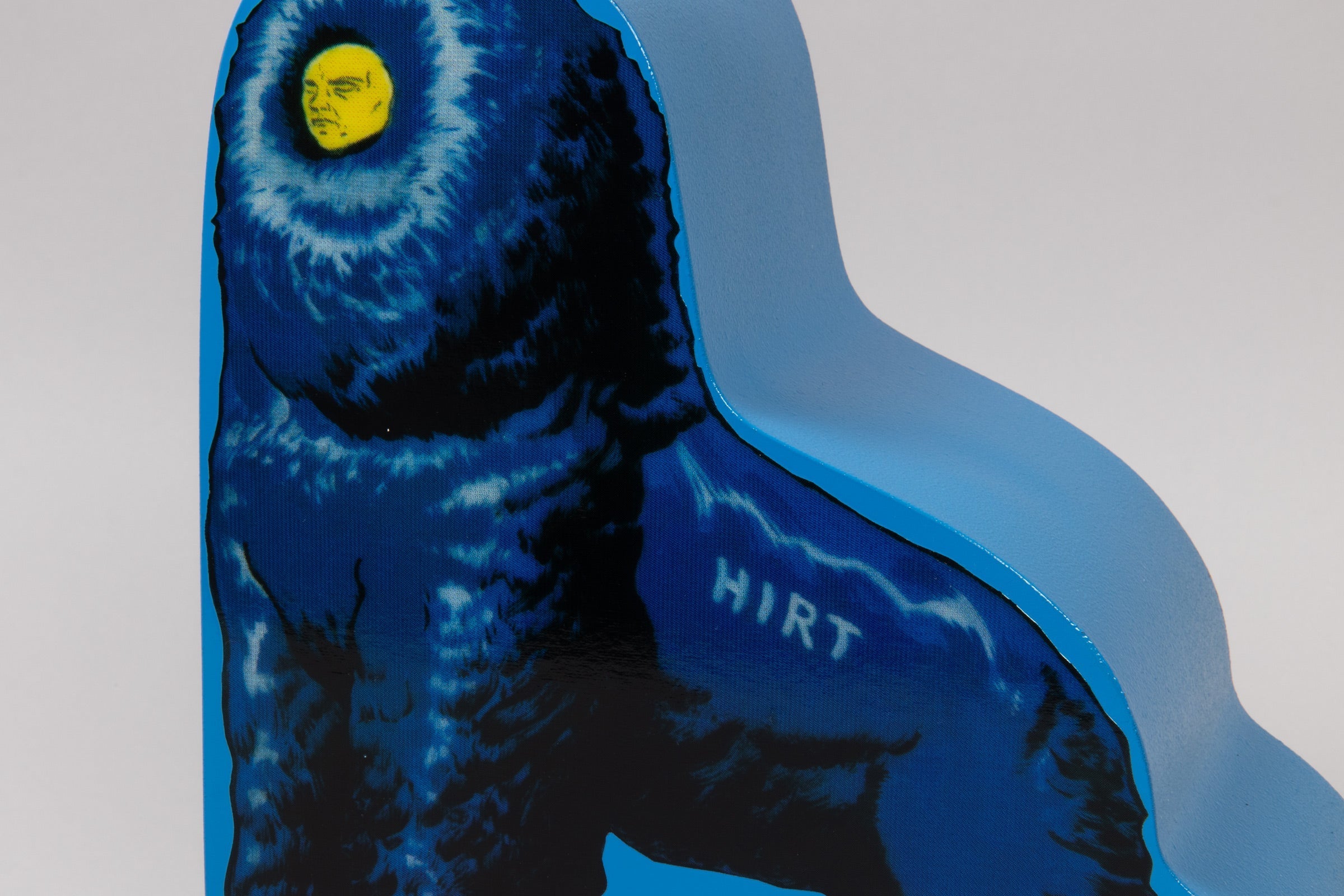
The Sculptural Multiple
Art beyond the pedestal. Discover three-dimensional objects designed to circulate ideas in space. These works bridge the gap between sculpture and the everyday, making radical art accessible.


