

Cindy Sherman (born 1954, Glen Ridge, New Jersey, United States) is a contemporary artist whose work has fundamentally reshaped understandings of photography, identity, and representation. Working primarily with photography, Sherman developed a practice in which she stages, performs, and photographs herself in constructed roles, using the camera as a critical instrument rather than a means of self-portraiture.
Emerging in the late 1970s, Sherman became a central figure within the Pictures Generation, a loosely defined group of artists who examined how images circulate through mass media, cinema, advertising, and art history. Her work has been exhibited internationally and is held in major public collections, securing her position as one of the most influential artists of her generation.
Practice
Sherman’s practice is rooted in the deliberate construction of images. Each photograph is the result of extensive staging, involving costume, makeup, props, lighting, pose, and framing. Sherman controls every aspect of production, collapsing the roles of artist, model, director, and photographer into a single authorial position.
Although she appears as the subject in her images, the work consistently resists autobiographical interpretation. Sherman does not present herself as an individual identity, but rather performs types, roles, and visual conventions. Identity in her work functions as a surface assembled through cultural codes rather than an inner truth.
Photography operates not as documentation, but as a site of critical inquiry. The camera becomes a tool for exposing how images fabricate meaning, authority, and desire.
Image and Identity
Questions of identity are central to Sherman’s work, particularly the ways in which gender and social roles are constructed through representation. Her images reveal how visual culture produces expectations, stereotypes, and hierarchies that shape perception.
Rather than offering stable characters or narratives, Sherman presents identities as provisional and performative. The repeated transformation of appearance underscores the absence of an authentic core, suggesting that identity is assembled through repetition, imitation, and visual convention.
This emphasis on instability positions her work as a sustained critique of how images claim authority over lived experience.
Cultural Context
Sherman’s work developed at a moment when artists increasingly questioned the truth claims of photography. As mass media expanded and images became ubiquitous, photography’s perceived objectivity came under scrutiny.
Within the Pictures Generation, artists treated images as cultural artifacts shaped by circulation rather than original creation. Sherman’s work engages directly with cinema, television, fashion, advertising, and art history, drawing attention to the systems through which images acquire meaning.
Her practice intersects with feminist discourse, particularly critiques of the male gaze, while maintaining ambiguity rather than overt political declaration.
Early Work
The Untitled Film Stills series (1977–1980) marked a defining moment in Sherman’s career. These black-and-white photographs evoke scenes from mid-twentieth-century cinema, presenting women caught in moments of anticipation, vulnerability, or isolation.
Although the images feel familiar, they do not reference specific films. This ambiguity exposes the constructed nature of cinematic narrative and the visual conventions through which femininity is portrayed.
The series established Sherman’s approach to photography as a conceptual and performative medium, positioning her at the forefront of a critical shift in contemporary art.
Art History and the Body
In later series, Sherman turned toward art-historical reference, reworking conventions of portraiture drawn from painting and sculpture. These works exaggerate costume, gesture, and artificiality, undermining ideals of authenticity, mastery, and timelessness.
From the late 1980s onward, her work increasingly incorporated grotesque imagery and bodily distortion. Prosthetics, exaggerated features, and unsettling compositions confront viewers with discomfort and estrangement.
By destabilizing the body as a site of meaning, Sherman exposes the fragility of visual norms and the ideological frameworks that sustain them.
Media and Circulation
Sherman’s engagement with fashion photography and commercial imagery further complicates distinctions between art and mass media. Her fashion-related works adopt the language of glamour while revealing its artificial construction.
Rather than rejecting popular visual culture, Sherman works from within it, amplifying its codes to the point of instability. This strategy situates her practice within broader image economies rather than outside them.
Her photographs are produced as editioned works, conceived as autonomous images rather than documentation of performance. Editions enable circulation while preserving conceptual intent and material consistency.
Institutional Presence
Cindy Sherman’s work occupies a firmly established position within institutional contexts. She has been the subject of major retrospectives and exhibitions at leading museums worldwide.
Her photographs are held in significant public collections, where they are often presented as foundational works in the history of contemporary photography and conceptual image-making.
Institutional framing has emphasized the intellectual rigor and sustained influence of her practice across multiple decades.
Contemporary Relevance
Sherman’s influence extends across contemporary art, particularly among artists working with photography, performance, identity, and media critique.
By treating identity as constructed and mutable, her work continues to inform discussions around representation, authorship, and visual power.
Her practice remains a critical reference point for understanding how images shape cultural consciousness.
Editorial Note
This editorial page provides an overview of Cindy Sherman’s artistic practice, cultural context, and lasting influence, with particular attention to her interrogation of identity and representation.
Selected works by Cindy Sherman are available through our collection.
The Art of Printmaking
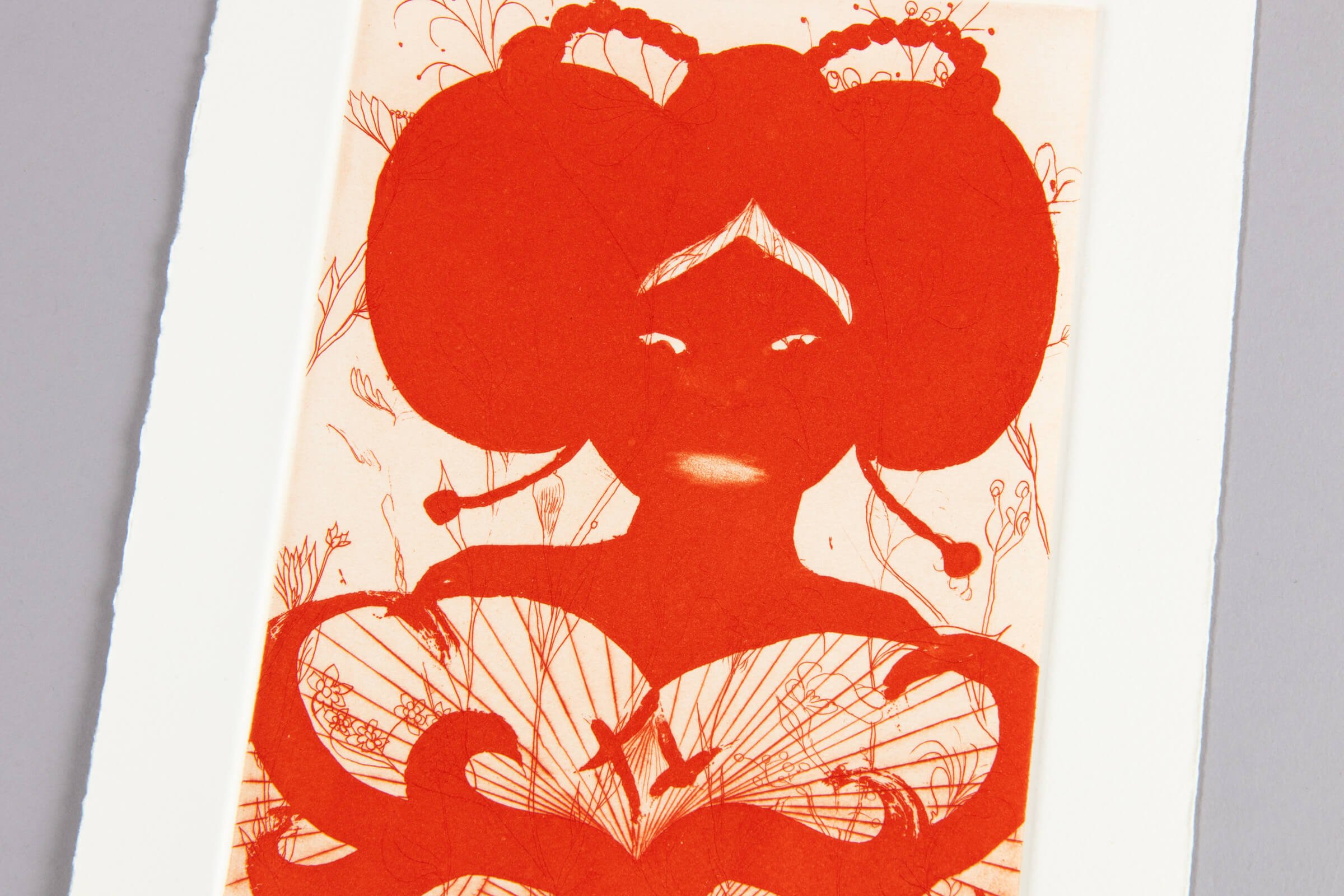
From the precise lines of woodcuts to the velvety depth of lithographs. Discover a curated selection of editioned works on paper that celebrate the unique texture and heritage of traditional print media.
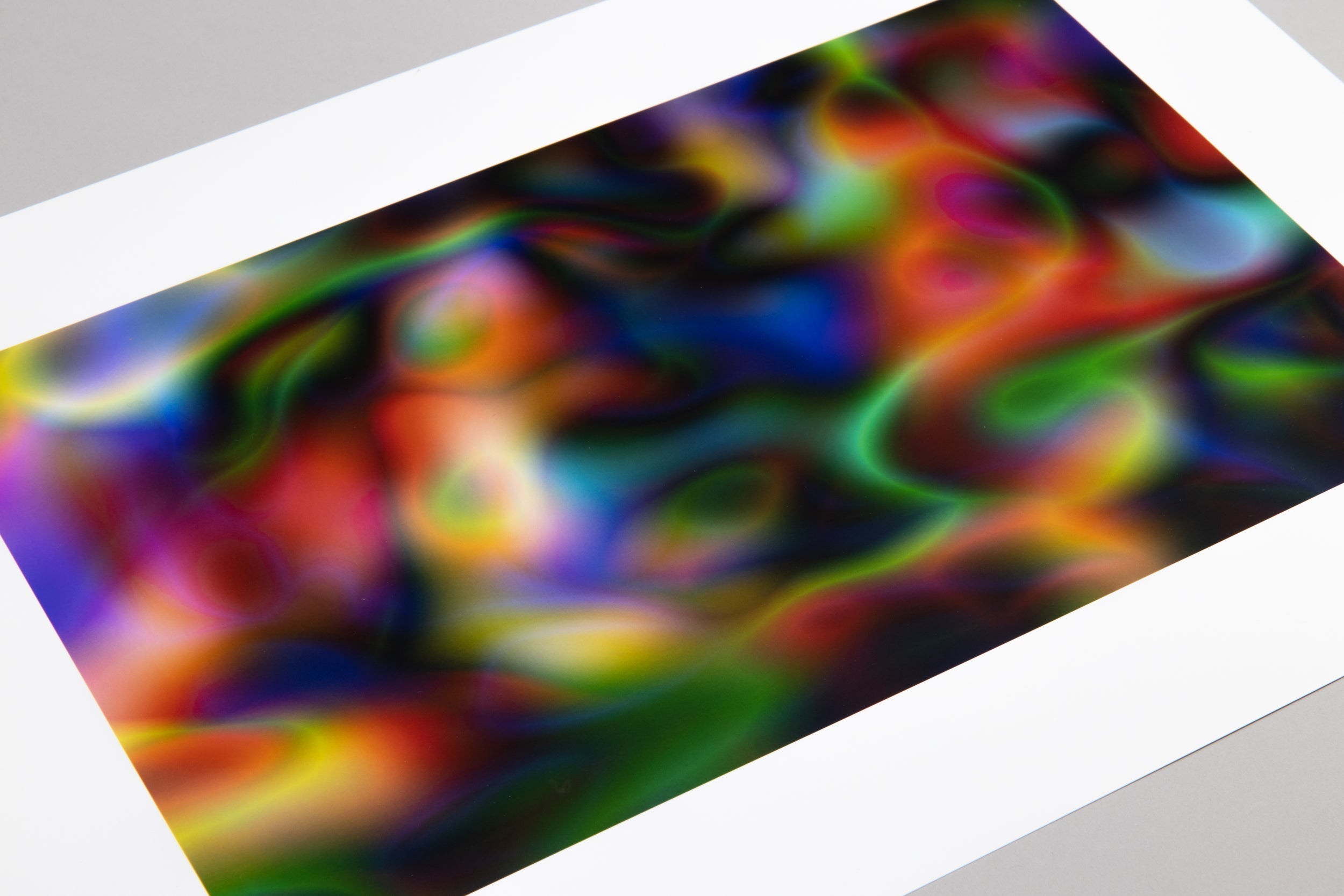
The Photographic Image
Explore contemporary photography through the lens of precision and scale. Our collection features exceptional photo editions that investigate the boundaries of representation and spatial order.
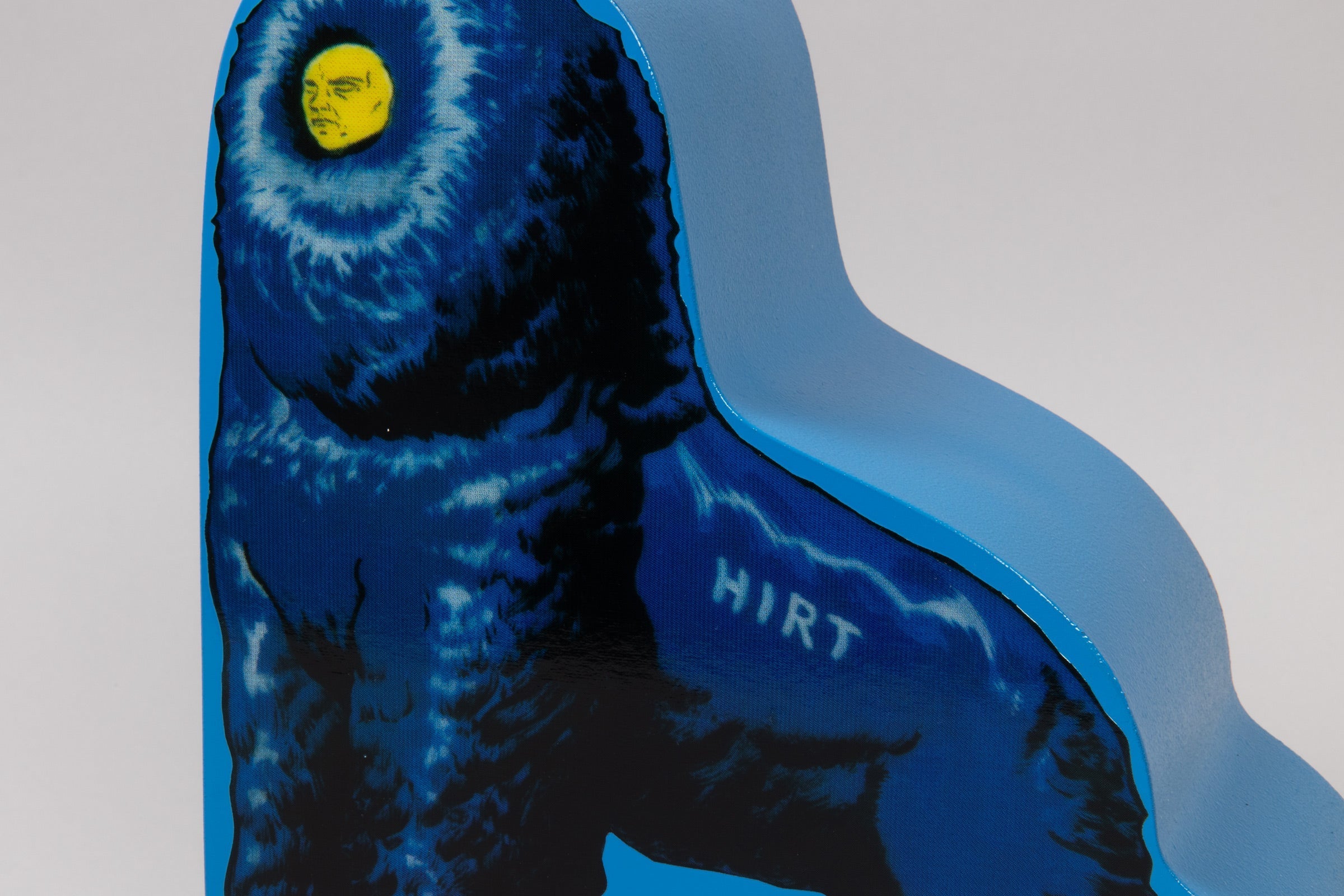
The Sculptural Multiple
Art beyond the pedestal. Discover three-dimensional objects designed to circulate ideas in space. These works bridge the gap between sculpture and the everyday, making radical art accessible.


