


Thomas Demand (born 1964, Munich, Germany) is a contemporary artist whose work examines the construction of images, memory, and political narrative. Working across sculpture, photography, and film, Demand has developed a practice centered on the meticulous reconstruction of real-world environments using paper and cardboard, which are subsequently photographed and destroyed.
Emerging internationally in the mid-1990s, Demand became known for his large-scale photographs depicting seemingly familiar yet subtly artificial spaces. His work has been exhibited worldwide and is held in major public collections, positioning him as a key figure in contemporary conceptual and photographic practice.
Artistic Practice
Thomas Demand’s artistic practice is defined by a precise and methodical process. Beginning with found images often drawn from media, archives, or historical documentation, he reconstructs environments at full scale using paper-based materials.
These sculptural models are then photographed under controlled conditions, producing images that resemble documentary photographs while revealing signs of fabrication upon closer inspection.
The physical models are destroyed after documentation, leaving the photograph as the sole remaining object. This process emphasizes photography as both evidence and illusion.
Key Themes and Motifs
Central to Demand’s work are themes of memory, mediation, and the instability of historical truth. His images depict interiors and architectural spaces associated with political events, media narratives, or collective memory.
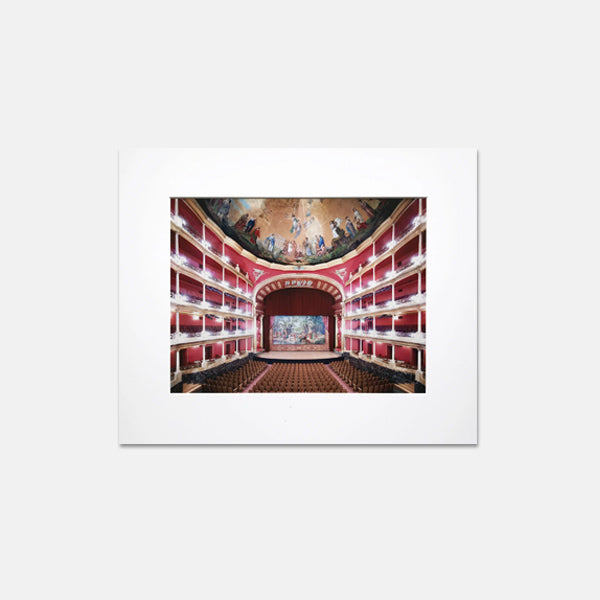
Motifs such as offices, corridors, stairwells, and anonymous institutional spaces recur throughout his practice. These settings are devoid of human presence, heightening their psychological and symbolic charge.
By reconstructing spaces rather than events, Demand foregrounds the structures through which history is staged and remembered.
Historical and Cultural Context
Demand’s practice developed in the context of late twentieth-century skepticism toward photographic objectivity. His work responds to the increasing circulation of images as carriers of political and cultural meaning.
Educated in both Germany and the United Kingdom, Demand’s work bridges conceptual traditions associated with sculpture and photography.
His practice reflects broader concerns with how images mediate knowledge, authority, and collective memory.
Sculpture, Photography, and Image Construction
Sculpture functions as an intermediary stage within Demand’s practice rather than as a final object. Paper models serve as tools for reconstructing image-based reality.
Photography, in turn, becomes a translation rather than a record. The resulting images are precise, static, and detached, emphasizing surface and structure over narrative.
This inversion of sculptural and photographic roles challenges assumptions about authenticity and representation.
Absence, Architecture, and Political Space
The absence of figures is a defining feature of Demand’s imagery. By removing human presence, he shifts attention to architecture as a container of action and power.
Political significance is conveyed indirectly through spatial cues rather than explicit symbolism.
These strategies encourage viewers to confront how environments shape and frame historical events.
Film and Moving Image
In addition to photography, Demand has produced films that extend his interest in constructed reality and temporal progression.
These works introduce movement and sequence while maintaining the same artificial logic present in his photographic practice.
Film allows Demand to explore duration and transformation without abandoning formal restraint.
Editions and Works on Paper
Editioned photographic prints form the core of Thomas Demand’s output. Works are produced in controlled editions that emphasize scale, surface quality, and tonal consistency.
Works on paper and smaller-format prints provide alternative points of engagement while preserving conceptual integrity.
Editions are conceived as autonomous works that reflect the logic of his broader practice.
Market and Circulation Context
Thomas Demand’s work circulates within a firmly established institutional and market framework. His photographs are widely collected by museums, private collectors, and corporate collections.
Editioned artworks play a central role in the circulation of his practice, balancing conceptual rigor with controlled accessibility.
Within the contemporary art ecosystem, Demand’s work is recognized for its critical examination of photographic truth.
Institutional Exhibitions and Collections
Demand has been the subject of numerous major solo exhibitions and retrospective presentations at leading museums worldwide.
His work has been exhibited at institutions including the Museum of Modern Art, New York; Tate Modern, London; the Centre Pompidou, Paris; and the Neue Nationalgalerie, Berlin.
His photographs are held in major public collections globally.
Position within Contemporary Art
Within contemporary art, Thomas Demand occupies a pivotal position as an artist who destabilized the relationship between photography, sculpture, and historical narrative.
By reconstructing reality through artificial means, his practice continues to influence artists addressing memory, media, and representation.
Editorial Note
This editorial page provides a structured overview of Thomas Demand’s artistic practice, thematic concerns, institutional context, and market circulation, with particular attention to his constructed photographic environments.
Selected works by Thomas Demand are available through our collection.
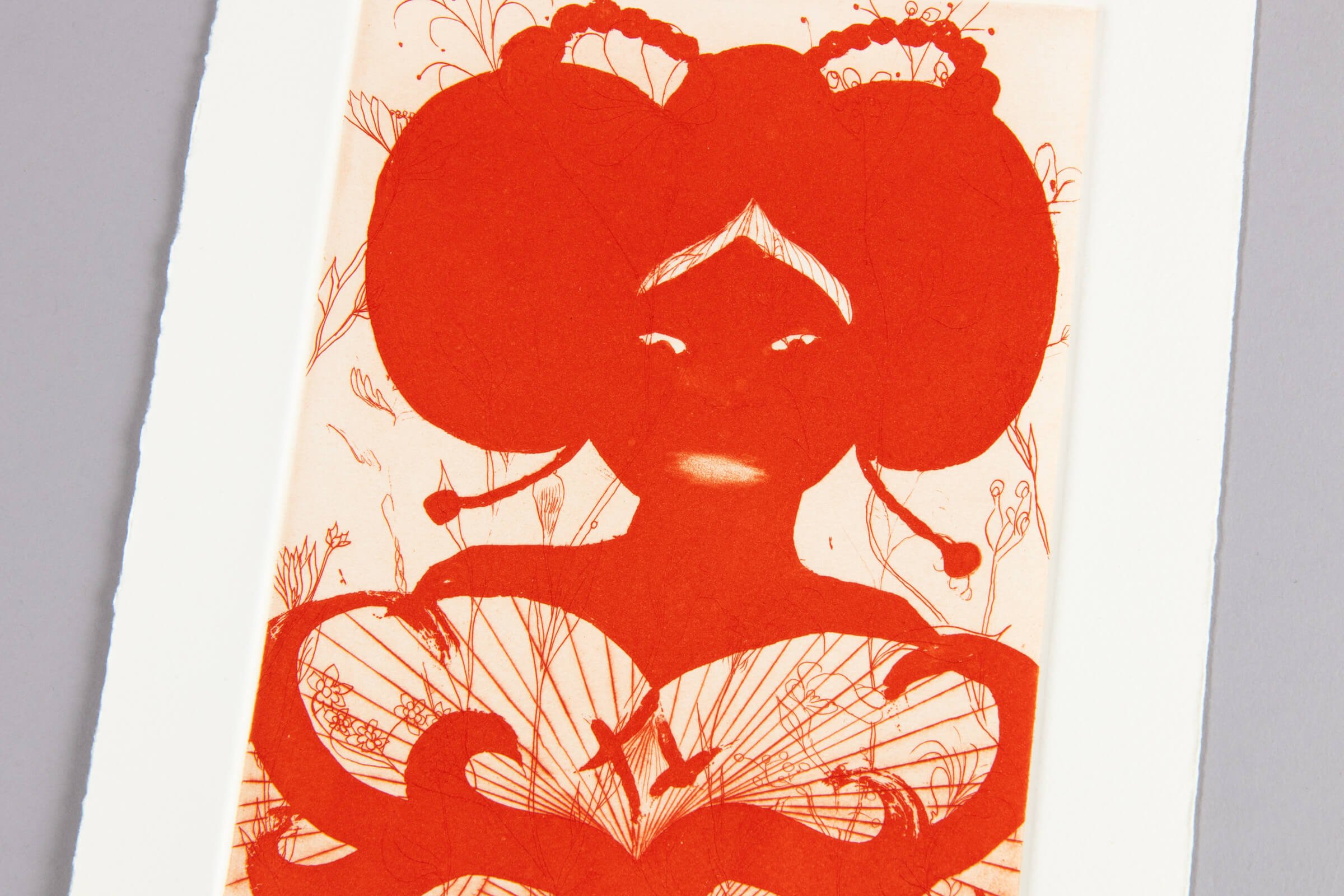
The Art of Printmaking
From the precise lines of woodcuts to the velvety depth of lithographs. Discover a curated selection of editioned works on paper that celebrate the unique texture and heritage of traditional print media.
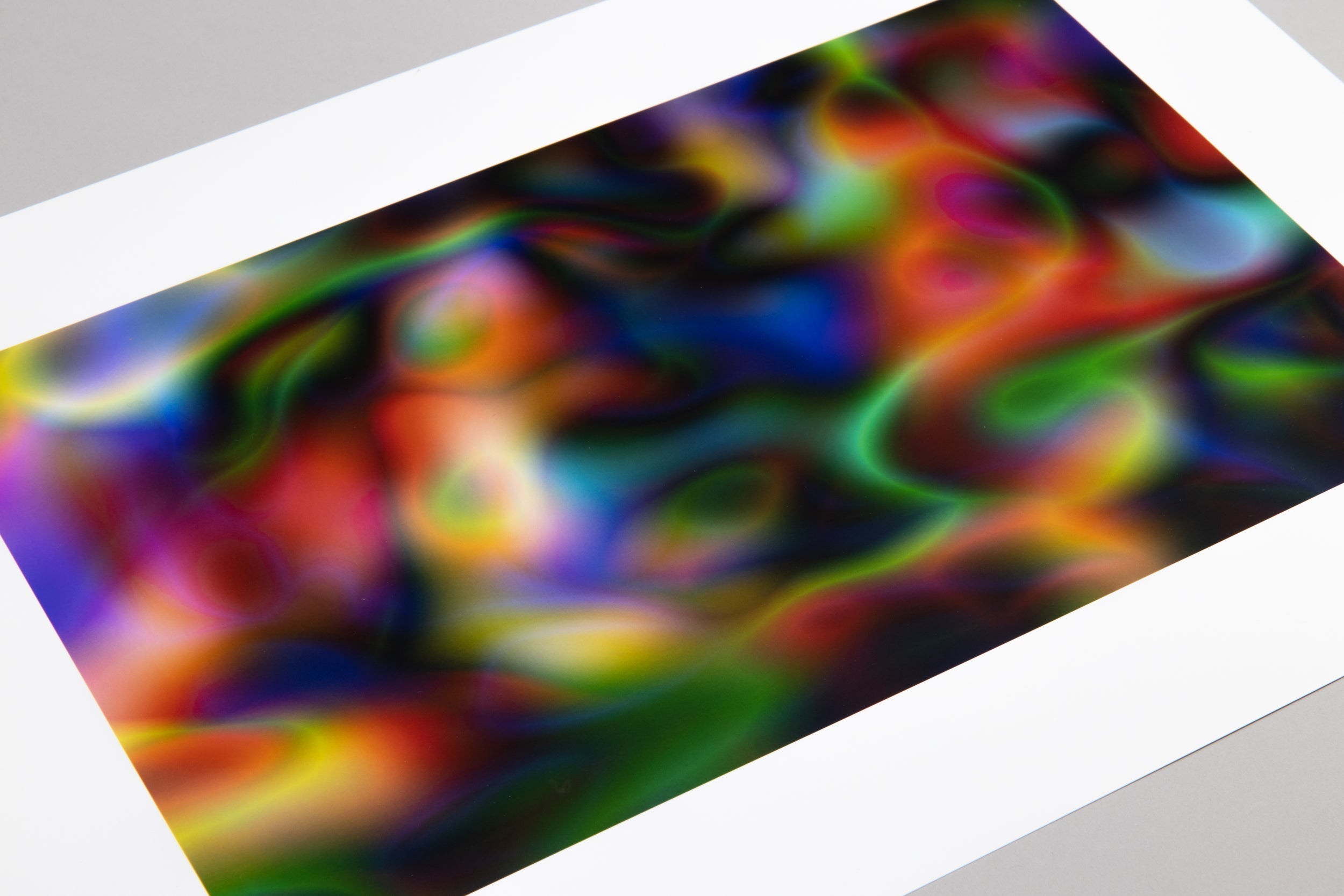
The Photographic Image
Explore contemporary photography through the lens of precision and scale. Our collection features exceptional photo editions that investigate the boundaries of representation and spatial order.
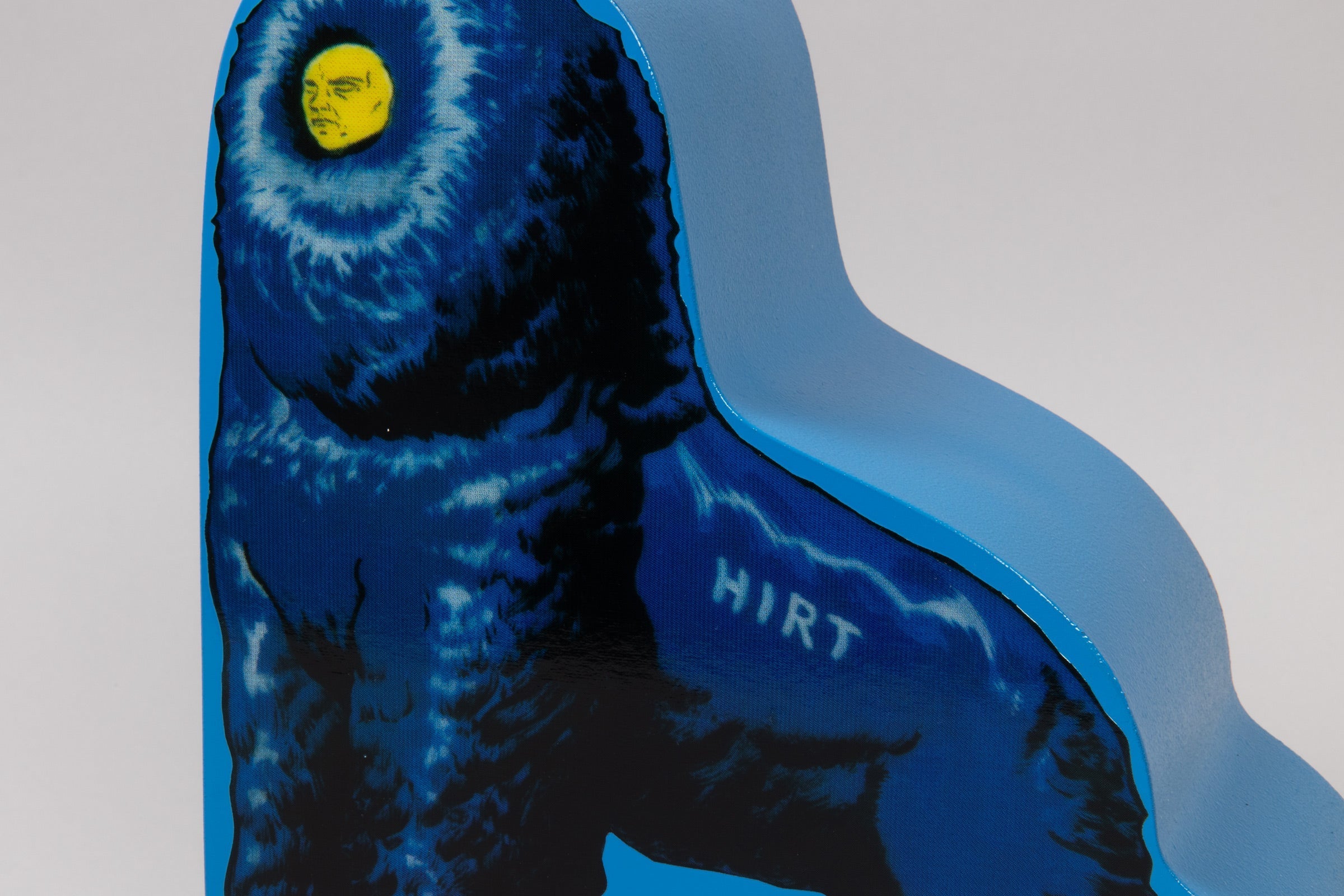
The Sculptural Multiple
Art beyond the pedestal. Discover three-dimensional objects designed to circulate ideas in space. These works bridge the gap between sculpture and the everyday, making radical art accessible.


