Pop Art

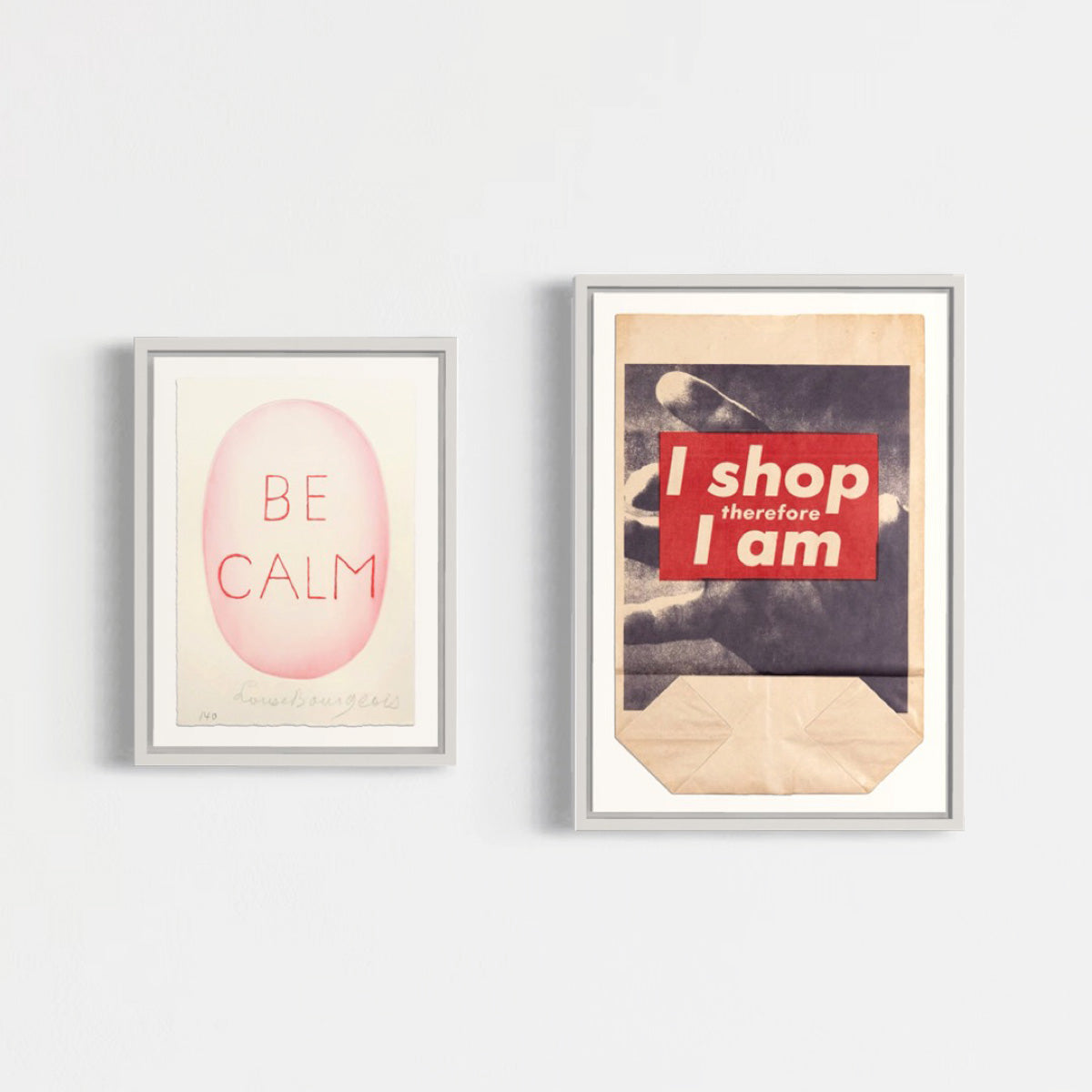
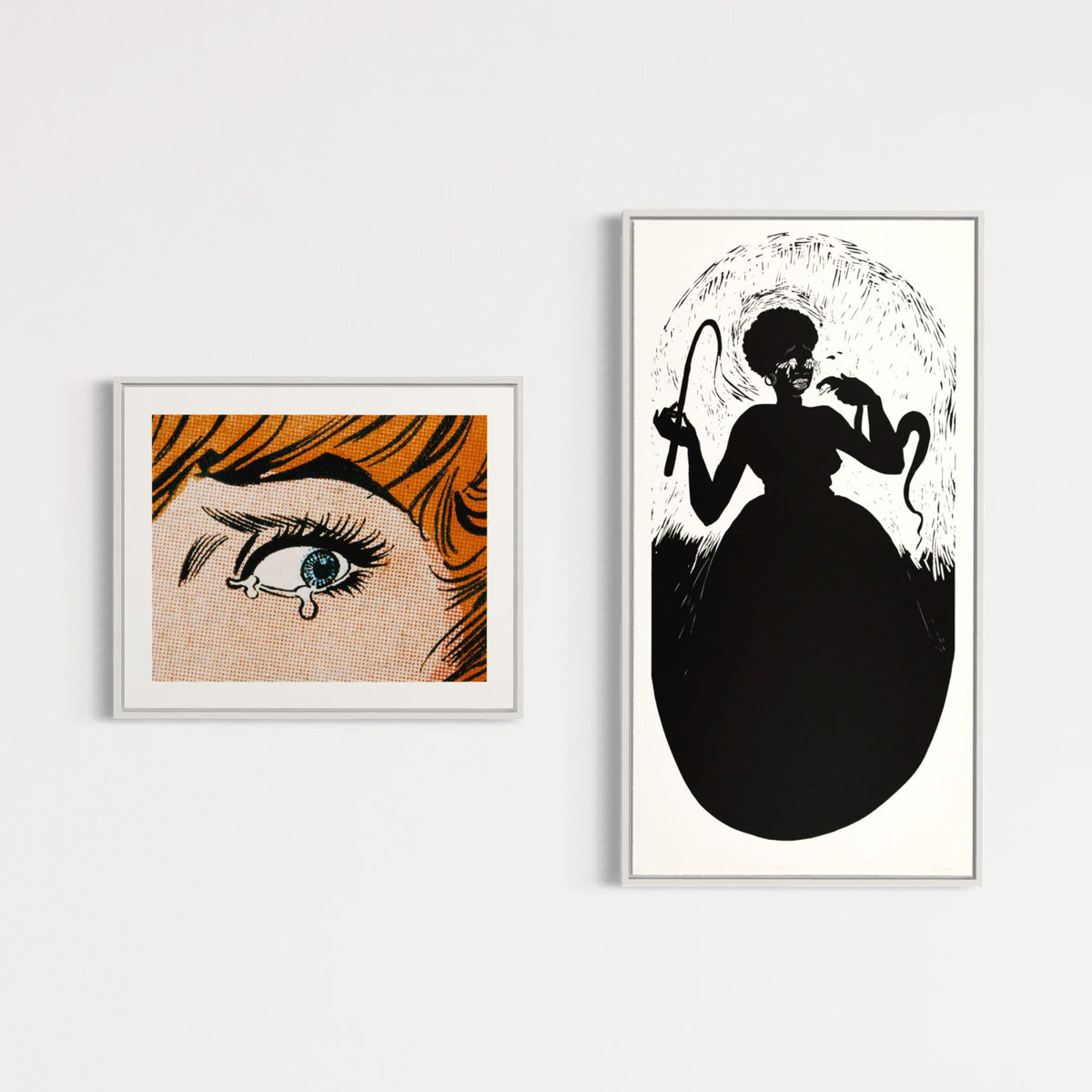
Pop Art made a simple, radical claim: that the most disposable images of modern life — soup cans, comic panels, advertising, celebrity — were never neutral, and deserved to be looked at as seriously as anything in a museum. Warhol, Lichtenstein, and their contemporaries did not invent this visual world; they were the first to treat it as material. That claim has only intensified since, as Murakami, Hirst, and KAWS extend Pop's logic of repetition and branding into a culture more image-saturated than the movement's founders ever encountered.

Browse signed Pop Art prints and editions now.

Leading Pop Art Artists

Discover Pop Art prints and artworks by leading Pop Art artists including Andy Warhol, Takashi Murakami, Ed Ruscha, and Jeff Koons.

All artists

Available artworks

Browse available Pop Art prints and artworks, including limited edition prints by leading artists.

Filters

Sort by:

137 products
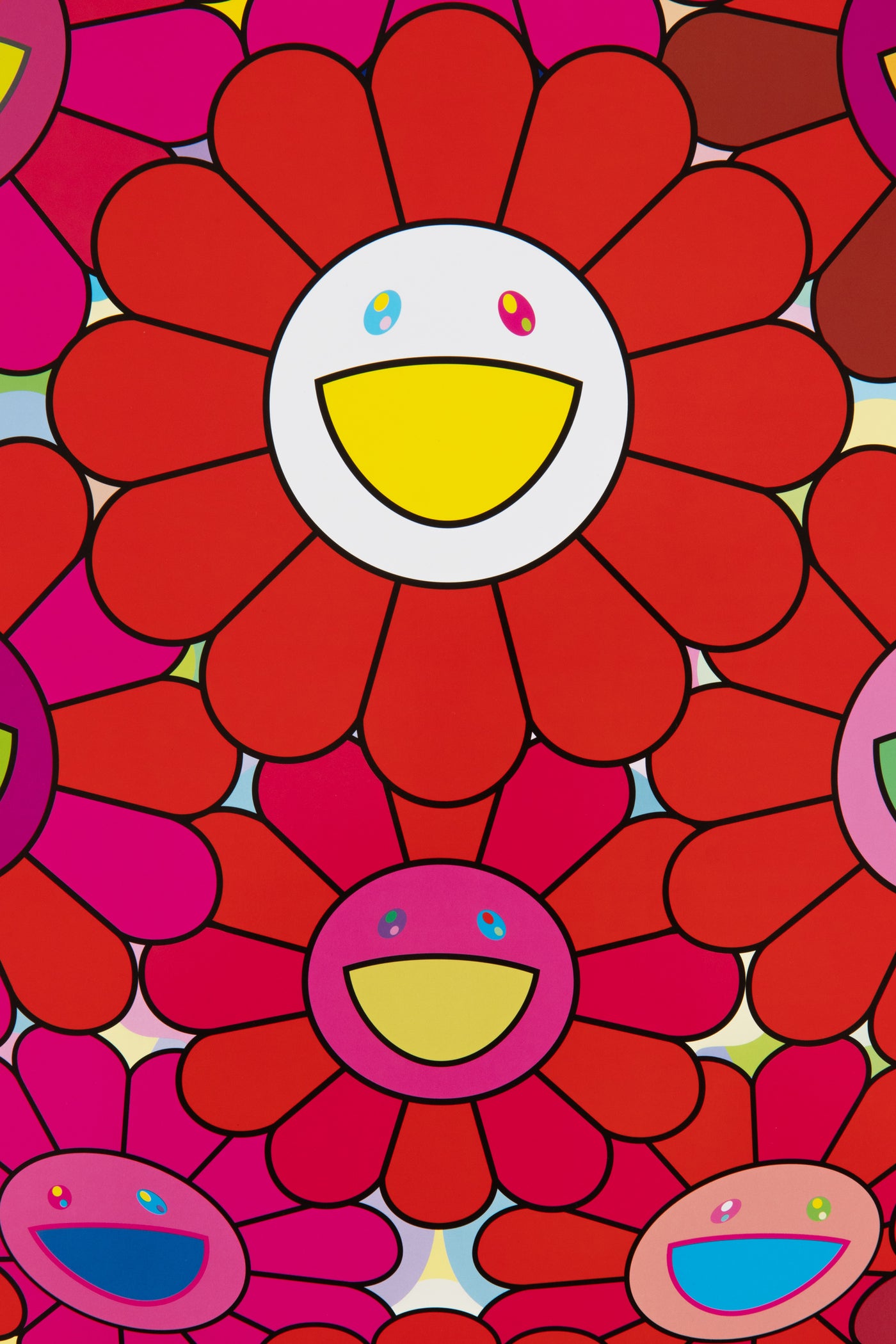
Takashi Murakami - Flowers of GratitudeTakashi Murakami - Flowers of Gratitude
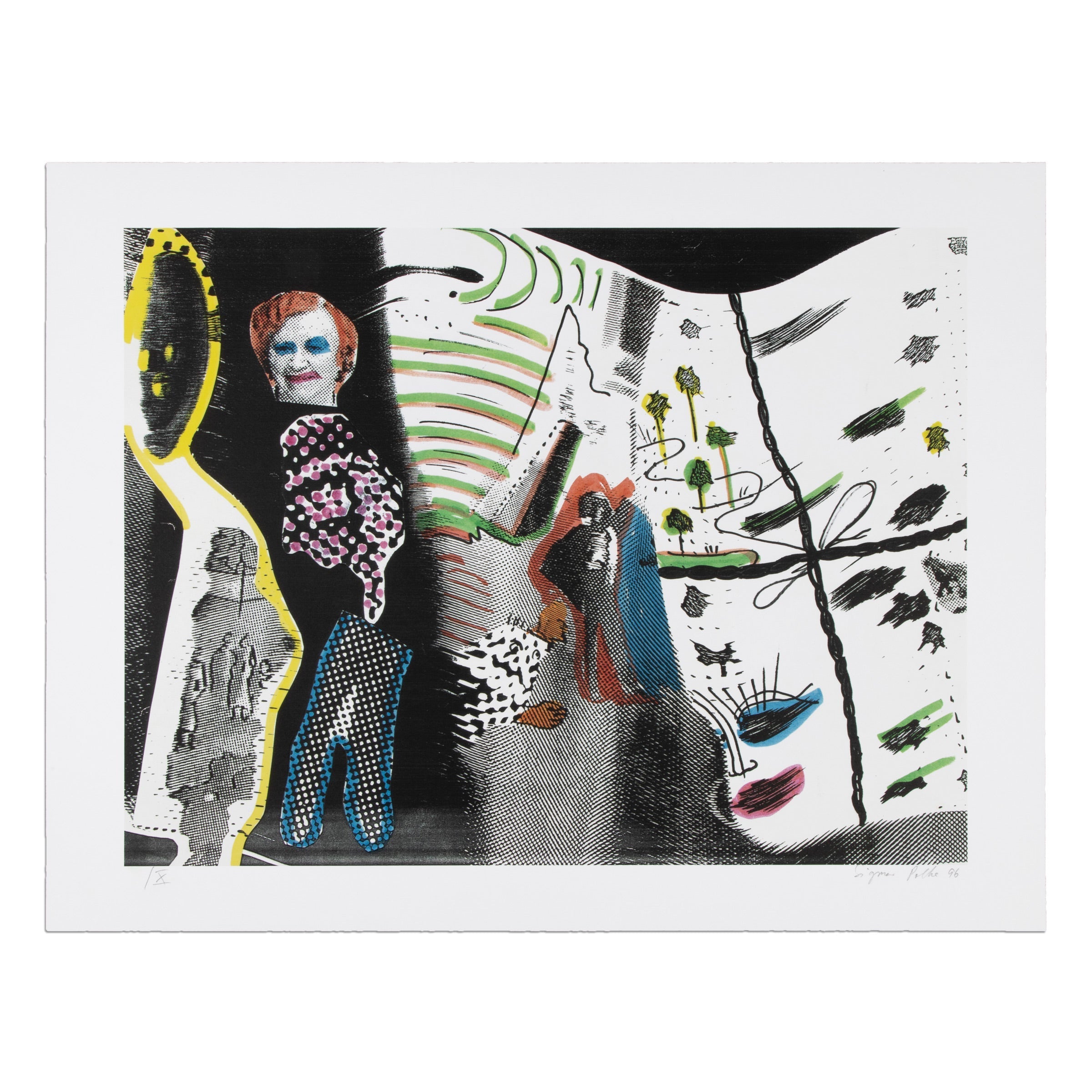
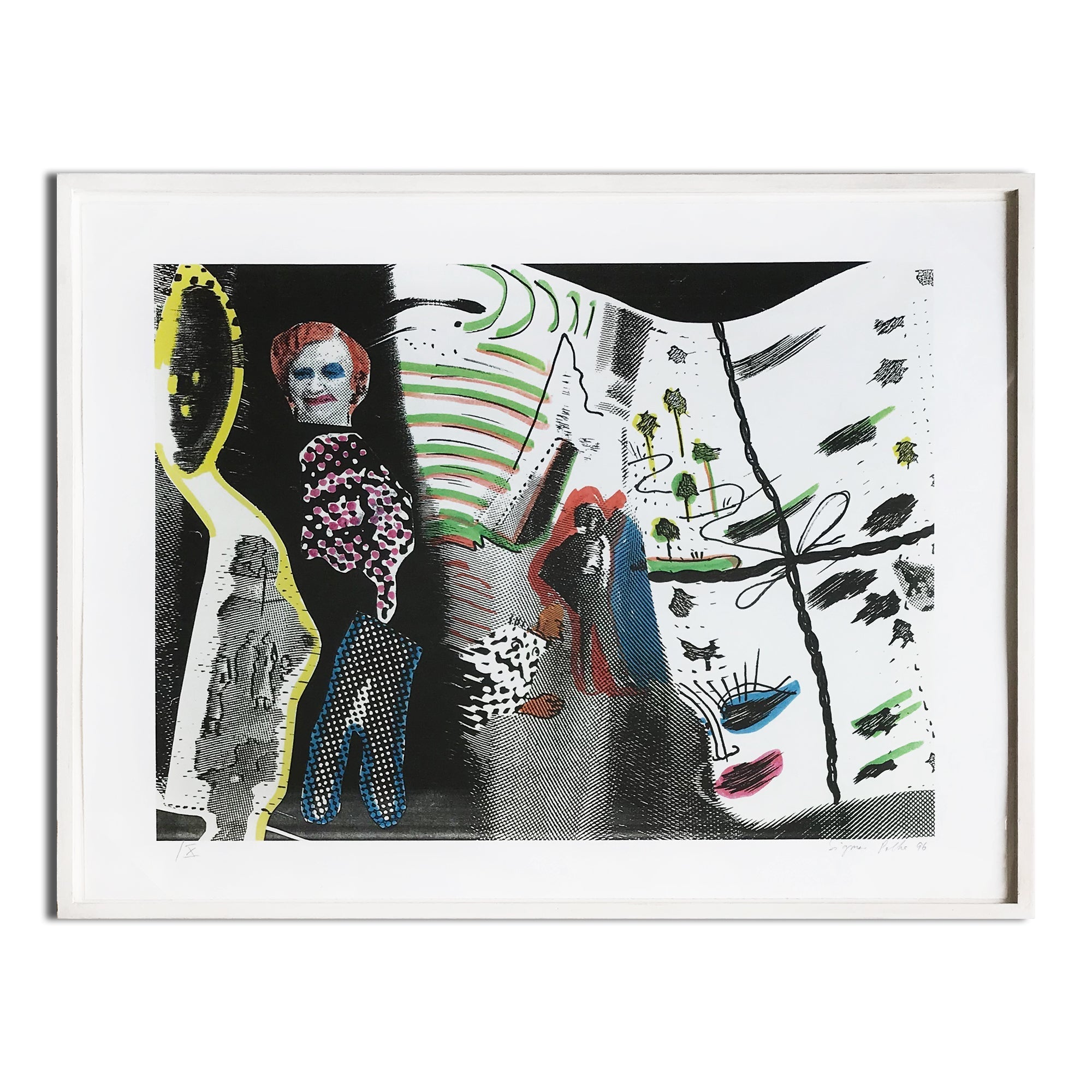
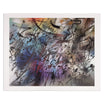
Sigmar Polke - S. schmeckt Pfirsich von H.Sigmar Polke - S. schmeckt Pfirsich von H.
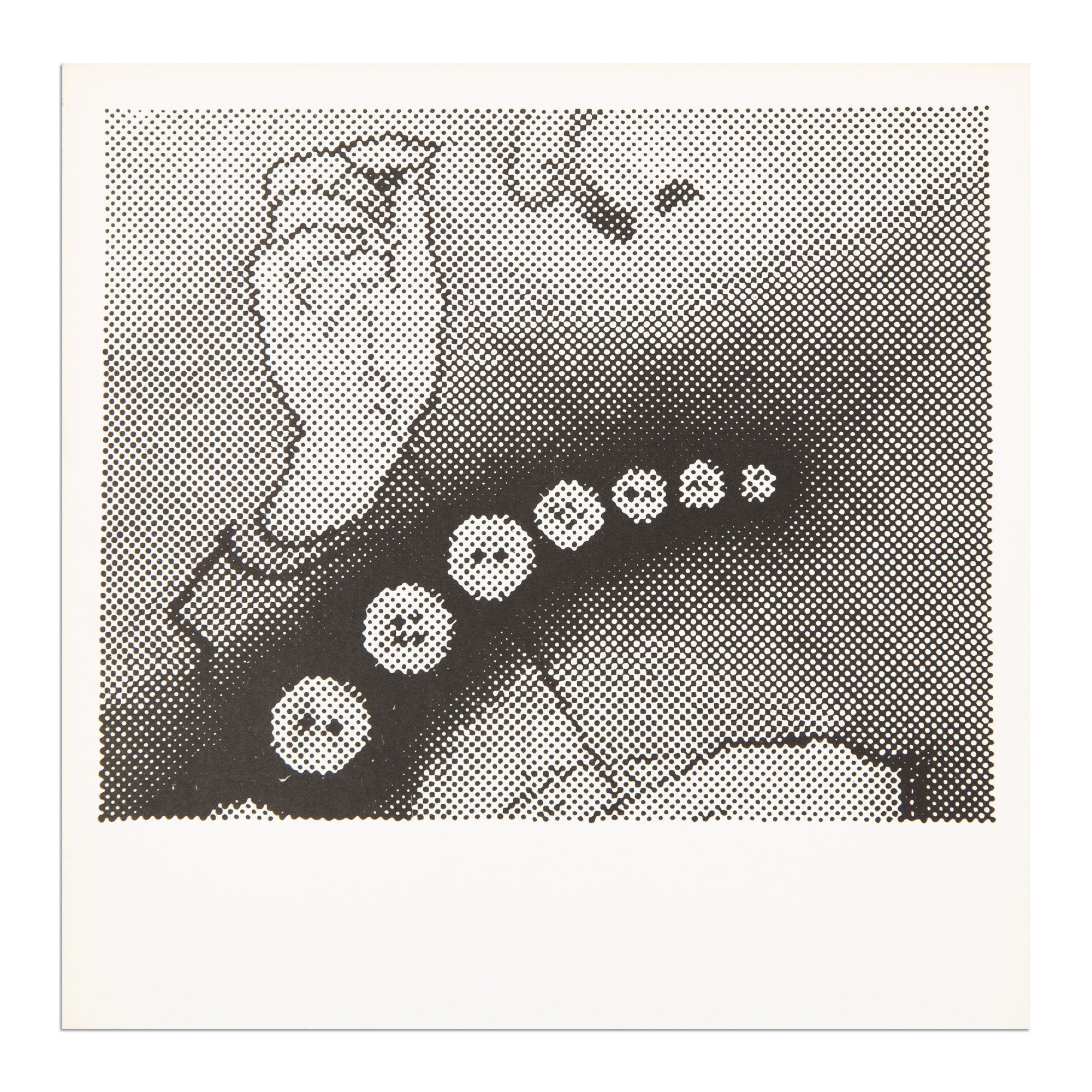
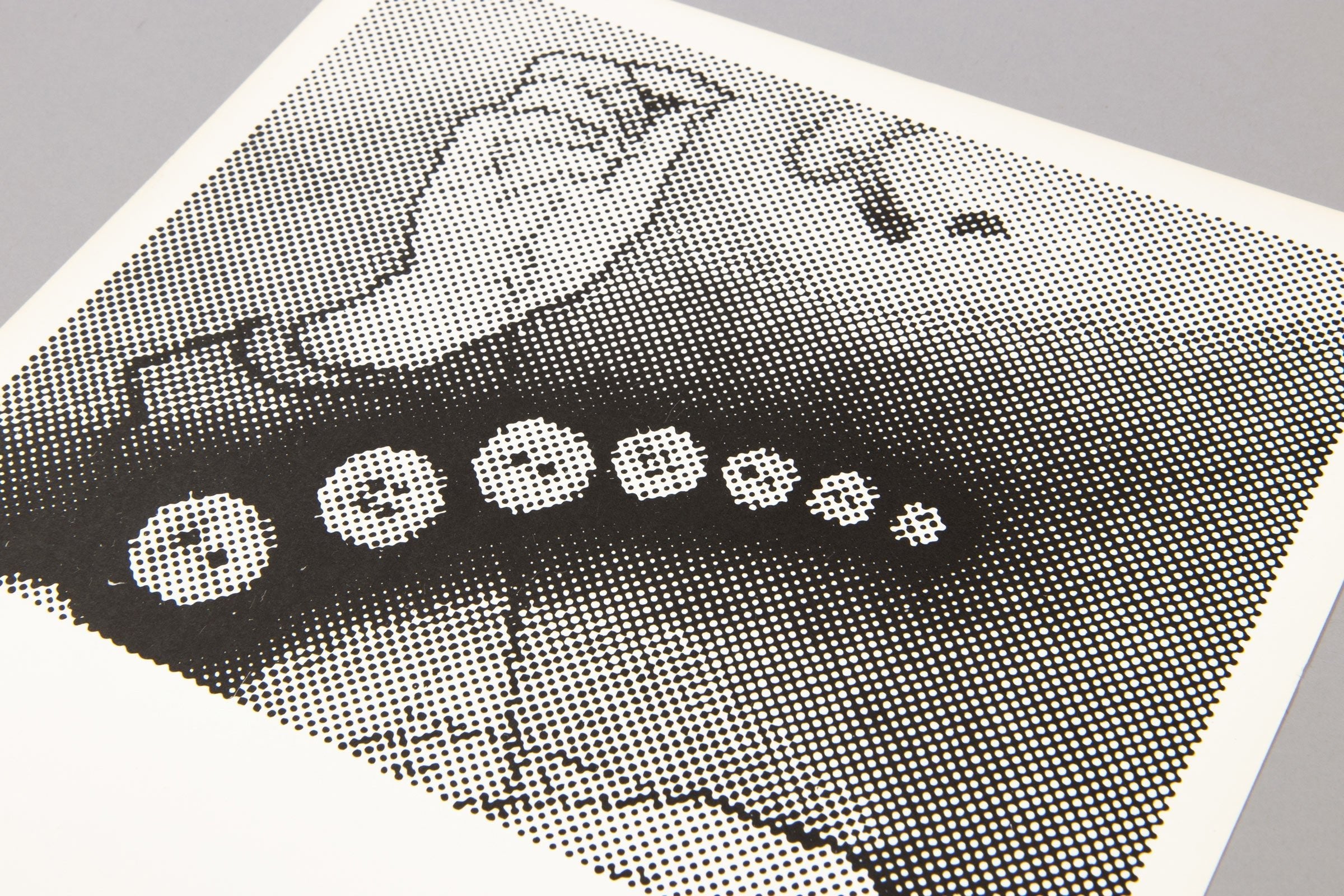
Sigmar Polke - KnöpfeSigmar Polke - Knöpfe
Sigmar Polke – Knöpfe Sale price€800,00
Sigmar Polke – Dr Pabscht het z'Schpiez...Sigmar Polke – Dr Pabscht het z'Schpiez...
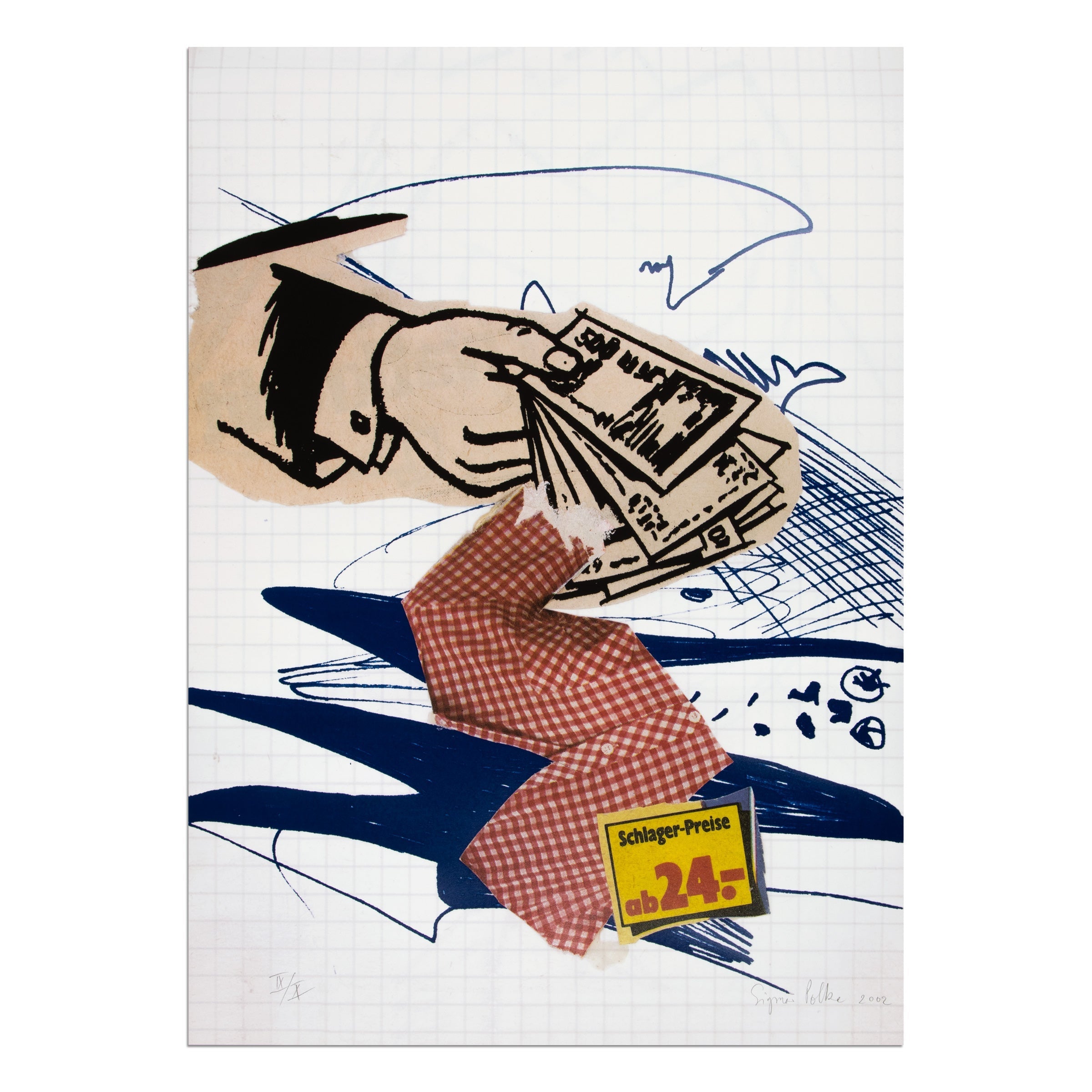
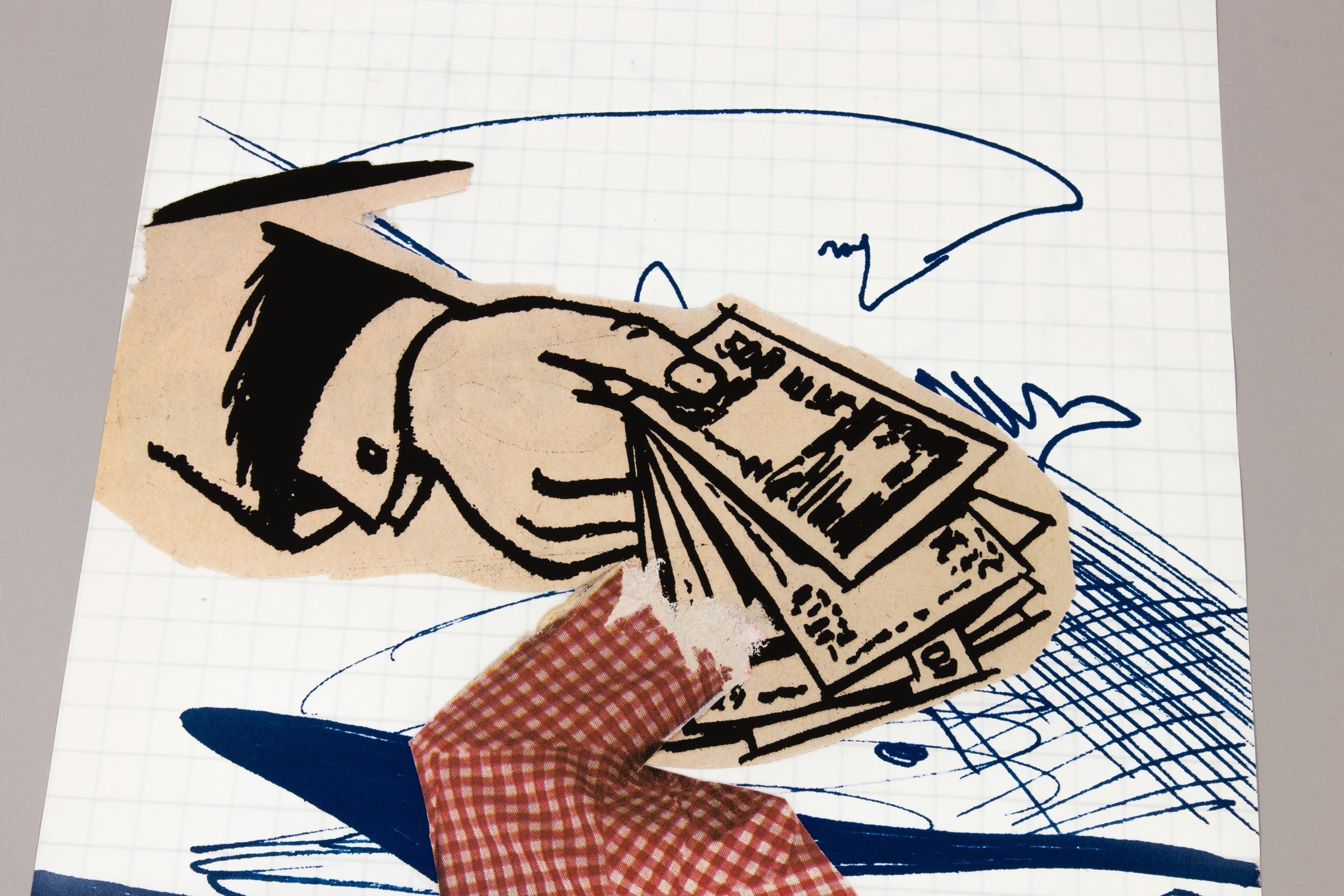
Sigmar Polke - Bargeld LachtSigmar Polke - Bargeld Lacht
Sigmar Polke – Bargeld Lacht Sale price€2.900,00
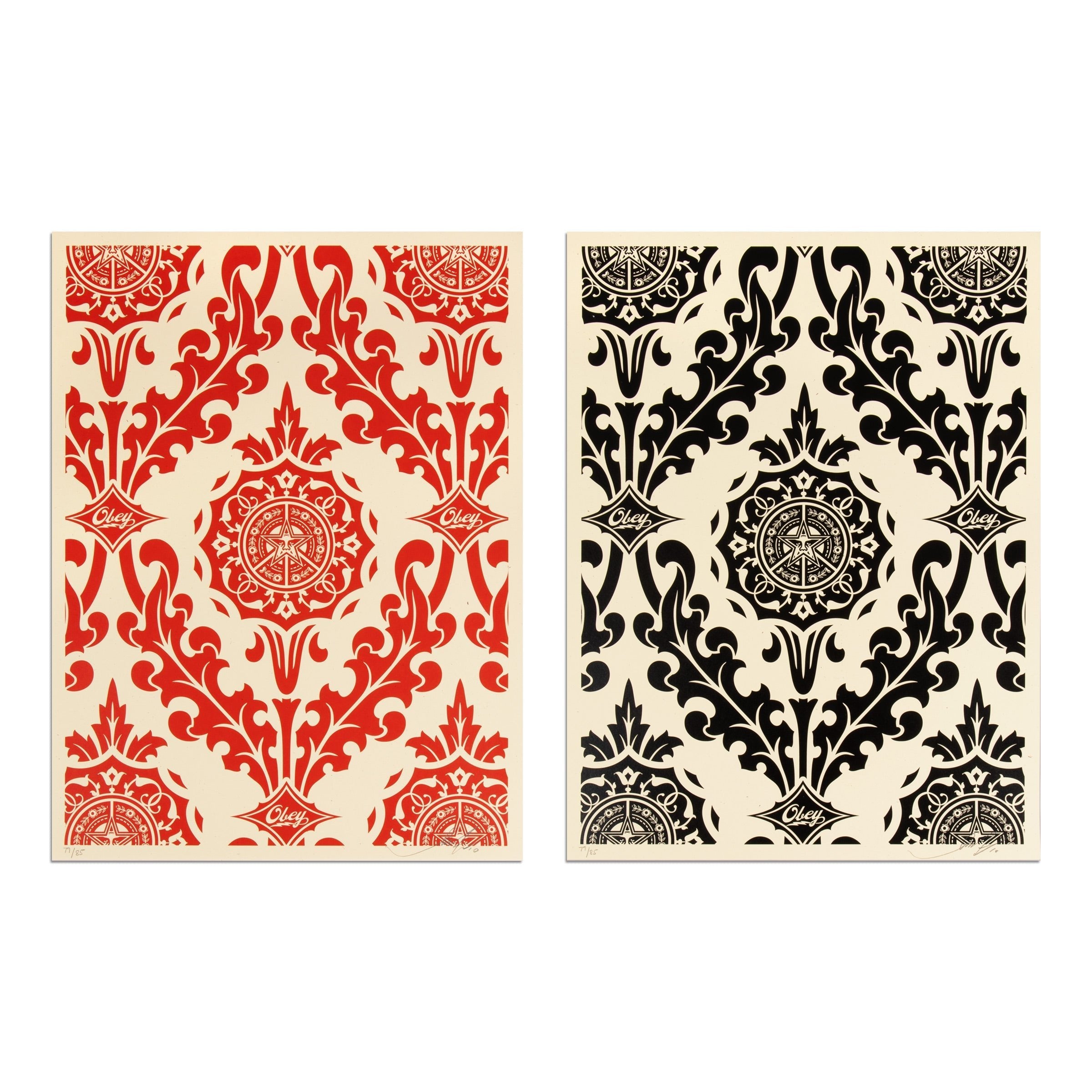
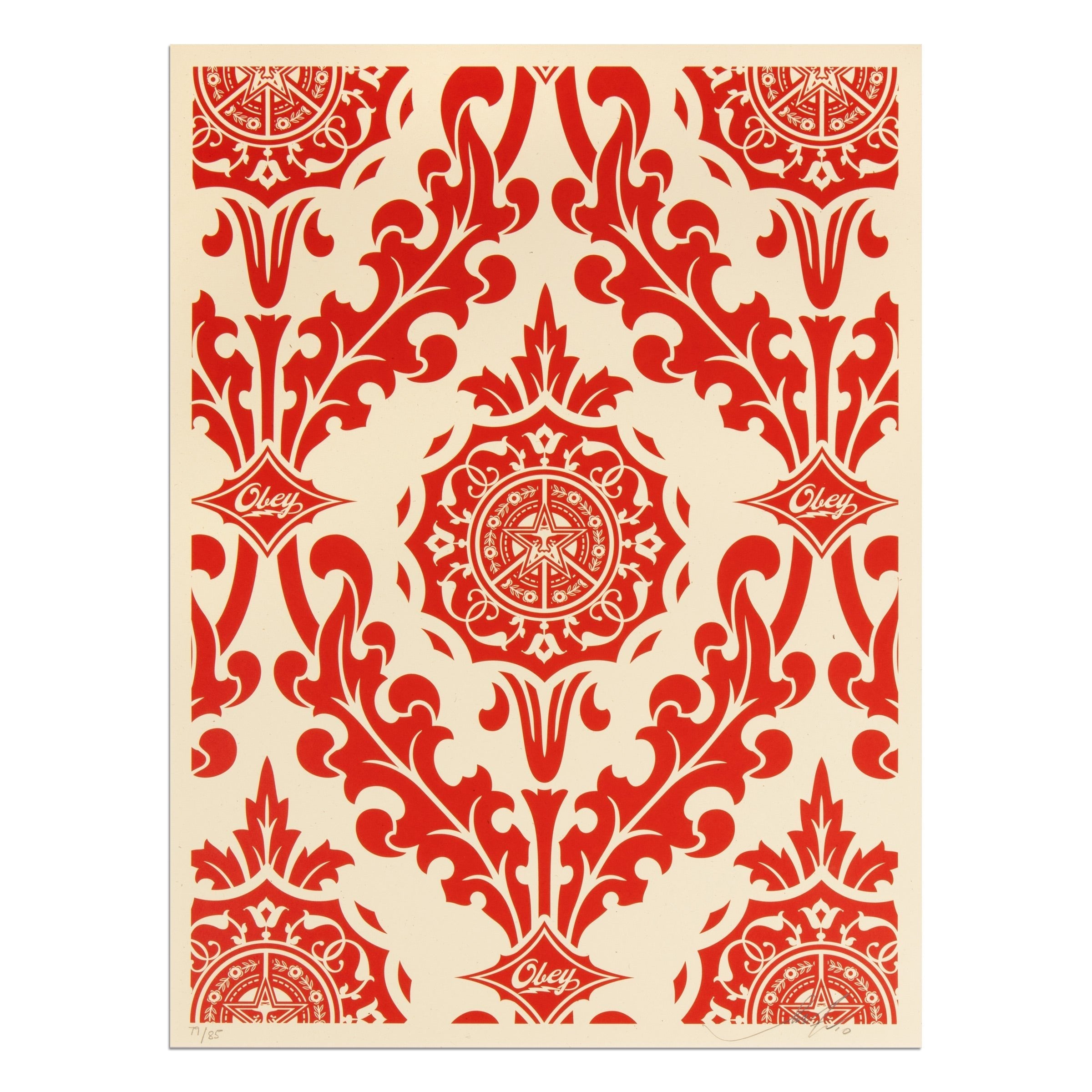
Shepard Fairey - Parlor PatternShepard Fairey - Parlor Pattern
Shepard Fairey – Parlor Pattern Sale price€2.500,00
Shepard Fairey - Ideal Power DoveShepard Fairey - Ideal Power Dove
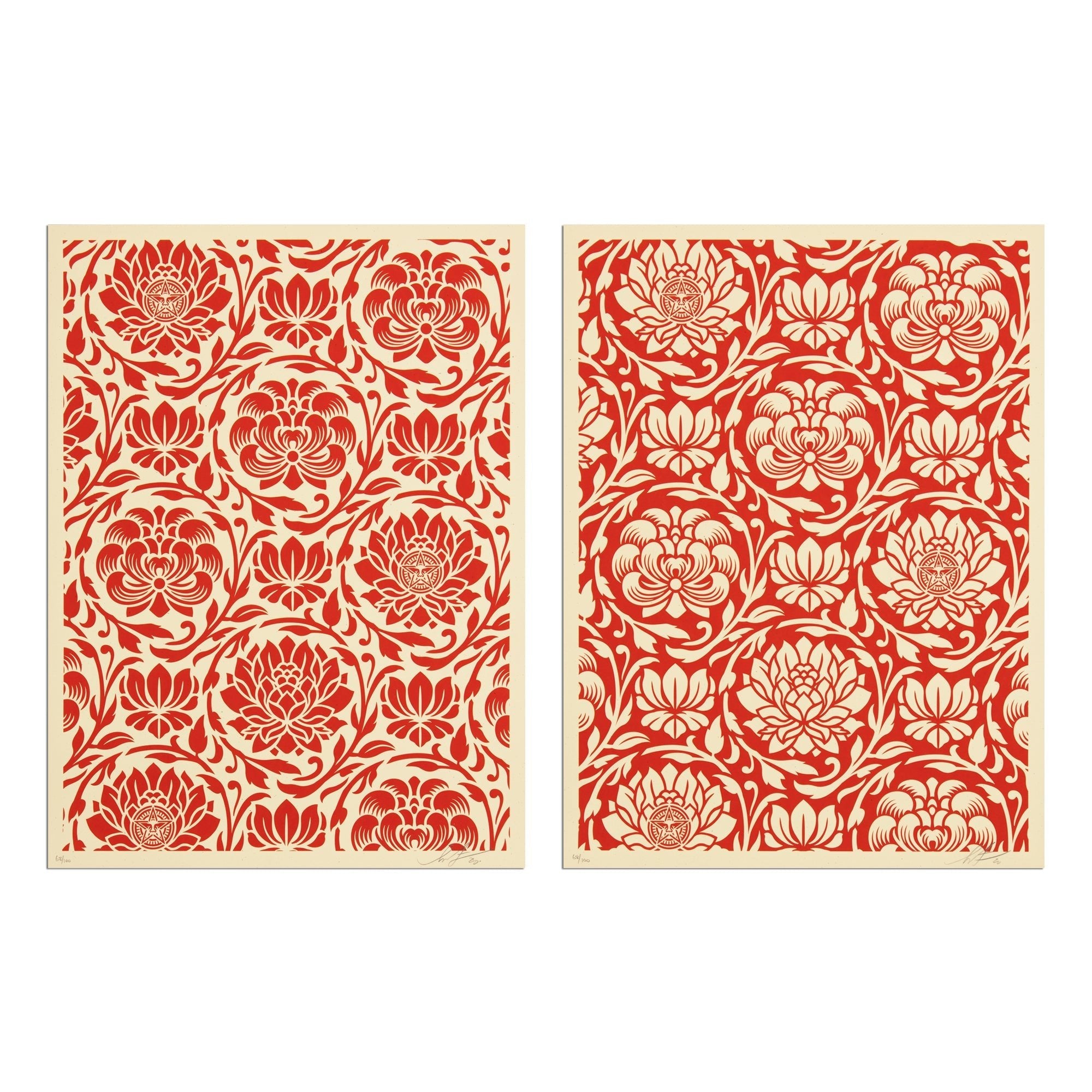
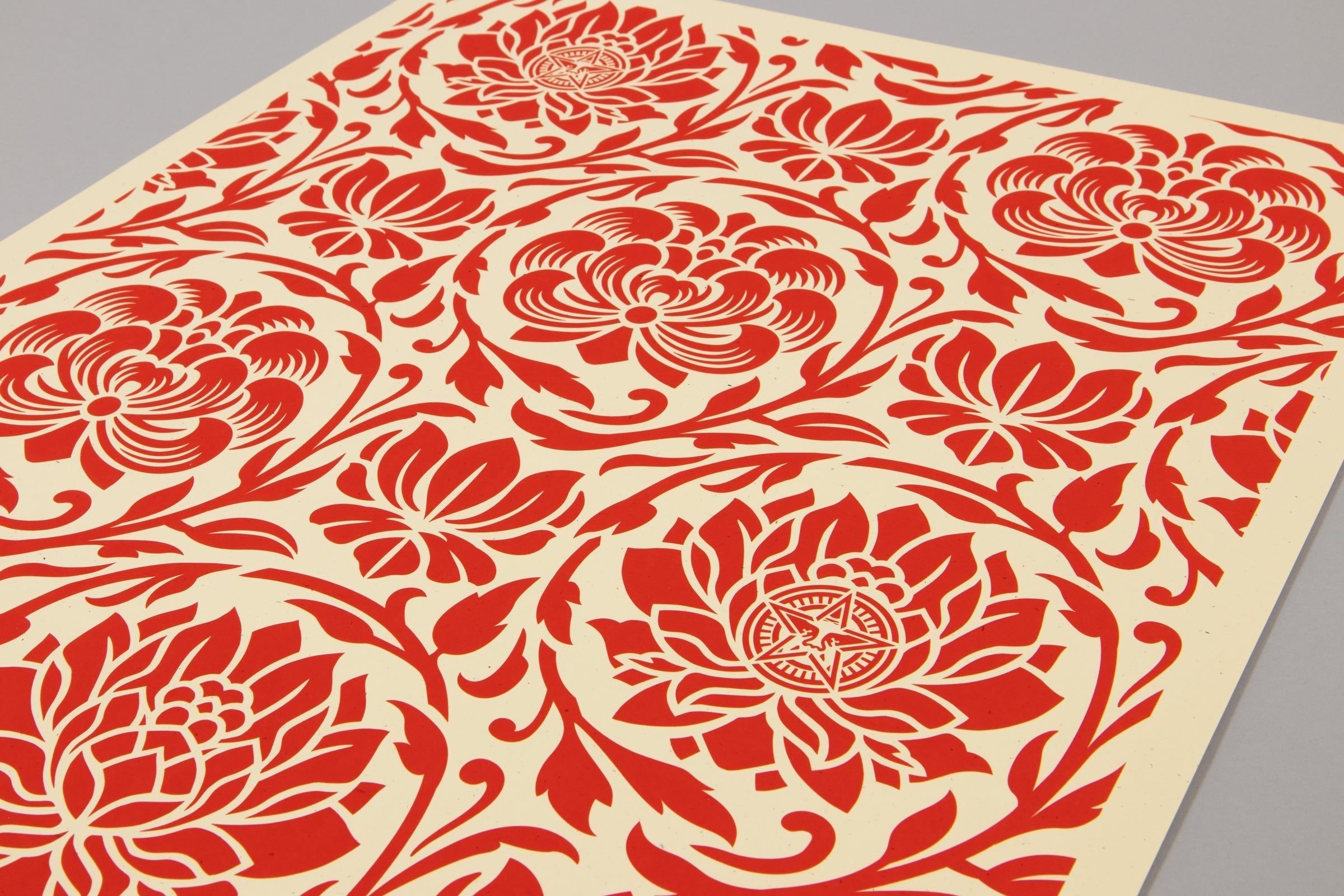
Shepard Fairey - Floral Harmony (Red Yin/Yang)Shepard Fairey - Floral Harmony (Red Yin/Yang)
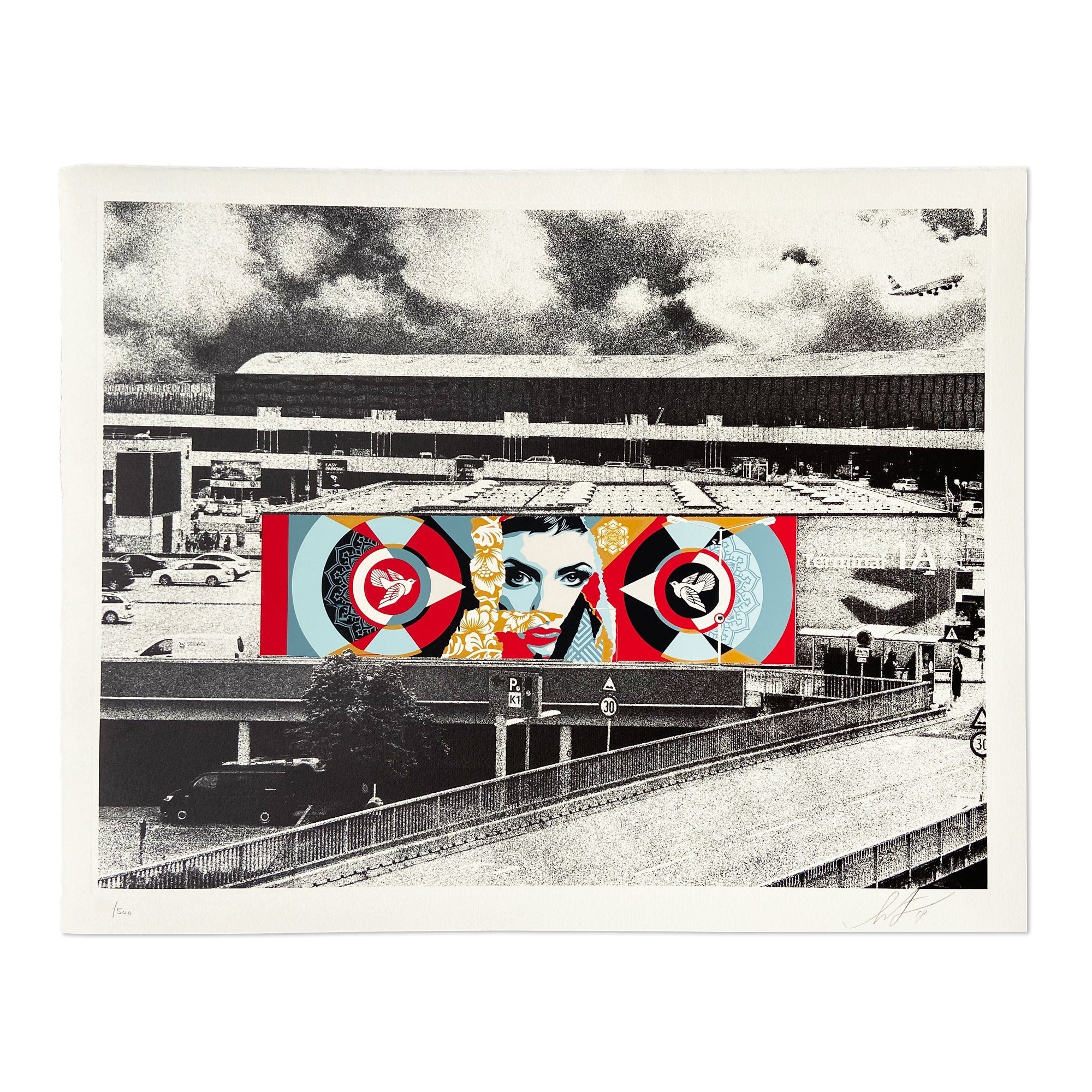
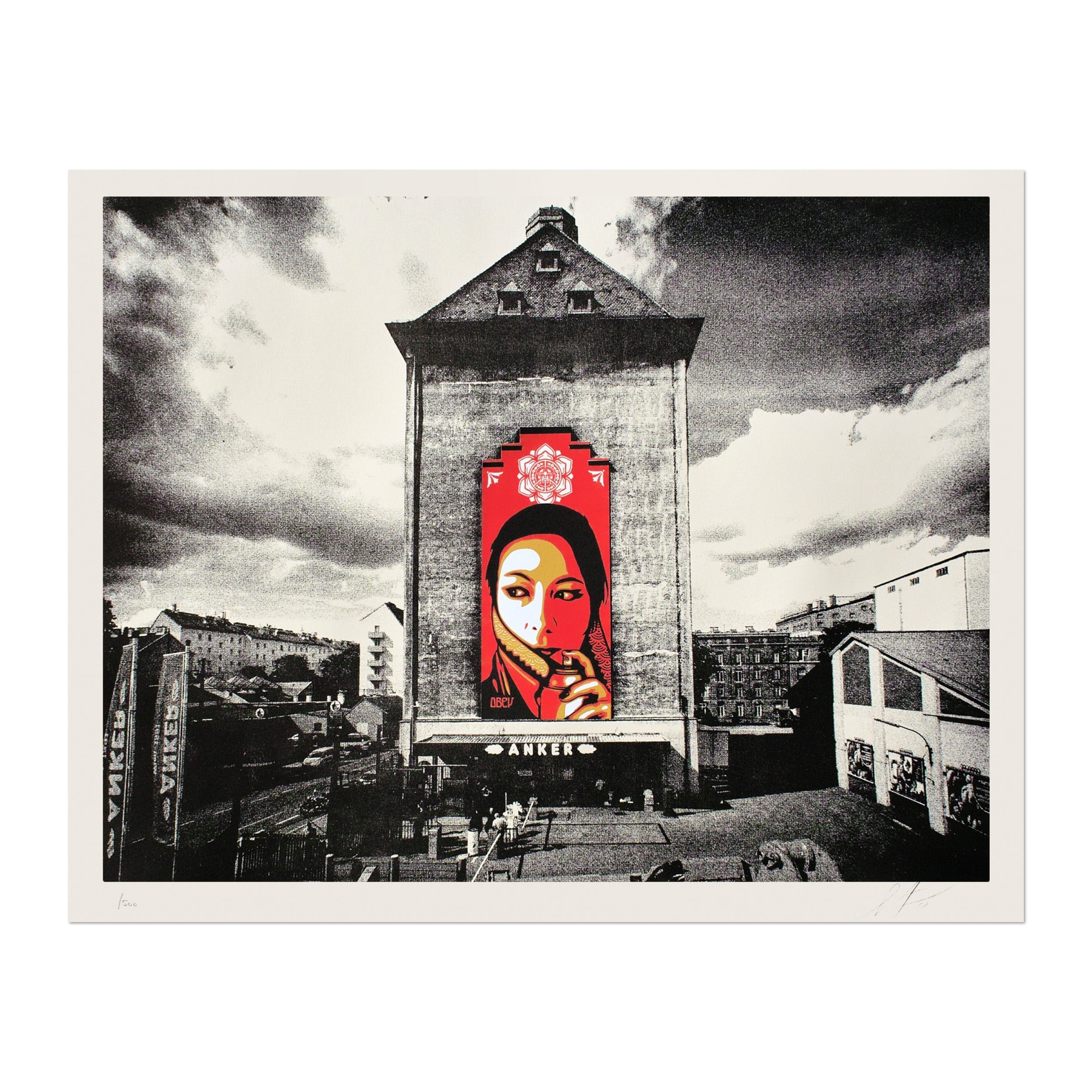
Shepard Fairey - Commanda Vienna
Santiago Sierra – Door Plate
Santiago Sierra – Door Plate Sale price€13.000,00
Robert Longo – Janet (from Men in the Cities)Robert Longo - Janet (from Men in the Cities)
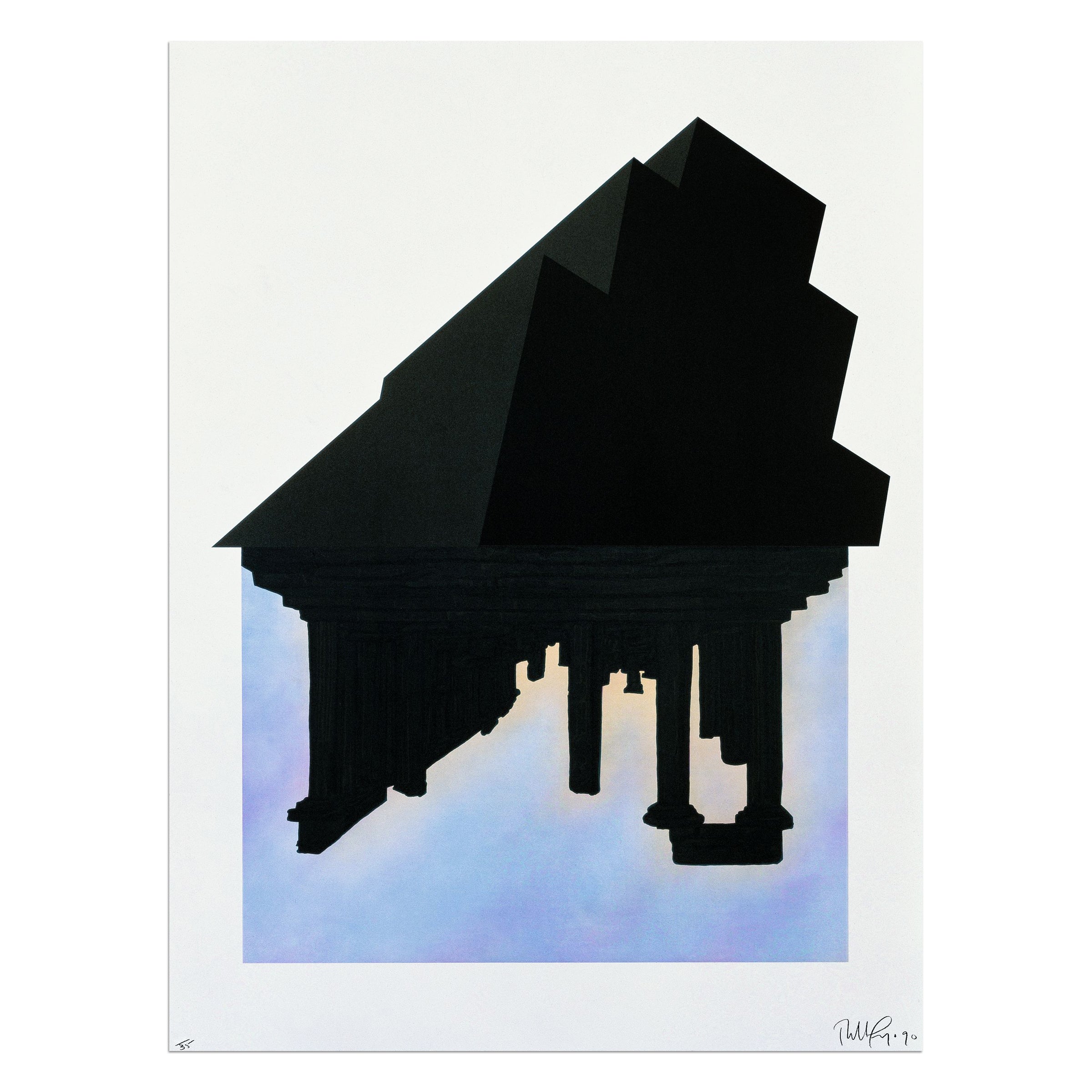
Robert Longo – Black Palms
Robert Longo – Black Palms Sale price€3.400,00
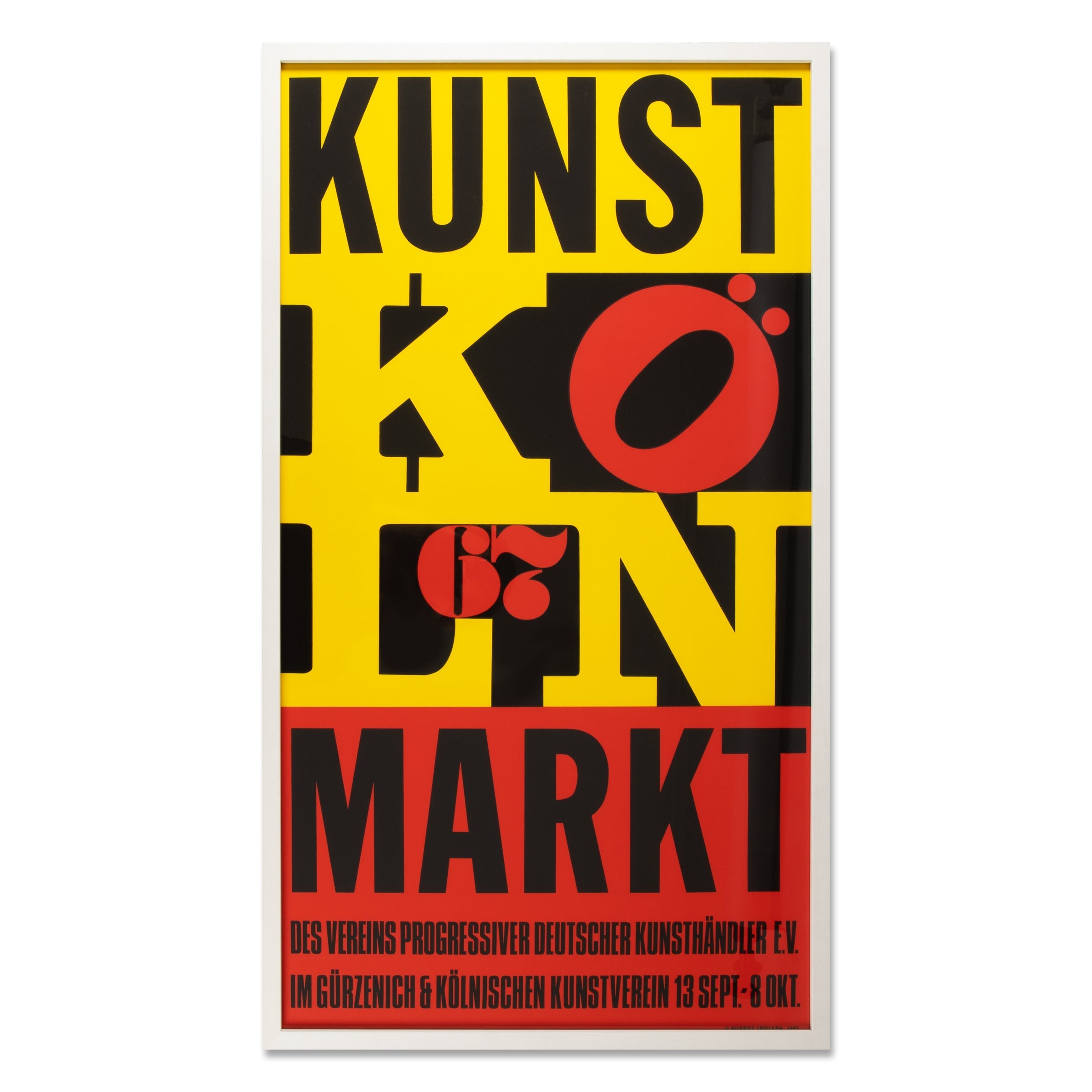
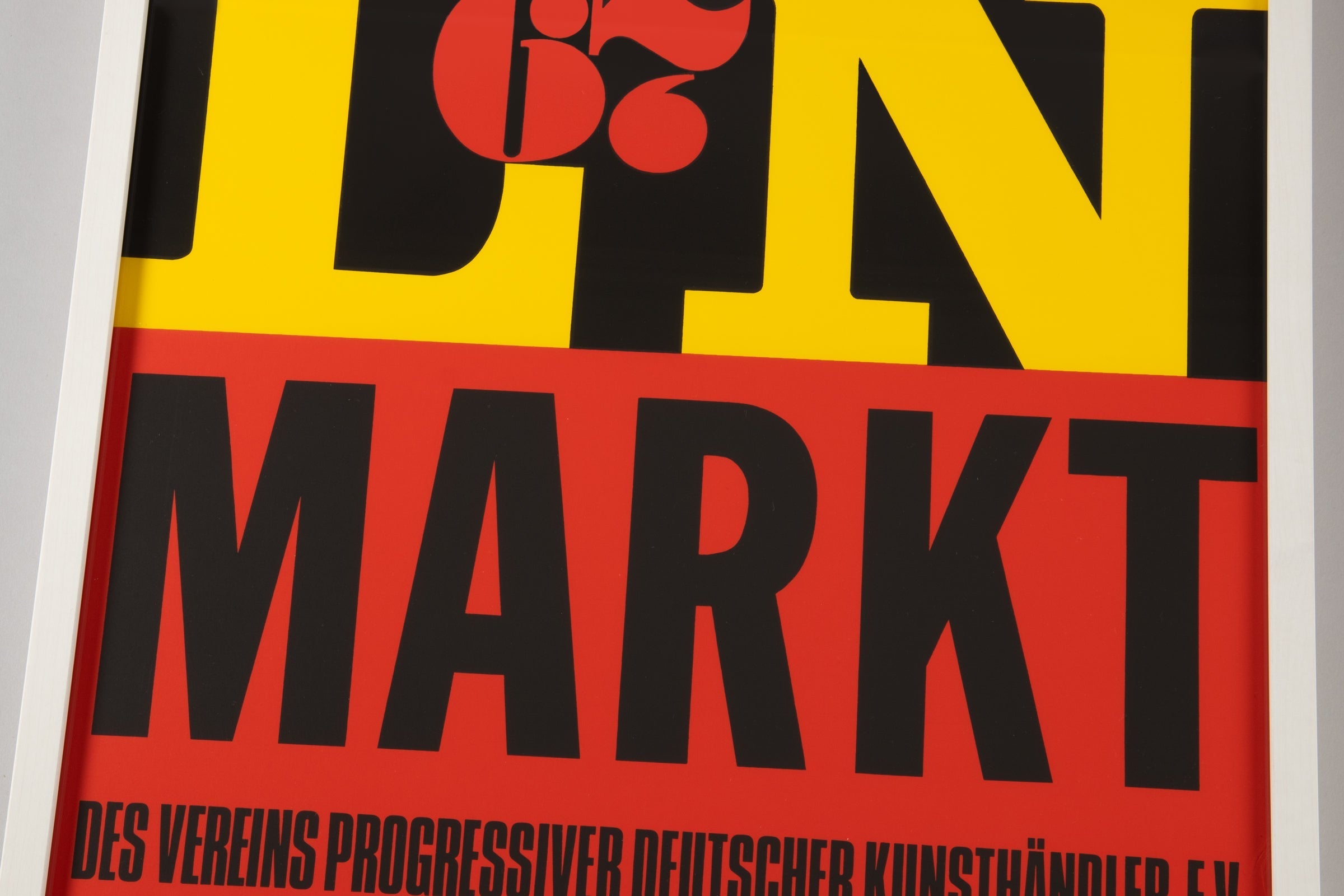
Robert Indiana – Kunstmarkt Köln 67Robert Indiana - Kunstmarkt Köln 67
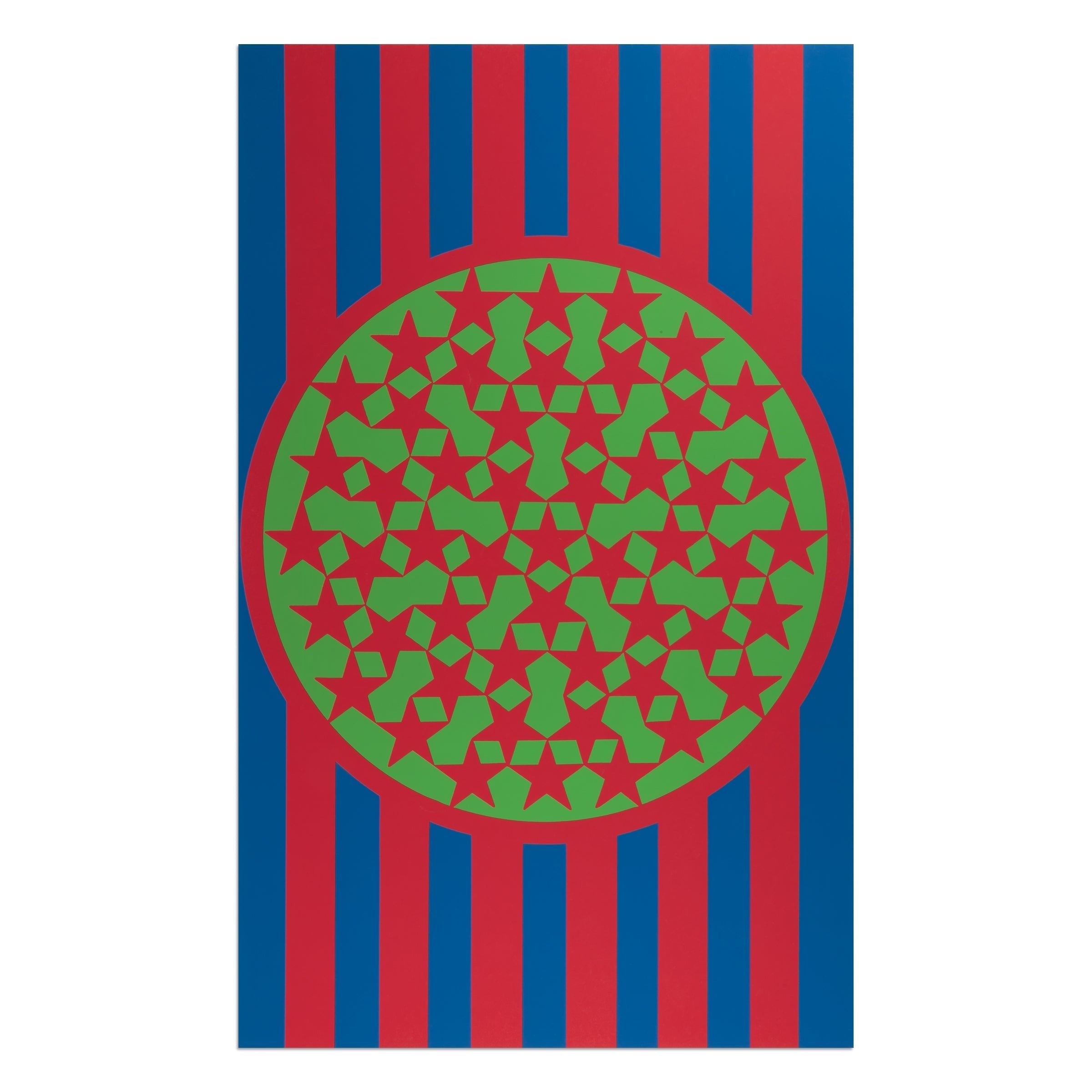
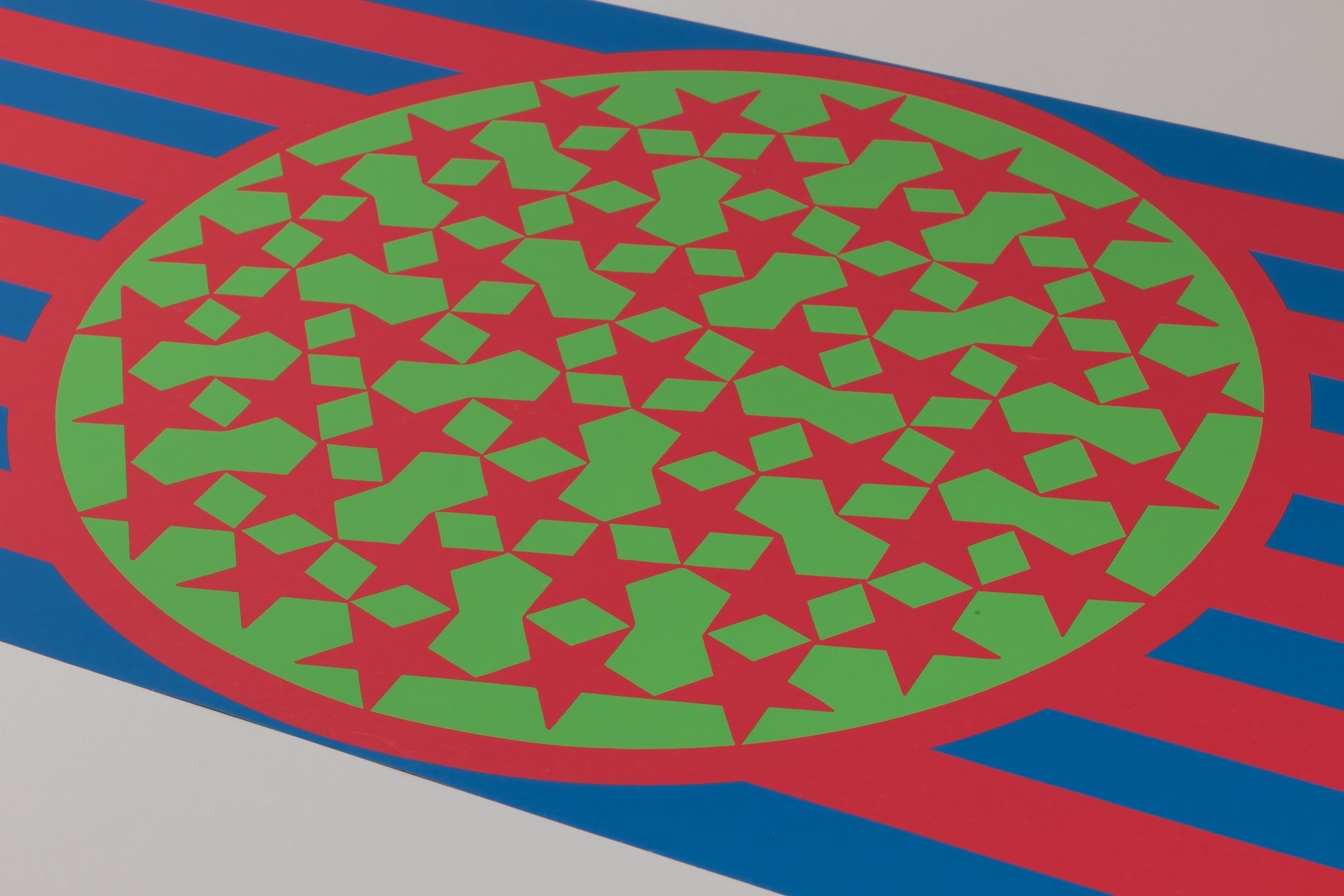
Robert Indiana – BannerRobert Indiana – Banner
Robert Indiana – Banner Sale price€1.000,00
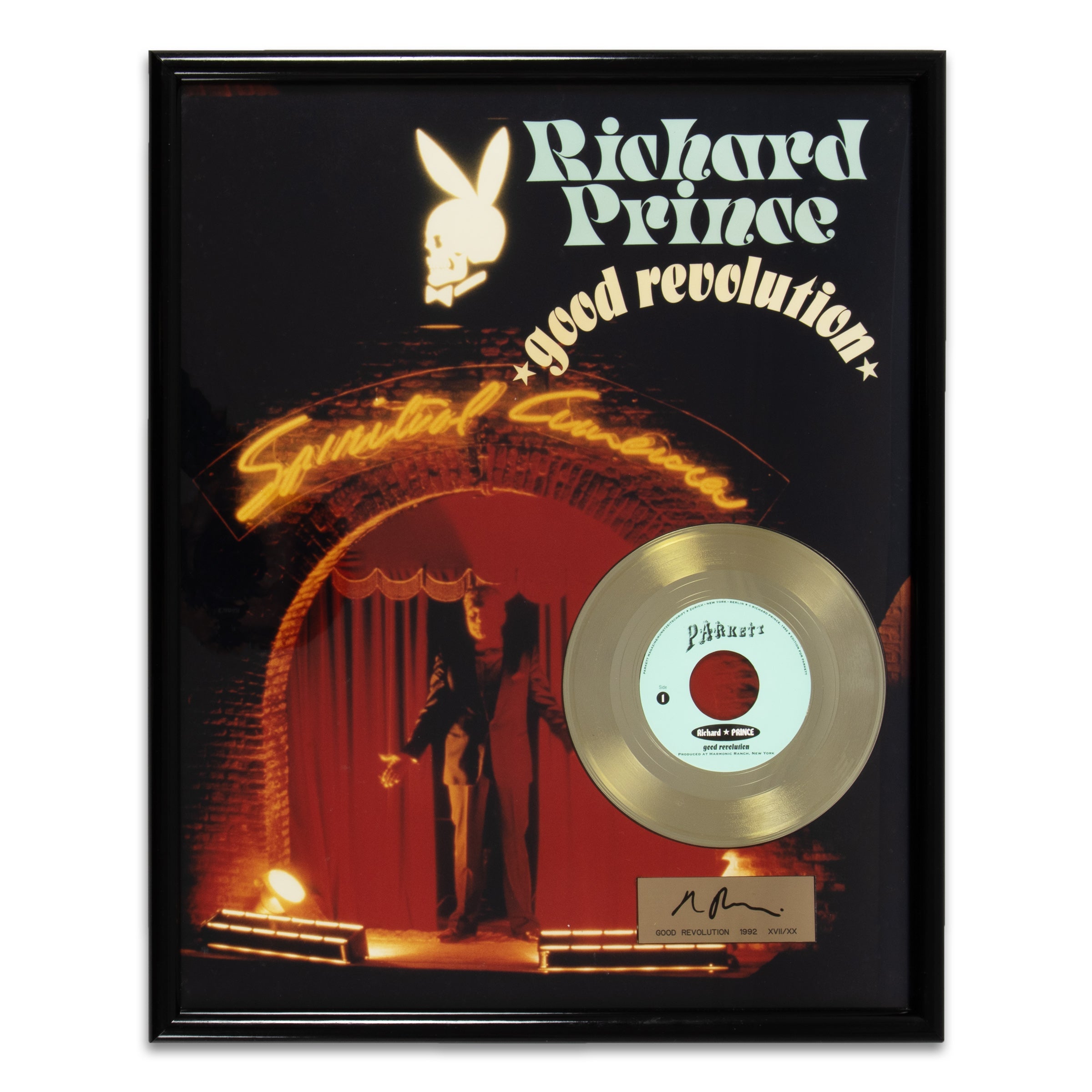
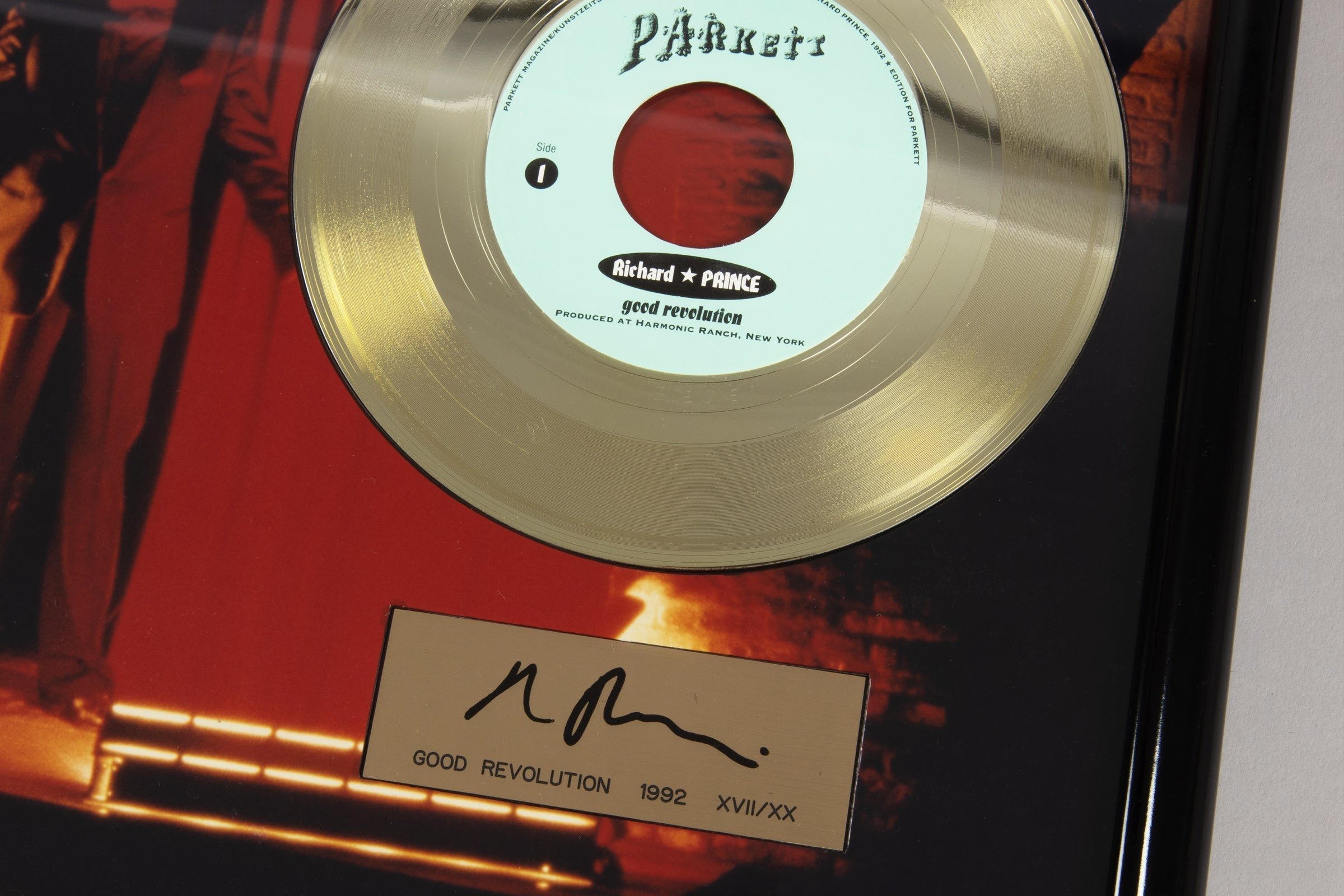
Richard Prince – Good RevolutionRichard Prince – Good Revolution
Richard Prince – Good Revolution Sale price€3.400,00
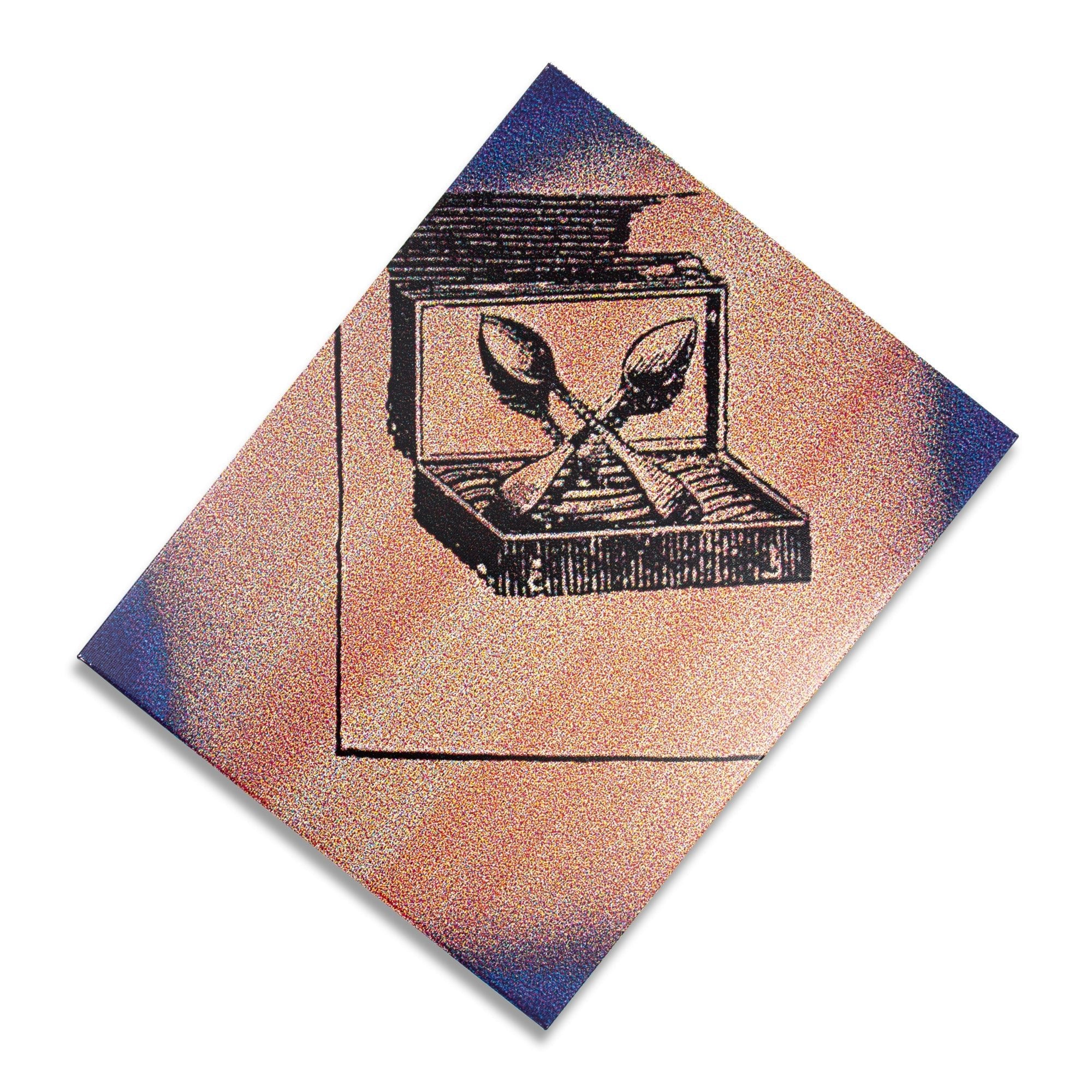
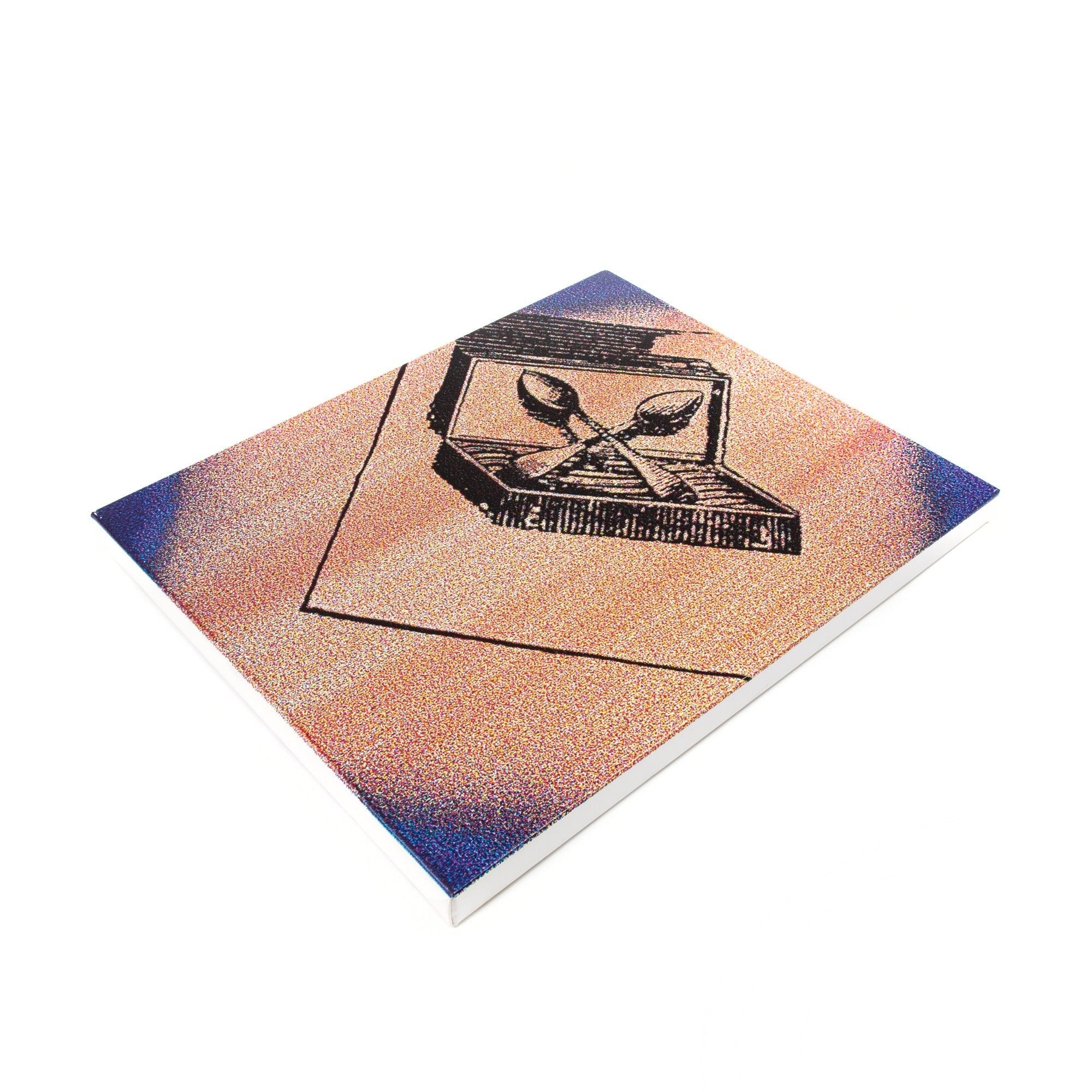
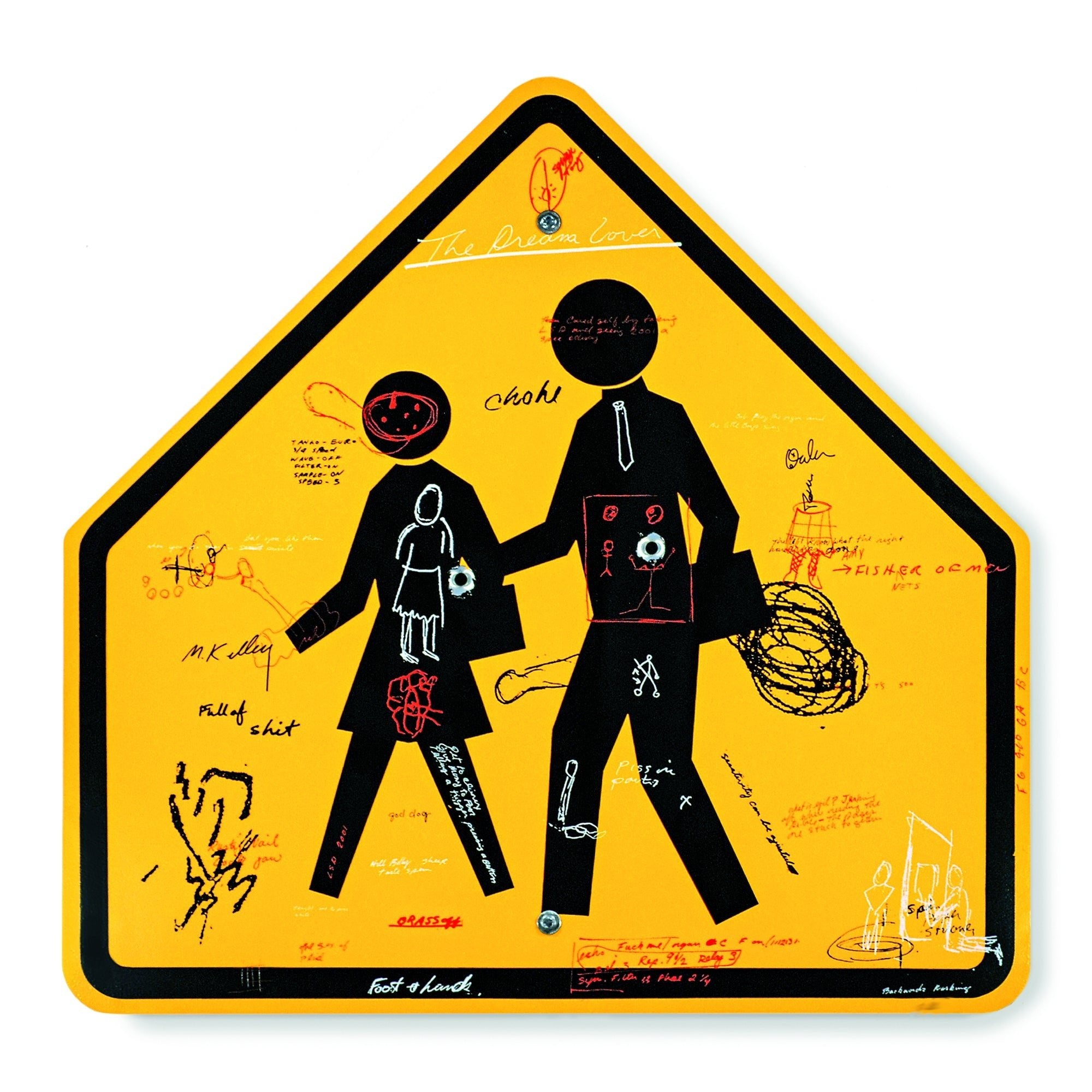
Mike Kelley and Tony Oursler – Poetics Country
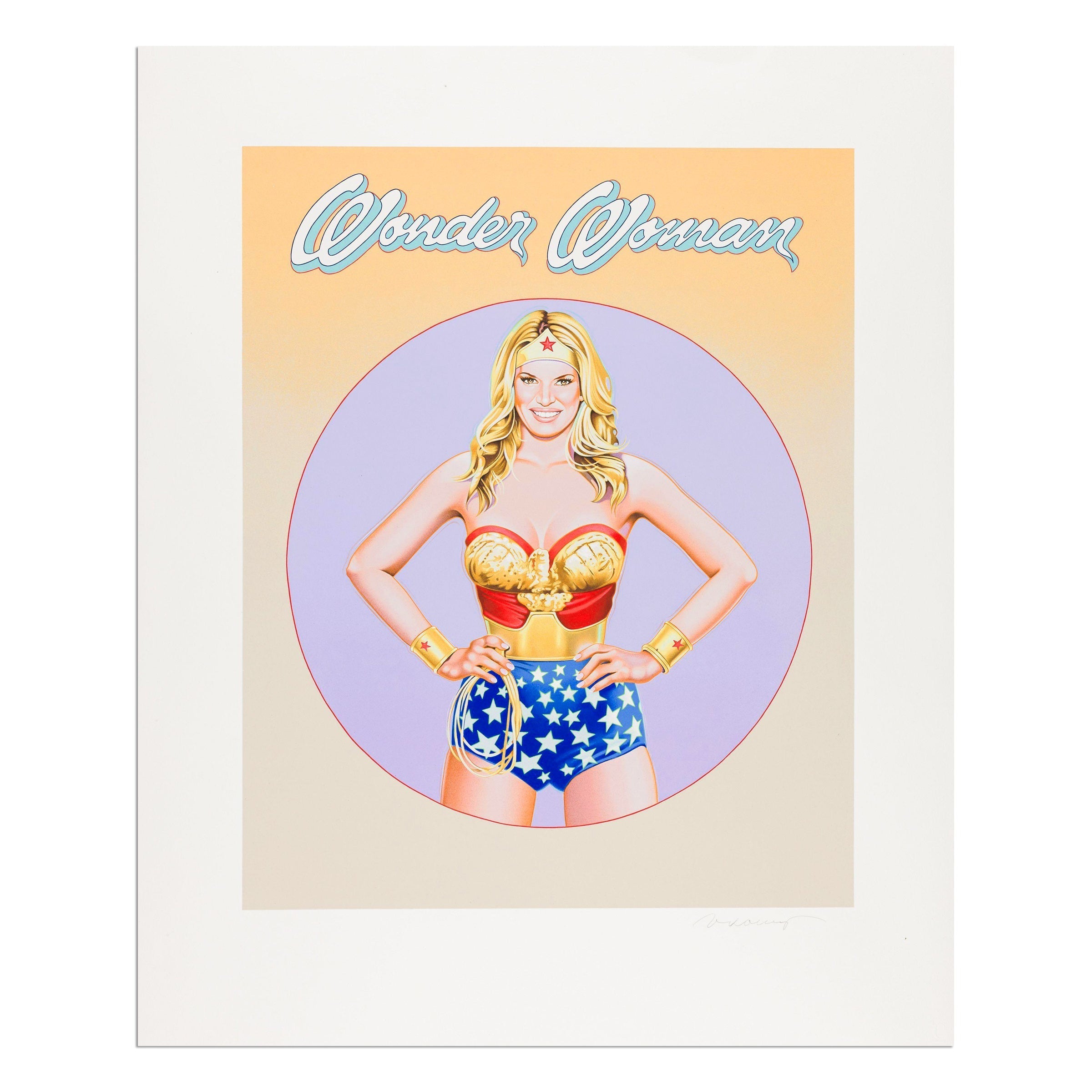
Mel Ramos – Wonder Woman 3
Mel Ramos – Wonder Woman 3 Sale price€2.800,00
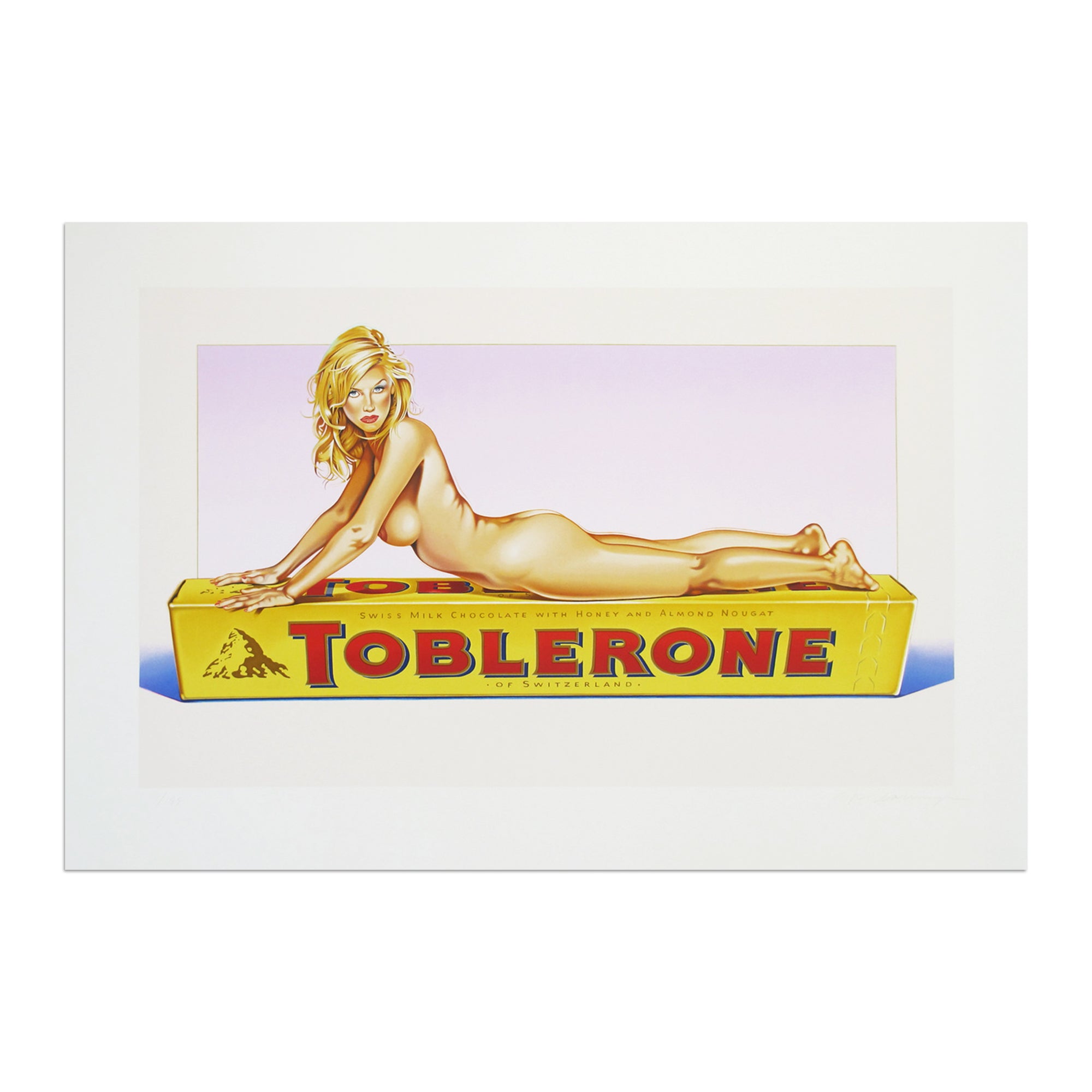
Mel Ramos – Toblerone Tess
Mel Ramos – Toblerone Tess Sale price€6.600,00
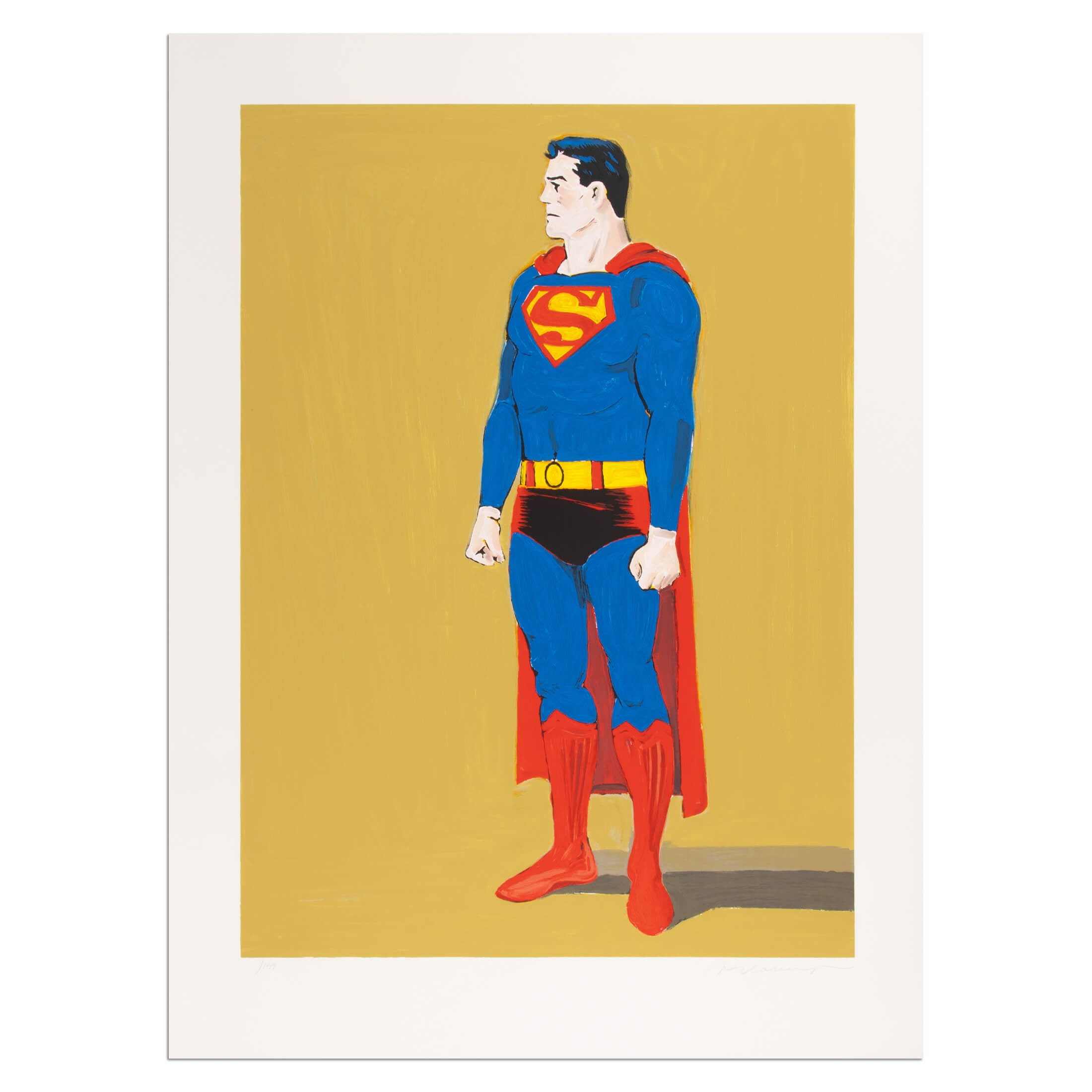
Mel Ramos – SupermanMel Ramos – Superman
Mel Ramos – Superman Sale price€3.000,00
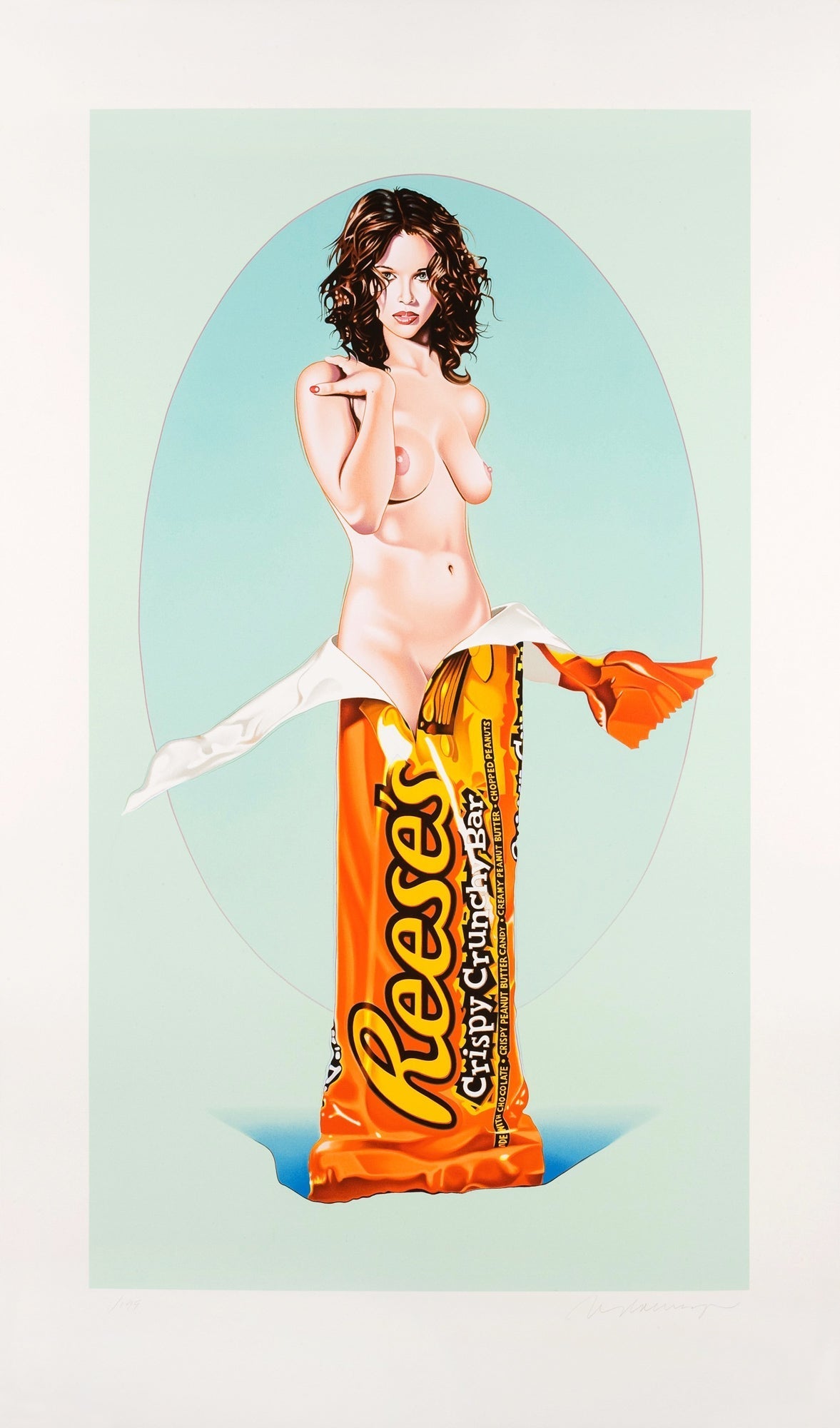
Mel Ramos - Reese's RoseMel Ramos – Reese's Rose
Mel Ramos – Reese's Rose Sale price€3.900,00
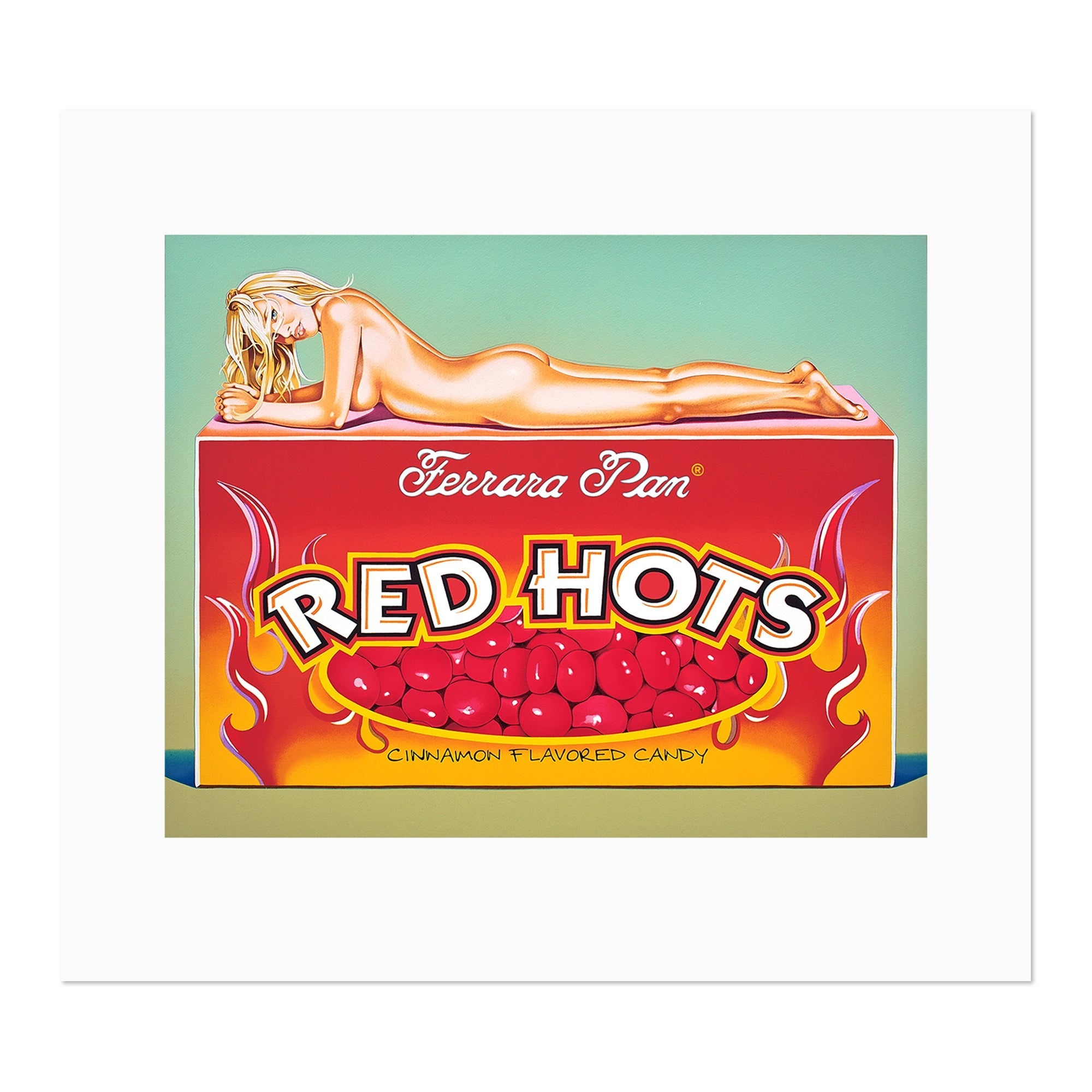
Mel Ramos – Red Hots
Mel Ramos – Red Hots Sale price€3.000,00
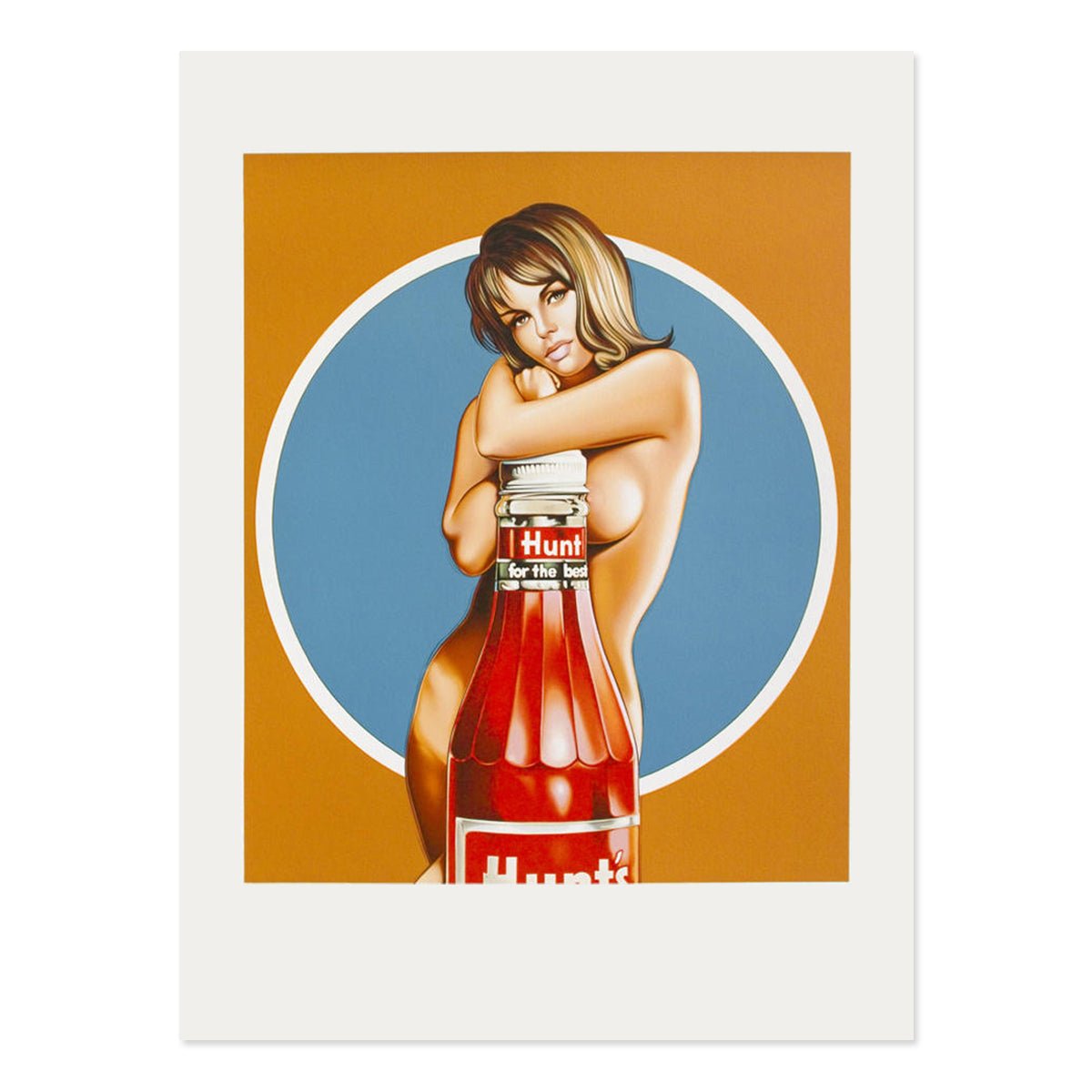
Mel Ramos – Hunt For The Best
Mel Ramos – Hunt For The Best Sale price€4.400,00
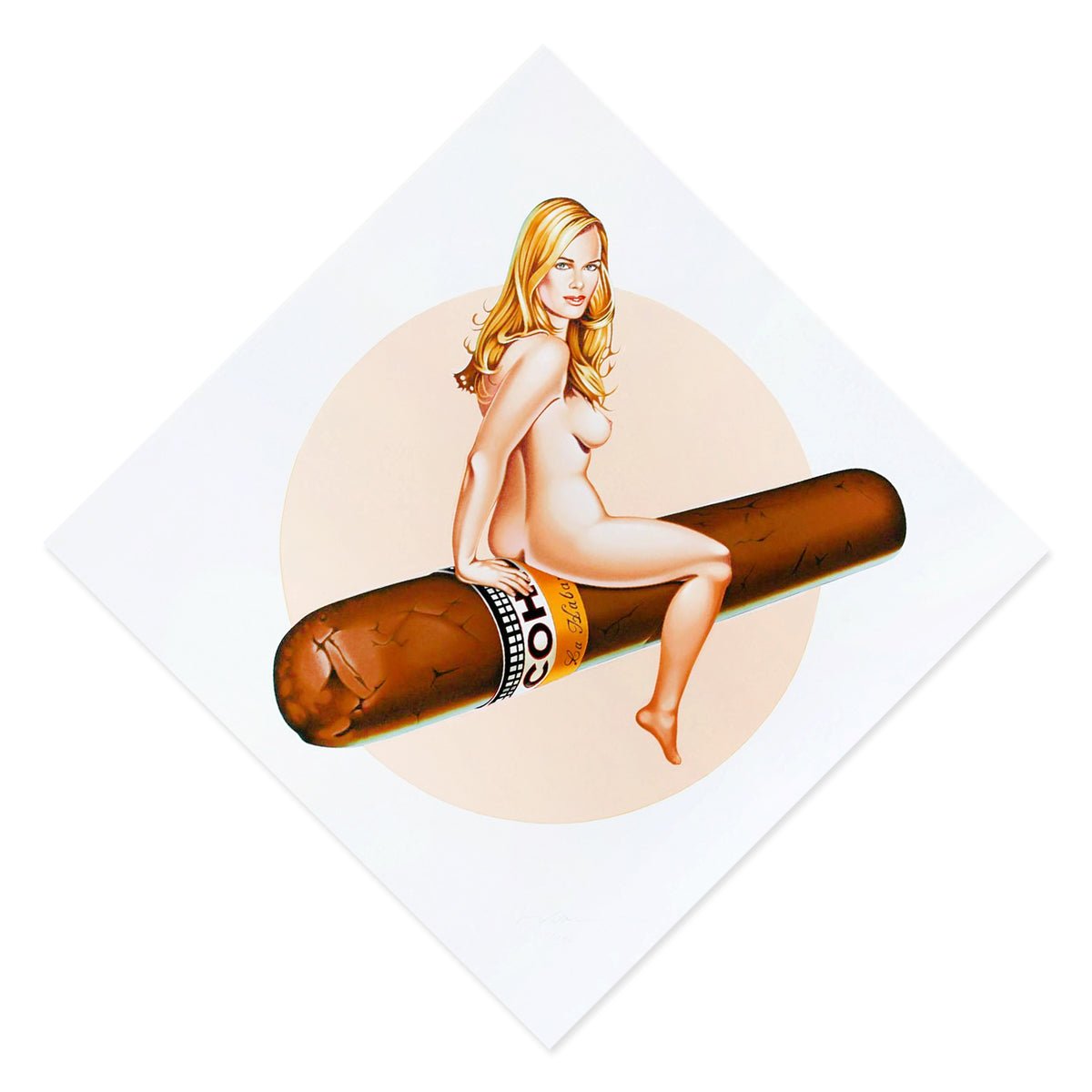
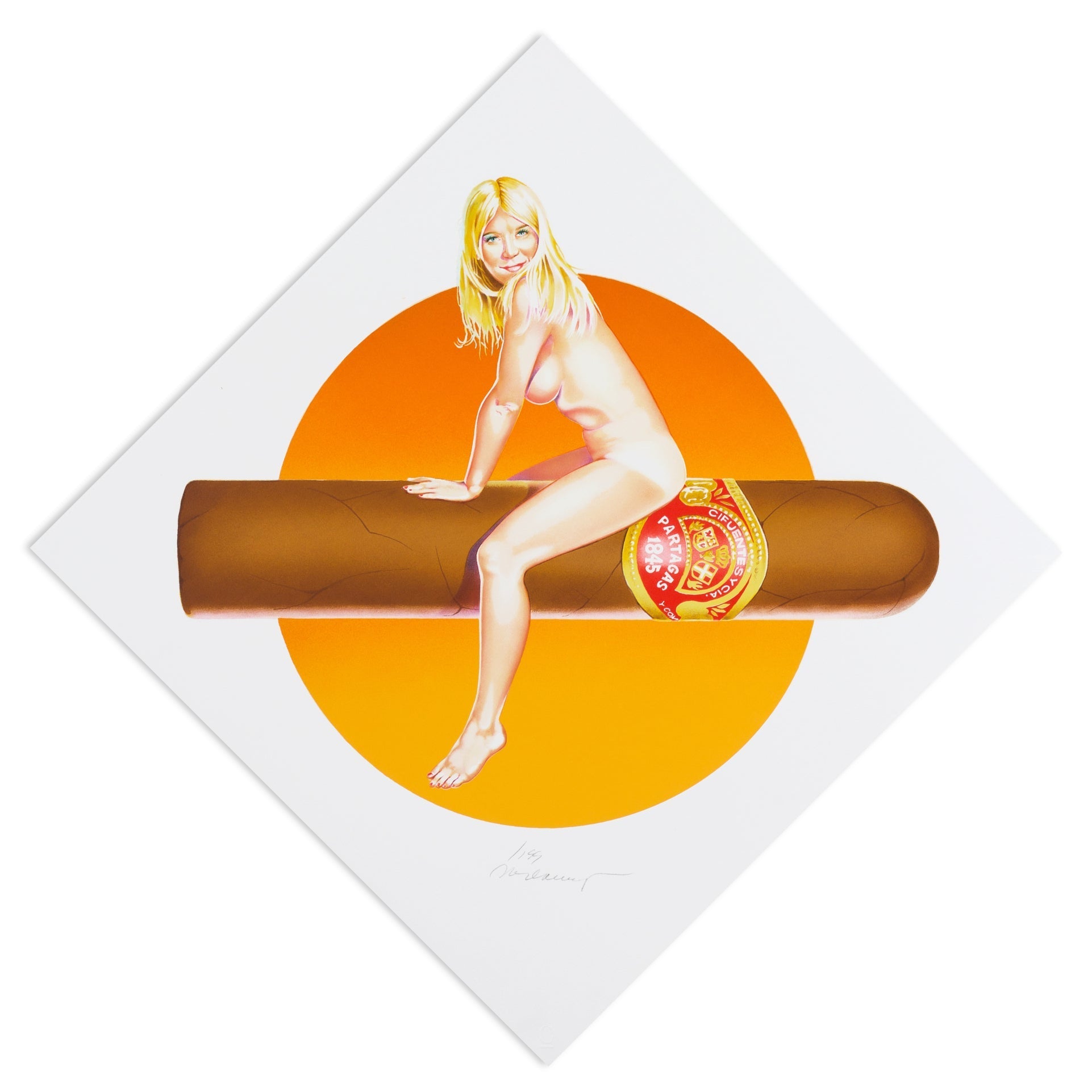
Mel Ramos – Hav-A-Havana 6
Mel Ramos – Hav-A-Havana 6 Sale price€4.000,00
Mel Ramos - Hav-A-Havana 3
Mel Ramos – Hav-A-Havana 3 Sale price€3.500,00
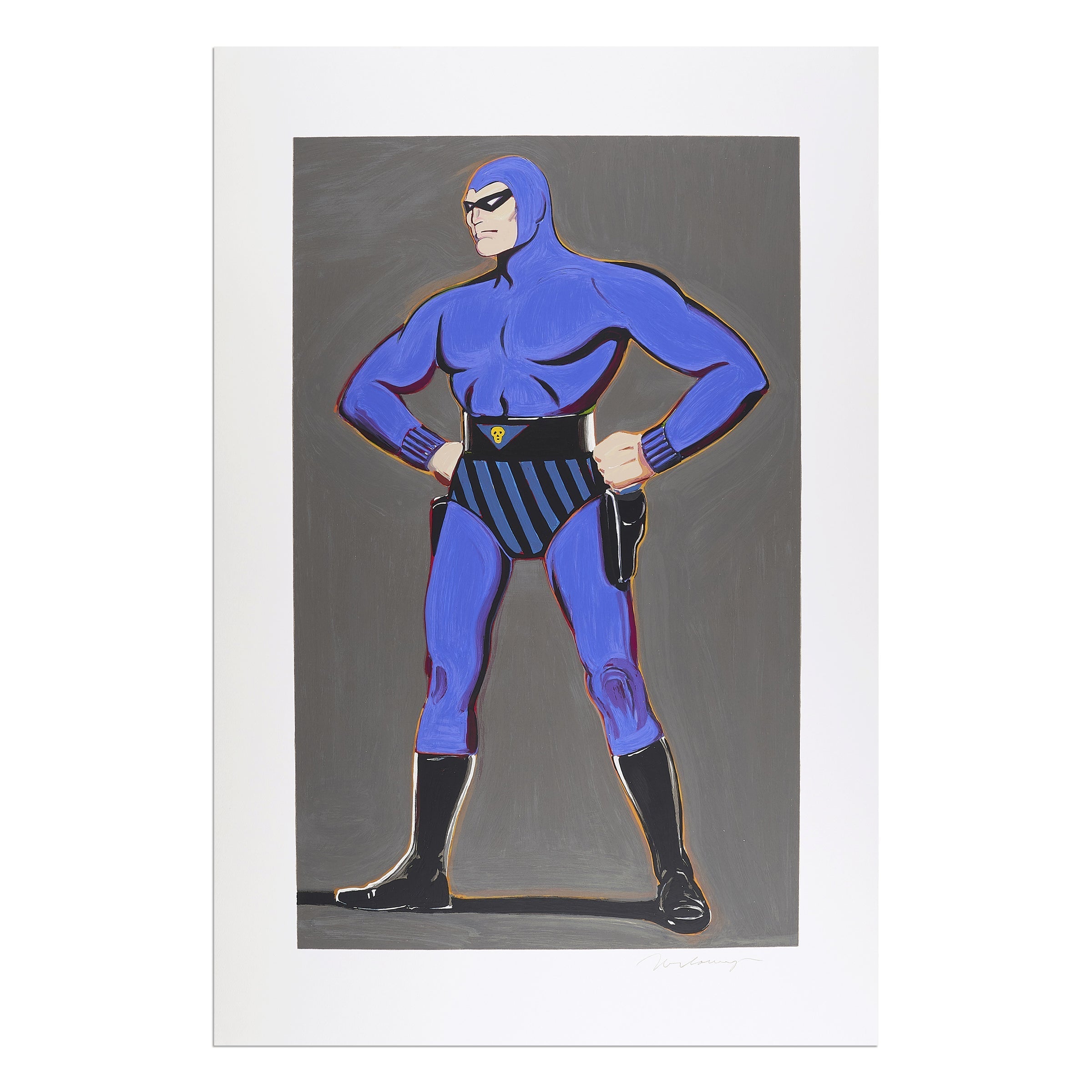
Mel Ramos - PhantomMel Ramos - Phantom
Mel Ramos – Phantom Sale price€2.800,00
Maurizio Cattelan - Yes!Maurizio Cattelan - Yes!
Maurizio Cattelan – Yes! Sale price€1.300,00
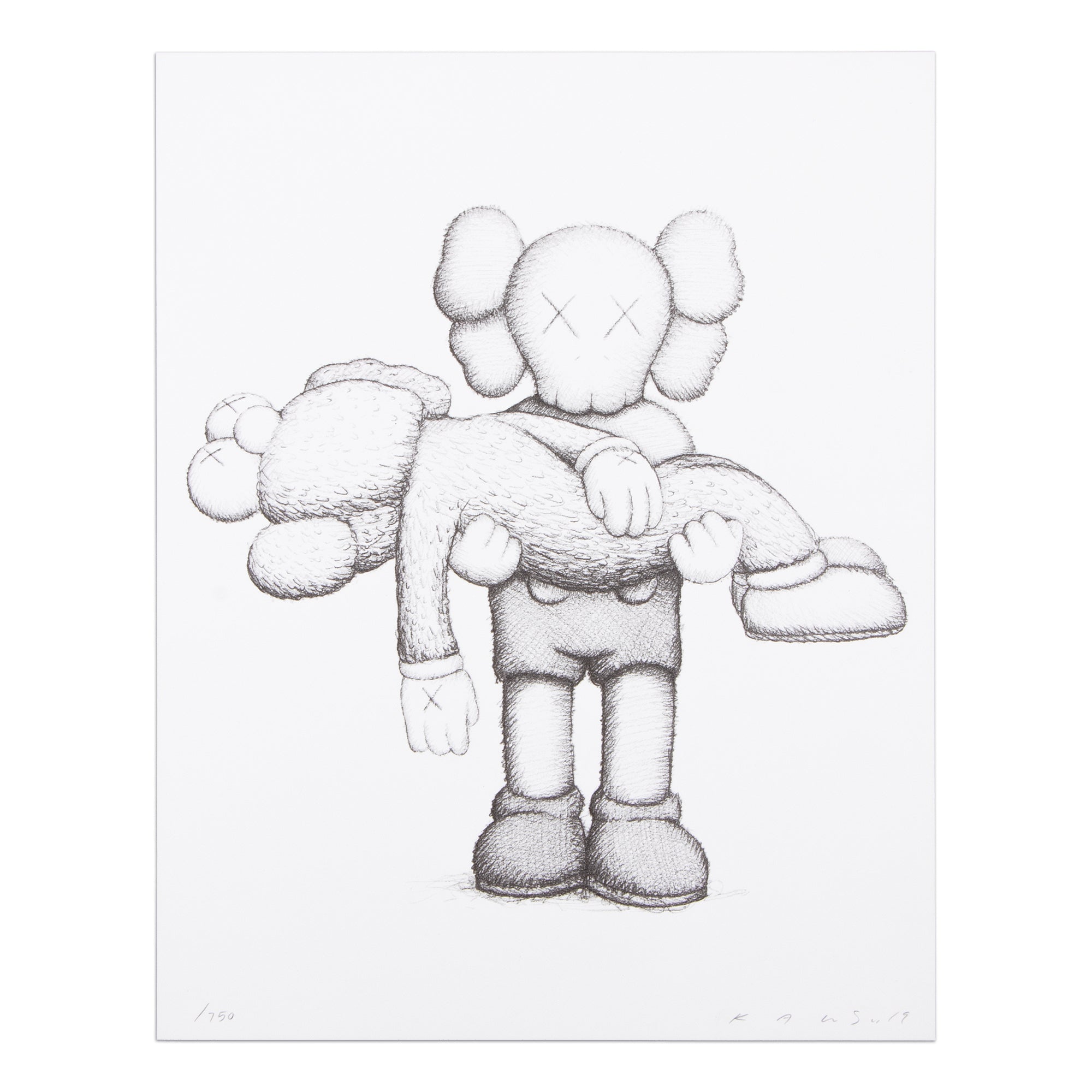
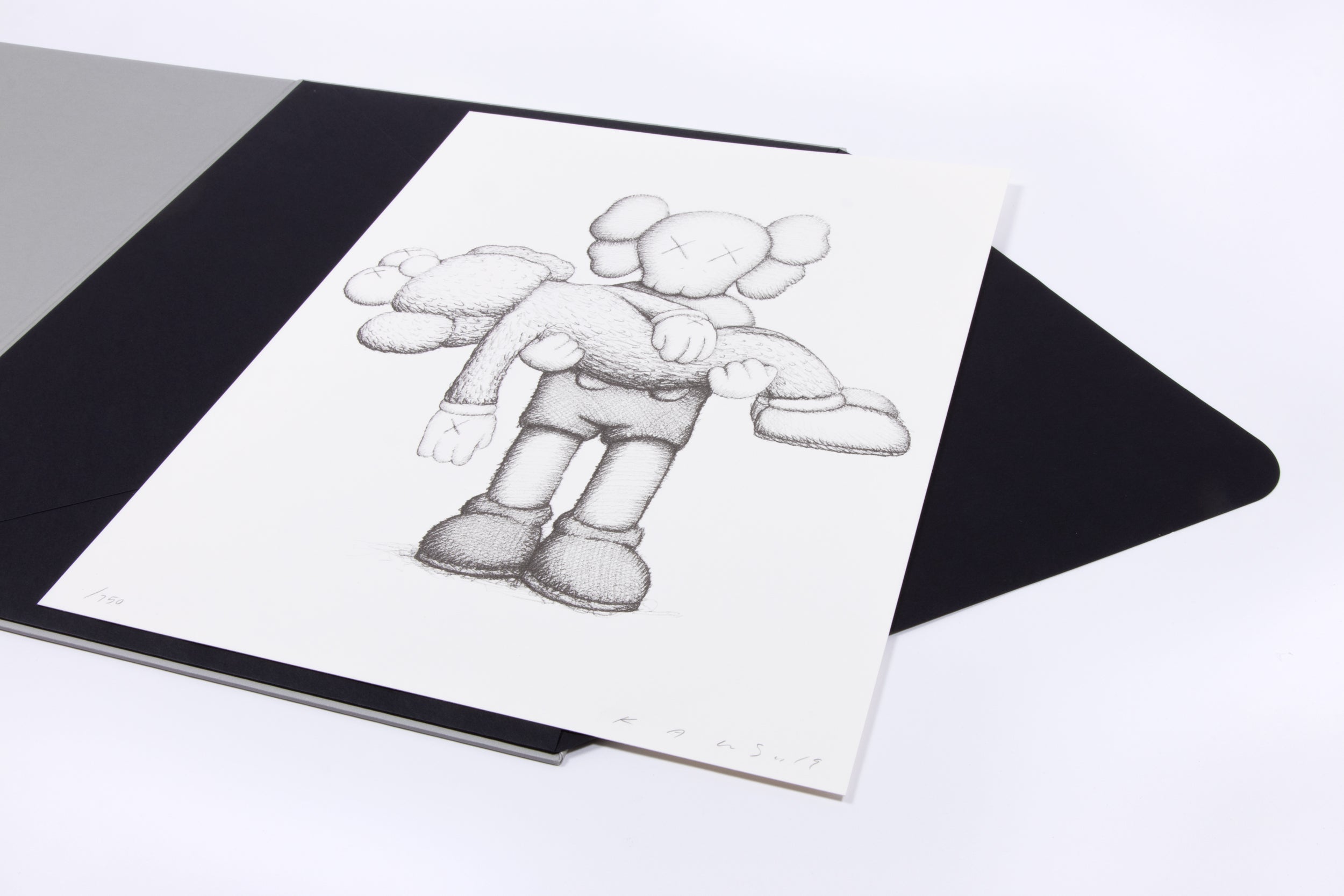
KAWS, GoneKAWS, Gone
KAWS – Gone Sale price€5.600,00
Sold out
JR - Women Are HeroesJR - Women Are Heroes
JR - Women Are Heroes Sale price€1.900,00
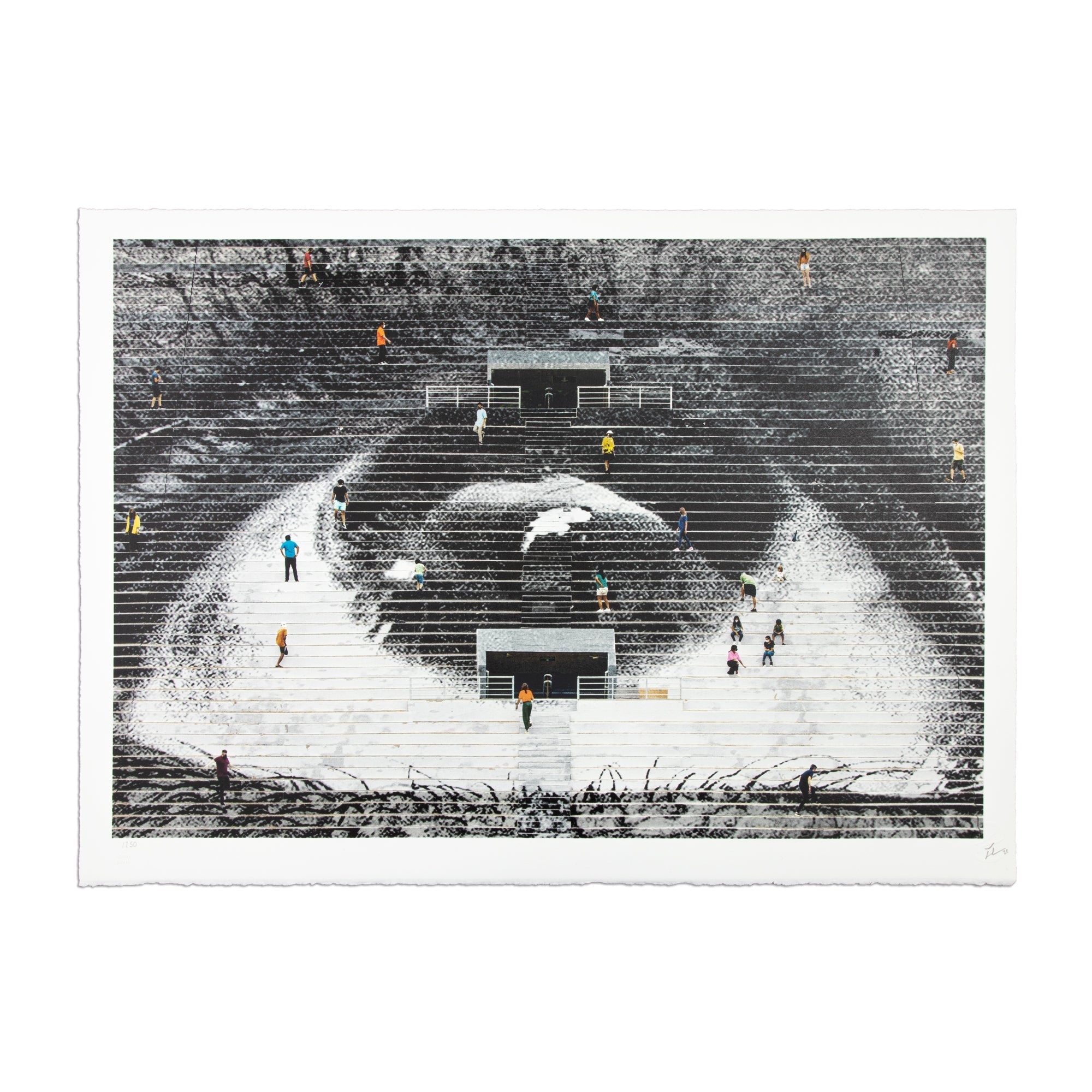
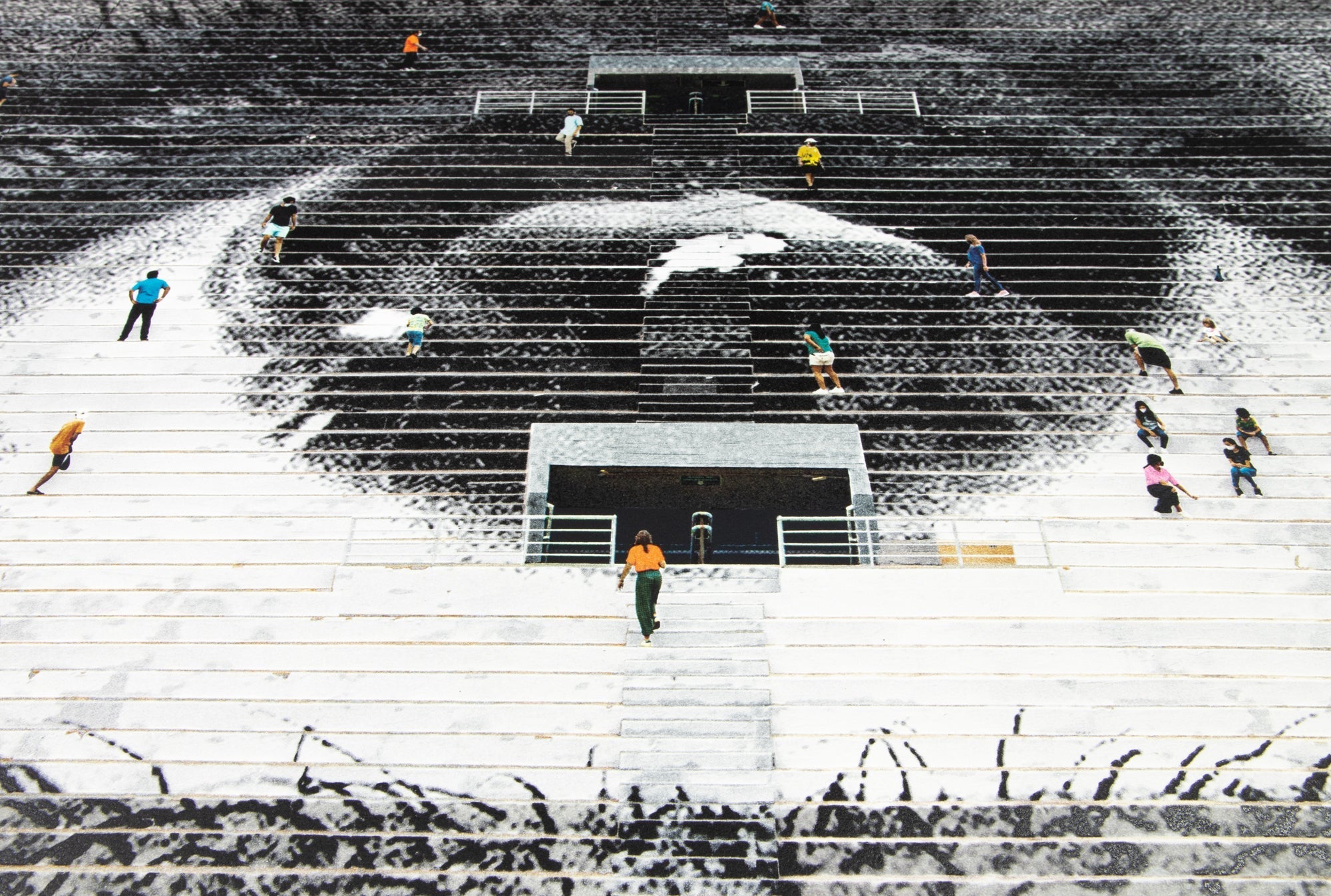
JR - Olho, Estadio de PacaembuJR – Olho, Estadio de Pacaembu
JR – Olho, Estadio de Pacaembu Sale price€1.400,00
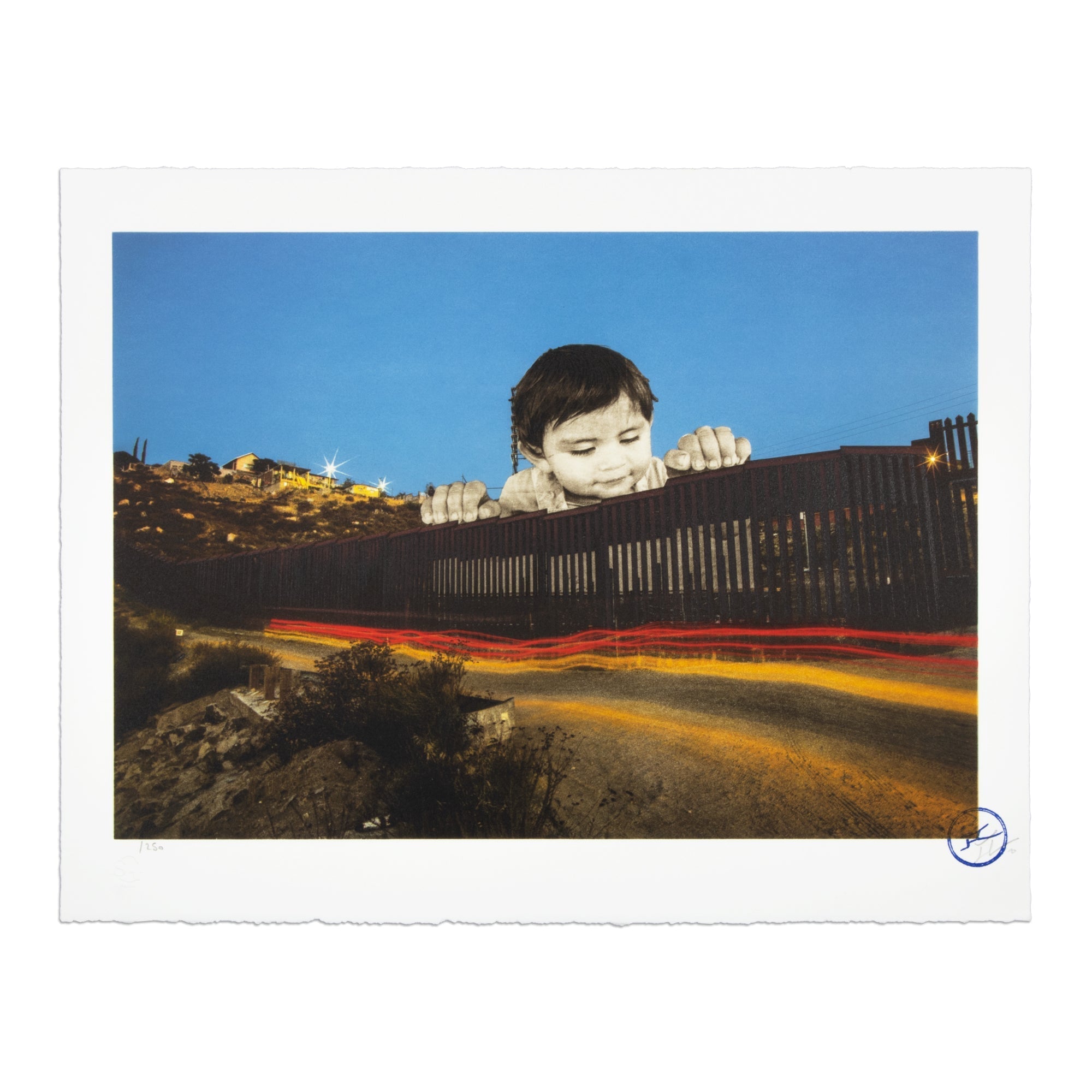
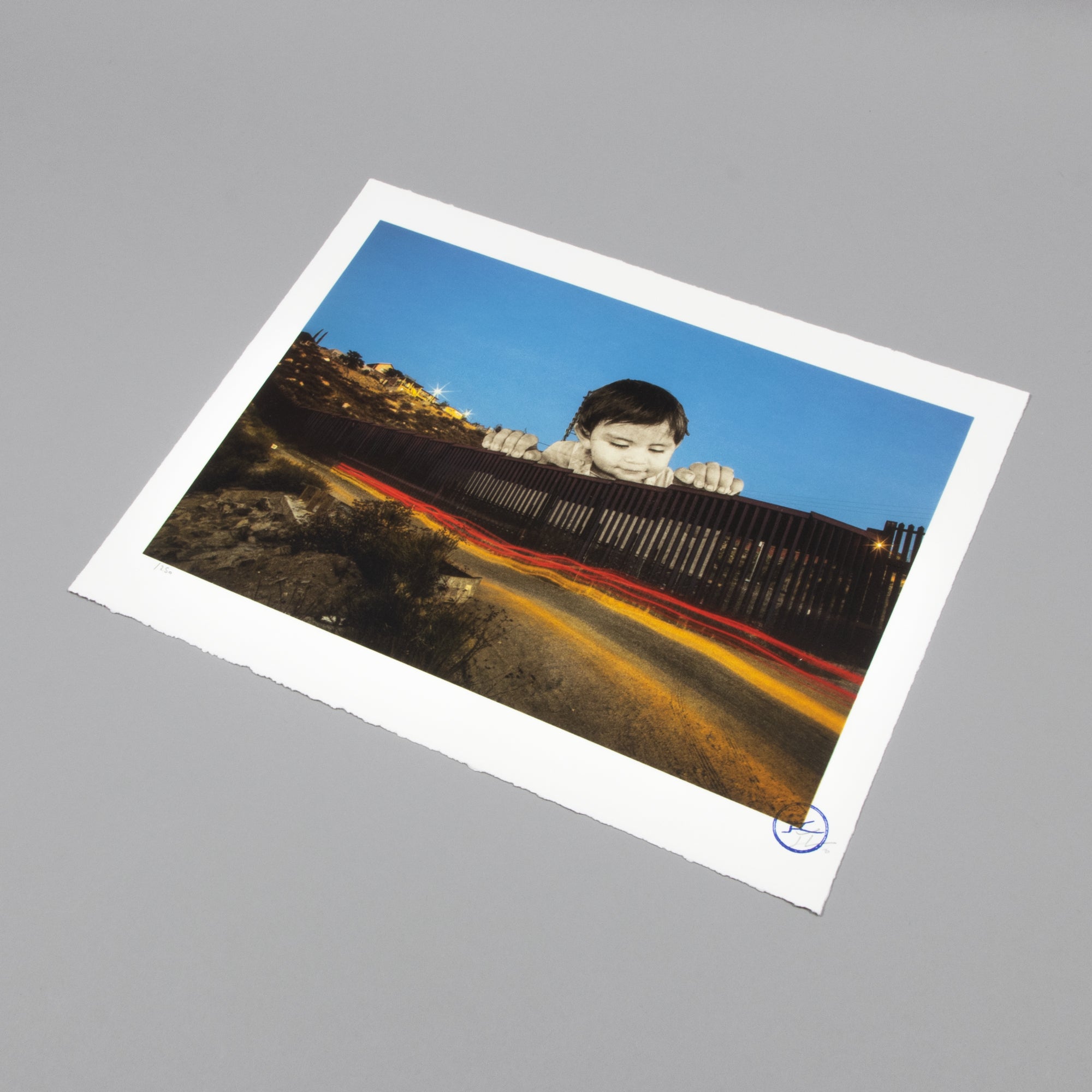
JR, KikitoJR, Kikito
JR – Kikito Sale price€1.500,00
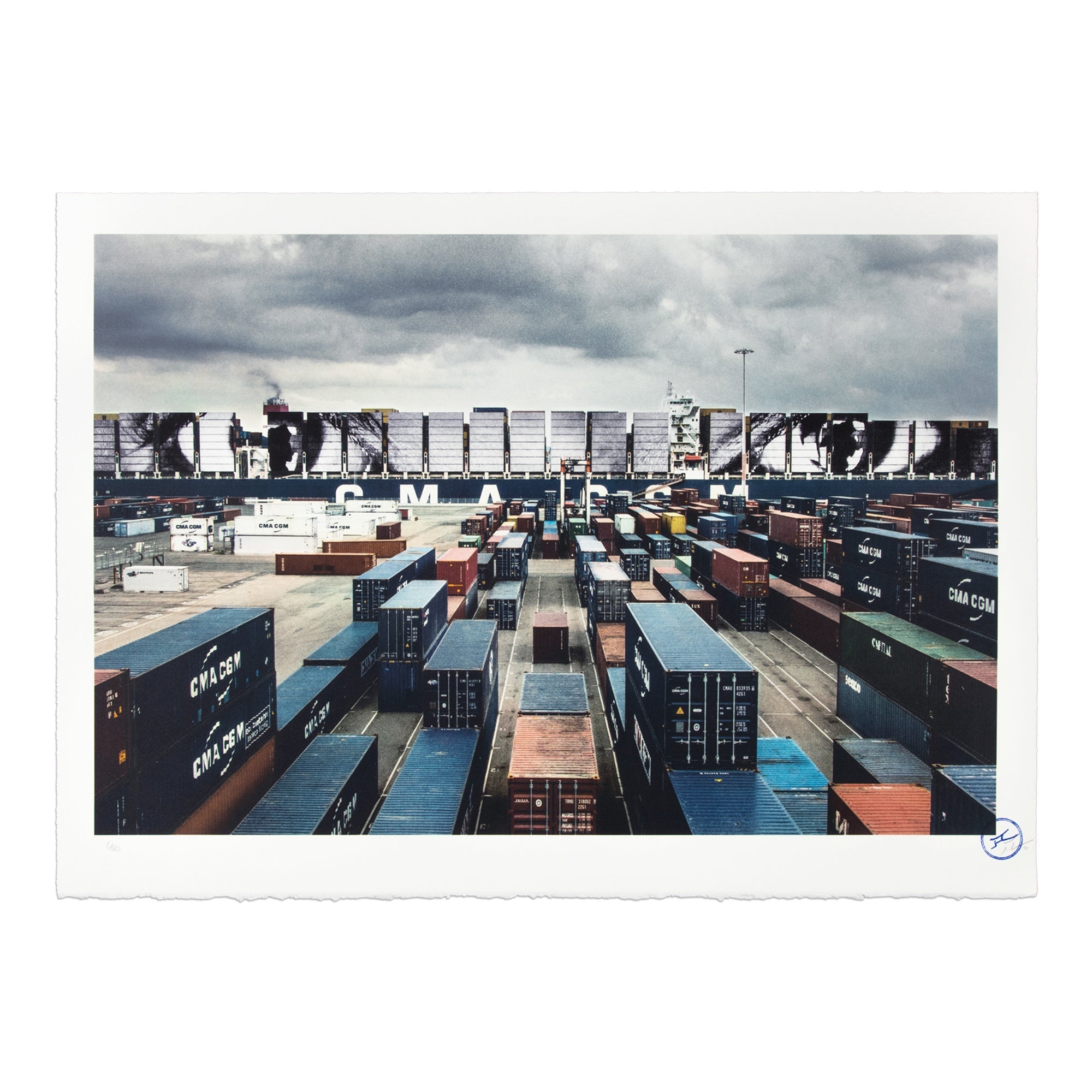
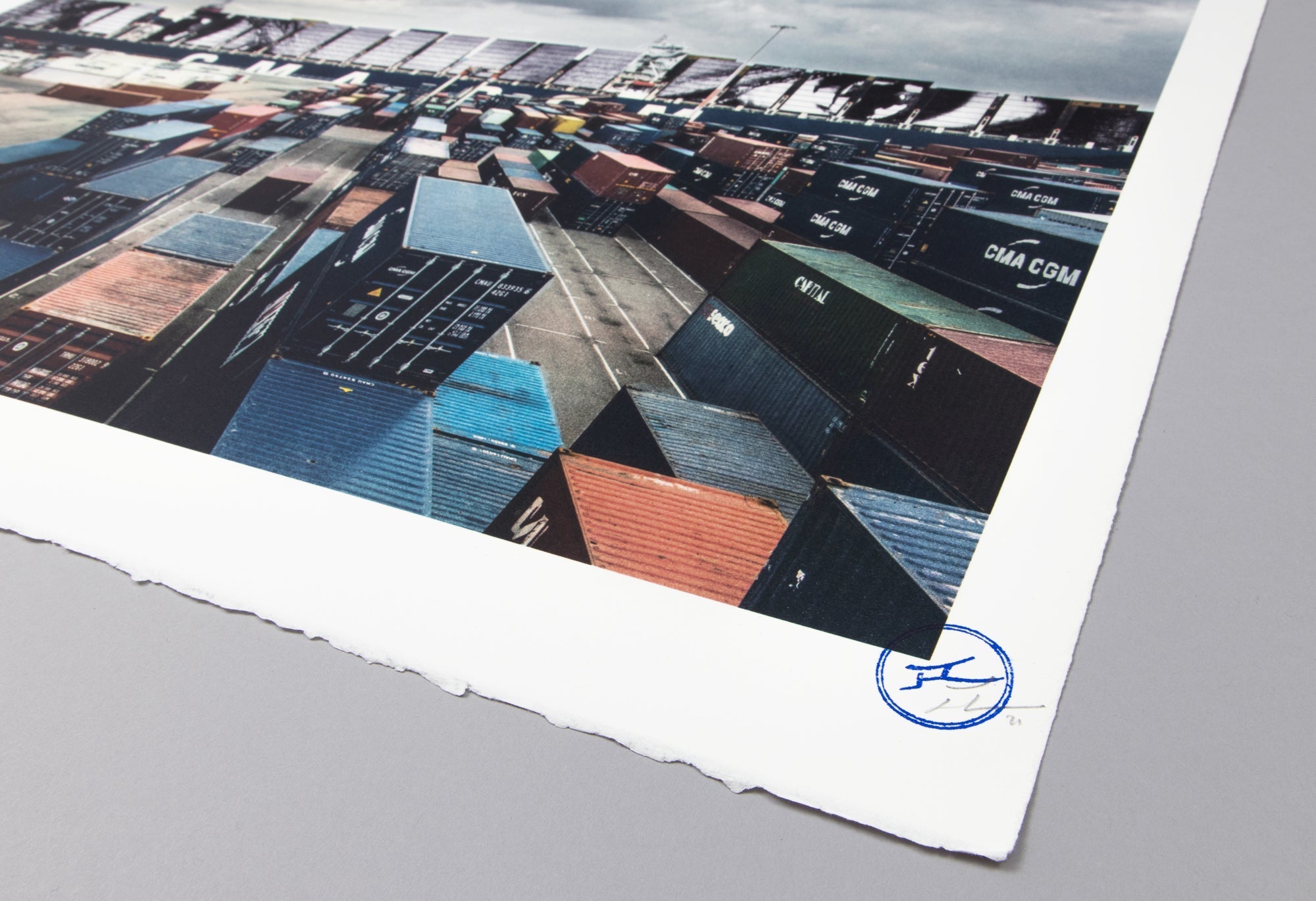
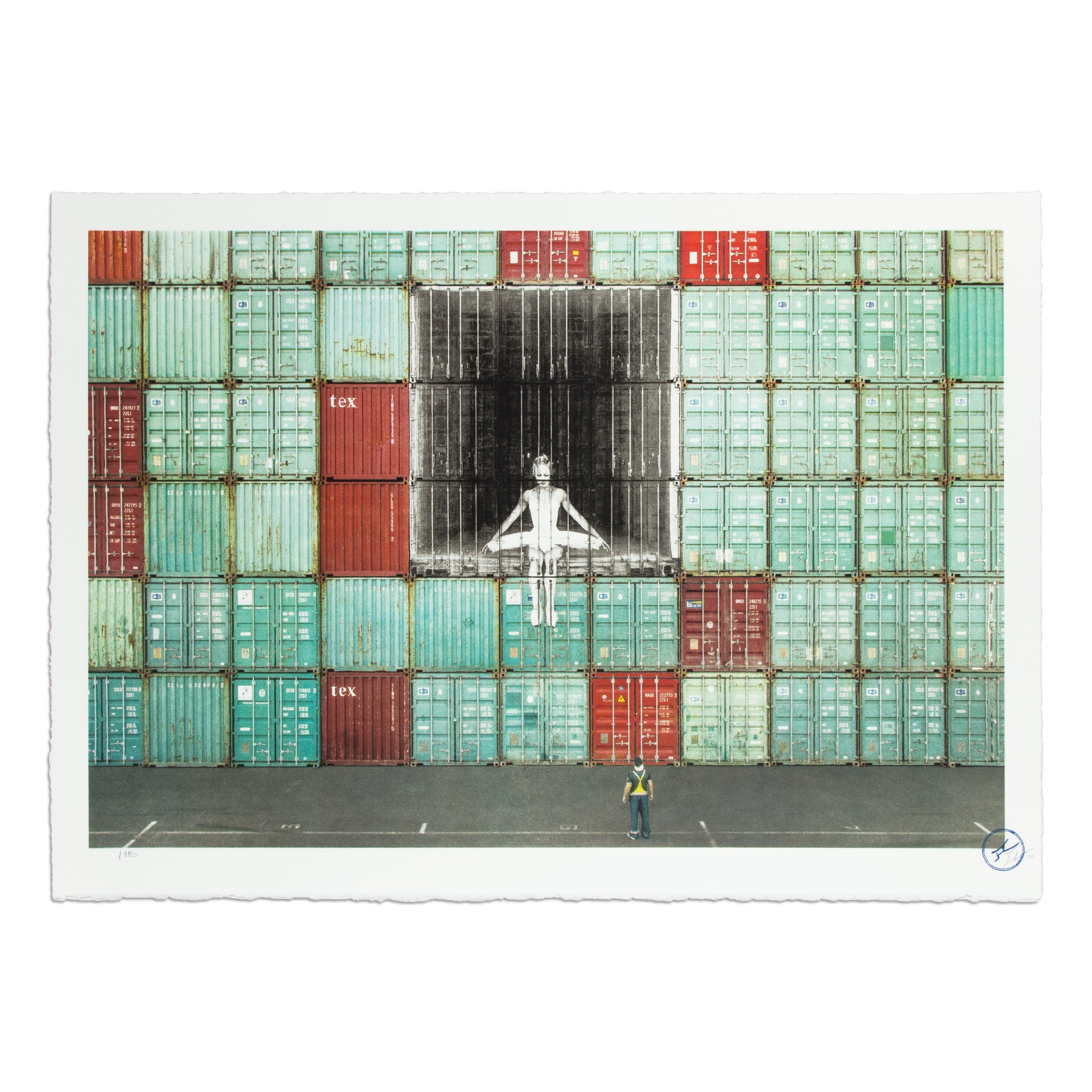
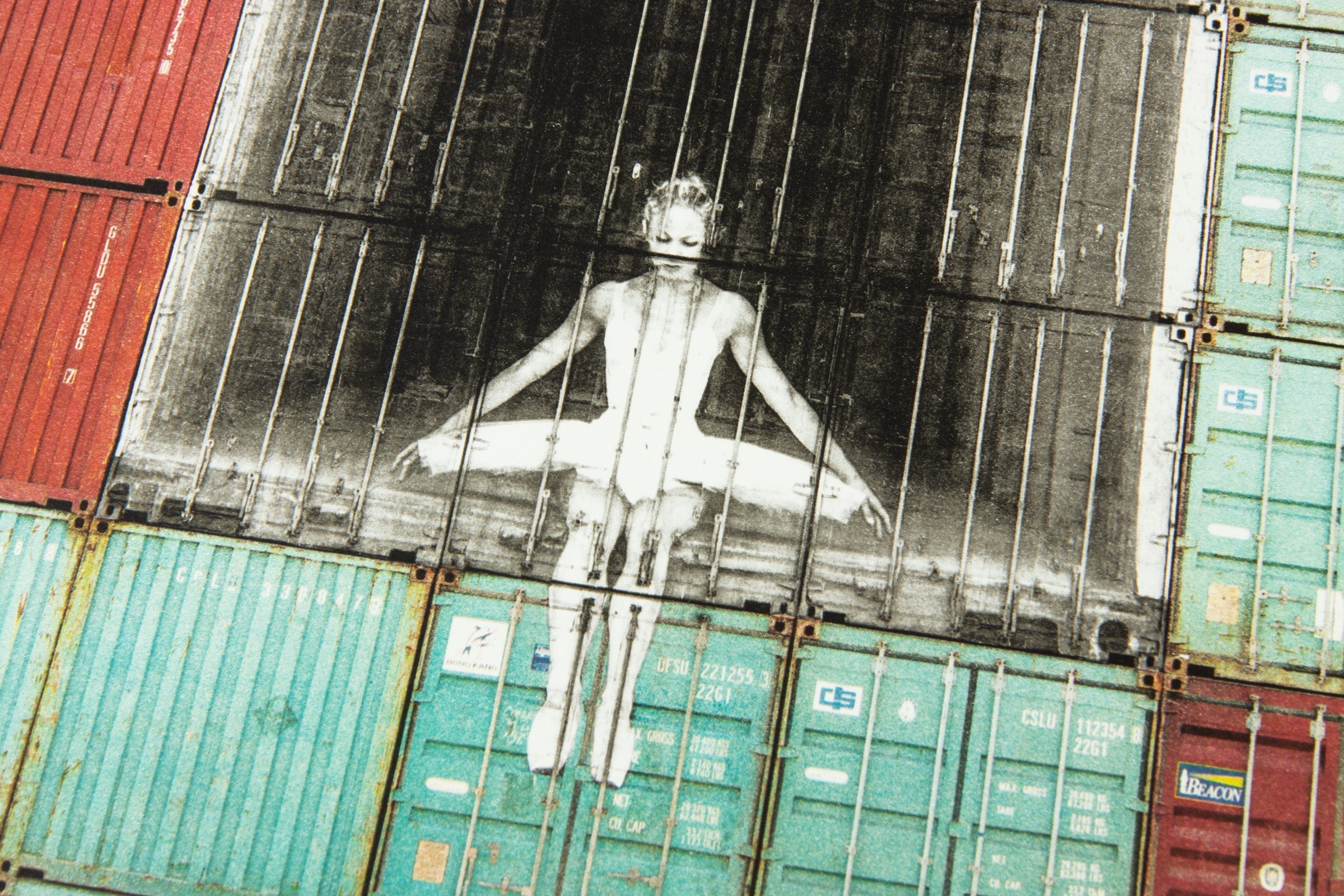
JR – In the Container WallJR - In the Container Wall
JR – In the Container Wall Sale price€2.400,00
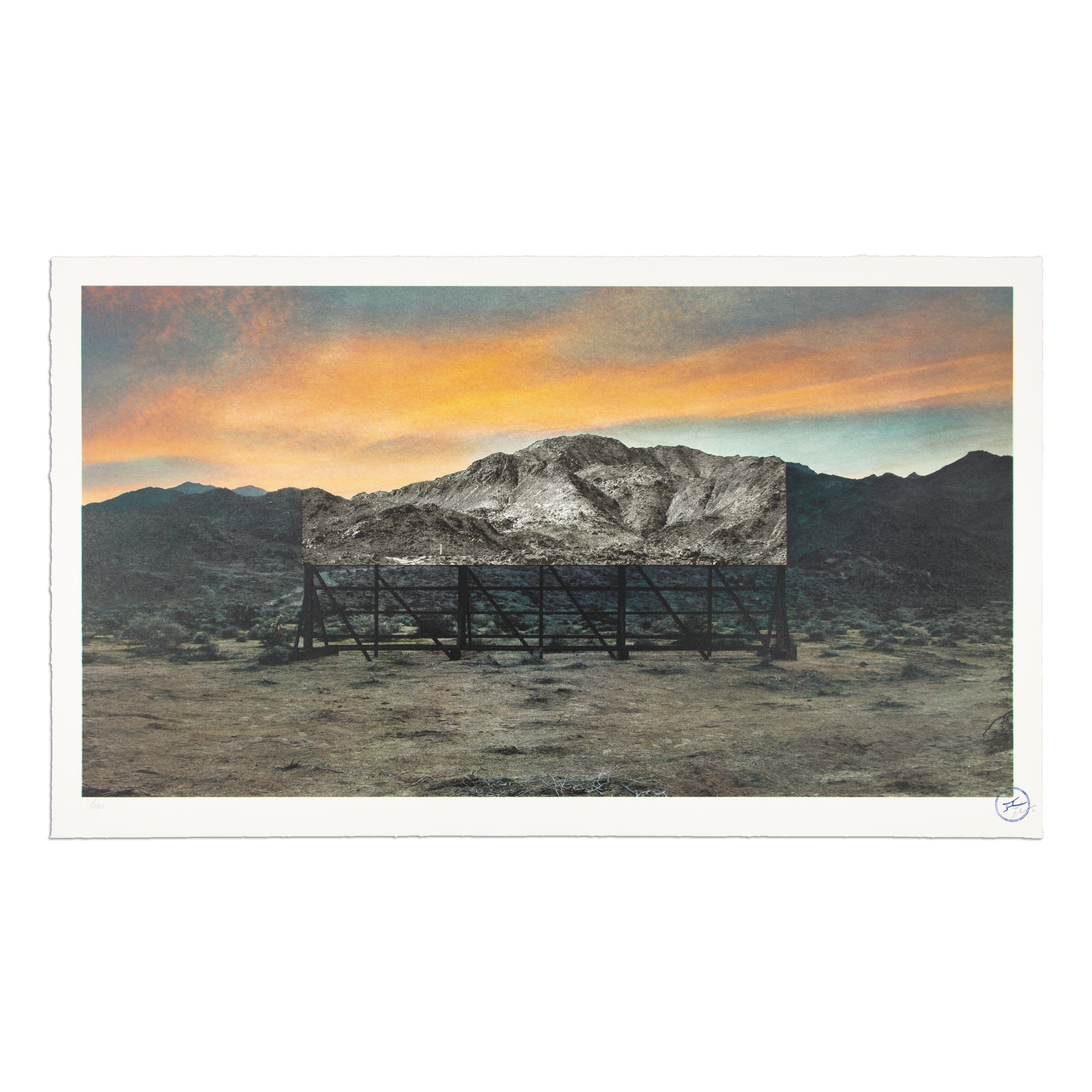
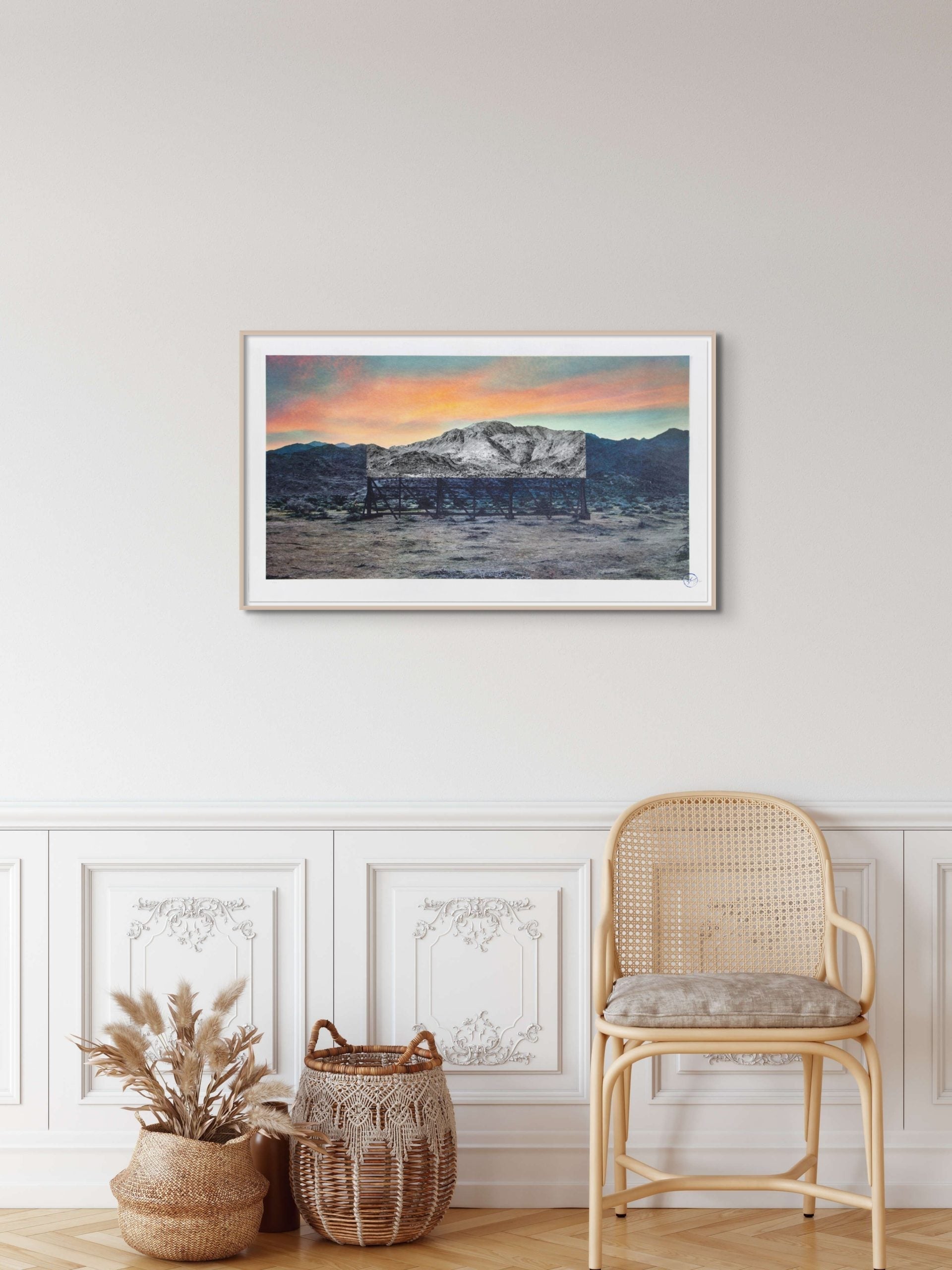
JR – Death Valley BillboardJR - Death Valley Billboard
JR – Death Valley Billboard Sale price€2.000,00
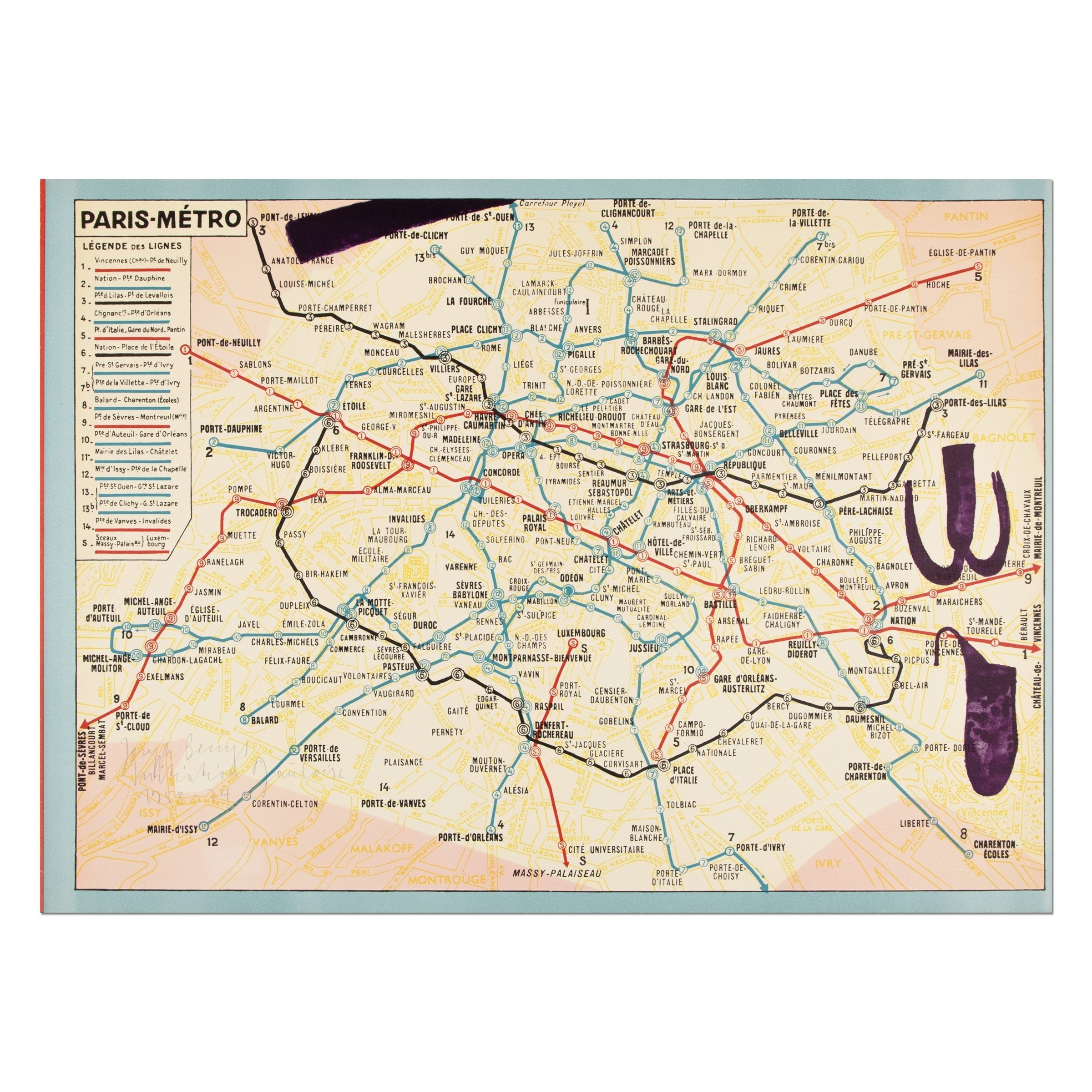
Joseph Beuys – Initiation GauloiseJoseph Beuys - Initiation Gauloise
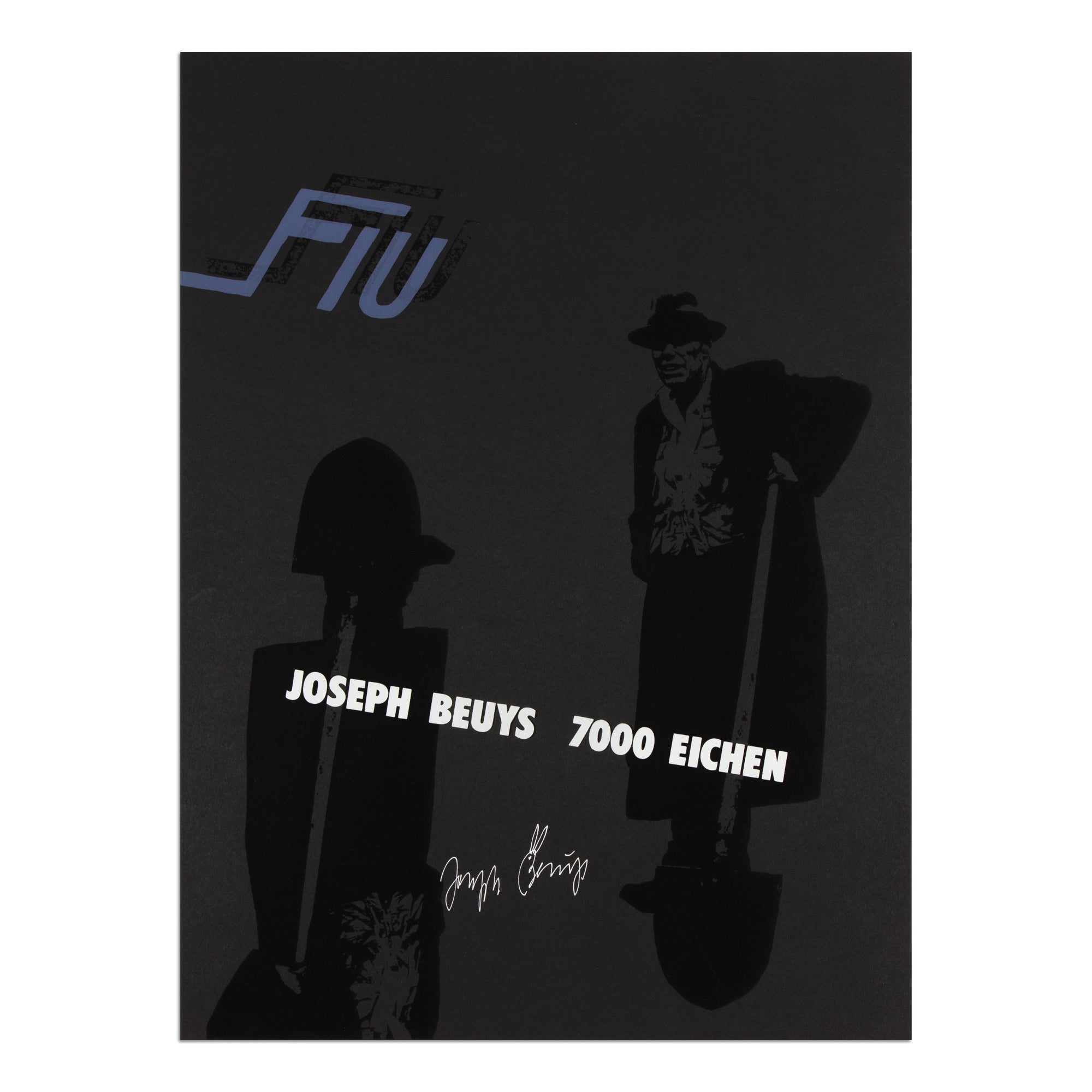
Joseph Beuys - 7000 EichenJoseph Beuys - 7000 Eichen
Joseph Beuys – 7000 Eichen Sale price€1.400,00
Sold out
Jonas Wood - HolidayJonas Wood - Holiday
Jonas Wood – Holiday Sale price€6.900,00
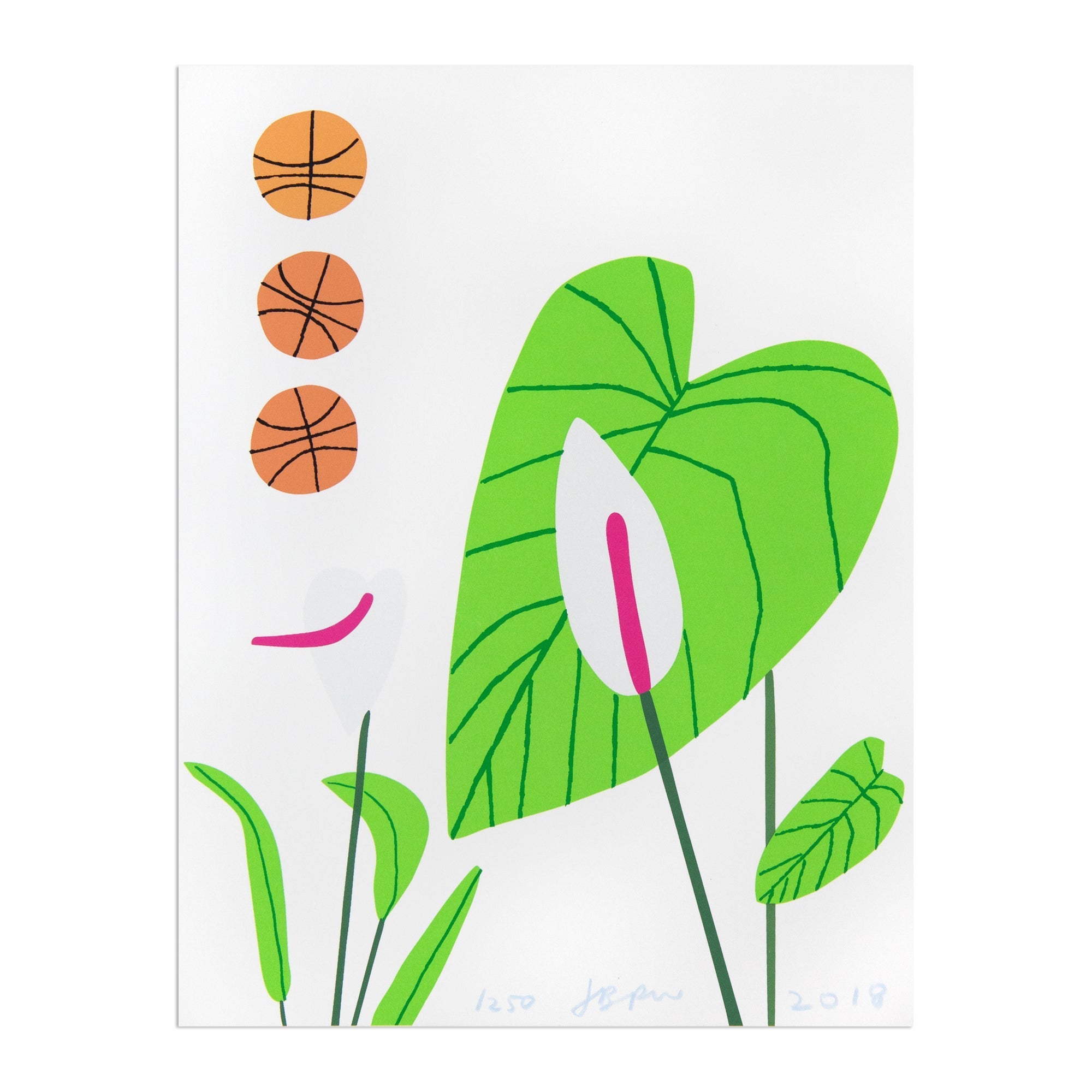
Jonas Wood – BromeliadJonas Wood - Bromeliad
Jonas Wood – Bromeliad Sale price€5.400,00
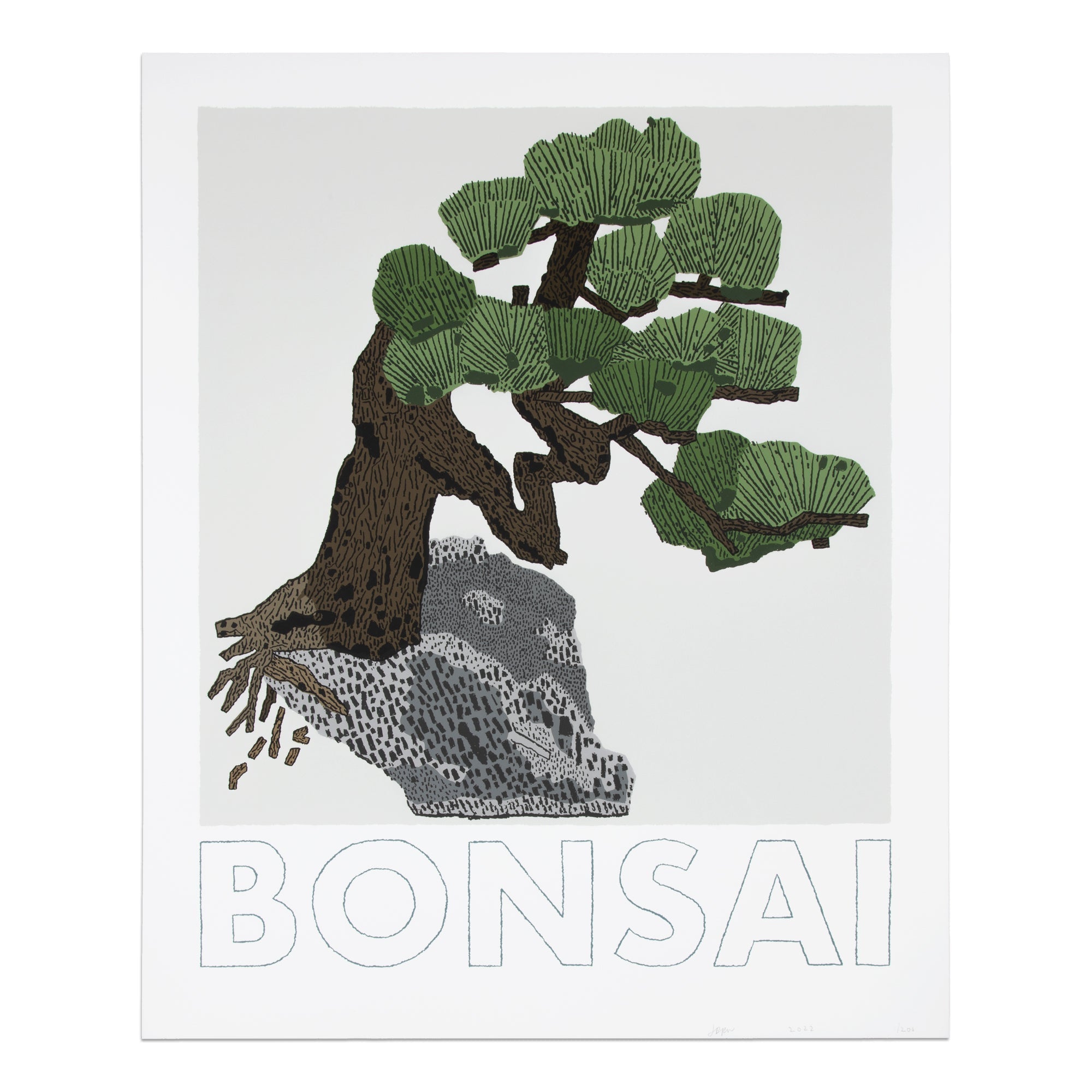
Jonas Wood - BonsaiJonas Wood - Bonsai
Jonas Wood – Bonsai Sale price€5.400,00
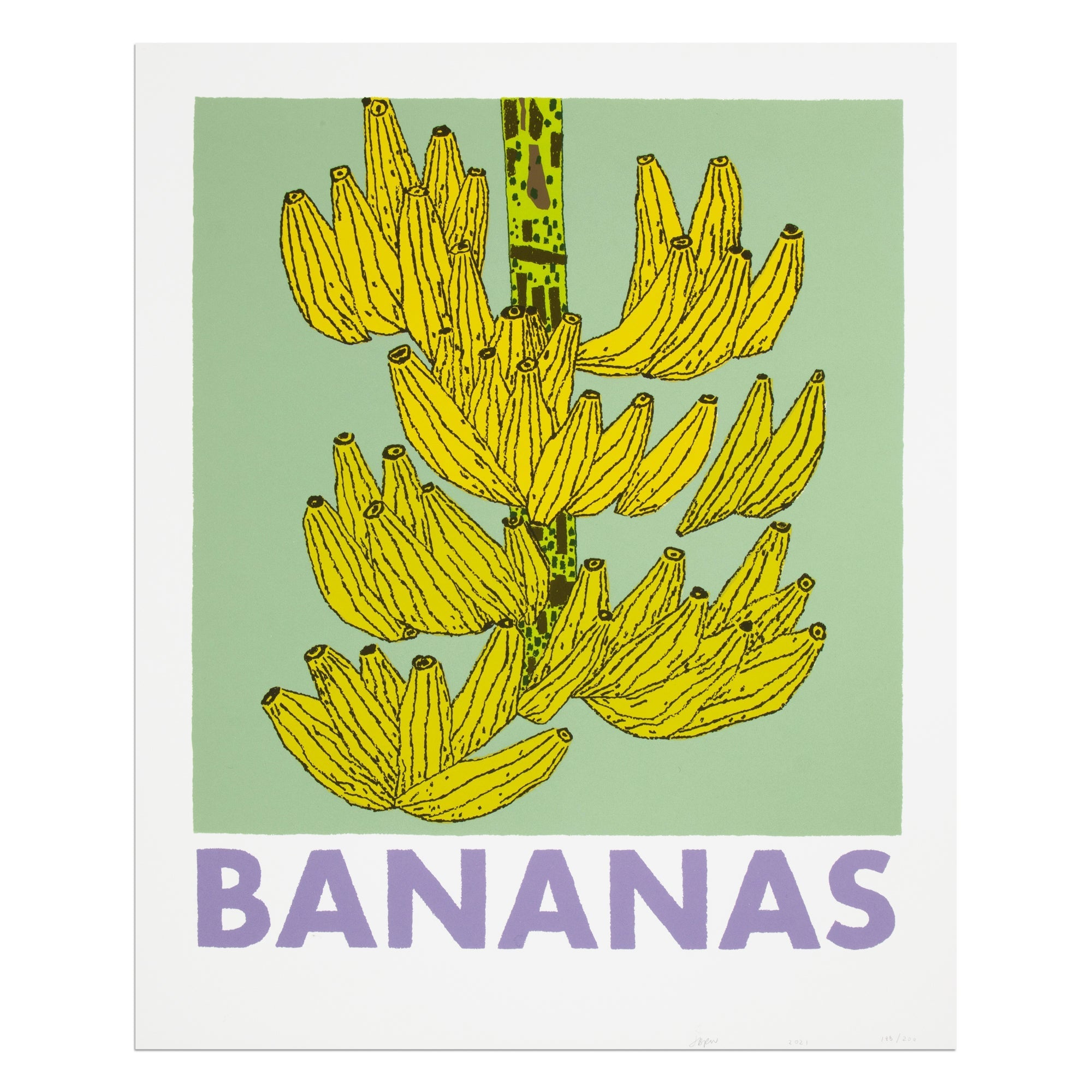
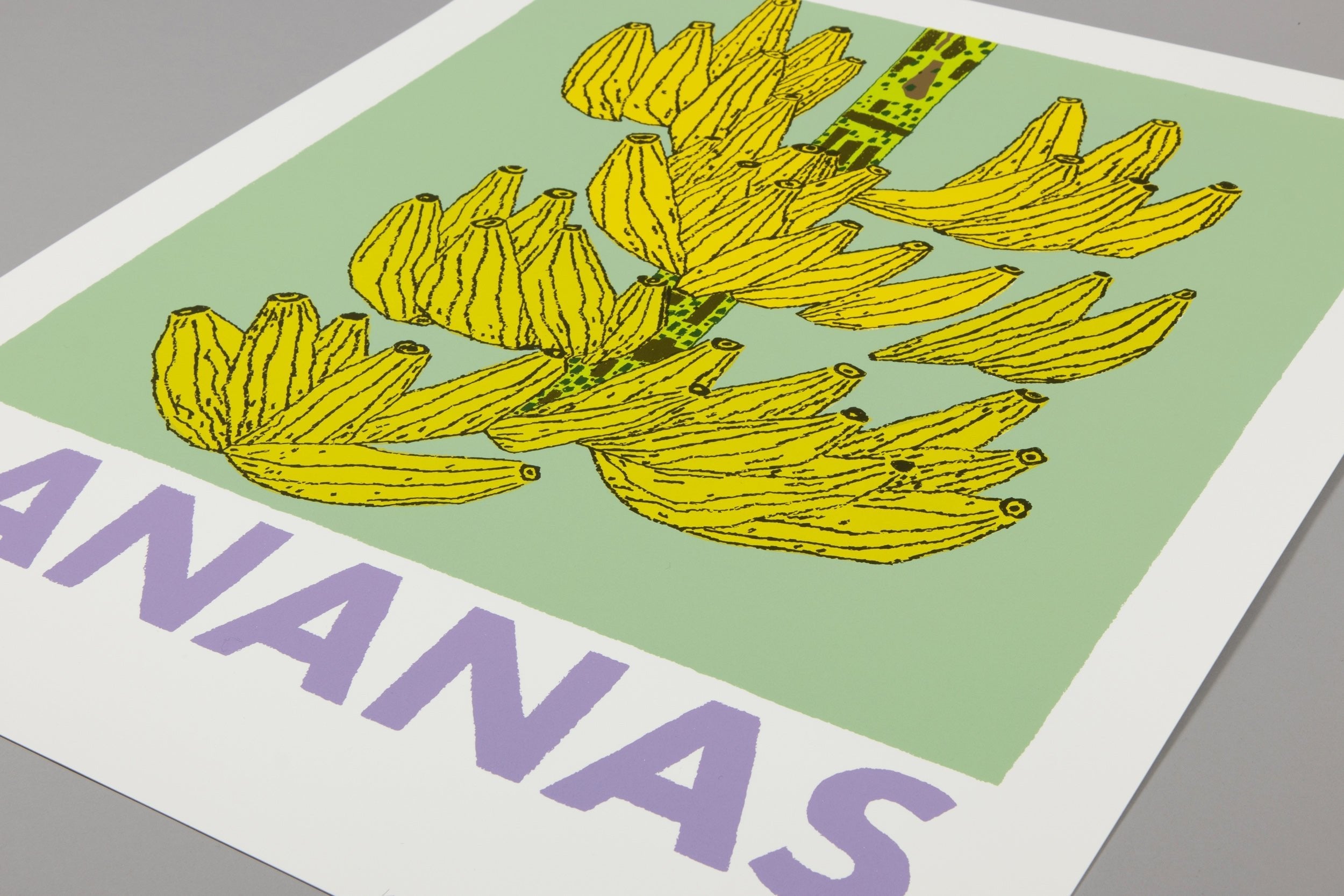
Jonas Wood – BananasJonas Wood - Bananas
Jonas Wood – Bananas Sale price€4.600,00
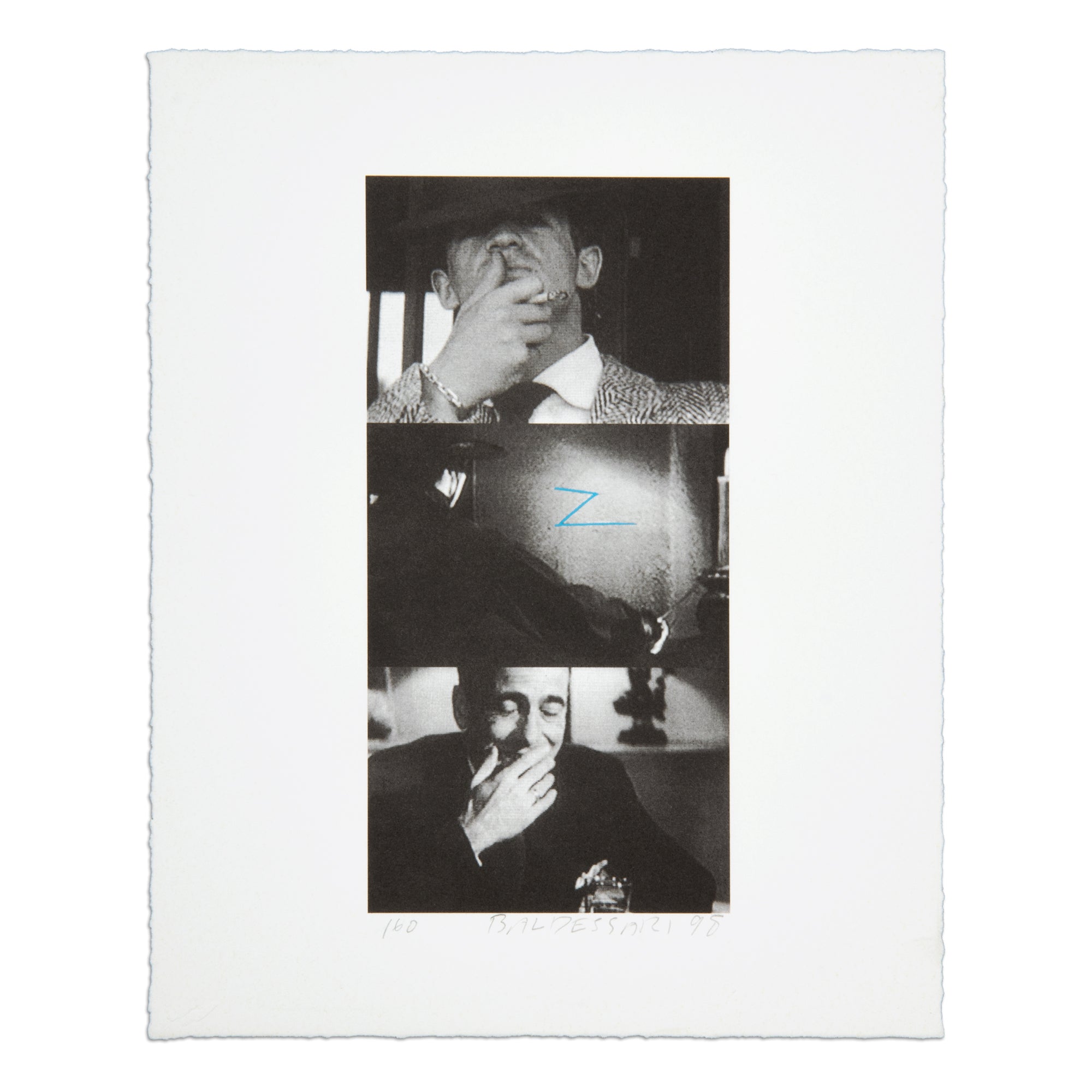
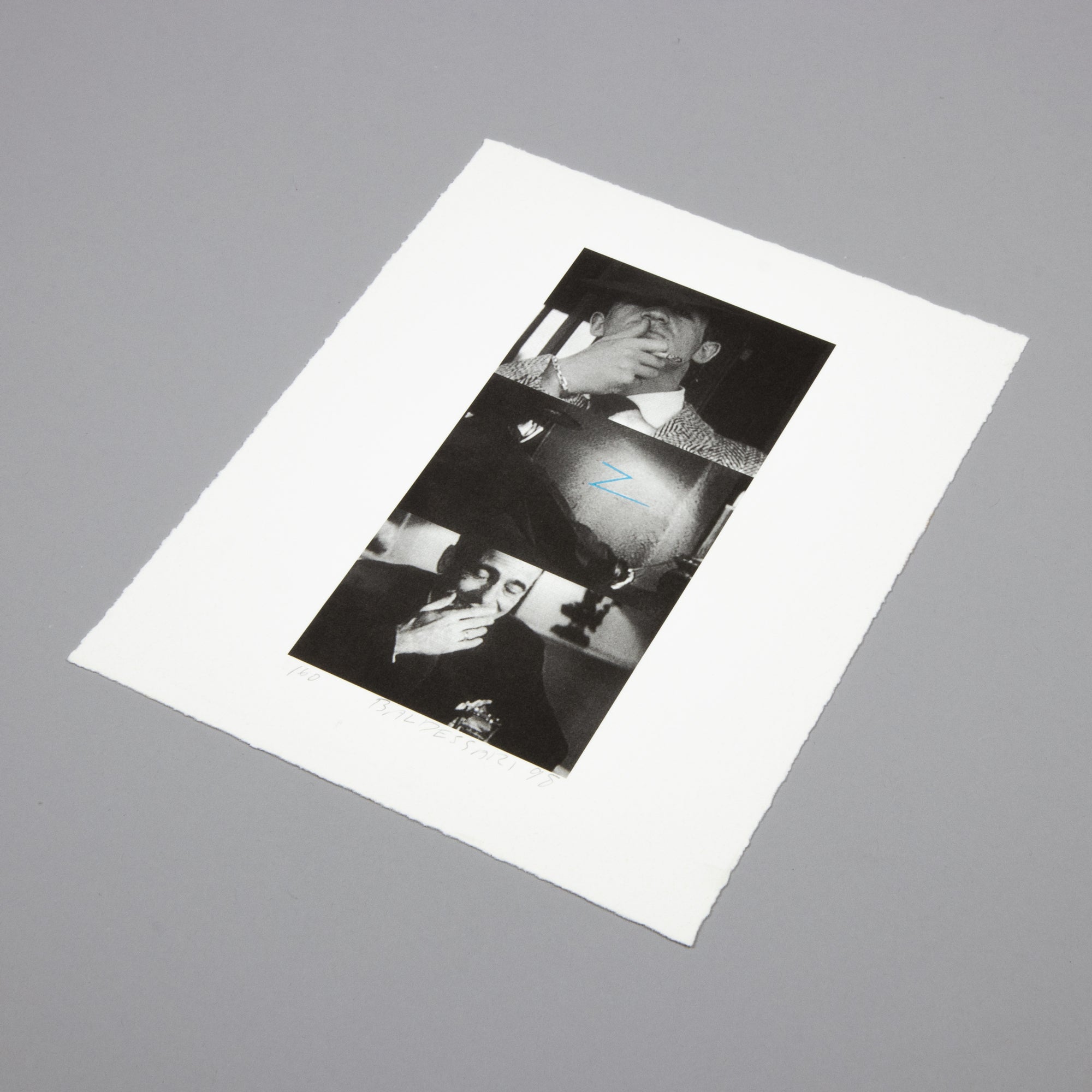
John Baldessari - Zorro (Two Gestures and One Mark)John Baldessari - Zorro (Two Gestures and One Mark)
John Baldessari - Supreme Skateboard SetJohn Baldessari - Supreme Skateboard Set
John Baldessari - Hands and/ or FeetJohn Baldessari - Hands and/ or Feet
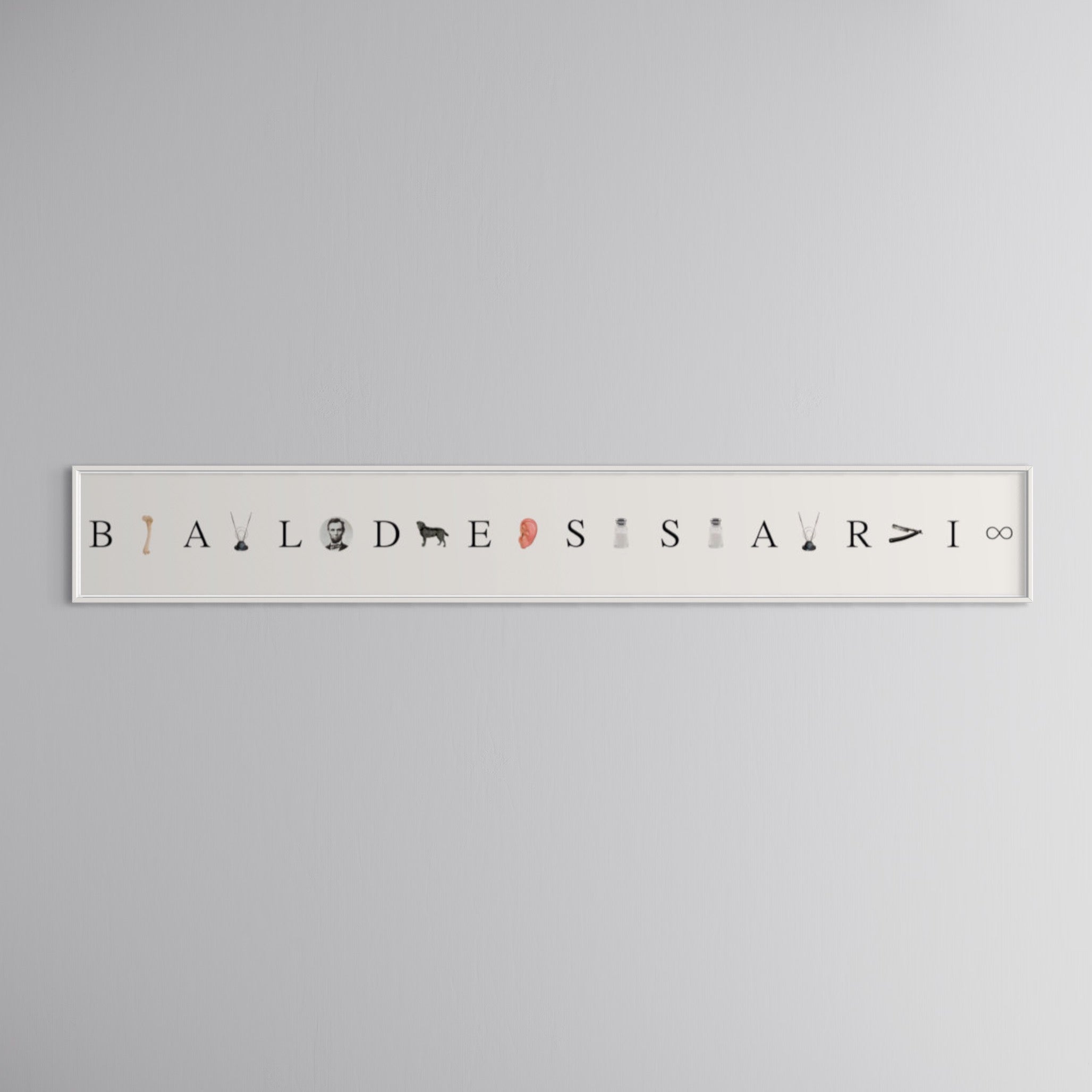
John Baldessari - Give me a B, give me an A...John Baldessari - Give me a B, give me an A...
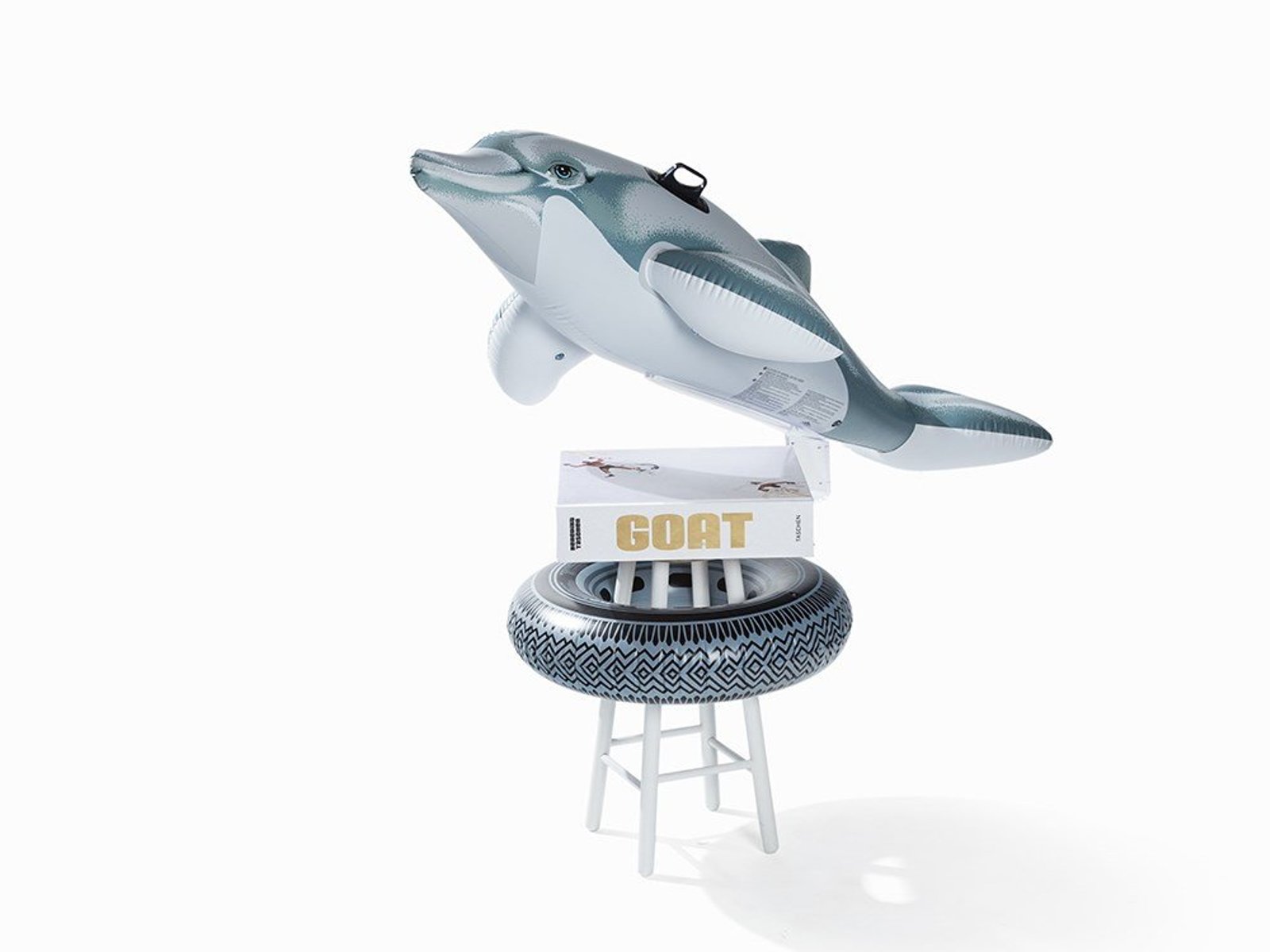
Jeff Koons - GOAT (Champ's Edition)Jeff Koons - GOAT (Champ's Edition)
Invader - Rubik Shot Red Marilyn
Invader – Rubik Shot Red Marilyn Sale price€5.400,00
Invader – Rubik Camouflage
Invader – Rubik Camouflage Sale price€5.400,00
Harland Miller - Hate's Outta DateHarland Miller - Hate's Outta Date
Harland Miller – Hate's Outta Date Sale price€12.000,00
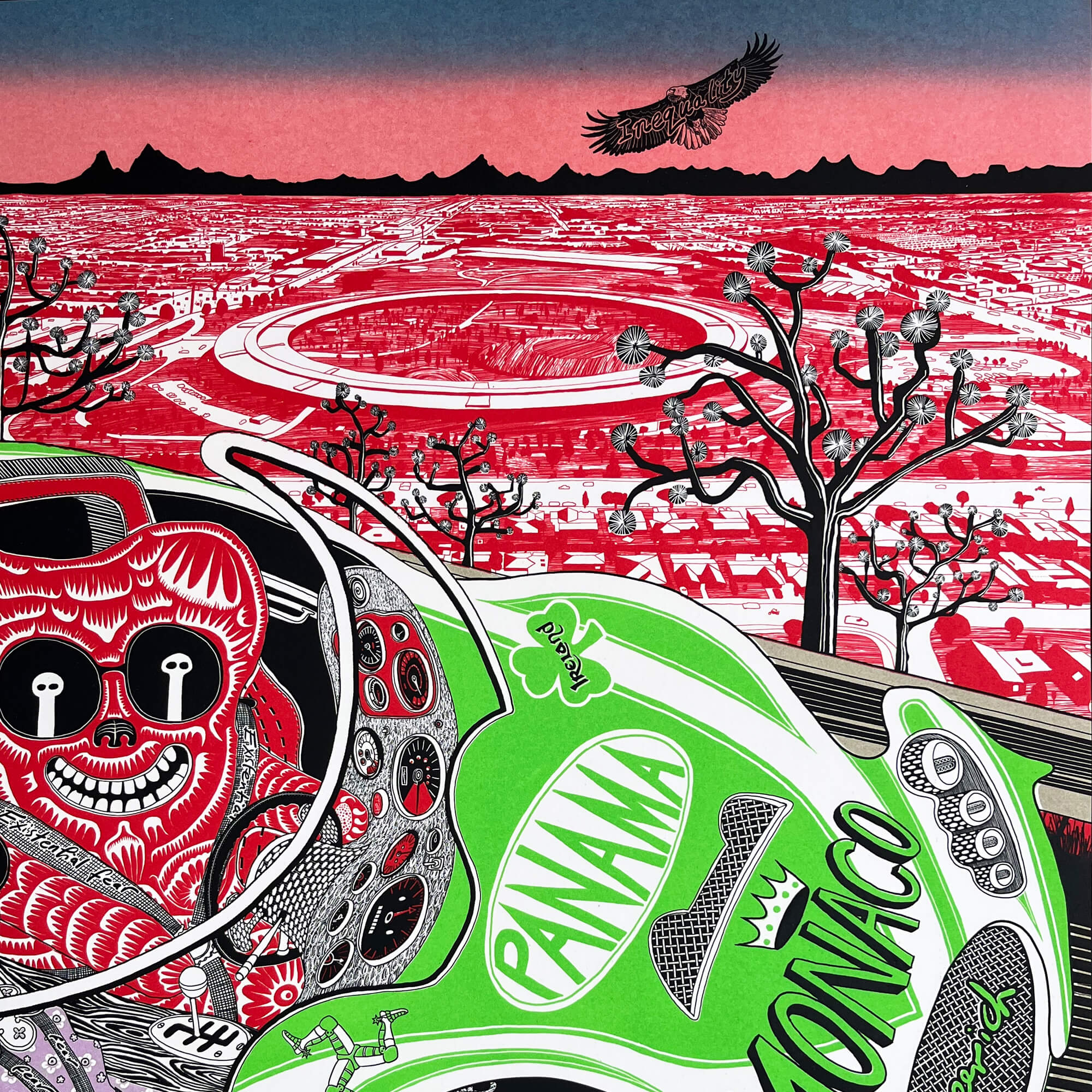
Grayson Perry - Sponsored by YouGrayson Perry – Sponsored by You
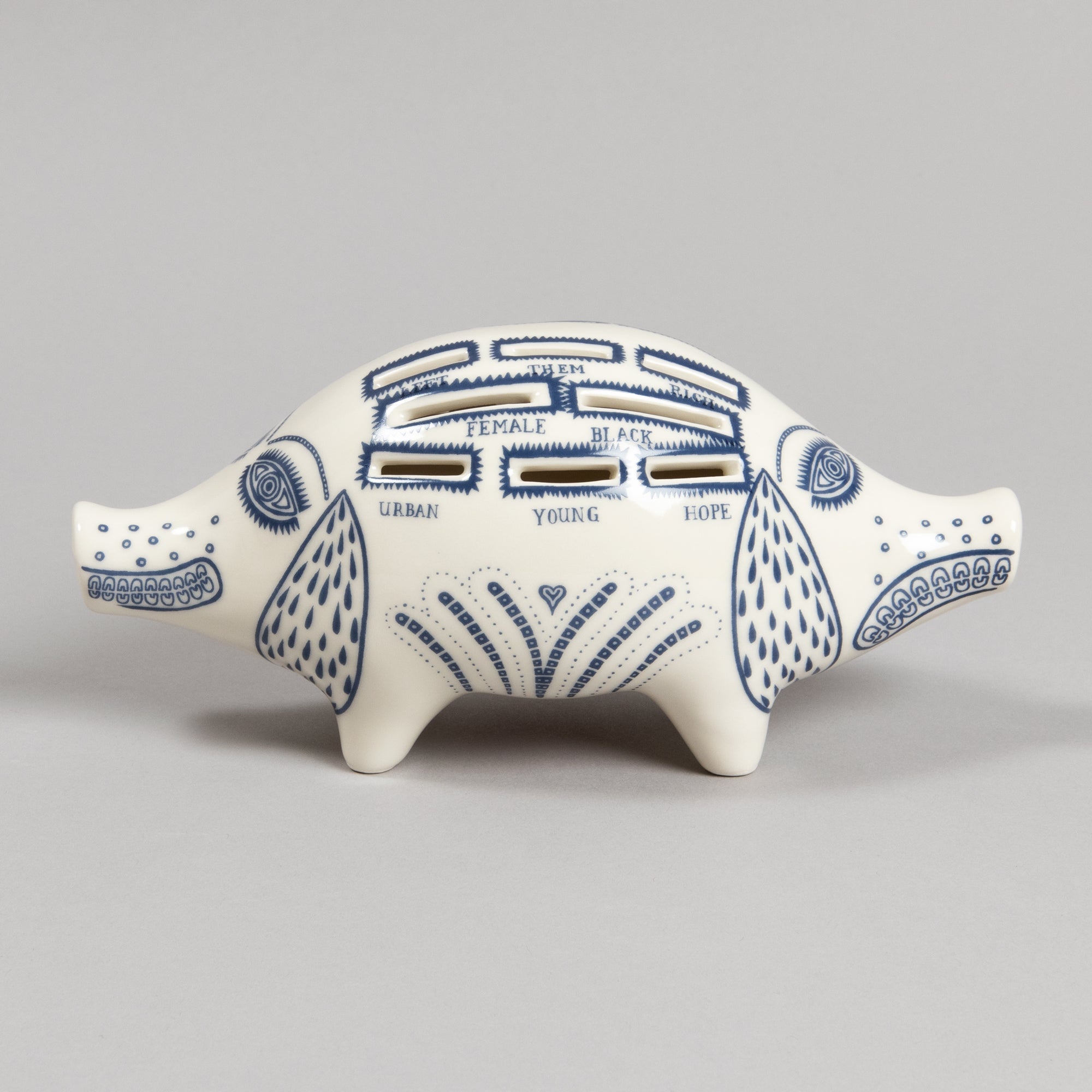
Grayson Perry, Piggy BankGrayson Perry, Piggy Bank
Grayson Perry – Piggy Bank Sale price€1.500,00

Explore Art Collections

Explore curated art collections across movements, themes, and artist groups, offering multiple ways to navigate and discover contemporary art.

View all
01

Pop Art: The Art of Consumer Culture

There is a story — probably apocryphal, definitely instructive — about Andy Warhol staring at a supermarket shelf of Campbell's soup cans for a very long time. Whether or not it happened, it captures something true: Pop Art was a decision to take the most ordinary, mass-produced images of modern life and look at them as if they mattered. They did.

Emerging in Britain and the United States during the 1950s and 1960s, Pop Art did not invent a new visual world — it recognised the one that already existed. Advertising, packaging, comics, and celebrity culture had become the dominant visual language of postwar life; Pop artists were the first to treat that language as serious artistic material. What made the movement genuinely radical was not its subject matter but its proposition: that the Coca-Cola bottle and the movie star's face were never neutral, already structured by desire and repetition. Pop Art did not create that structure. It made it visible.

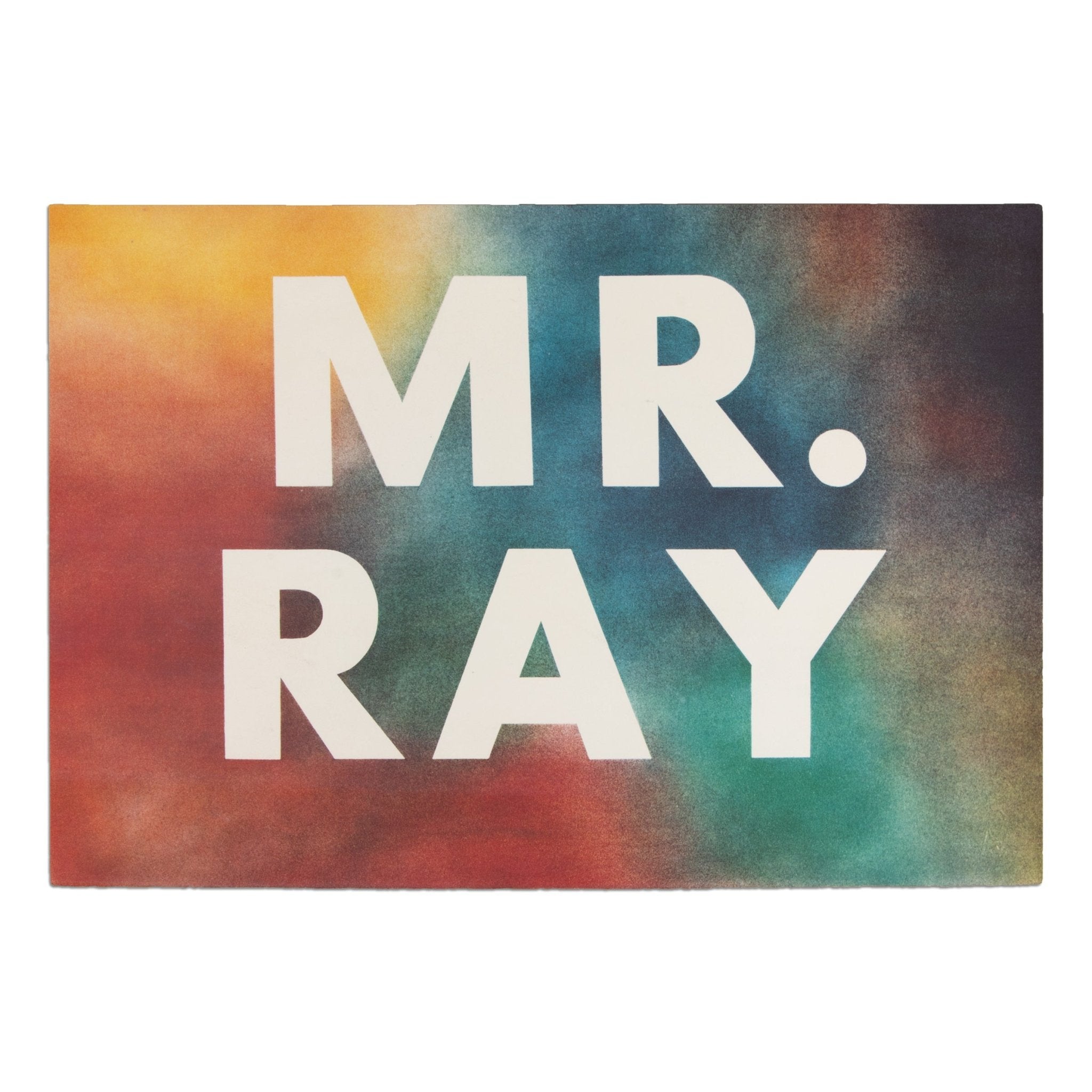
If Pop Art has a single formal strategy, it is repetition. Andy Warhol's serial Marilyns and Brillo boxes remain the clearest example: each image appears identical, yet small shifts in colour or registration make sameness feel unstable, even uncanny. The consequence extended well beyond Pop Art's own moment — the artwork was no longer understood only as a singular object expressing an inner vision, but as something that could circulate like any other reproduced image. Ed Ruscha occupies a pivotal position in this shift, working at the threshold between Pop Art and conceptual art, where language itself becomes the image. Reproduction was never incidental to Pop Art's argument. It was the method.

For a deeper look at the movement's UK and US origins, read the Pop Art Editorial →

02

Leading Contemporary Pop Artists

Pop Art did not end in the 1960s. Its strategies — repetition, appropriation, branding, and the transformation of cultural symbols — continue to drive some of the most significant contemporary practices.

Takashi Murakami most completely extended Pop Art into a global, post-digital field. Through his Superflat theory, he merges fine art, consumer design, anime, and luxury branding into a practice that operates simultaneously as cultural commentary and commercial phenomenon — proof that Pop's engagement with image culture was never only an American story.

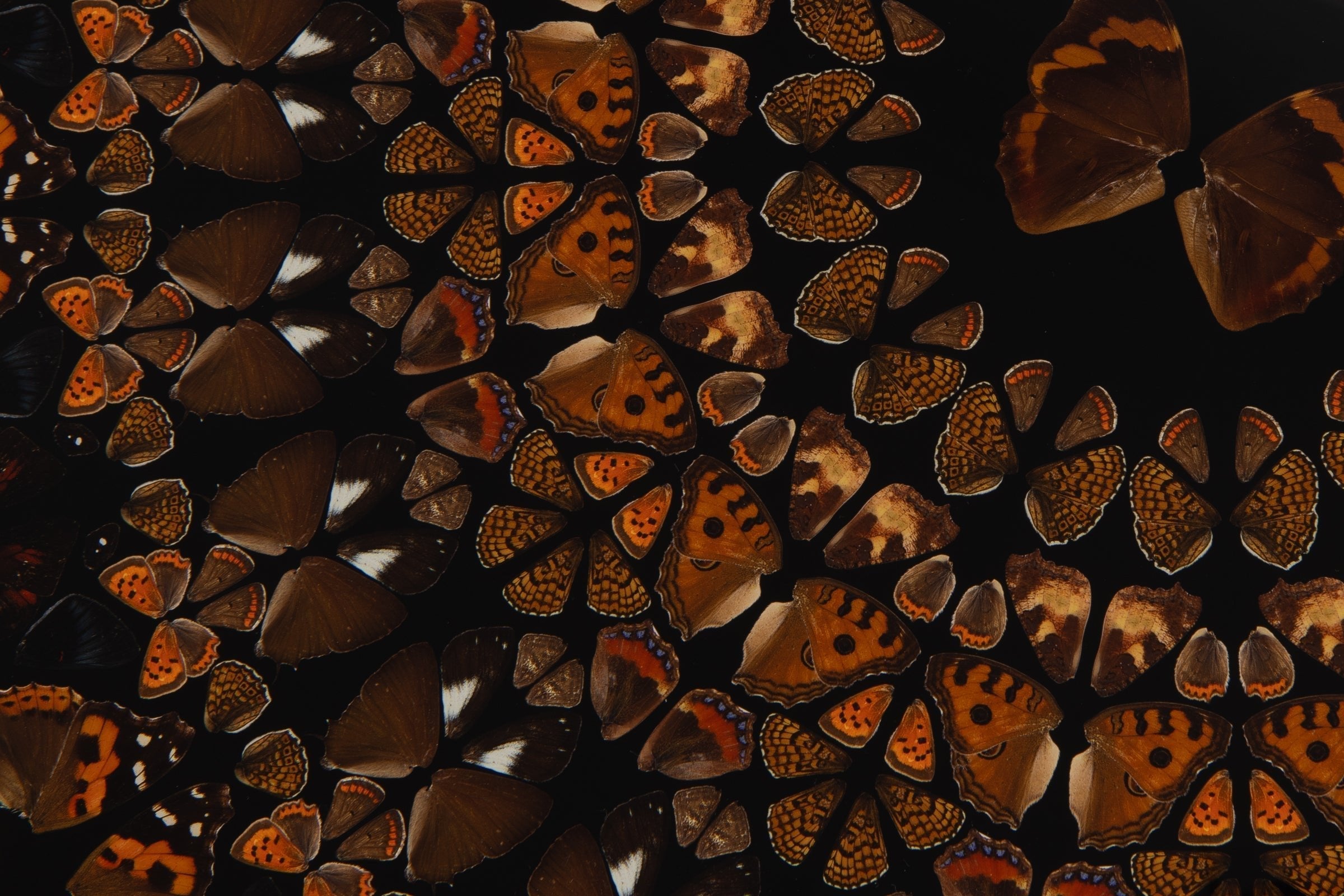
Damien Hirst's spot paintings, pharmaceutical motifs, and instantly recognisable serial imagery operate within a culture shaped by commodification and reproduction, reflecting Pop's logic of repetition while remaining tied to his own conceptual concerns around mortality and value.

Jeff Koons intensifies Pop's relationship to consumer culture by transforming banal and kitsch objects into highly polished, industrially produced sculptures — seductive and impersonal at once, examining desire through an aesthetic that makes discomfort feel like pleasure.
Tom Sachs makes the strongest case for Pop Art's contemporary relevance through bricolage: hand-built, deliberately imperfect replicas of consumer icons — sneakers, space capsules, fast-food packaging — that expose brand worship and American mythology as belief systems in their own right, using scrappy studio craft rather than industrial polish.

KAWS works across collectible culture, sculpture, painting, and global merchandising, extending the circuits of mass production and repetition that Pop first made visible into territory Warhol could only have imagined.
KAWS – Die Welt
03

Pop Art Prints & Editions

Because Pop Art's method was always tied to reproduction, its editions carry unusual weight for collectors: a Warhol screenprint or a Murakami lithograph is not a diminished version of a "real" painting elsewhere, but a complete expression of the same argument, produced in the format the work was conceived for. Warhol's Thirty Are Better Than One (1963) — a grid of repeated Mona Lisas — makes the case plainly. The title is a wry joke, but it reflects genuine conviction: not repetition as diminishment, but seriality itself as the subject, destabilising value, aura, and originality through the simple act of printing the same face again and again.

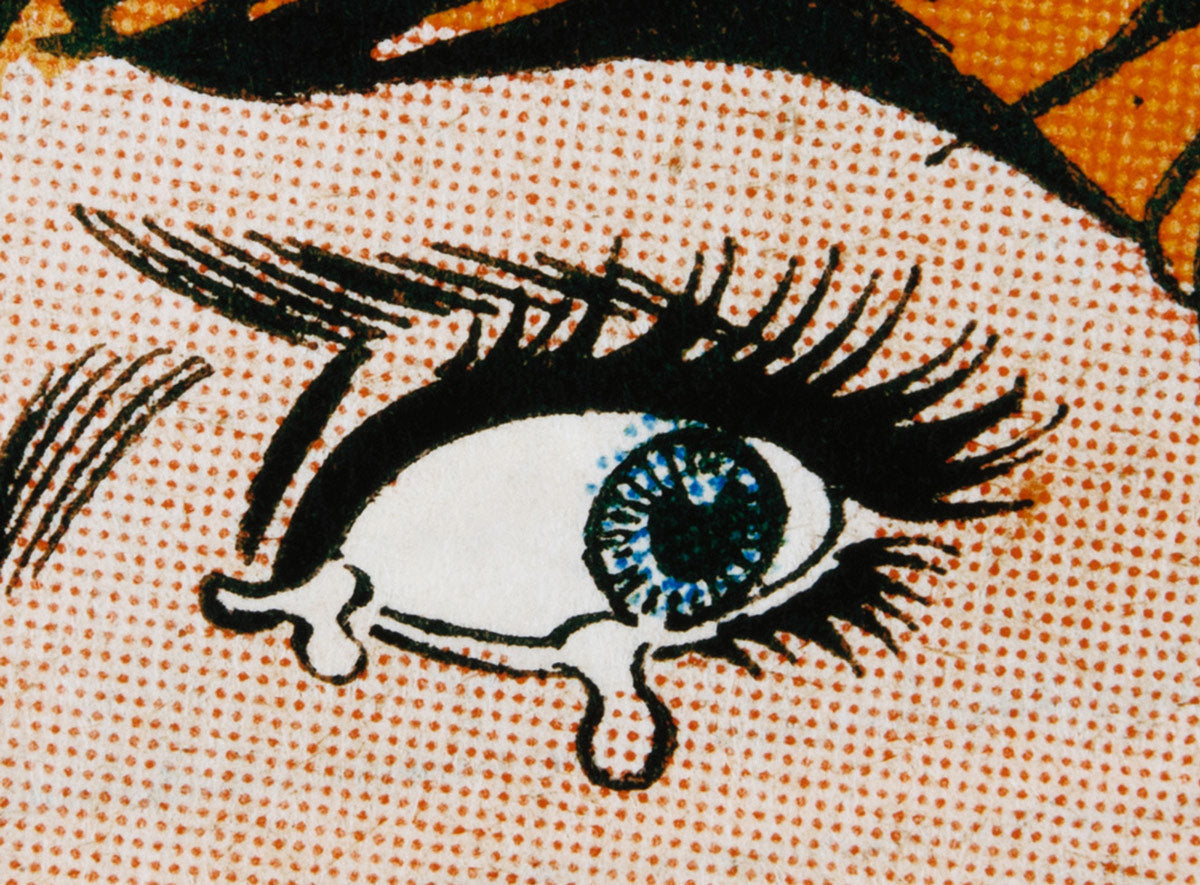
This connection runs deeper than logistics. Where Abstract Expressionism had demanded gesture and painterly depth, Pop Art turned toward flatness, crisp edges, and a frank acknowledgment of painting's relationship to photography and mechanical reproduction — qualities that translate into print with almost no loss of intention. A Lichtenstein Ben-Day dot or a Warhol registration shift reads with the same precision on paper as on canvas.

Prices and rarity vary enormously across the movement — from museum-level historical prints by Warhol and Lichtenstein to more accessible contemporary editions by Murakami, KAWS, and Sachs. The underlying logic stays consistent: circulation was never a compromise. It was the point, and it remains the reason limited edition prints sit at the centre of this collection.

Works span the movement's full arc, from its postwar origins to its most consequential living practitioners, held in the permanent collections of MoMA, Tate, and the Centre Pompidou.

01

Pop Art: The Art of Consumer Culture

There is a story — probably apocryphal, definitely instructive — about Andy Warhol staring at a supermarket shelf of Campbell's soup cans for a very long time. Whether or not it happened, it captures something true: Pop Art was a decision to take the most ordinary, mass-produced images of modern life and look at them as if they mattered. They did.

Emerging in Britain and the United States during the 1950s and 1960s, Pop Art did not invent a new visual world — it recognised the one that already existed. Advertising, packaging, comics, and celebrity culture had become the dominant visual language of postwar life; Pop artists were the first to treat that language as serious artistic material. What made the movement genuinely radical was not its subject matter but its proposition: that the Coca-Cola bottle and the movie star's face were never neutral, already structured by desire and repetition. Pop Art did not create that structure. It made it visible.

If Pop Art has a single formal strategy, it is repetition. Andy Warhol's serial Marilyns and Brillo boxes remain the clearest example: each image appears identical, yet small shifts in colour or registration make sameness feel unstable, even uncanny. The consequence extended well beyond Pop Art's own moment — the artwork was no longer understood only as a singular object expressing an inner vision, but as something that could circulate like any other reproduced image. Ed Ruscha occupies a pivotal position in this shift, working at the threshold between Pop Art and conceptual art, where language itself becomes the image. Reproduction was never incidental to Pop Art's argument. It was the method.

For a deeper look at the movement's UK and US origins, read the Pop Art Editorial →

02

Leading Contemporary Pop Artists

Pop Art did not end in the 1960s. Its strategies — repetition, appropriation, branding, and the transformation of cultural symbols — continue to drive some of the most significant contemporary practices.

Takashi Murakami most completely extended Pop Art into a global, post-digital field. Through his Superflat theory, he merges fine art, consumer design, anime, and luxury branding into a practice that operates simultaneously as cultural commentary and commercial phenomenon — proof that Pop's engagement with image culture was never only an American story.

Damien Hirst's spot paintings, pharmaceutical motifs, and instantly recognisable serial imagery operate within a culture shaped by commodification and reproduction, reflecting Pop's logic of repetition while remaining tied to his own conceptual concerns around mortality and value.

Jeff Koons intensifies Pop's relationship to consumer culture by transforming banal and kitsch objects into highly polished, industrially produced sculptures — seductive and impersonal at once, examining desire through an aesthetic that makes discomfort feel like pleasure.

Tom Sachs makes the strongest case for Pop Art's contemporary relevance through bricolage: hand-built, deliberately imperfect replicas of consumer icons — sneakers, space capsules, fast-food packaging — that expose brand worship and American mythology as belief systems in their own right, using scrappy studio craft rather than industrial polish.

KAWS works across collectible culture, sculpture, painting, and global merchandising, extending the circuits of mass production and repetition that Pop first made visible into territory Warhol could only have imagined.

03

Pop Art Prints & Editions

Because Pop Art's method was always tied to reproduction, its editions carry unusual weight for collectors: a Warhol screenprint or a Murakami lithograph is not a diminished version of a "real" painting elsewhere, but a complete expression of the same argument, produced in the format the work was conceived for. Warhol's Thirty Are Better Than One (1963) — a grid of repeated Mona Lisas — makes the case plainly. The title is a wry joke, but it reflects genuine conviction: not repetition as diminishment, but seriality itself as the subject, destabilising value, aura, and originality through the simple act of printing the same face again and again.

This connection runs deeper than logistics. Where Abstract Expressionism had demanded gesture and painterly depth, Pop Art turned toward flatness, crisp edges, and a frank acknowledgment of painting's relationship to photography and mechanical reproduction — qualities that translate into print with almost no loss of intention. A Lichtenstein Ben-Day dot or a Warhol registration shift reads with the same precision on paper as on canvas.

Prices and rarity vary enormously across the movement — from museum-level historical prints by Warhol and Lichtenstein to more accessible contemporary editions by Murakami, KAWS, and Sachs. The underlying logic stays consistent: circulation was never a compromise. It was the point, and it remains the reason limited edition prints sit at the centre of this collection.

Works span the movement's full arc, from its postwar origins to its most consequential living practitioners, held in the permanent collections of MoMA, Tate, and the Centre Pompidou.

KAWS – Die Welt
Prints, Photographs & Multiples

View our full collection of

Prints, Photographs & Multiples

Shop now