



Andy Warhol
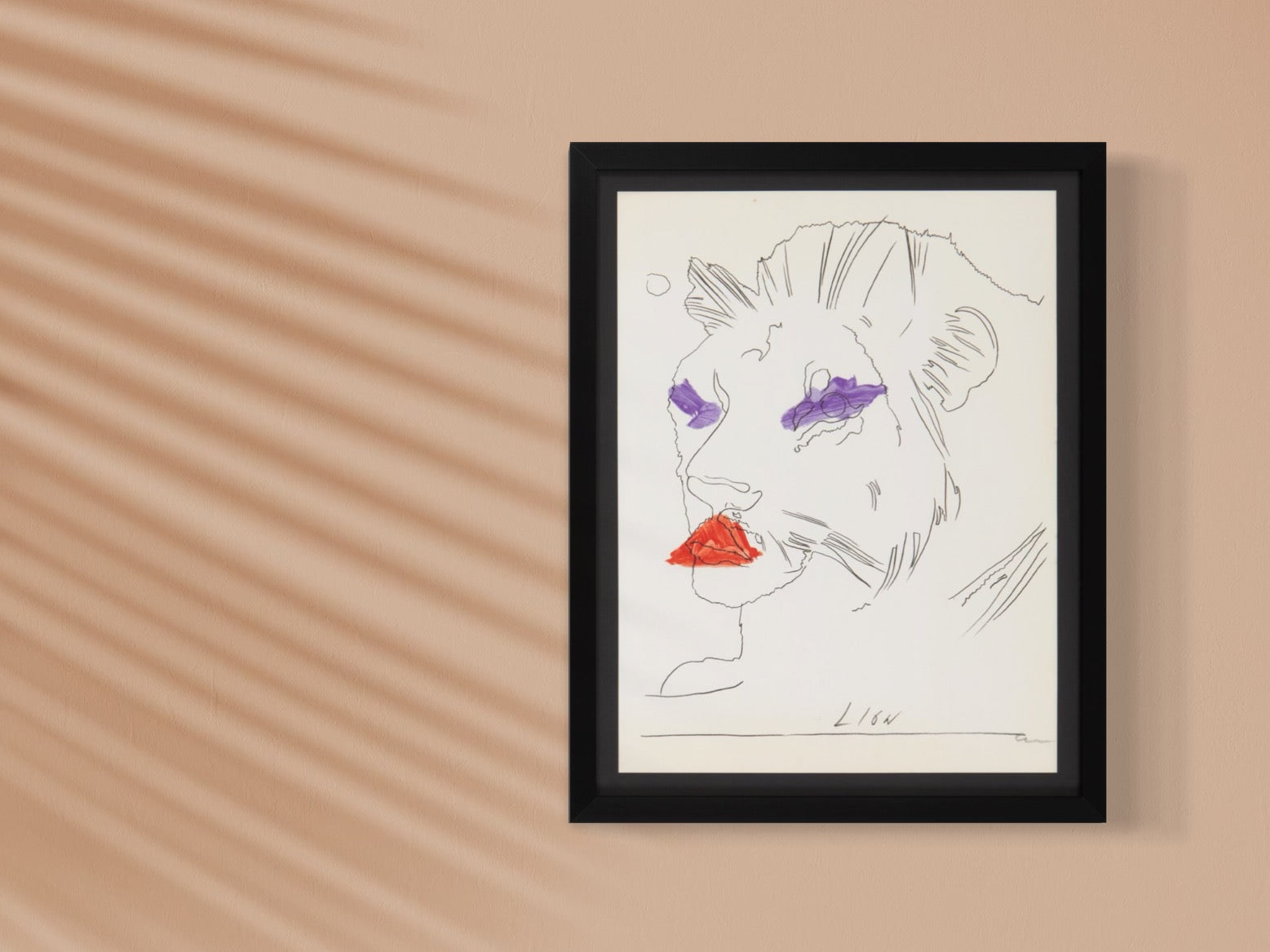
Collect signed Andy Warhol prints and editions.
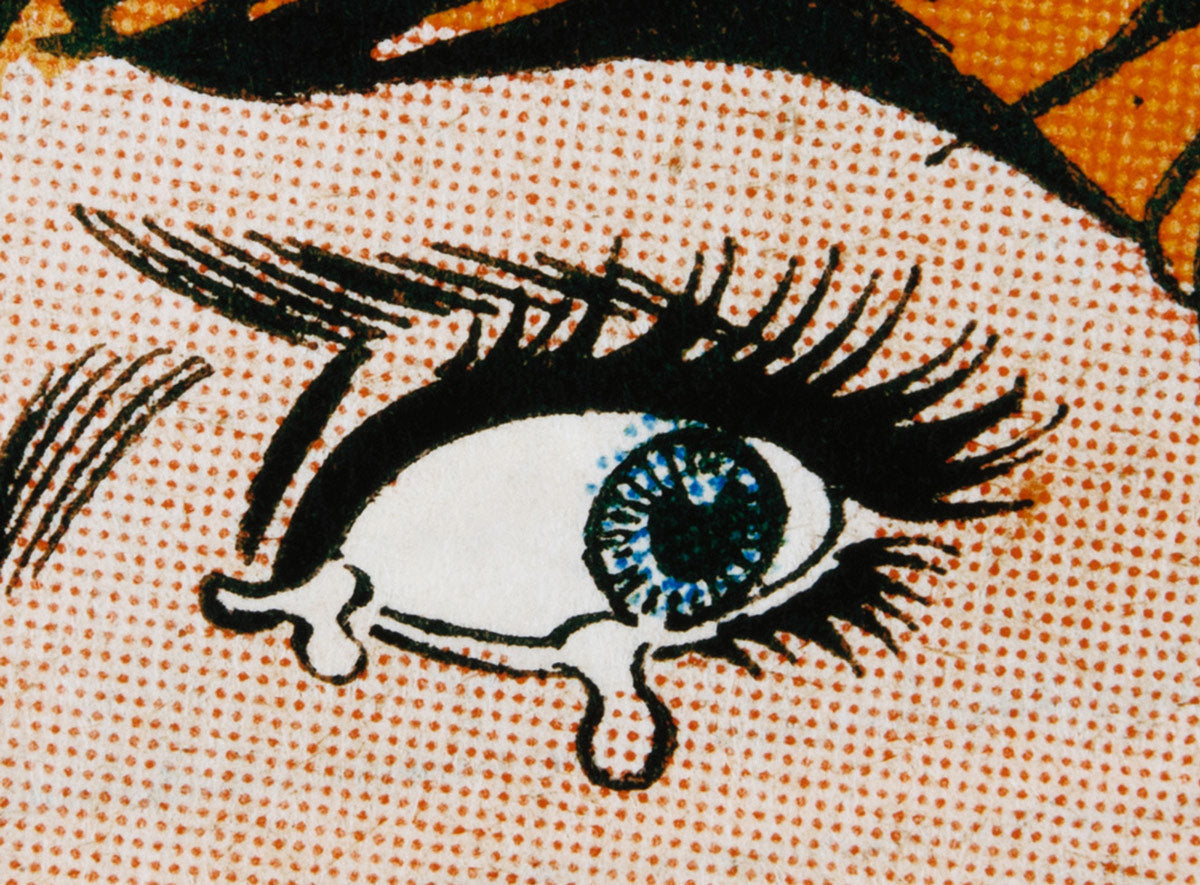
Andy Warhol is the defining figure of American Pop Art, known for transforming everyday subjects — Marilyn Monroe, Campbell's Soup Cans, Coca-Cola bottles, and electric chairs — into symbols of modern consumer culture through screenprint and serial repetition. His Factory practice redefined the relationship between art, commerce, and celebrity, producing some of the most recognizable images of the twentieth century. These Andy Warhol prints and editions extend his iconic visual language into collectible form.
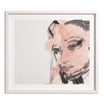
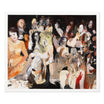
Available Prints & Editions
2 products
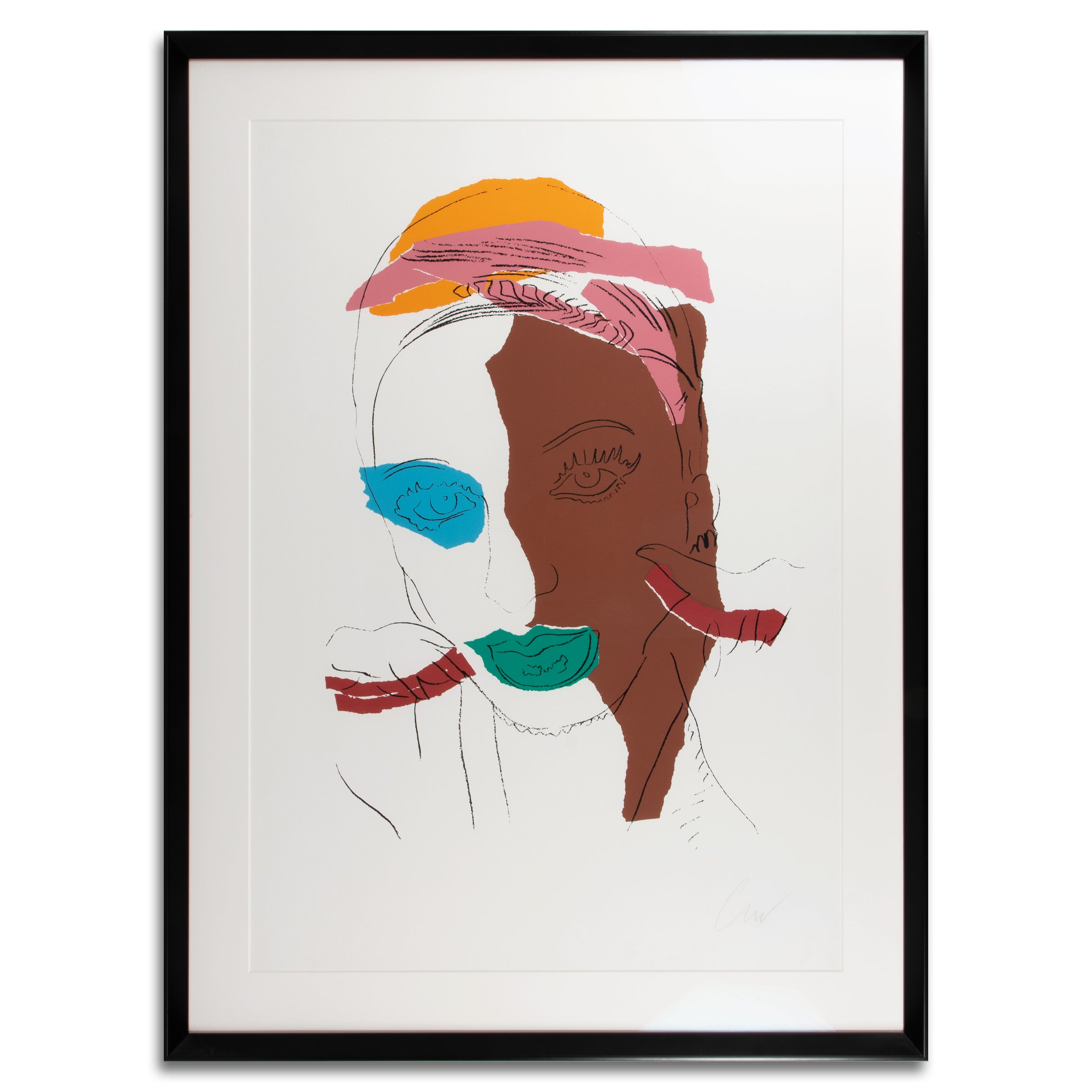
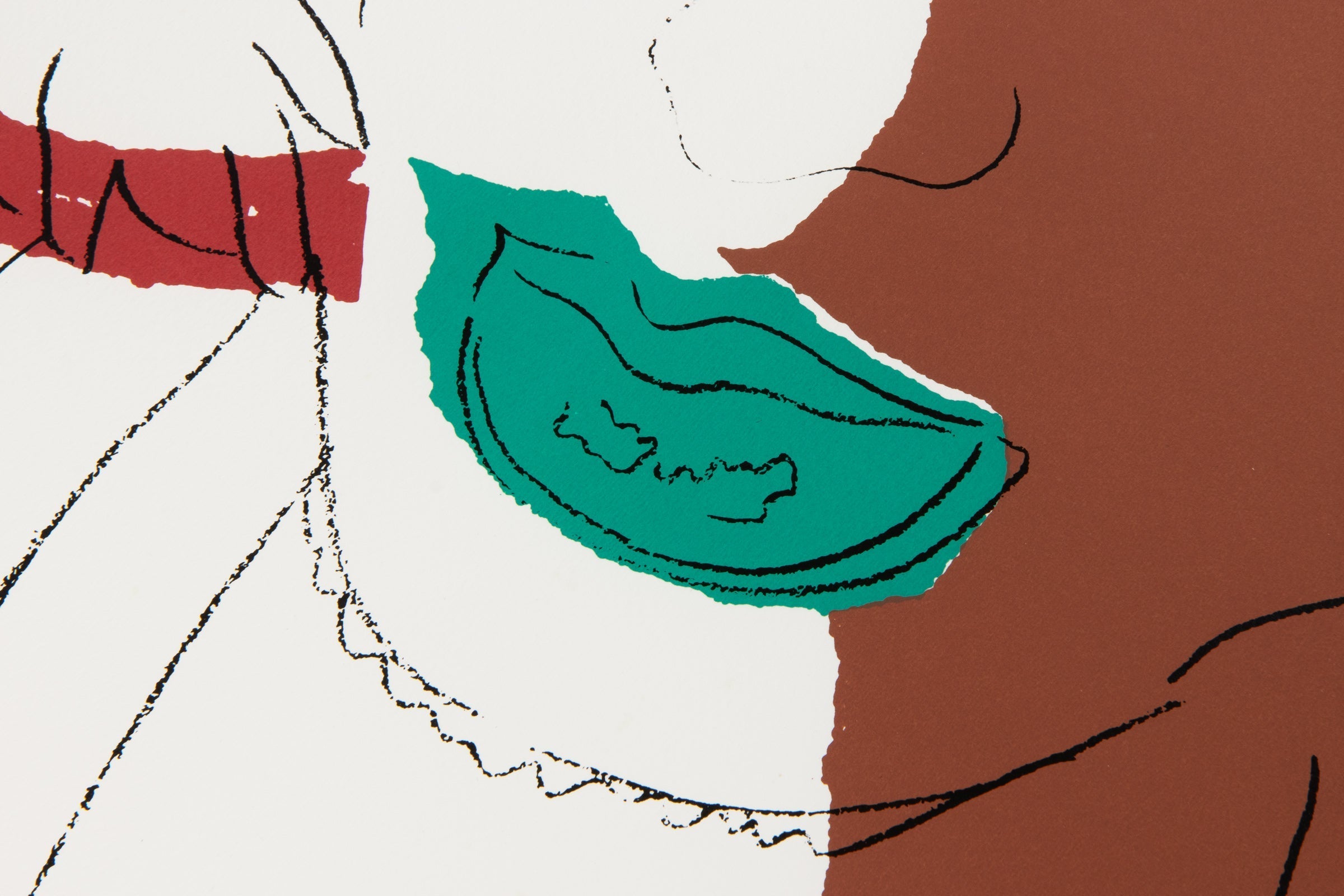
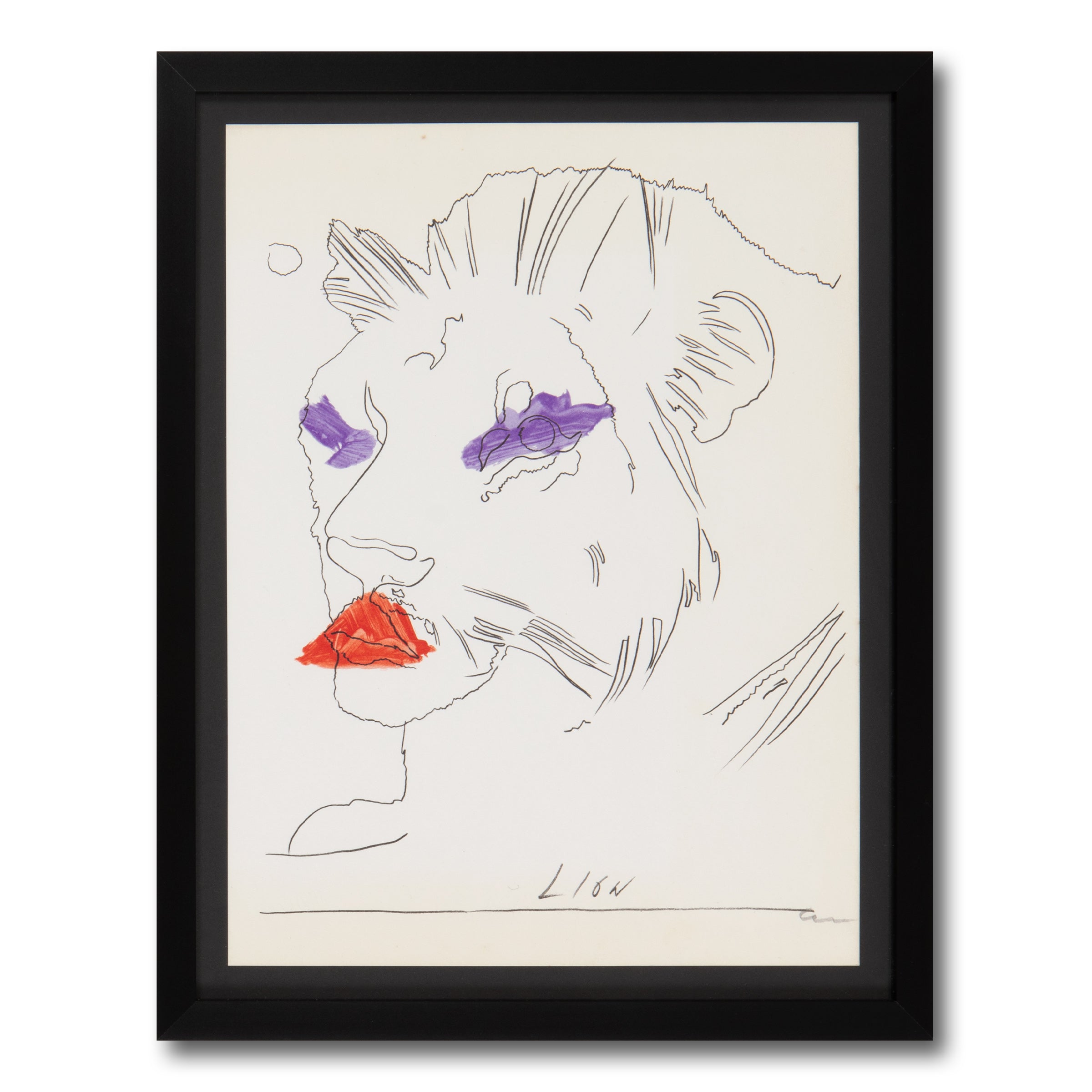
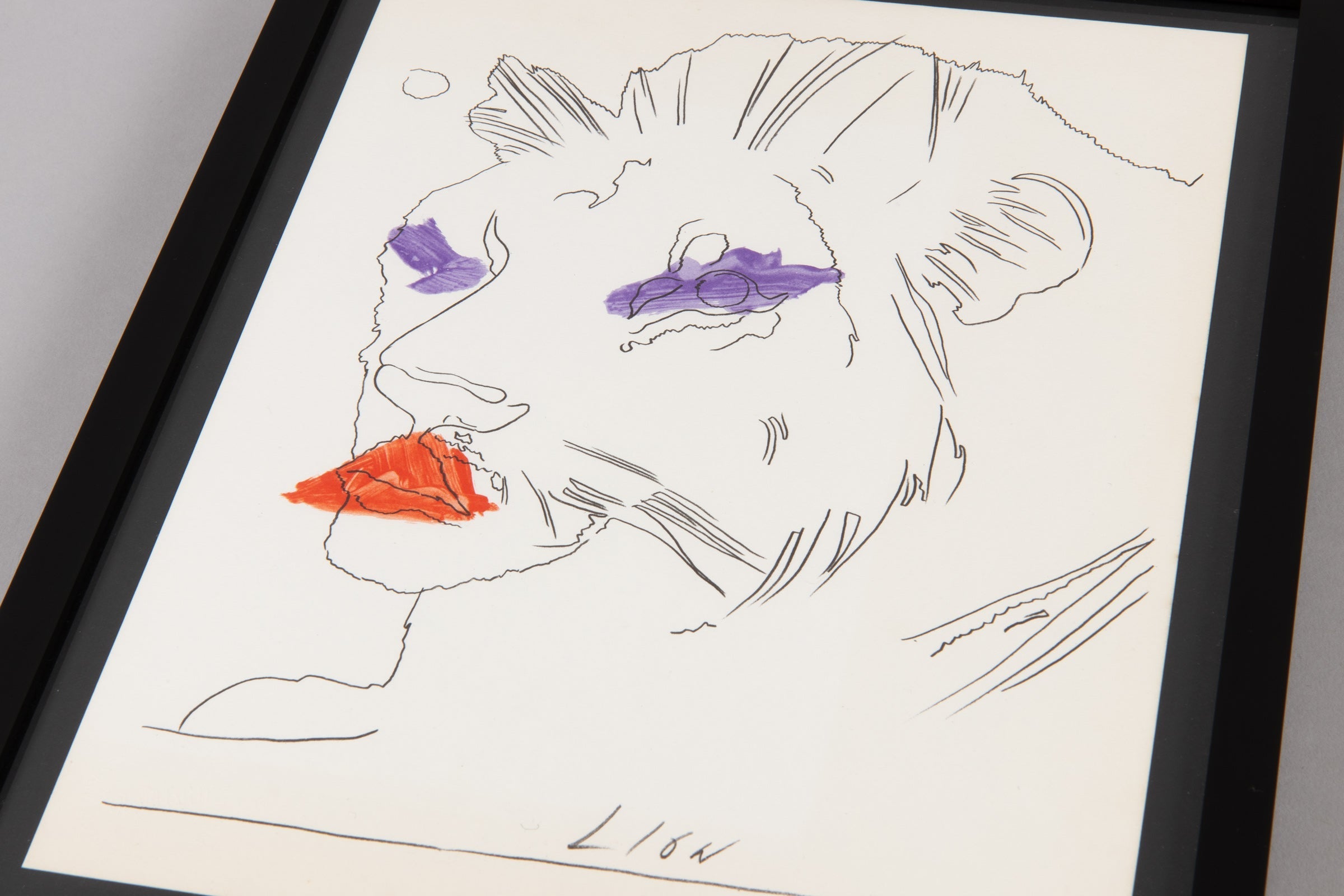
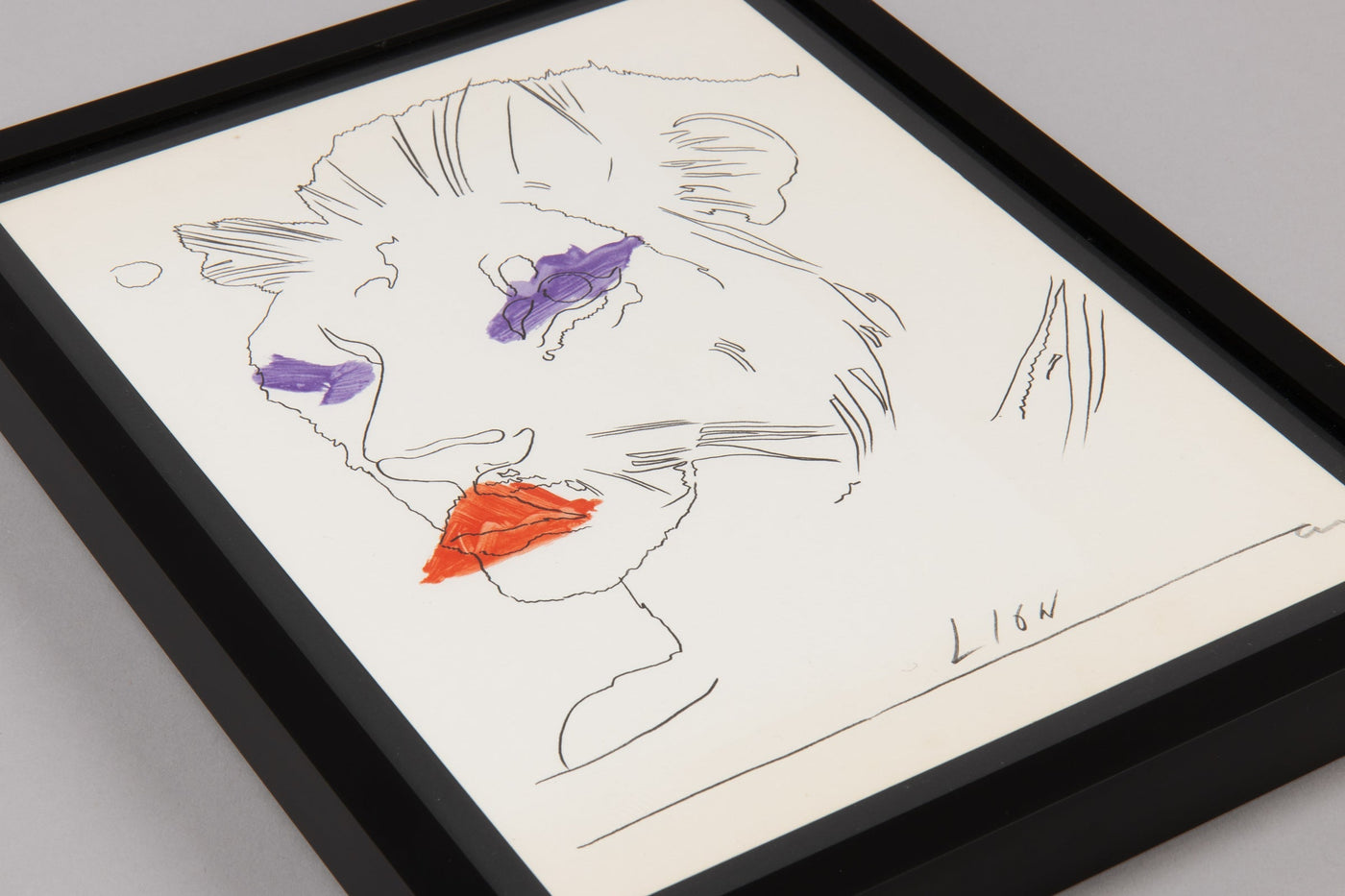
Andy Warhol (1928–1987) was a revolutionary American artist and one of the most influential figures of the twentieth century. As the leading pioneer of Pop Art, he redefined the relationship between fine art and popular culture by transforming mass-produced images into iconic artworks. His subjects—from Marilyn Monroe and Elvis Presley to Campbell’s Soup Cans and Coca-Cola bottles—remain among the most recognizable images in modern art.
Central to Warhol’s practice was the use of silkscreen printing, which allowed him to reproduce images repeatedly while introducing subtle variations in color and composition. This process became a defining feature of his work, reflecting the visual language of advertising, celebrity culture, and mass production. Through serial imagery and bold graphic forms, Warhol questioned traditional ideas of originality, authorship, and artistic value.
Today, Andy Warhol prints and limited editions are among the most sought-after works in the global art market. His screenprints translate the visual impact of his paintings into editioned formats, preserving the vibrant color, repetition, and cultural symbolism that define his Pop Art aesthetic. These prints remain highly collectible for their art-historical significance as well as their continuing influence on contemporary visual culture.
Beyond painting and printmaking, Warhol worked across film, photography, publishing, and performance. His New York studio, The Factory, became a legendary gathering place for artists, musicians, writers, and cultural figures of the 1960s and 1970s. Collaborations with musicians such as The Velvet Underground and his experimental films expanded his influence far beyond the art world.
Through his paintings, films, and especially his screenprint editions, Warhol reshaped the language of contemporary art. His artworks continue to shape discussions around celebrity, consumerism, and image culture, securing his place as one of the most important artists of the modern era.

Andy Warhol’s groundbreaking career was defined by major institutional exhibitions that cemented his status as a central figure in postwar art. His first solo museum exhibition was held at the Institute of Contemporary Art, Philadelphia (1965), followed by a major retrospective at the Pasadena Art Museum (1970) that established him as one of the leading voices of Pop Art. After his death, the Museum of Modern Art, New York (1989) presented a landmark posthumous survey that reaffirmed his global cultural impact.
Warhol’s work also appeared in key international exhibitions, including documenta 6 in Kassel (1977) and the Venice Biennale (1982), where he represented the United States. Over the decades, his artworks have been presented at major institutions worldwide, including Tate Modern in London, the Whitney Museum of American Art in New York, the Centre Pompidou in Paris, the Guggenheim Museum Bilbao, and the Neue Nationalgalerie in Berlin.
Today, his paintings, photographs, and Andy Warhol prints and editions are held in leading museum collections and continue to be exhibited internationally. These exhibitions demonstrate how Warhol’s Pop Art screenprints and paintings reshaped the relationship between art, media, celebrity, and consumer culture, securing his legacy as one of the most influential artists of the twentieth century.
Andy Warhol (1928–1987) was a revolutionary American artist and one of the most influential figures of the twentieth century. As the leading pioneer of Pop Art, he redefined the relationship between fine art and popular culture by transforming mass-produced images into iconic artworks. His subjects—from Marilyn Monroe and Elvis Presley to Campbell’s Soup Cans and Coca-Cola bottles—remain among the most recognizable images in modern art.
Central to Warhol’s practice was the use of silkscreen printing, which allowed him to reproduce images repeatedly while introducing subtle variations in color and composition. This process became a defining feature of his work, reflecting the visual language of advertising, celebrity culture, and mass production. Through serial imagery and bold graphic forms, Warhol questioned traditional ideas of originality, authorship, and artistic value.
Today, Andy Warhol prints and limited editions are among the most sought-after works in the global art market. His screenprints translate the visual impact of his paintings into editioned formats, preserving the vibrant color, repetition, and cultural symbolism that define his Pop Art aesthetic. These prints remain highly collectible for their art-historical significance as well as their continuing influence on contemporary visual culture.
Beyond painting and printmaking, Warhol worked across film, photography, publishing, and performance. His New York studio, The Factory, became a legendary gathering place for artists, musicians, writers, and cultural figures of the 1960s and 1970s. Collaborations with musicians such as The Velvet Underground and his experimental films expanded his influence far beyond the art world.
Through his paintings, films, and especially his screenprint editions, Warhol reshaped the language of contemporary art. His artworks continue to shape discussions around celebrity, consumerism, and image culture, securing his place as one of the most important artists of the modern era.
Andy Warhol’s groundbreaking career was defined by major institutional exhibitions that cemented his status as a central figure in postwar art. His first solo museum exhibition was held at the Institute of Contemporary Art, Philadelphia (1965), followed by a major retrospective at the Pasadena Art Museum (1970) that established him as one of the leading voices of Pop Art. After his death, the Museum of Modern Art, New York (1989) presented a landmark posthumous survey that reaffirmed his global cultural impact.
Warhol’s work also appeared in key international exhibitions, including documenta 6 in Kassel (1977) and the Venice Biennale (1982), where he represented the United States. Over the decades, his artworks have been presented at major institutions worldwide, including Tate Modern in London, the Whitney Museum of American Art in New York, the Centre Pompidou in Paris, the Guggenheim Museum Bilbao, and the Neue Nationalgalerie in Berlin.
Today, his paintings, photographs, and Andy Warhol prints and editions are held in leading museum collections and continue to be exhibited internationally. These exhibitions demonstrate how Warhol’s Pop Art screenprints and paintings reshaped the relationship between art, media, celebrity, and consumer culture, securing his legacy as one of the most influential artists of the twentieth century.
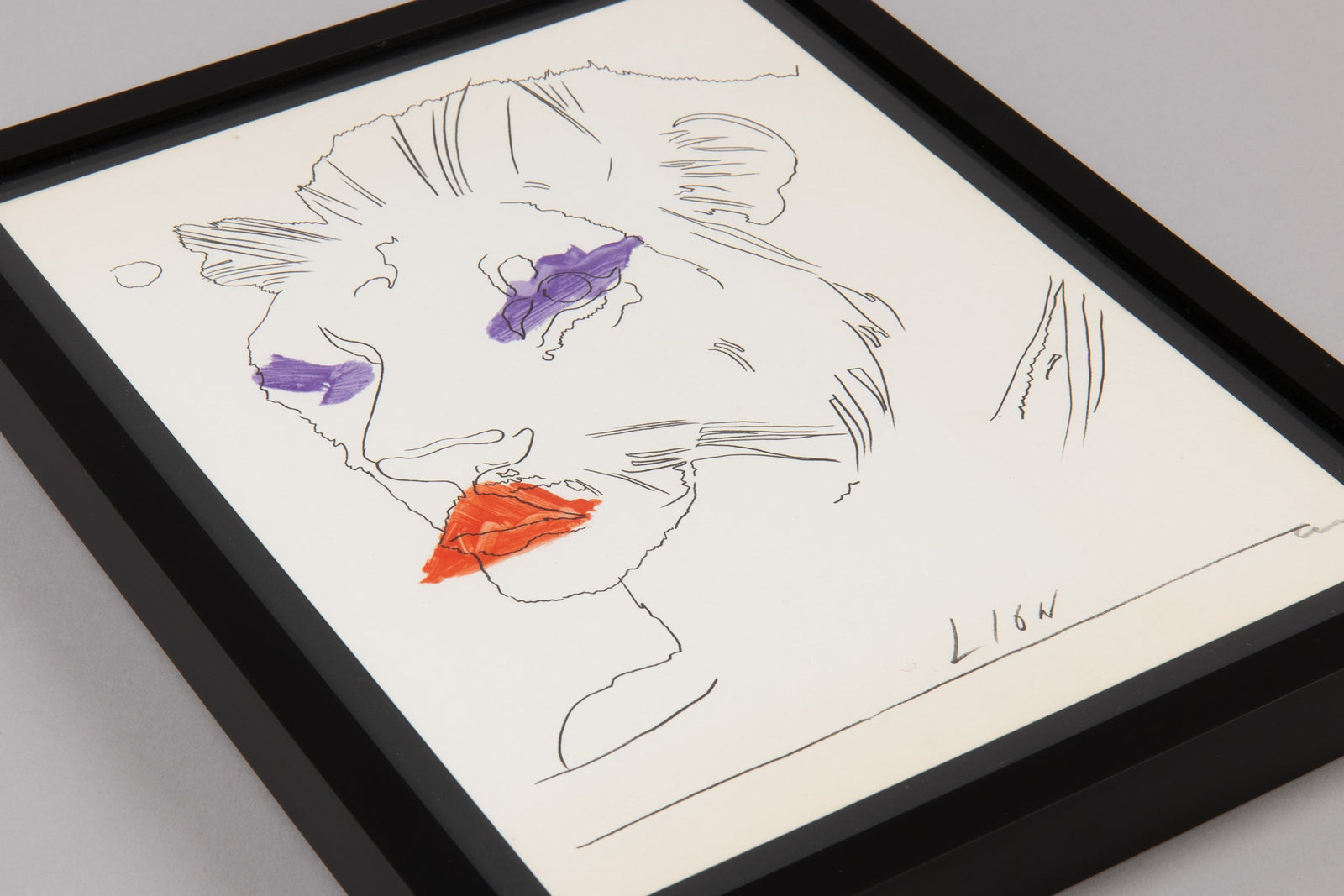
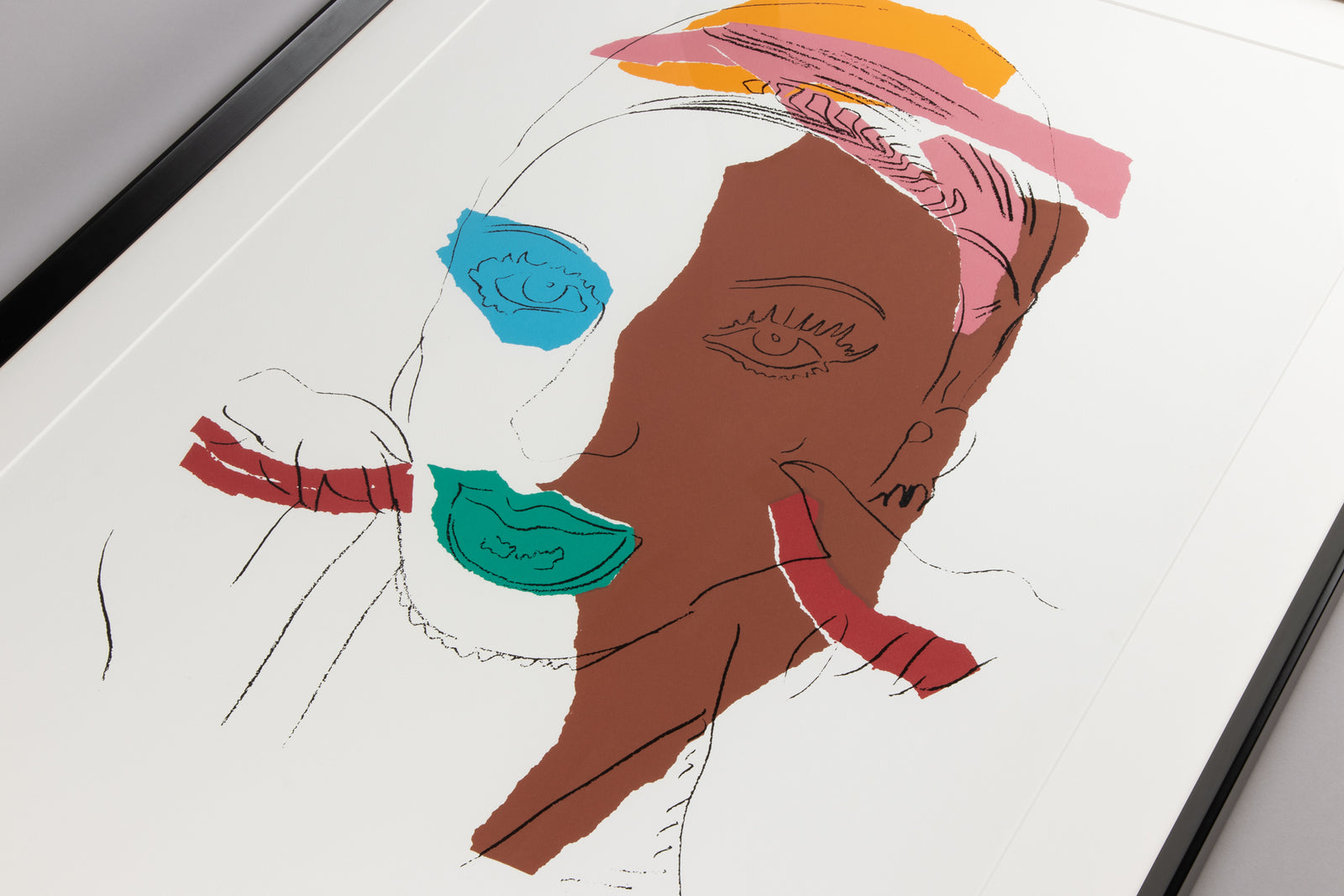


Buy art online
Shop editions with transparent pricing, accurate condition reports, and fast dispatch. Built for international collectors — buying original art made simple and reliable.

Worldwide shipping
Every work ships fully insured and tracked, handled only by trusted international express carriers — DHL Express, FedEx, UPS — and typically dispatched within five days.

Professional packaging
Meticulous packing is our craft. Each artwork is packed in-house to archival standards — multi-layer construction built to ensure it arrives in mint condition, anywhere in the world.

Secure payment
Checkout is powered by Shopify Payments — the same encrypted, PCI-compliant infrastructure trusted by millions of merchants worldwide.