

Pop Art

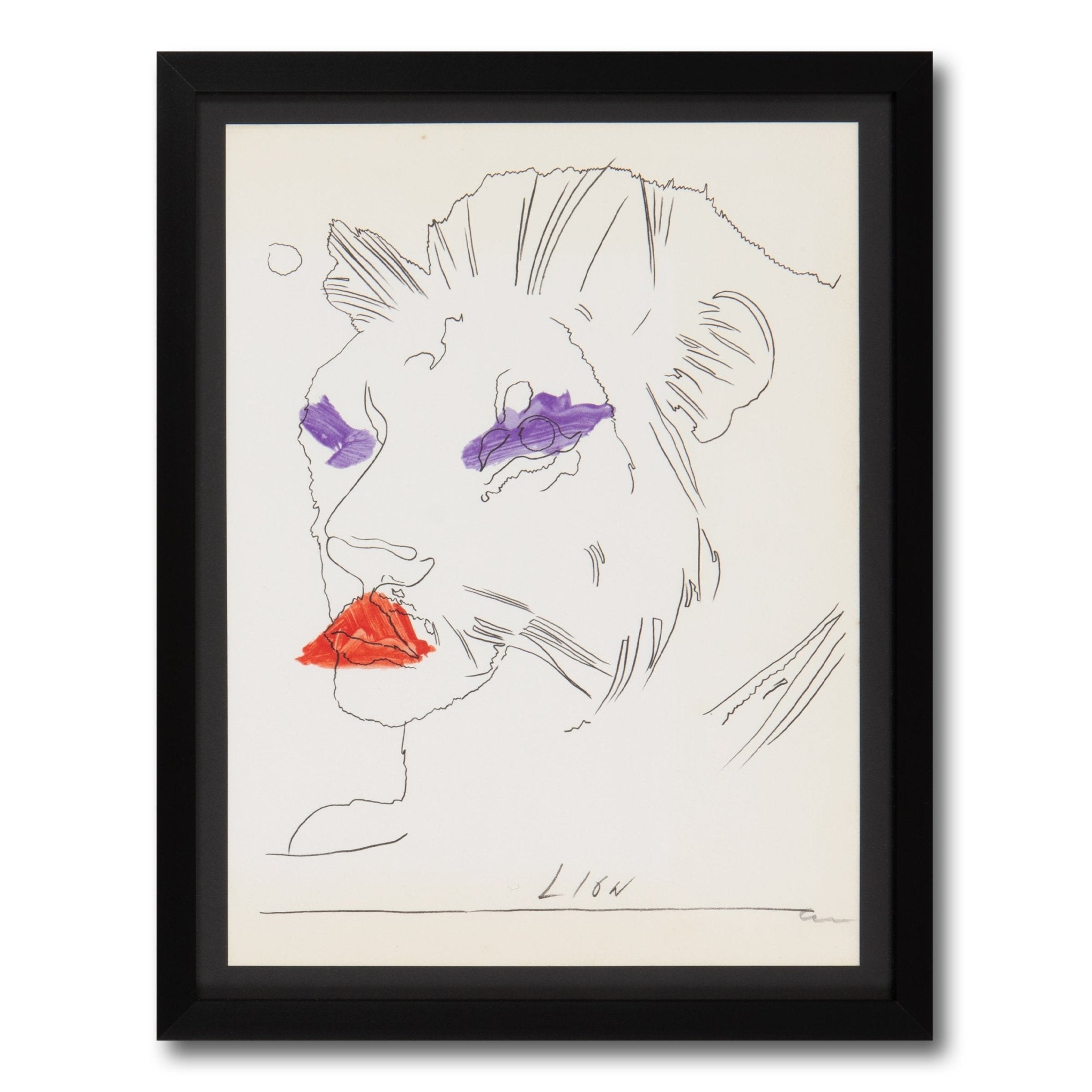
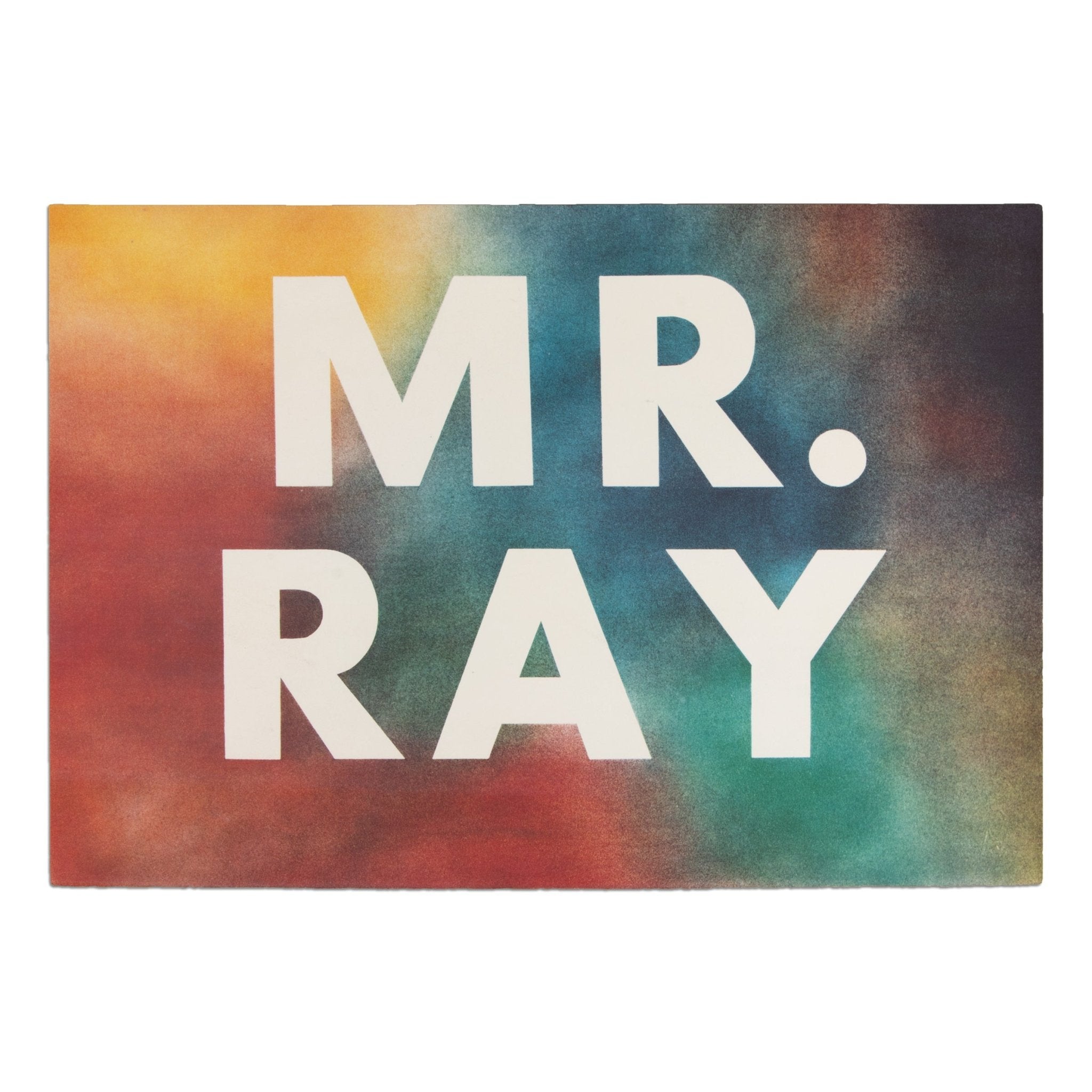
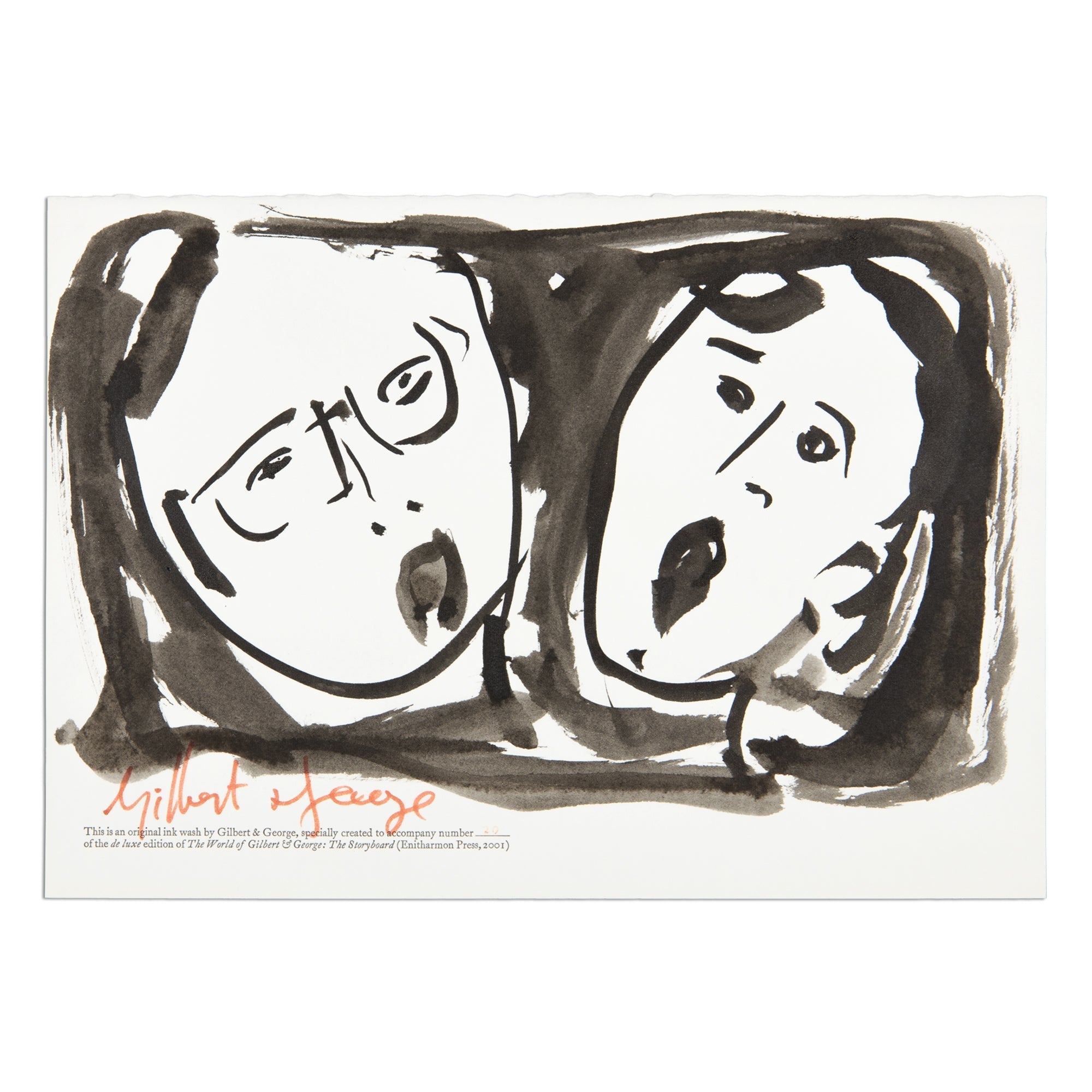
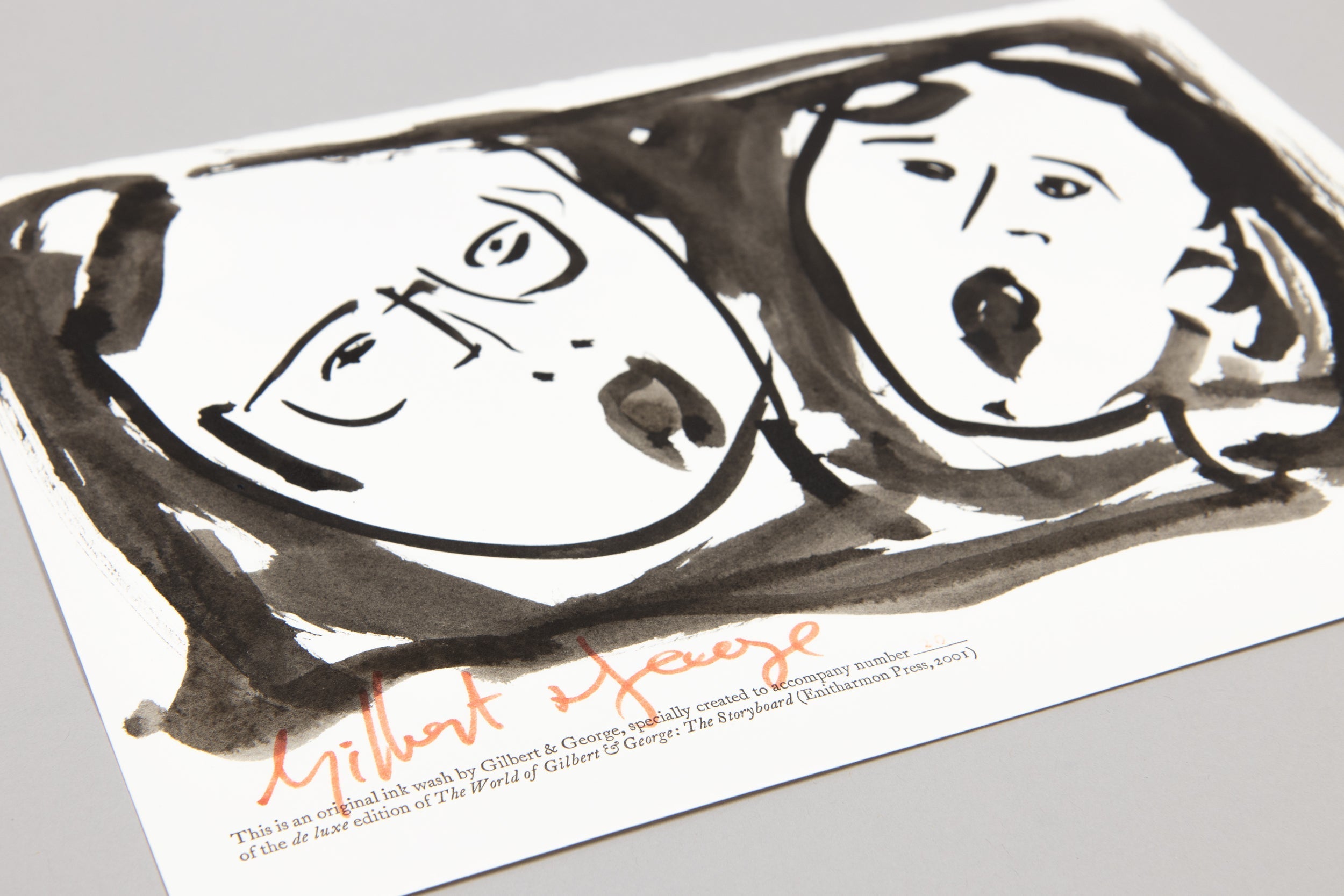
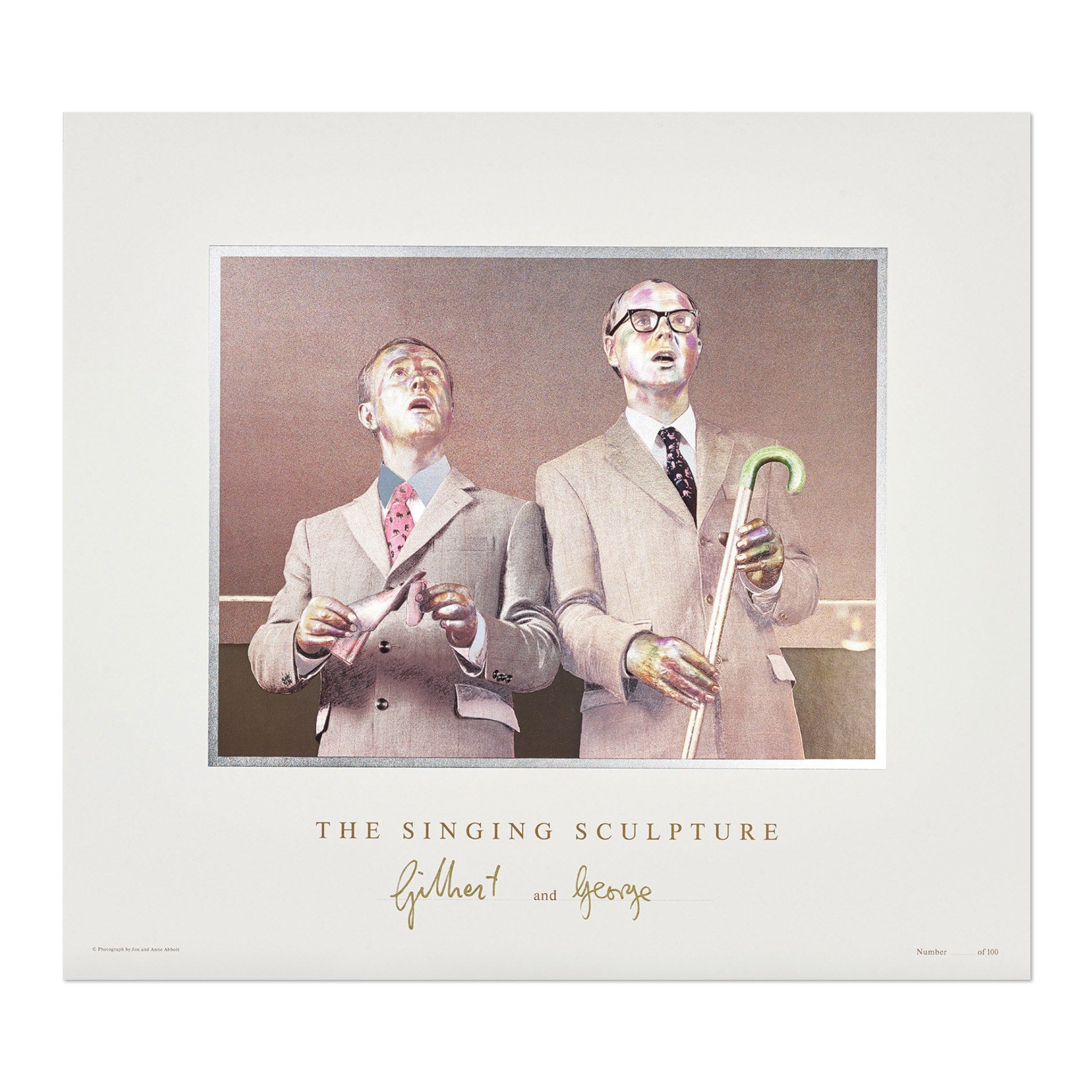
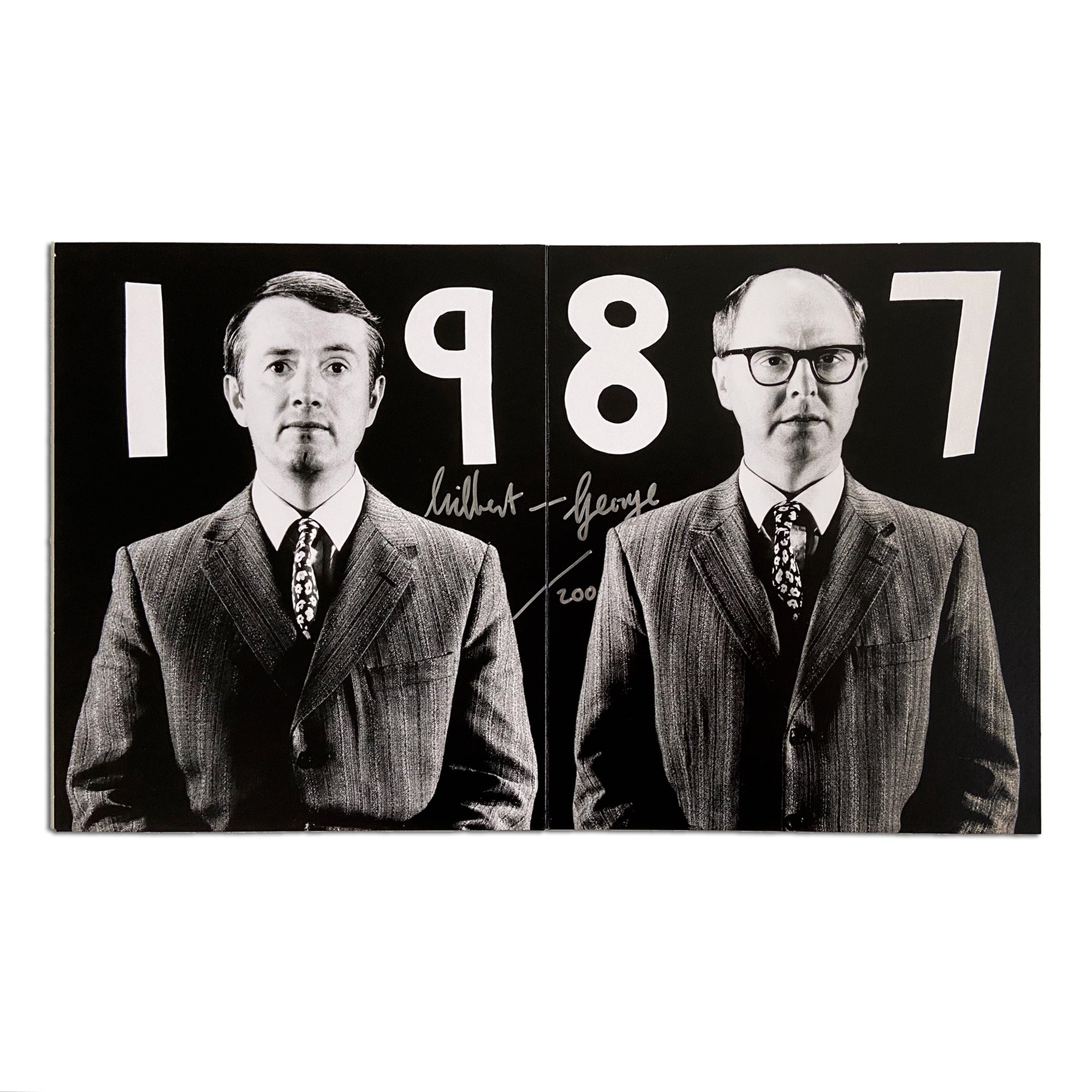
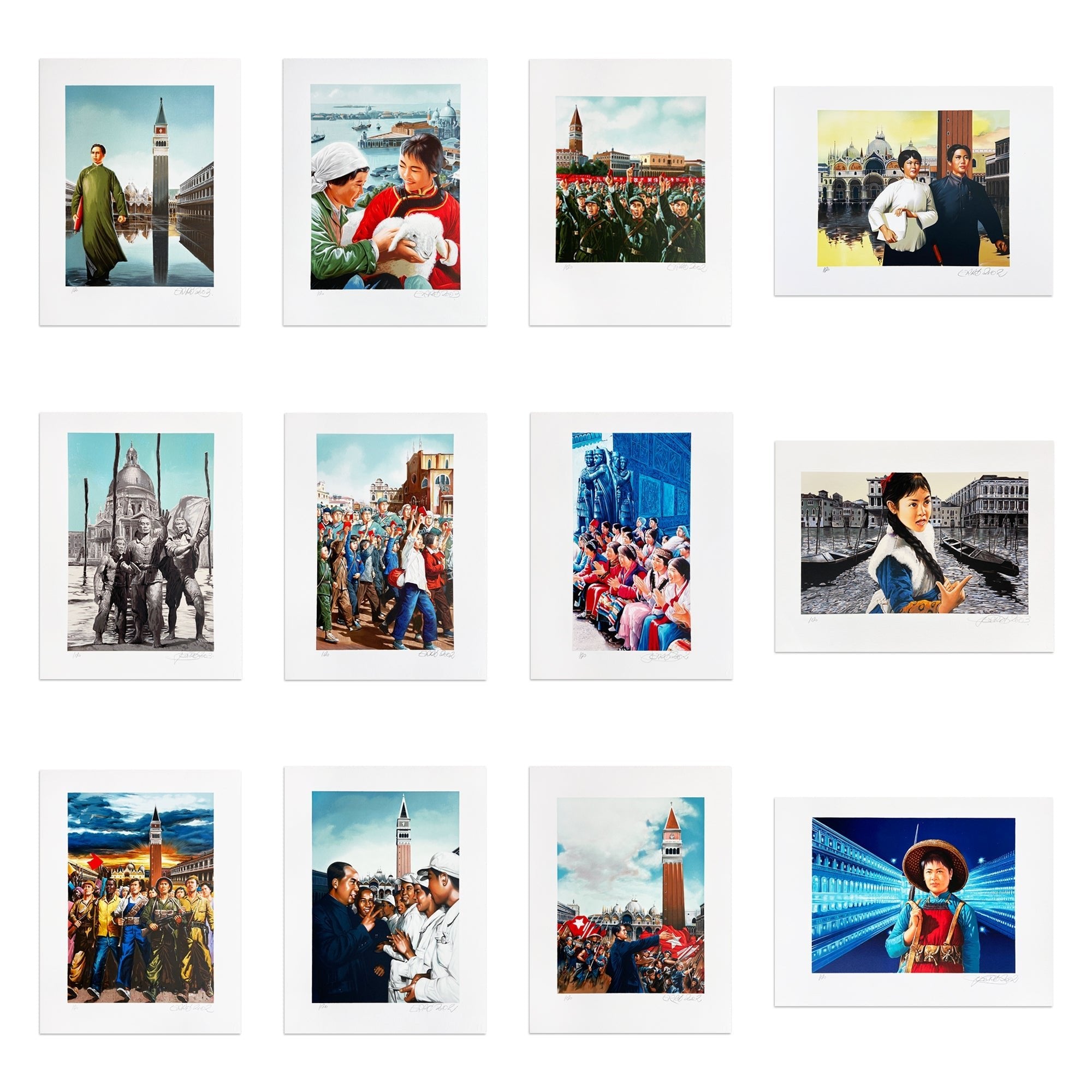
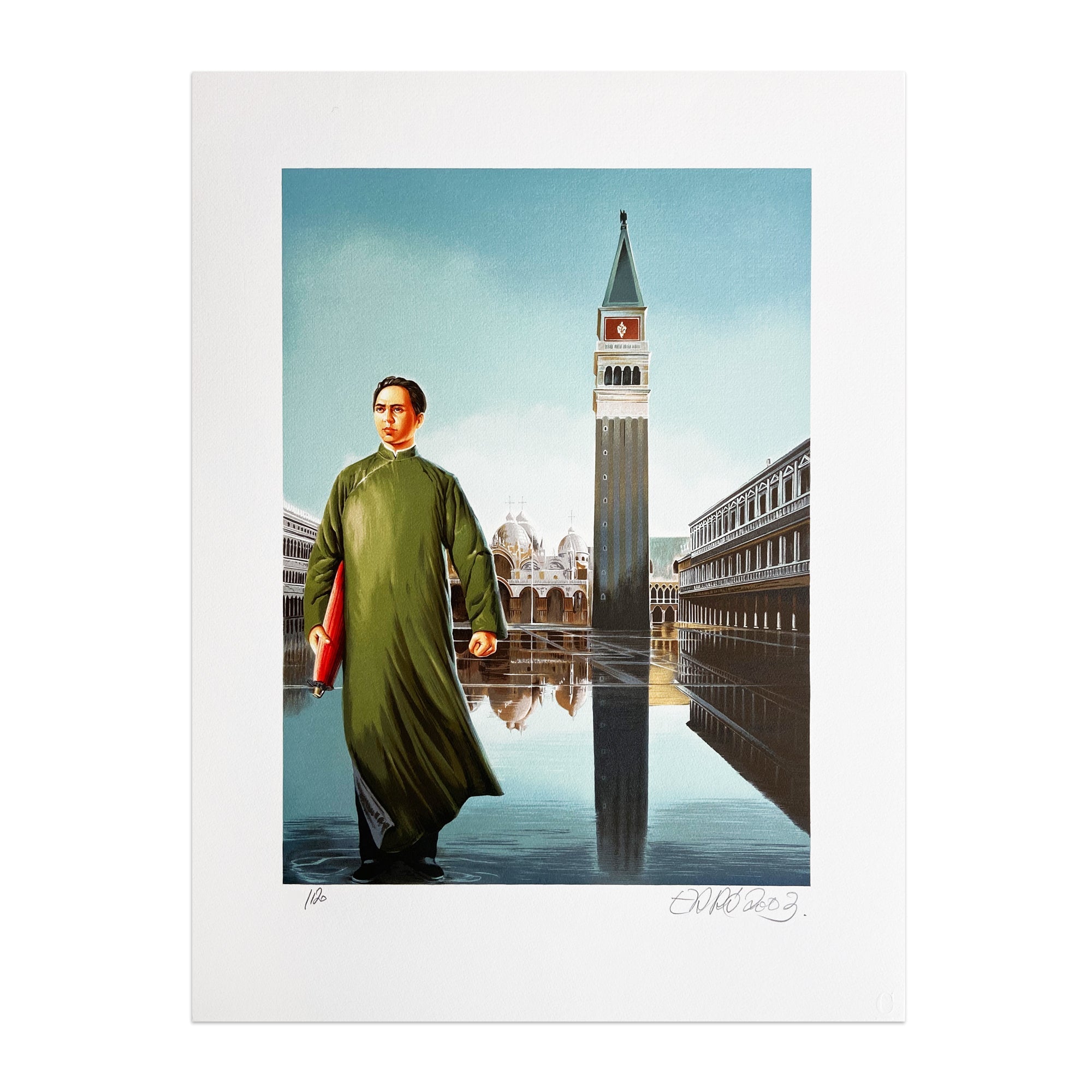
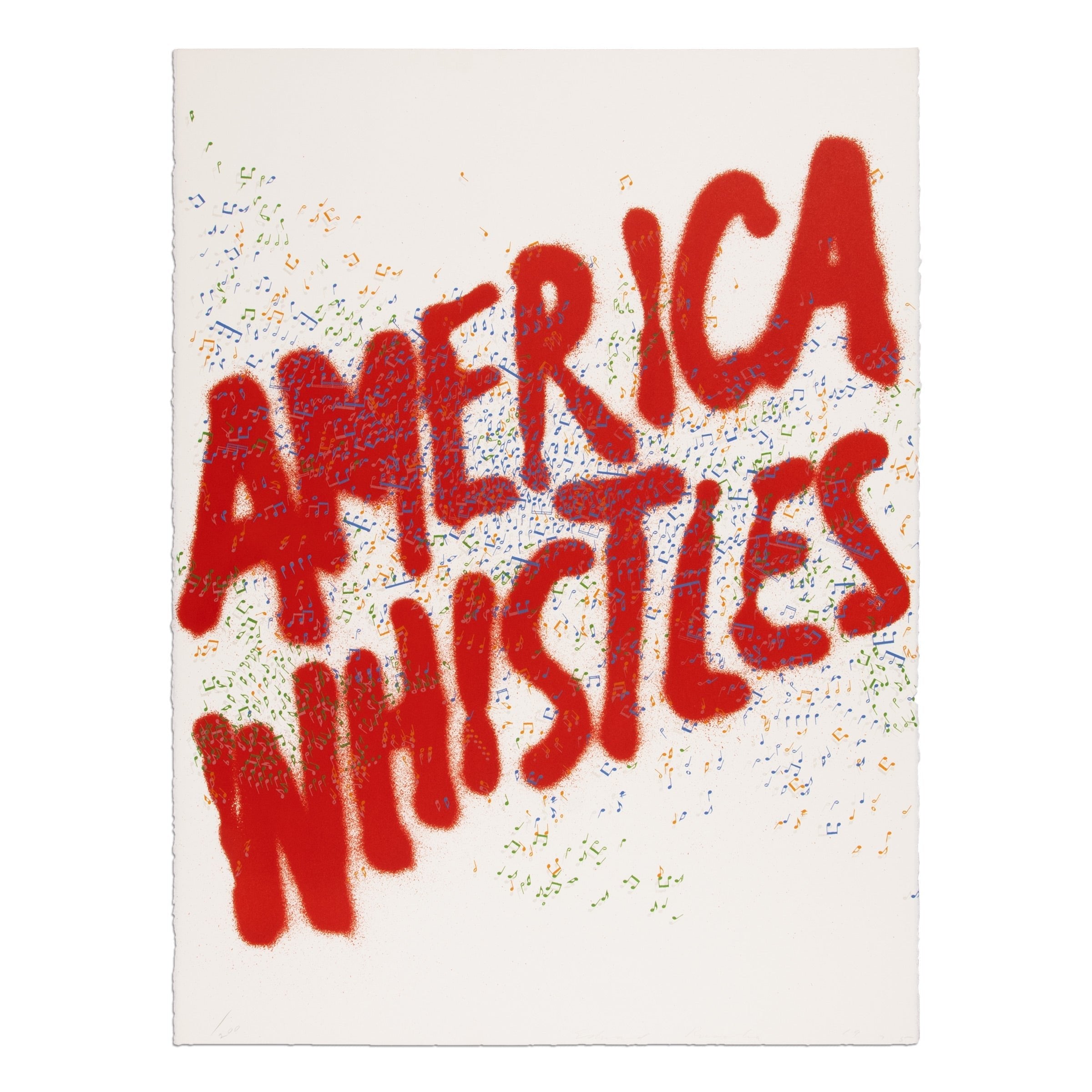
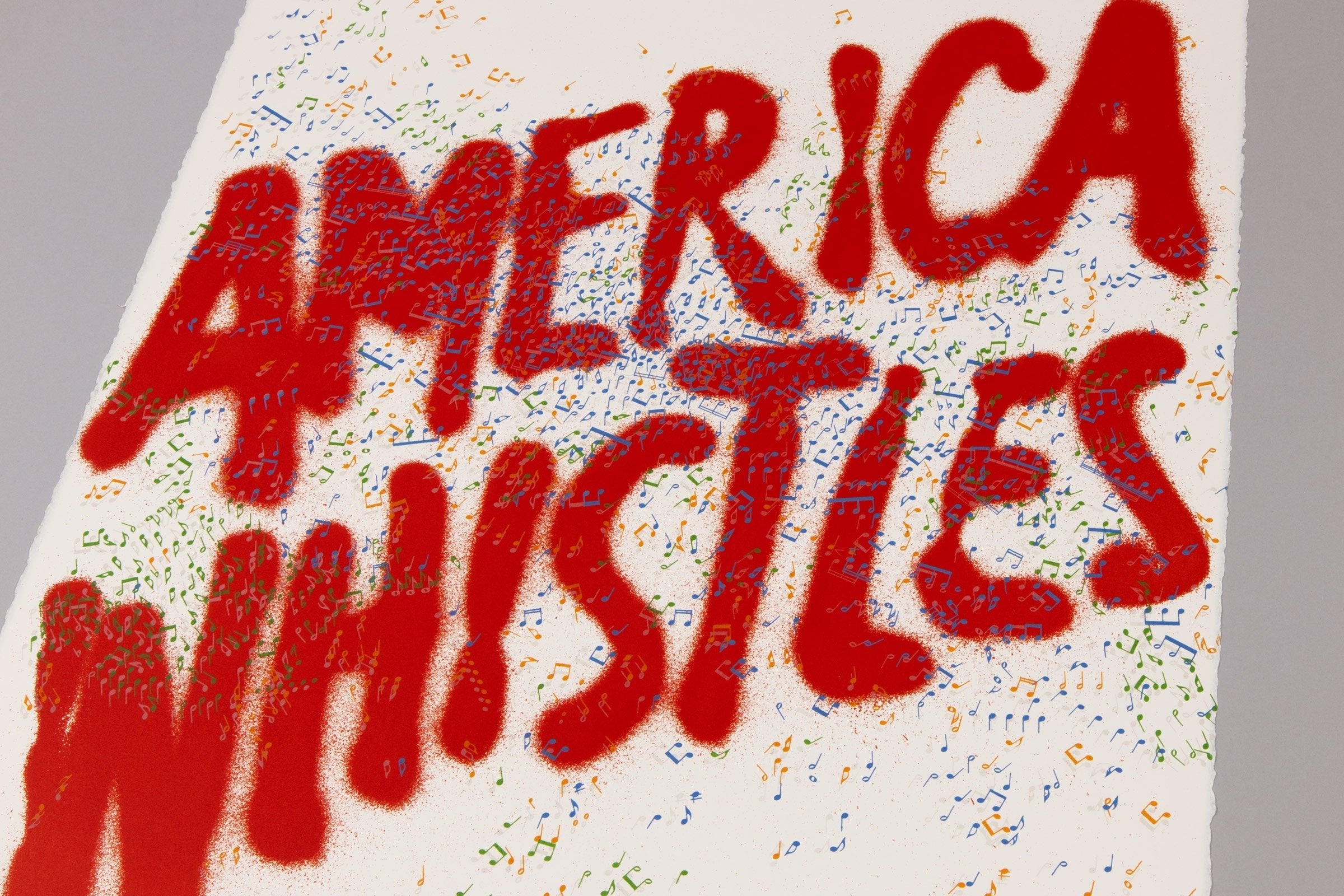
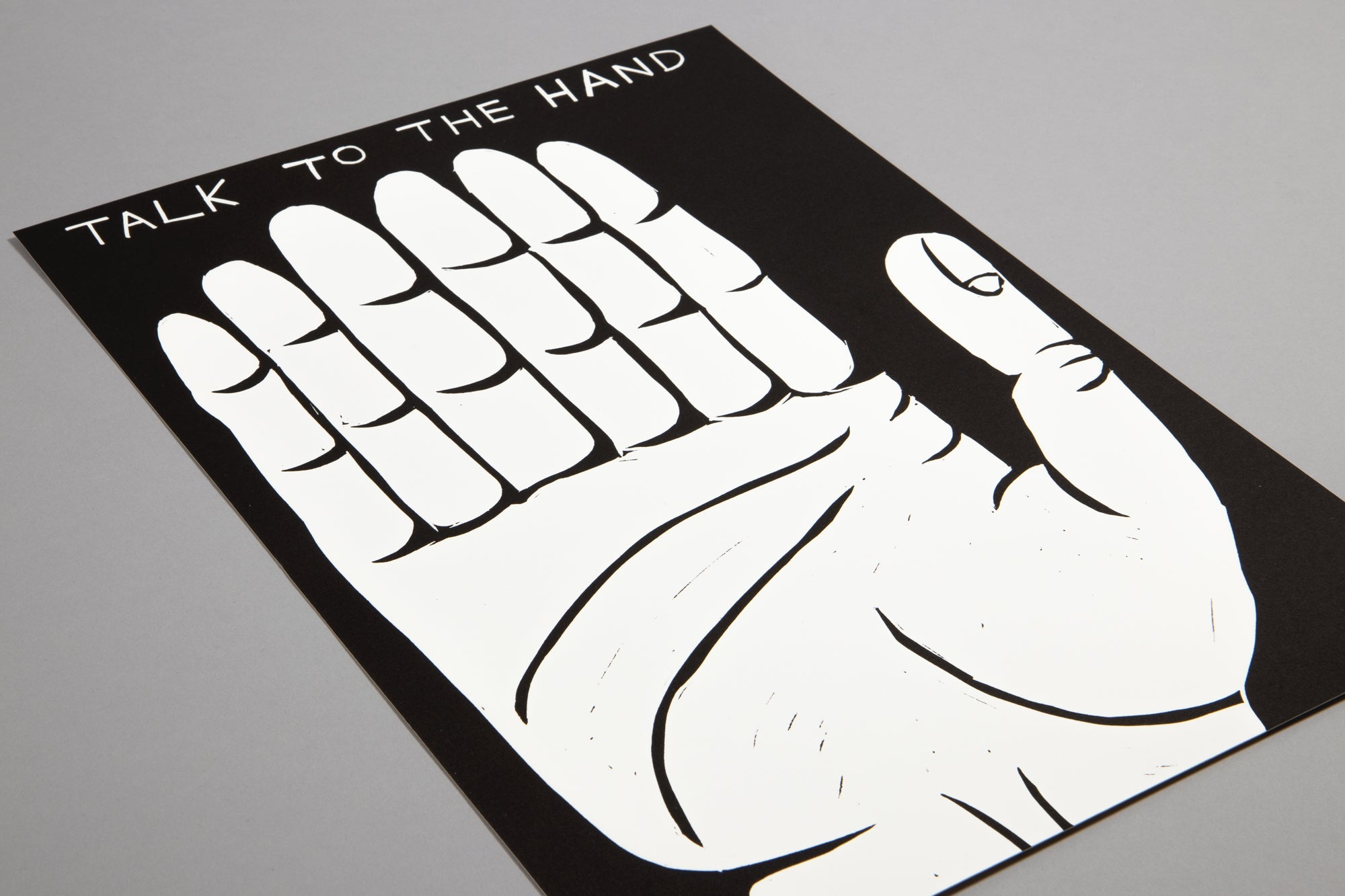
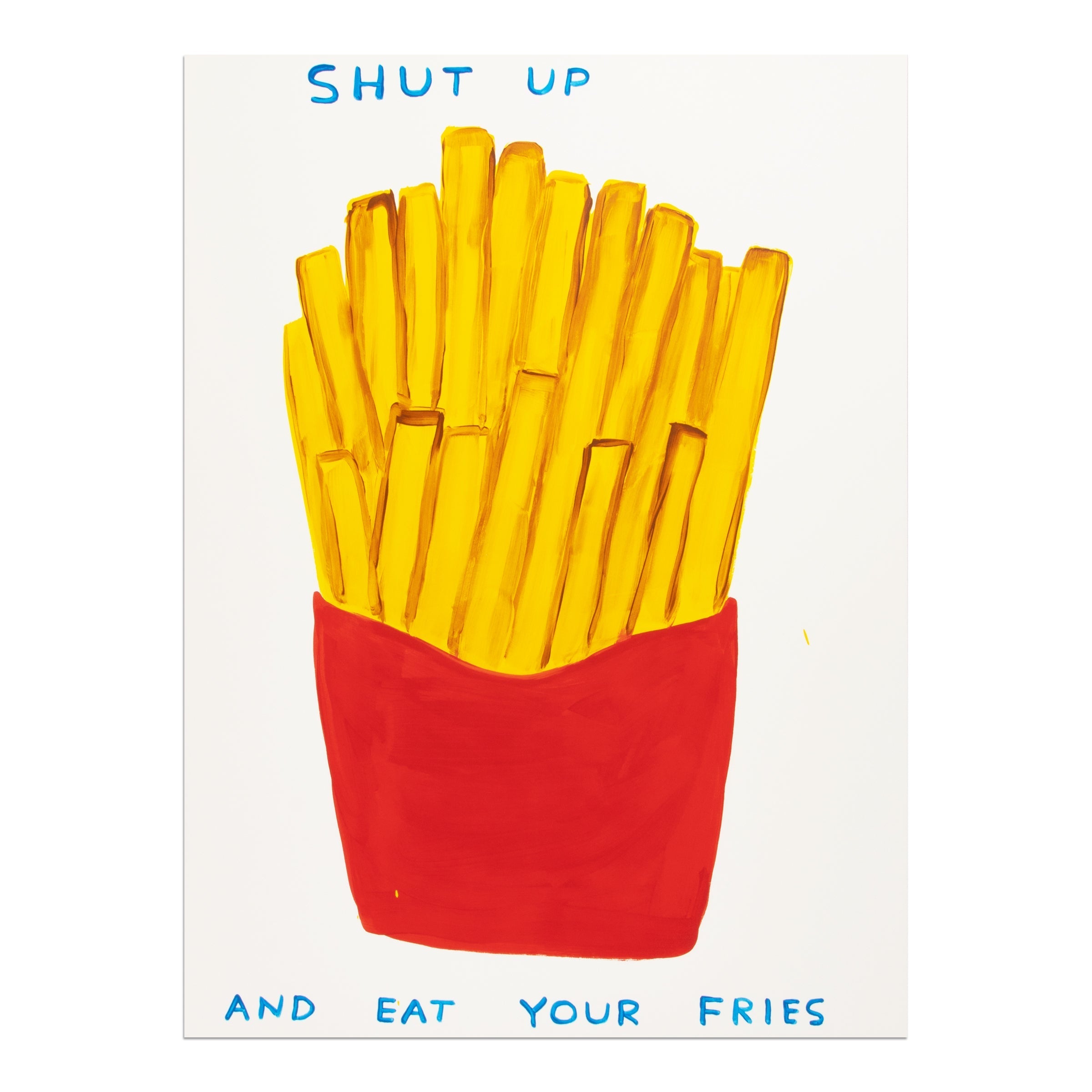
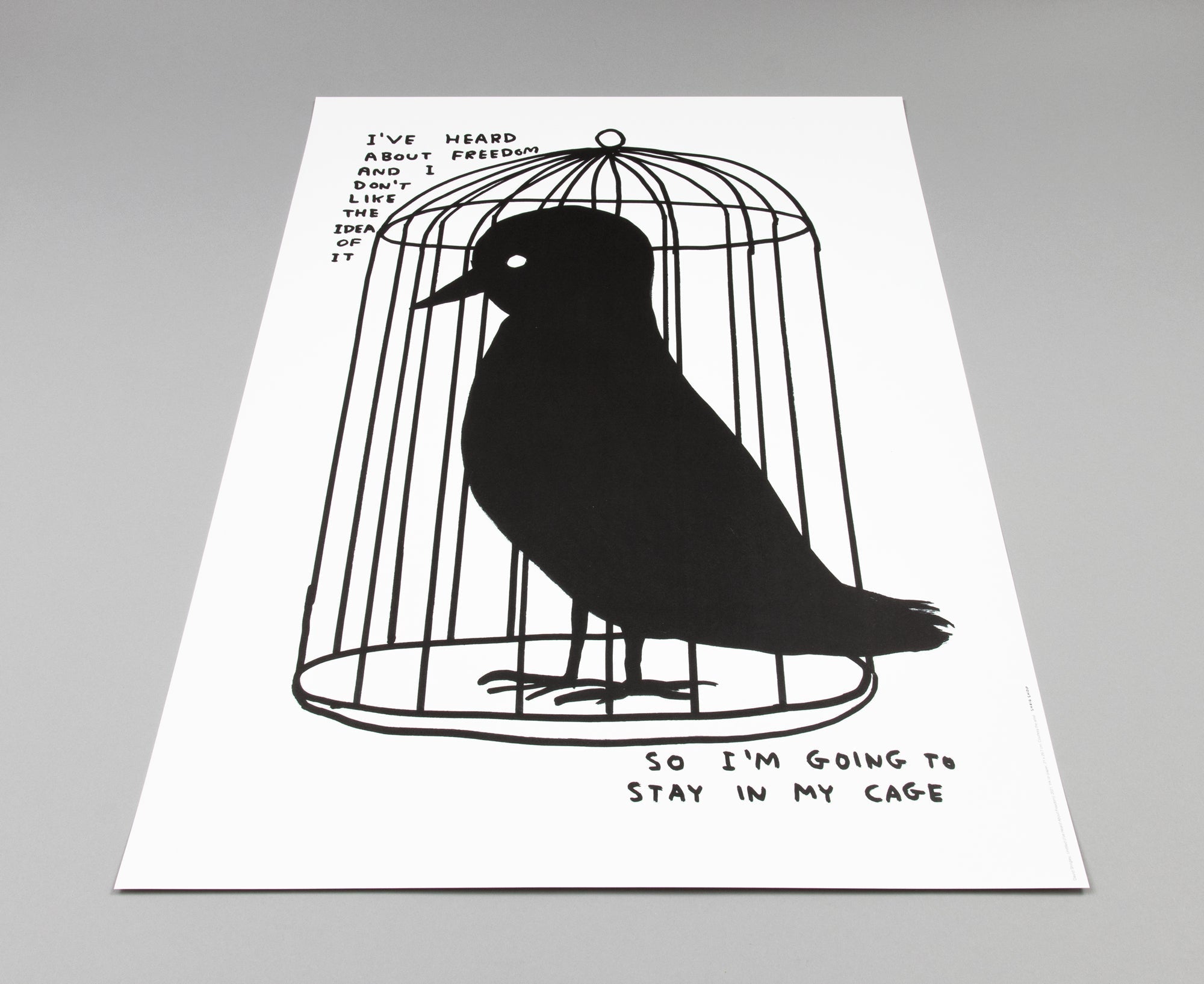
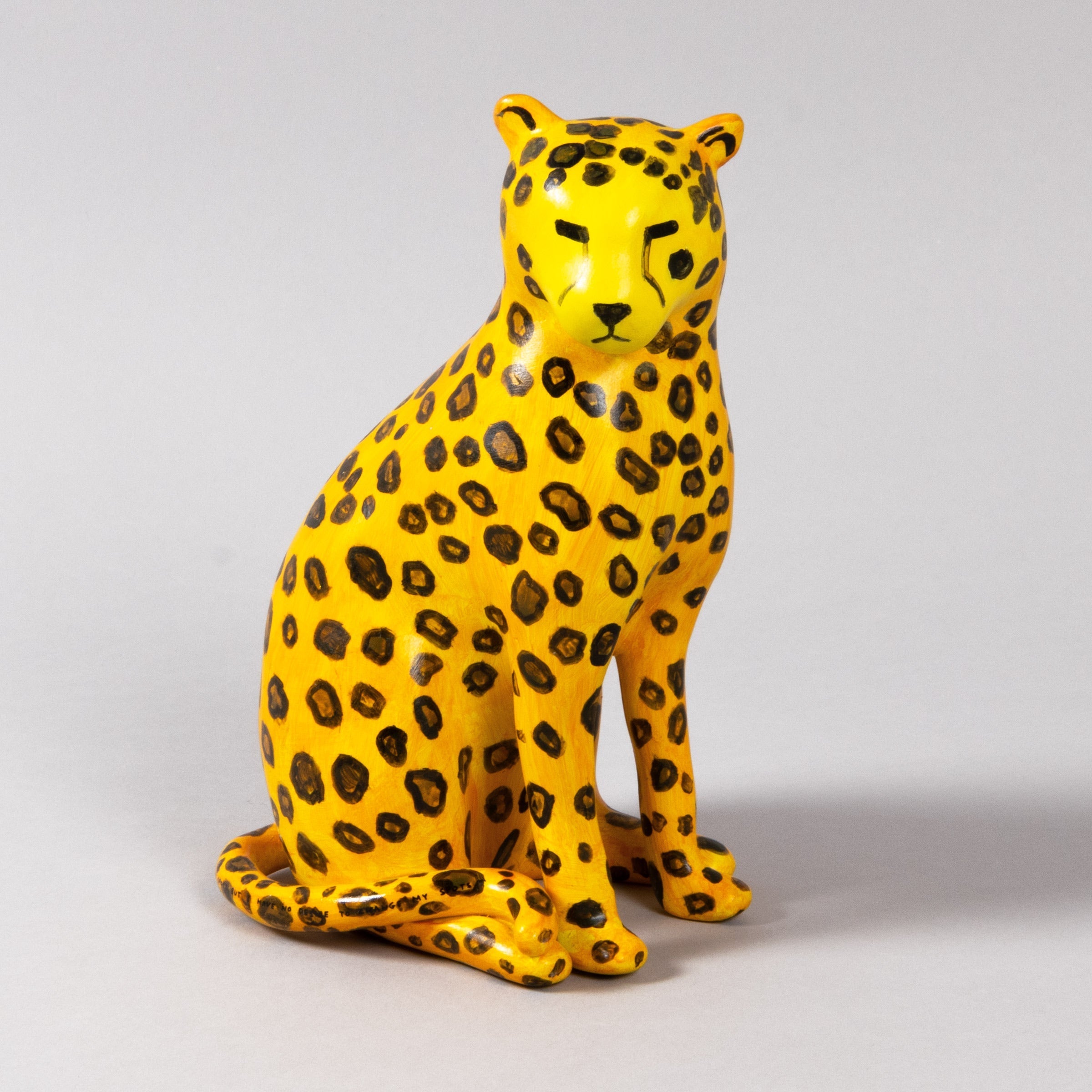
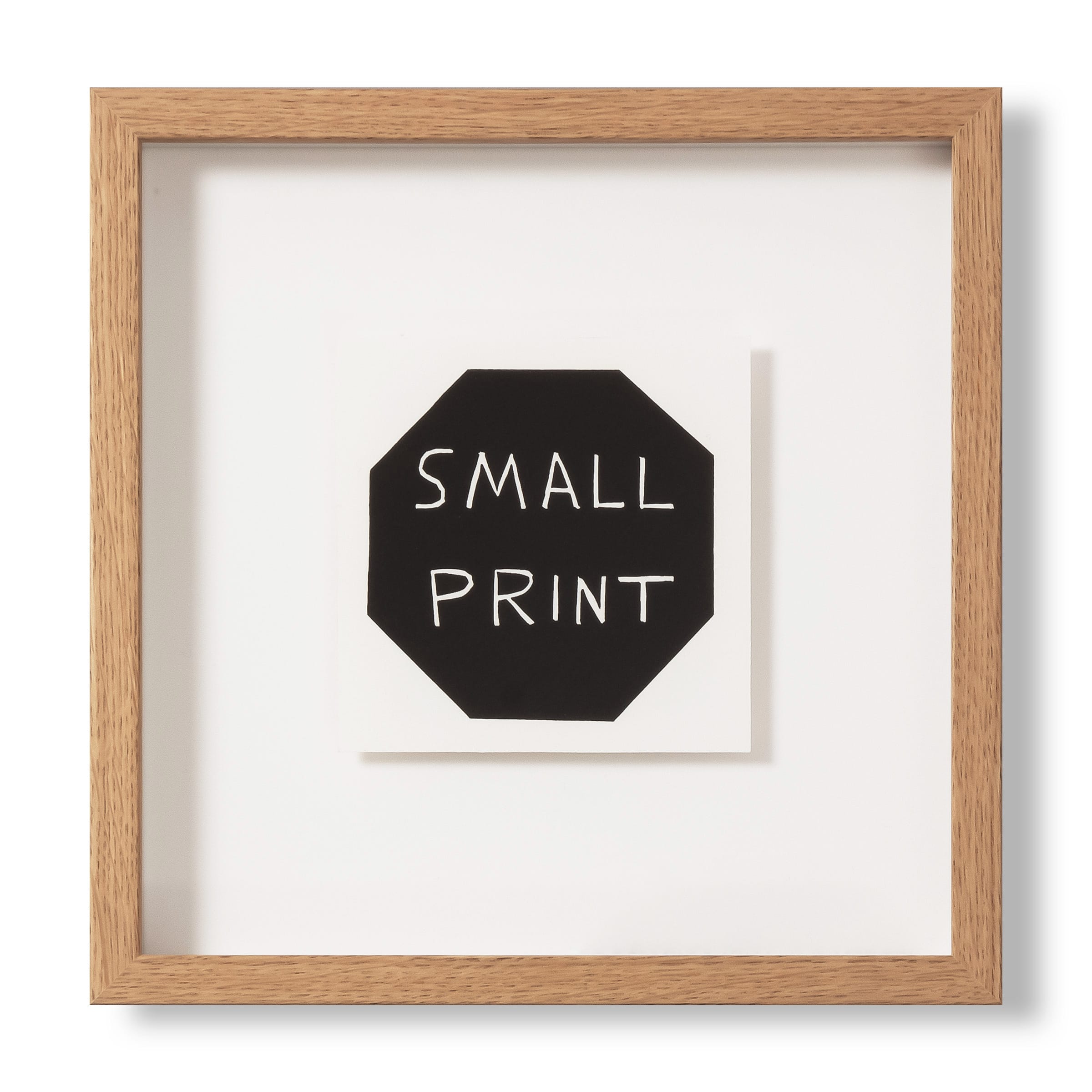
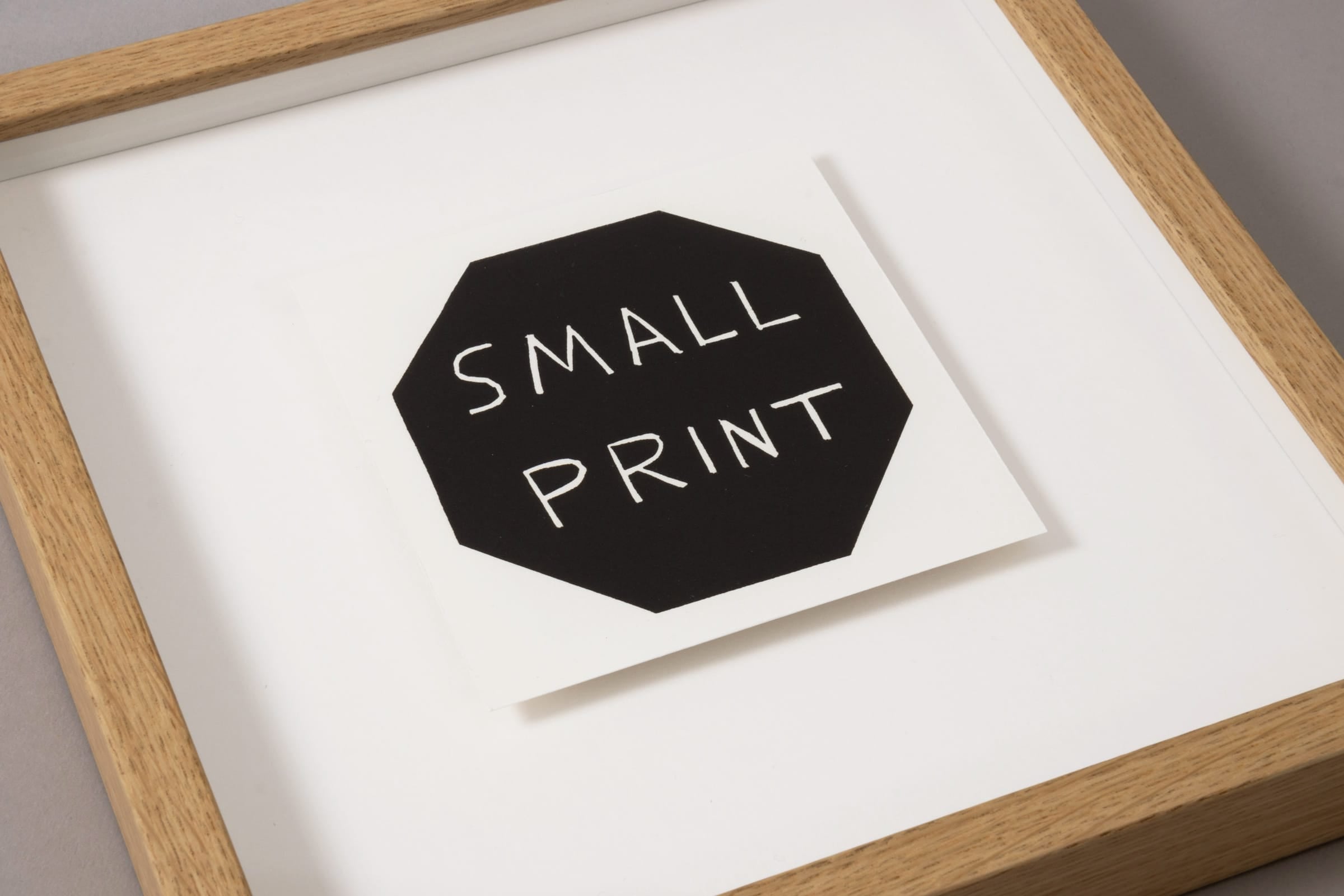
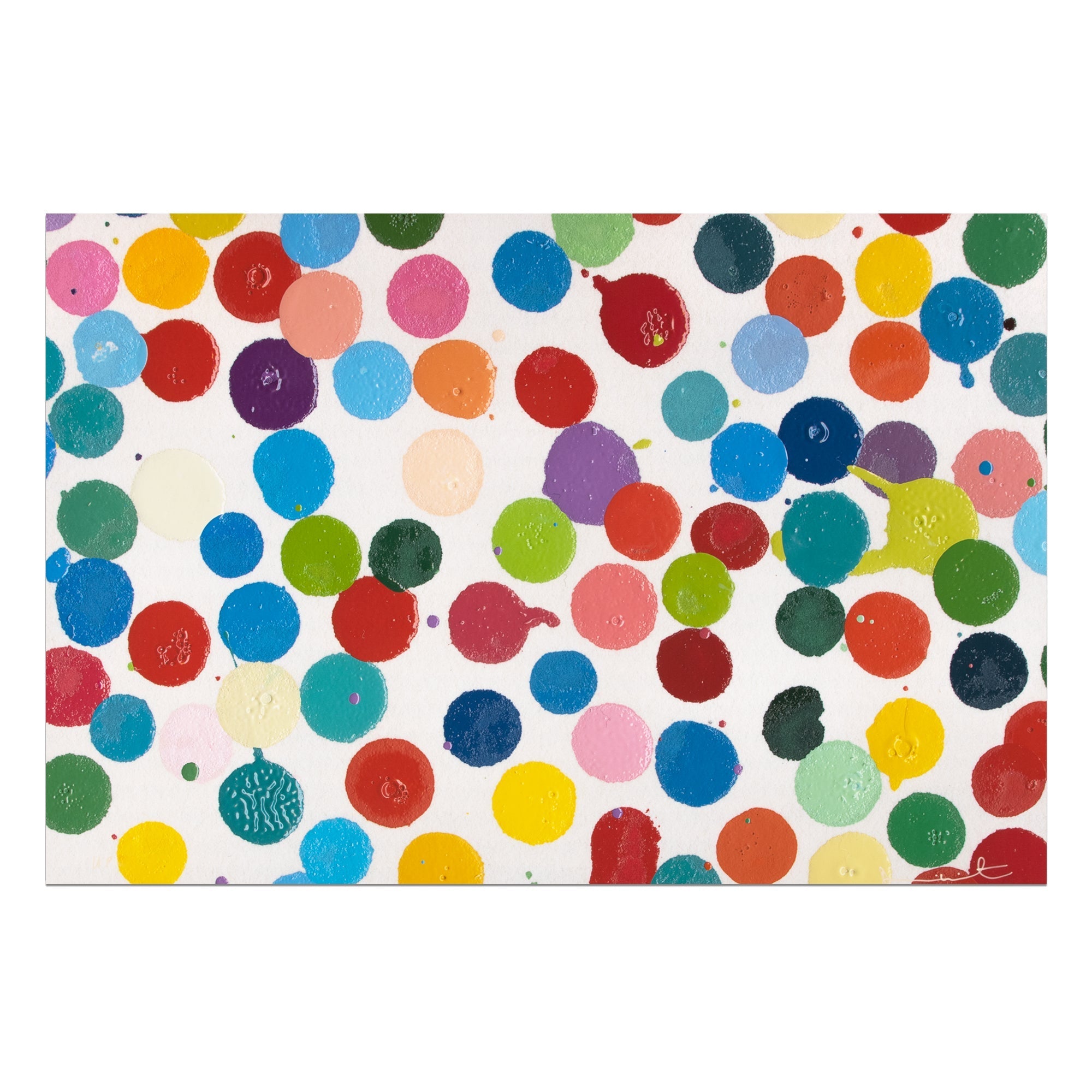
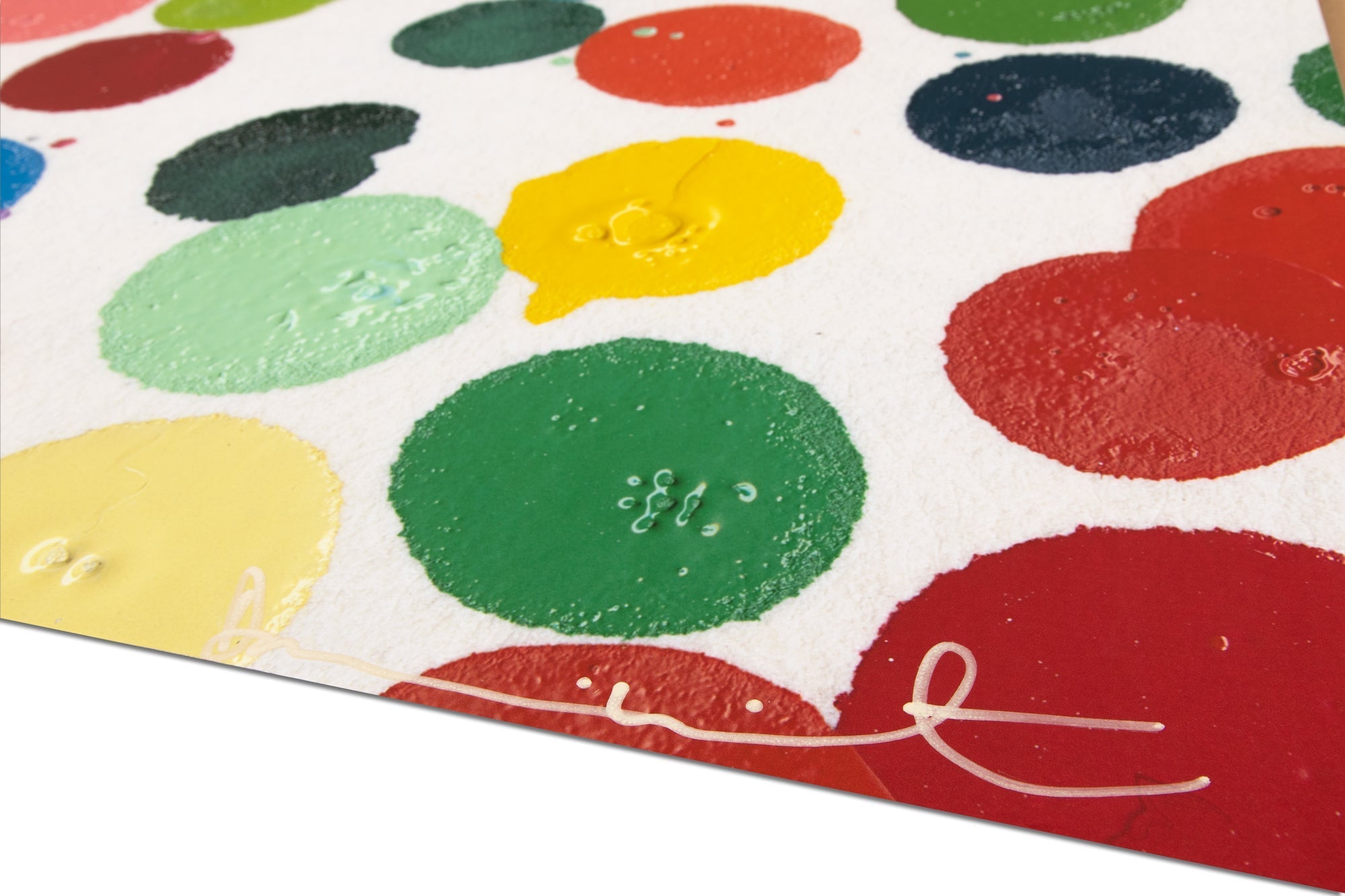
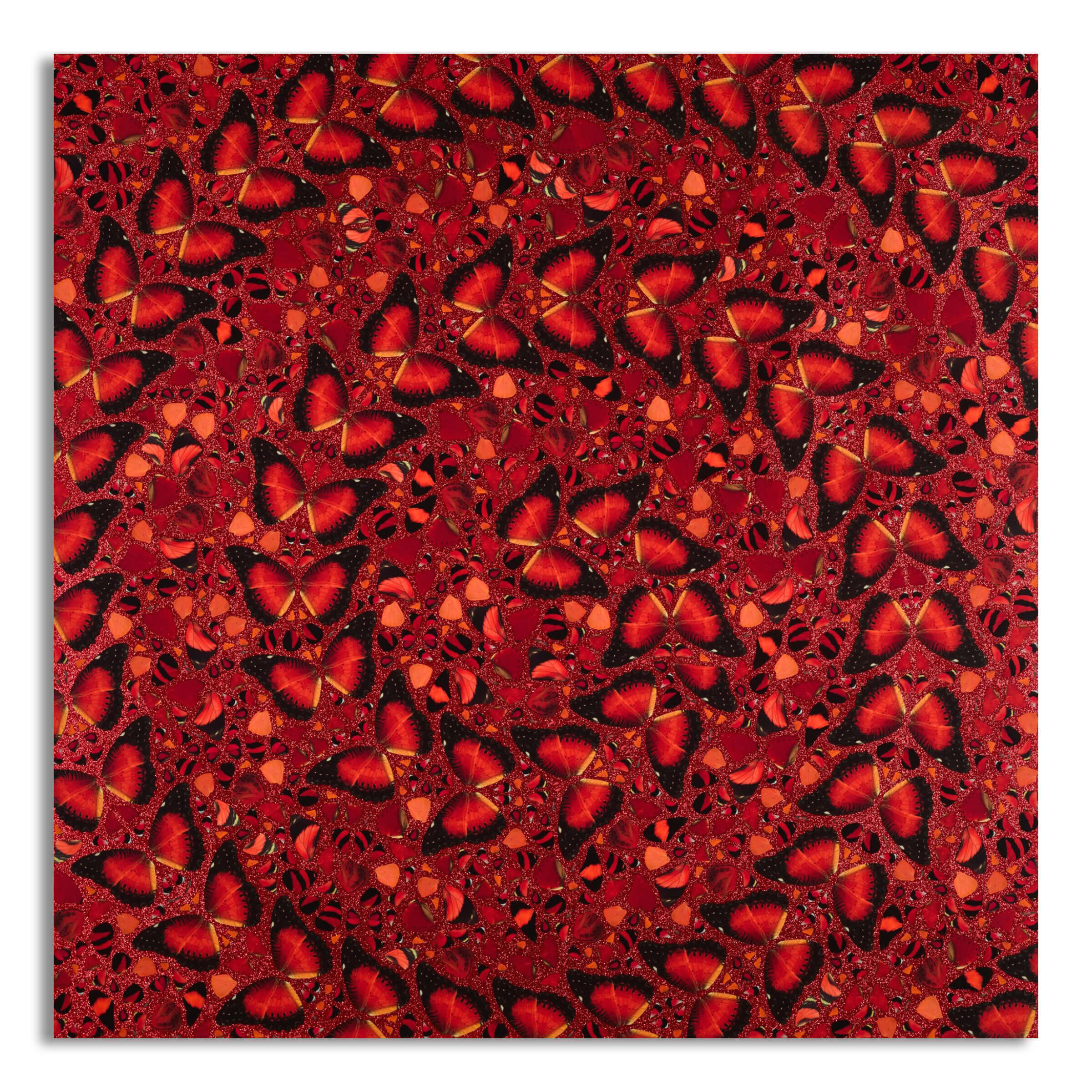
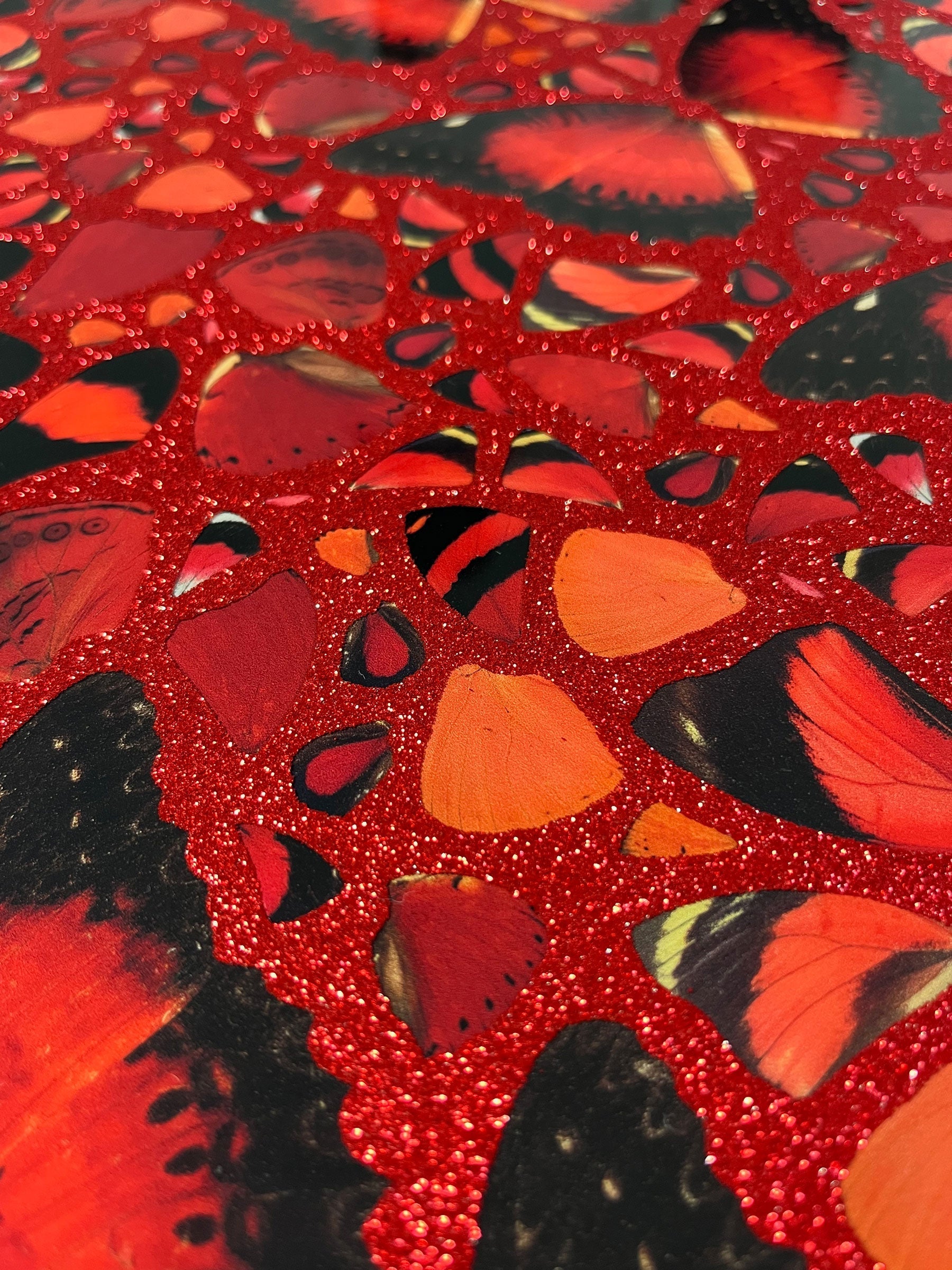
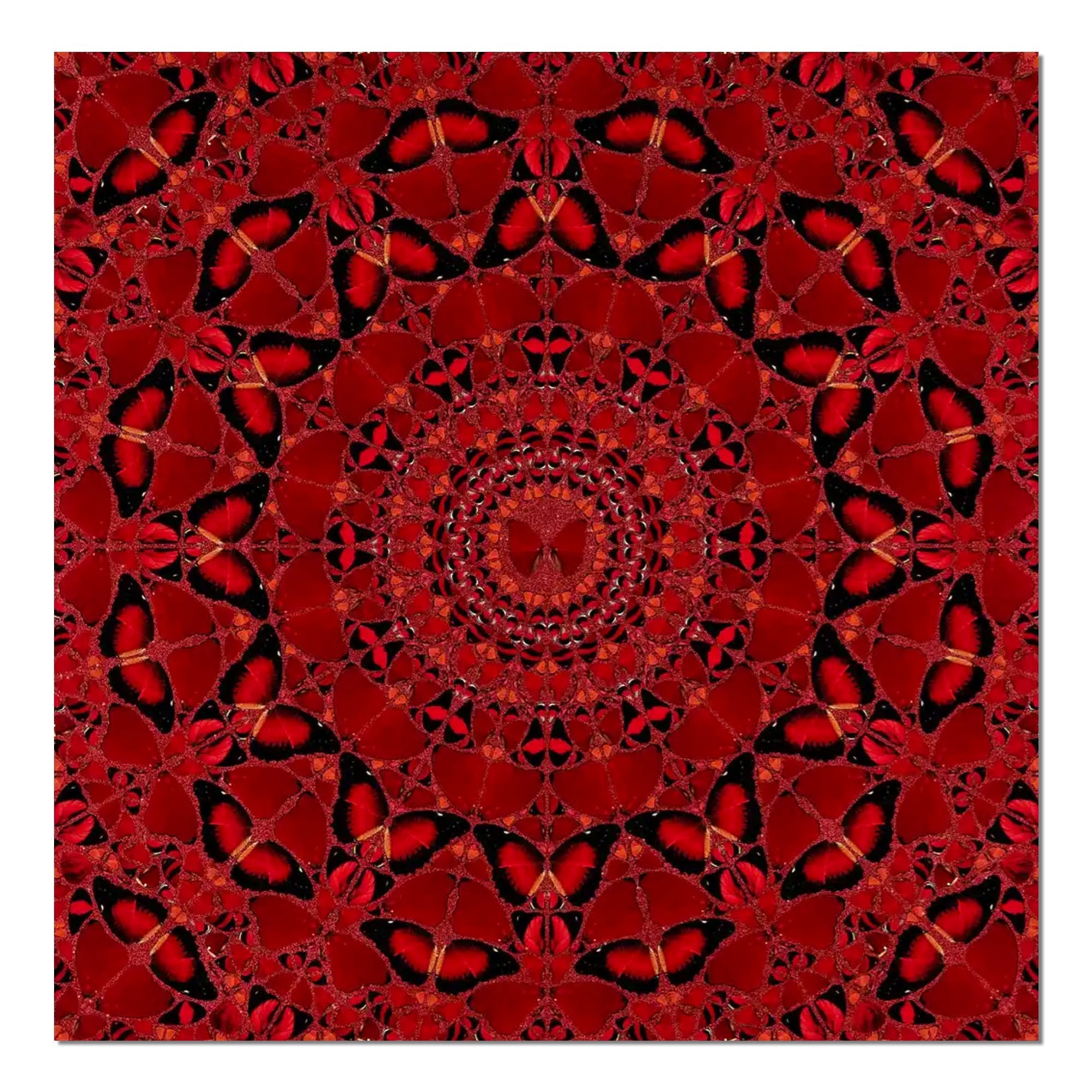
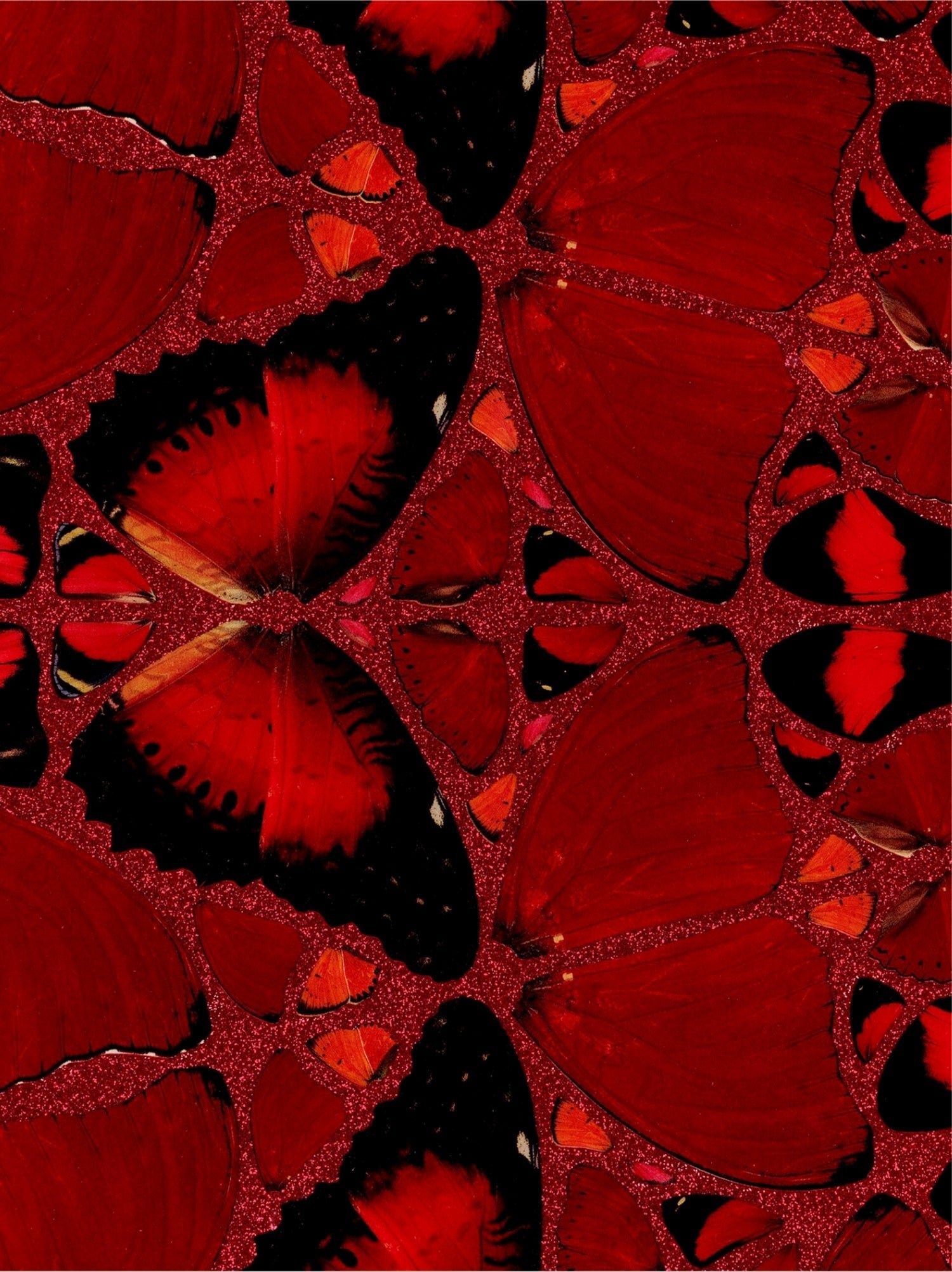
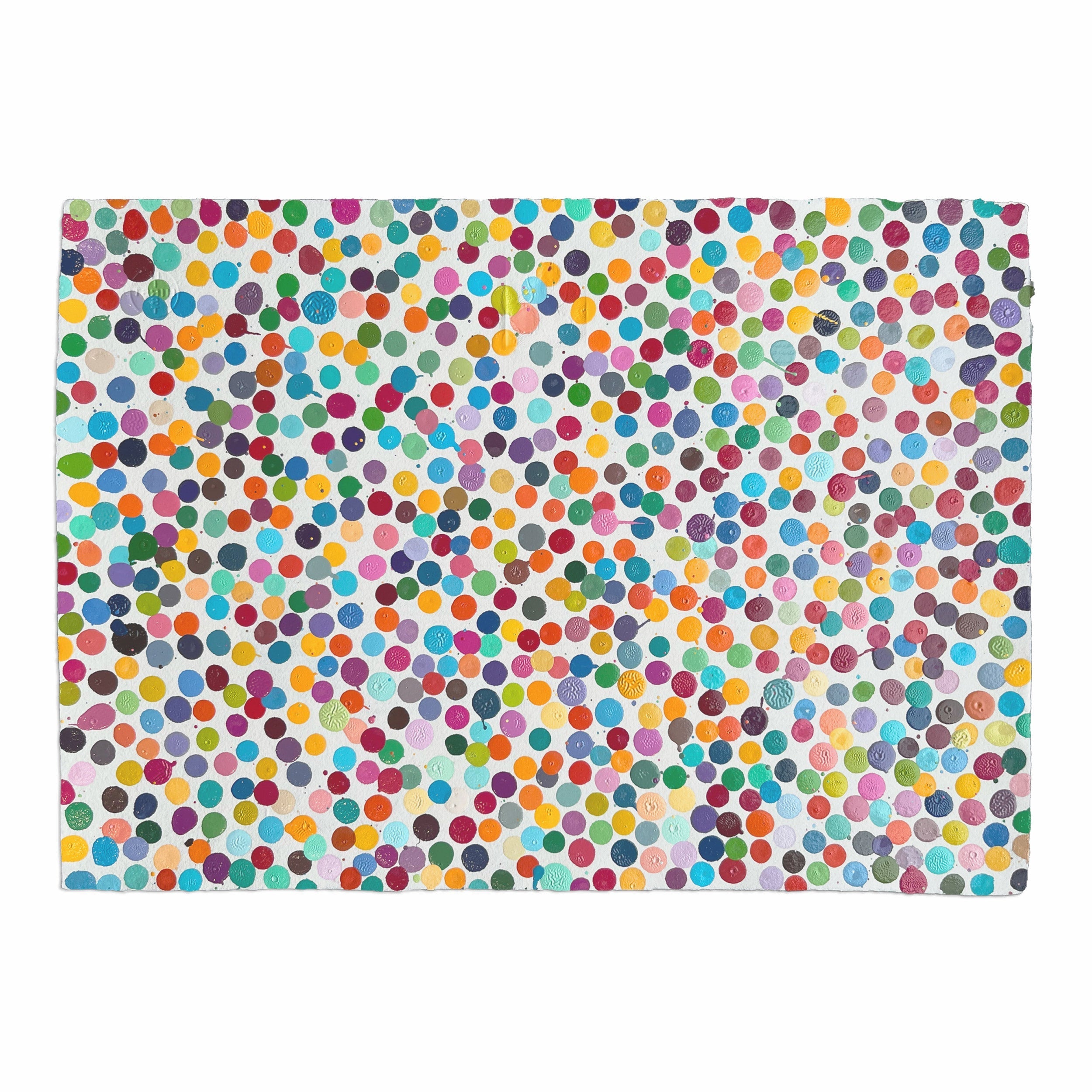
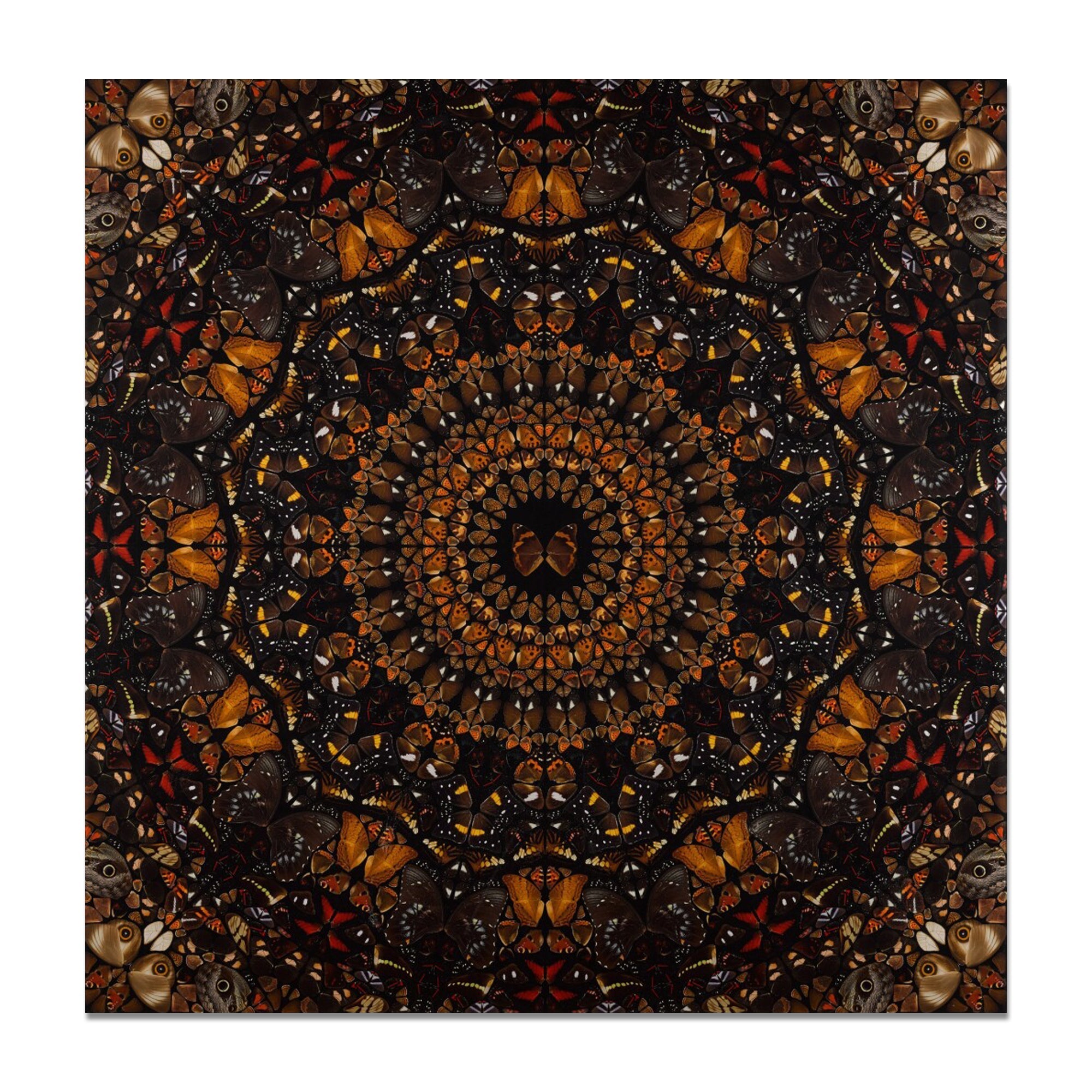
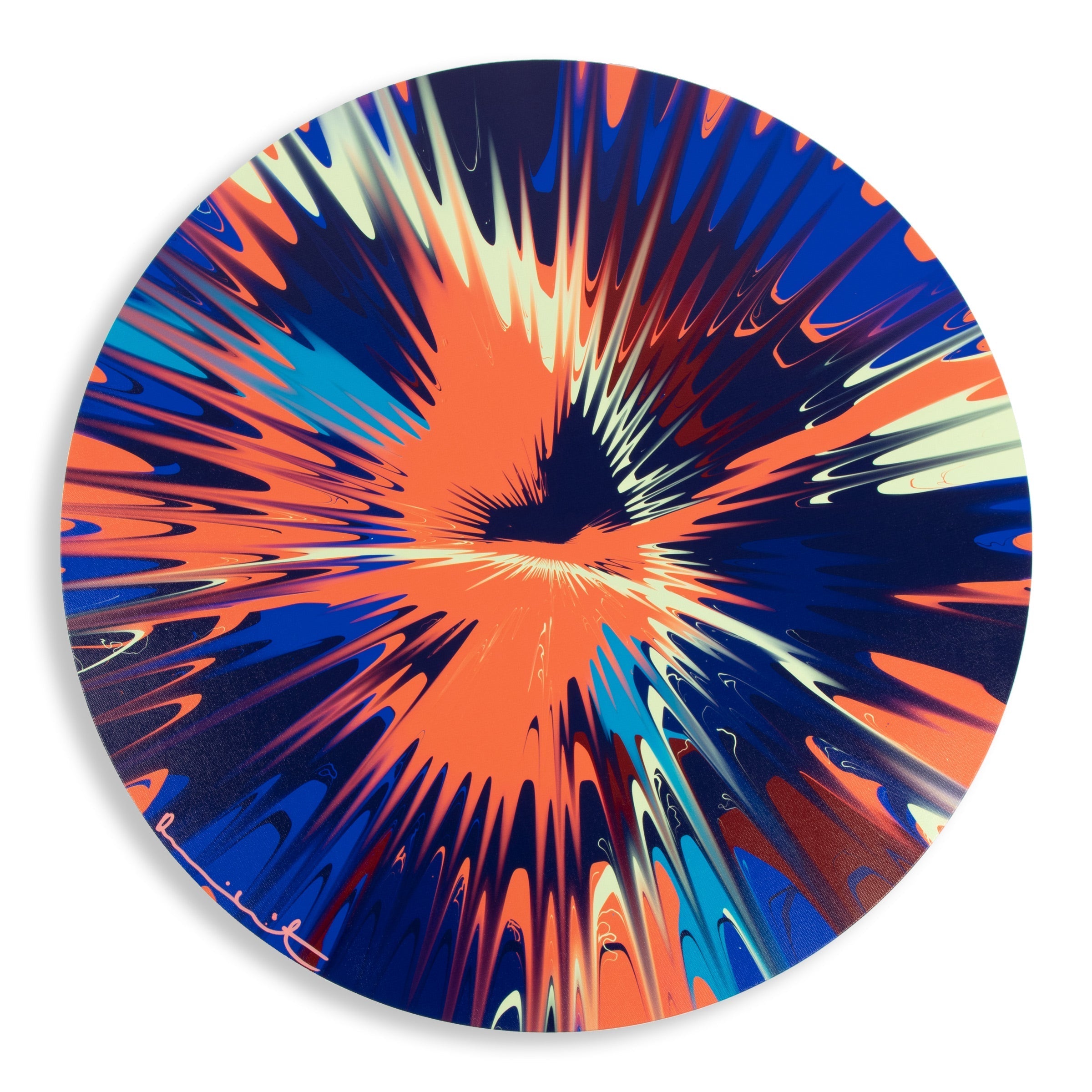
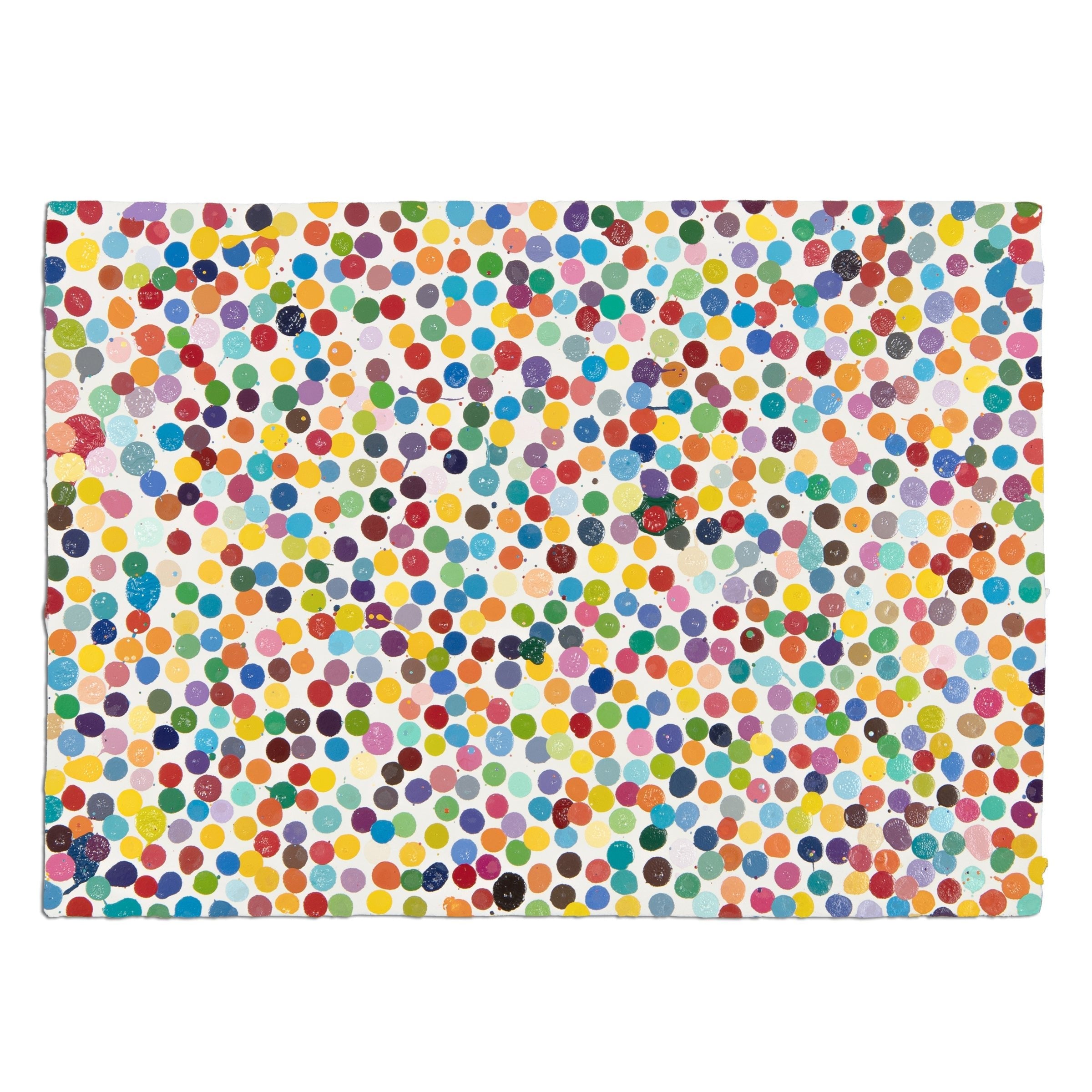
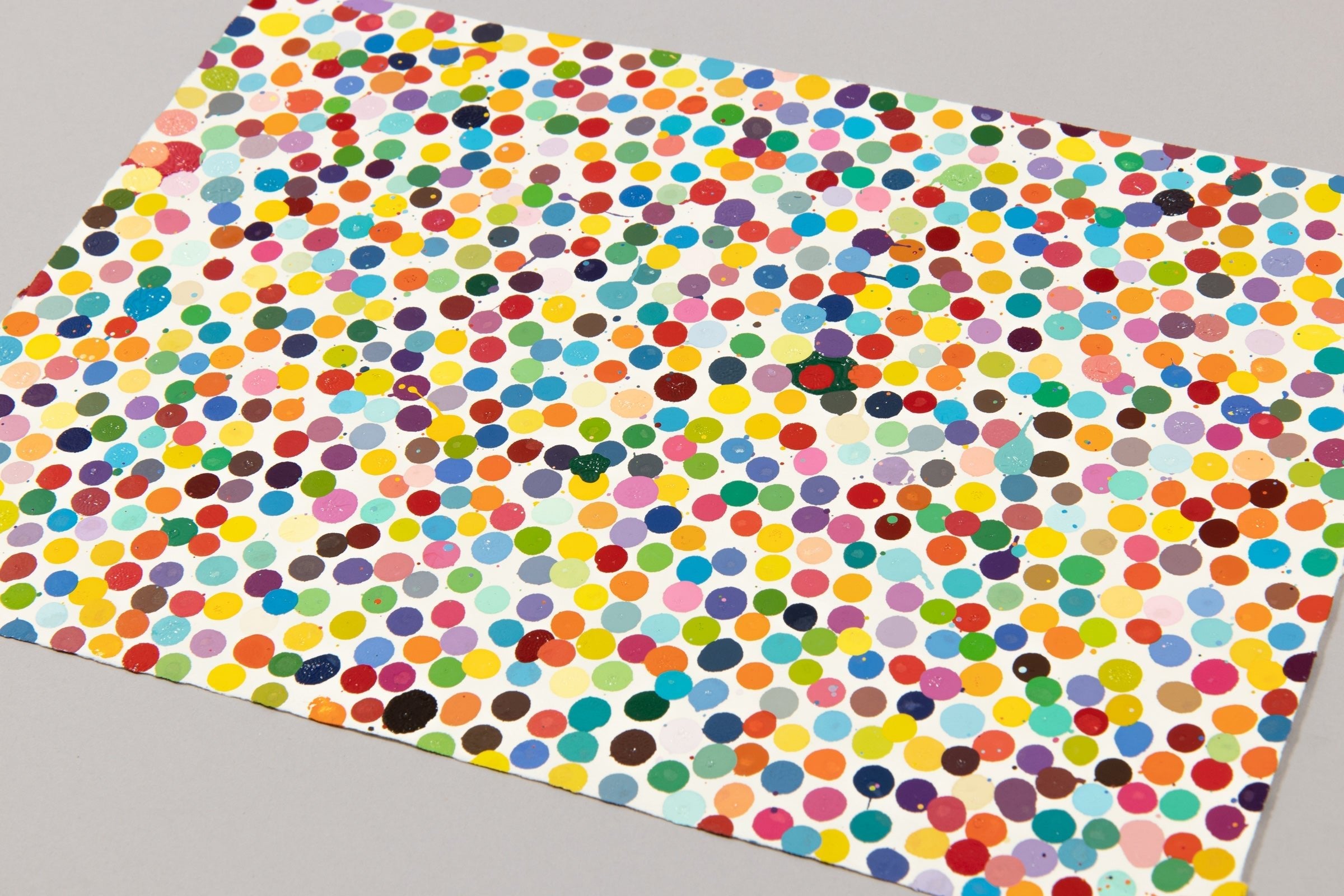
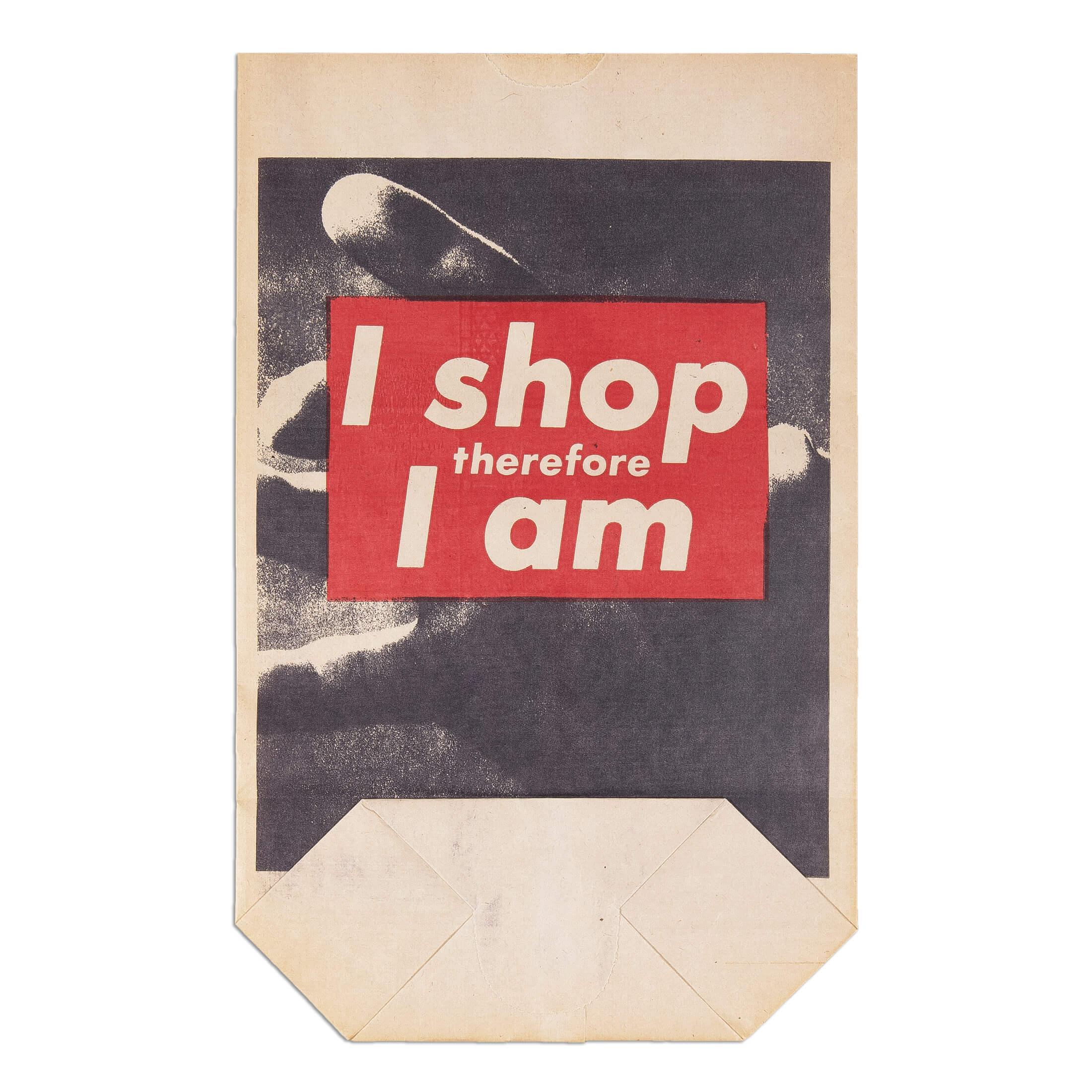
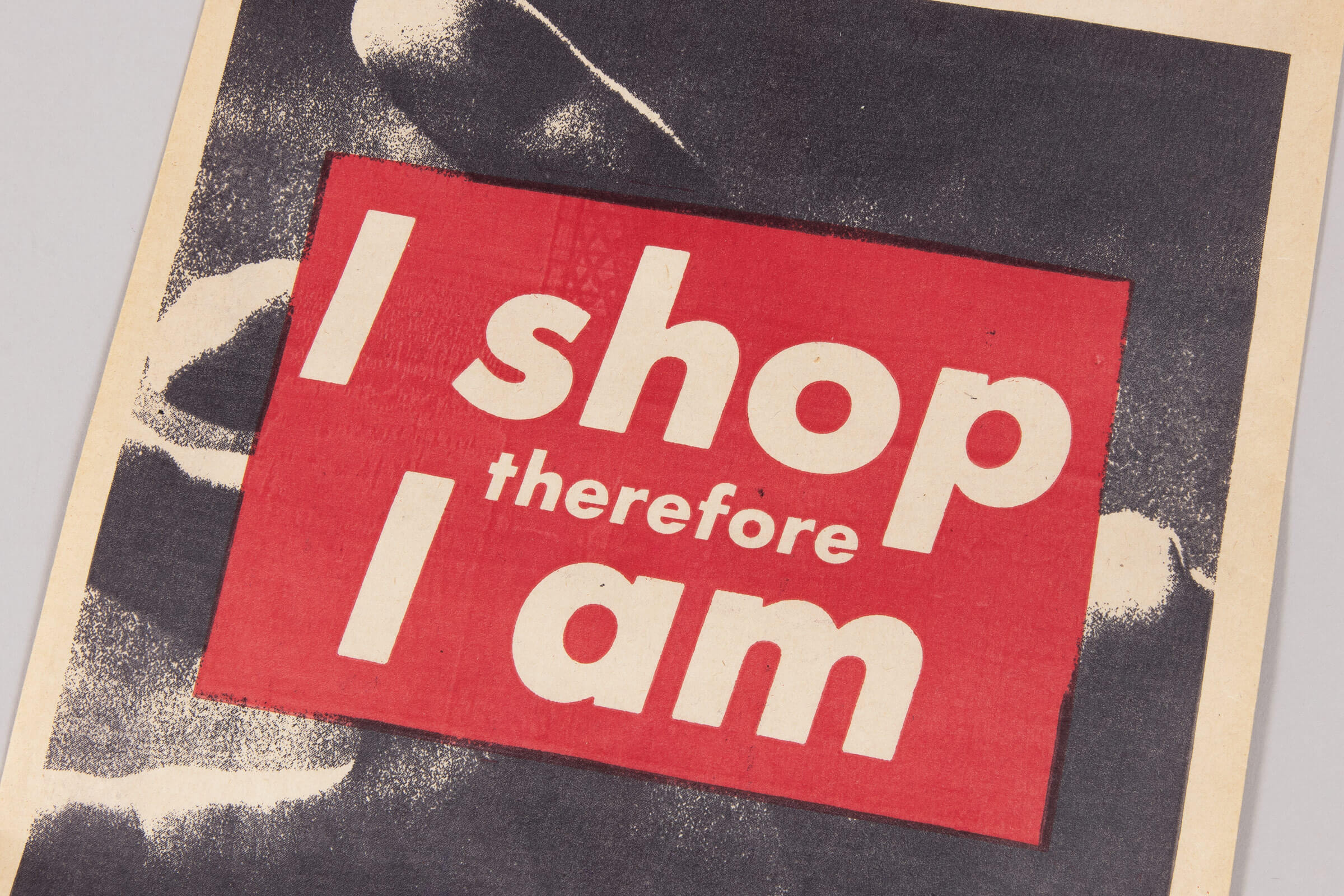
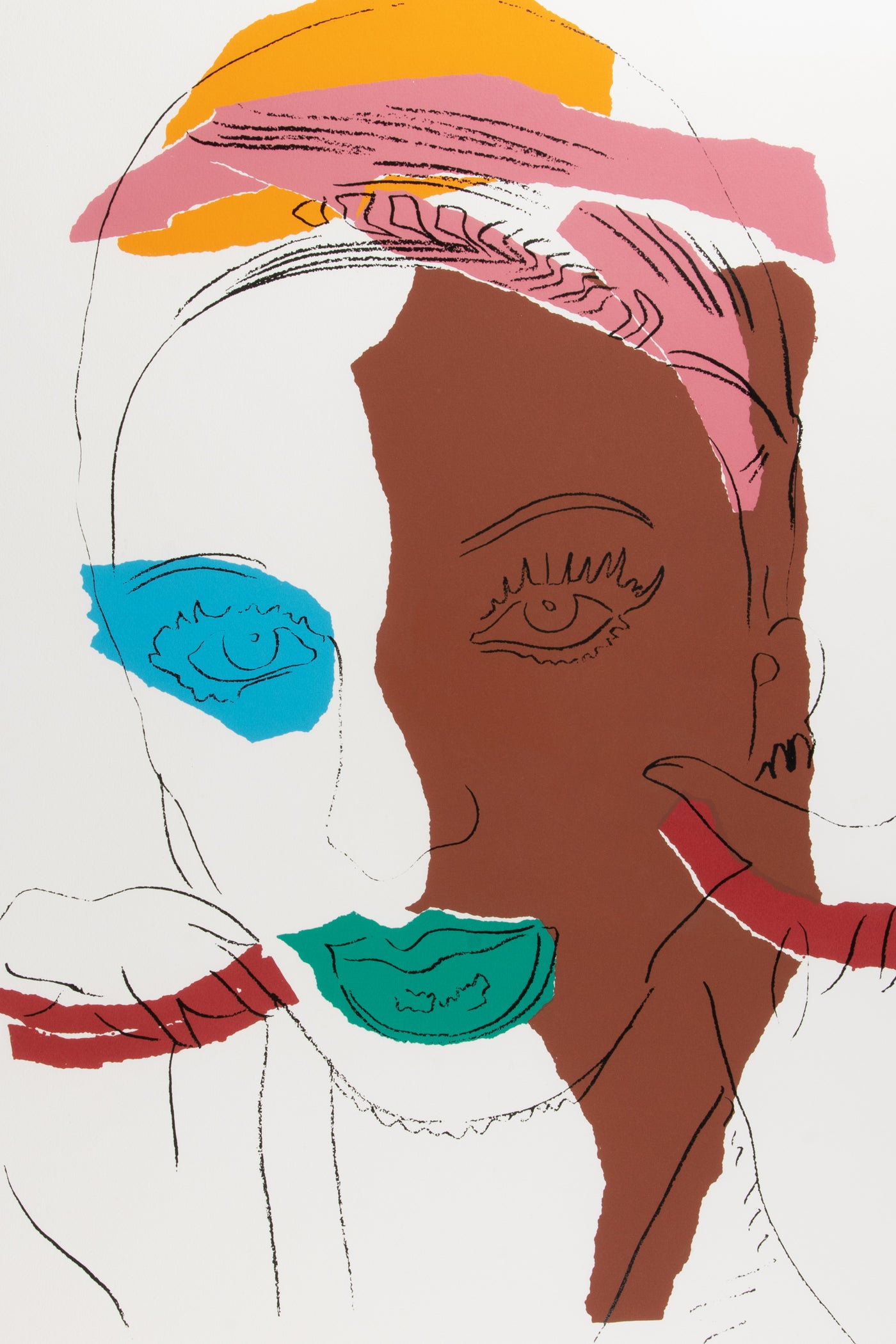
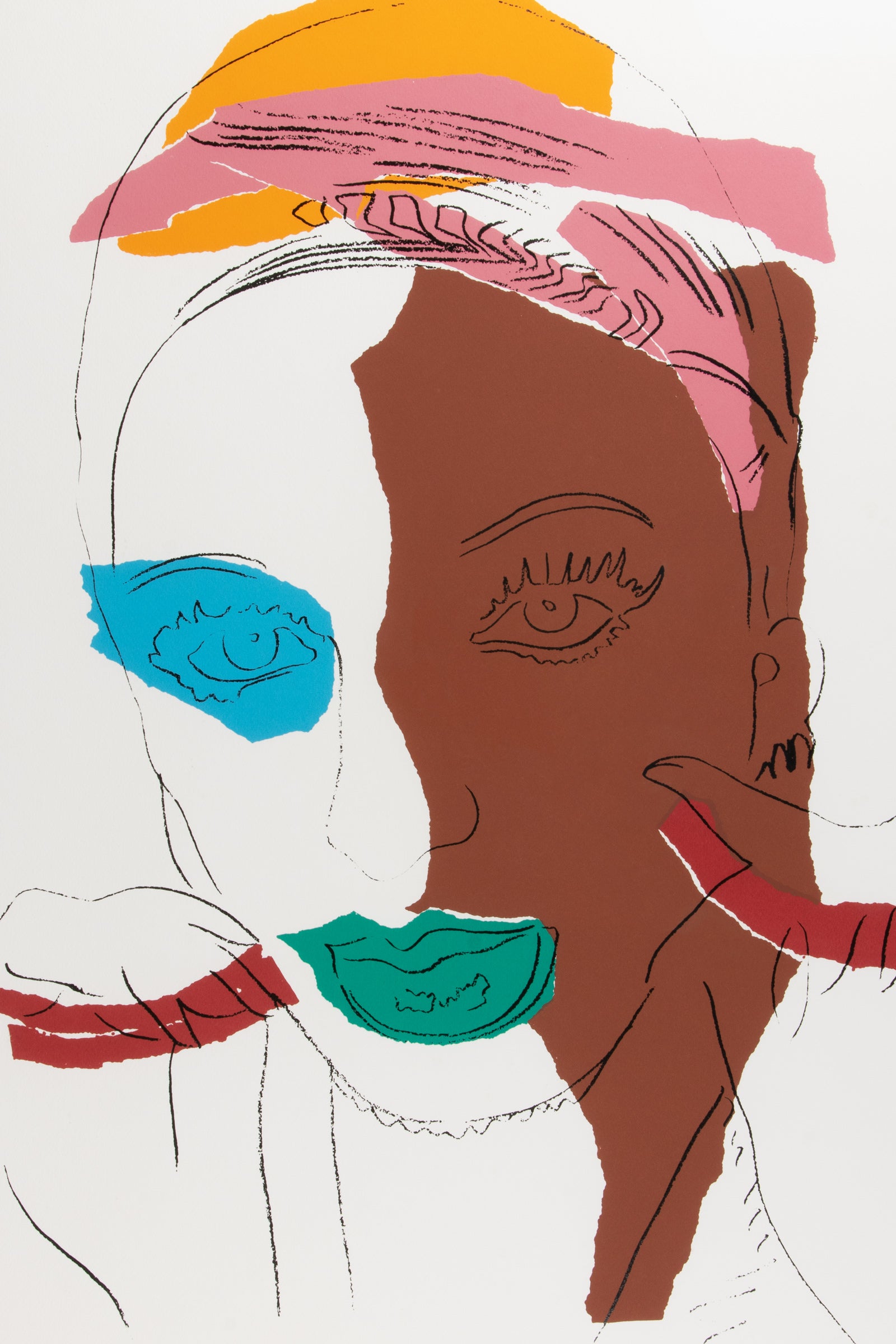
Pop Art captures the immediacy of everyday culture through bold color and iconic imagery. This collection brings together Pop Art editions, prints, photographs, and sculptures by leading modern and contemporary artists, offering a curated view of how mass culture becomes lasting visual expression.

Filters

Sort by:
01

Pop Art for sale

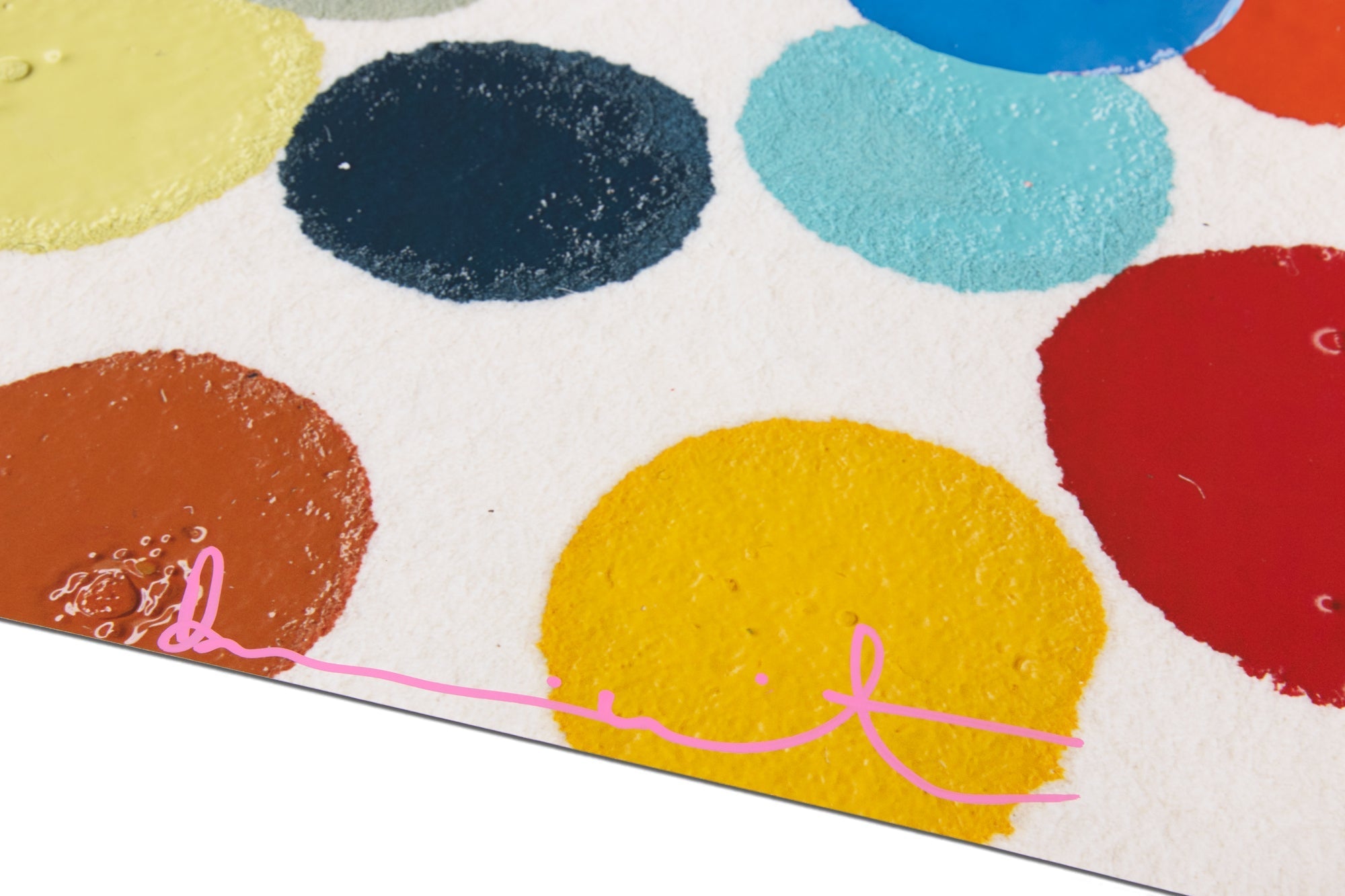
Pop Art remains one of the defining movements of the twentieth century. Celebrated for its vivid colors, graphic clarity, and unmistakable embrace of mass culture, the movement continues to shape how we look at contemporary imagery today. A key reason for its lasting popularity is the availability of Pop Art editions. Limited edition prints, photographs, and multiples allow collectors to engage with this influential movement while maintaining both artistic integrity and rarity. These works bridge the gap between cultural history and contemporary collecting, making Pop Art editions an essential part of many international collections.
02

What is Pop Art?

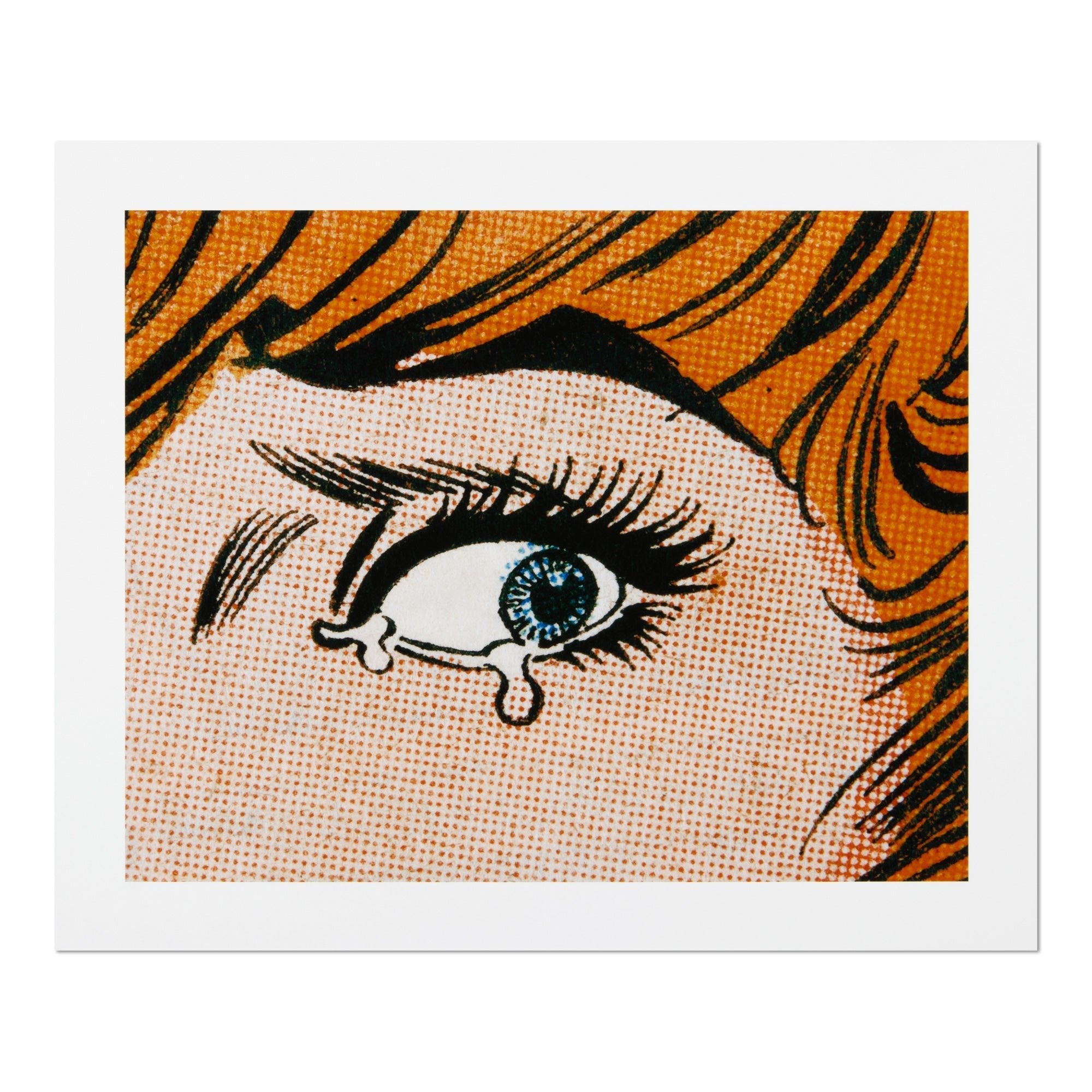
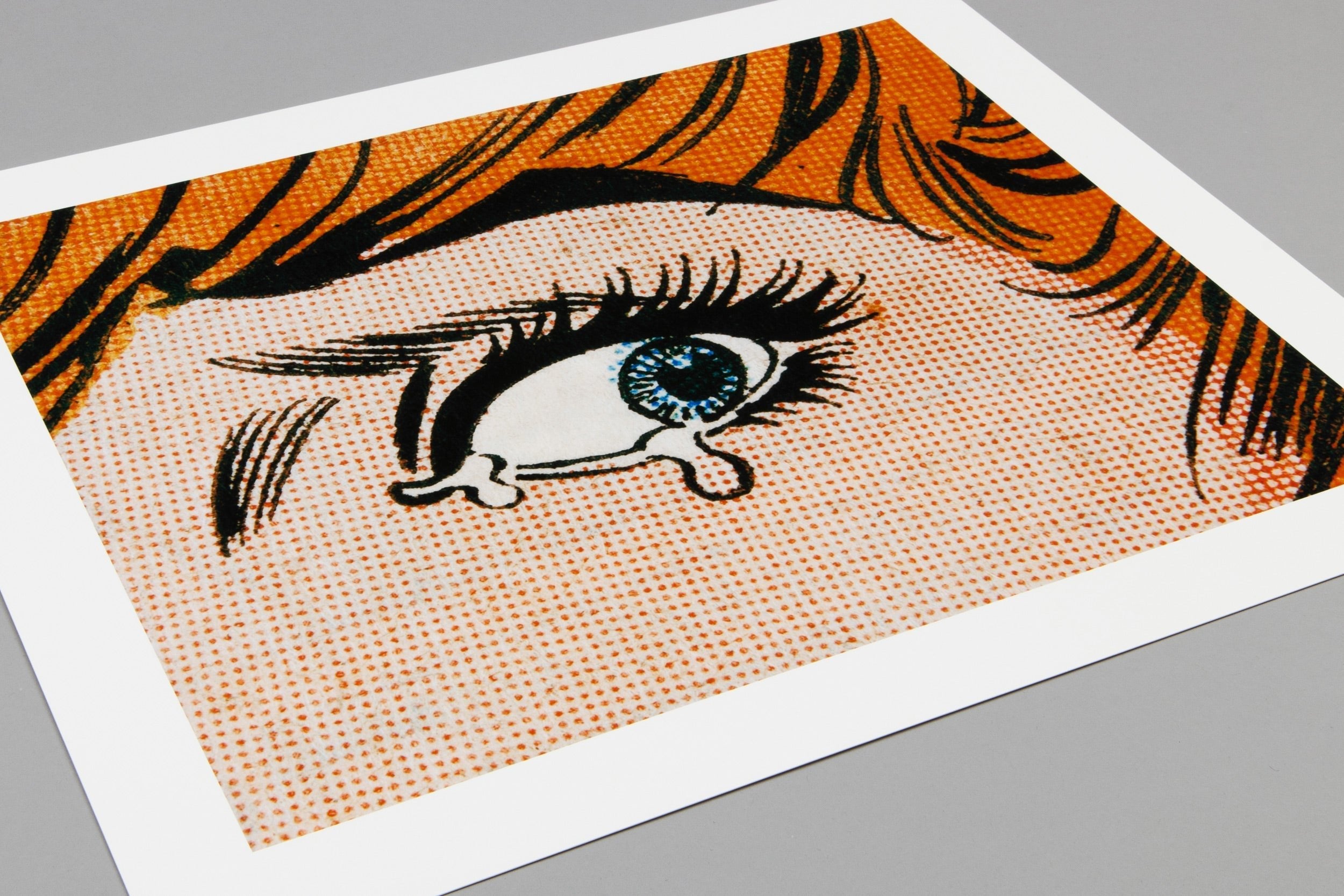
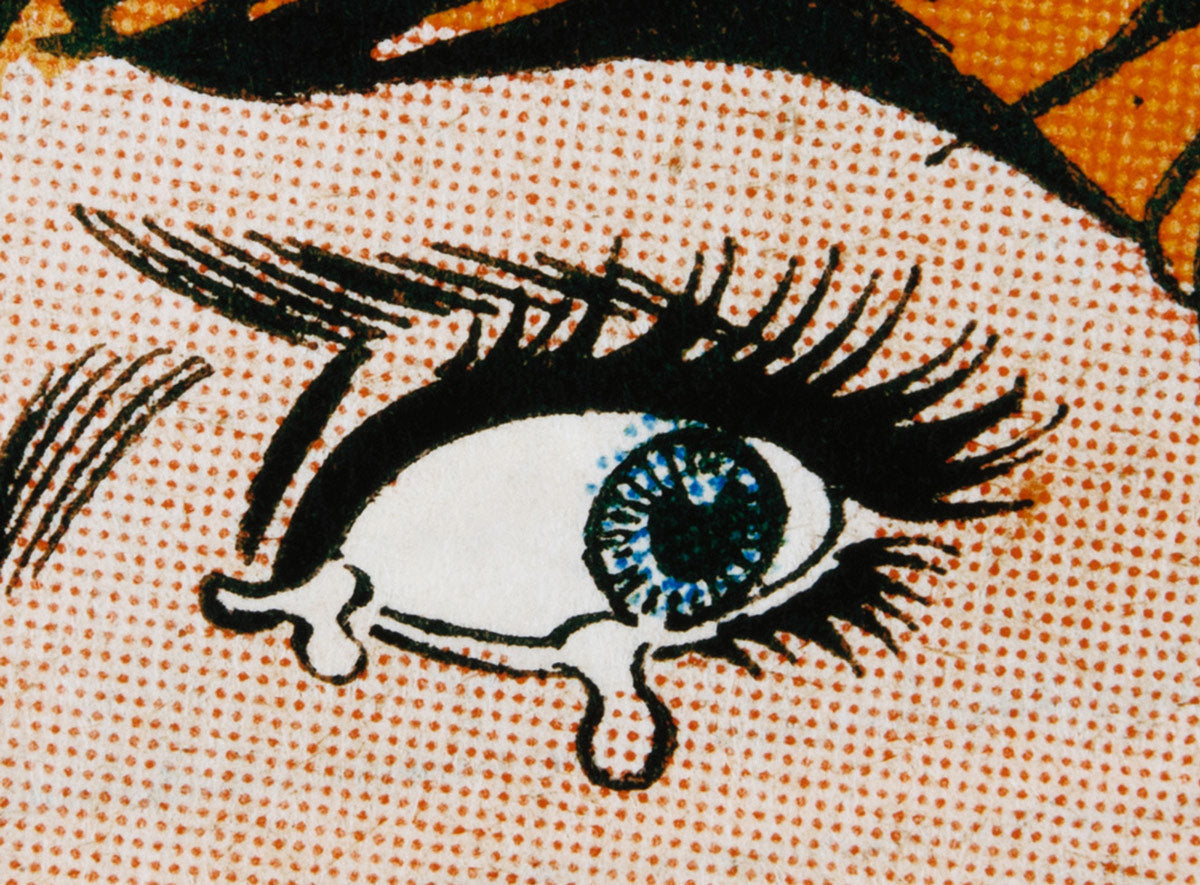
Pop Art first emerged in the 1950s in the United Kingdom and the United States, gaining widespread recognition in the following decade. At its core, the movement challenged the boundaries of traditional fine art by incorporating imagery from advertising, consumer goods, comic books, and mass media. Pop Art pictures were distinguished by their bright palettes, sharp contours, and direct visual appeal, embracing the immediacy of popular culture.

Artists turned to reproducible mediums such as printmaking and photography to reflect the industrial and commercial landscape of the postwar period. This shift emphasized accessibility, repetition, and the idea that culture itself could be an artistic material. The use of editions played an essential role, since multiples allowed artists to explore seriality and production in a way that mirrored the consumer world they examined.

Andy Warhol’s Thirty Are Better Than One is a notable example of this approach. The work presents a grid of identical Mona Lisa images, highlighting a new understanding of art as something that could be multiplied, spread, and circulated. By using mechanical reproduction, Warhol transformed the concept of authorship, reinforcing the idea that Pop Art draws its power from the intersection of culture and commerce. Limited editions continue to carry this legacy, making Pop Art one of the most dynamic fields for collectors seeking both historical significance and contemporary relevance.

03

Contemporary Pop Art

Contemporary Pop Art builds on the movement’s original principles while responding to the complexities of global culture today. Many artists draw on corporate symbols, luxury branding, and digital imagery to explore how identity, desire, and consumption are shaped in the modern world. Their works often reflect on the relationship between aesthetics and commerce, echoing Pop Art’s original fascination with the everyday image.

The dialogue between Pop Art, street art, and political art has grown increasingly fluid. Artists incorporate themes of social commentary, environmentalism, and public space, extending the movement’s reach far beyond mid-century sources. In this context, Pop Art editions remain a powerful format. Signed prints, photographs, and multiples offer accessible entry points for new collectors while providing depth and diversity for established collections. Their formats align closely with the movement’s emphasis on reproducibility and circulation, making them ideal for understanding how Pop Art continues to evolve.

For collectors, Pop Art offers a unique combination of bold visual impact, cultural resonance, and strong collecting history. Whether you seek classic works or contemporary interpretations, Pop Art editions provide a compelling way to engage with one of the most influential artistic languages of the past seventy years.

01

Pop Art for sale

Pop Art remains one of the defining movements of the twentieth century. Celebrated for its vivid colors, graphic clarity, and unmistakable embrace of mass culture, the movement continues to shape how we look at contemporary imagery today. A key reason for its lasting popularity is the availability of Pop Art editions. Limited edition prints, photographs, and multiples allow collectors to engage with this influential movement while maintaining both artistic integrity and rarity. These works bridge the gap between cultural history and contemporary collecting, making Pop Art editions an essential part of many international collections.

02

What is Pop Art?

Pop Art first emerged in the 1950s in the United Kingdom and the United States, gaining widespread recognition in the following decade. At its core, the movement challenged the boundaries of traditional fine art by incorporating imagery from advertising, consumer goods, comic books, and mass media. Pop Art pictures were distinguished by their bright palettes, sharp contours, and direct visual appeal, embracing the immediacy of popular culture.

Artists turned to reproducible mediums such as printmaking and photography to reflect the industrial and commercial landscape of the postwar period. This shift emphasized accessibility, repetition, and the idea that culture itself could be an artistic material. The use of editions played an essential role, since multiples allowed artists to explore seriality and production in a way that mirrored the consumer world they examined.

Andy Warhol’s Thirty Are Better Than One is a notable example of this approach. The work presents a grid of identical Mona Lisa images, highlighting a new understanding of art as something that could be multiplied, spread, and circulated. By using mechanical reproduction, Warhol transformed the concept of authorship, reinforcing the idea that Pop Art draws its power from the intersection of culture and commerce. Limited editions continue to carry this legacy, making Pop Art one of the most dynamic fields for collectors seeking both historical significance and contemporary relevance.

03

Contemporary Pop Art

Contemporary Pop Art builds on the movement’s original principles while responding to the complexities of global culture today. Many artists draw on corporate symbols, luxury branding, and digital imagery to explore how identity, desire, and consumption are shaped in the modern world. Their works often reflect on the relationship between aesthetics and commerce, echoing Pop Art’s original fascination with the everyday image.

The dialogue between Pop Art, street art, and political art has grown increasingly fluid. Artists incorporate themes of social commentary, environmentalism, and public space, extending the movement’s reach far beyond mid-century sources. In this context, Pop Art editions remain a powerful format. Signed prints, photographs, and multiples offer accessible entry points for new collectors while providing depth and diversity for established collections. Their formats align closely with the movement’s emphasis on reproducibility and circulation, making them ideal for understanding how Pop Art continues to evolve.

For collectors, Pop Art offers a unique combination of bold visual impact, cultural resonance, and strong collecting history. Whether you seek classic works or contemporary interpretations, Pop Art editions provide a compelling way to engage with one of the most influential artistic languages of the past seventy years.

Prints, Photographs & Multiples

View our full collection of

Prints, Photographs & Multiples

Shop now