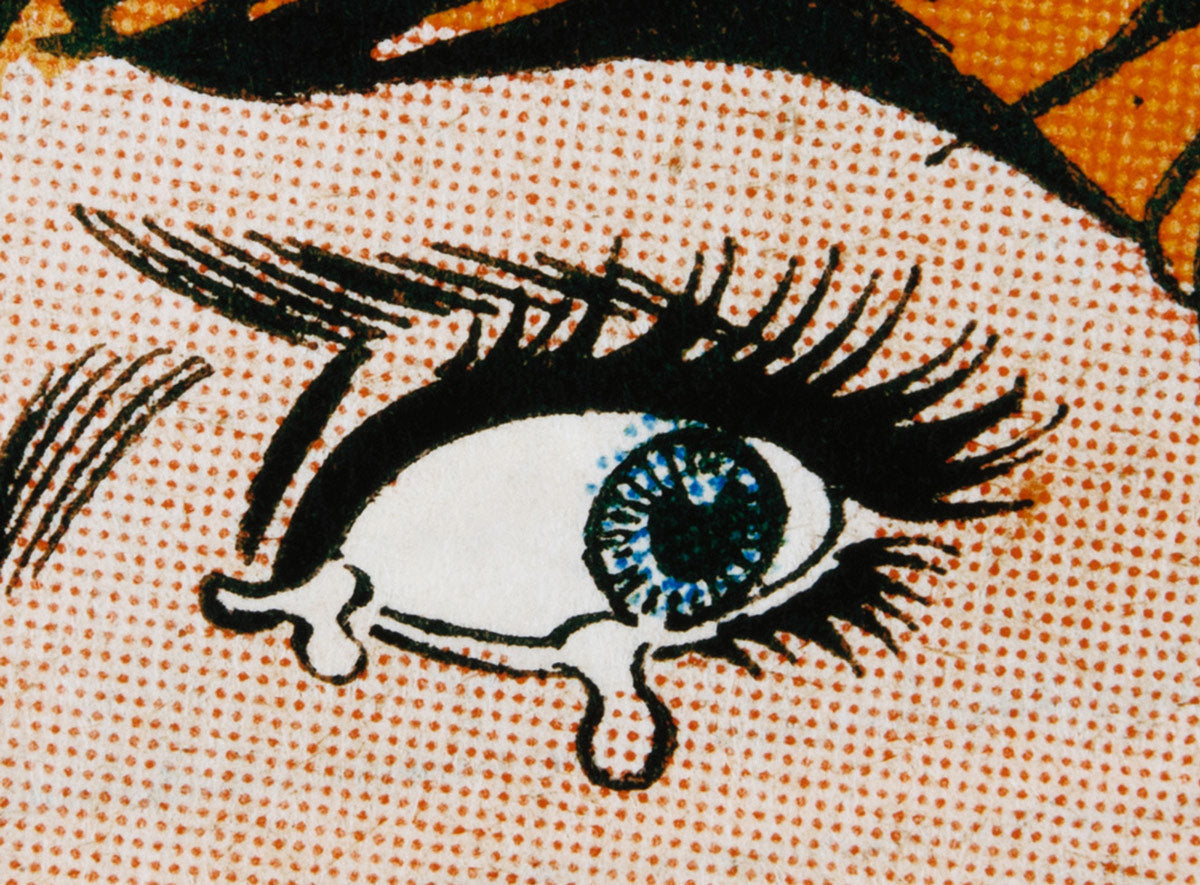
Political Art

Political art does not illustrate power — it interrogates it. From Barbara Kruger's appropriated advertising to Ai Weiwei's systematic confrontation with state authority, and Kara Walker's excavation of historical violence, the works in this collection use visual language to make visible what institutions prefer to leave unseen. Prints, photographs, and editioned works are the natural formats for this practice: conceived to circulate, to reach beyond the gallery wall, and to place political questions directly in the hands of collectors.

Browse signed political art prints and editions now.

Filters

Sort by:

66 products
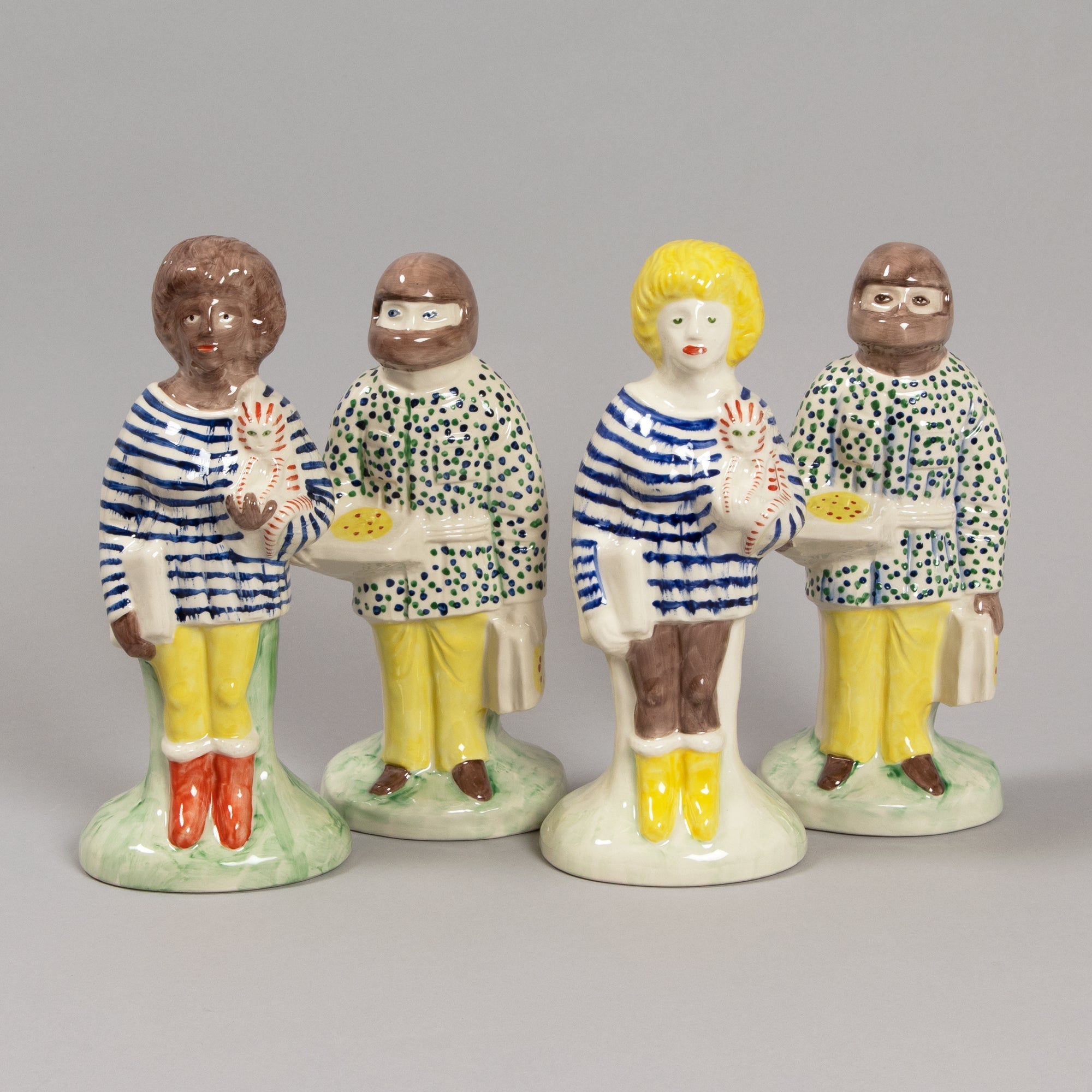
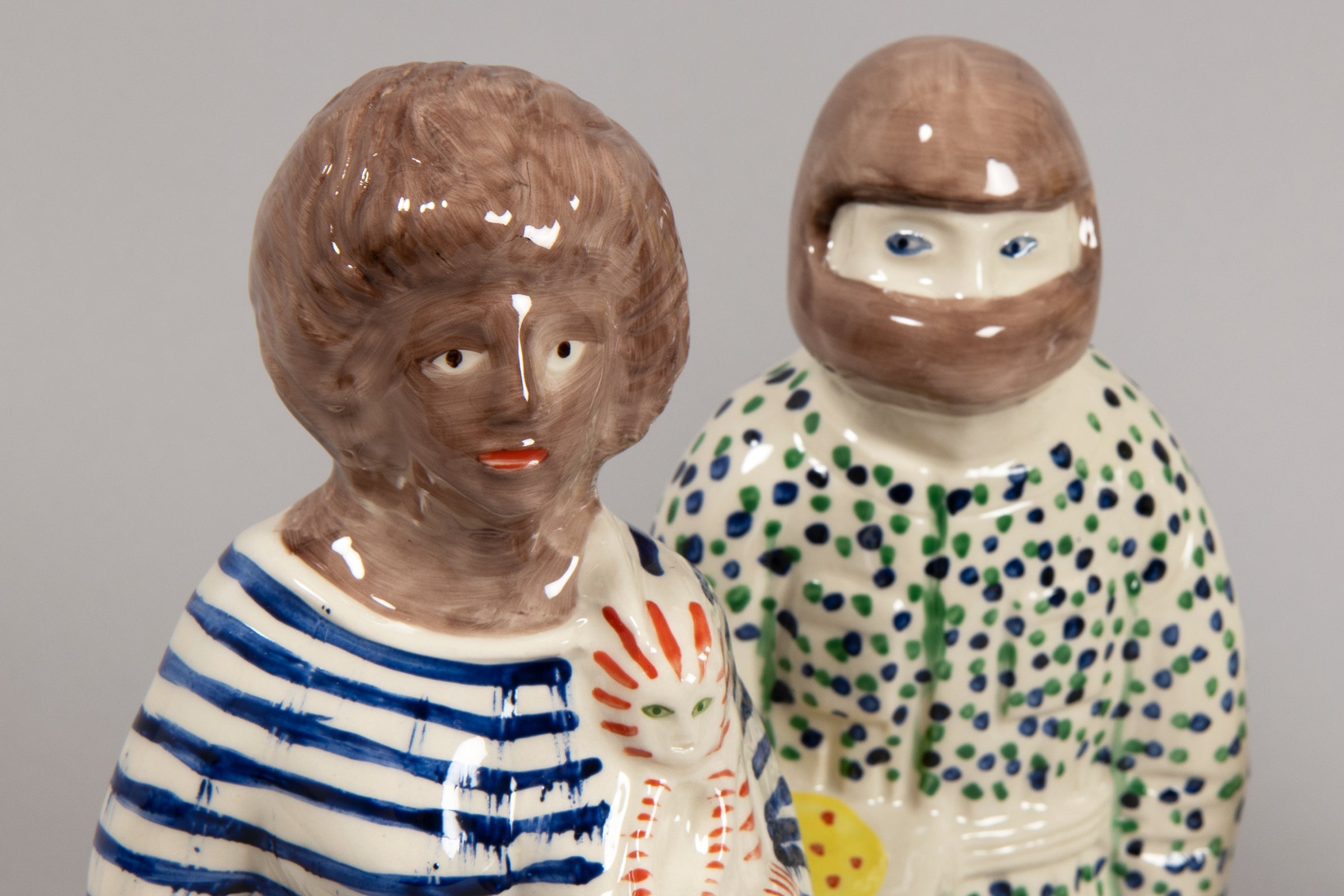
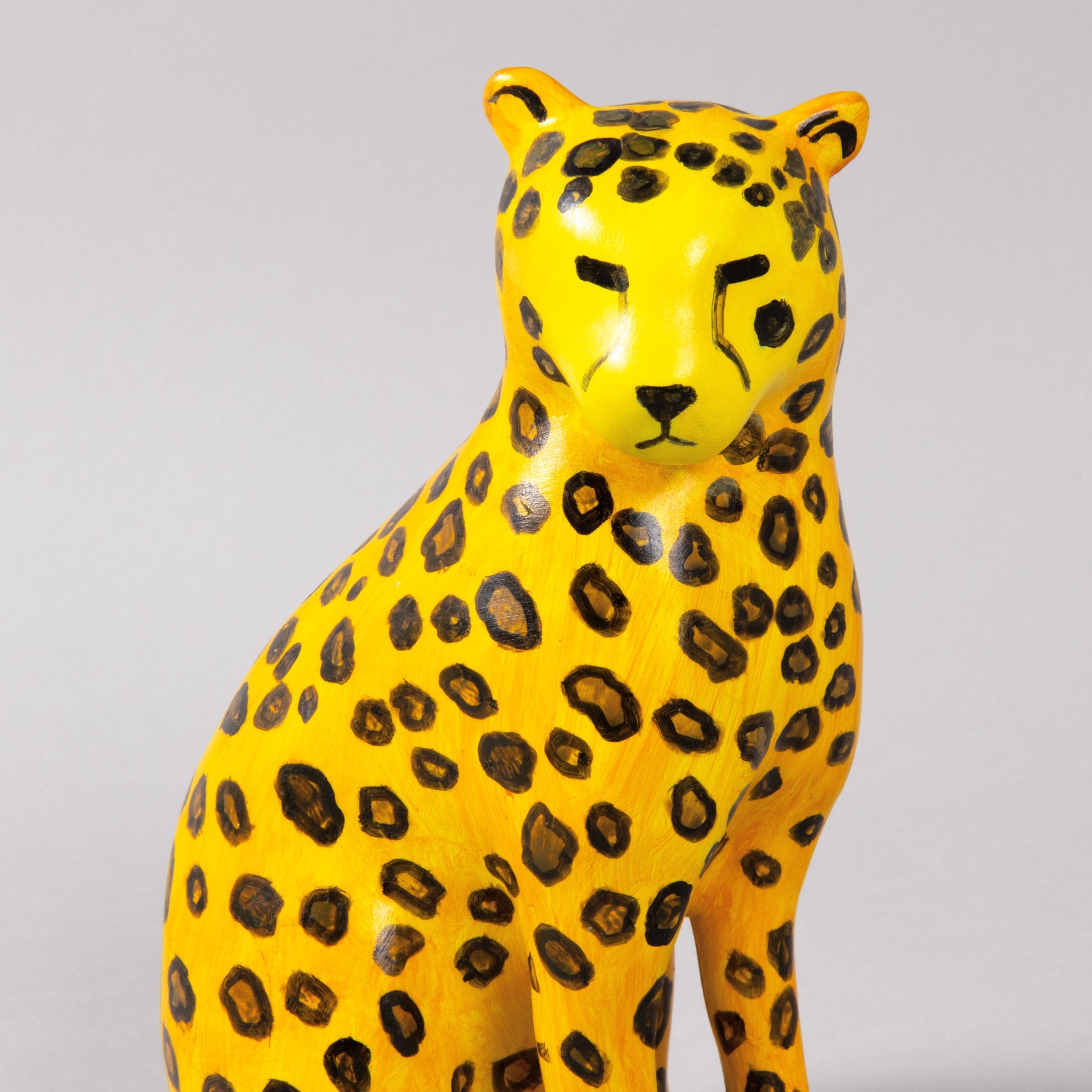
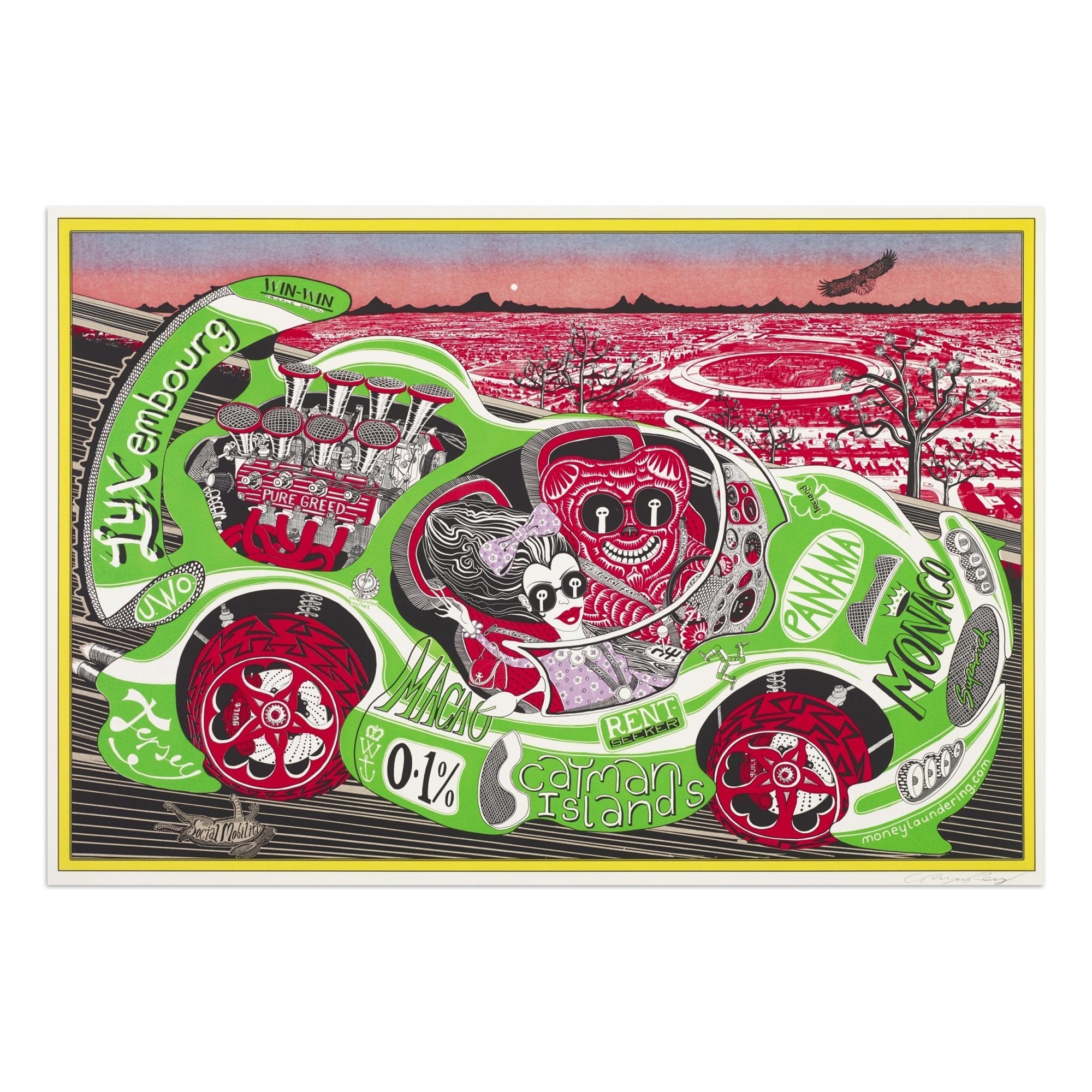
Grayson Perry - Home Worker & Key Worker Staffordshire FiguresGrayson Perry - Home Worker & Key Worker Staffordshire Figures
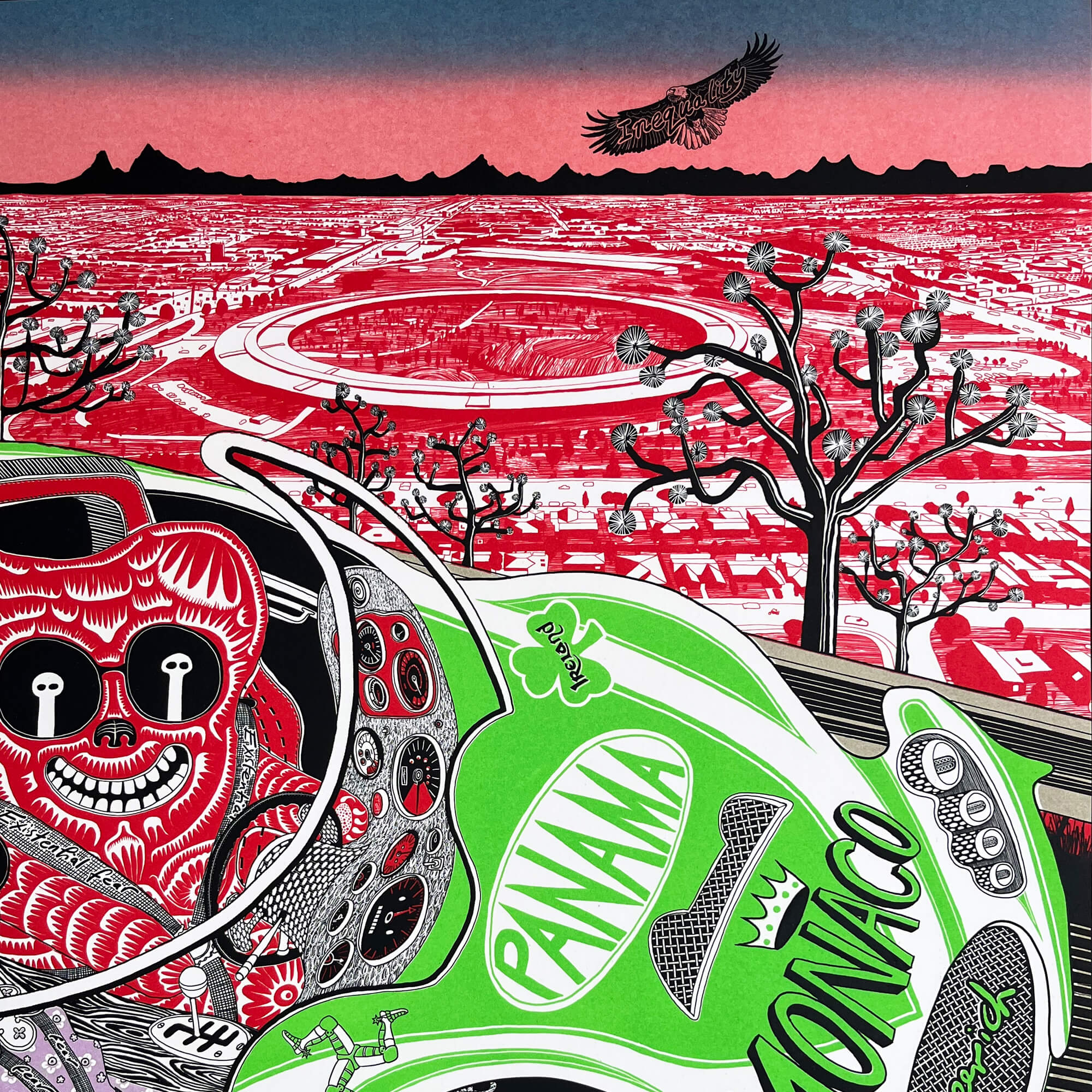
Grayson Perry - Magical ThinkingGrayson Perry - Magical Thinking
Grayson Perry – Magical Thinking Sale price€3.000,00
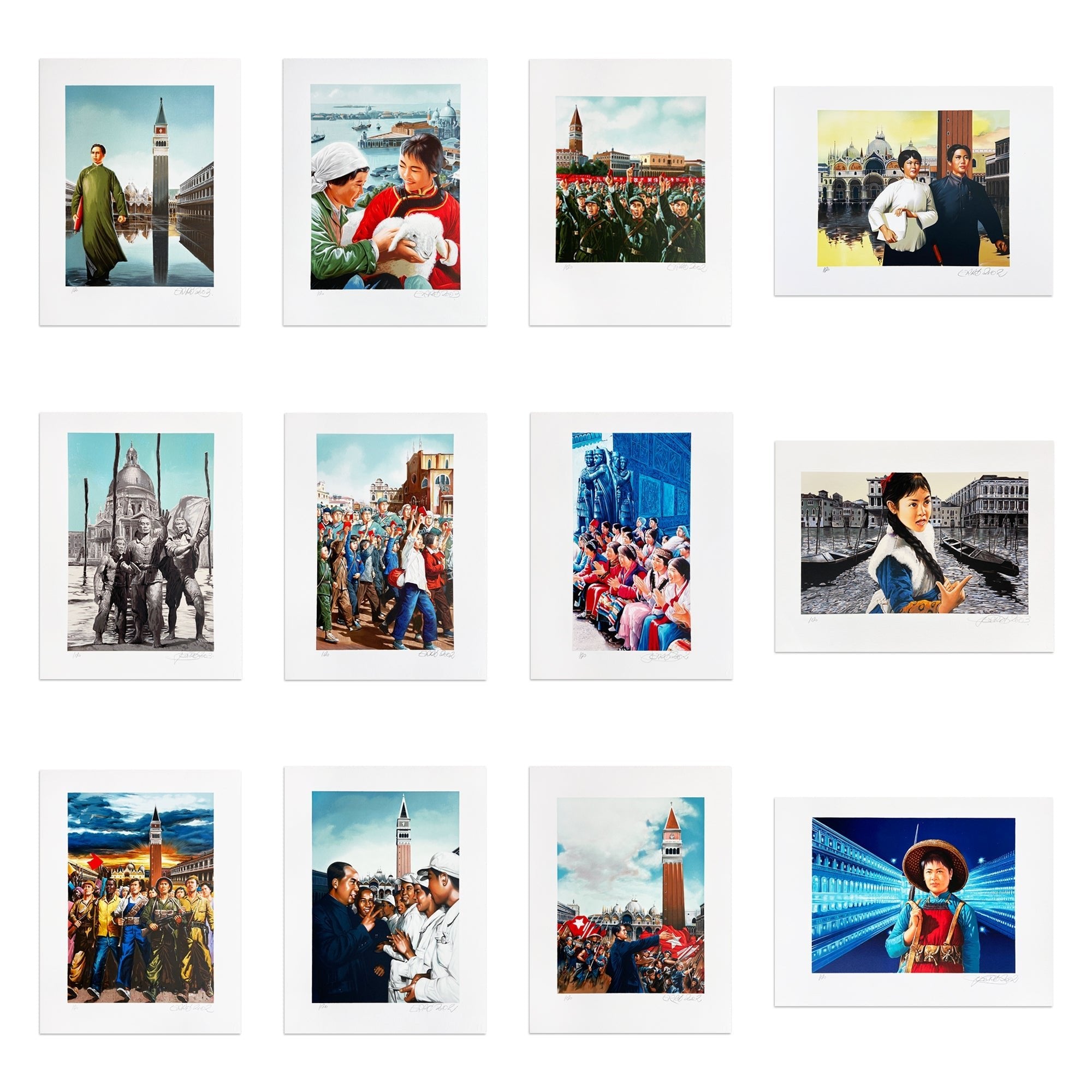
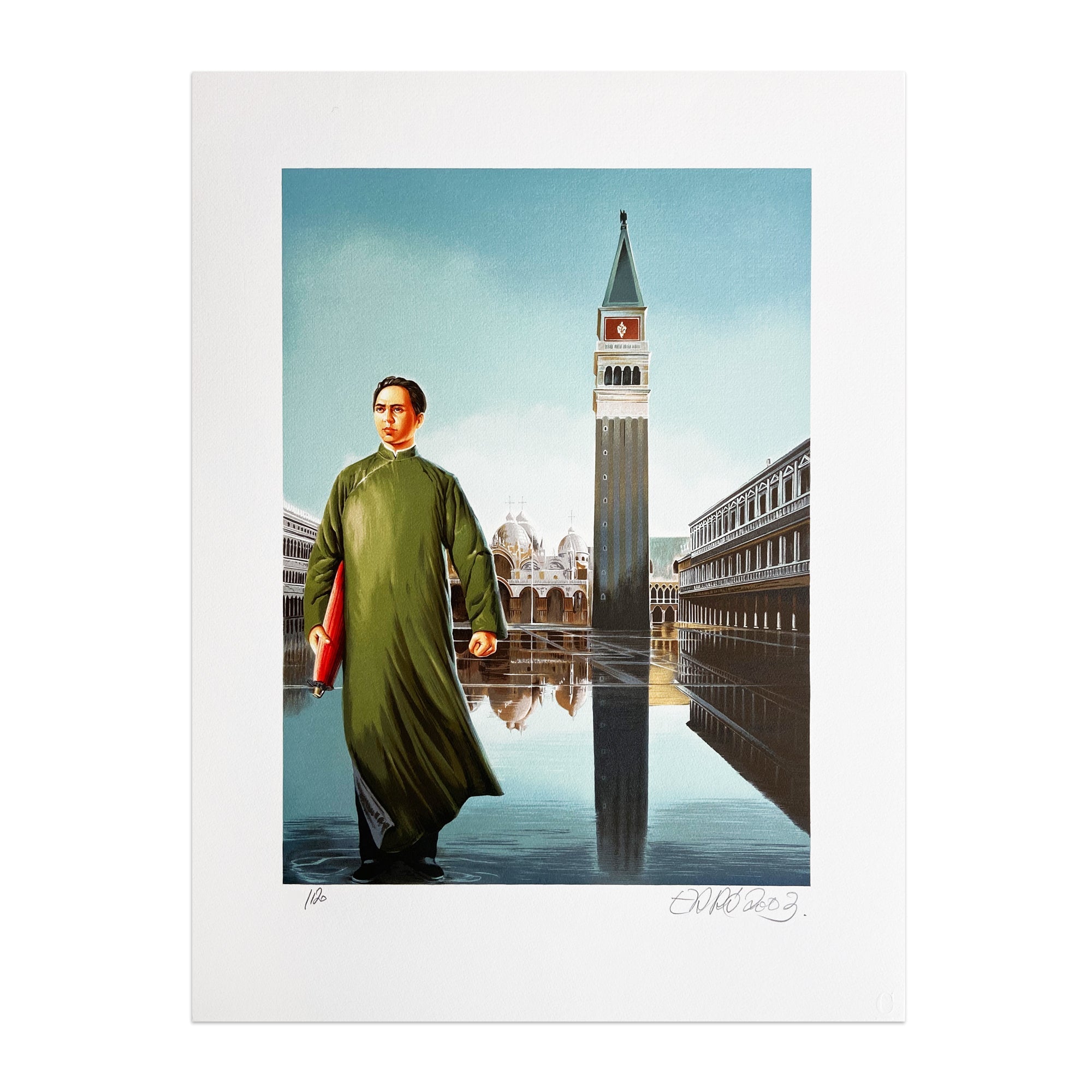
Erró, L'ultima visita di Mao a VeneziaErró, L'ultima visita di Mao a Venezia
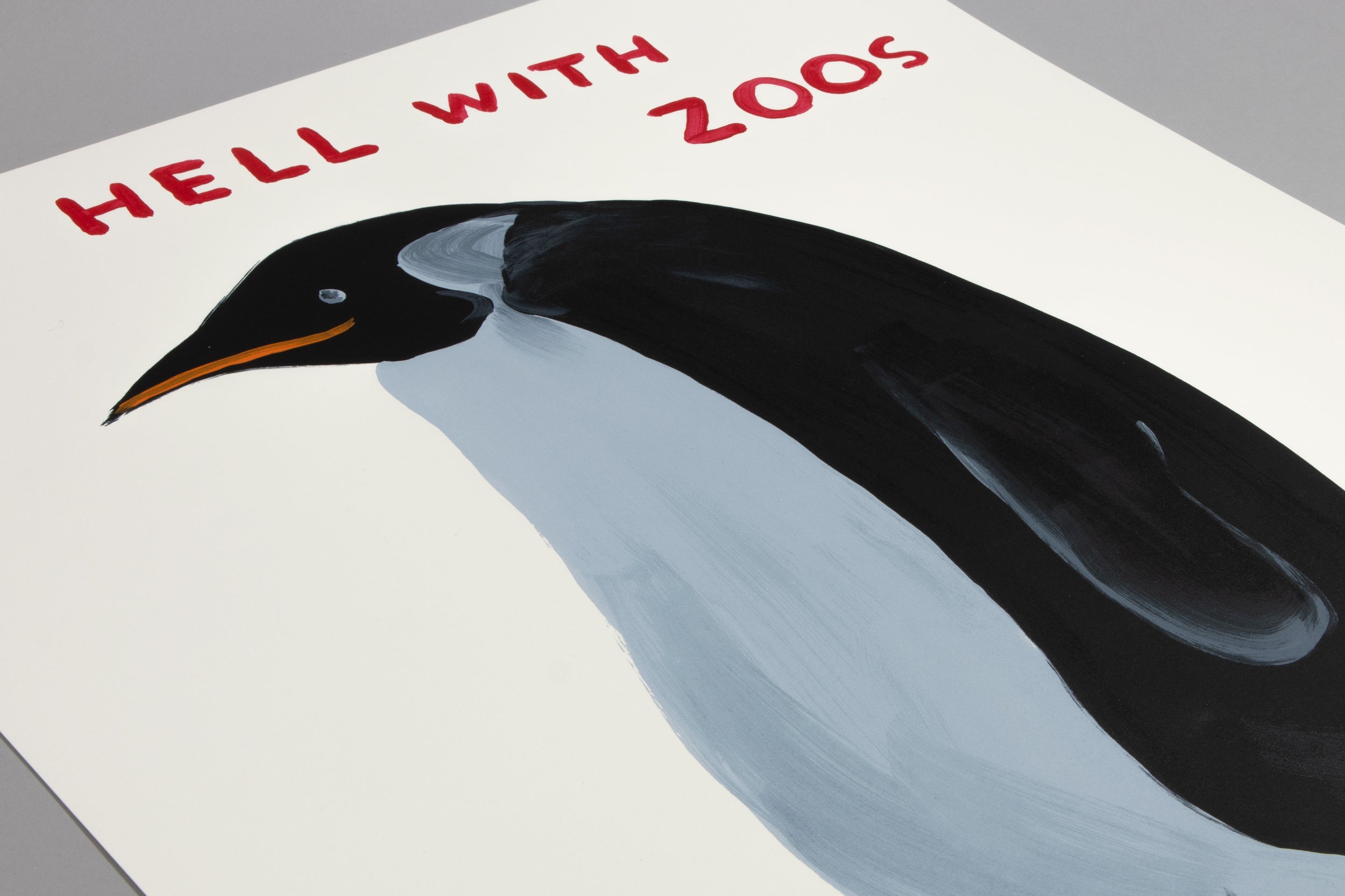
David Shrigley - To Hell With ZoosDavid Shrigley - To Hell With Zoos
David Shrigley - The WorldDavid Shrigley - The World
David Shrigley – The World Sale price€4.900,00
David Shrigley - I Hate Human BeingsDavid Shrigley - I Hate Human Beings
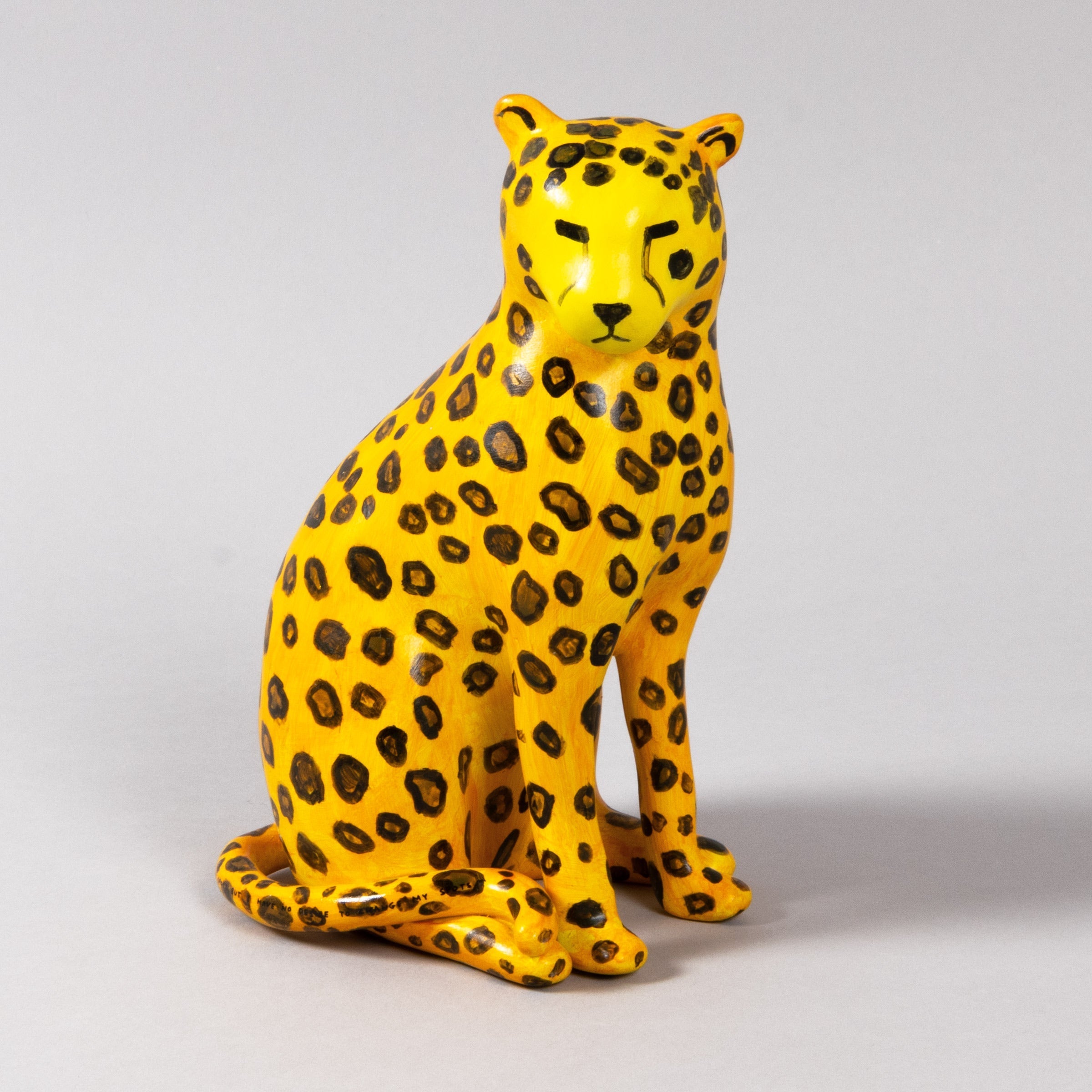
David Shrigley - I Cannot Change my SpotsDavid Shrigley - I Cannot Change my Spots
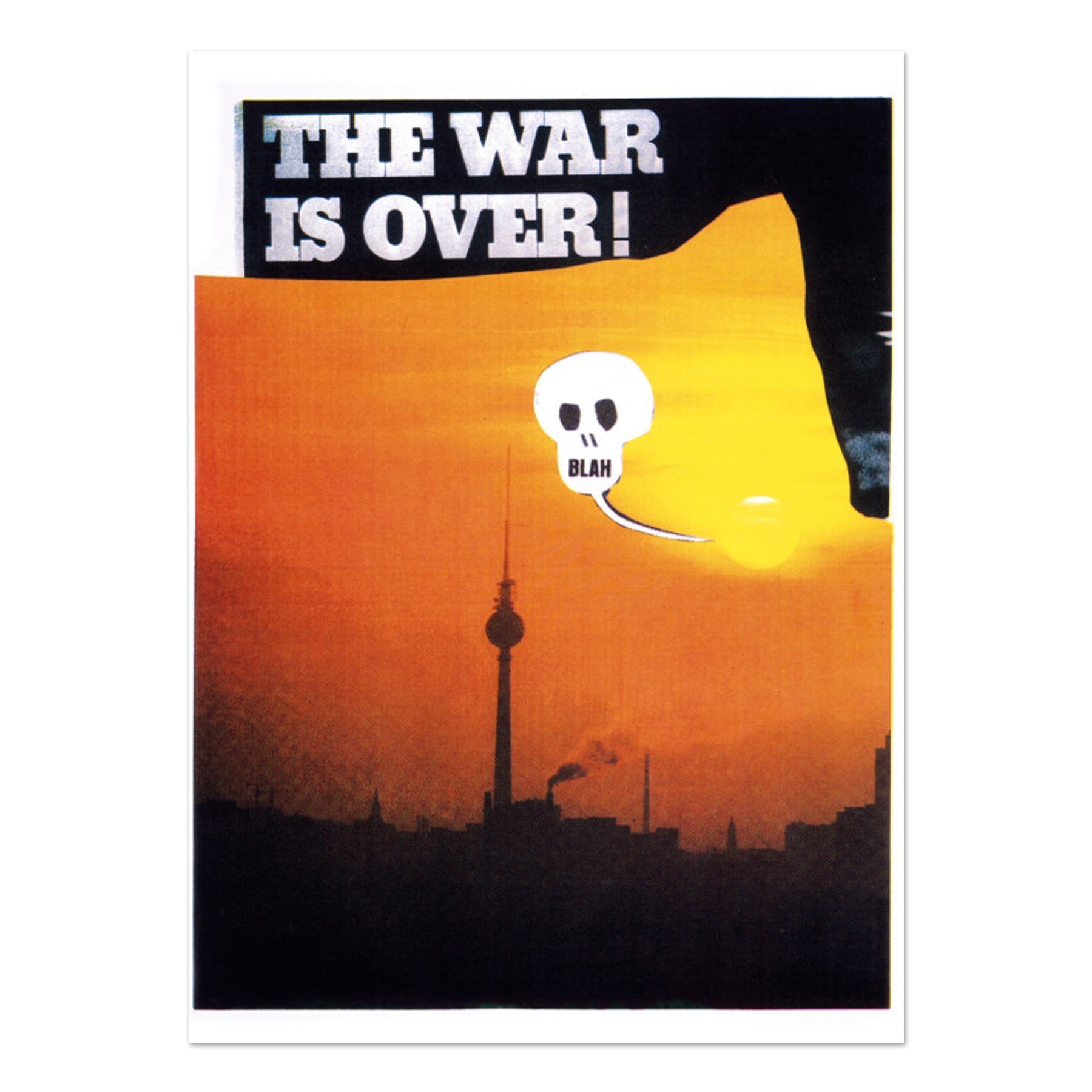
Daniel Richter - The War is Over!
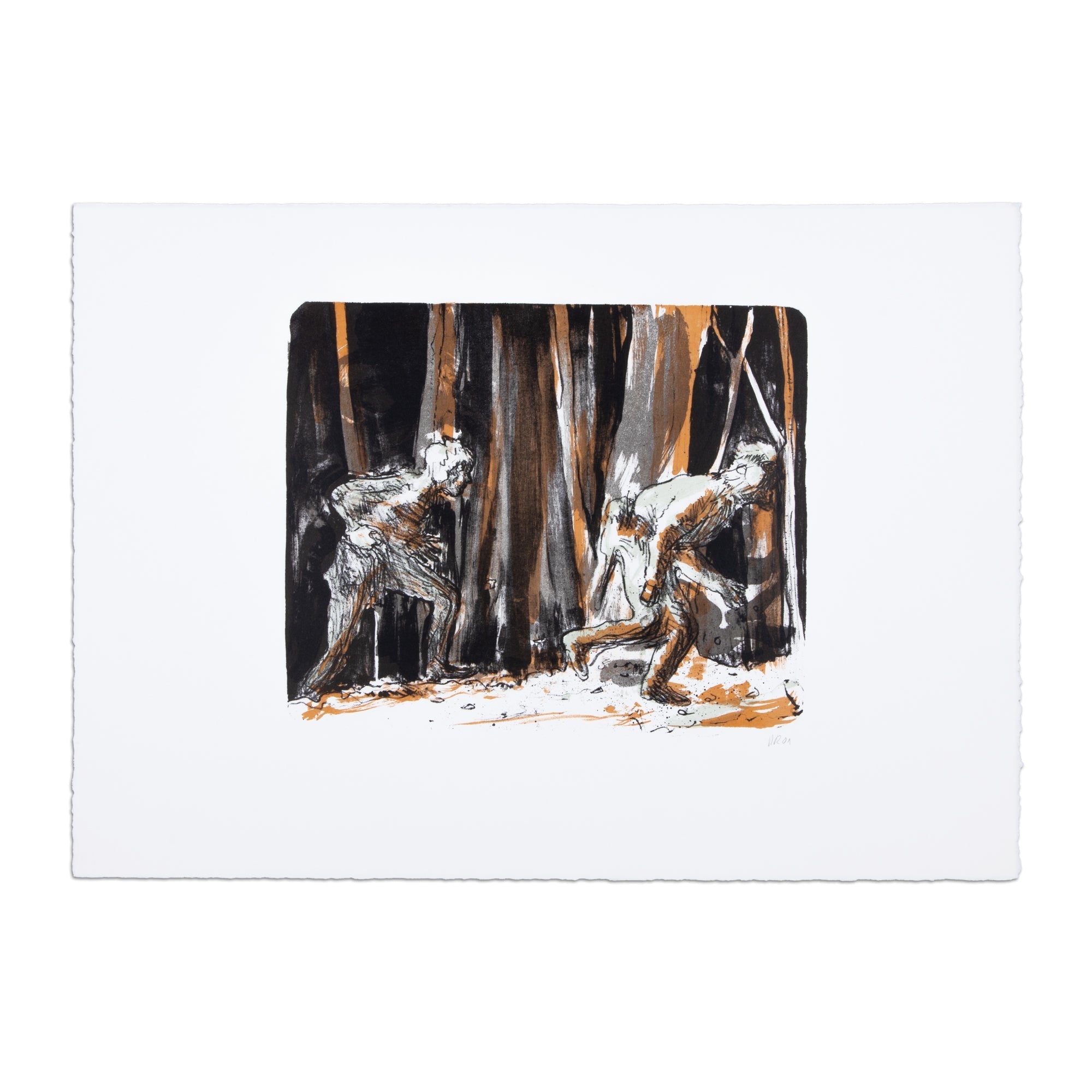
Daniel Richter - Talk is CheapDaniel Richter - Talk is Cheap
Daniel Richter – Talk is Cheap Sale price€5.400,00
Daniel Richter  - Propaganda IIDaniel Richter  - Propaganda II
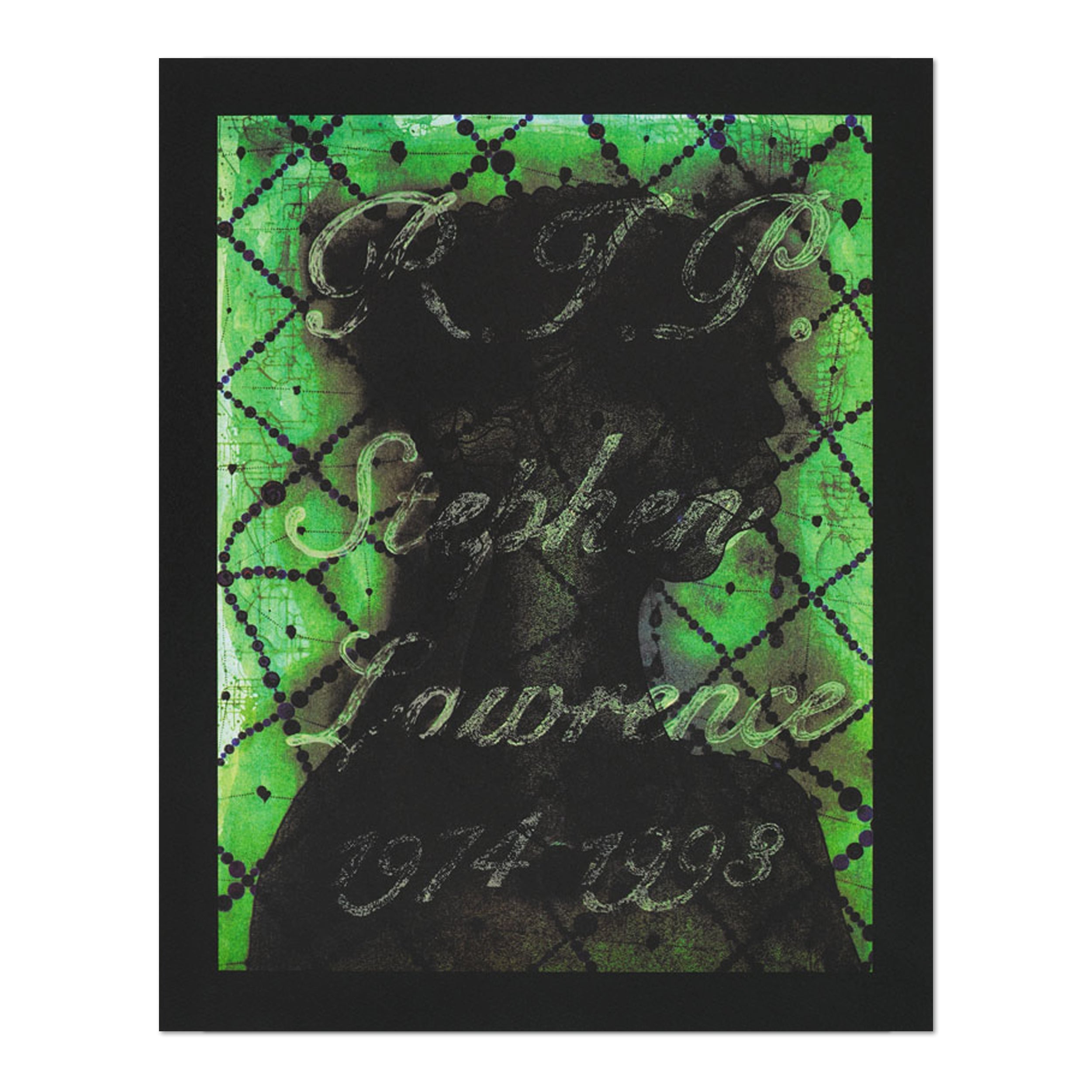
Chris Ofili - R.I.P. Stephen Lawrence
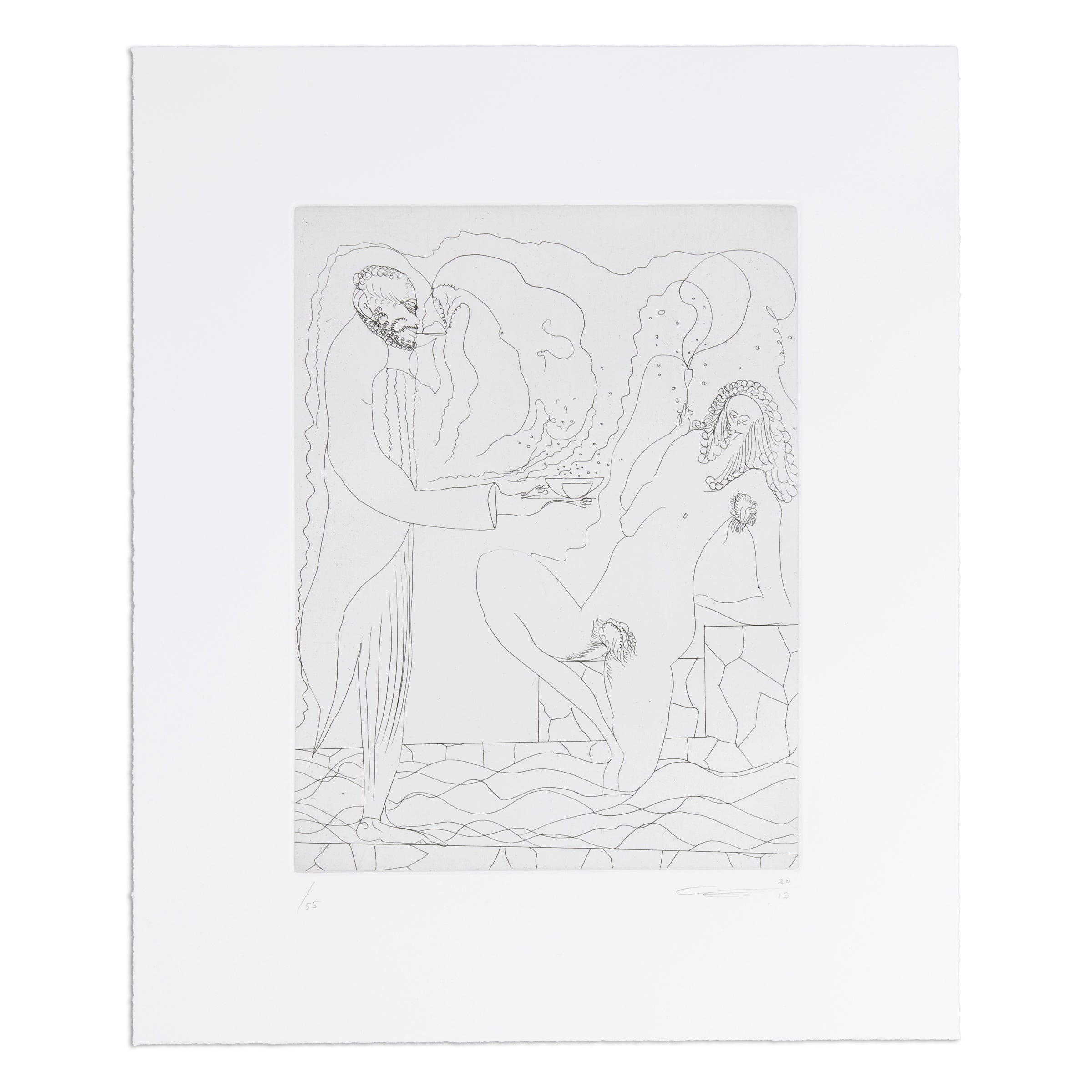
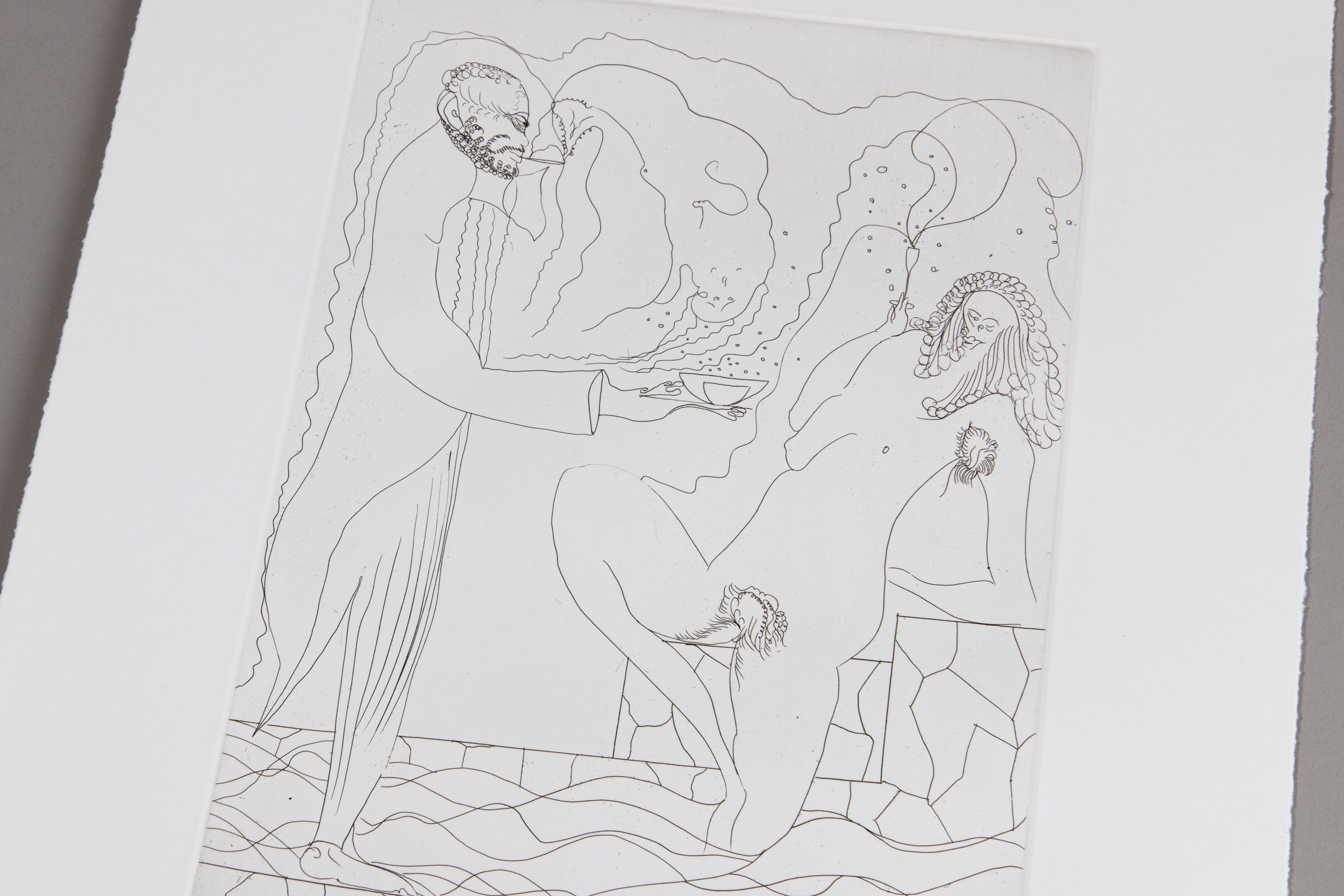
Chris Ofili - PoolsideChris Ofili - Poolside
Chris Ofili - Poolside Sale price€2.700,00
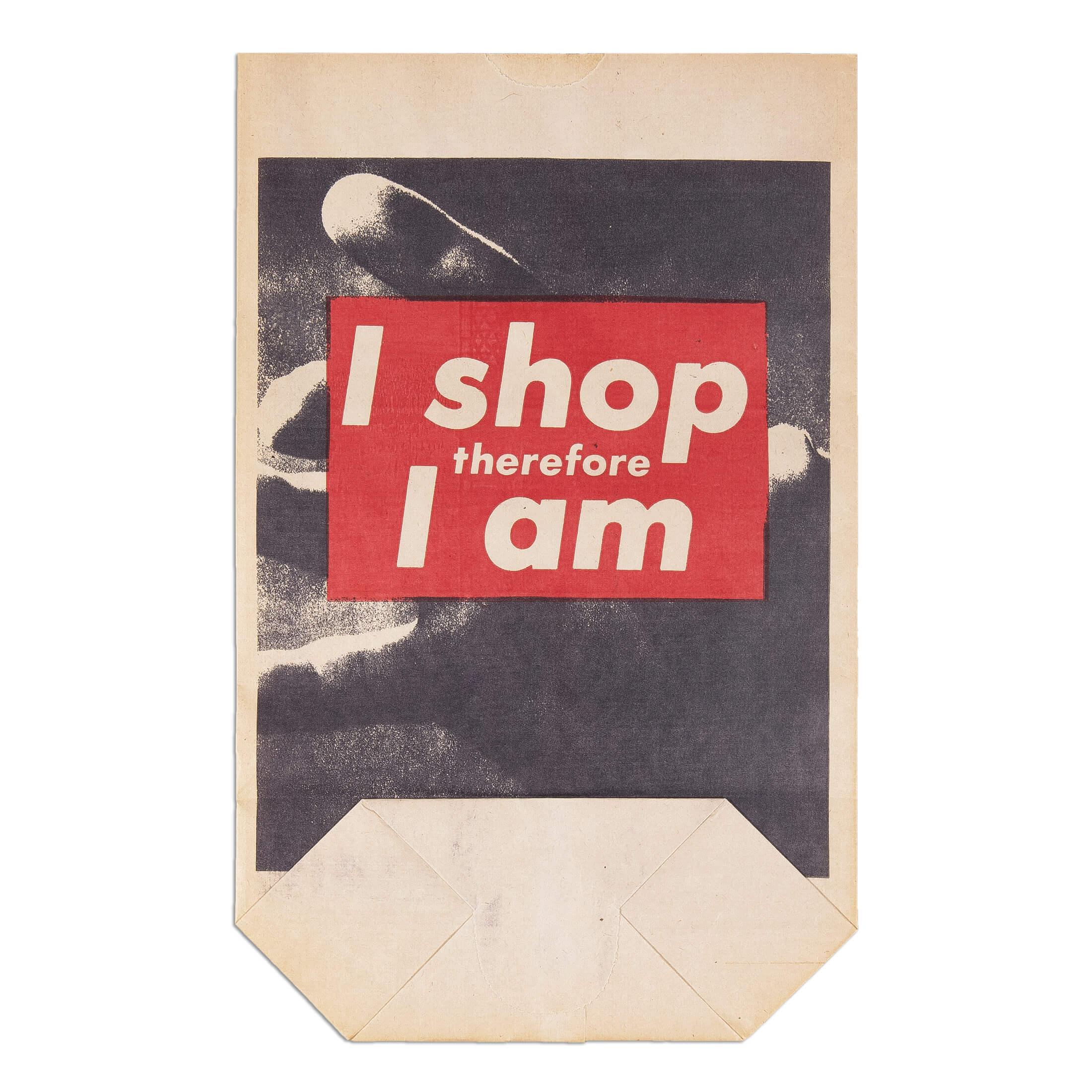
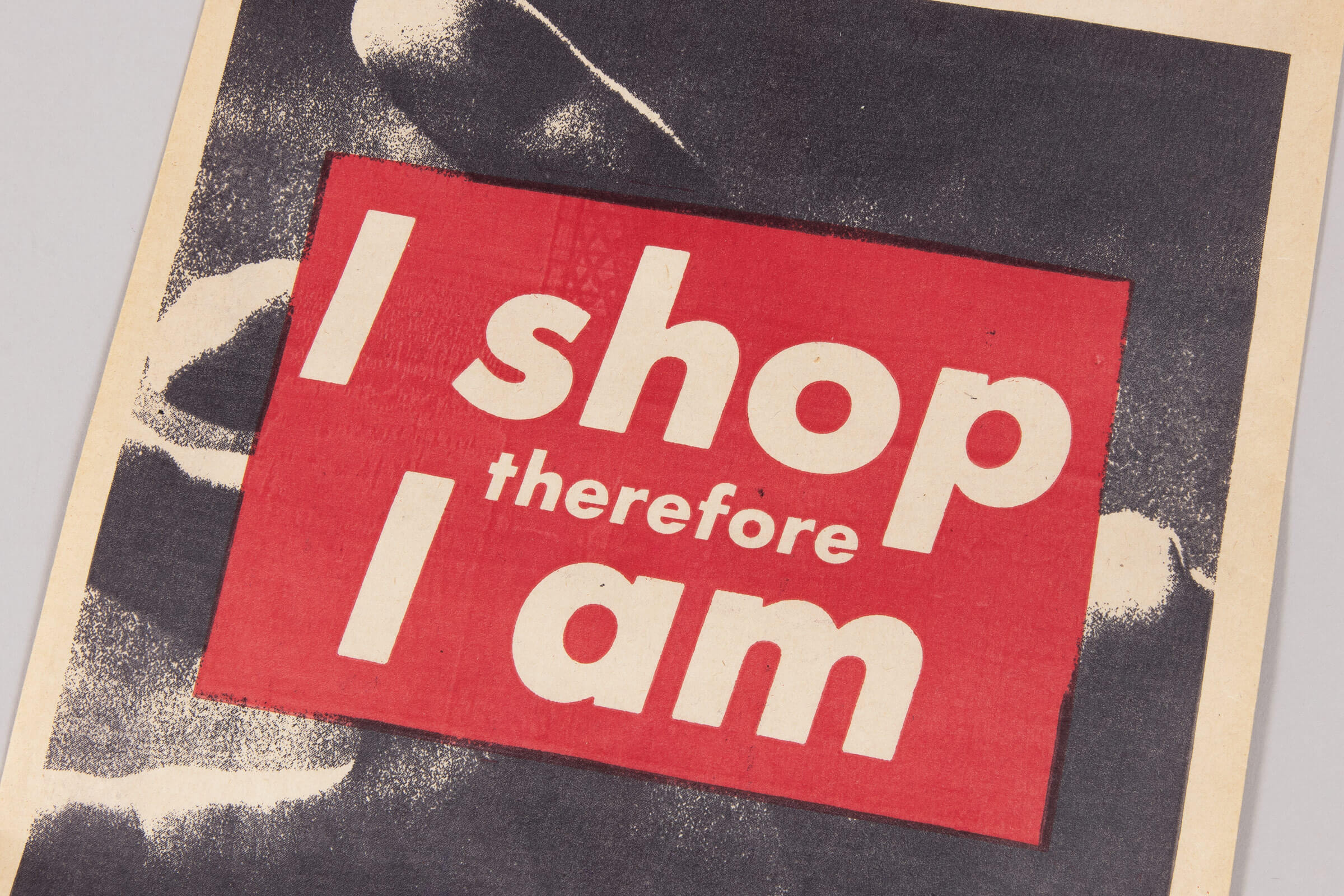
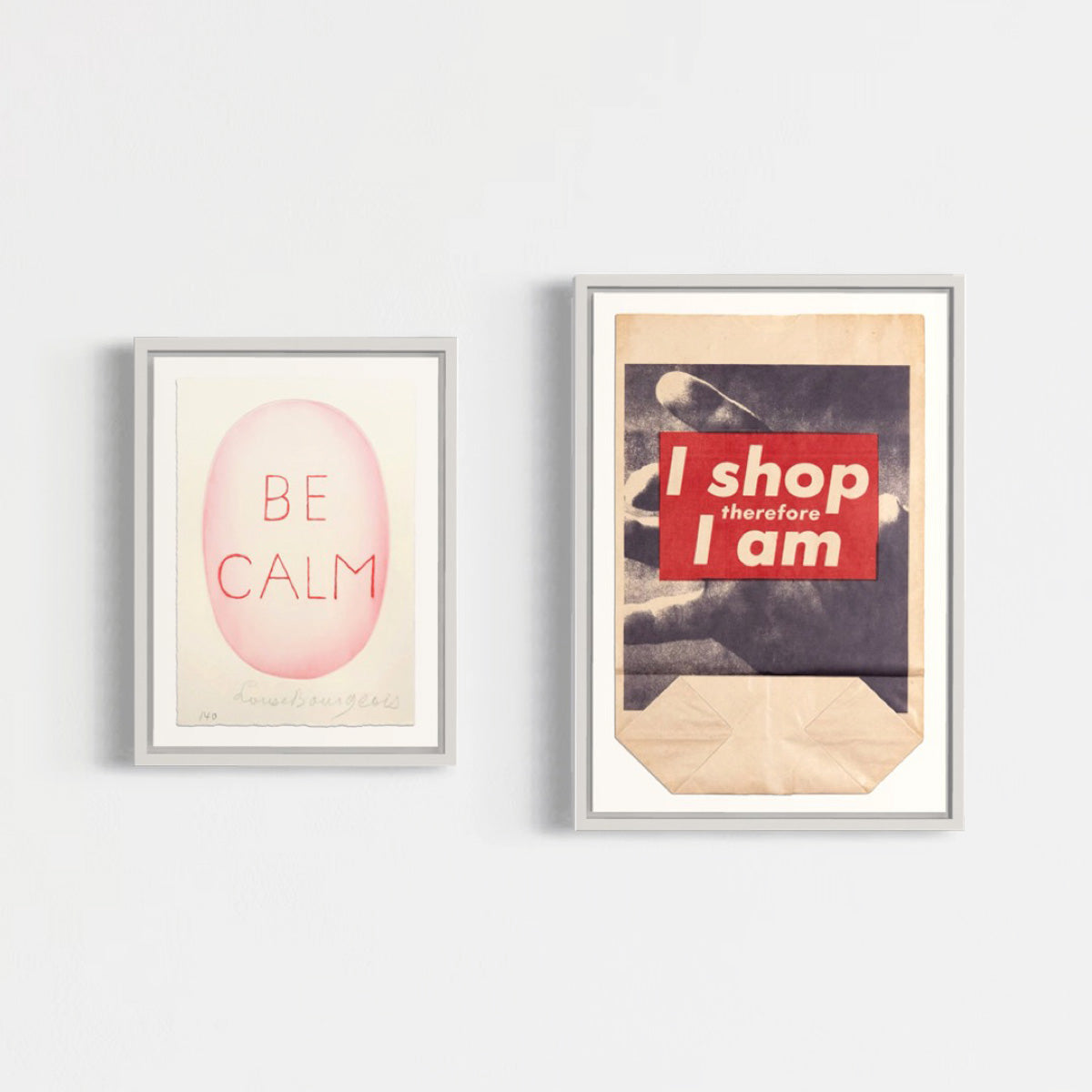
Barbara Kruger – I Shop Therefore I AmBarbara Kruger – I Shop Therefore I Am
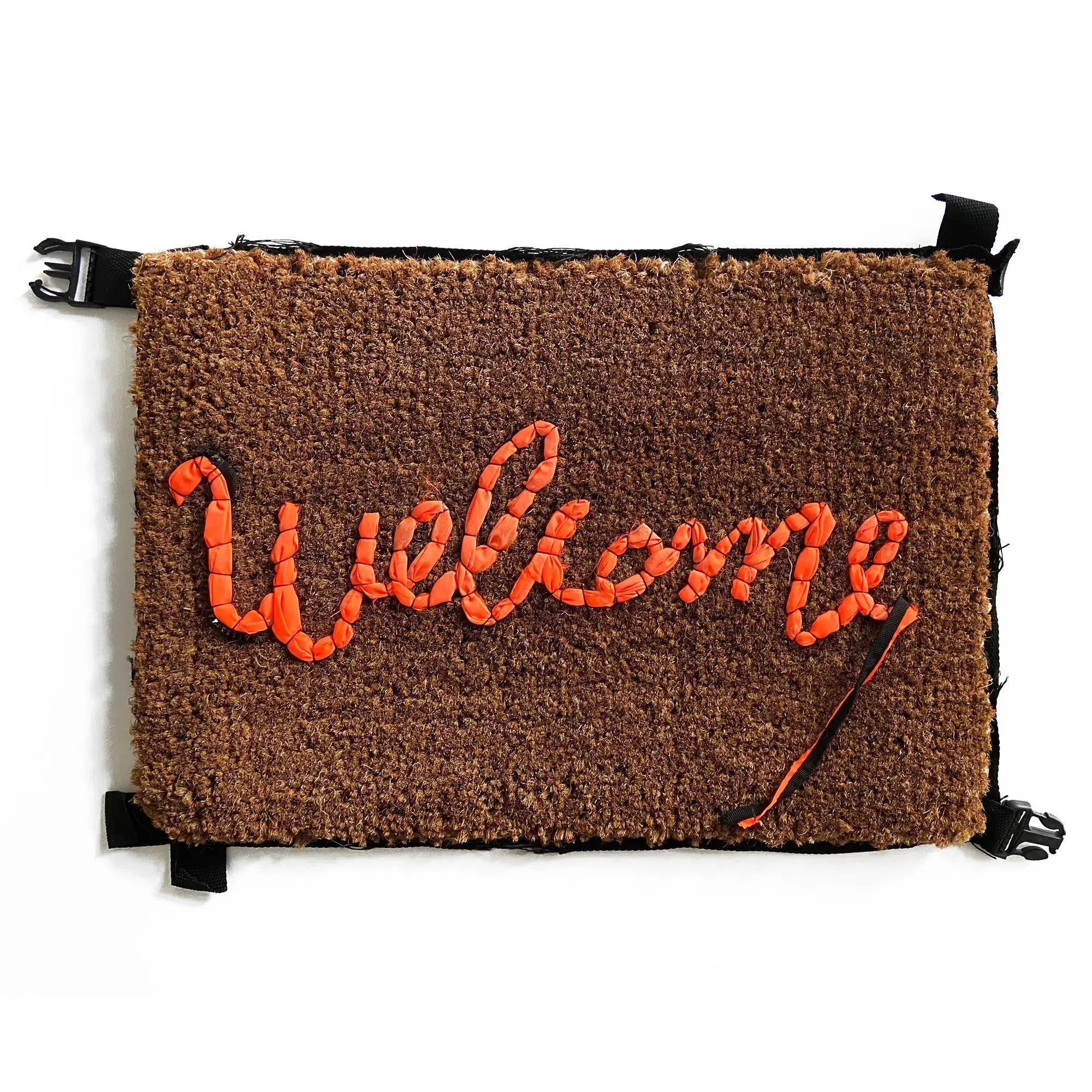
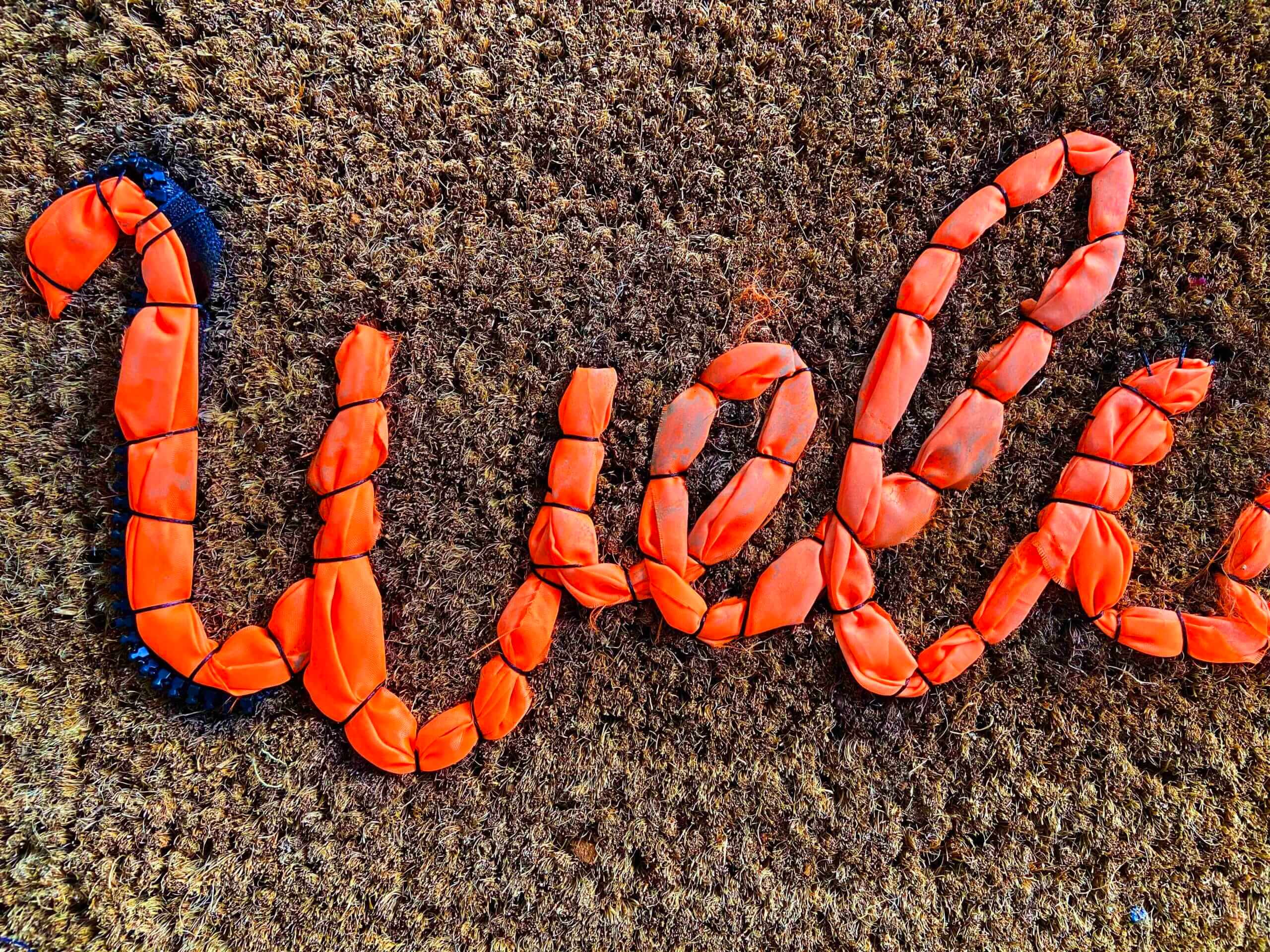
Banksy - Welcome MatBanksy - Welcome Mat
Banksy - Welcome Mat Sale price€3.400,00
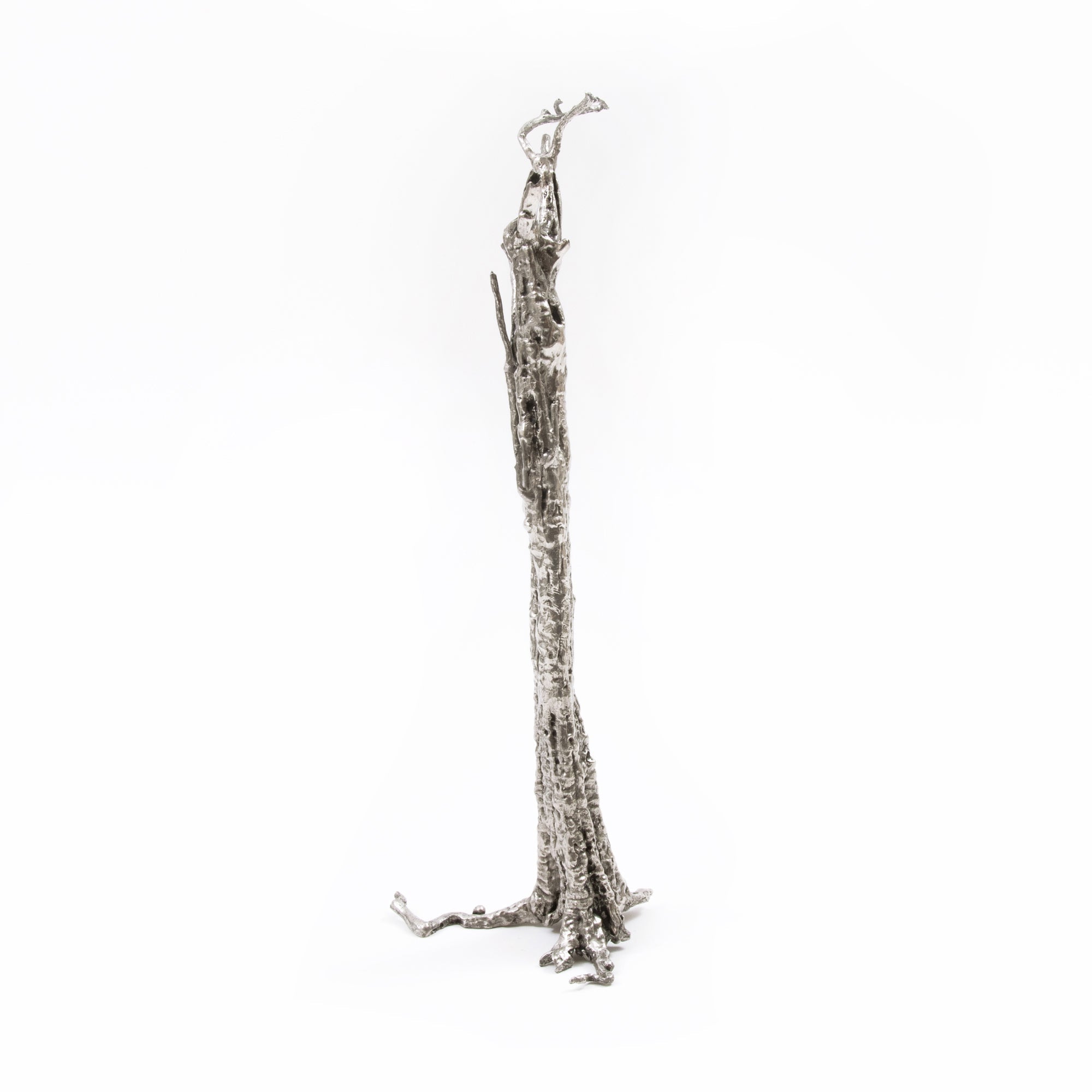
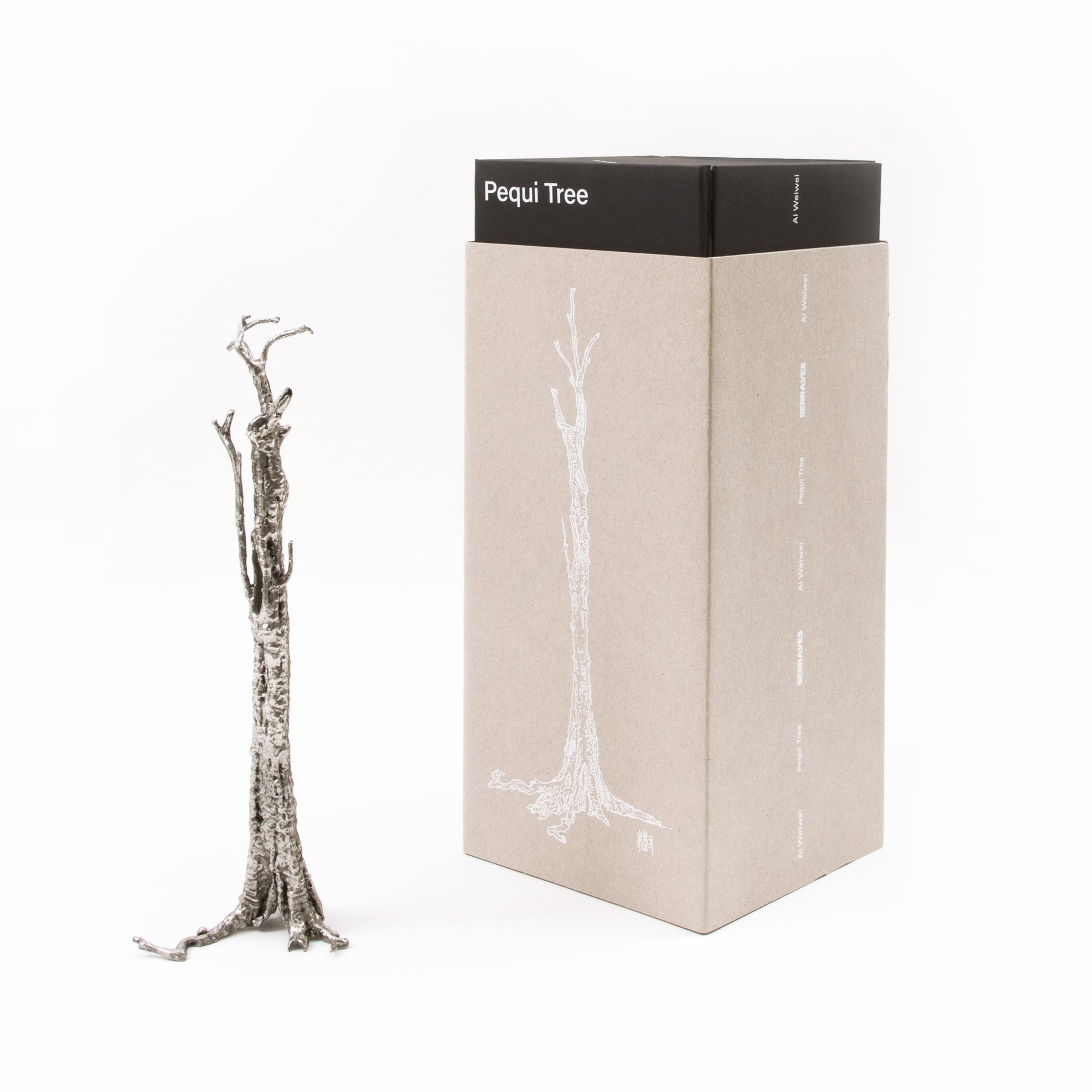
Ai Weiwei - Pequi Tree MiniatureAi Weiwei - Pequi Tree Miniature
Ai Weiwei – Pequi Tree Miniature Sale price€2.000,00
Sold out
Ai Weiwei - Middle Finger in RedAi Weiwei - Middle Finger in Red
Ai Weiwei – Middle Finger in Red Sale price€1.800,00
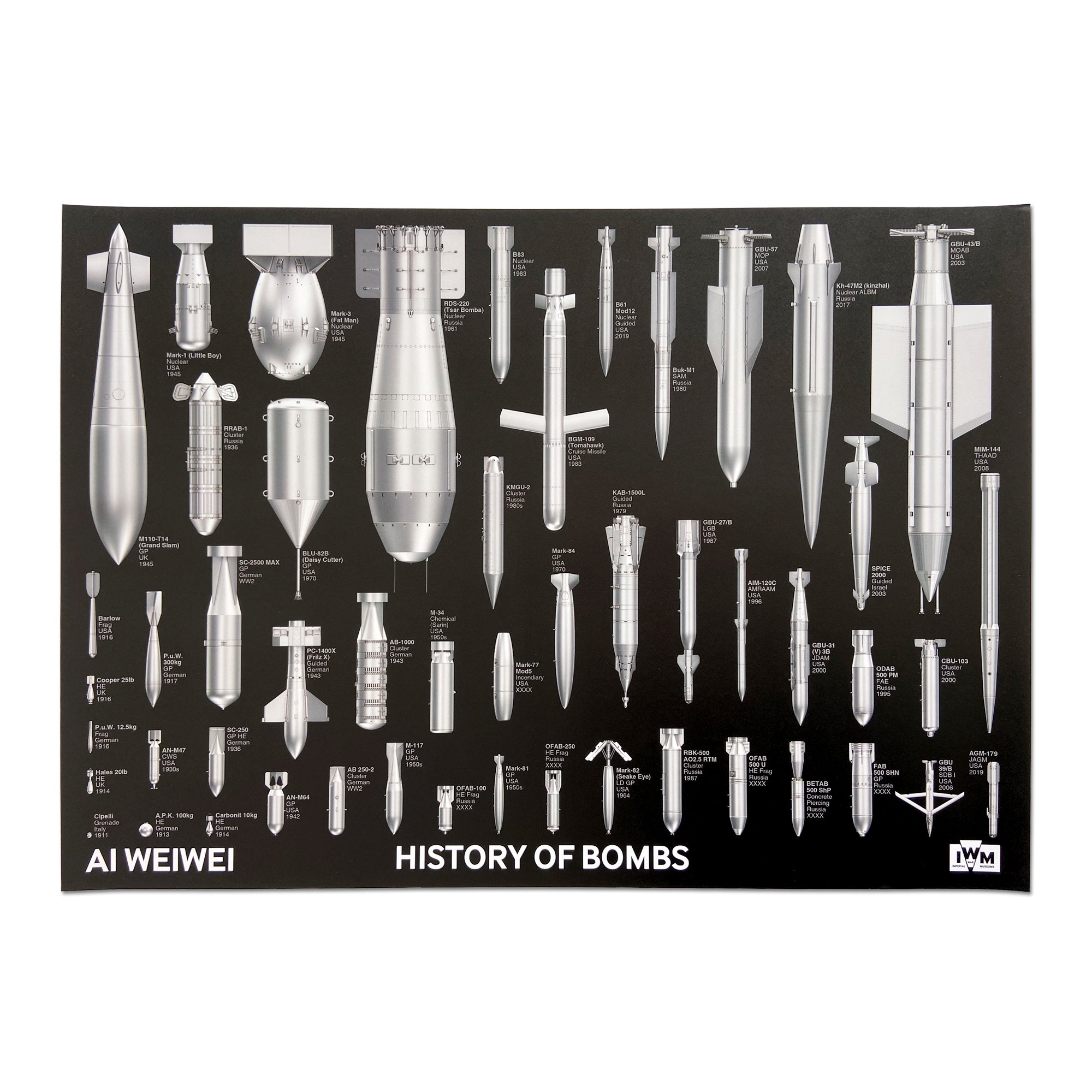
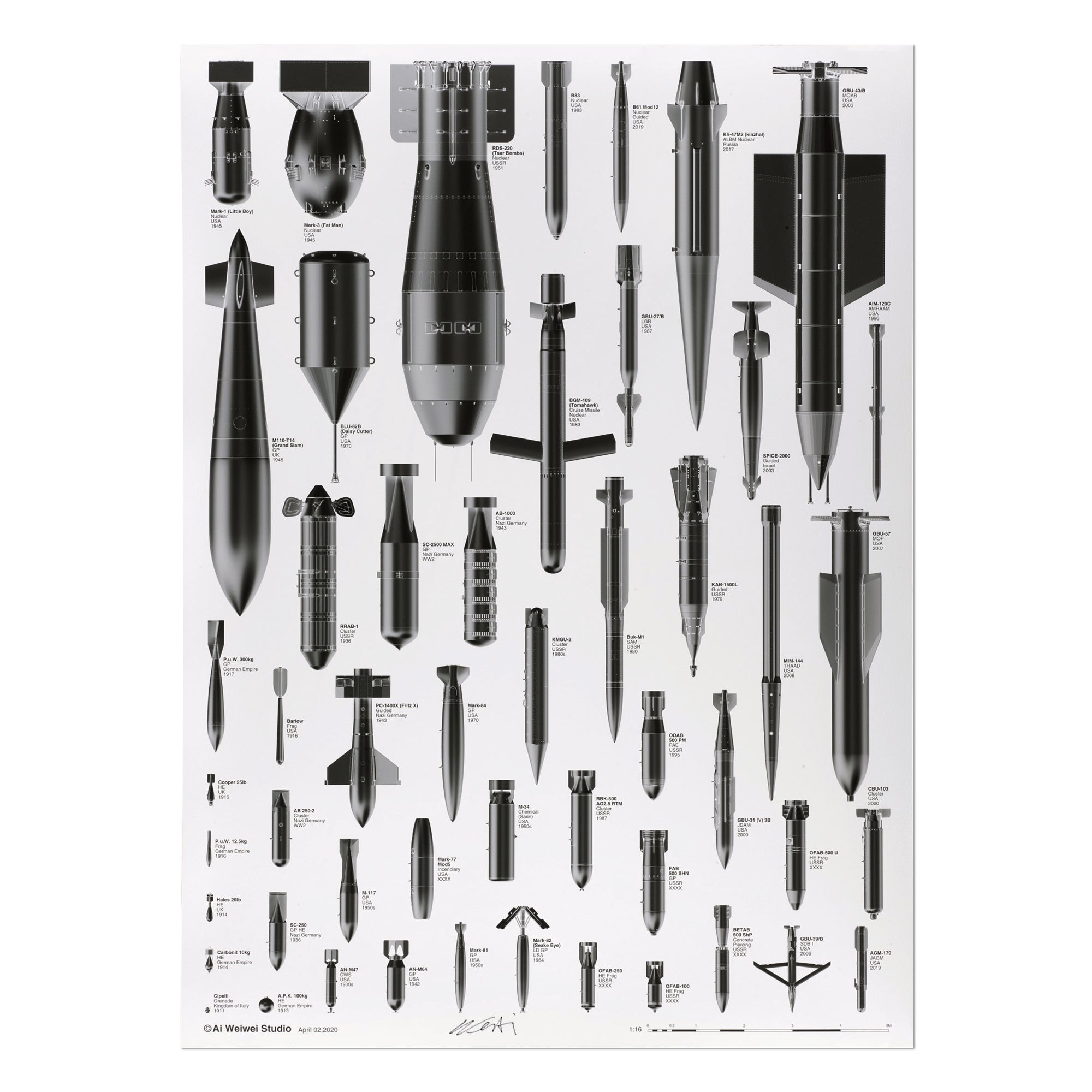
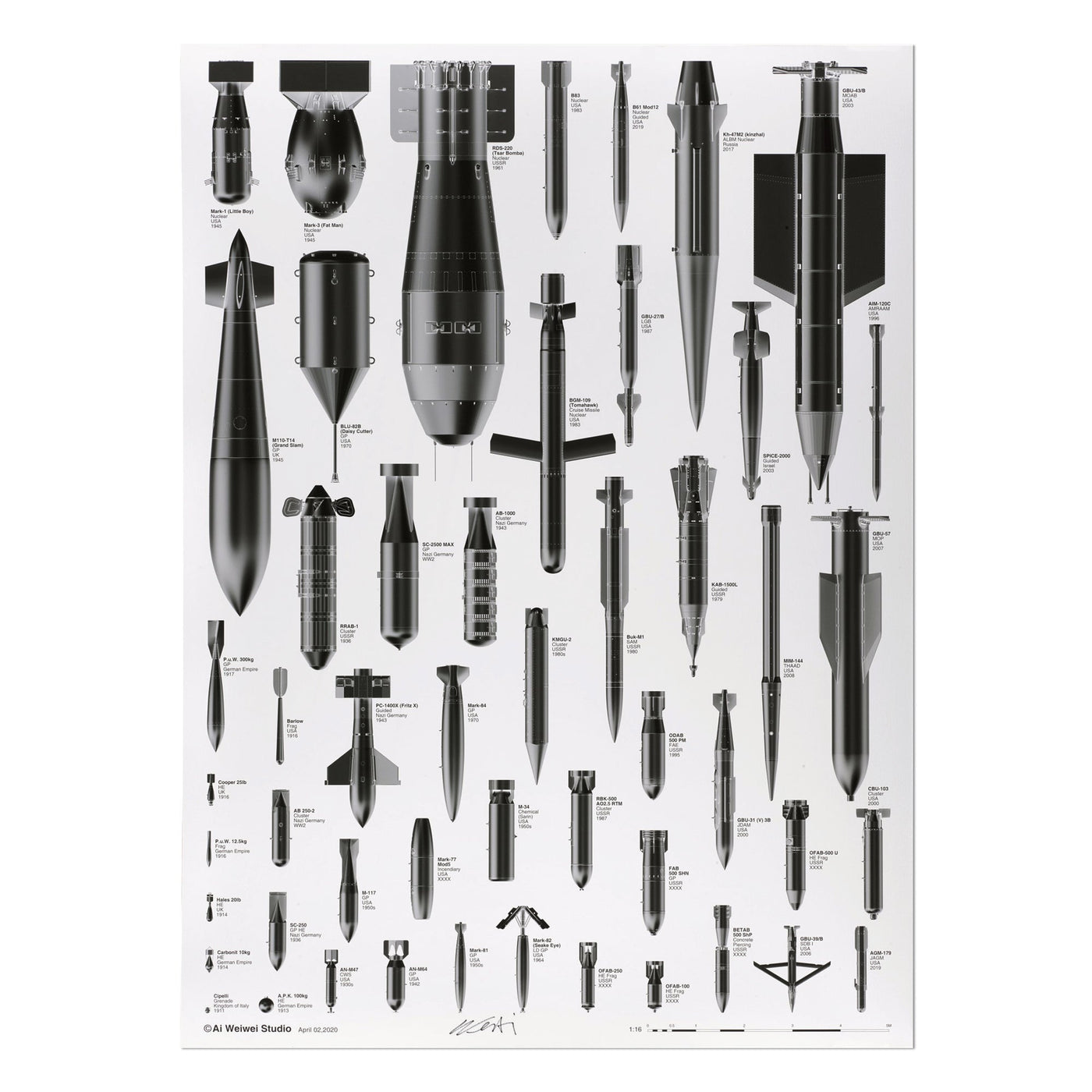
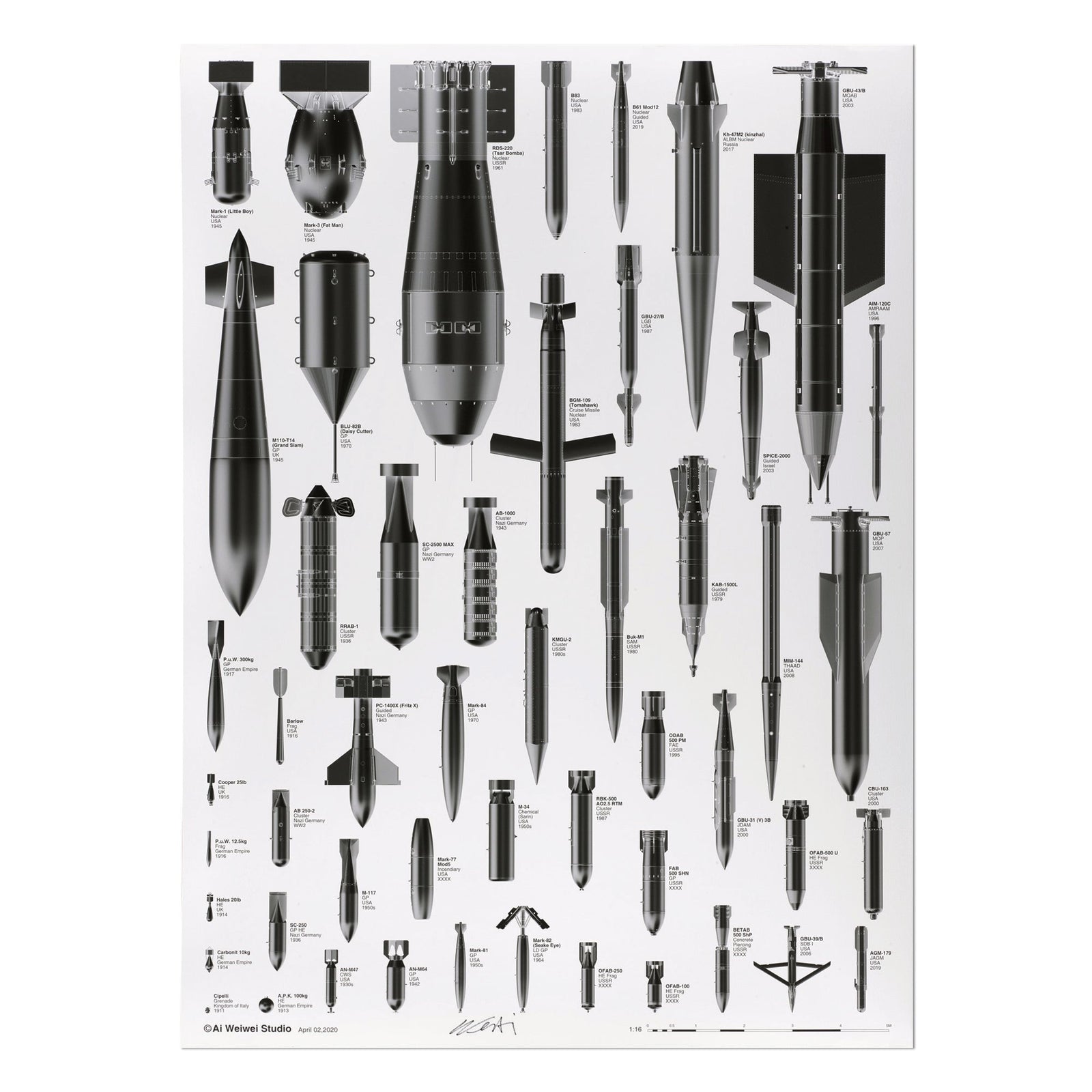
Ai Weiwei - History of BombsAi Weiwei - History of Bombs
Ai Weiwei – History of Bombs Sale price€700,00
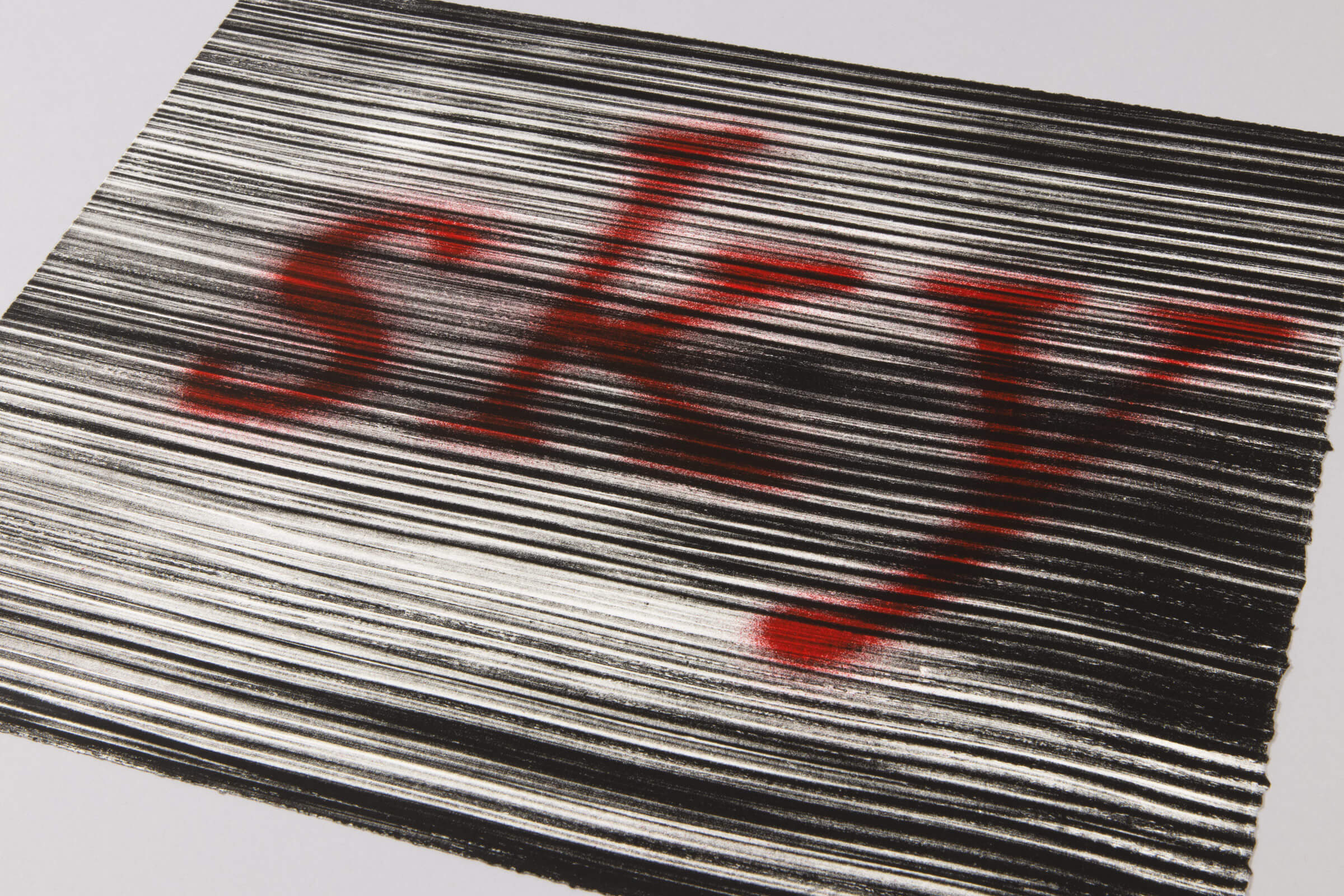
Ai Weiwei - BOMB
Ai Weiwei – BOMB Sale price€1.900,00

Leading Artists in Political Art

Explore signed editions by leading political artists such as Ai Weiwei, Kara Walker, Marlene Dumas, and Grayson Perry. Discover signed political art prints and limited multiples addressing power, identity, and social change.

All artists
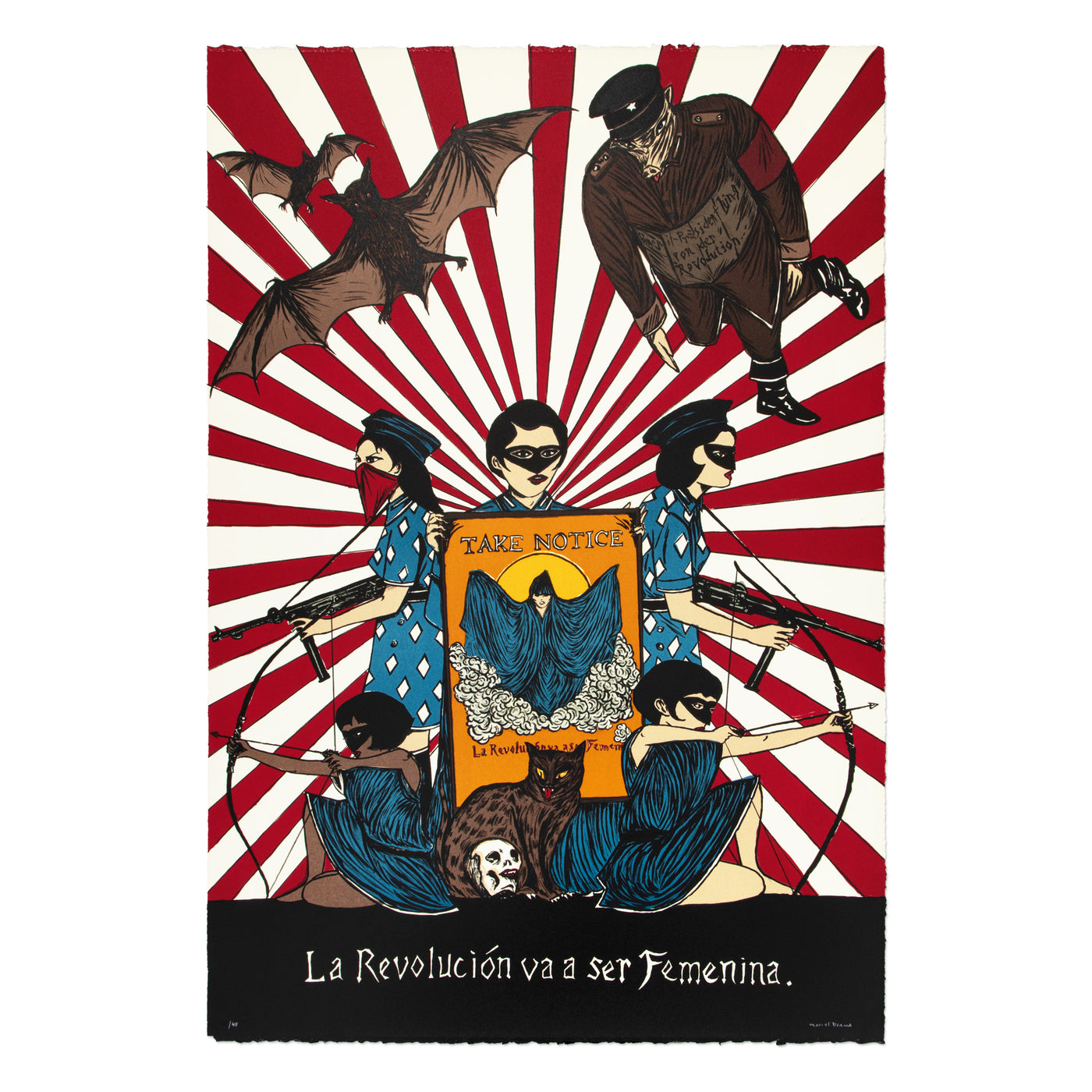
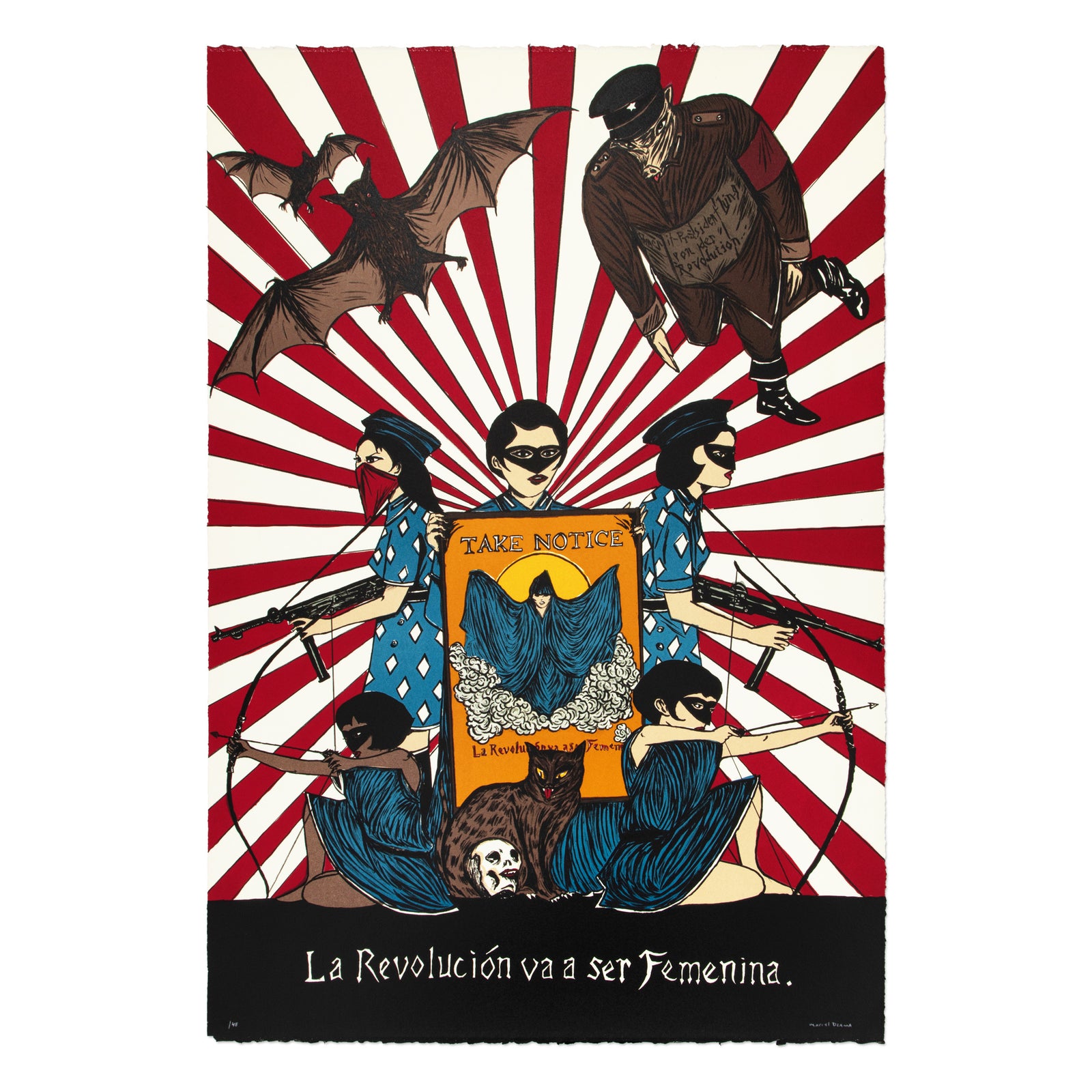
Marcel Dzama, La Revolución va a Ser Femenina
01

Art as a Vehicle for Political Messages

Throughout modern and contemporary art, artists have used images, language, and symbolic gestures to engage with political realities. Posters, photographs, conceptual works, and political art prints and editions have long served as powerful vehicles for communicating ideas that challenge authority, expose injustice, and shape public discourse.

Artists such as Barbara Kruger, Ai Weiwei, and Kara Walker demonstrate how visual strategies can translate complex political questions into direct and memorable images. By combining striking form with conceptual precision, these works operate simultaneously as artworks and as interventions within broader cultural and social debates.

Often intersecting with movements such as Feminist Art, political practices have expanded the visual language of resistance, addressing questions of gender, representation, and power through both image and text.

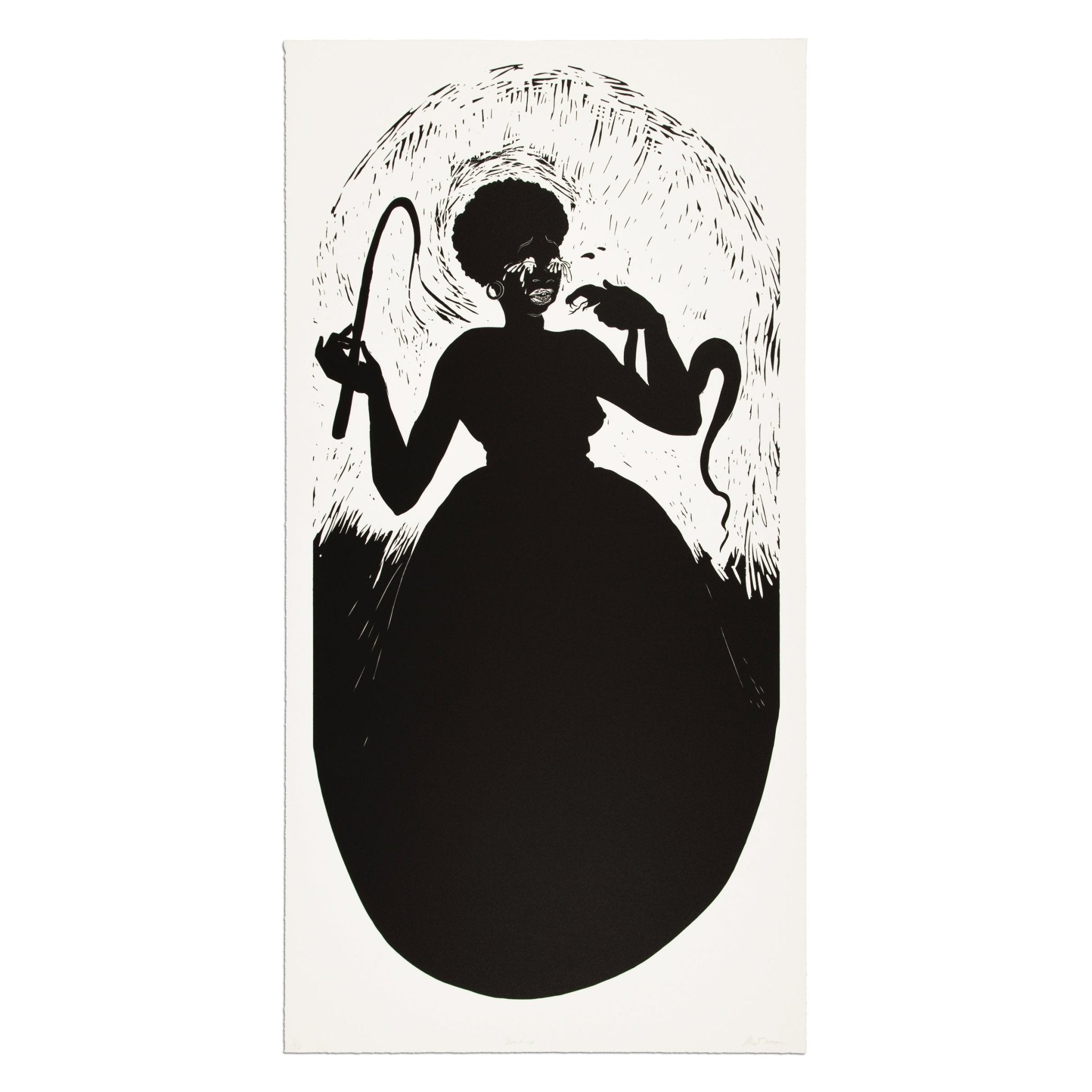
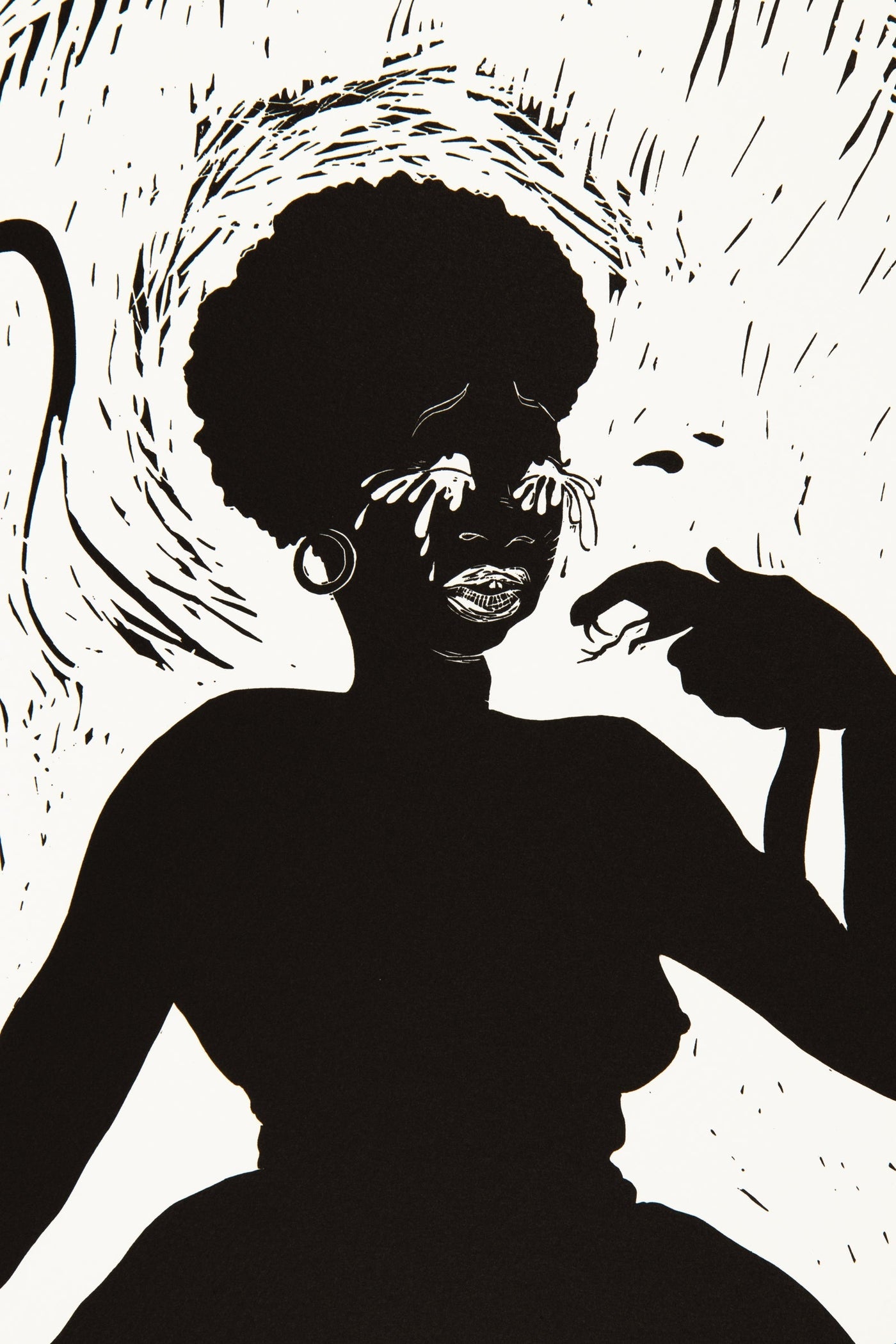
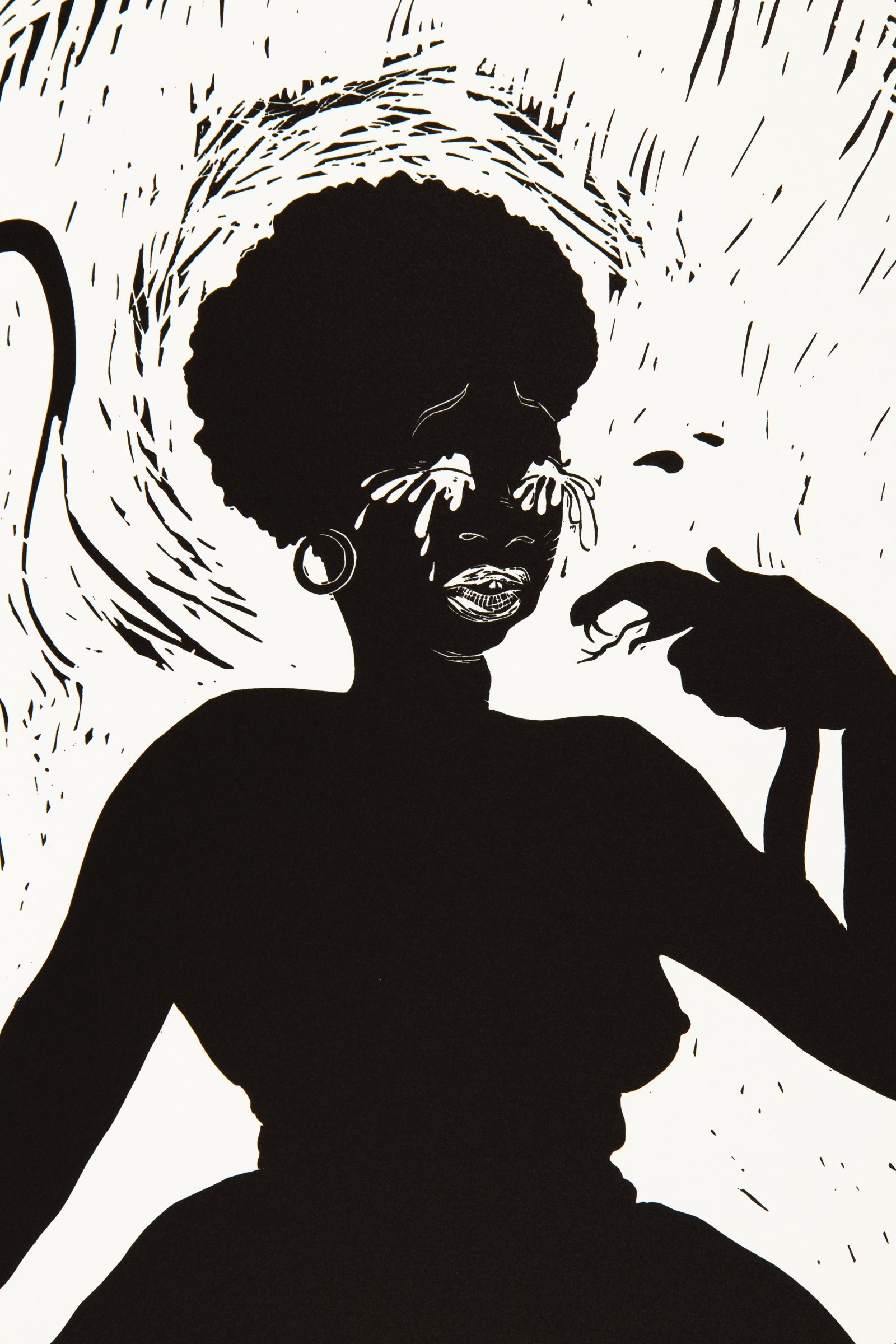
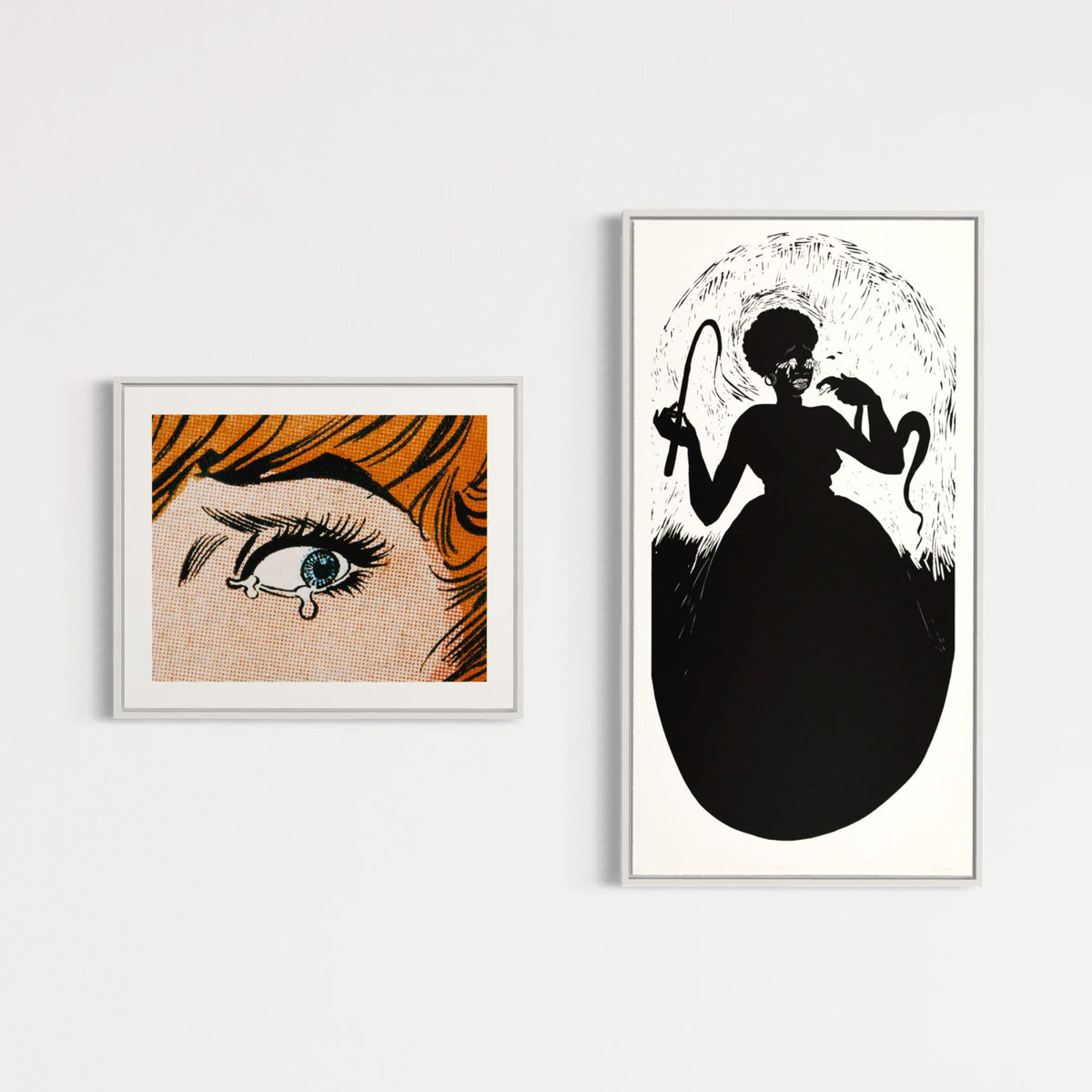
Kara Walker - Boo-Hoo
02

Themes in Contemporary Political Art

Contemporary political art addresses a wide range of themes that reflect the tensions of the present moment. Artists explore questions of authority, censorship, migration, inequality, and historical memory, using visual language to examine how power is constructed, represented, and contested within society.

Rather than illustrating events directly, many artists investigate the systems through which meaning is produced. Text-based art confronts viewers with language and slogans, while photography and conceptual practices reveal how political narratives are shaped, mediated, and circulated across media and institutions.

This expanded field of inquiry positions political art not only as a form of critique but also as a framework for rethinking visibility, identity, and collective memory.

Ai Weiwei - BOMB
03

Collecting Political Art Prints and Editions

Political art and the edition share a single logic: an argument only matters if it reaches people. A painting in a private collection reaches a handful of viewers a year. An edition — whether of fifty, five hundred, or in rare cases open in scale — carries the same idea into countless contexts over decades: into homes, offices, universities, and public collections. That reach is not incidental to political art. It is central to it.

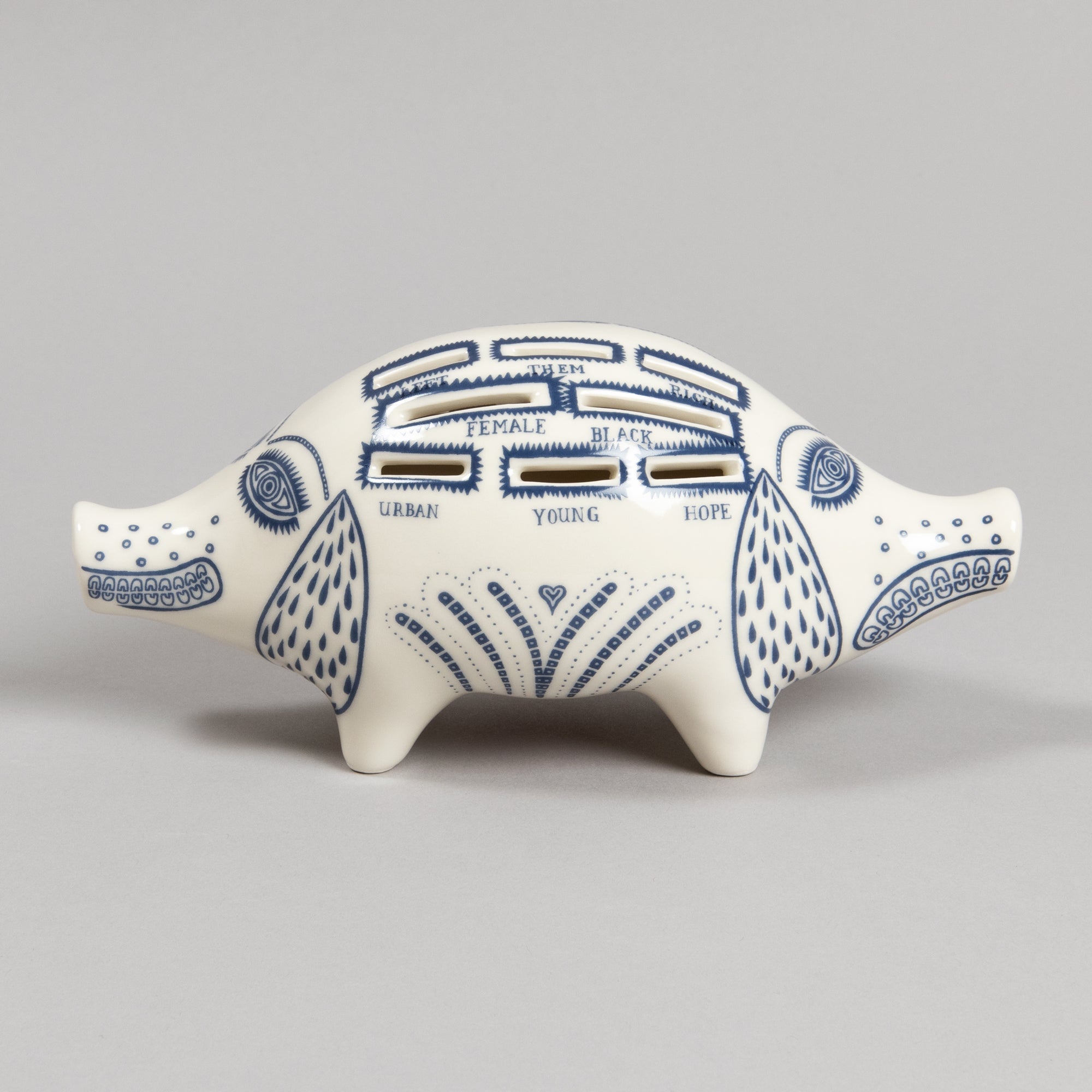
The most radical examples make the principle explicit. Barbara Kruger's I Shop Therefore I Am (1990) was published by Kölnischer Kunstverein as a photolithograph on a paper shopping bag in an edition of 9,000 — deliberately functional, deliberately disposable, deliberately not precious. Jenny Holzer's Inflammatory Essays were originally posted anonymously on New York walls, thirty texts on coloured paper pasted where the public would encounter them without knowing they were art. Grayson Perry's Piggy Bank (2017) was produced by the Serpentine Gallery as an open edition and functions as an interactive object: the collector votes on Brexit by choosing which slot to drop coins into. In each case, the scale of the edition is inseparable from the political question the work asks.

These are extreme cases. The same logic governs the more traditional signed and numbered editions that form the majority of this collection: works produced in runs of fifty or one hundred, held in the permanent collections of MoMA, Tate, and the Centre Pompidou, and available to collectors as the natural continuation of an idea meant to move. Collecting political art in edition form is not a compromise on singularity. It is an alignment with the artist's original intent.

For a deeper exploration of the movement's history and key figures, read the Political Art Editorial →

01

Art as a Vehicle for Political Messages

Throughout modern and contemporary art, artists have used images, language, and symbolic gestures to engage with political realities. Posters, photographs, conceptual works, and political art prints and editions have long served as powerful vehicles for communicating ideas that challenge authority, expose injustice, and shape public discourse.

Artists such as Barbara Kruger, Ai Weiwei, and Kara Walker demonstrate how visual strategies can translate complex political questions into direct and memorable images. By combining striking form with conceptual precision, these works operate simultaneously as artworks and as interventions within broader cultural and social debates.

Often intersecting with movements such as Feminist Art, political practices have expanded the visual language of resistance, addressing questions of gender, representation, and power through both image and text.

02

Themes in Contemporary Political Art

Contemporary political art addresses a wide range of themes that reflect the tensions of the present moment. Artists explore questions of authority, censorship, migration, inequality, and historical memory, using visual language to examine how power is constructed, represented, and contested within society.

Rather than illustrating events directly, many artists investigate the systems through which meaning is produced. Text-based art confronts viewers with language and slogans, while photography and conceptual practices reveal how political narratives are shaped, mediated, and circulated across media and institutions.

This expanded field of inquiry positions political art not only as a form of critique but also as a framework for rethinking visibility, identity, and collective memory.

03

Collecting Political Art Prints and Editions

Political art and the edition share a single logic: an argument only matters if it reaches people. A painting in a private collection reaches a handful of viewers a year. An edition — whether of fifty, five hundred, or in rare cases open in scale — carries the same idea into countless contexts over decades: into homes, offices, universities, and public collections. That reach is not incidental to political art. It is central to it.

The most radical examples make the principle explicit. Barbara Kruger's I Shop Therefore I Am (1990) was published by Kölnischer Kunstverein as a photolithograph on a paper shopping bag in an edition of 9,000 — deliberately functional, deliberately disposable, deliberately not precious. Jenny Holzer's Inflammatory Essays were originally posted anonymously on New York walls, thirty texts on coloured paper pasted where the public would encounter them without knowing they were art. Grayson Perry's Piggy Bank (2017) was produced by the Serpentine Gallery as an open edition and functions as an interactive object: the collector votes on Brexit by choosing which slot to drop coins into. In each case, the scale of the edition is inseparable from the political question the work asks.

These are extreme cases. The same logic governs the more traditional signed and numbered editions that form the majority of this collection: works produced in runs of fifty or one hundred, held in the permanent collections of MoMA, Tate, and the Centre Pompidou, and available to collectors as the natural continuation of an idea meant to move. Collecting political art in edition form is not a compromise on singularity. It is an alignment with the artist's original intent.

For a deeper exploration of the movement's history and key figures, read the Political Art Editorial →

Marcel Dzama, La Revolución va a Ser FemeninaKara Walker - Boo-HooAi Weiwei - BOMB

Art Collections

Explore curated art collections across movements, themes, and artist groups, offering multiple ways to navigate and discover contemporary art.

View all
Prints, Photographs & Multiples

View our full collection of

Prints, Photographs & Multiples

Shop now