Ai Weiwei

In 1995, Ai Weiwei picked up a 2,000-year-old Han Dynasty urn and let it fall to the ground. The resulting photographs — his own face impassive as the vessel shattered — remain one of the most quoted gestures in contemporary art: a readymade turned weapon, cultural inheritance treated as material rather than relic. He has spent the decades since applying the same logic everywhere — porcelain seeds, Lego bricks, refugee life jackets, a middle finger raised at monuments to power — building a practice where the object and the argument are inseparable.

Browse signed Ai Weiwei prints and editions now.

Available Prints & Editions

10 products
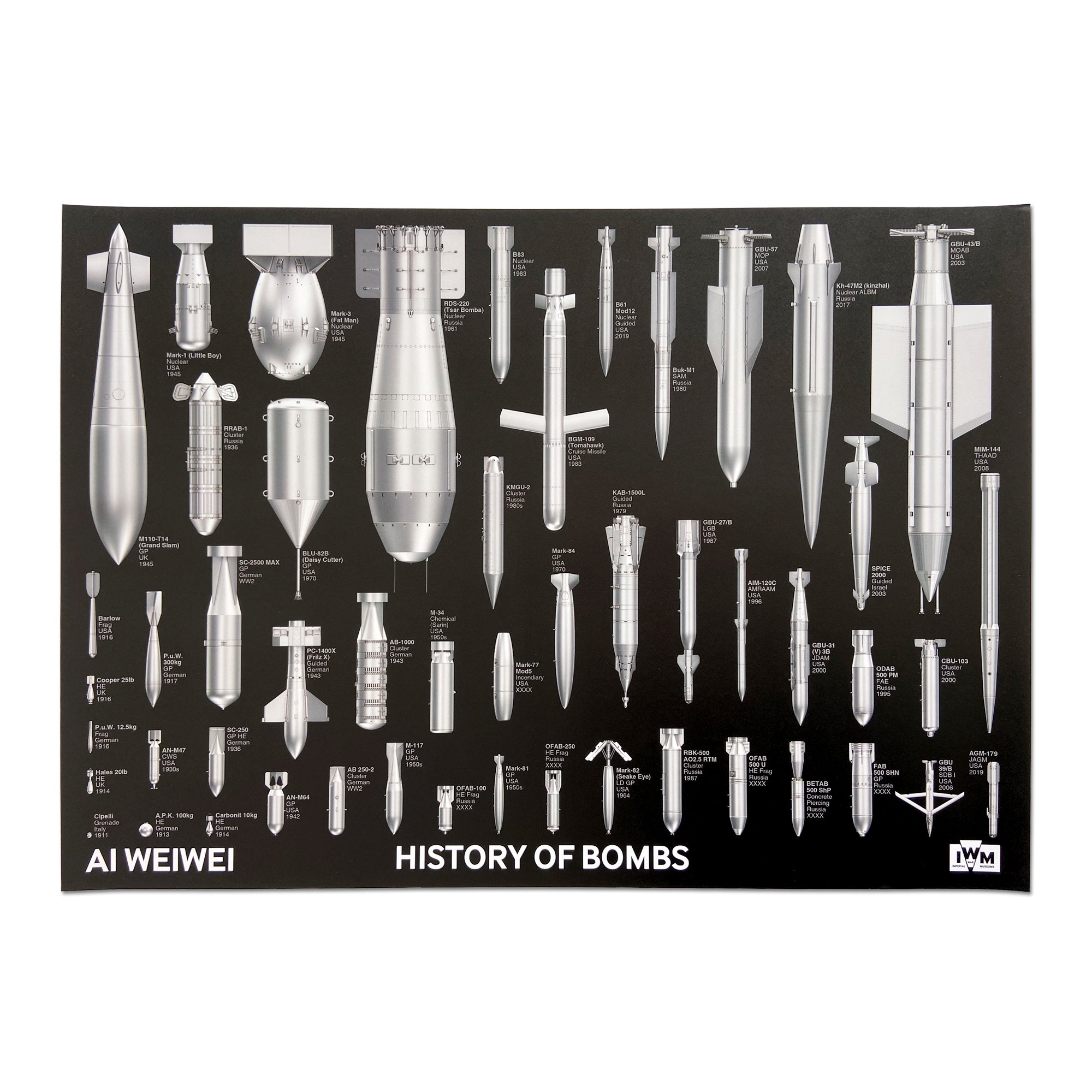
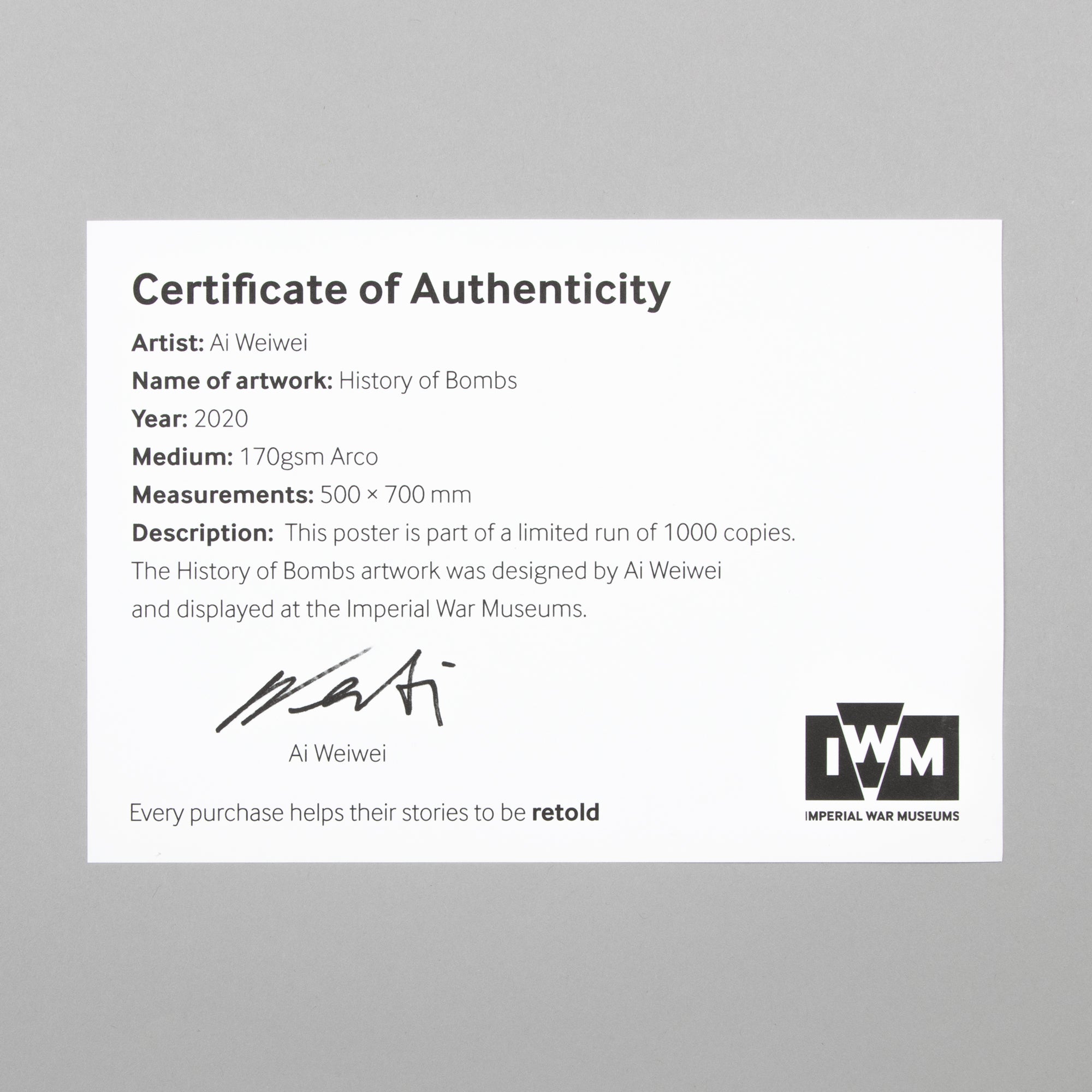
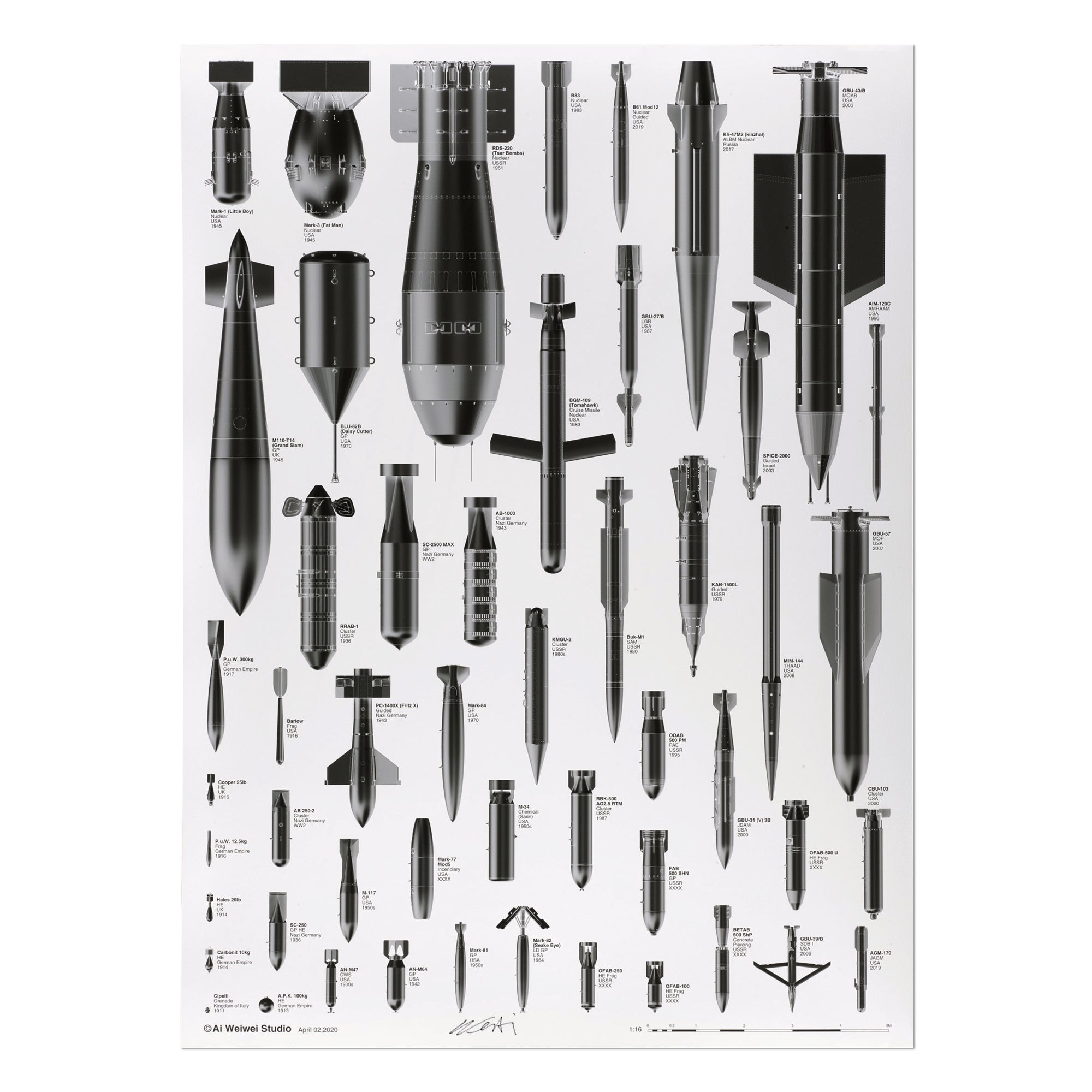
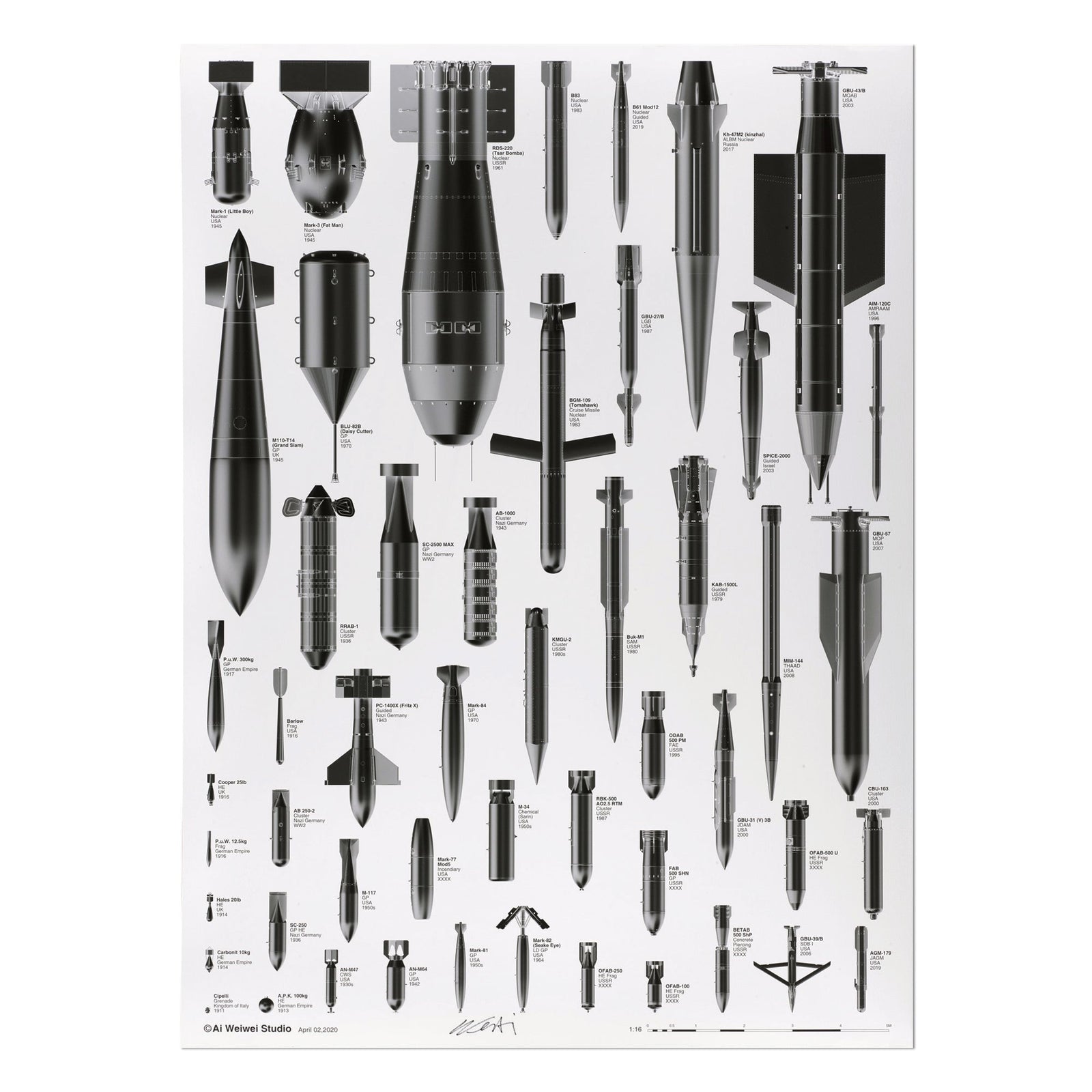
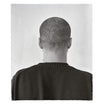
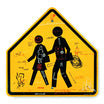
Ai Weiwei - History of BombsAi Weiwei - History of Bombs
Ai Weiwei – History of Bombs Sale price€700,00
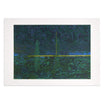
Ai Weiwei - BOMB
Ai Weiwei – BOMB Sale price€1.900,00
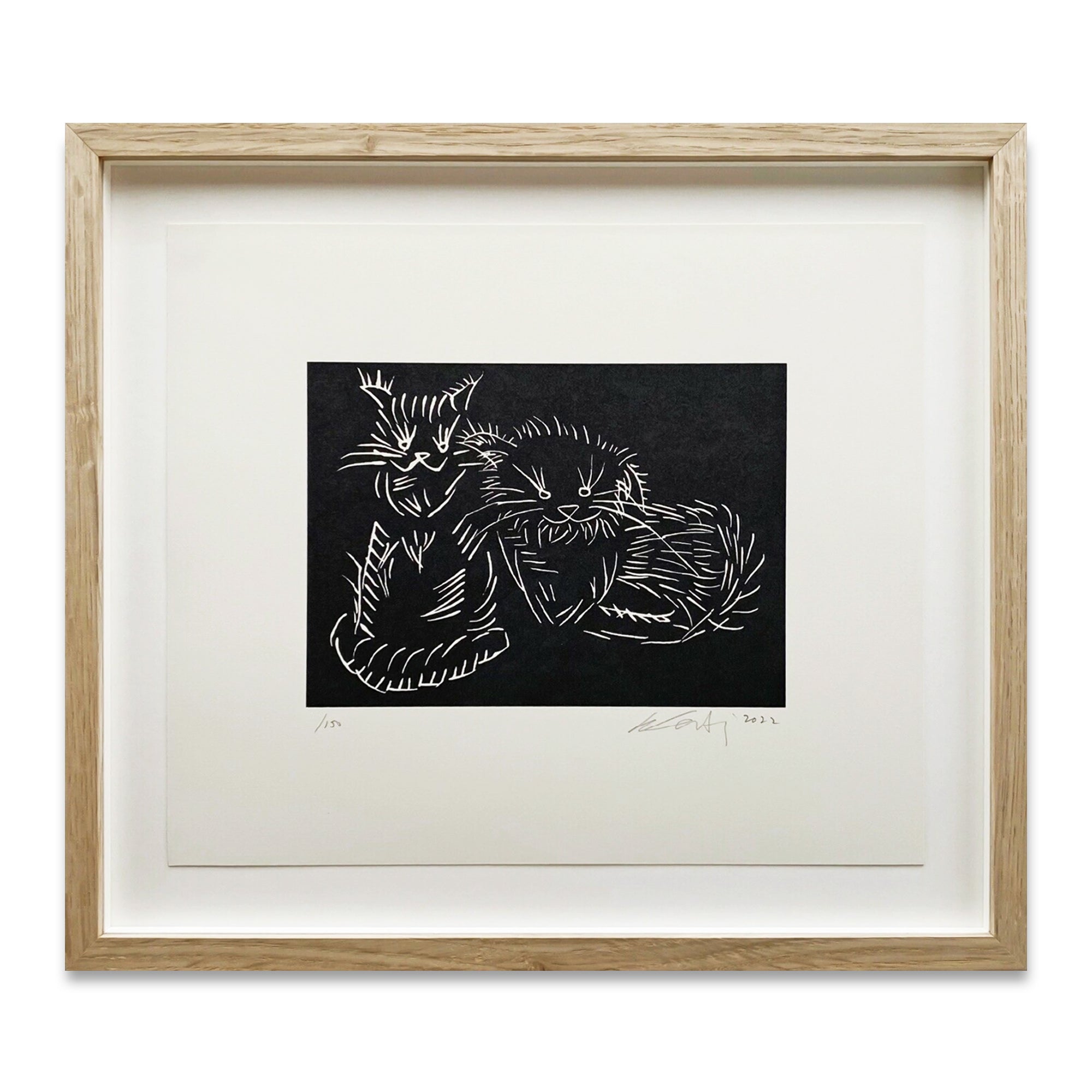
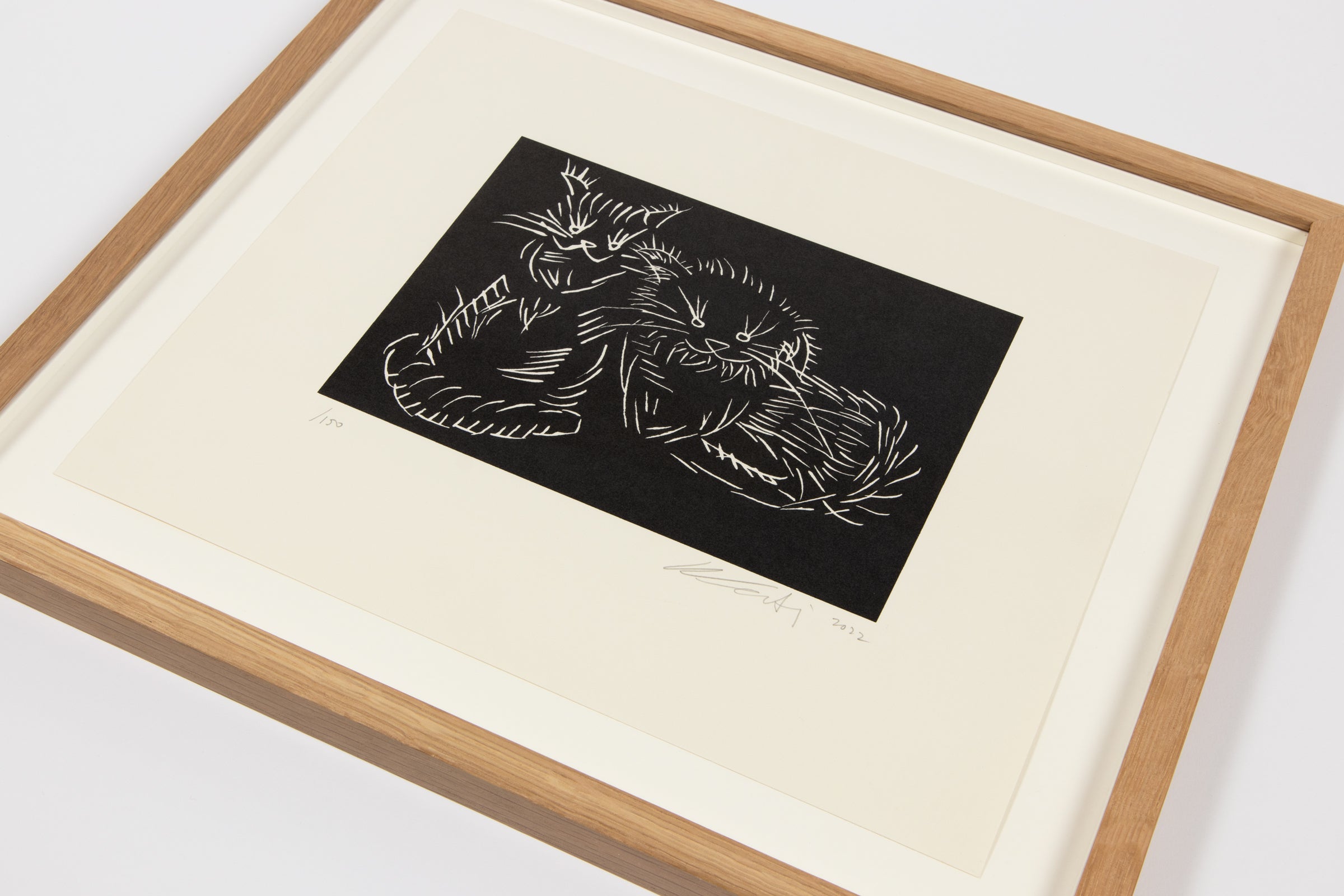
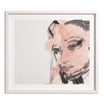
Ai Weiwei - Cats (Black)Ai Weiwei - Cats (Black)
Ai Weiwei – Cats (Black) Sale price€2.400,00
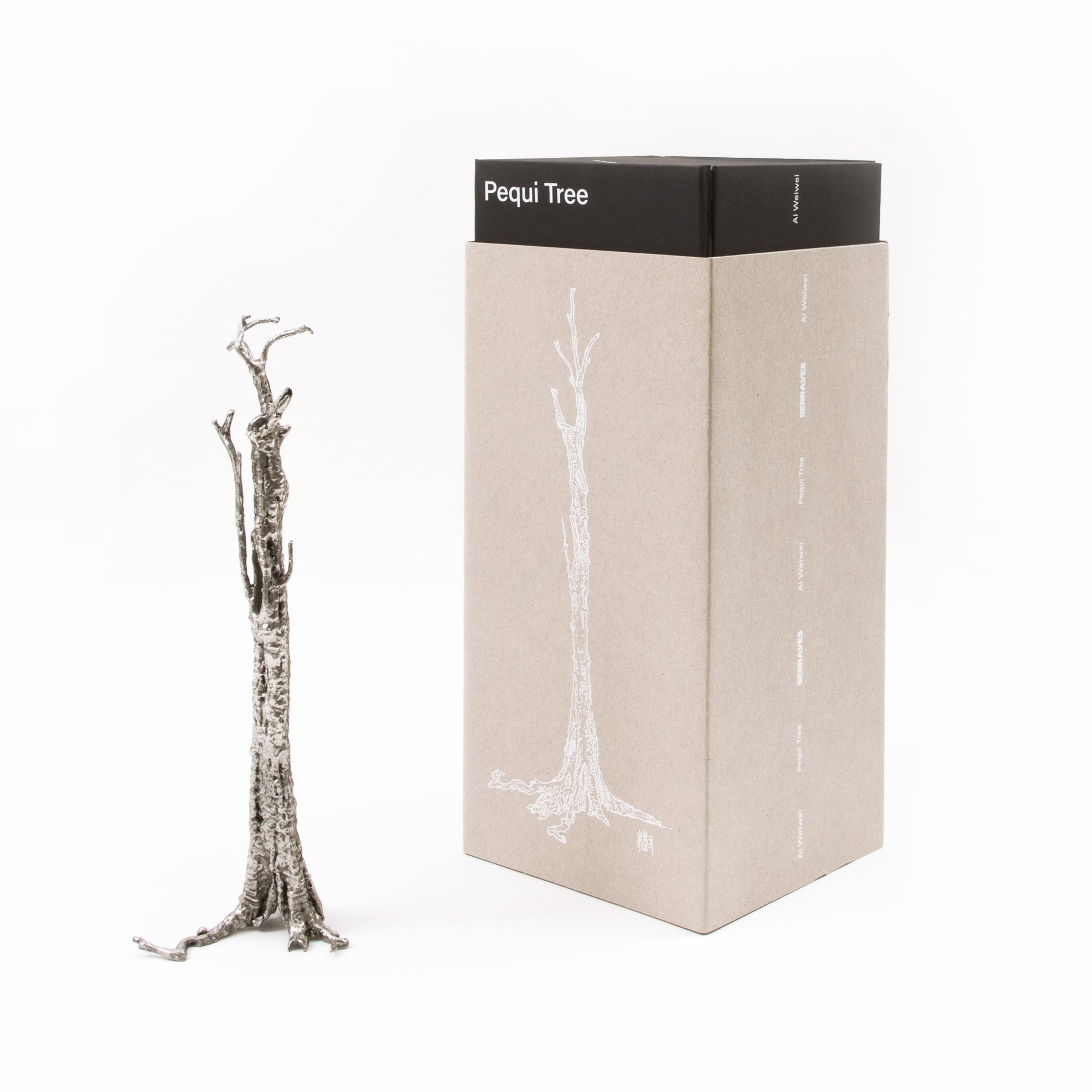
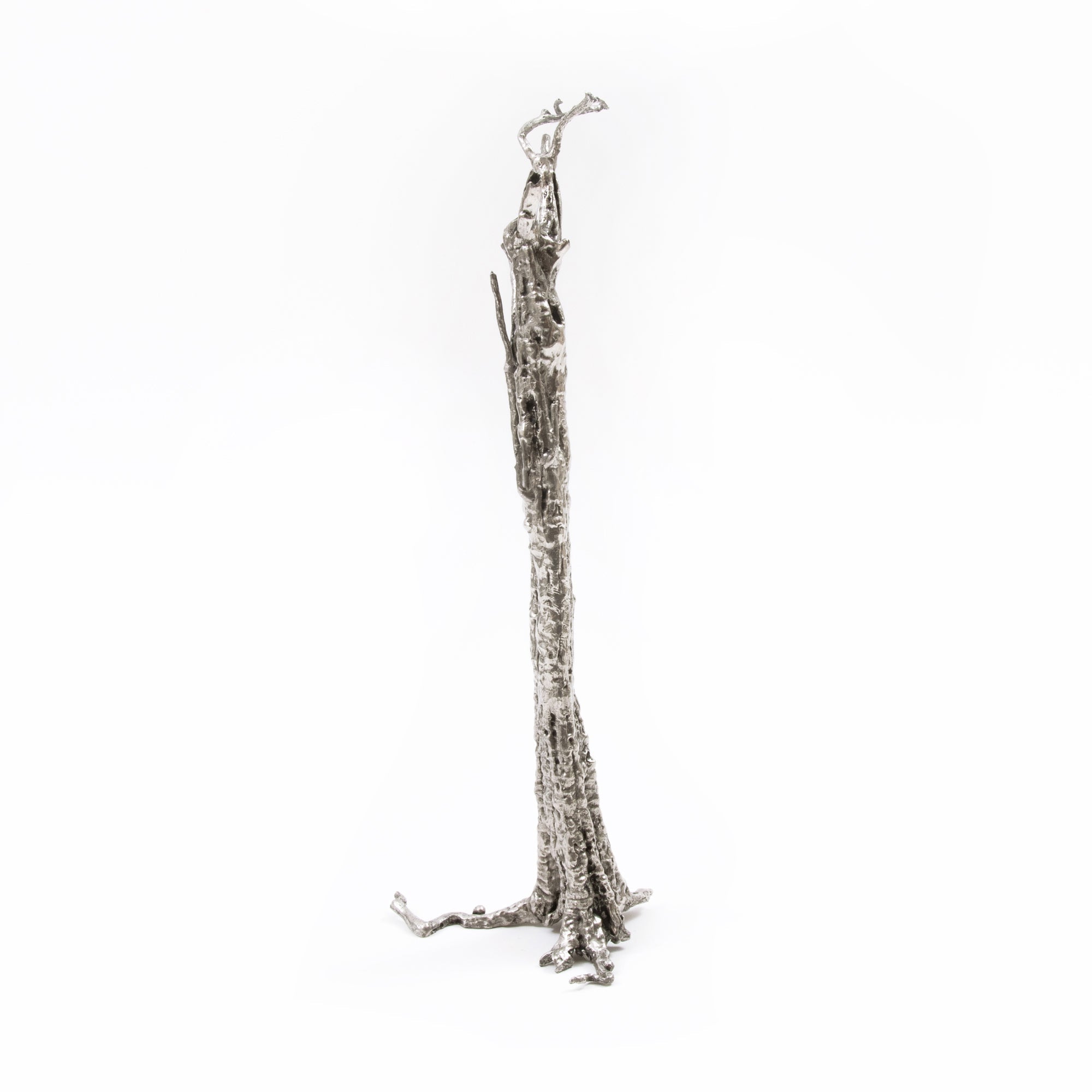
Ai Weiwei - Pequi Tree MiniatureAi Weiwei - Pequi Tree Miniature
Ai Weiwei – Pequi Tree Miniature Sale price€2.000,00
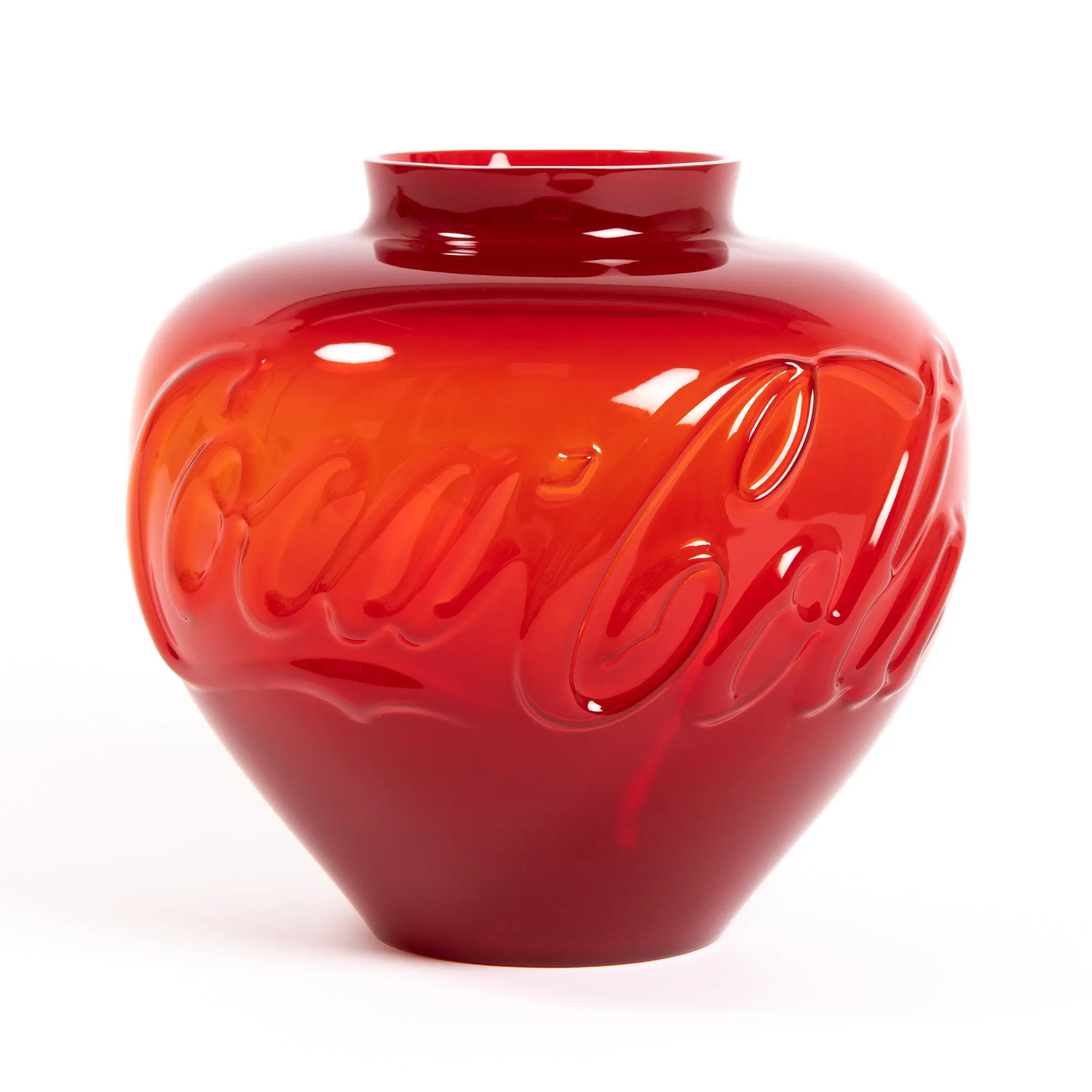
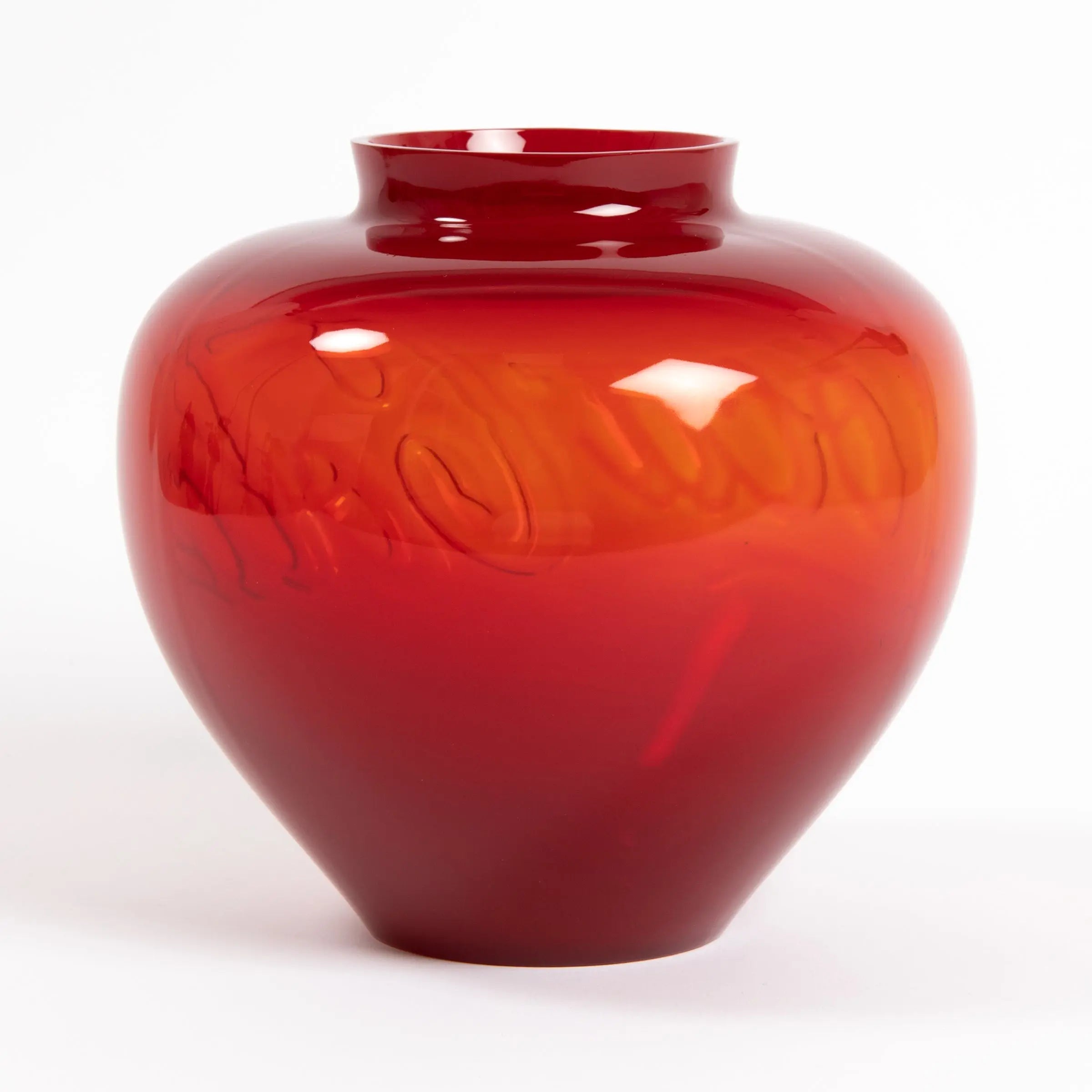
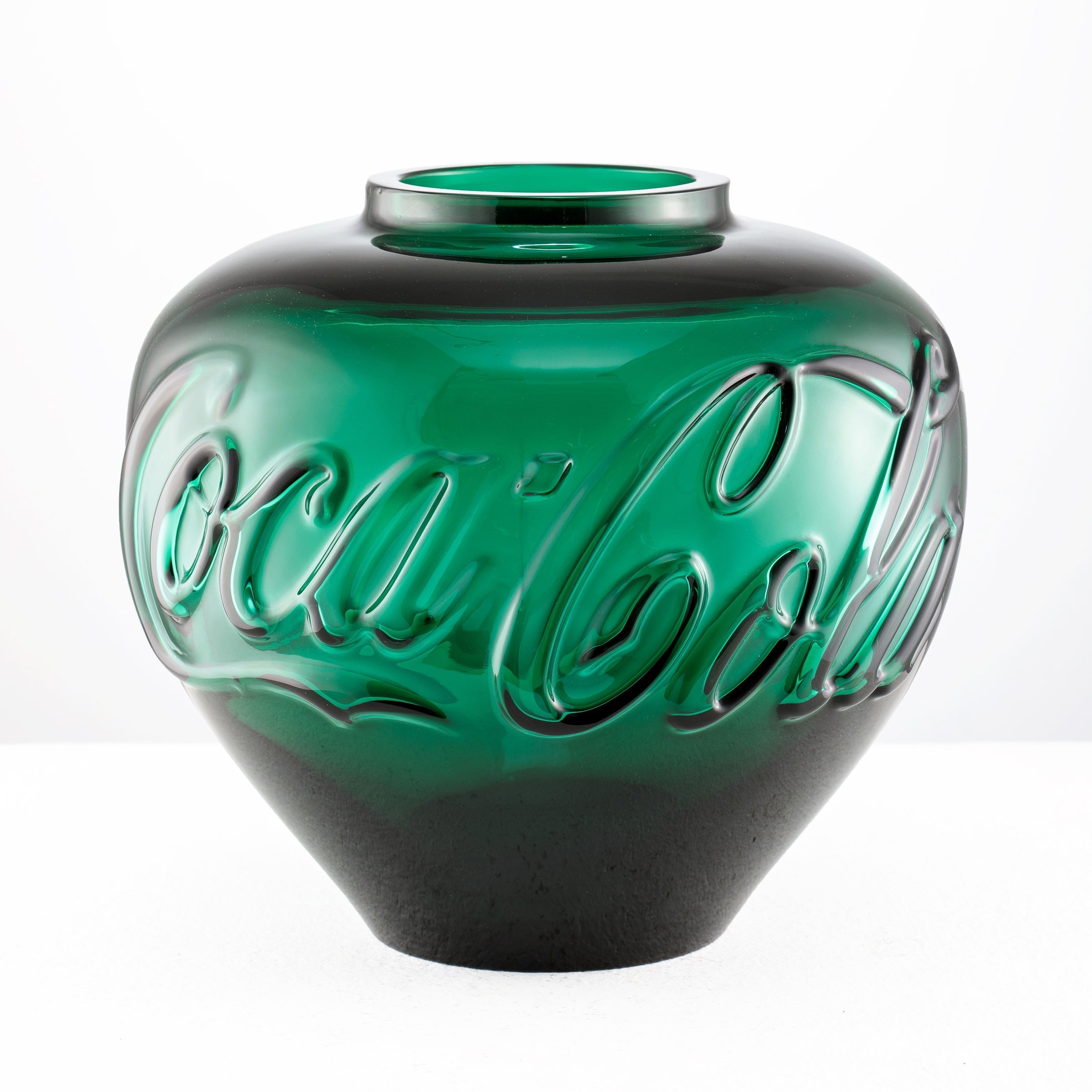
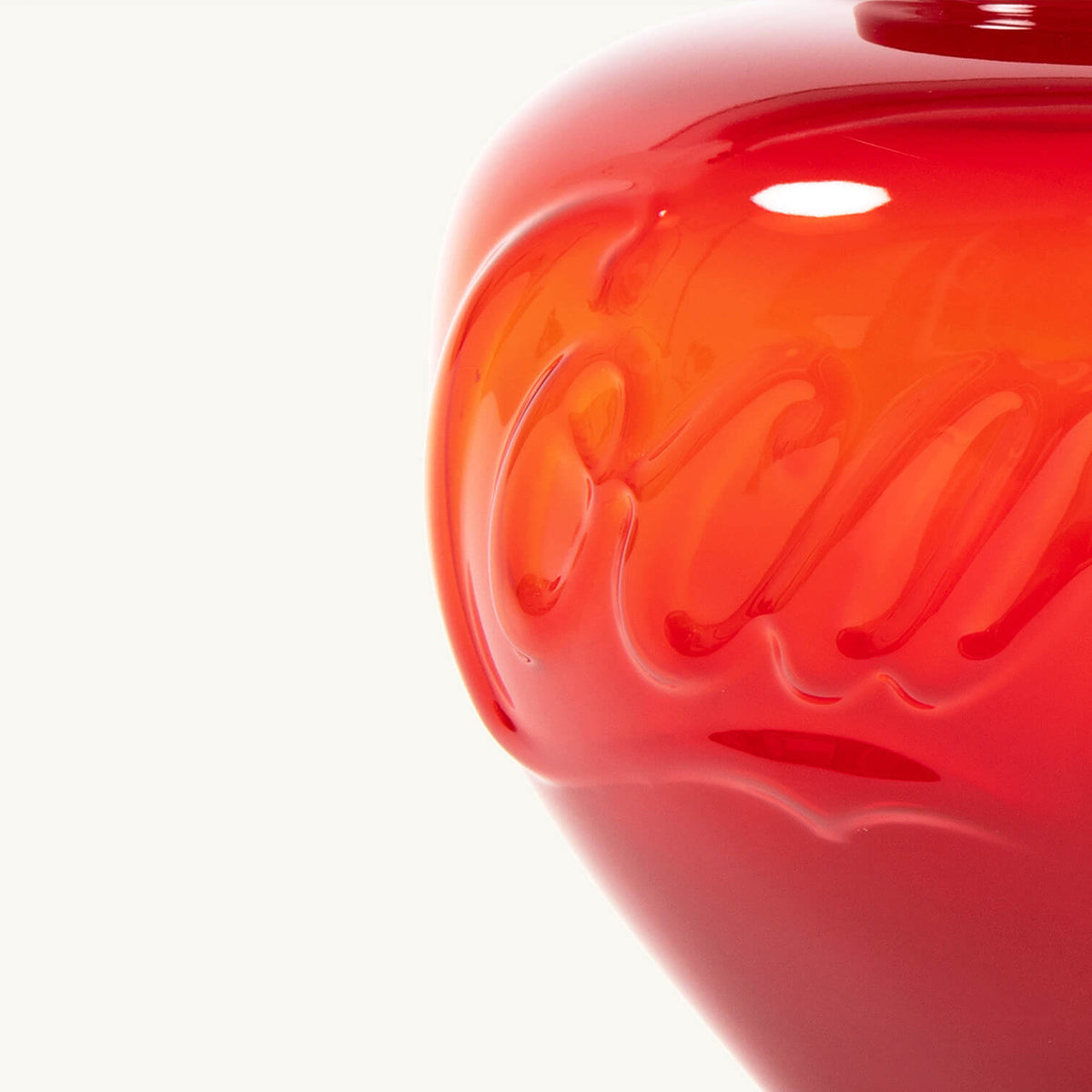
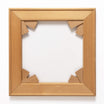
Ai Weiwei – Coca-Cola Glass VaseAi Weiwei - Coca-Cola Glass Vase
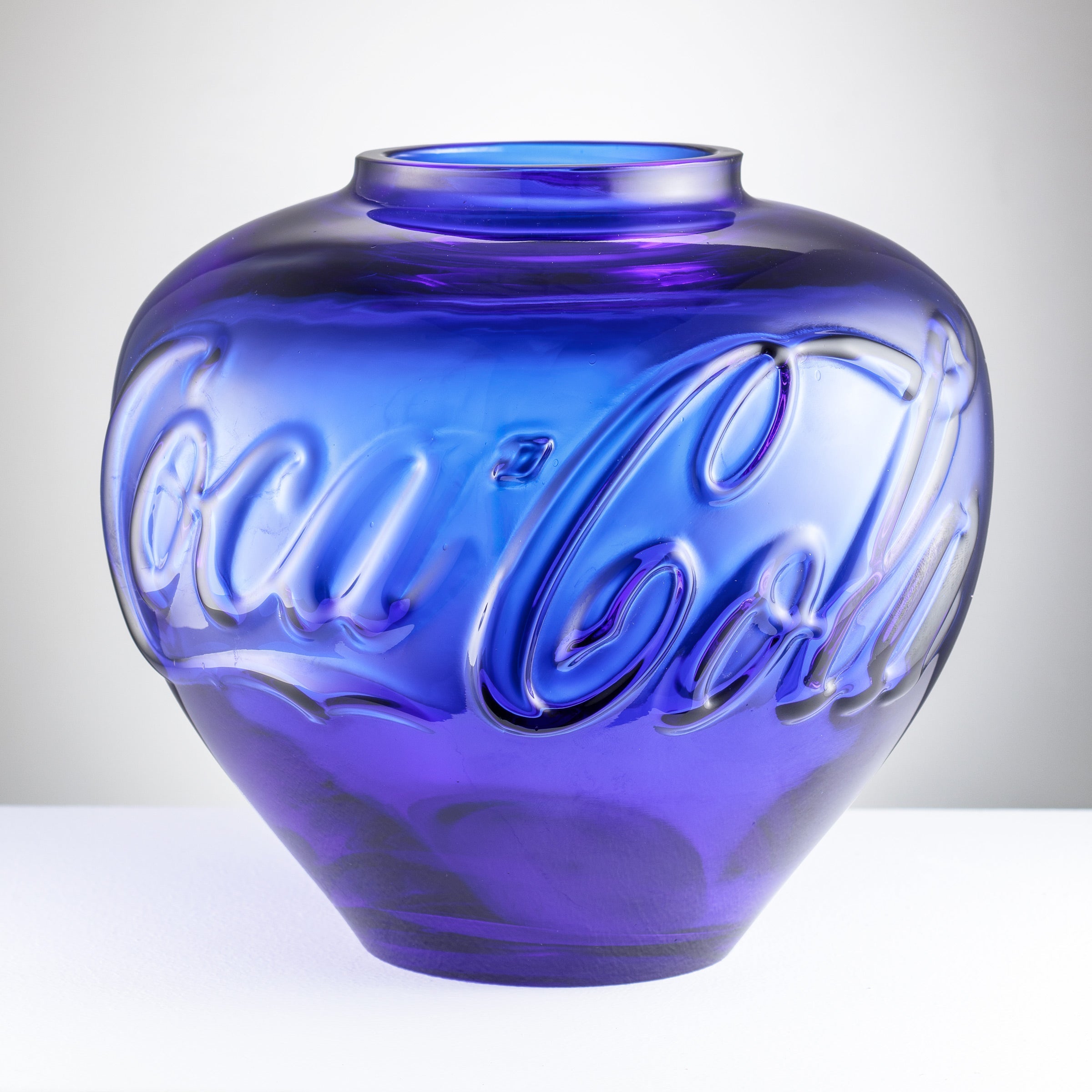
Ai Weiwei – Coca-Cola Glass Vase Sale price€6.000,00
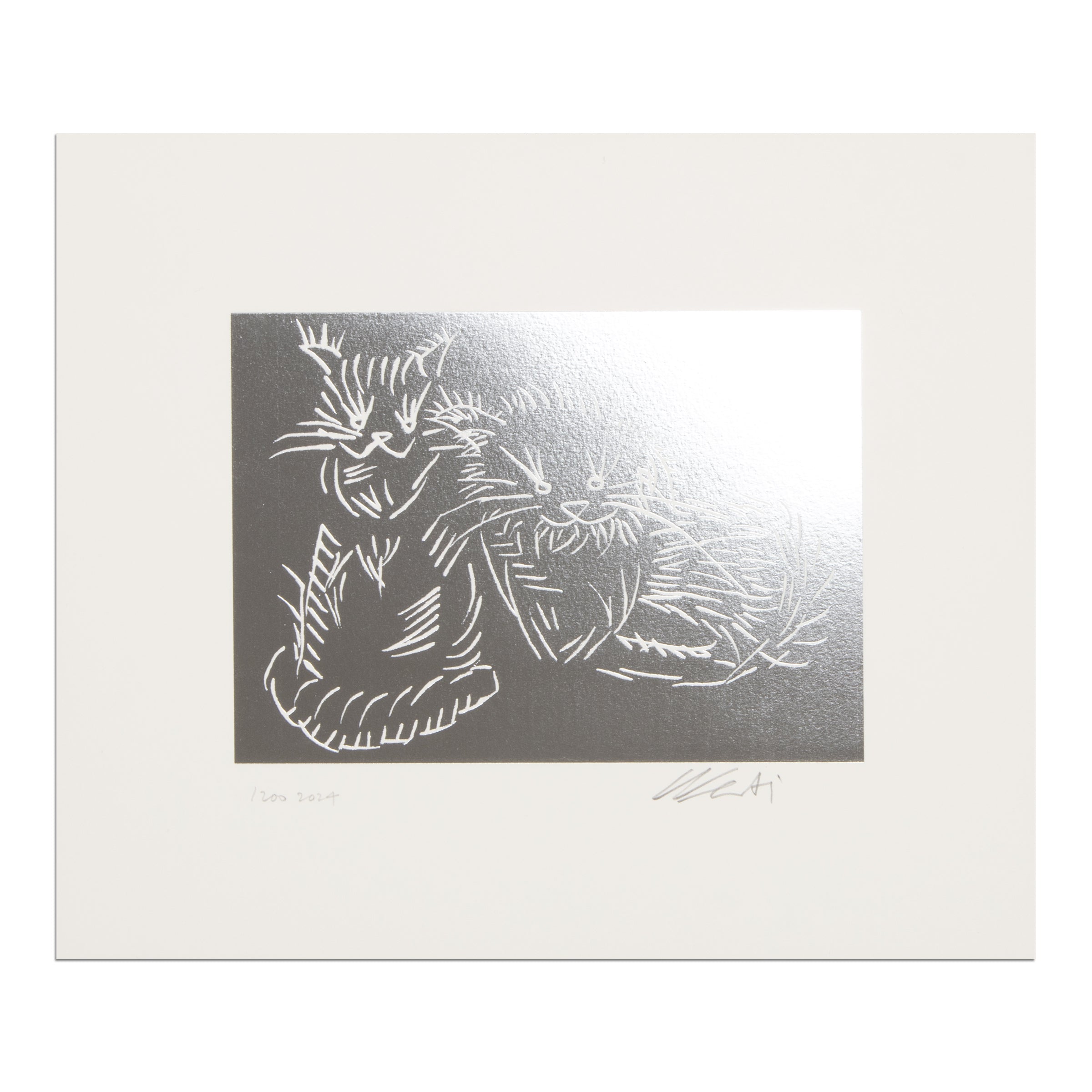
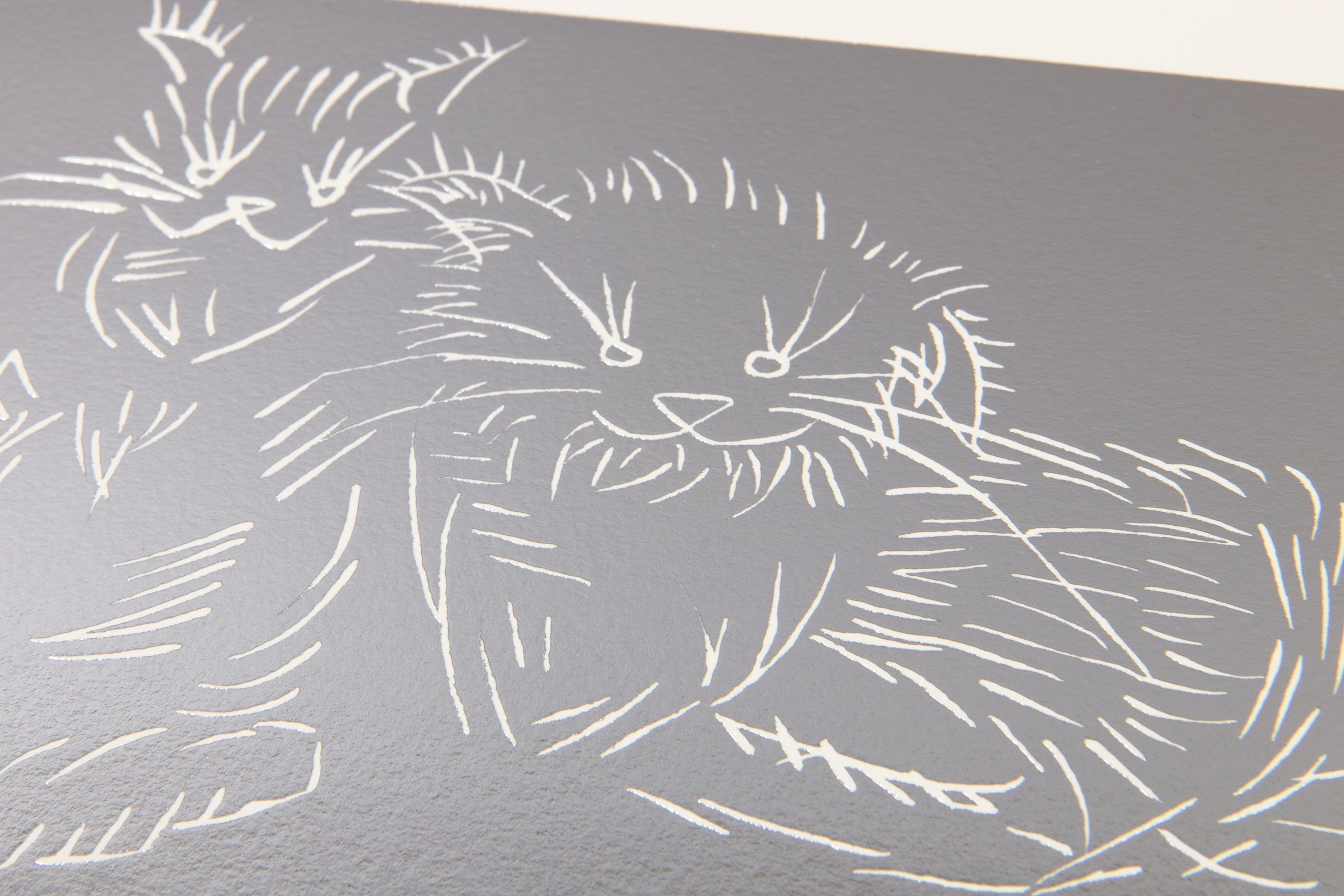
Ai Weiwei Cats Silver 2024 limited edition foil block print showing two cats, Maple and Birch, on wove paperDetail of Ai Weiwei Cats Silver foil artwork highlighting engraved cat figures and reflective texture
Ai Weiwei – Cats (Silver) Sale price€2.200,00
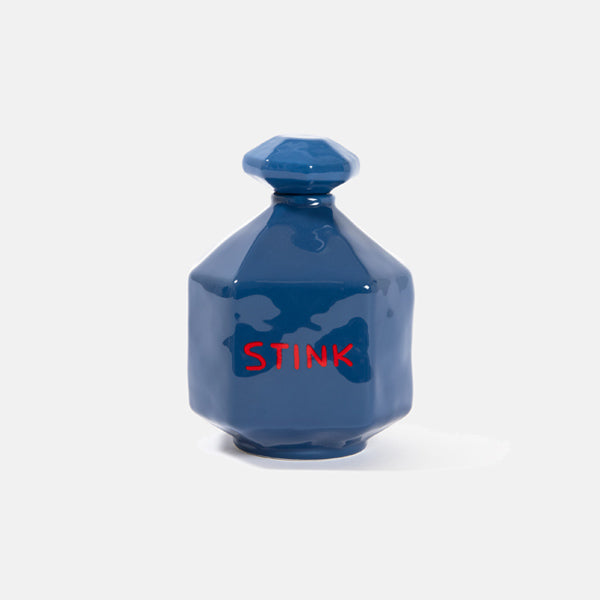
Ai Weiwei – Coca-Cola Vase (Blue) political art glass vase embossed with the Coca Cola logo
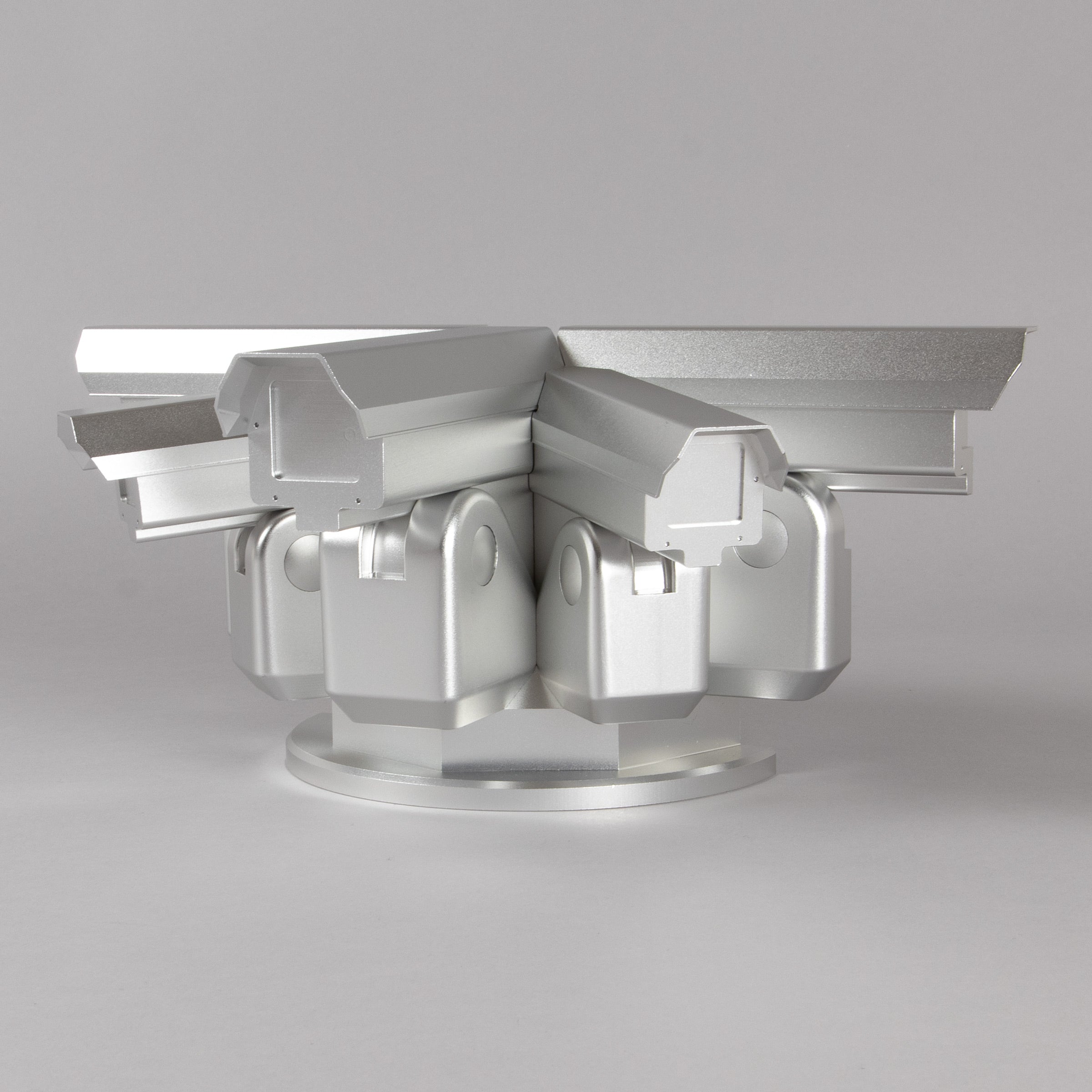
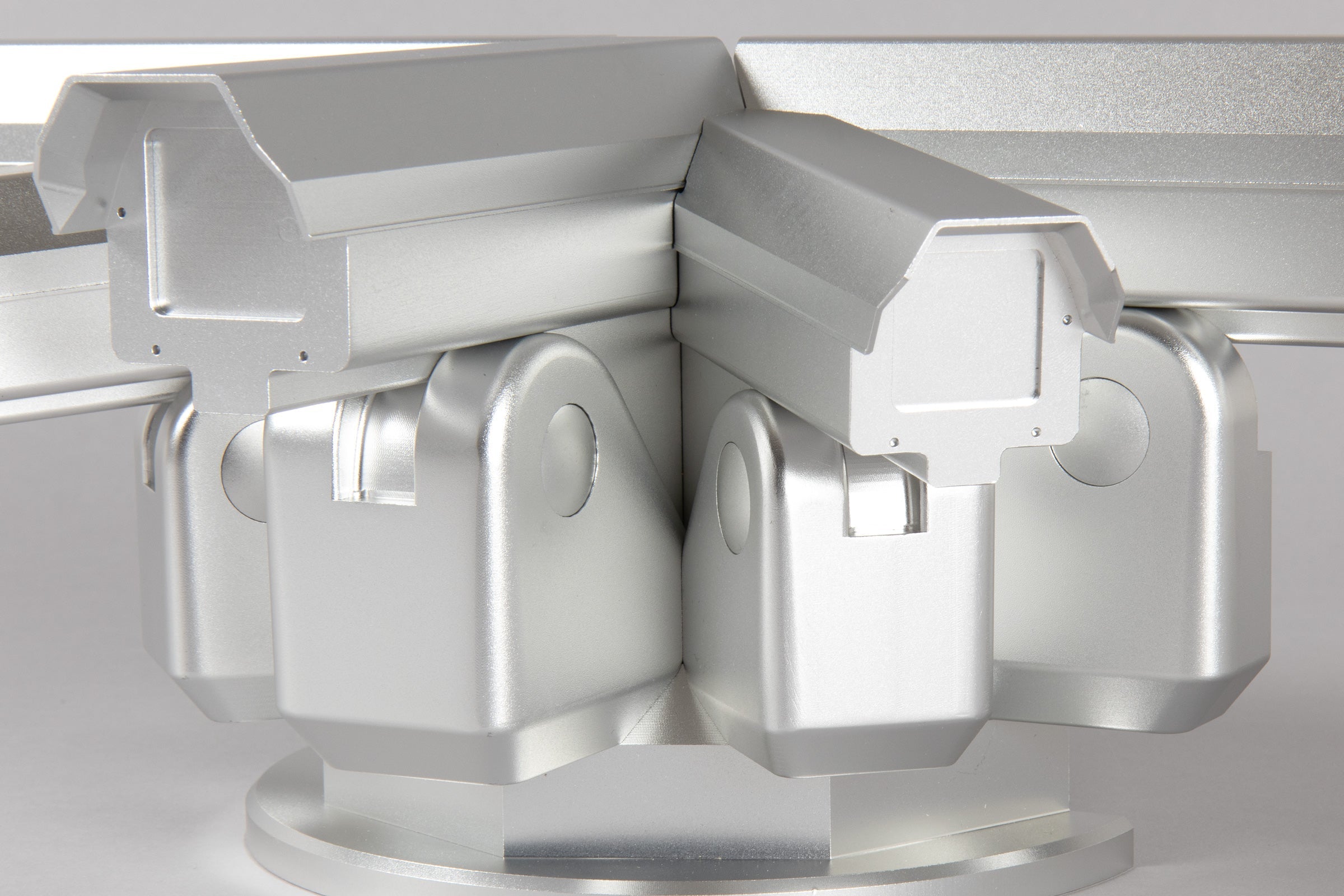
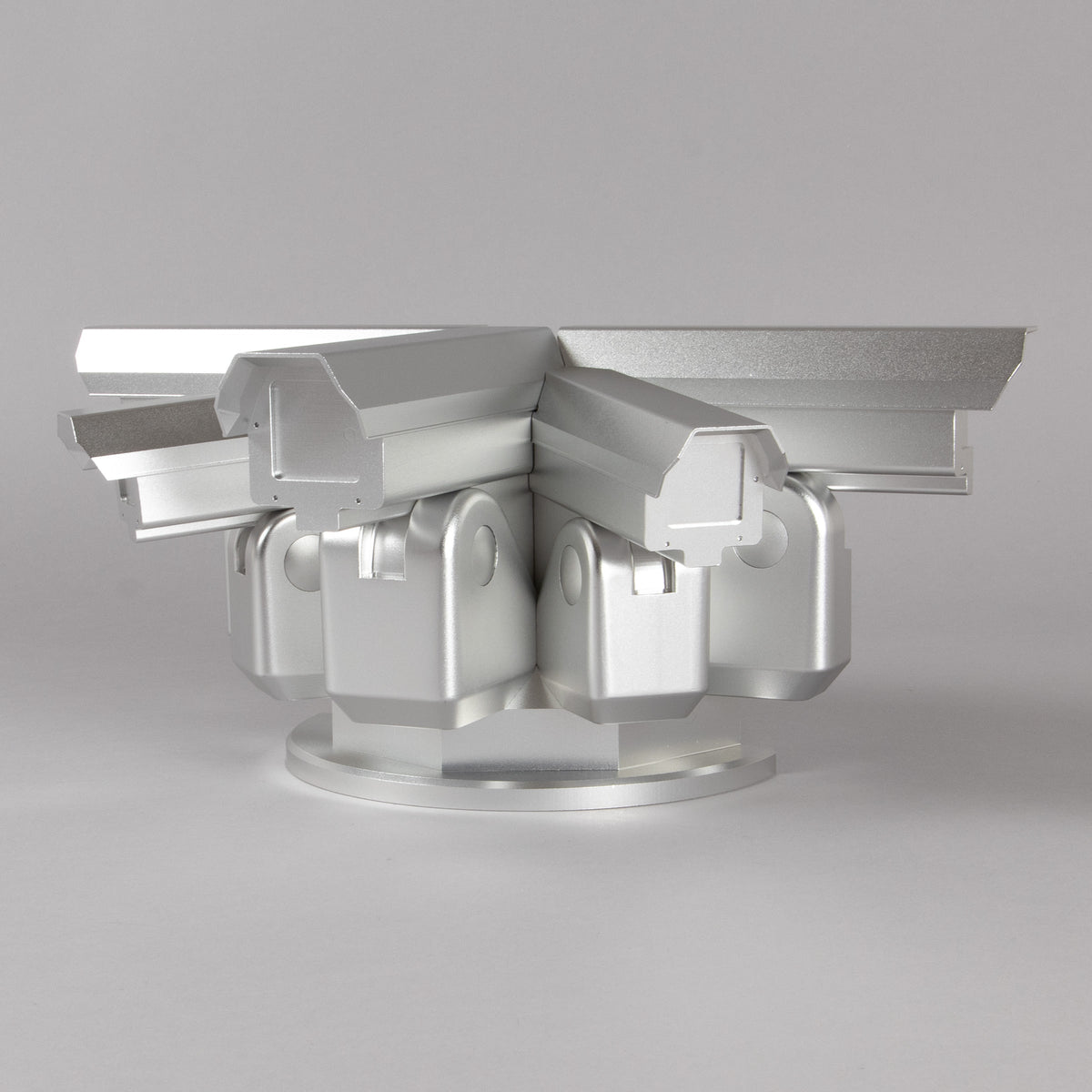
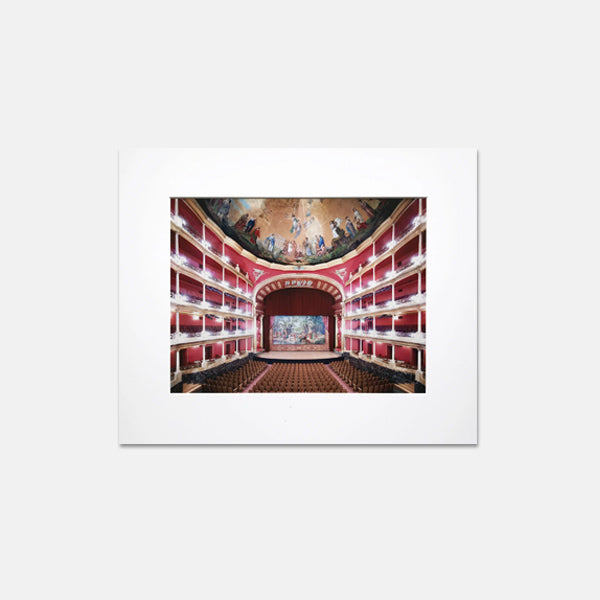
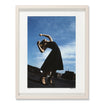
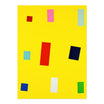
Ai Weiwei – To Be Looked At…Ai Weiwei – To Be Looked At…
Ai Weiwei – To Be Looked At… Sale price€6.400,00
Sold out
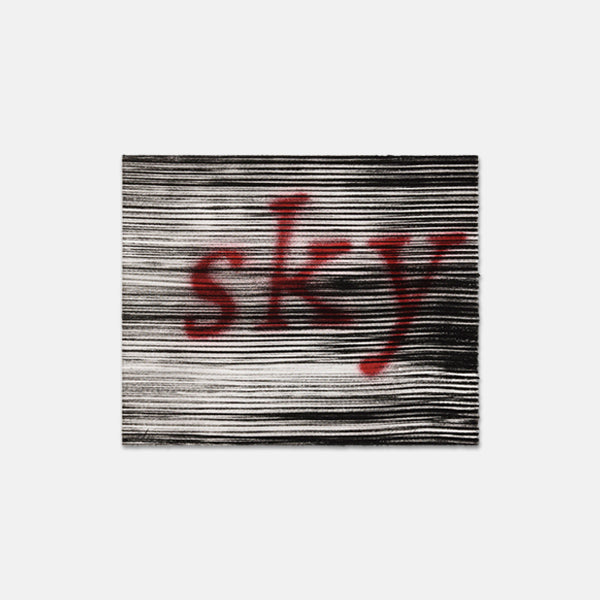
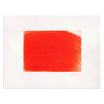
Ai Weiwei - Middle Finger in RedAi Weiwei - Middle Finger in Red
Ai Weiwei – Middle Finger in Red Sale price€1.800,00
Sold out
Ai Weiwei – Coca-Cola Vase (Green)
Ai Weiwei - Cats (Black)
01

Ai Weiwei Biography

Ai Weiwei (born 1957 in Beijing) grew up under exile before he understood what the word meant. His father, the celebrated poet Ai Qing, was denounced during the Anti-Rightist Campaign and sent with his family to a labour camp in China's remote northwest, where Weiwei spent much of his childhood. He later studied at the Beijing Film Academy before moving to New York in 1981, immersing himself for over a decade in a city that introduced him to Marcel Duchamp's readymades — found objects elevated to art through nothing but the artist's decision. That principle never left him.

Returning to Beijing in 1993 to care for his ailing father, Ai began applying Duchamp's logic to Chinese cultural inheritance itself. In 1994 he painted a Coca-Cola logo onto an authentic Han Dynasty urn; a year later he photographed himself dropping and shattering another. Both gestures asked the same uncomfortable question: what happens to the meaning of an object — sacred, historic, "priceless" — when an artist treats it as raw material rather than relic. He has called these works "cultural readymades," a term that captures his entire method: intervention as argument.

His political confrontations grew alongside his art. After investigating the shoddy construction that caused thousands of schoolchildren's deaths in the 2008 Sichuan earthquake, Ai was assaulted by police and later underwent emergency brain surgery. In 2011 he was detained for 81 days by Chinese authorities on charges widely regarded as retaliatory, an event that drew international condemnation and cemented his status as one of the world's most visible living dissidents.

His work has been the subject of major solo presentations at Tate Modern, the Hirshhorn Museum in Washington, D.C., and Munich's Haus der Kunst, alongside participation in the Venice Biennale and documenta — institutional recognition that has continued unabated despite, and often because of, his political confrontations. Ai Weiwei summarised his own practice as plainly as anyone could: "Everything is art. Everything is politics." Since receiving permission to leave China in 2015, he has lived and worked in Berlin, Cambridge, and now Montemor-o-Novo, Portugal.

Ai Weiwei - Middle Finger in Red
02

Famous Ai Weiwei Artworks

Sunflower Seeds (2010), his landmark installation at Tate Modern's Turbine Hall, covered 1,000 square metres of floor with 100 million individually hand-painted porcelain seeds, each crafted by artisans in Jingdezhen. Visitors initially walked across the piece before conservation concerns intervened — a work about mass production, anonymous labour, and the illusion of uniformity, experienced quite literally underfoot.

Coca-Cola Vase (1994), a genuine Han Dynasty vessel overpainted with the Coca-Cola logo, remains his most concise statement — global capitalism stamped onto two millennia of Chinese material culture. An edition from this ongoing series achieved $490,000 at Sotheby's New York in 2015.

Dropping a Han Dynasty Urn (1995), a triptych of black-and-white photographs documenting the artist mid-destruction of an authentic ancient vessel, became one of contemporary art's most reproduced and argued-over images — an act some read as vandalism, others as the sharpest possible critique of how China discards its own history while fetishising its relics.

Circle of Animals/Zodiac Heads (2010), Ai's reinterpretation of twelve looted 18th-century zodiac sculptures from Beijing's Old Summer Palace, became his auction record at $5.41 million at Phillips in 2015 — bronze heads standing in for originals scattered by war and colonial plunder, several still missing.

Ai Weiwei – To Be Looked At…
03

Ai Weiwei Prints & Editions

For Ai, the edition is not a lesser echo of a unique original — it is the format his central argument depends on. Many of his most consequential works exist only as editions: Circle of Animals, in bronze runs of six or eight; the Coca-Cola Vase series, continually reinterpreted across new vessels and new runs; screenprints and digital prints issued in editions from 100 to over 1,000. Scale of distribution is not incidental to his practice — it is frequently the point, echoing his stated belief that art's value lies partly in how widely an idea can travel.

His prints and multiples — including History of Bombs, Cats, and the Study of Perspective middle-finger series — translate the same directness that defines his sculptures and installations into accessible, collectible formats. Sotheby's has noted that Ai Weiwei editions function as a genuine entry point into a major conceptual practice, typically starting in the low five figures for significant works, with rarer examples reaching considerably higher.

For collectors, Ai Weiwei's editions offer direct access to an artist whose every object carries the weight of an argument. Works are held in the permanent collections of Tate, MoMA, and the Centre Pompidou.

01

Ai Weiwei Biography

Ai Weiwei (born 1957 in Beijing) grew up under exile before he understood what the word meant. His father, the celebrated poet Ai Qing, was denounced during the Anti-Rightist Campaign and sent with his family to a labour camp in China's remote northwest, where Weiwei spent much of his childhood. He later studied at the Beijing Film Academy before moving to New York in 1981, immersing himself for over a decade in a city that introduced him to Marcel Duchamp's readymades — found objects elevated to art through nothing but the artist's decision. That principle never left him.

Returning to Beijing in 1993 to care for his ailing father, Ai began applying Duchamp's logic to Chinese cultural inheritance itself. In 1994 he painted a Coca-Cola logo onto an authentic Han Dynasty urn; a year later he photographed himself dropping and shattering another. Both gestures asked the same uncomfortable question: what happens to the meaning of an object — sacred, historic, "priceless" — when an artist treats it as raw material rather than relic. He has called these works "cultural readymades," a term that captures his entire method: intervention as argument.

His political confrontations grew alongside his art. After investigating the shoddy construction that caused thousands of schoolchildren's deaths in the 2008 Sichuan earthquake, Ai was assaulted by police and later underwent emergency brain surgery. In 2011 he was detained for 81 days by Chinese authorities on charges widely regarded as retaliatory, an event that drew international condemnation and cemented his status as one of the world's most visible living dissidents.

His work has been the subject of major solo presentations at Tate Modern, the Hirshhorn Museum in Washington, D.C., and Munich's Haus der Kunst, alongside participation in the Venice Biennale and documenta — institutional recognition that has continued unabated despite, and often because of, his political confrontations. Ai Weiwei summarised his own practice as plainly as anyone could: "Everything is art. Everything is politics." Since receiving permission to leave China in 2015, he has lived and worked in Berlin, Cambridge, and now Montemor-o-Novo, Portugal.

02

Famous Ai Weiwei Artworks

Sunflower Seeds (2010), his landmark installation at Tate Modern's Turbine Hall, covered 1,000 square metres of floor with 100 million individually hand-painted porcelain seeds, each crafted by artisans in Jingdezhen. Visitors initially walked across the piece before conservation concerns intervened — a work about mass production, anonymous labour, and the illusion of uniformity, experienced quite literally underfoot.

Coca-Cola Vase (1994), a genuine Han Dynasty vessel overpainted with the Coca-Cola logo, remains his most concise statement — global capitalism stamped onto two millennia of Chinese material culture. An edition from this ongoing series achieved $490,000 at Sotheby's New York in 2015.

Dropping a Han Dynasty Urn (1995), a triptych of black-and-white photographs documenting the artist mid-destruction of an authentic ancient vessel, became one of contemporary art's most reproduced and argued-over images — an act some read as vandalism, others as the sharpest possible critique of how China discards its own history while fetishising its relics.

Circle of Animals/Zodiac Heads (2010), Ai's reinterpretation of twelve looted 18th-century zodiac sculptures from Beijing's Old Summer Palace, became his auction record at $5.41 million at Phillips in 2015 — bronze heads standing in for originals scattered by war and colonial plunder, several still missing.

03

Ai Weiwei Prints & Editions

For Ai, the edition is not a lesser echo of a unique original — it is the format his central argument depends on. Many of his most consequential works exist only as editions: Circle of Animals, in bronze runs of six or eight; the Coca-Cola Vase series, continually reinterpreted across new vessels and new runs; screenprints and digital prints issued in editions from 100 to over 1,000. Scale of distribution is not incidental to his practice — it is frequently the point, echoing his stated belief that art's value lies partly in how widely an idea can travel.

His prints and multiples — including History of Bombs, Cats, and the Study of Perspective middle-finger series — translate the same directness that defines his sculptures and installations into accessible, collectible formats. Sotheby's has noted that Ai Weiwei editions function as a genuine entry point into a major conceptual practice, typically starting in the low five figures for significant works, with rarer examples reaching considerably higher.

For collectors, Ai Weiwei's editions offer direct access to an artist whose every object carries the weight of an argument. Works are held in the permanent collections of Tate, MoMA, and the Centre Pompidou.

Ai Weiwei - Cats (Black)Ai Weiwei - Middle Finger in RedAi Weiwei – To Be Looked At…

Ai Weiwei: Key Questions

Collecting Ai Weiwei?

Looking for a specific artwork or have a question about an edition? We're happy to advise on availability, pricing, condition, and provenance — and to source artworks beyond our current selection.

Contact us

Prints, Photographs & Multiples

View our full collection of

Prints, Photographs & Multiples

Explore editions