


About Ai Weiwei
Ai Weiwei (born 1957, Beijing) is one of the most influential contemporary artists and political activists of his generation. Internationally renowned for his provocative artworks, he confronts systems of power, censorship, and control while addressing urgent global issues such as human rights, migration, state violence, and freedom of expression. While his early focus centered on authoritarian structures in China, his practice has increasingly examined political and social developments in the West, positioning his work within a broader global discourse.
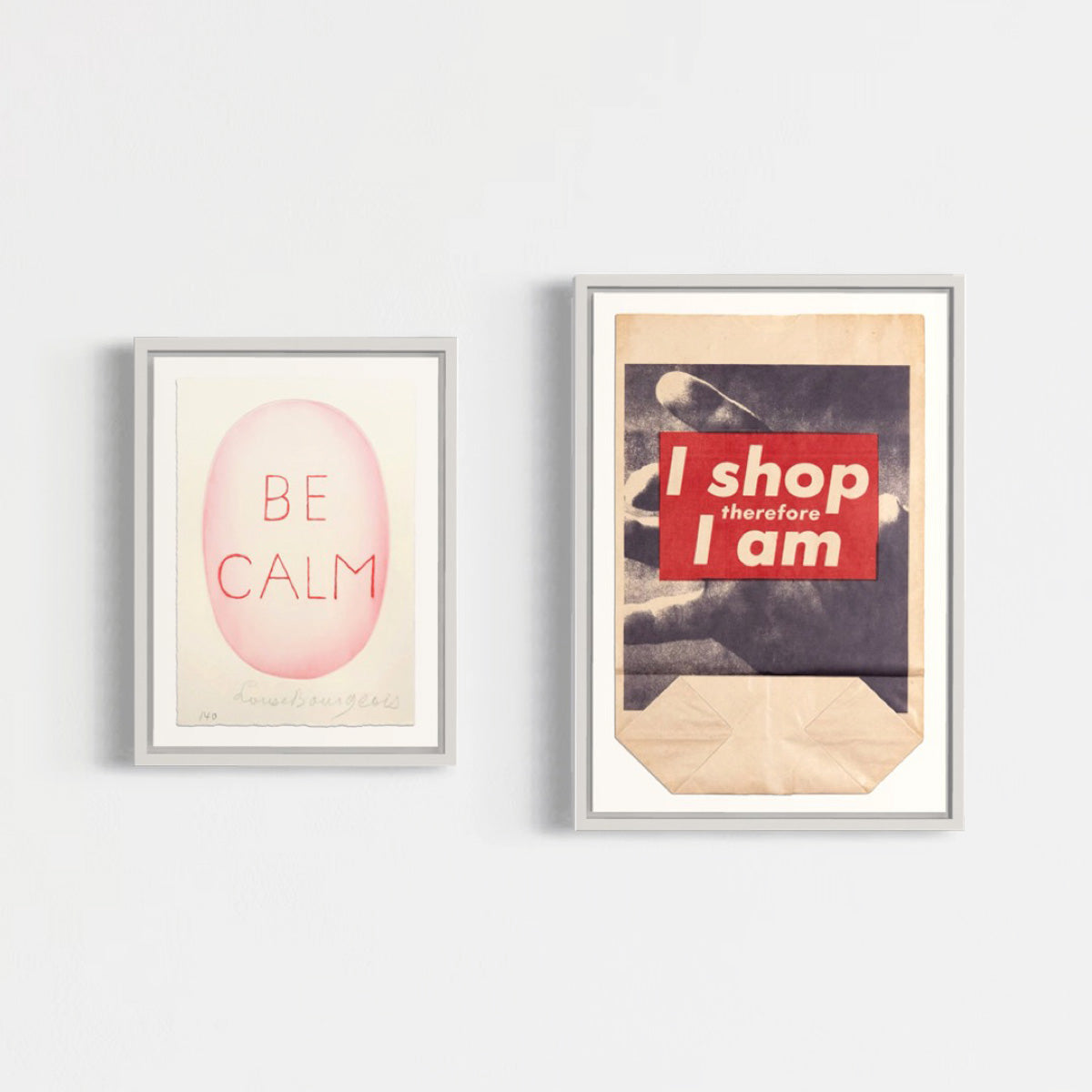
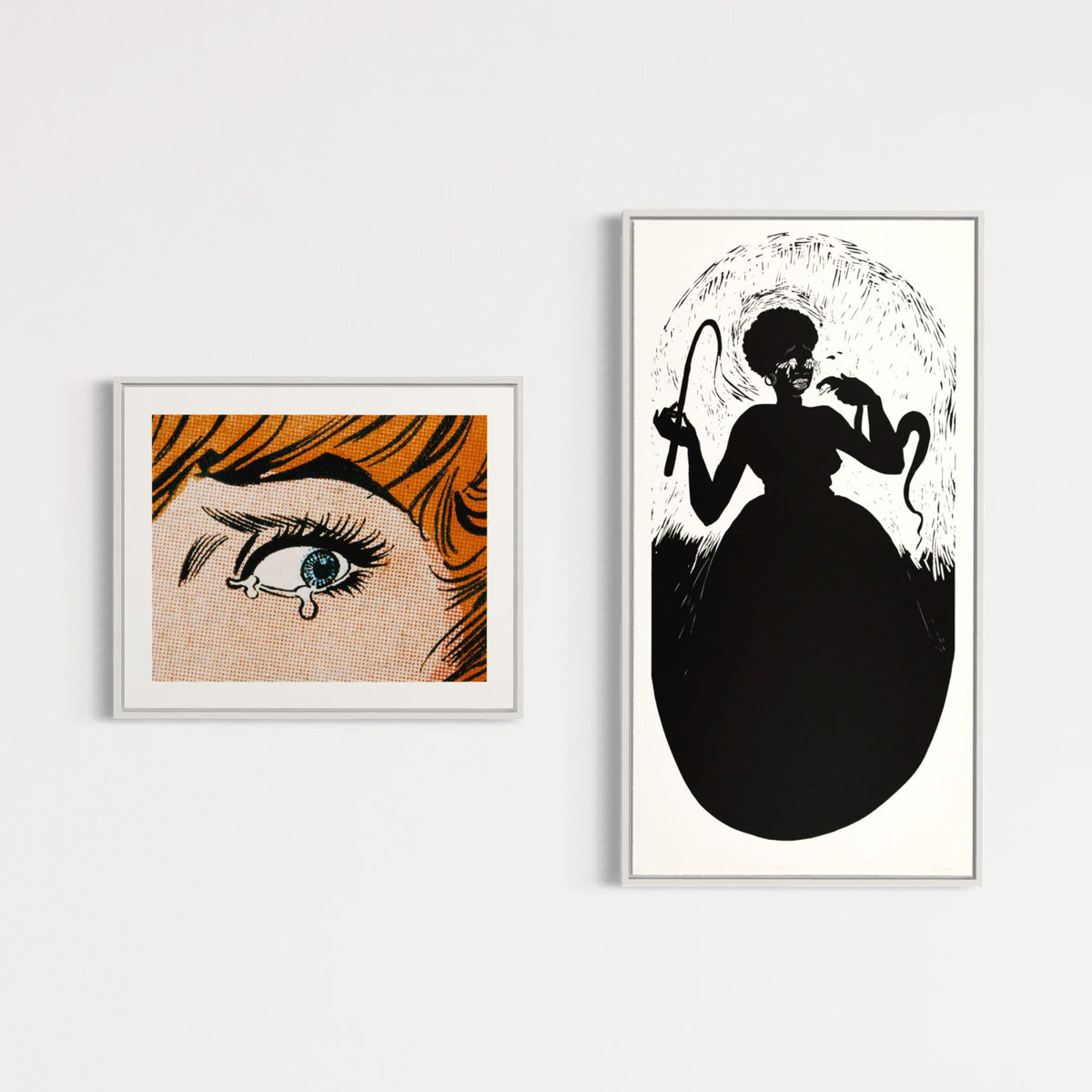
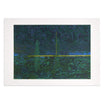
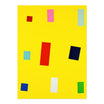
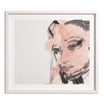
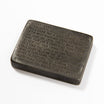
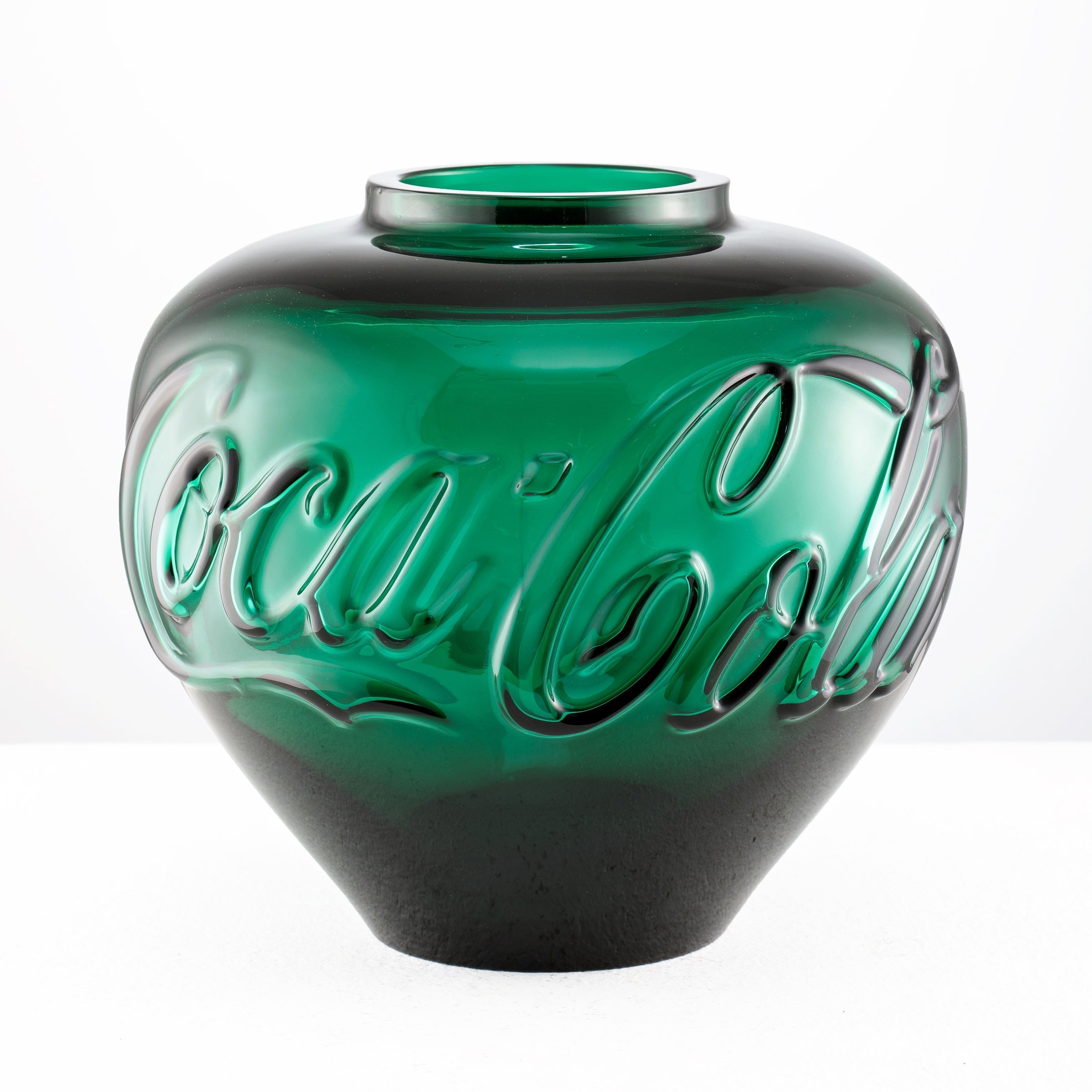
Working across sculpture, installation, photography, film, architecture, and printmaking, Ai Weiwei consistently blurs the boundary between art and activism. His limited edition prints and multiples translate complex political ideas into accessible formats, extending his critique of oppression, nationalism, and mass consumption to a wider audience of collectors and institutions.
In 2011, Ai Weiwei was detained by Chinese authorities for 81 days on allegations of "economic crimes," an event that sparked international protest and further cemented his status as a symbol of artistic freedom. After being allowed to leave China in 2015, he has lived and worked in cities including Berlin, Cambridge, and Lisbon.
Ai Weiwei's artworks and prints have been exhibited at major institutions worldwide, including Tate Modern, the Victoria and Albert Museum, Haus der Kunst, Kunsthaus Bregenz, the Mori Art Museum, the São Paulo Biennial, and documenta 12. Through his multidisciplinary practice, Ai Weiwei continues to challenge institutions and audiences alike, reaffirming the power of art as a tool for critical reflection and civic engagement.


