


About Ai Weiwei
Ai Weiwei (born 1957 in Beijing) is a leading Chinese conceptual artist, activist, and public intellectual whose work critically examines power, freedom of expression, and global politics. Emerging in the 1990s as a central figure in China’s contemporary art scene, Ai gained international recognition for artworks that confront censorship, state authority, and the fragility of individual rights.
Working across sculpture, installation, photography, film, architecture, and print, Ai Weiwei consistently merges artistic practice with social engagement. His projects address themes such as human rights, migration, surveillance, cultural memory, and the impact of globalization. Whether reworking ancient artifacts, documenting refugee crises, or employing industrial materials at monumental scale, his artworks function as both aesthetic propositions and political statements.
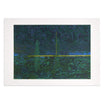
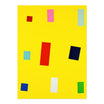
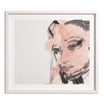
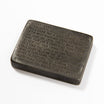
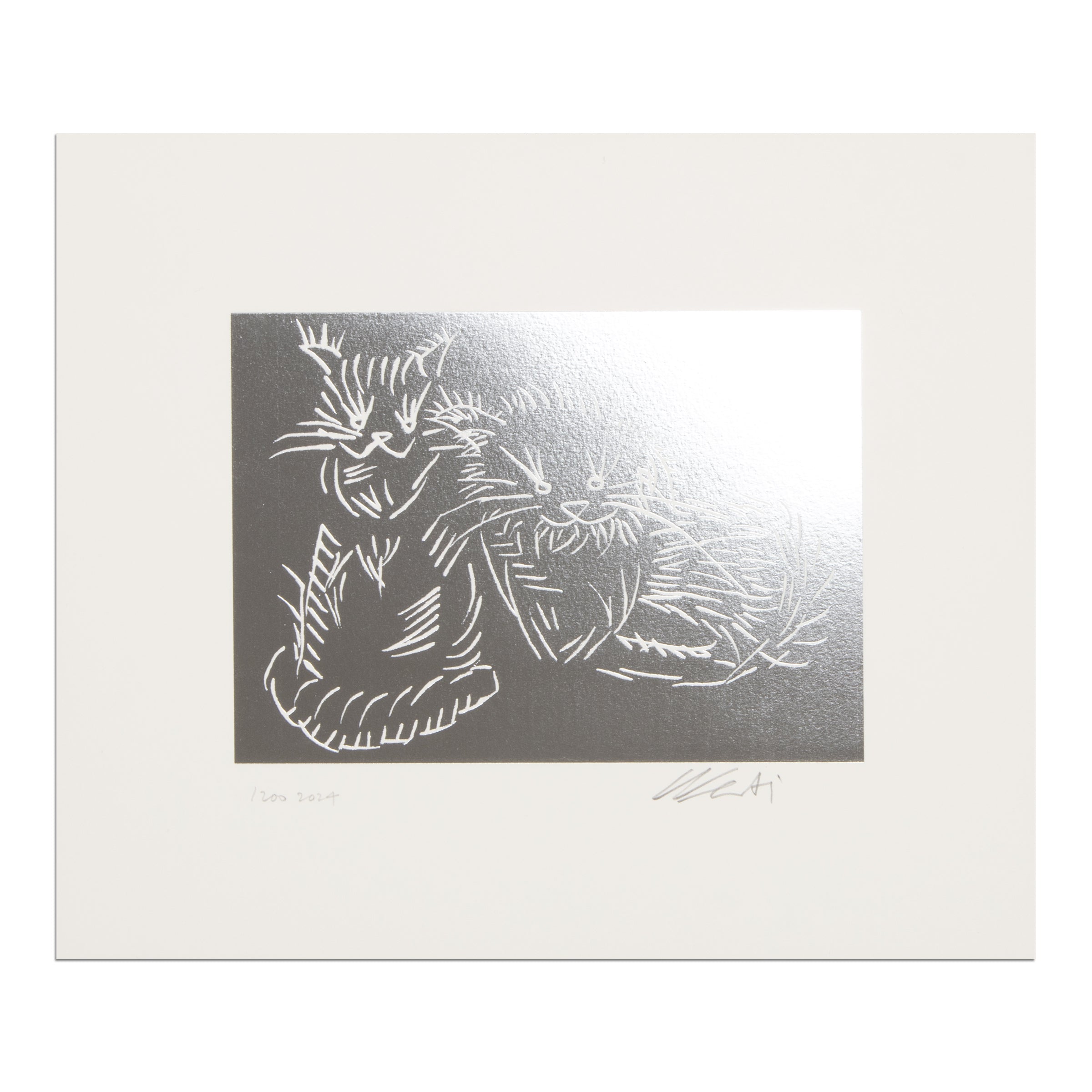
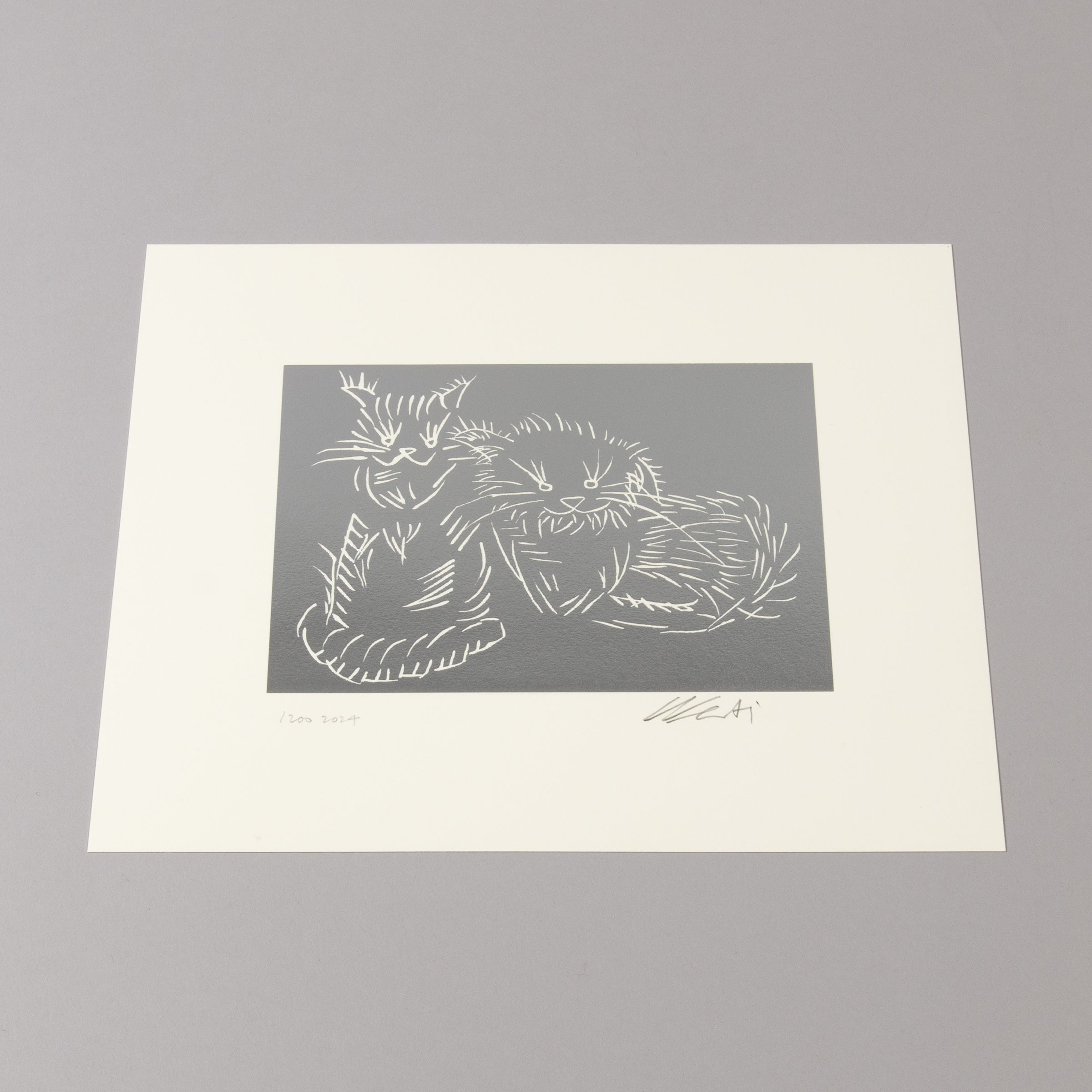
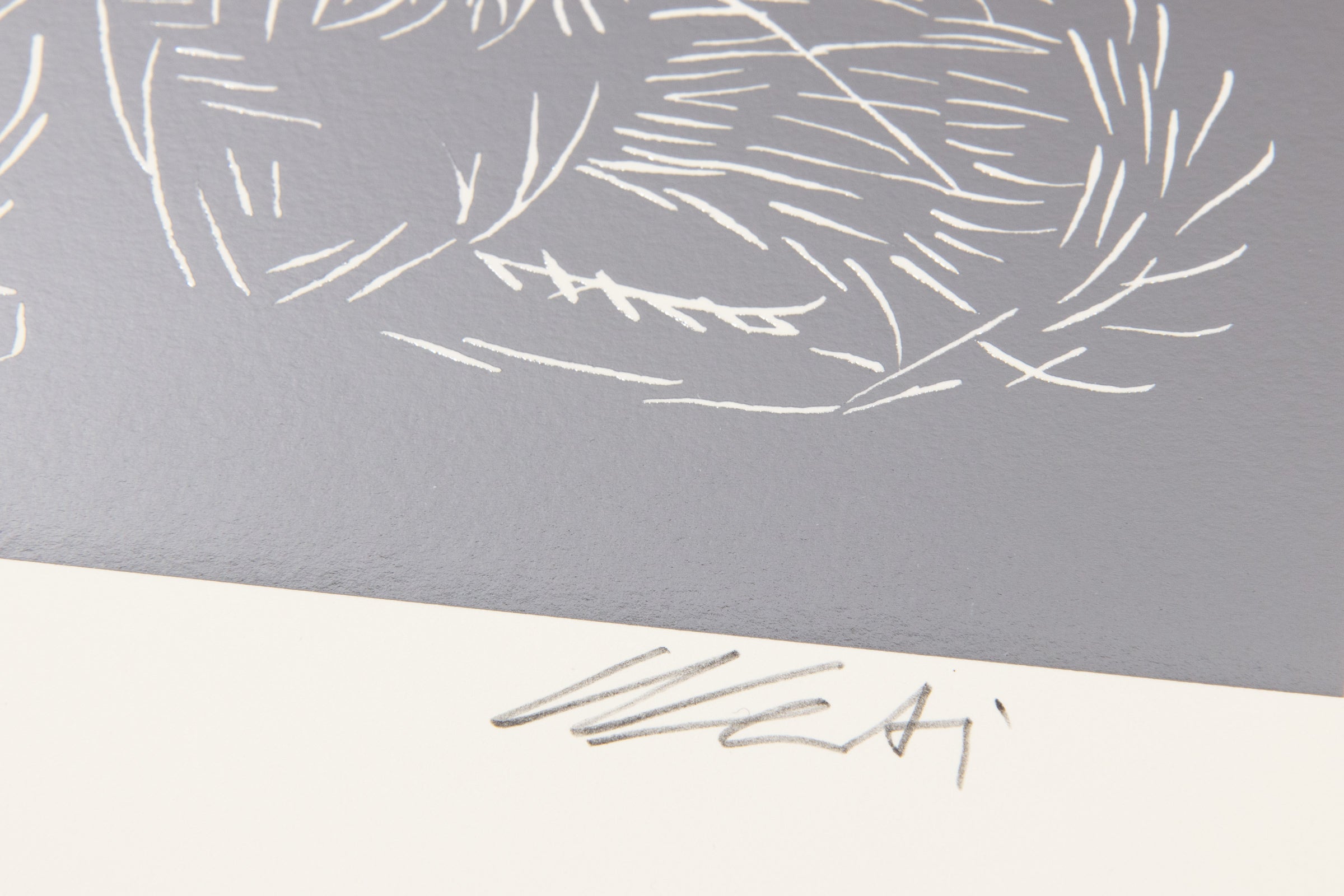
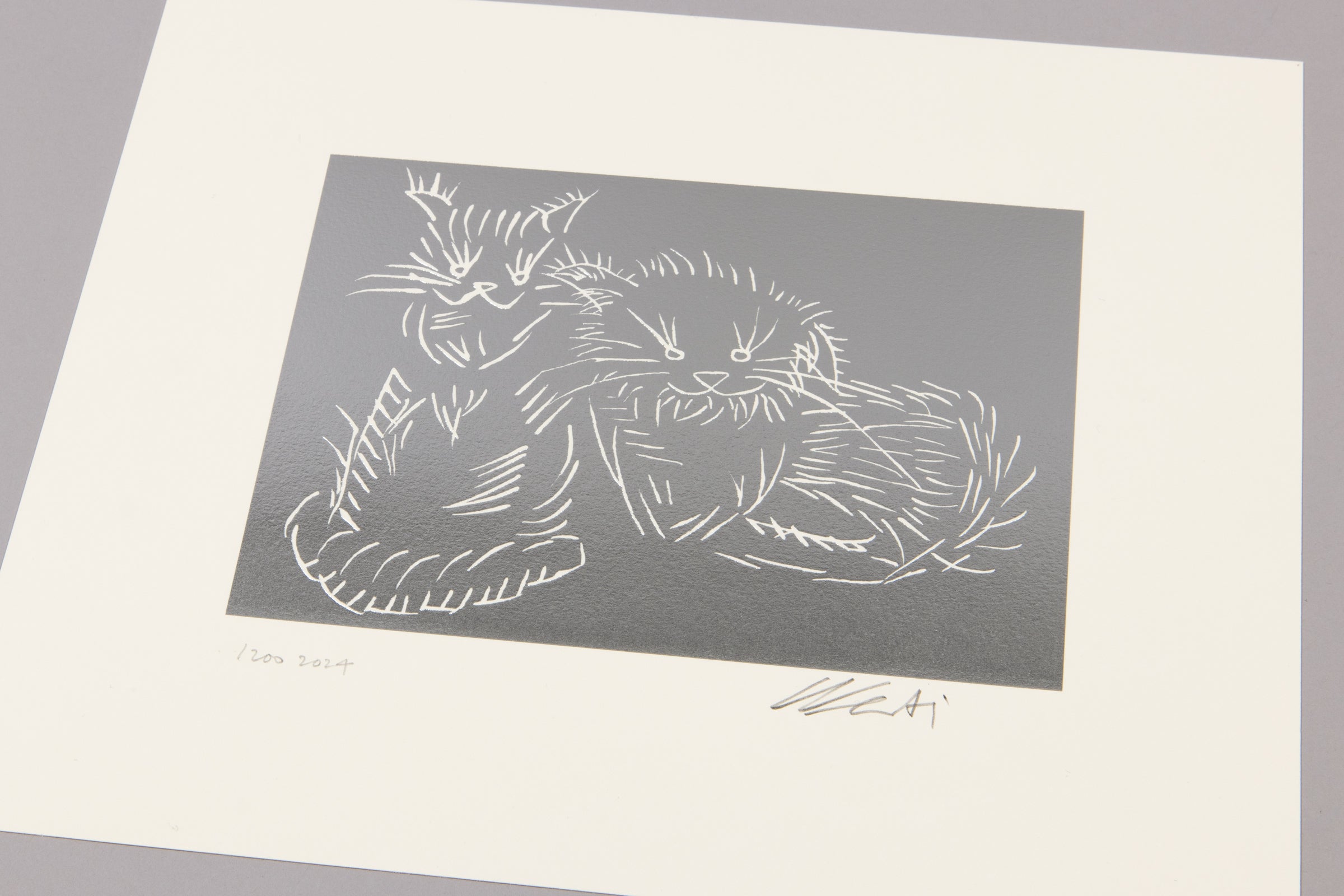
Prints and limited editions play a significant role within his practice. Through these formats, Ai translates conceptual and activist concerns into accessible, collectible works that retain the clarity and directness of his larger installations. The editioned medium allows for broader dissemination while preserving the critical edge that defines his oeuvre.
In 2011, Ai Weiwei was detained by Chinese authorities for 81 days, an event that intensified international attention on his activism and further solidified his status as a symbol of artistic and civic resistance. Since being permitted to leave China in 2015, he has lived and worked internationally, continuing to produce artworks that interrogate systems of power on a global scale.


