









Grayson Perry

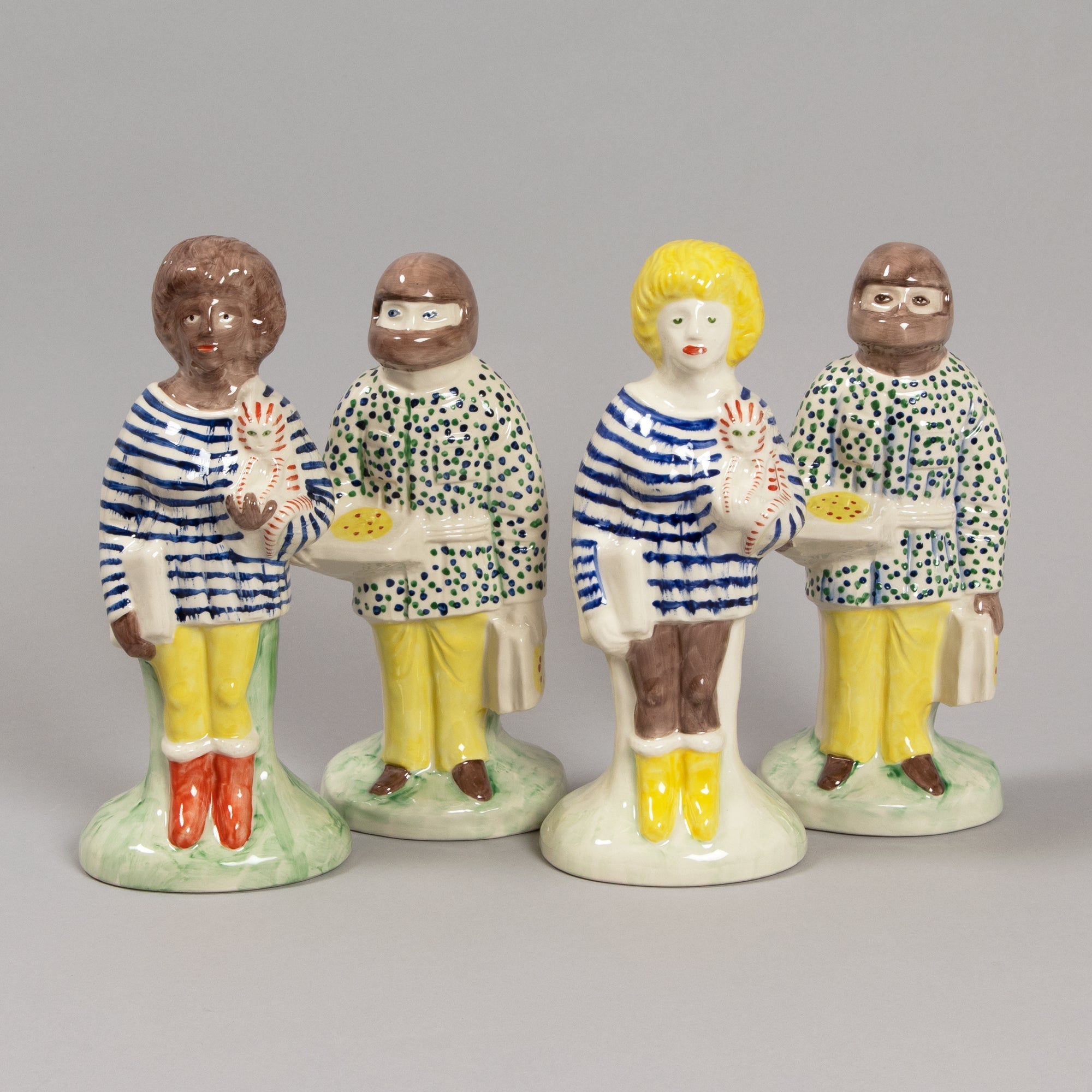
In 2003, Grayson Perry became the first ceramic artist ever to win the Turner Prize — and collected it dressed as Claire, his female alter ego, whom he has described in his own words as a "transvestite" persona rather than a gender identity he holds continuously. His vases look, from across a room, like elegant classical pottery; step closer and the glaze reveals scenes of domestic violence, class anxiety, and British hypocrisy. He calls it "seductive camouflage" — beauty deployed deliberately to get an uncomfortable idea past the viewer's guard. Works held at Tate and the Victoria and Albert Museum.
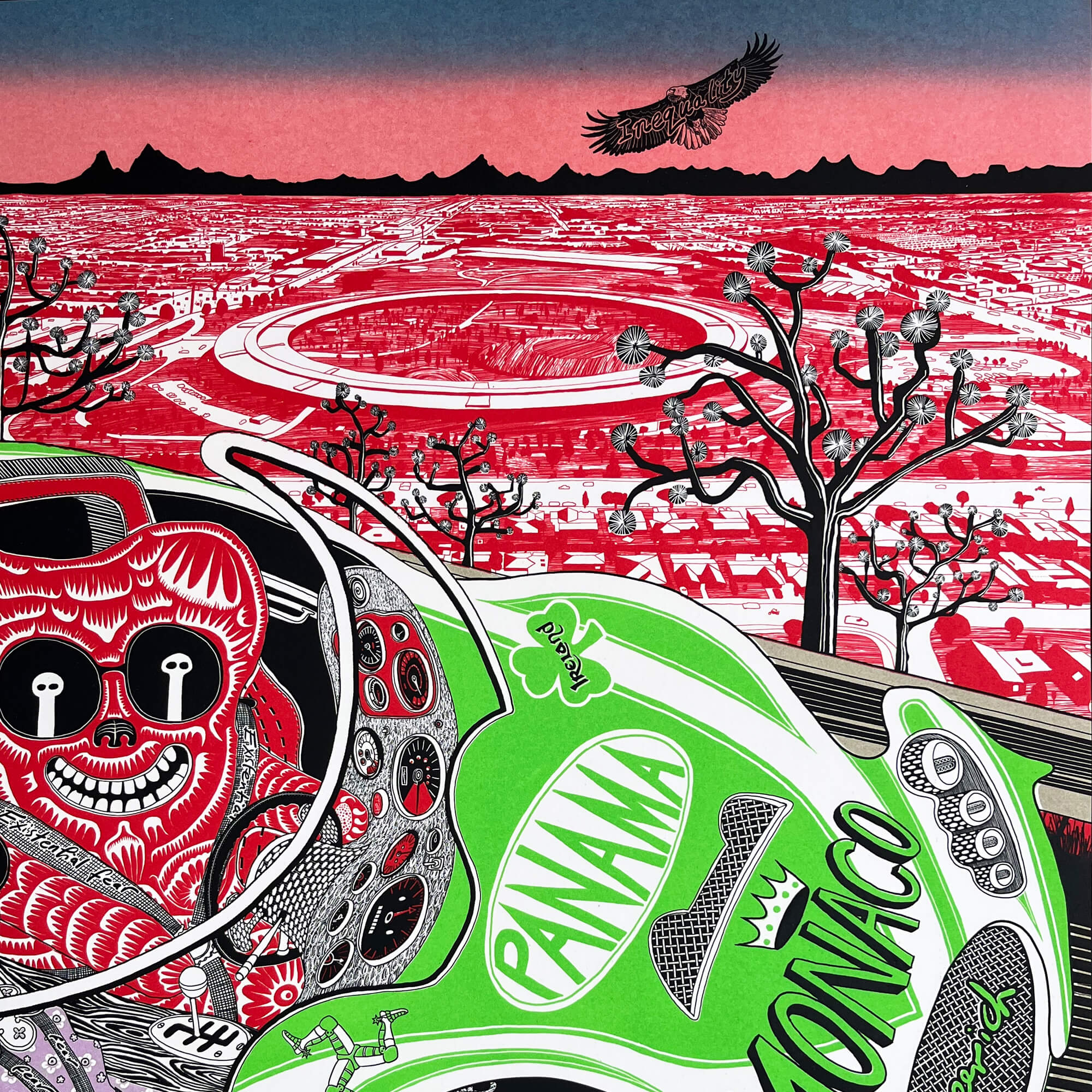
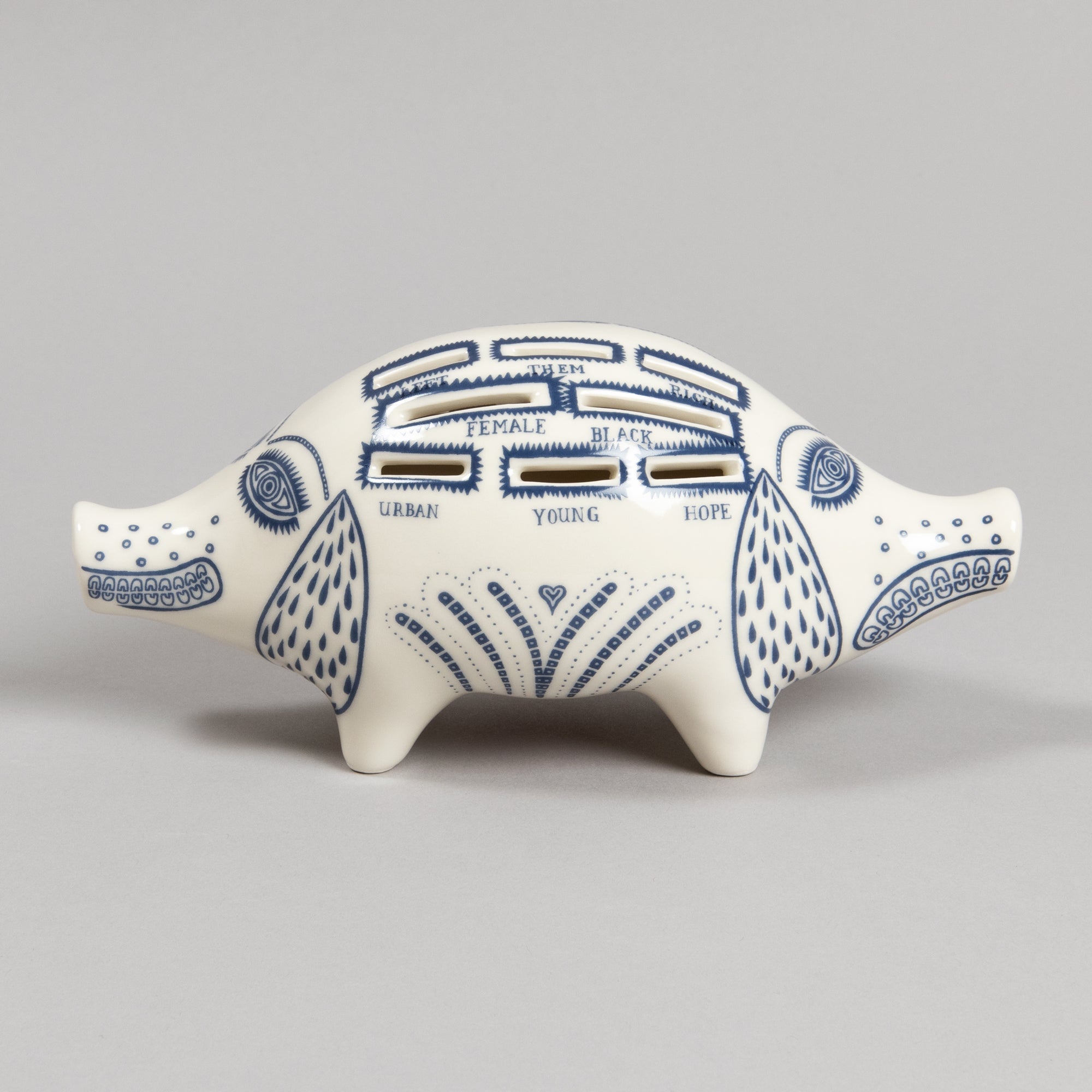
Browse signed Grayson Perry prints and editions now.
Available Prints & Editions
4 products




Grayson Perry Biography

Famous Grayson Perry Artworks

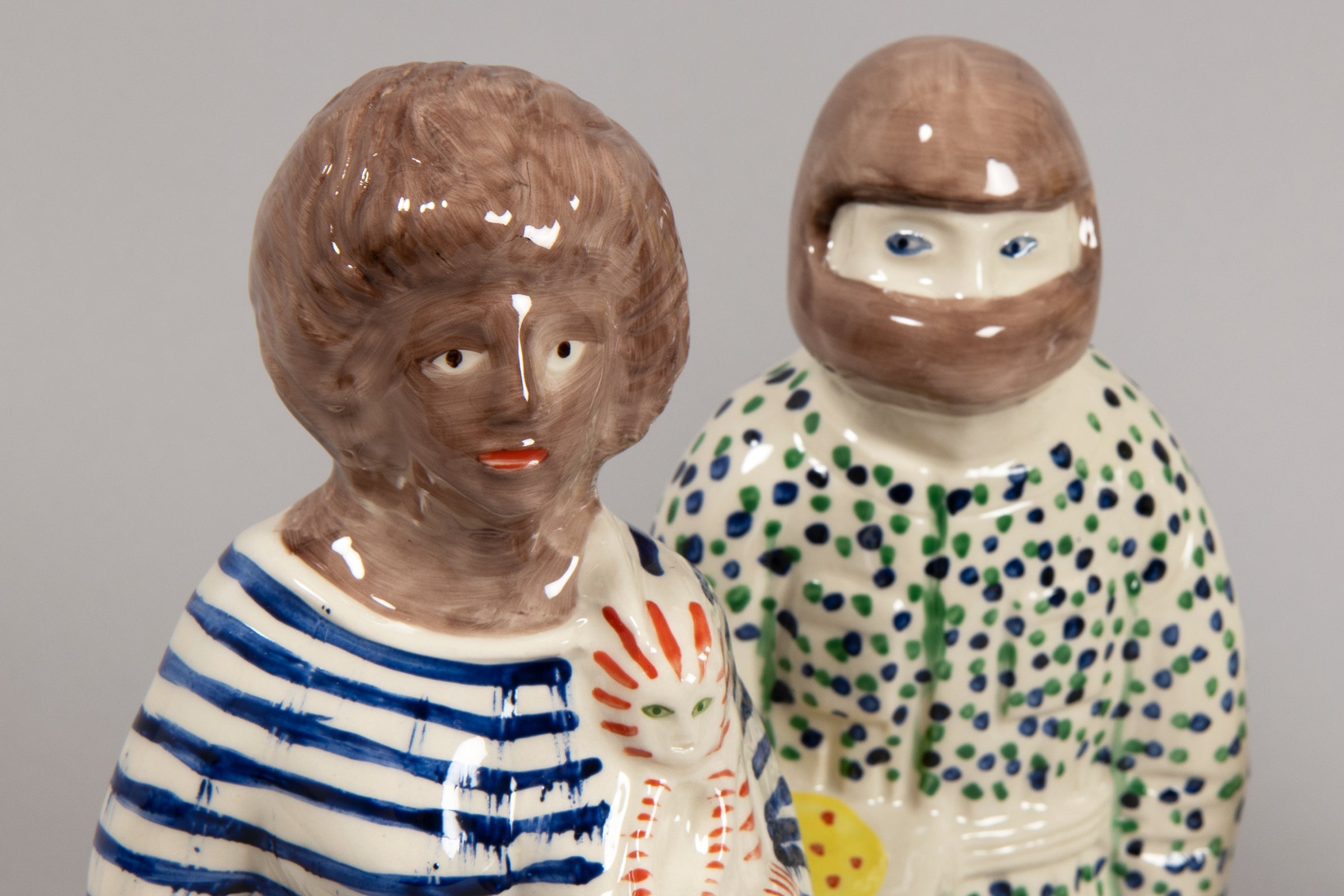
Grayson Perry Prints & Editions
Grayson Perry: Key Questions
Collecting Grayson Perry?
Looking for a specific artwork or have a question about an edition? We're happy to advise on availability, pricing, condition, and provenance — and to source artworks beyond our current selection.
What is Grayson Perry known for?
Why does Grayson Perry dress as Claire?
What is Grayson Perry's Vanity of Small Differences?
Is Grayson Perry associated with political art?
How much do Grayson Perry works sell for?


