

Conceptual Art

Conceptual Art made a single, radical claim: that the idea is the work. Not the object, not the surface, not the craft — the proposition itself. When Sol LeWitt wrote in 1967 that "the idea becomes a machine that makes the art," he articulated a shift that permanently changed what contemporary art could be. Language, instruction, system, and documentation became primary mediums — and editions became the natural format for work conceived to exist across multiple realizations.

Browse signed conceptual art prints and editions now.

Filters

Sort by:

110 products
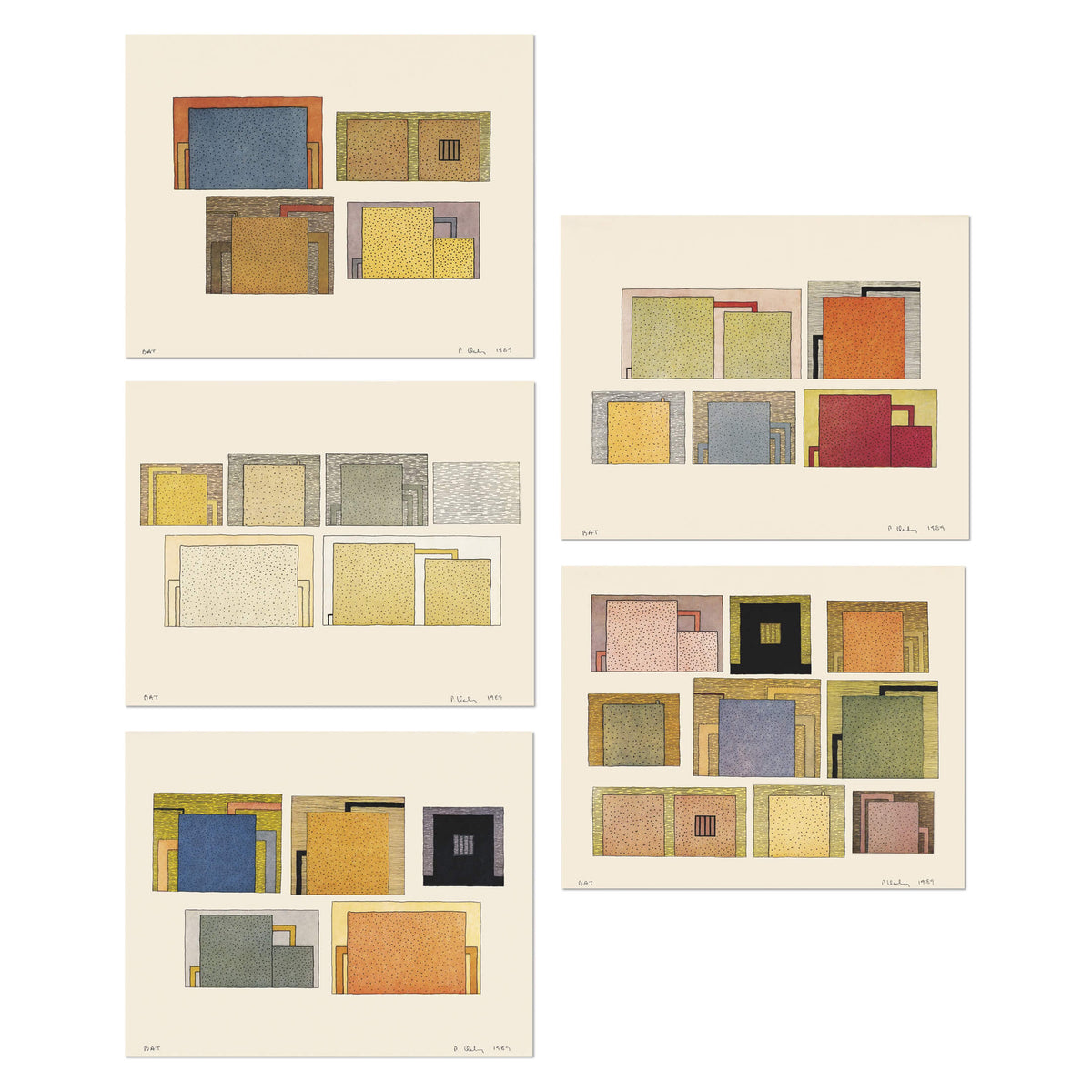
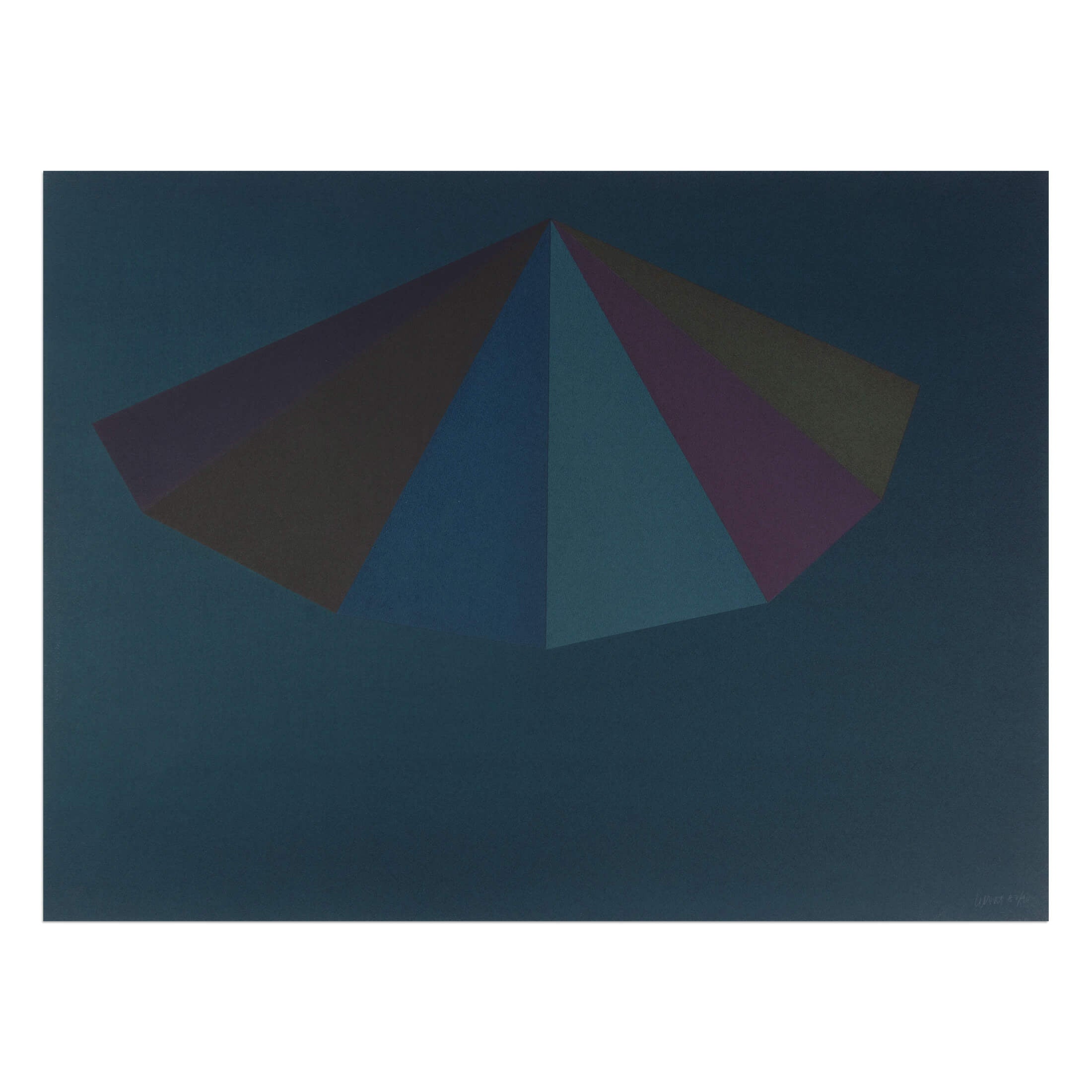
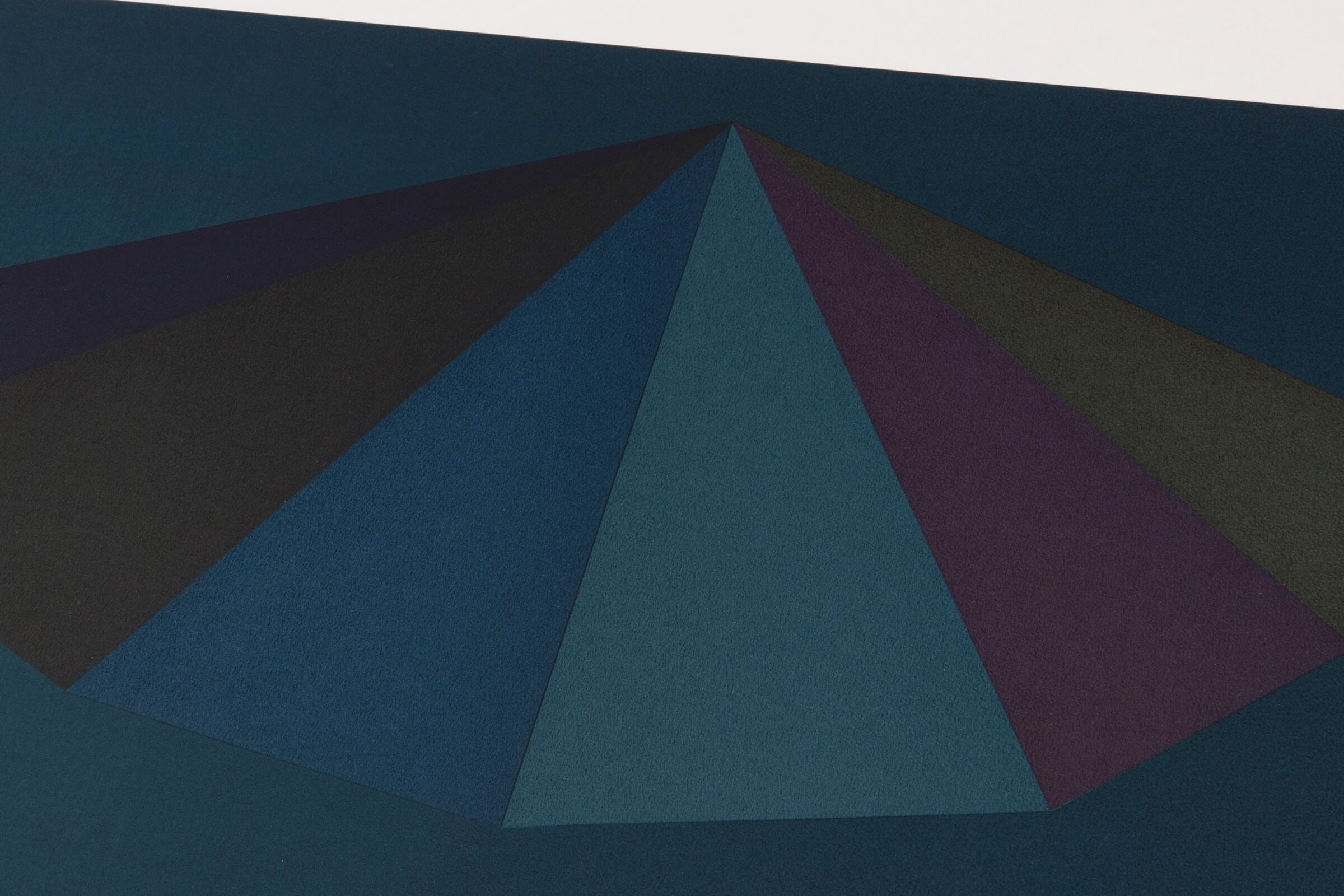
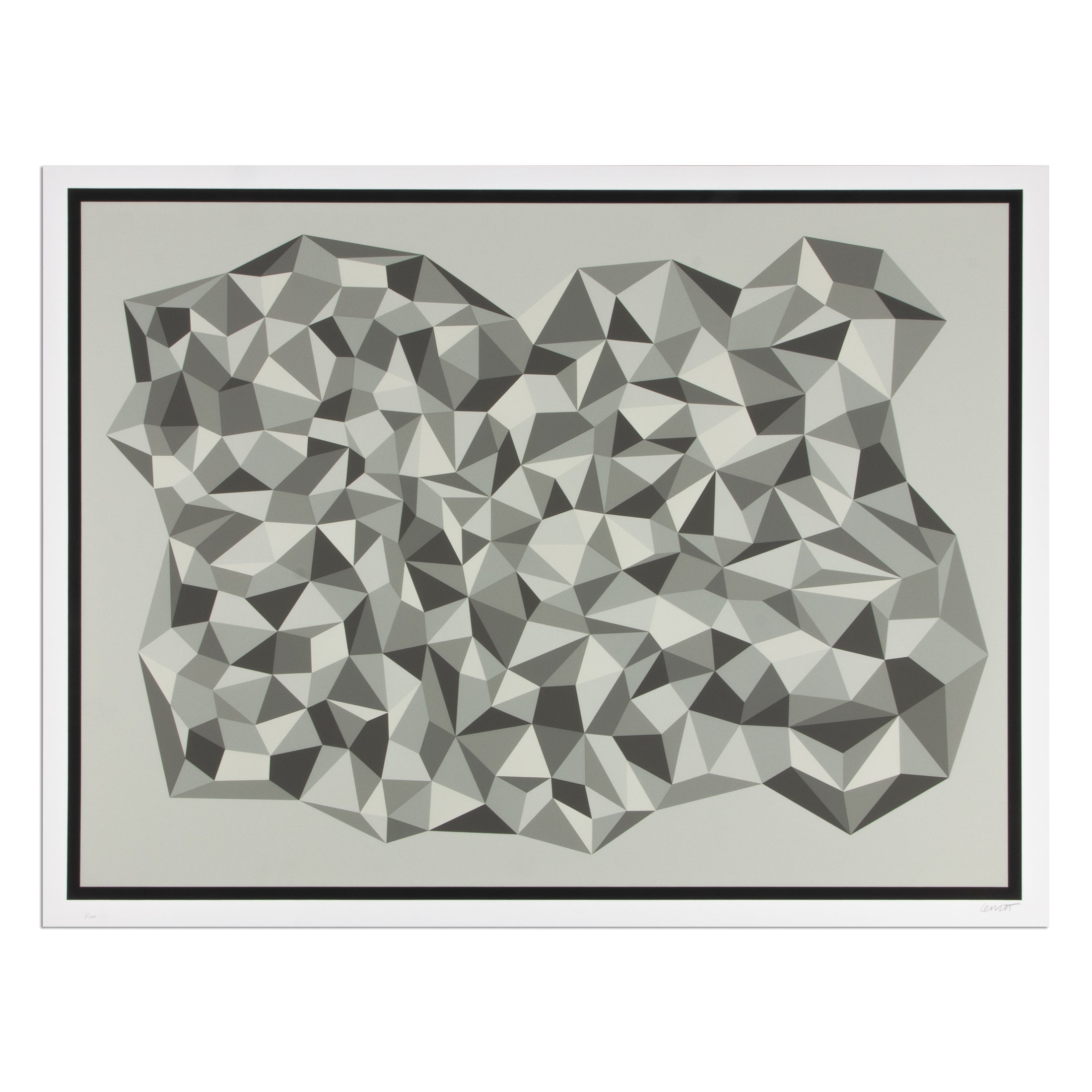
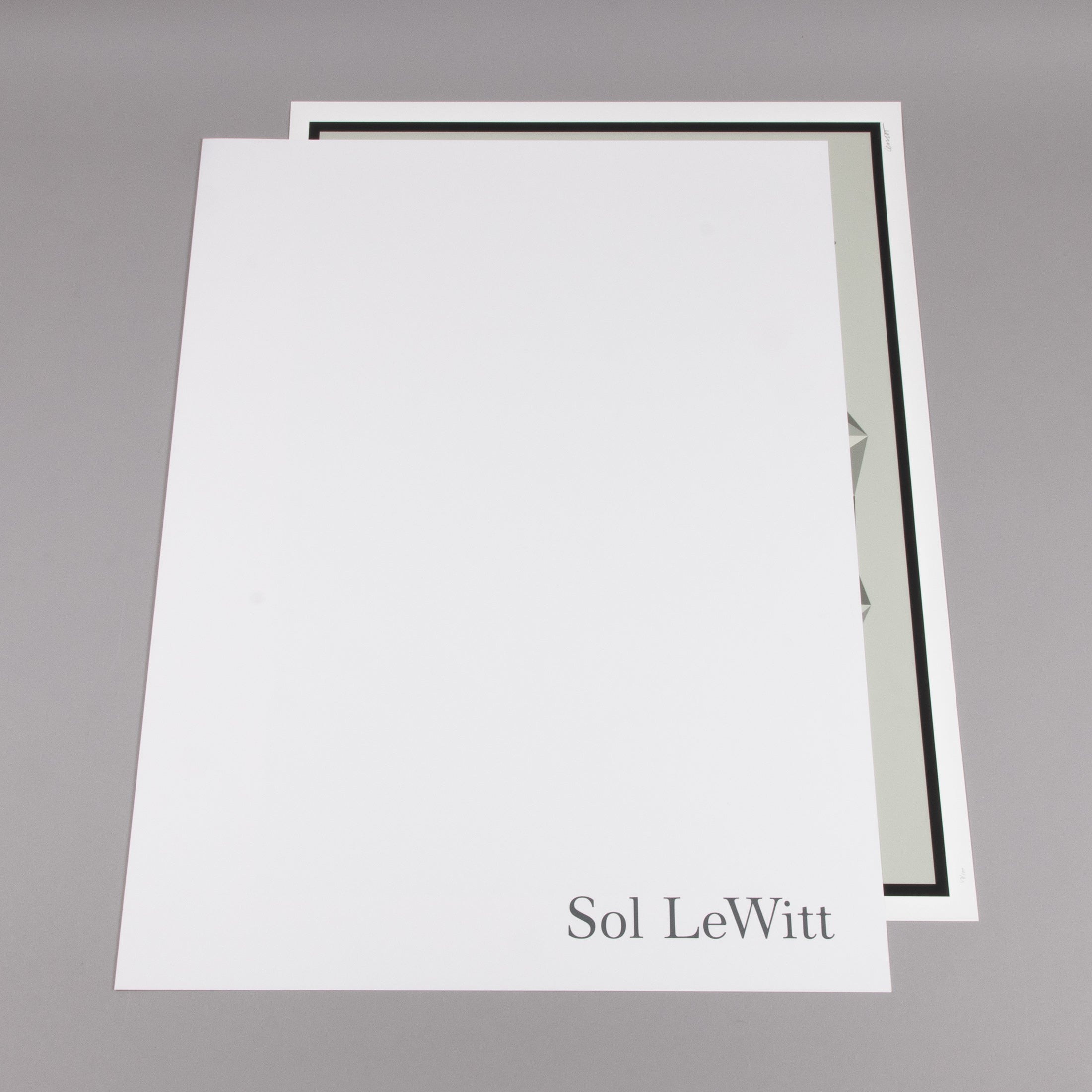
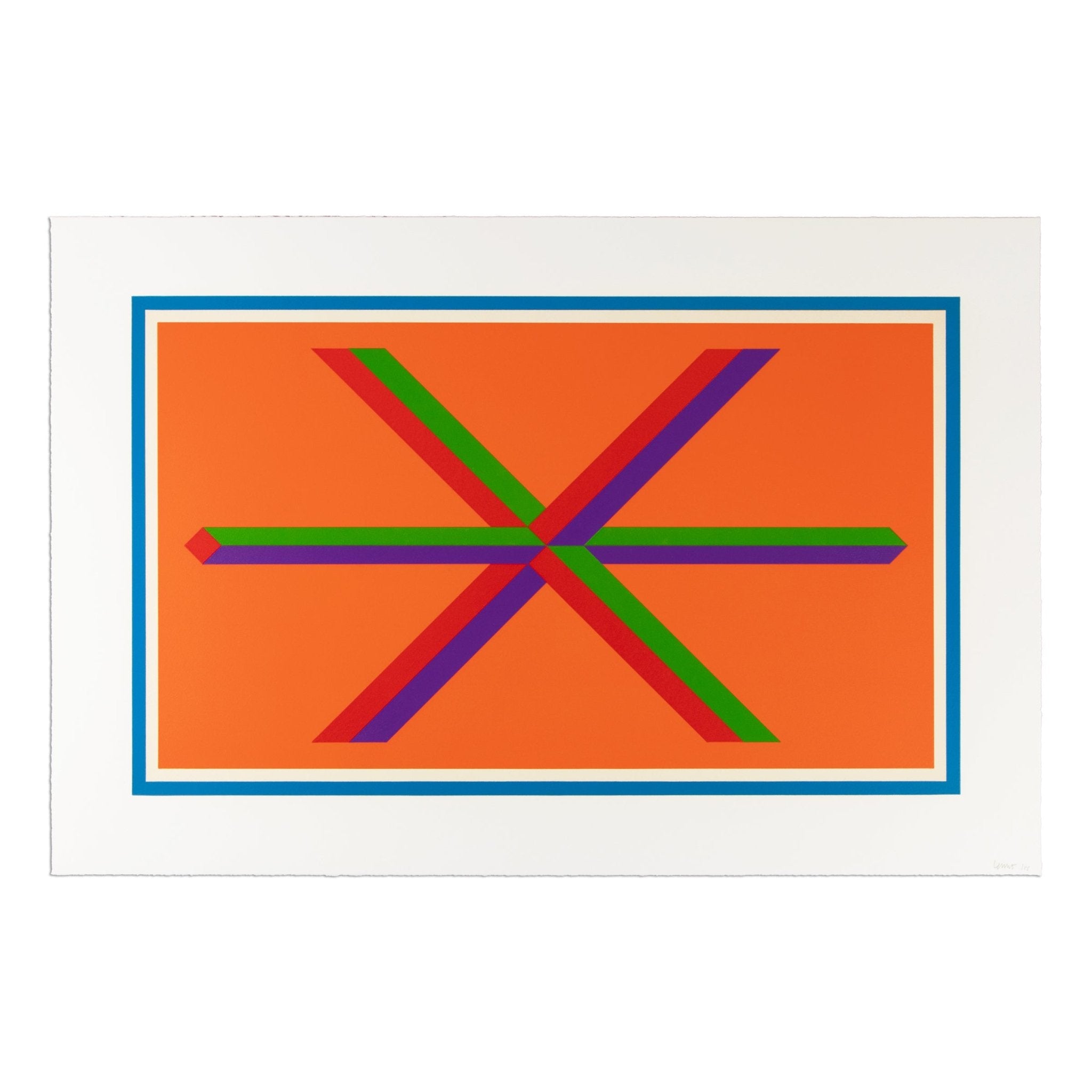
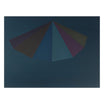
Sol LeWitt – A PyramidSol LeWitt – A Pyramid
Sol LeWitt – A Pyramid Sale price€4.900,00
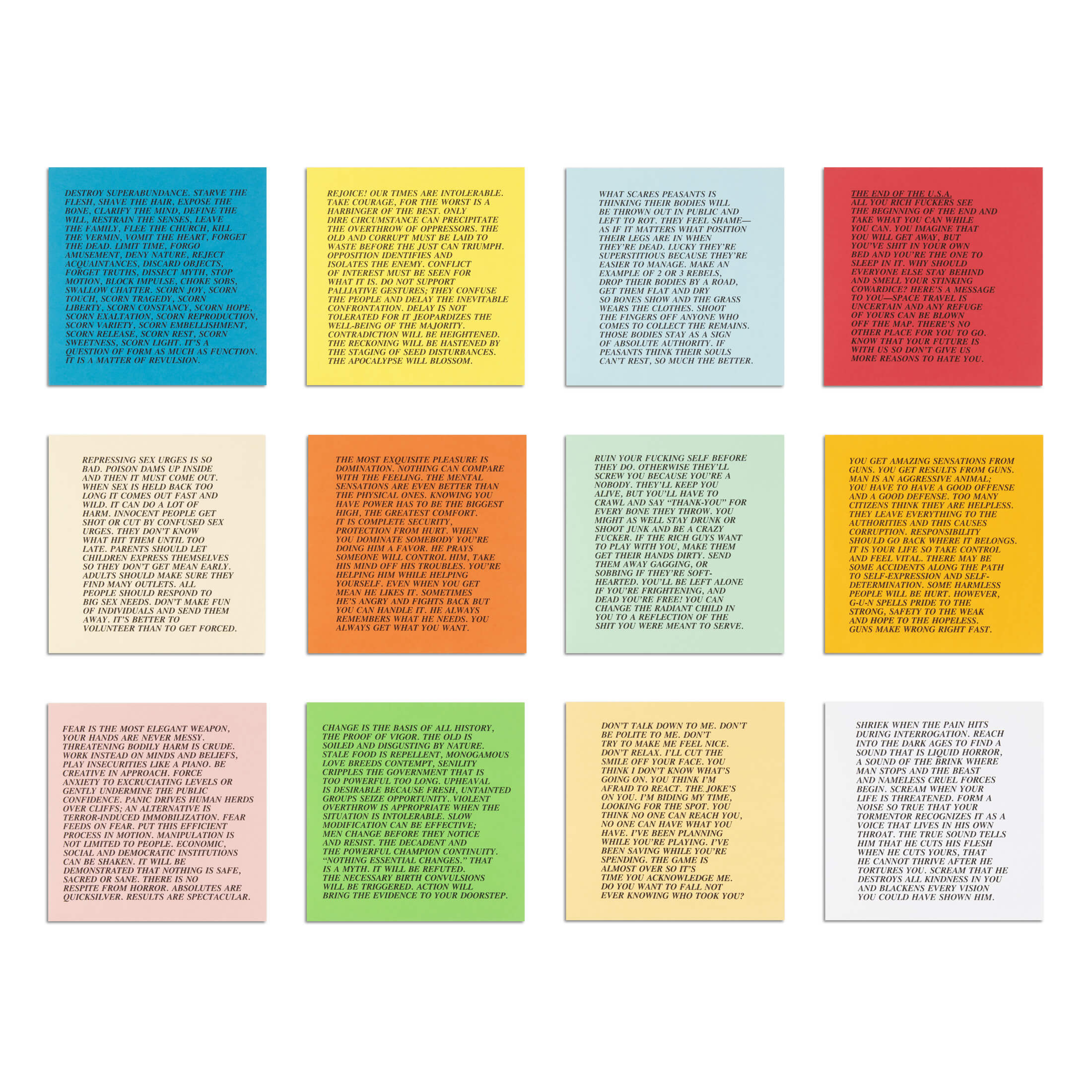
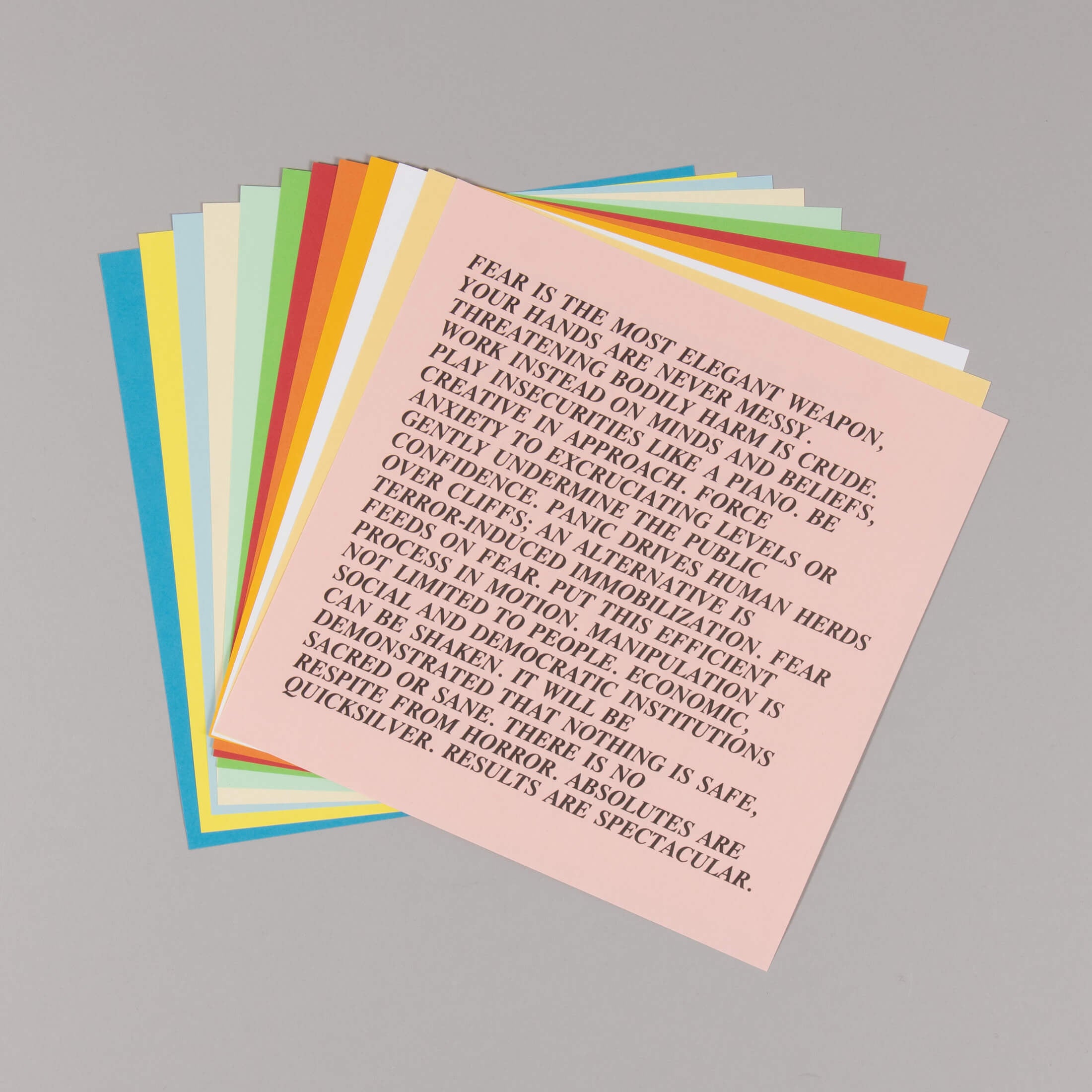
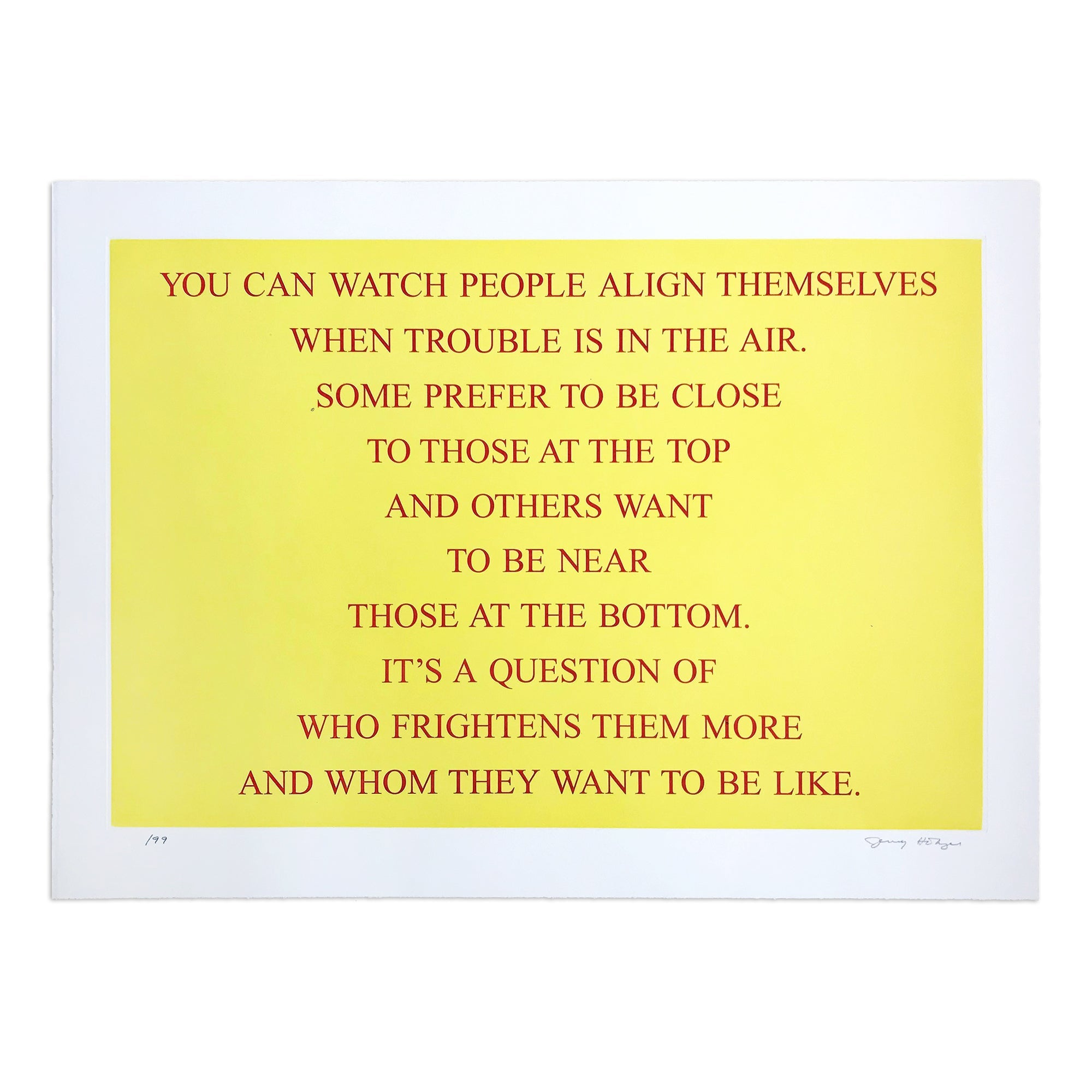
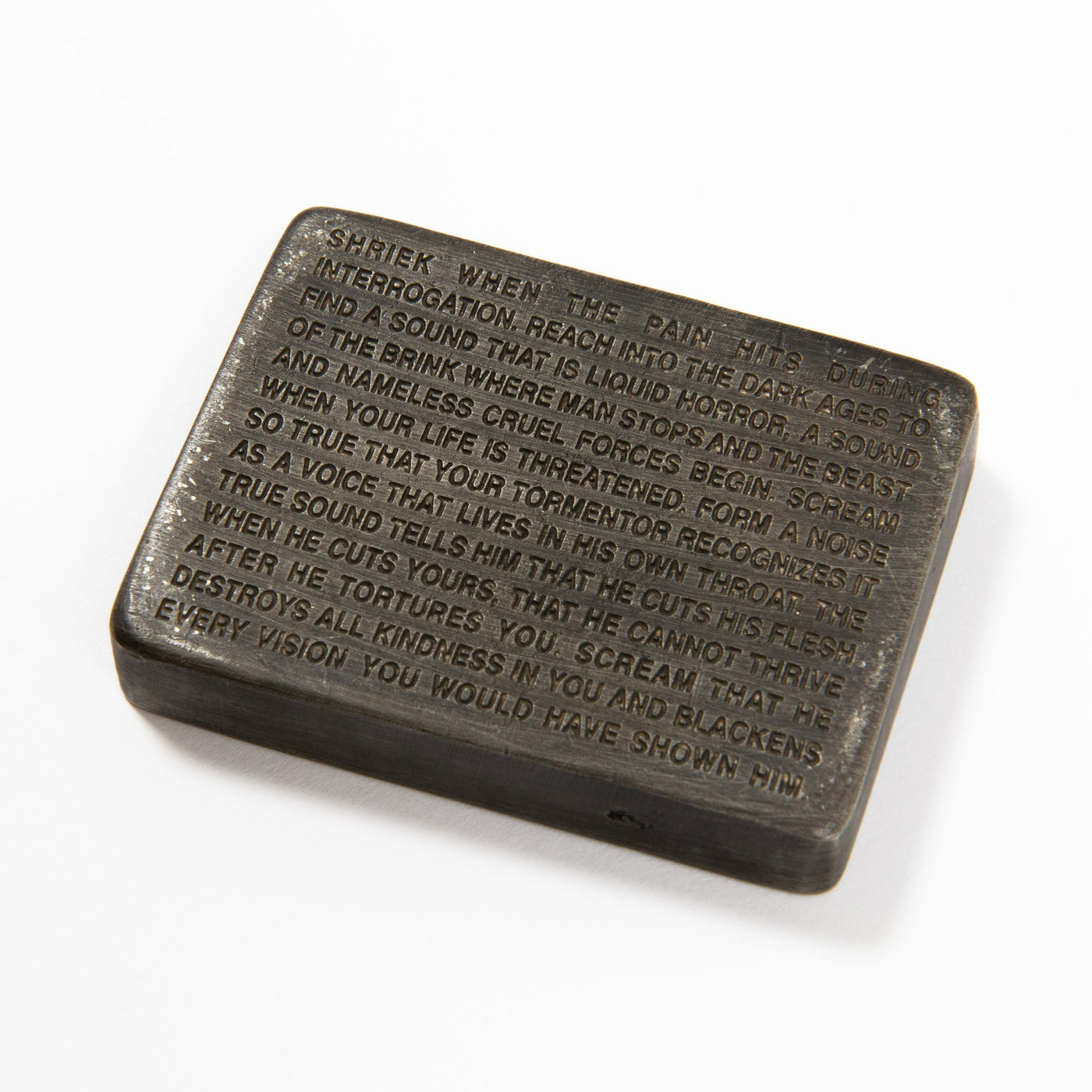
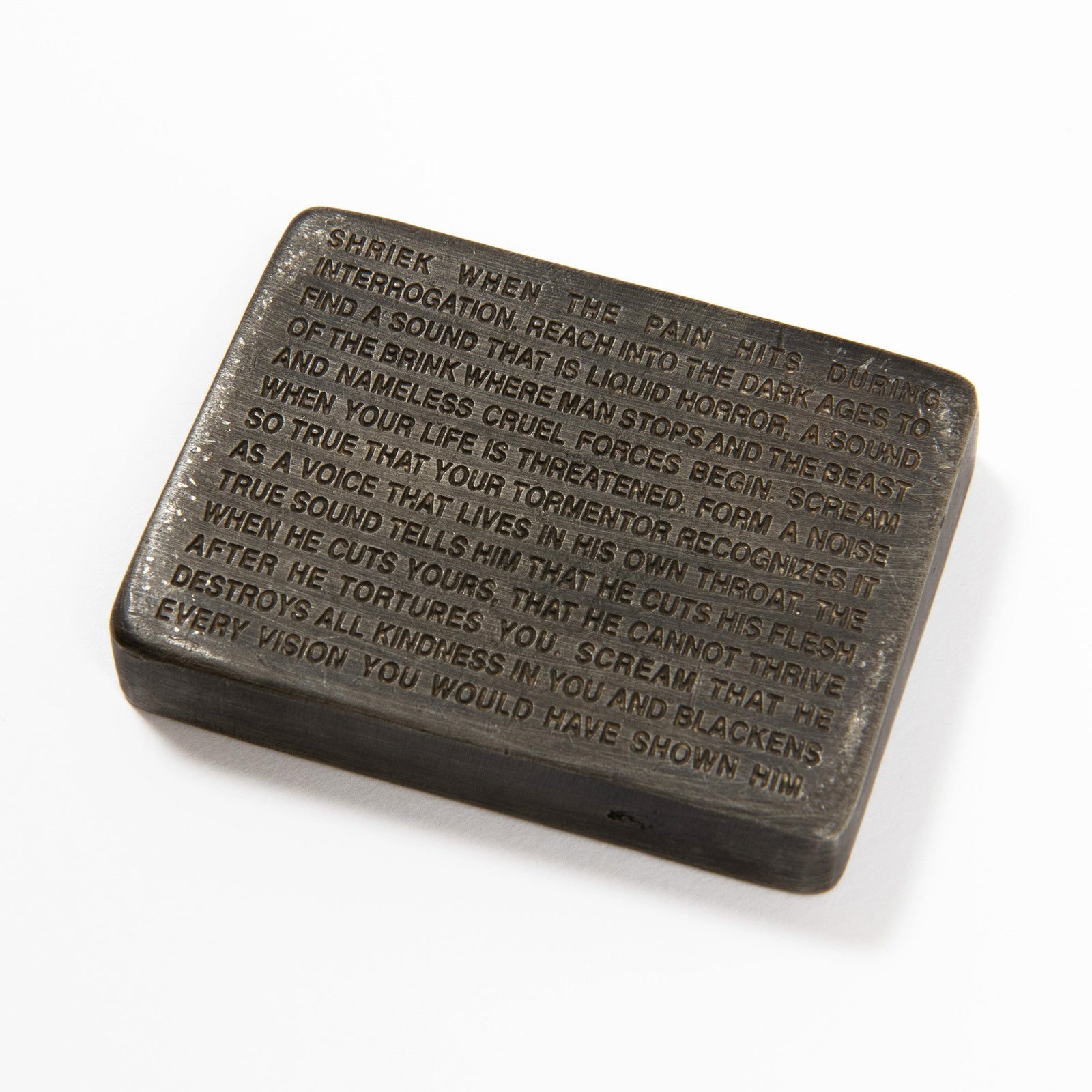
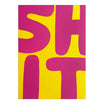
Jenny Holzer – Inflammatory Essays (twelve works)Jenny Holzer – Inflammatory Essays (twelve works)
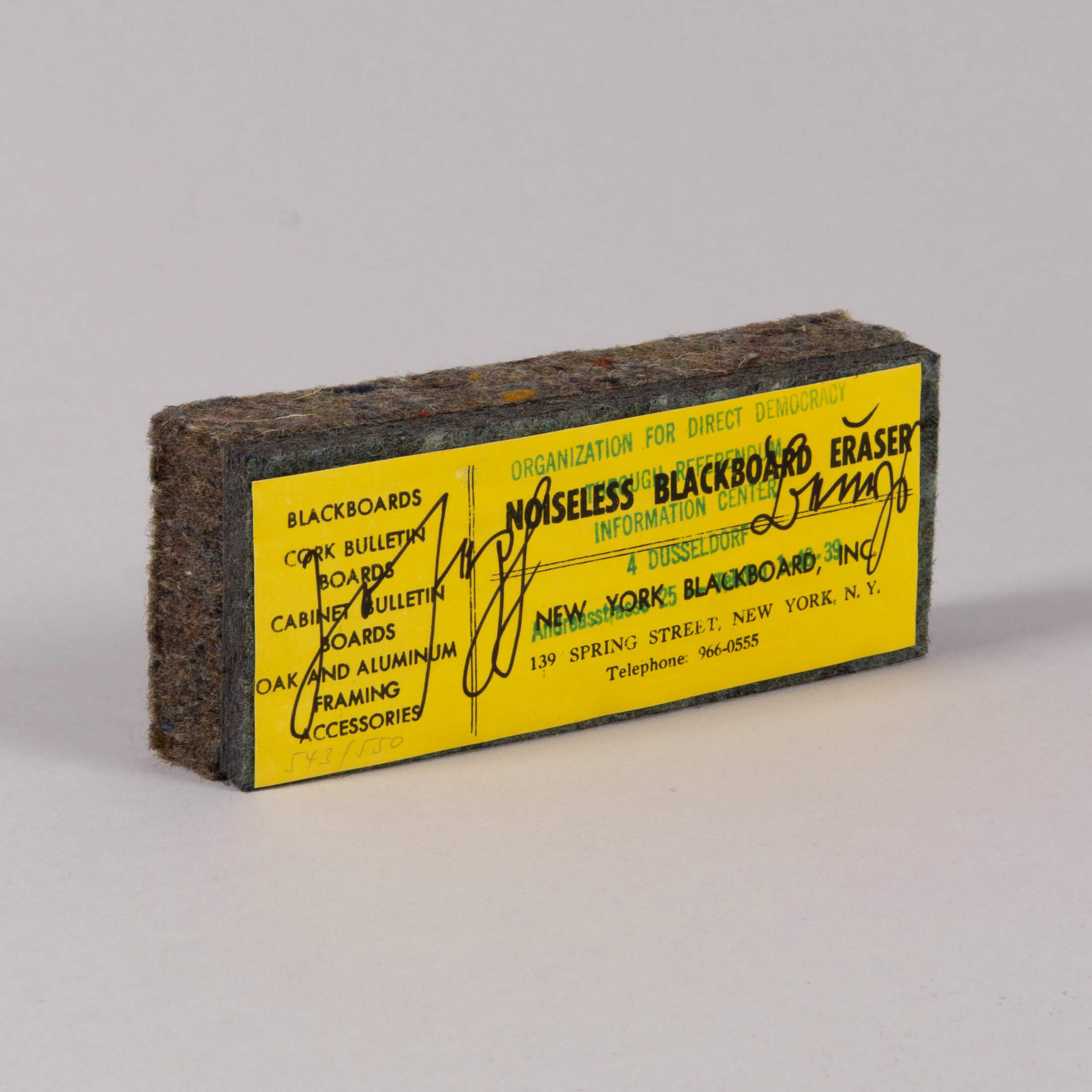
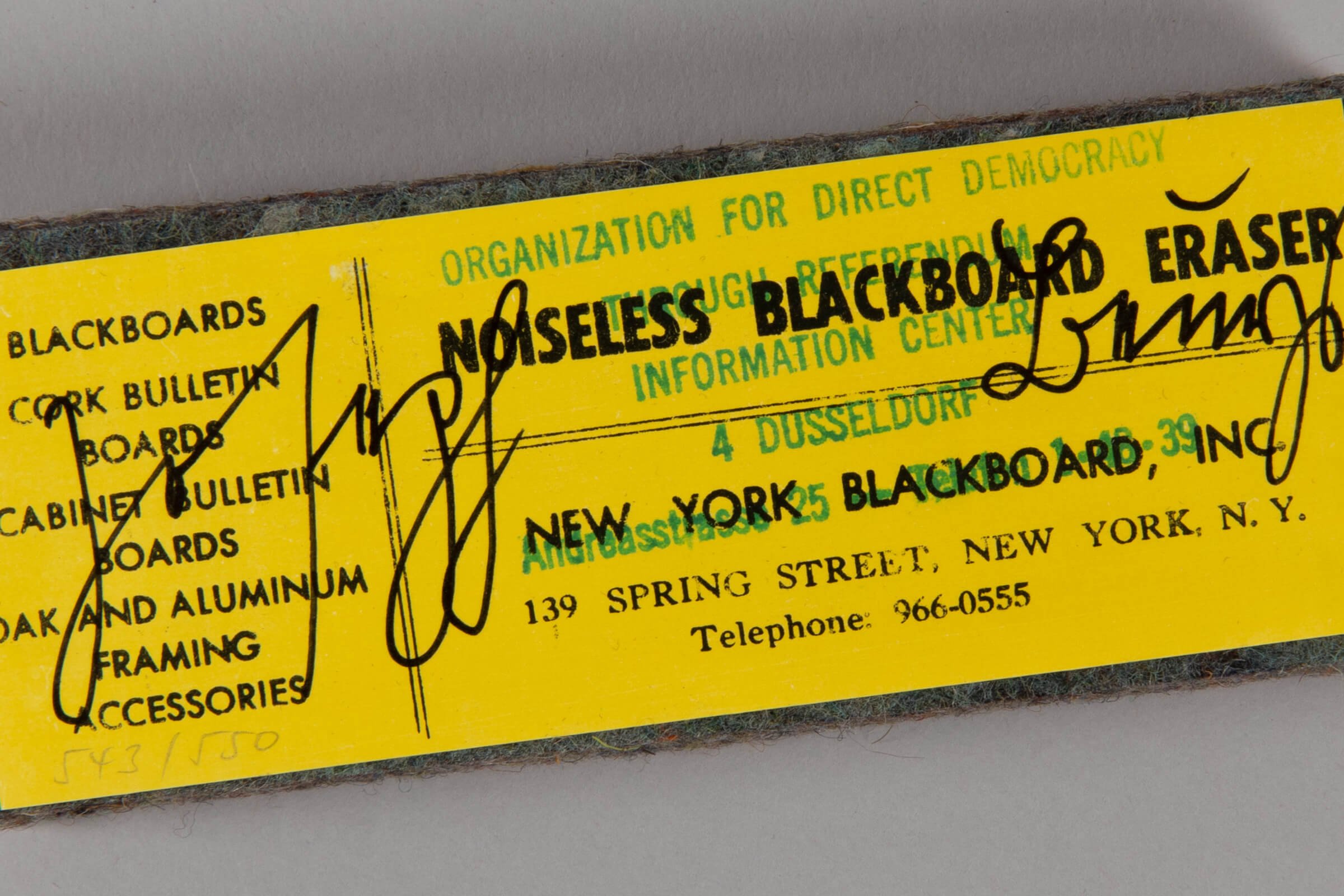
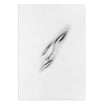
Joseph Beuys – Noiseless Blackboard EraserJoseph Beuys – Noiseless Blackboard Eraser
Fred Tomaselli – Nov. 11, 2010Fred Tomaselli – Nov. 11, 2010
Fred Tomaselli – Nov. 11, 2010 Sale price€1.500,00
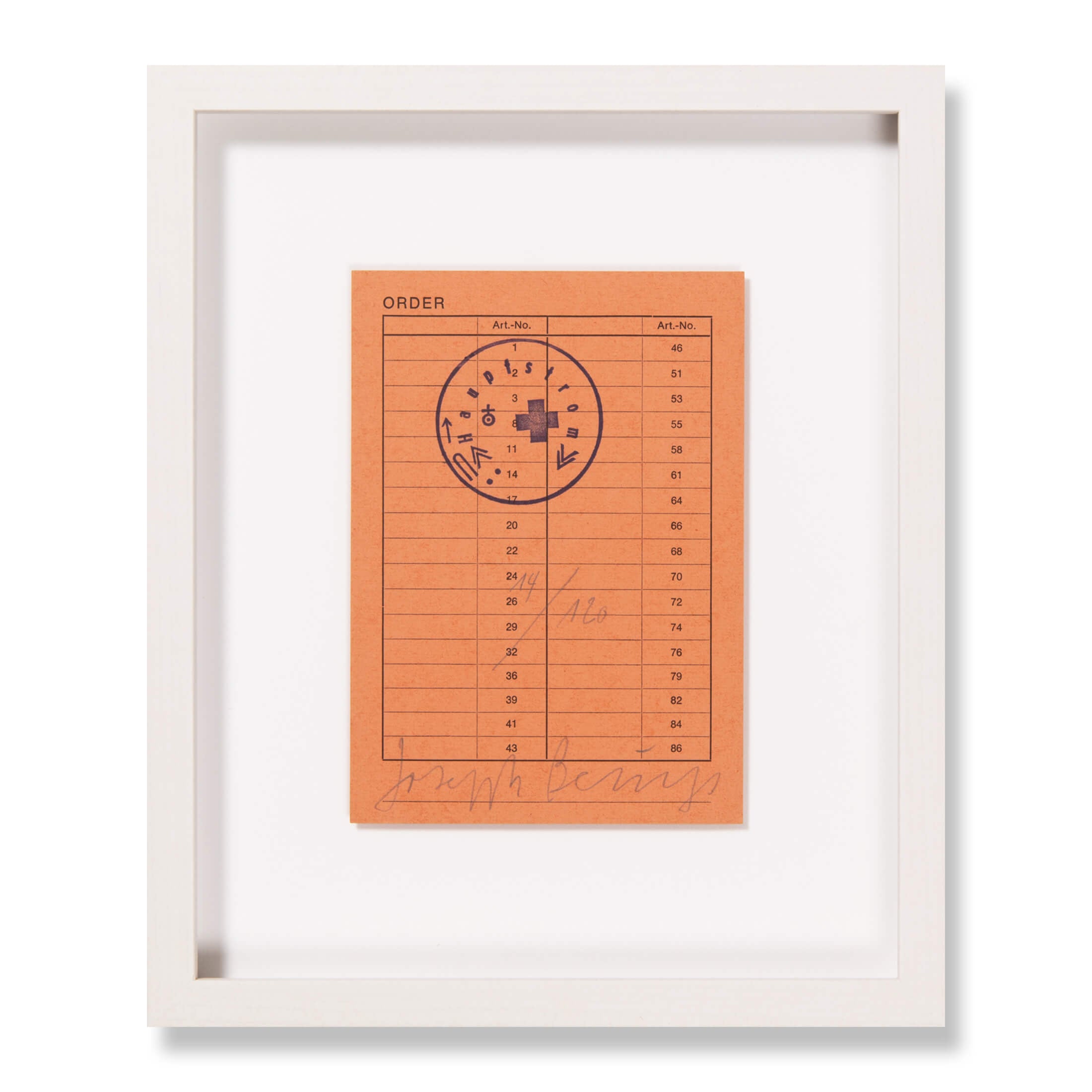
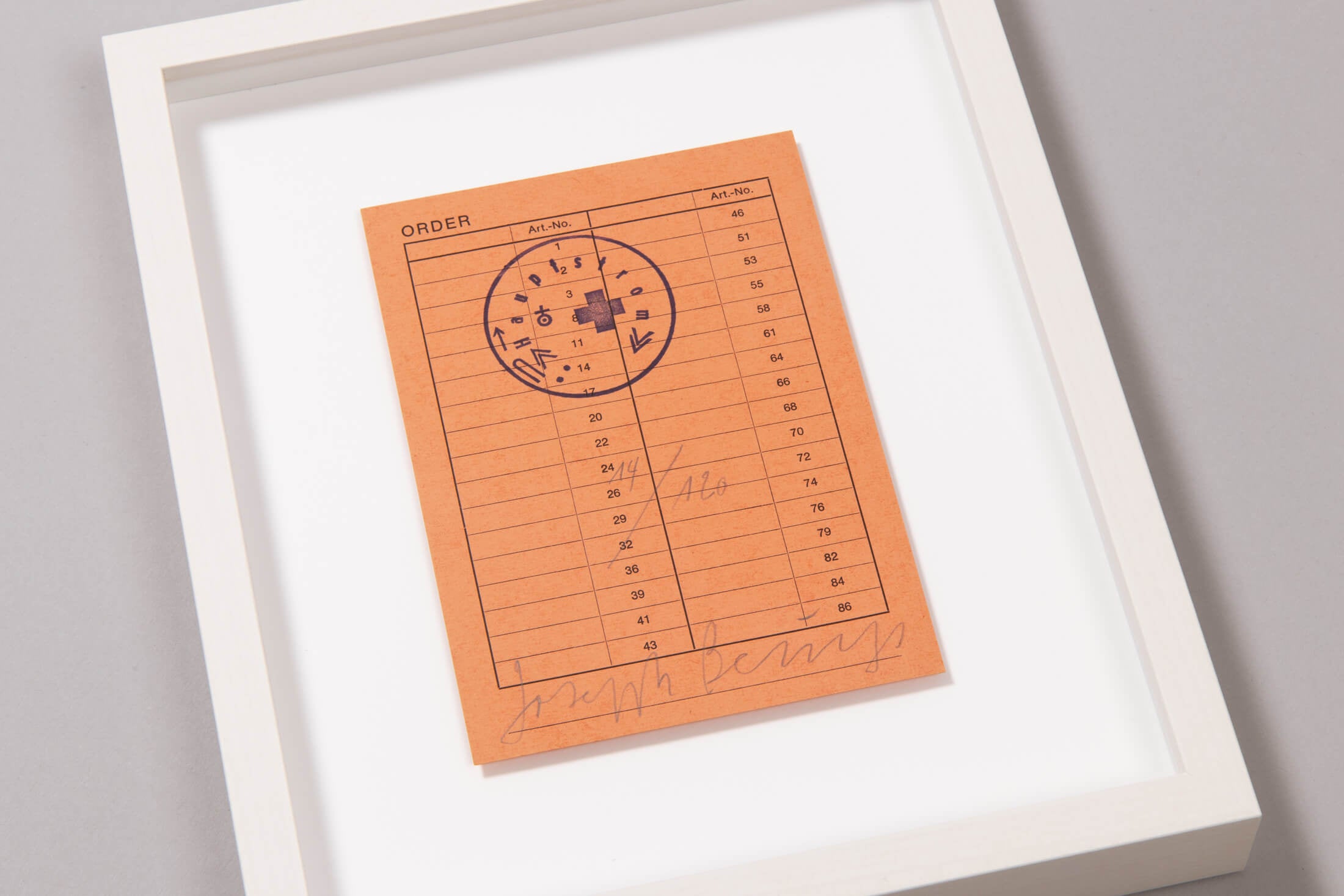
Joseph Beuys – OrderJoseph Beuys – Order
Joseph Beuys – Order Sale price€1.000,00
Rosemarie Trockel – Mémoires d'une moucheRosemarie Trockel – Mémoires d'une mouche
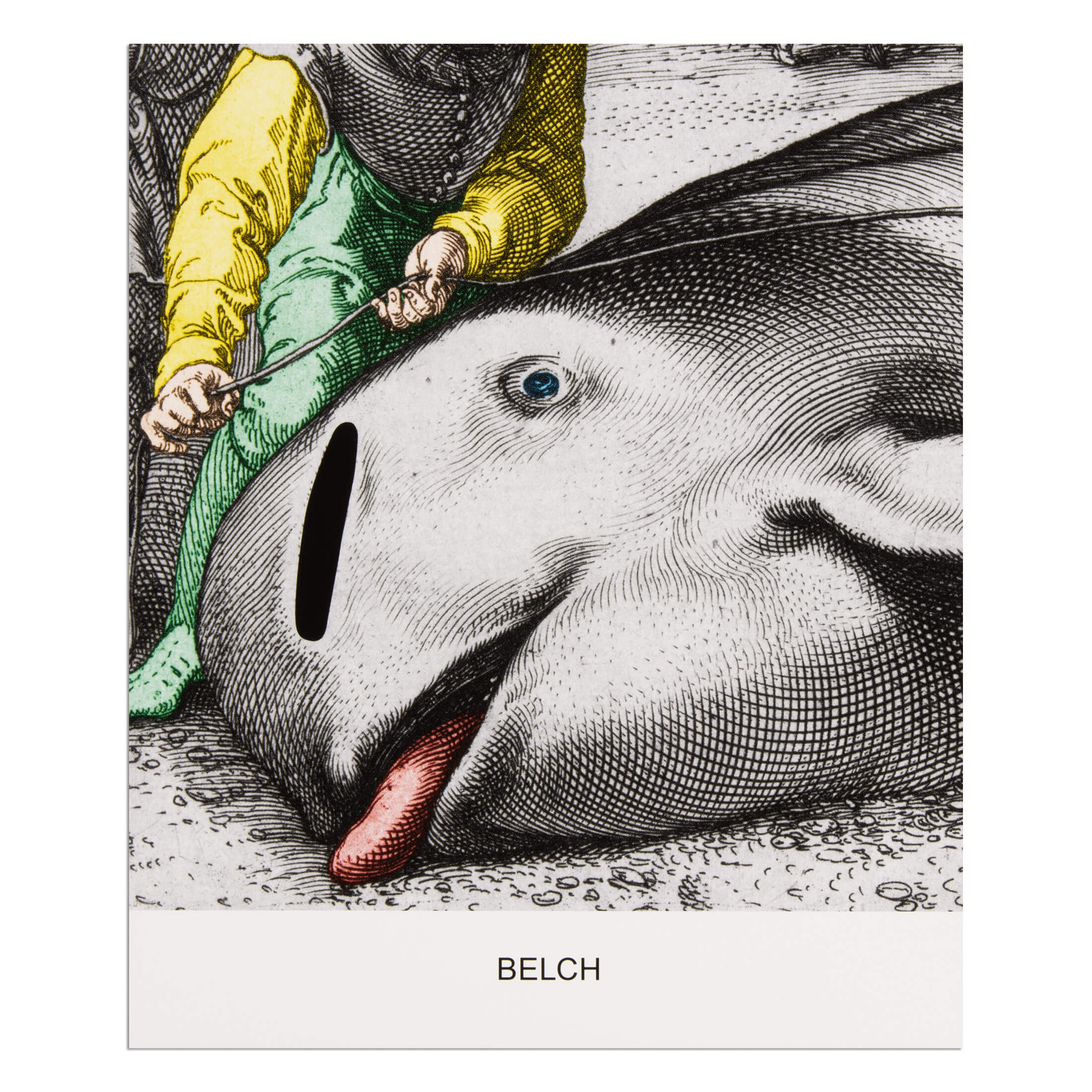
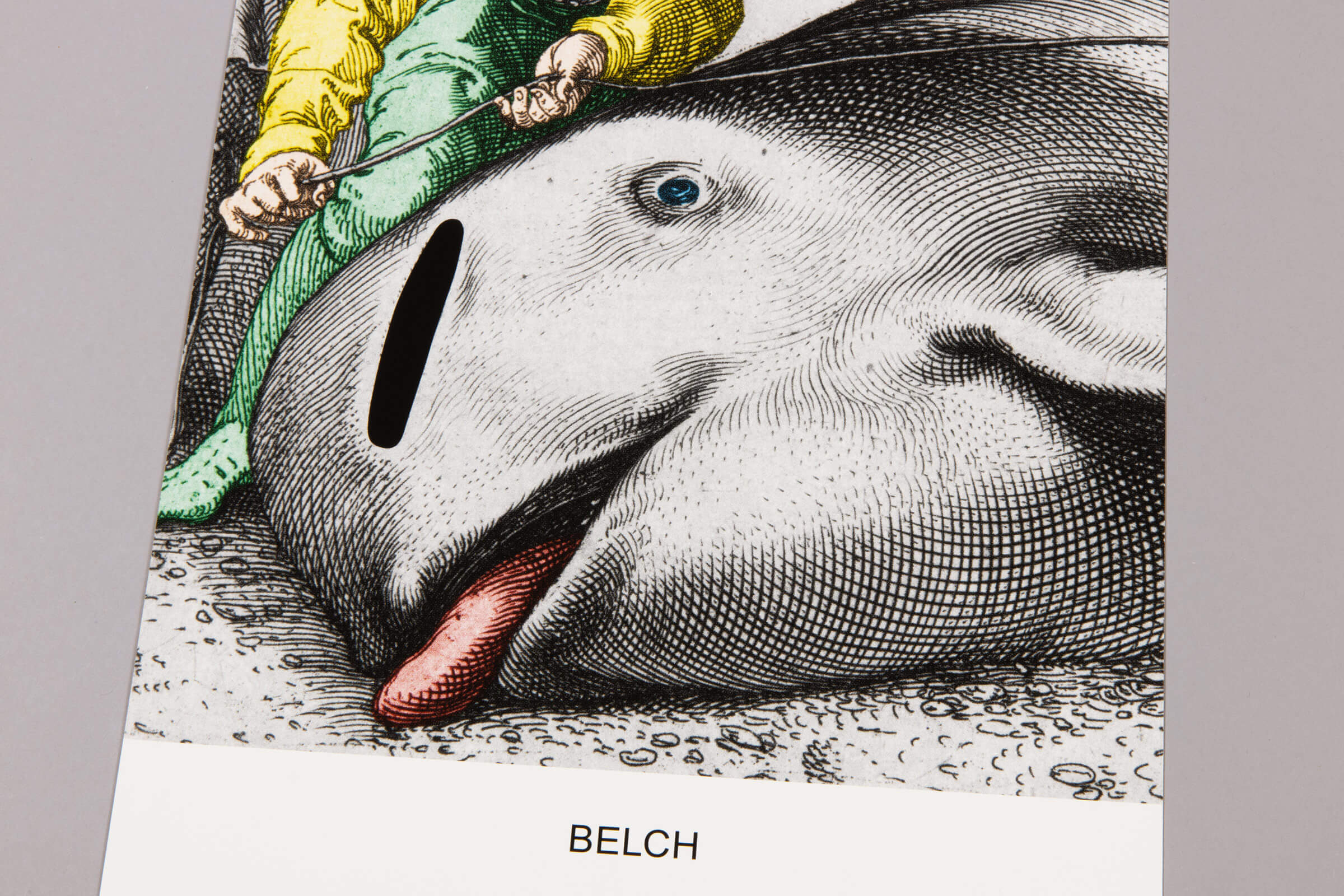
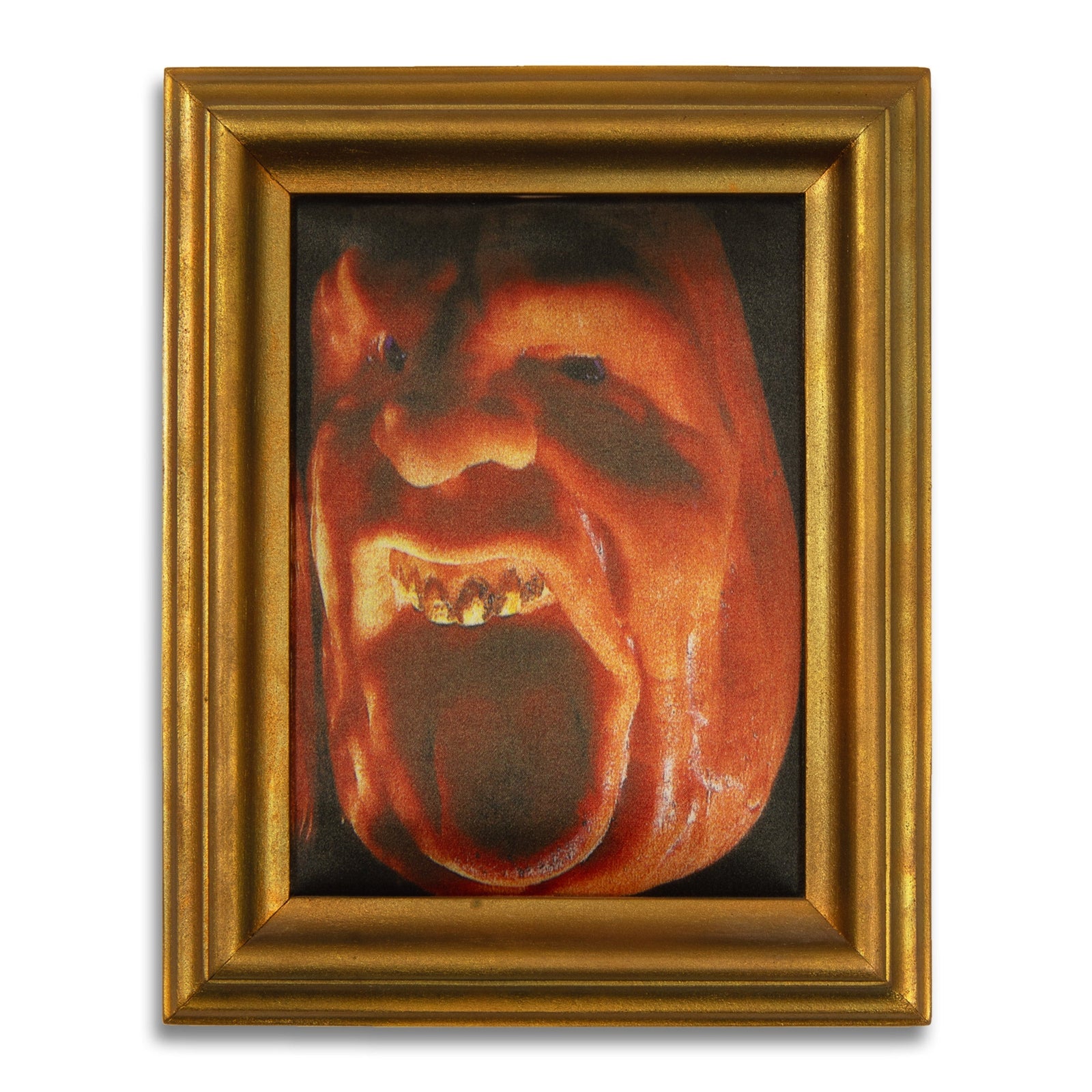
John Baldessari – BelchJohn Baldessari – Belch
John Baldessari – Belch Sale price€2.700,00
Thomas Demand – Klause (Scheinprobleme in der Philosophie)Thomas Demand – Klause (Scheinprobleme in der Philosophie)
Sold out
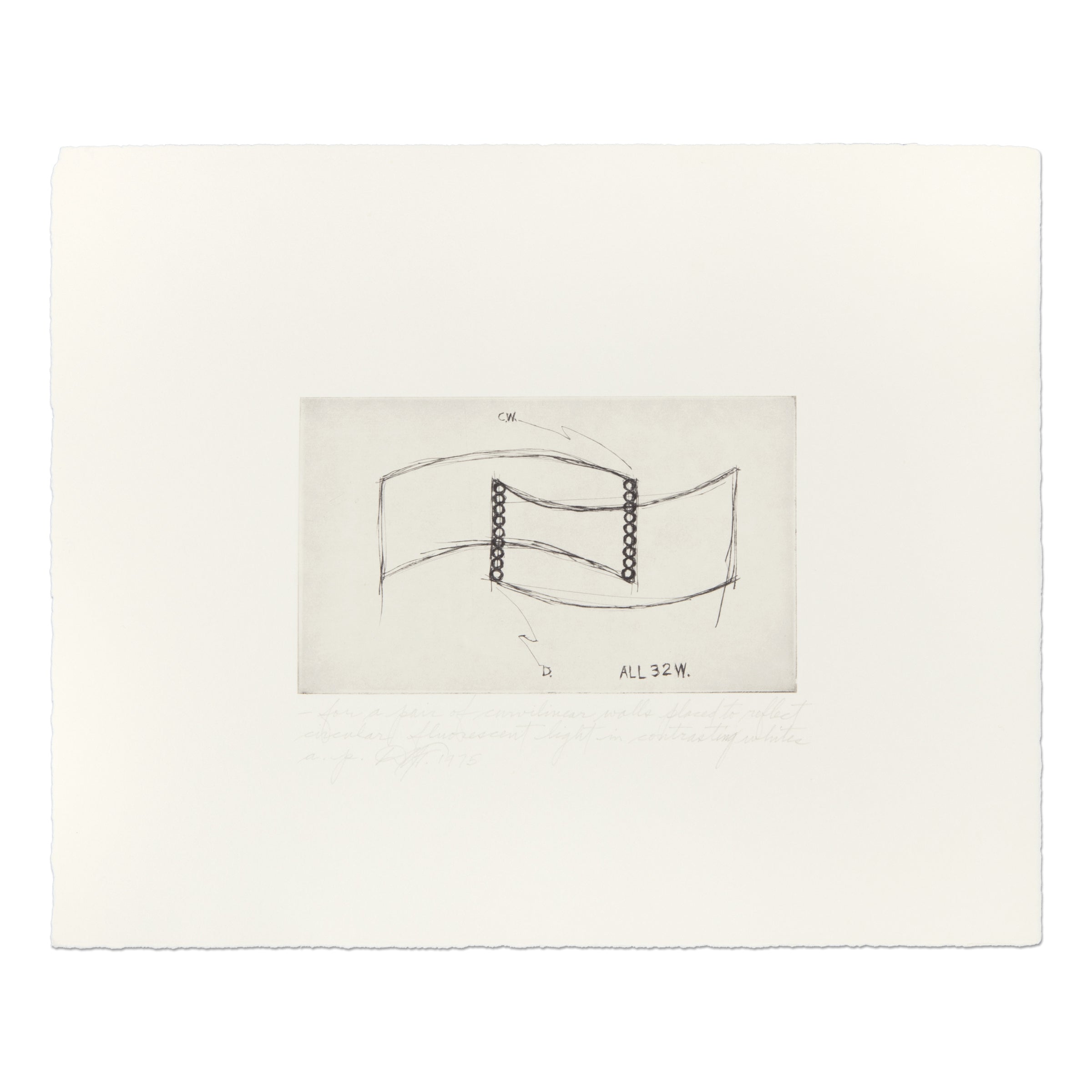
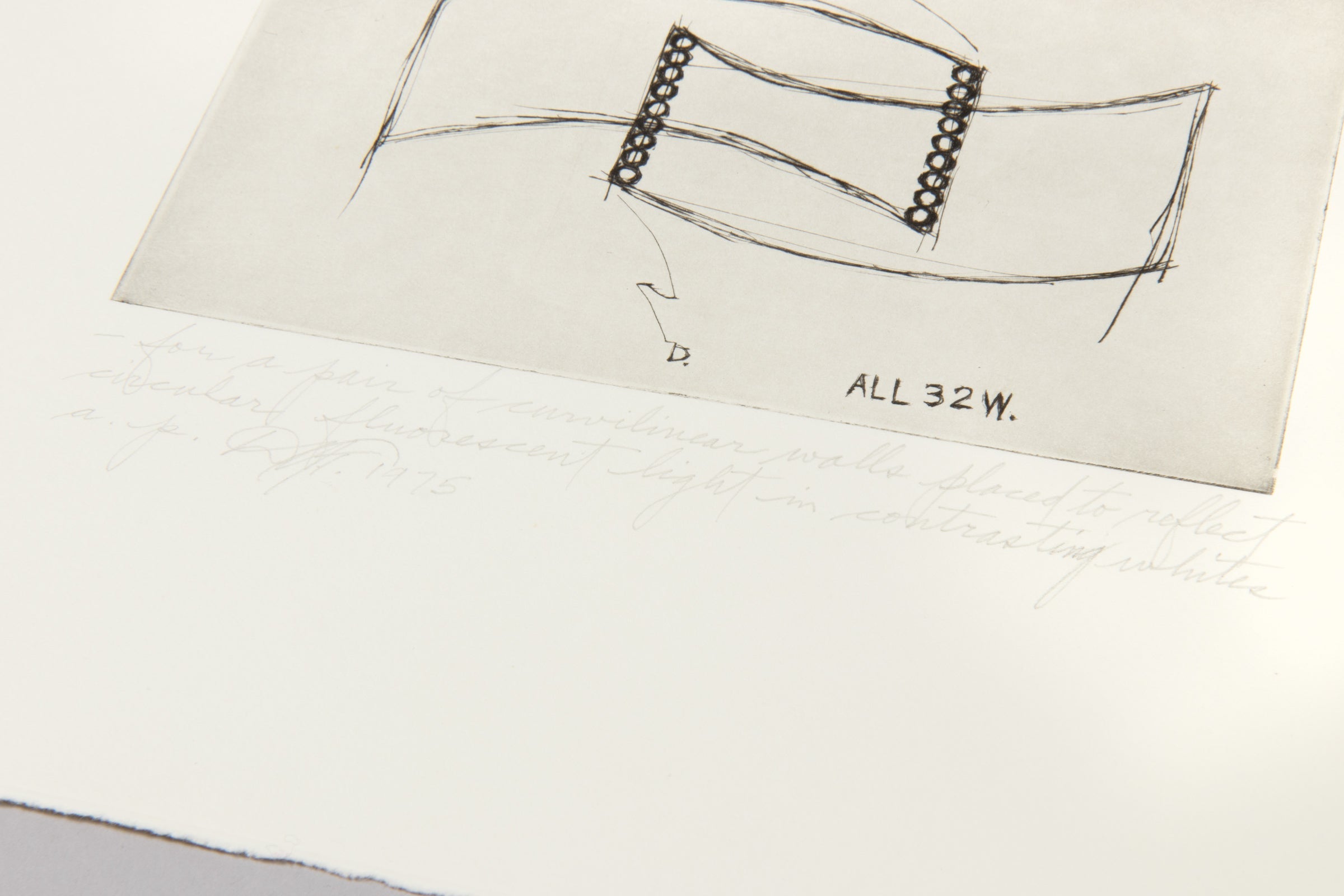
Dan Flavin – For a pair of curvilinear wallsDan Flavin – For a pair of curvilinear walls
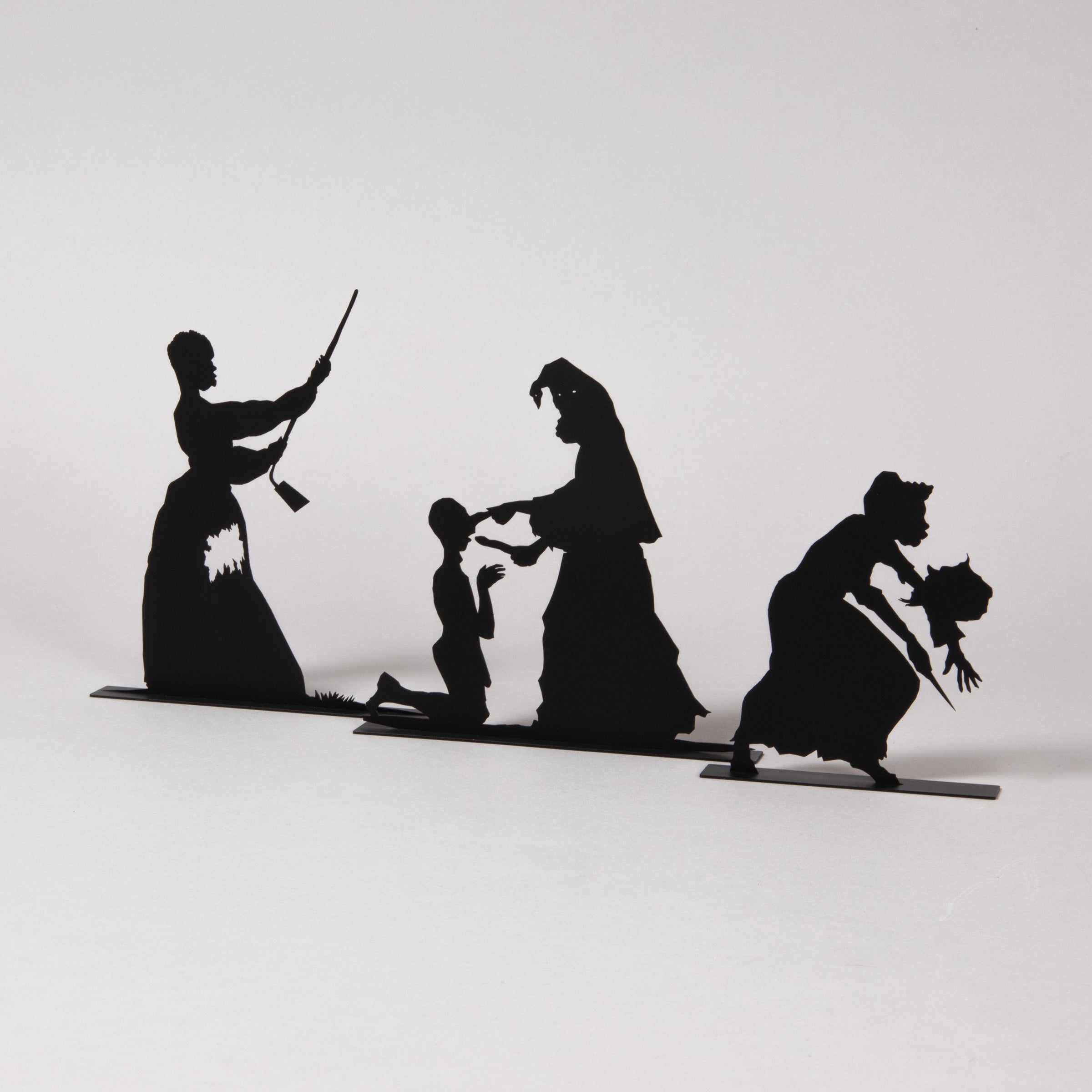
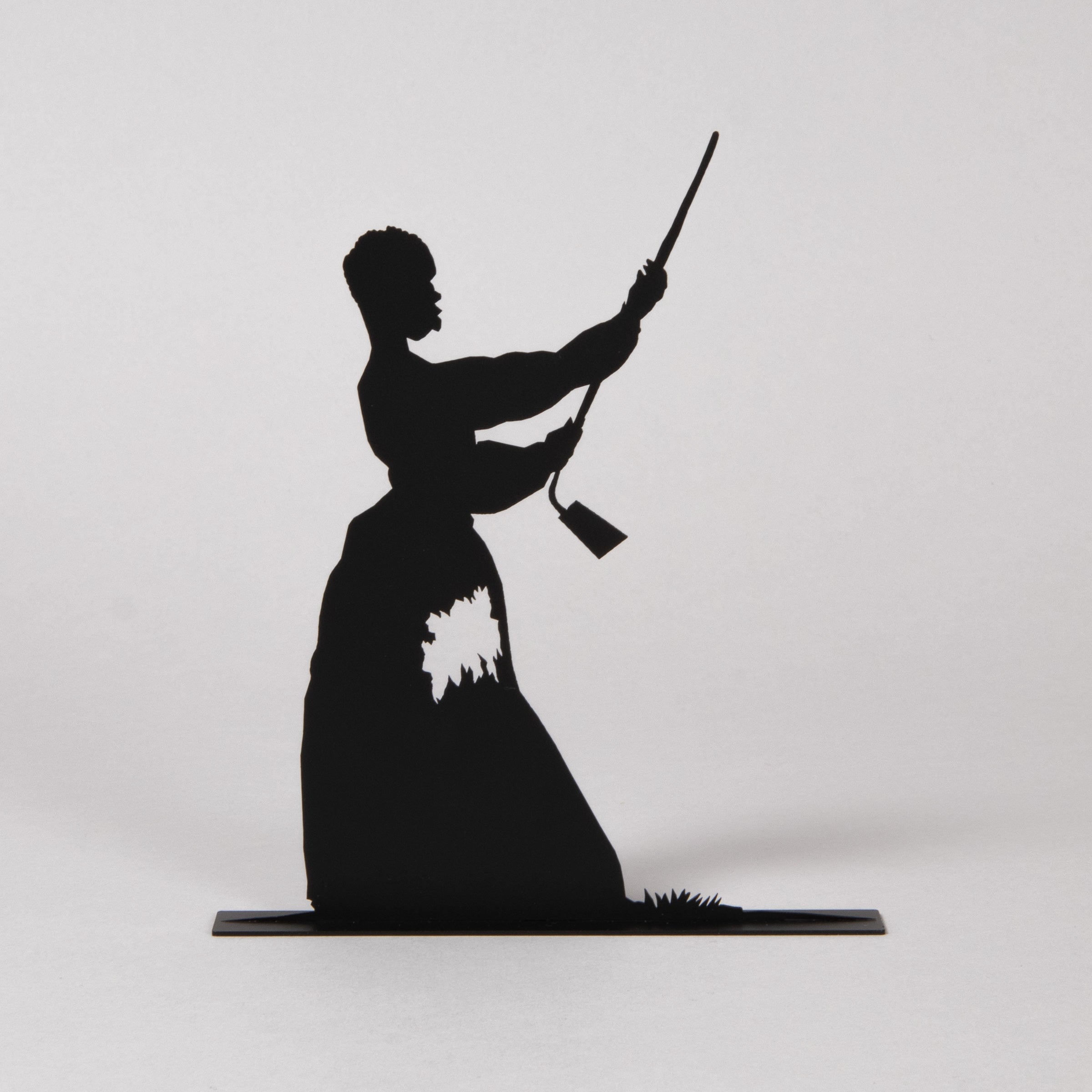
Kara Walker – The Bush. Skinny. De-boningKara Walker – The Bush. Skinny. De-boning
Barbara Kruger – Untitled (2Kiss)Barbara Kruger – Untitled (2Kiss)
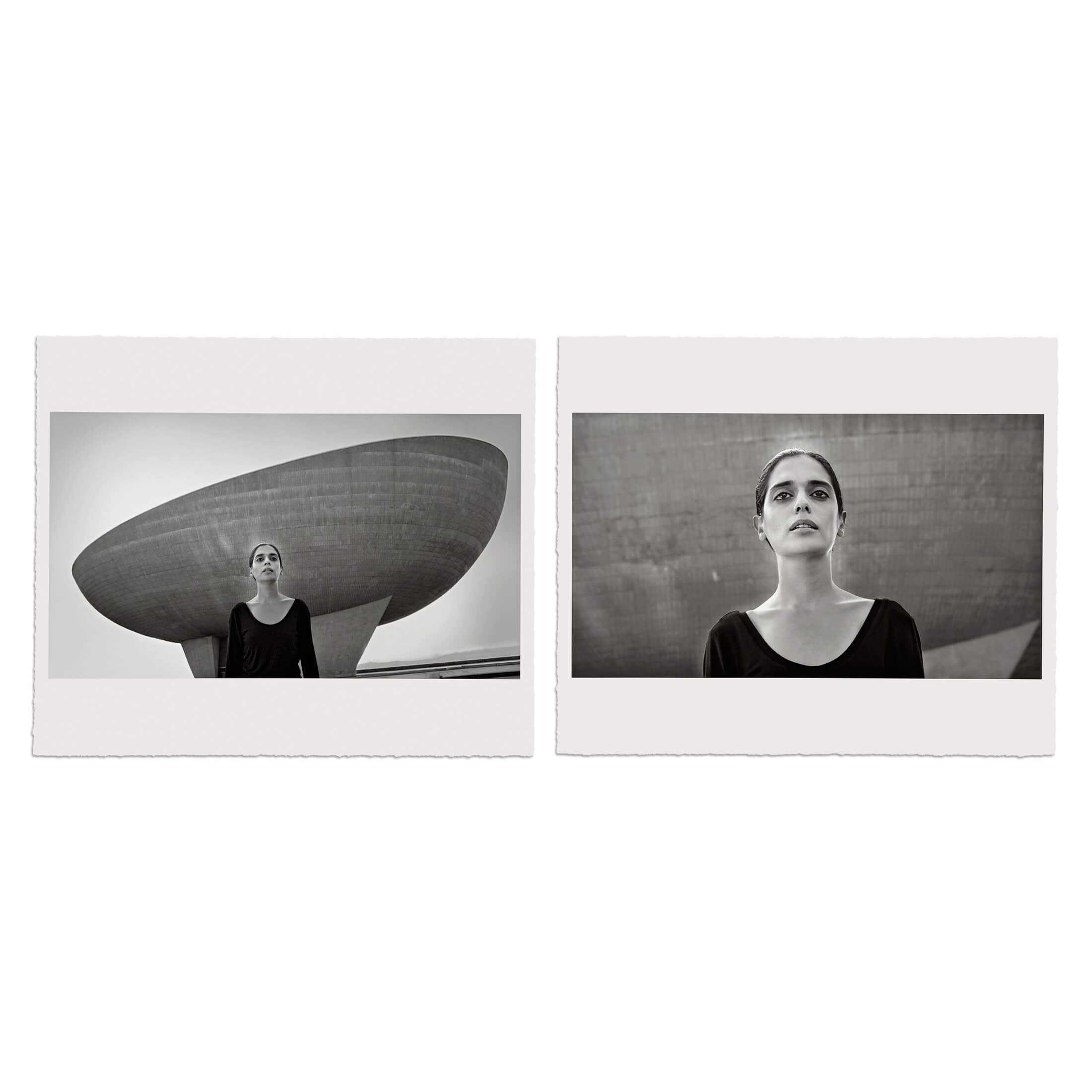
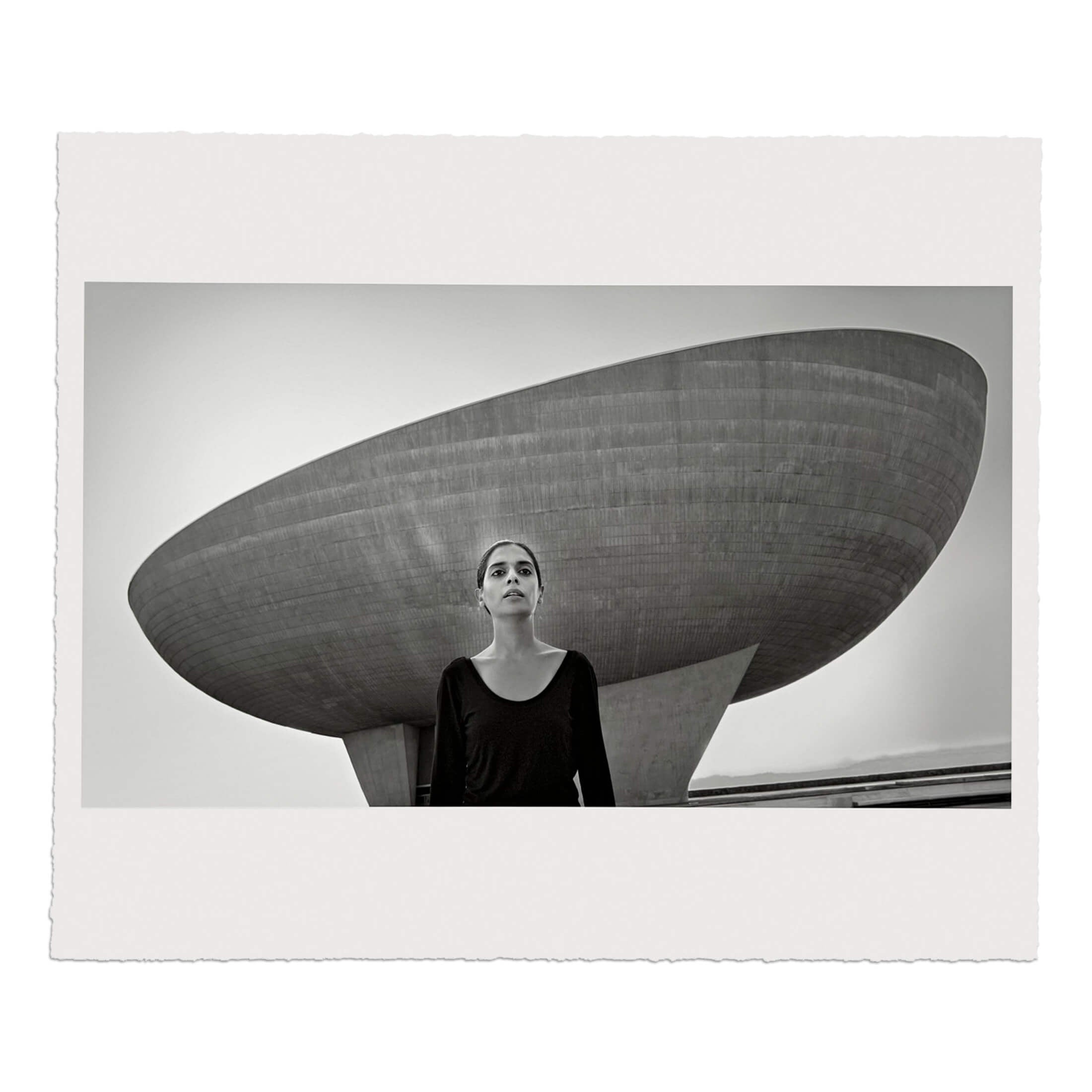
Shirin Neshat – From RojaShirin Neshat – From Roja
Shirin Neshat – From Roja Sale price€4.400,00
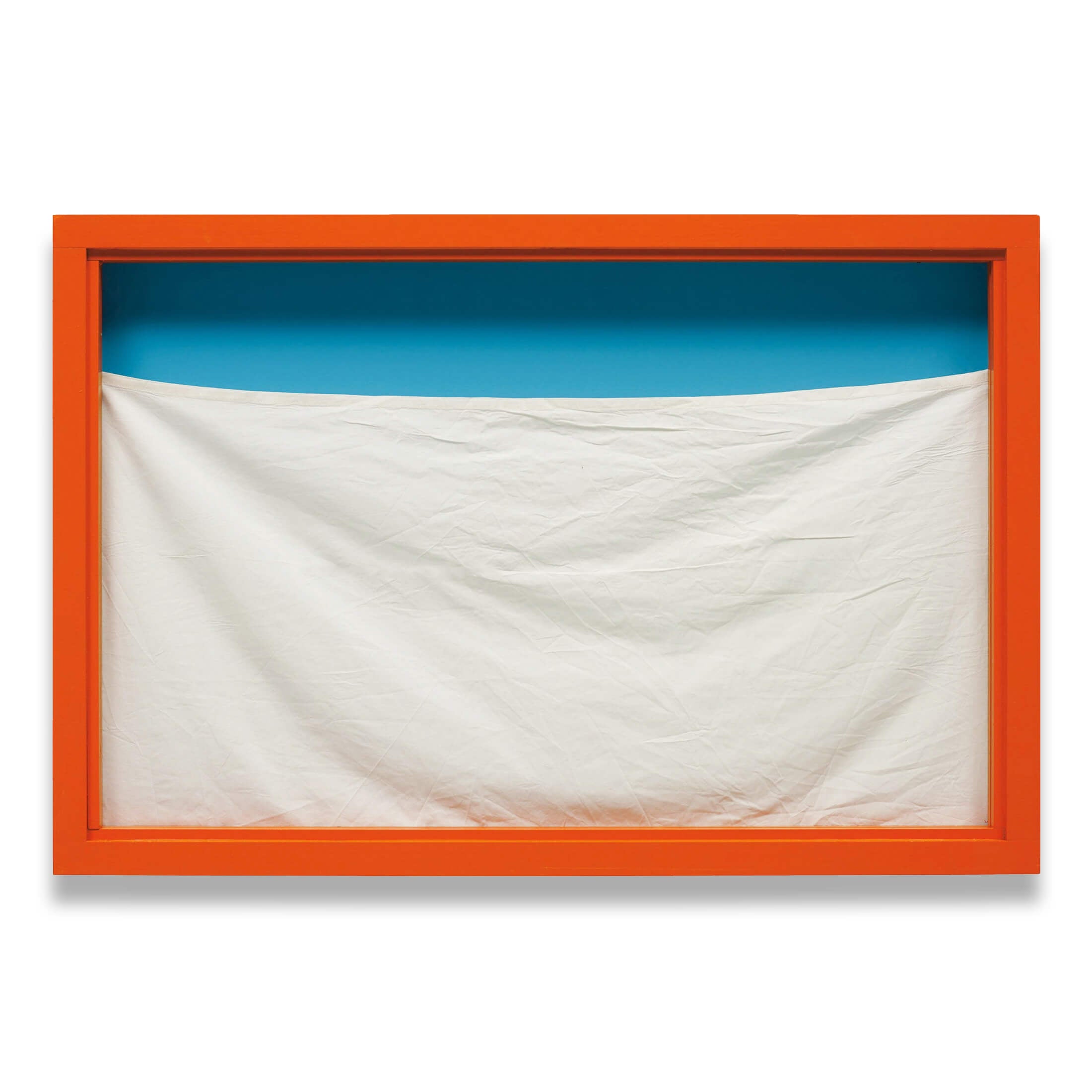
Christo – Show Window
Christo – Show Window Sale price€13.000,00
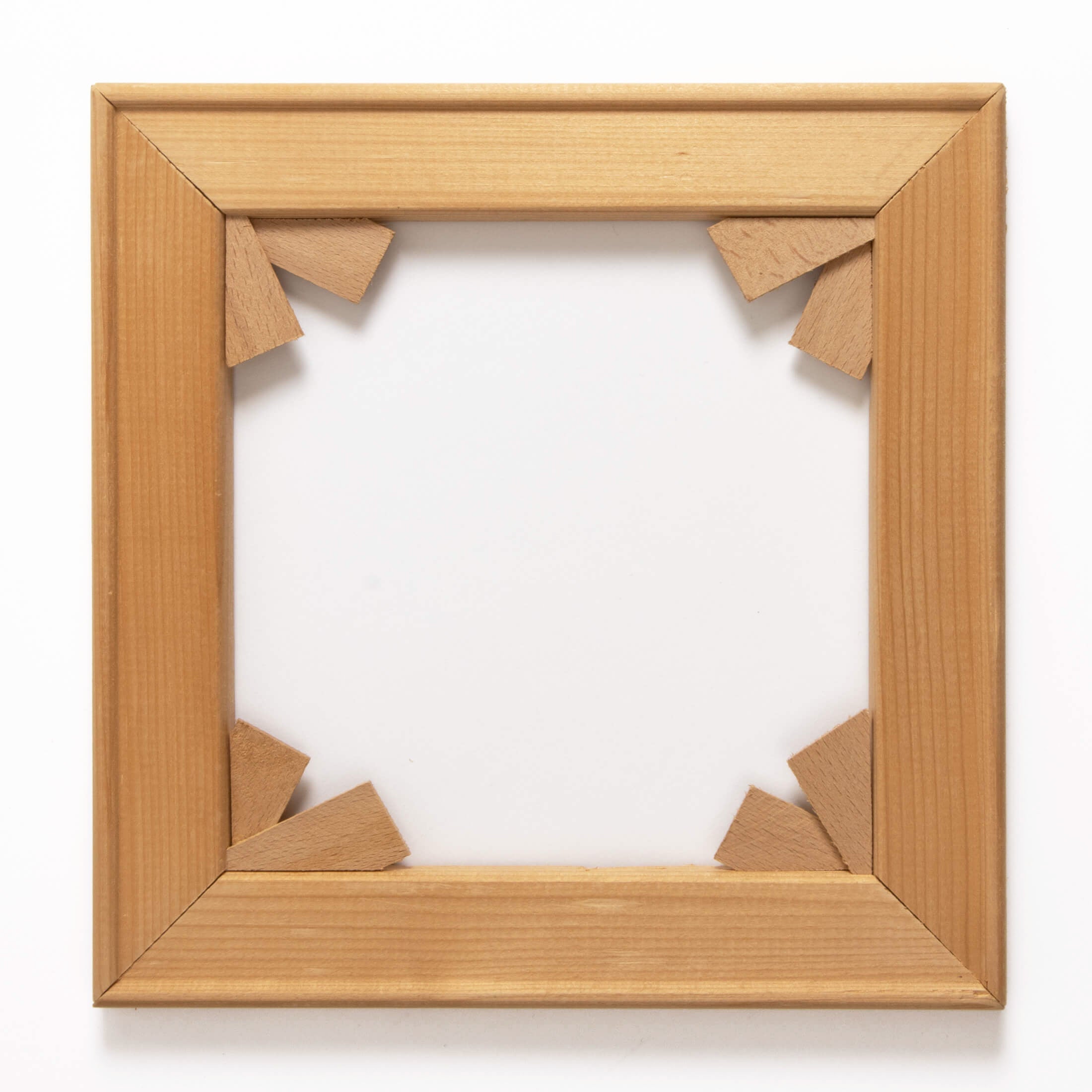
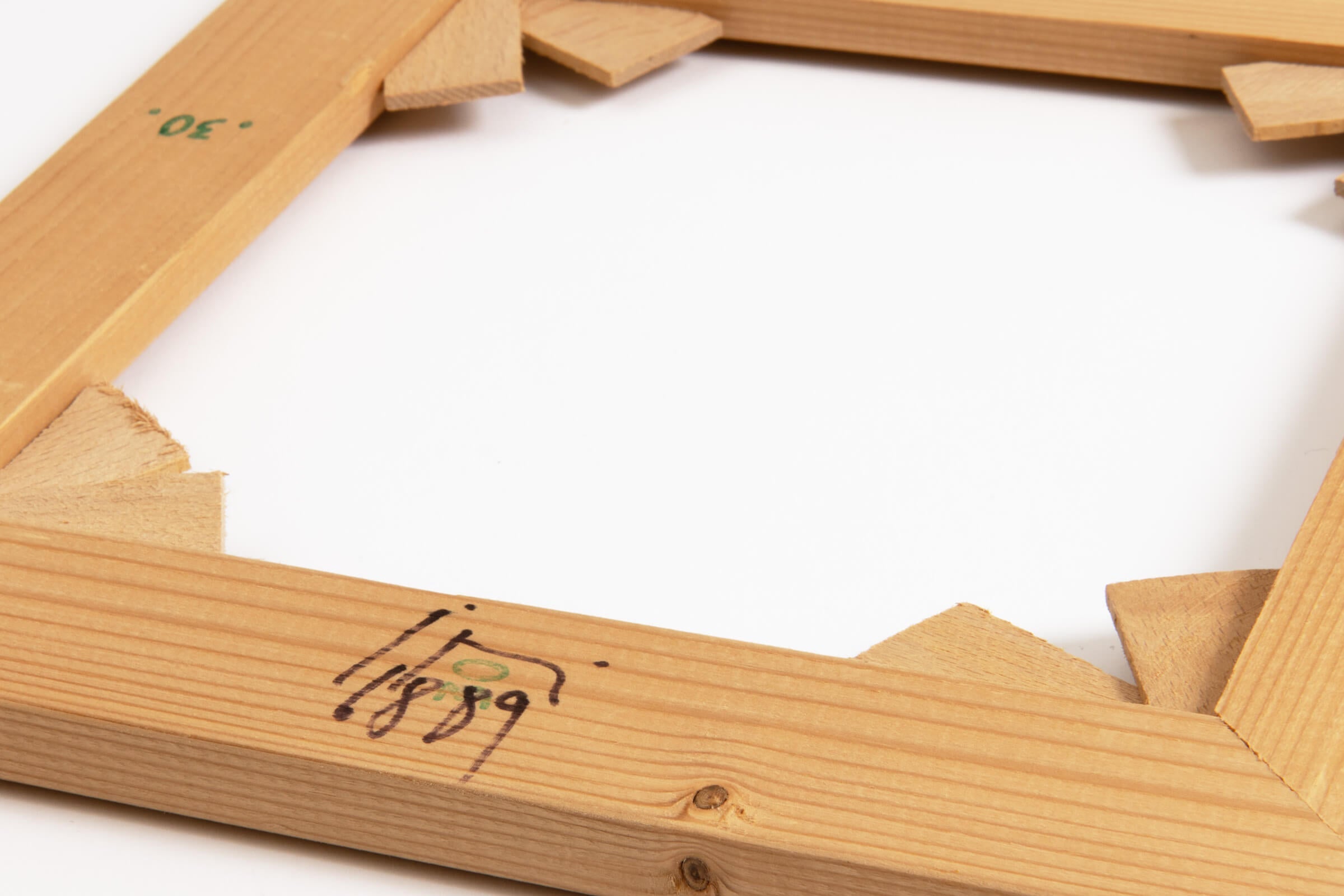
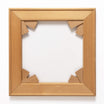
Imi Knoebel – KeilrahmenImi Knoebel – Keilrahmen
Imi Knoebel – Keilrahmen Sale price€800,00

Leading Artists in Conceptual Art

Browse signed conceptual art prints and editions by leading artists including John Baldessari, Jenny Holzer, Ed Ruscha, and Sol LeWitt.

All artists
01

Conceptual Art: When Ideas Became Art

Conceptual art is defined by the primacy of the idea over the object. Emerging in the 1960s, it marked a decisive shift in contemporary art, where meaning, intention, and context took precedence over traditional craftsmanship or visual form. Rather than producing purely aesthetic objects, artists began to treat art as a proposition, a system, or a set of conditions through which meaning is constructed.

This transformation builds on earlier twentieth-century experiments, particularly those of Marcel Duchamp, whose readymades challenged assumptions about authorship, originality, and the nature of the artwork itself. By reframing ordinary objects as art, Duchamp established a model in which selection and context could define artistic value.

Artists such as Sol LeWitt, Joseph Kosuth, and Lawrence Weiner extended this position by asserting that the idea alone could constitute the work. Language, instruction, and documentation became central tools, allowing artworks to exist as statements, sequences, or realizable systems. These approaches continue to inform conceptual art prints, photographs, and editioned works available today.

Jenny Holzer - Inflammatory Essays: Shriek When the Pain Hits During Interrogation
02

Why Conceptual Art Matters

Conceptual art is not a single style but a set of approaches that permanently reshaped how artworks are produced and understood — and why they matter beyond their physical form.

Language and text became primary mediums. Joseph Kosuth and Jenny Holzer demonstrated that language could constitute the work entirely — Kosuth by presenting dictionary definitions and photographic documentation as art, Holzer by deploying text in public space as proposition and provocation. The text does not describe the work — it is the work. Holzer's Truisms, displayed on LED boards, posters, and prints, carry the same weight as paint.

Systems and predefined structures extended this logic further. Sol LeWitt's wall drawings are generated from written instructions — execution can be delegated while the concept remains fixed. Authorship shifts from making to conceiving. The artwork exists across multiple realizations, which is precisely why editions are not secondary to his practice but central to it.

Appropriation and media critique added a third dimension. Ed Ruscha and John Baldessari explored how images and text interact — showing that meaning is produced through context, sequencing, and juxtaposition rather than through depiction. Photography, prints, and artist's books became the natural formats for work conceived to circulate rather than to hang.

What connects these practices is a single conviction: that an idea, rigorously pursued, is sufficient to constitute a work of art. That conviction is why conceptual art remains the most intellectually demanding — and most consequential — strand of contemporary collecting.

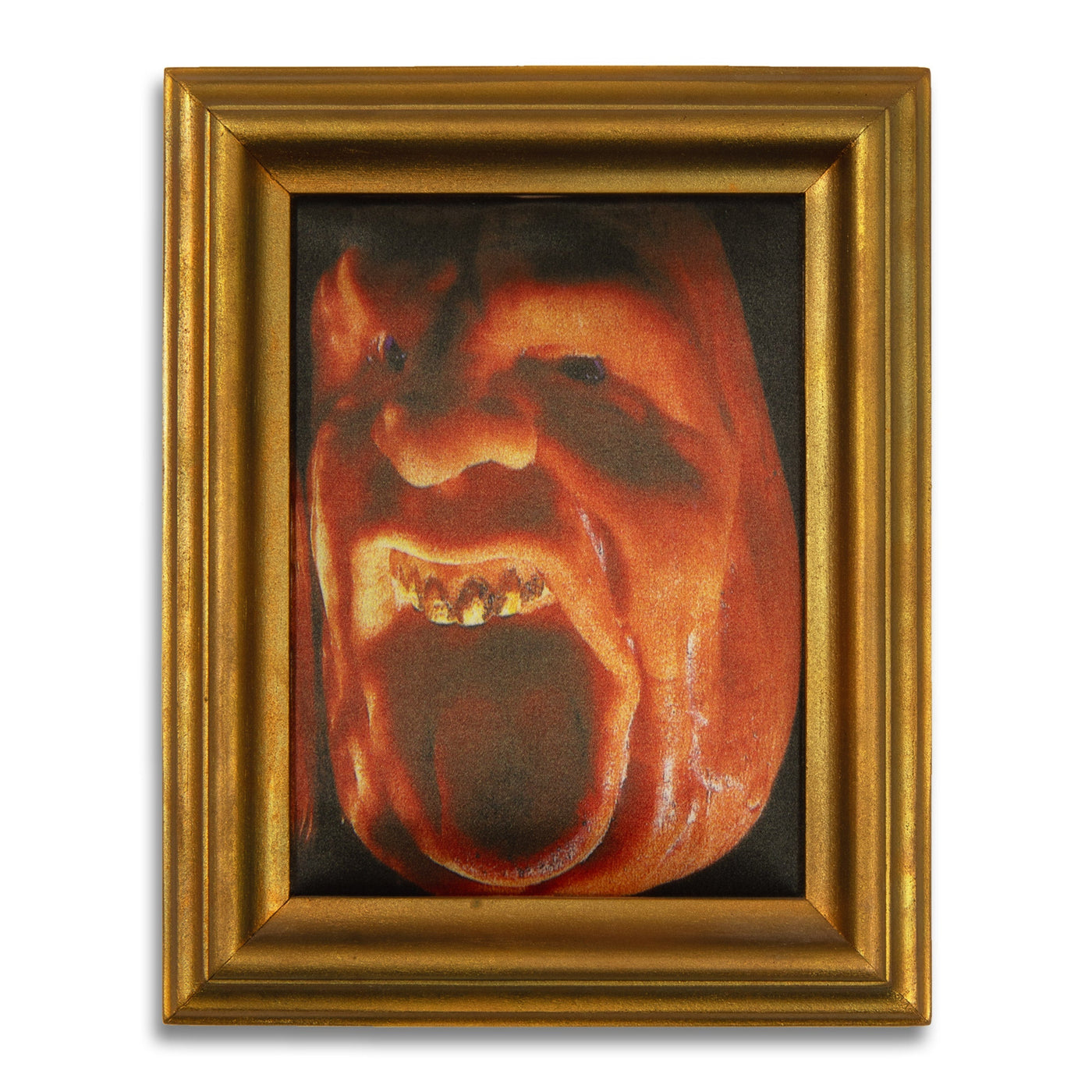
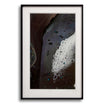
Cindy Sherman - Untitled (Parkett 29)
03

Why Collect Conceptual Art Prints and Editions

Conceptual art is closely aligned with limited edition prints, editions, and multiples, as these formats reflect its emphasis on ideas over singular objects. Many conceptual works are conceived to be reproduced, distributed, or reinterpreted, allowing them to circulate across contexts while maintaining their conceptual integrity.

Artists such as Joseph Kosuth, Sol LeWitt, and Ed Ruscha have produced prints, books, and editioned works that translate conceptual strategies into accessible formats. In some cases, the artwork may take the form of a certificate, a set of instructions, or a defined system that governs its realization. The physical object becomes one manifestation of a broader conceptual framework.

Collecting conceptual art therefore involves engaging with both material and idea. Unlike traditional collecting, where emphasis is placed on visual presence or uniqueness, conceptual art foregrounds authorship, context, and intellectual rigor. Editions and multiples offer collectors the opportunity to acquire works that are both historically significant and closely aligned with the core principles of contemporary art.

Explore available conceptual art prints, photographs, and multiples in this collection, or read the full Conceptual Art Editorial →.

01

Conceptual Art: When Ideas Became Art

Conceptual art is defined by the primacy of the idea over the object. Emerging in the 1960s, it marked a decisive shift in contemporary art, where meaning, intention, and context took precedence over traditional craftsmanship or visual form. Rather than producing purely aesthetic objects, artists began to treat art as a proposition, a system, or a set of conditions through which meaning is constructed.

This transformation builds on earlier twentieth-century experiments, particularly those of Marcel Duchamp, whose readymades challenged assumptions about authorship, originality, and the nature of the artwork itself. By reframing ordinary objects as art, Duchamp established a model in which selection and context could define artistic value.

Artists such as Sol LeWitt, Joseph Kosuth, and Lawrence Weiner extended this position by asserting that the idea alone could constitute the work. Language, instruction, and documentation became central tools, allowing artworks to exist as statements, sequences, or realizable systems. These approaches continue to inform conceptual art prints, photographs, and editioned works available today.

02

Why Conceptual Art Matters

Conceptual art is not a single style but a set of approaches that permanently reshaped how artworks are produced and understood — and why they matter beyond their physical form.

Language and text became primary mediums. Joseph Kosuth and Jenny Holzer demonstrated that language could constitute the work entirely — Kosuth by presenting dictionary definitions and photographic documentation as art, Holzer by deploying text in public space as proposition and provocation. The text does not describe the work — it is the work. Holzer's Truisms, displayed on LED boards, posters, and prints, carry the same weight as paint.

Systems and predefined structures extended this logic further. Sol LeWitt's wall drawings are generated from written instructions — execution can be delegated while the concept remains fixed. Authorship shifts from making to conceiving. The artwork exists across multiple realizations, which is precisely why editions are not secondary to his practice but central to it.

Appropriation and media critique added a third dimension. Ed Ruscha and John Baldessari explored how images and text interact — showing that meaning is produced through context, sequencing, and juxtaposition rather than through depiction. Photography, prints, and artist's books became the natural formats for work conceived to circulate rather than to hang.

What connects these practices is a single conviction: that an idea, rigorously pursued, is sufficient to constitute a work of art. That conviction is why conceptual art remains the most intellectually demanding — and most consequential — strand of contemporary collecting.

03

Why Collect Conceptual Art Prints and Editions

Conceptual art is closely aligned with limited edition prints, editions, and multiples, as these formats reflect its emphasis on ideas over singular objects. Many conceptual works are conceived to be reproduced, distributed, or reinterpreted, allowing them to circulate across contexts while maintaining their conceptual integrity.

Artists such as Joseph Kosuth, Sol LeWitt, and Ed Ruscha have produced prints, books, and editioned works that translate conceptual strategies into accessible formats. In some cases, the artwork may take the form of a certificate, a set of instructions, or a defined system that governs its realization. The physical object becomes one manifestation of a broader conceptual framework.

Collecting conceptual art therefore involves engaging with both material and idea. Unlike traditional collecting, where emphasis is placed on visual presence or uniqueness, conceptual art foregrounds authorship, context, and intellectual rigor. Editions and multiples offer collectors the opportunity to acquire works that are both historically significant and closely aligned with the core principles of contemporary art.

Explore available conceptual art prints, photographs, and multiples in this collection, or read the full Conceptual Art Editorial →.

Jenny Holzer - Inflammatory Essays: Shriek When the Pain Hits During InterrogationCindy Sherman - Untitled (Parkett 29)

Explore Art Collections

Explore curated art collections across movements, themes, and artist groups, offering multiple ways to navigate and discover contemporary art.

View all
Prints, Photographs & Multiples

View our full collection of

Prints, Photographs & Multiples

Shop now