Ed Ruscha

Ed Ruscha arrived in Los Angeles in 1956 and found his subject matter in the city's visual vernacular — gas stations, parking lots, billboard typography, the deadpan language of American signage. Where Pop Art celebrated consumer culture, Ruscha dissected it — turning words into visual objects that hover between language and image, meaning suspended mid-air. Printmaking and artist's books were never secondary to his practice; they were the formats best suited to a body of work built on repetition, sequence, and the instability of text. His 2023 retrospective at MoMA, NOW THEN, covered six decades of exactly that. Works held at MoMA, Tate, and the Centre Pompidou.

Browse signed Ed Ruscha prints and editions now.

Available Prints & Editions

8 products

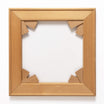
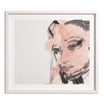
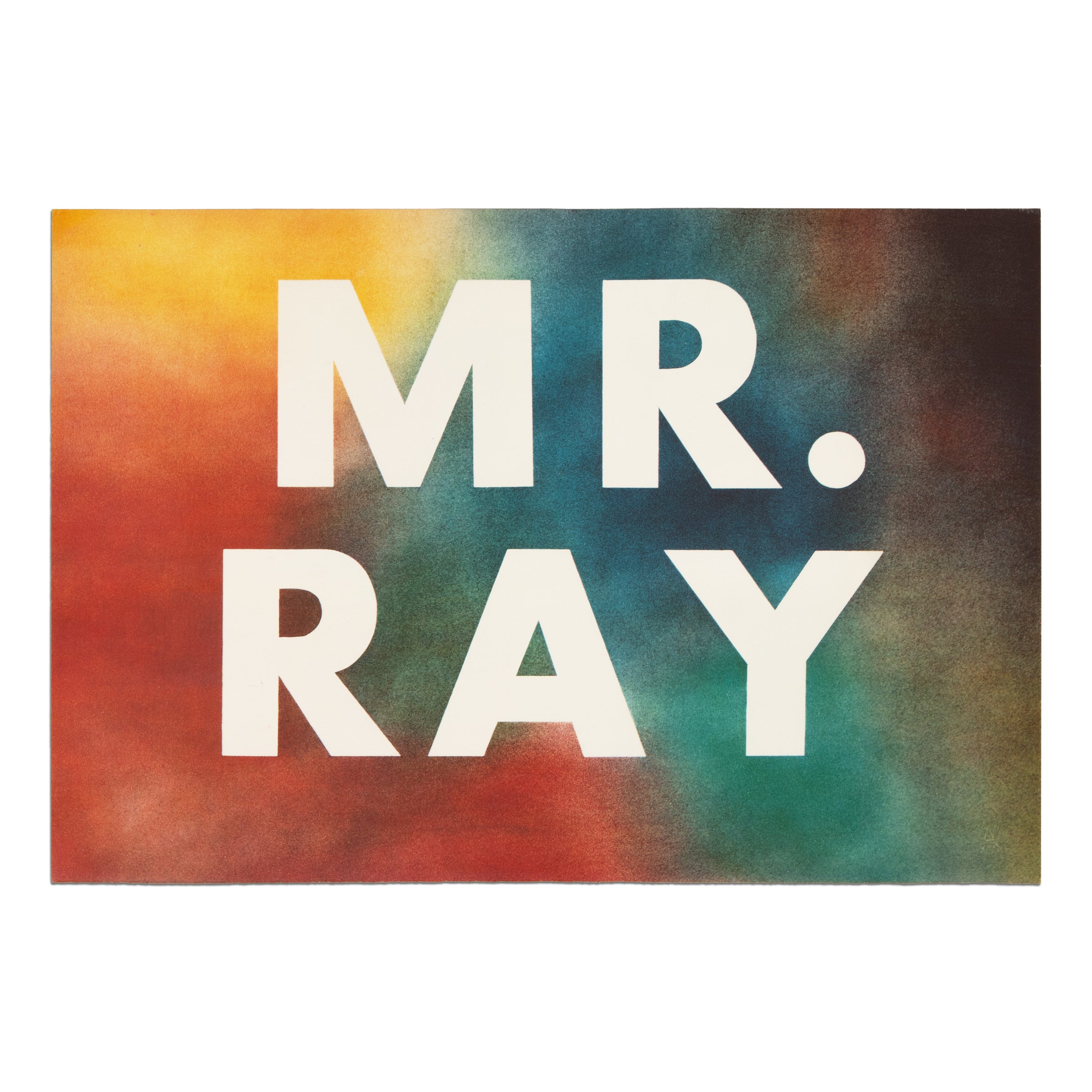
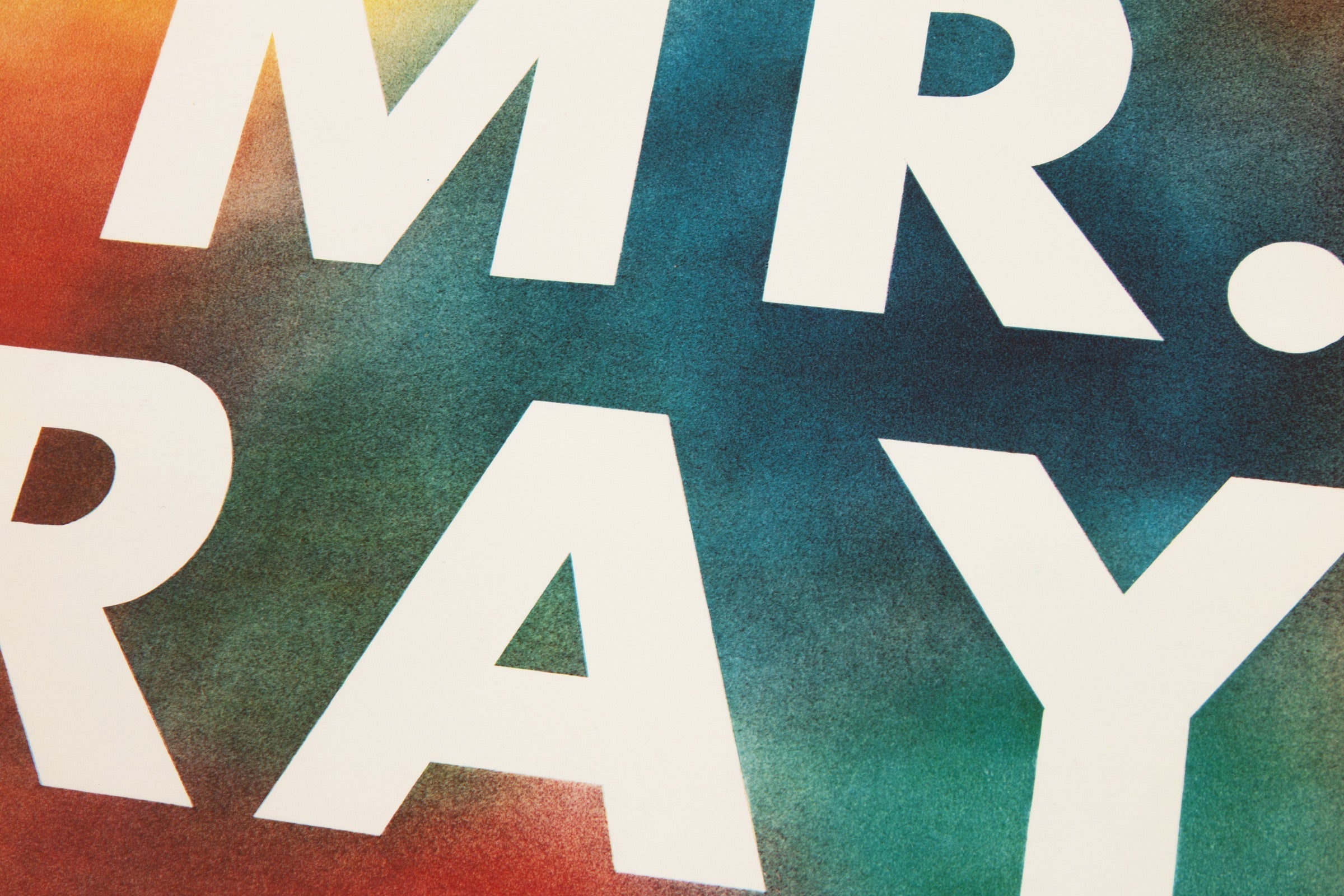
Ed Ruscha – Mr. RayEd Ruscha – Mr. Ray
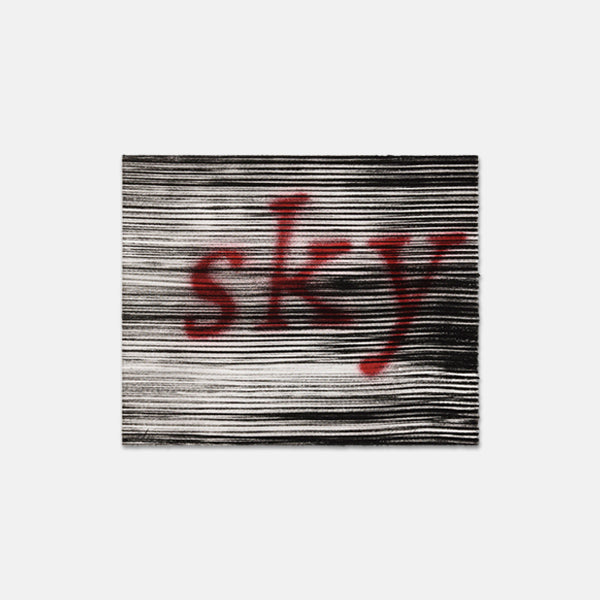
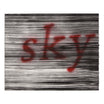
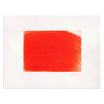
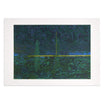
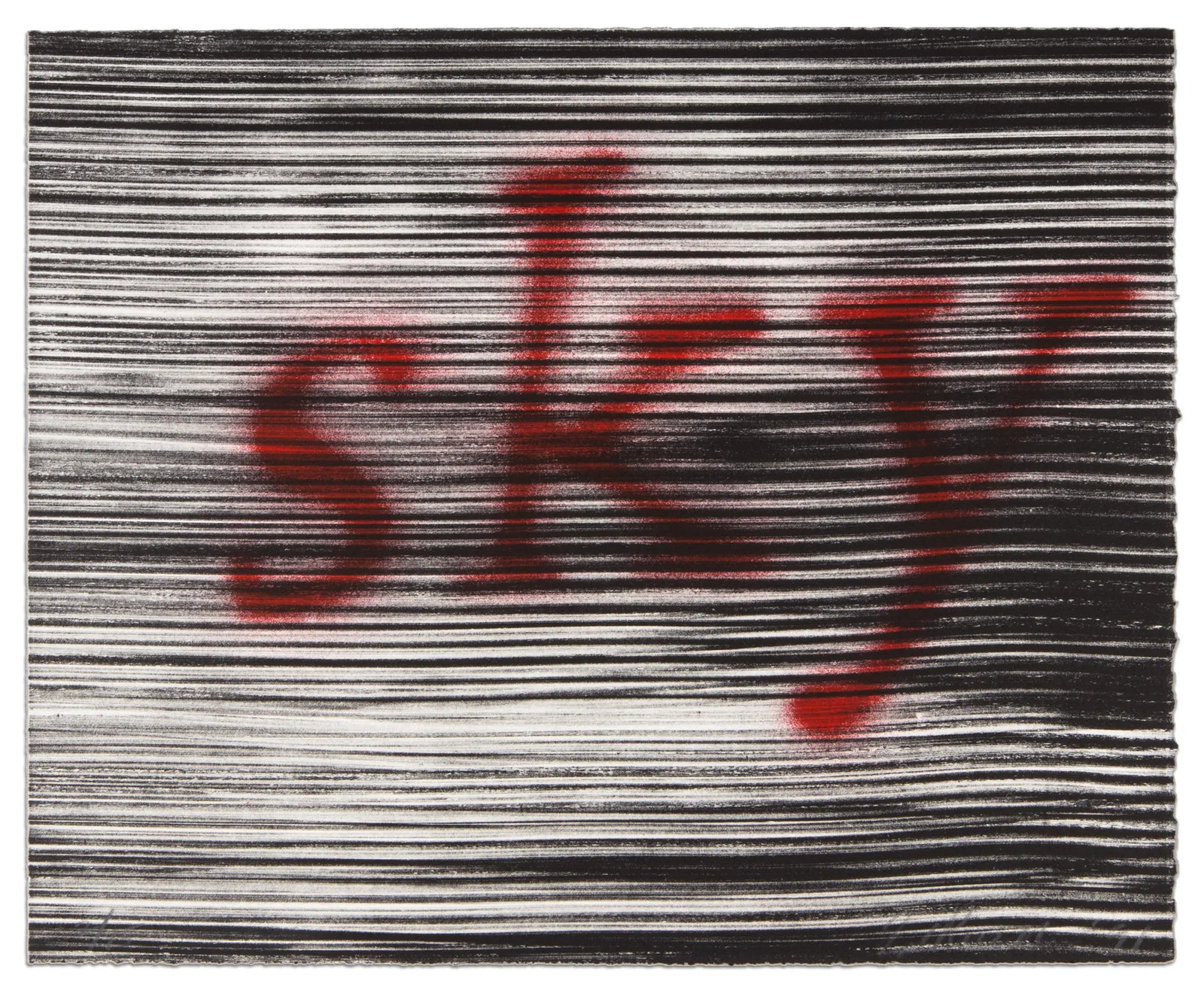
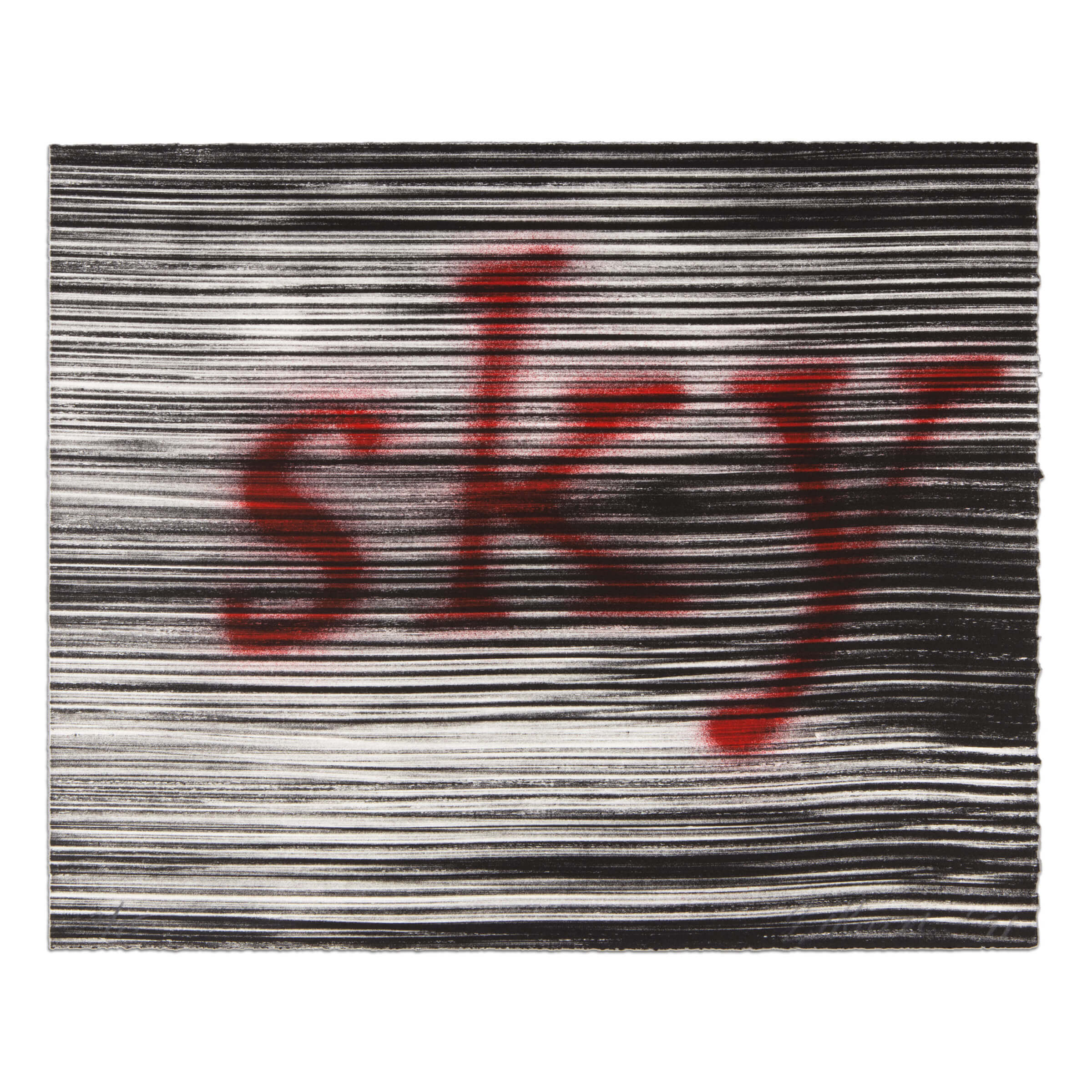
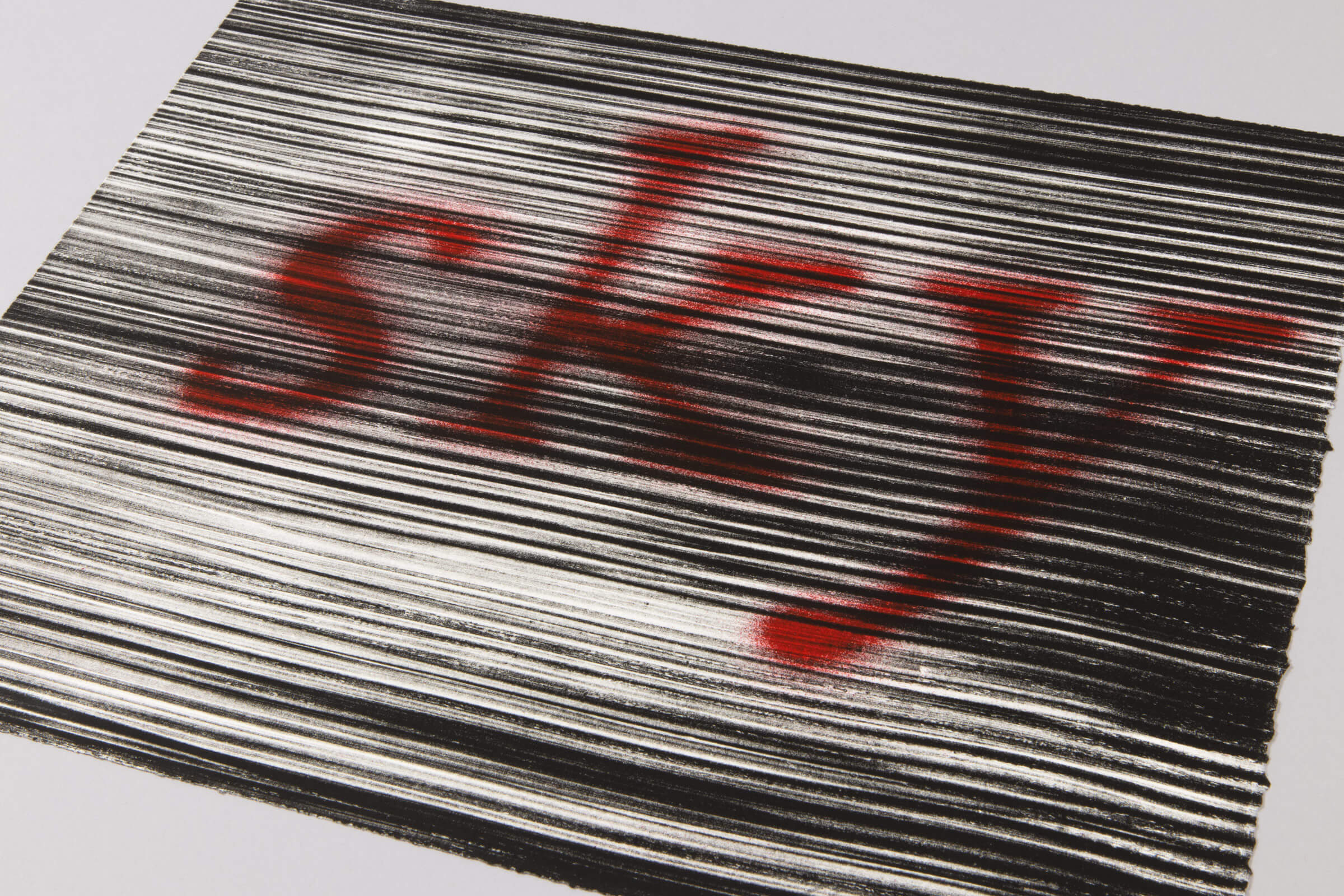
Ed Ruscha – This SkyEd Ruscha – This Sky
Ed Ruscha – This Sky Sale price€13.500,00
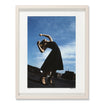
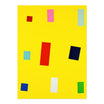
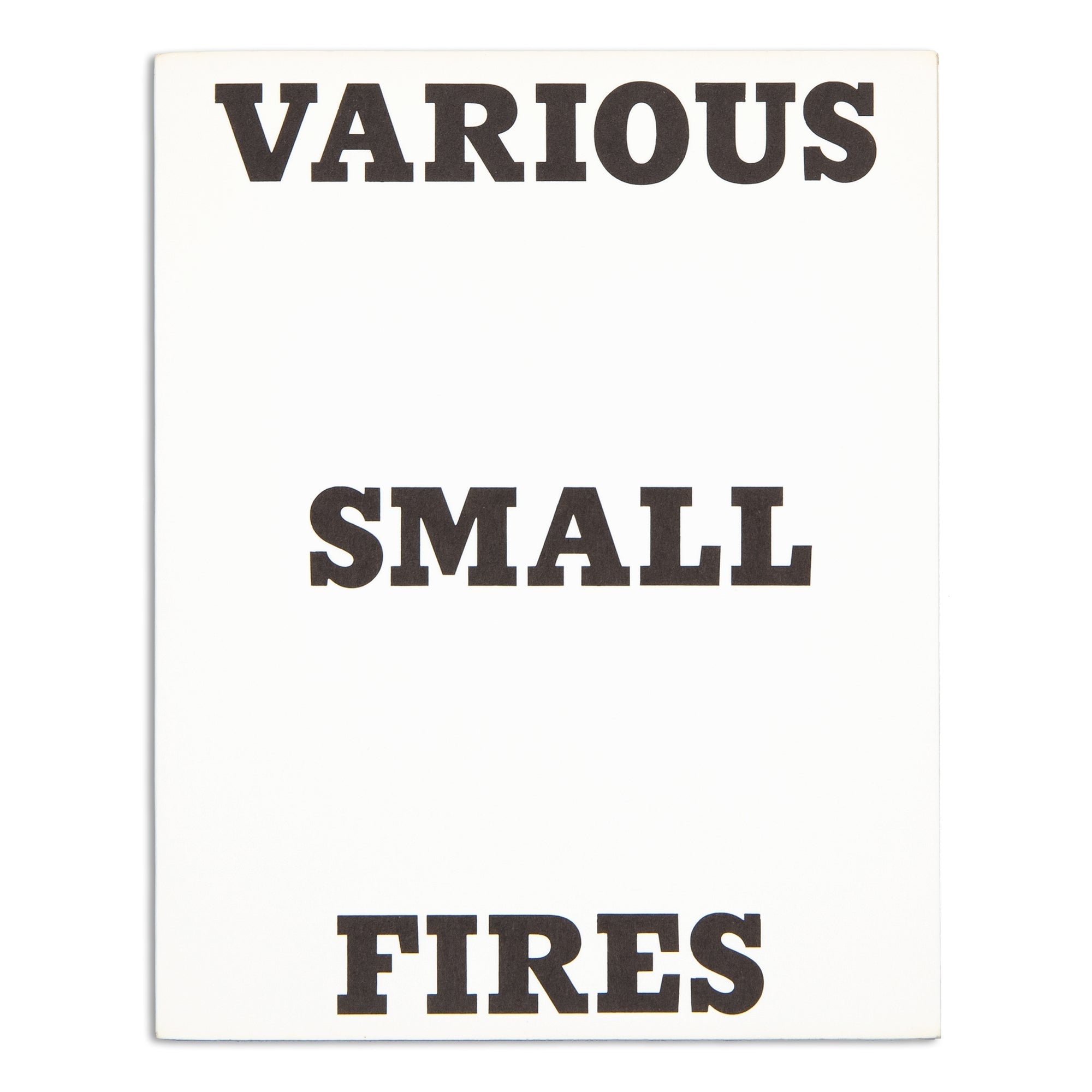
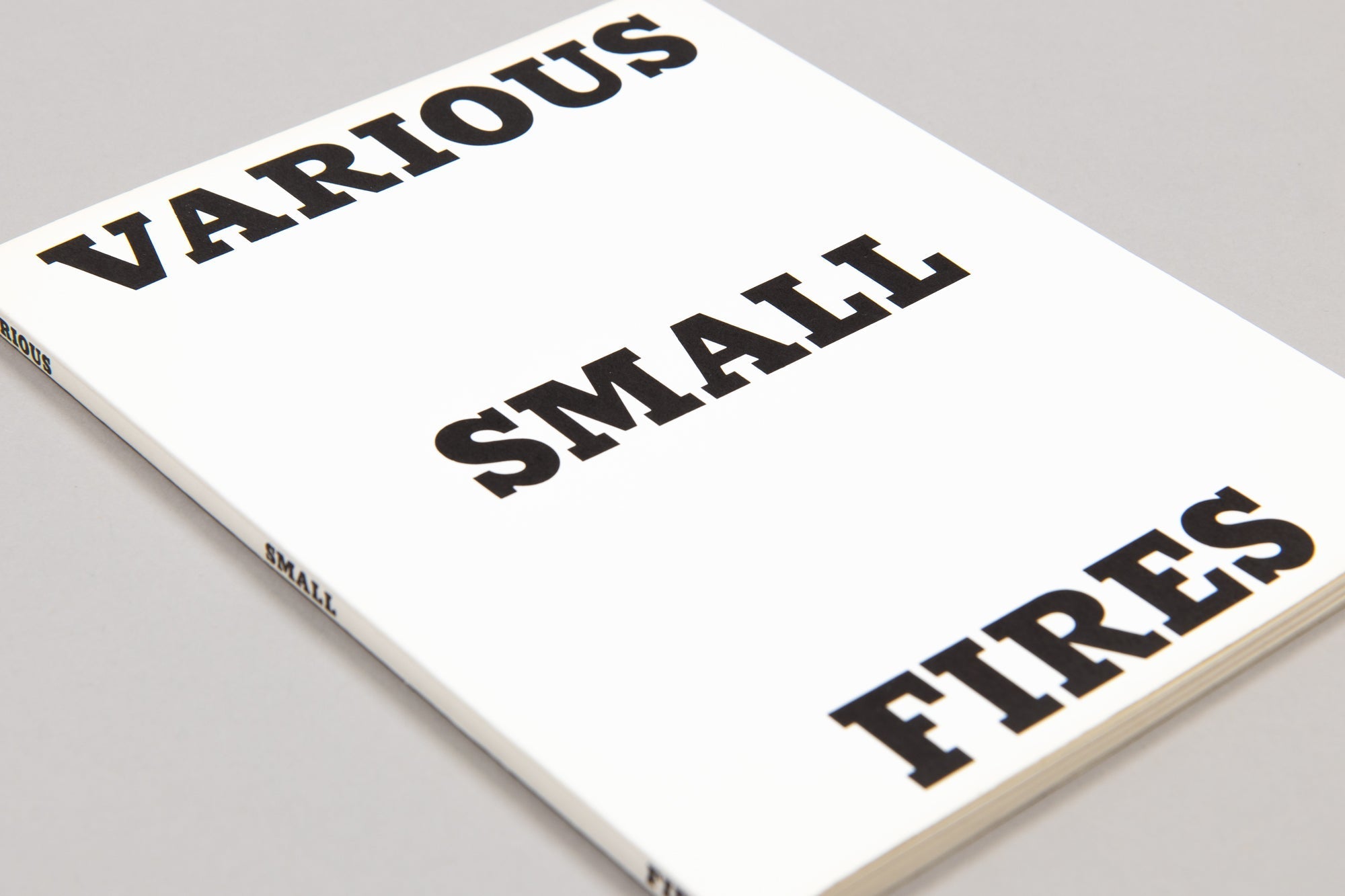
Ed Ruscha - Various Small Fires and MilkEd Ruscha - Various Small Fires and Milk
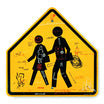
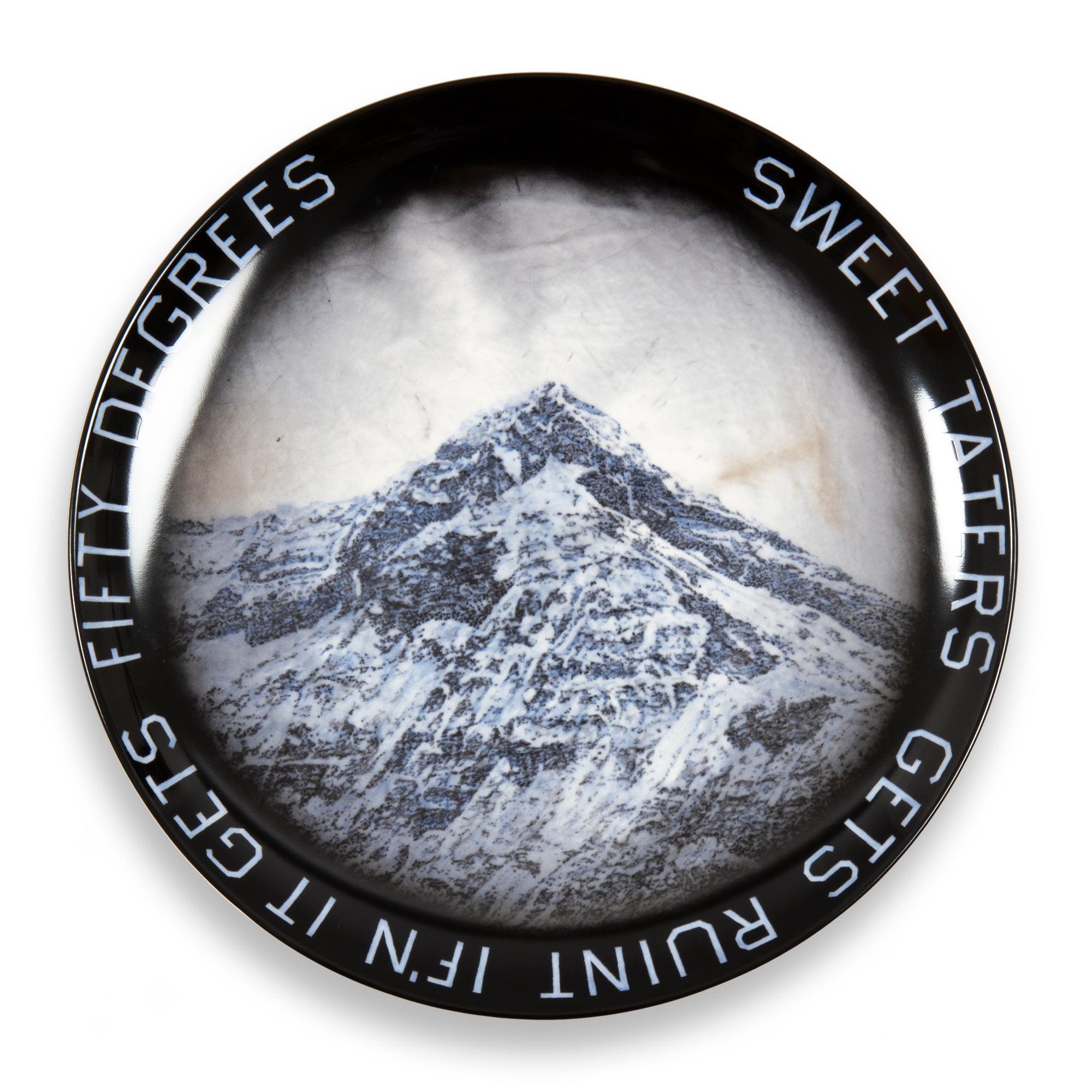
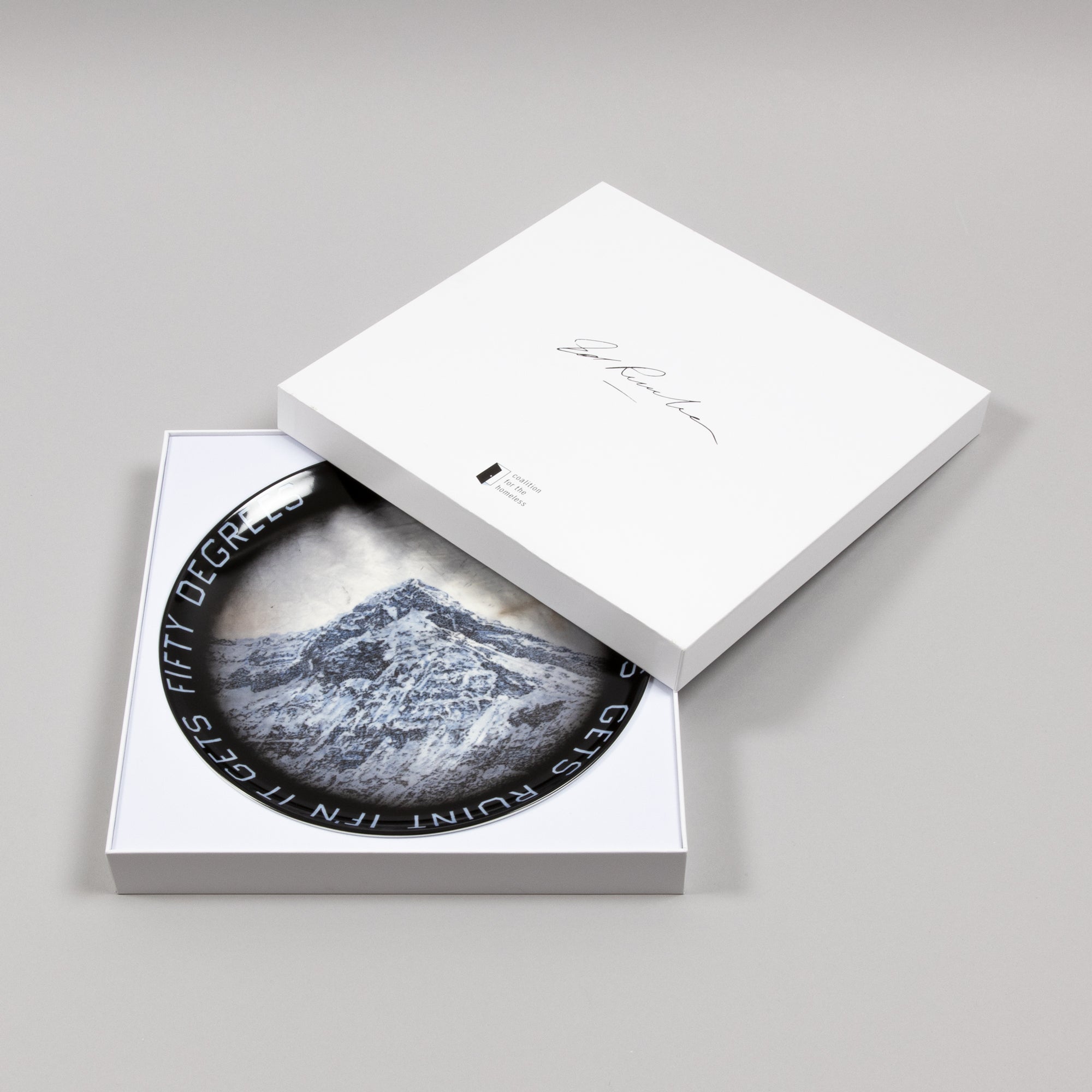
Ed Ruscha - Sweet TatersEd Ruscha - Sweet Taters
Ed Ruscha – Sweet Taters Sale price€1.700,00
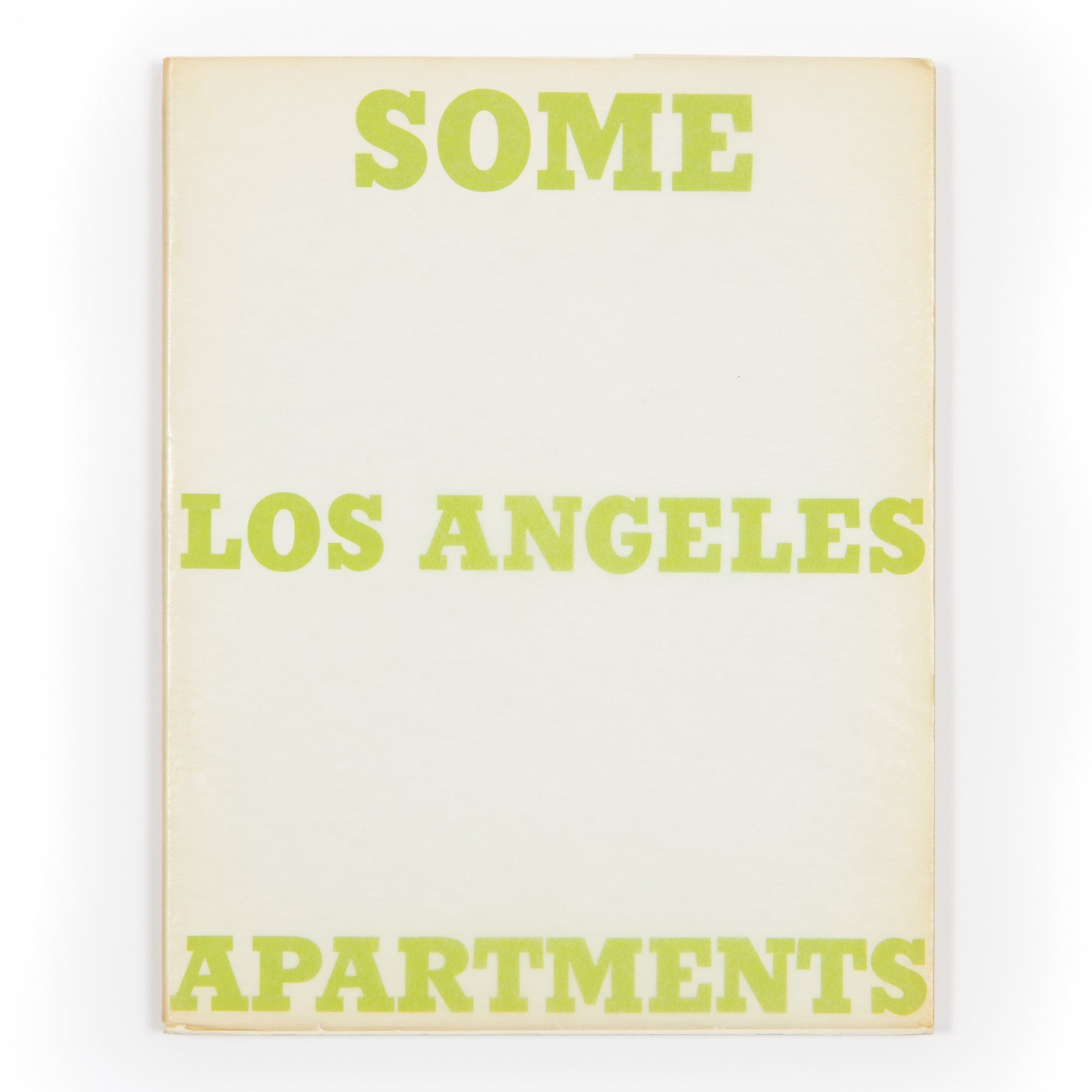
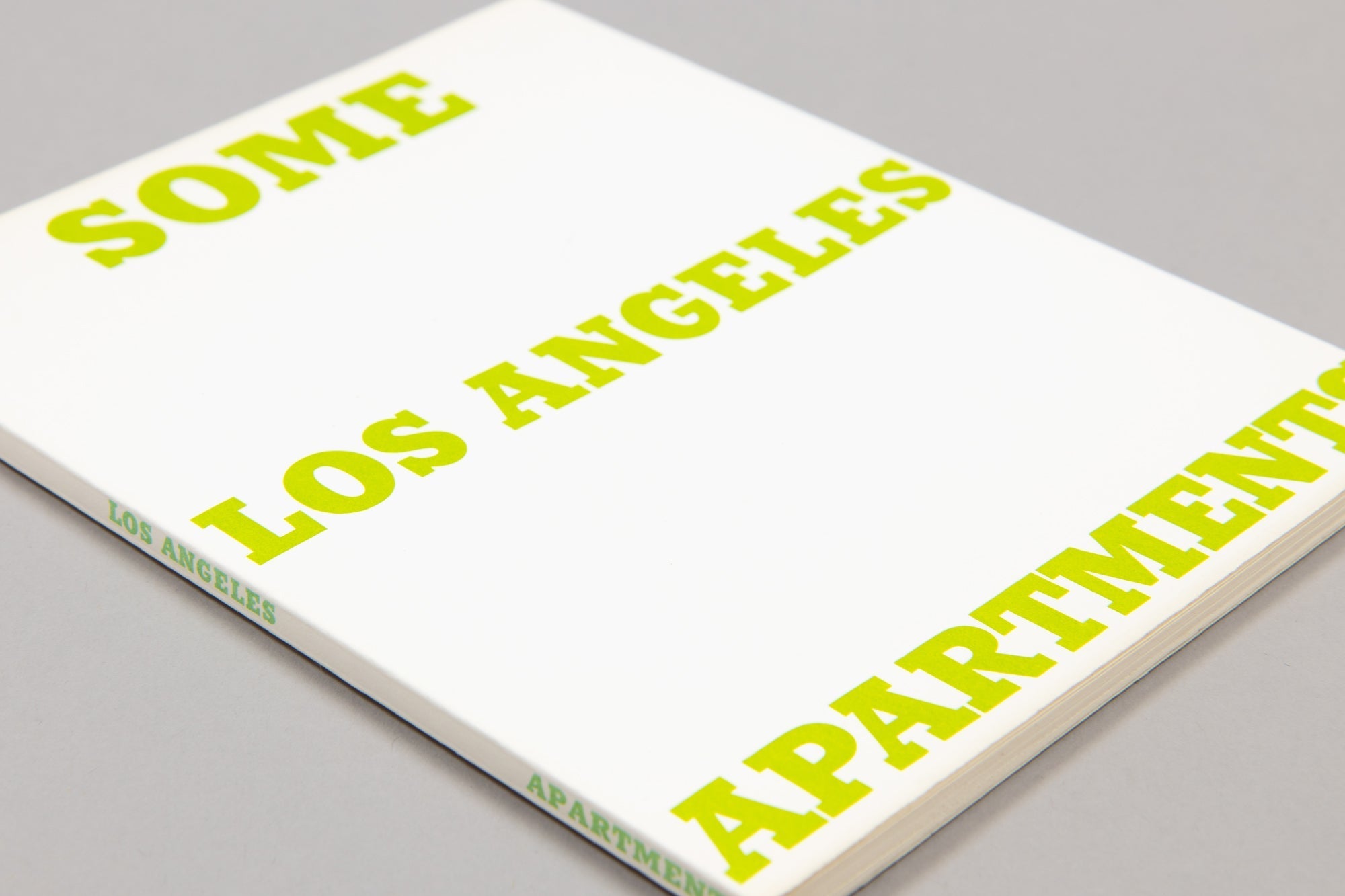
Ed Ruscha – Some Los Angeles ApartmentsEd Ruscha - Some Los Angeles Apartments
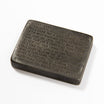
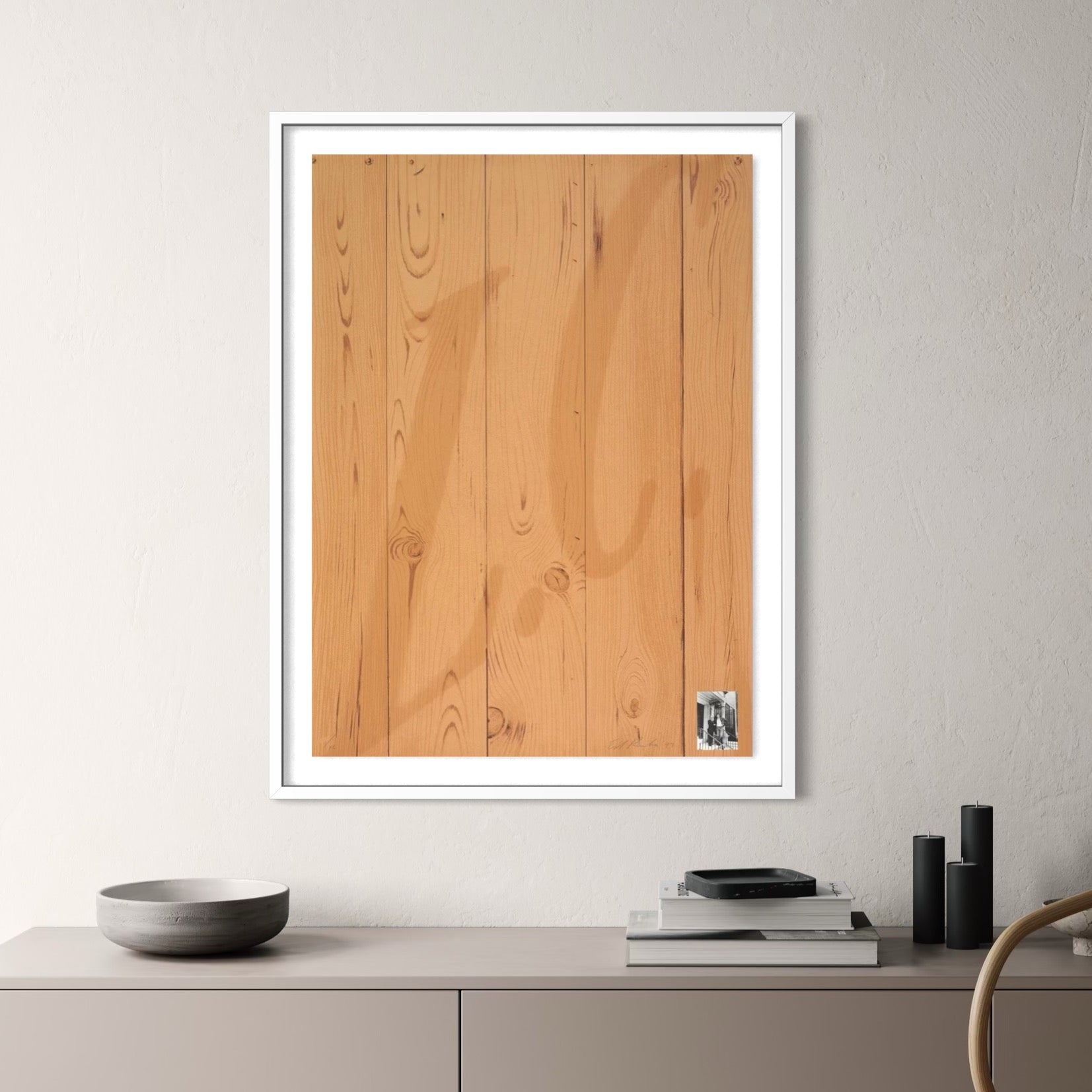
Ed Ruscha - L.C.Ed Ruscha - L.C.
Ed Ruscha - L.C. Sale price€5.400,00
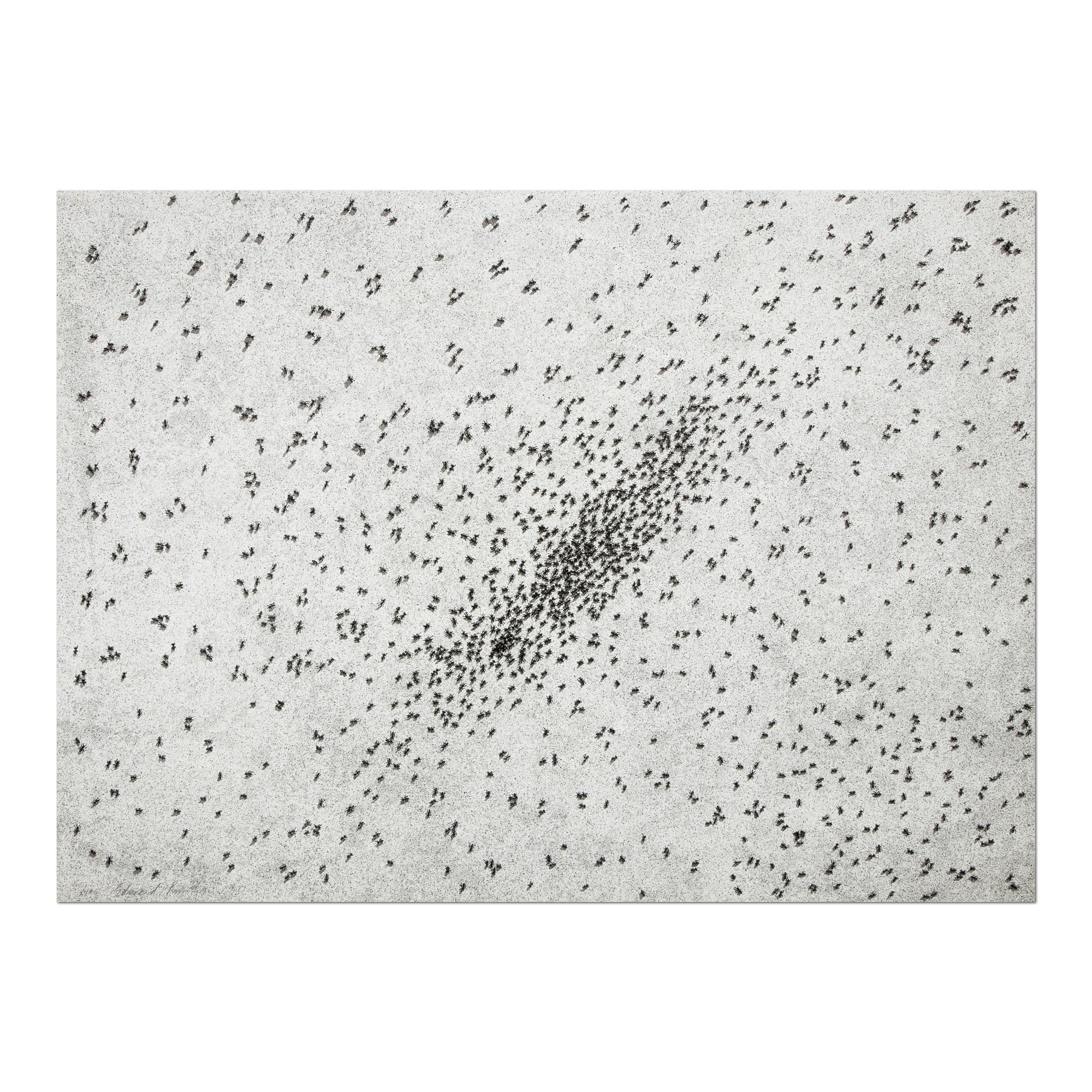
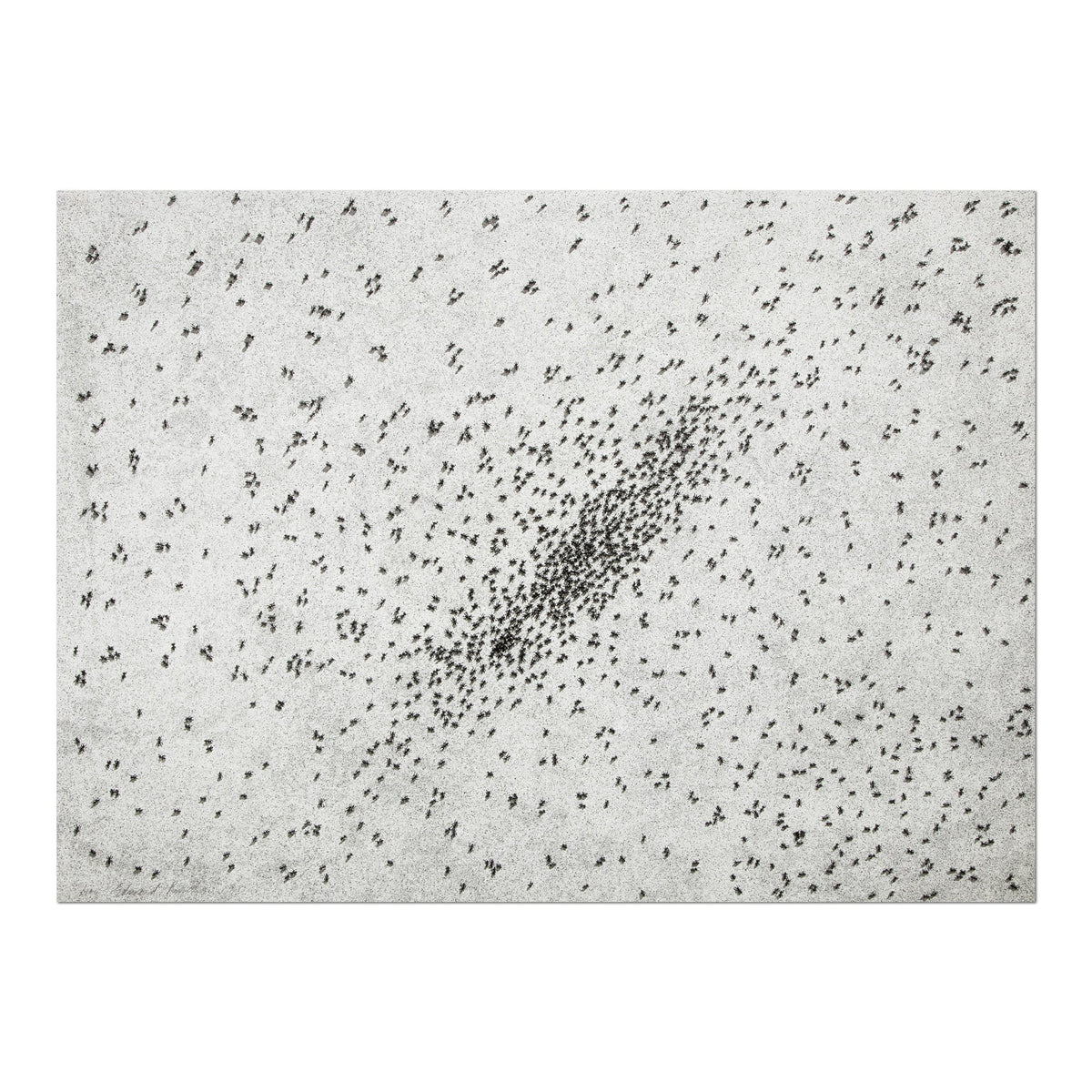
Ed Ruscha - Insect Slant (Ants)Ed Ruscha - Insect Slant (Ants)
Ed Ruscha – Insect Slant (Ants) Sale price€9.000,00
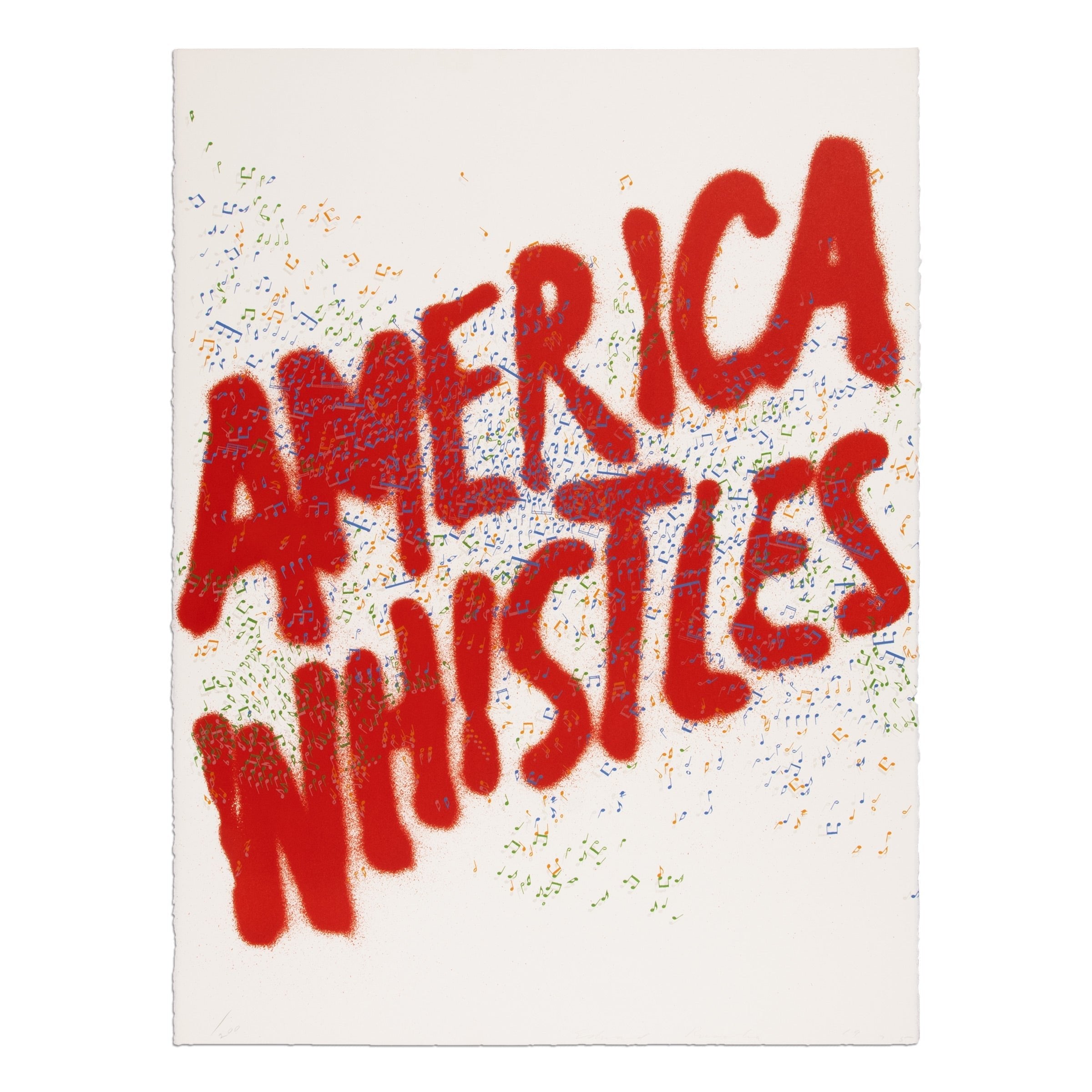
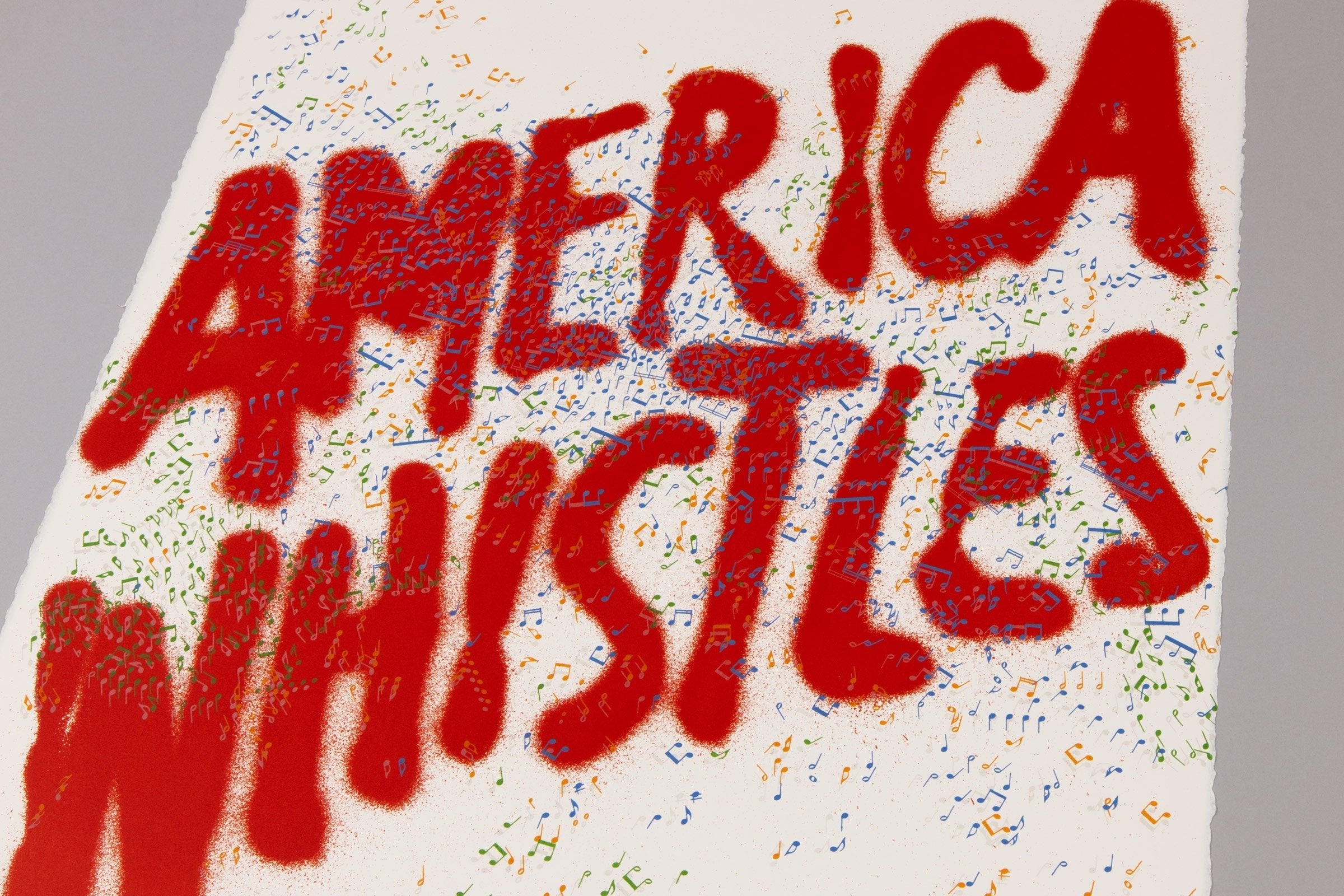
Ed Ruscha - America WhistlesEd Ruscha - America Whistles
Ed Ruscha – America Whistles Sale price€9.500,00
01

Ed Ruscha Biography

Ed Ruscha (born 1937 in Omaha, Nebraska) settled in Los Angeles by the mid-1950s, arriving in a city that had not yet fully registered itself as a subject worthy of serious art. What he found there — horizontal sprawl, commercial signage, architecture reduced to pure function — became not just his subject but his method. He did not paint Los Angeles in any conventional sense; he read it, the way a linguist reads a sentence, searching for the structure beneath the surface.
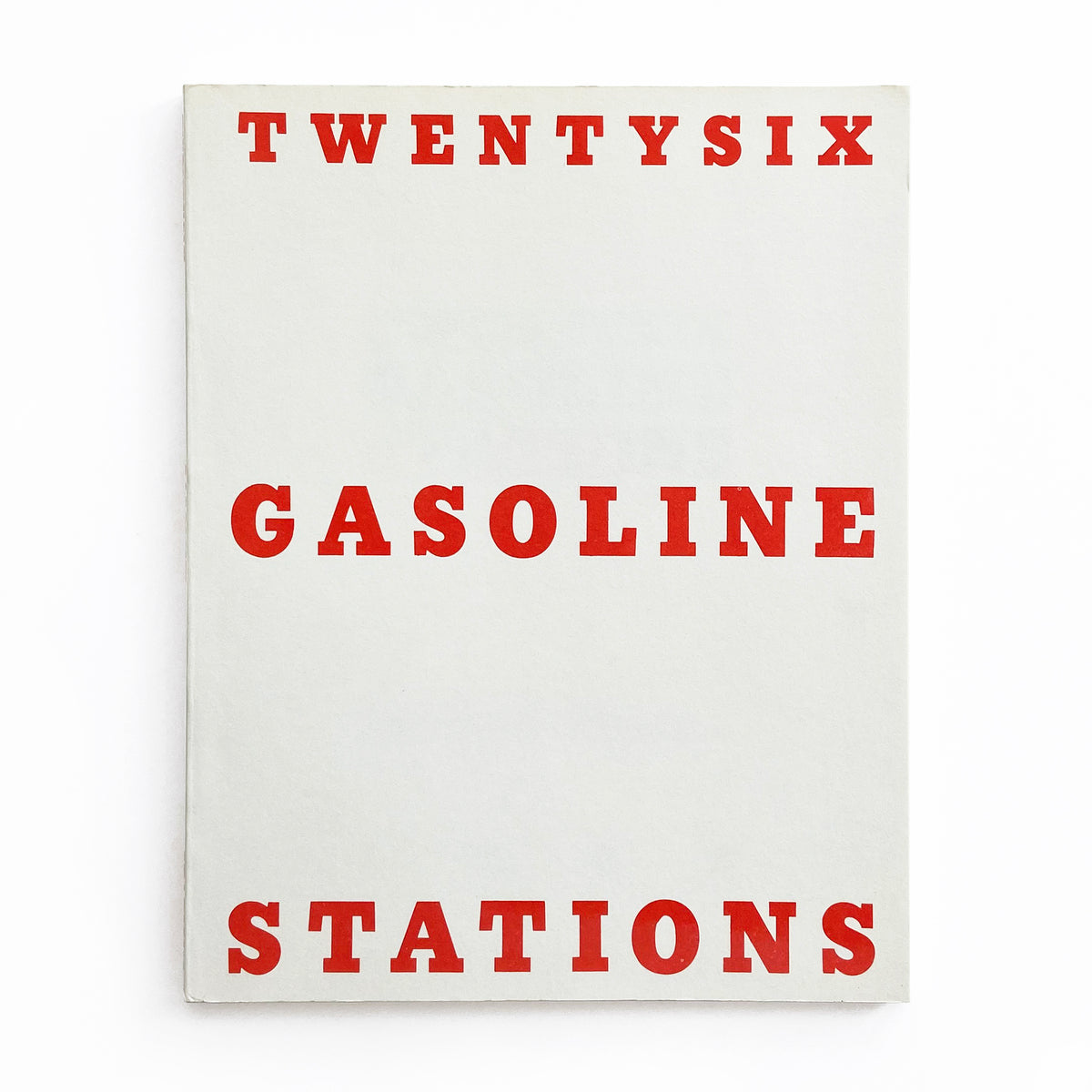
His breakthrough arrived not with fanfare but with a paperback. In 1963, Ruscha self-published Twentysix Gasoline Stations — photographs of exactly that, shot along the route between Los Angeles and Oklahoma City, sequenced without commentary or hierarchy. In an art world still organised around gesture and expression, the book offered something aggressively neutral: the subject wasn't transformed, beautified, or criticised. It was simply shown, repeated twenty-six times, until banal fact accumulated into conceptual structure. Every Building on the Sunset Strip (1966) pushed the idea further — a continuous accordion-fold photograph of both sides of a single street, shot from a motorised camera mounted to a slow-moving car, no editing for interest or beauty.
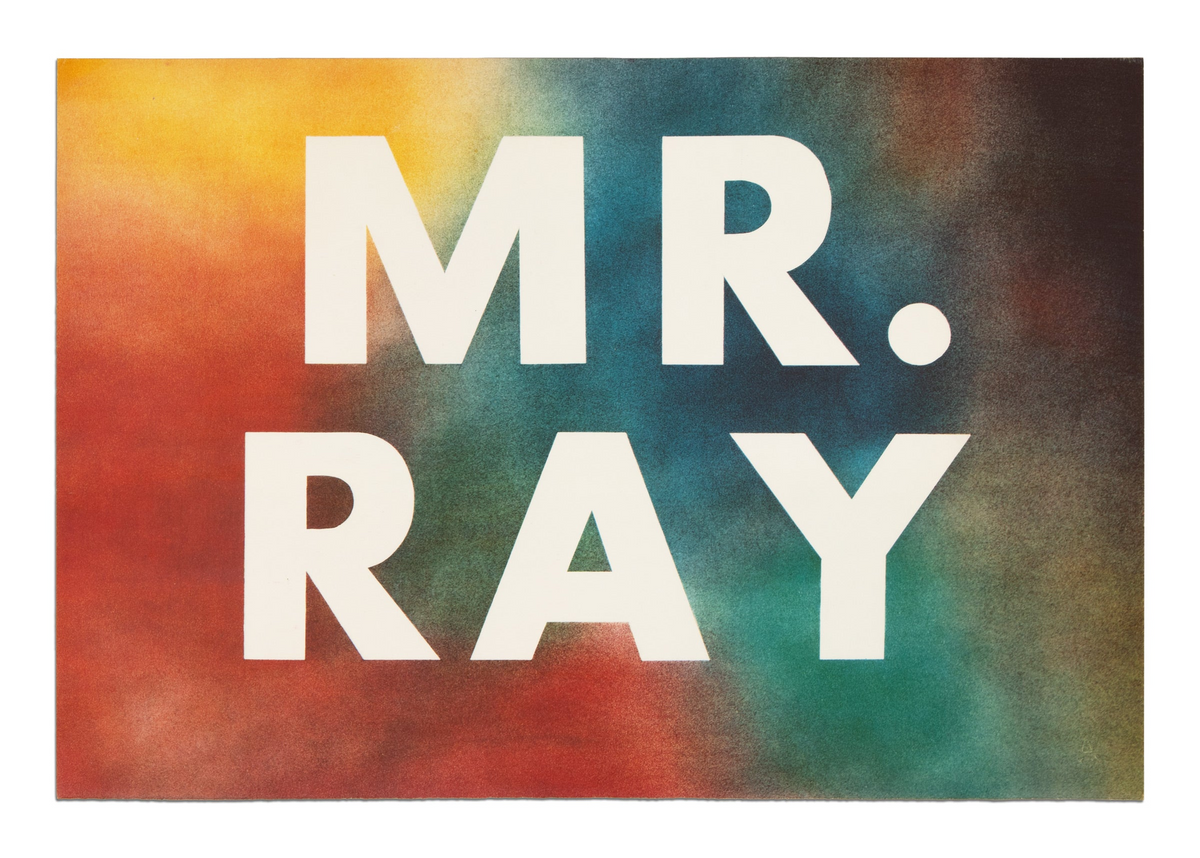
In parallel, Ruscha began placing single words and short phrases against painted grounds — OOF, HONK, BOSS, SPAM — removed from any context that might anchor their meaning. "I like the idea of a word becoming a picture, almost leaving its body behind," he has said of the method. The words function as visual objects rather than captions: enlarged, isolated, hovering between language and pure material presence, never quite resolving into a single reading.

Ruscha is routinely filed under Pop Art, and the association isn't wrong — he worked with the imagery of American consumer culture alongside Andy Warhol and Roy Lichtenstein, with comparable deadpan affect. But the comparison only goes so far: where Pop frequently embraced spectacle and the seductive surface of mass culture, Ruscha introduced restraint and something closer to philosophical suspension. His method is arguably closer in spirit to conceptual art — the idea that a work's proposition matters more than its appearance — but without the dryness conceptual art sometimes retreats into. That combination, rigour with genuine atmosphere, is precisely what makes him difficult to classify, and genuinely influential.

His inclusion in New Painting of Common Objects at the Pasadena Art Museum in 1962 placed him at the forefront of West Coast Pop from the very start of his career. Since then, major retrospectives have followed at the Whitney Museum (2004, later travelling to the Venice Biennale as Course of Empire, where he represented the United States), the National Gallery in London (2018), and MoMA, whose 2023–24 survey NOW THEN offered the most comprehensive account yet of his six-decade practice.

Ed Ruscha - Insect Slant (Ants)
02

Famous Ed Ruscha Artworks

Standard Station, Ten-Cent Western Being Torn in Half (1964), Ruscha's auction record at $68.26 million (Christie's New York, 2024), belongs to his celebrated series of gas station paintings — the last of his large-scale 1960s canvases to remain in private hands before this sale.

Twentysix Gasoline Stations (1963), his self-published debut artist's book, established the serial, deadpan method that would define his entire career — twenty-six identical, uncommented photographs that turned a mundane American road trip into a genuine conceptual proposition.

Every Building on the Sunset Strip (1966), an accordion-fold photographic document of an entire Los Angeles street, extended that same logic to architectural scale — the book functioning not as a container for images but as a conceptual form in its own right.

Mint (Green) (1968), which sold for $12.97 million at Sotheby's in 2023, belongs to Ruscha's rare series of twelve "liquid word" paintings made between 1966 and 1969, rendering language as if dissolving or dripping across the canvas.

03

Ed Ruscha Prints & Editions

Printmaking and artist's books were never a secondary format for Ruscha — they were where his central ideas about repetition, sequence, and the instability of language first found their most rigorous form. His editions span screenprint, lithograph, and photographic multiple, frequently reinterpreting the same words, gas stations, and Los Angeles imagery that populate his paintings, translated with the same typographic precision.

Because his major paintings now regularly exceed eight figures at auction, his signed prints and multiples represent one of the more direct ways to own an original Ruscha — ranging roughly from $5,000 to $50,000, while his artistically even more valuable artist's books remain available for considerably less.

For collectors, Ruscha's editions offer entry into a practice built on showing the ordinary world with enough patience to let its underlying structure become visible. Works are held in the permanent collections of MoMA, Tate, and the Centre Pompidou.

01

Ed Ruscha Biography

Ed Ruscha (born 1937 in Omaha, Nebraska) settled in Los Angeles by the mid-1950s, arriving in a city that had not yet fully registered itself as a subject worthy of serious art. What he found there — horizontal sprawl, commercial signage, architecture reduced to pure function — became not just his subject but his method. He did not paint Los Angeles in any conventional sense; he read it, the way a linguist reads a sentence, searching for the structure beneath the surface.

His breakthrough arrived not with fanfare but with a paperback. In 1963, Ruscha self-published Twentysix Gasoline Stations — photographs of exactly that, shot along the route between Los Angeles and Oklahoma City, sequenced without commentary or hierarchy. In an art world still organised around gesture and expression, the book offered something aggressively neutral: the subject wasn't transformed, beautified, or criticised. It was simply shown, repeated twenty-six times, until banal fact accumulated into conceptual structure. Every Building on the Sunset Strip (1966) pushed the idea further — a continuous accordion-fold photograph of both sides of a single street, shot from a motorised camera mounted to a slow-moving car, no editing for interest or beauty.

In parallel, Ruscha began placing single words and short phrases against painted grounds — OOF, HONK, BOSS, SPAM — removed from any context that might anchor their meaning. "I like the idea of a word becoming a picture, almost leaving its body behind," he has said of the method. The words function as visual objects rather than captions: enlarged, isolated, hovering between language and pure material presence, never quite resolving into a single reading.

Ruscha is routinely filed under Pop Art, and the association isn't wrong — he worked with the imagery of American consumer culture alongside Andy Warhol and Roy Lichtenstein, with comparable deadpan affect. But the comparison only goes so far: where Pop frequently embraced spectacle and the seductive surface of mass culture, Ruscha introduced restraint and something closer to philosophical suspension. His method is arguably closer in spirit to conceptual art — the idea that a work's proposition matters more than its appearance — but without the dryness conceptual art sometimes retreats into. That combination, rigour with genuine atmosphere, is precisely what makes him difficult to classify, and genuinely influential.

His inclusion in New Painting of Common Objects at the Pasadena Art Museum in 1962 placed him at the forefront of West Coast Pop from the very start of his career. Since then, major retrospectives have followed at the Whitney Museum (2004, later travelling to the Venice Biennale as Course of Empire, where he represented the United States), the National Gallery in London (2018), and MoMA, whose 2023–24 survey NOW THEN offered the most comprehensive account yet of his six-decade practice.

02

Famous Ed Ruscha Artworks

Standard Station, Ten-Cent Western Being Torn in Half (1964), Ruscha's auction record at $68.26 million (Christie's New York, 2024), belongs to his celebrated series of gas station paintings — the last of his large-scale 1960s canvases to remain in private hands before this sale.

Twentysix Gasoline Stations (1963), his self-published debut artist's book, established the serial, deadpan method that would define his entire career — twenty-six identical, uncommented photographs that turned a mundane American road trip into a genuine conceptual proposition.

Every Building on the Sunset Strip (1966), an accordion-fold photographic document of an entire Los Angeles street, extended that same logic to architectural scale — the book functioning not as a container for images but as a conceptual form in its own right.

Mint (Green) (1968), which sold for $12.97 million at Sotheby's in 2023, belongs to Ruscha's rare series of twelve "liquid word" paintings made between 1966 and 1969, rendering language as if dissolving or dripping across the canvas.

03

Ed Ruscha Prints & Editions

Printmaking and artist's books were never a secondary format for Ruscha — they were where his central ideas about repetition, sequence, and the instability of language first found their most rigorous form. His editions span screenprint, lithograph, and photographic multiple, frequently reinterpreting the same words, gas stations, and Los Angeles imagery that populate his paintings, translated with the same typographic precision.

Because his major paintings now regularly exceed eight figures at auction, his signed prints and multiples represent one of the more direct ways to own an original Ruscha — ranging roughly from $5,000 to $50,000, while his artistically even more valuable artist's books remain available for considerably less.

For collectors, Ruscha's editions offer entry into a practice built on showing the ordinary world with enough patience to let its underlying structure become visible. Works are held in the permanent collections of MoMA, Tate, and the Centre Pompidou.

Ed Ruscha - Insect Slant (Ants)

Ed Ruscha: Key Questions

Collecting Ed Ruscha?

Looking for a specific artwork or have a question about an edition? We're happy to advise on availability, pricing, condition, and provenance — and to source artworks beyond our current selection.

Contact us

Prints, Photographs & Multiples

View our full collection of

Prints, Photographs & Multiples

Explore editions