








Pigment Prints

Pigment prints for sale. Explore signed limited edition pigment prints by leading contemporary artists. Often referred to as archival pigment or giclée prints, this process is valued for its exceptional detail, tonal range, and colour precision. Available online with secure checkout and worldwide insured shipping.

Filters

Sort by:

76 products

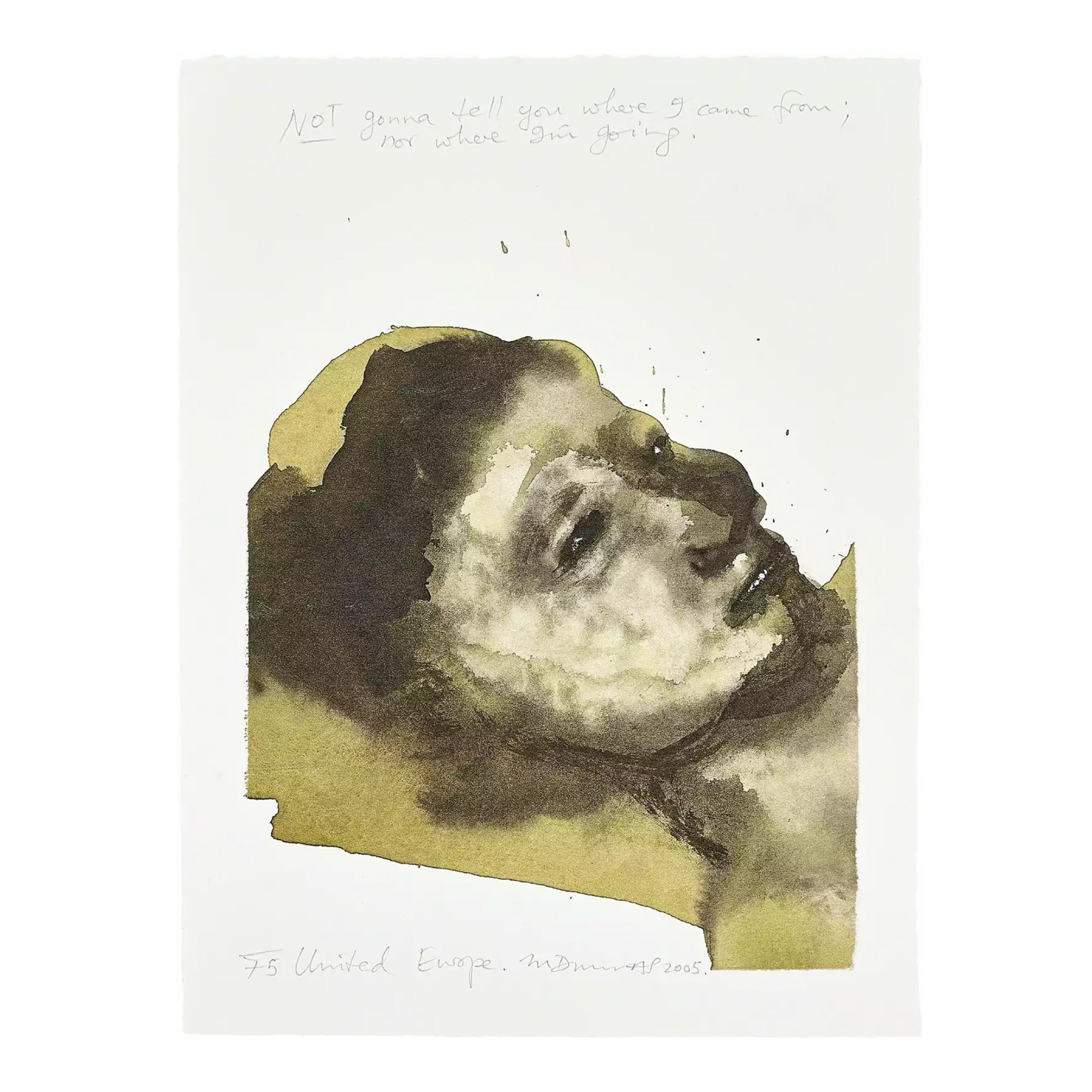
Marlene Dumas - United Europe
Marlene Dumas – United Europe Sale price€5.000,00
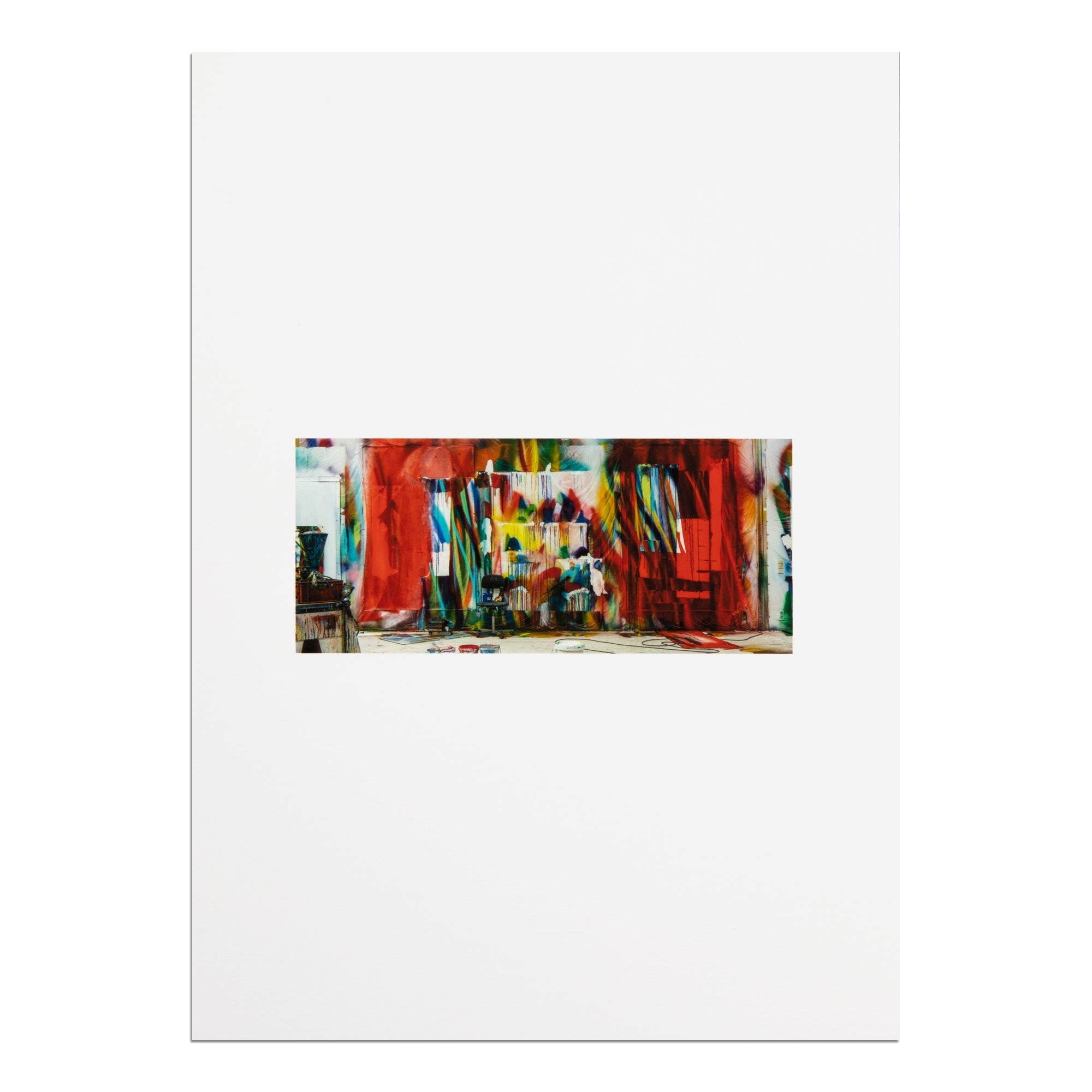
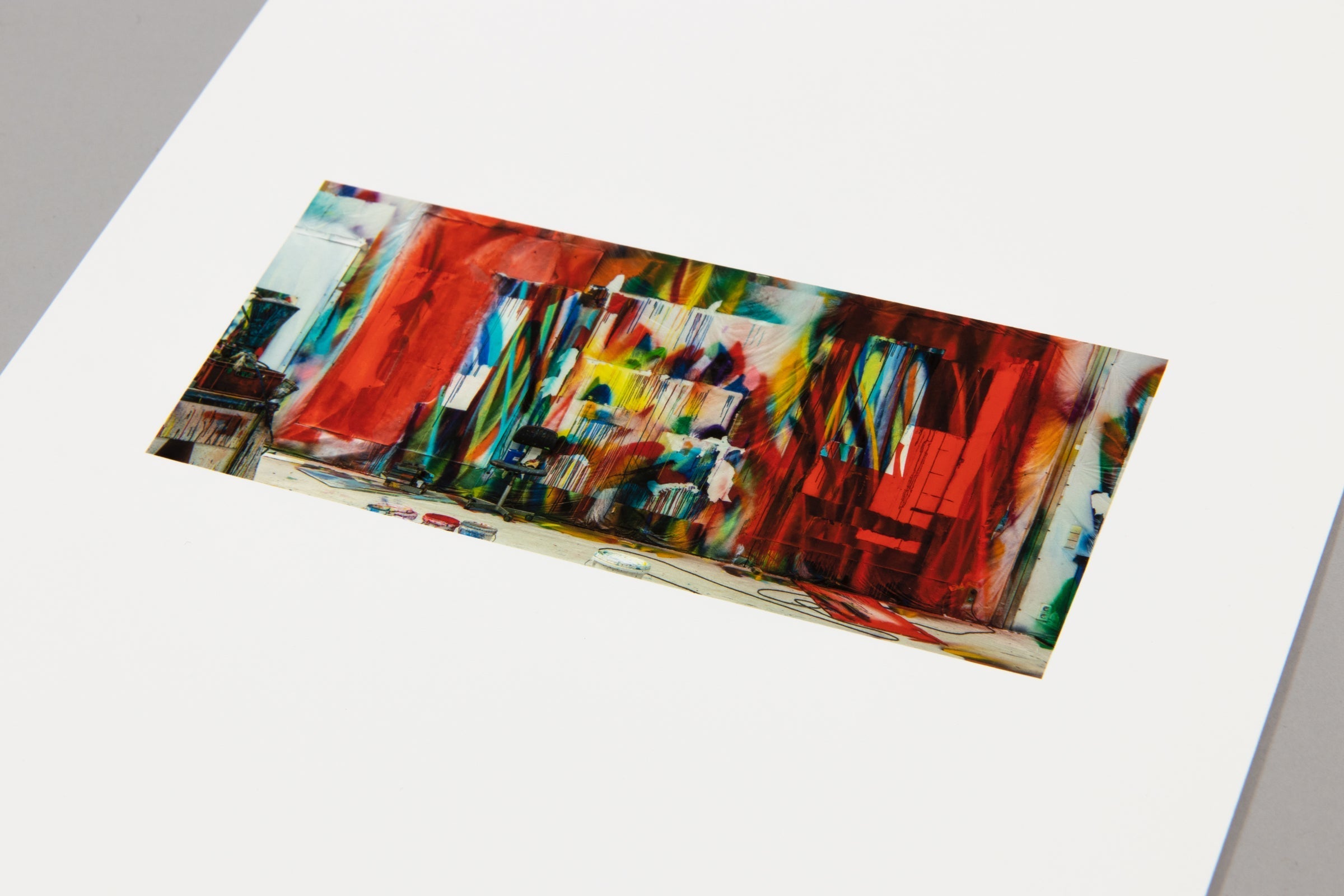
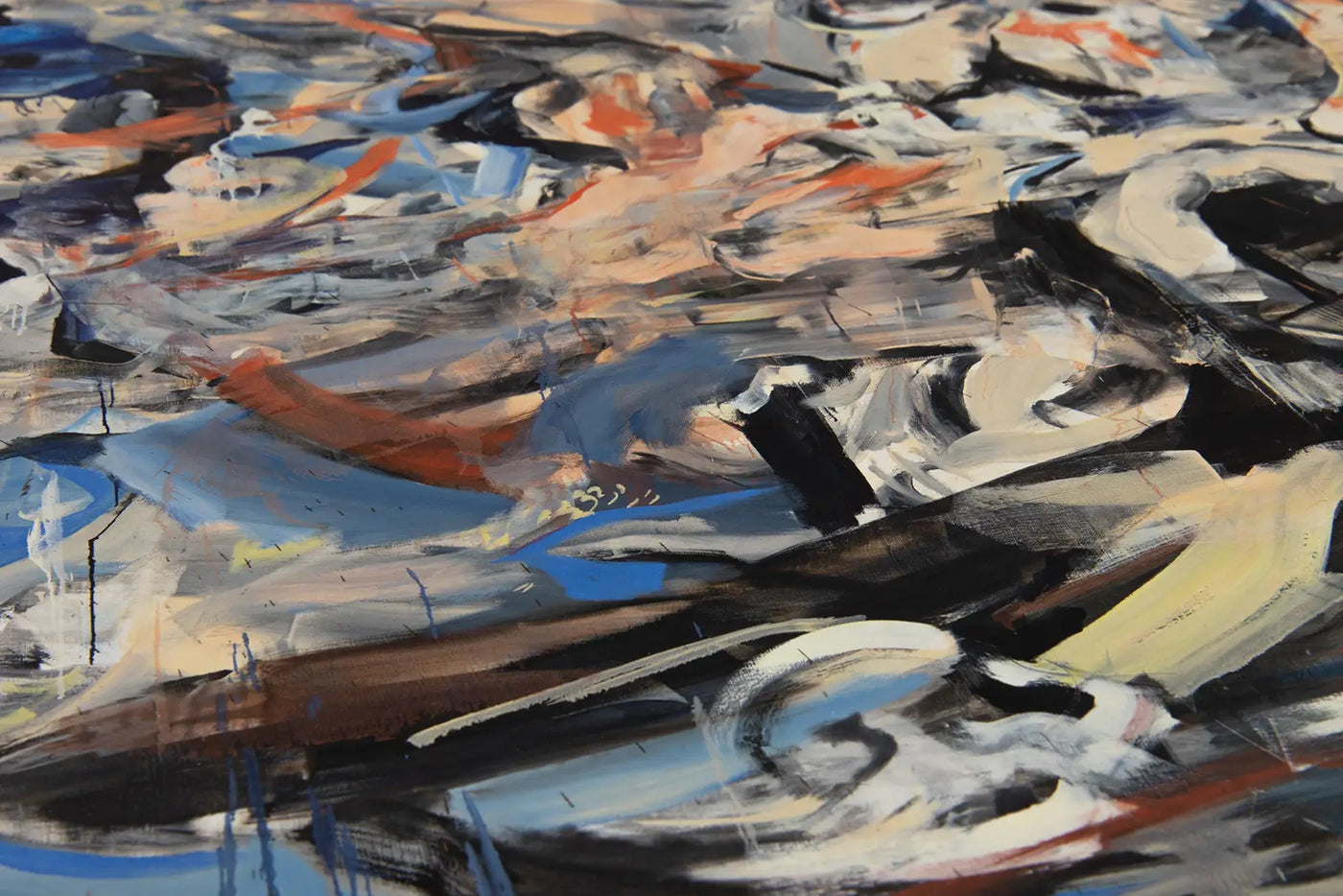
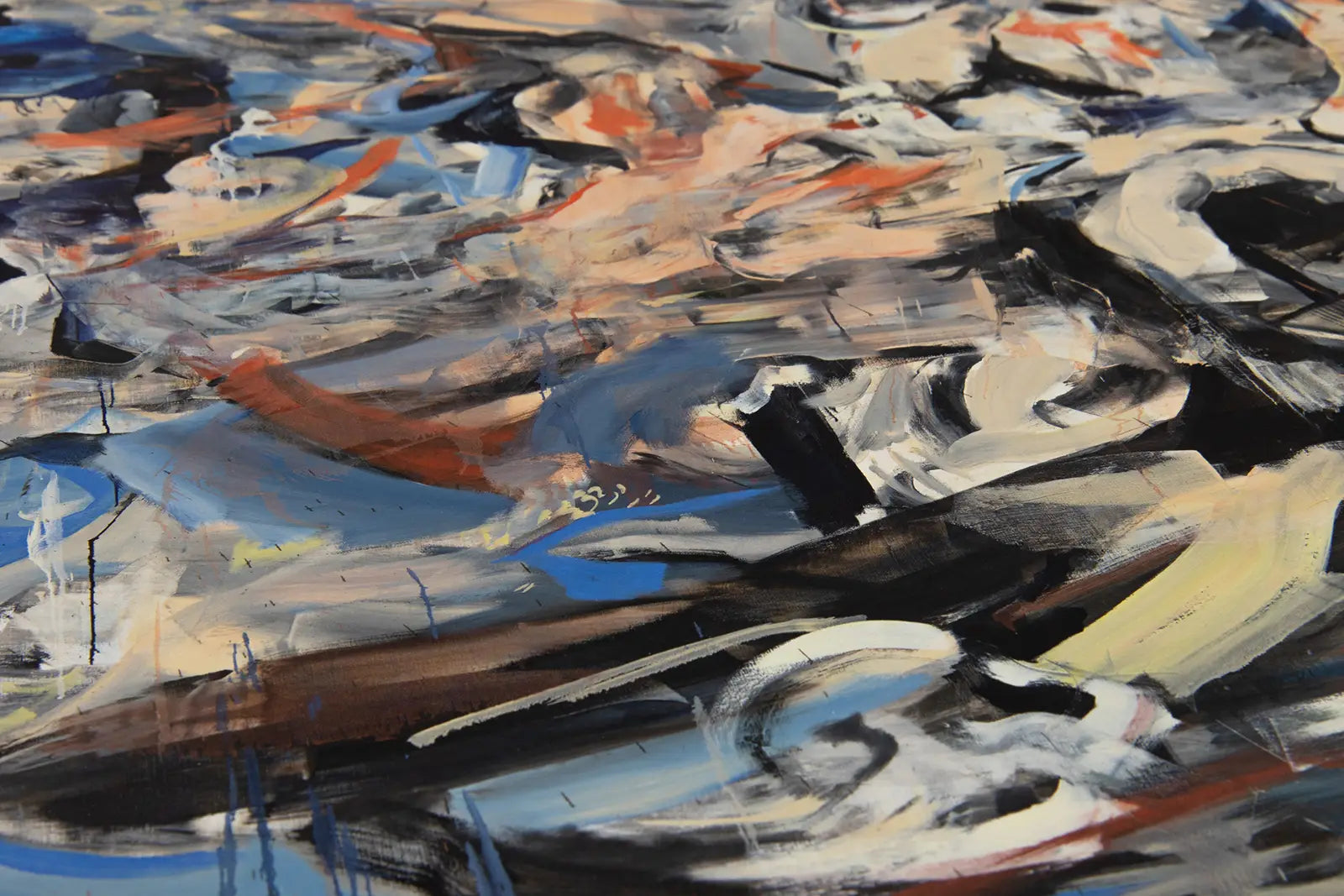
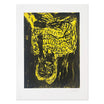
Katharina Grosse – Der StuhlKatharina Grosse - Der Stuhl
Katharina Grosse – Der Stuhl Sale price€1.800,00
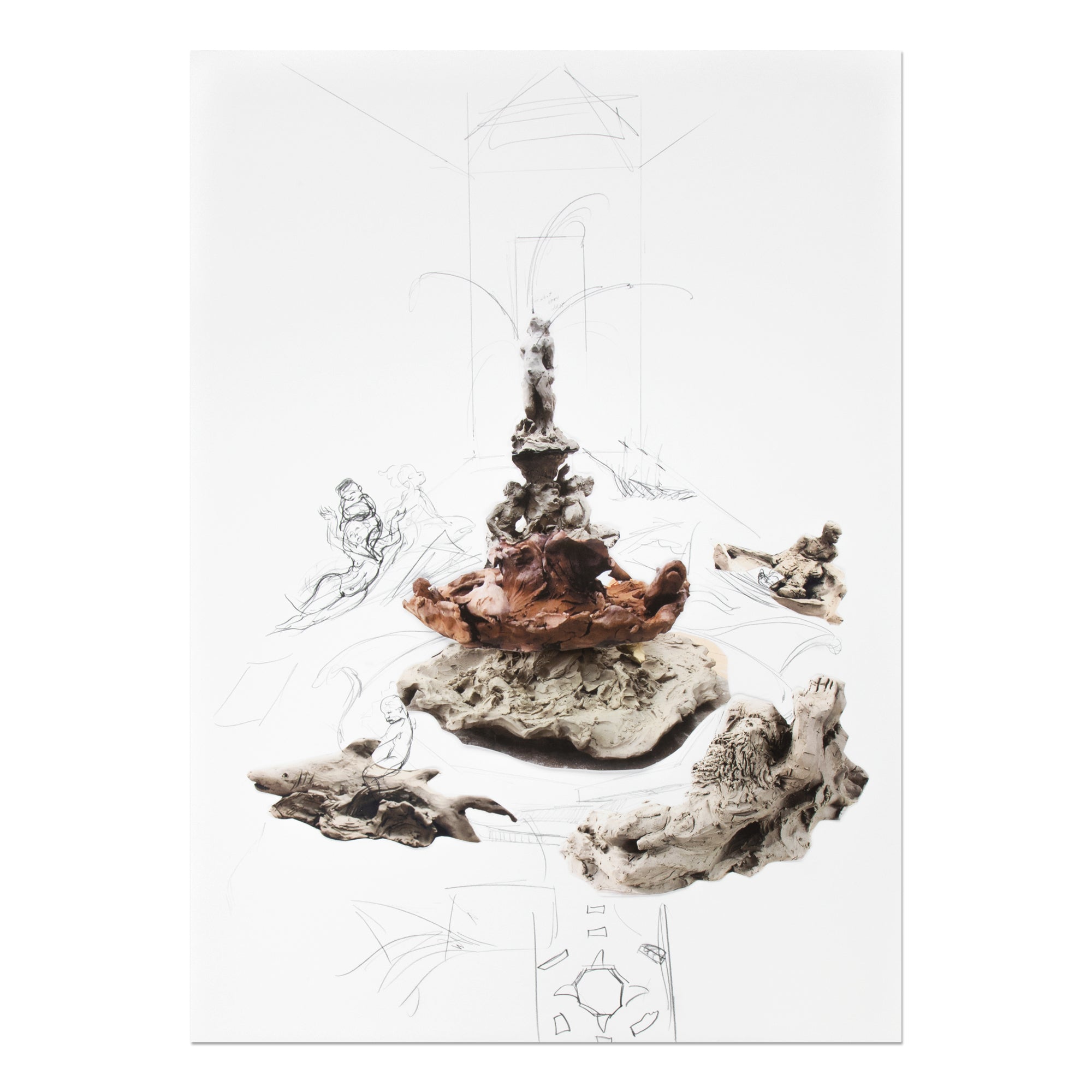
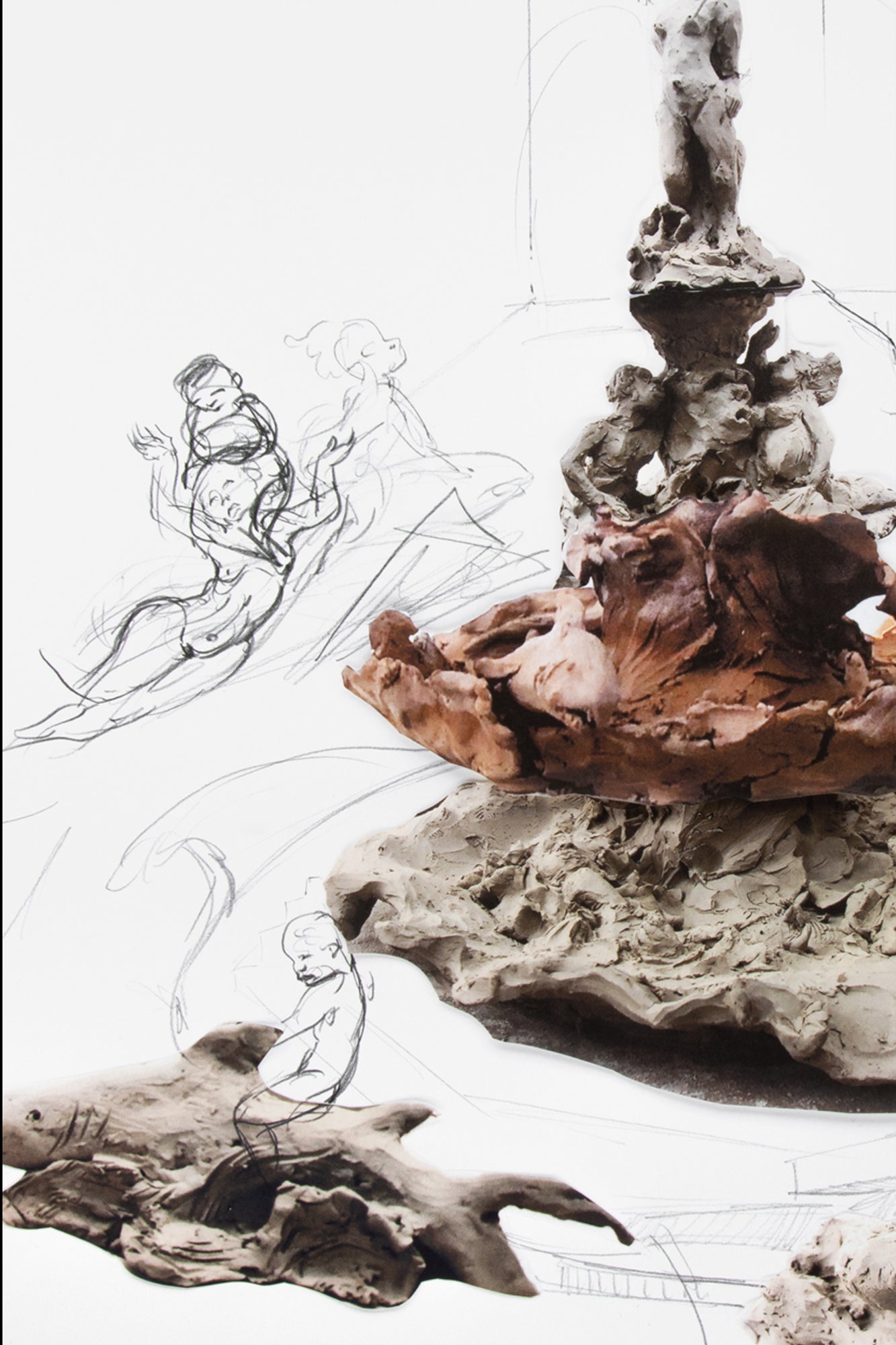
Kara Walker – Theme for the Fons AmericanusKara Walker - Theme for the Fons Americanus
John Baldessari - Hands and/ or FeetJohn Baldessari - Hands and/ or Feet
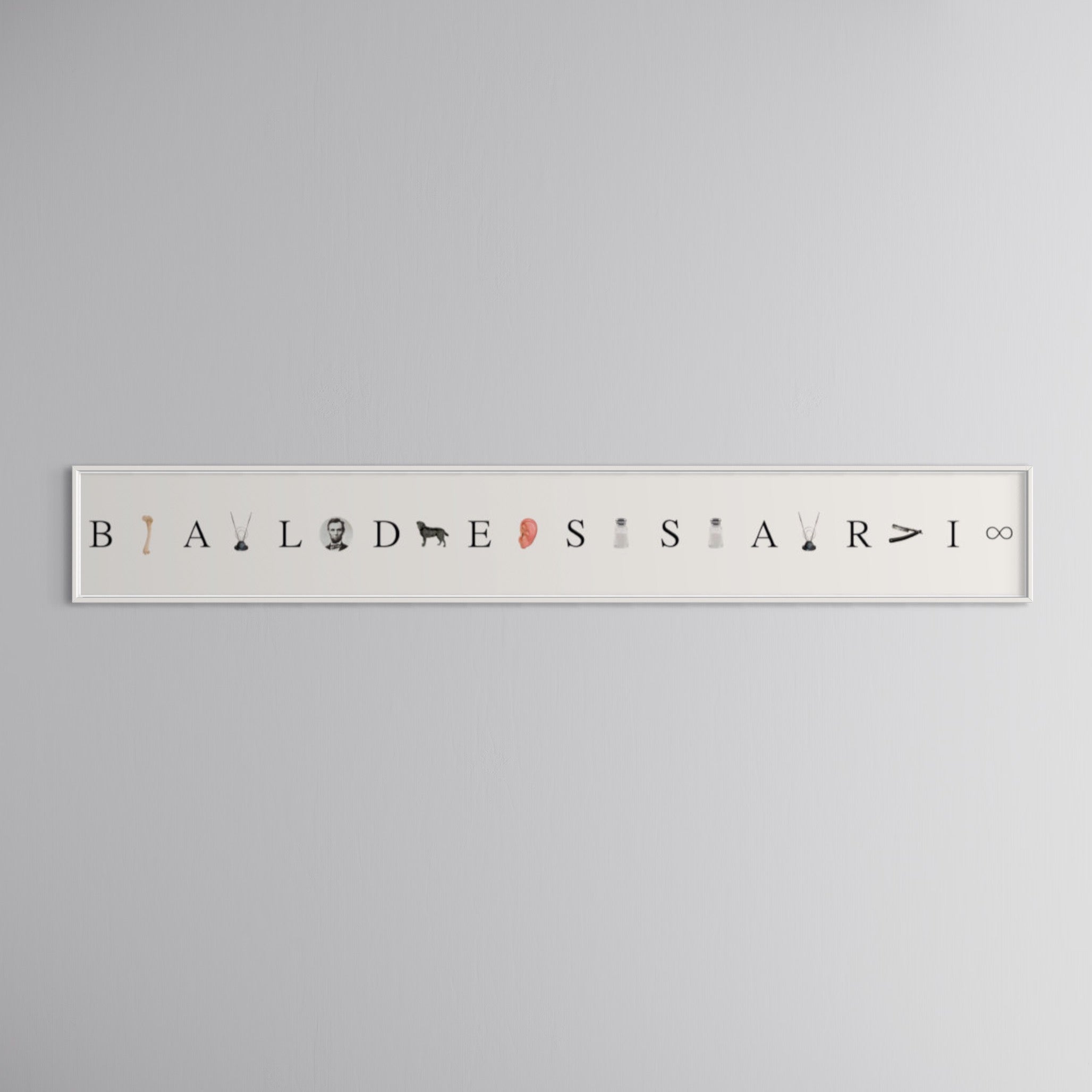
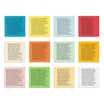
John Baldessari - Give me a B, give me an A...John Baldessari - Give me a B, give me an A...
Jean - Luc Mylayne - N°476, Décembre 2006 – Mars 2007Jean - Luc Mylayne - N°476, Décembre 2006 – Mars 2007
Invader - Rubik Shot Red Marilyn
Invader – Rubik Shot Red Marilyn Sale price€5.400,00
Invader – Rubik Camouflage
Invader – Rubik Camouflage Sale price€5.400,00
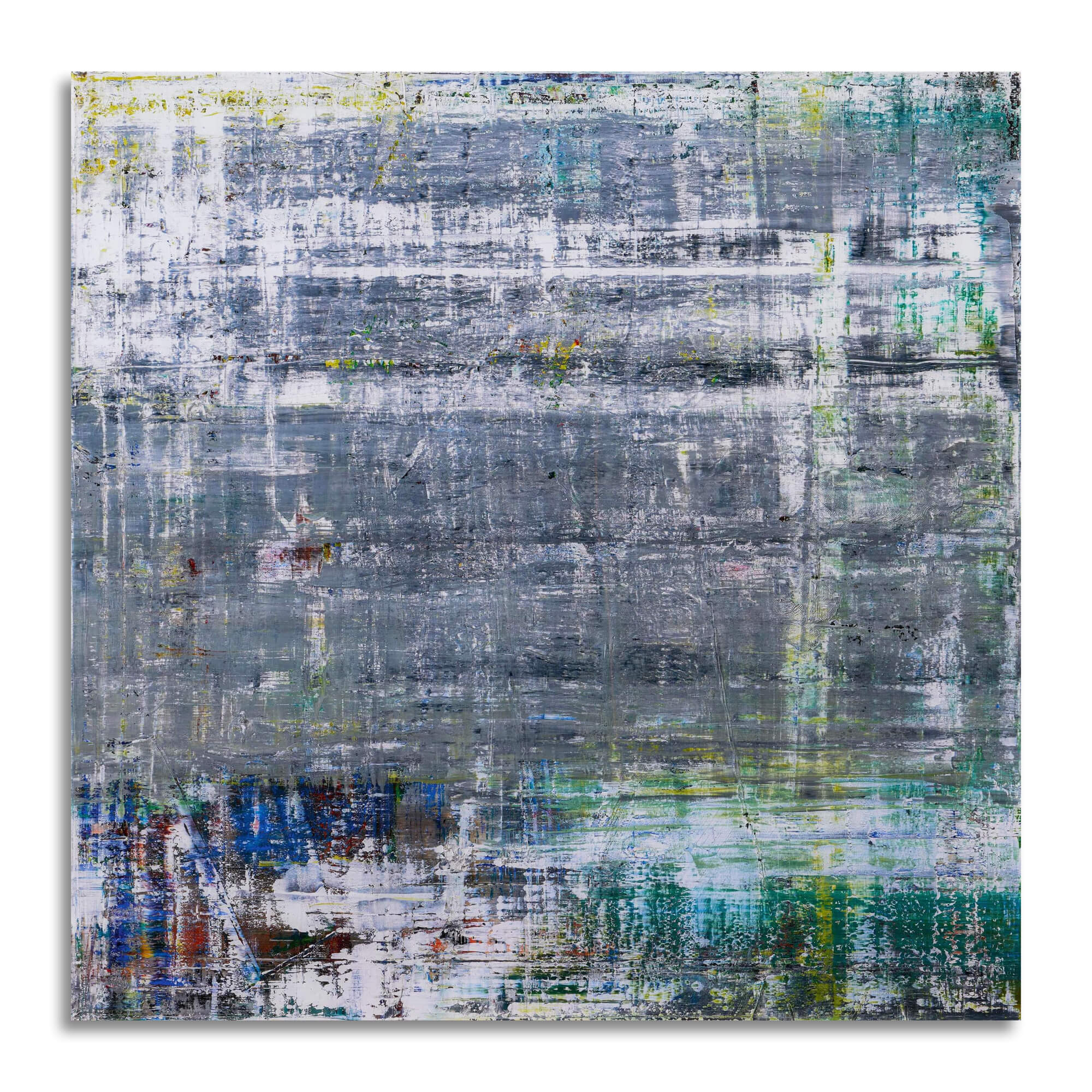
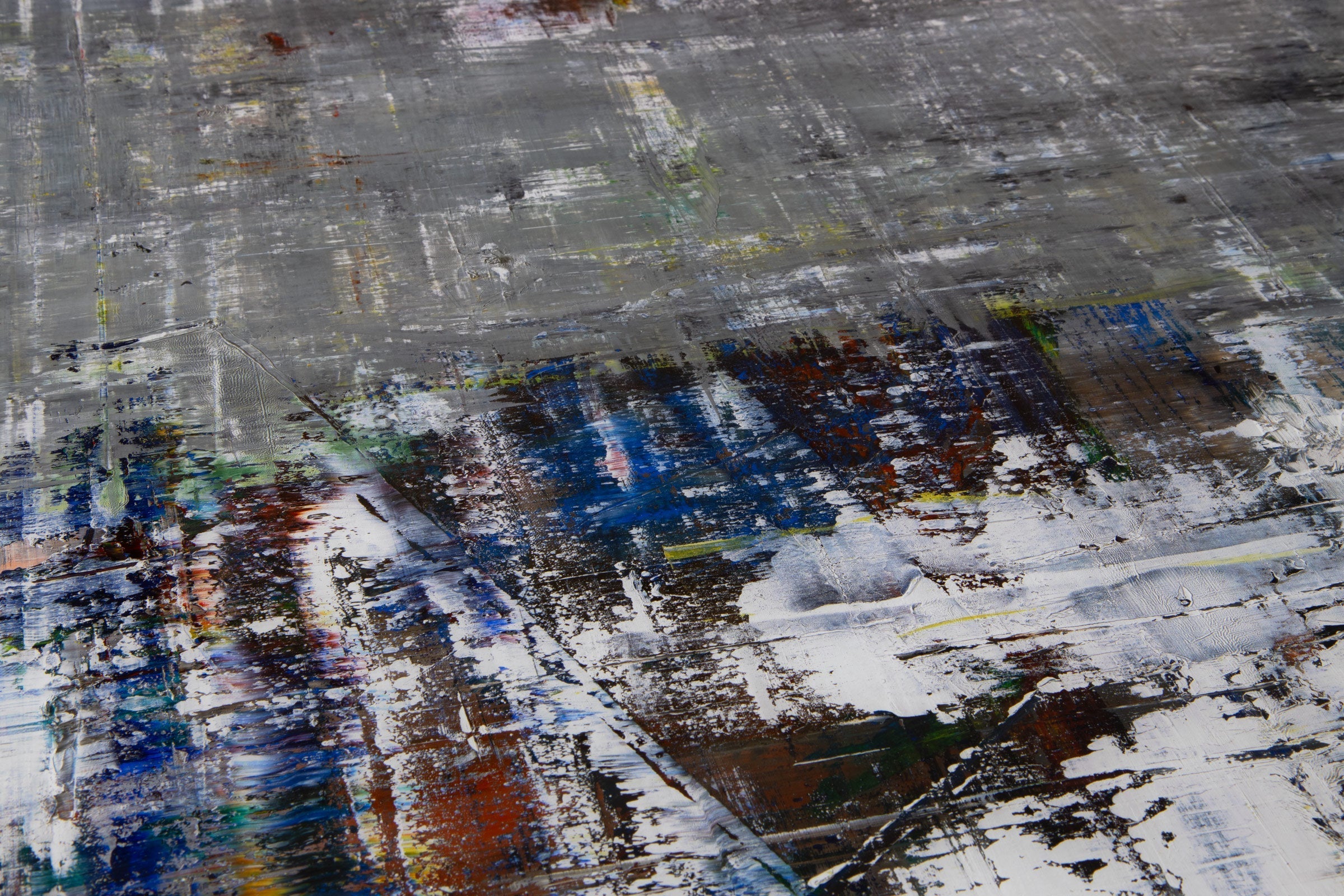
Gerhard Richter - Cage (P19 - 3)Gerhard Richter - Cage (P19-3)
Genieve Figgis - PicnicGenieve Figgis - Picnic
Genieve Figgis – Picnic Sale price€5.800,00
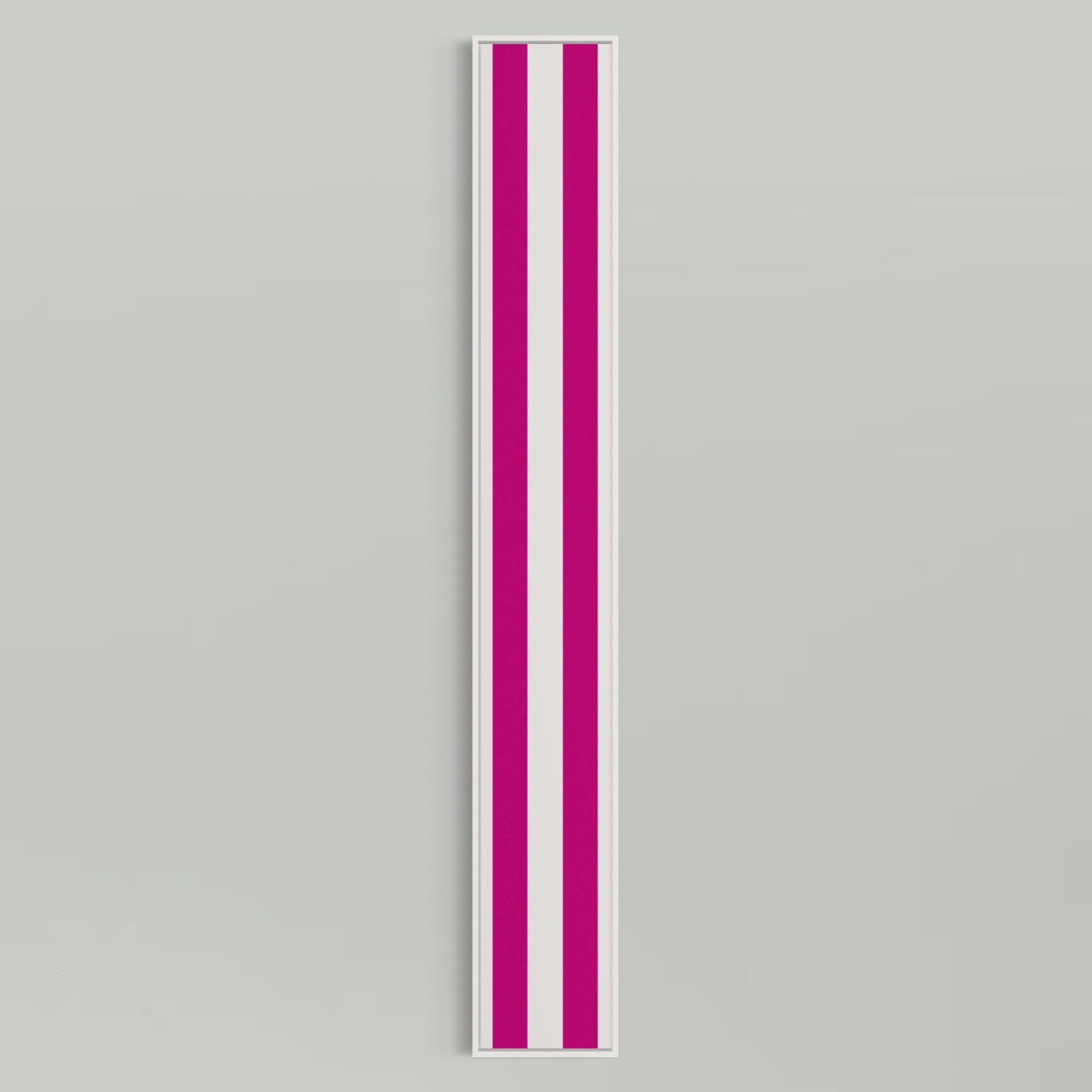
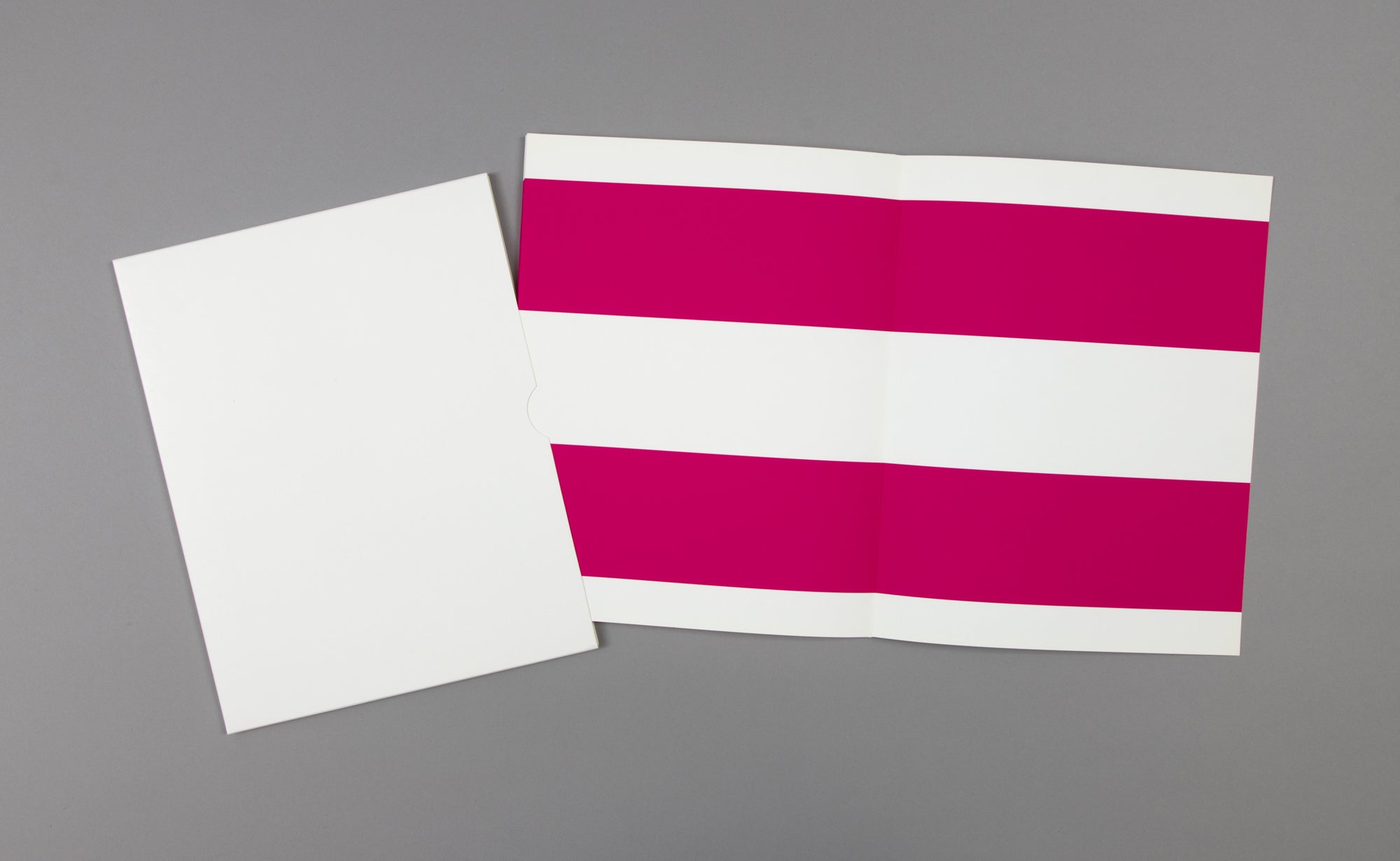
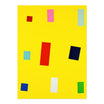
Daniel Buren - Untitled (Leporello)Daniel Buren - Untitled (Leporello)
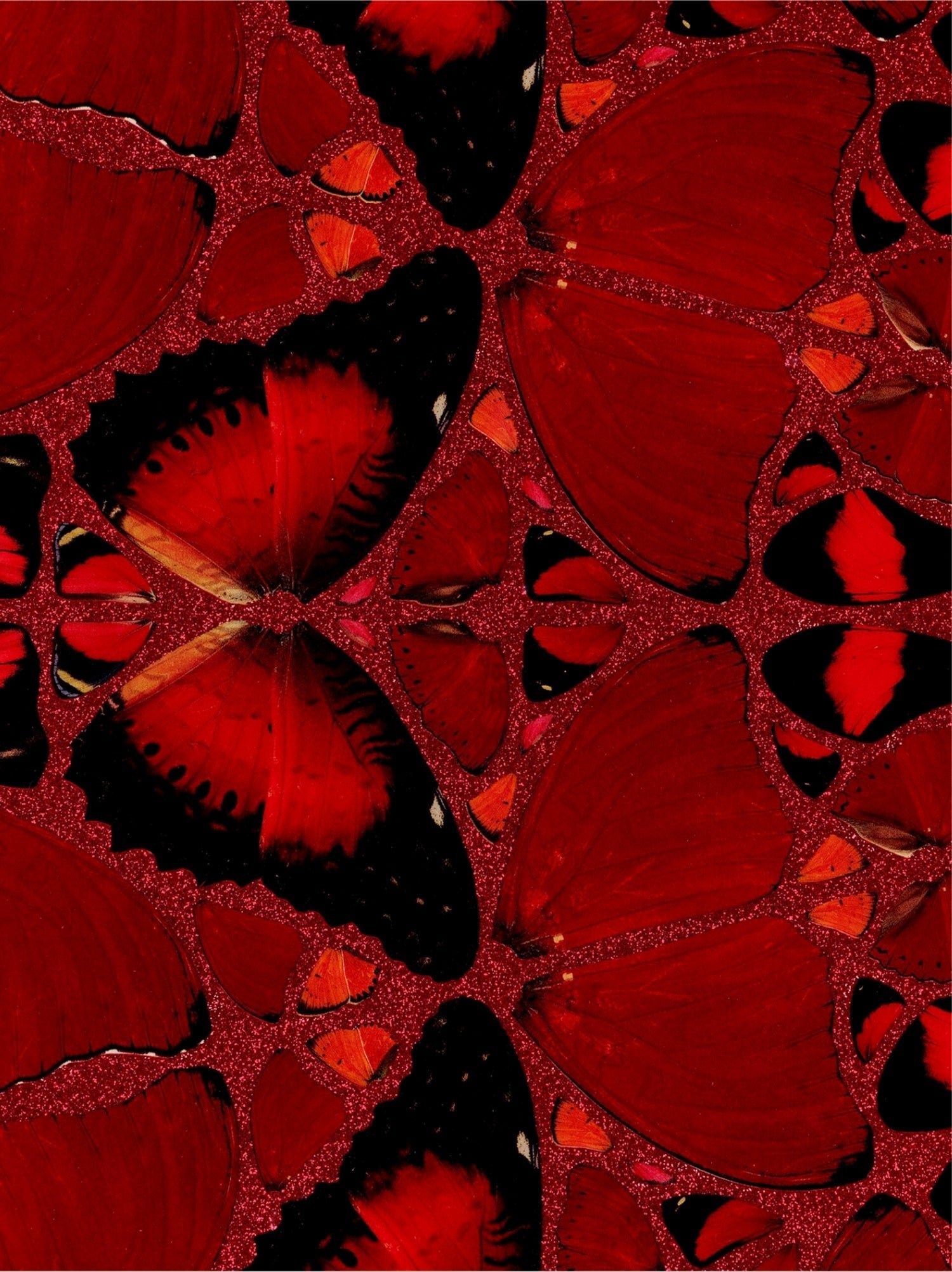
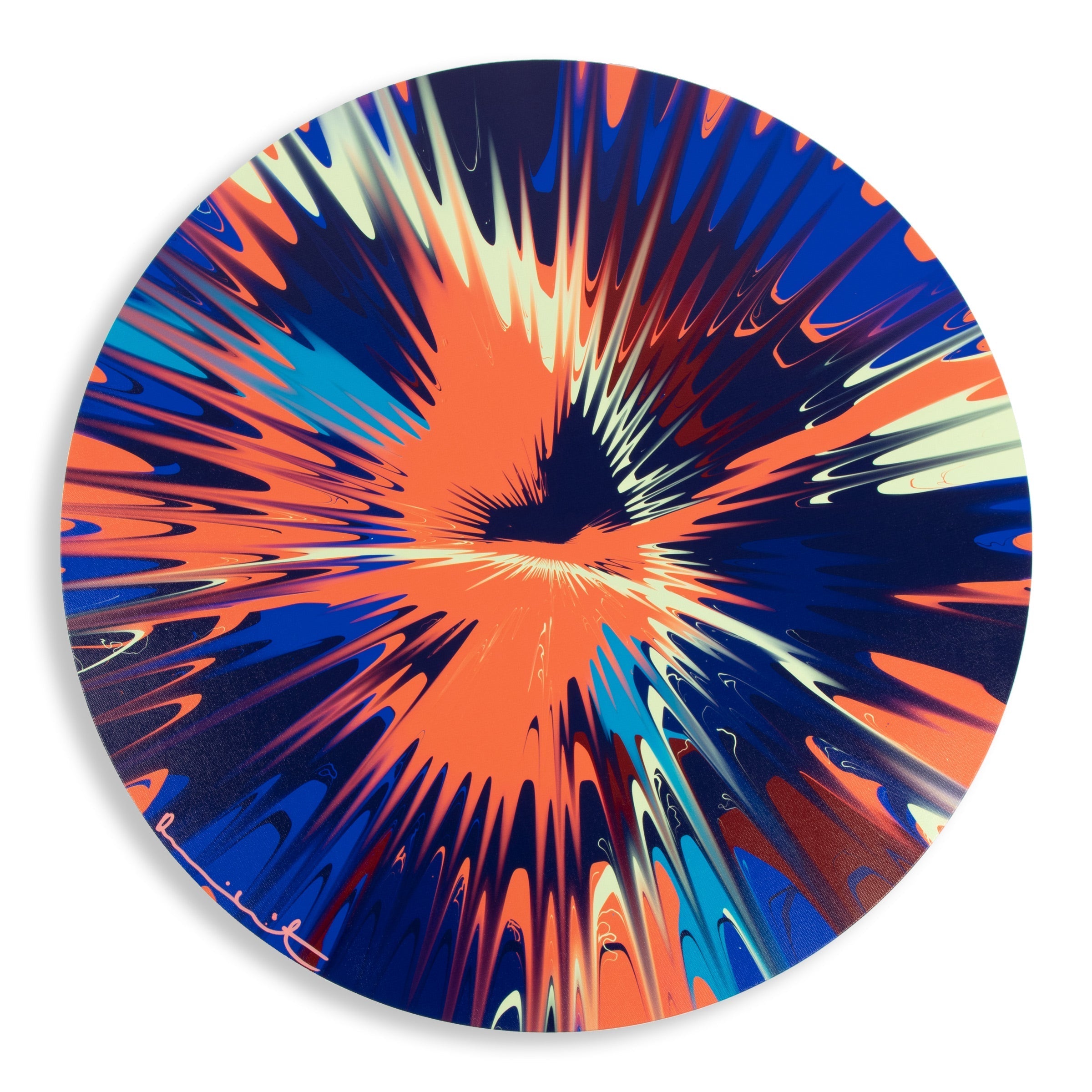
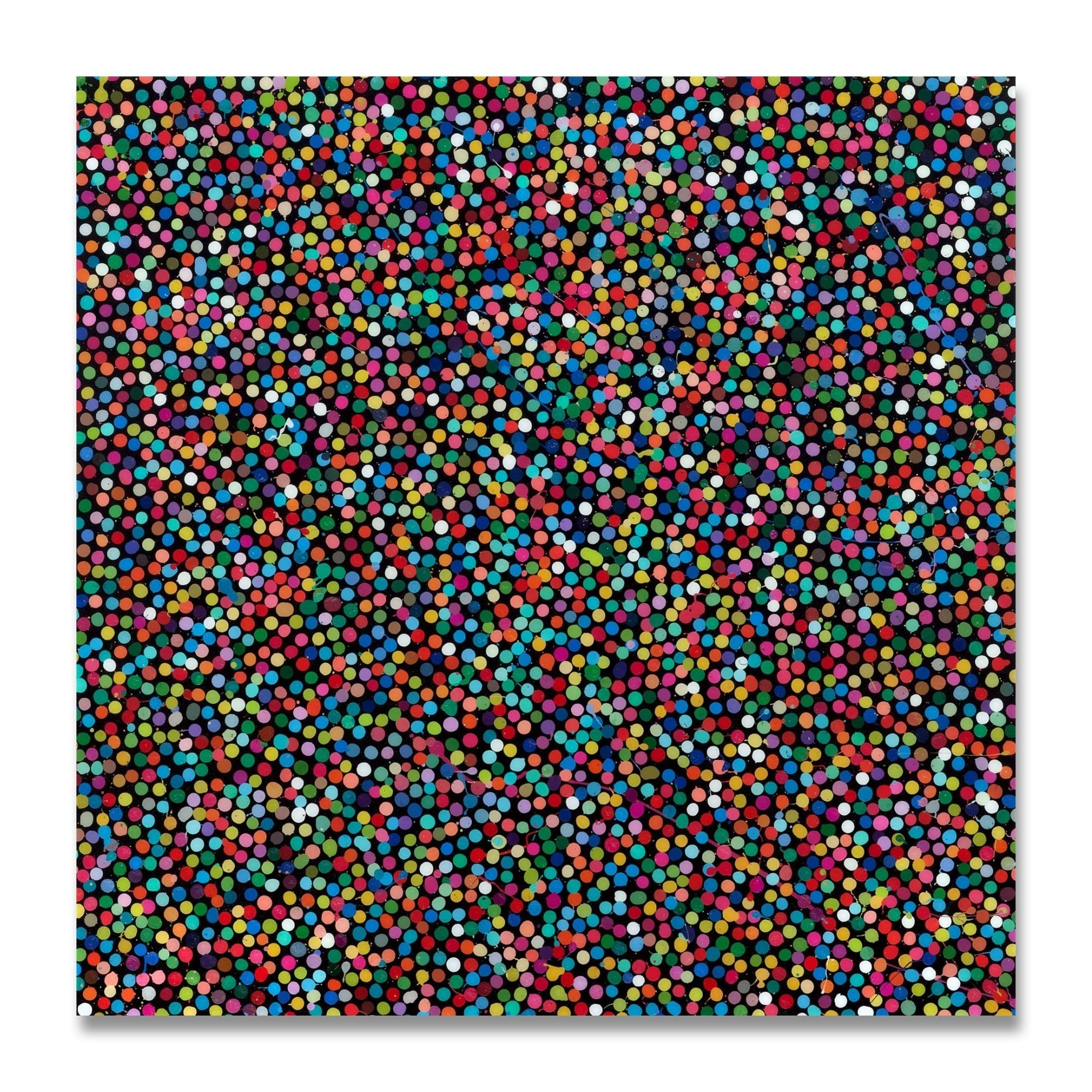
Damien Hirst - Theodora (H10-3)
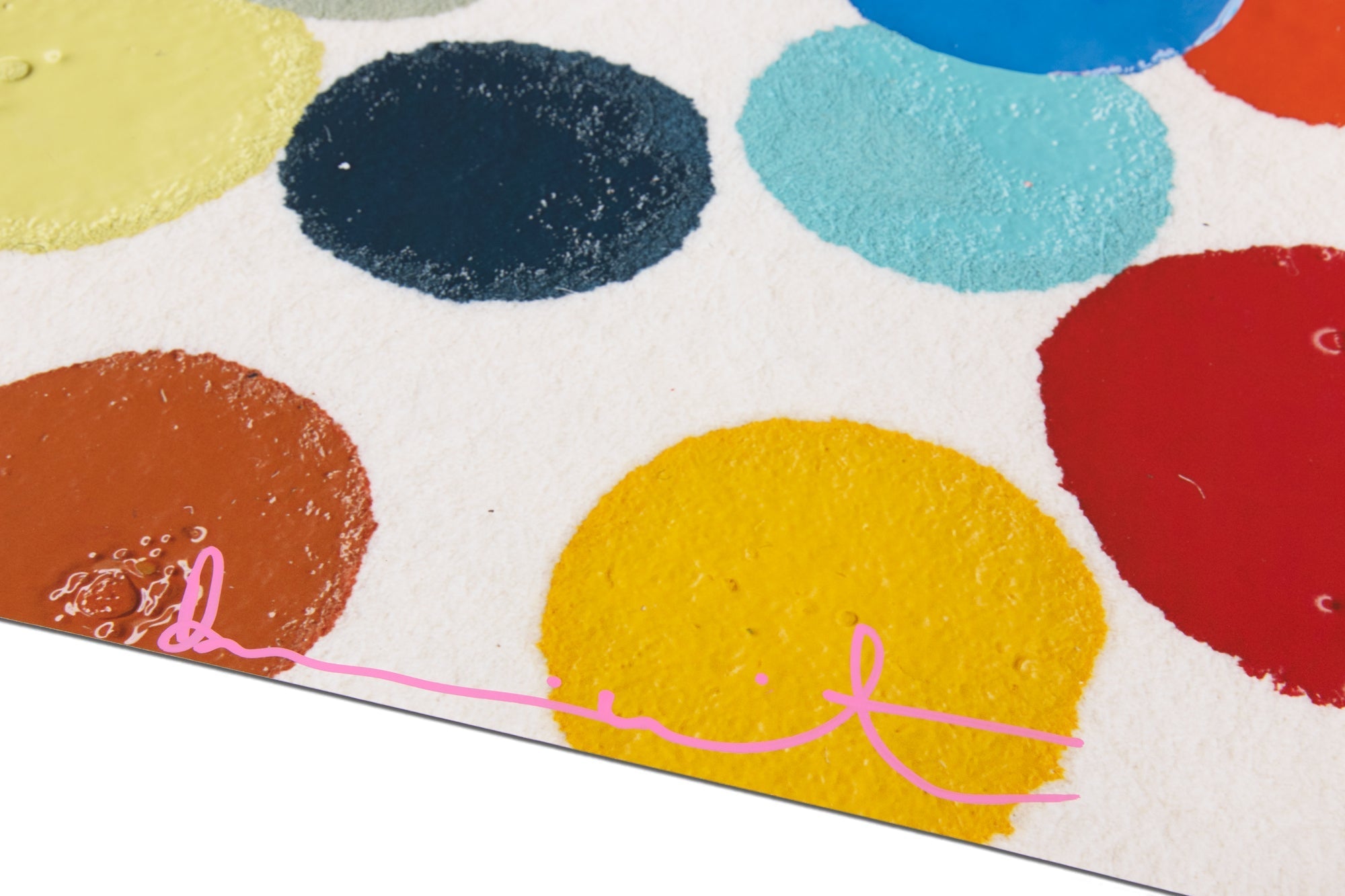
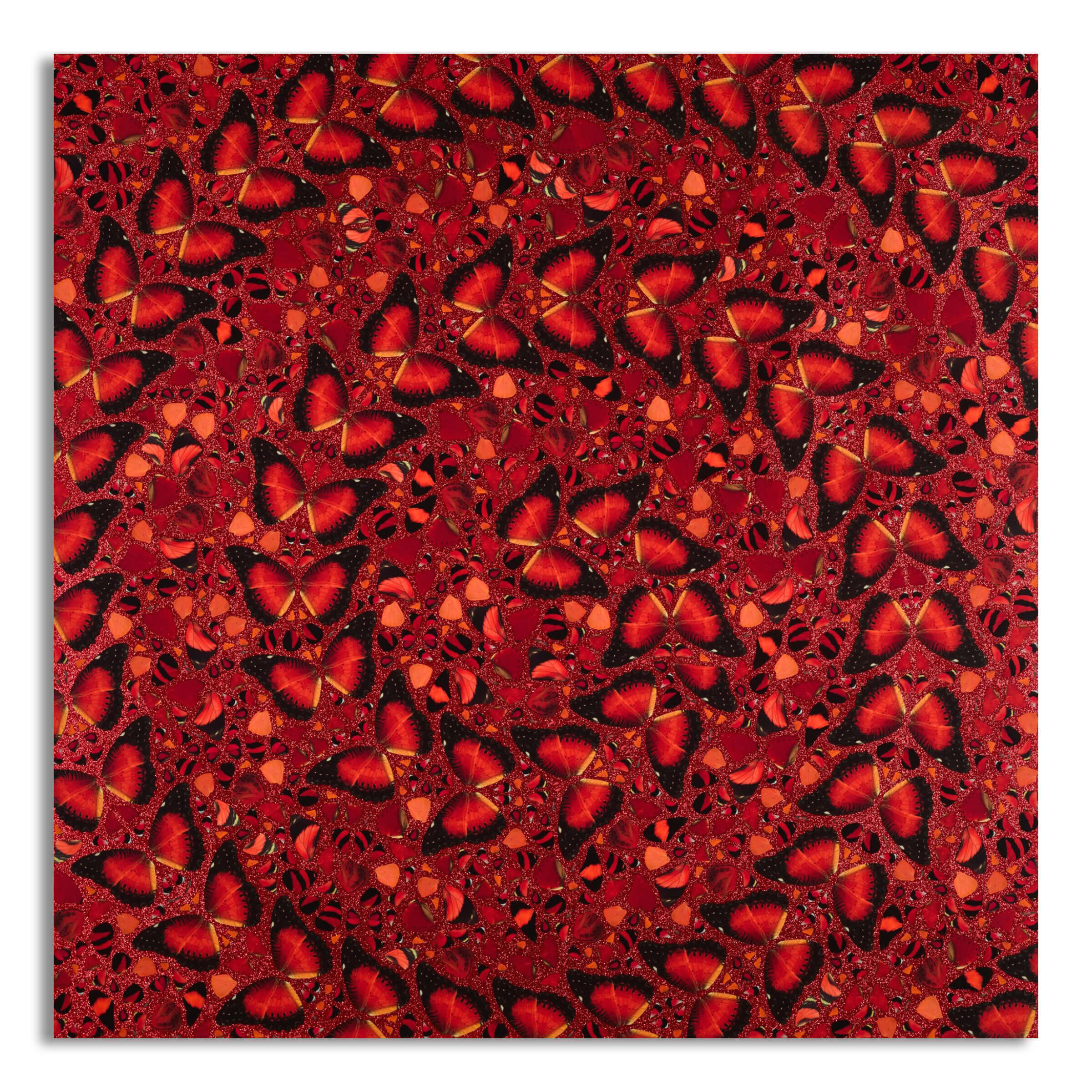
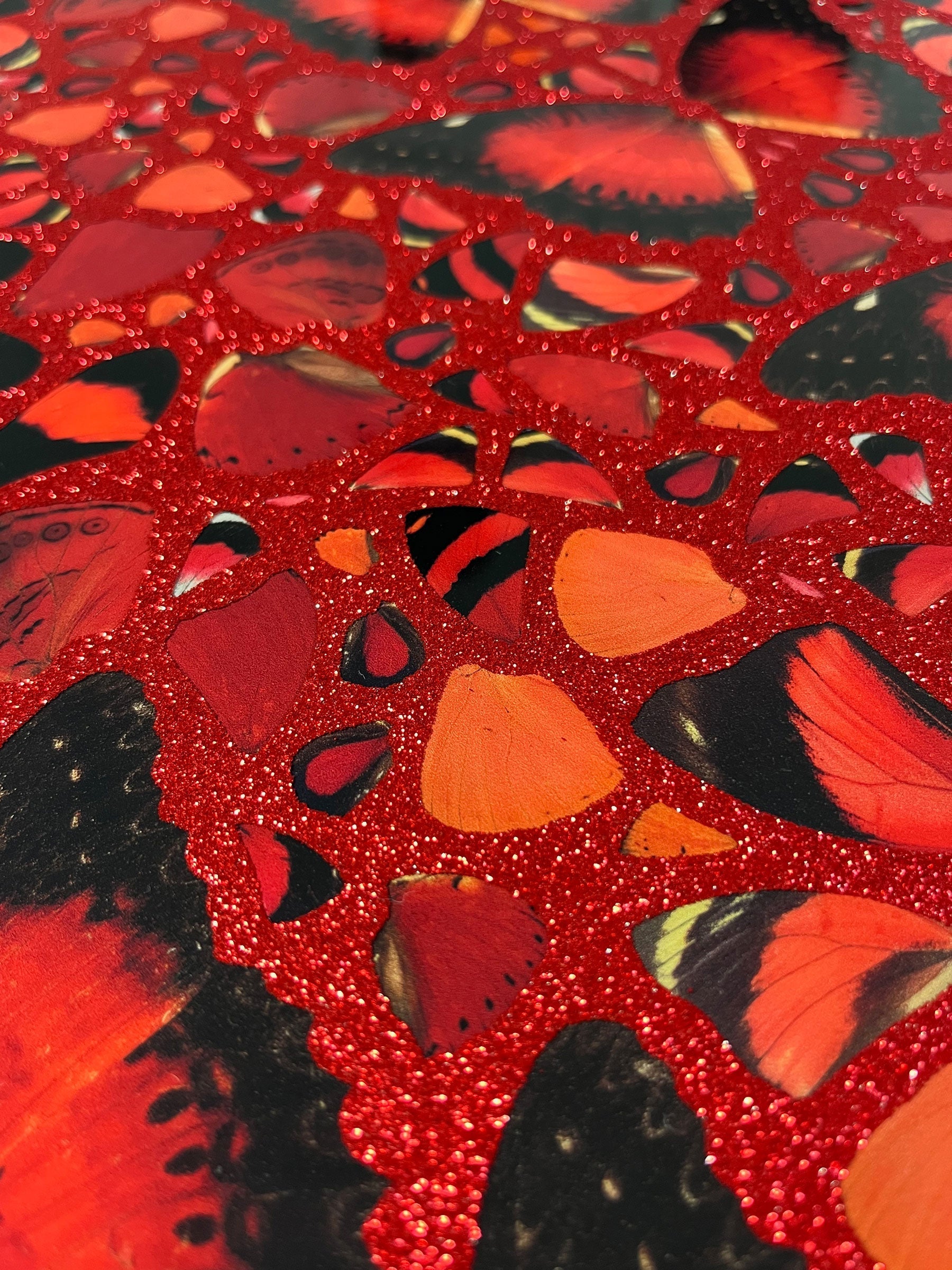
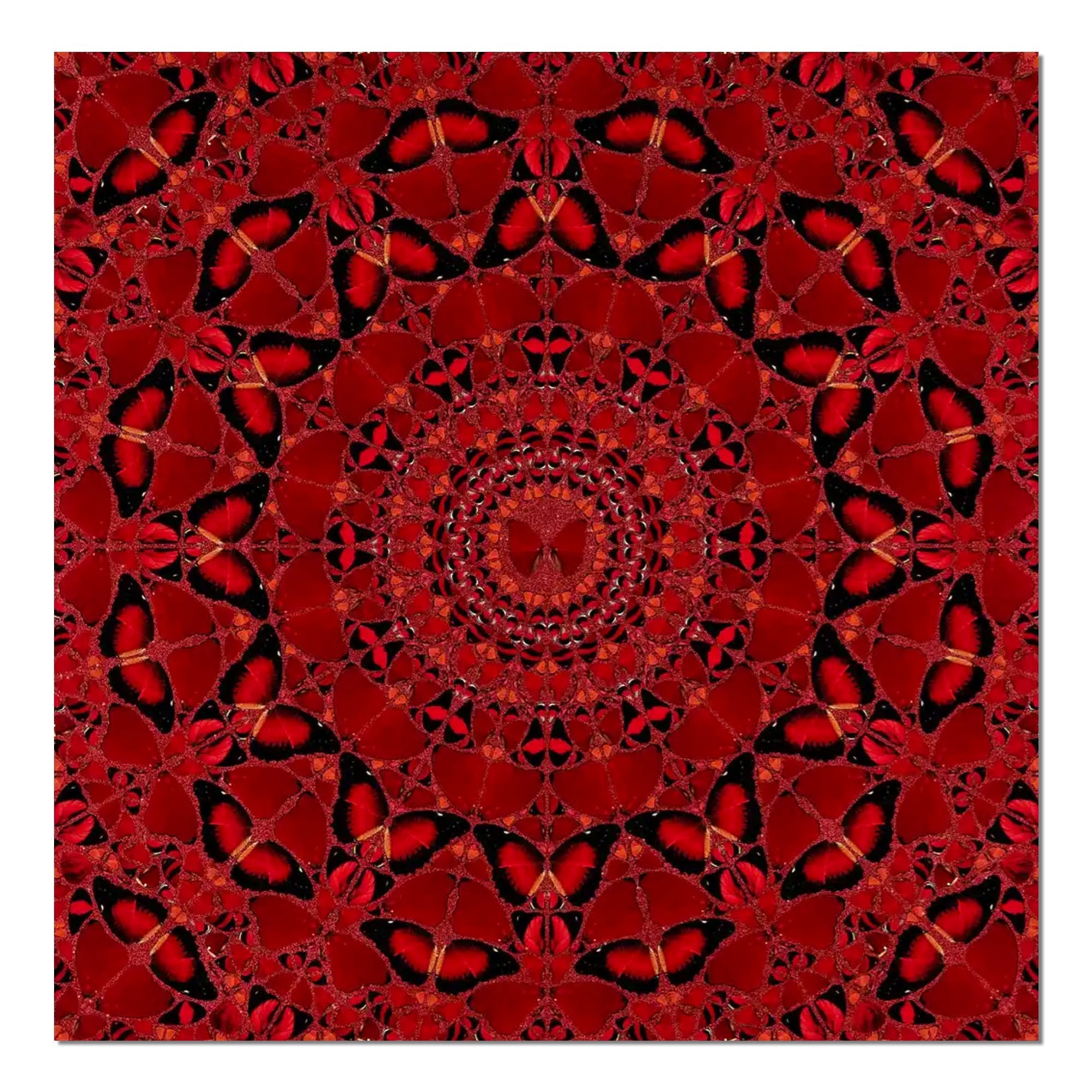
Damien Hirst – Theodora (H10-3) Sale price€4.600,00
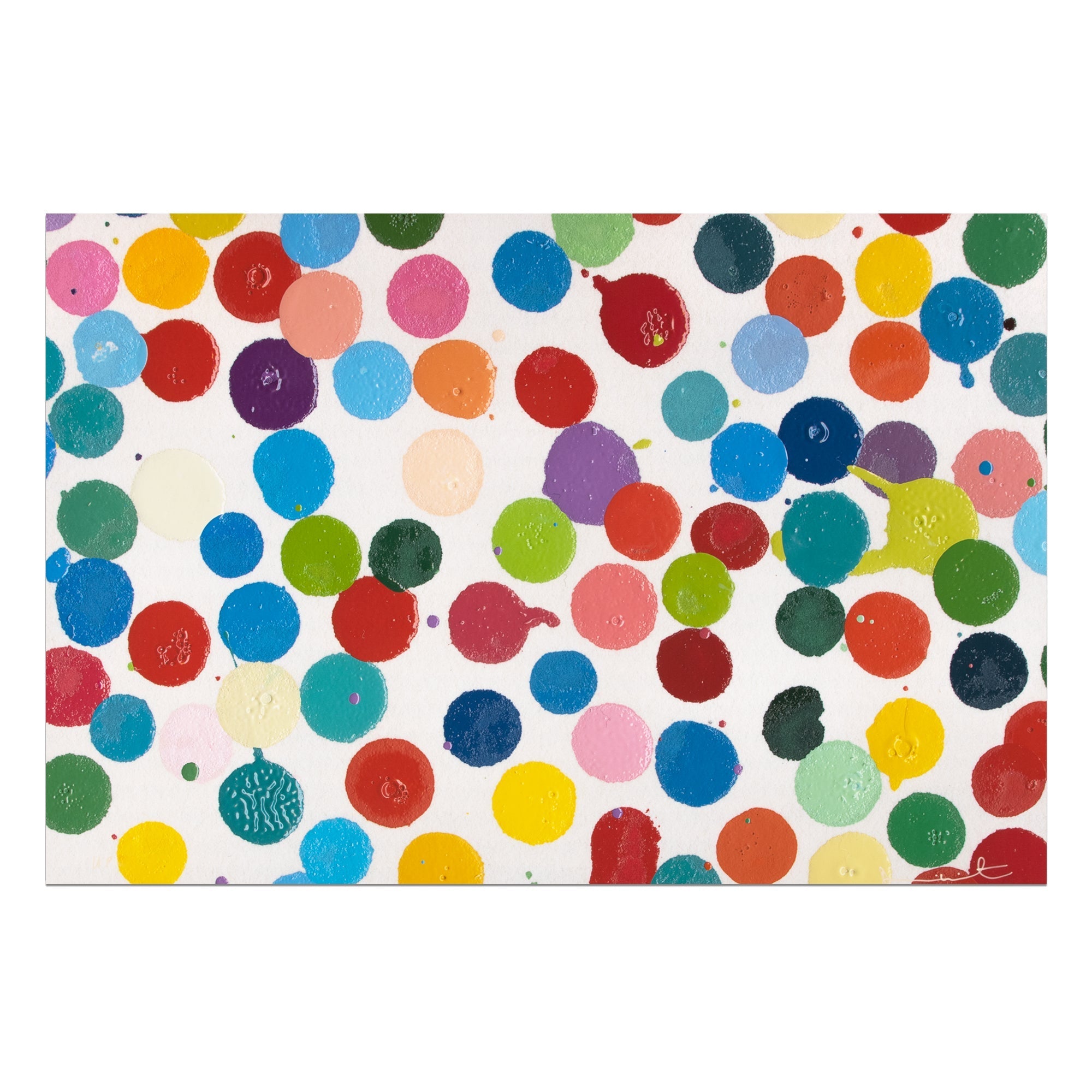
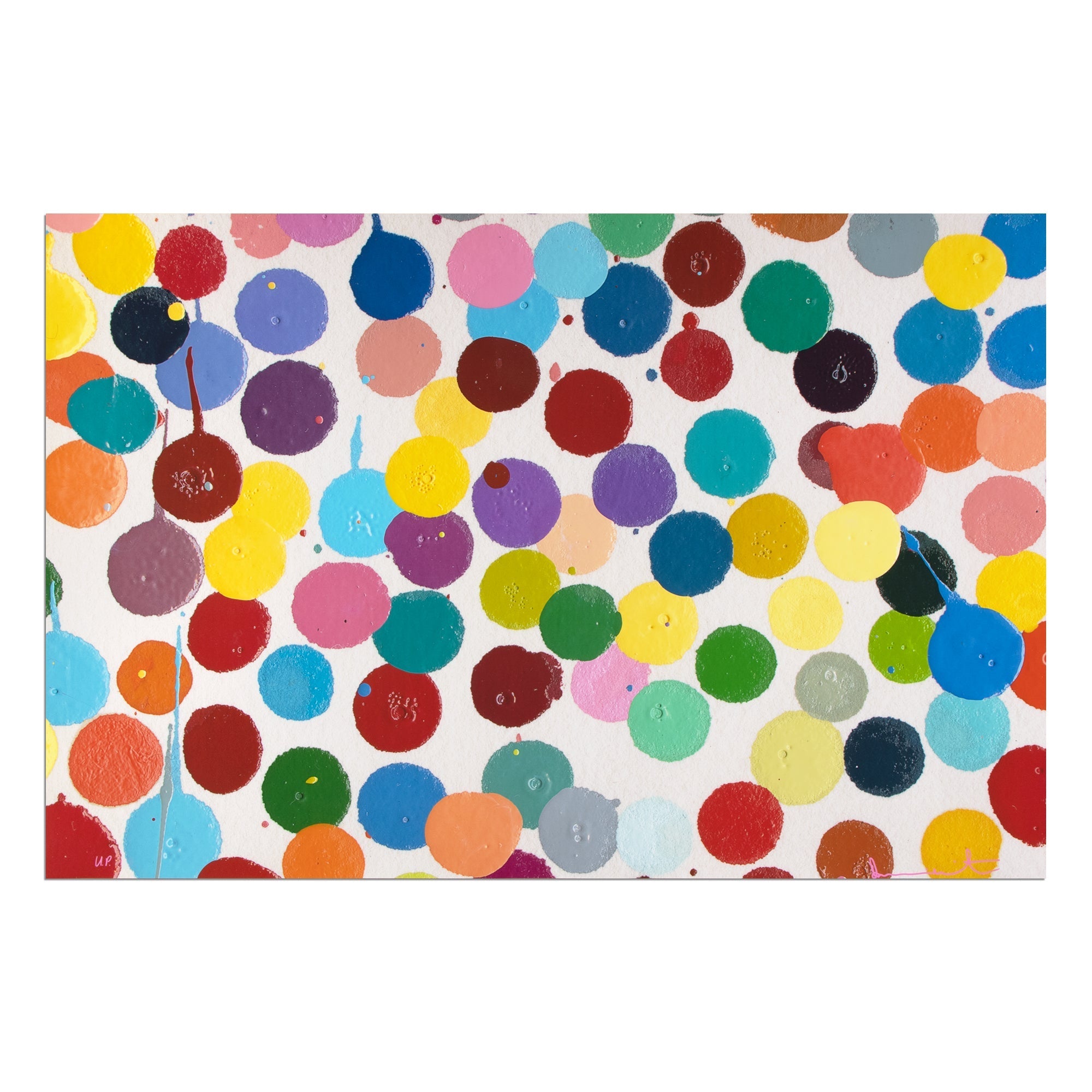
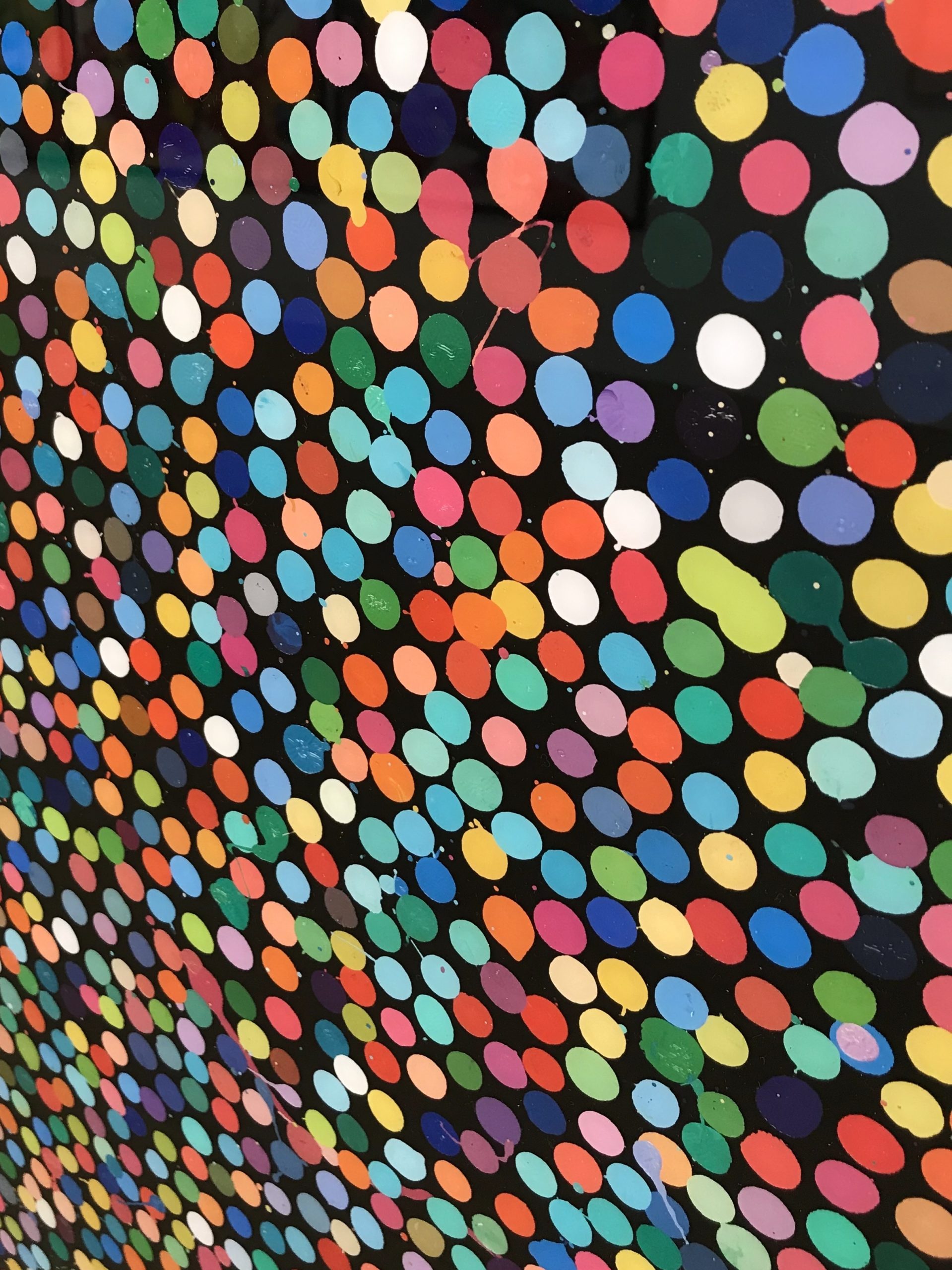
Damien Hirst - The Currency Unique Print (H11)Damien Hirst - The Currency Unique Print (H11)
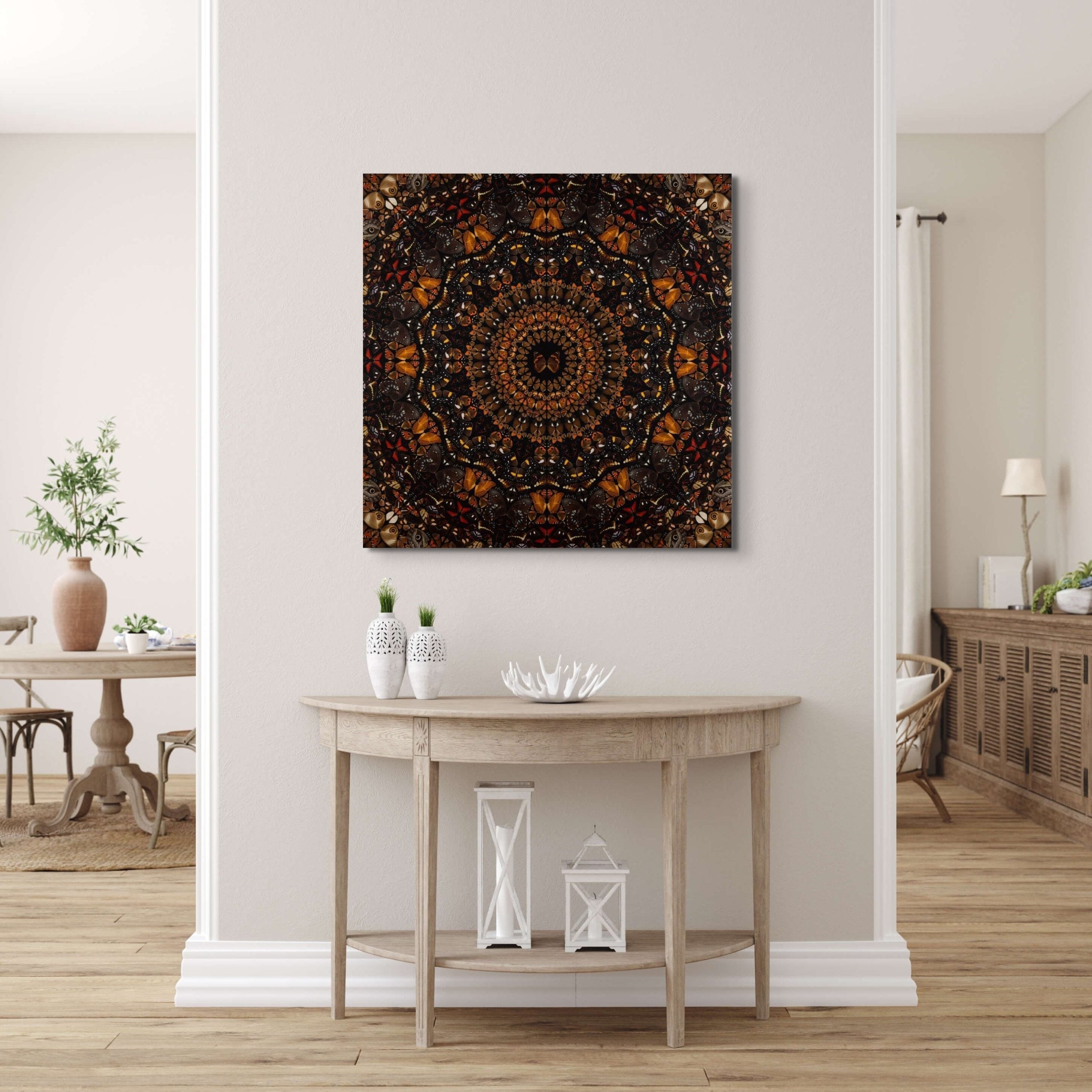
Damien Hirst – Taytu Betul (The Empresses)Damien Hirst - Taytu Betul (H10-5)
Damien Hirst - Suiko (H10-4)Damien Hirst - Suiko (H10-4)
Damien Hirst – Suiko (H10-4) Sale price€4.600,00
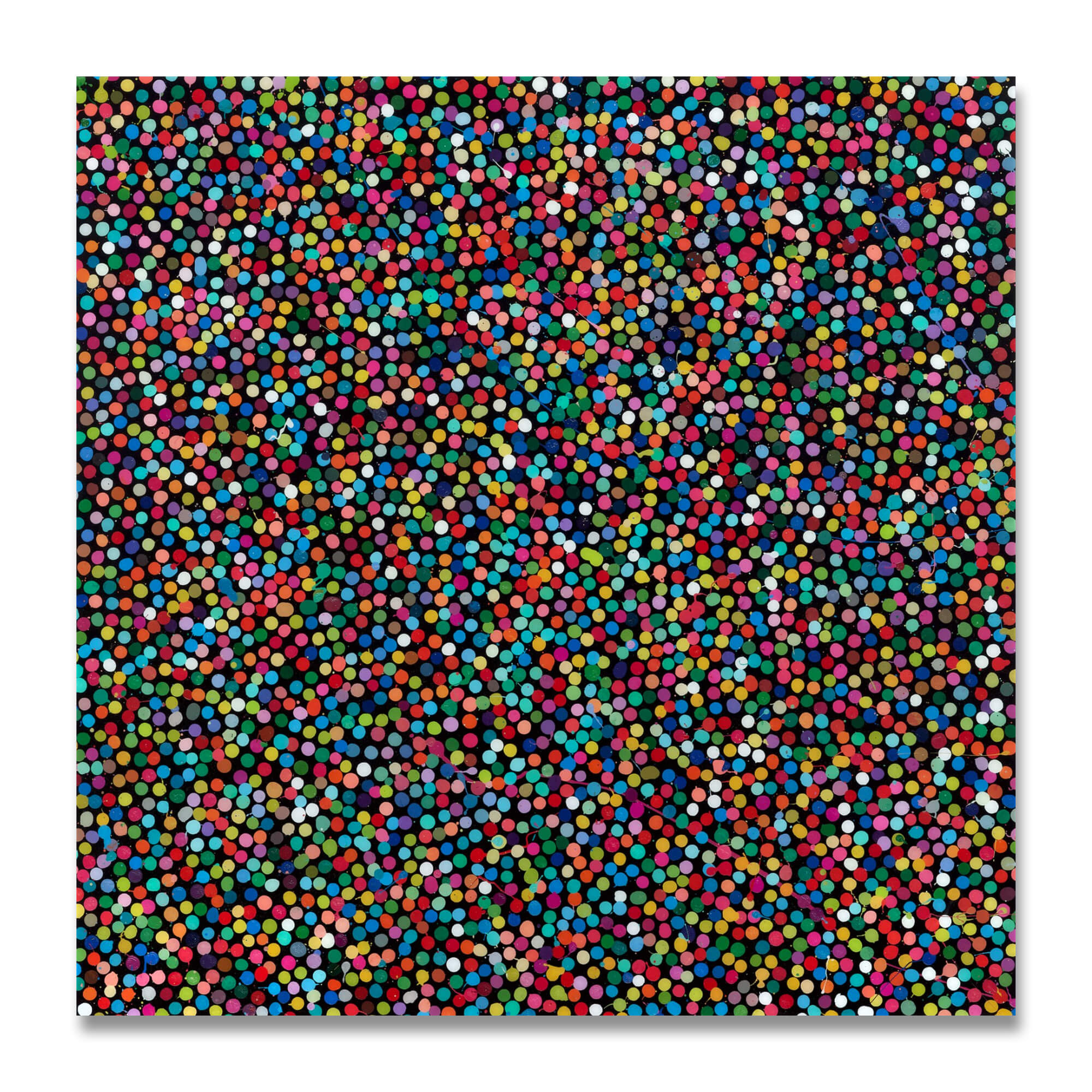
Damien Hirst - SavoyDamien Hirst - Savoy
Damien Hirst – Savoy Sale price€14.500,00
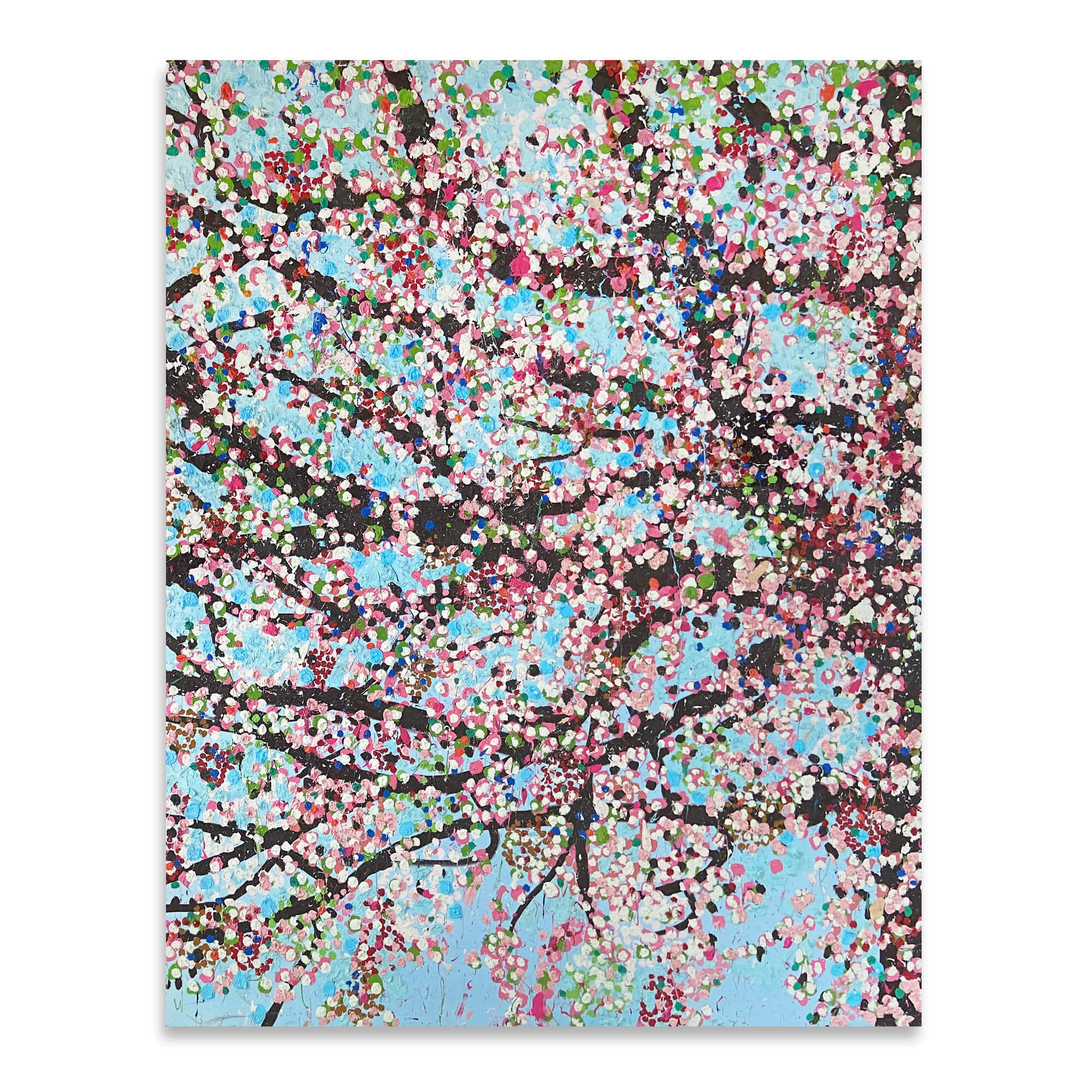
Damien Hirst - LoyaltyDamien Hirst - Loyalty
Damien Hirst – Loyalty Sale price€19.800,00
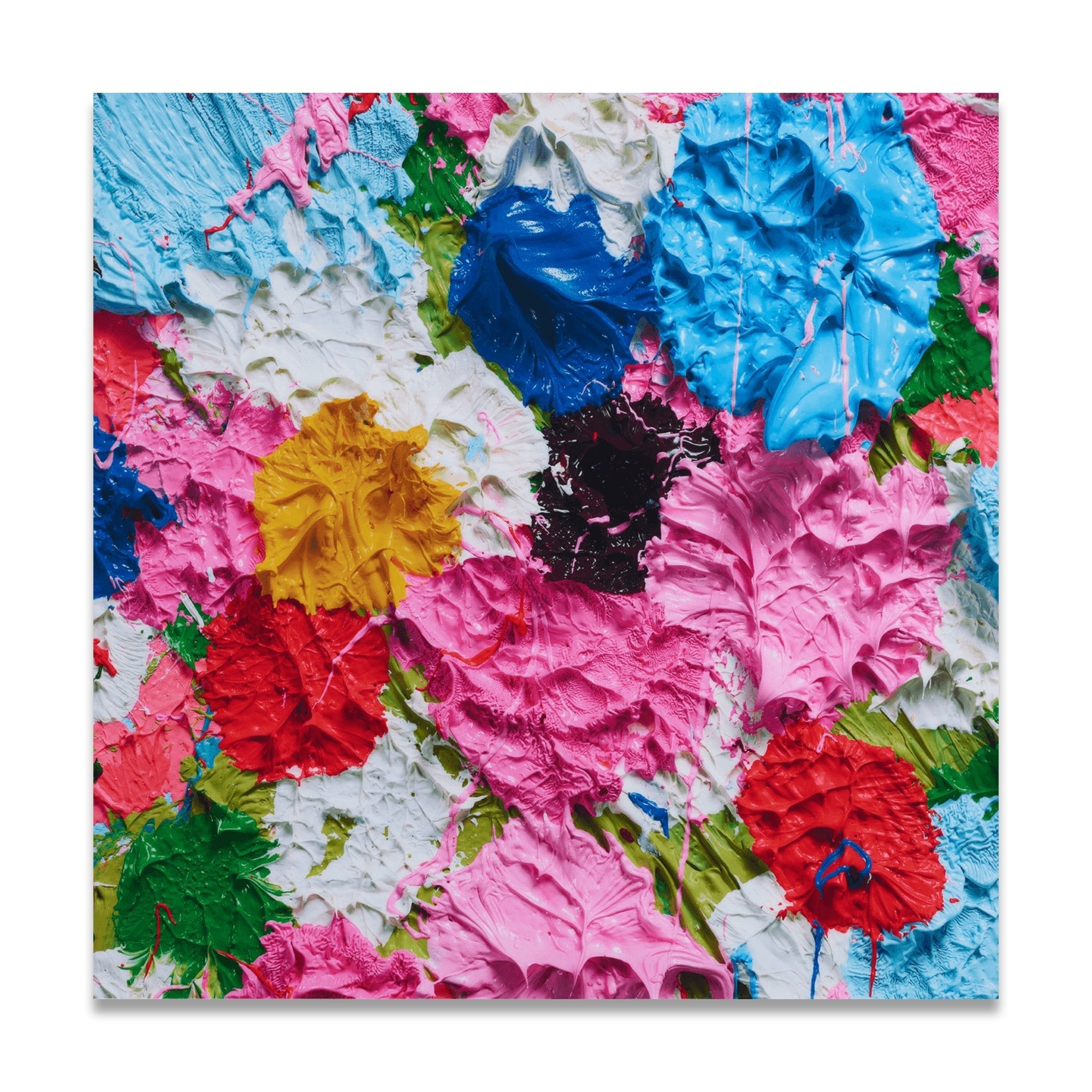
Damien Hirst - Fruitful (Small)Damien Hirst - Fruitful (Small)
Damien Hirst – Fruitful (Small) Sale price€1.300,00
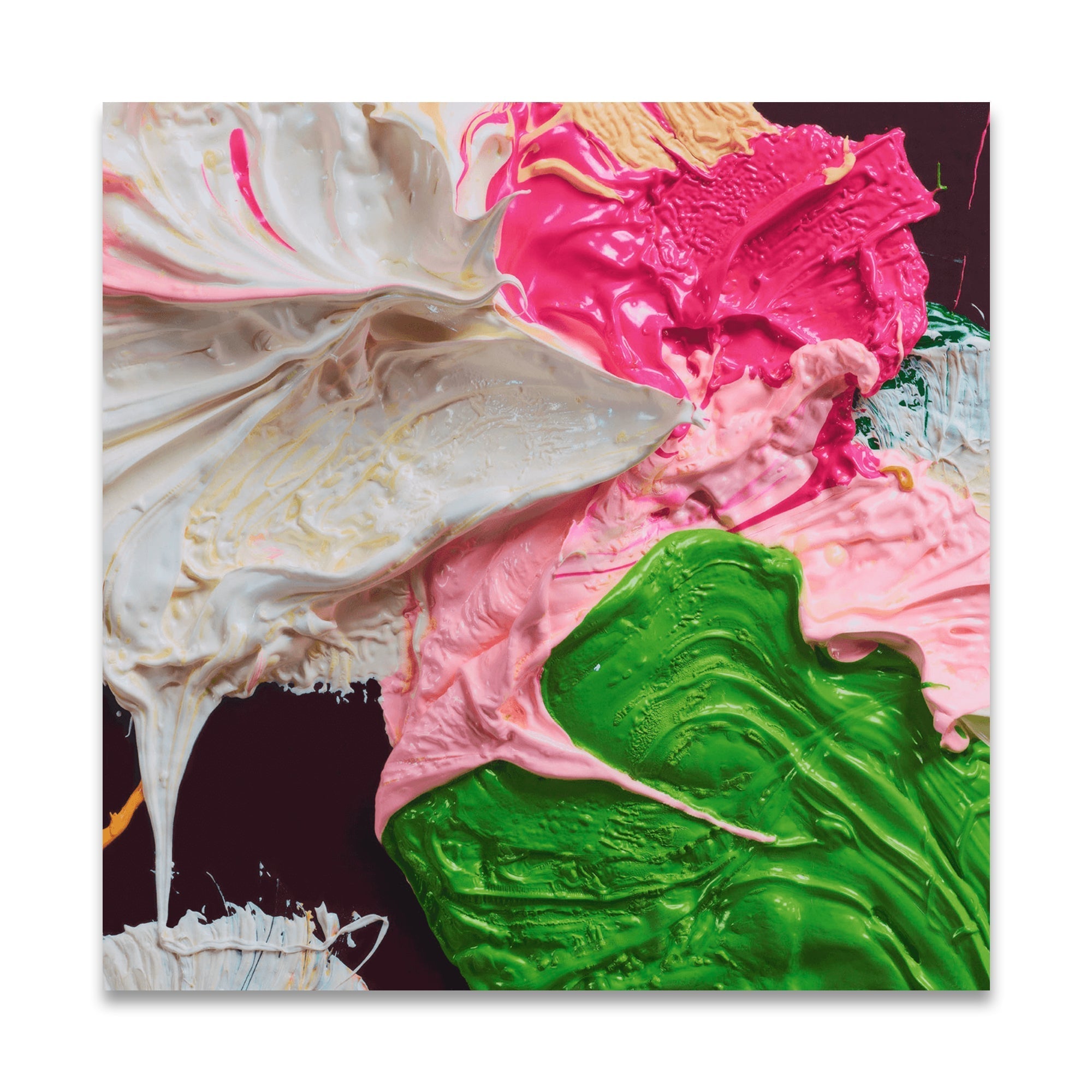
Damien Hirst - Forever (Small)
Damien Hirst – Forever (Small) Sale price€1.300,00
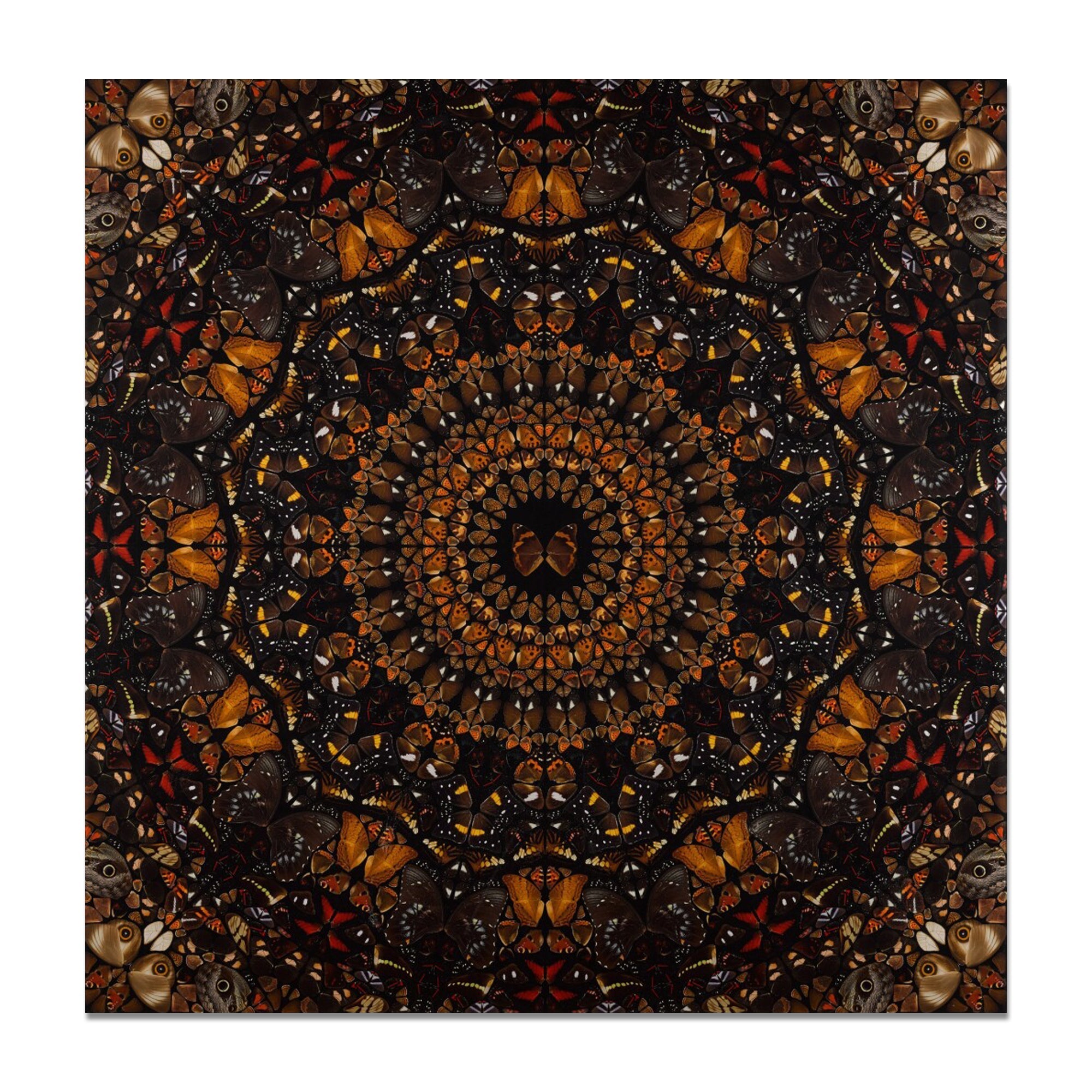
Damien Hirst - Earth (from The Elements)Damien Hirst - Earth (from The Elements)
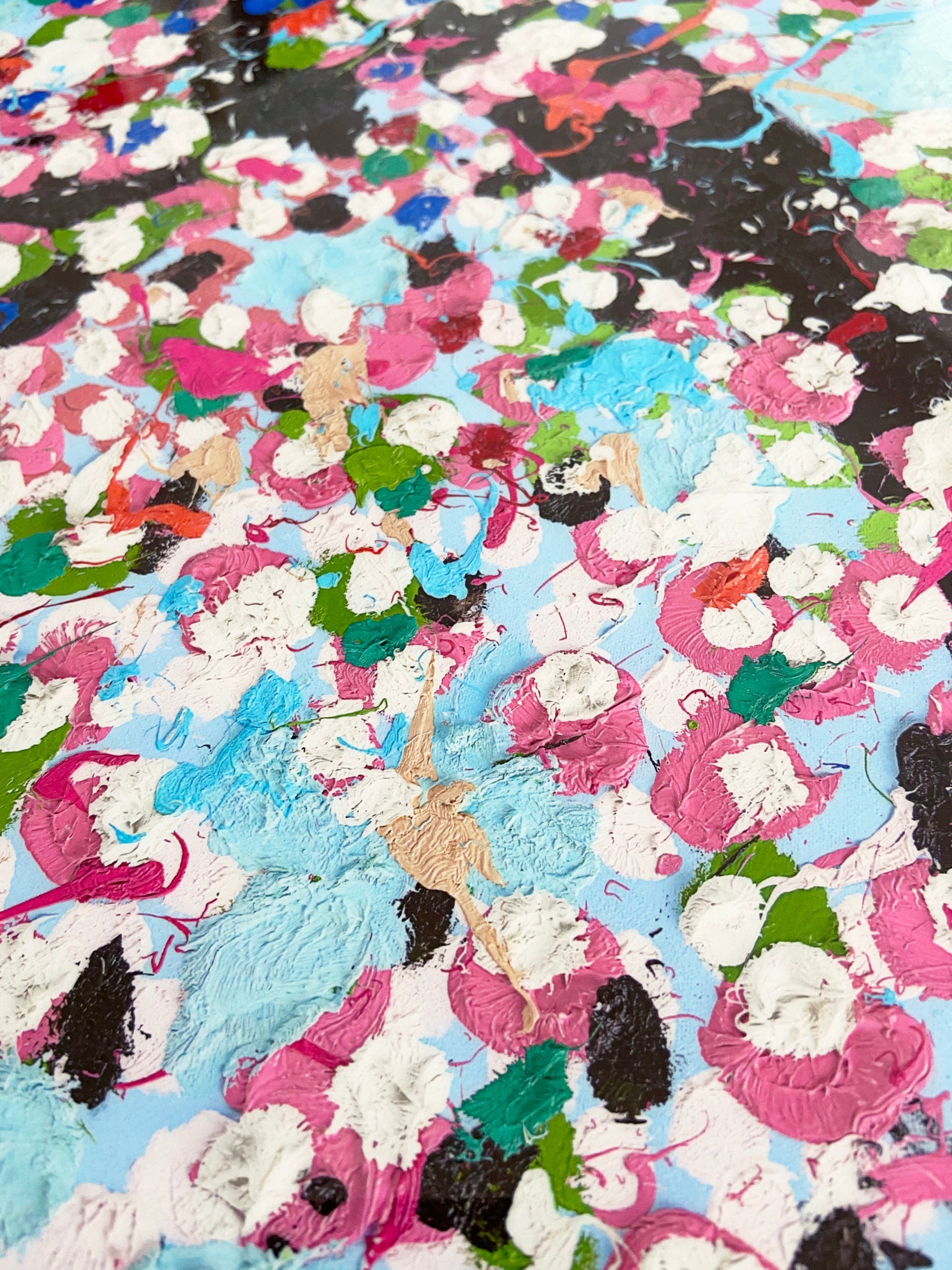
Damien Hirst - The Beautiful PaintingsDamien Hirst - The Beautiful Paintings
Claire Tabouret - Self-Portrait (Blue)Claire Tabouret - Self-Portrait (Blue)
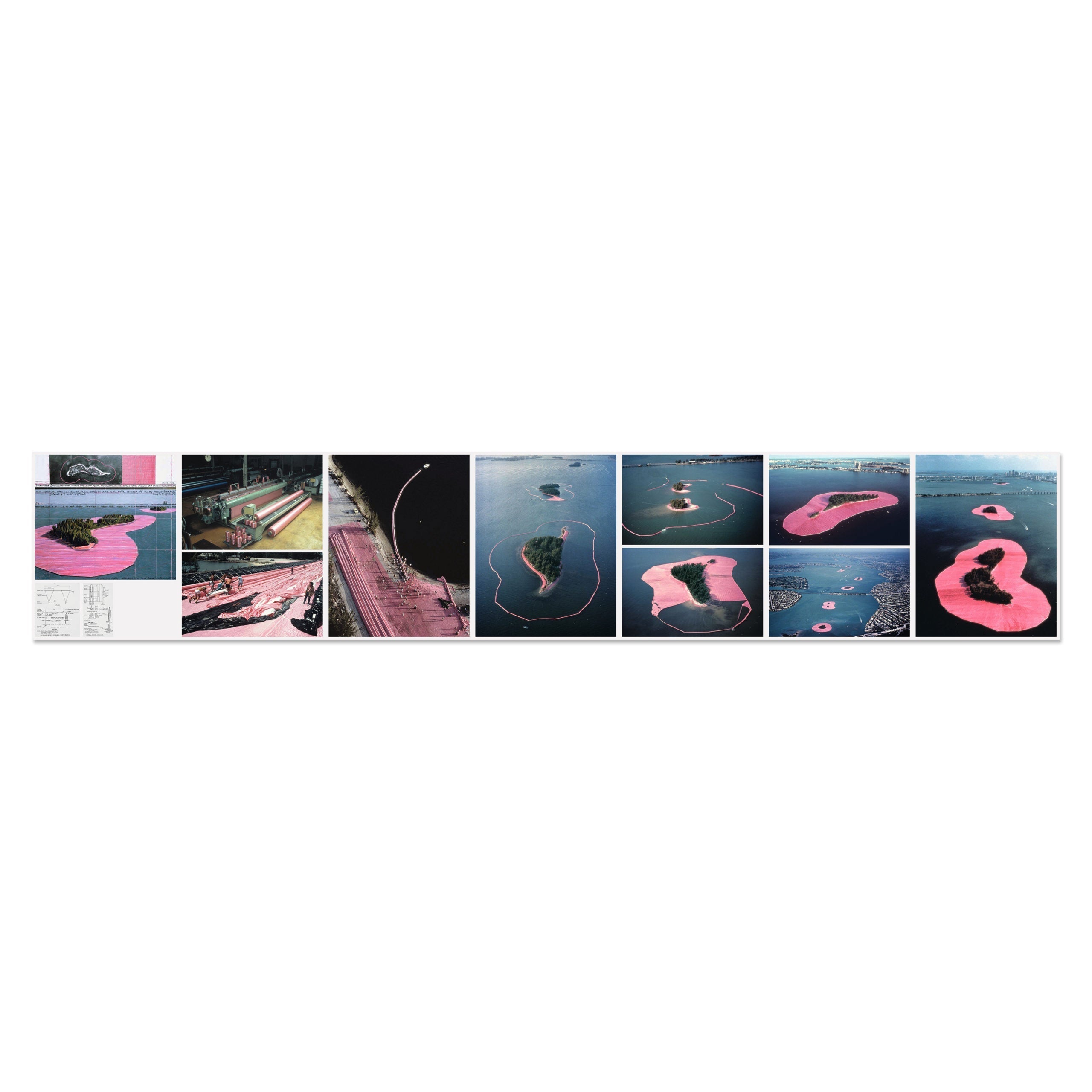
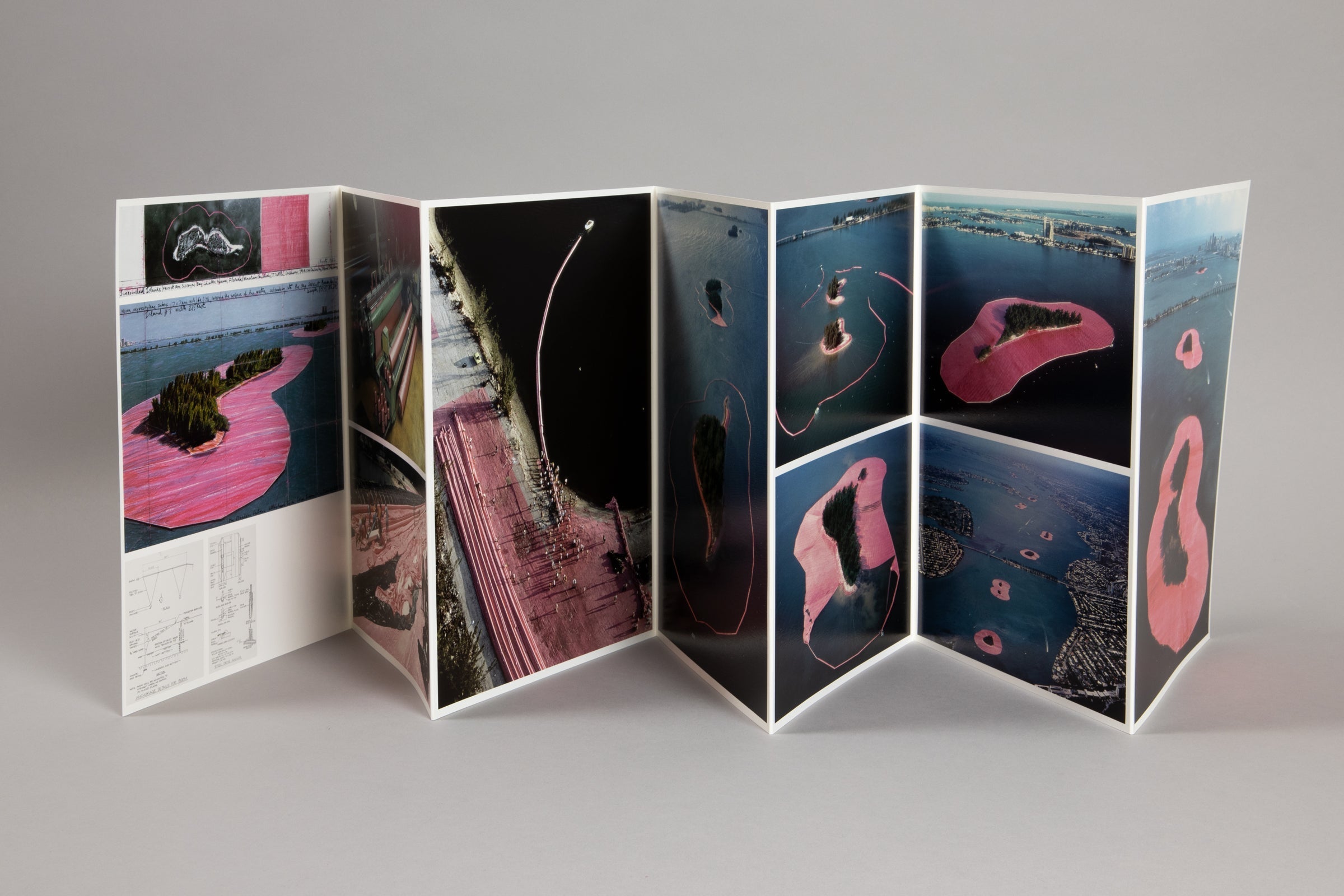
Christo - Surrounded IslandsChristo - Surrounded Islands
Christo – Surrounded Islands Sale price€2.500,00
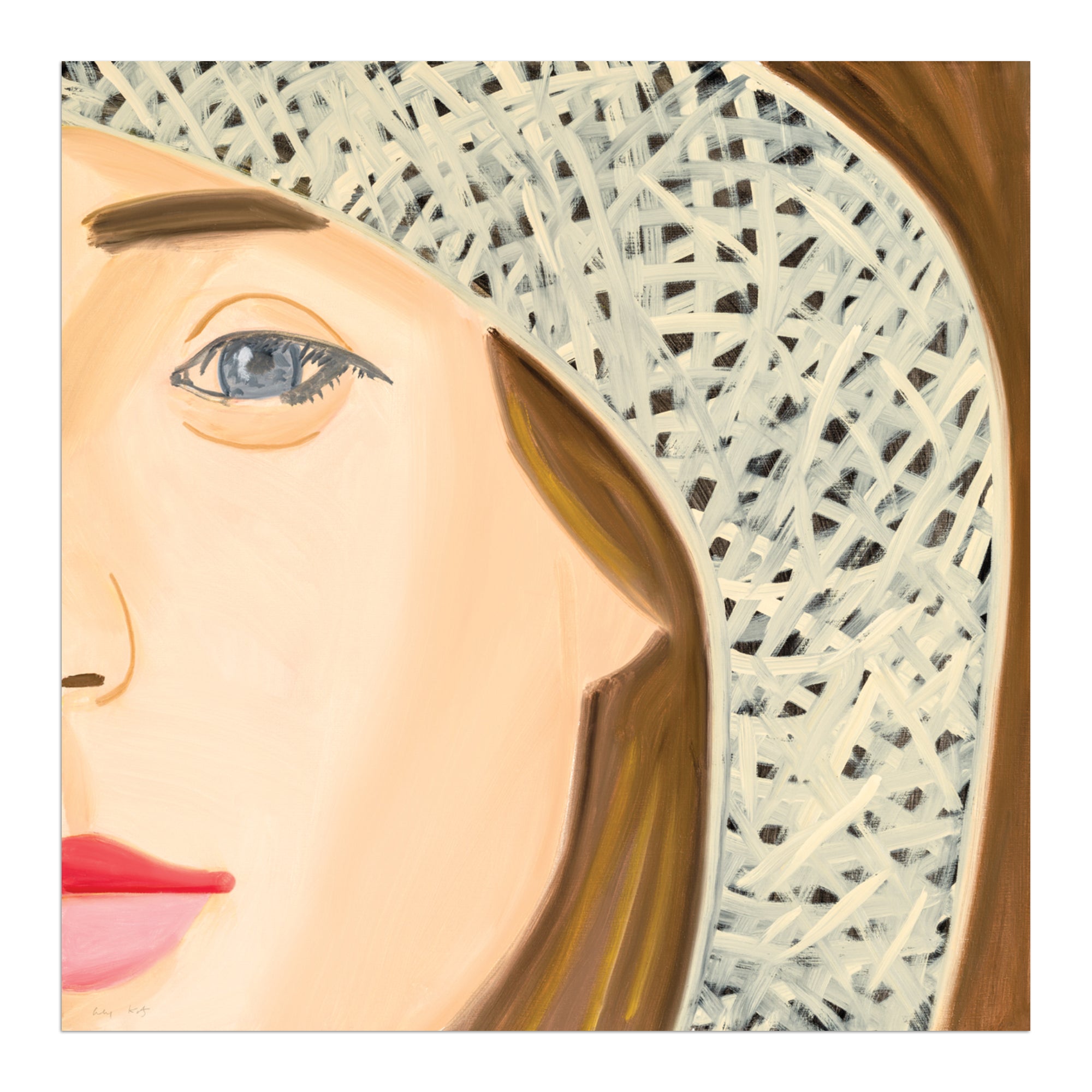
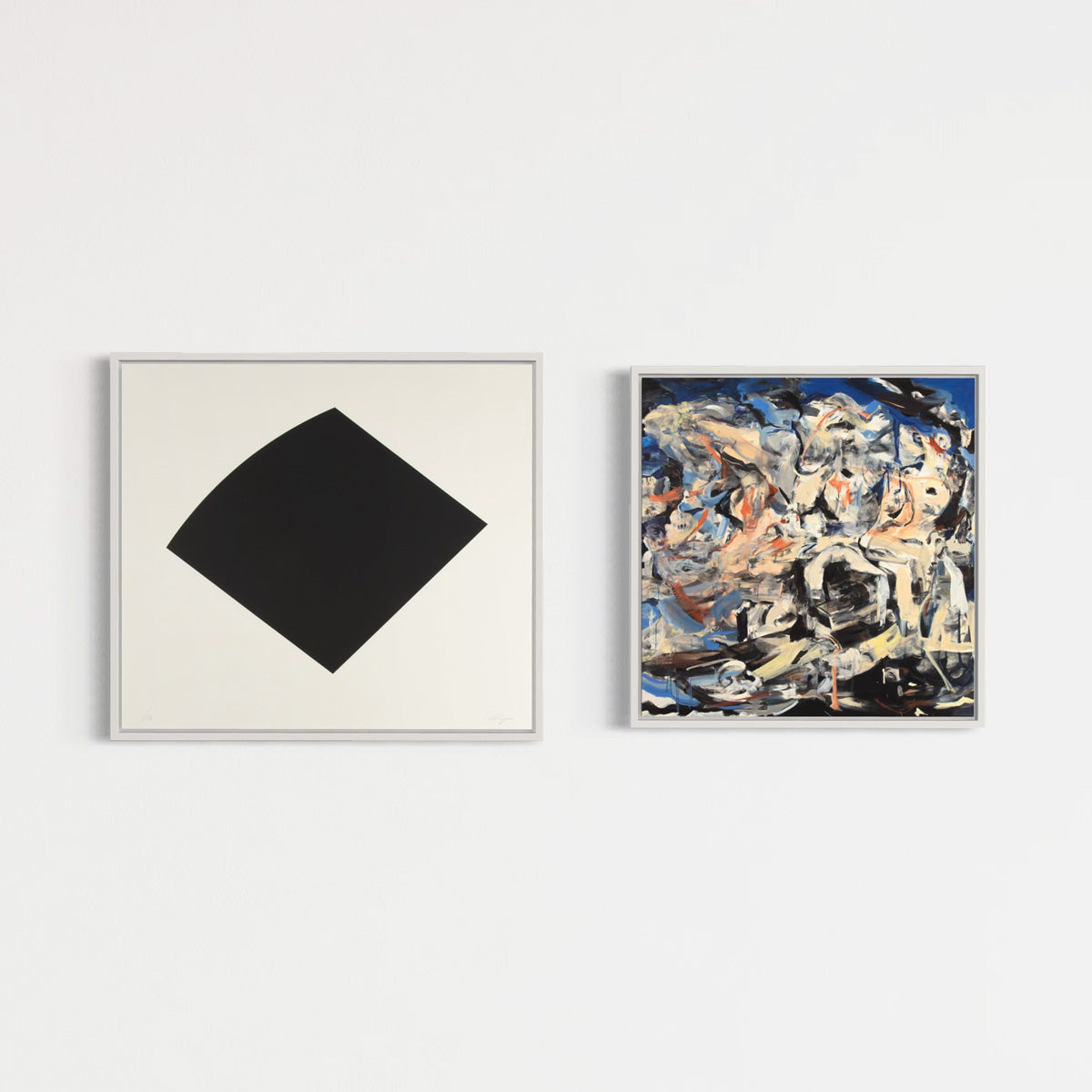
Cecily Brown - All the Nightmares Came TodayCecily Brown - All the Nightmares Came Today
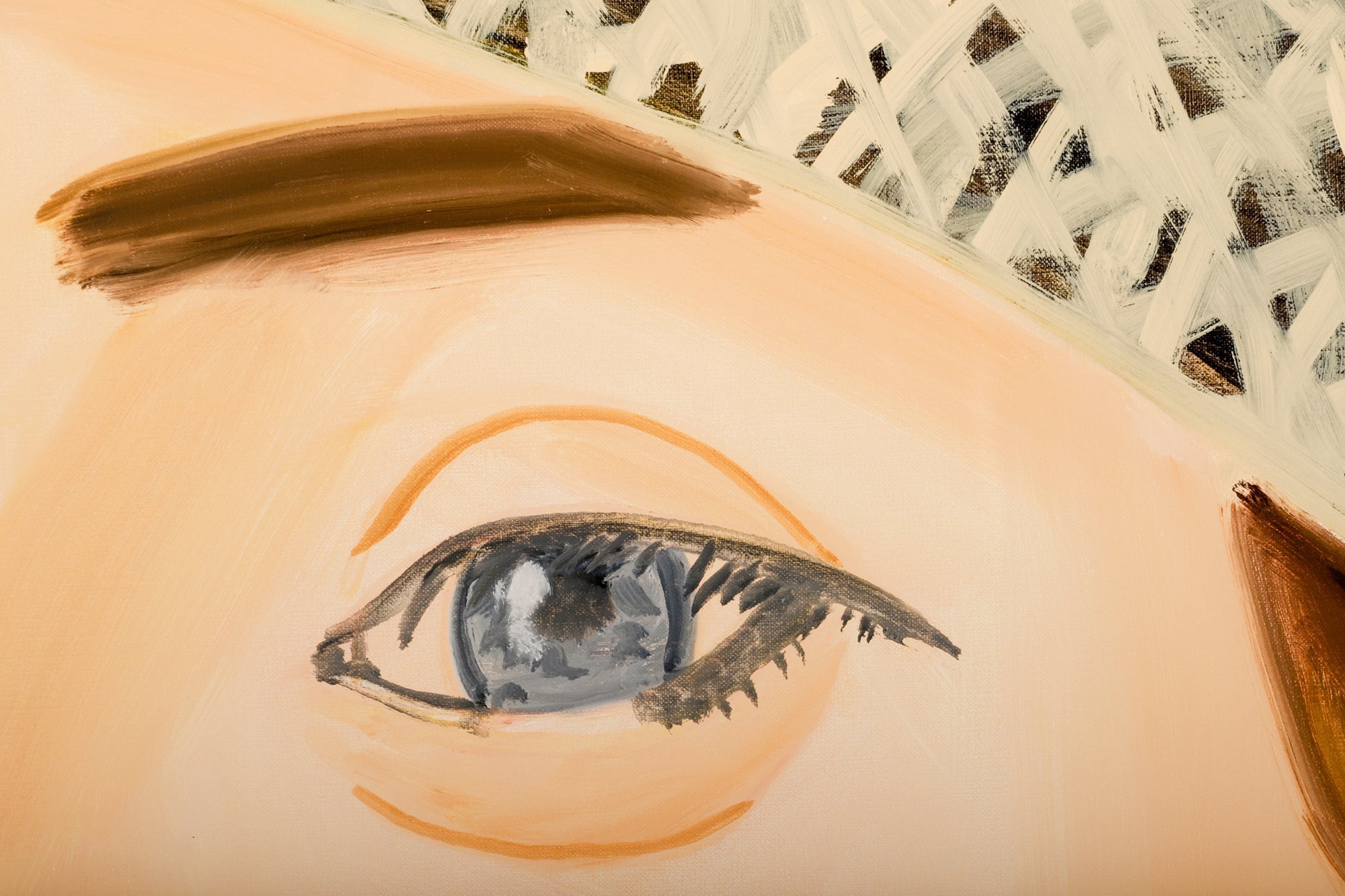
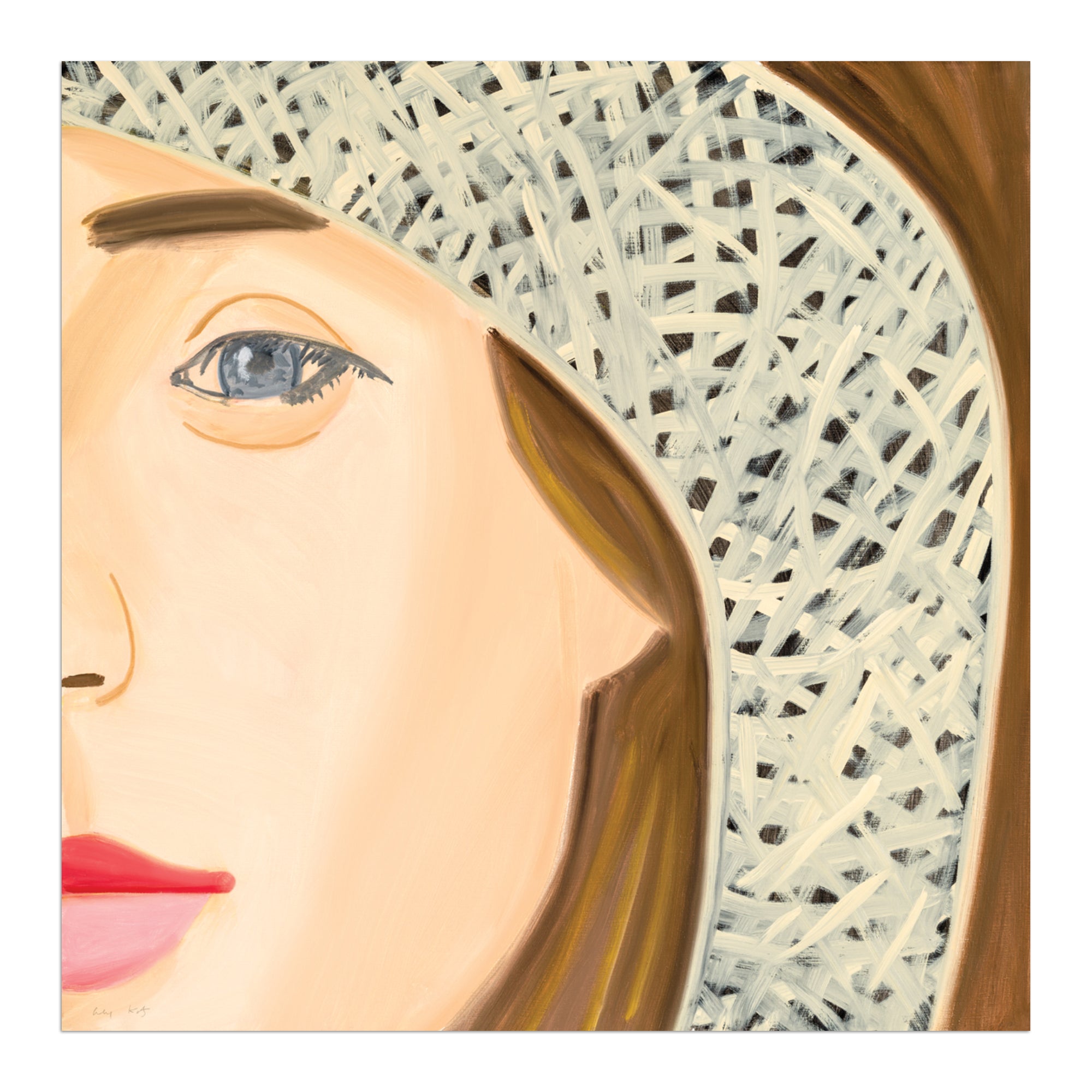
Alex Katz - Straw Hat 1Alex Katz - Straw Hat 1
Alex Katz – Straw Hat 1 Sale price€22.500,00
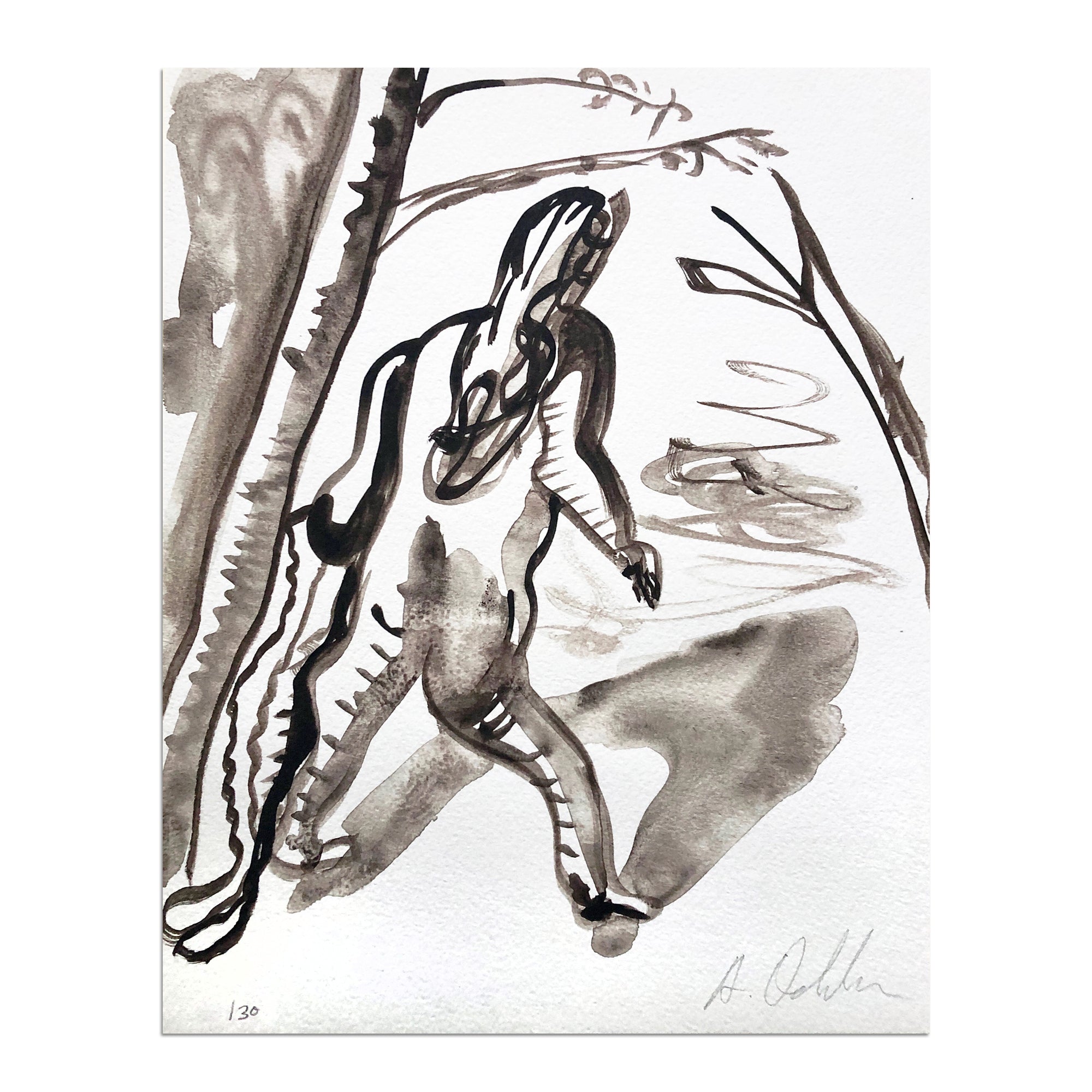
Albert Oehlen - Cezanne
Albert Oehlen – Cezanne Sale price€1.000,00
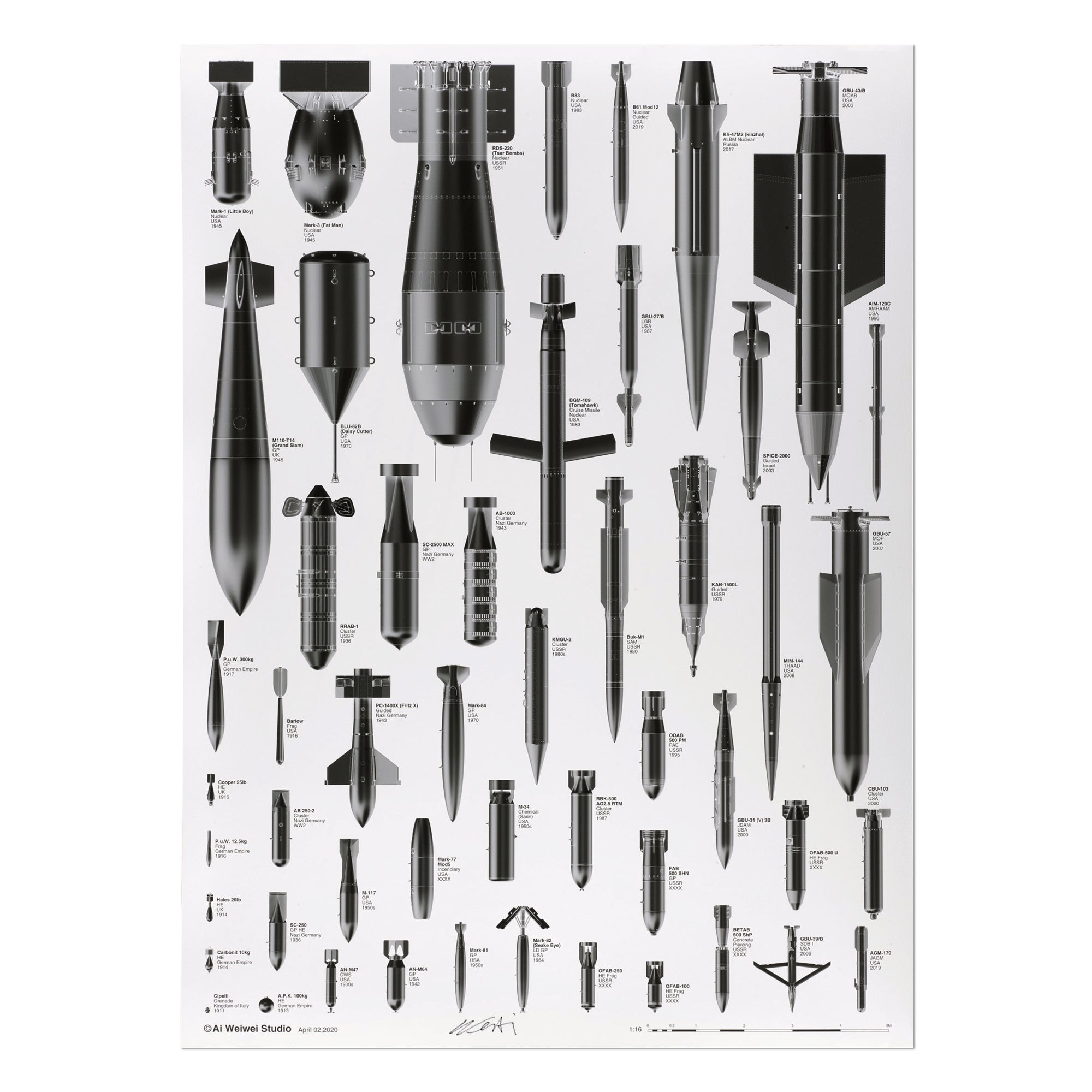
Ai Weiwei - BOMB
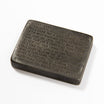
Ai Weiwei – BOMB Sale price€1.900,00
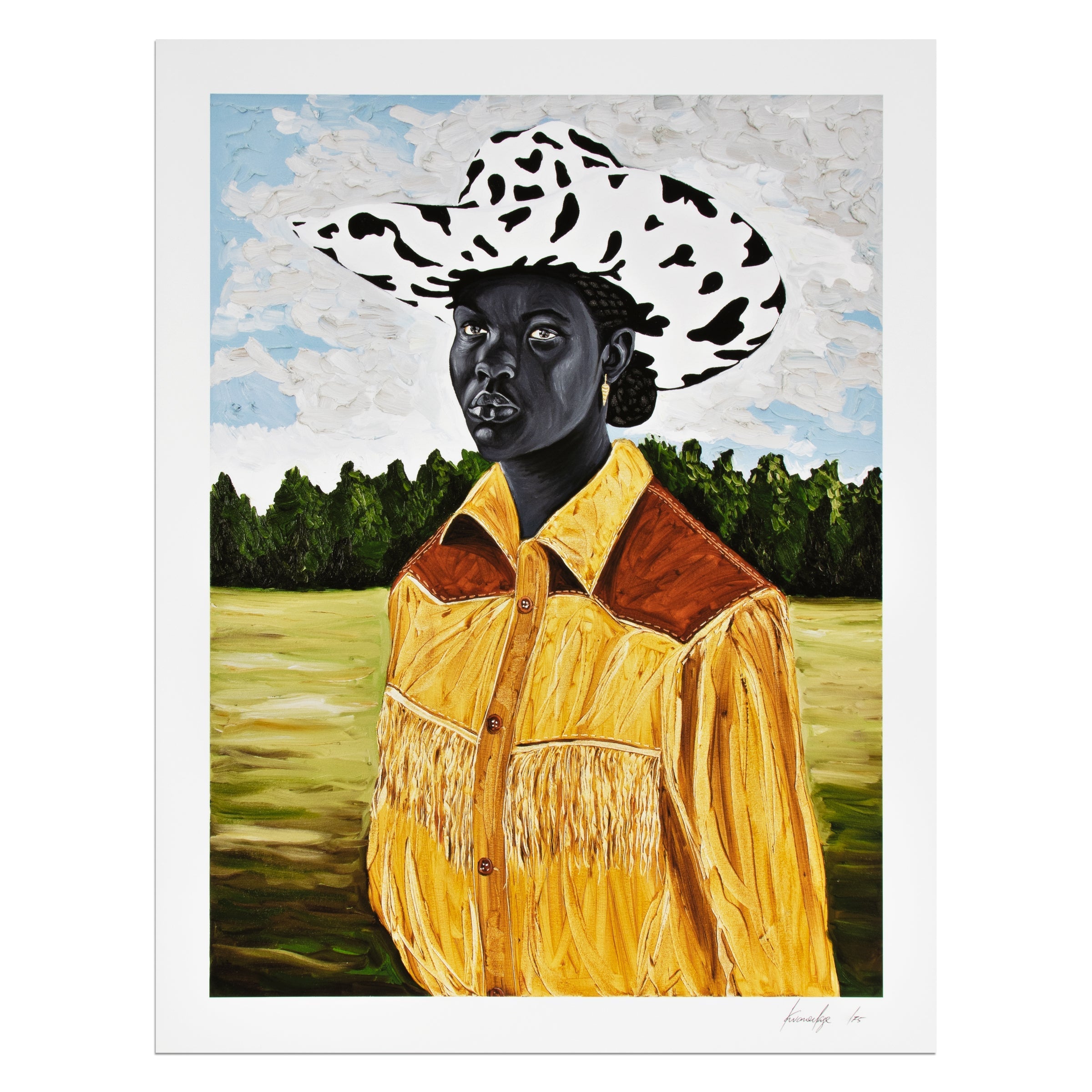
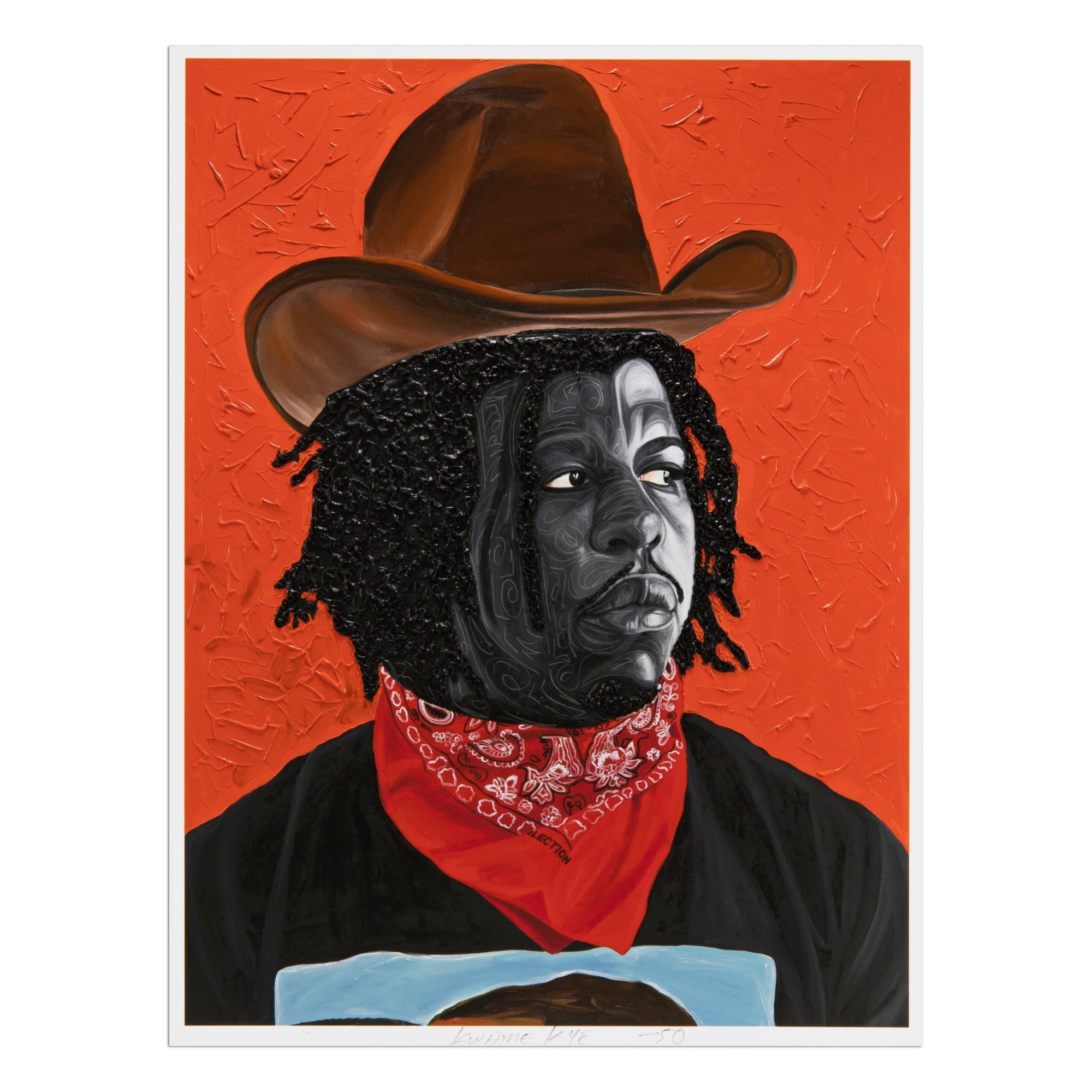
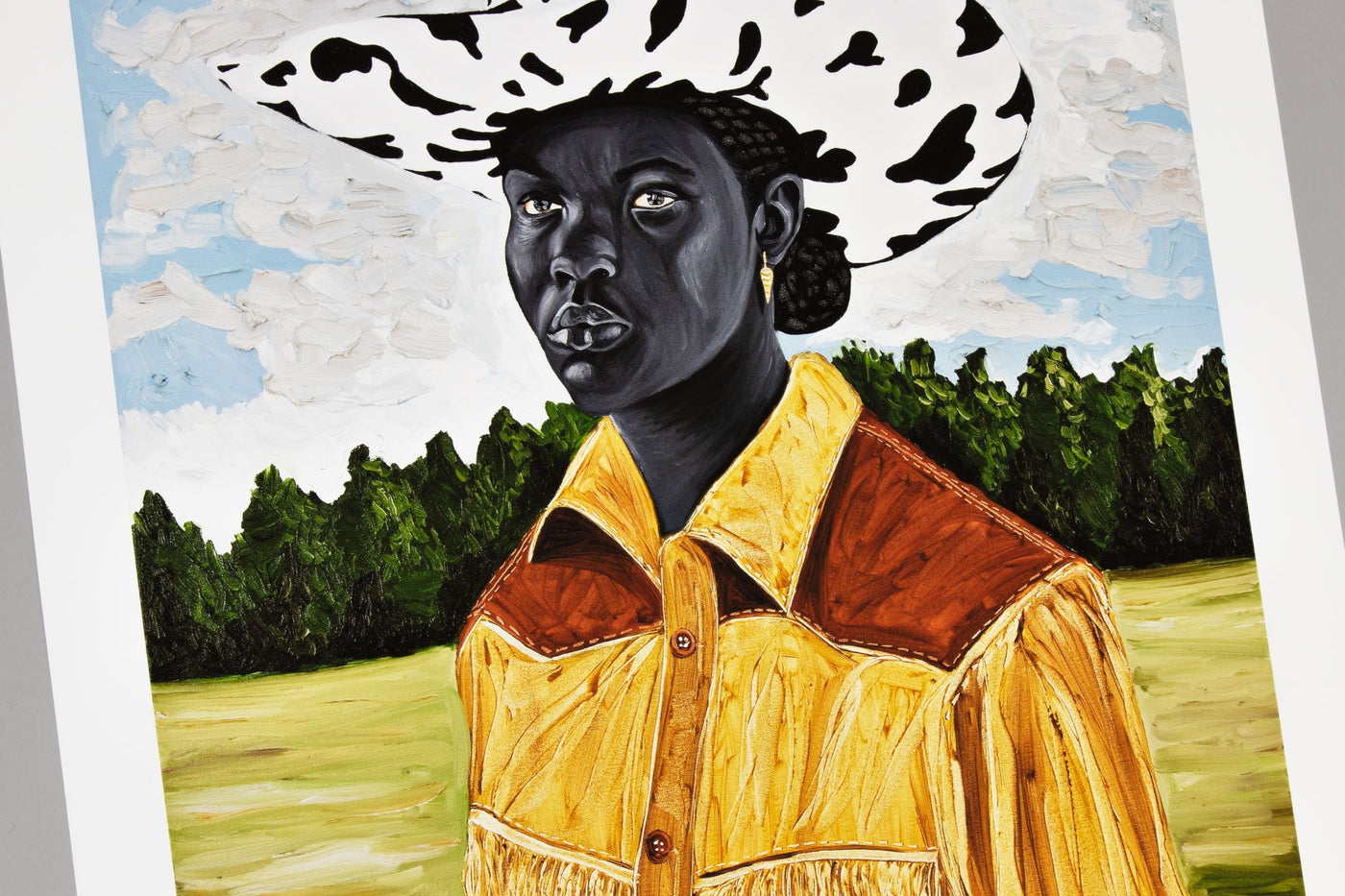
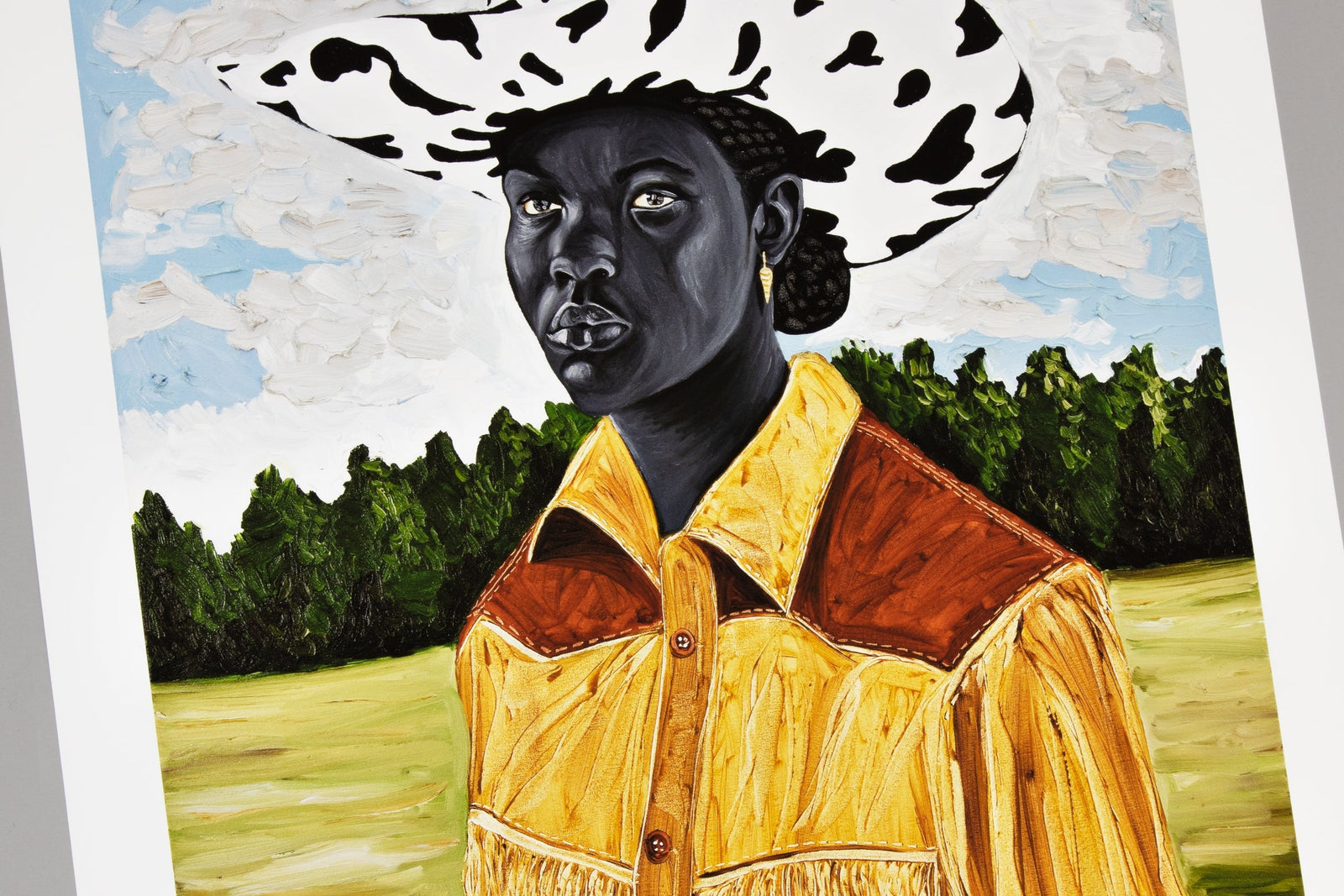
Otis Kwame Quaicoe, Rancher
01

What Are Pigment Prints?

Pigment prints are digital prints made by depositing pigment-based inks onto paper, canvas, or other supports through a high-resolution inkjet printing process. In museum and gallery contexts, closely related terms such as archival pigment print, digital pigment print, and pigmented inkjet print are commonly used. The term giclée print is also sometimes applied to the same process, although many museums and galleries prefer the more precise designation pigment print when referring to editioned works of art.

Because the image is built from a digital file rather than drawn on stone, cut into a block, or etched into metal, pigment printing occupies a distinctive position within contemporary print practice. It is especially important in photography, where artists use it to produce prints with crisp detail, smooth tonal transitions, and carefully controlled color. Museums such as MoMA and The Met regularly catalogue contemporary photographs as pigmented inkjet prints or archival pigment prints, confirming the medium’s central role in current art practice.

Pigment prints are often produced on high-quality papers, including cotton and rag papers, and are closely associated with contemporary photography, digitally constructed images, and photo-based conceptual art. Signed and numbered pigment prints remain widely collected today as original limited editions produced under the artist’s supervision

02

How Are Pigment Prints Made?

Pigment prints begin with a digital image file that has been prepared for printing. That file is sent to a professional inkjet printer, which deposits microscopic droplets of pigment-based ink onto the chosen support. In fine art contexts, artists and printers typically work with carefully selected papers or canvas, and the final result depends heavily on calibration, resolution, ink set, and surface choice. Tate has noted the importance of permanent pigment inks in the development of high-quality digital printing, while The Metropolitan Musemum describes the use of archival-quality pigment inks in high-resolution, large-format printers.

The process allows a high degree of control over tonal range, color relationships, and surface character. Depending on the image and artistic intent, pigment prints may be made on matte cotton rag papers, glossy or luster photo papers, canvas, or other supports. The choice of substrate strongly affects the print’s visual atmosphere, from the softness of a matte photographic surface to the sharper brilliance of coated paper.

In contemporary printmaking and photography, pigment prints are often produced in collaboration with master printers or specialist digital print studios. These experts work with the artist to refine scale, paper type, color balance, tonal values, and final surface appearance through a sequence of proofs before the edition is printed. They also supervise consistency across the edition so that each impression matches the approved standard as closely as possible. This collaborative process has become central to the production of high-quality pigment prints in contemporary art.

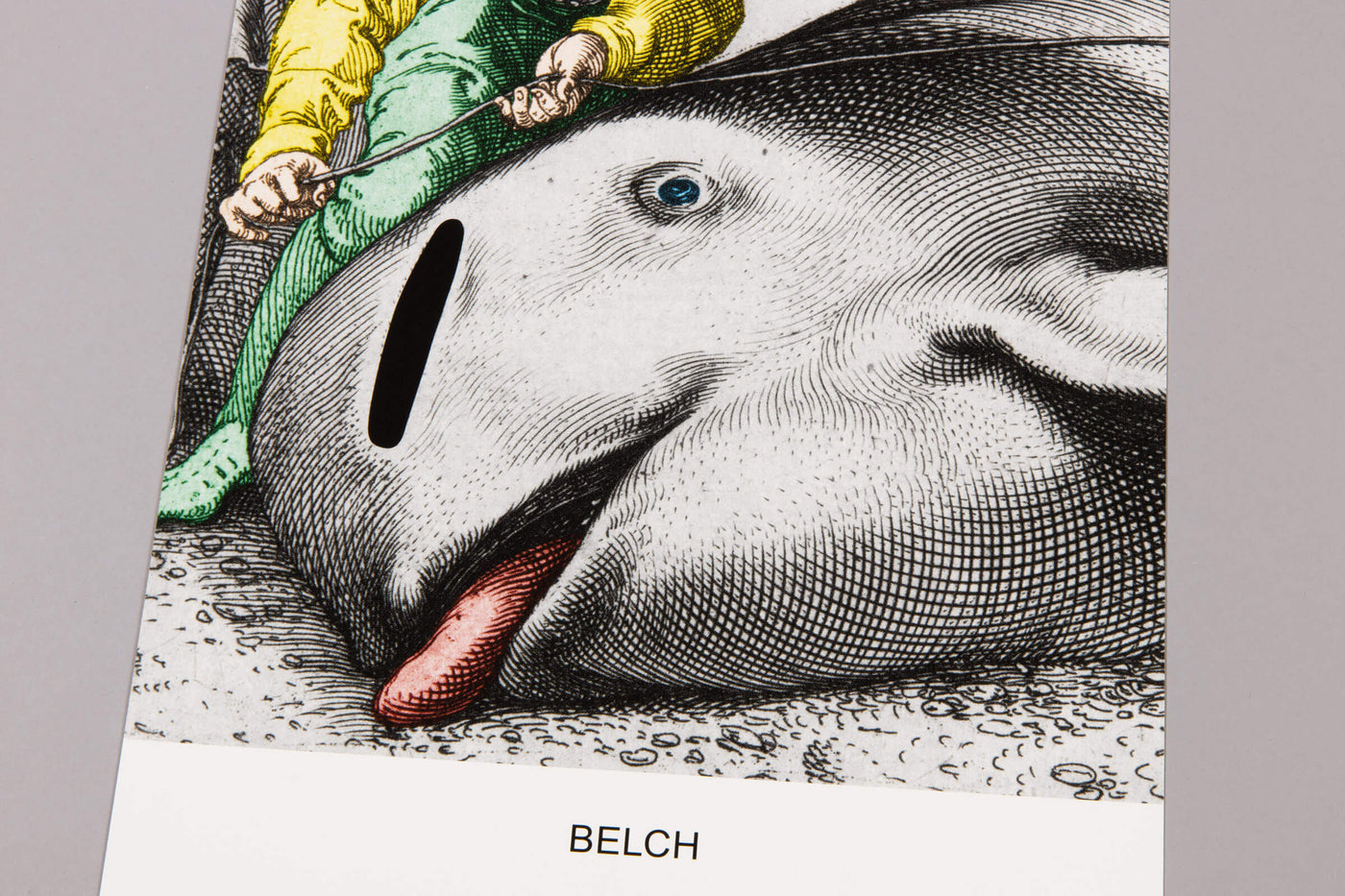
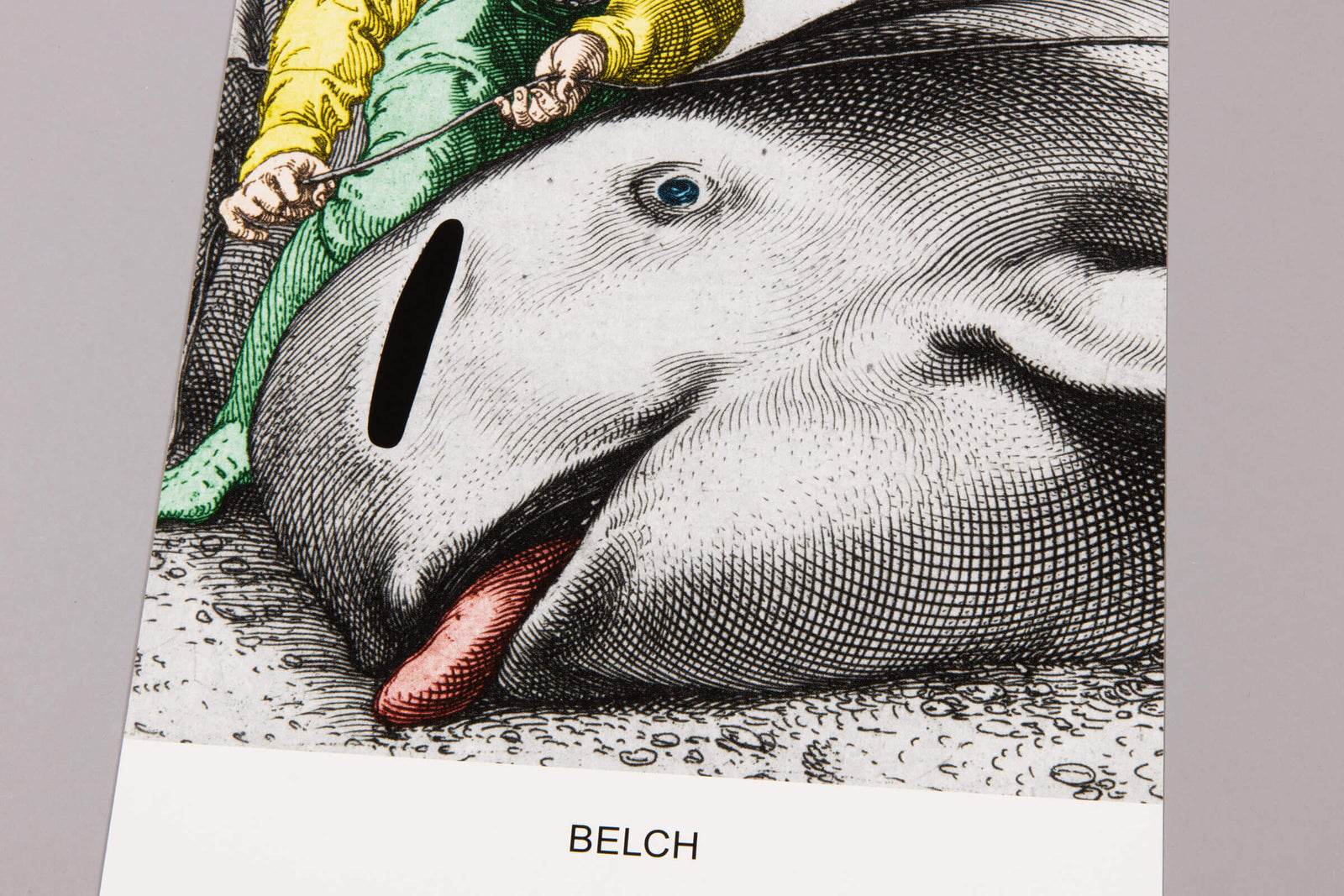
John Baldessari – Belch: Illustration of a large animal with a person holding a sword, labeled 'Belch'.
03

Why Artists Choose Pigment Printing

Contemporary artists choose pigment printing because it offers a rare combination of precision, flexibility, and material control. The process is particularly well suited to artworks that depend on fine detail, subtle tonal gradation, and carefully calibrated color. For photographers and artists working with digital imagery, pigment printing provides a way to realize complex visual information with a high degree of fidelity while still producing signed original prints in limited editions.

Another advantage is versatility of support and scale. Pigment printing can be used on a range of papers and even on canvas, and artists may combine the printed image with cutting, folding, layering, or drawing. Museums such as MoMA regularly catalogue contemporary works made as pigmented inkjet prints, inkjet prints, or pigment prints in formats ranging from photographic sheets to artist’s books and mixed-media constructions.

Within the wider field of printmaking, pigment printing occupies a distinctive role. Lithography is often chosen for the immediacy of drawing, etching for nuanced line and tonal bite, screenprinting for bold color and graphic clarity, and woodcut or linocut for carved structure and contrast. Pigment printing, by contrast, is especially valued when artists want exacting control over detail, smooth tonal continuity, and the ability to work directly from photographic or digital image sources.

For these reasons, pigment printing has become one of the defining processes of contemporary photographic and digital art, offering artists a powerful balance between visual precision, technical consistency, and the production of refined original prints in carefully controlled editions.

01

What Are Pigment Prints?

Pigment prints are digital prints made by depositing pigment-based inks onto paper, canvas, or other supports through a high-resolution inkjet printing process. In museum and gallery contexts, closely related terms such as archival pigment print, digital pigment print, and pigmented inkjet print are commonly used. The term giclée print is also sometimes applied to the same process, although many museums and galleries prefer the more precise designation pigment print when referring to editioned works of art.

Because the image is built from a digital file rather than drawn on stone, cut into a block, or etched into metal, pigment printing occupies a distinctive position within contemporary print practice. It is especially important in photography, where artists use it to produce prints with crisp detail, smooth tonal transitions, and carefully controlled color. Museums such as MoMA and The Met regularly catalogue contemporary photographs as pigmented inkjet prints or archival pigment prints, confirming the medium’s central role in current art practice.

Pigment prints are often produced on high-quality papers, including cotton and rag papers, and are closely associated with contemporary photography, digitally constructed images, and photo-based conceptual art. Signed and numbered pigment prints remain widely collected today as original limited editions produced under the artist’s supervision

02

How Are Pigment Prints Made?

Pigment prints begin with a digital image file that has been prepared for printing. That file is sent to a professional inkjet printer, which deposits microscopic droplets of pigment-based ink onto the chosen support. In fine art contexts, artists and printers typically work with carefully selected papers or canvas, and the final result depends heavily on calibration, resolution, ink set, and surface choice. Tate has noted the importance of permanent pigment inks in the development of high-quality digital printing, while The Metropolitan Musemum describes the use of archival-quality pigment inks in high-resolution, large-format printers.

The process allows a high degree of control over tonal range, color relationships, and surface character. Depending on the image and artistic intent, pigment prints may be made on matte cotton rag papers, glossy or luster photo papers, canvas, or other supports. The choice of substrate strongly affects the print’s visual atmosphere, from the softness of a matte photographic surface to the sharper brilliance of coated paper.

In contemporary printmaking and photography, pigment prints are often produced in collaboration with master printers or specialist digital print studios. These experts work with the artist to refine scale, paper type, color balance, tonal values, and final surface appearance through a sequence of proofs before the edition is printed. They also supervise consistency across the edition so that each impression matches the approved standard as closely as possible. This collaborative process has become central to the production of high-quality pigment prints in contemporary art.

03

Why Artists Choose Pigment Printing

Contemporary artists choose pigment printing because it offers a rare combination of precision, flexibility, and material control. The process is particularly well suited to artworks that depend on fine detail, subtle tonal gradation, and carefully calibrated color. For photographers and artists working with digital imagery, pigment printing provides a way to realize complex visual information with a high degree of fidelity while still producing signed original prints in limited editions.

Another advantage is versatility of support and scale. Pigment printing can be used on a range of papers and even on canvas, and artists may combine the printed image with cutting, folding, layering, or drawing. Museums such as MoMA regularly catalogue contemporary works made as pigmented inkjet prints, inkjet prints, or pigment prints in formats ranging from photographic sheets to artist’s books and mixed-media constructions.

Within the wider field of printmaking, pigment printing occupies a distinctive role. Lithography is often chosen for the immediacy of drawing, etching for nuanced line and tonal bite, screenprinting for bold color and graphic clarity, and woodcut or linocut for carved structure and contrast. Pigment printing, by contrast, is especially valued when artists want exacting control over detail, smooth tonal continuity, and the ability to work directly from photographic or digital image sources.

For these reasons, pigment printing has become one of the defining processes of contemporary photographic and digital art, offering artists a powerful balance between visual precision, technical consistency, and the production of refined original prints in carefully controlled editions.

Otis Kwame Quaicoe, RancherJohn Baldessari – Belch: Illustration of a large animal with a person holding a sword, labeled 'Belch'.

Other Printmaking Techniques

Limited edition prints are created using a range of traditional printmaking techniques, each with distinct visual qualities. Lithographs translate drawing into print, screenprints build images through layered color, etchings produce precise lines through acid-bitten plates, and woodcuts create bold graphic compositions from carved blocks. Learn more in our Glossary of Editions.

View all
Prints, Photographs & Multiples

View our full collection of

Prints, Photographs & Multiples

Shop now