
Thomas Ruff

Thomas Ruff has spent four decades asking a single question: what is a photograph actually showing us? Less a traditional photographer than a conceptual artist working through the camera, he treats each series as an experiment on the medium itself — testing its claim to truth and status as evidence. Portraits that withhold all psychological depth, night scenes shot through military surveillance optics, internet images blown up until they dissolve into digital noise: in each case, Ruff pushes photography until its assumptions become visible. His photographs and editions do not record the world — they interrogate how images convince us they have.

Browse signed Thomas Ruff photographs and prints now.

Available Prints & Editions

11 products
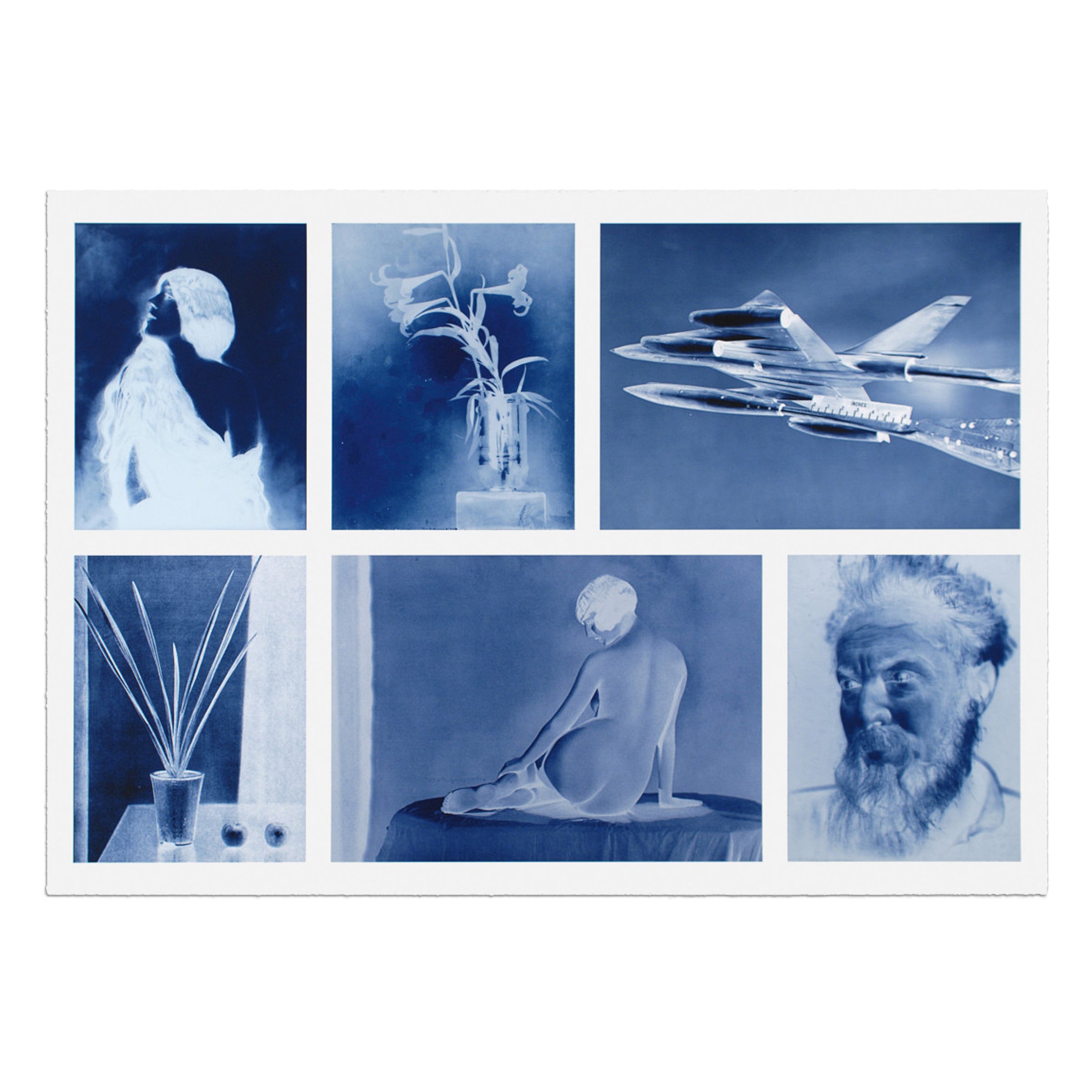
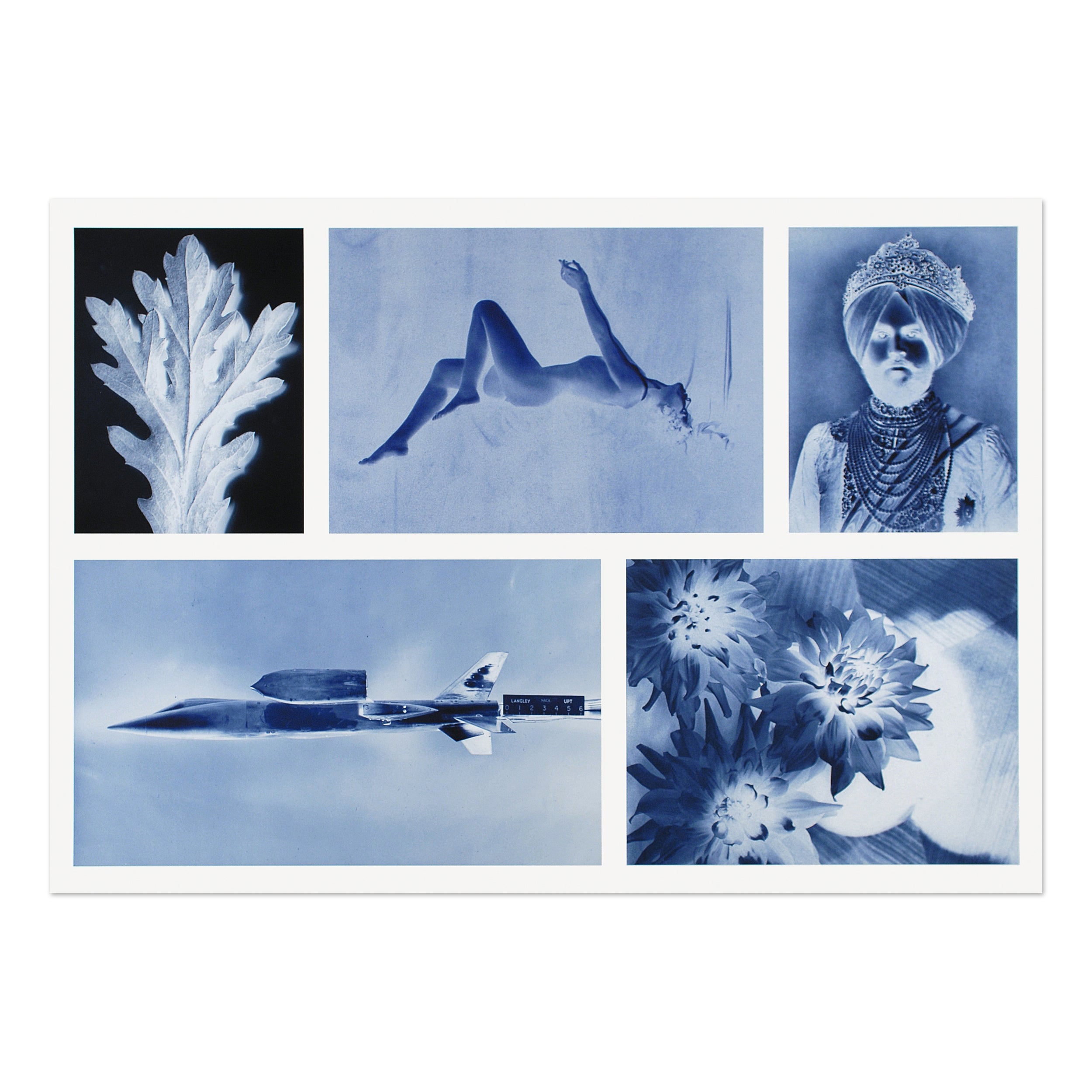
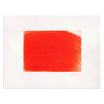
Thomas Ruff – Negatives IThomas Ruff – Negatives I
Thomas Ruff – Negatives I Sale price€2.500,00
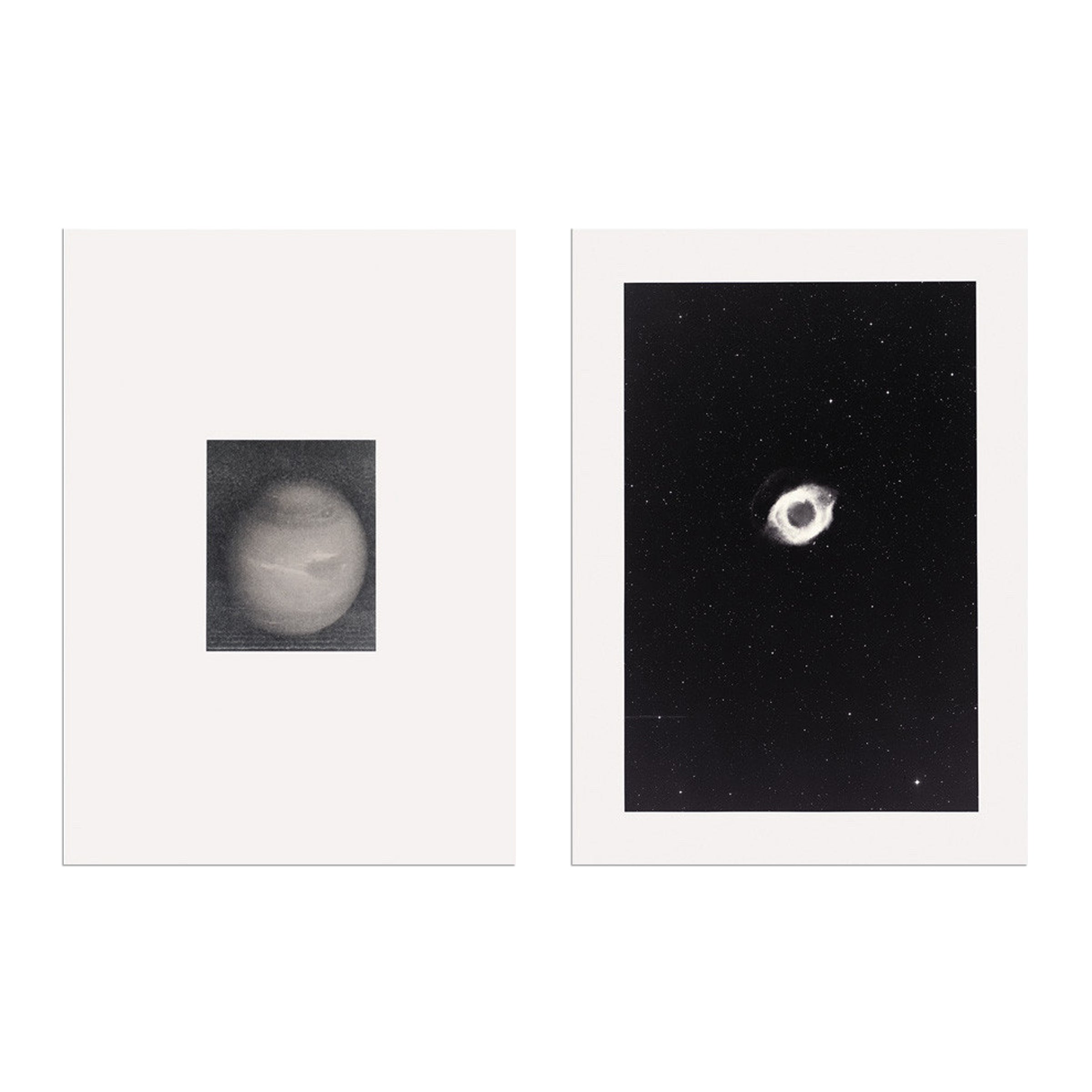
Thomas Ruff - Zeitungsfoto 071, Sterne 22h 24m / -20
Thomas Ruff – Zeitungsfoto 071 Sale price€2.200,00
Thomas Ruff, Untitled (Sterne 17h 38m/-30°, 1990)Thomas Ruff, Untitled (Sterne 17h 38m/-30°, 1990)
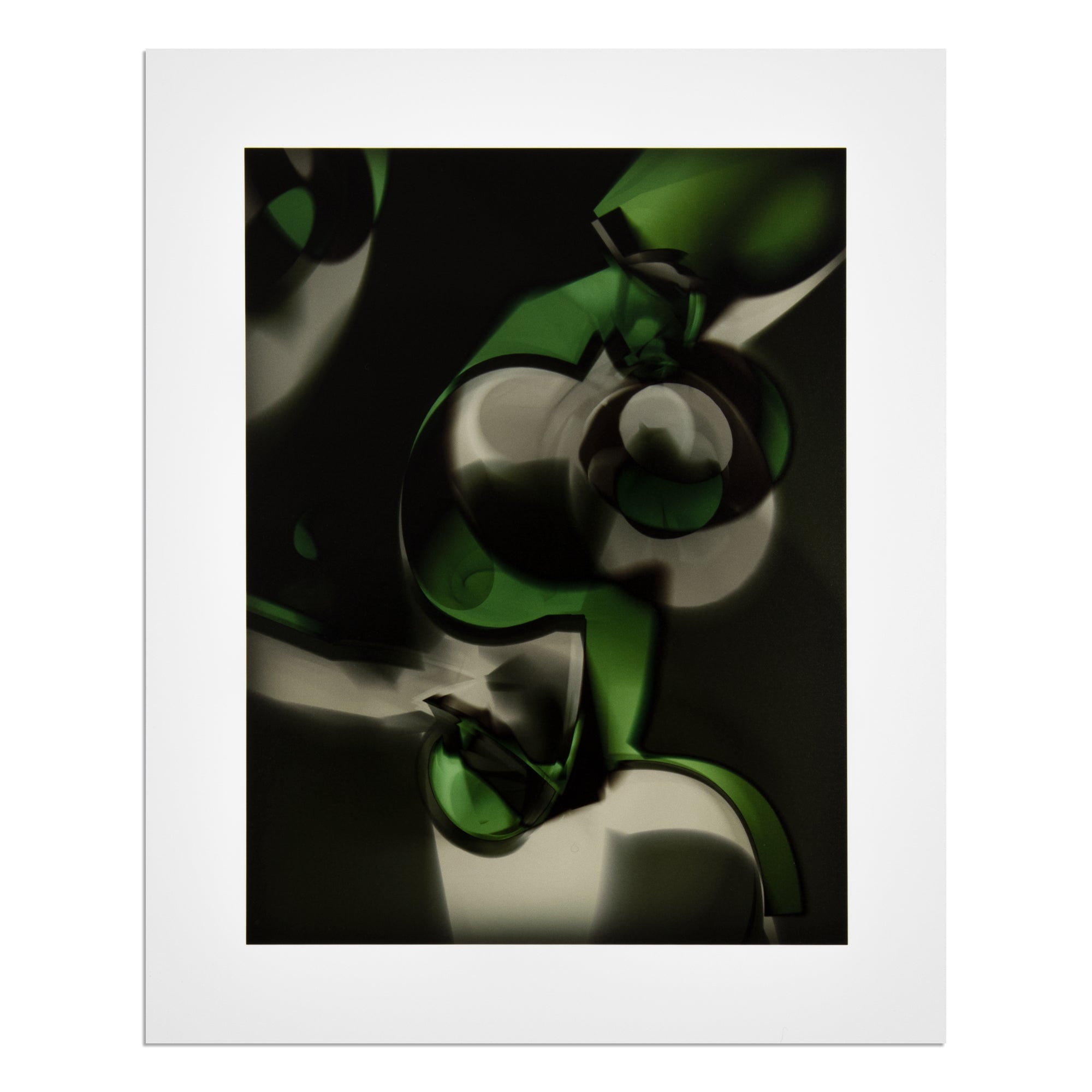
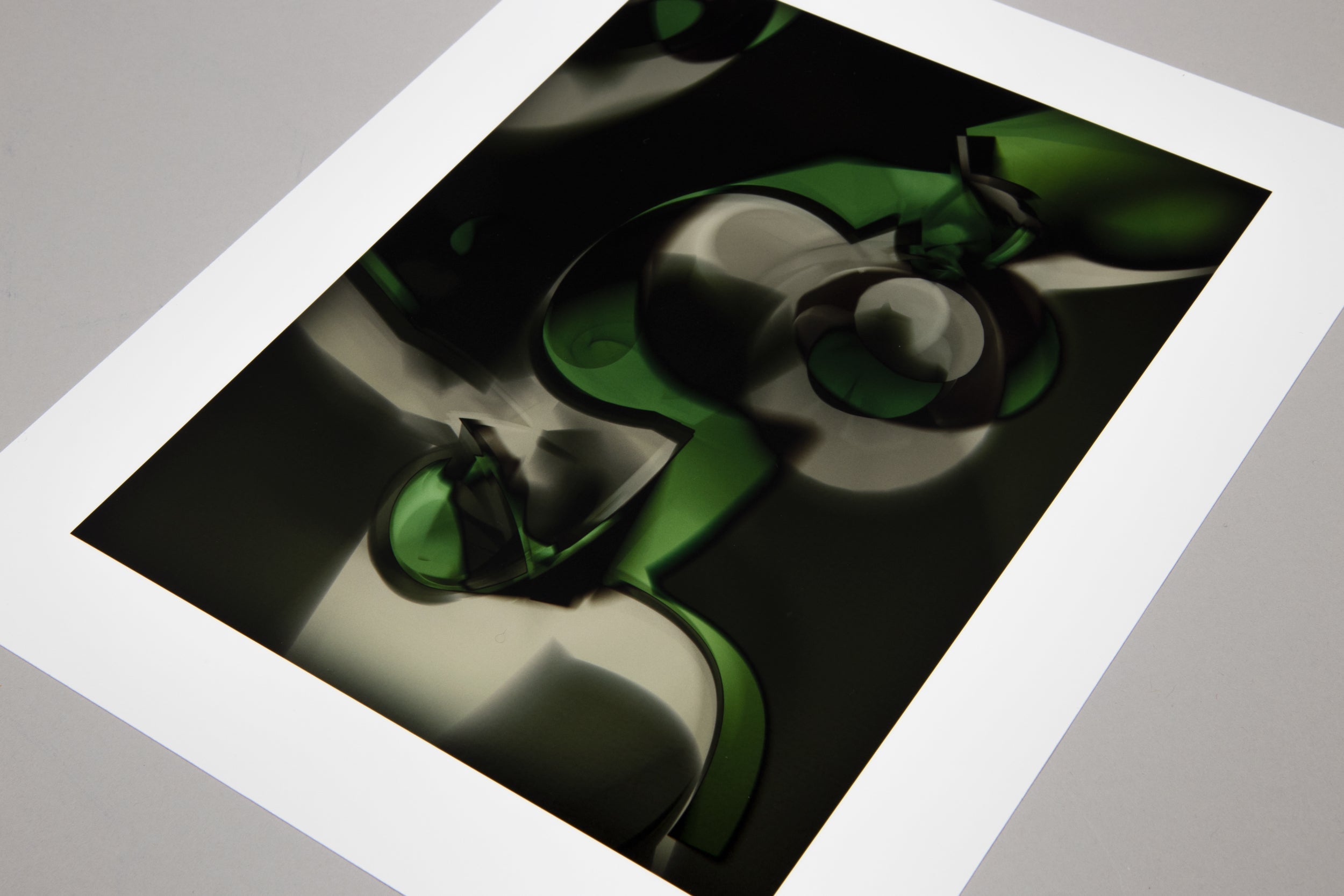
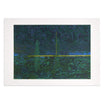
Thomas Ruff - SubstratThomas Ruff - Substrat
Thomas Ruff – Substrat 21 III Sale price€3.000,00
Thomas Ruff - SeeroseThomas Ruff - Seerose
Thomas Ruff – Seerose Sale price€1.300,00
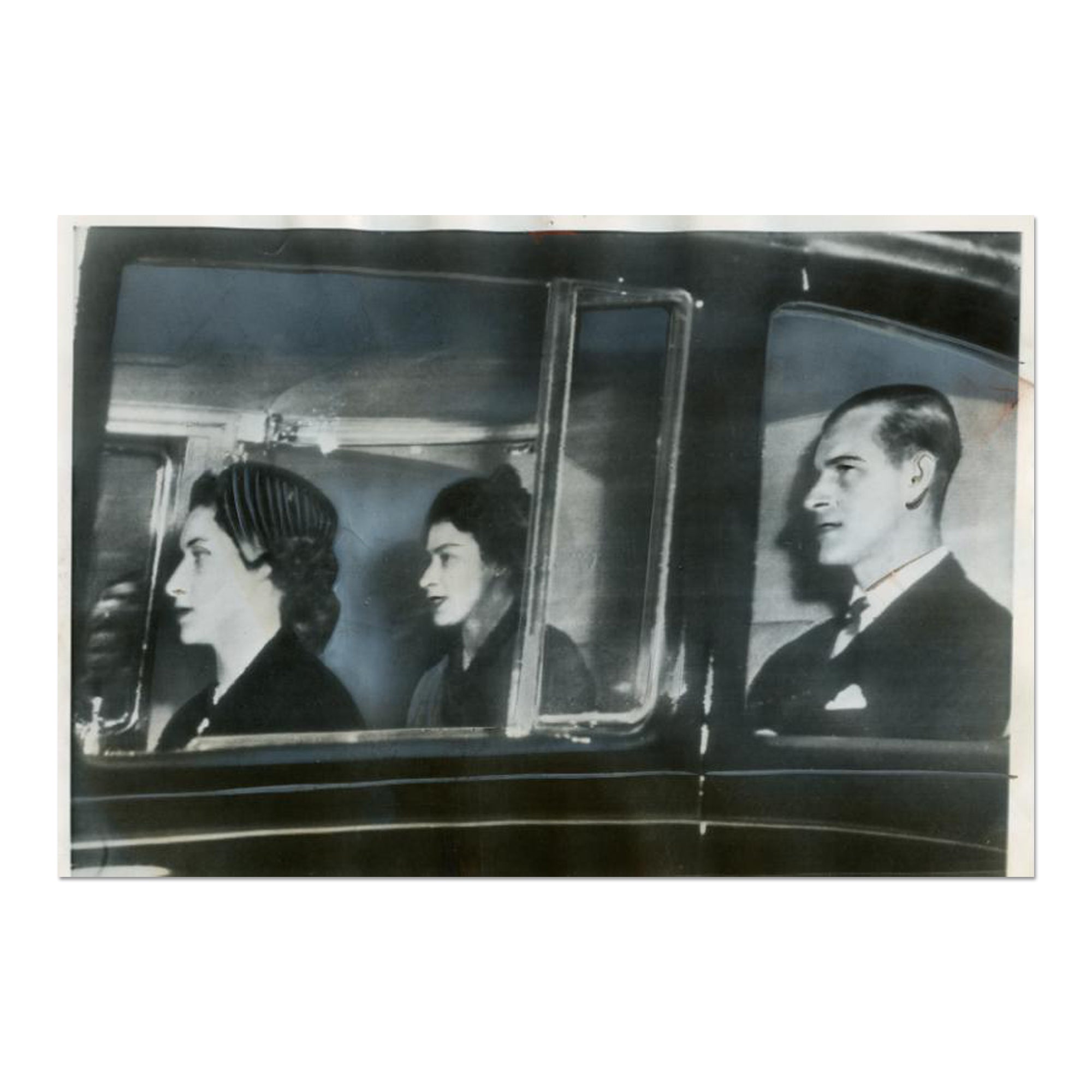
Thomas Ruff - Queen in CarThomas Ruff - Queen in Car
Thomas Ruff – Queen in Car Sale price€1.400,00
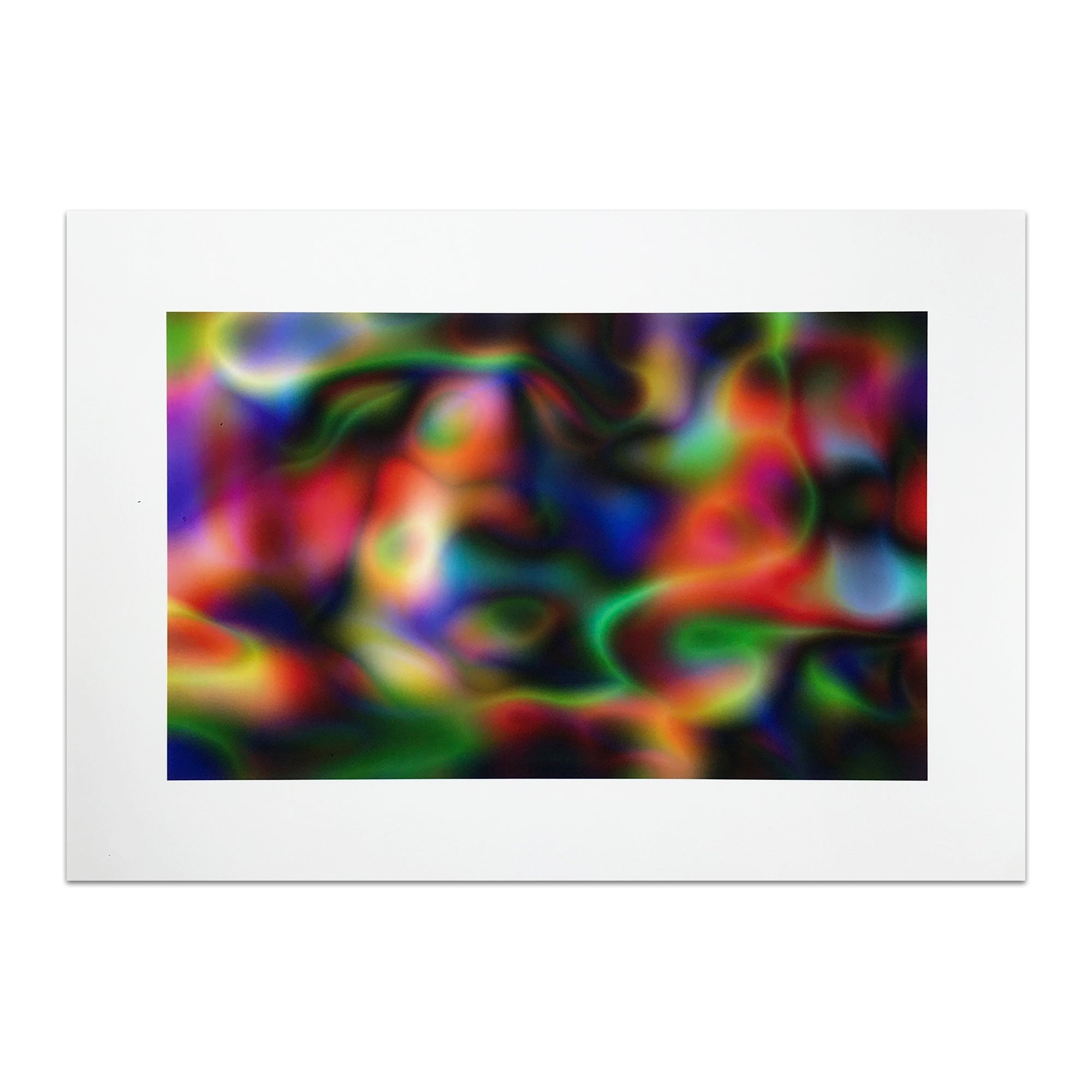
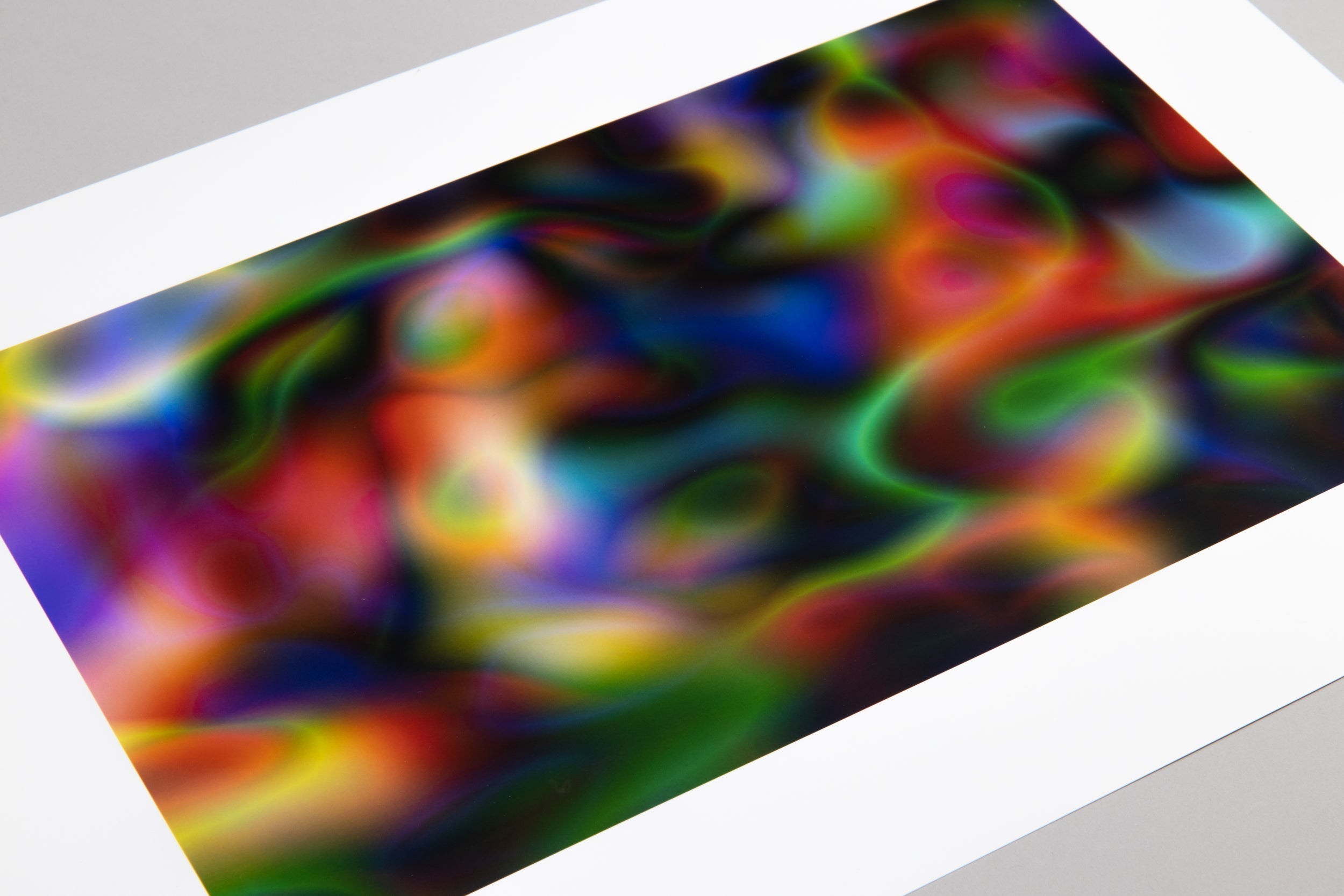
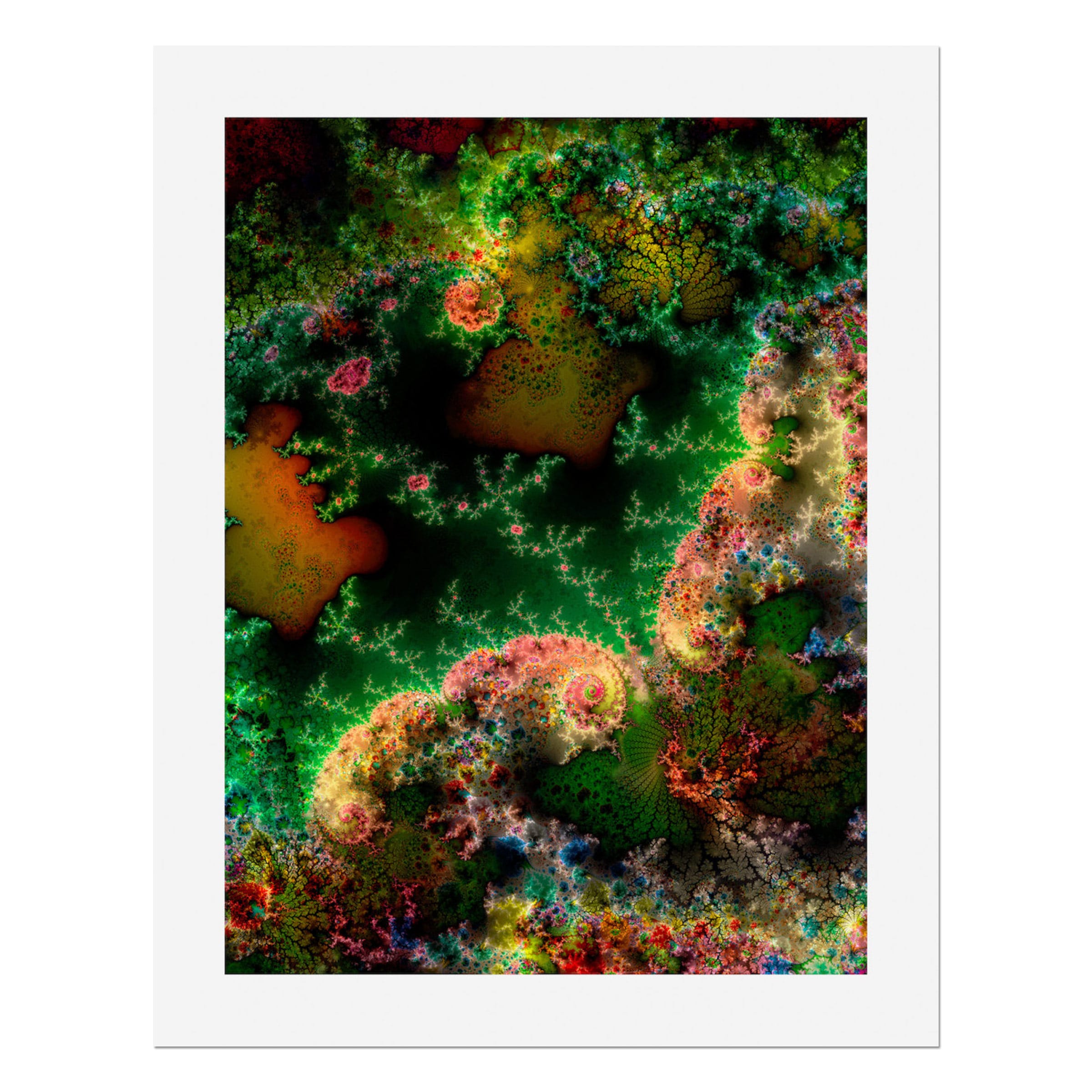
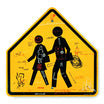
Thomas Ruff, PHG.S.01Thomas Ruff, PHG.S.01
Thomas Ruff – PHG.S.01 Sale price€2.400,00
Thomas Ruff - Negatives II
Thomas Ruff – Negatives II Sale price€2.500,00
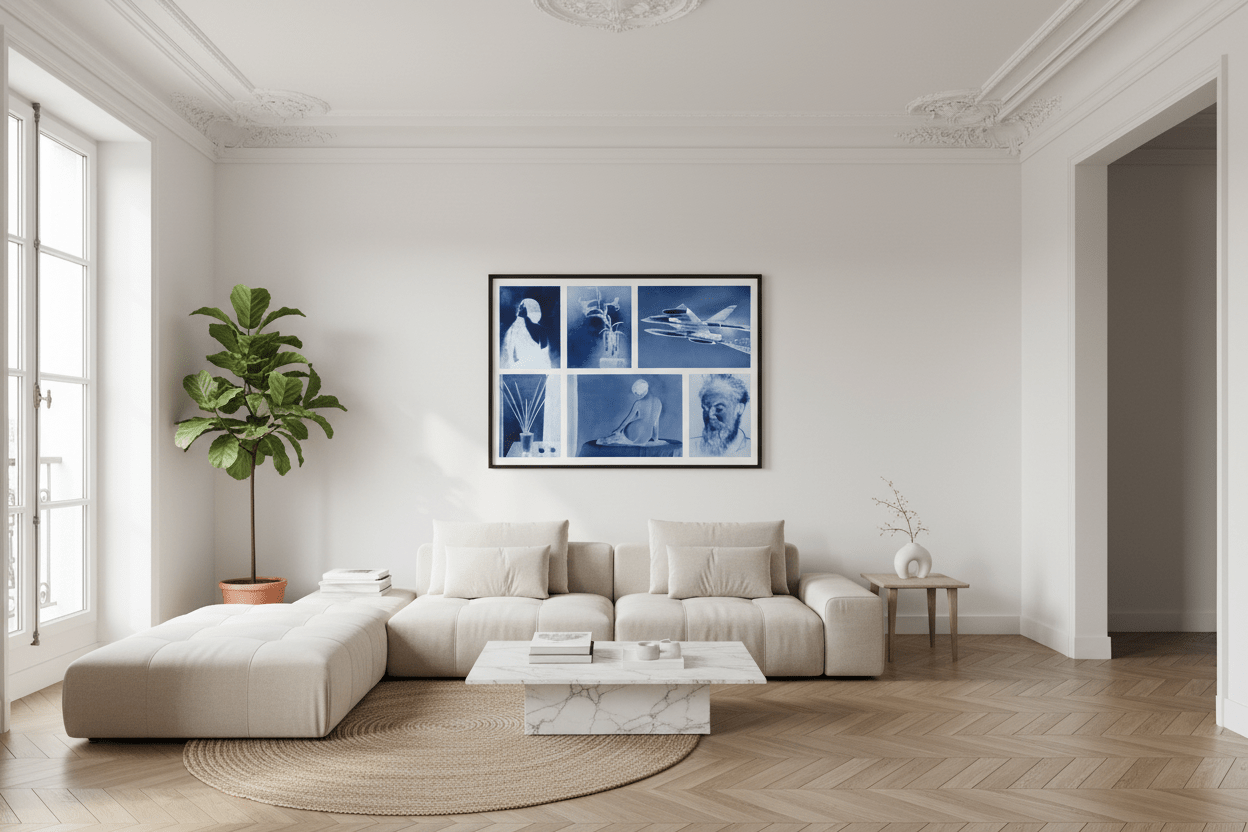
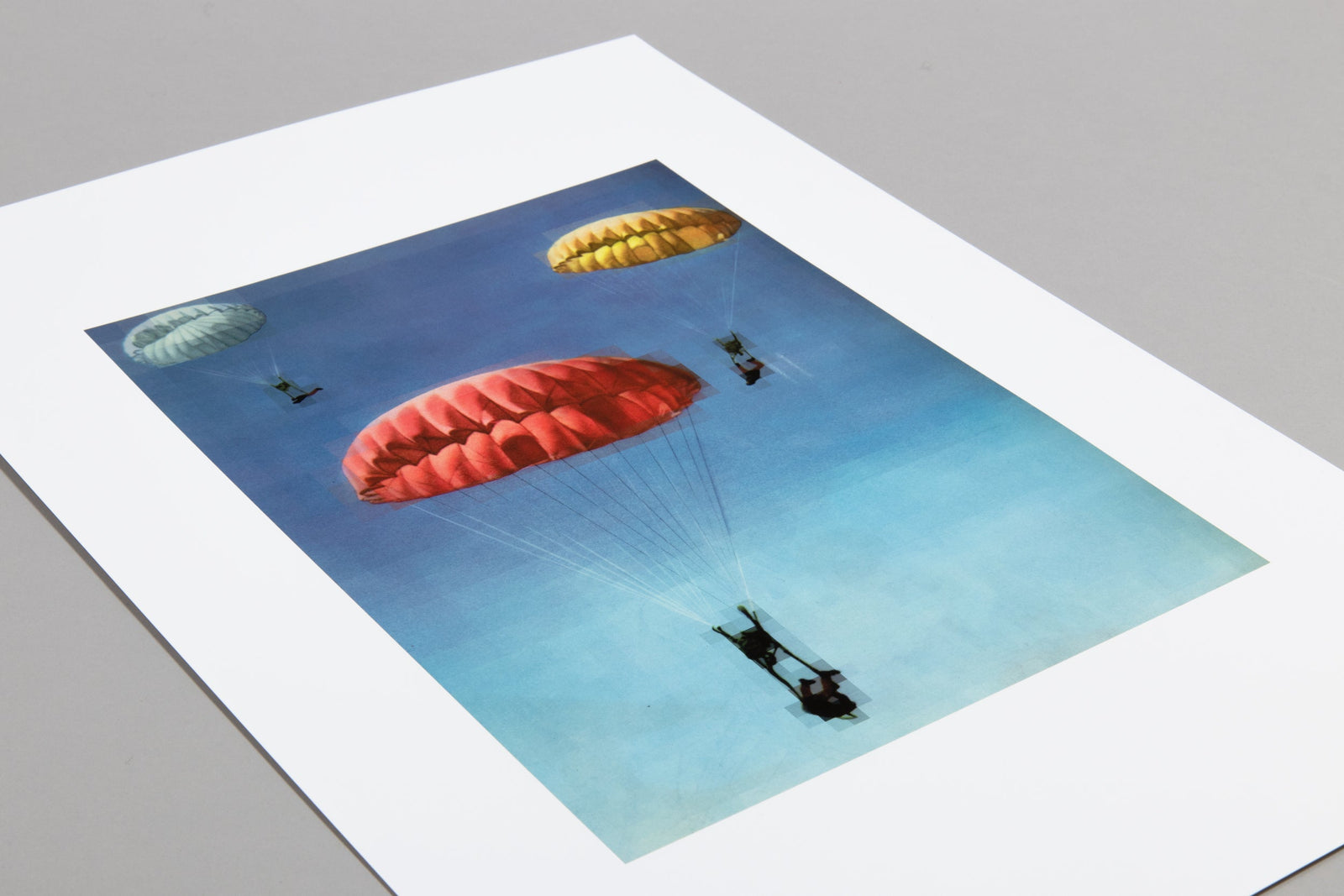
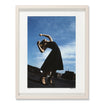
Thomas Ruff - FliegerThomas Ruff - Flieger
Thomas Ruff – Flieger Sale price€1.300,00
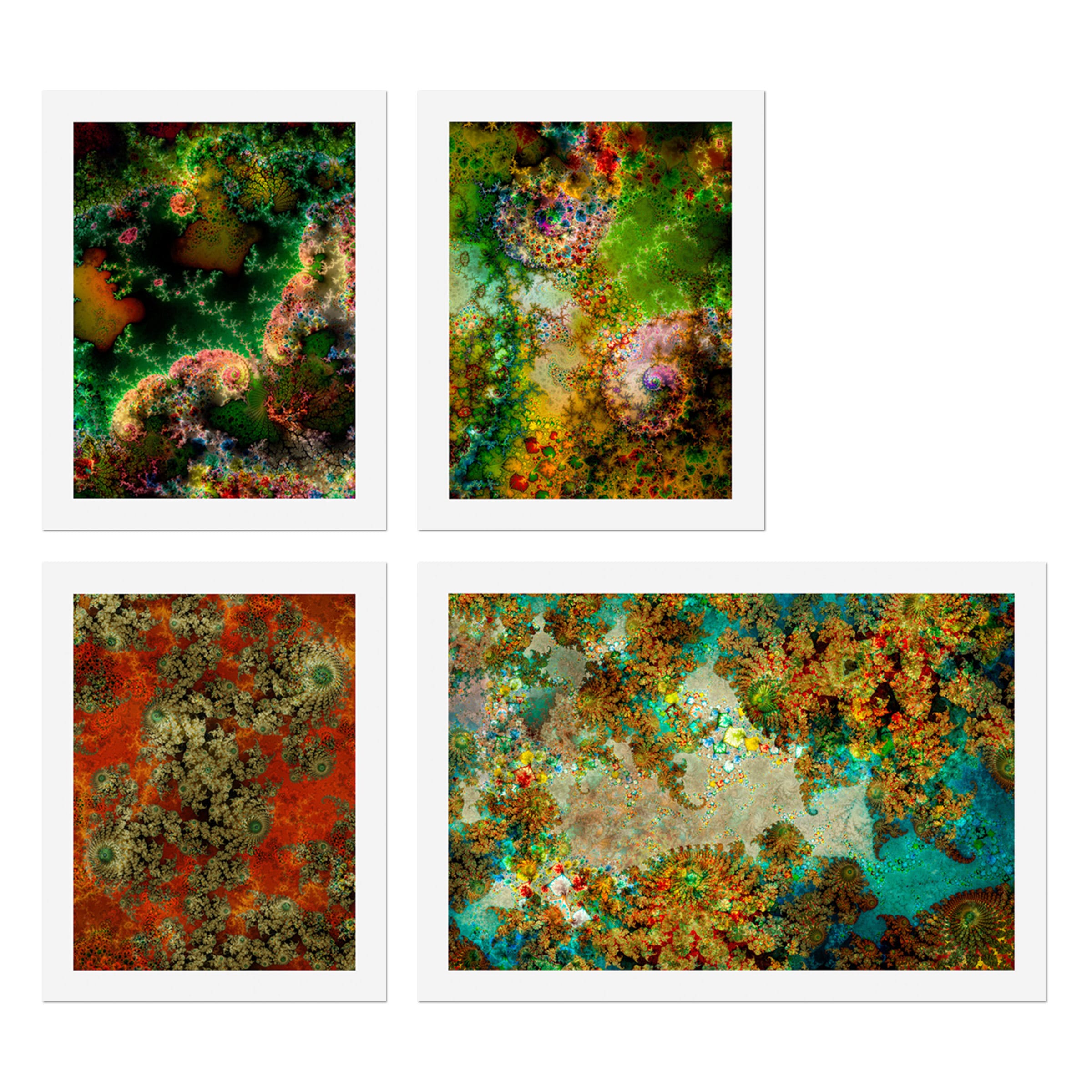
Thomas Ruff, d.o.pe.Thomas Ruff, d.o.pe.
Thomas Ruff – d.o.p.e. Sale price€9.000,00
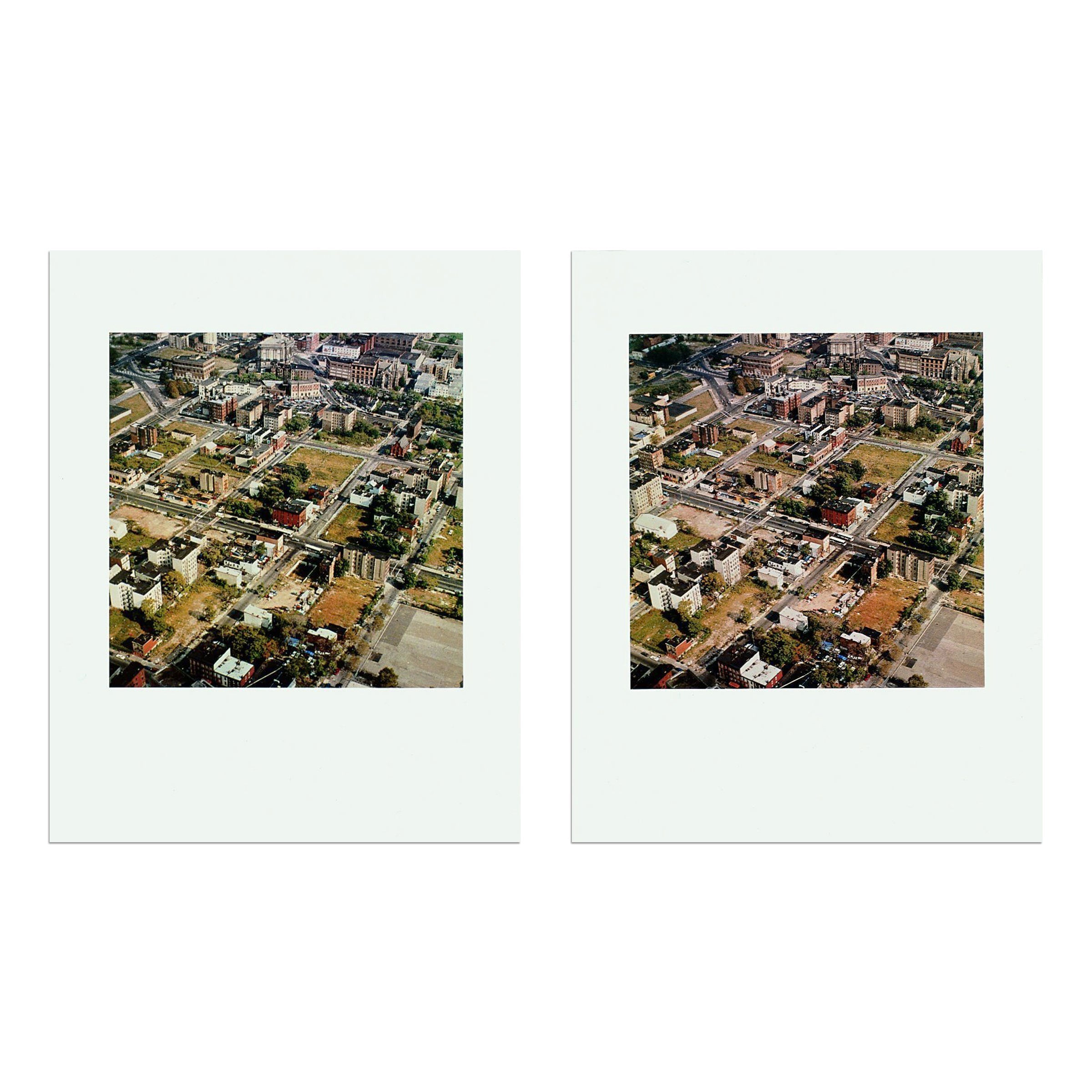
Thomas Ruff - 3-D New York (Bronx)
Thomas Ruff, Untitled (Sterne 17h 38m/-30°, 1990)
01

Thomas Ruff Biography

Thomas Ruff (born 1958 in Zell am Harmersbach, Germany) studied at the Kunstakademie Düsseldorf from 1977 to 1985 under Bernd and Hilla Becher, alongside fellow students Andreas Gursky, Candida Höfer, and Thomas Struth — a cohort that would become known as the Düsseldorf School of Photography. Ruff has recalled a piece of advice from Becher that stayed with him permanently: if you're photographing a house, photograph the house — not a house dressed up to look more interesting than it is. The lesson became a governing principle: let the medium and the concept dictate the image, rather than personal style.

His breakthrough series, Portraits (1981–87), applied that principle to the human face. Ruff photographed friends and fellow students using the deadpan conventions of a passport or police photograph — frontal pose, neutral expression, flat lighting, plain background — then, from 1986, enlarged the results dramatically, some prints reaching over two metres tall. At that scale, every pore, blemish, and stray hair became visible, an intimacy the passport-photo format was explicitly designed to suppress. "I wanted to blot out any traces of information about the person," Ruff has said of the series — portraits that reveal everything about surface and nothing about interiority.

That same logic — choosing a photographic technology specifically suited to the subject — drove nearly every series that followed. For Nights (1992–96), Ruff used a military night-vision device to photograph empty German streets, producing an eerie green-tinted surveillance aesthetic. For jpeg (2004–), he deliberately photographed catastrophic and sublime subjects, then compressed the files until their pixelation became visible, questioning what digital image compression quietly destroys. Each series functions less as a body of "Ruff photographs" in a consistent style, and more as a standalone experiment testing what a specific photographic technology can and cannot show.

Institutional recognition arrived early and has continued steadily. Ruff participated in documenta IX (1992) and documenta X (1997) in Kassel, and the Venice Biennale, with his first major retrospective organised by the Kunsthalle Baden-Baden in 1986. Since then, solo exhibitions have followed at Haus der Kunst, Munich (2012); the National Museum of Modern Art, Tokyo (2016); Whitechapel Gallery, London (2017); and K20, Düsseldorf (2020–21), alongside presentations at Tate Liverpool, the Metropolitan Museum of Art, and the Centre Pompidou. He continues to live and work in Düsseldorf.

Thomas Ruff - Flieger
02

Famous Thomas Ruff Artworks

Portraits (1981–87), Ruff's breakthrough series, enlarged deadpan, passport-style photographs of friends to over two metres tall — a scale that reveals every physical detail of the face while withholding any sense of the sitter's inner life.

Nights (1992–96) used a military night-vision device to photograph deserted German streets, producing eerie, green-tinted images that borrow the visual language of surveillance and warfare for an otherwise unremarkable urban subject.

jpeg pt01, Ruff's current auction record at $239,990 (Christie's London, 2017), belongs to his jpeg series — sublime or catastrophic imagery deliberately compressed until visible pixelation exposes the quiet, usually invisible decisions digital formats make on our behalf.

Thomas Ruff, PHG.S.01
03

Thomas Ruff Prints & Editions

Editions have run through Ruff's practice since the start — his large-format prints are themselves produced in limited, numbered runs, meaning the distinction between "photograph" and "edition" is less pronounced in his work than in many other artists' practices. His prints span traditional chromogenic and Ditone processes as well as digital pigment printing, reflecting the same commitment to matching photographic technology to subject that defines his series-based approach more broadly.

Because Ruff's major large-scale prints can reach significant prices at auction, particularly from series like jpeg and Nudes, his smaller-format signed editions offer a considerably more accessible route into a practice built on genuine conceptual rigour rather than a single recognisable style. Signed prints typically average in the low five figures, depending on series, scale, and rarity.

For collectors, Ruff's editions offer direct access to one of contemporary photography's most consistently experimental practices. Works are held in the permanent collections of MoMA, Tate, and the Centre Pompidou.

01

Thomas Ruff Biography

Thomas Ruff (born 1958 in Zell am Harmersbach, Germany) studied at the Kunstakademie Düsseldorf from 1977 to 1985 under Bernd and Hilla Becher, alongside fellow students Andreas Gursky, Candida Höfer, and Thomas Struth — a cohort that would become known as the Düsseldorf School of Photography. Ruff has recalled a piece of advice from Becher that stayed with him permanently: if you're photographing a house, photograph the house — not a house dressed up to look more interesting than it is. The lesson became a governing principle: let the medium and the concept dictate the image, rather than personal style.

His breakthrough series, Portraits (1981–87), applied that principle to the human face. Ruff photographed friends and fellow students using the deadpan conventions of a passport or police photograph — frontal pose, neutral expression, flat lighting, plain background — then, from 1986, enlarged the results dramatically, some prints reaching over two metres tall. At that scale, every pore, blemish, and stray hair became visible, an intimacy the passport-photo format was explicitly designed to suppress. "I wanted to blot out any traces of information about the person," Ruff has said of the series — portraits that reveal everything about surface and nothing about interiority.

That same logic — choosing a photographic technology specifically suited to the subject — drove nearly every series that followed. For Nights (1992–96), Ruff used a military night-vision device to photograph empty German streets, producing an eerie green-tinted surveillance aesthetic. For jpeg (2004–), he deliberately photographed catastrophic and sublime subjects, then compressed the files until their pixelation became visible, questioning what digital image compression quietly destroys. Each series functions less as a body of "Ruff photographs" in a consistent style, and more as a standalone experiment testing what a specific photographic technology can and cannot show.

Institutional recognition arrived early and has continued steadily. Ruff participated in documenta IX (1992) and documenta X (1997) in Kassel, and the Venice Biennale, with his first major retrospective organised by the Kunsthalle Baden-Baden in 1986. Since then, solo exhibitions have followed at Haus der Kunst, Munich (2012); the National Museum of Modern Art, Tokyo (2016); Whitechapel Gallery, London (2017); and K20, Düsseldorf (2020–21), alongside presentations at Tate Liverpool, the Metropolitan Museum of Art, and the Centre Pompidou. He continues to live and work in Düsseldorf.

02

Famous Thomas Ruff Artworks

Portraits (1981–87), Ruff's breakthrough series, enlarged deadpan, passport-style photographs of friends to over two metres tall — a scale that reveals every physical detail of the face while withholding any sense of the sitter's inner life.

Nights (1992–96) used a military night-vision device to photograph deserted German streets, producing eerie, green-tinted images that borrow the visual language of surveillance and warfare for an otherwise unremarkable urban subject.

jpeg pt01, Ruff's current auction record at $239,990 (Christie's London, 2017), belongs to his jpeg series — sublime or catastrophic imagery deliberately compressed until visible pixelation exposes the quiet, usually invisible decisions digital formats make on our behalf.

03

Thomas Ruff Prints & Editions

Editions have run through Ruff's practice since the start — his large-format prints are themselves produced in limited, numbered runs, meaning the distinction between "photograph" and "edition" is less pronounced in his work than in many other artists' practices. His prints span traditional chromogenic and Ditone processes as well as digital pigment printing, reflecting the same commitment to matching photographic technology to subject that defines his series-based approach more broadly.

Because Ruff's major large-scale prints can reach significant prices at auction, particularly from series like jpeg and Nudes, his smaller-format signed editions offer a considerably more accessible route into a practice built on genuine conceptual rigour rather than a single recognisable style. Signed prints typically average in the low five figures, depending on series, scale, and rarity.

For collectors, Ruff's editions offer direct access to one of contemporary photography's most consistently experimental practices. Works are held in the permanent collections of MoMA, Tate, and the Centre Pompidou.

Thomas Ruff, Untitled (Sterne 17h 38m/-30°, 1990)Thomas Ruff - FliegerThomas Ruff, PHG.S.01

Thomas Ruff: Key Questions

Collecting Thomas Ruff?

Looking for a specific artwork or have a question about an edition? We're happy to advise on availability, pricing, condition, and provenance — and to source artworks beyond our current selection.

Contact us

Prints, Photographs & Multiples

View our full collection of

Prints, Photographs & Multiples

Explore editions