British Artists


Signed editions by British artists for sale. British art since the mid-twentieth century refuses to sit still — from Richard Long's walks across empty landscape to David Hockney's sun-drenched Pop, from Gilbert & George's living sculpture to the shock of the YBAs. What connects these wildly different practices isn't a shared style, but a shared willingness to break with whatever came immediately before. Our British art prints and editions trace that restlessness across eight decades, from postwar sculpture to the British contemporary artists working today.

Filters

Sort by:

Leading British Artists

Explore leading British artists and discover British art prints and limited editions available in this collection.

All artists
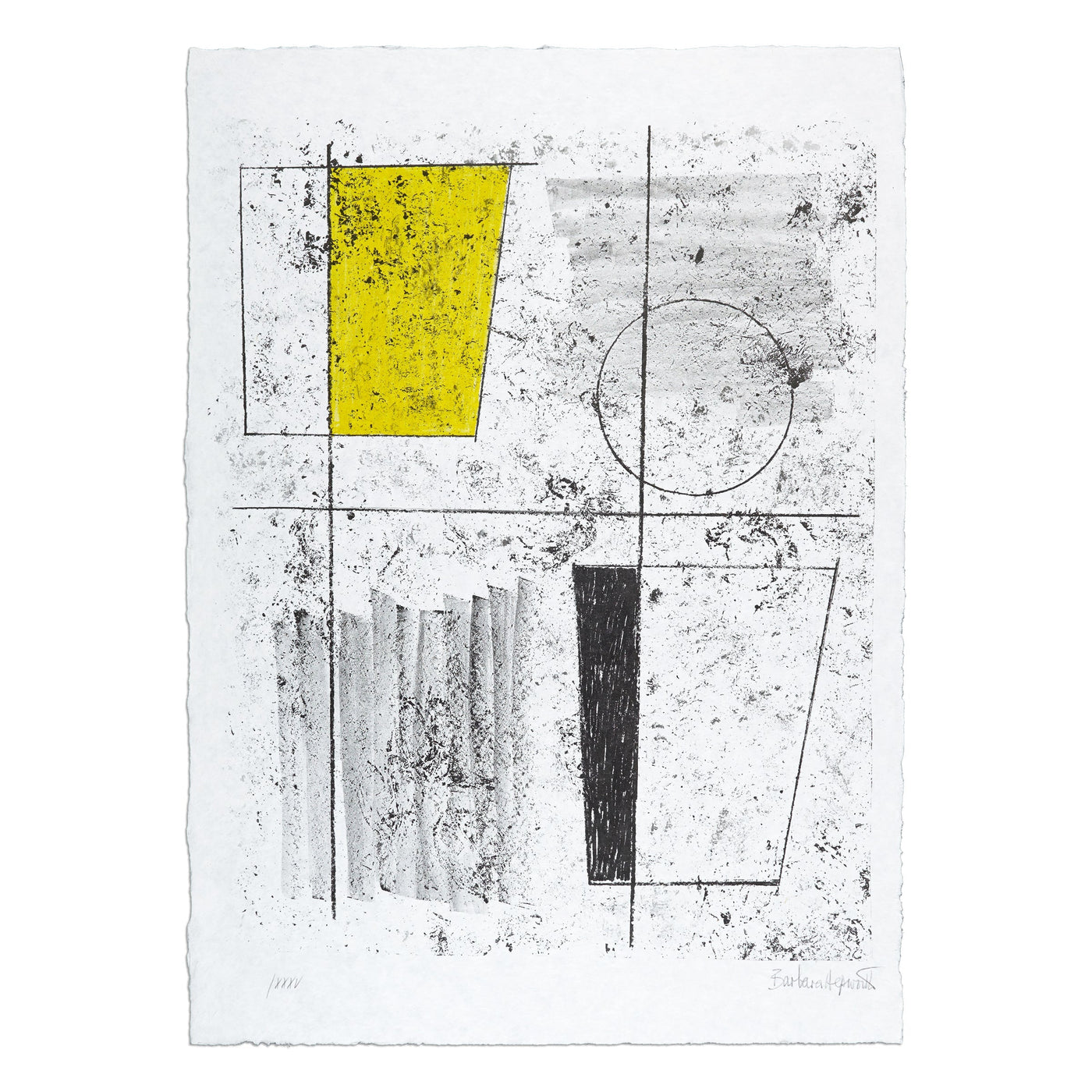
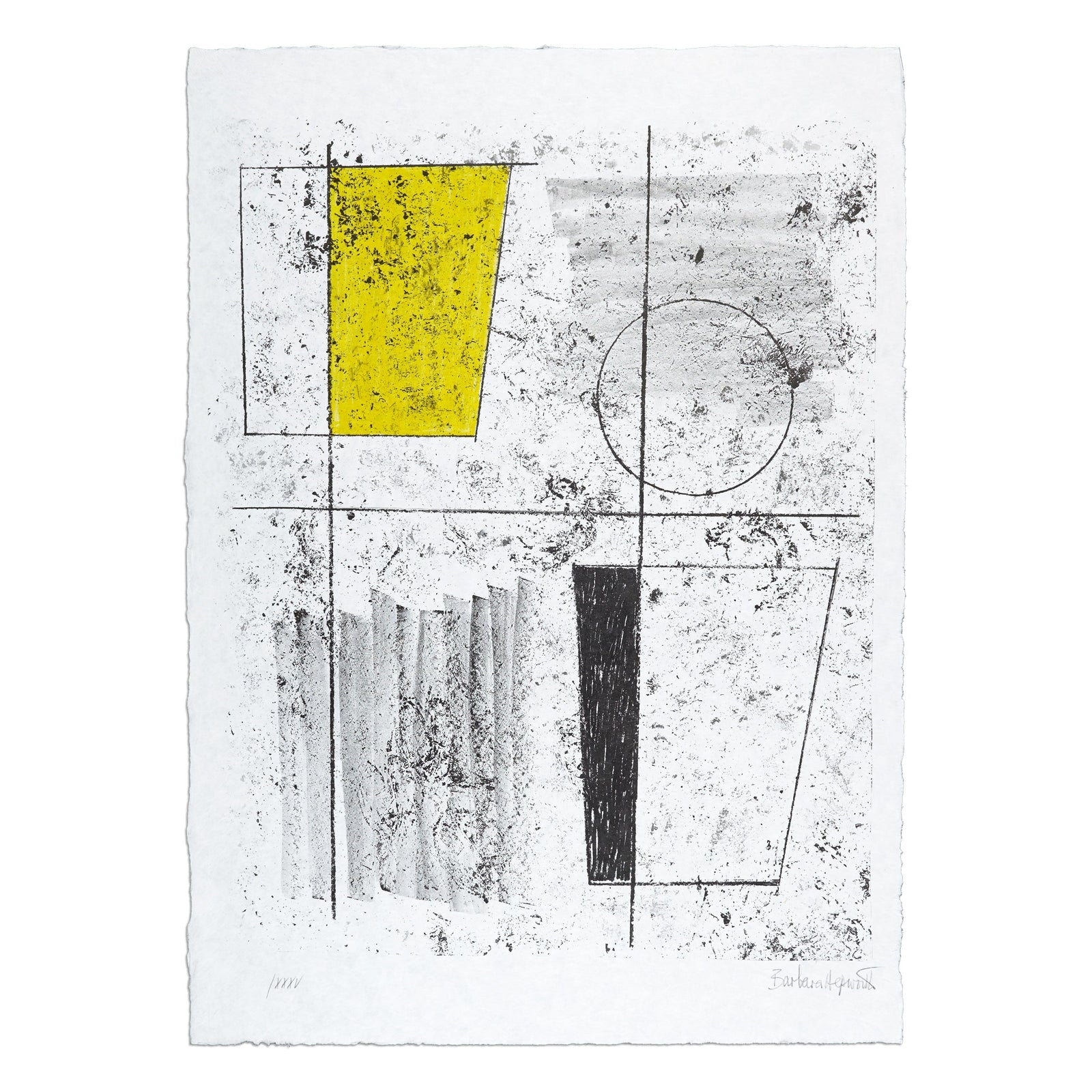
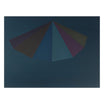
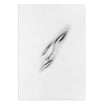
Barbara Hepworth - Three Forms Assembling
01

From Postwar Sculpture to the YBAs

Barbara Hepworth and Henry Moore established postwar British sculpture's defining language — carved, monumental abstraction that brought modern British art international standing for the first time. Britain's contribution to Pop Art arrived from an unexpected direction: Richard Hamilton coined the term itself in a 1957 letter, years before Warhol's soup cans, and David Hockney became its most internationally recognisable painter, his LA pools and portraits carrying a wit closer to English satire than American consumer branding.

The late 1960s brought a genuinely conceptual turn. In 1967, Richard Long walked a straight line across a field and photographed the flattened grass, reconceiving sculpture as event rather than object — around the same time, fellow St Martin's students Gilbert & George began presenting themselves as "living sculpture," dissolving the boundary between artist and artwork from 1969 onward.

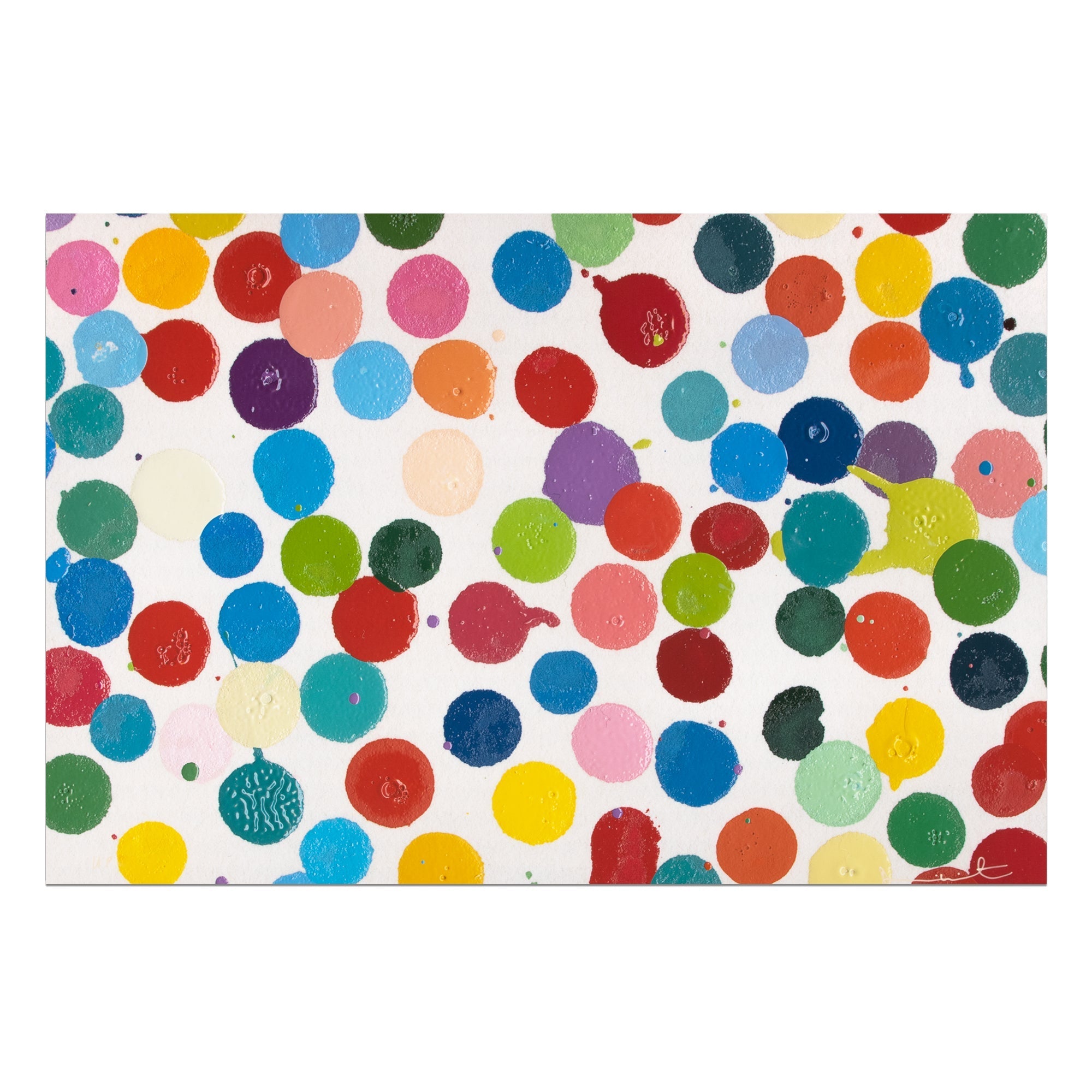
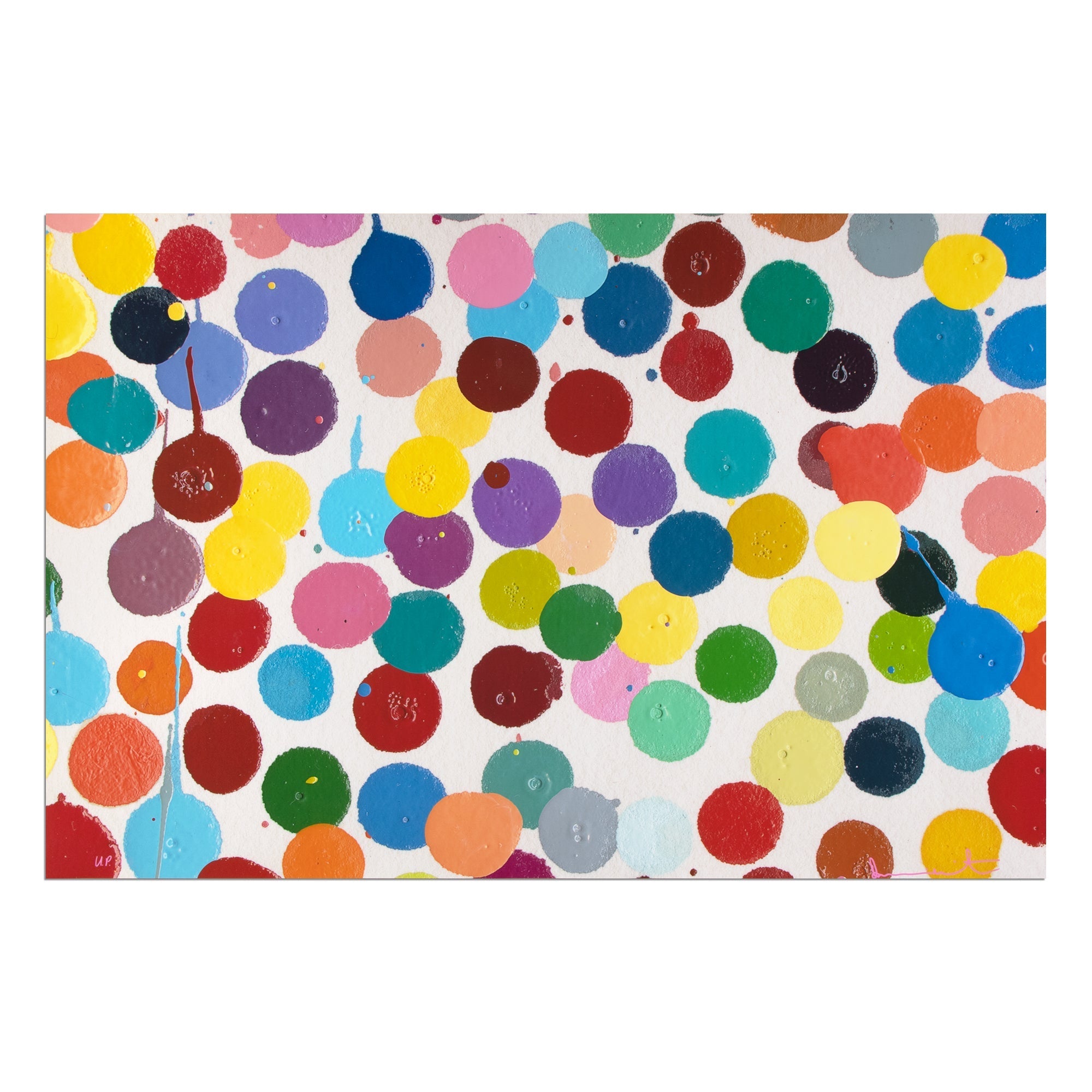
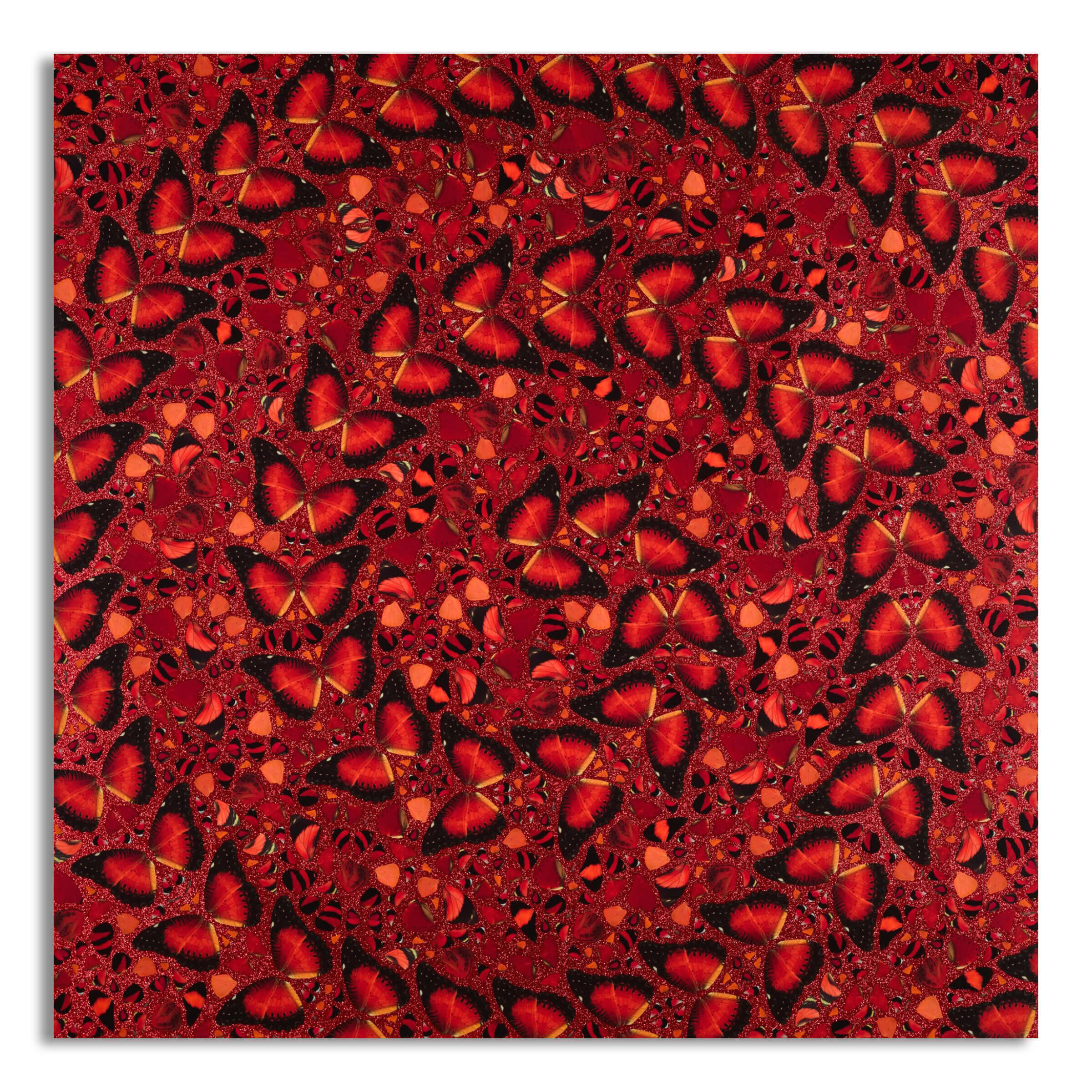
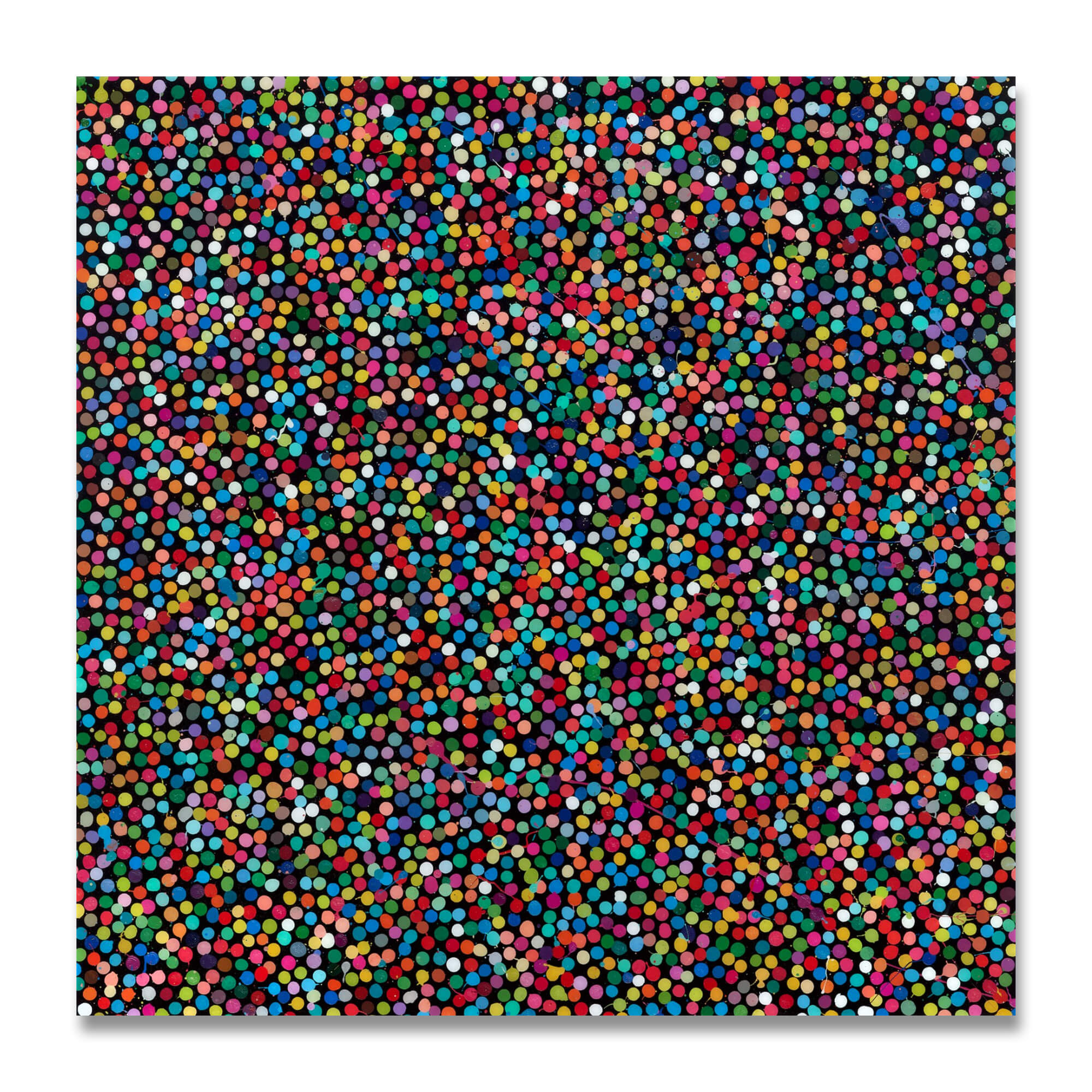
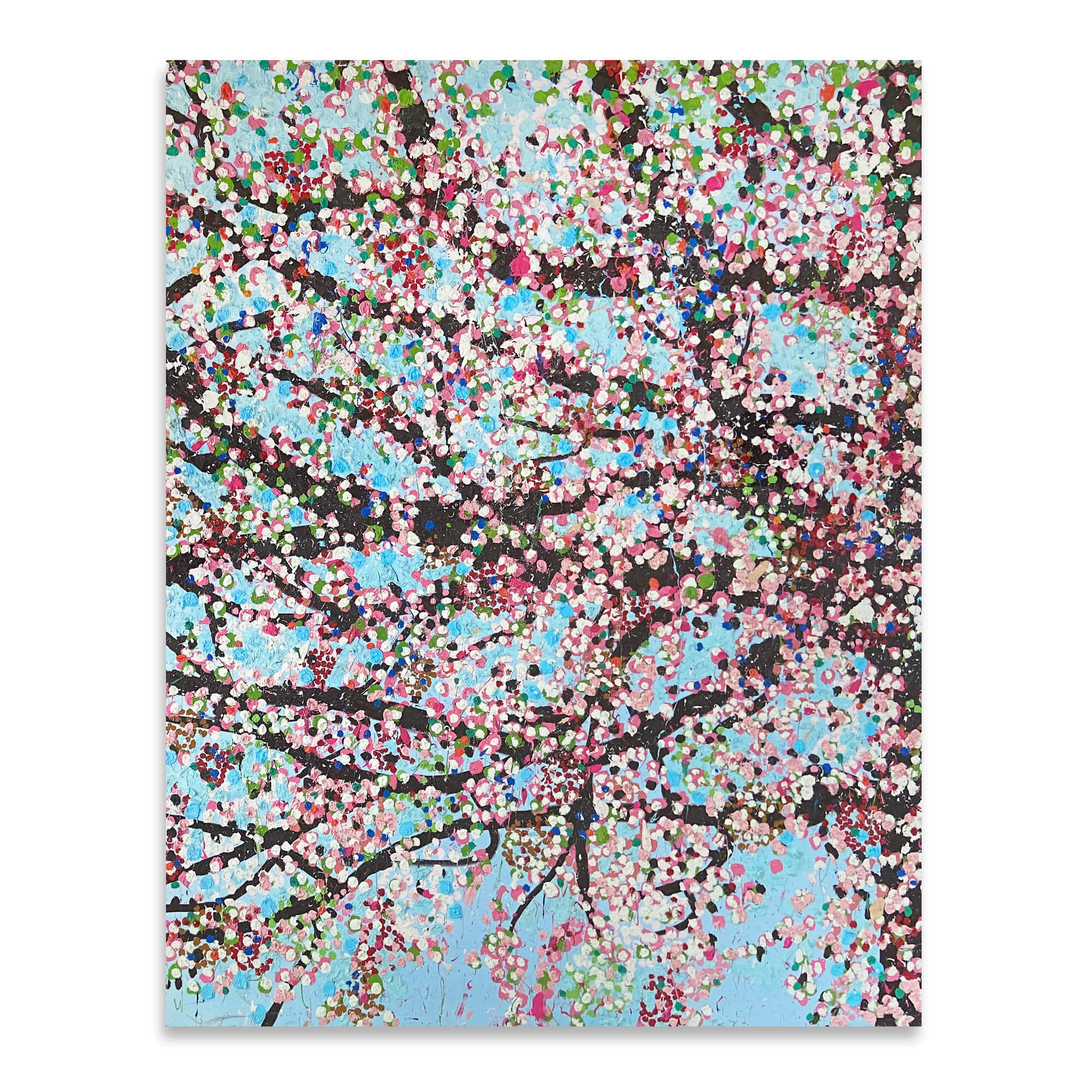
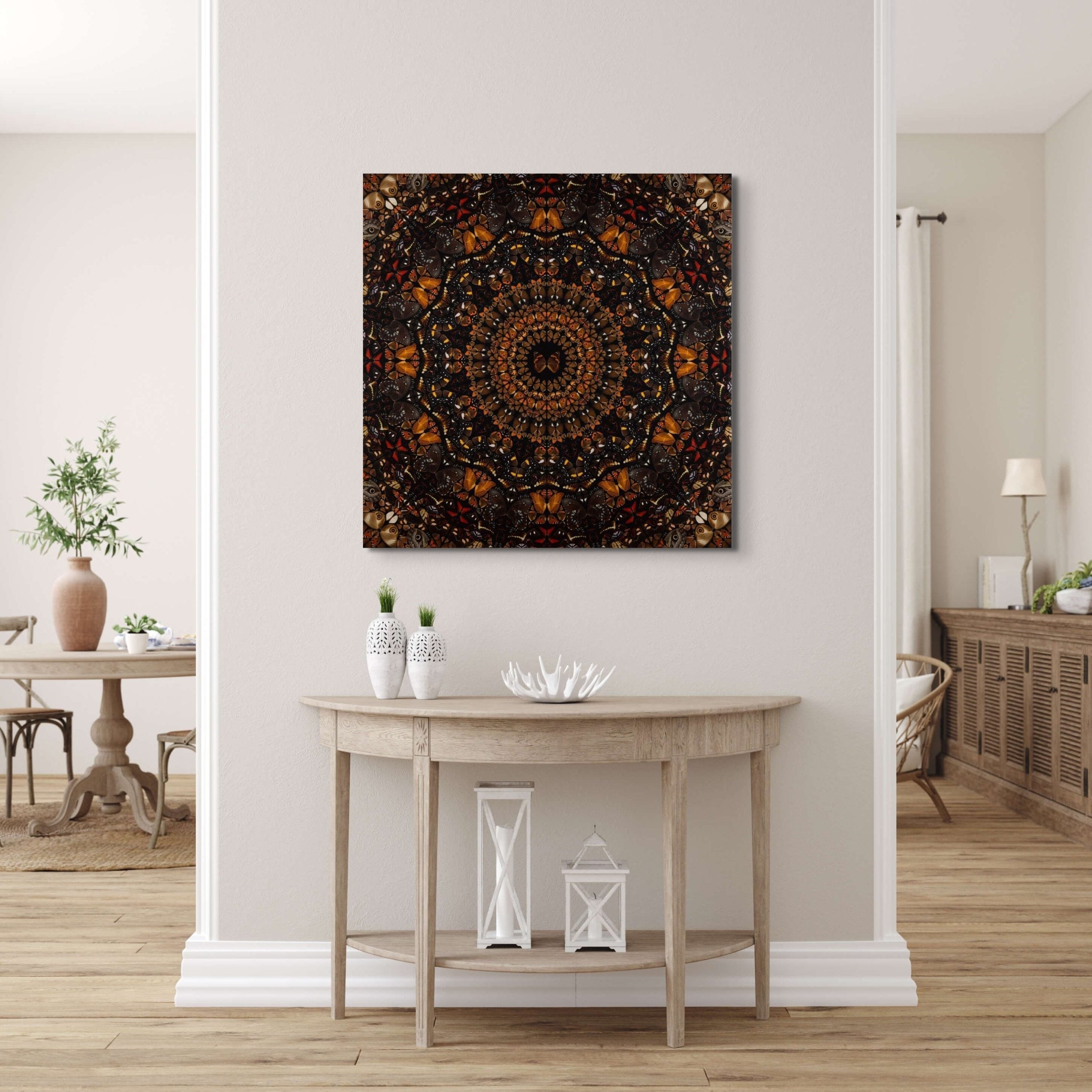
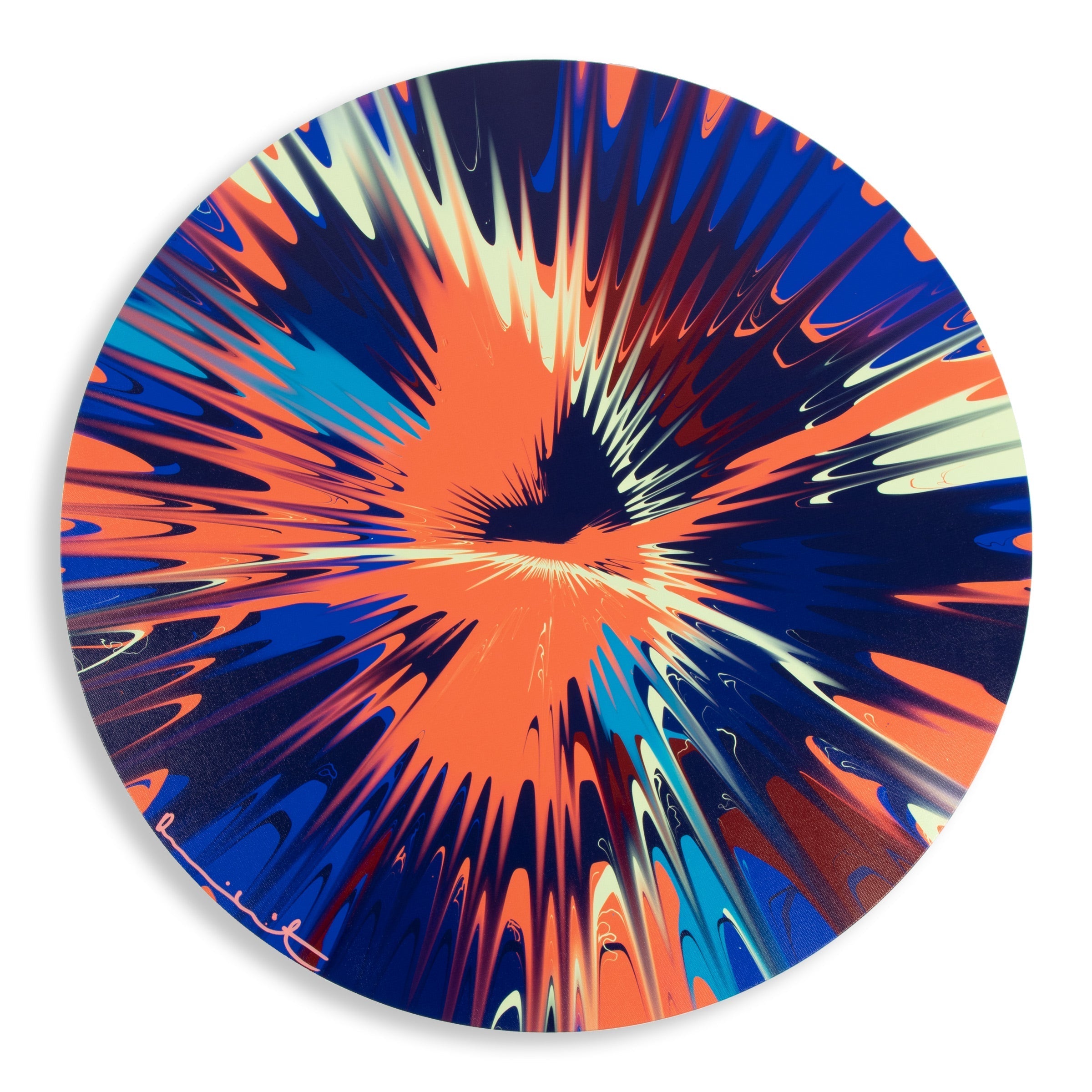
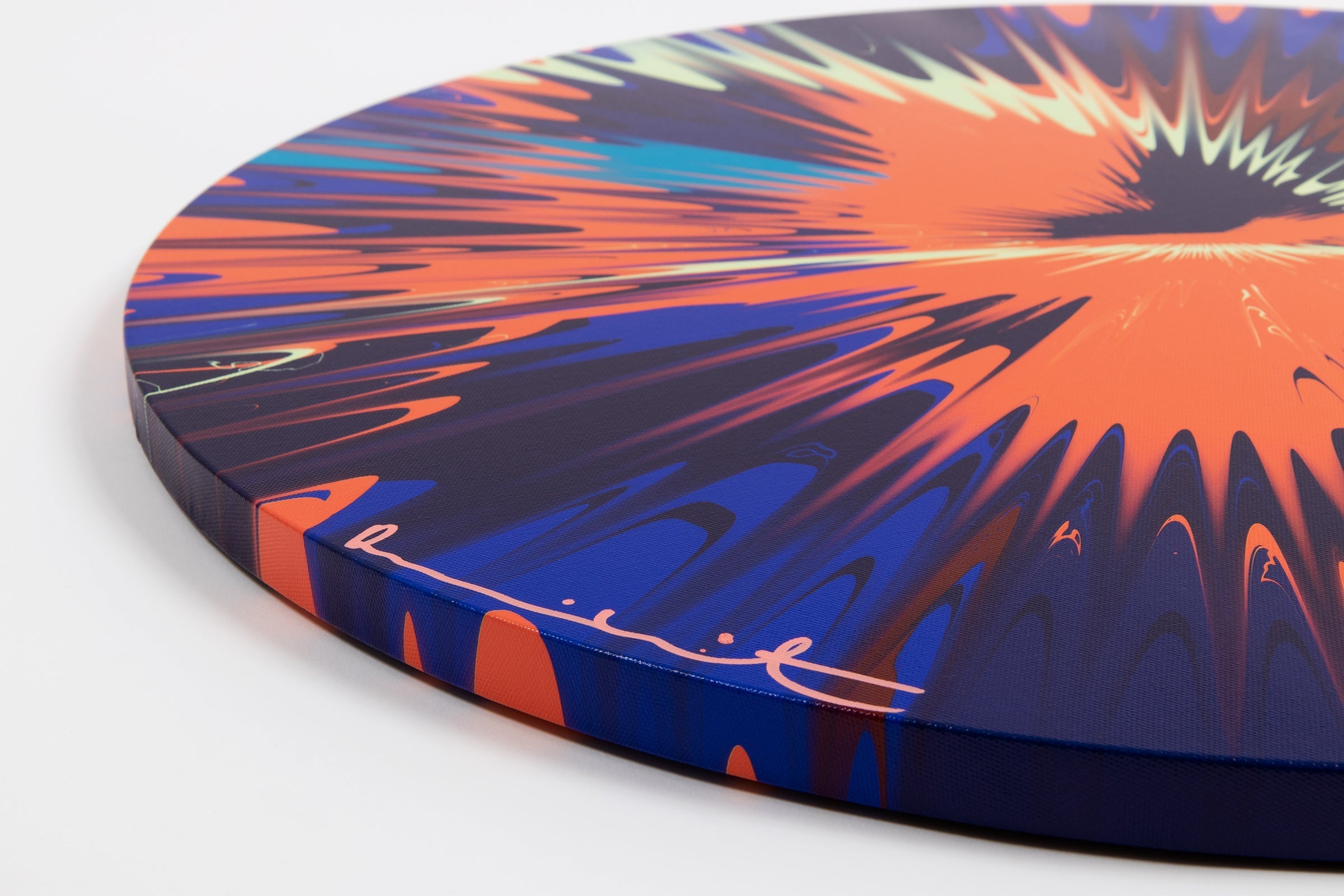
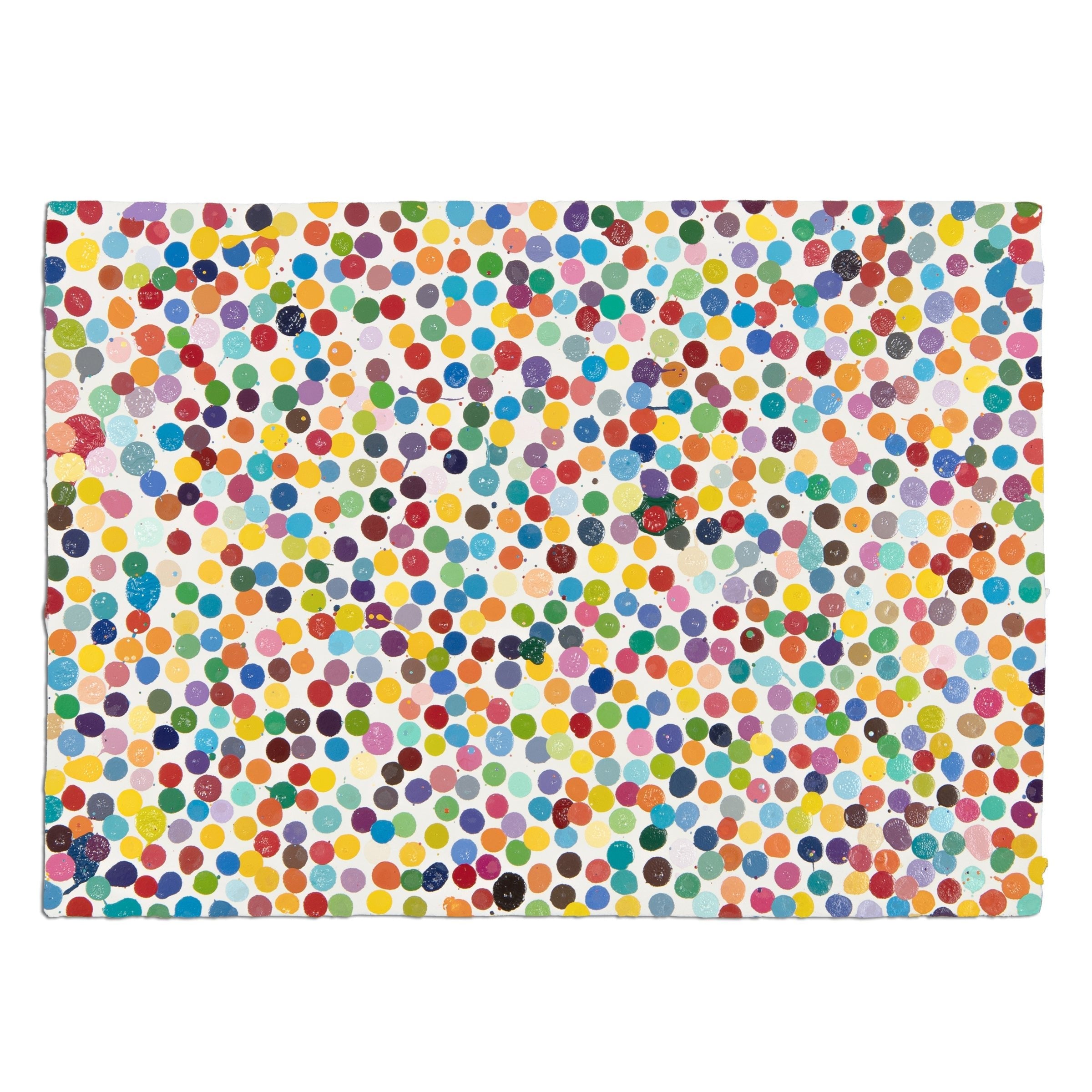
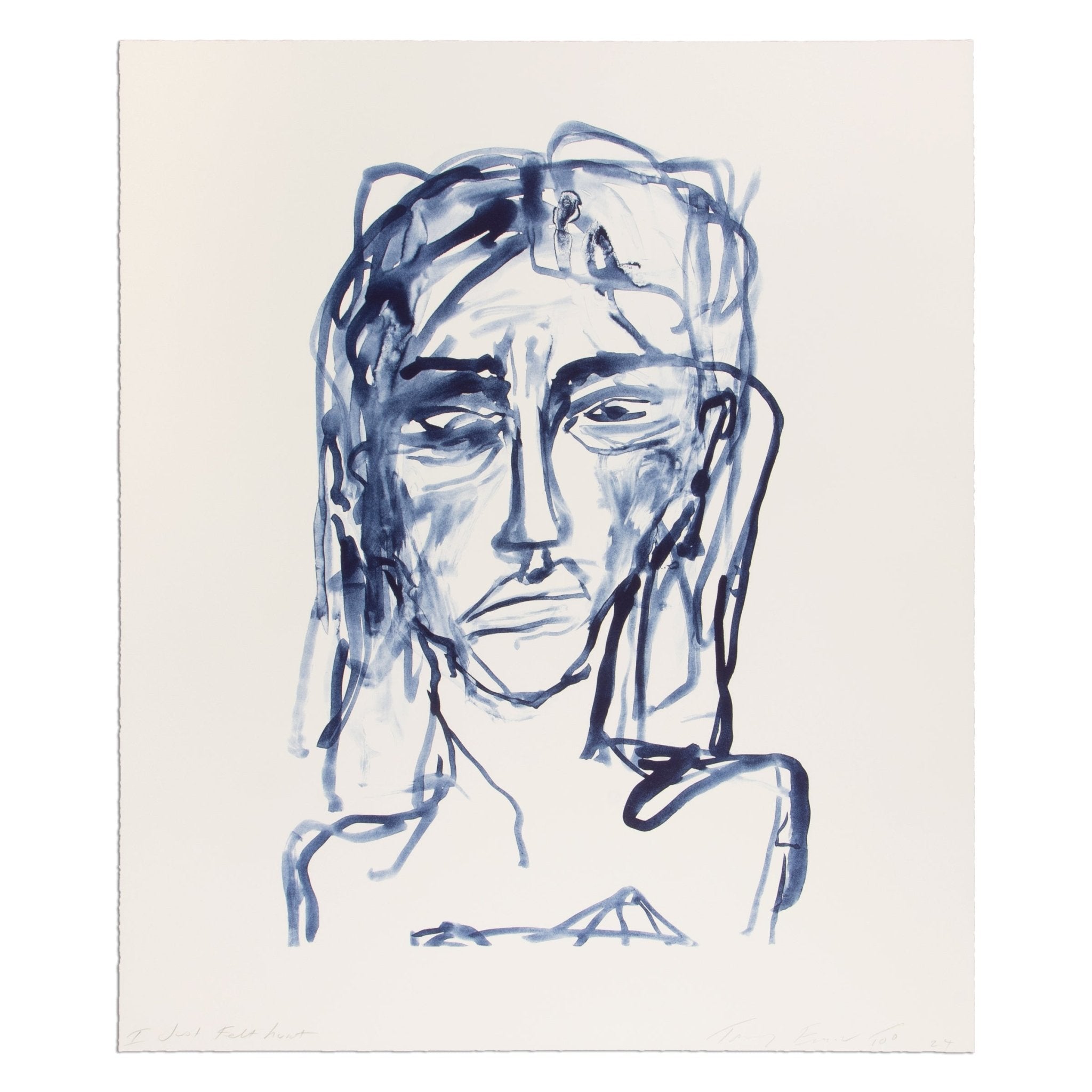
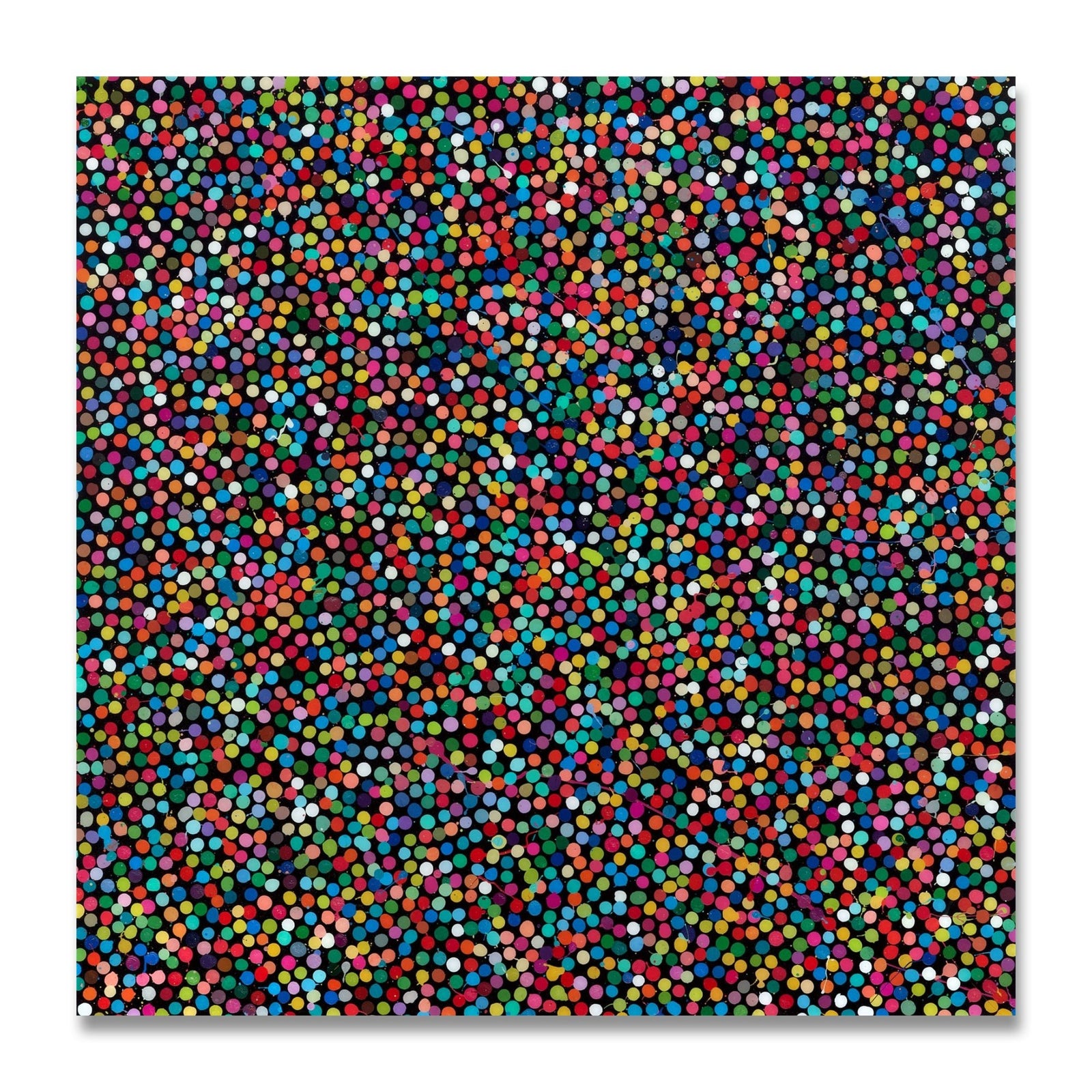
Two decades later, in 1988, a group of largely unknown Goldsmiths students, organised by Damien Hirst, staged Freeze in a disused London Docklands warehouse — the exhibition credited with launching the Young British Artists. Hirst, Tracey Emin, and Chris Ofili became its most internationally visible figures, pursuing radically different concerns under a shared cultural moment defined as much by media attention as by shared aesthetics. The full story is explored in our Young British Artists editorial.

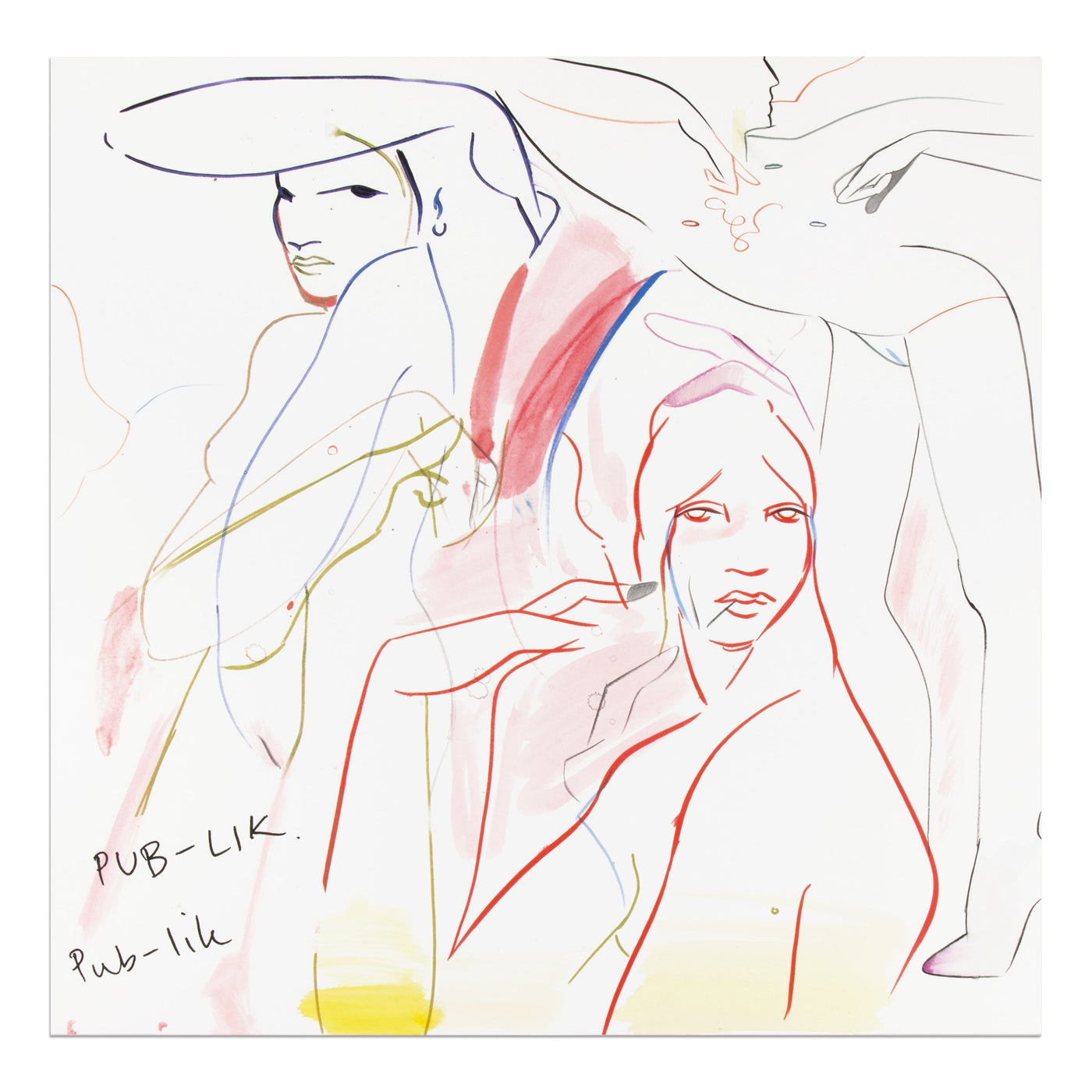
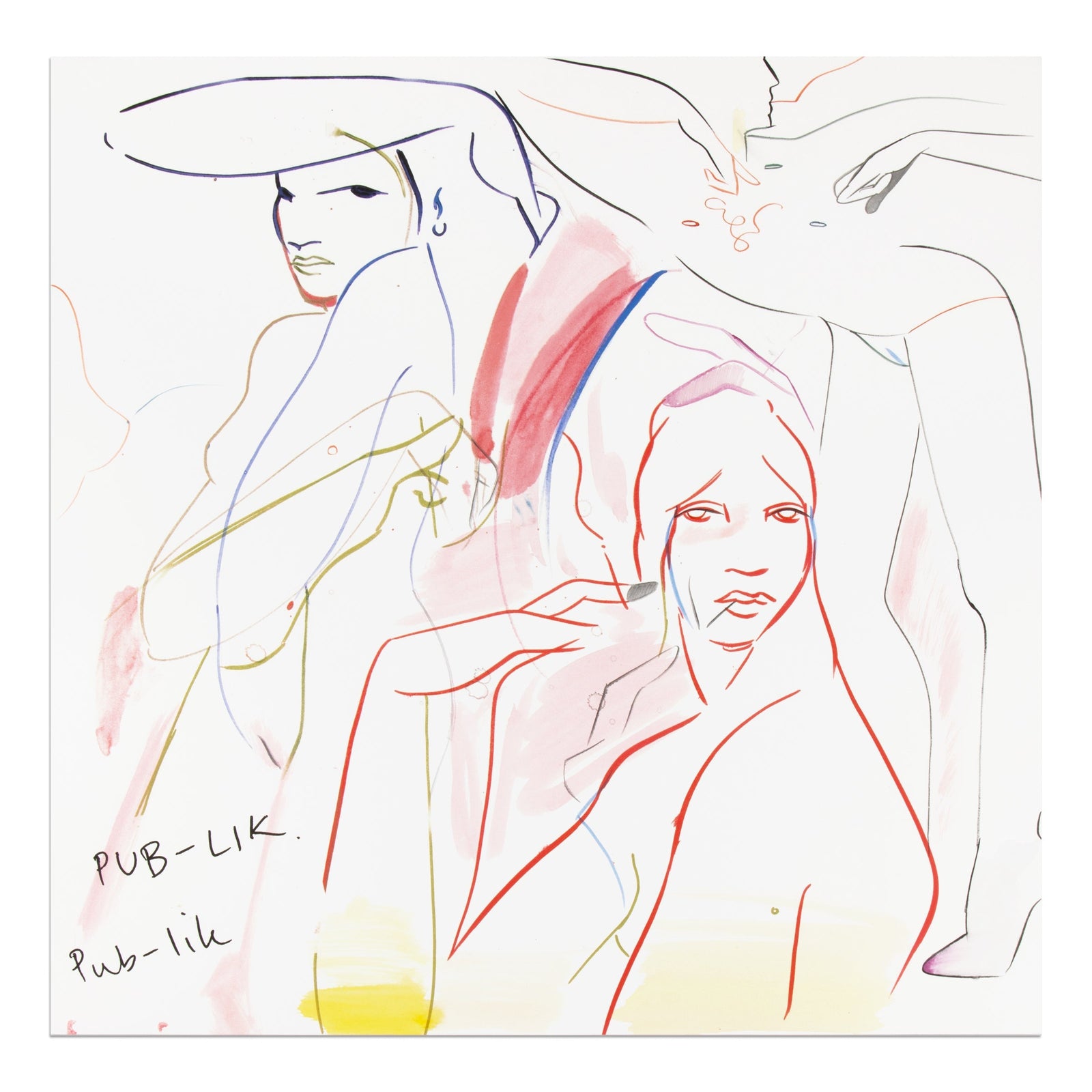
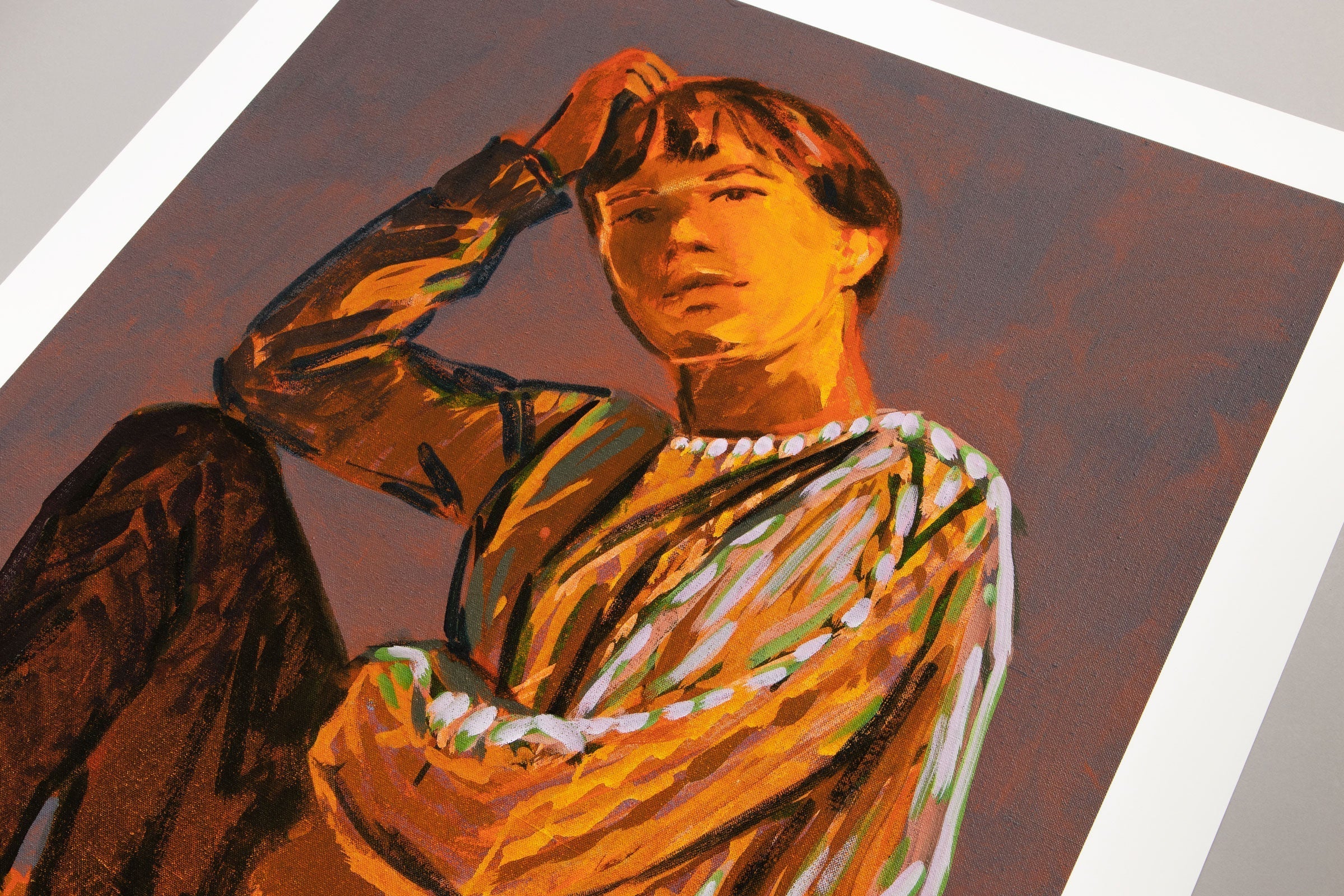
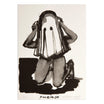
France-Lise McGurn - In Pub-lik 9
02

The Return to Painting

Even at abstraction and conceptualism's postwar peak, a handful of painters refused to treat figuration as exhausted. Lucian Freud and Frank Auerbach, part of what later became known as the School of London, spent decades building thickly worked, psychologically unflinching portraits and figures — insisting, against the critical tide of their moment, that paint applied by hand to canvas remained capable of genuine discovery.

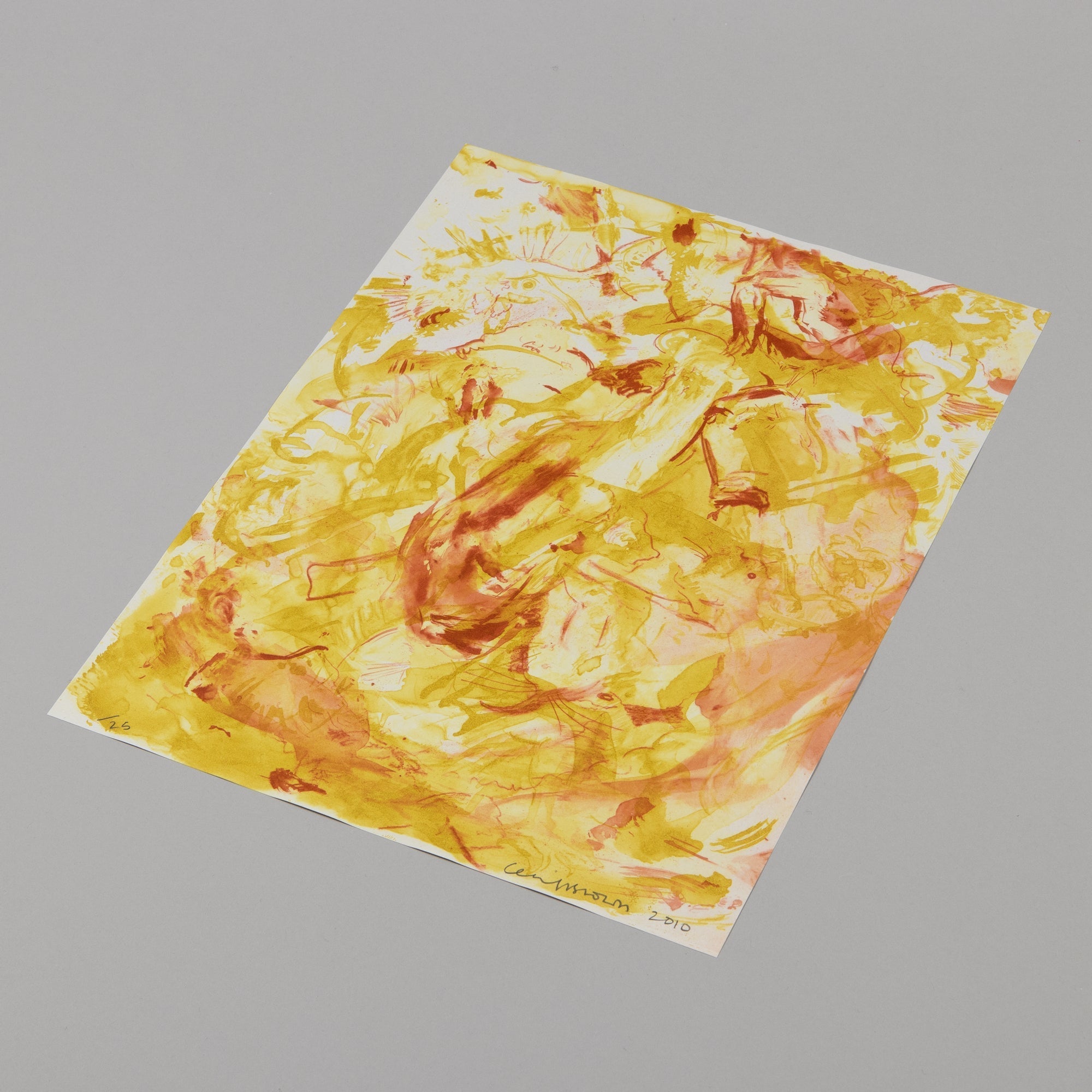
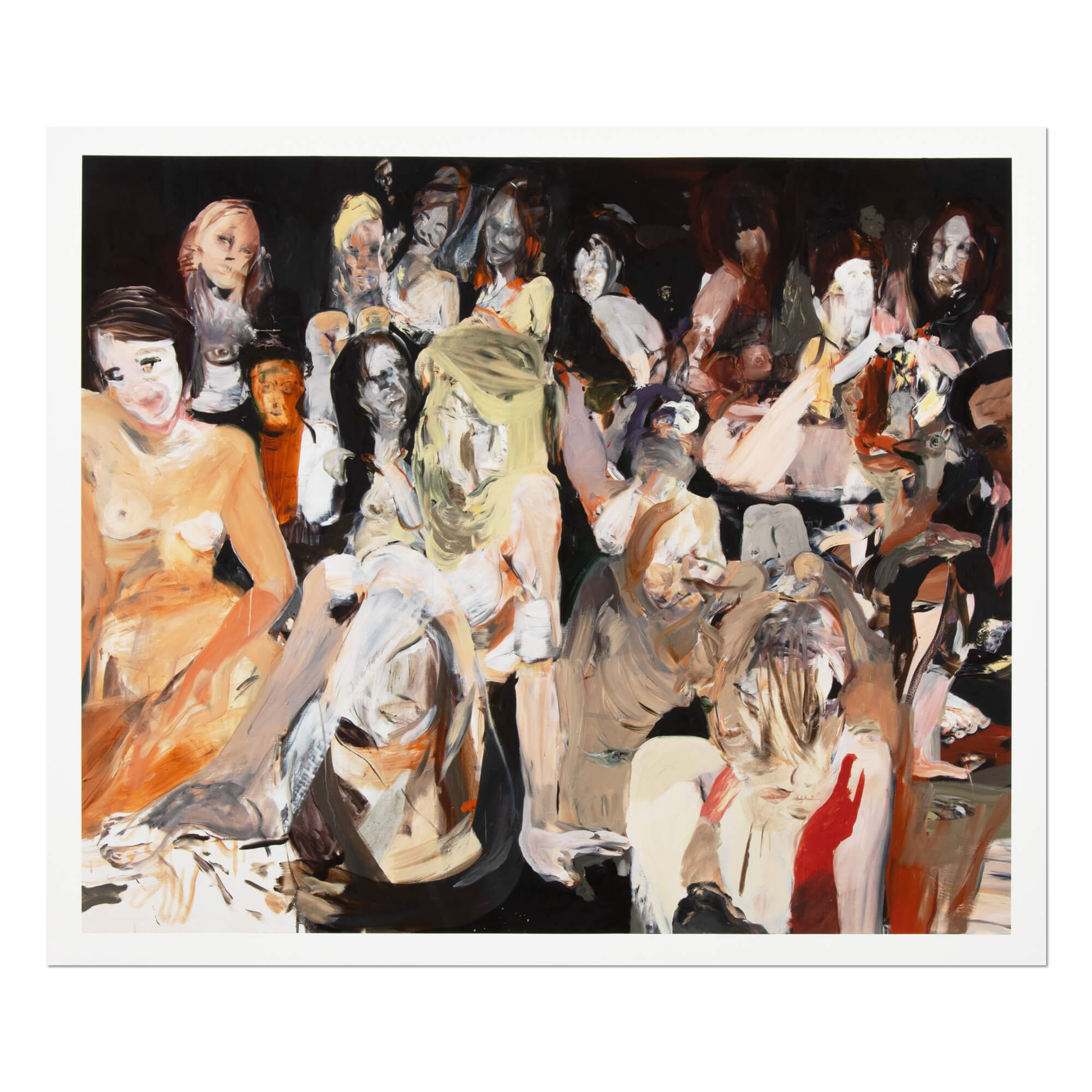
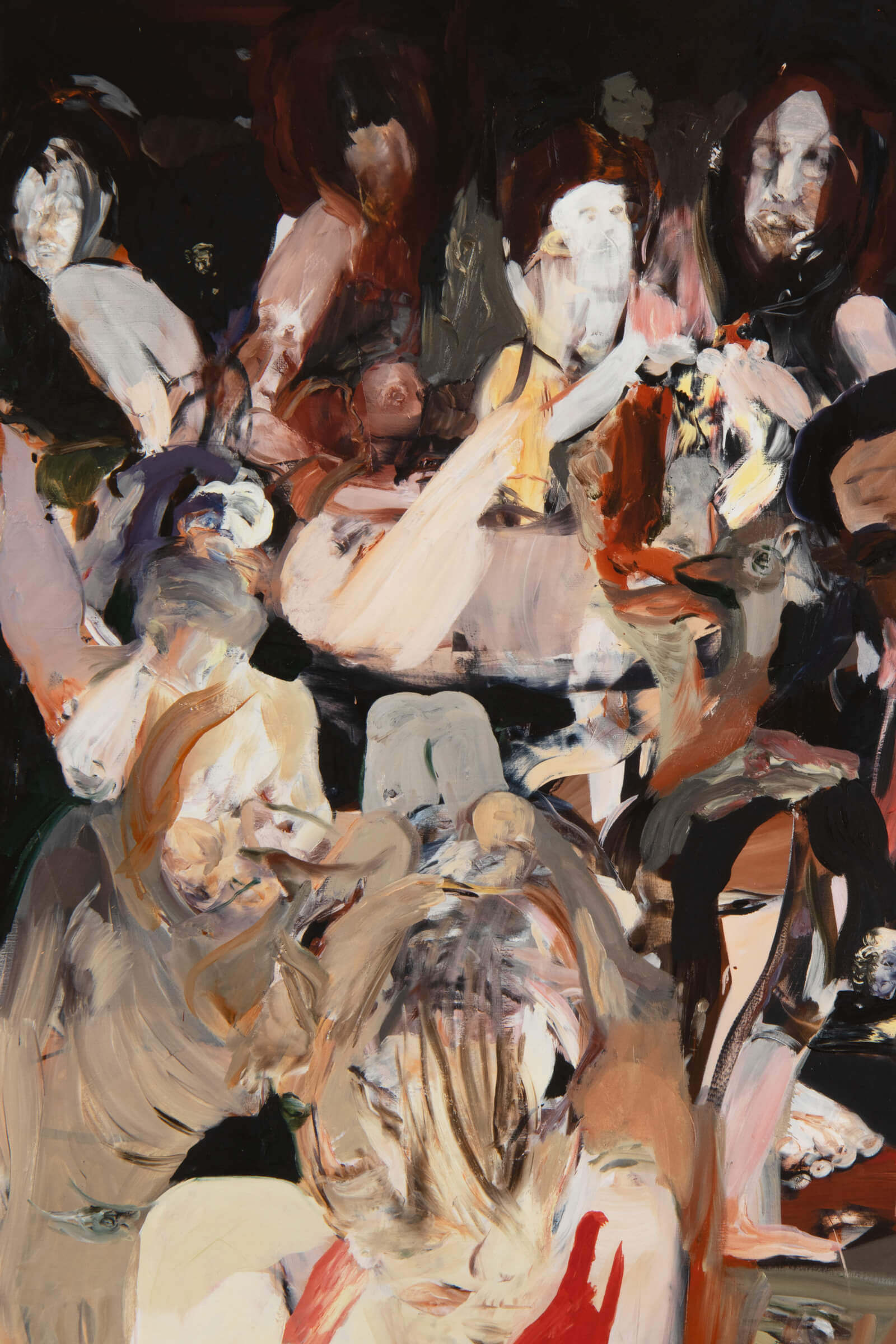
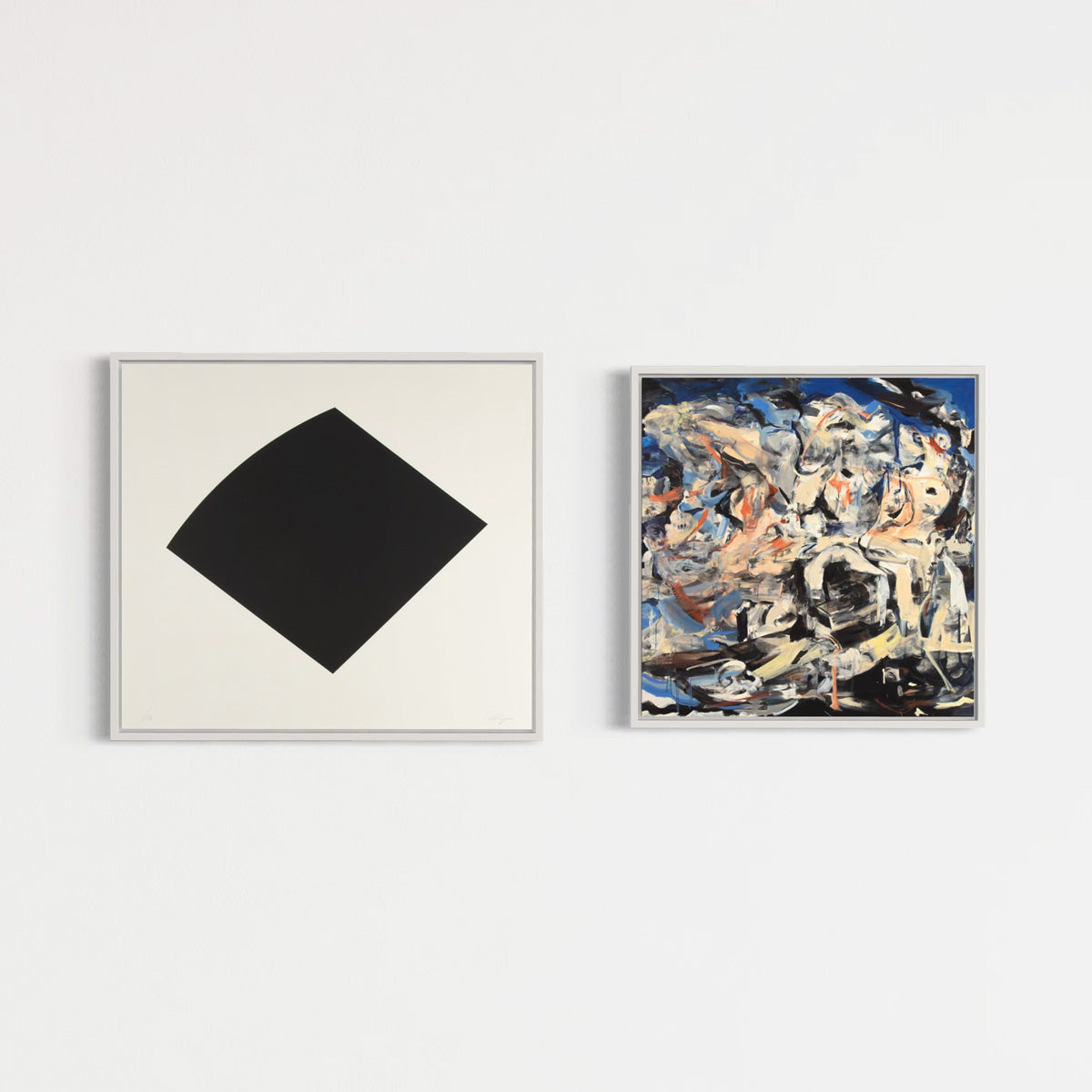
By the 1990s, a new generation extended that conviction internationally. Peter Doig, working between Trinidad, Canada, and London, built memory-inflected landscapes from blurred, half-remembered imagery. Cecily Brown, trained at the Slade and based in New York since the 1990s, brought a charged, gestural painterliness to the figure that owed as much to de Kooning as to any British tradition. Neither worked through YBA-style provocation — both insisted that painting itself, pursued with sustained ambition, remained a serious critical proposition.

Even within the YBA generation itself, painting proved harder to dismiss than the movement's reputation for installation and spectacle might suggest. Chris Ofili built densely layered, pattern-saturated canvases incorporating references to Black cultural history and, famously, elephant dung — painting treated as material accumulation rather than restraint. Jenny Saville confronted the body at monumental scale with unflinching physicality, extending Freud's psychological weight into a genuinely contemporary register. Gary Hume took the opposite route, reducing his subjects to flat, glossy planes of household paint — proof that the return to painting produced no single style, only a shared insistence that the medium still had unresolved questions to ask.

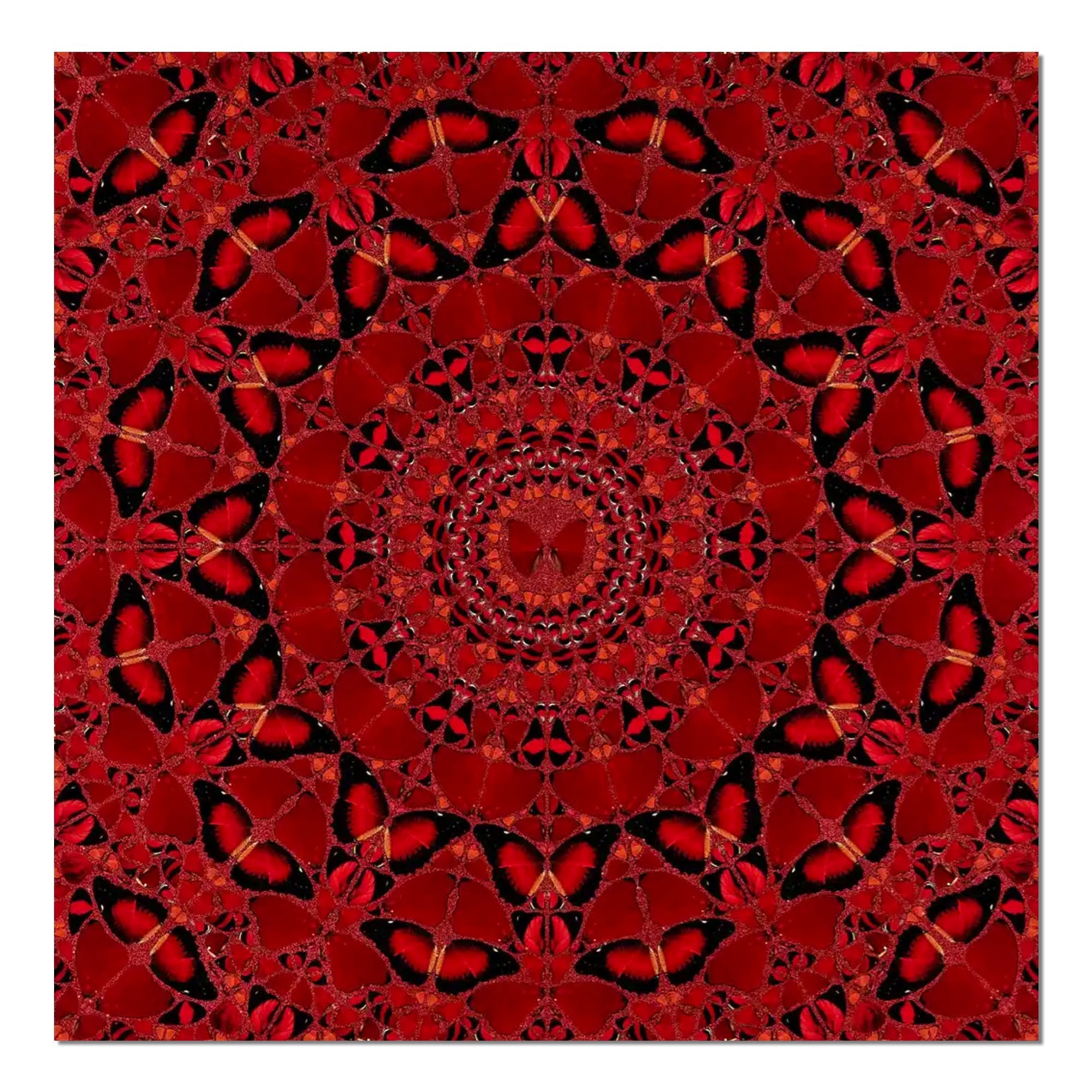
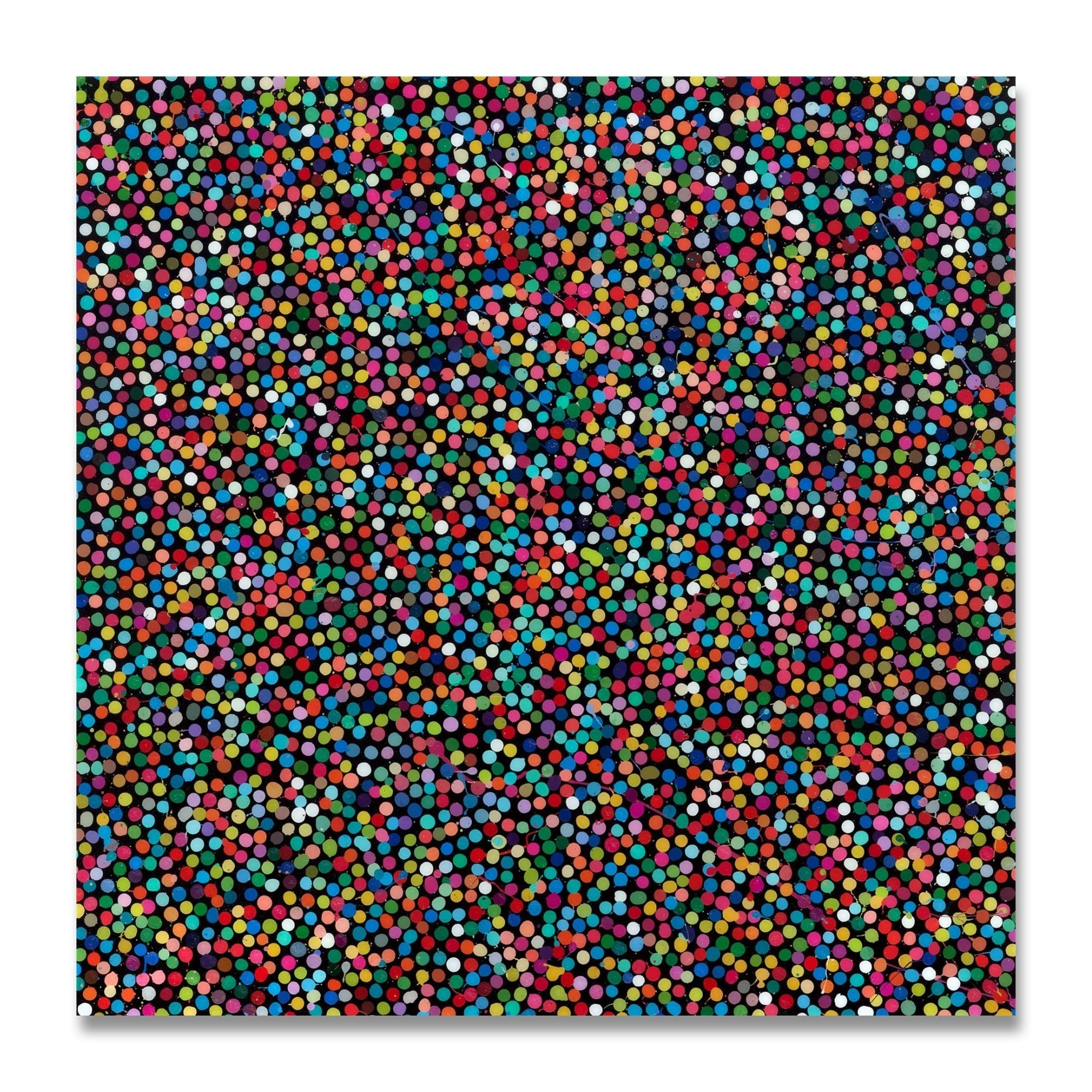
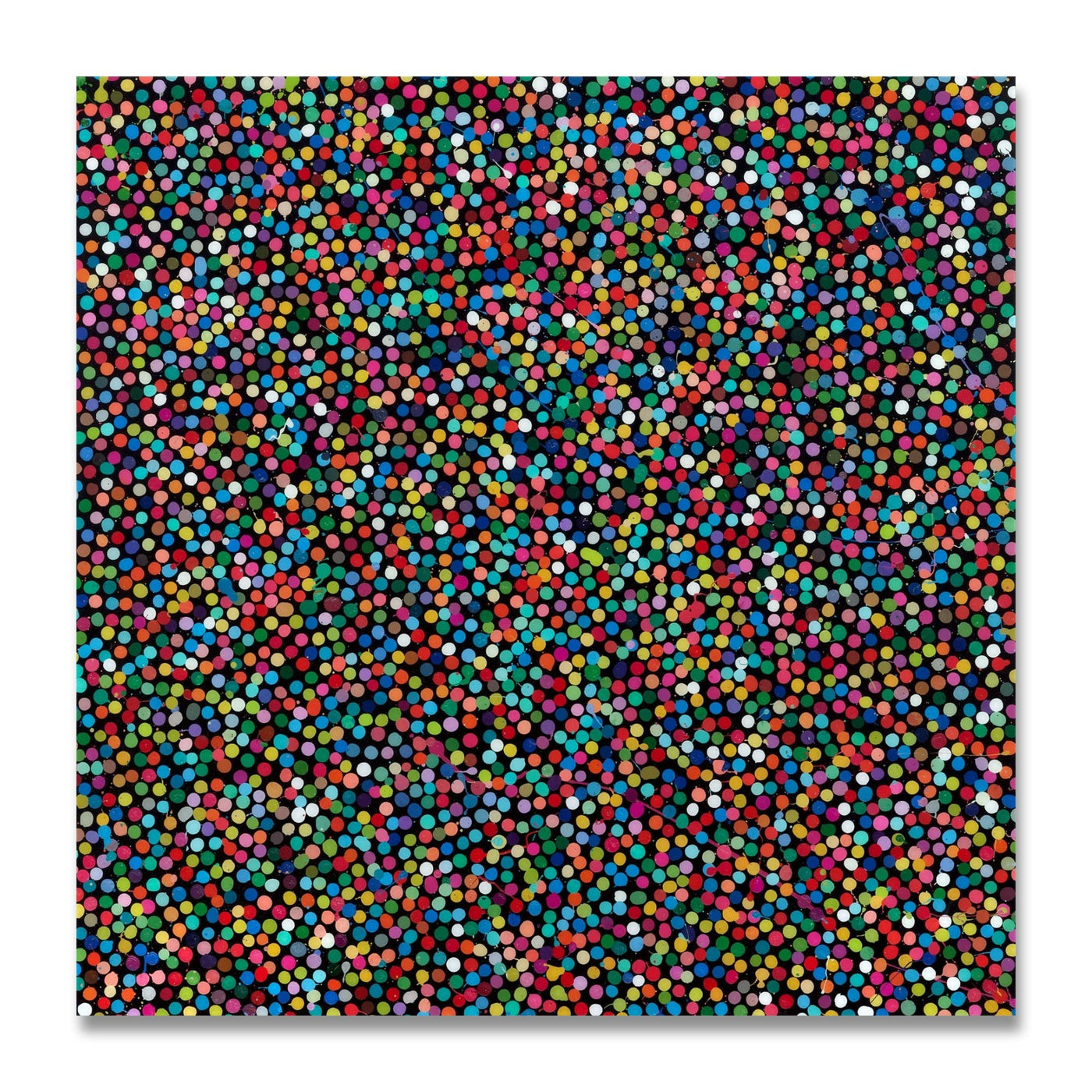
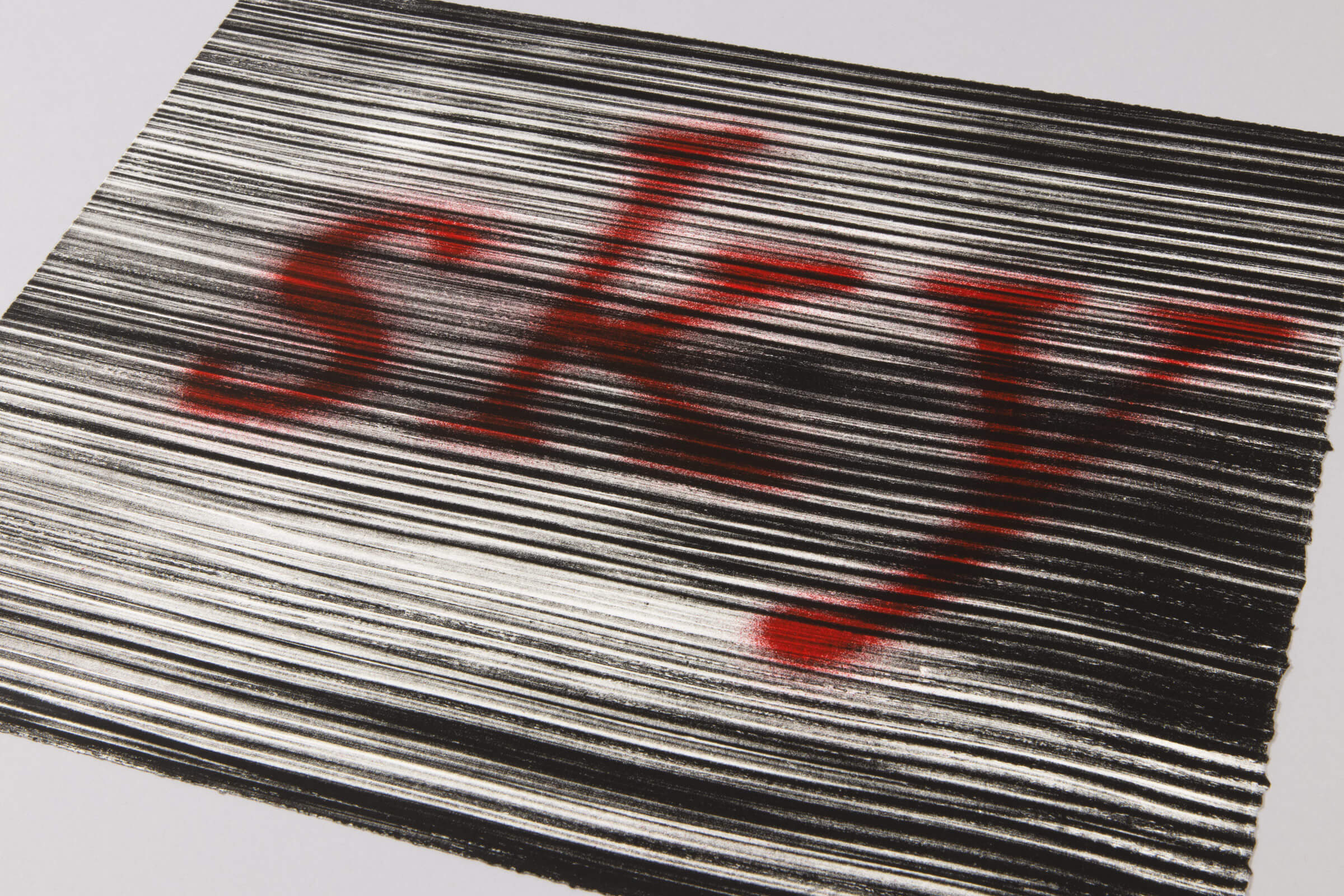
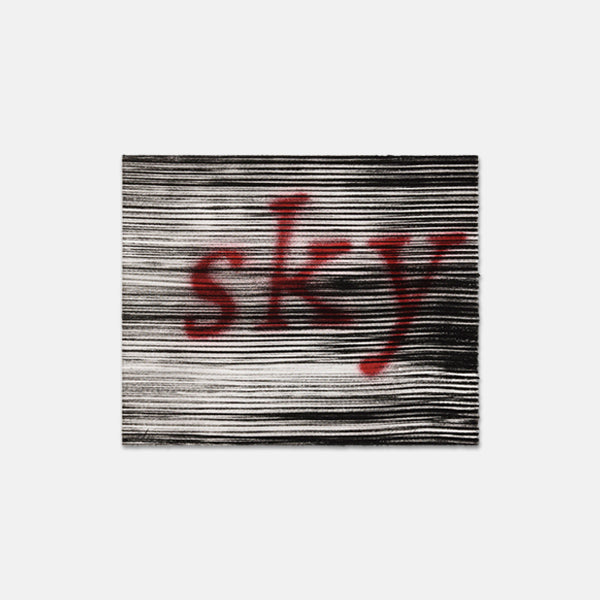
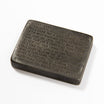
Damien Hirst - Savoy
03

British Contemporary Artists

Painting continues to be actively rewritten by a younger generation working today. France-Lise McGurn's calligraphic figures spill across gallery walls and canvases alike; Louise Giovanelli builds paintings from cropped, uncanny fragments of art-historical and pop-cultural imagery; Jadé Fadojutimi channels abstraction through colour fields charged with personal memory.

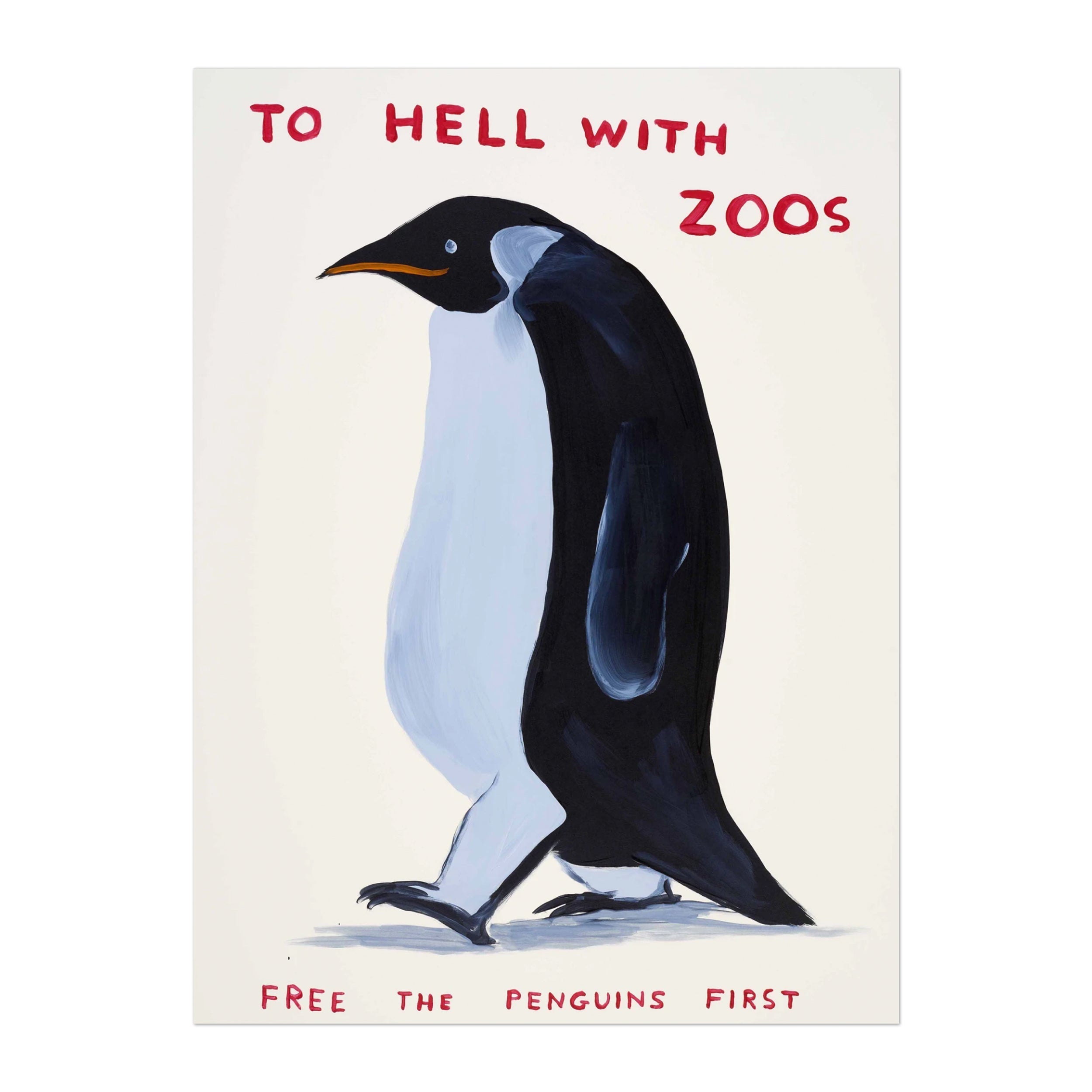
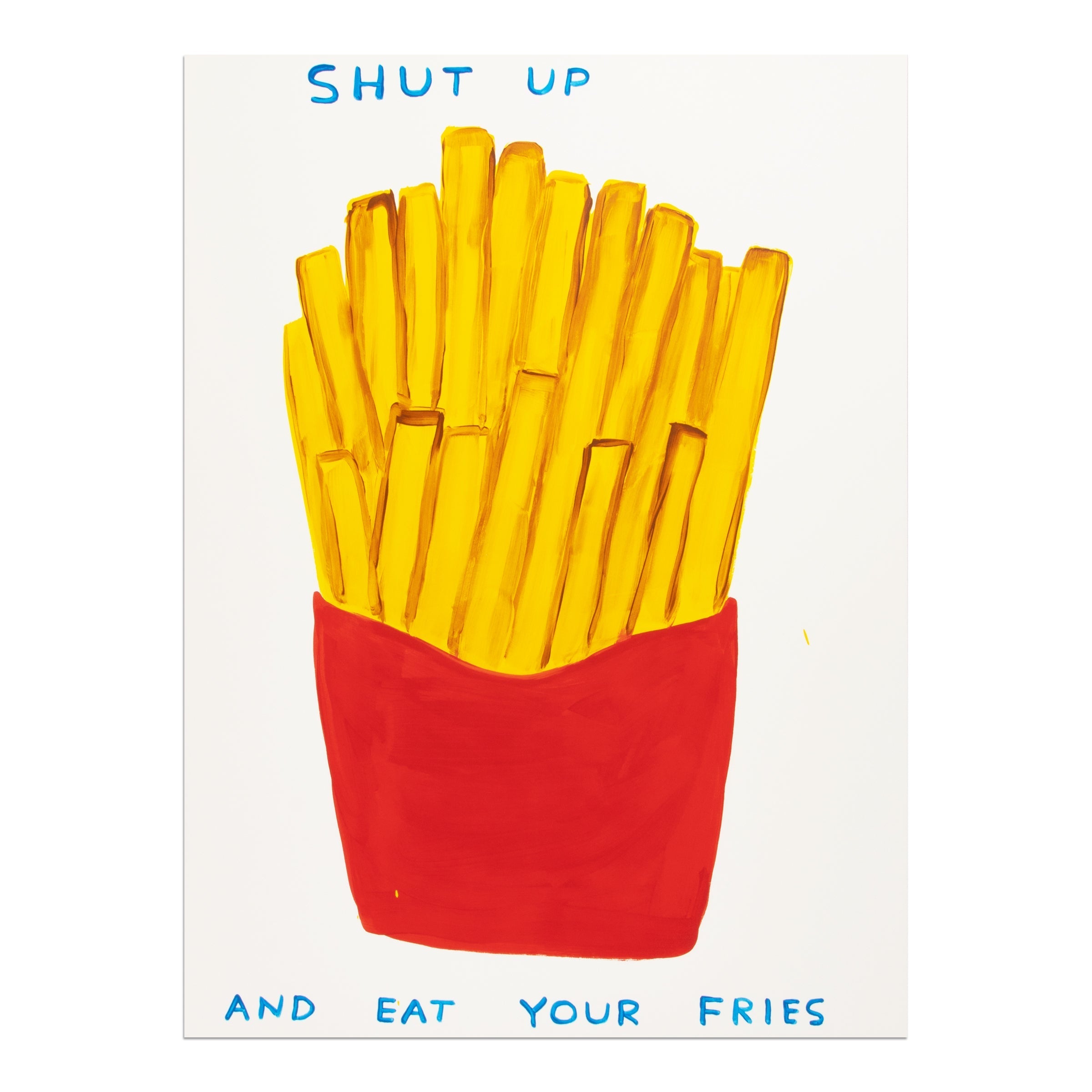
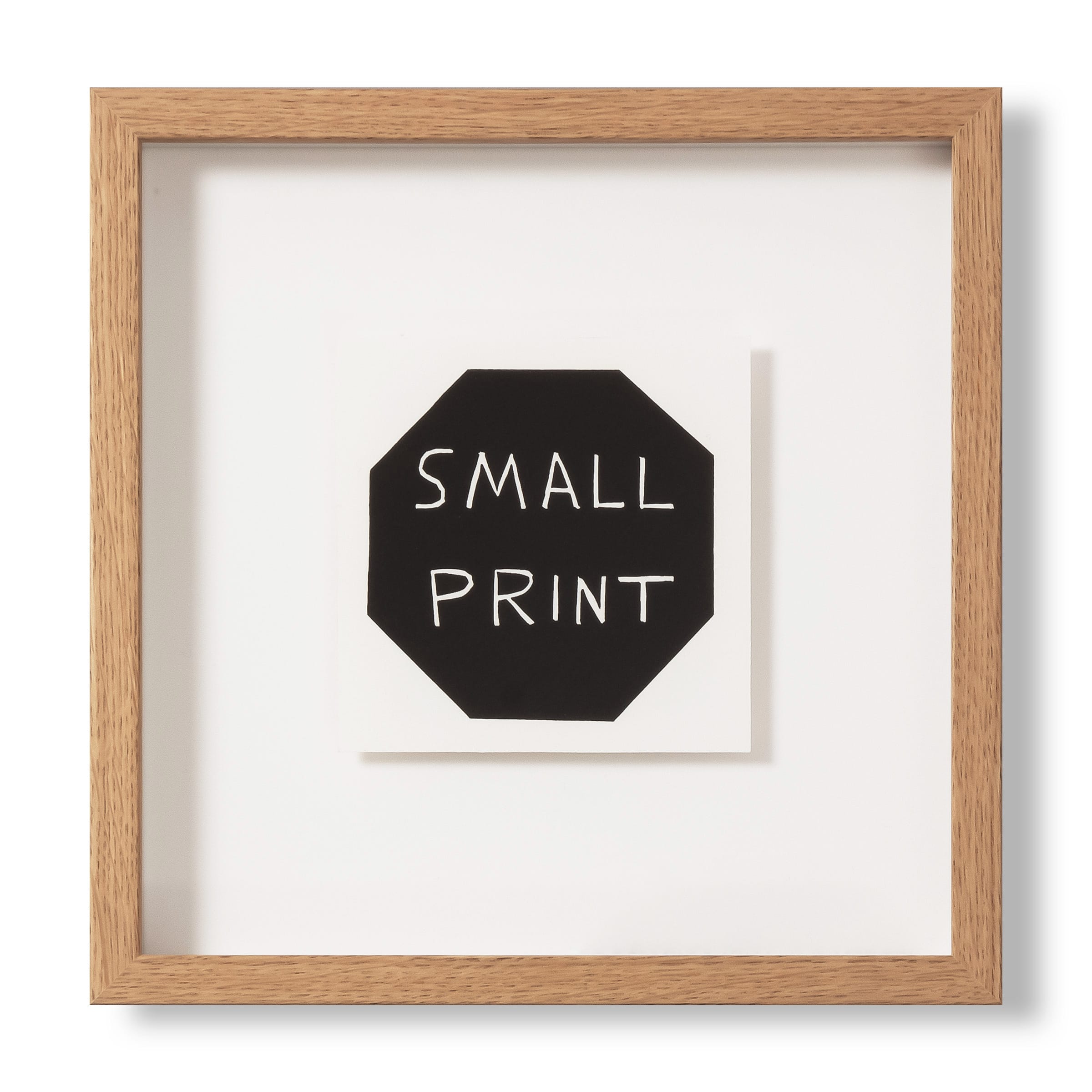
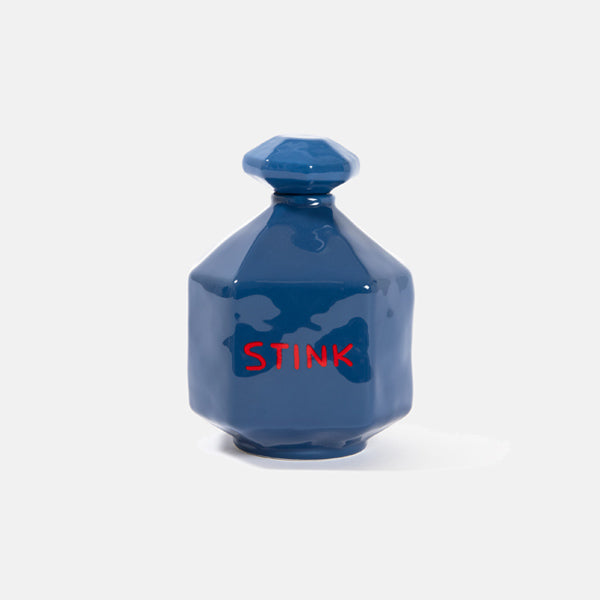
British sculpture's postwar lineage continues too — Tony Cragg extends Hepworth and Moore's investigation of form into biomorphic, industrially-informed abstraction, part of a broader tradition that includes figures such as Antony Gormley. David Shrigley's crude drawings and deadpan text extend a distinctly British tradition of wit deployed as critical weapon — his prints among the most sought-after British prints in this collection — while Grayson Perry examines class and identity through craft traditions rarely granted the same seriousness as painting.

For collectors, this range — sculpture to painting to performance, land art to confession to comedy, spanning eight decades — makes British art one of the most genuinely varied fields in contemporary collecting. Signed, original British art for sale here spans that entire range at prices considerably below the unique artworks hanging in museums. Works of art are held in the permanent collections of Tate, MoMA, and the Centre Pompidou.

01

From Postwar Sculpture to the YBAs

Barbara Hepworth and Henry Moore established postwar British sculpture's defining language — carved, monumental abstraction that brought modern British art international standing for the first time. Britain's contribution to Pop Art arrived from an unexpected direction: Richard Hamilton coined the term itself in a 1957 letter, years before Warhol's soup cans, and David Hockney became its most internationally recognisable painter, his LA pools and portraits carrying a wit closer to English satire than American consumer branding.

The late 1960s brought a genuinely conceptual turn. In 1967, Richard Long walked a straight line across a field and photographed the flattened grass, reconceiving sculpture as event rather than object — around the same time, fellow St Martin's students Gilbert & George began presenting themselves as "living sculpture," dissolving the boundary between artist and artwork from 1969 onward.

Two decades later, in 1988, a group of largely unknown Goldsmiths students, organised by Damien Hirst, staged Freeze in a disused London Docklands warehouse — the exhibition credited with launching the Young British Artists. Hirst, Tracey Emin, and Chris Ofili became its most internationally visible figures, pursuing radically different concerns under a shared cultural moment defined as much by media attention as by shared aesthetics. The full story is explored in our Young British Artists editorial.

02

The Return to Painting

Even at abstraction and conceptualism's postwar peak, a handful of painters refused to treat figuration as exhausted. Lucian Freud and Frank Auerbach, part of what later became known as the School of London, spent decades building thickly worked, psychologically unflinching portraits and figures — insisting, against the critical tide of their moment, that paint applied by hand to canvas remained capable of genuine discovery.

By the 1990s, a new generation extended that conviction internationally. Peter Doig, working between Trinidad, Canada, and London, built memory-inflected landscapes from blurred, half-remembered imagery. Cecily Brown, trained at the Slade and based in New York since the 1990s, brought a charged, gestural painterliness to the figure that owed as much to de Kooning as to any British tradition. Neither worked through YBA-style provocation — both insisted that painting itself, pursued with sustained ambition, remained a serious critical proposition.

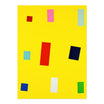
Even within the YBA generation itself, painting proved harder to dismiss than the movement's reputation for installation and spectacle might suggest. Chris Ofili built densely layered, pattern-saturated canvases incorporating references to Black cultural history and, famously, elephant dung — painting treated as material accumulation rather than restraint. Jenny Saville confronted the body at monumental scale with unflinching physicality, extending Freud's psychological weight into a genuinely contemporary register. Gary Hume took the opposite route, reducing his subjects to flat, glossy planes of household paint — proof that the return to painting produced no single style, only a shared insistence that the medium still had unresolved questions to ask.

03

British Contemporary Artists

Painting continues to be actively rewritten by a younger generation working today. France-Lise McGurn's calligraphic figures spill across gallery walls and canvases alike; Louise Giovanelli builds paintings from cropped, uncanny fragments of art-historical and pop-cultural imagery; Jadé Fadojutimi channels abstraction through colour fields charged with personal memory.

British sculpture's postwar lineage continues too — Tony Cragg extends Hepworth and Moore's investigation of form into biomorphic, industrially-informed abstraction, part of a broader tradition that includes figures such as Antony Gormley. David Shrigley's crude drawings and deadpan text extend a distinctly British tradition of wit deployed as critical weapon — his prints among the most sought-after British prints in this collection — while Grayson Perry examines class and identity through craft traditions rarely granted the same seriousness as painting.

For collectors, this range — sculpture to painting to performance, land art to confession to comedy, spanning eight decades — makes British art one of the most genuinely varied fields in contemporary collecting. Signed, original British art for sale here spans that entire range at prices considerably below the unique artworks hanging in museums. Works of art are held in the permanent collections of Tate, MoMA, and the Centre Pompidou.

Barbara Hepworth - Three Forms AssemblingFrance-Lise McGurn - In Pub-lik 9Damien Hirst - Savoy

Explore Art Collections

Explore curated art collections across movements, themes, and artist groups, offering multiple ways tonavigate and discover contemporary art.

View all
Prints, Photographs & Multiples

View our full collection of

Prints, Photographs & Multiples

Shop now