


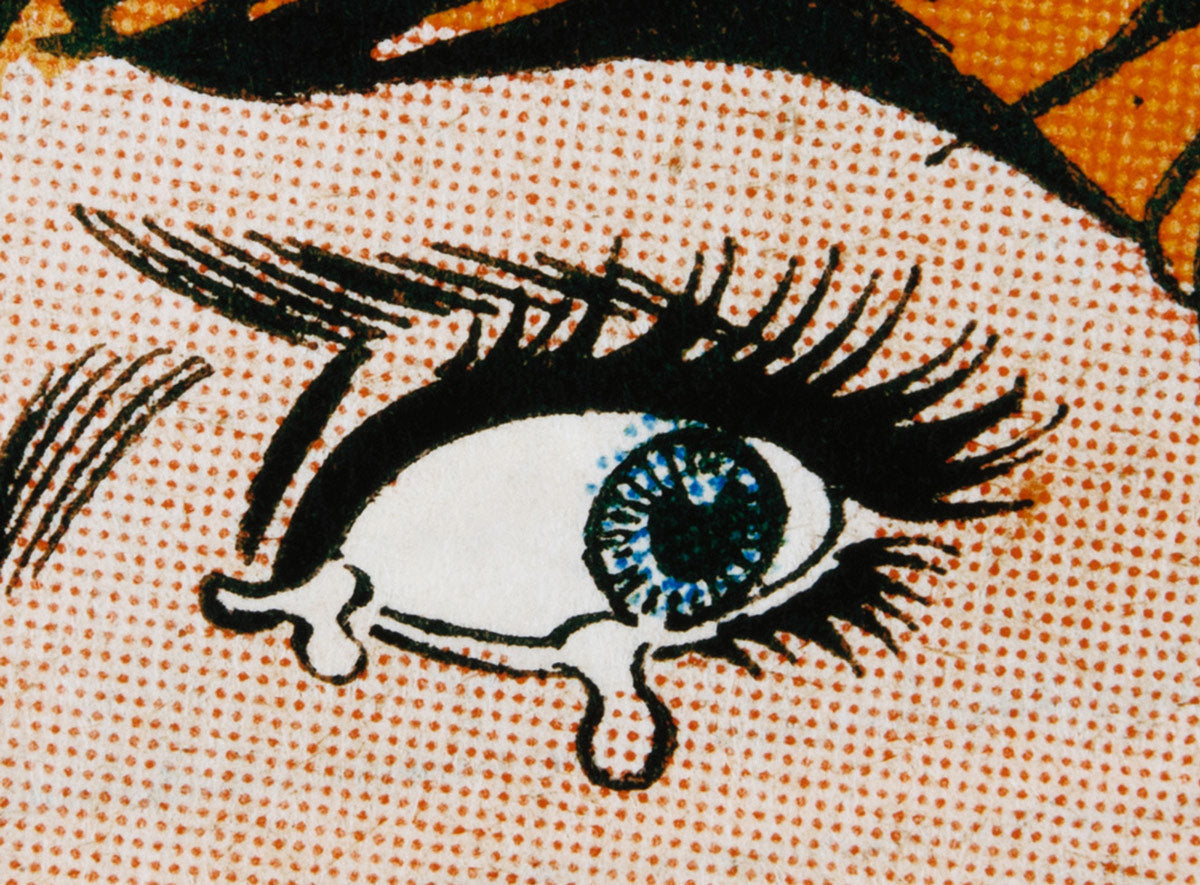
Chris Ofili
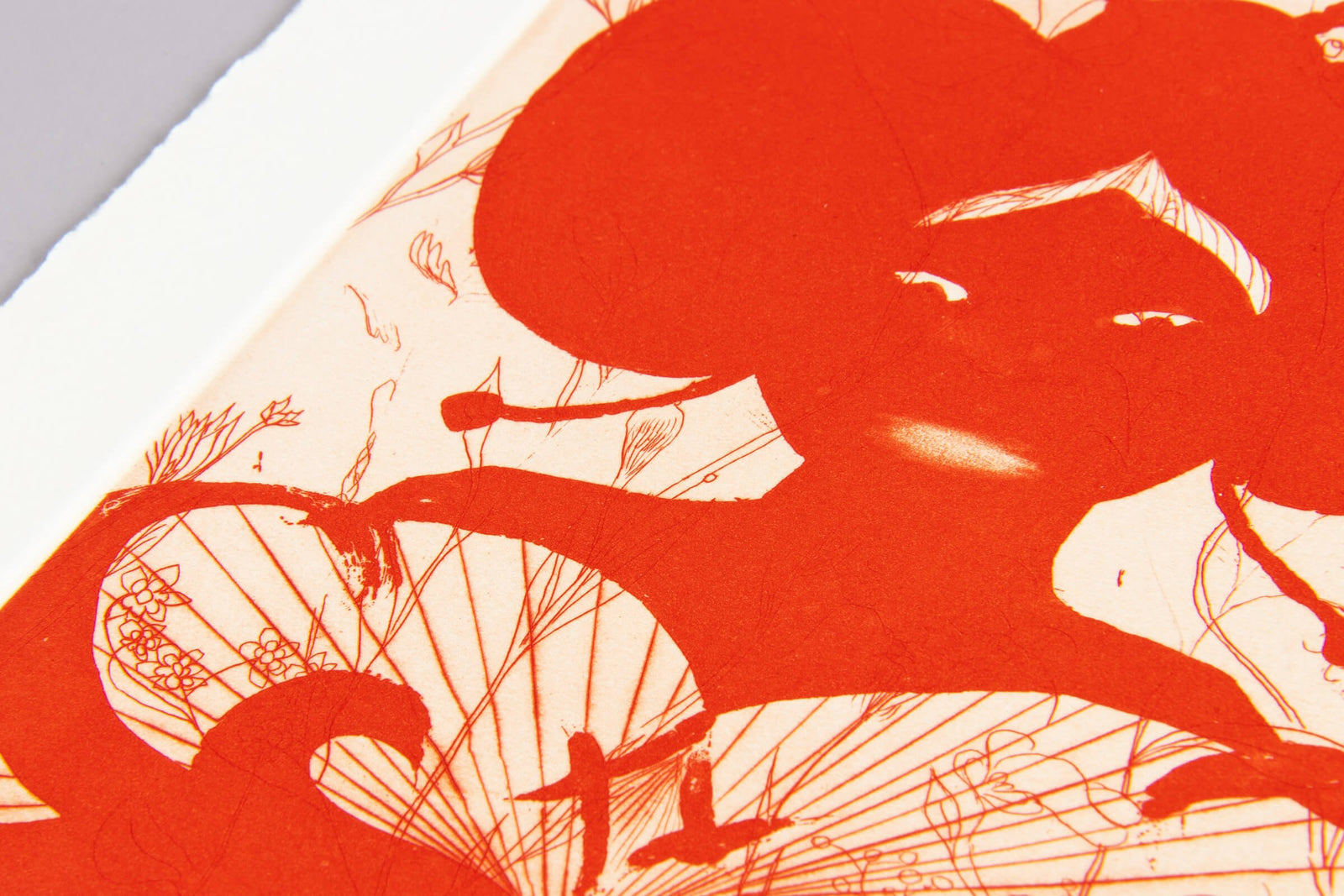
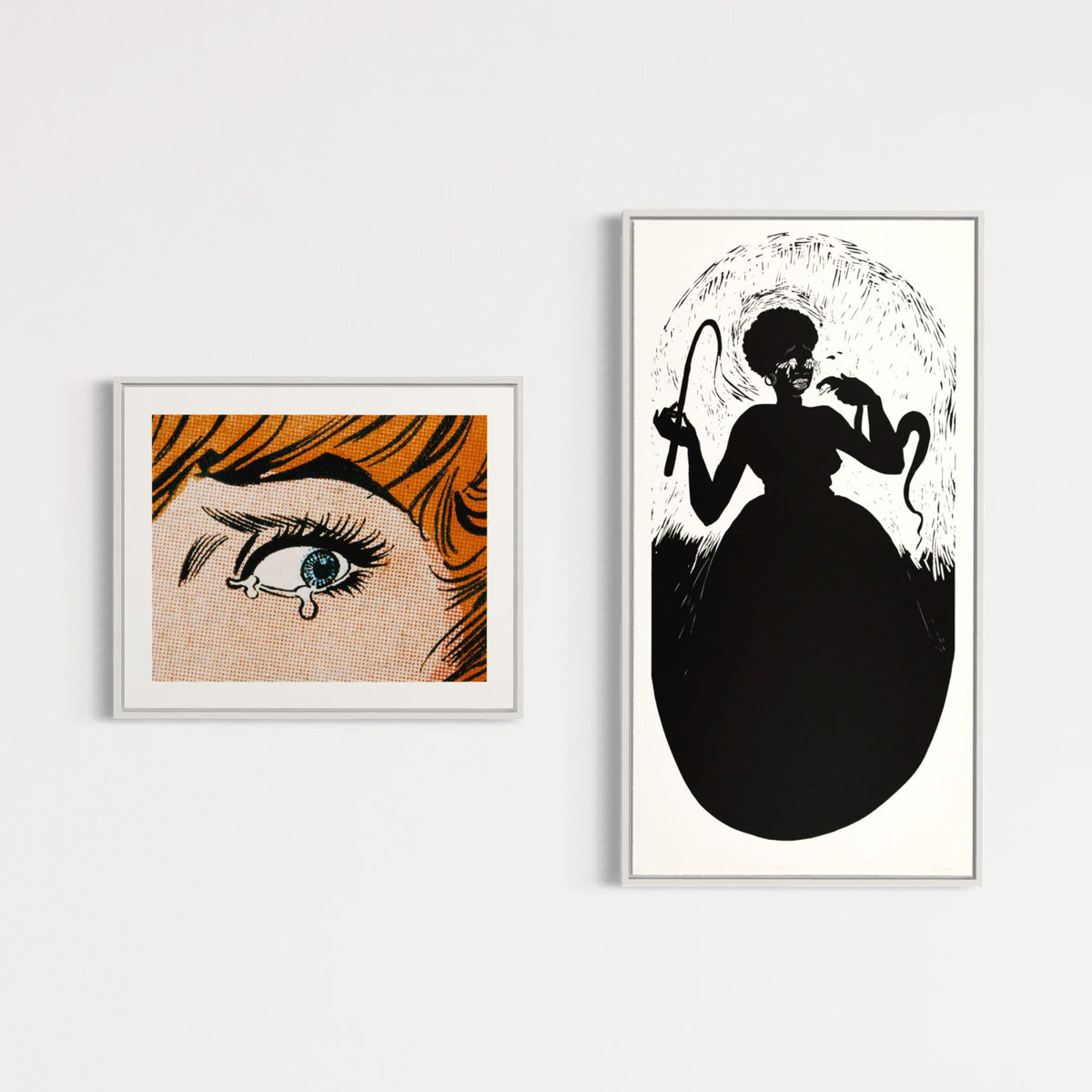
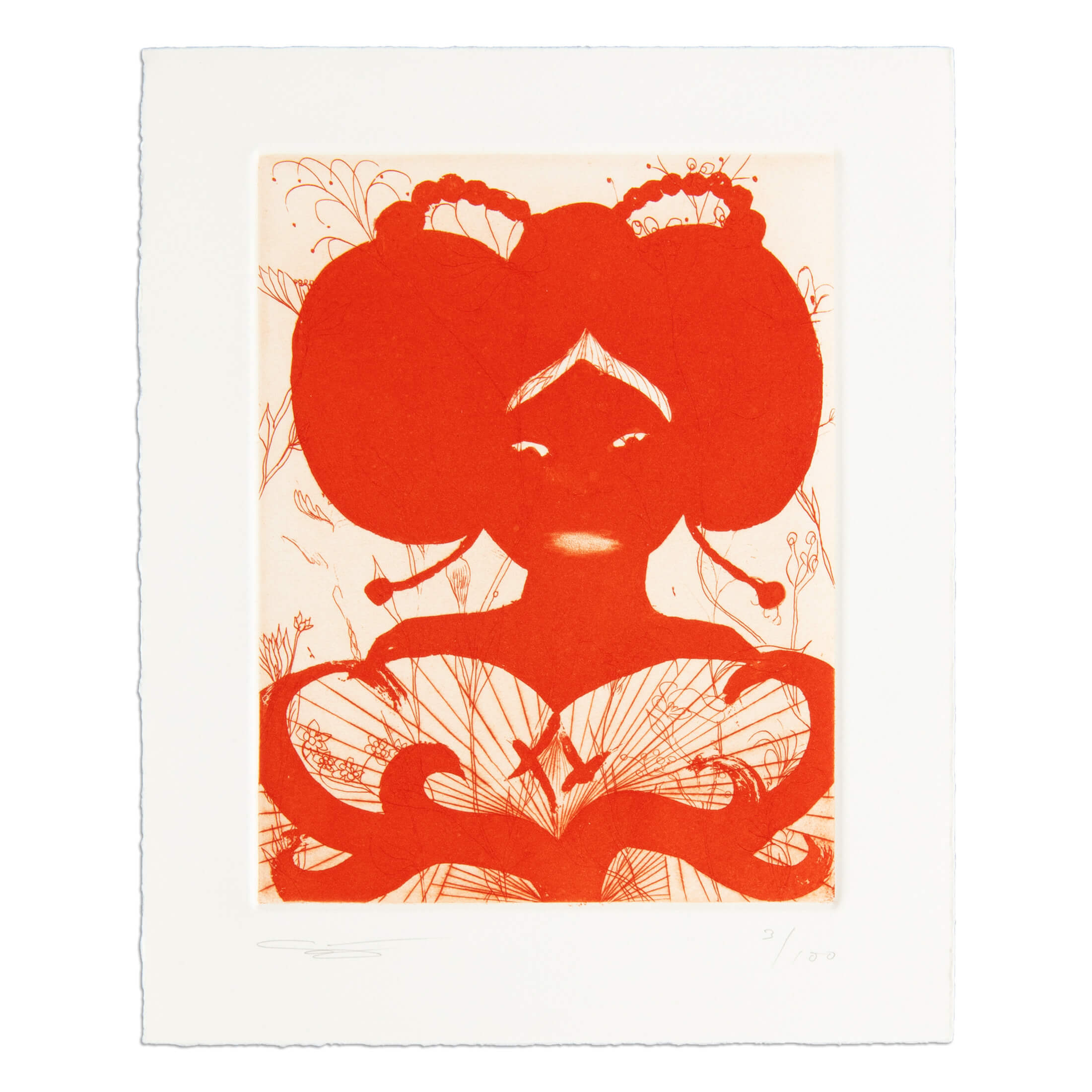
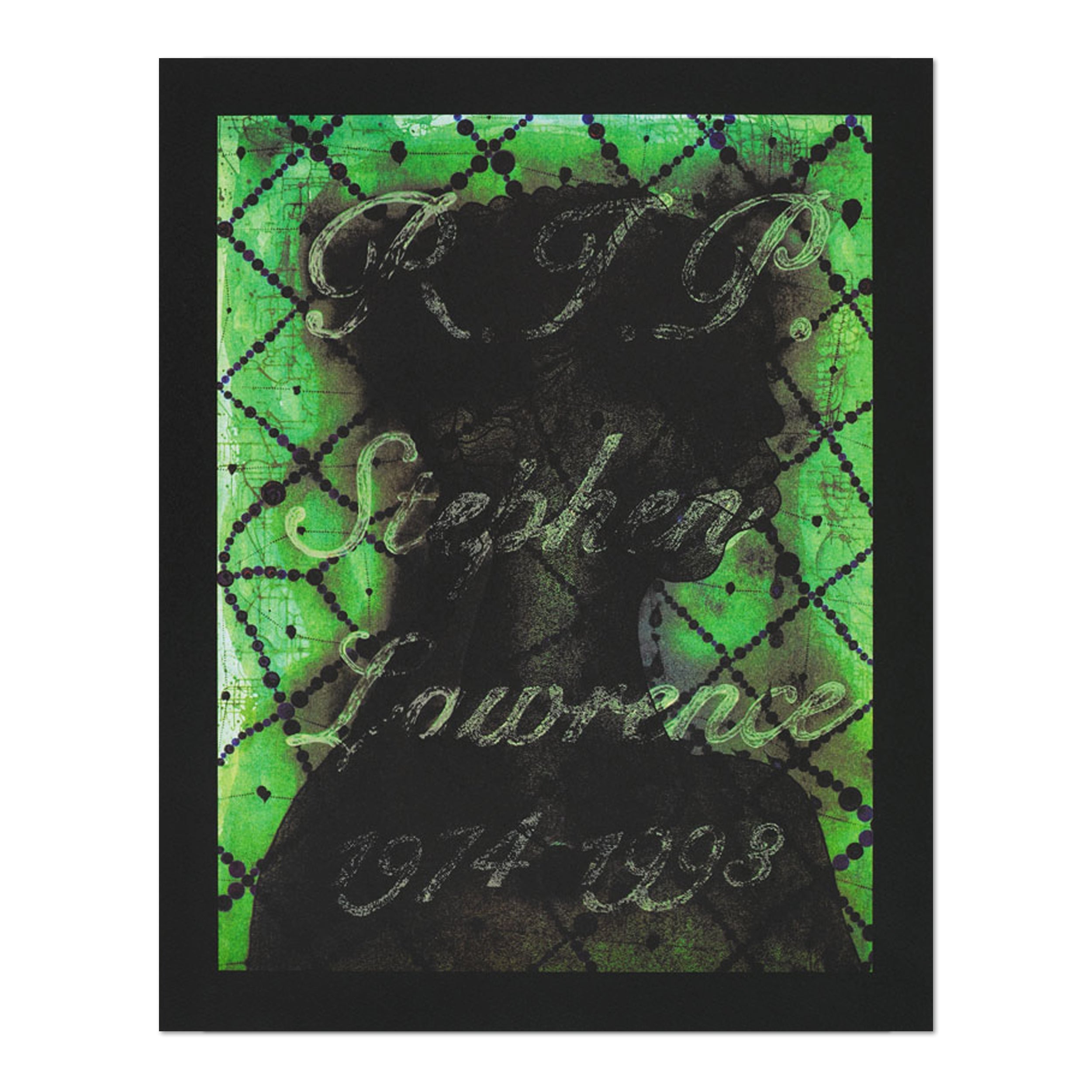
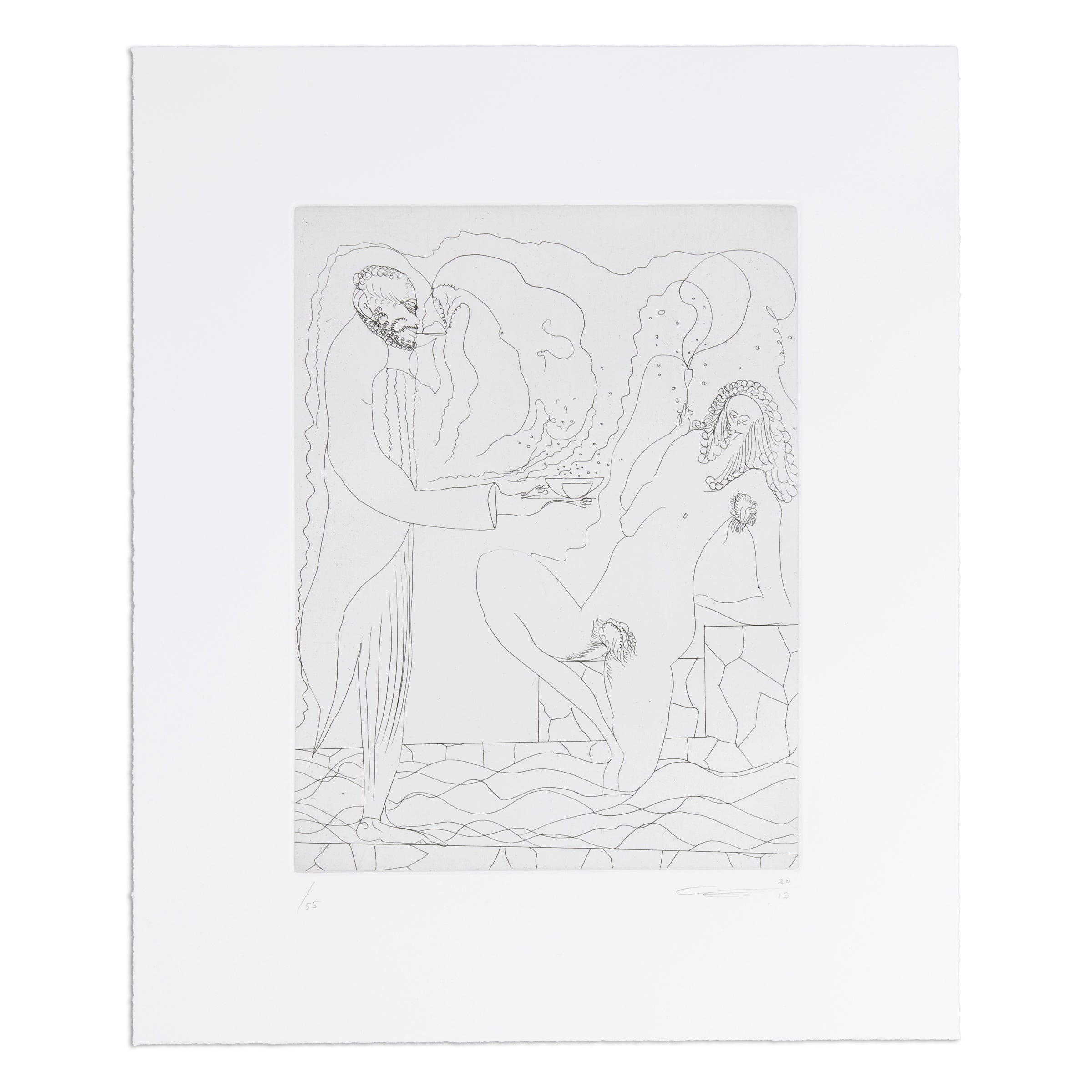
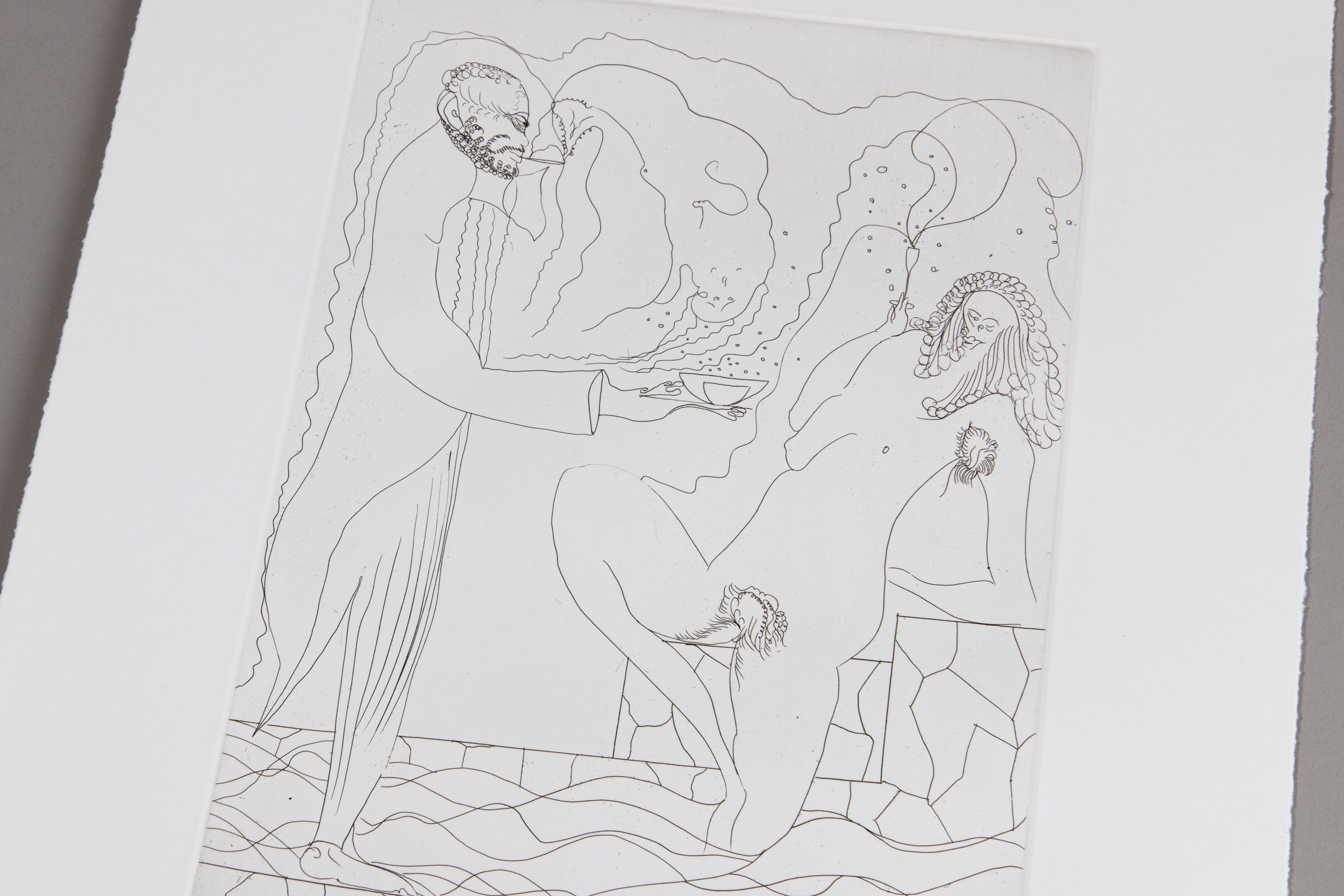
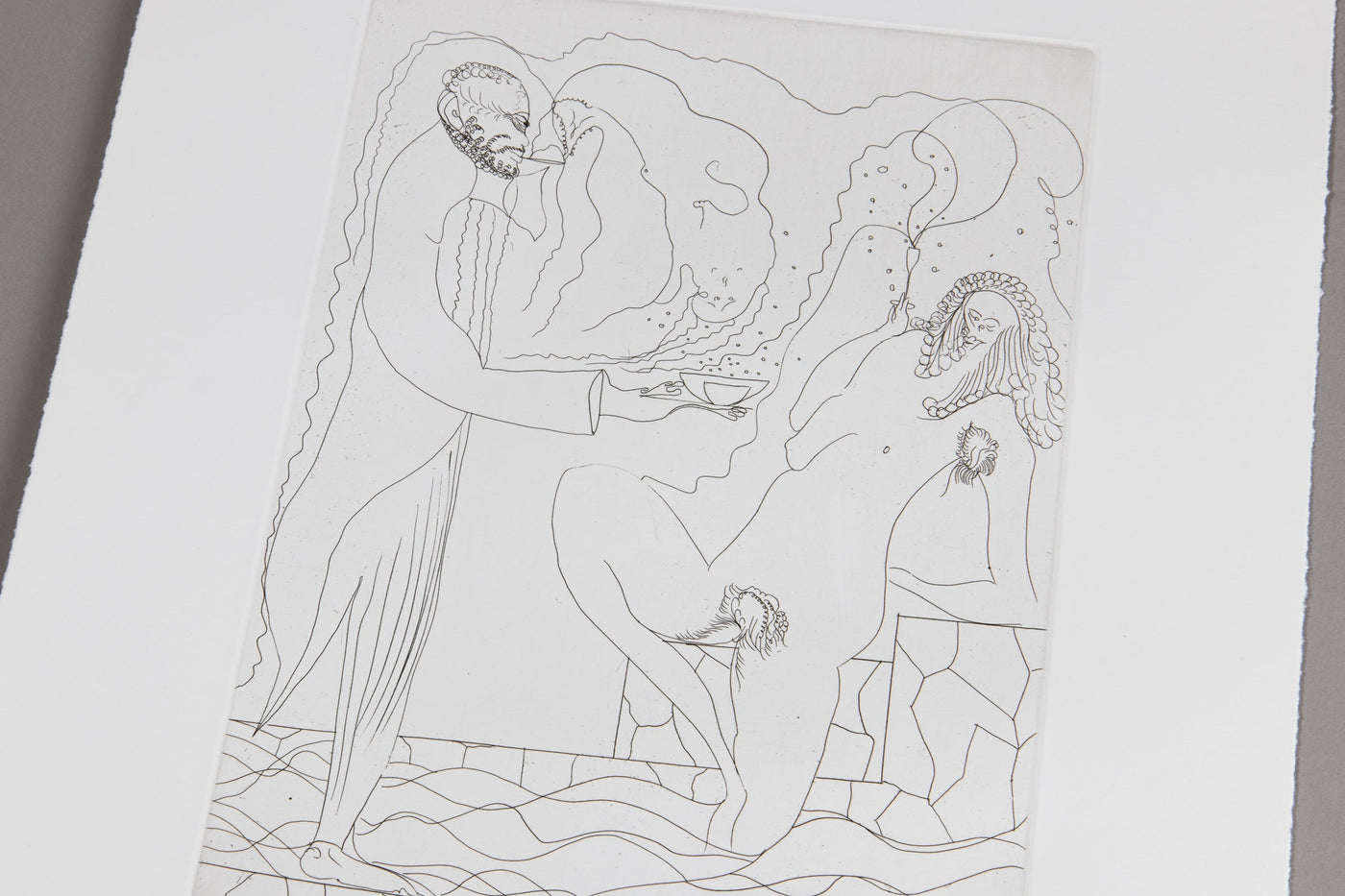
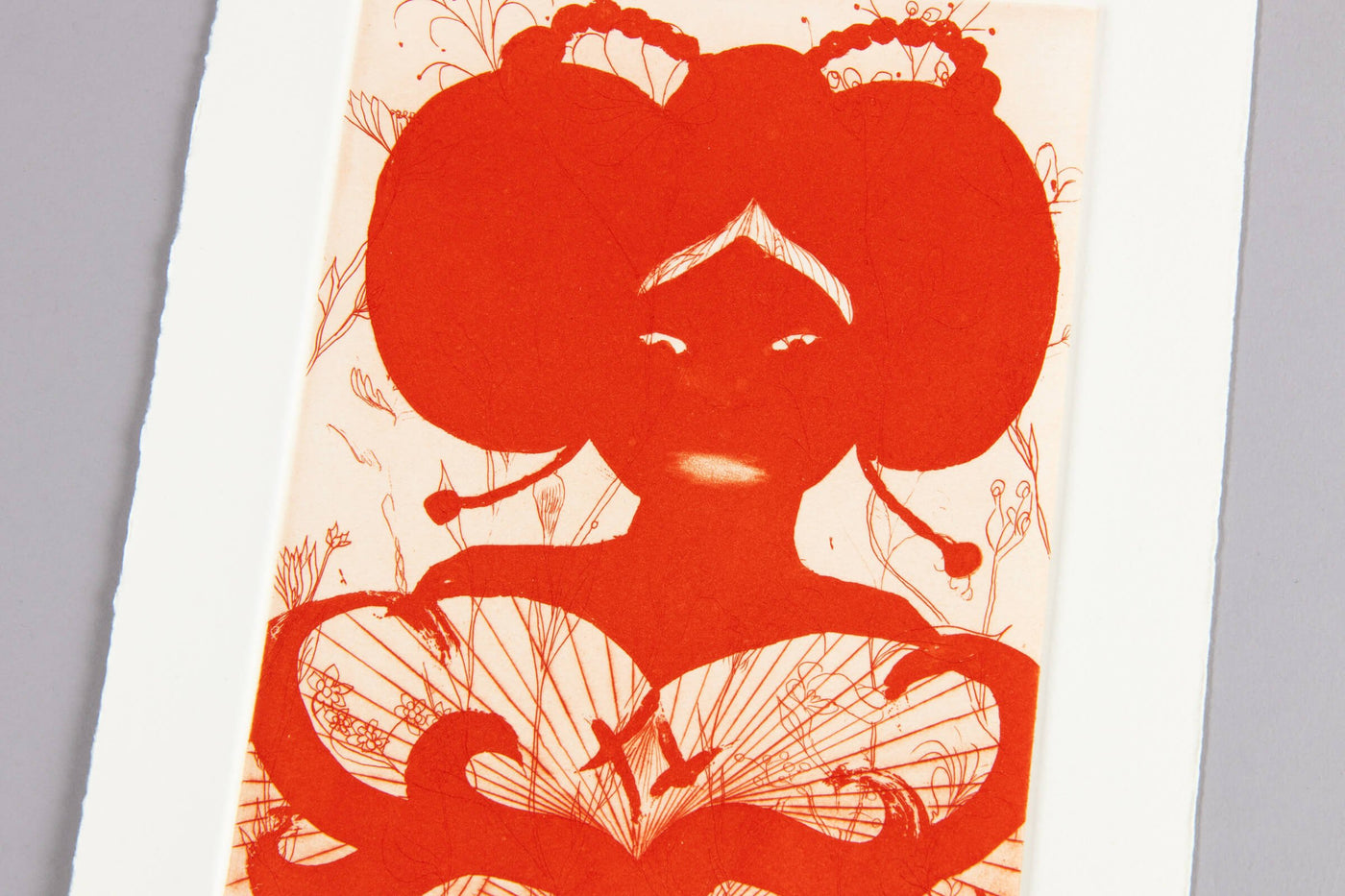
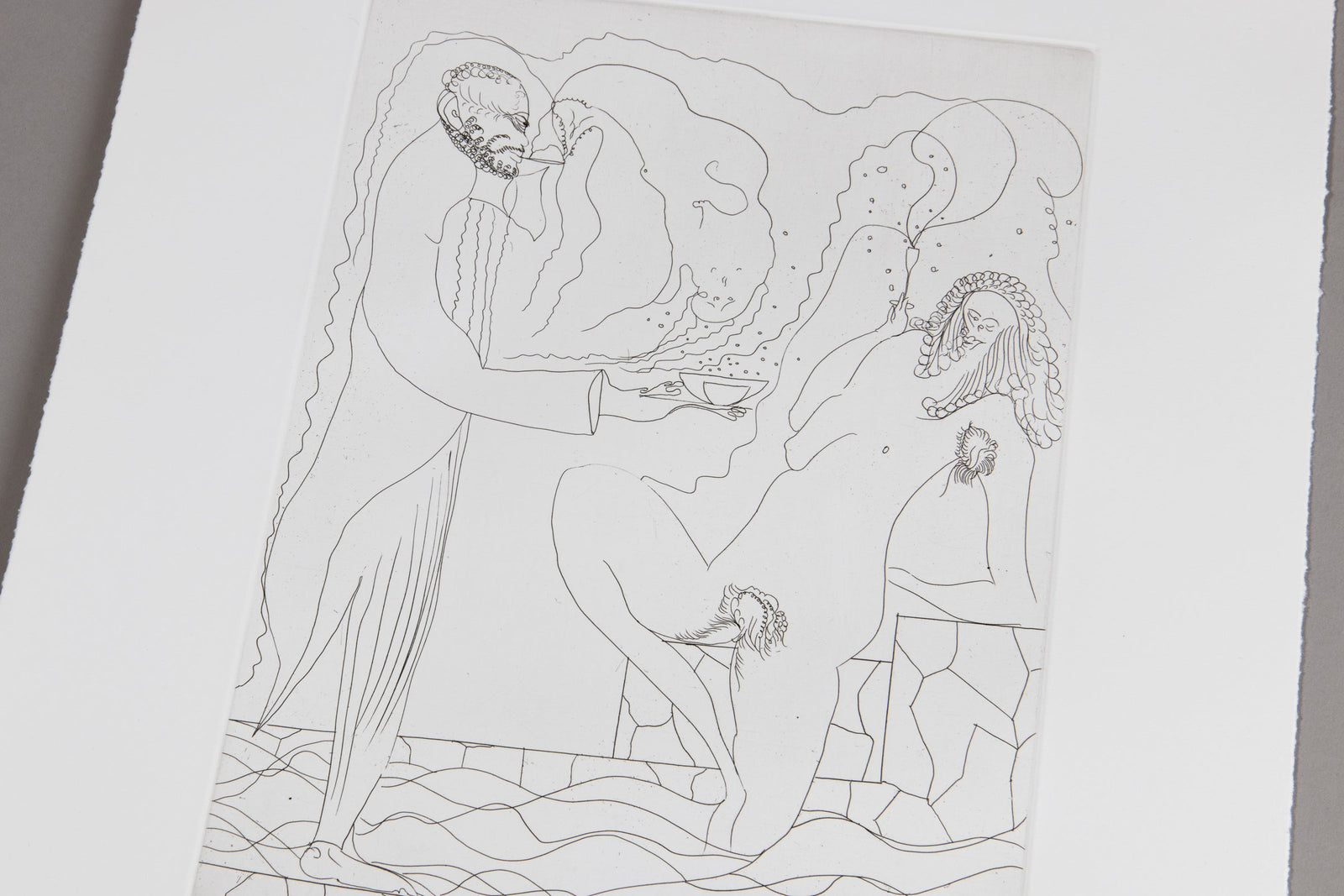
Chris Ofili built his early reputation on a single, unlikely material: elephant dung, brought back from a 1992 trip to Zimbabwe and worked directly into the surface of his paintings — propping them off the wall, forming raised, textured shapes within the composition itself. What looked, to some, like provocation for its own sake was something more considered: a British-Nigerian, Catholic-raised painter using an unglamorous, earthbound material to ground sacred and political subjects in something unmistakably physical. Three decades on, his work remains some of the most materially rich and symbolically dense painting of his generation.
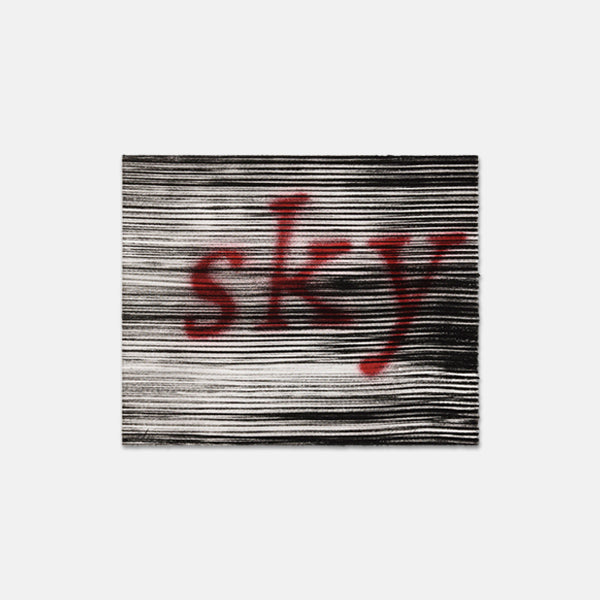
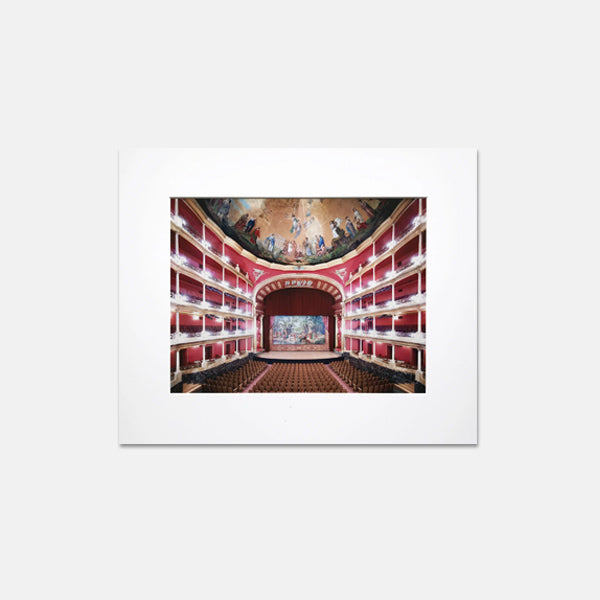
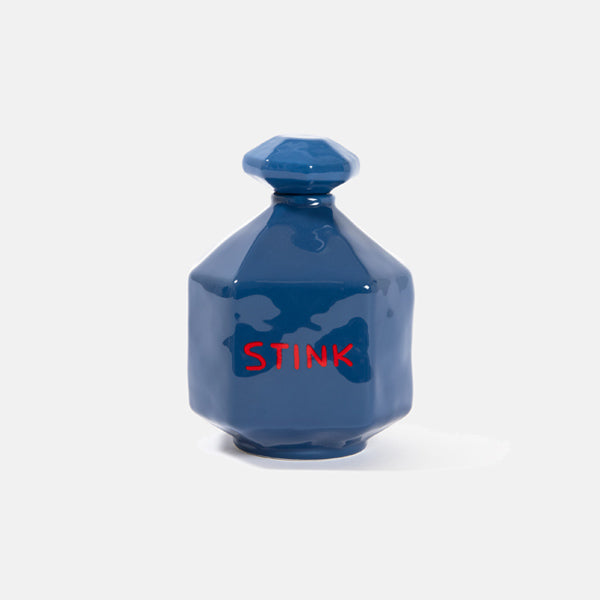
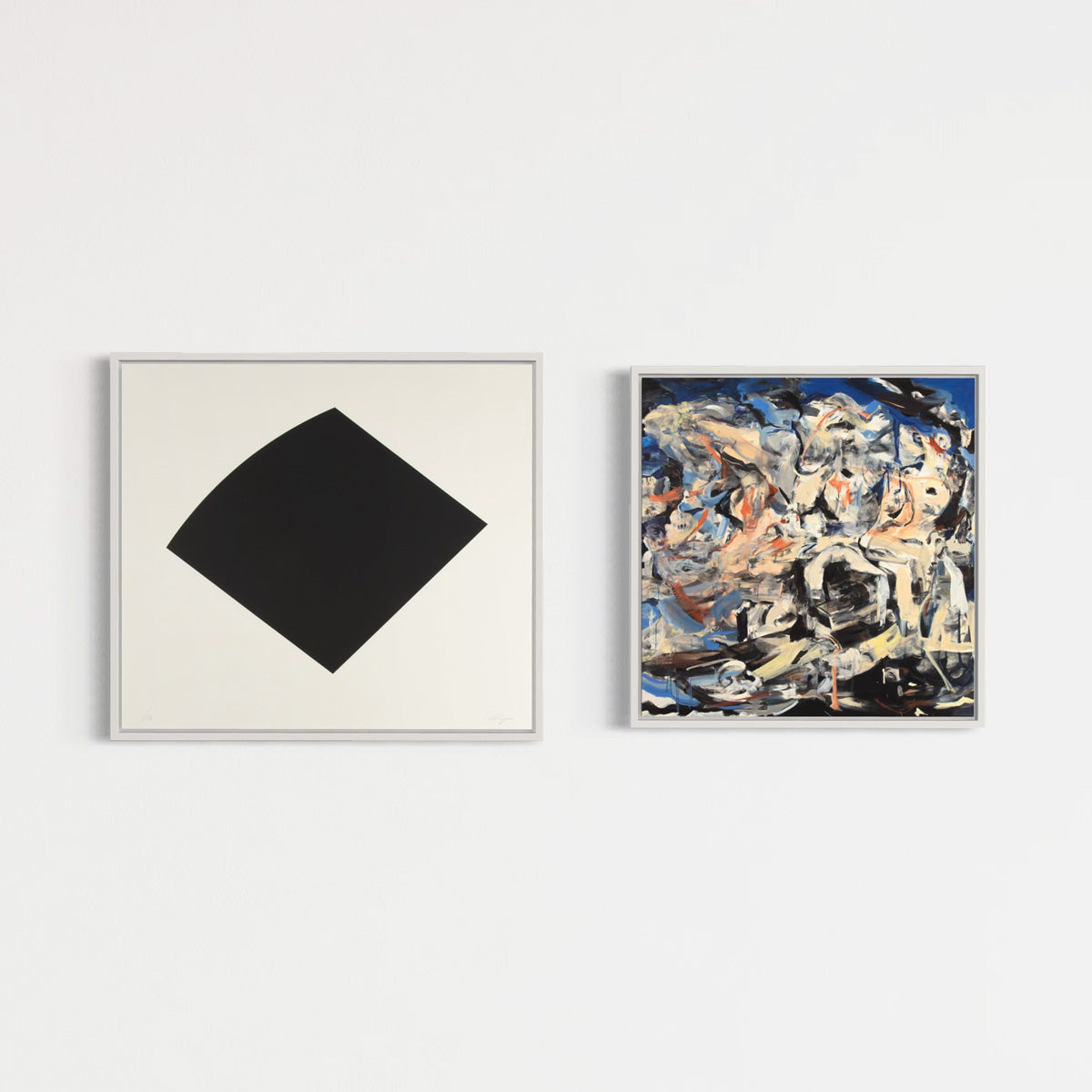
Browse signed Chris Ofili prints and editions now.
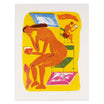
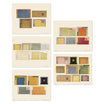
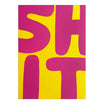
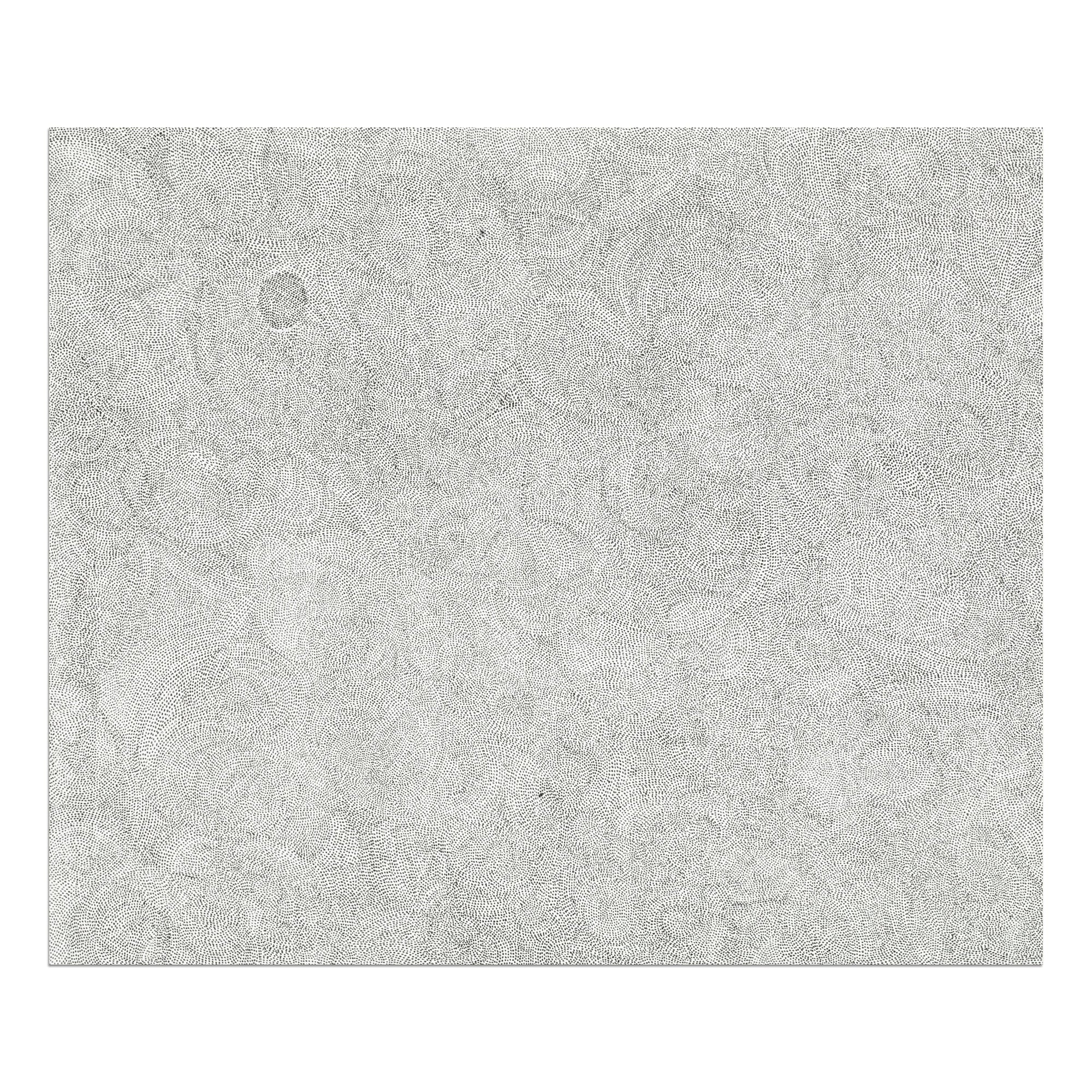
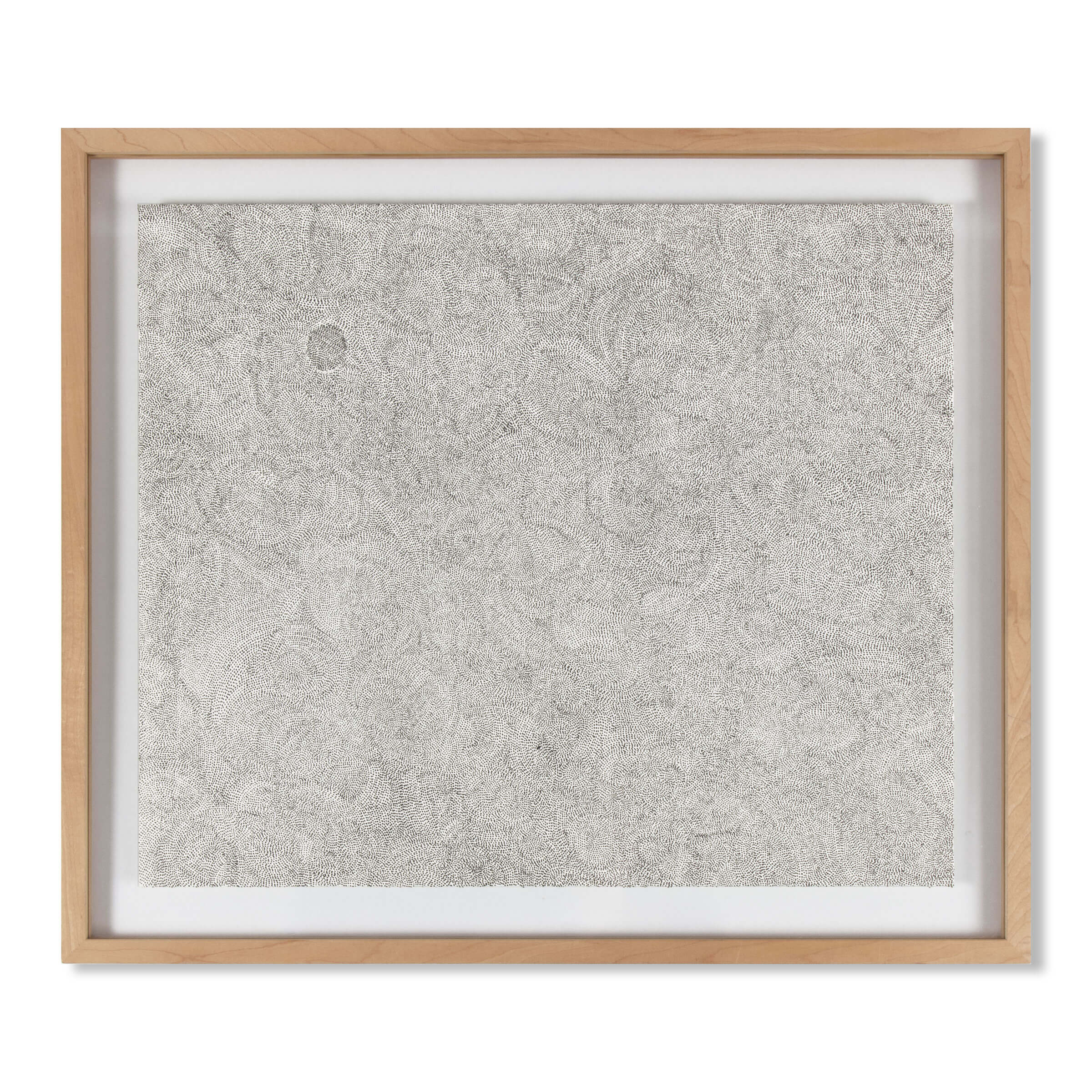
Available Prints & Editions
4 products



Chris Ofili: Key Questions
Collecting Chris Ofili?
Looking for a specific artwork or have a question about an edition? We're happy to advise on availability, pricing, condition, and provenance — and to source artworks beyond our current selection.
What is Chris Ofili known for?
Why did Chris Ofili use elephant dung in his paintings?
Why was The Holy Virgin Mary controversial?
Was Chris Ofili part of the Young British Artists?
How much do Chris Ofili works sell for?


