






Art Movement Insight

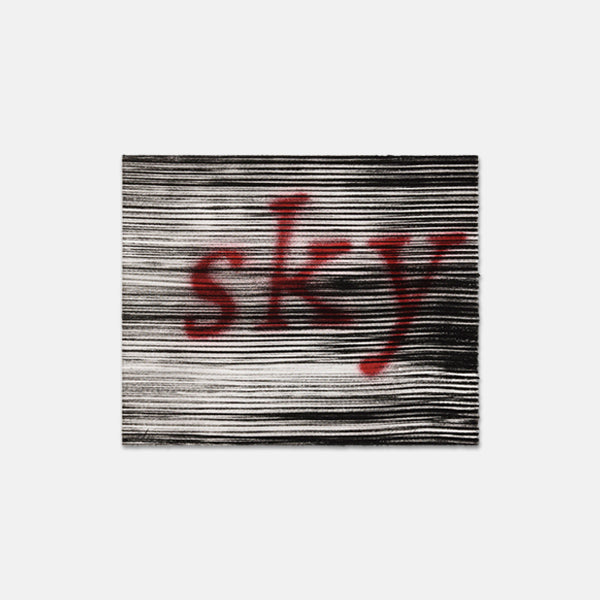
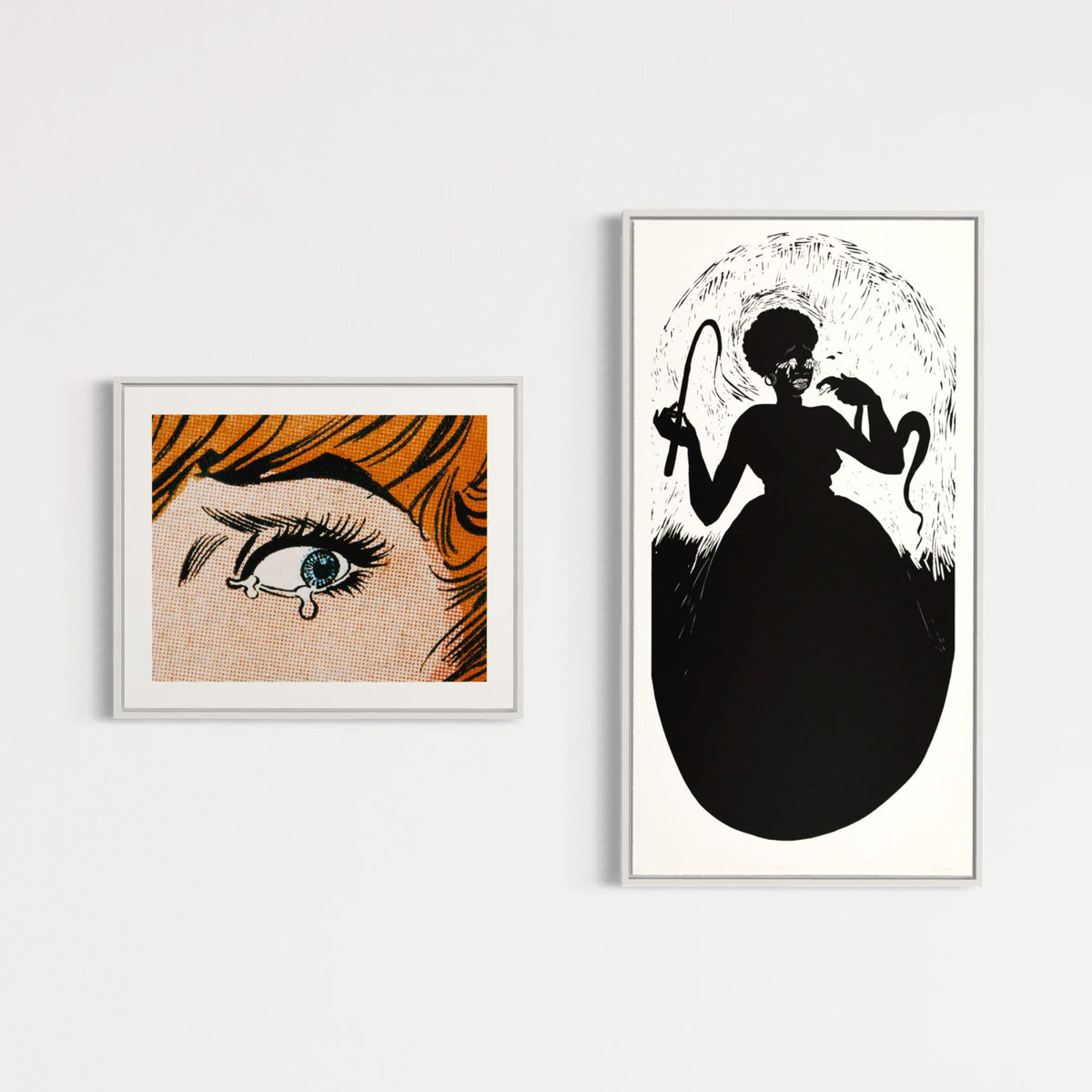
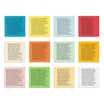
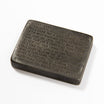
Tracey Emin – I Promise to Love You
Freeze and the Birth of a Scene
Although the Young British Artists (YBAs) are often described as a movement, their origins lie in a series of exhibitions rather than a shared aesthetic program. The most significant of these early events was the exhibition Freeze, which brought together a group of young artists who were largely unknown at the time but would soon dominate the British art scene.
The exhibition took place in a vacant London Docklands warehouse and was organized entirely by the participating artists themselves. The setting was unconventional, but the presentation was carefully staged. Works were installed with the precision of a professional gallery show, and the event attracted influential visitors, including the advertising executive and collector Charles Saatchi, whose later support would prove crucial for several YBA careers.
Freeze also demonstrated a new model of artistic agency. Rather than waiting for institutional validation, the artists produced their own exhibition infrastructure. This strategy—combining self-organization with strategic visibility—became a defining characteristic of the YBA phenomenon. Over the following years, similar warehouse exhibitions and artist-led projects continued to expand the network that would eventually coalesce under the YBA label.

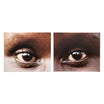
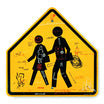
Chris Ofili – Untitled (Portrait)
Key Artists of the YBA Generation
The Young British Artists (YBAs) were never a fixed membership list, but several key artists became widely associated with the movement because their work captured its intellectual ambitions and cultural visibility.
Damien Hirst emerged as one of the most prominent figures. His installations often incorporate scientific display methods and biological materials, exploring themes of mortality, belief, and spectacle. Works such as The Physical Impossibility of Death in the Mind of Someone Living—a tiger shark preserved in formaldehyde—demonstrate how the aesthetics of museum display can transform philosophical questions into powerful visual experiences.
Tracey Emin introduced a radically personal voice into contemporary art. Through installations, neon texts, and autobiographical narratives, she transformed private experiences into public forms of expression. Her work blurred the boundary between confession and sculpture, making vulnerability itself a central artistic medium.
Sarah Lucas developed a sculptural language rooted in everyday objects and dark humor. Using materials such as furniture, clothing, and food, she constructed works that confront social stereotypes surrounding gender and sexuality with a combination of irreverence and conceptual precision. These concerns intersect with broader debates explored in Feminist Art, particularly in relation to representation, sexuality, and the politics of the body.
Chris Ofili expanded the possibilities of painting within the YBA context. His richly layered canvases integrate references to Black cultural history, spirituality, and popular culture, demonstrating how painting could remain central within a movement often associated with installation and conceptual strategies.
Tacita Dean developed a distinctive practice centered on film, time, and memory. Working primarily with analogue media, she explores the materiality of film while reflecting on landscape, history, and the act of recording. Her work expands the YBA context beyond spectacle, emphasizing duration, perception, and the fragility of images.
Other artists frequently associated with the YBA moment include Rachel Whiteread, Jenny Saville, Gary Hume, and Angus Fairhurst. Each contributed to the breadth of the movement, illustrating that the YBAs were less a unified style than a constellation of approaches connected by shared ambition and cultural timing.
Works by many of these artists are available as limited edition prints and editions, offering collectors access to key figures of the YBA generation.

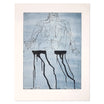
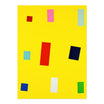
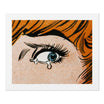
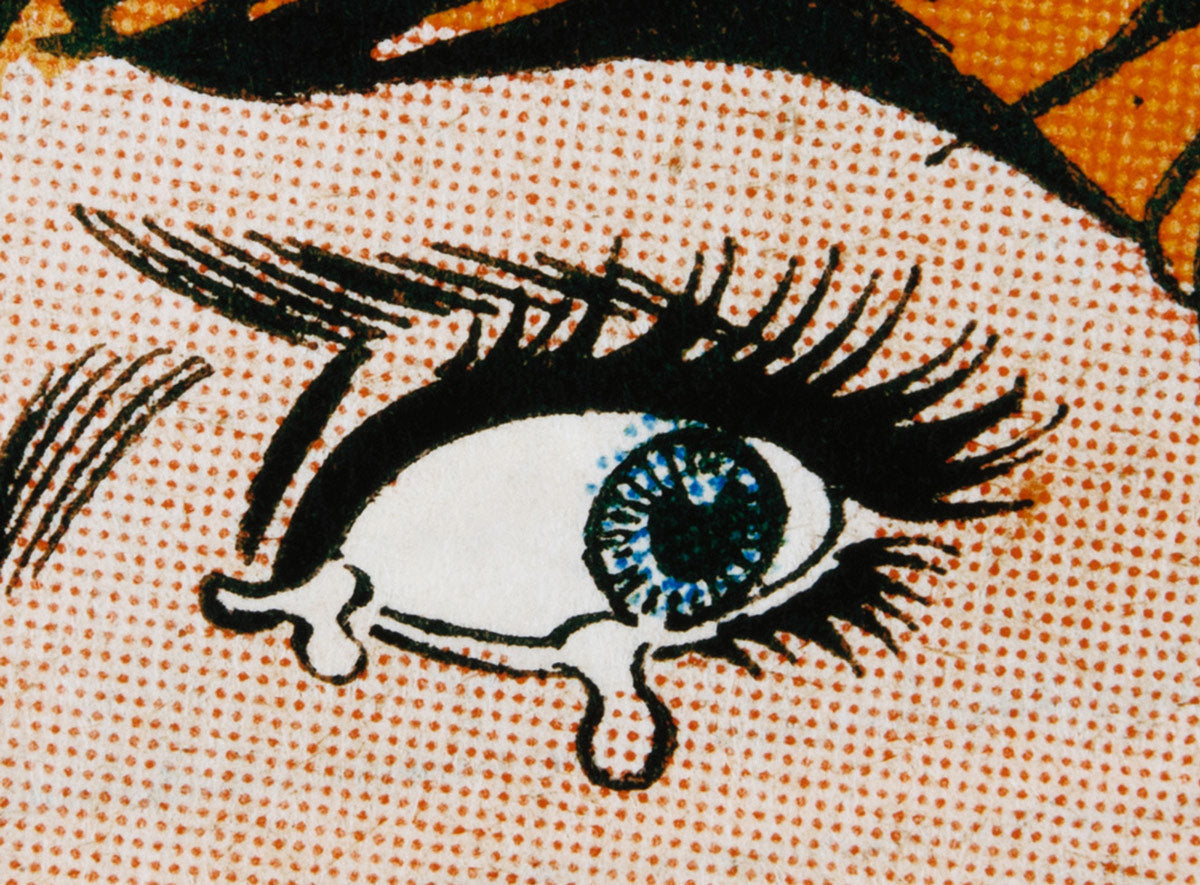
Gary Hume – Misery
Media, Spectacle, and Public Debate
One of the defining characteristics of the Young British Artists (YBAs) was their relationship with the media. Their exhibitions often generated intense public debate, with critics and journalists responding as much to the perceived provocation of the works as to their artistic significance.
This dynamic reached its most visible moment with the exhibition Sensation: Young British Artists from the Saatchi Collection, first presented at the Royal Academy of Arts in London in 1997. Featuring works by artists including Damien Hirst, Tracey Emin, and Chris Ofili, the exhibition attracted enormous attention and controversy, transforming the YBAs into global cultural figures.
For the artists, media visibility became part of the artistic ecosystem. Public reaction—whether admiration, outrage, or fascination—extended the life of the work beyond the gallery space. In this sense, the YBA phenomenon anticipated the media-saturated environment that would later define much of contemporary culture, building on artistic strategies first explored in Pop Art, where engagement with mass media and popular culture became central to artistic practice. Today, works by YBA artists continue to circulate widely through exhibitions and limited edition prints, extending their cultural impact beyond their original context.

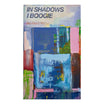
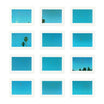
Damien Hirst – Earth (from The Elements)
The Legacy of the YBAs
More than three decades after their emergence, the influence of the Young British Artists (YBAs) remains visible across the contemporary art world. Their impact can be understood on several levels: artistic, institutional, and economic.
First, the YBAs expanded the definition of what contemporary art could be. By embracing unconventional materials and interdisciplinary methods, they helped normalize practices that had once been considered marginal or experimental. Installation, conceptual strategies, and provocative imagery became widely accepted elements of contemporary artistic language.
Second, the YBAs transformed the structure of the art world itself. Their rapid rise demonstrated that artists could construct alternative career paths outside traditional institutional hierarchies. The visibility and market success generated by the movement also contributed to the emergence of new galleries and collectors, reshaping the infrastructure of the contemporary art market.
Finally, the movement altered public perceptions of contemporary art. Through widespread media attention and high-profile exhibitions, the YBAs brought contemporary artistic debates into mainstream cultural discourse. Their prominence played a role in creating the climate of public interest that would later support major institutions such as Tate Modern and London's expanding gallery scene.
Today, many artists associated with the YBAs occupy central positions in museum collections and international exhibitions. What once appeared as youthful provocation has gradually become an integral part of the historical narrative of contemporary art.

Tracey Emin – Sixteen
The YBA Strategy: Multiples and the Power of Circulation
One of the defining lessons of the YBA era is the mastery of circulation. Many works from this movement do not rely solely on their physical presence as singular objects; they exist through documentation, mass-media imagery, and—crucially—high-end editioned formats. This approach allowed the YBAs to bypass traditional gatekeepers and project their ideas directly into the global cultural consciousness.
By embracing prints, photography, and multiples, artists like Damien Hirst and Tracey Emin transformed their visual language into a scalable brand without sacrificing conceptual depth. These formats were not secondary; they were strategic instruments used to dominate the visual landscape. For the contemporary collector, limited edition prints and multiples offer an authentic point of entry into this legacy, representing the very same conviction that art should be seen, owned, and circulated.
Explore our curated selection of limited edition prints and artworks by British artists, including key figures from the YBA generation.
The Young British Artists were the most exciting thing to happen to British art for decades.
Selected questions on the artist’s practice, major artworks, and editions.
Young British Artists (YBAs): A Revolution of British Art: Key Questions


