
Etchings
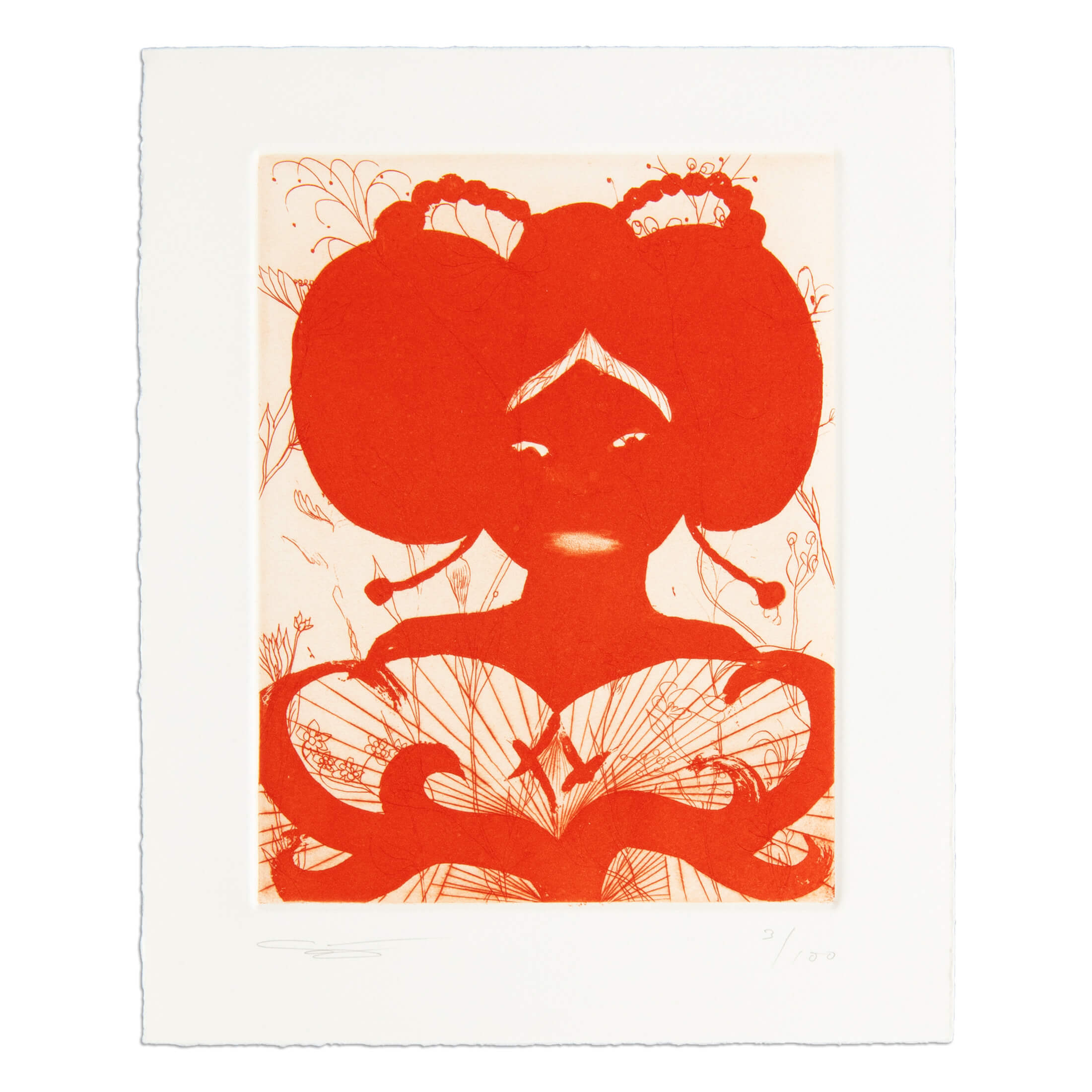
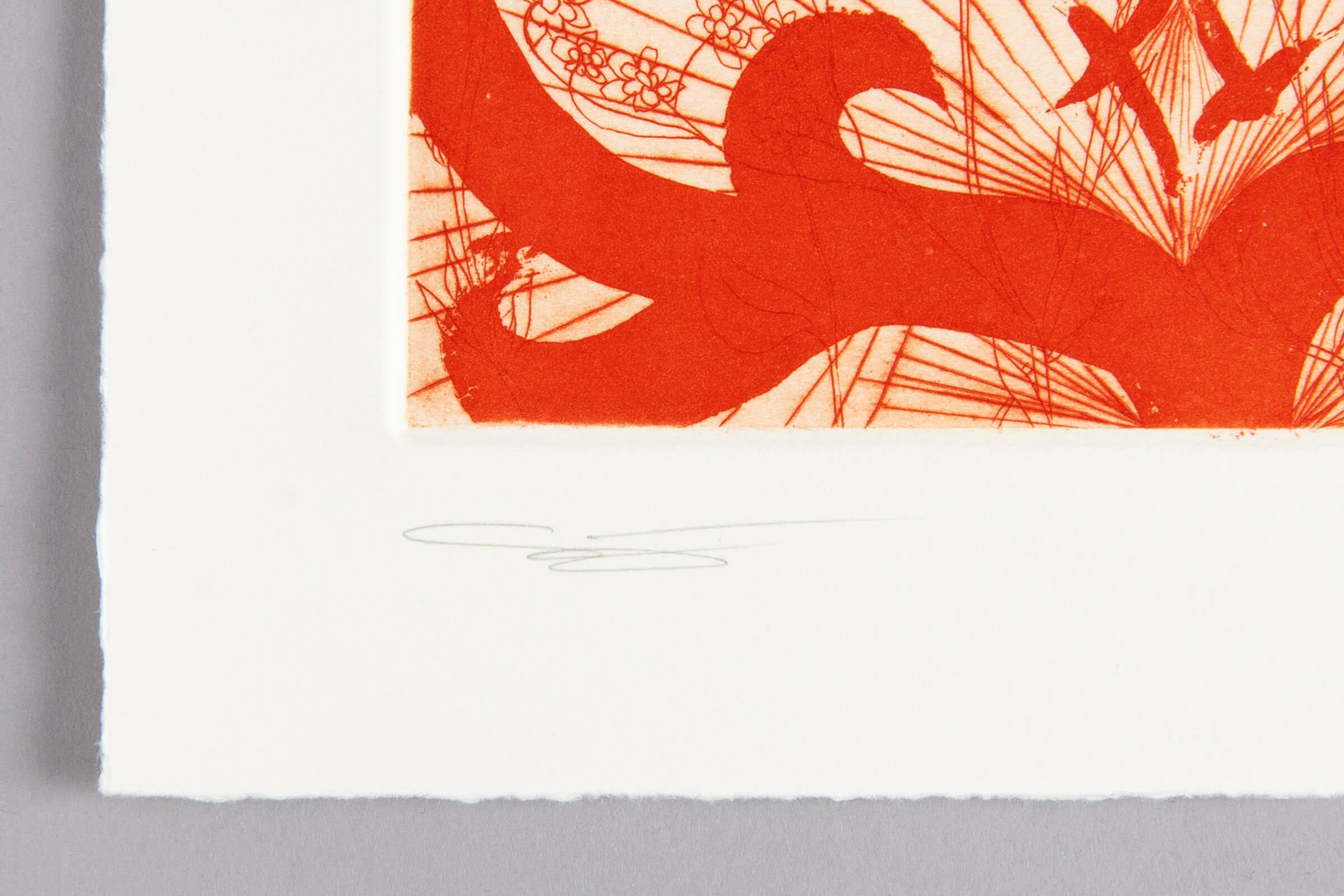
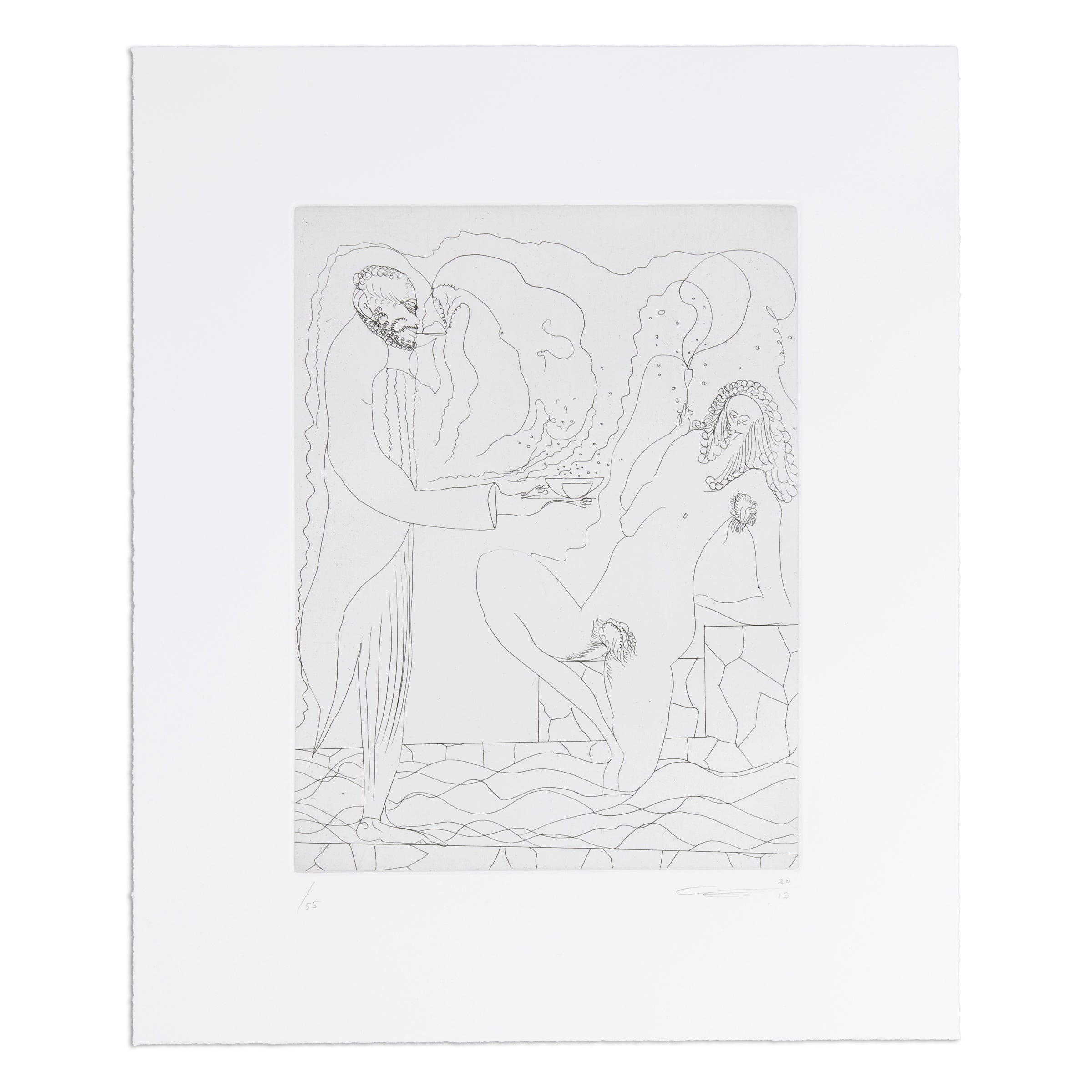
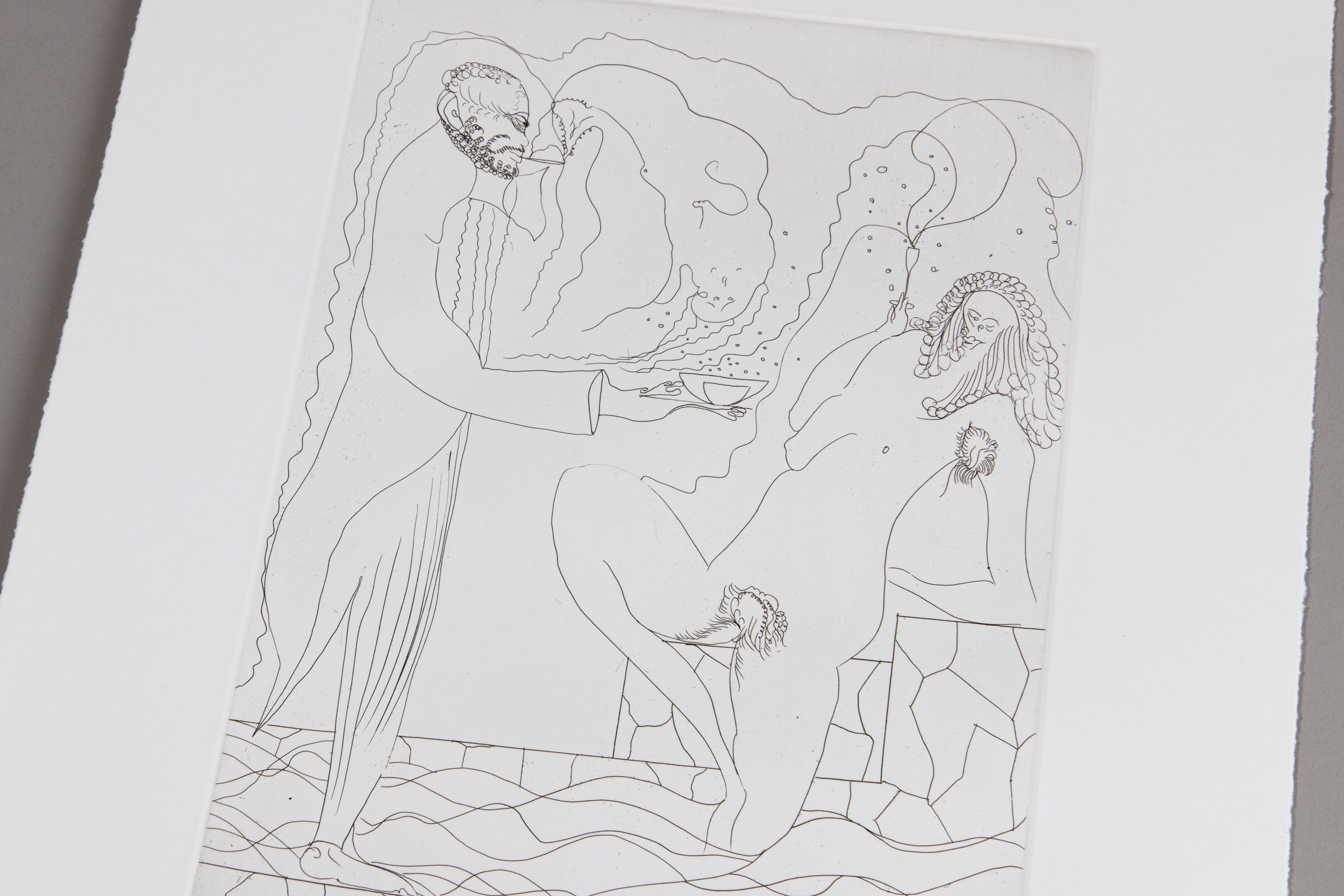
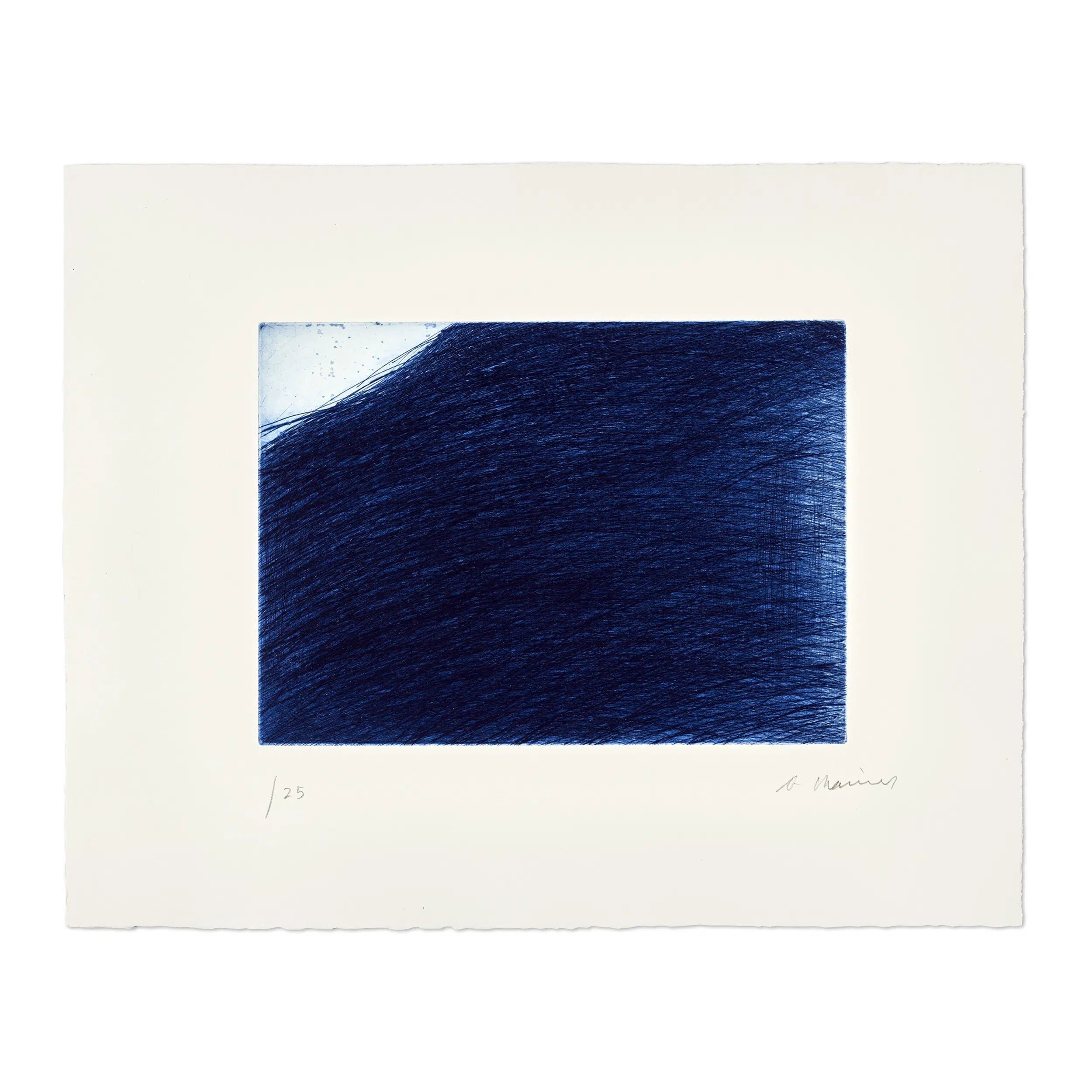
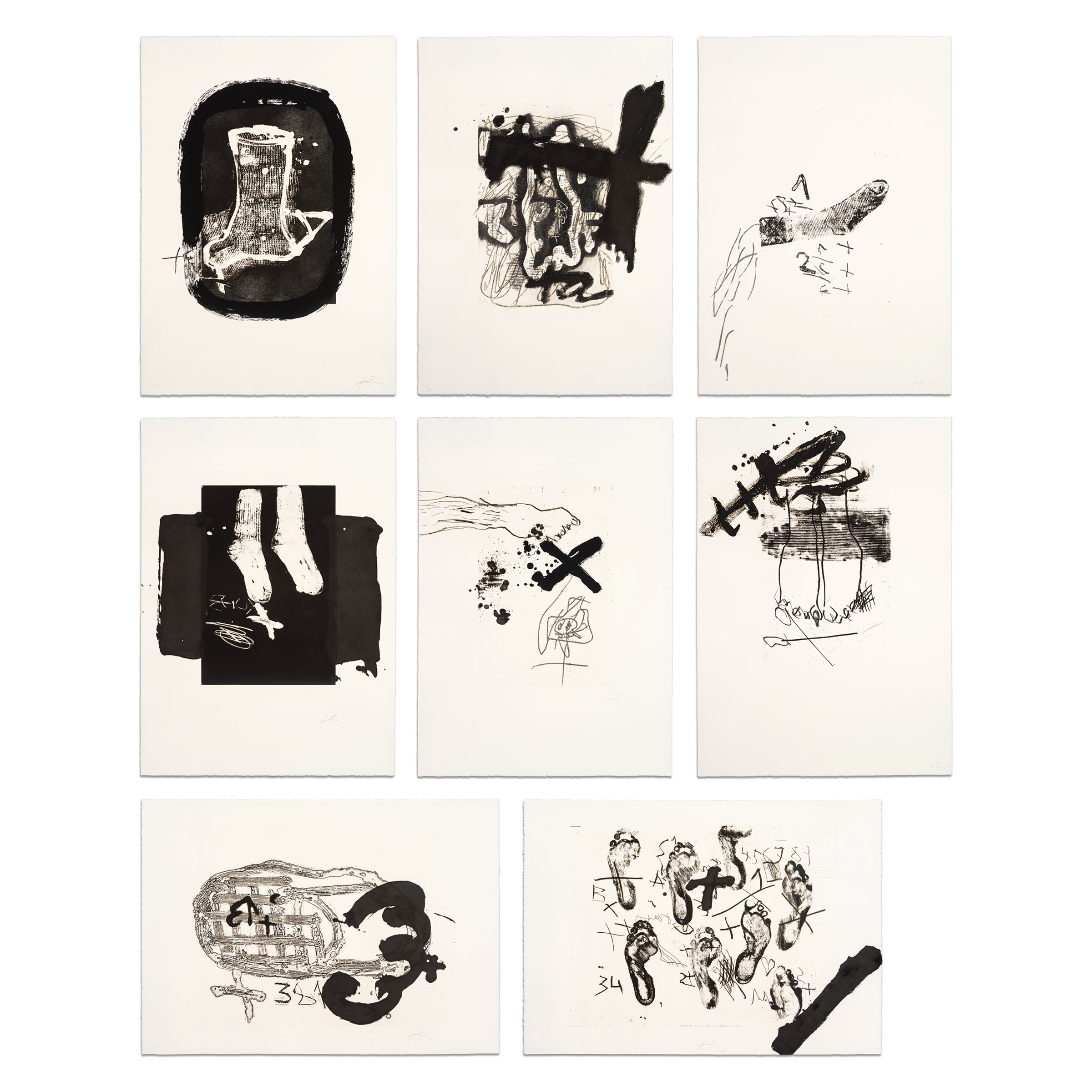
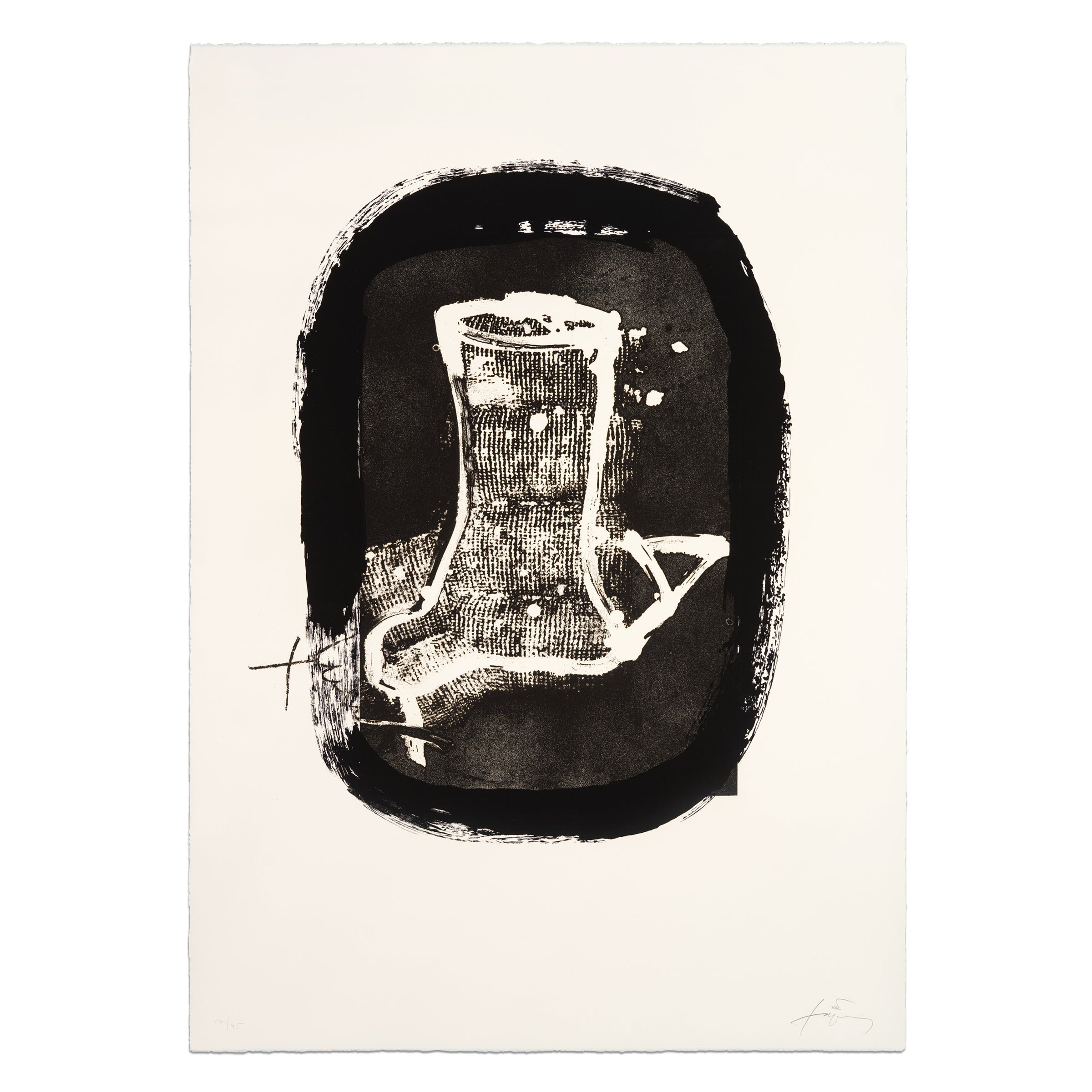
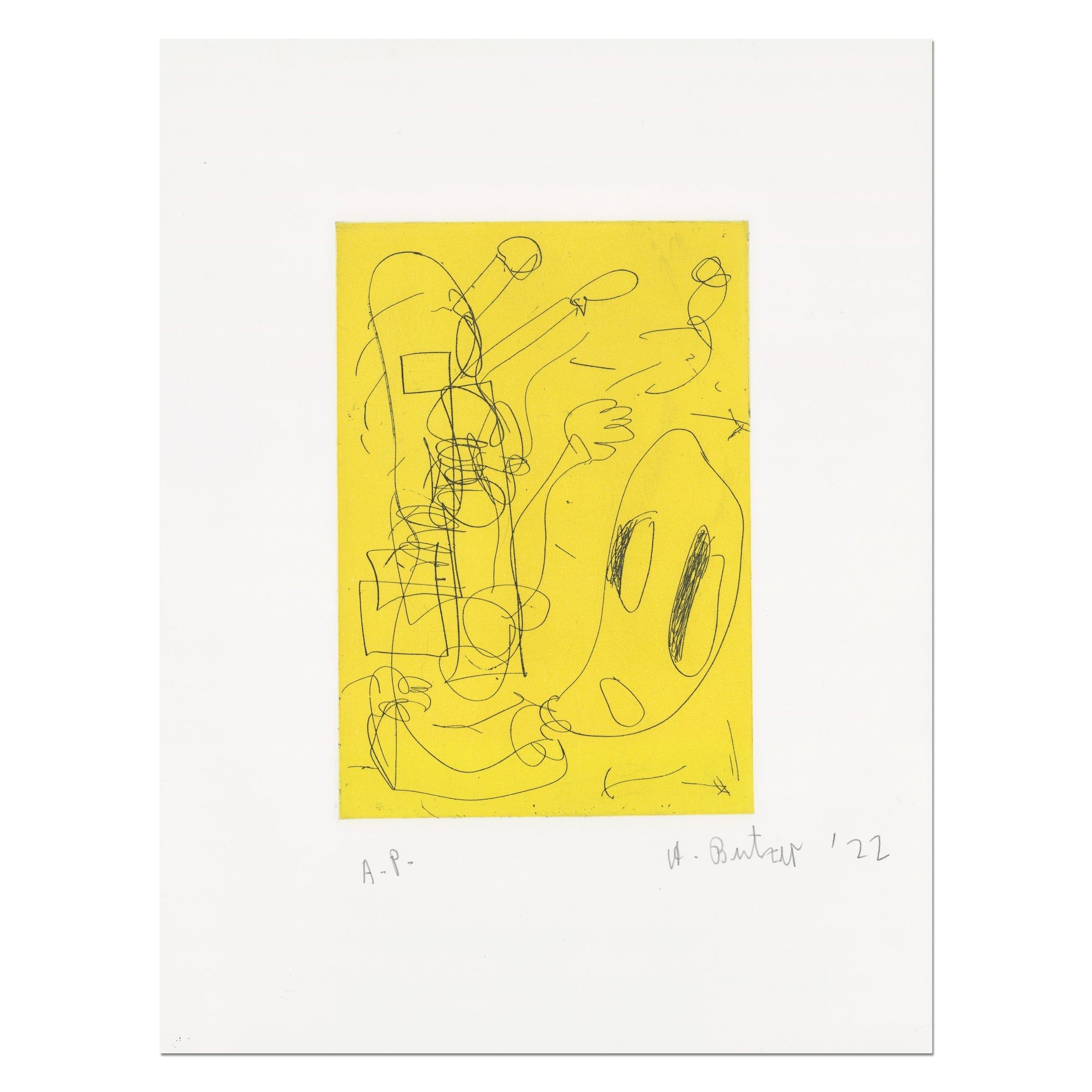
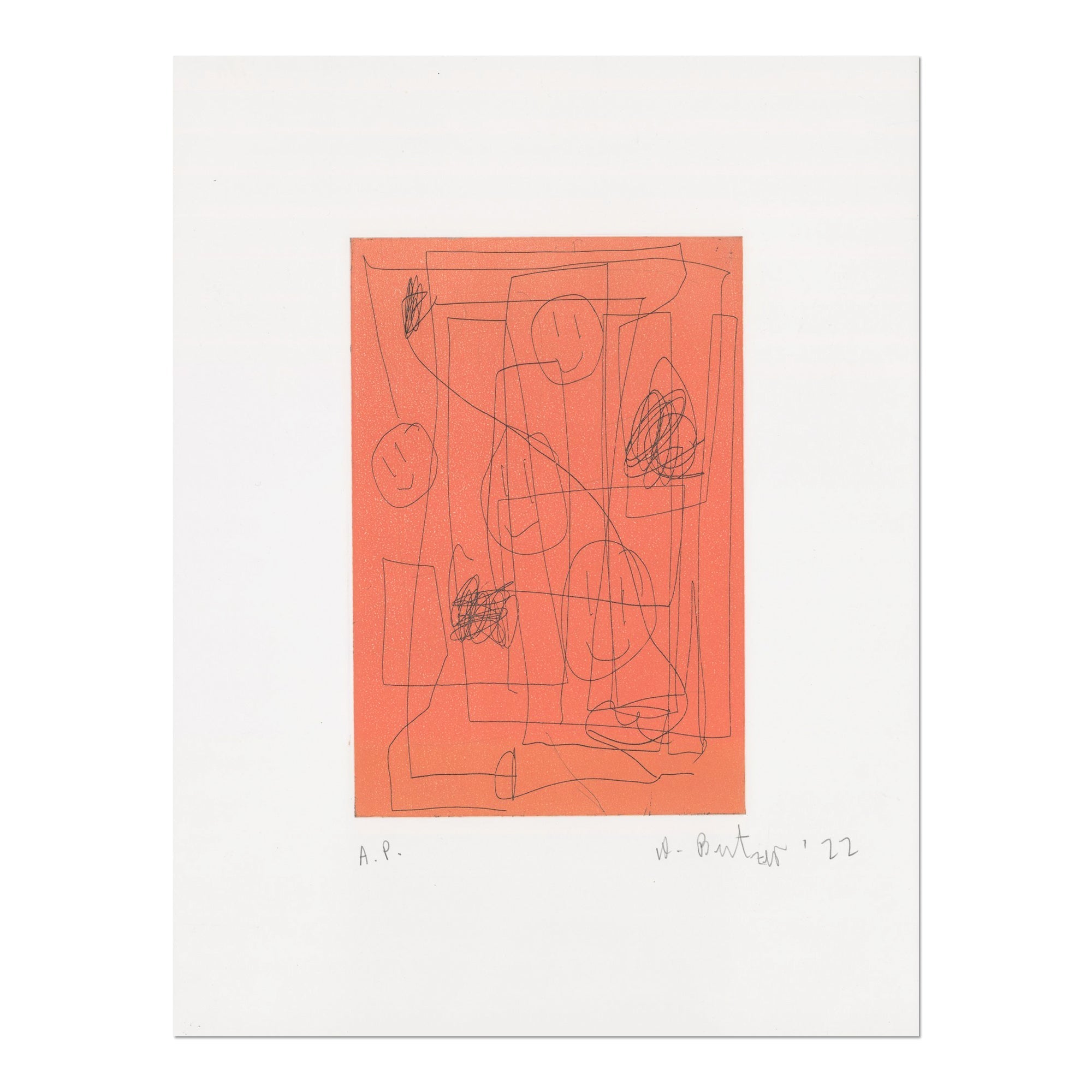
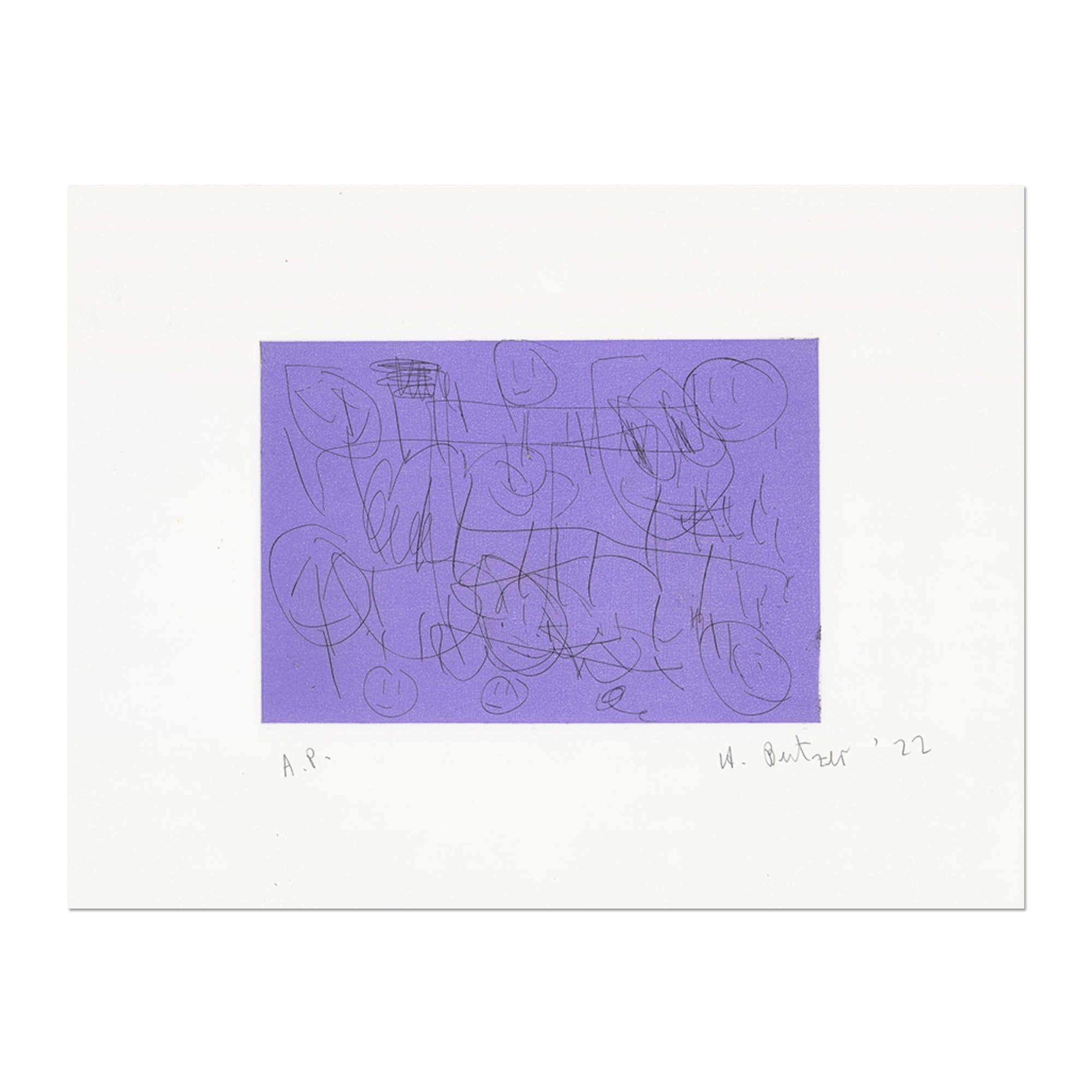
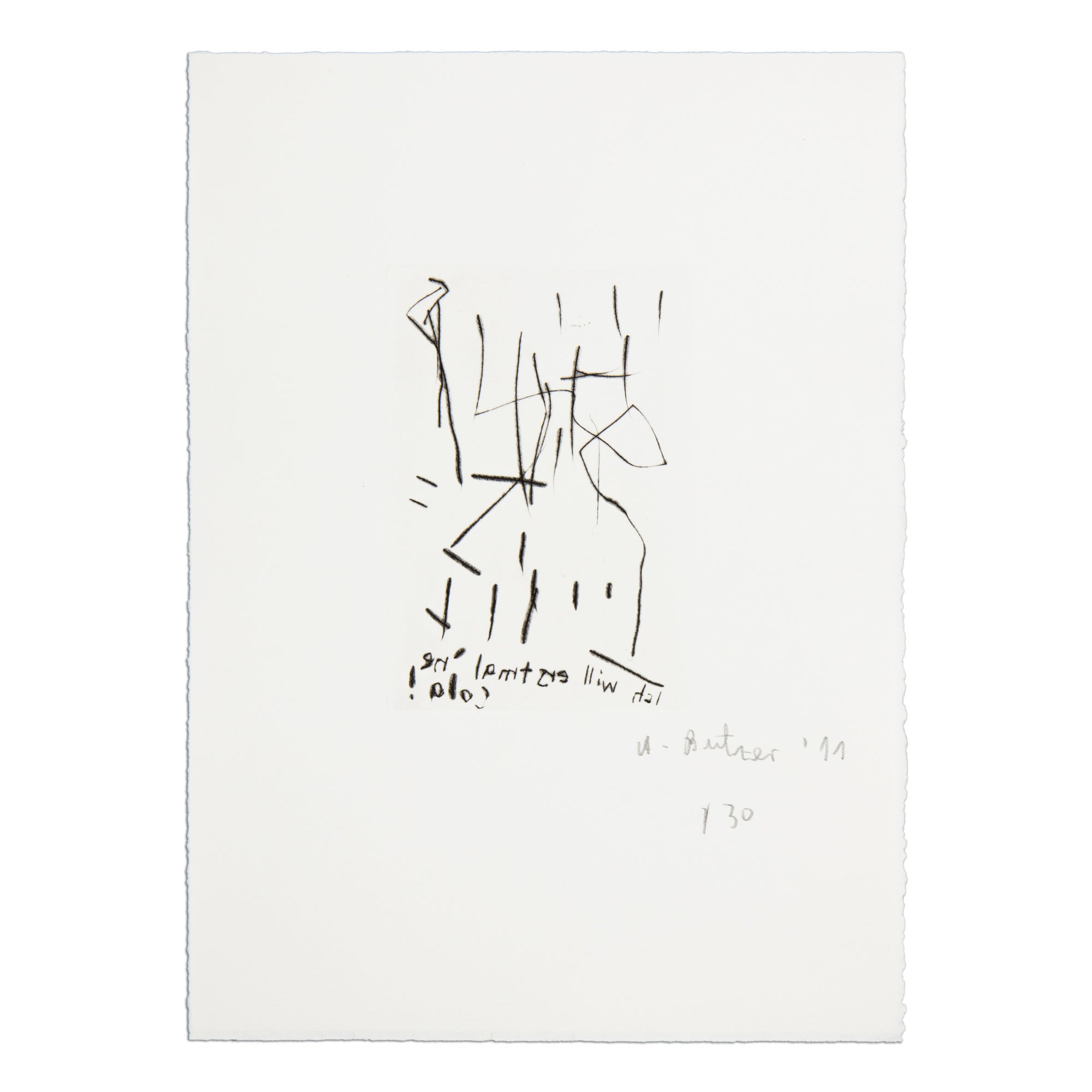
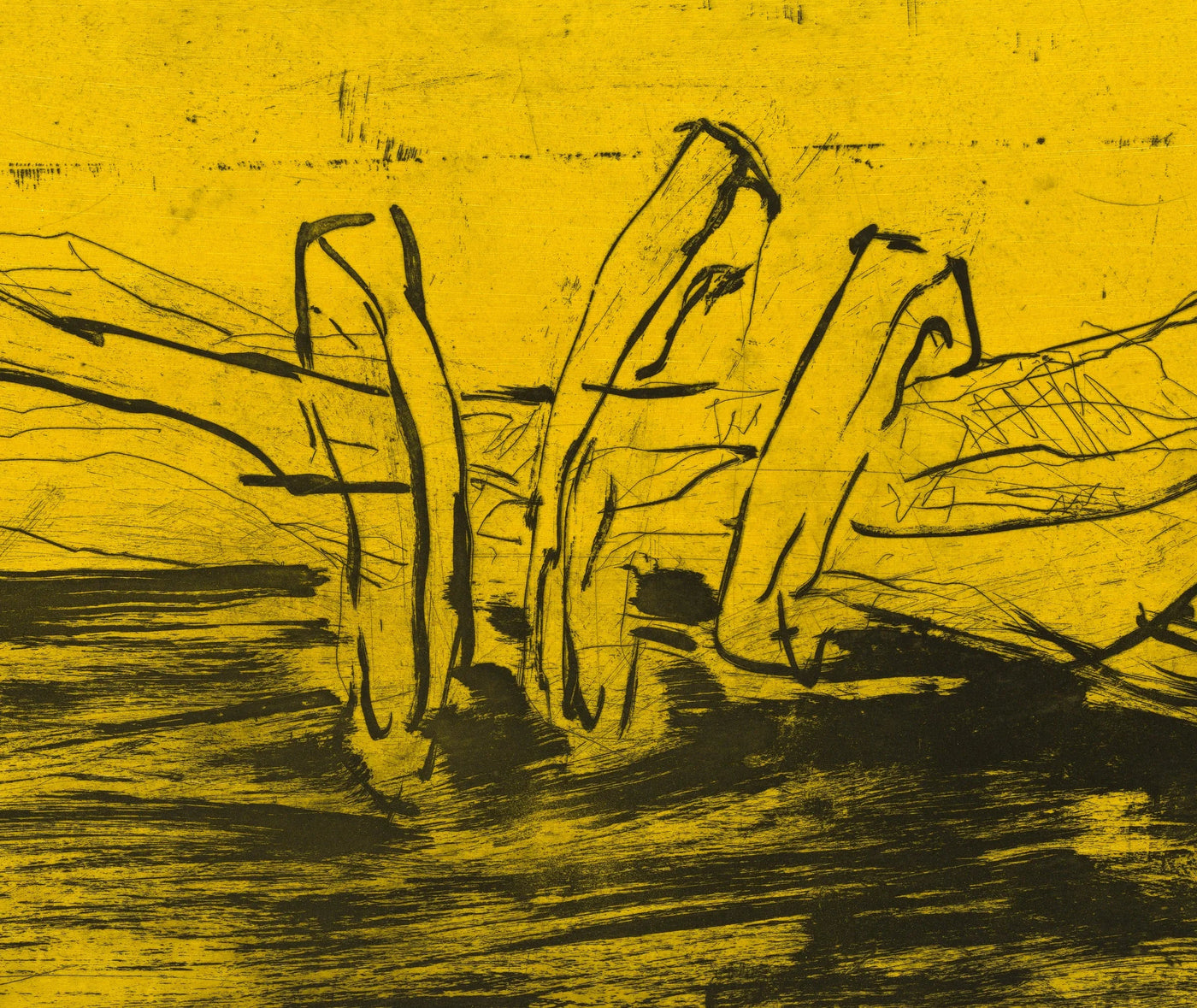
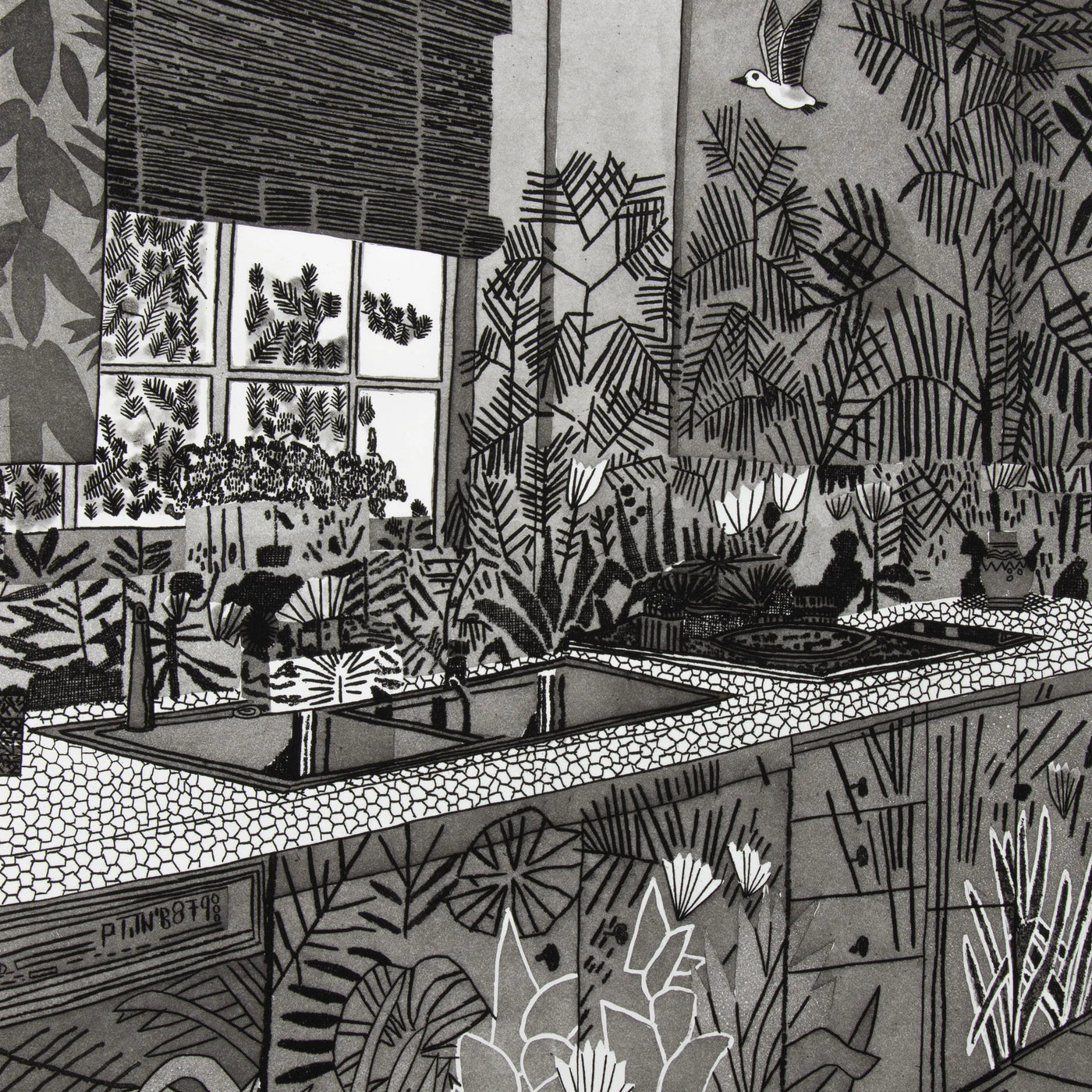
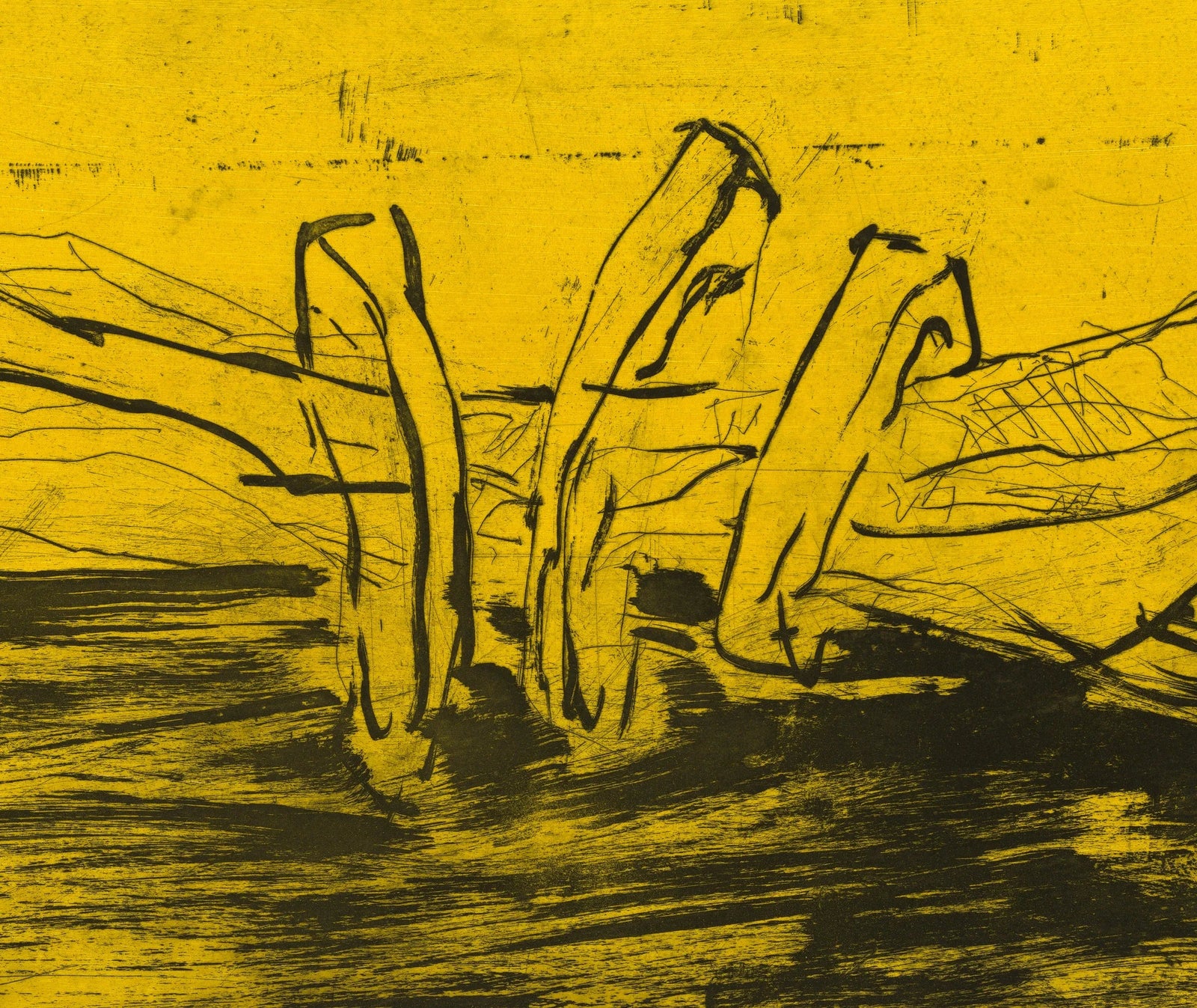
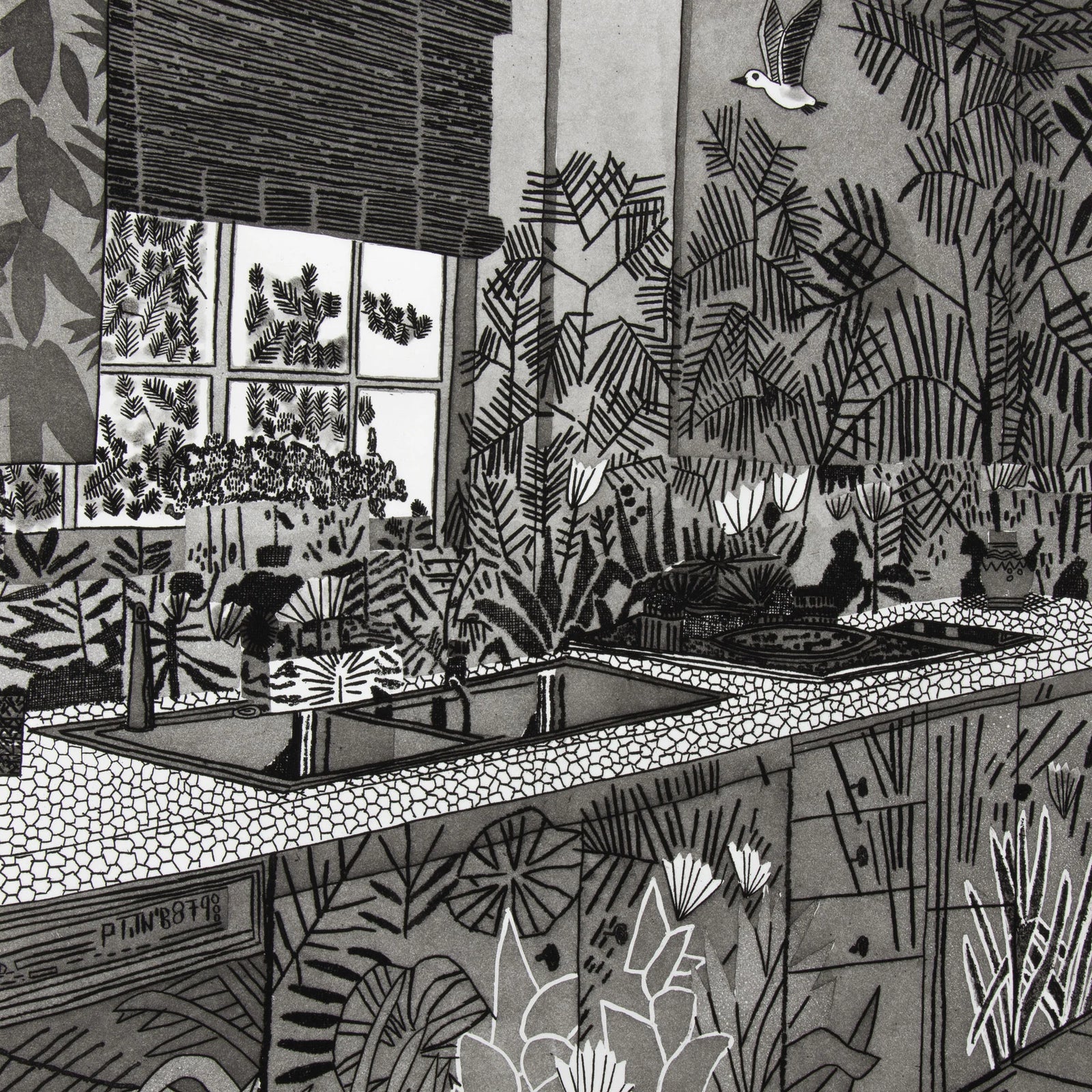
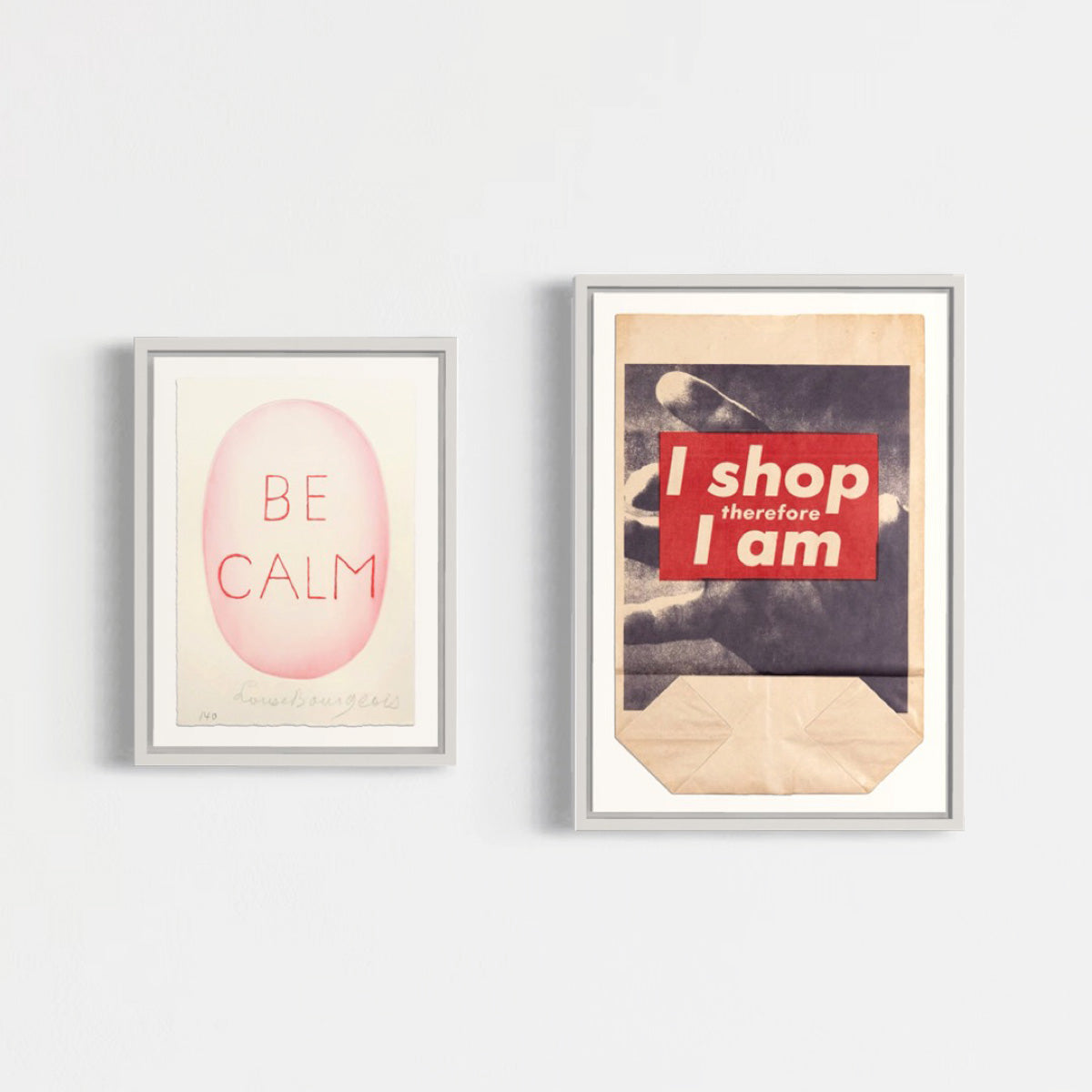
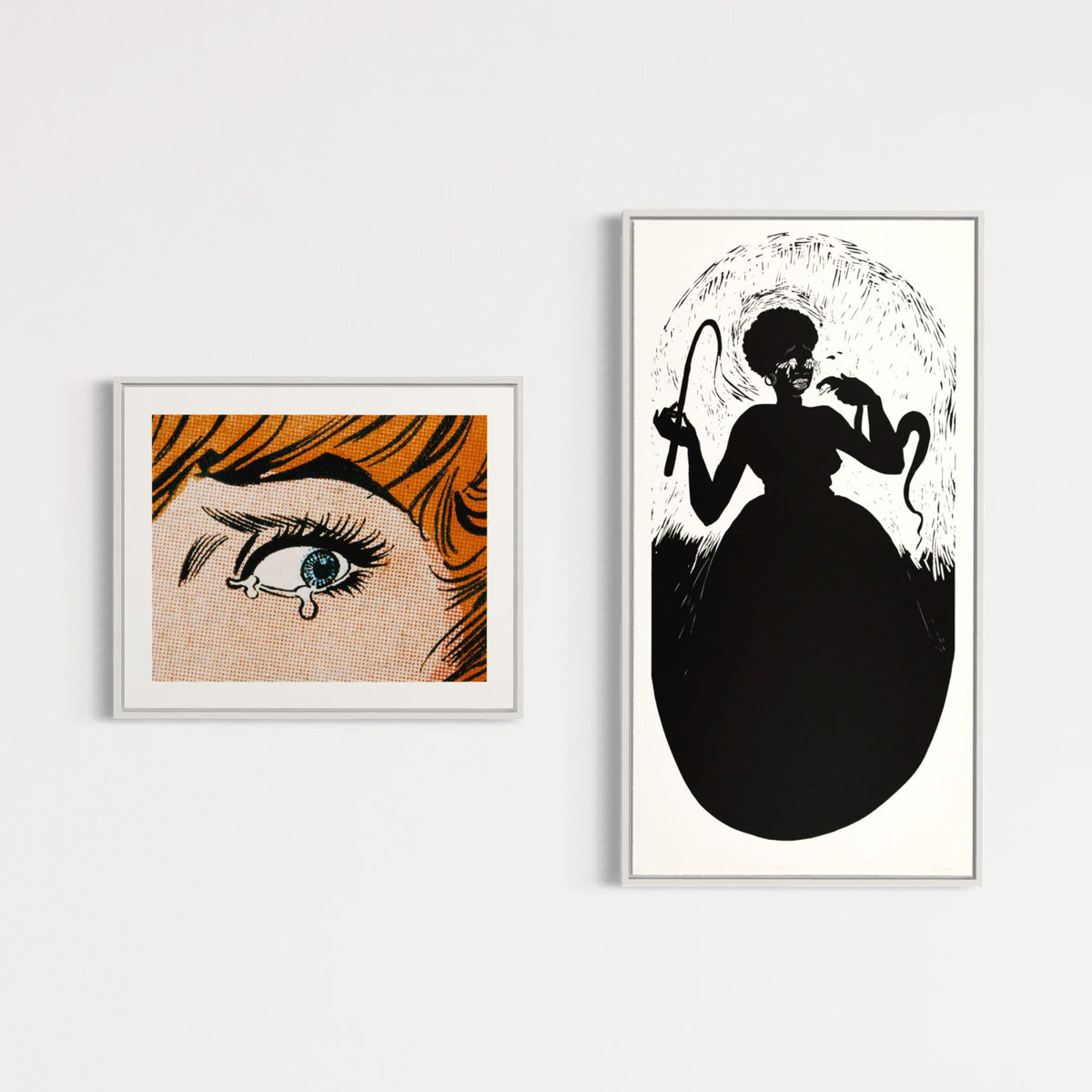
This selection of signed limited edition etchings highlights one of the most important techniques in fine art printmaking. Since the Renaissance, artists have used etching to translate drawing into prints with precision and expressive line. Aquatint adds tonal shading, while drypoint produces dark, ink-rich lines formed by the burr. Today, etchings remain highly valued by collectors for their craftsmanship and artistic depth.
Filters
54 products
Artists Working with Etchings

Etchings are original prints created through an intaglio process in which lines or textures are incised into a metal plate that holds ink for printing. The artist draws on a wax-coated plate with a sharp needle, exposing the metal beneath; the plate is then placed in acid, which bites into the exposed areas and creates recessed lines that will retain ink.
Unlike relief techniques such as woodcut or linocut, where the image is printed from raised surfaces, intaglio methods such as etching print from ink held below the surface of the plate. During printing, the plate is inked and wiped clean so that ink remains only in the incised lines. Damp paper is then pressed into the plate under high pressure, drawing the ink from the grooves and transferring the image to the sheet.
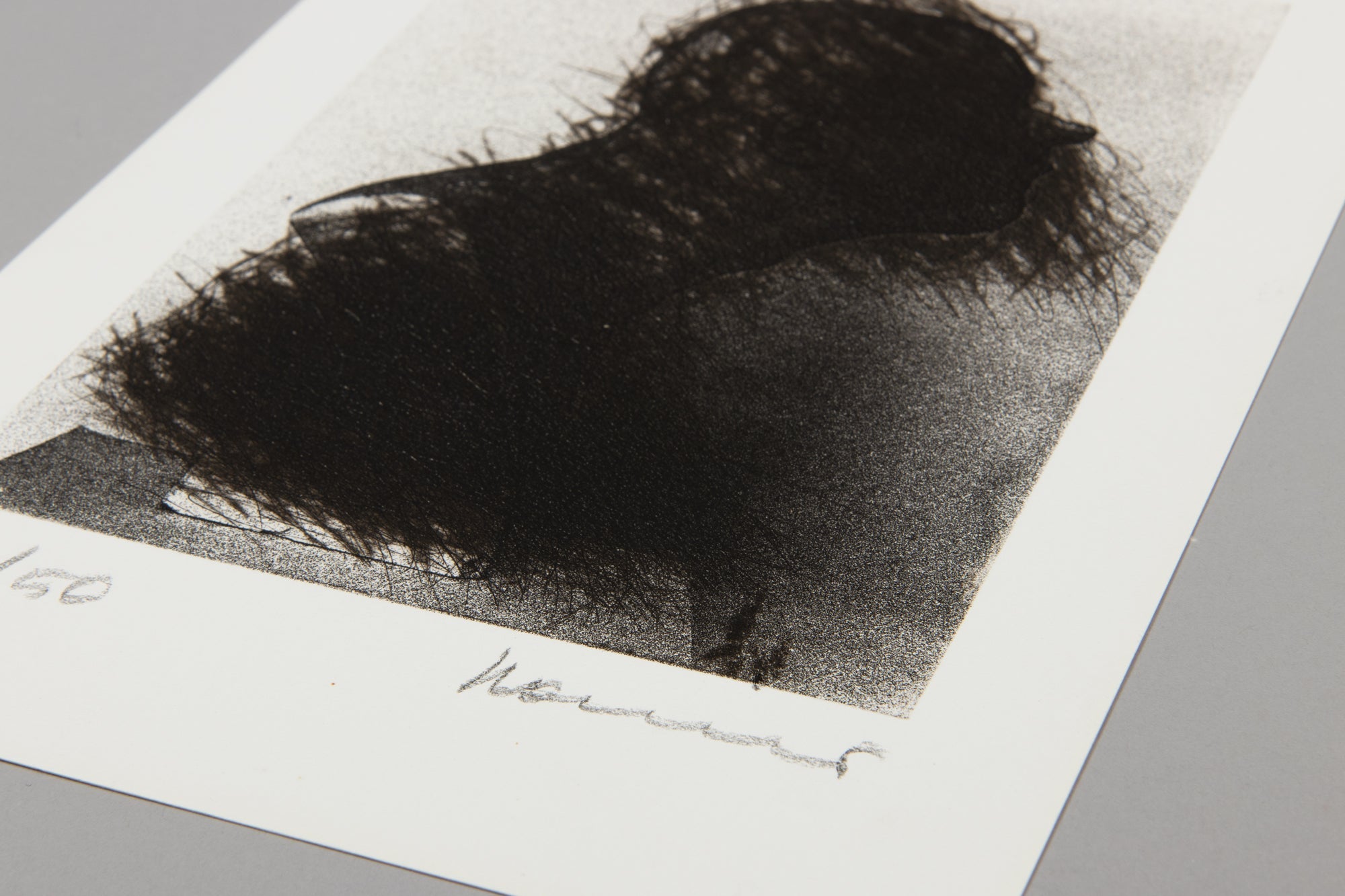
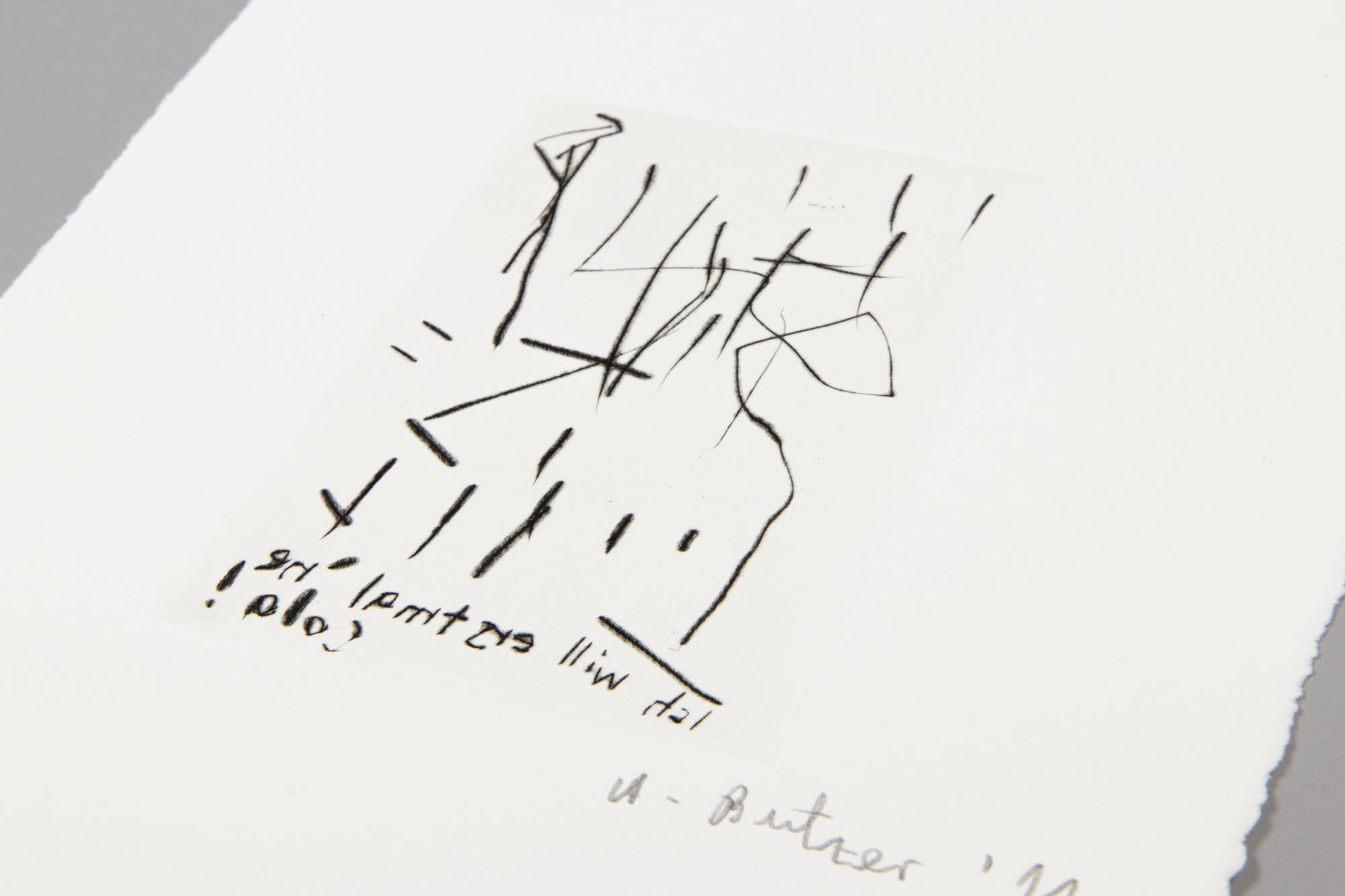
Etching is often used as an umbrella term for several related intaglio techniques. These include aquatint, which produces areas of tone, and drypoint, a process in which the artist scratches directly into the metal plate without using acid. The needle raises a ridge of displaced metal known as a burr, which traps additional ink and prints as a dark, slightly feathery line. Although the term “drypoint etching” is sometimes used informally, printmaking purists typically consider drypoint a distinct form of engraving rather than true etching.
Since the Renaissance, etching and its related techniques have played a central role in the history of printmaking, prized for their ability to translate drawing into prints with remarkable precision and expressive nuance. Signed limited edition etchings remain widely collected today as refined works of graphic art.

Etchings begin with a polished metal plate, traditionally copper or zinc, which is coated with an acid-resistant ground. The artist draws the image into this surface using a needle, exposing the metal wherever lines are intended. When the plate is placed in an acid bath, the acid bites into the exposed areas, creating recessed grooves that will hold ink during printing.
After the etching process is complete, the ground is removed and ink is worked into the incised lines. The surface of the plate is wiped clean so that ink remains only in the recessed areas. When damp paper and the plate are passed through a printing press, the pressure forces the paper into the grooves, pulling the ink from the plate and producing the final print.
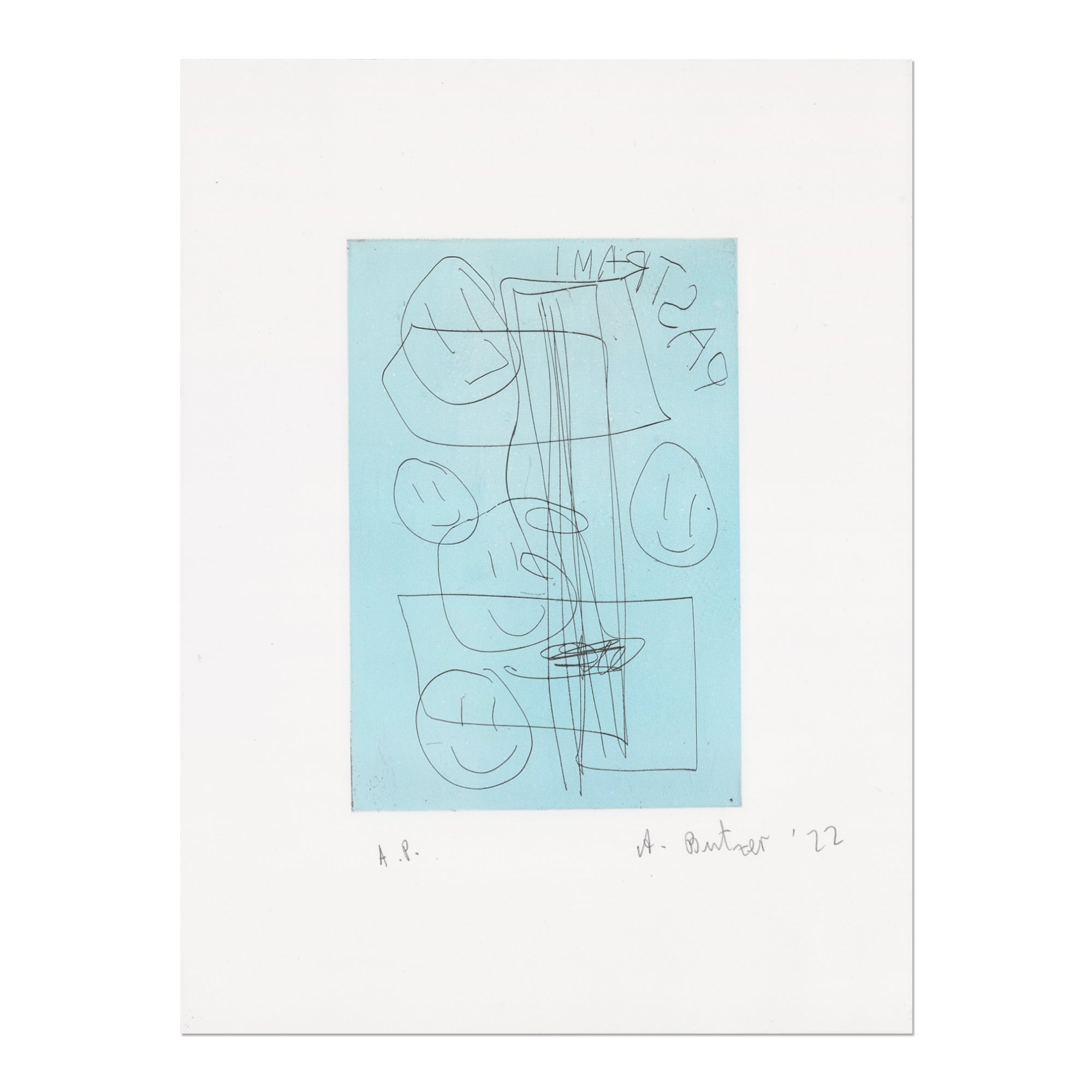
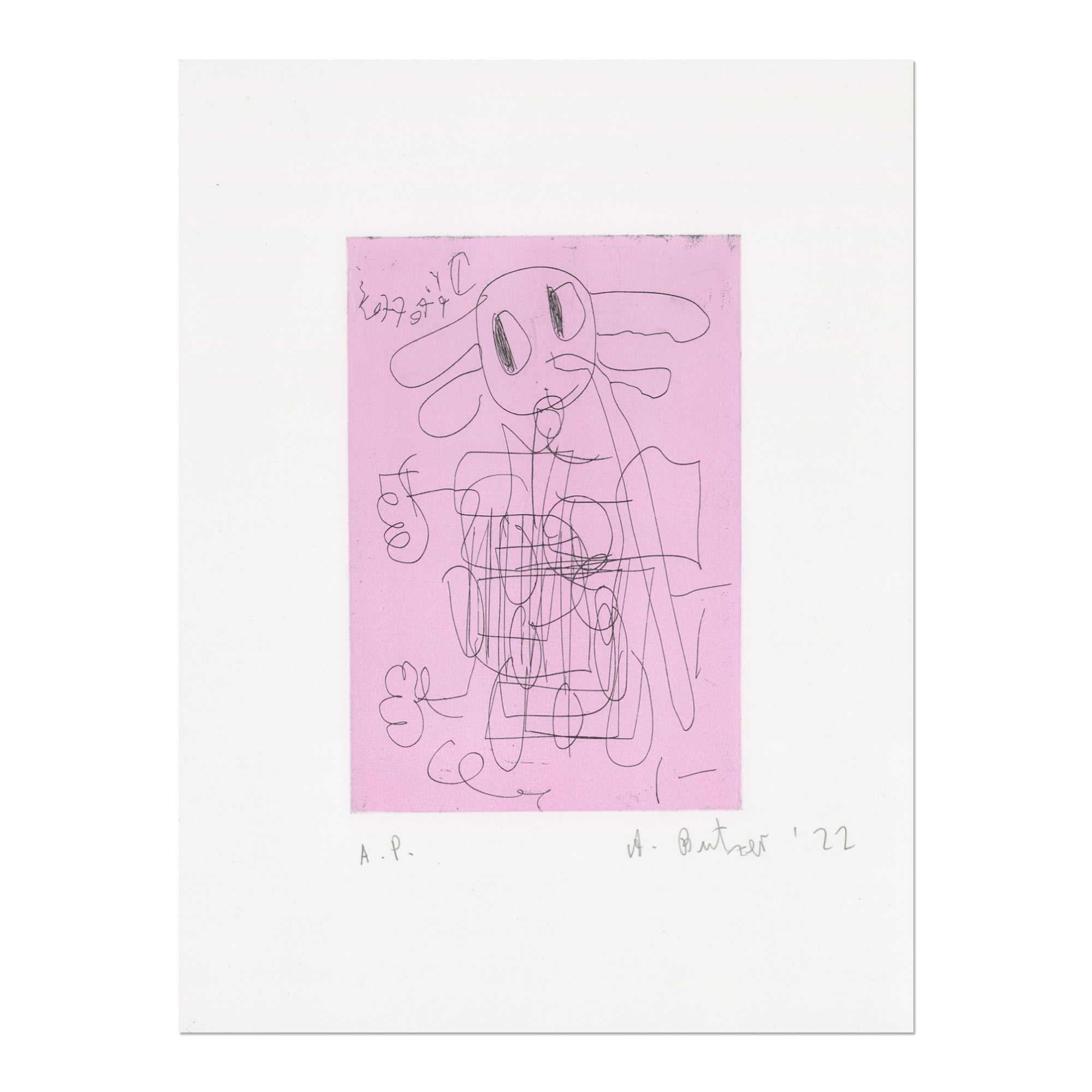
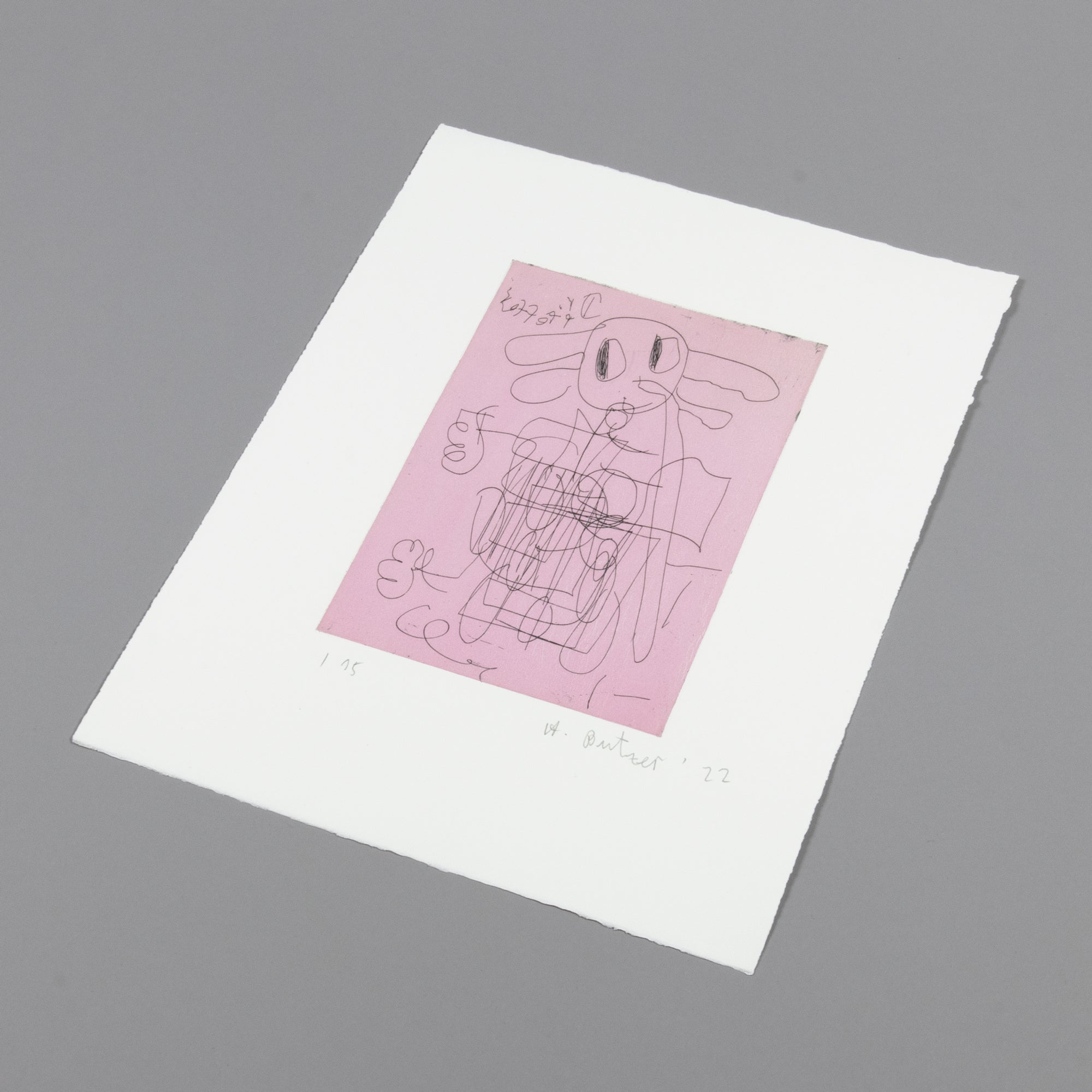
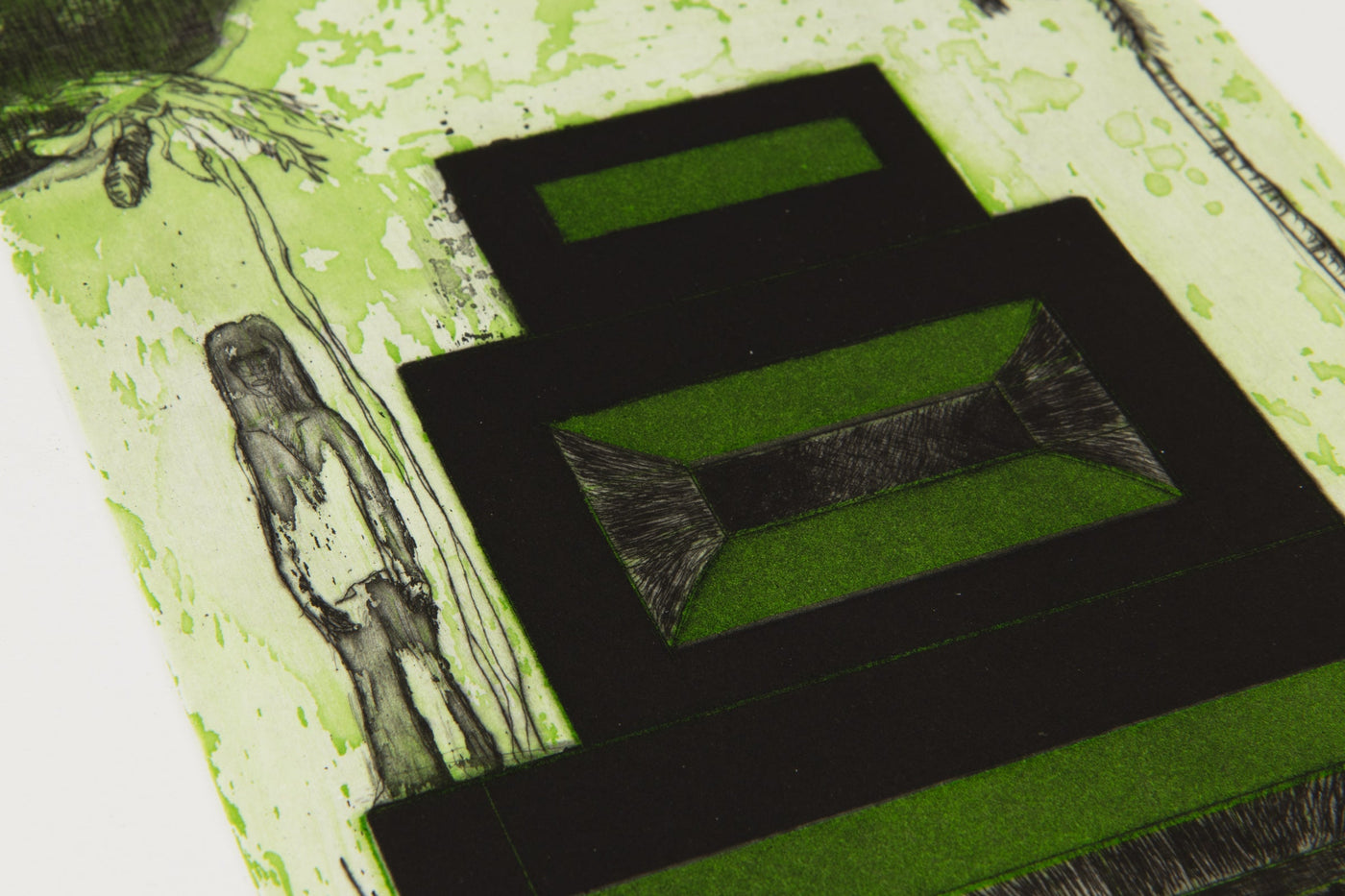
Artists often combine several intaglio techniques on the same plate. Aquatint introduces tonal passages by coating the plate with a fine granular ground and etching around the particles to create shaded areas resembling ink or watercolor washes. Drypoint, by contrast, is created by scratching directly into the metal plate with a sharp needle, without the use of acid. The process raises a small ridge of displaced metal known as a burr, which traps ink and prints as a darker, slightly soft-edged line.
In contemporary printmaking, etchings are frequently produced in collaboration with master printers. These specialists help translate drawings or concepts into printable plates, advising on factors such as plate preparation, biting times, paper choice, and wiping techniques. Through a sequence of proofs, artist and printer refine the image before the final edition is printed, ensuring consistency and technical precision across every impression.

Artists have long chosen etching because it allows printmaking to function much like drawing. The needle moves freely across the plate, enabling artists to create fluid lines and subtle variations in weight, darkness, and texture. This direct relationship between hand and mark gives etching a distinctive expressive quality that differs from more mechanical printing methods.
The technique also offers exceptional versatility. Etched line can be combined with aquatint to create atmospheric tonal passages or with drypoint to introduce darker, ink-rich marks with softly feathered edges. These variations allow artists to move between precise linear description and painterly tonal effects within the same print.
Etching also lends itself well to experimentation and revision. Plates can be reworked, re-bitten, or printed in successive states, allowing artists to refine the image over time. This iterative process has historically attracted artists interested in exploring composition, light, and psychological nuance.
Within the wider field of printmaking, etching occupies a distinctive position. Lithography is often chosen for its fluid drawing qualities, while screenprinting is known for bold color and graphic precision. Relief techniques such as woodcut and linocut emphasize carved form and strong contrast. Etching, by contrast, is particularly valued for its nuanced line, tonal richness, and capacity to capture intimate detail.
Because the incised metal plates gradually wear during printing, etchings are typically produced in relatively small editions compared with techniques such as lithography or screenprinting. This physical limitation has historically contributed to their desirability, as each signed impression reflects both the delicacy of the process and the craftsmanship involved in producing the edition.
For these reasons, etching and its related techniques remain among the most respected methods in fine art printmaking, offering artists a powerful combination of expressive freedom, technical depth, and the ability to produce original prints in carefully controlled limited editions.
Etchings are original prints created through an intaglio process in which lines or textures are incised into a metal plate that holds ink for printing. The artist draws on a wax-coated plate with a sharp needle, exposing the metal beneath; the plate is then placed in acid, which bites into the exposed areas and creates recessed lines that will retain ink.
Unlike relief techniques such as woodcut or linocut, where the image is printed from raised surfaces, intaglio methods such as etching print from ink held below the surface of the plate. During printing, the plate is inked and wiped clean so that ink remains only in the incised lines. Damp paper is then pressed into the plate under high pressure, drawing the ink from the grooves and transferring the image to the sheet.
Etching is often used as an umbrella term for several related intaglio techniques. These include aquatint, which produces areas of tone, and drypoint, a process in which the artist scratches directly into the metal plate without using acid. The needle raises a ridge of displaced metal known as a burr, which traps additional ink and prints as a dark, slightly feathery line. Although the term “drypoint etching” is sometimes used informally, printmaking purists typically consider drypoint a distinct form of engraving rather than true etching.
Since the Renaissance, etching and its related techniques have played a central role in the history of printmaking, prized for their ability to translate drawing into prints with remarkable precision and expressive nuance. Signed limited edition etchings remain widely collected today as refined works of graphic art.
Etchings begin with a polished metal plate, traditionally copper or zinc, which is coated with an acid-resistant ground. The artist draws the image into this surface using a needle, exposing the metal wherever lines are intended. When the plate is placed in an acid bath, the acid bites into the exposed areas, creating recessed grooves that will hold ink during printing.
After the etching process is complete, the ground is removed and ink is worked into the incised lines. The surface of the plate is wiped clean so that ink remains only in the recessed areas. When damp paper and the plate are passed through a printing press, the pressure forces the paper into the grooves, pulling the ink from the plate and producing the final print.
Artists often combine several intaglio techniques on the same plate. Aquatint introduces tonal passages by coating the plate with a fine granular ground and etching around the particles to create shaded areas resembling ink or watercolor washes. Drypoint, by contrast, is created by scratching directly into the metal plate with a sharp needle, without the use of acid. The process raises a small ridge of displaced metal known as a burr, which traps ink and prints as a darker, slightly soft-edged line.
In contemporary printmaking, etchings are frequently produced in collaboration with master printers. These specialists help translate drawings or concepts into printable plates, advising on factors such as plate preparation, biting times, paper choice, and wiping techniques. Through a sequence of proofs, artist and printer refine the image before the final edition is printed, ensuring consistency and technical precision across every impression.
Artists have long chosen etching because it allows printmaking to function much like drawing. The needle moves freely across the plate, enabling artists to create fluid lines and subtle variations in weight, darkness, and texture. This direct relationship between hand and mark gives etching a distinctive expressive quality that differs from more mechanical printing methods.
The technique also offers exceptional versatility. Etched line can be combined with aquatint to create atmospheric tonal passages or with drypoint to introduce darker, ink-rich marks with softly feathered edges. These variations allow artists to move between precise linear description and painterly tonal effects within the same print.
Etching also lends itself well to experimentation and revision. Plates can be reworked, re-bitten, or printed in successive states, allowing artists to refine the image over time. This iterative process has historically attracted artists interested in exploring composition, light, and psychological nuance.
Within the wider field of printmaking, etching occupies a distinctive position. Lithography is often chosen for its fluid drawing qualities, while screenprinting is known for bold color and graphic precision. Relief techniques such as woodcut and linocut emphasize carved form and strong contrast. Etching, by contrast, is particularly valued for its nuanced line, tonal richness, and capacity to capture intimate detail.
Because the incised metal plates gradually wear during printing, etchings are typically produced in relatively small editions compared with techniques such as lithography or screenprinting. This physical limitation has historically contributed to their desirability, as each signed impression reflects both the delicacy of the process and the craftsmanship involved in producing the edition.
For these reasons, etching and its related techniques remain among the most respected methods in fine art printmaking, offering artists a powerful combination of expressive freedom, technical depth, and the ability to produce original prints in carefully controlled limited editions.


Other Printmaking Techniques
Limited edition prints are created using a range of traditional printmaking techniques, each with distinct visual qualities. Lithographs translate drawing into print, screenprints build images through layered color, woodcuts create bold graphic compositions from carved blocks, and pigment prints translate photographic or digital images into finely detailed editions. Learn more in our Glossary of Editions.

Buy art online
Shop art editions online with transparent pricing, accurate condition reports, and fast dispatch. Designed for international collectors, we make buying limited edition prints and artworks simple, secure, and reliable.
Worldwide shipping
We ship art editions worldwide with full insurance and tracking. Handled only by trusted international carriers, each shipment is securely packaged and typically dispatched within 5 days.
Professional packaging
Every artwork is packaged to the highest professional standards. Using solid multi-layer cardboard and protective materials, we ensure your art editions arrive safely and in excellent condition.
Secure payment
Buy with confidence using secure, encrypted payments backed by advanced fraud protection. Every transaction is processed with trusted technology, ensuring a smooth and worry-free checkout for collectors worldwide.