Contemporary Photography

Photography spent decades arguing for its legitimacy as fine art. That argument is settled. Since the Düsseldorf School produced Ruff, Struth, and Höfer, and since Tillmans won the Turner Prize in 2000, the question is no longer whether photography belongs in museum collections — it does — but which photographs repay sustained attention. The works here approach the image as a constructed statement rather than a faithful record of reality. Signed editions in strictly limited runs.

Browse signed contemporary photography prints and editions now.

Filters

Sort by:

49 products

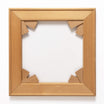
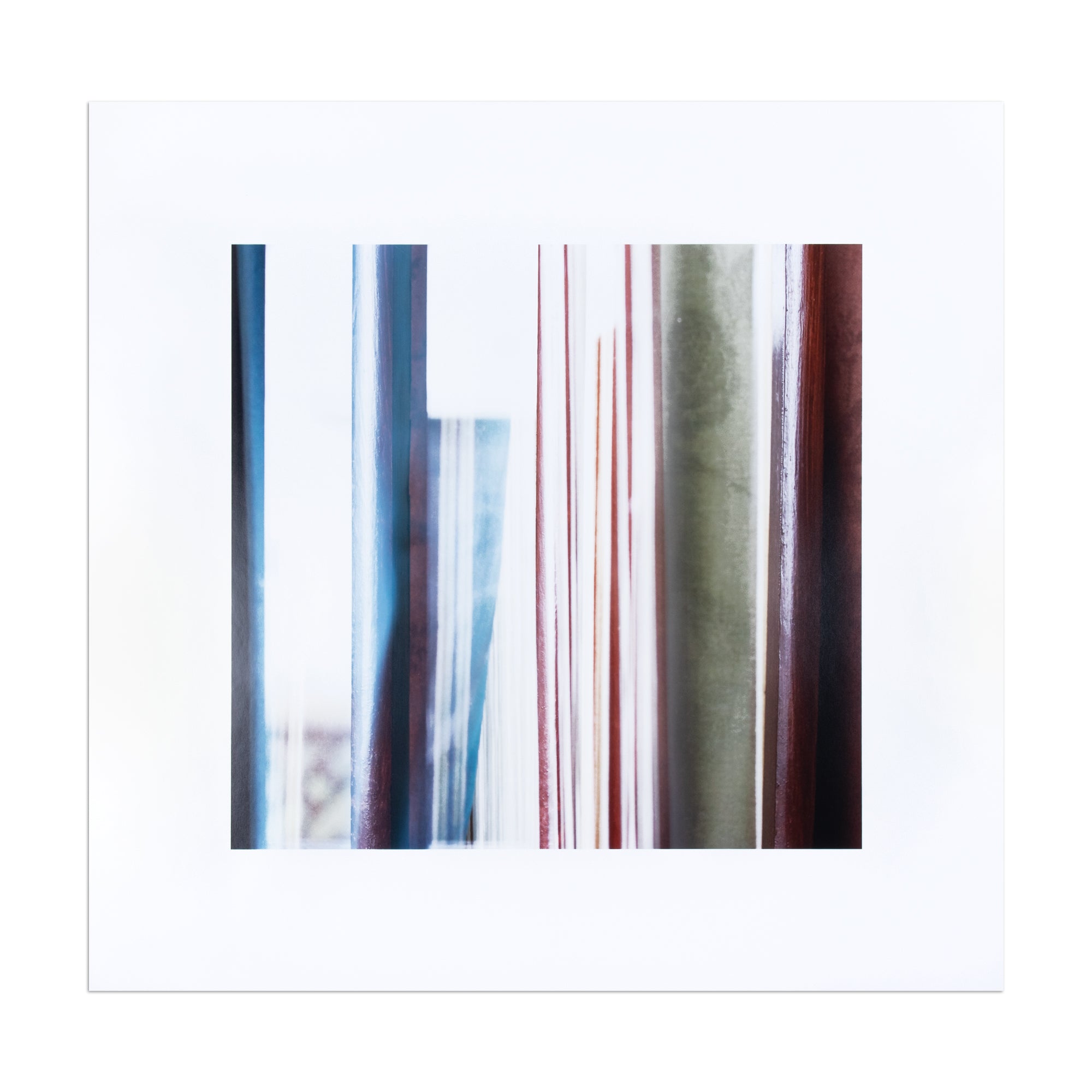
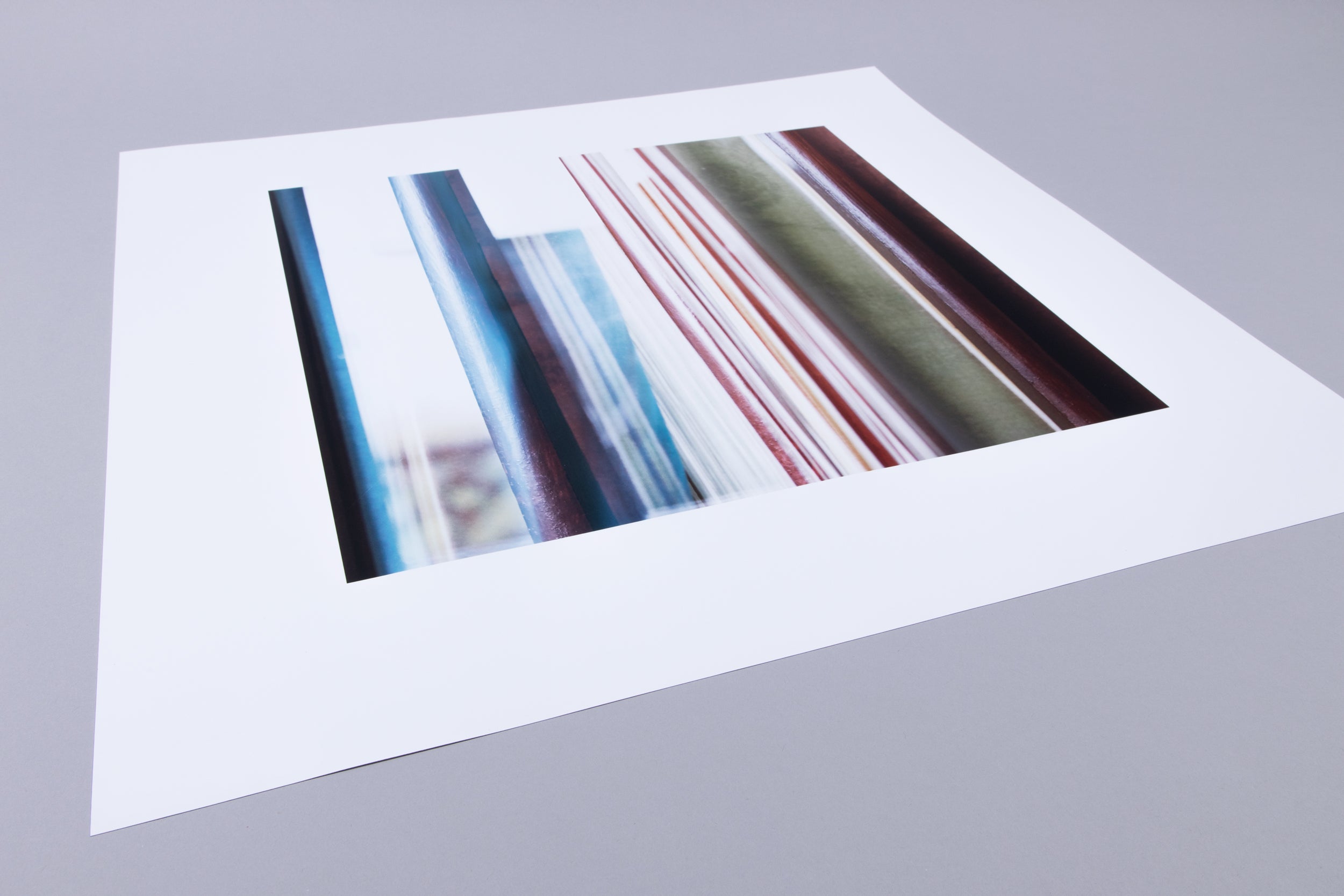
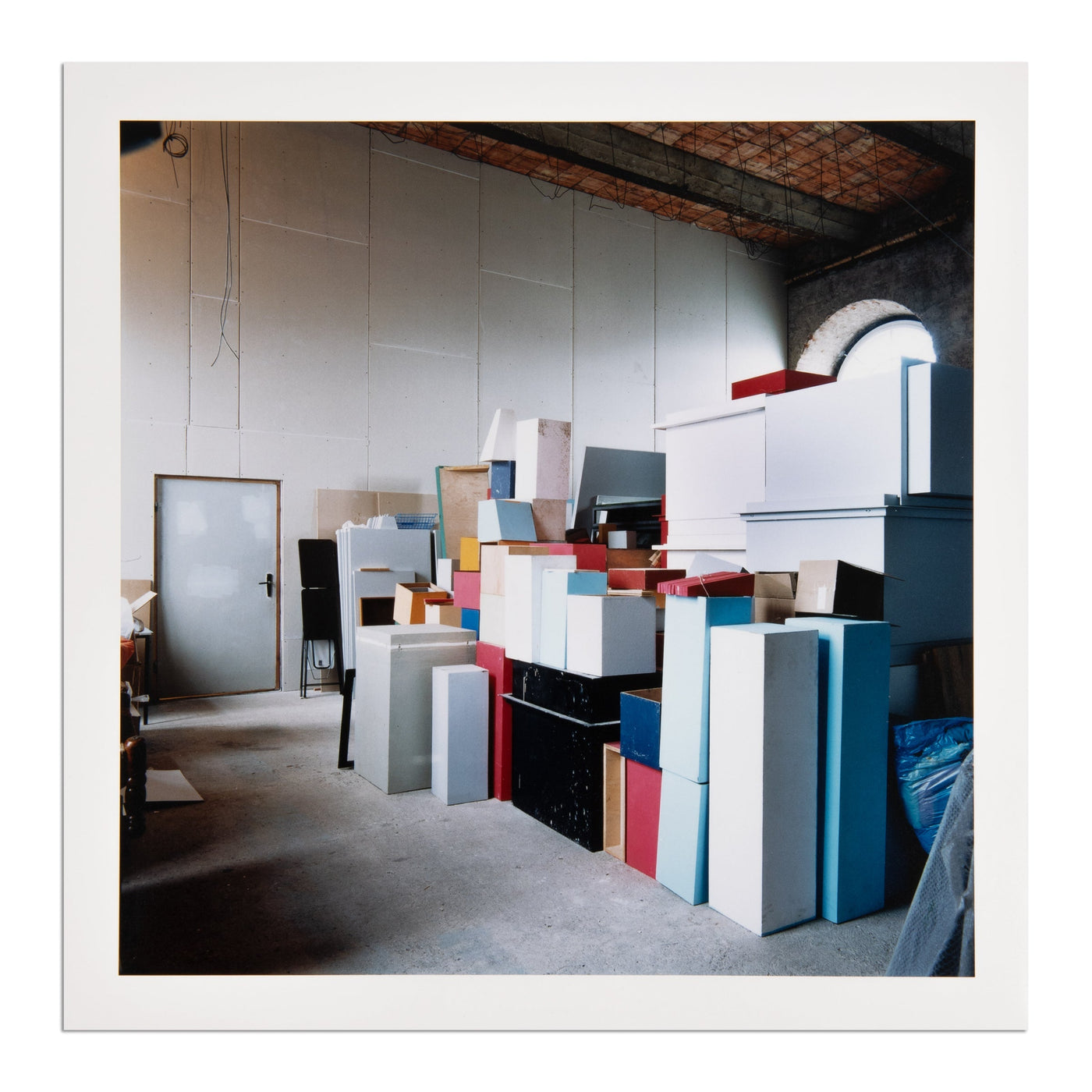
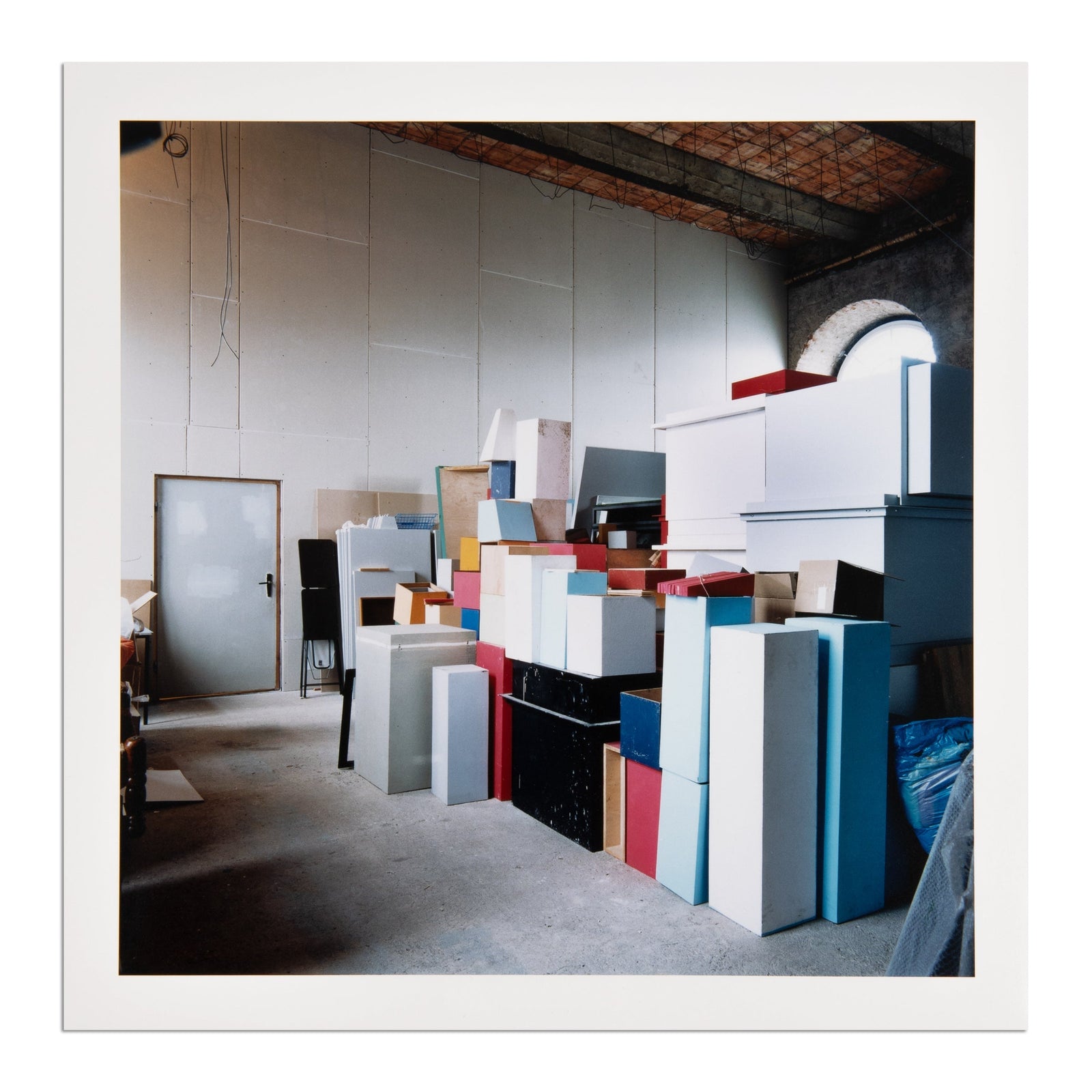
Candida Höfer - Colored WoodCandida Höfer - Colored Wood
Candida Höfer - Colored Wood Sale price€2.600,00

Leading Artists in Contemporary Photography

Explore limited edition artworks, including signed photographs and prints, by internationally acclaimed contemporary artists.

All artists
01

Collect Limited Edition Photographs

The photographs in this collection share a common premise: the camera as a tool for constructing meaning rather than recording it. That approach takes many forms. Thomas Ruff and Candida Höfer emerged from the Düsseldorf School's rigorous typological tradition, using seriality and scale as analytical instruments. Wolfgang Tillmans dissolved the boundary between documentation and abstraction. Thomas Demand constructs life-size paper models of media-sourced scenes, photographs them, then destroys them — the image depicts something that no longer exists. Cindy Sherman stages identity as performance. John Baldessari treated the photograph as a proposition, inseparable from language and concept. Gilbert & George collapsed the distinction between image and persona entirely.

What connects these practices — alongside works by Alfredo Jaar, Tacita Dean, Robert Longo, Gerhard Richter, and others — is a refusal to treat photography as illustration or document. Each work is a signed, strictly limited edition produced with the same intentionality as the artist's large-scale exhibition practice. Works from this collection are held in the permanent collections of MoMA, Tate, and the Centre Pompidou.

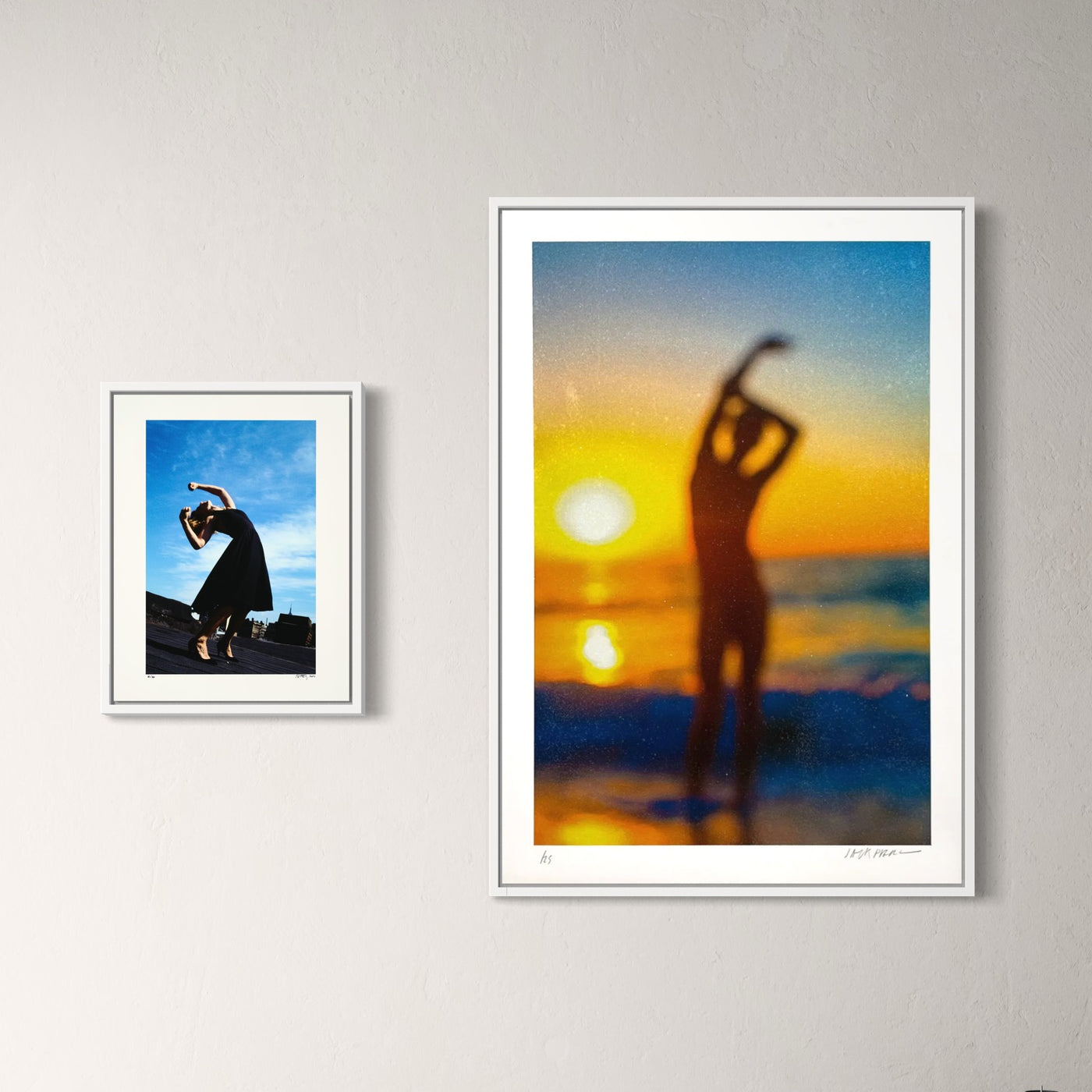
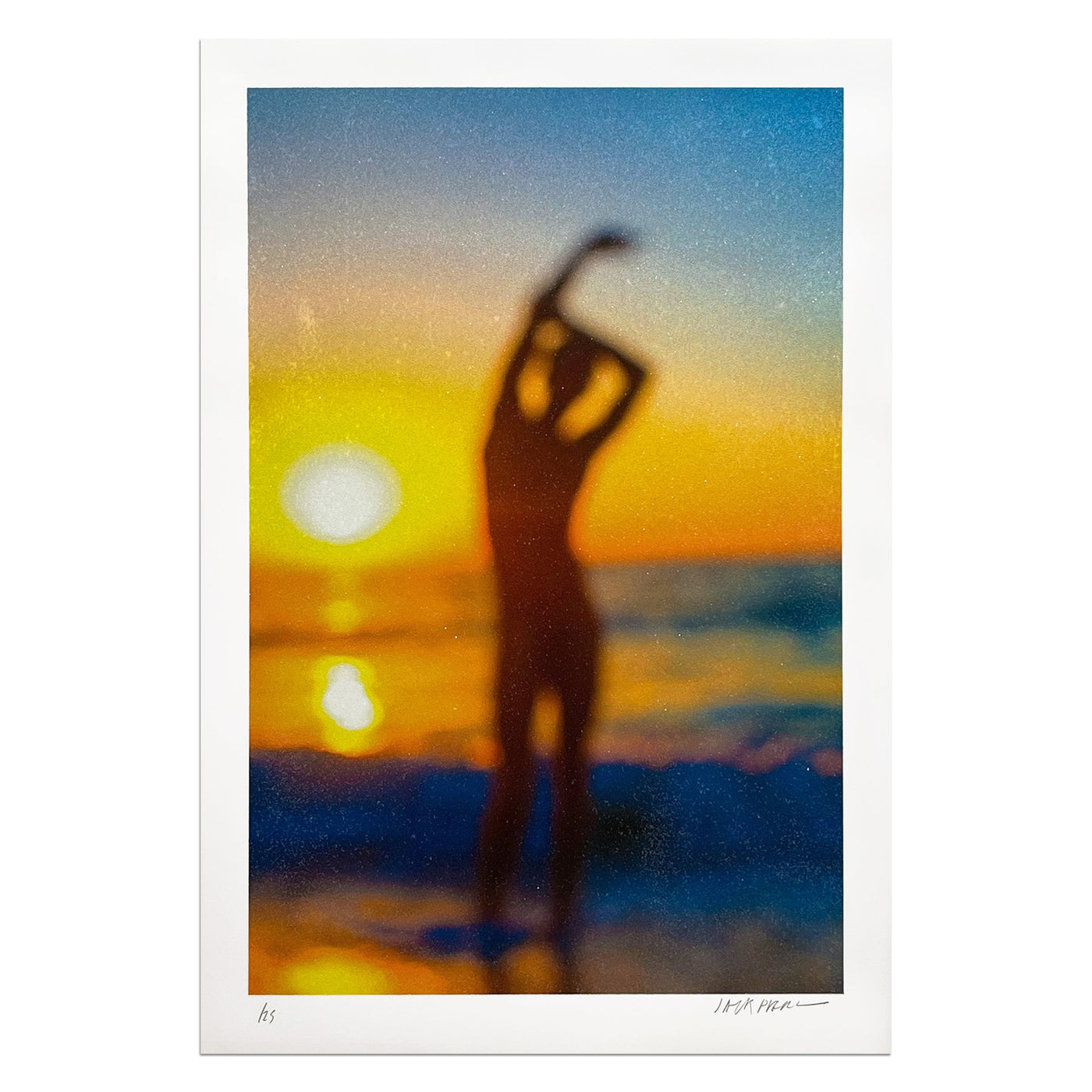
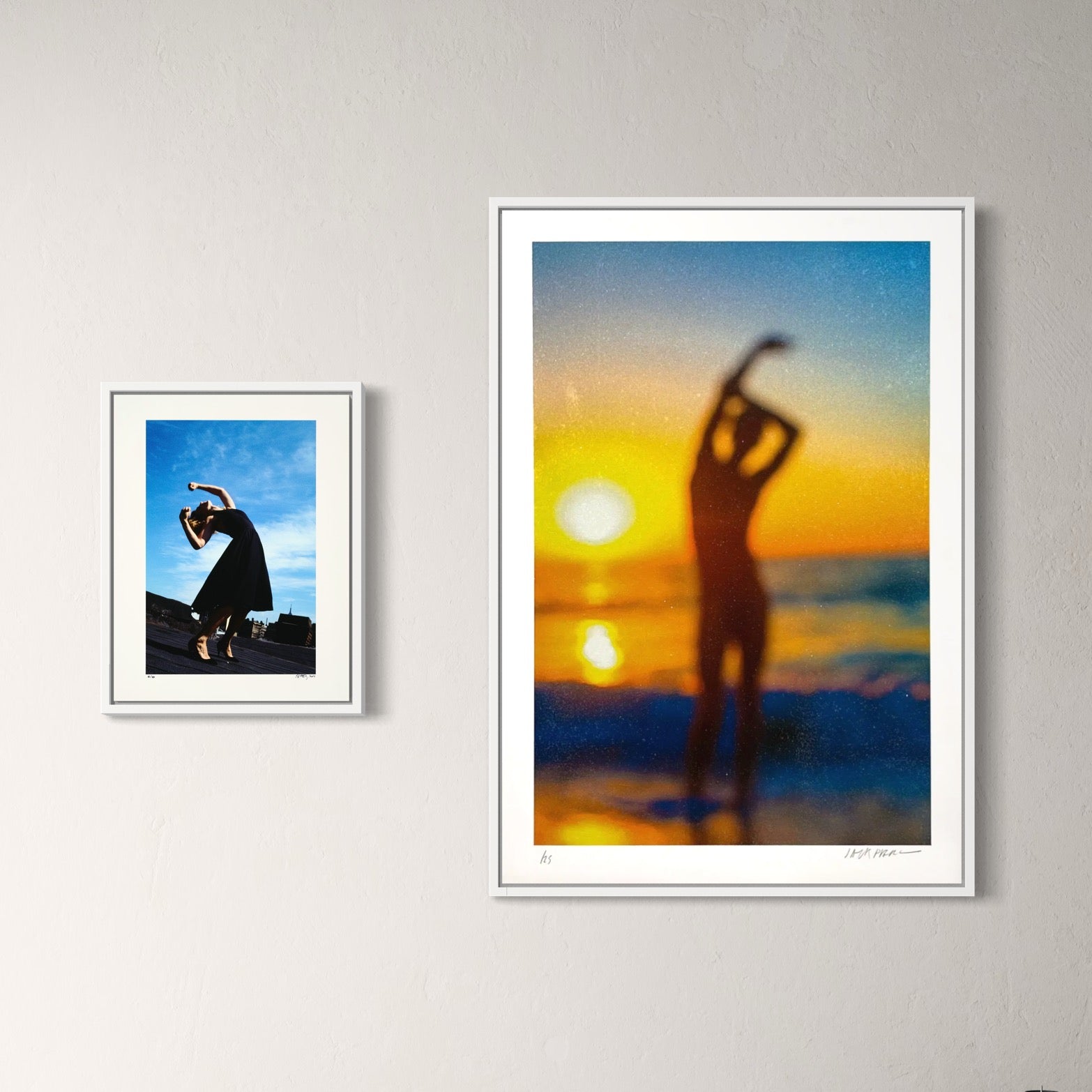
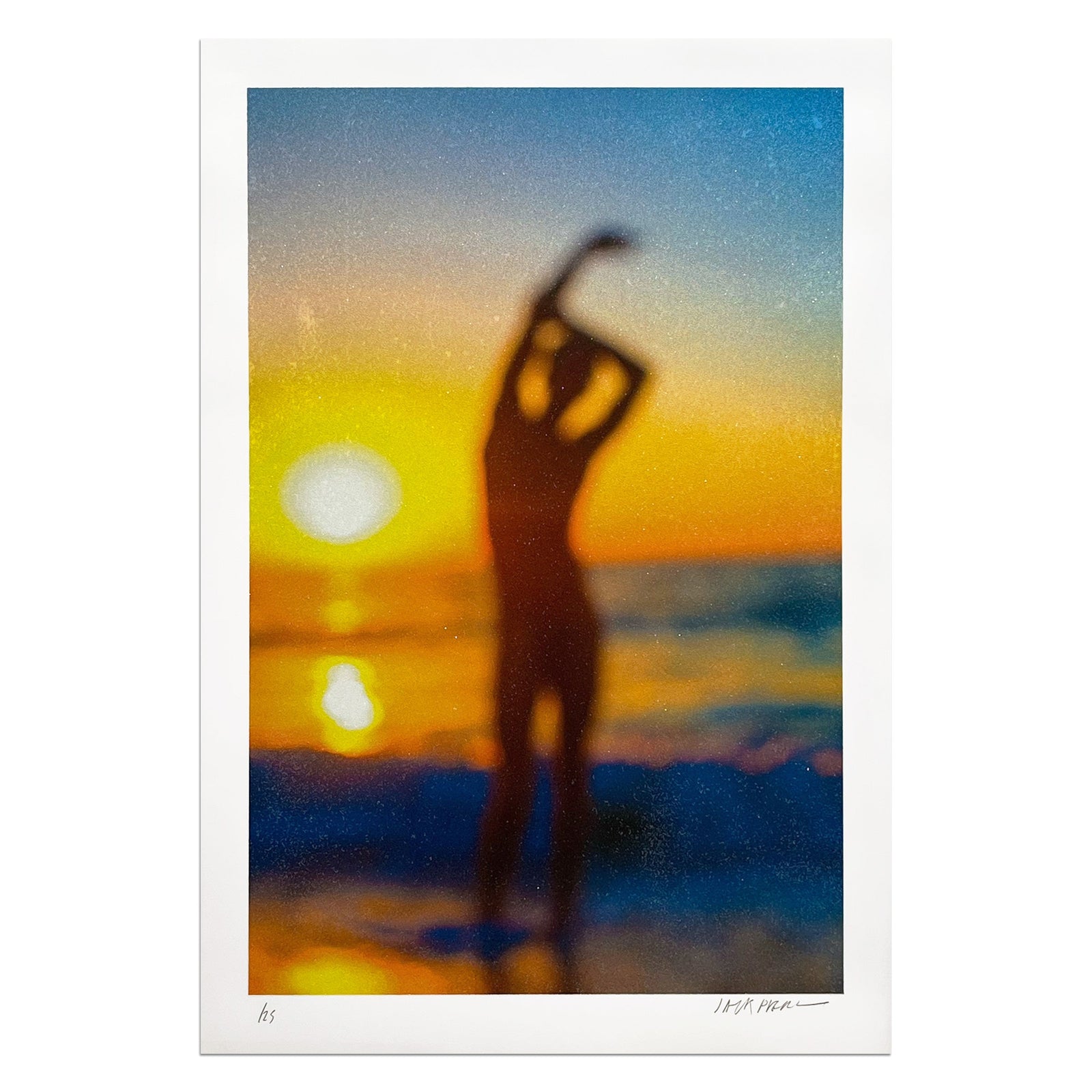
Jack Pierson - Untitled (Sunset)
02

Photography as Medium, Not Document

For most of its history, photography was defined by what it recorded. That changed in the second half of the twentieth century, when artists began using the camera not to capture the world but to interrogate it — treating photography as a medium in the same sense that painting, sculpture, and printmaking are media: a set of technical possibilities to be pushed, subverted, and reconceived from first principles.

The shift was gradual but irreversible. Conceptual artists in the 1960s used photography to document ephemeral works, then realised the photograph itself could be the work. The Düsseldorf School — Bernd and Hilla Becher, their students Ruff, Struth, Andreas Gursky — developed typological approaches that treated seriality and scale as conceptual tools rather than aesthetic choices. Cindy Sherman dismantled assumptions of photographic authenticity through staged self-portraits in which identity is revealed as constructed performance. Tacita Dean foregrounded the materiality of analogue film at precisely the moment digital technology was rendering it obsolete — making the medium itself the subject.

Wolfgang Tillmans dissolved the hierarchy between documentation and abstraction entirely, presenting photographs as spatial installations in which the relationship between images matters as much as any individual image.

What these practices share is a refusal to treat photography as secondary — as illustration, record, or reproduction of something that exists elsewhere. The photograph is the artwork. Its surface, scale, process, and context are as deliberate as a brushstroke. That is what distinguishes the works in this collection from photography as a craft or a document.

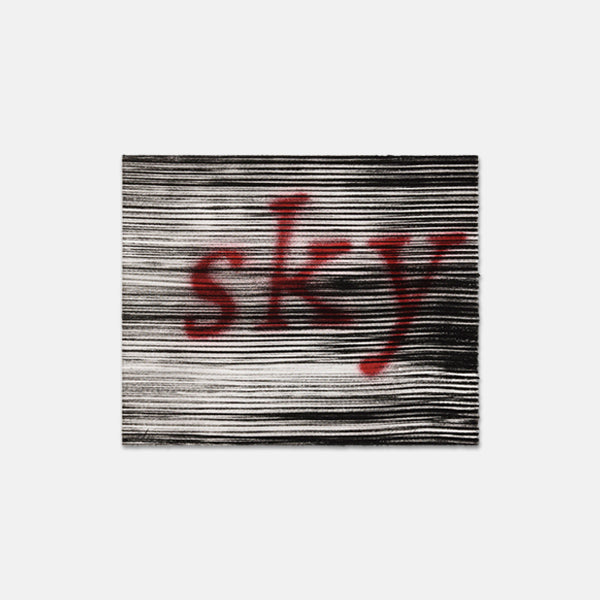
Candida Höfer - Museum für Völkerkunde Dresden
03

How Photographs Become Limited Editions

A limited edition photograph is a series of prints from a single image produced in a fixed quantity, usually signed and numbered by the artist. This transforms photography from a potentially unlimited medium into a collectible work of art, where scarcity and authorship define value.

The widespread adoption of limited editions from the 1970s onward coincided with photography’s emergence as an independent artistic medium within museums and the art market. As photographers and galleries embraced editioning, photographic works began to be collected, exhibited, and valued alongside painting and sculpture.

By limiting the number of prints, artists gained greater control over distribution while reinforcing the uniqueness and integrity of each work. This shift played a key role in establishing photography’s position within contemporary art and in shaping its market structure.

Today, limited edition photography prints offer collectors access to important works in a more accessible format, while maintaining provenance, scarcity, and long-term value. As a result, photography is firmly established as a fine art medium within contemporary collecting. At the same time, editioning supports ongoing experimentation, allowing artists to explore new formats, techniques, and conceptual approaches.

01

Collect Limited Edition Photographs

The photographs in this collection share a common premise: the camera as a tool for constructing meaning rather than recording it. That approach takes many forms. Thomas Ruff and Candida Höfer emerged from the Düsseldorf School's rigorous typological tradition, using seriality and scale as analytical instruments. Wolfgang Tillmans dissolved the boundary between documentation and abstraction. Thomas Demand constructs life-size paper models of media-sourced scenes, photographs them, then destroys them — the image depicts something that no longer exists. Cindy Sherman stages identity as performance. John Baldessari treated the photograph as a proposition, inseparable from language and concept. Gilbert & George collapsed the distinction between image and persona entirely.

What connects these practices — alongside works by Alfredo Jaar, Tacita Dean, Robert Longo, Gerhard Richter, and others — is a refusal to treat photography as illustration or document. Each work is a signed, strictly limited edition produced with the same intentionality as the artist's large-scale exhibition practice. Works from this collection are held in the permanent collections of MoMA, Tate, and the Centre Pompidou.

02

Photography as Medium, Not Document

For most of its history, photography was defined by what it recorded. That changed in the second half of the twentieth century, when artists began using the camera not to capture the world but to interrogate it — treating photography as a medium in the same sense that painting, sculpture, and printmaking are media: a set of technical possibilities to be pushed, subverted, and reconceived from first principles.

The shift was gradual but irreversible. Conceptual artists in the 1960s used photography to document ephemeral works, then realised the photograph itself could be the work. The Düsseldorf School — Bernd and Hilla Becher, their students Ruff, Struth, Andreas Gursky — developed typological approaches that treated seriality and scale as conceptual tools rather than aesthetic choices. Cindy Sherman dismantled assumptions of photographic authenticity through staged self-portraits in which identity is revealed as constructed performance. Tacita Dean foregrounded the materiality of analogue film at precisely the moment digital technology was rendering it obsolete — making the medium itself the subject.

Wolfgang Tillmans dissolved the hierarchy between documentation and abstraction entirely, presenting photographs as spatial installations in which the relationship between images matters as much as any individual image.

What these practices share is a refusal to treat photography as secondary — as illustration, record, or reproduction of something that exists elsewhere. The photograph is the artwork. Its surface, scale, process, and context are as deliberate as a brushstroke. That is what distinguishes the works in this collection from photography as a craft or a document.
03

How Photographs Become Limited Editions

A limited edition photograph is a series of prints from a single image produced in a fixed quantity, usually signed and numbered by the artist. This transforms photography from a potentially unlimited medium into a collectible work of art, where scarcity and authorship define value.

The widespread adoption of limited editions from the 1970s onward coincided with photography’s emergence as an independent artistic medium within museums and the art market. As photographers and galleries embraced editioning, photographic works began to be collected, exhibited, and valued alongside painting and sculpture.

By limiting the number of prints, artists gained greater control over distribution while reinforcing the uniqueness and integrity of each work. This shift played a key role in establishing photography’s position within contemporary art and in shaping its market structure.

Today, limited edition photography prints offer collectors access to important works in a more accessible format, while maintaining provenance, scarcity, and long-term value. As a result, photography is firmly established as a fine art medium within contemporary collecting. At the same time, editioning supports ongoing experimentation, allowing artists to explore new formats, techniques, and conceptual approaches.

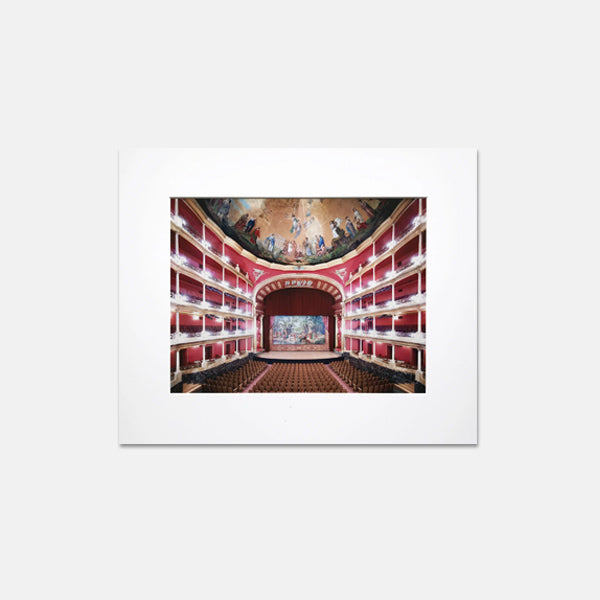
Jack Pierson - Untitled (Sunset)Candida Höfer - Museum für Völkerkunde Dresden

Explore Art Collections

Explore curated art collections across movements, themes, and artist
groups, offering multiple ways tonavigate and discover contemporary art.

View all
Prints, Photographs & Multiples

View our full collection of

Prints, Photographs & Multiples

Shop now