Gerhard Richter

In 1961, a few weeks before the Berlin Wall sealed the border shut, Gerhard Richter left Dresden for the West — abandoning his entire early body of work behind. What followed is arguably the most consequential painting career of the postwar era: blurred photorealist canvases, abstractions dragged into being with an oversized squeegee, every technique treated as a fresh interrogation of what an image can actually tell us. Richter never settled into a single style, because for him, that was never the point.
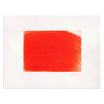
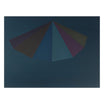
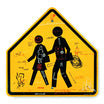
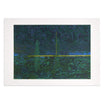
Browse signed Gerhard Richter prints and editions now.
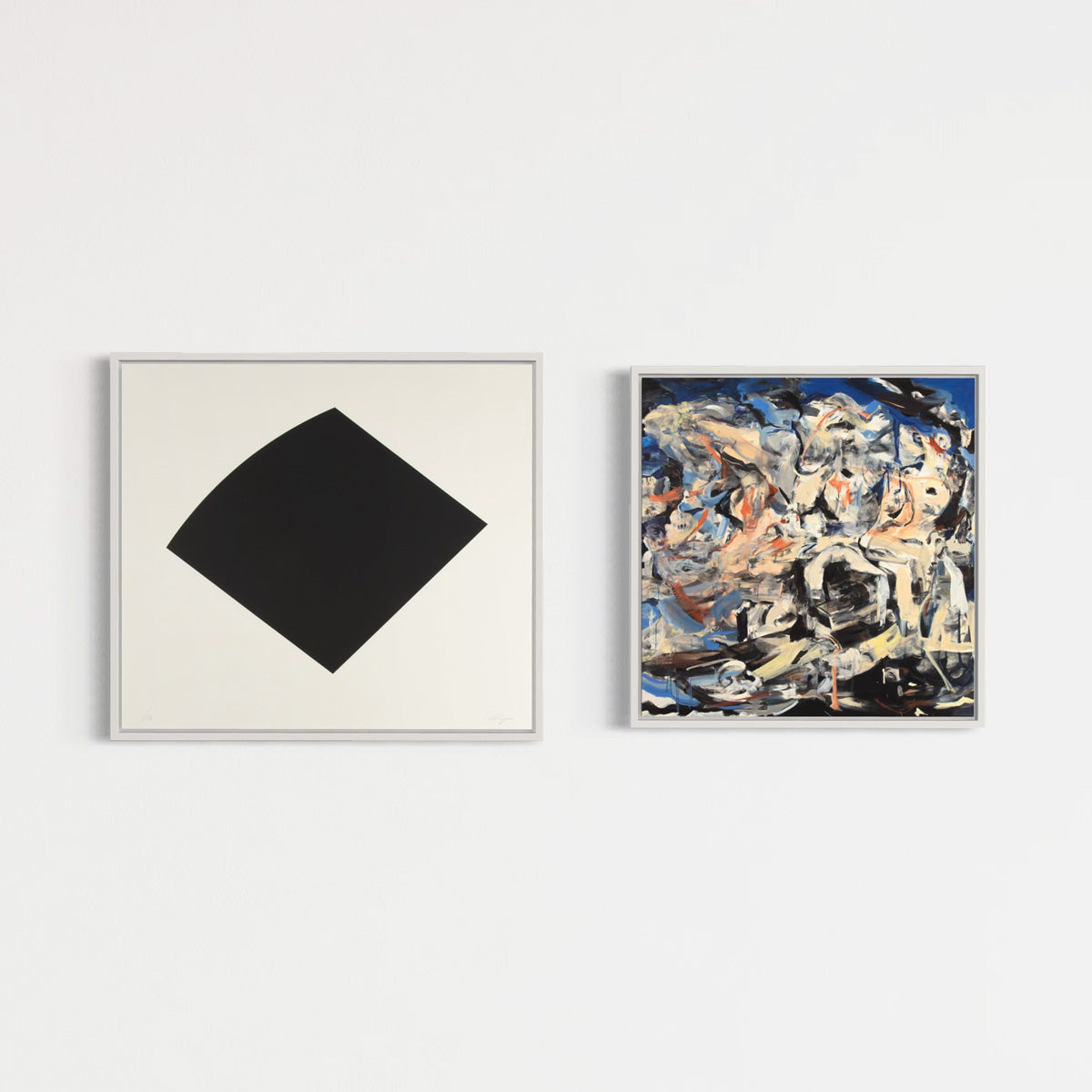
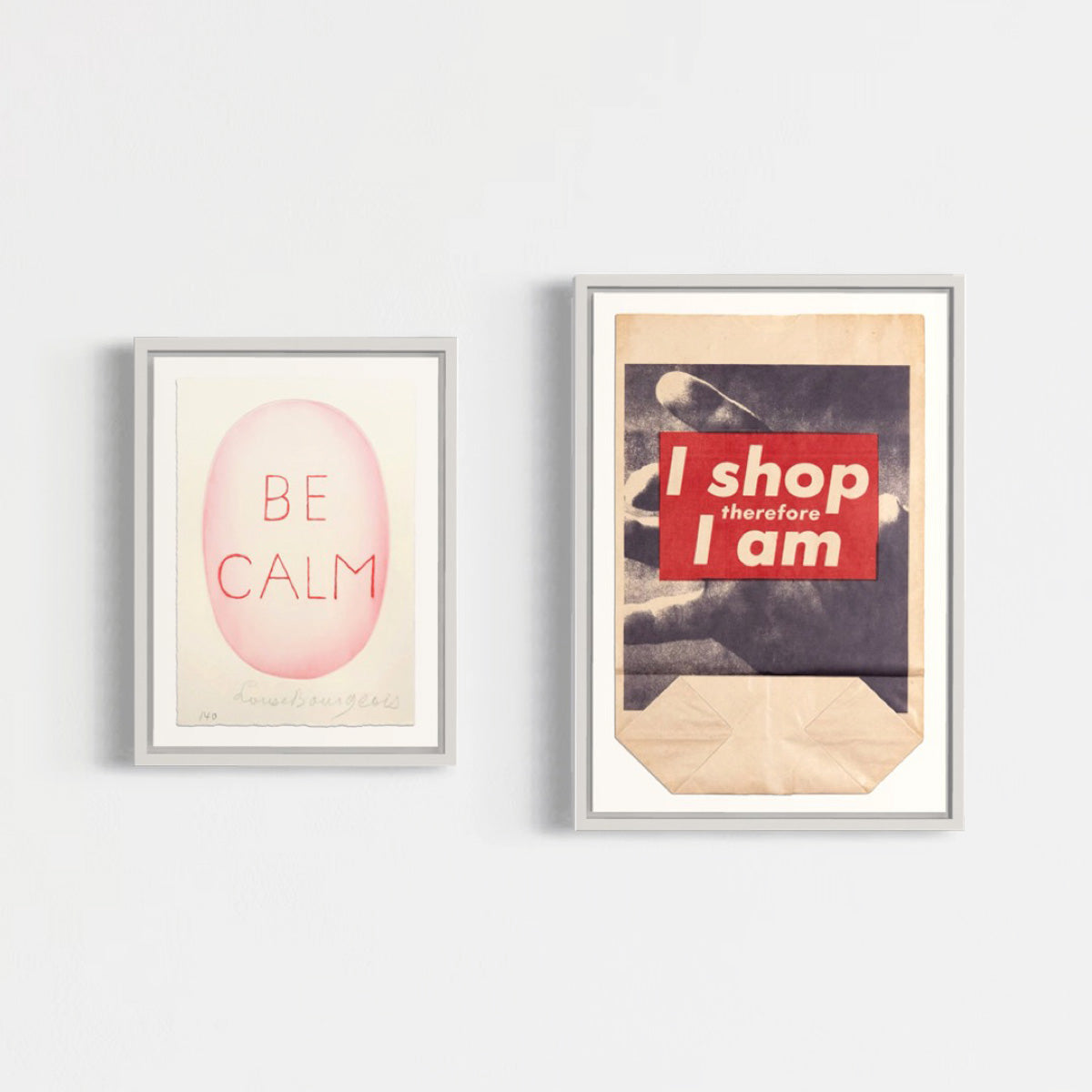
Available Prints & Editions
4 products

Gerhard Richter (born 1932 in Dresden) was twelve years old when Allied bombing destroyed his home city in February 1945; he later recalled wandering through the ruins afterward. He trained at the Dresden Academy of Fine Arts under the mandatory doctrine of Socialist Realism, the only style East Germany's Communist government permitted. Increasingly certain the regime would only tighten its restrictions, Richter defected to West Berlin in 1961, just weeks before the Wall made such an escape impossible — leaving behind, by his own choice, virtually everything he had painted up to that point.
He resumed his studies at the Kunstakademie Düsseldorf, where he met Sigmar Polke, Konrad Lueg, and Blinky Palermo. Together with Polke and Lueg, Richter co-founded "Capitalist Realism" in 1963 — a term coined half in earnest, half as a joke aimed at both Socialist Realism and American Pop Art, launched with a one-day exhibition-performance staged inside a Düsseldorf furniture showroom. From this period on, Richter worked from an ever-expanding personal archive of found photographs — press images, snapshots, newspaper clippings — that he called Atlas, and that would supply raw material for his paintings for the rest of his career. His photo-paintings translate these sources into blurred, grisaille canvases, the brush dragged across the wet paint to soften edges and destabilise the photograph's claim to objective truth.
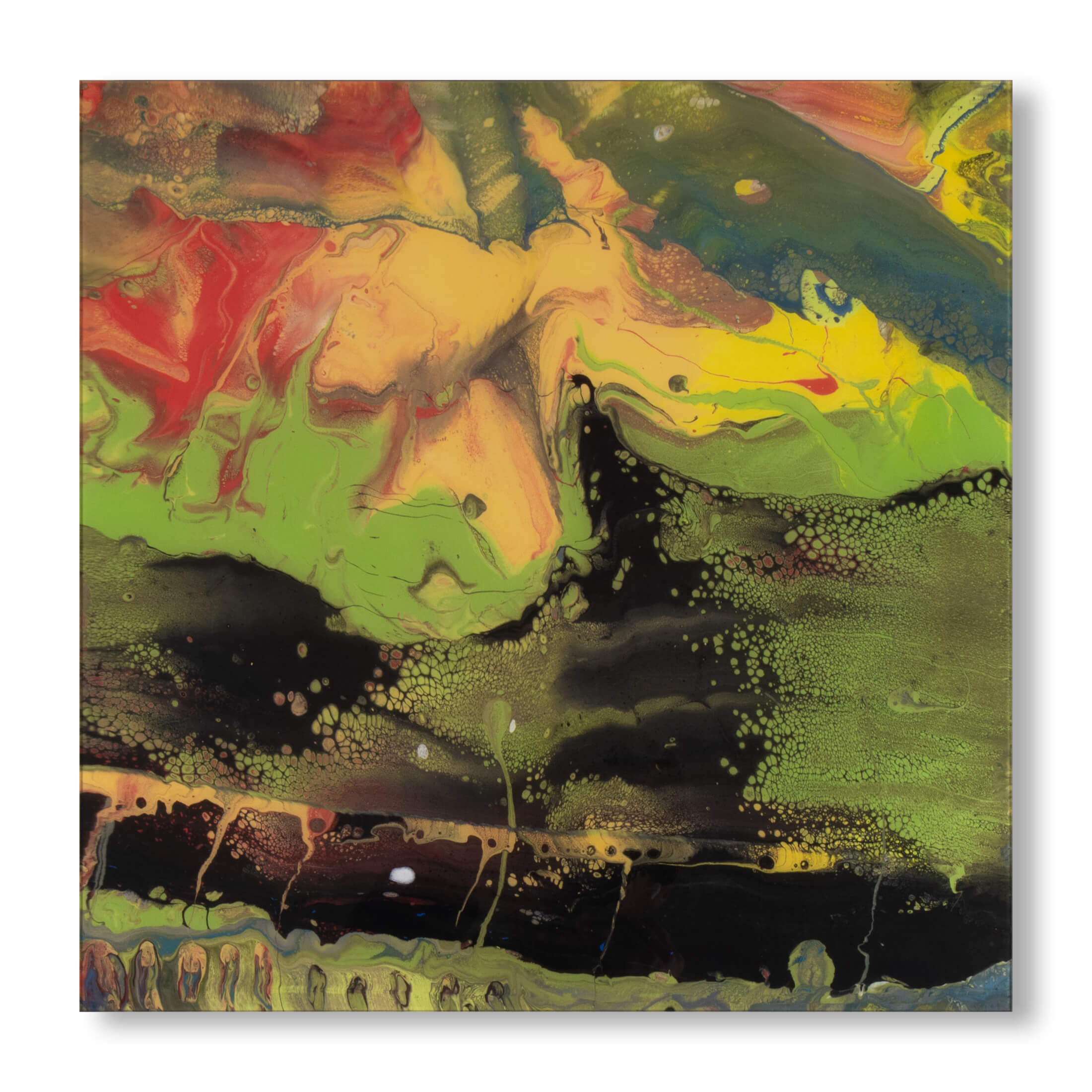
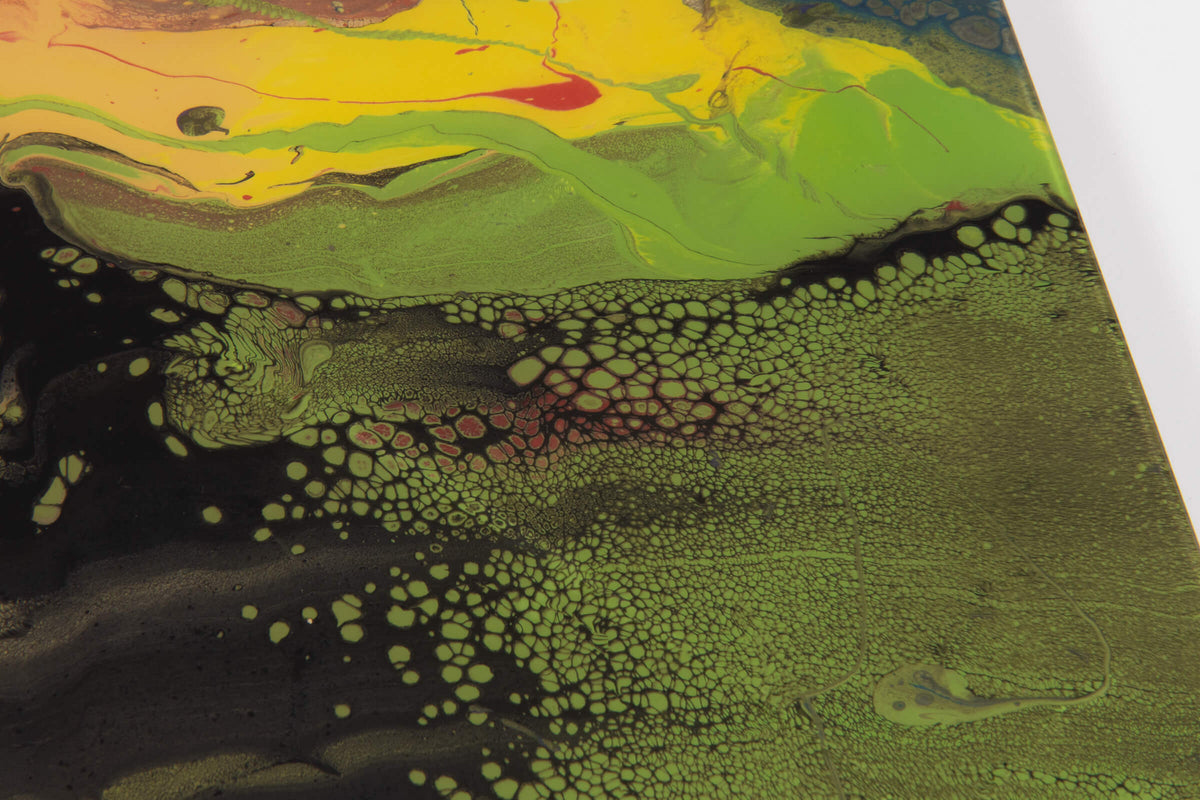
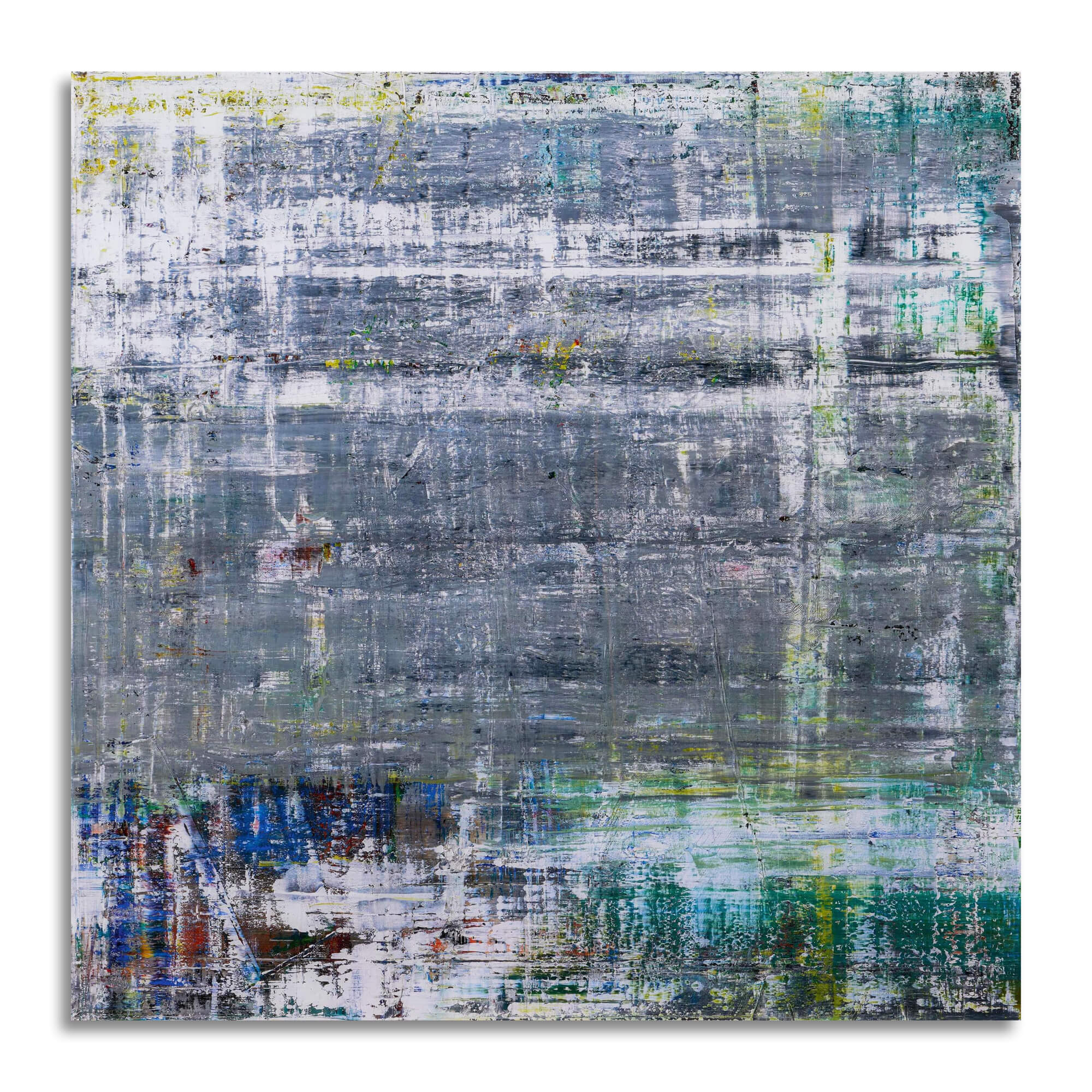
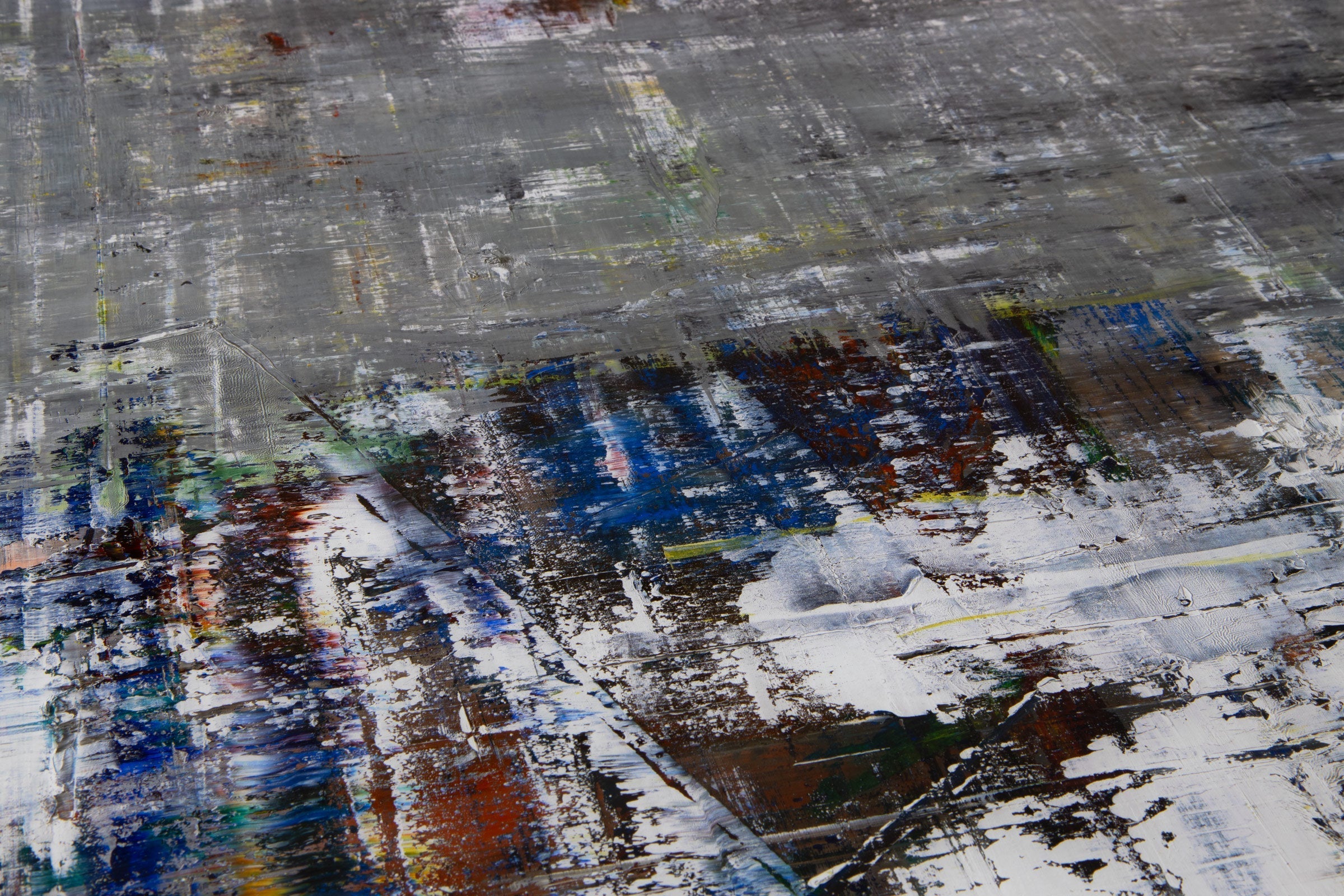
In the late 1980s Richter developed the squeegee technique that produced his most recognisable body of work: dragging a length of perspex or wood loaded with paint across the canvas, building up and then partially erasing layers of colour in a process that balances his own control against genuine, unrepeatable chance. That same period produced two of his most significant and starkly different works: Betty (1988), a blurred portrait of his daughter turned away from the viewer, and October 18, 1977 (1988), a cycle of fifteen grisaille paintings addressing the deaths of Red Army Faction members Andreas Baader, Gudrun Ensslin, and Jan-Carl Raspe in a Stuttgart prison — deaths officially ruled suicide, though widely disputed at the time. Richter has said the events "distressed me and haunted me as unfinished business."
His public commissions extended this range further: in 2007, the city of Cologne unveiled his abstract stained-glass window for the south transept of Cologne Cathedral, generated using a computer algorithm from 11,500 individual squares of colour — a gesture that fused six decades of investigating chance, structure, and image-making with one of Germany's most sacred architectural spaces.

Betty (1988), based on a decade-old photograph of Richter's daughter, shows her turned away from the viewer toward one of his own grey abstract canvases — a work often read as a meditation on the limits of both portraiture and painting itself, and among his most reproduced images.
October 18, 1977 (1988), a cycle of fifteen blurred grisaille paintings depicting the Baader-Meinhof prisoners' deaths and their aftermath, remains one of the most discussed and debated bodies of work in postwar German art — history painting rendered so indistinct that it refuses to resolve into simple judgment.
Abstraktes Bild (1986), his auction record at £30.2 million ($46.3 million), exemplifies the squeegee technique at its most fully realised — thick, dragged layers of colour that hold both the memory of the artist's gesture and the accident of what the tool left behind.
The Cologne Cathedral window (2007), generated by computer algorithm from 11,500 coloured glass squares, extended his lifelong investigation of chance and structure onto an architectural scale, in dialogue with eight centuries of the cathedral's own history.

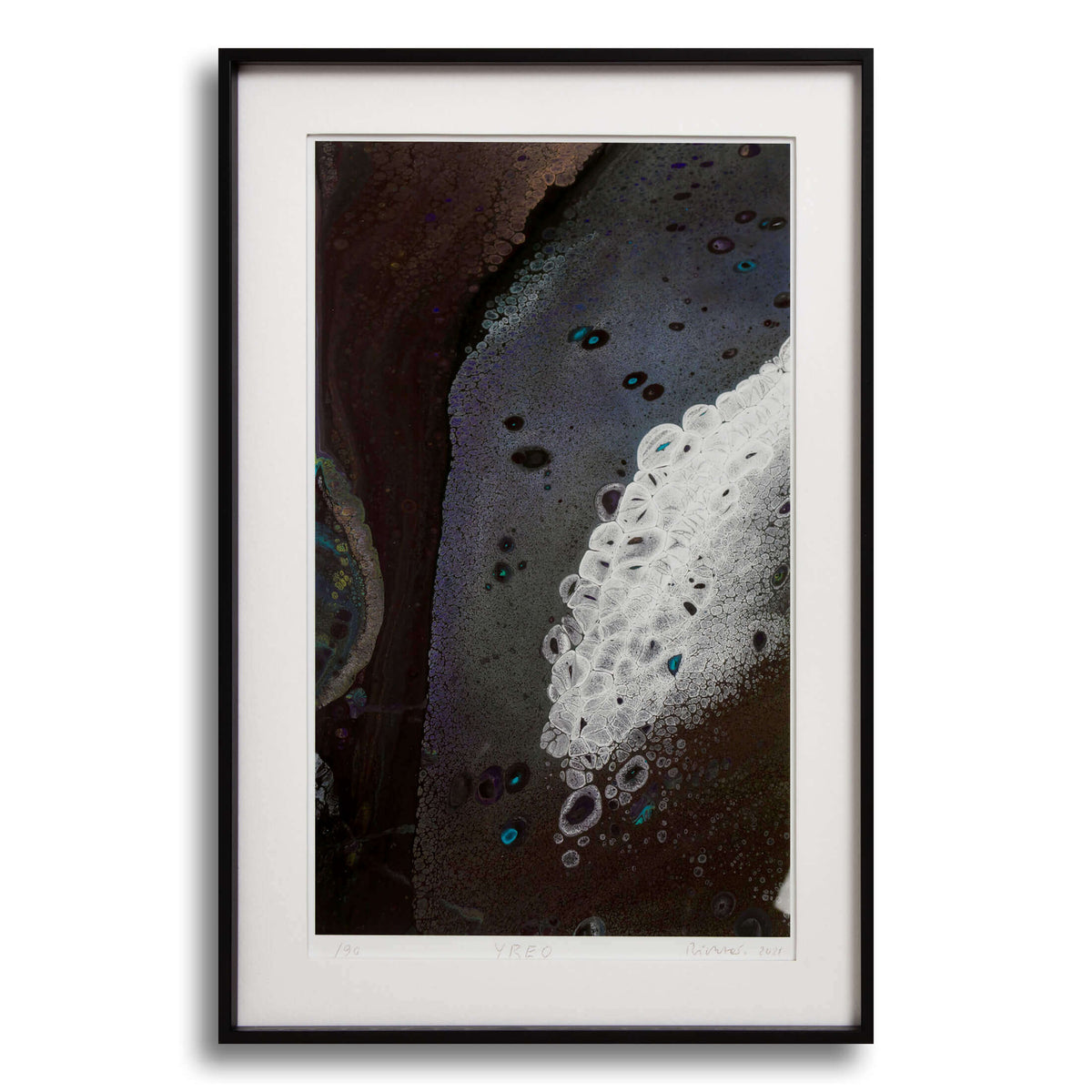
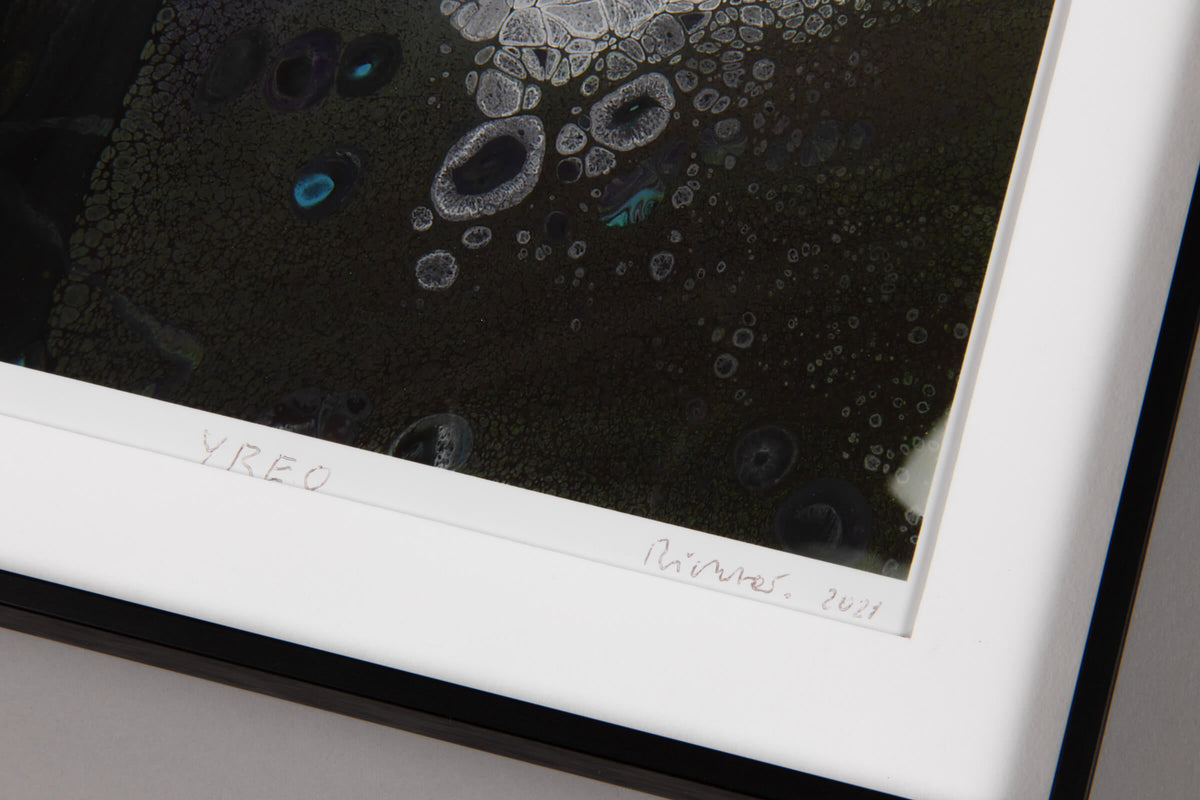
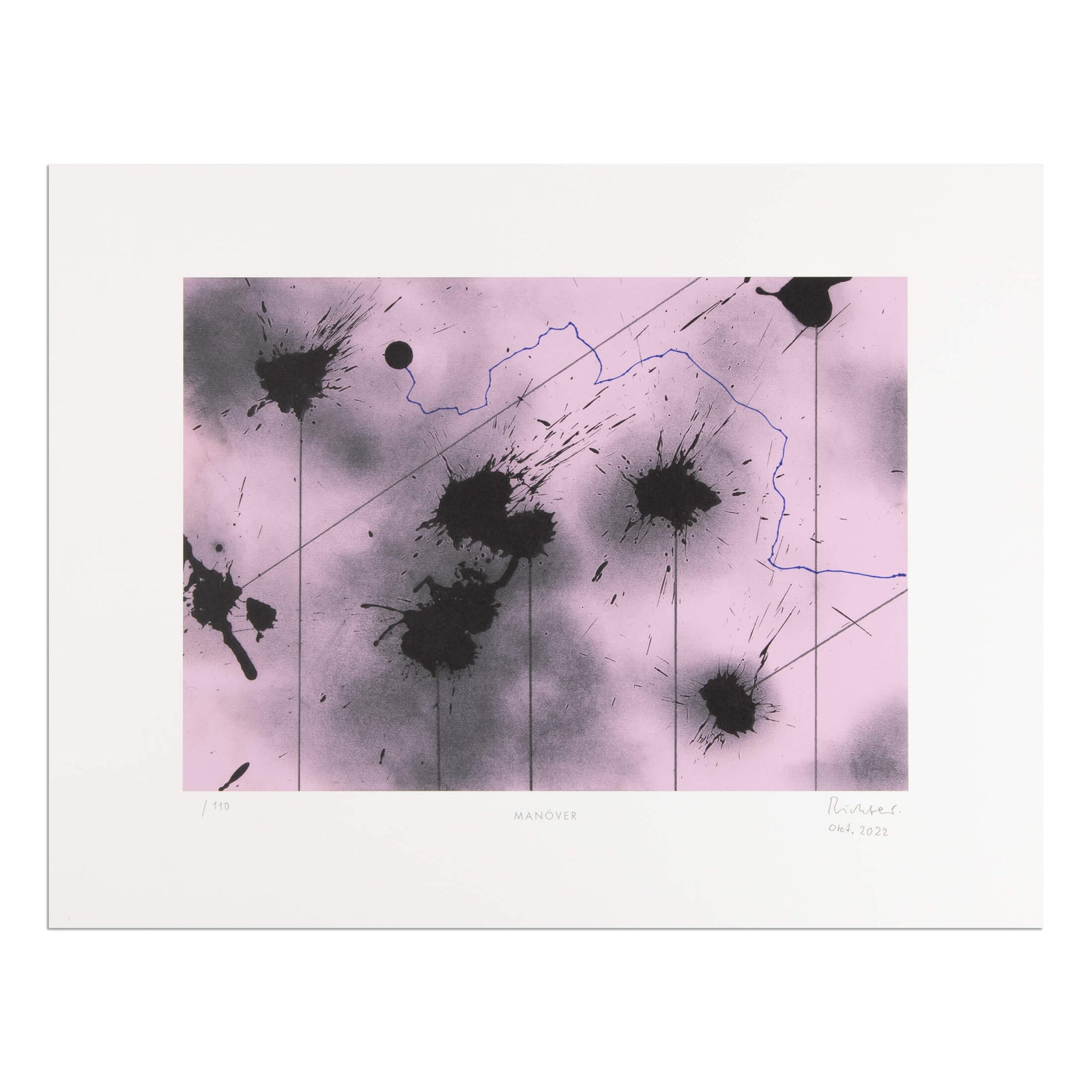
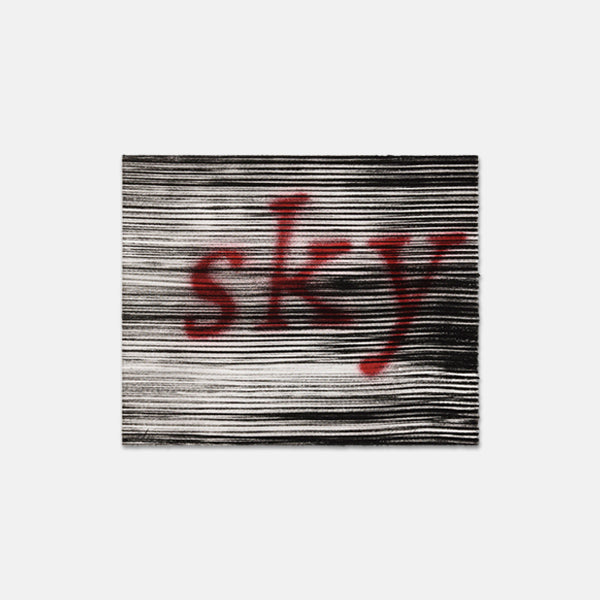
Few major living artists have treated editions with the seriousness Gerhard Richter affords them. His print catalogue raisonné, documented since 1965, runs to hundreds of artworks, produced across an unusually wide range of processes — offset lithography, screenprint, and, in his later career, technically ambitious "hybrid prints" that translate the physical texture of his squeegee paintings onto paper with startling fidelity. His long-running partnership with HENI Editions has extended this commitment into the present, meeting sustained demand for a market where major paintings increasingly rarely change hands.
That demand has produced genuinely striking results: a print from his Abstraktes Bild (724-4) series set the current auction record for a Richter print in 2021, selling for over £1 million — an extraordinary figure for an editioned work, and confirmation that his prints are collected as serious extensions of his practice rather than secondary reproductions. Kerze II, a photorealist candle print later adopted as the cover art for Sonic Youth's Daydream Nation, set its own record in 2022. In 2023, over 200 Richter limited edition prints sold publicly at auction with an 80% sell-through rate — a market in genuine, sustained demand.
For collectors, Richter's prints and editions offer direct access to a six-decade investigation of what painting and photography can and cannot show, at prices considerably below his paintings, which now regularly exceed $20 million. Works are held in the permanent collections of MoMA, Tate, and the Centre Pompidou.
Gerhard Richter (born 1932 in Dresden) was twelve years old when Allied bombing destroyed his home city in February 1945; he later recalled wandering through the ruins afterward. He trained at the Dresden Academy of Fine Arts under the mandatory doctrine of Socialist Realism, the only style East Germany's Communist government permitted. Increasingly certain the regime would only tighten its restrictions, Richter defected to West Berlin in 1961, just weeks before the Wall made such an escape impossible — leaving behind, by his own choice, virtually everything he had painted up to that point.
He resumed his studies at the Kunstakademie Düsseldorf, where he met Sigmar Polke, Konrad Lueg, and Blinky Palermo. Together with Polke and Lueg, Richter co-founded "Capitalist Realism" in 1963 — a term coined half in earnest, half as a joke aimed at both Socialist Realism and American Pop Art, launched with a one-day exhibition-performance staged inside a Düsseldorf furniture showroom. From this period on, Richter worked from an ever-expanding personal archive of found photographs — press images, snapshots, newspaper clippings — that he called Atlas, and that would supply raw material for his paintings for the rest of his career. His photo-paintings translate these sources into blurred, grisaille canvases, the brush dragged across the wet paint to soften edges and destabilise the photograph's claim to objective truth.
In the late 1980s Richter developed the squeegee technique that produced his most recognisable body of work: dragging a length of perspex or wood loaded with paint across the canvas, building up and then partially erasing layers of colour in a process that balances his own control against genuine, unrepeatable chance. That same period produced two of his most significant and starkly different works: Betty (1988), a blurred portrait of his daughter turned away from the viewer, and October 18, 1977 (1988), a cycle of fifteen grisaille paintings addressing the deaths of Red Army Faction members Andreas Baader, Gudrun Ensslin, and Jan-Carl Raspe in a Stuttgart prison — deaths officially ruled suicide, though widely disputed at the time. Richter has said the events "distressed me and haunted me as unfinished business."
His public commissions extended this range further: in 2007, the city of Cologne unveiled his abstract stained-glass window for the south transept of Cologne Cathedral, generated using a computer algorithm from 11,500 individual squares of colour — a gesture that fused six decades of investigating chance, structure, and image-making with one of Germany's most sacred architectural spaces.
Betty (1988), based on a decade-old photograph of Richter's daughter, shows her turned away from the viewer toward one of his own grey abstract canvases — a work often read as a meditation on the limits of both portraiture and painting itself, and among his most reproduced images.
October 18, 1977 (1988), a cycle of fifteen blurred grisaille paintings depicting the Baader-Meinhof prisoners' deaths and their aftermath, remains one of the most discussed and debated bodies of work in postwar German art — history painting rendered so indistinct that it refuses to resolve into simple judgment.
Abstraktes Bild (1986), his auction record at £30.2 million ($46.3 million), exemplifies the squeegee technique at its most fully realised — thick, dragged layers of colour that hold both the memory of the artist's gesture and the accident of what the tool left behind.
The Cologne Cathedral window (2007), generated by computer algorithm from 11,500 coloured glass squares, extended his lifelong investigation of chance and structure onto an architectural scale, in dialogue with eight centuries of the cathedral's own history.
Few major living artists have treated editions with the seriousness Gerhard Richter affords them. His print catalogue raisonné, documented since 1965, runs to hundreds of artworks, produced across an unusually wide range of processes — offset lithography, screenprint, and, in his later career, technically ambitious "hybrid prints" that translate the physical texture of his squeegee paintings onto paper with startling fidelity. His long-running partnership with HENI Editions has extended this commitment into the present, meeting sustained demand for a market where major paintings increasingly rarely change hands.
That demand has produced genuinely striking results: a print from his Abstraktes Bild (724-4) series set the current auction record for a Richter print in 2021, selling for over £1 million — an extraordinary figure for an editioned work, and confirmation that his prints are collected as serious extensions of his practice rather than secondary reproductions. Kerze II, a photorealist candle print later adopted as the cover art for Sonic Youth's Daydream Nation, set its own record in 2022. In 2023, over 200 Richter limited edition prints sold publicly at auction with an 80% sell-through rate — a market in genuine, sustained demand.
For collectors, Richter's prints and editions offer direct access to a six-decade investigation of what painting and photography can and cannot show, at prices considerably below his paintings, which now regularly exceed $20 million. Works are held in the permanent collections of MoMA, Tate, and the Centre Pompidou.


Gerhard Richter: Key Questions
Collecting Gerhard Richter?
Looking for a specific artwork or have a question about an edition? We're happy to advise on availability, pricing, condition, and provenance — and to source artworks beyond our current selection.
What is Gerhard Richter known for?
Gerhard Richter is known for moving fluidly between photorealist painting and gestural abstraction, questioning how images construct and distort truth. Widely regarded as one of the most significant living artists, he is celebrated for his blurred photo-paintings, his large-scale squeegee abstractions, and major works including Betty and October 18, 1977.
Why does Gerhard Richter blur his paintings?
Richter blurs his photo-based paintings to destabilise the photograph's claim to objective truth, softening edges by dragging a dry brush across wet paint. The technique keeps the viewer from resolving the image into simple documentary fact, echoing his broader scepticism, shaped by growing up under two successive authoritarian regimes, toward any single, fixed version of reality.
What is Gerhard Richter's squeegee technique?
Developed in the late 1980s, Richter's squeegee technique involves dragging a large blade loaded with paint across the canvas, building up and partially removing layers of colour in a single motion. The process combines deliberate control with genuine chance, since the artist cannot fully predict how the paint beneath will surface — producing the richly textured Abstraktes Bild series that defines his mature abstract work.
Is Gerhard Richter a Pop artist?
Not in the conventional sense, though his early work engaged closely with Pop imagery. In 1963, Richter co-founded "Capitalist Realism" alongside Sigmar Polke and Konrad Lueg — a term that ironically echoed both Socialist Realism and American Pop Art rather than aligning fully with either. His subsequent shift into photorealism and abstraction placed him well outside Pop Art's usual boundaries.
How much do Gerhard Richter works sell for?
Richter's unique paintings rank among the most valuable by any living artist — his auction record stands at £30.2 million ($46.3 million), set at Sotheby's London in 2015 for Abstraktes Bild (1986). Within editions specifically, a print from his Abstraktes Bild (724-4) series set the current print record at over £1 million in 2021, while individual signed prints more typically trade between $5,000 and $50,000.

Buy art online
Shop editions with transparent pricing, accurate condition reports, and fast dispatch. Built for international collectors — buying original art made simple and reliable.
Worldwide shipping
Every work ships fully insured and tracked, handled only by trusted international express carriers — DHL Express, FedEx, UPS — and typically dispatched within five days.
Professional packaging
Meticulous packing is our craft. Each artwork is packed in-house to archival standards — multi-layer construction built to ensure it arrives in mint condition, anywhere in the world.
Secure payment
Checkout is powered by Shopify Payments — the same encrypted, PCI-compliant infrastructure trusted by millions of merchants worldwide.