Thomas Demand

Thomas Demand builds full-size paper and cardboard replicas of rooms — often rooms tied to political scandal, historical trauma, or violence — photographs them once, then destroys almost every one. Trained under Bernd and Hilla Becher alongside the Düsseldorf School of photography, he describes himself not as a photographer but as a conceptual artist for whom the camera is simply the final step. The photograph survives; the room it depicts never really existed at all.

Browse signed Thomas Demand prints and editions now.

Available Prints & Editions

Thomas Demand Biography

Thomas Demand (born 1964 in Munich, Germany) studied sculpture under Fritz Schwegler at the Kunstakademie Düsseldorf alongside fellow students Katharina Fritsch and Thomas Schütte, before continuing his studies in Munich, Paris, and at Goldsmiths College in London. At Düsseldorf, he was also taught photography by Bernd and Hilla Becher, placing him within the same lineage as Thomas Ruff, Candida Höfer, and Thomas Struth — though his relationship to the camera proved considerably stranger than theirs.

Through the 1980s and early 1990s, Demand worked purely as a sculptor, using photography only to document ephemeral constructions before they were dismantled. In 1993, the relationship inverted: rather than photographing sculptures he had already made, he began building sculptures for the sole purpose of photographing them. The method has remained consistent since — locate a source image, often politically or historically loaded; rebuild the scene at full scale in coloured paper and cardboard, omitting fine detail and human presence; photograph it once; then destroy the model, leaving the photograph as the only evidence it ever existed.

Demand represented Germany at the São Paulo Bienal in 2004 and has since held major solo exhibitions at MoMA, the Serpentine Gallery, Berlin's Neue Nationalgalerie, and the Fondazione Prada in Venice. Since 2002 he has extended his method into stop-motion film. He teaches at the University of Fine Arts Hamburg and lives between Berlin and Los Angeles.

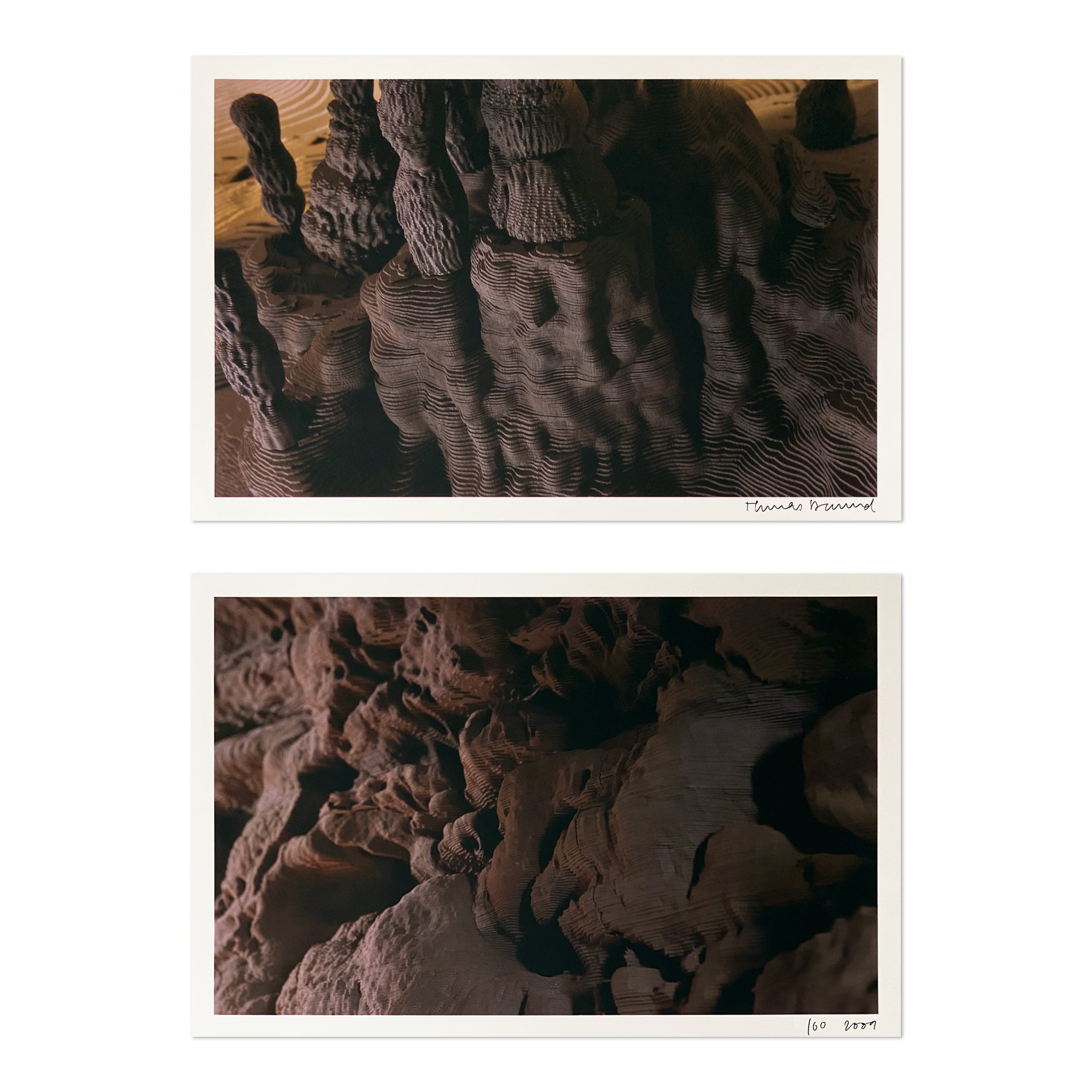
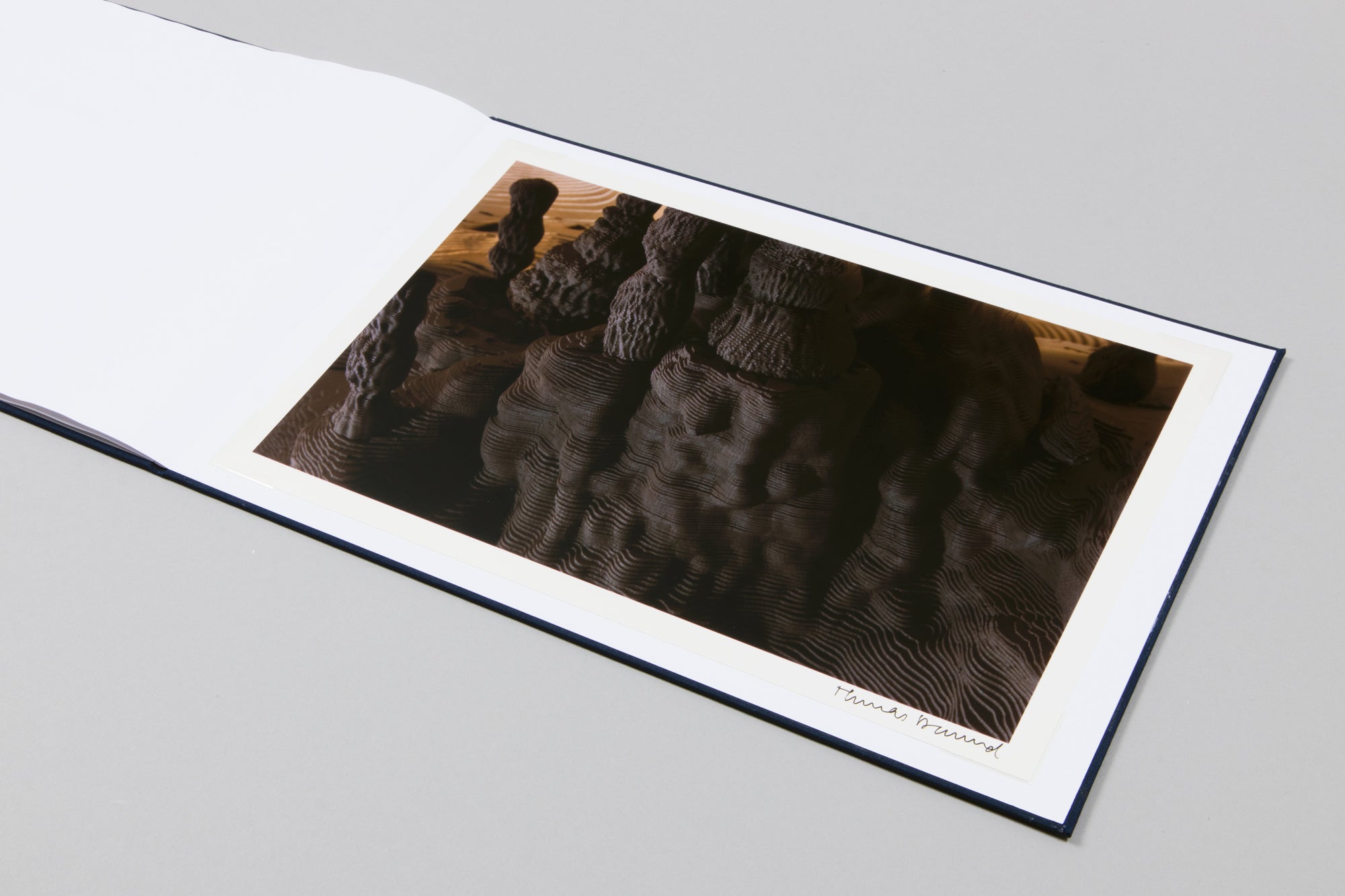
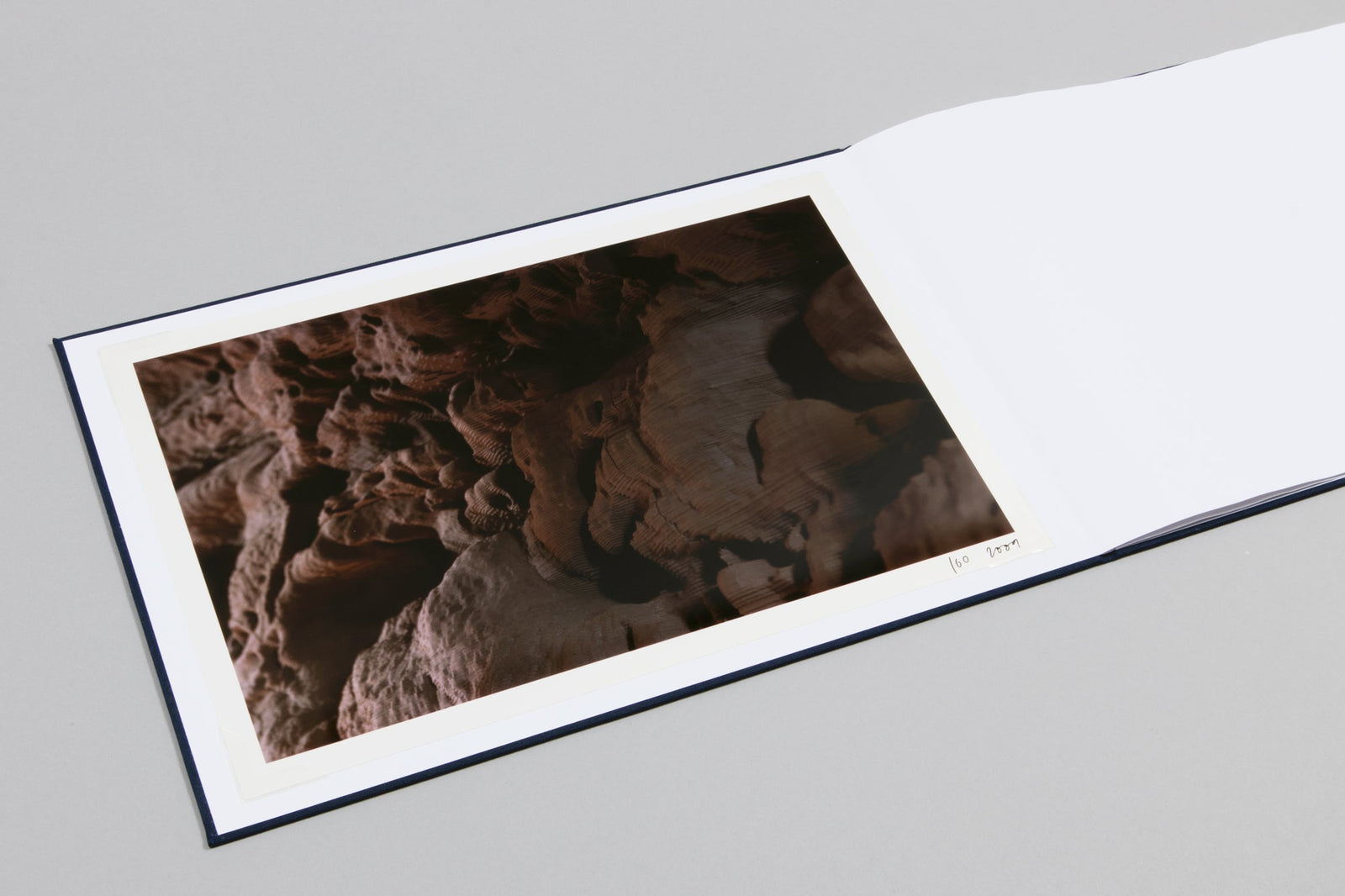
Thomas Demand - Grotto

Famous Thomas Demand Artworks

Poll (2001) reconstructed the Palm Beach County Emergency Operations Center at the heart of the contested 2000 US presidential election recount — every ballot, phone, and desk rebuilt in blank cardboard and paper, now held in MoCA's permanent collection.

Yellowcake (2007), Demand's auction record at $413,000 (Phillips New York, 2015, for a nine-part set), depicted Rome's Niger Embassy — the location tied to the forged uranium procurement documents used to help justify the 2003 invasion of Iraq.

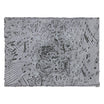
Grotto (2006) remains unique within Demand's entire body of work: a full-scale paper cave built for the 2007 Venice Biennale, complete with stalagmites and stalactites — the only model he has ever preserved rather than destroyed after photographing it.

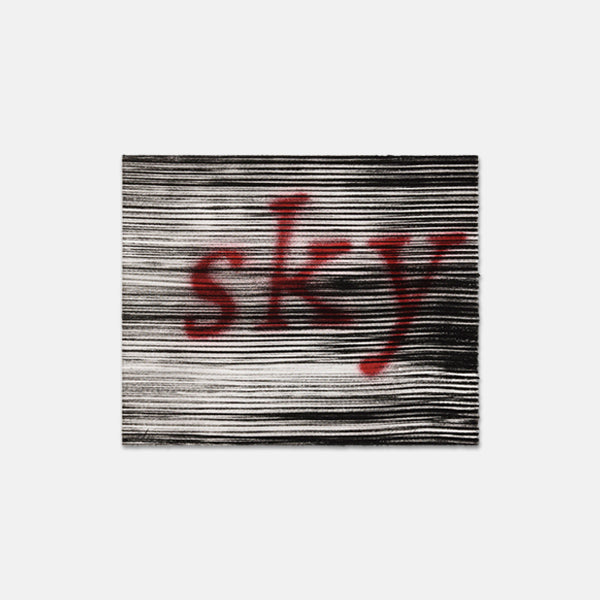
Thomas Demand – Klause (Scheinprobleme in der Philosophie)

Thomas Demand Prints & Editions

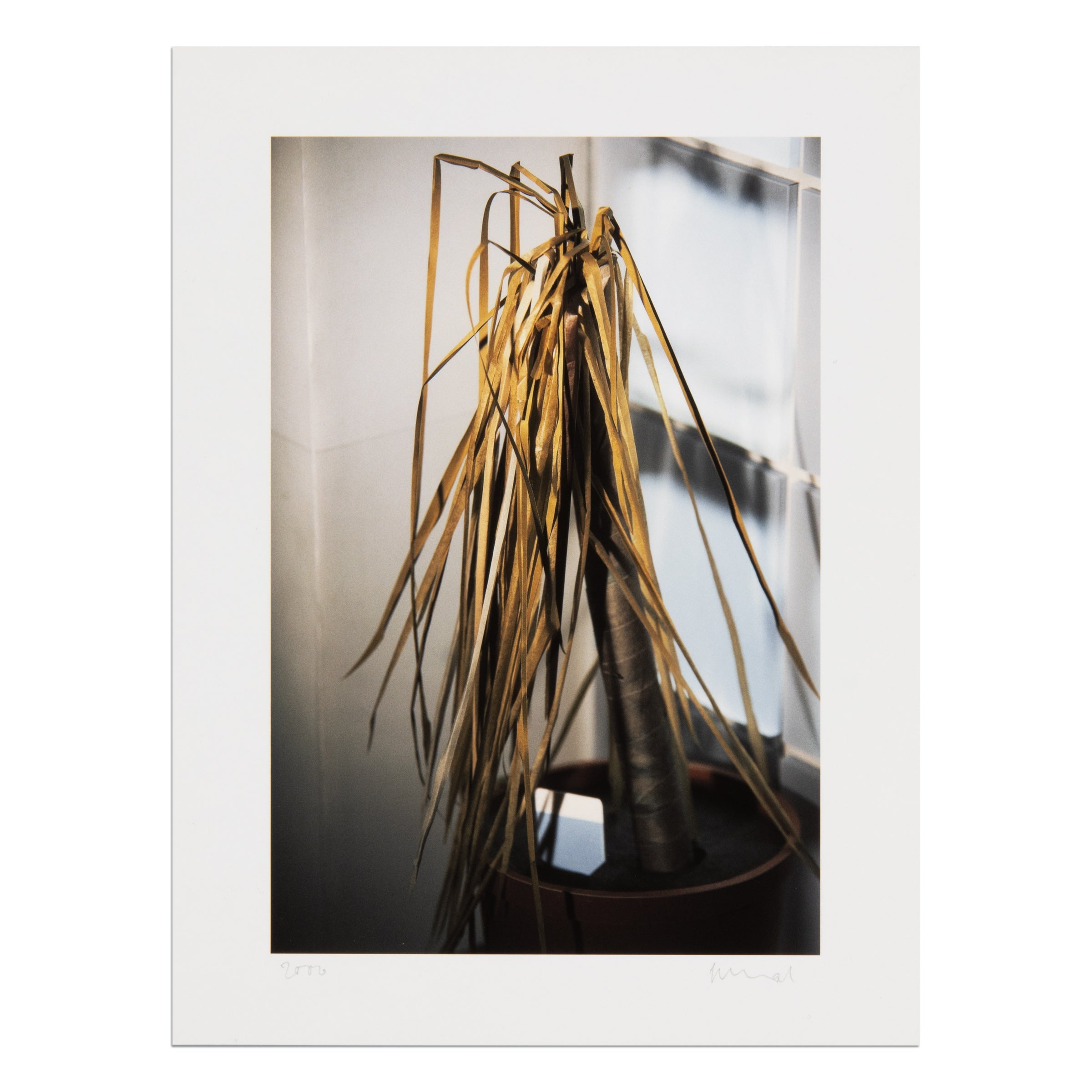
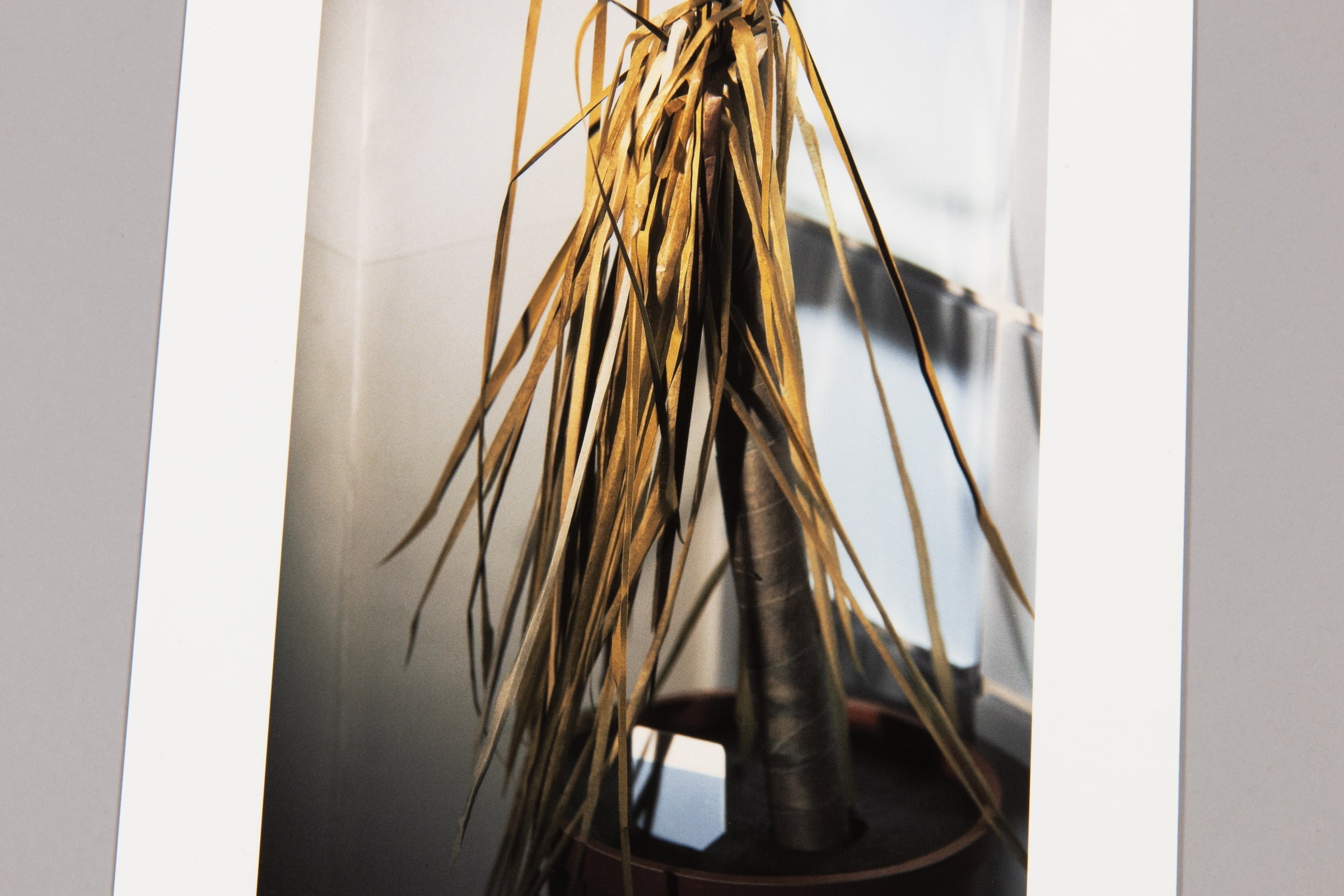
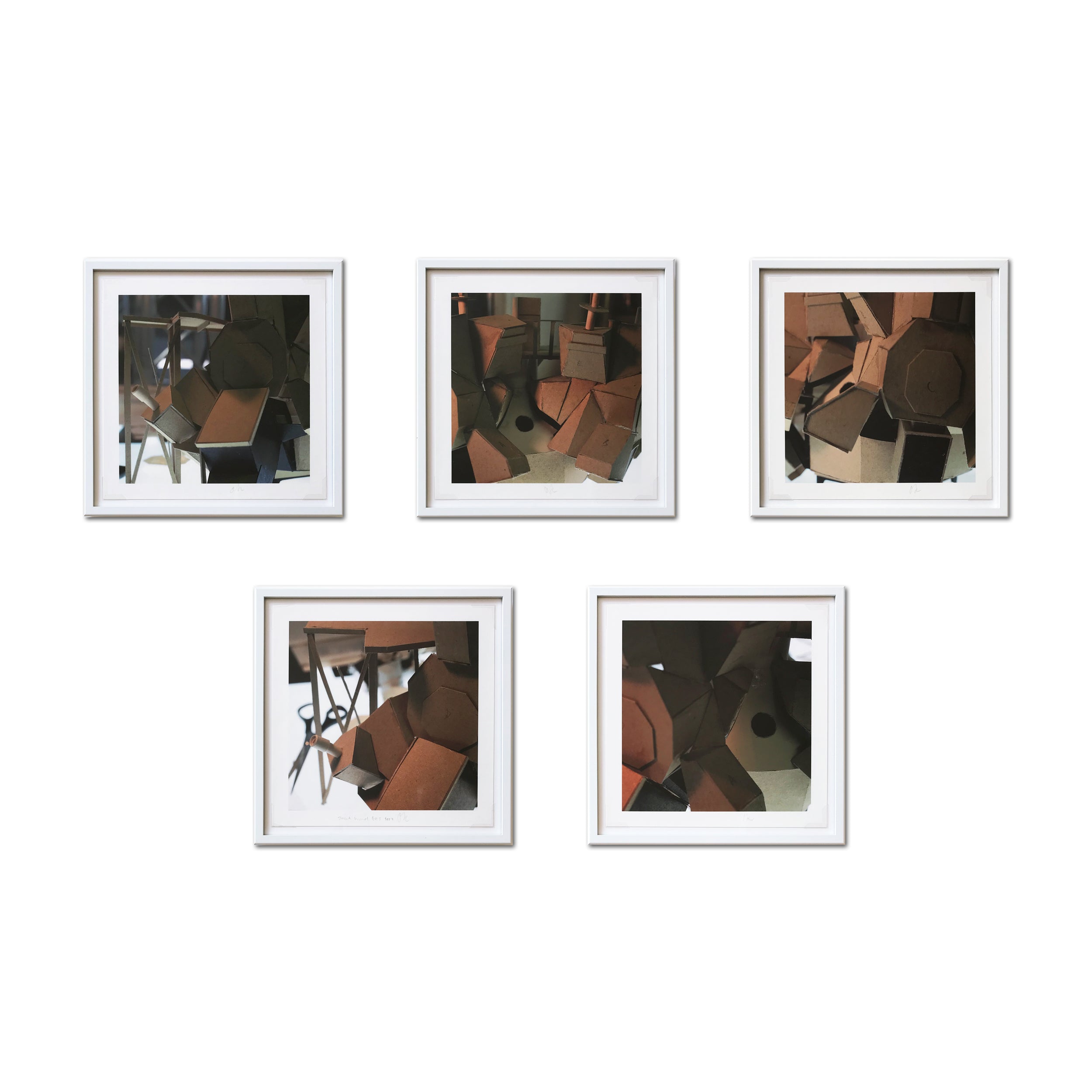
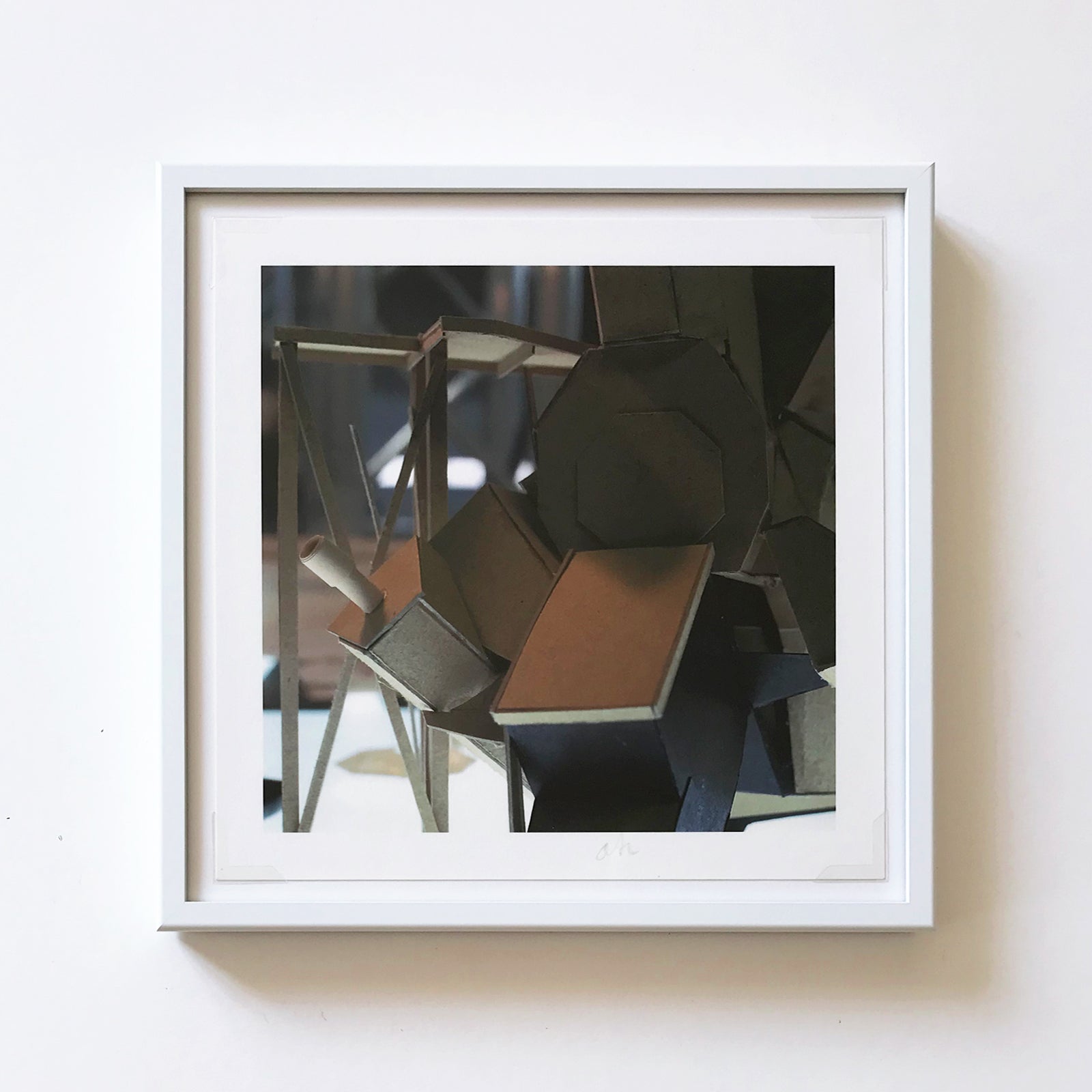
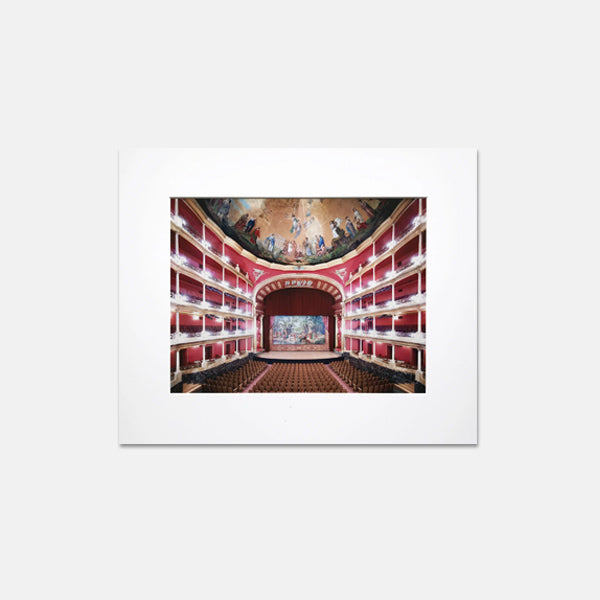
Every Thomas Demand photograph is, in a strict sense, already an edition — a signed, numbered print made from a model that exists nowhere else, the paper original destroyed immediately after the single photograph was taken. Klause, Grotto, and Five Drafts (Simulator) extend this same logic across politically charged, art-historical, and everyday subjects alike, each translating an entire month or more of sculptural labour into a single photographic image.

Because Demand's practice makes genuine multiples structurally impossible for any given scene — one model, photographed once, then gone — his editions carry unusual weight for a photographic practice: each print is the sole physical trace of a considerable, deliberately temporary act of construction.

For collectors, Demand's editions offer direct access to a practice that treats destruction as inseparable from creation. Works are held in the permanent collections of MoMA, Tate, and the Centre Pompidou.

Thomas Demand: Key Questions

Collecting Thomas Demand?

Looking for a specific artwork or have a question about an edition? We're happy to advise on availability, pricing, condition, and provenance — and to source artworks beyond our current selection.

Contact us

Prints, Photographs & Multiples

View our full collection of

Prints, Photographs & Multiples

Explore editions