

Joseph Beuys
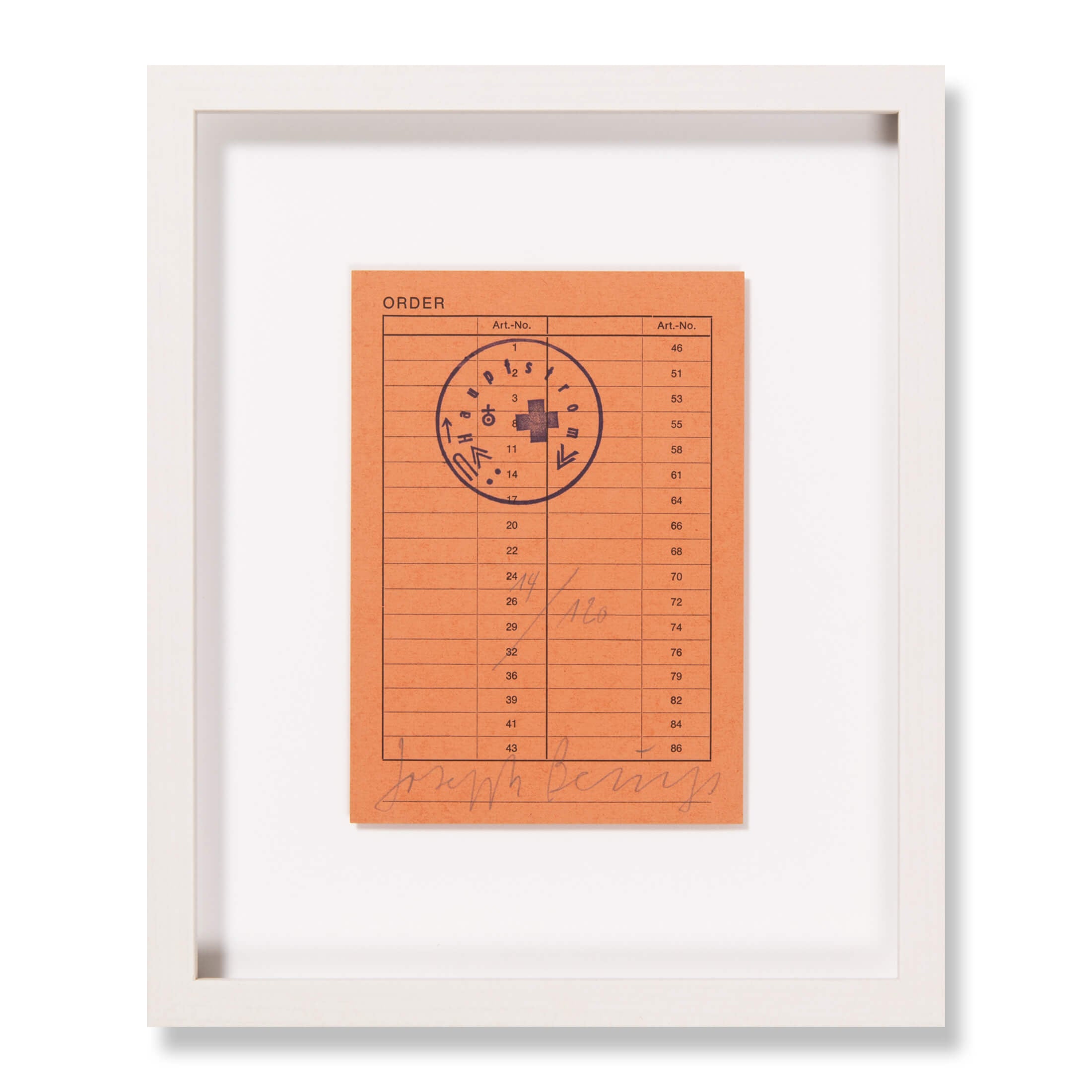
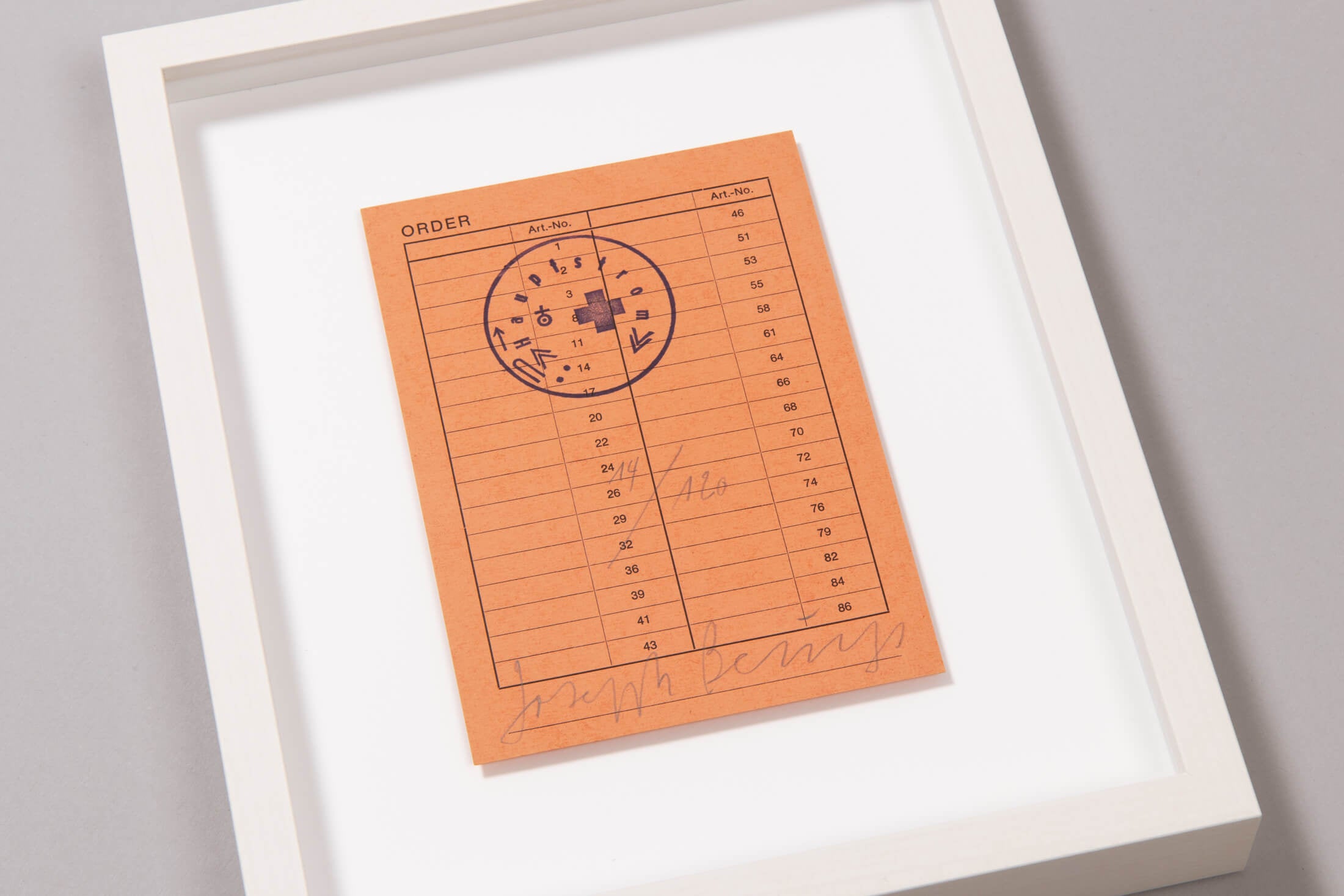
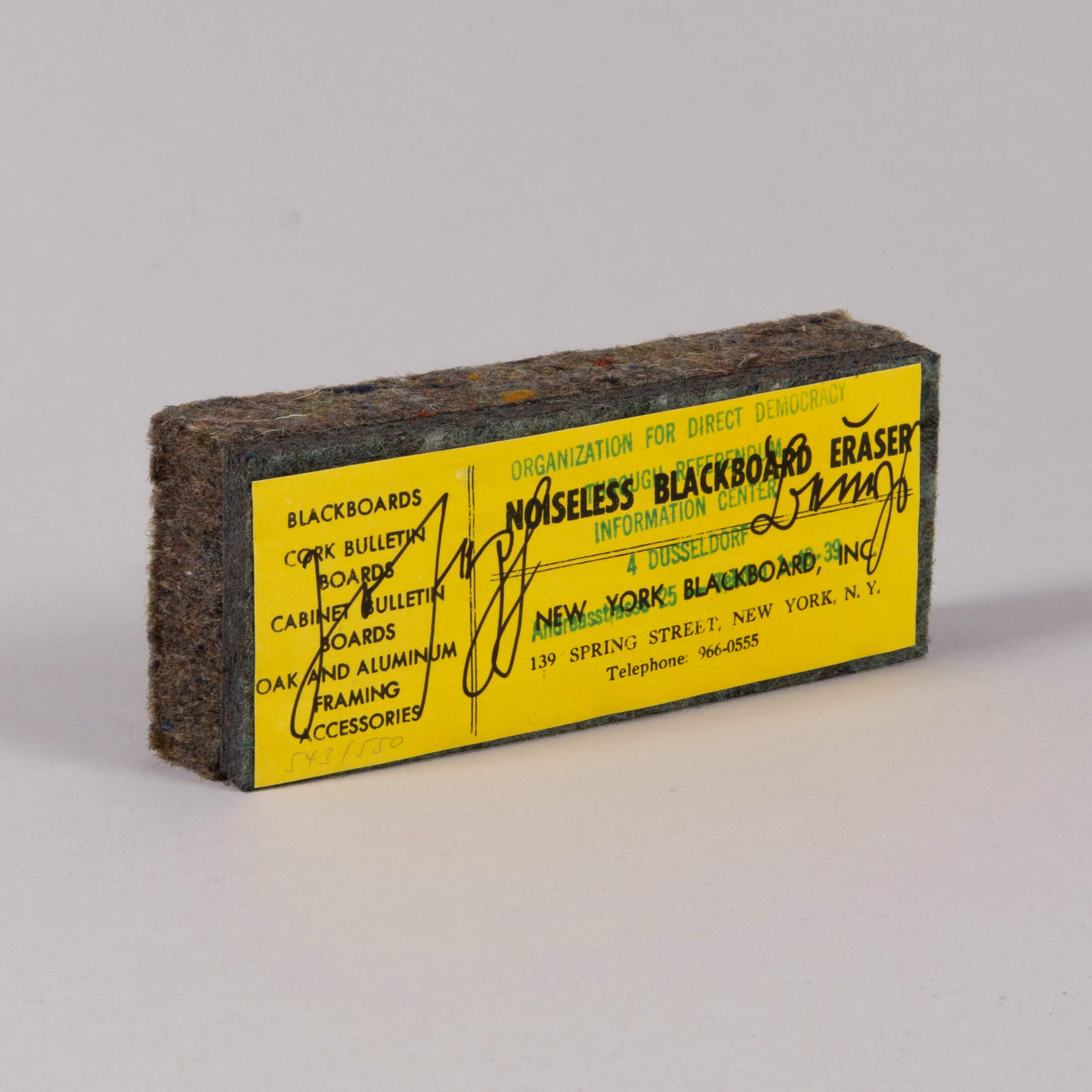
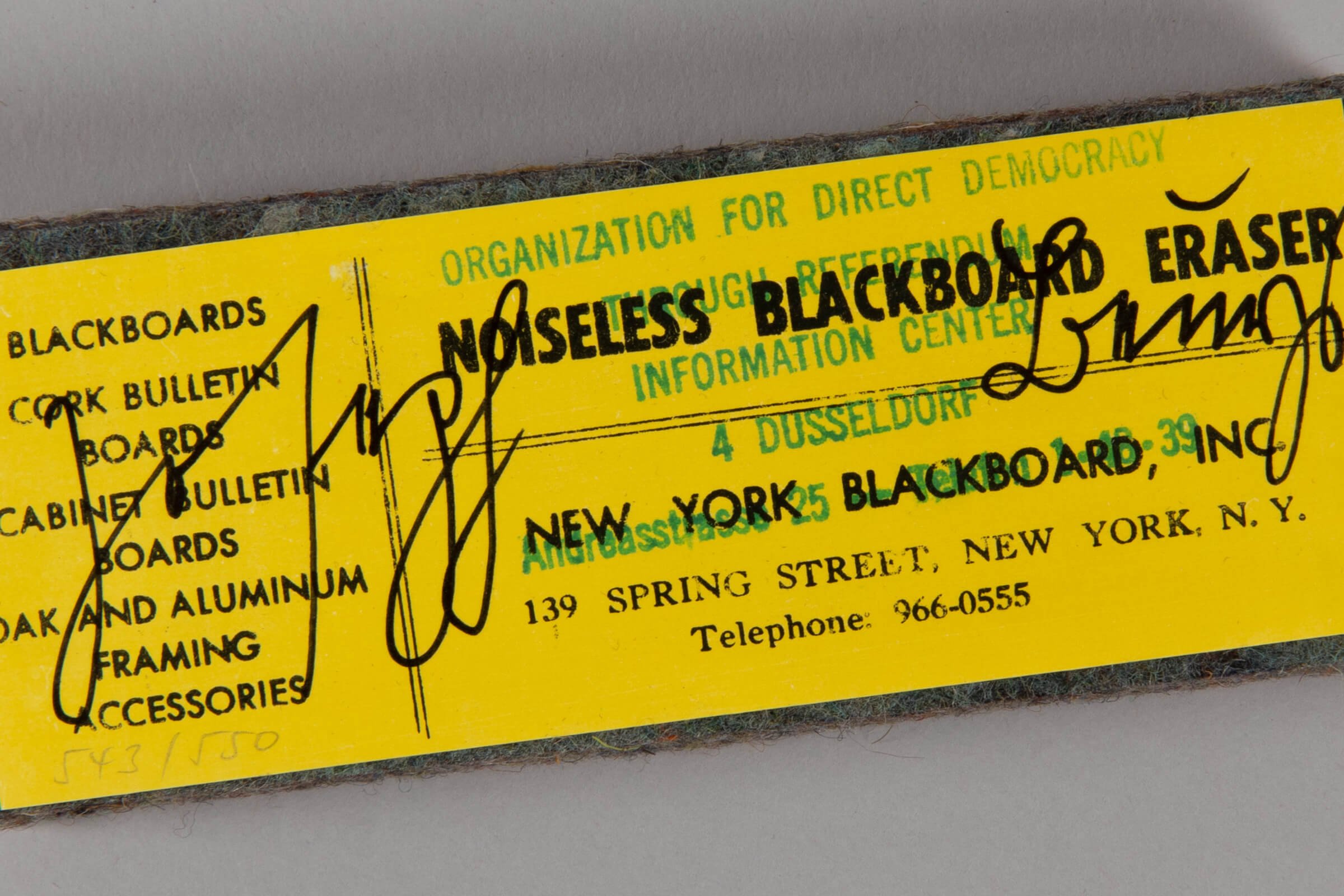
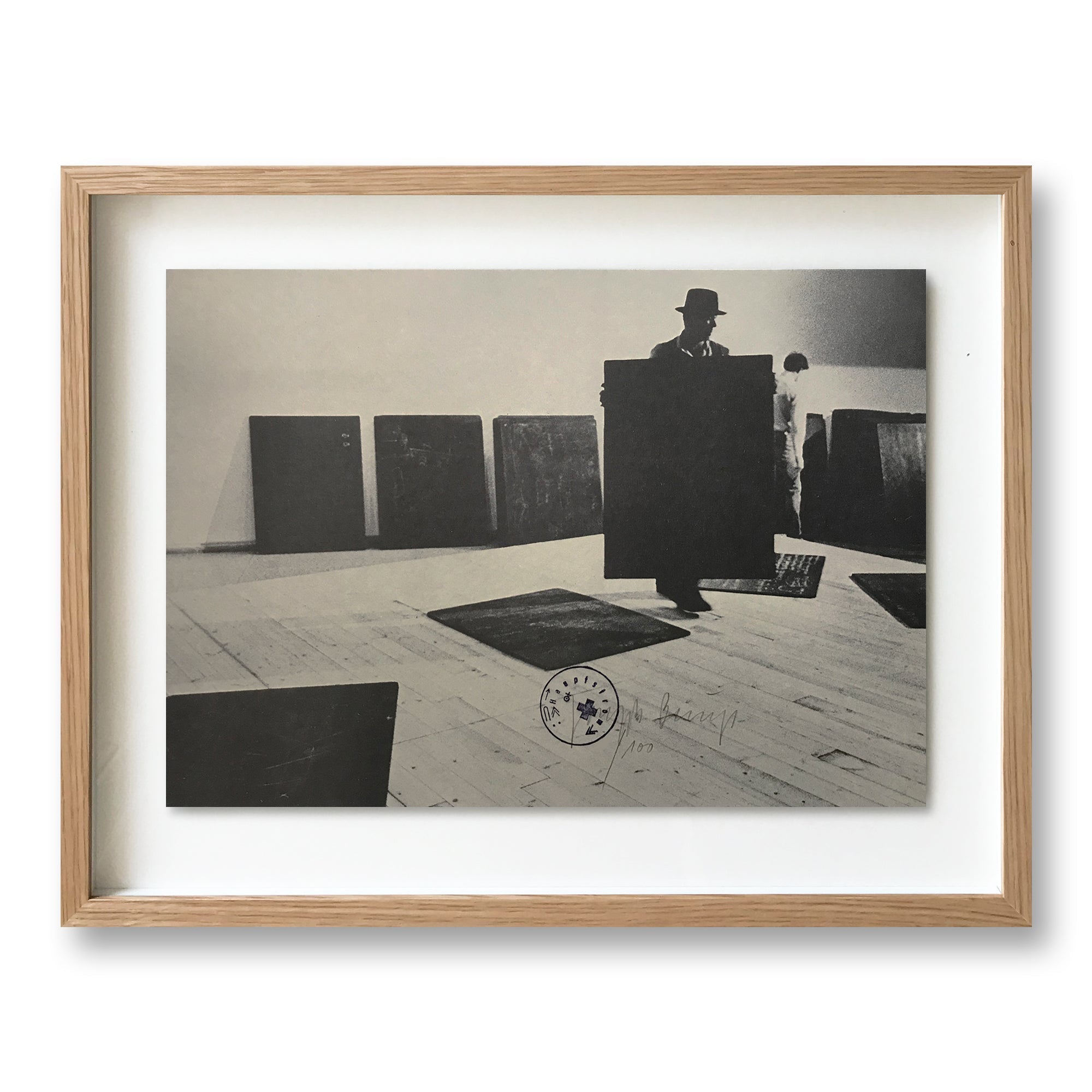
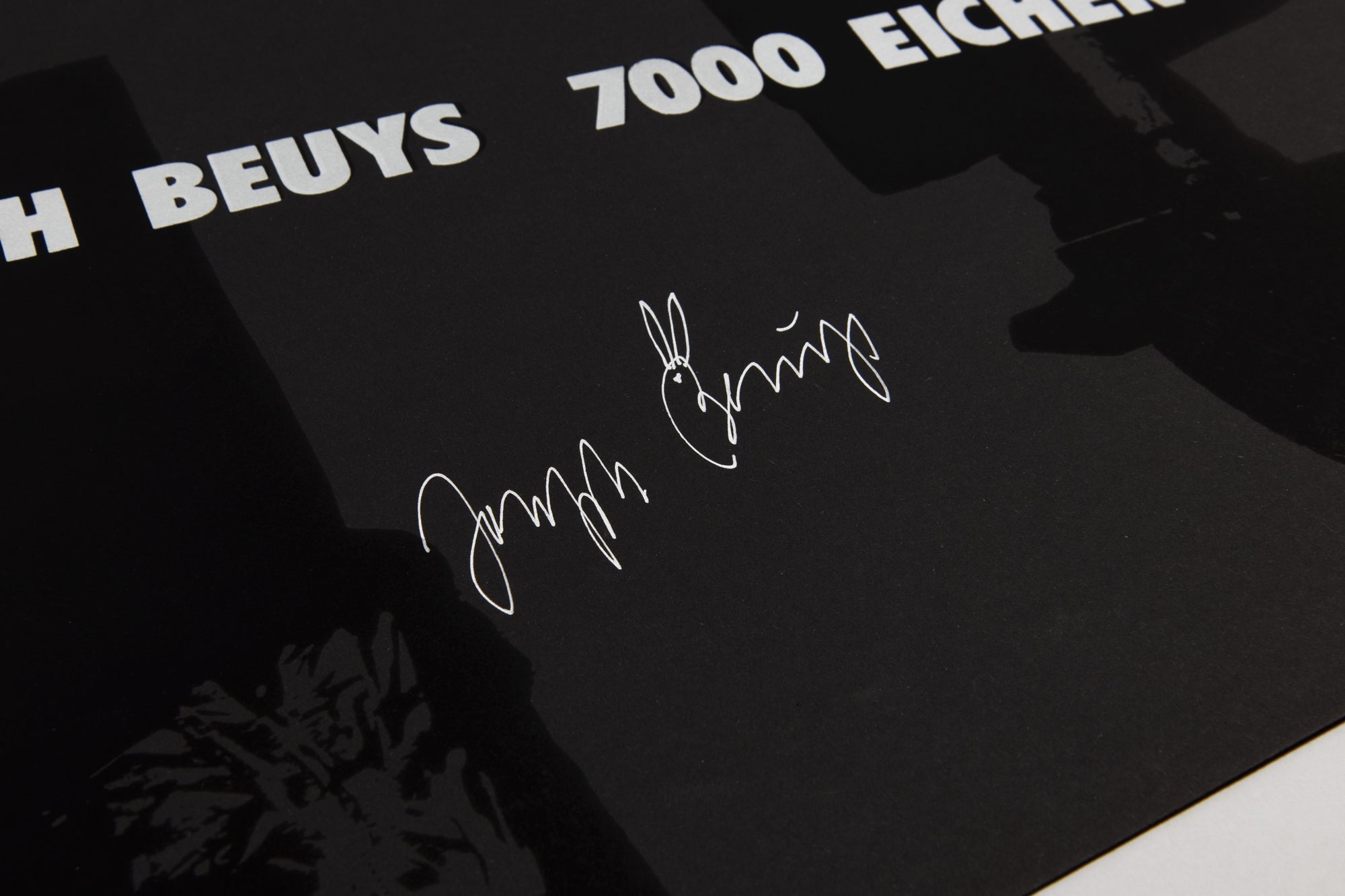
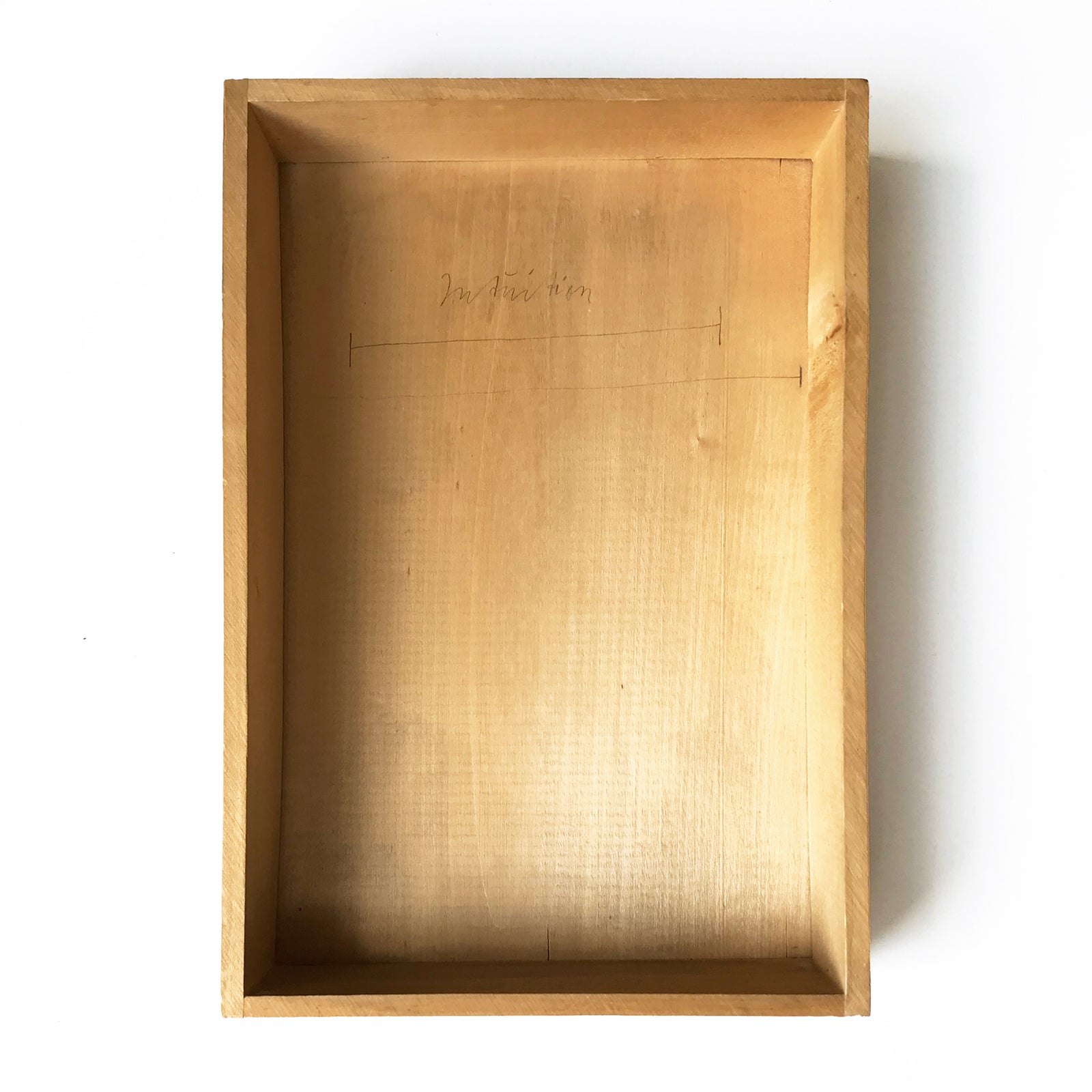
Joseph Beuys prints and multiples for sale.
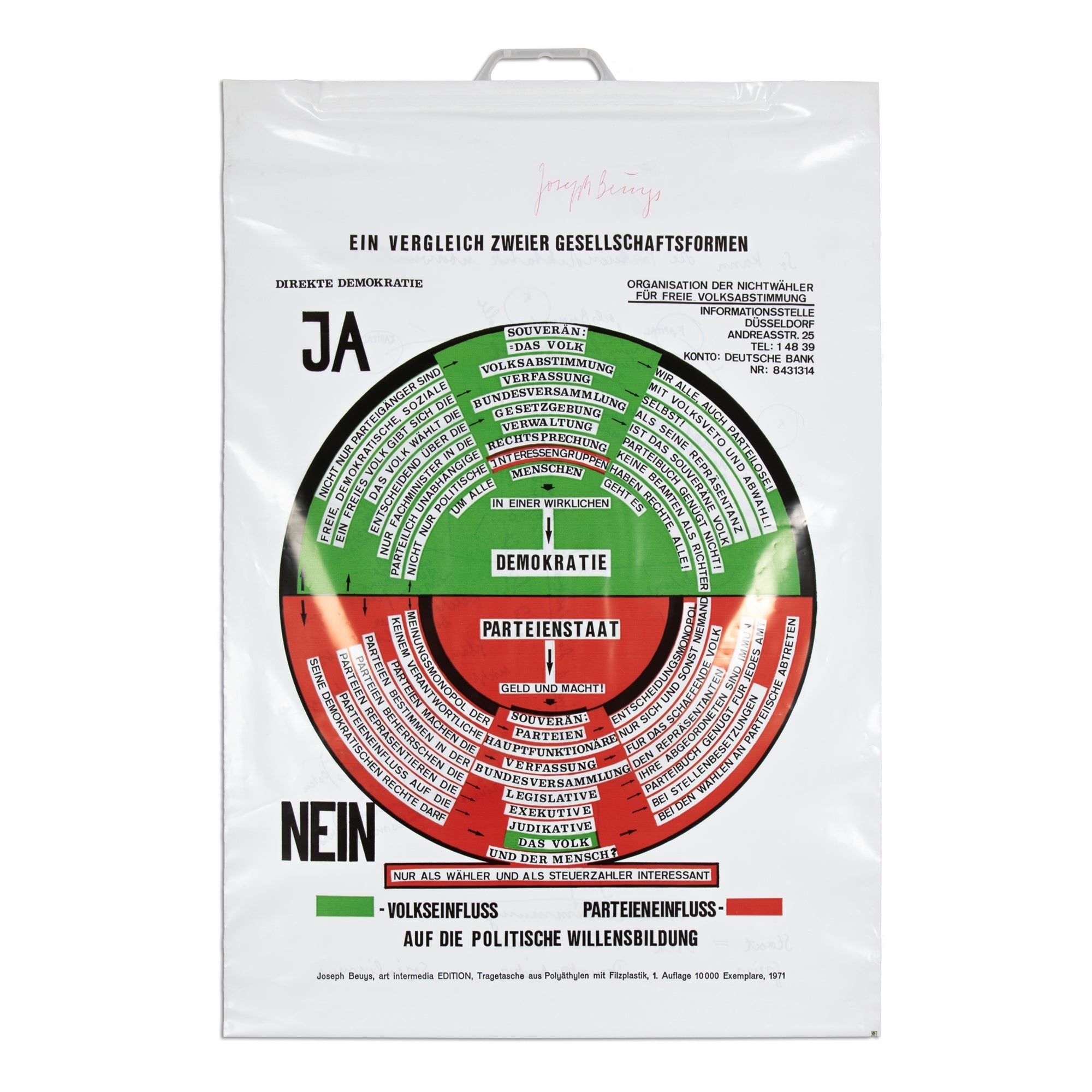
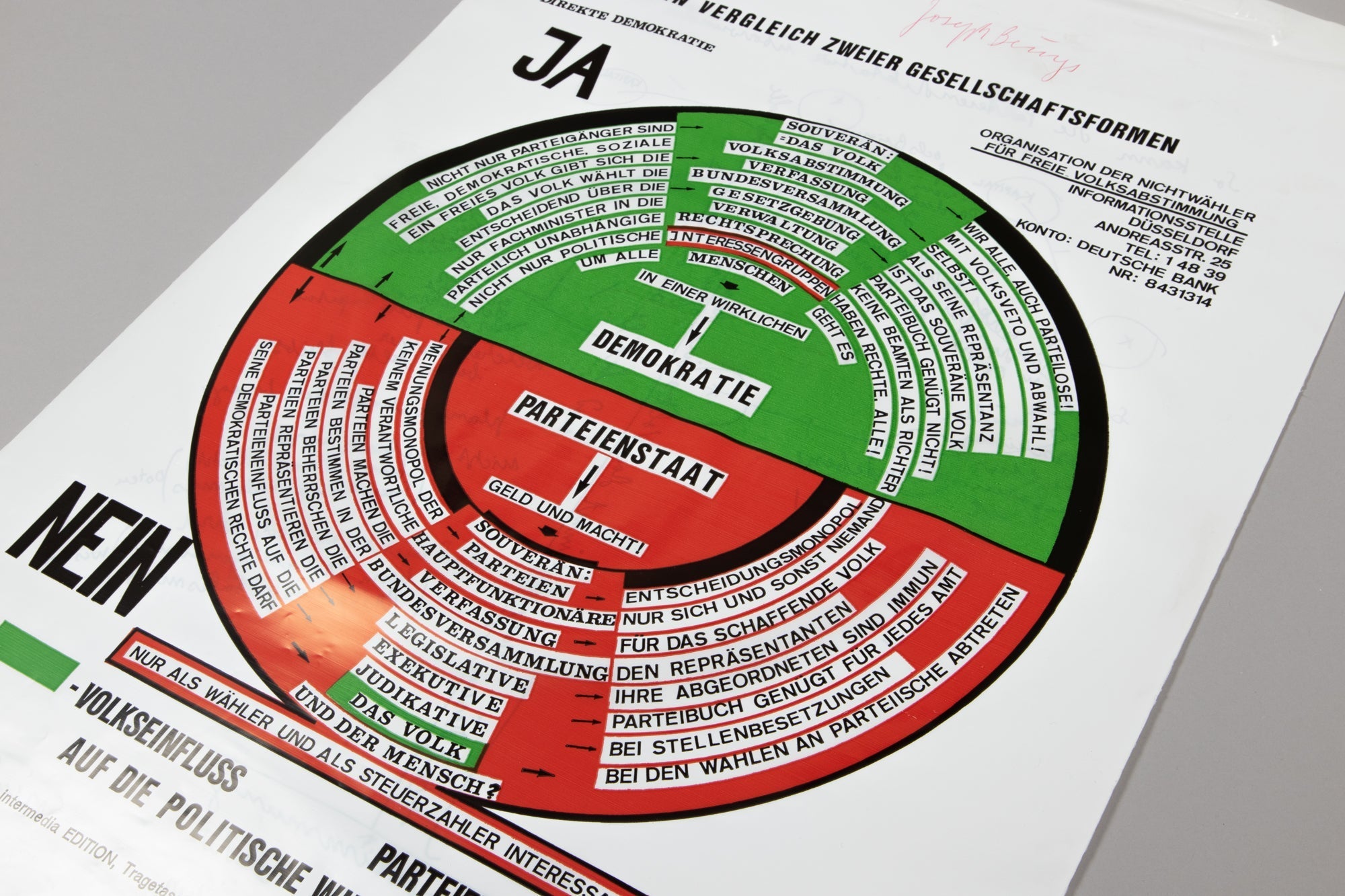
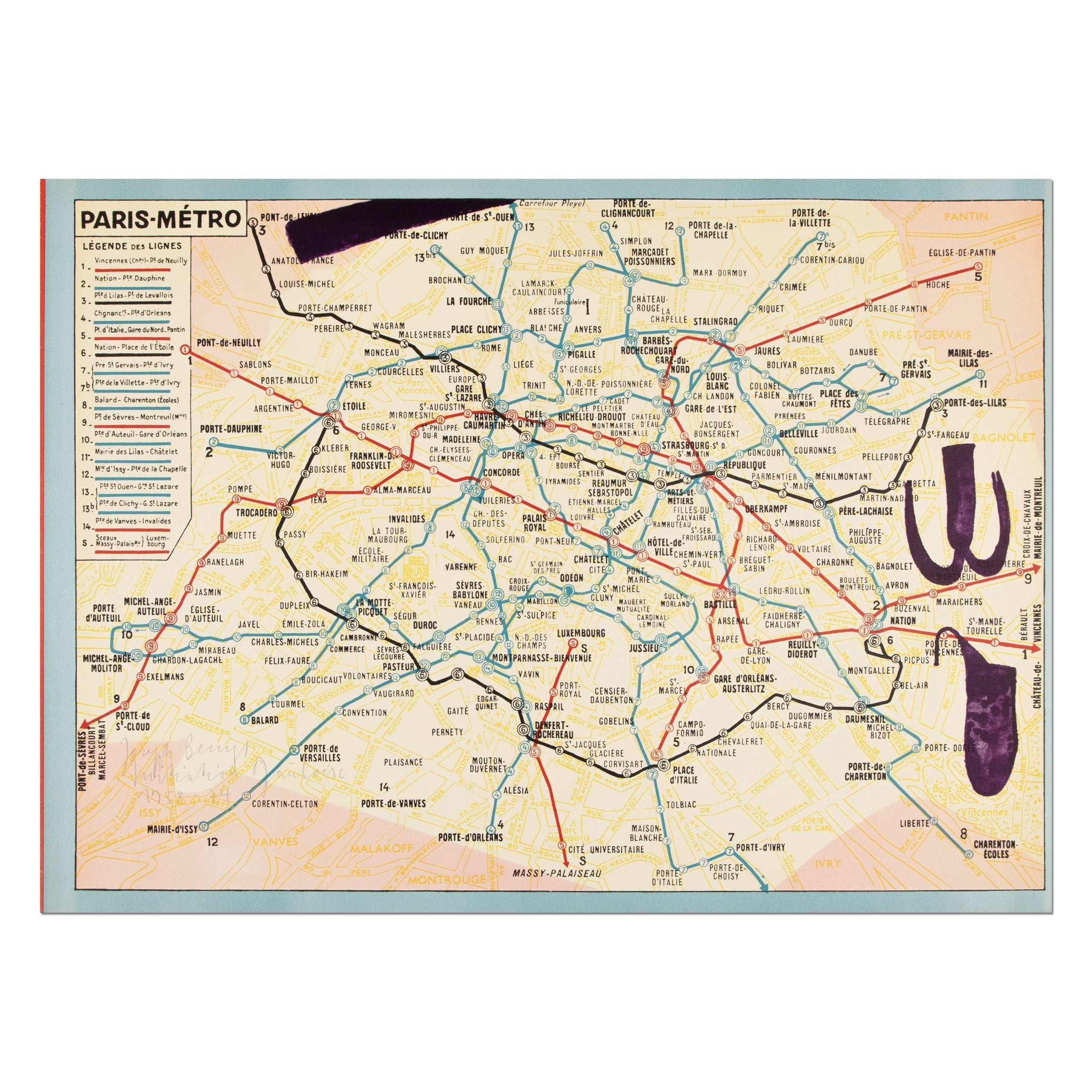
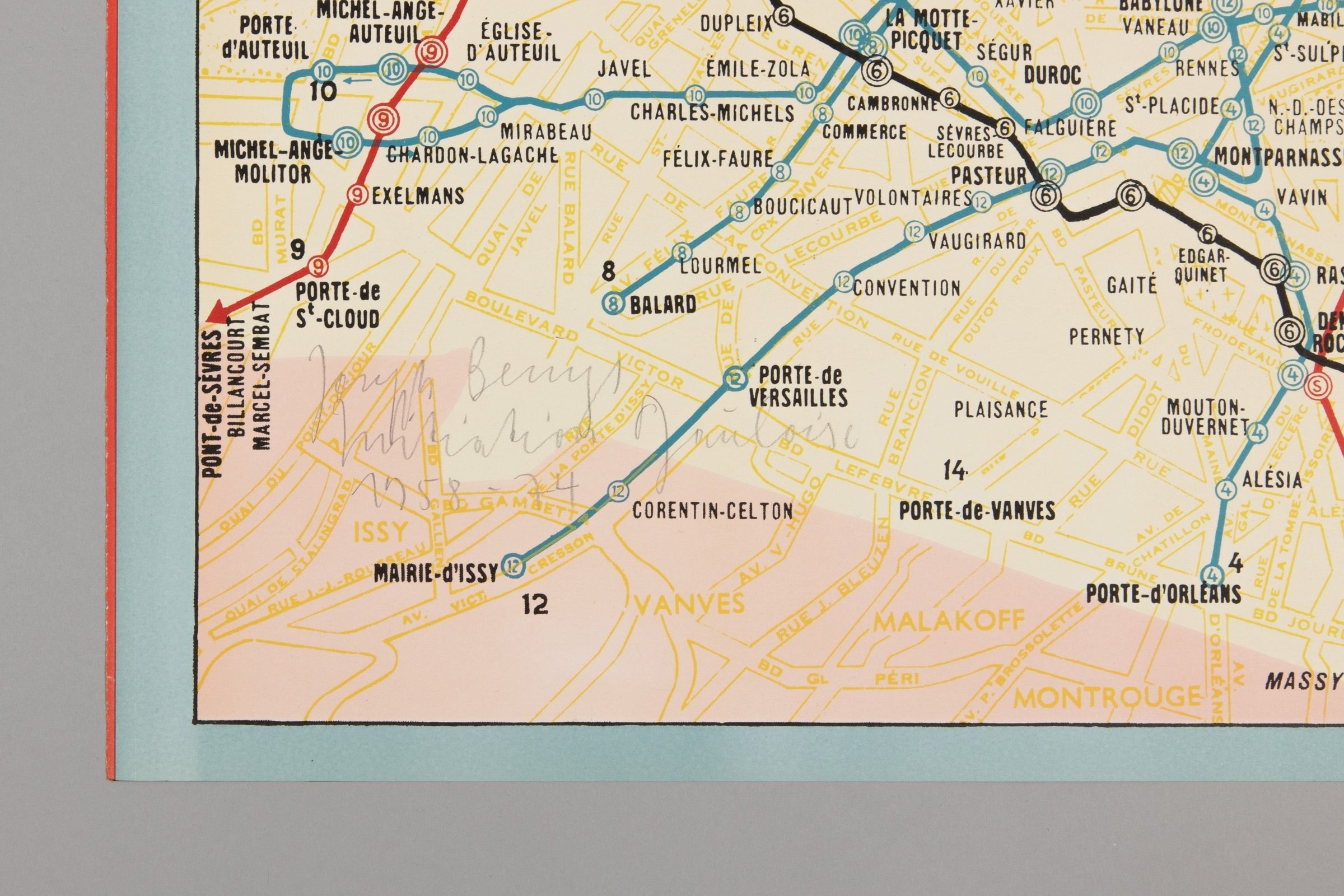
Joseph Beuys believed the artwork was never the object — it was the change in consciousness the object could provoke. His material language of felt, fat, and warmth traces back to a founding myth: that Tatar nomads rescued him from a 1944 plane crash and wrapped him in felt and fat to keep him alive. His conviction that “everyone is an artist” was not a slogan but a working method, most fully realised in the signed, original prints and multiples he produced to put his ideas into direct circulation. His artworks are held at Tate, the Centre Pompidou, and the Guggenheim.
Available Prints & Editions
6 products



Joseph Beuys: Key Questions
Collecting Joseph Beuys?
Looking for a specific artwork or have a question about an edition? We're happy to advise on availability, pricing, condition, and provenance — and to source artworks beyond our current selection.
What is Joseph Beuys known for?
What does "social sculpture" mean?
Did Joseph Beuys invent the multiple?
How can you tell a genuine Joseph Beuys multiple?
How much do Joseph Beuys artworks sell for?


