

Figurative Abstraction

Figurative Abstraction for sale. Collect figurative abstract prints and editions by leading contemporary artists including Cecily Brown, Dana Schutz, and Georg Baselitz. Combining elements of figurative and abstract art, this dynamic genre blends recognizable forms with expressive, non-representational techniques. Discover significant figurative abstraction artworks available online with secure checkout and worldwide insured shipping.

Filters

Sort by:

87 products

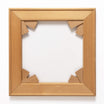
Invader – Rubik Camouflage
Invader – Rubik Camouflage Sale price€5.400,00
Genieve Figgis - PicnicGenieve Figgis - Picnic
Genieve Figgis – Picnic Sale price€5.800,00
Gary Hume - MiseryGary Hume - Misery
Gary Hume – Misery Sale price€2.600,00
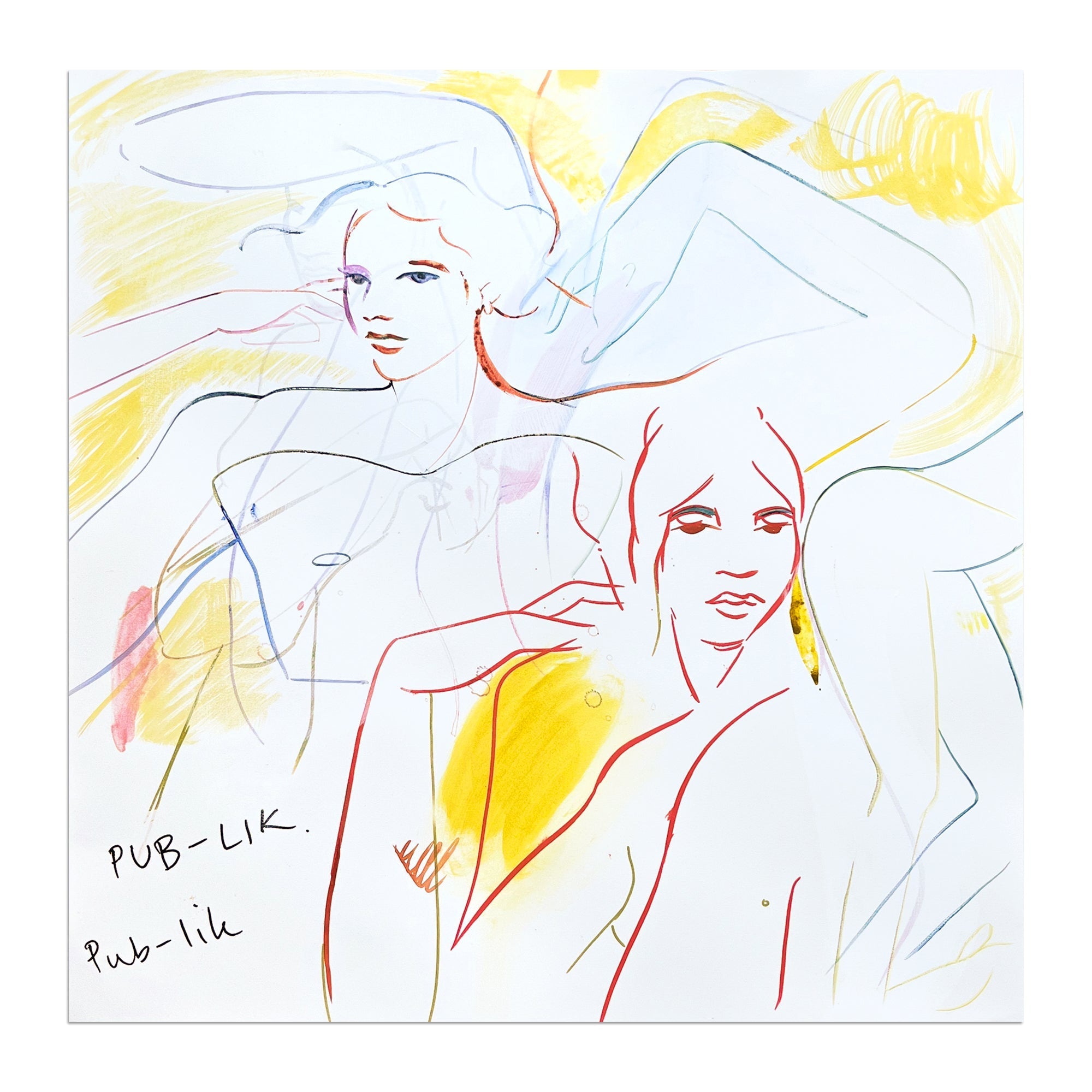
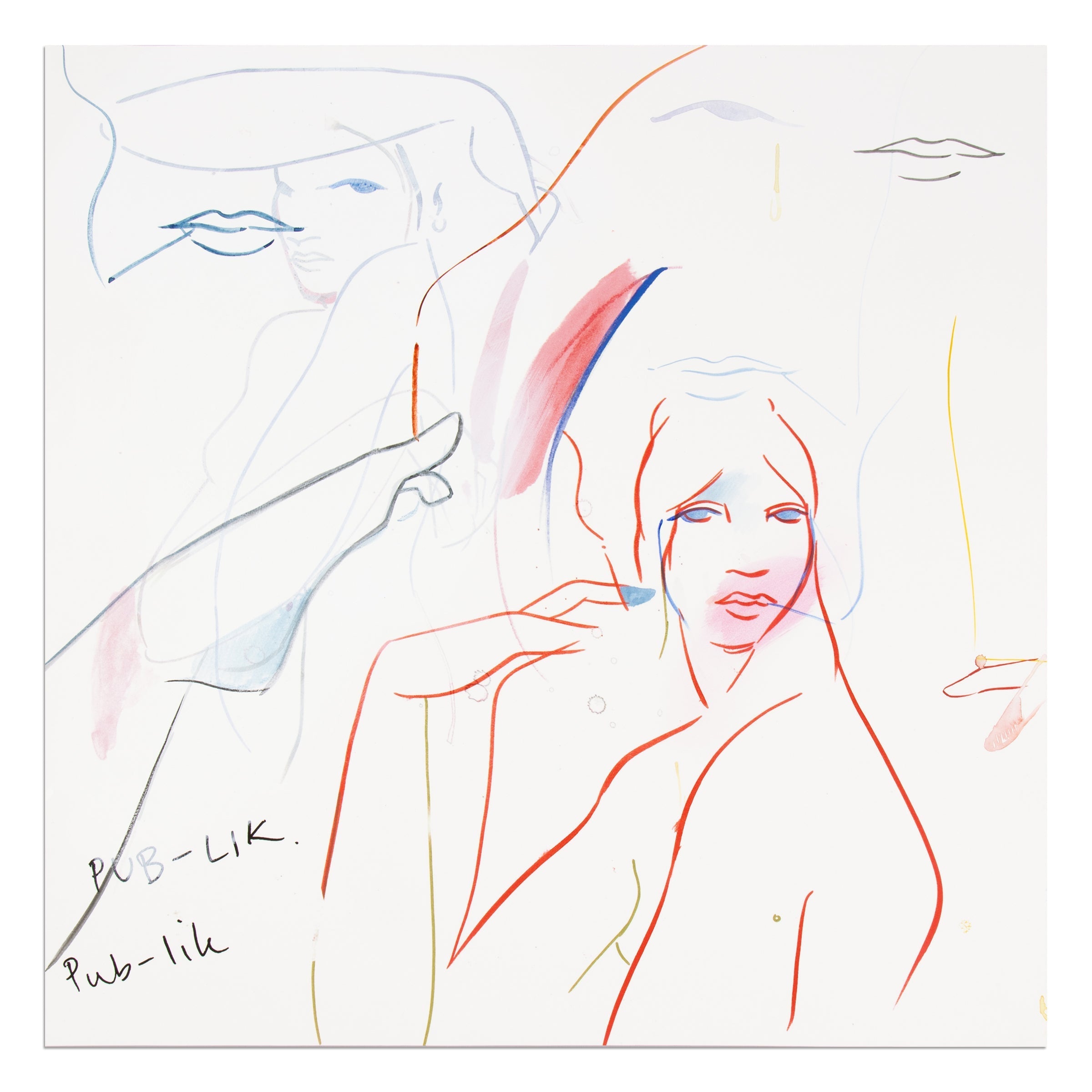
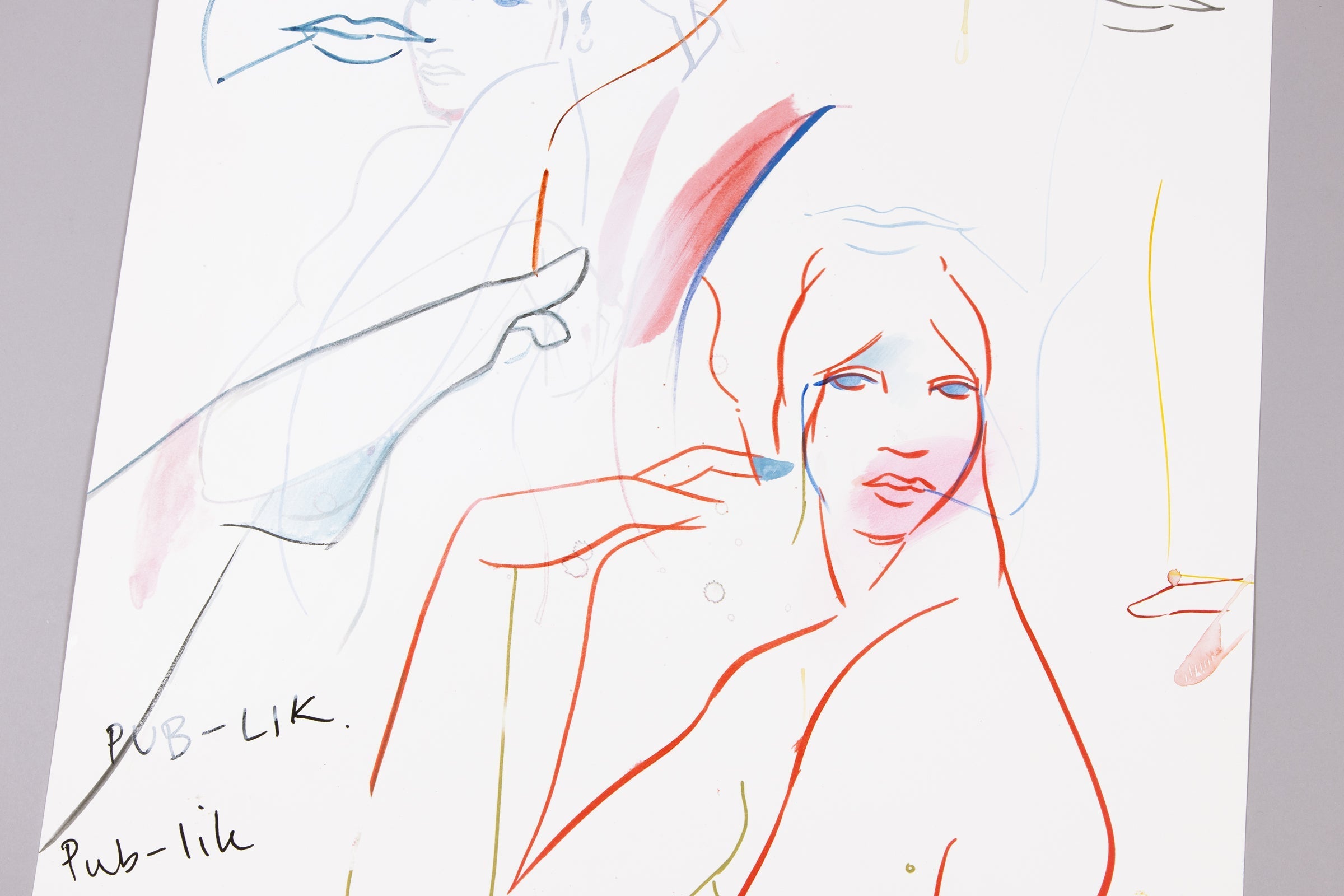
France-Lise McGurn - In Pub-lik 5
France-Lise McGurn - In Pub-likFrance-Lise McGurn - In Pub-lik
France-Lise McGurn – In Pub-lik Sale price€5.500,00
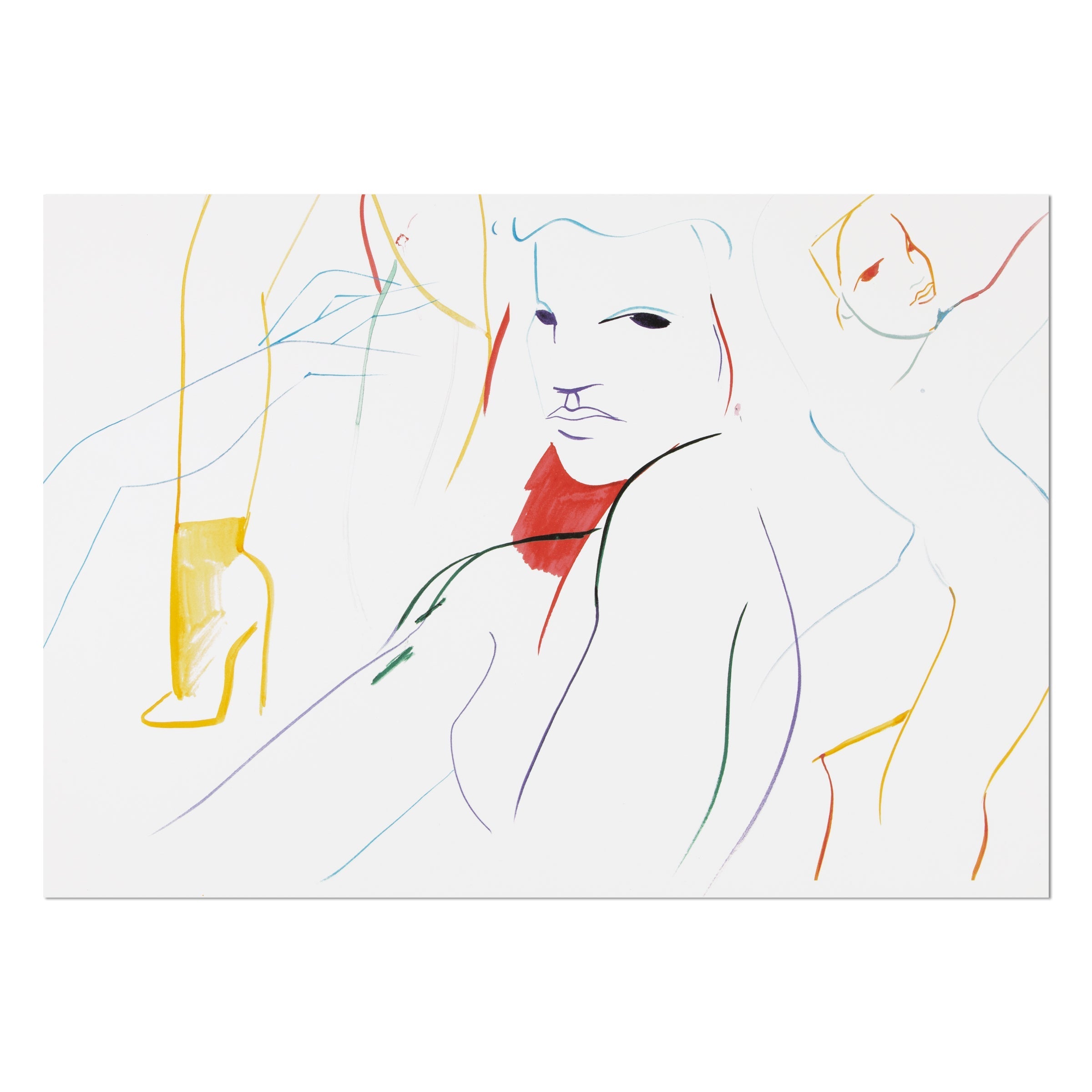
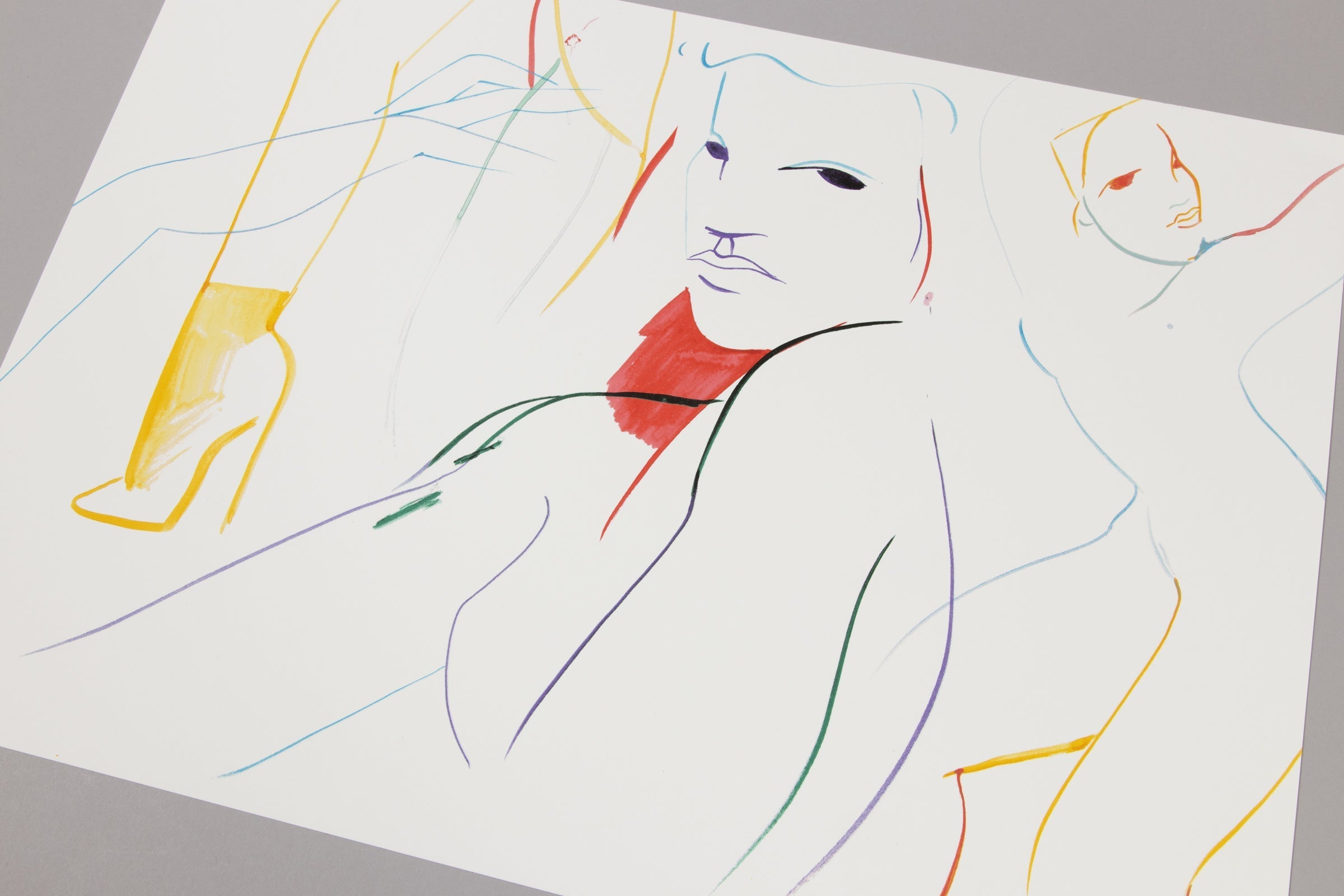
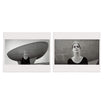
France-Lise McGurn - Dream Bod and BroncoFrance-Lise McGurn - Dream Bod and Bronco
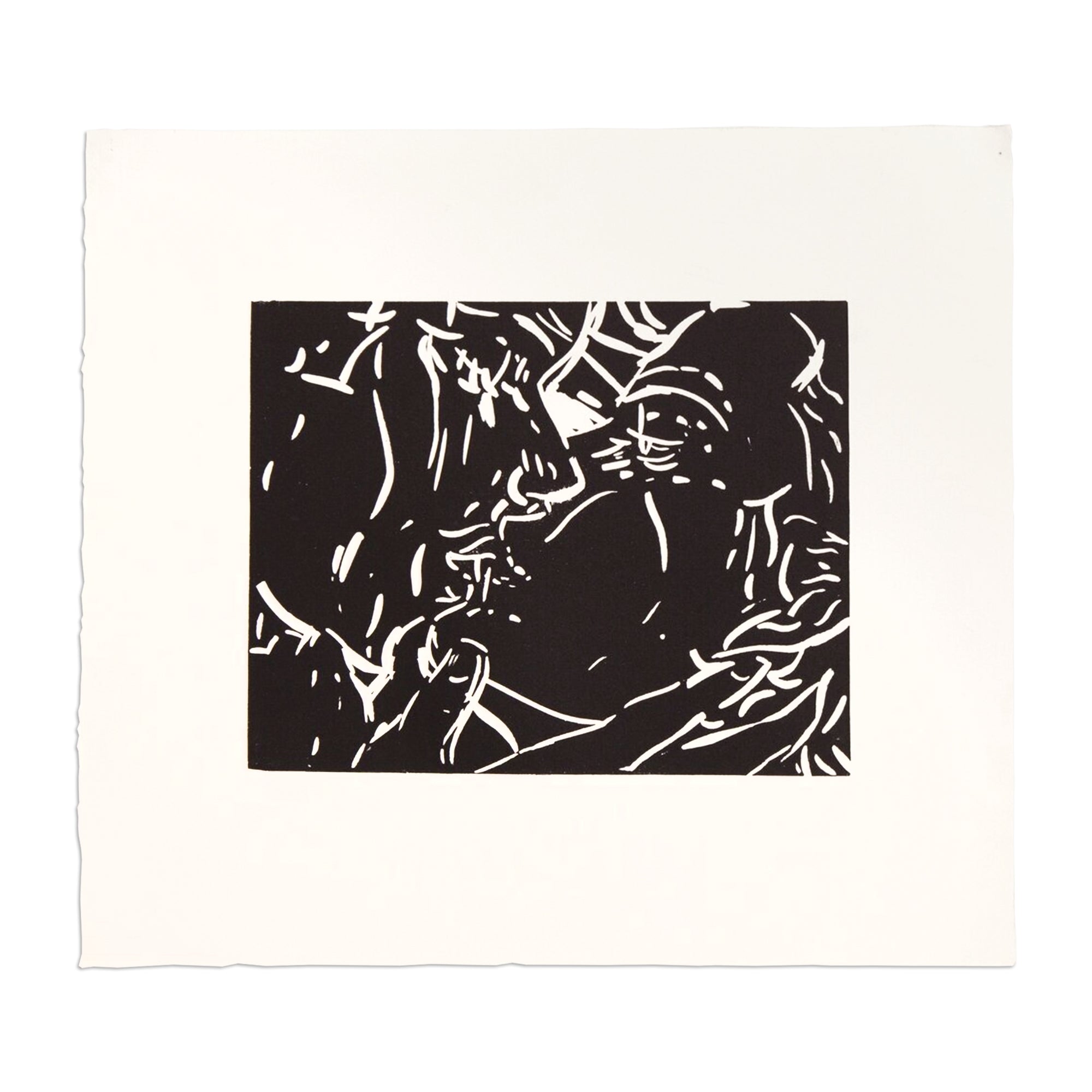
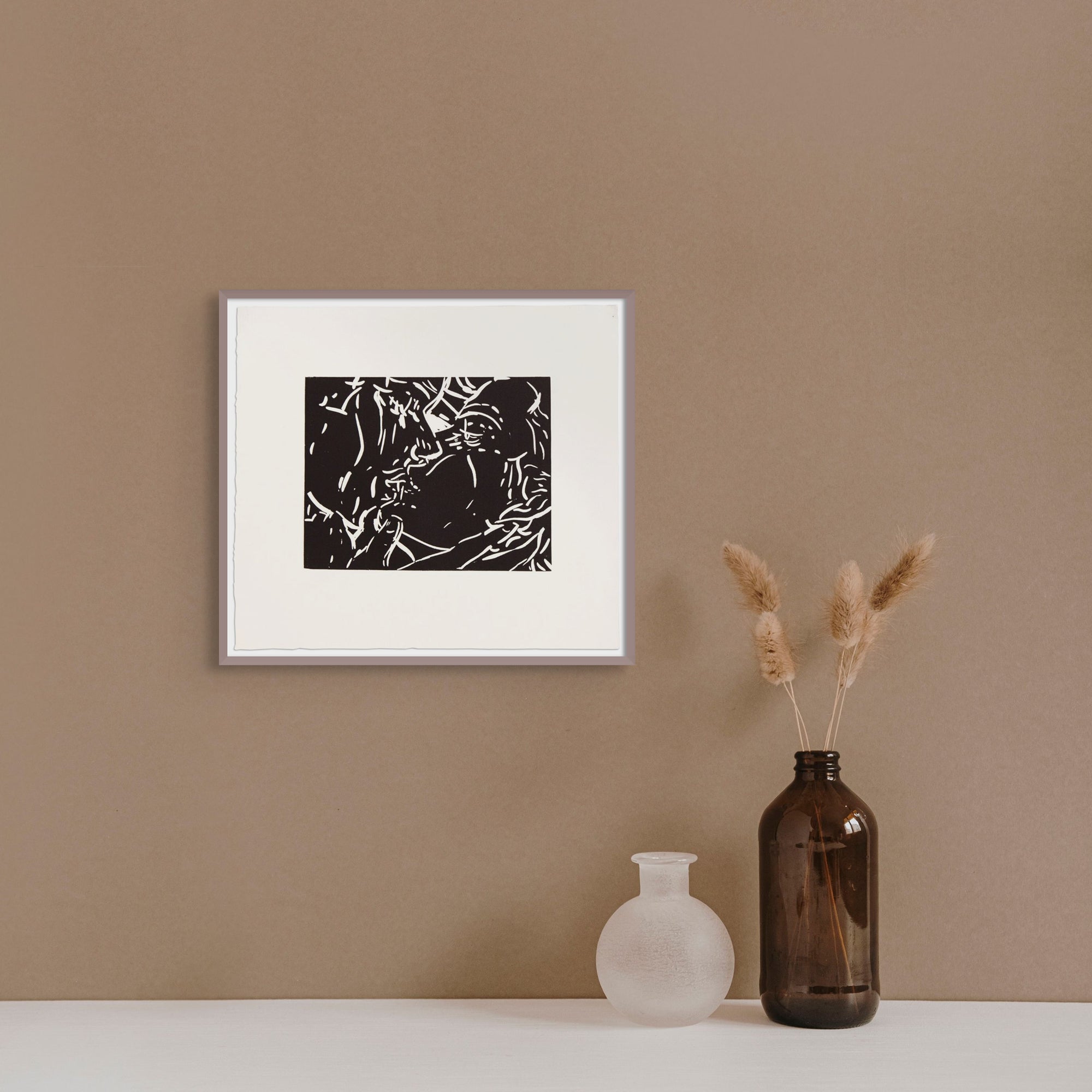
Elizabeth Peyton - The KissElizabeth Peyton - The Kiss
Elizabeth Peyton – The Kiss Sale price€3.200,00
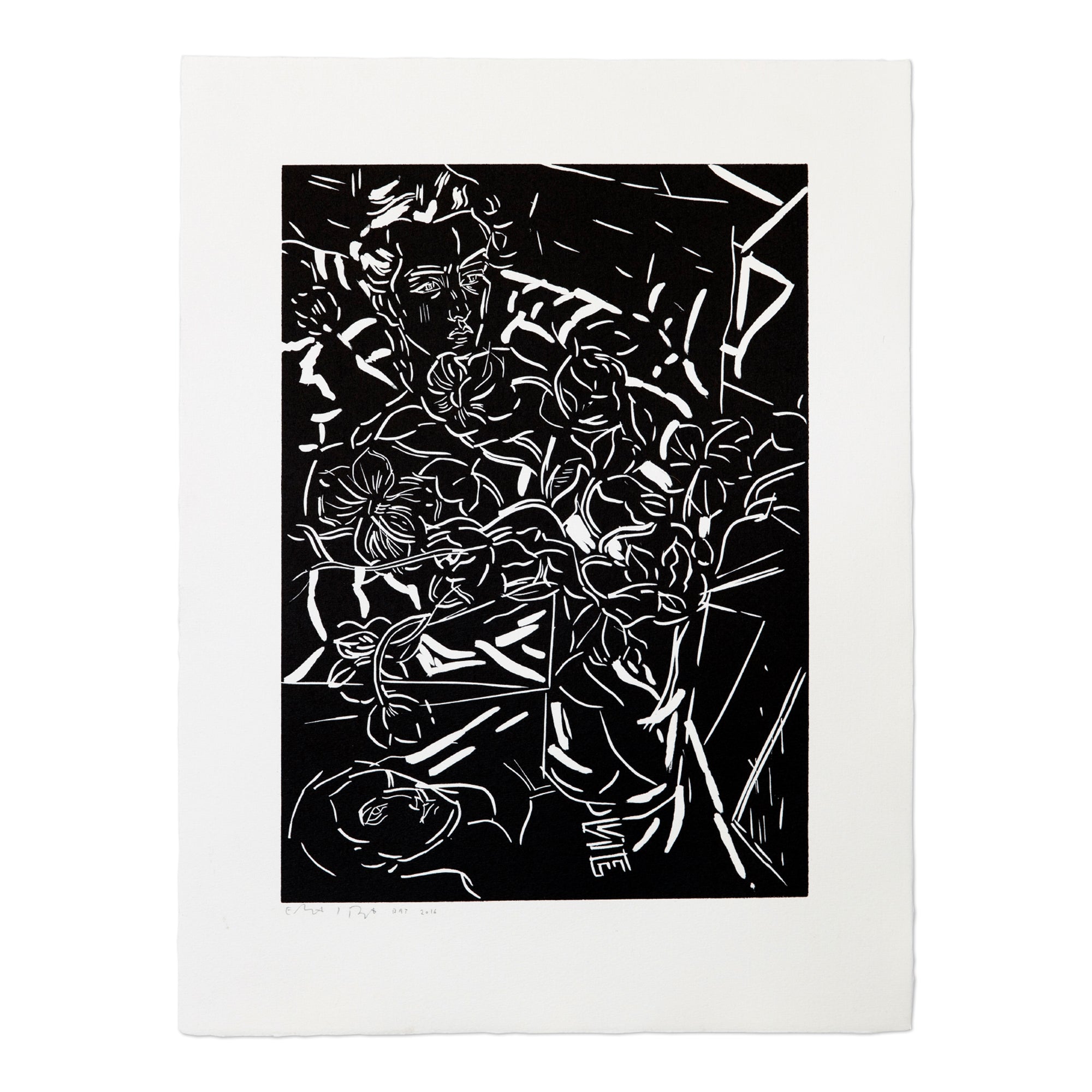
Elizabeth Peyton - Still Life
Elizabeth Peyton – Still Life Sale price€5.500,00
Elizabeth Peyton - Peter
Elizabeth Peyton – Peter Sale price€3.700,00
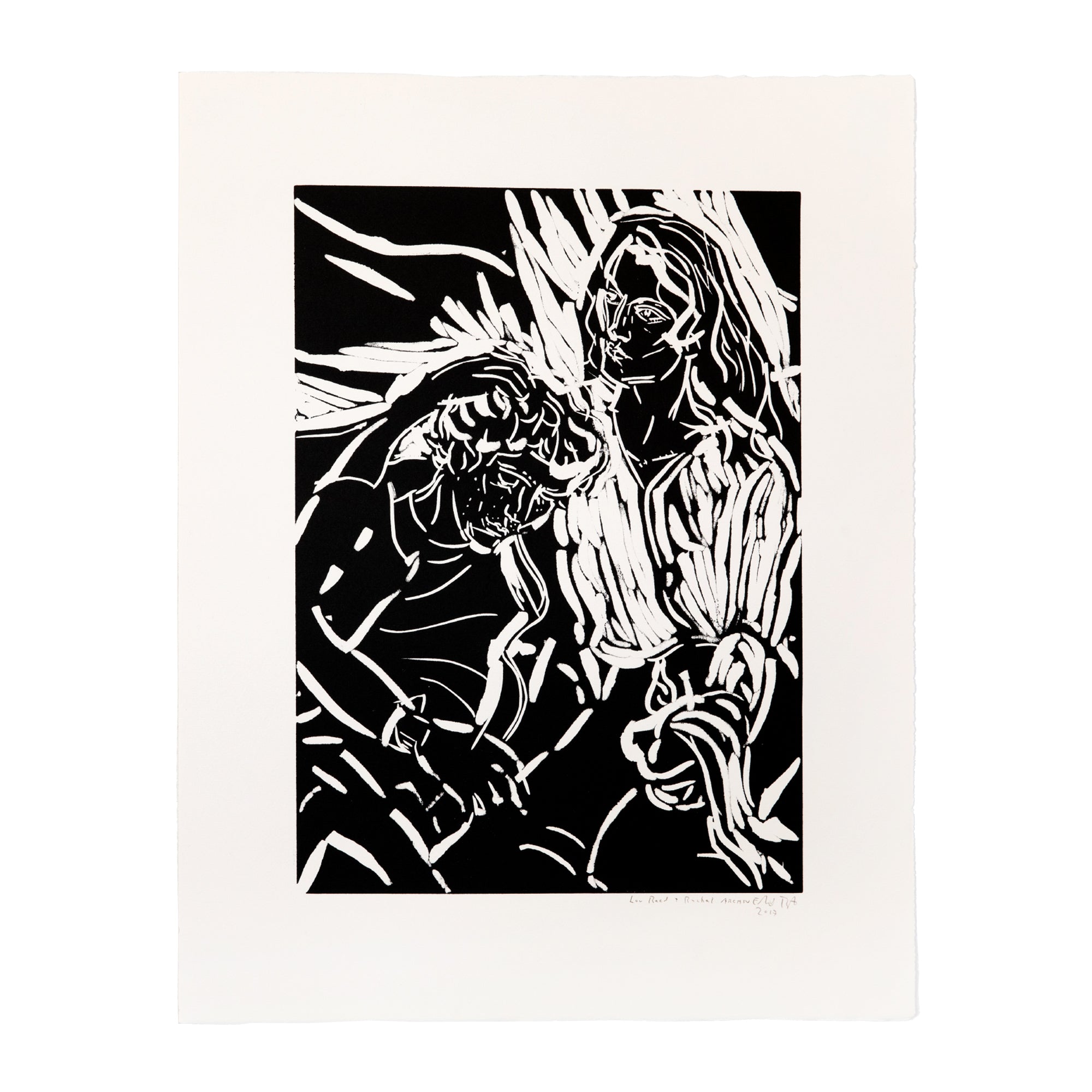
Elizabeth Peyton - Lou Reed + Rachel
Elizabeth Peyton - Frank Ocean
Elizabeth Peyton – Frank Ocean Sale price€4.200,00
Elizabeth Peyton - E (Self-Portrait)
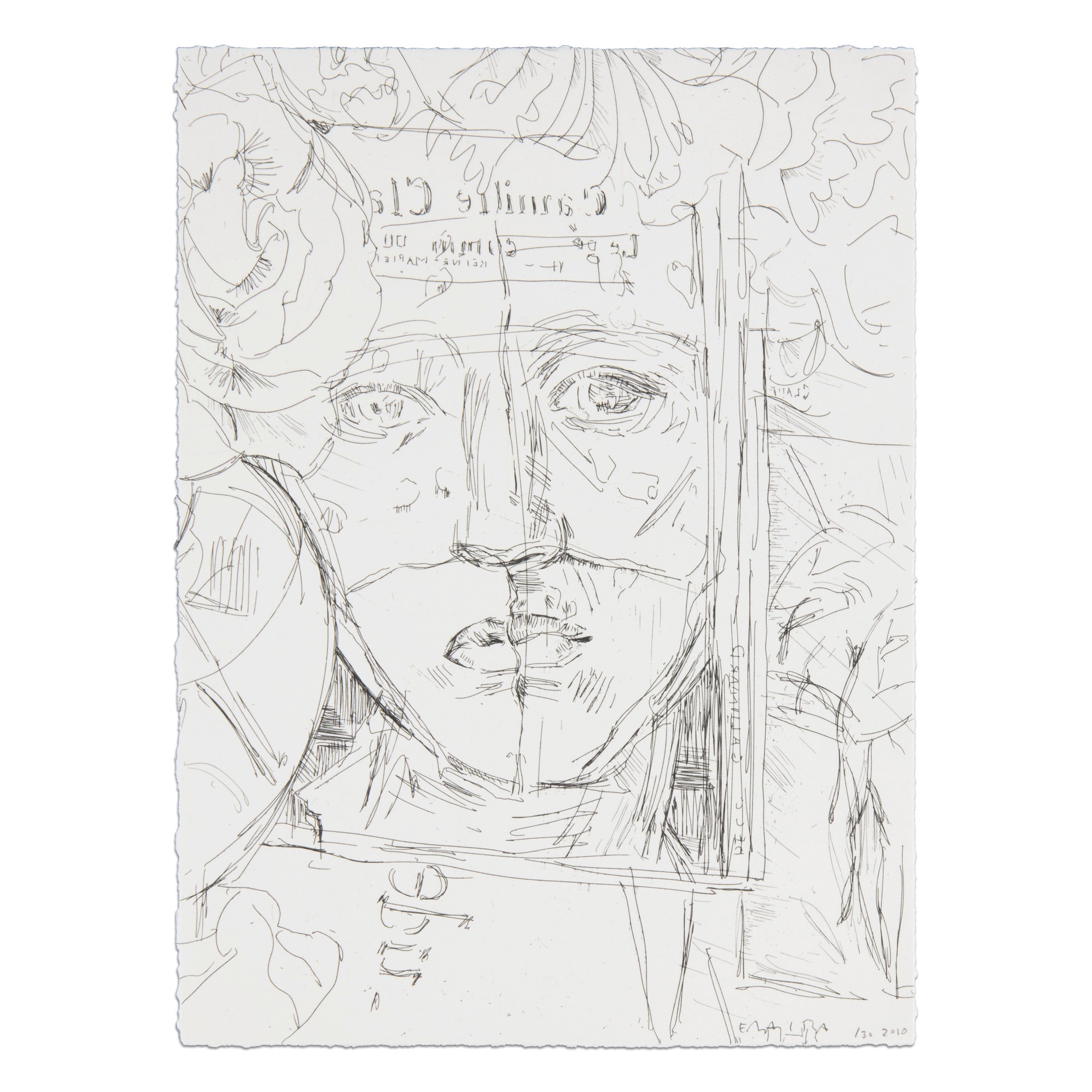
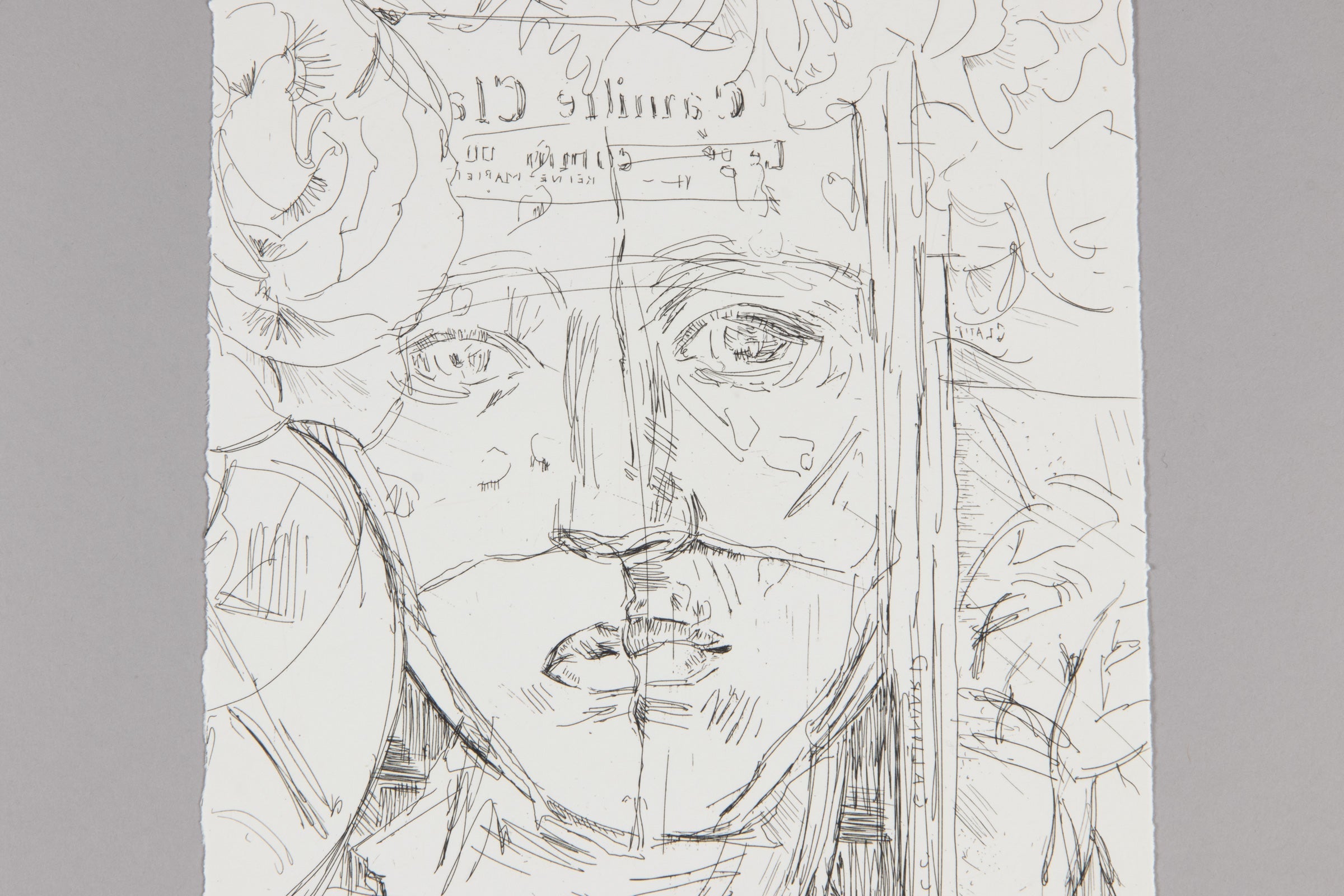
Elizabeth Peyton - Camille Claudel Flowers and BooksElizabeth Peyton - Camille Claudel Flowers and Books
Eddie Martinez - Bufly (GPBF)
Eddie Martinez – Bufly (GPBF) Sale price€4.600,00
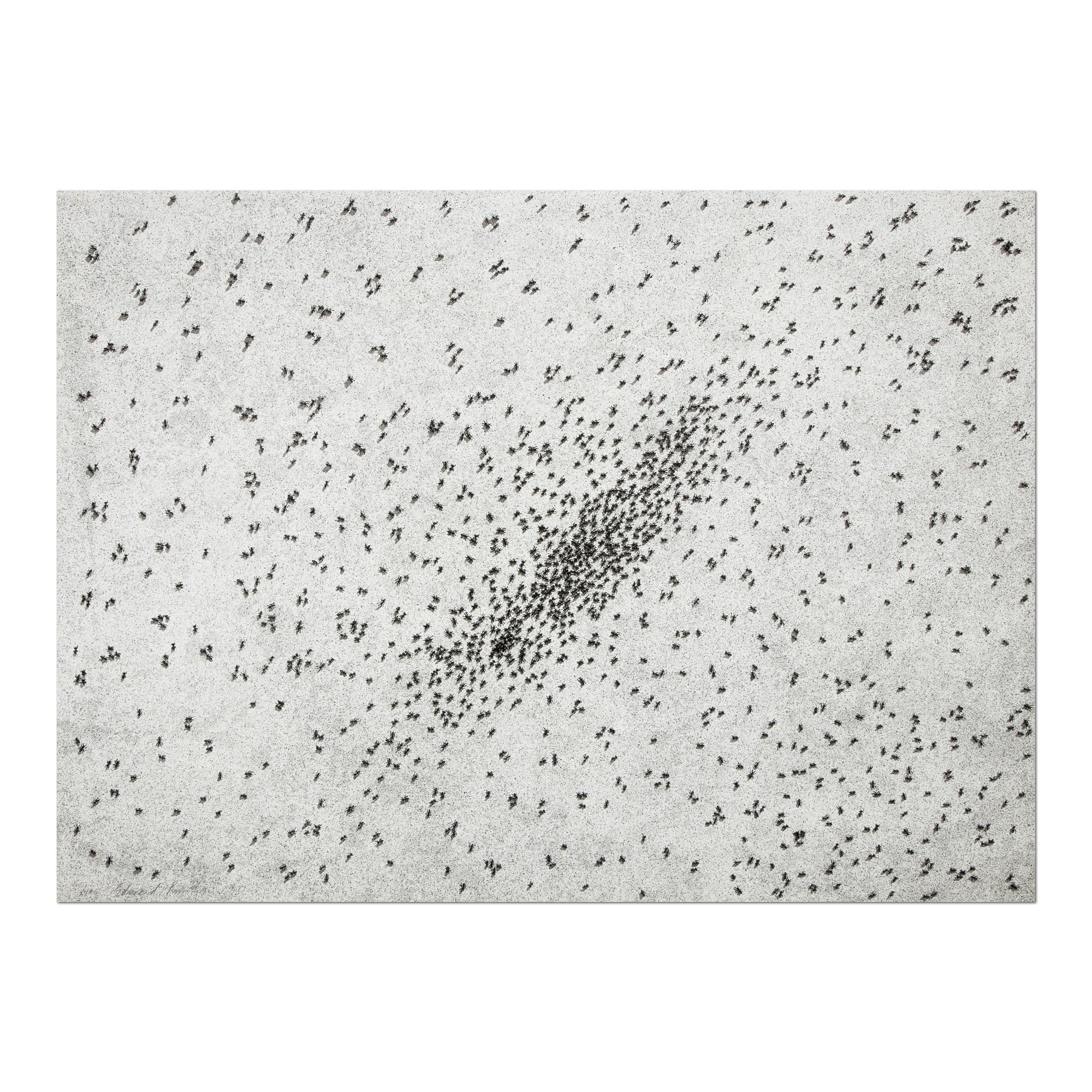
Ed Ruscha - Insect Slant (Ants)Ed Ruscha - Insect Slant (Ants)
Ed Ruscha – Insect Slant (Ants) Sale price€9.000,00
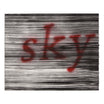
David Shrigley - The Moon Makes Us CrazyDavid Shrigley - The Moon Makes Us Crazy
David Shrigley - EyesDavid Shrigley - Eyes
David Shrigley – Eyes Sale price€3.800,00
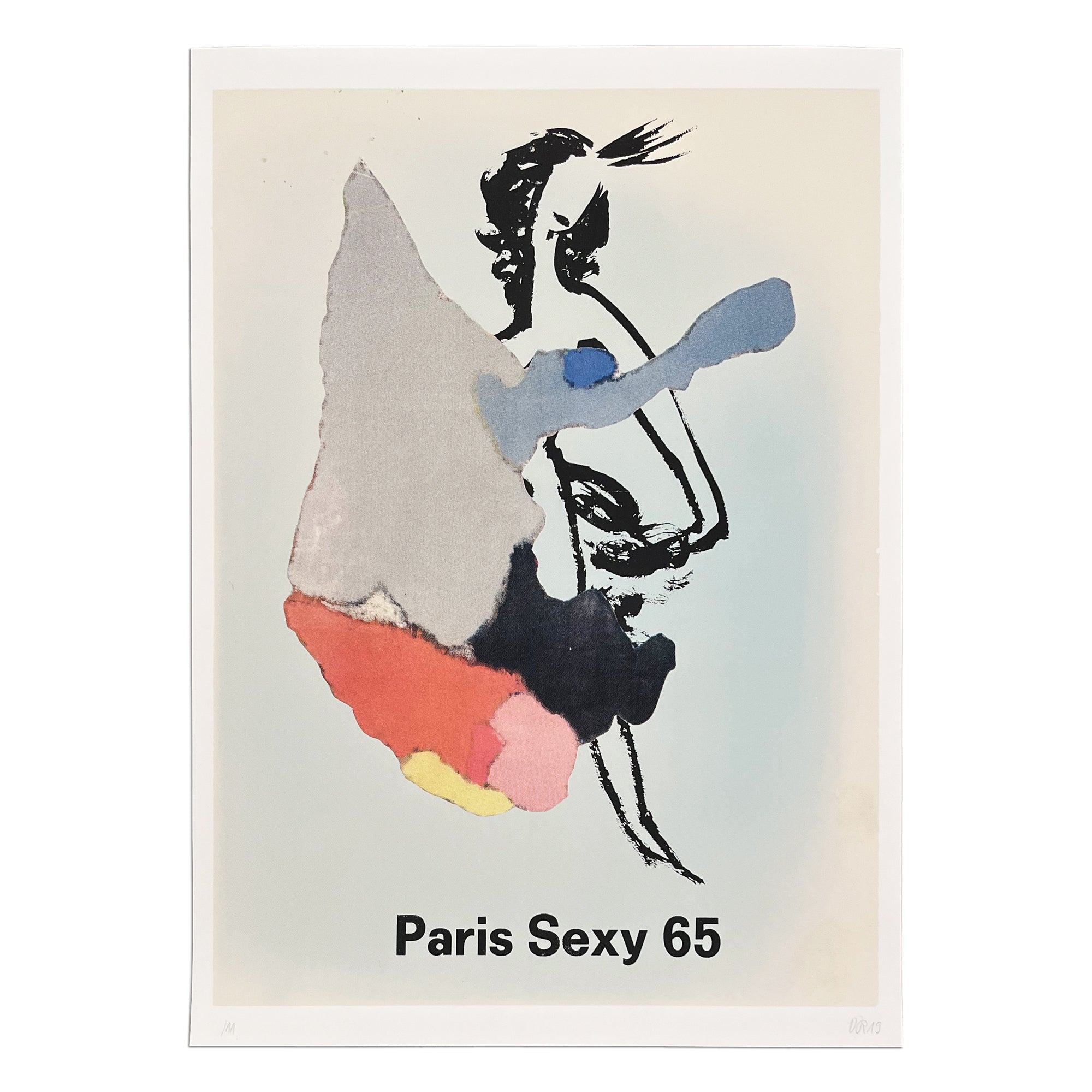
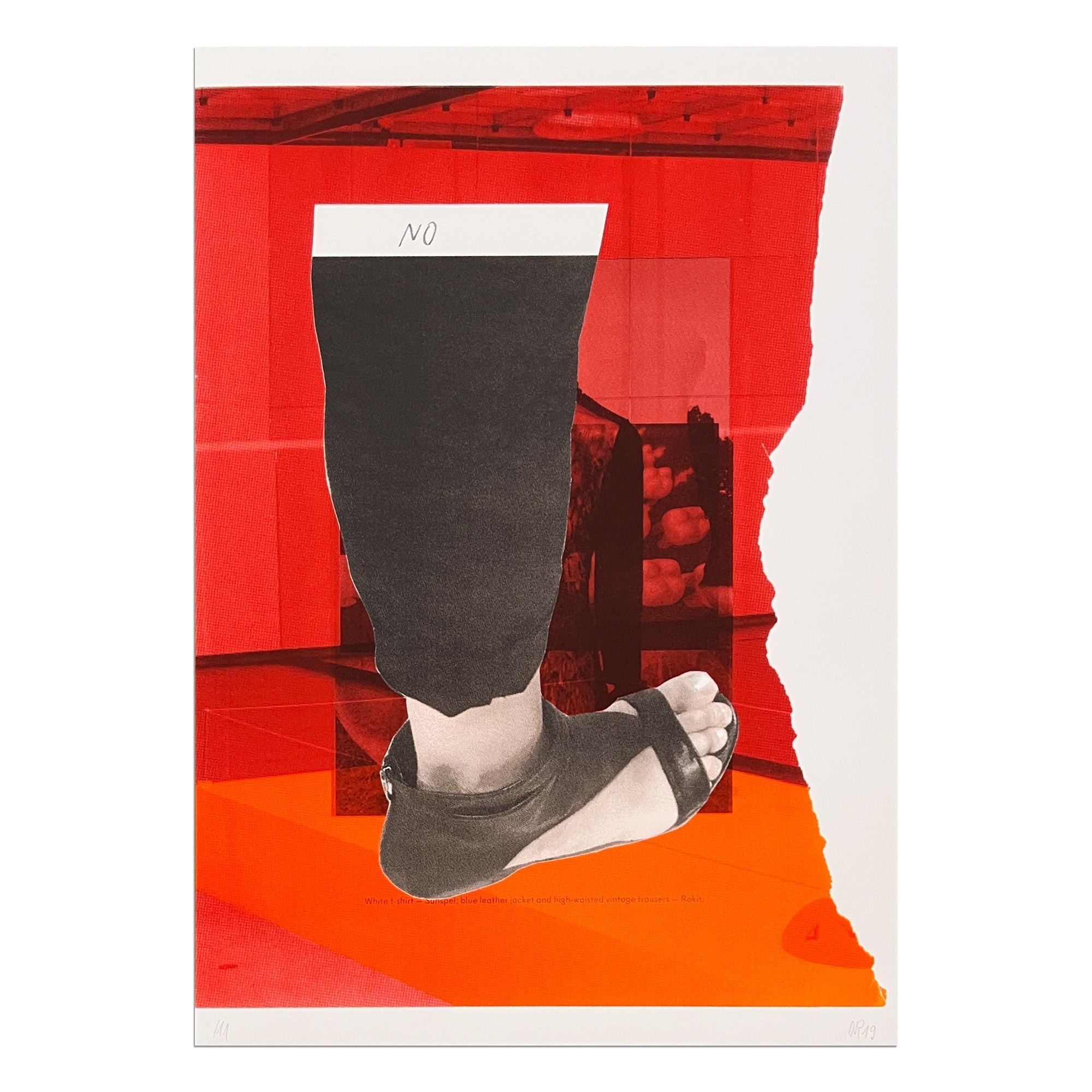
Daniel Richter - Untitled (Paris Sexy 65)
Daniel Richter, Untitled (Fuchs)
Daniel Richter - Untitled
Daniel Richter - Untitled Sale price€3.000,00
Dana Schutz - Back Surgery in BedDana Schutz - Back Surgery in Bed
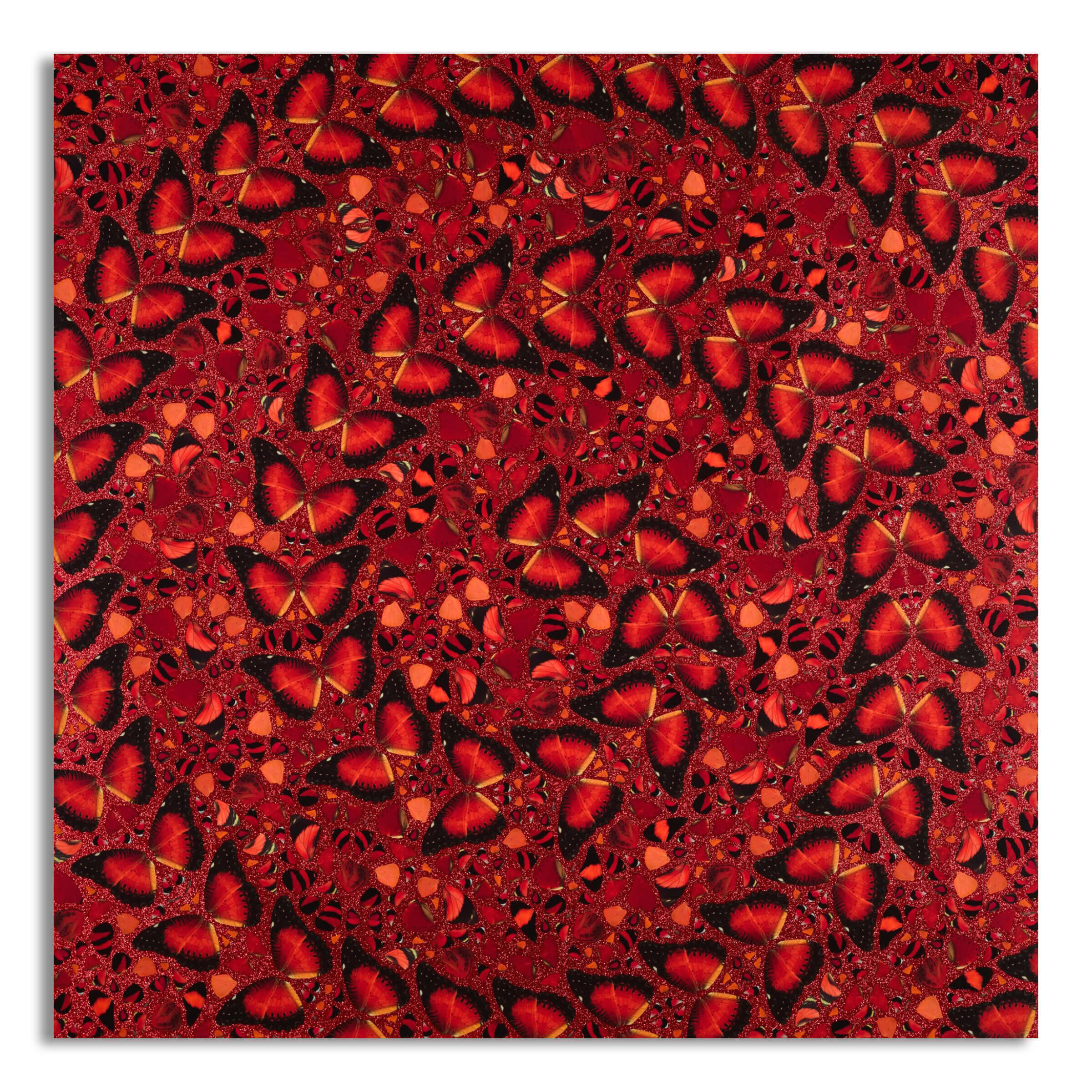
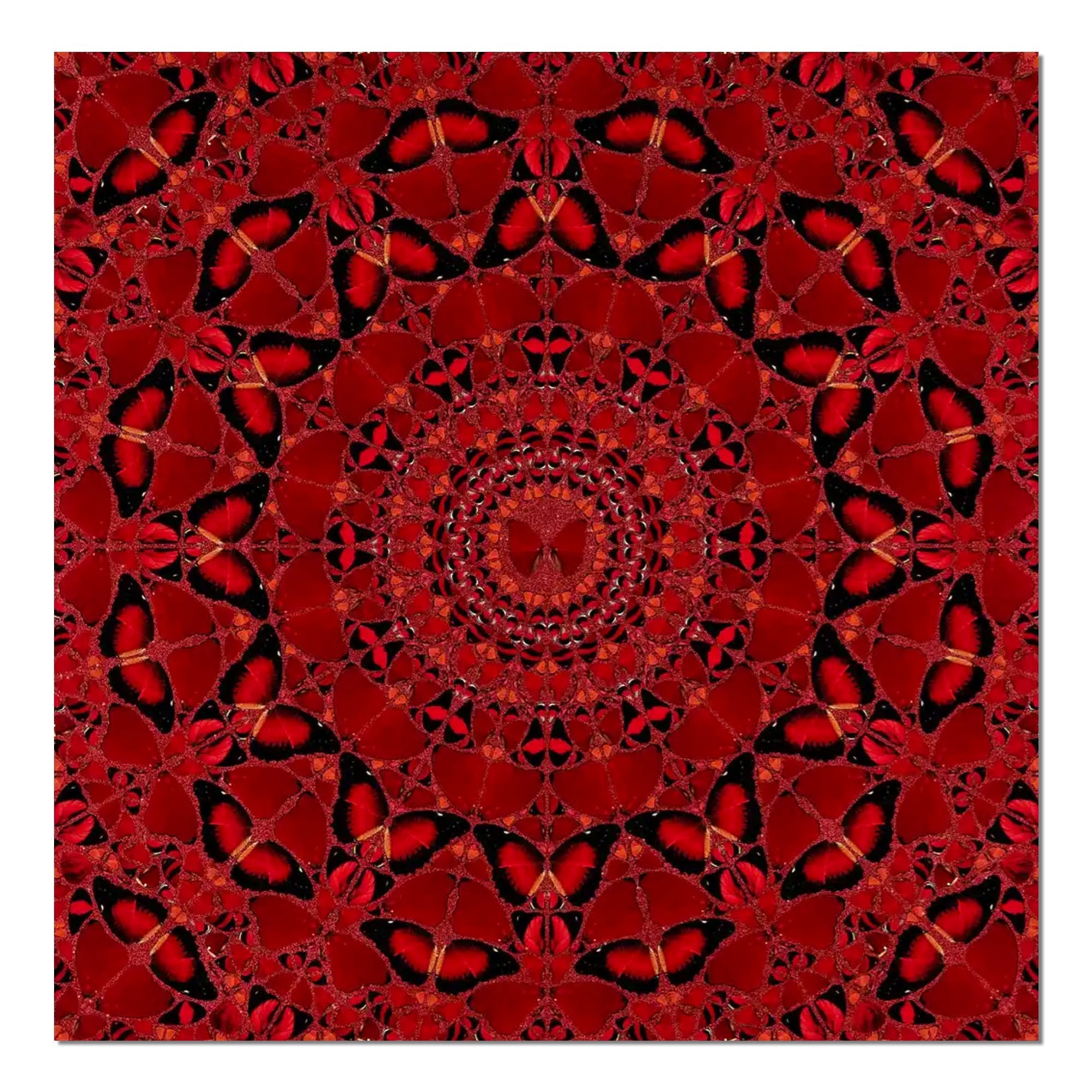
Damien Hirst – Taytu Betul (The Empresses)Damien Hirst - Taytu Betul (H10-5)
Damien Hirst - Suiko (H10-4)Damien Hirst - Suiko (H10-4)
Damien Hirst – Suiko (H10-4) Sale price€4.600,00
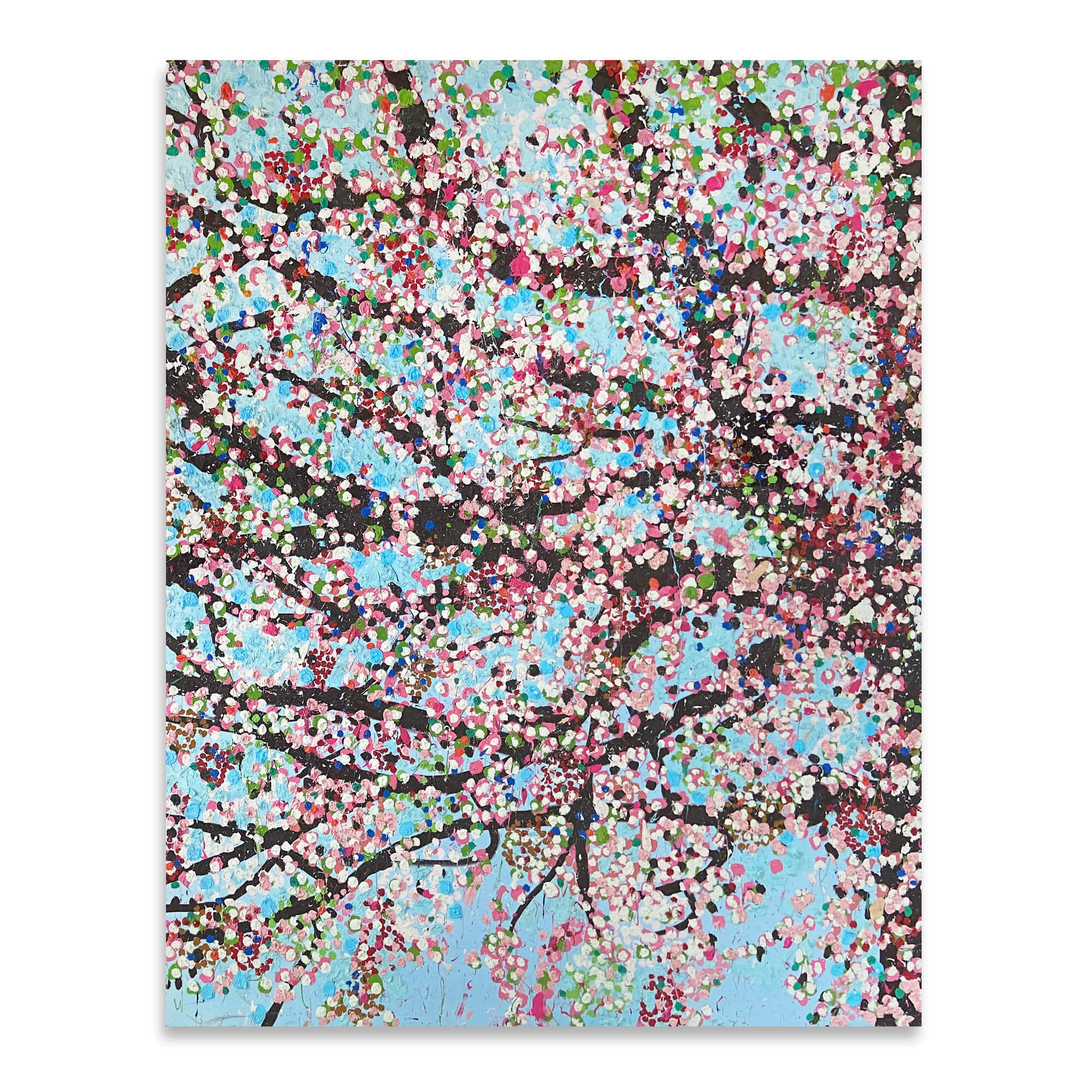
Damien Hirst - LoyaltyDamien Hirst - Loyalty
Damien Hirst – Loyalty Sale price€19.800,00
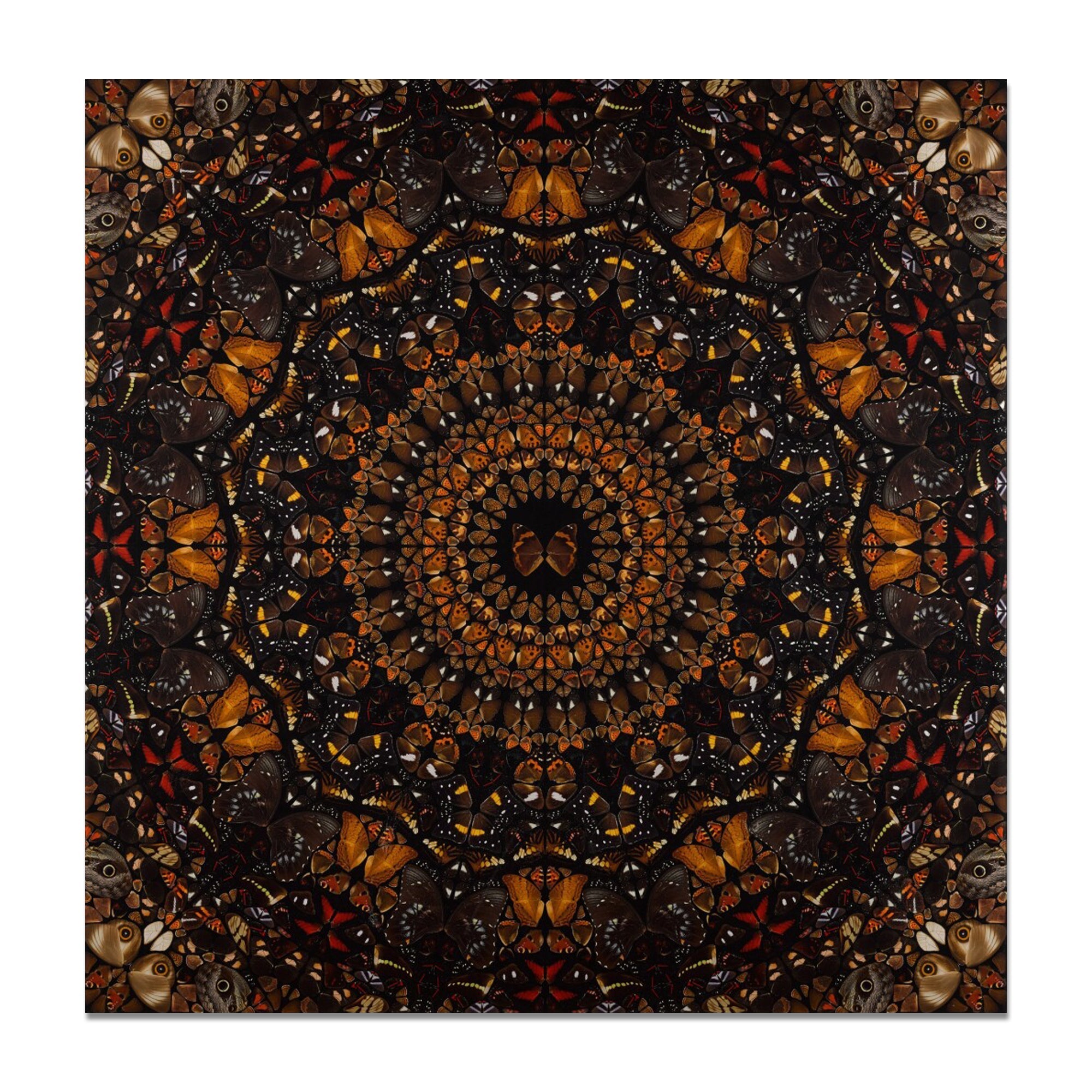
Damien Hirst - Earth (from The Elements)Damien Hirst - Earth (from The Elements)
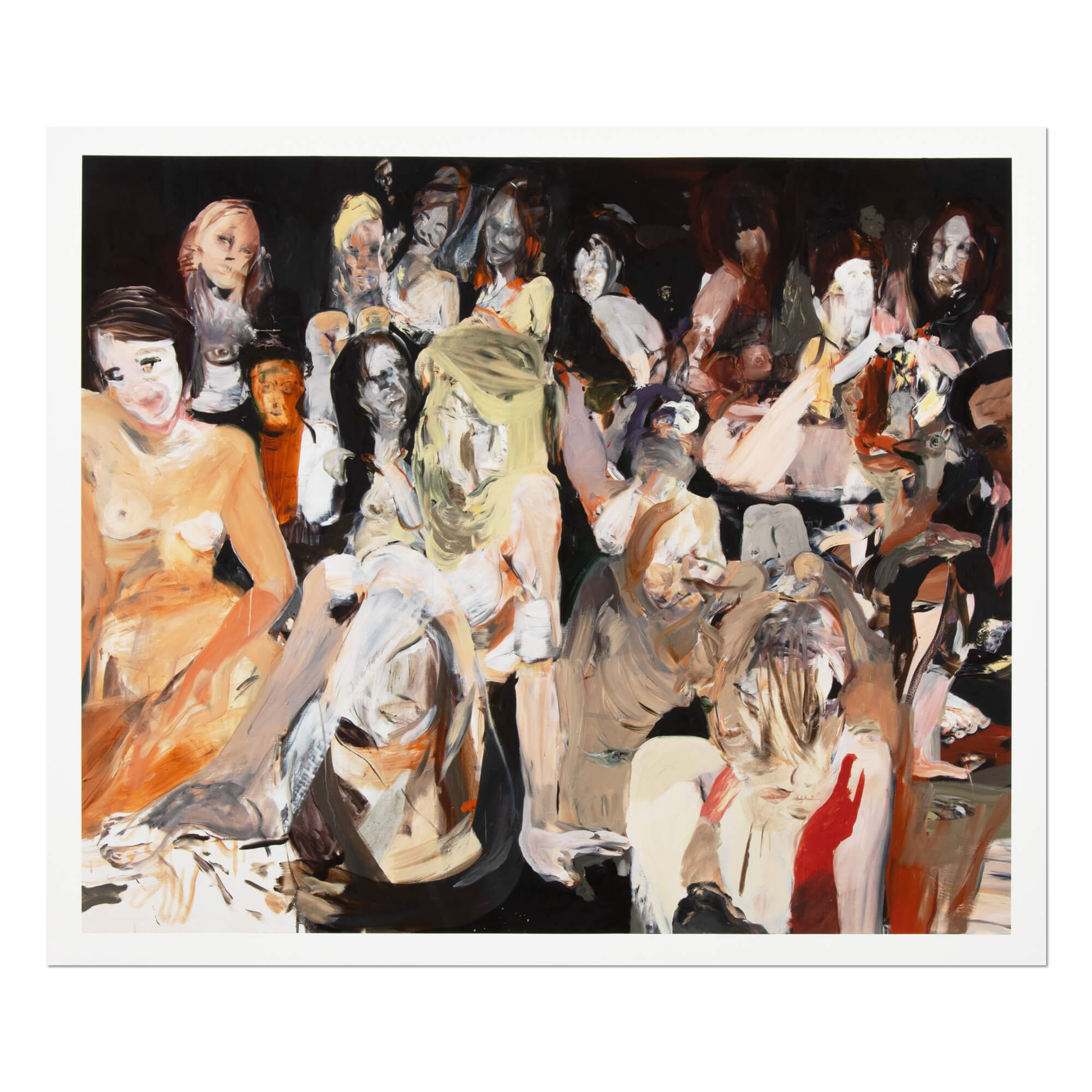
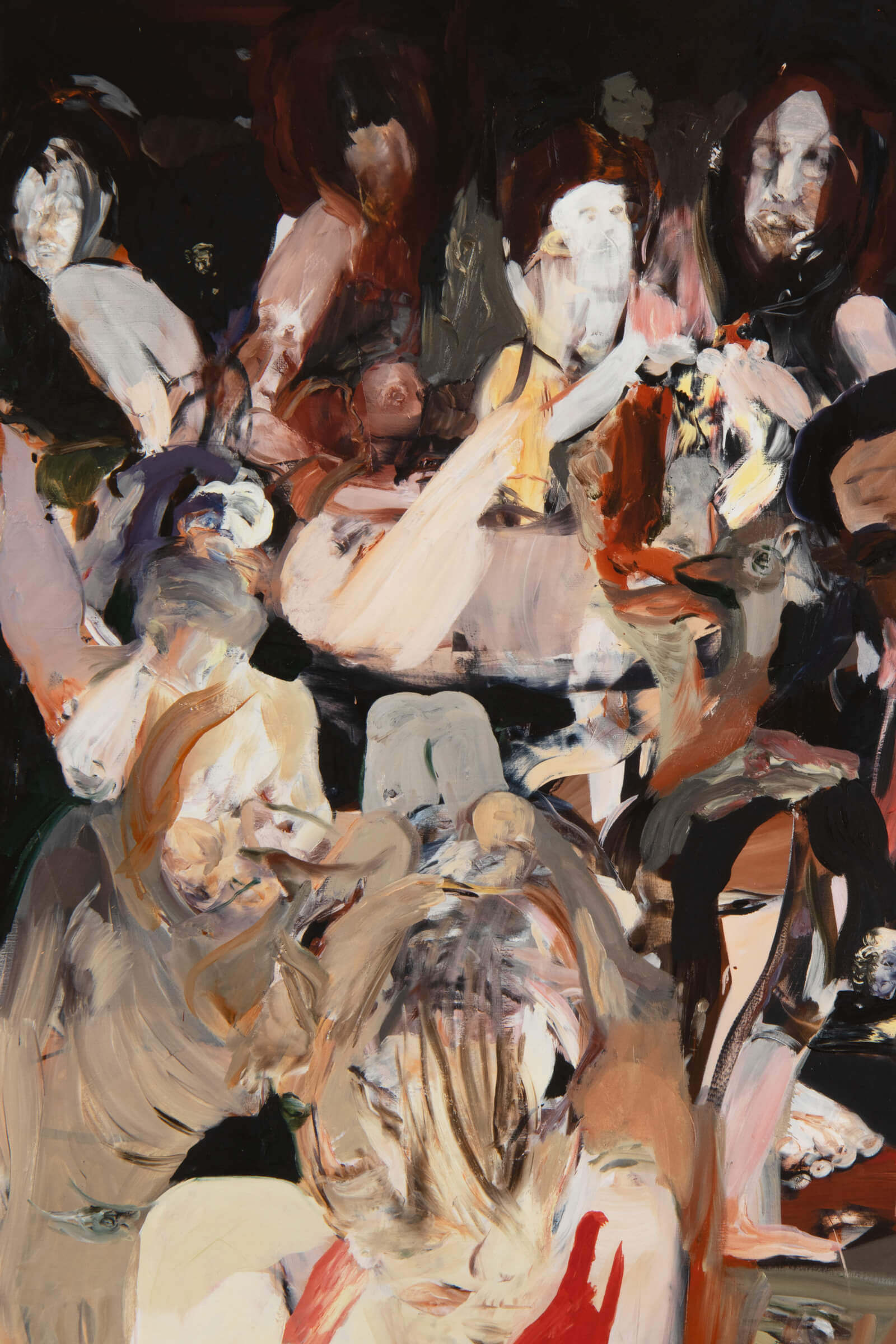
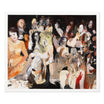
Cecily Brown - The Tribulations of St. AnthonyCecily Brown - The Tribulations of St. Anthony
Cecily Brown - All the Nightmares Came TodayCecily Brown - All the Nightmares Came Today
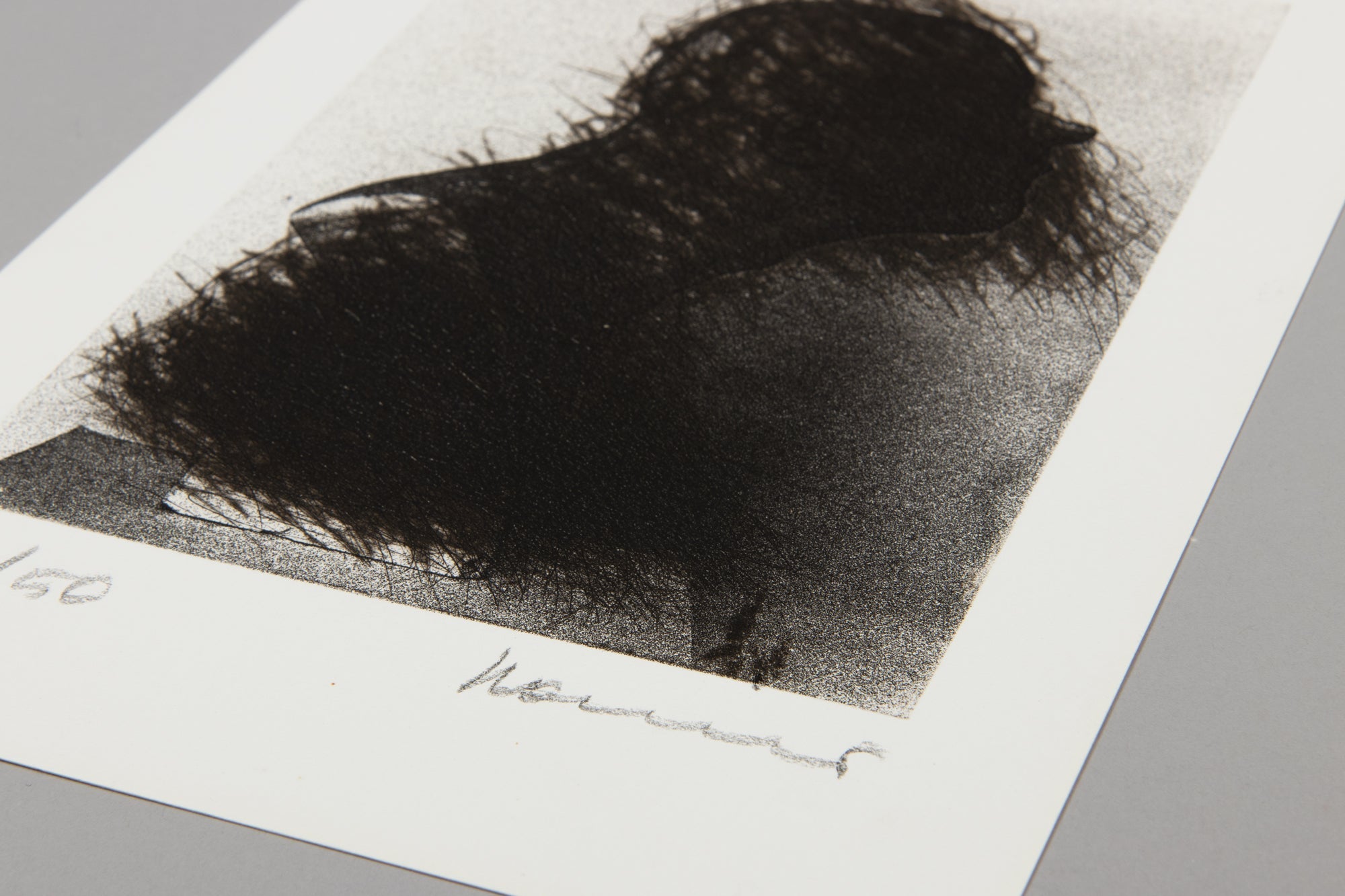
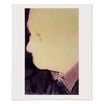
Arnulf Rainer - Büste im NebelArnulf Rainer - Büste im Nebel
Arnulf Rainer – Büste im Nebel Sale price€2.400,00
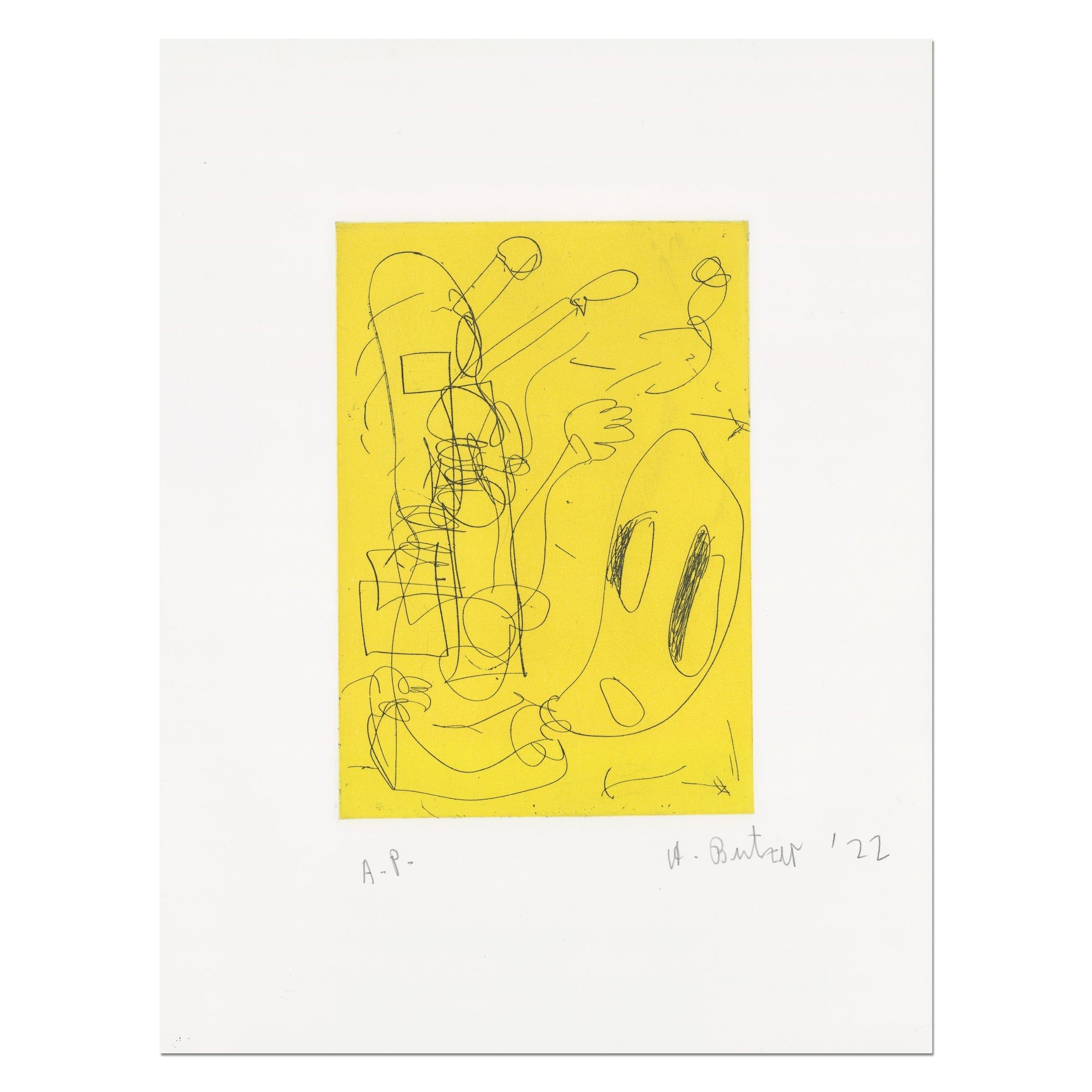
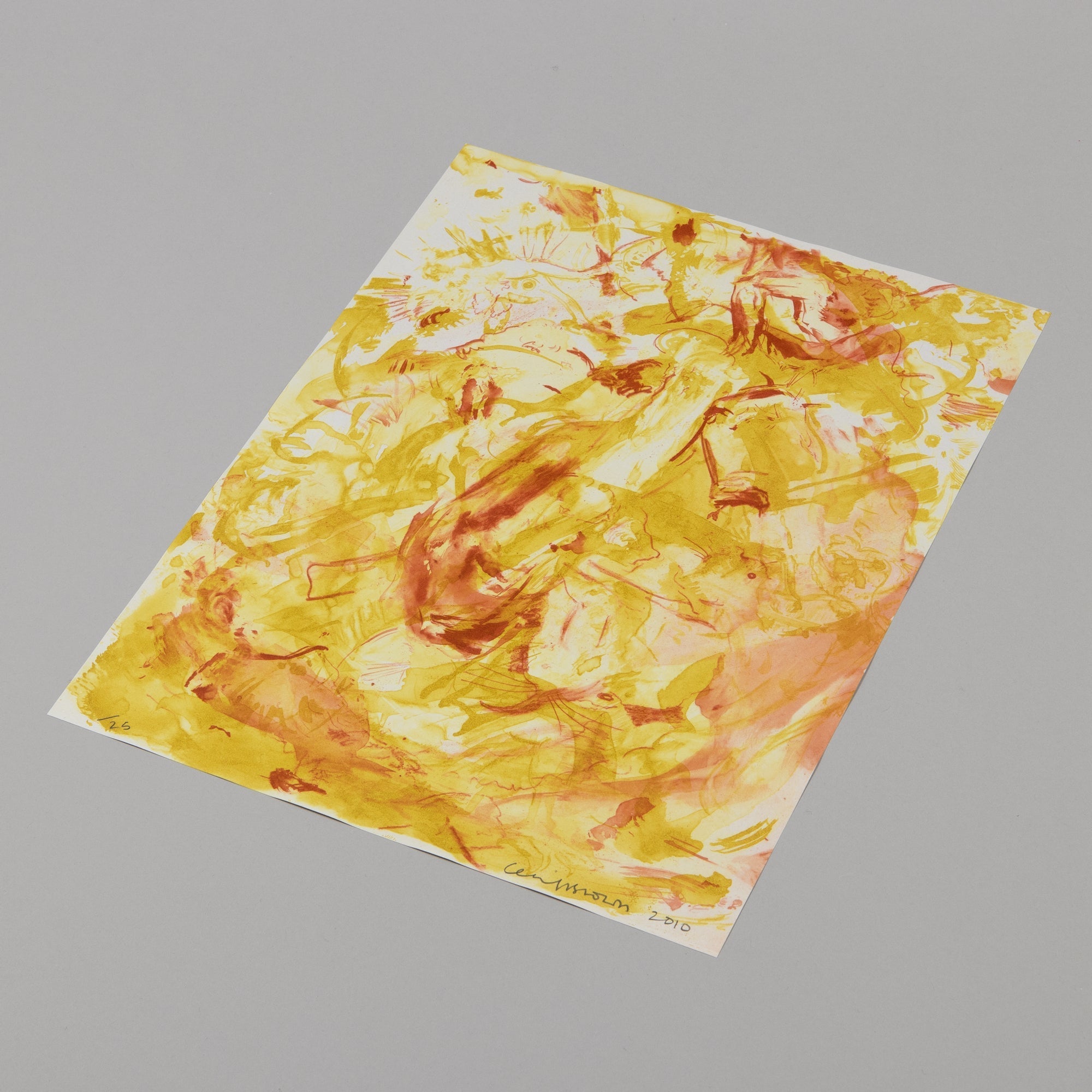
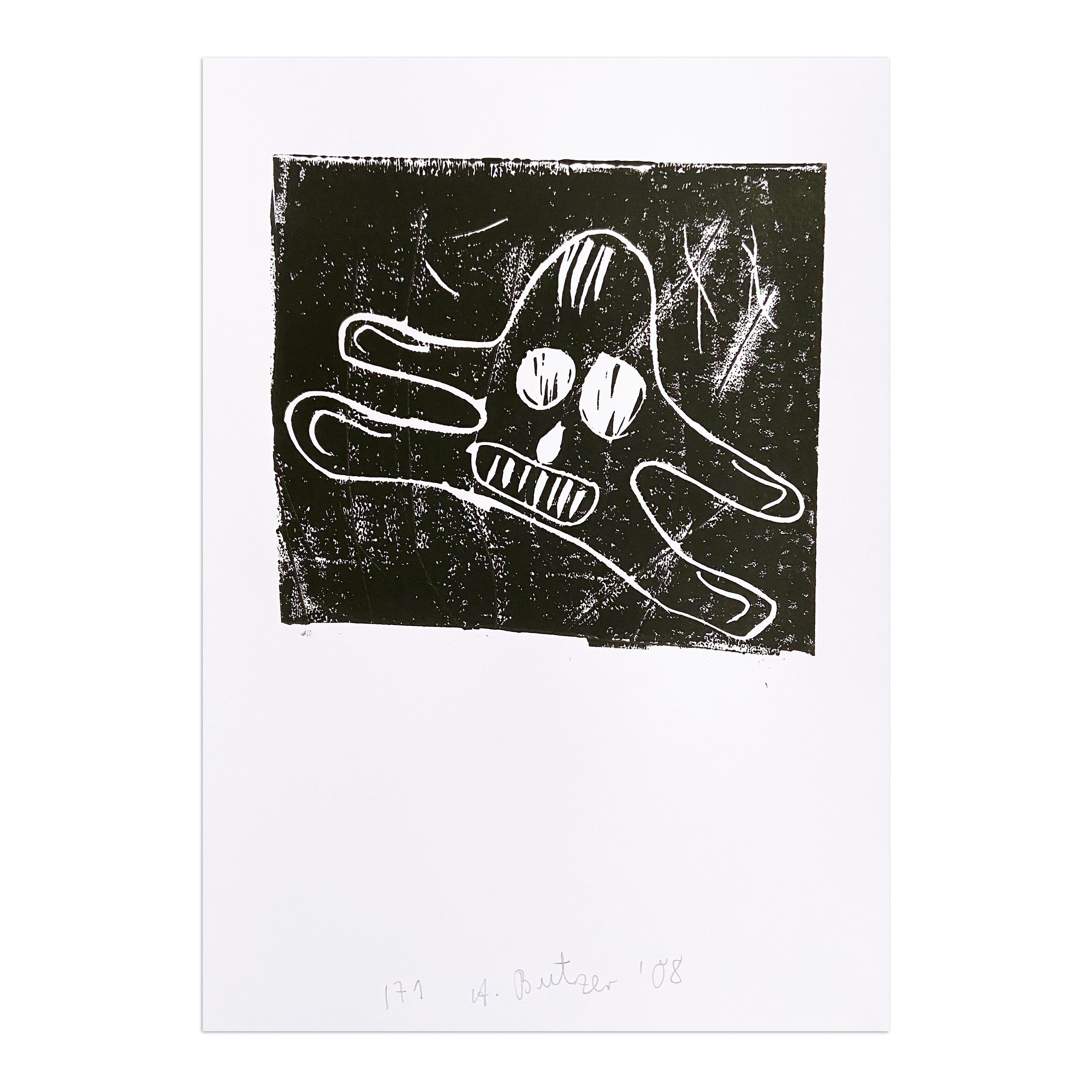
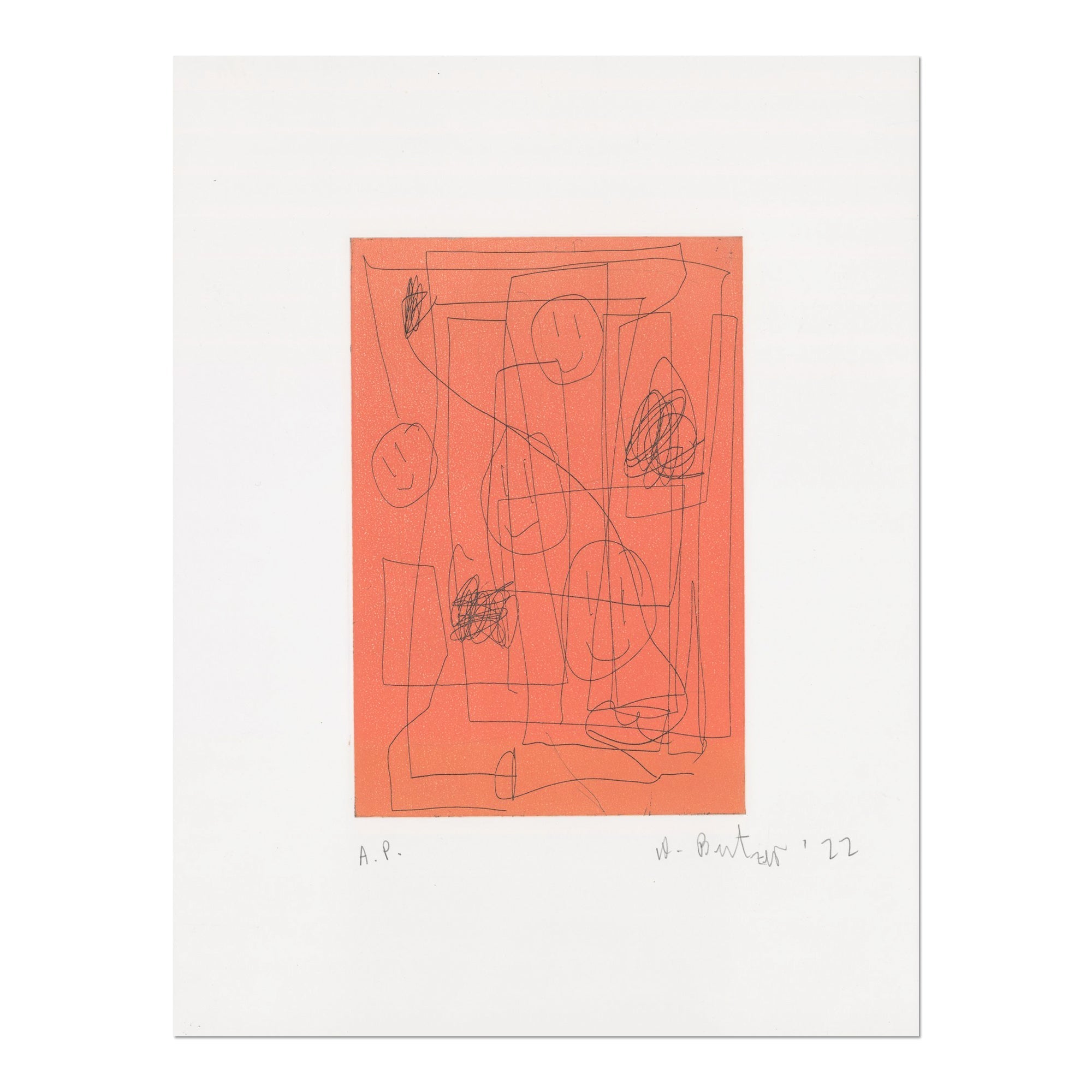
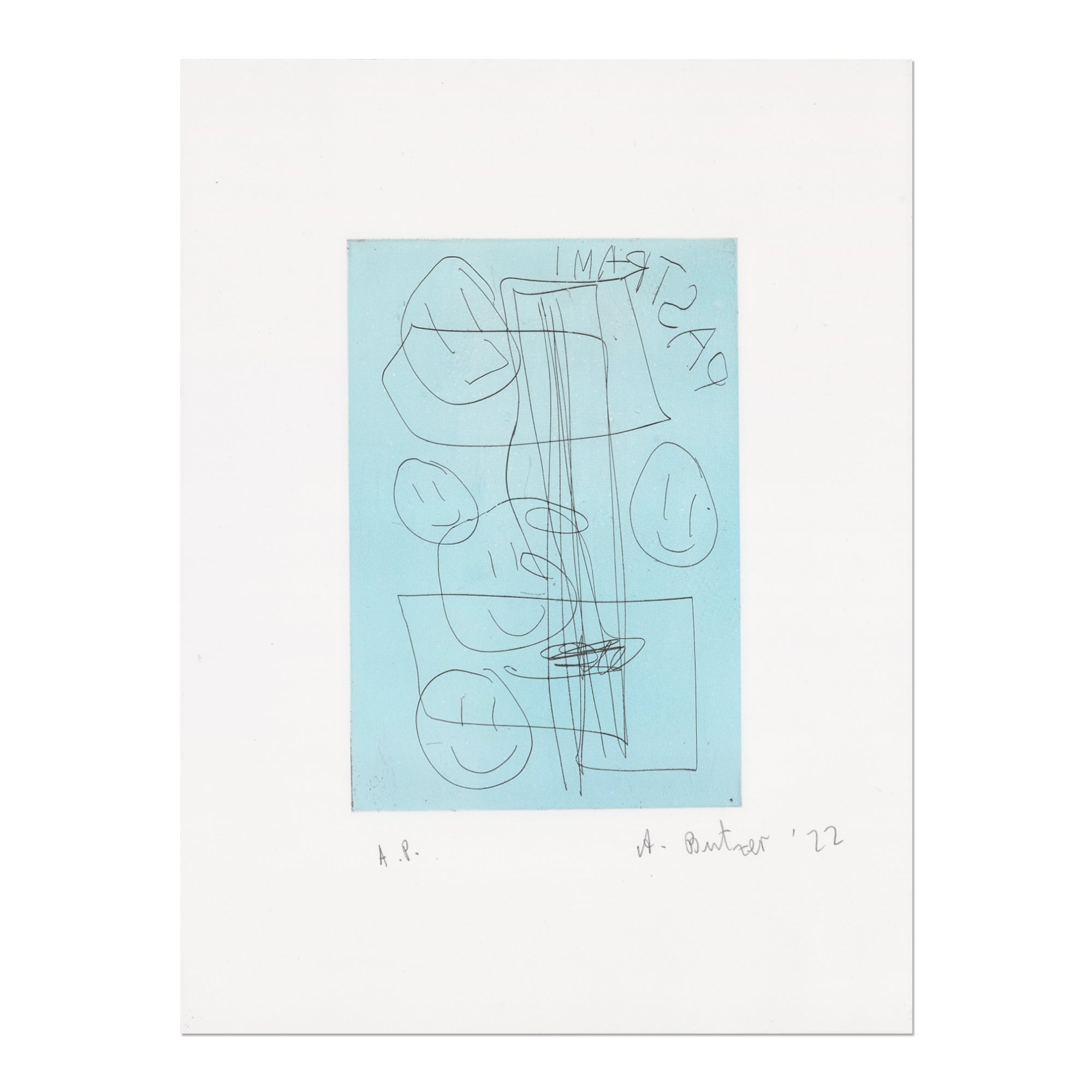
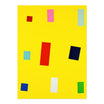
André Butzer - Untitled (Yellow)
André Butzer - Untitled (Wanderer)André Butzer - Untitled (Wanderer)
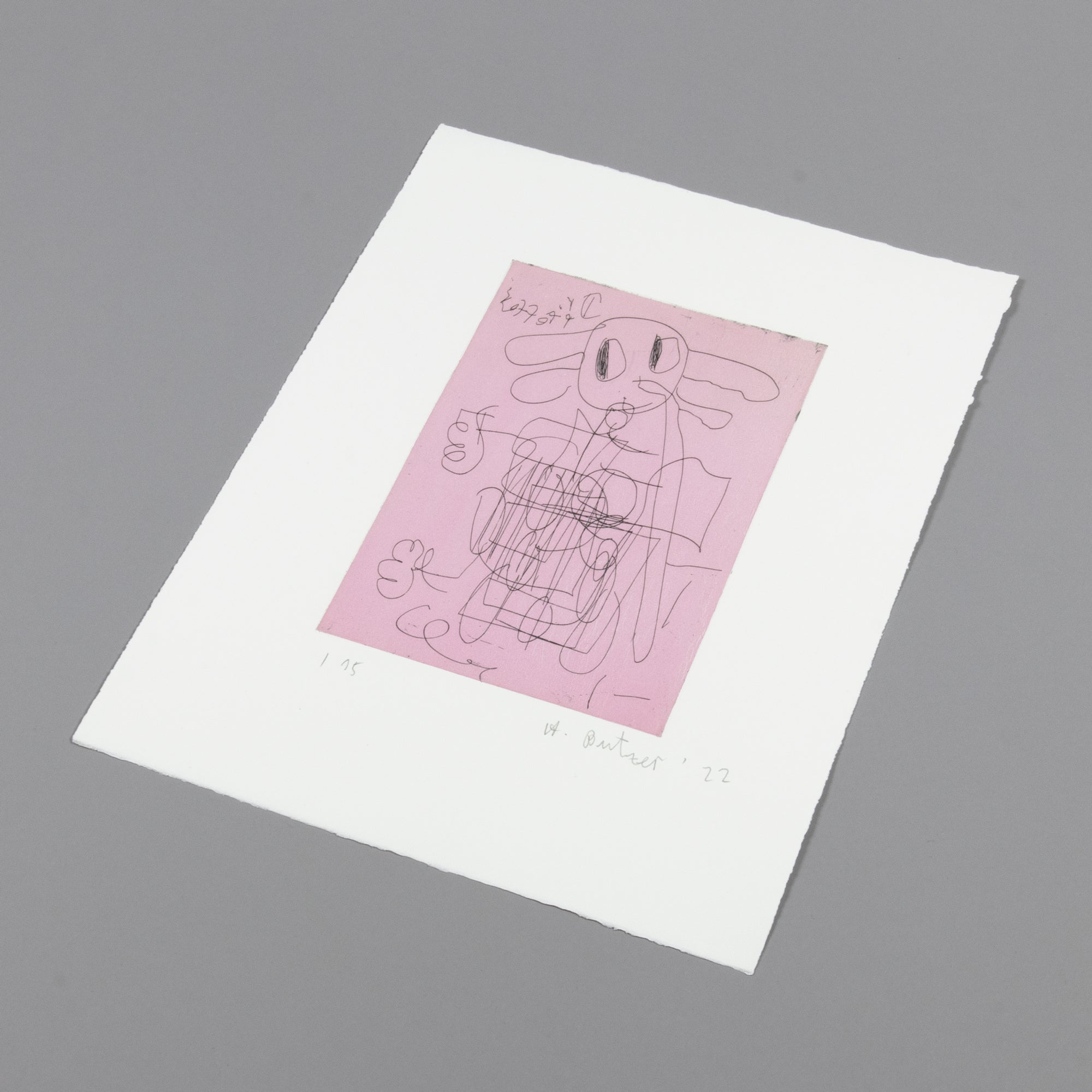
André Butzer - Untitled (Smileys)
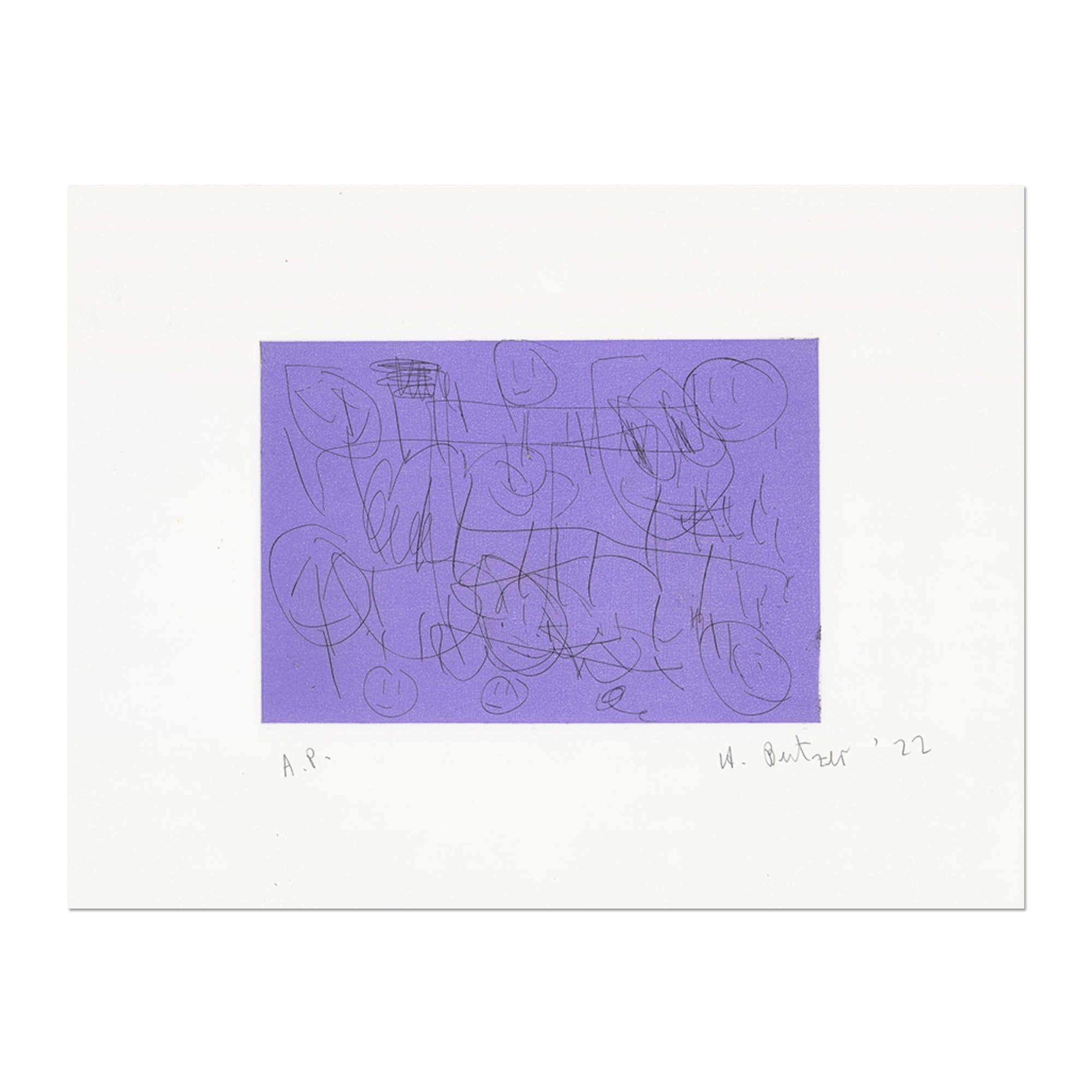
André Butzer - Untitled (Purple)
André Butzer - Pastrami
André Butzer – Pastrami Sale price€2.700,00
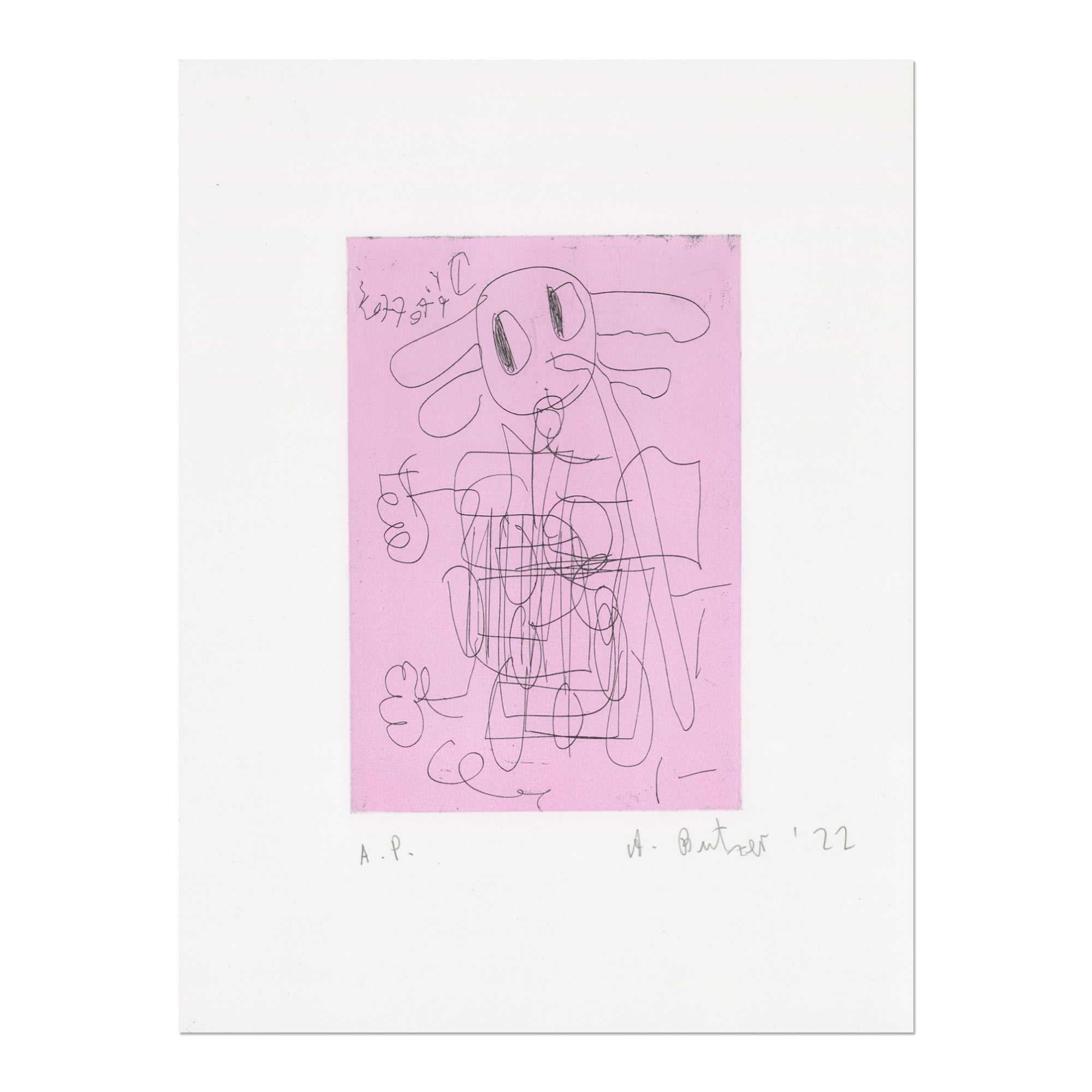
André Butzer - Dr. PfefferAndré Butzer - Dr. Pfeffer
André Butzer – Dr. Pfeffer Sale price€2.700,00
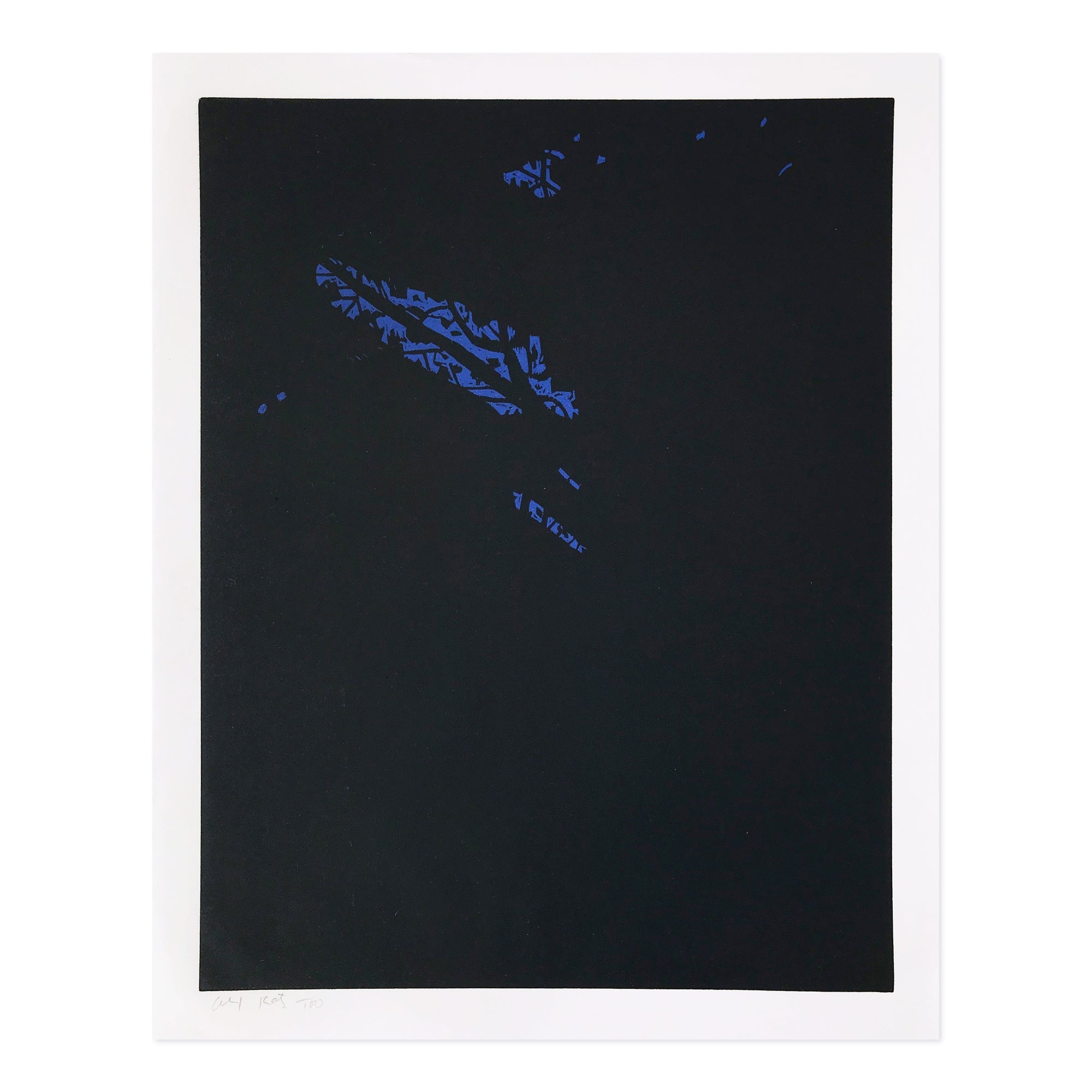
Alex Katz - NightAlex Katz - Night
Alex Katz – Night Sale price€4.500,00
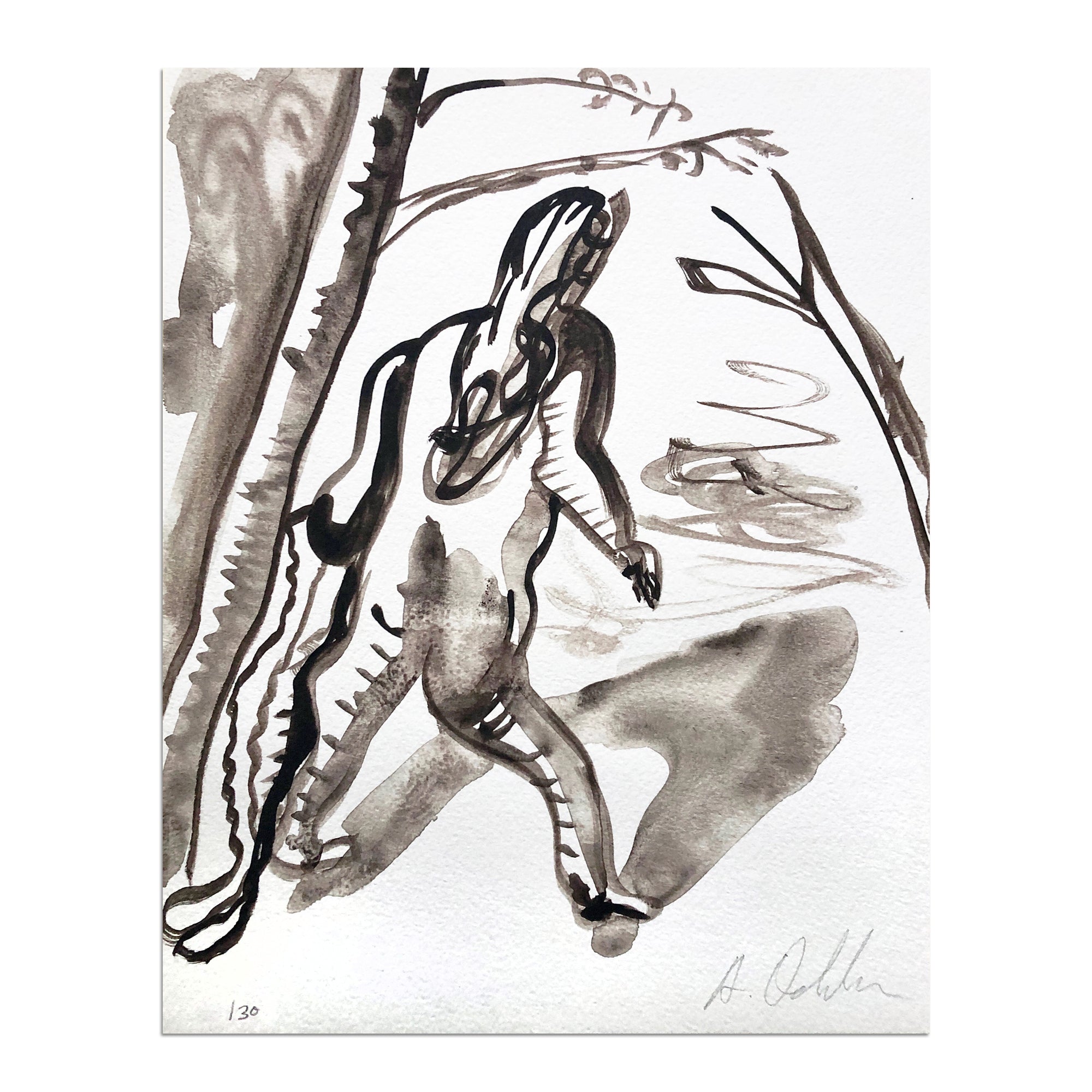
Albert Oehlen - Cezanne
Albert Oehlen – Cezanne Sale price€1.000,00
Sold out
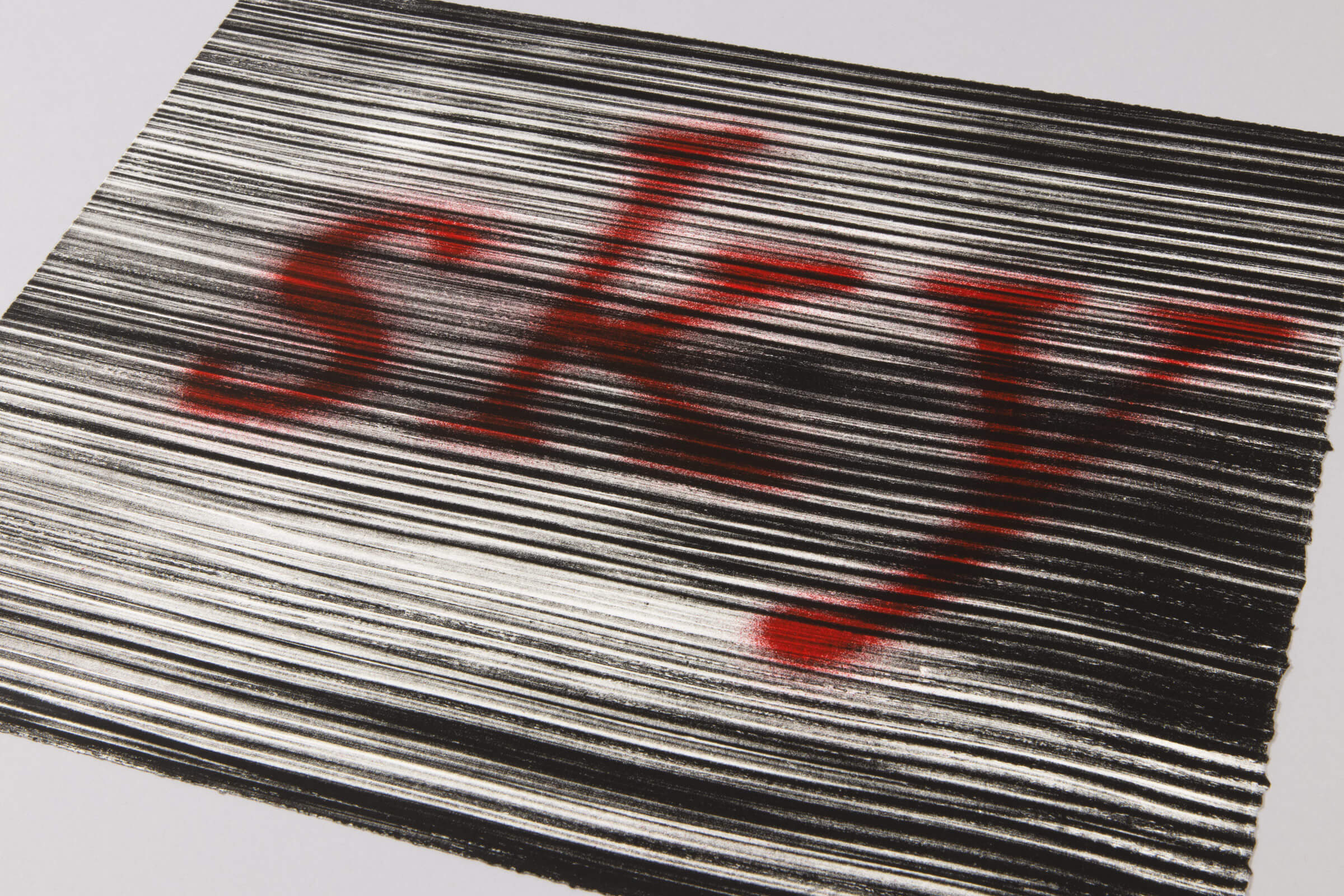
Ai Weiwei - Middle Finger in RedAi Weiwei - Middle Finger in Red
Ai Weiwei – Middle Finger in Red Sale price€1.800,00
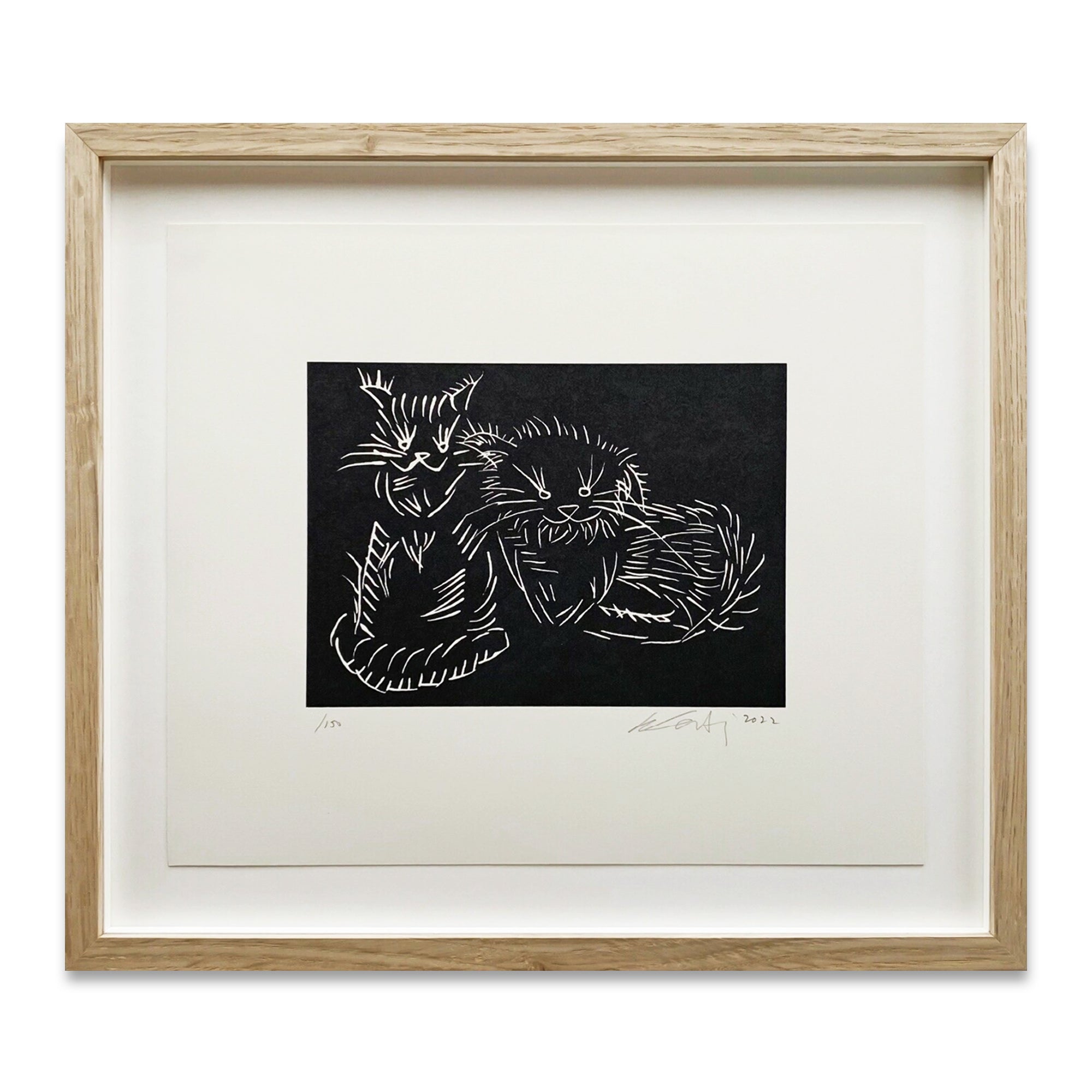
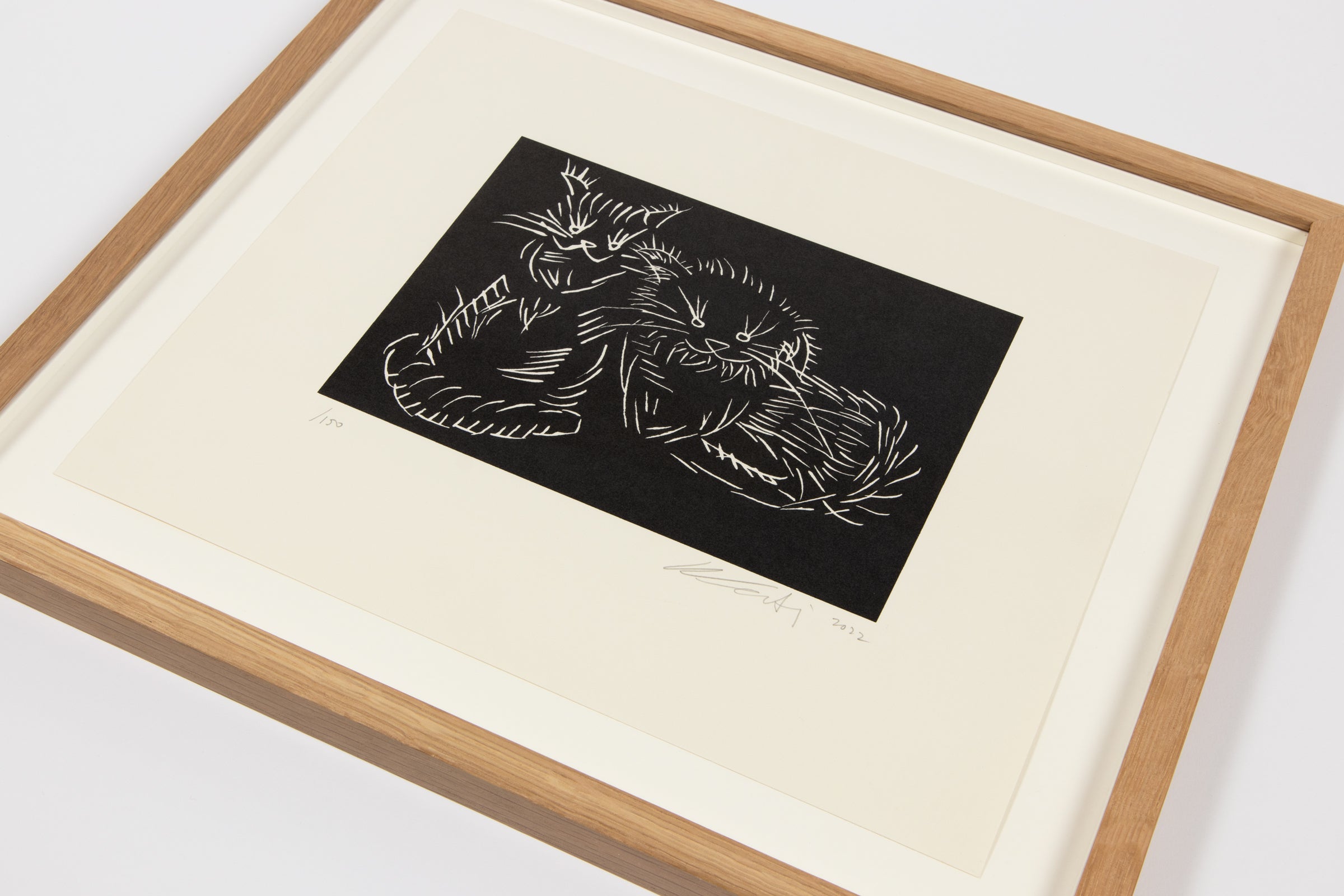
Ai Weiwei - Cats (Black)Ai Weiwei - Cats (Black)
Ai Weiwei – Cats (Black) Sale price€2.400,00
Adam Pendleton - MaskAdam Pendleton - Mask

Leading Artists in Figurative Abstraction

Explore figurative abstraction through works by leading contemporary artists. Discover figurative abstract prints and limited editions that combine expressive abstraction with the human figure.

All artists
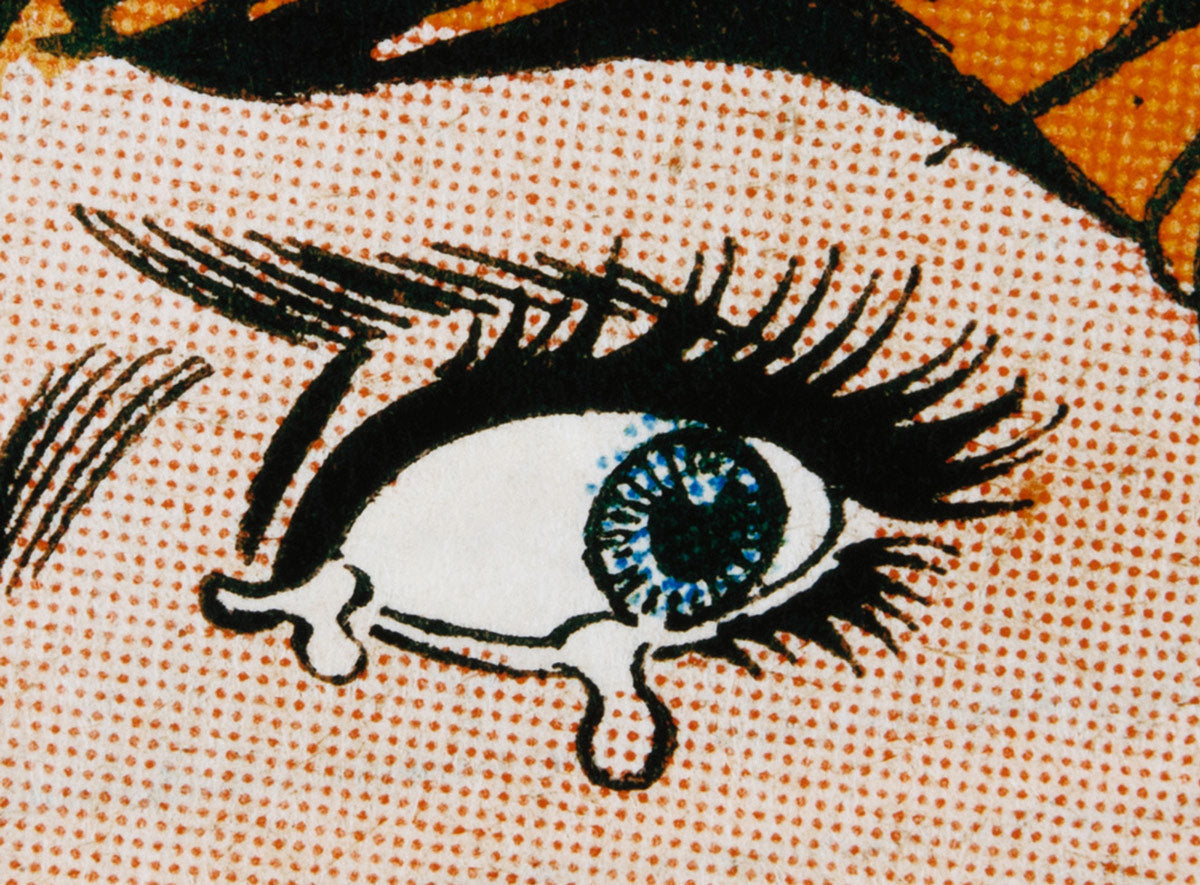
Elizabeth Peyton - E (Self-Portrait)
01

Collect figurative abstract prints

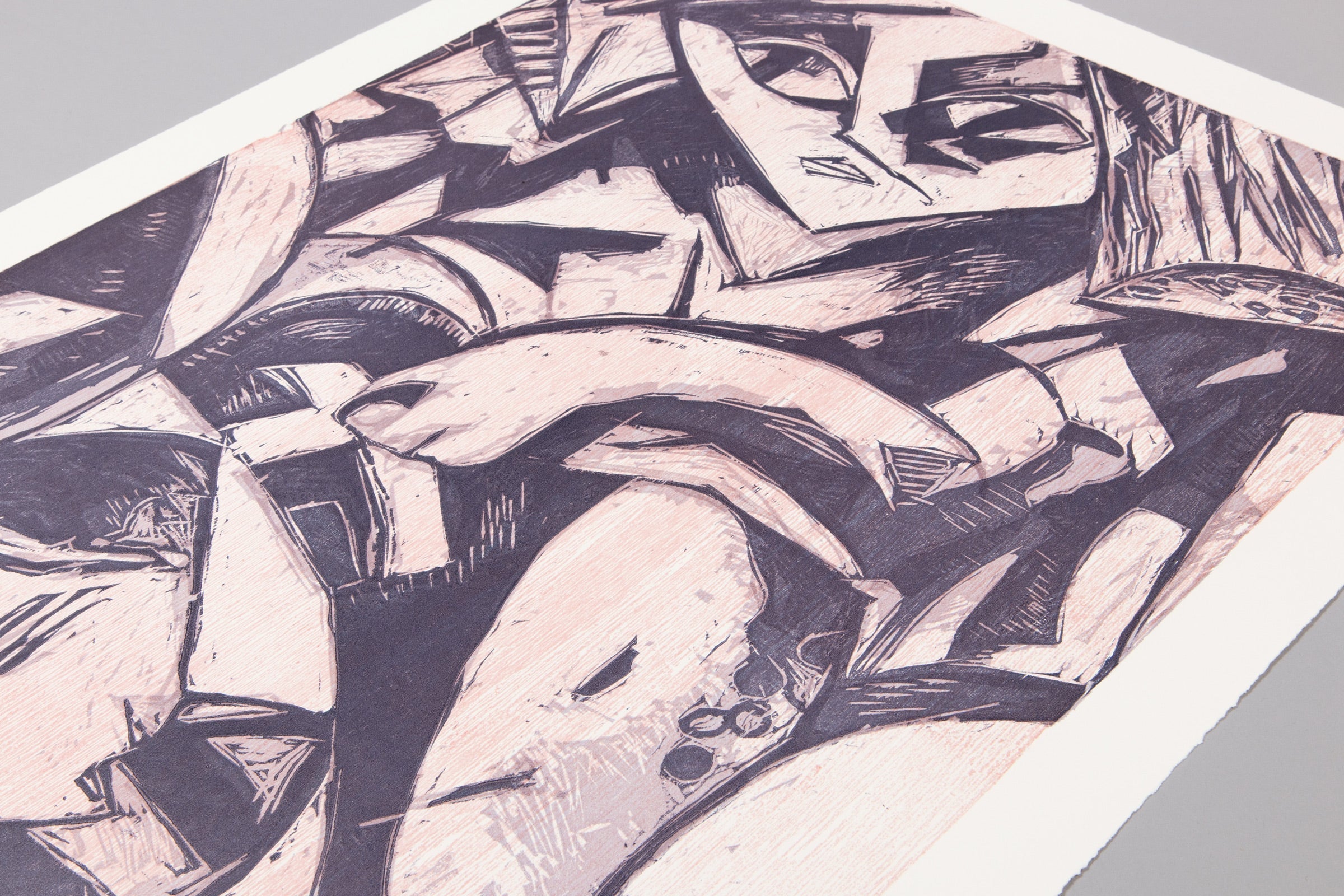
Figurative abstraction combines elements of figurative art and abstract art, creating works that move between recognizable imagery and expressive, non-representational form. Often described as abstract figurative art or abstract figuration, this genre challenges viewers to navigate between the tangible and the conceptual.

Explore a curated selection of figurative abstraction prints and limited edition artworks for sale, featuring leading contemporary artists such as Cecily Brown, Dana Schutz, and Georg Baselitz. Blending gesture, color, and form, these works balance emotional intensity with painterly abstraction.

This collection brings together figurative abstract prints and editions that reflect the ongoing dialogue between figuration and abstraction. Available online with secure checkout and worldwide insured shipping.

02

What is Figurative Abstraction?

Figurative Abstraction is a central approach within contemporary art that merges recognizable subject matter with abstract visual language. Often referred to as figurative abstract art or abstract figurative painting, it moves fluidly between depiction and dissolution, allowing artists to explore perception, memory, and emotion through distortion, gesture, and form.

Unlike purely abstract art, figurative abstraction retains traces of the human figure, landscape, or object. At the same time, it rejects strict representation, creating compositions that are open, ambiguous, and psychologically charged. This tension between figuration and abstraction defines the genre and gives it its distinctive visual and conceptual depth.

Across painting, prints, photography, and edition-based works, figurative abstraction has become a key strategy for contemporary artists. It enables a shift away from literal representation toward a more interpretative and expressive visual language, where meaning emerges through composition, color, and material.

Artists such as Cecily Brown, Dana Schutz, and Georg Baselitz have played a defining role in shaping contemporary figurative abstraction. Their works demonstrate how the human figure can be fragmented, inverted, or dissolved into painterly structures, while still retaining its presence.

Cecily Brown’s paintings, for example, blur the boundary between abstraction and figuration through dense, gestural compositions. Her work oscillates between legibility and dissolution, inviting viewers to move between image and surface.

Dana Schutz approaches figurative abstract painting through narrative and distortion. Her compositions combine exaggerated forms with vivid color, creating psychologically charged scenes that question perception and representation.

Georg Baselitz introduced a radical strategy by inverting his figures, disrupting traditional viewing and emphasizing the formal qualities of painting. His work highlights how abstract figuration can shift attention from subject matter to structure, color, and composition.

Together, these artists demonstrate how figurative abstraction continues to evolve as a key language within contemporary art, bridging the gap between the visible world and abstract expression.

André Butzer - Untitled (Yellow)
03

A brief history of Figurative Abstraction

The development of figurative abstraction can be traced back to the 19th century, when artists began loosening the relationship between representation and form. Painters such as J.M.W. Turner and Eugène Delacroix introduced expressive color, atmosphere, and gesture, subtly abstracting the visible world.

This trajectory continued with artists like Vincent van Gogh and Paul Cézanne, who pushed figuration toward structural and emotional interpretation. Cézanne’s reduction of forms into geometric structures, in particular, laid important groundwork for both abstraction and abstract figurative art.

In the early 20th century, movements such as Cubism, Expressionism, and Futurism further destabilized traditional representation. Artists including Pablo Picasso and Ernst Ludwig Kirchner fragmented the human figure, while Umberto Boccioni translated it into dynamic, abstracted forms.

By the mid-20th century, abstract art had become dominant through movements such as Abstract Expressionism and Minimalism. By the late 20th century, however, a renewed interest in the figure emerged. Artists began reintroducing figuration within an abstract framework, giving rise to what is now known as contemporary figurative abstraction, closely tied to the broader post-1980 revival of figuration.

Figures such as Georg Baselitz and Cecily Brown played a key role in this shift. Associated with the “return to painting” in the 1980s and 1990s, they redefined how figurative abstract painting could operate, combining expressive abstraction with the persistence of the human form.

Today, figurative abstraction remains a vital field within contemporary art, continuously evolving across painting, photography, and limited edition prints and multiples, where the dialogue between abstraction and representation continues to unfold.

01

Collect figurative abstract prints

Figurative abstraction combines elements of figurative art and abstract art, creating works that move between recognizable imagery and expressive, non-representational form. Often described as abstract figurative art or abstract figuration, this genre challenges viewers to navigate between the tangible and the conceptual.

Explore a curated selection of figurative abstraction prints and limited edition artworks for sale, featuring leading contemporary artists such as Cecily Brown, Dana Schutz, and Georg Baselitz. Blending gesture, color, and form, these works balance emotional intensity with painterly abstraction.

This collection brings together figurative abstract prints and editions that reflect the ongoing dialogue between figuration and abstraction. Available online with secure checkout and worldwide insured shipping.

02

What is Figurative Abstraction?

Figurative Abstraction is a central approach within contemporary art that merges recognizable subject matter with abstract visual language. Often referred to as figurative abstract art or abstract figurative painting, it moves fluidly between depiction and dissolution, allowing artists to explore perception, memory, and emotion through distortion, gesture, and form.

Unlike purely abstract art, figurative abstraction retains traces of the human figure, landscape, or object. At the same time, it rejects strict representation, creating compositions that are open, ambiguous, and psychologically charged. This tension between figuration and abstraction defines the genre and gives it its distinctive visual and conceptual depth.

Across painting, prints, photography, and edition-based works, figurative abstraction has become a key strategy for contemporary artists. It enables a shift away from literal representation toward a more interpretative and expressive visual language, where meaning emerges through composition, color, and material.

Artists such as Cecily Brown, Dana Schutz, and Georg Baselitz have played a defining role in shaping contemporary figurative abstraction. Their works demonstrate how the human figure can be fragmented, inverted, or dissolved into painterly structures, while still retaining its presence.

Cecily Brown’s paintings, for example, blur the boundary between abstraction and figuration through dense, gestural compositions. Her work oscillates between legibility and dissolution, inviting viewers to move between image and surface.

Dana Schutz approaches figurative abstract painting through narrative and distortion. Her compositions combine exaggerated forms with vivid color, creating psychologically charged scenes that question perception and representation.

Georg Baselitz introduced a radical strategy by inverting his figures, disrupting traditional viewing and emphasizing the formal qualities of painting. His work highlights how abstract figuration can shift attention from subject matter to structure, color, and composition.

Together, these artists demonstrate how figurative abstraction continues to evolve as a key language within contemporary art, bridging the gap between the visible world and abstract expression.

03

A brief history of Figurative Abstraction

The development of figurative abstraction can be traced back to the 19th century, when artists began loosening the relationship between representation and form. Painters such as J.M.W. Turner and Eugène Delacroix introduced expressive color, atmosphere, and gesture, subtly abstracting the visible world.

This trajectory continued with artists like Vincent van Gogh and Paul Cézanne, who pushed figuration toward structural and emotional interpretation. Cézanne’s reduction of forms into geometric structures, in particular, laid important groundwork for both abstraction and abstract figurative art.

In the early 20th century, movements such as Cubism, Expressionism, and Futurism further destabilized traditional representation. Artists including Pablo Picasso and Ernst Ludwig Kirchner fragmented the human figure, while Umberto Boccioni translated it into dynamic, abstracted forms.

By the mid-20th century, abstract art had become dominant through movements such as Abstract Expressionism and Minimalism. By the late 20th century, however, a renewed interest in the figure emerged. Artists began reintroducing figuration within an abstract framework, giving rise to what is now known as contemporary figurative abstraction, closely tied to the broader post-1980 revival of figuration.

Figures such as Georg Baselitz and Cecily Brown played a key role in this shift. Associated with the “return to painting” in the 1980s and 1990s, they redefined how figurative abstract painting could operate, combining expressive abstraction with the persistence of the human form.

Today, figurative abstraction remains a vital field within contemporary art, continuously evolving across painting, photography, and limited edition prints and multiples, where the dialogue between abstraction and representation continues to unfold.

Elizabeth Peyton - E (Self-Portrait)André Butzer - Untitled (Yellow)

Explore Art Collections

Explore curated art collections across movements, themes, and artist groups, offering multiple ways to navigate and discover contemporary art.

View all
Prints, Photographs & Multiples

View our full collection of

Prints, Photographs & Multiples

Shop now