

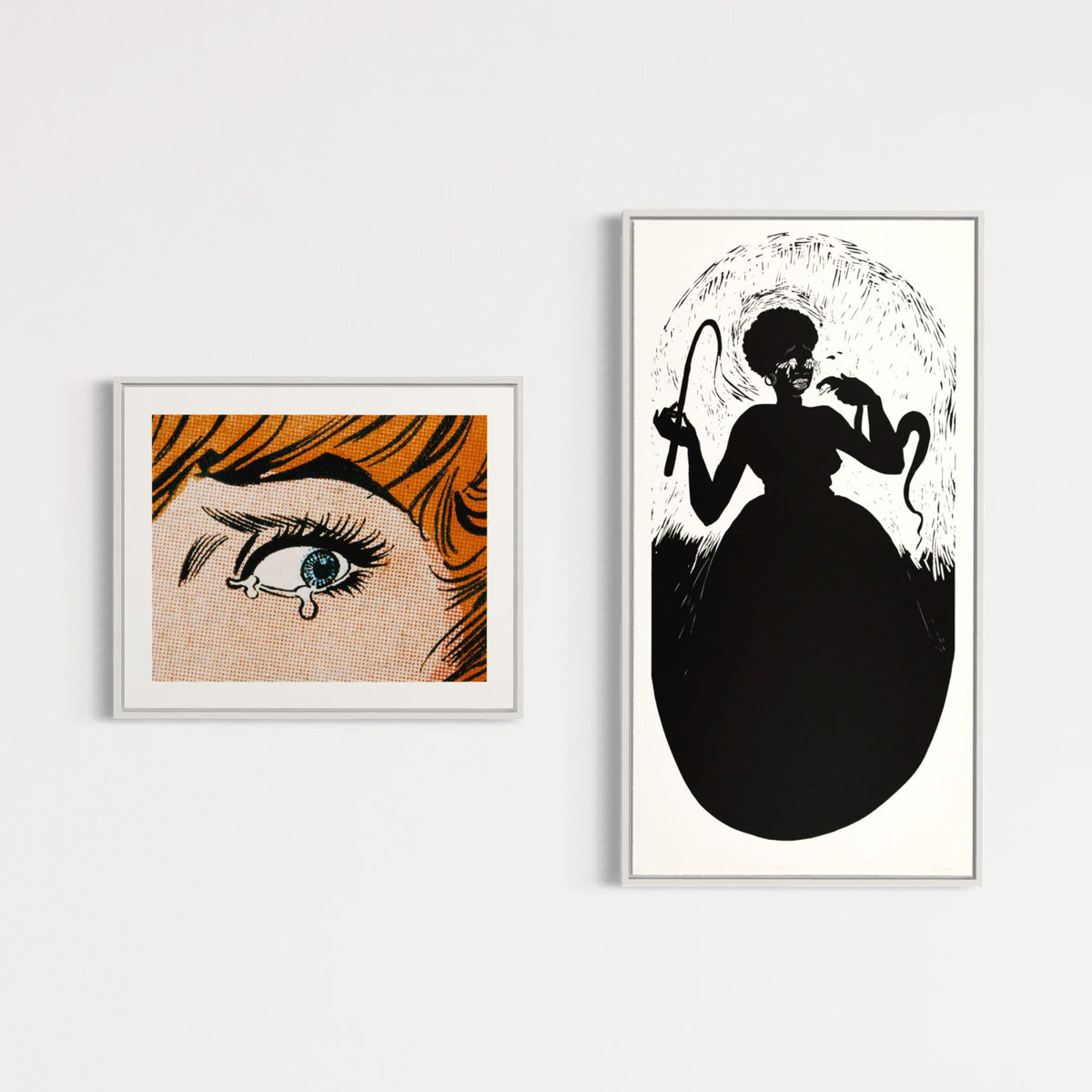


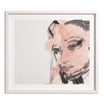
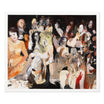

From the late twentieth century onward, figuration re-emerged as a central strategy within contemporary art following periods dominated by abstraction, Minimalism, and Conceptual practices. Rather than representing a return to traditional realism, this renewed engagement with the figure developed through critical, psychological, and painterly approaches shaped by historical awareness and conceptual inquiry.
Figuration after 1980 is characterized by its heterogeneity. Artists employ the human figure not as a stable subject, but as a site of ambiguity, memory, and emotional projection, often resisting narrative clarity and fixed identity.
Historical Context
The renewed interest in figuration emerged in the wake of conceptual dematerialization and the perceived exhaustion of formalist abstraction. Artists sought to reintroduce imagery without abandoning the critical frameworks established in the 1960s and 1970s.
Rather than rejecting Conceptual Art, post-1980 figuration absorbed its lessons. The figure returned as an image informed by photography, mass media, and historical reference, shaped as much by absence and distortion as by presence.
The Figure as Psychological Field
In many post-1980 practices, the figure operates as a psychological and emotional field rather than a descriptive portrait. Bodies appear fragmented, blurred, or partially erased, resisting stable identification.
Marlene Dumas exemplifies this approach through works that explore vulnerability, desire, and power. Drawing on photographic sources, her paintings destabilize conventional portraiture, foregrounding ambiguity and emotional intensity.
This mode of figuration prioritizes affect and interiority over likeness, allowing the figure to function as a conduit for complex emotional states.
Intimacy, Identity, and Representation
Other artists have employed figuration to address intimacy, identity, and the construction of subjectivity. Figures are often depicted with restraint and immediacy, emphasizing presence over narrative.
Elizabeth Peyton has developed a distinctive practice centered on intimate portrayals of cultural figures and personal relationships. Her paintings engage historical portrait traditions while foregrounding vulnerability and emotional proximity.
Such approaches treat figuration as a means of negotiating closeness, projection, and identification.
Painterly Gesture and Instability
In other practices, figuration is inseparable from painterly experimentation. Gesture, color, and surface actively disrupt representational coherence, producing images that hover between abstraction and figuration.
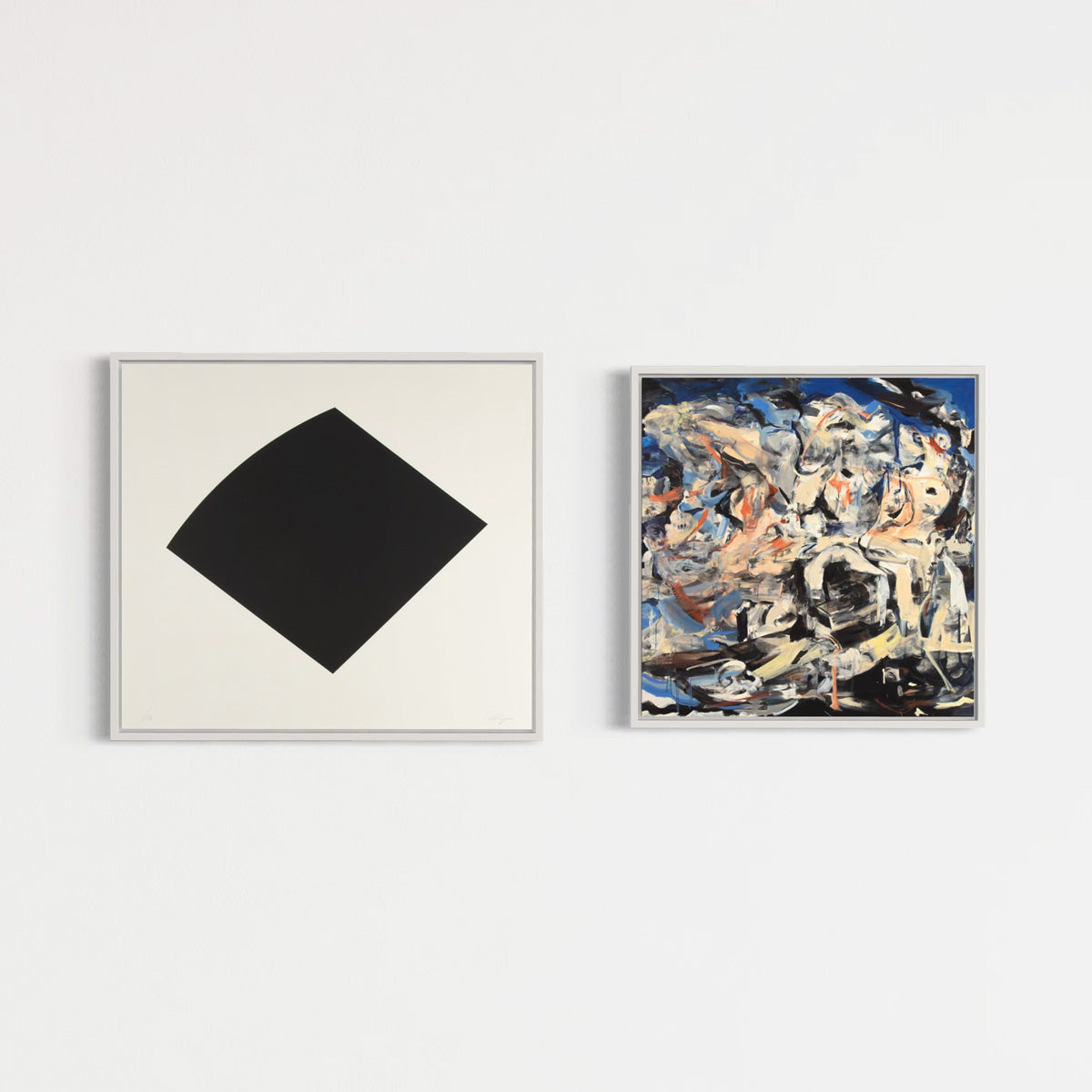
Cecily Brown exemplifies this approach through densely layered compositions in which bodies dissolve into painterly movement. Her work situates figuration within a tradition of expressive painting while resisting narrative fixity.
Here, the figure emerges through paint itself, remaining provisional and unstable.
Memory, Landscape, and Indirect Figuration
Some artists engage figuration obliquely, embedding human presence within landscape, architecture, or atmospheric imagery. The figure may be implied rather than depicted directly.
Peter Doig employs memory, photographic sources, and painterly layering to construct scenes that evoke human presence without explicit narrative. His work situates figuration within broader explorations of memory, place, and perception.
This indirect approach expands figuration beyond the body, treating it as an experiential condition.
History, Image, and Distance
Post-1980 figuration frequently engages history through mediated imagery, emphasizing distance rather than immediacy. Figures appear muted, blurred, or flattened, reflecting the instability of historical memory.
Luc Tuymans has been central to this development, using restrained palettes and subdued imagery to address history, politics, and collective memory. His work treats figuration as a fragile and indirect mode of representation.
Here, the figure functions as a trace rather than a presence.
Contemporary Expansion
More recent practices continue to expand figurative language through stylization, exaggeration, and symbolic ambiguity.
Claire Tabouret employs frontal compositions and muted color to create figures that oscillate between individuality and archetype, addressing themes of identity, vulnerability, and collective presence.
Daniel Richter approaches figuration through politically and socially charged imagery, combining abstraction, gesture, and narrative fragments to produce dynamic, often disorienting compositions.
These practices demonstrate how figuration remains adaptable, absorbing new visual languages while retaining critical complexity.
Contemporary Significance
Figuration after 1980 remains a vital framework within contemporary art, offering artists a flexible means of addressing identity, history, and emotion without reverting to academic realism.
Its continued relevance lies in its capacity to negotiate between image and abstraction, intimacy and distance, presence and absence.
Editorial Note
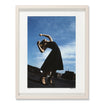
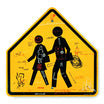
This editorial page examines the re-emergence of figuration after 1980, tracing its historical context, key strategies, and ongoing significance within contemporary art.
Explore our curated selection of figurative art representing these diverse painterly and conceptual approaches.
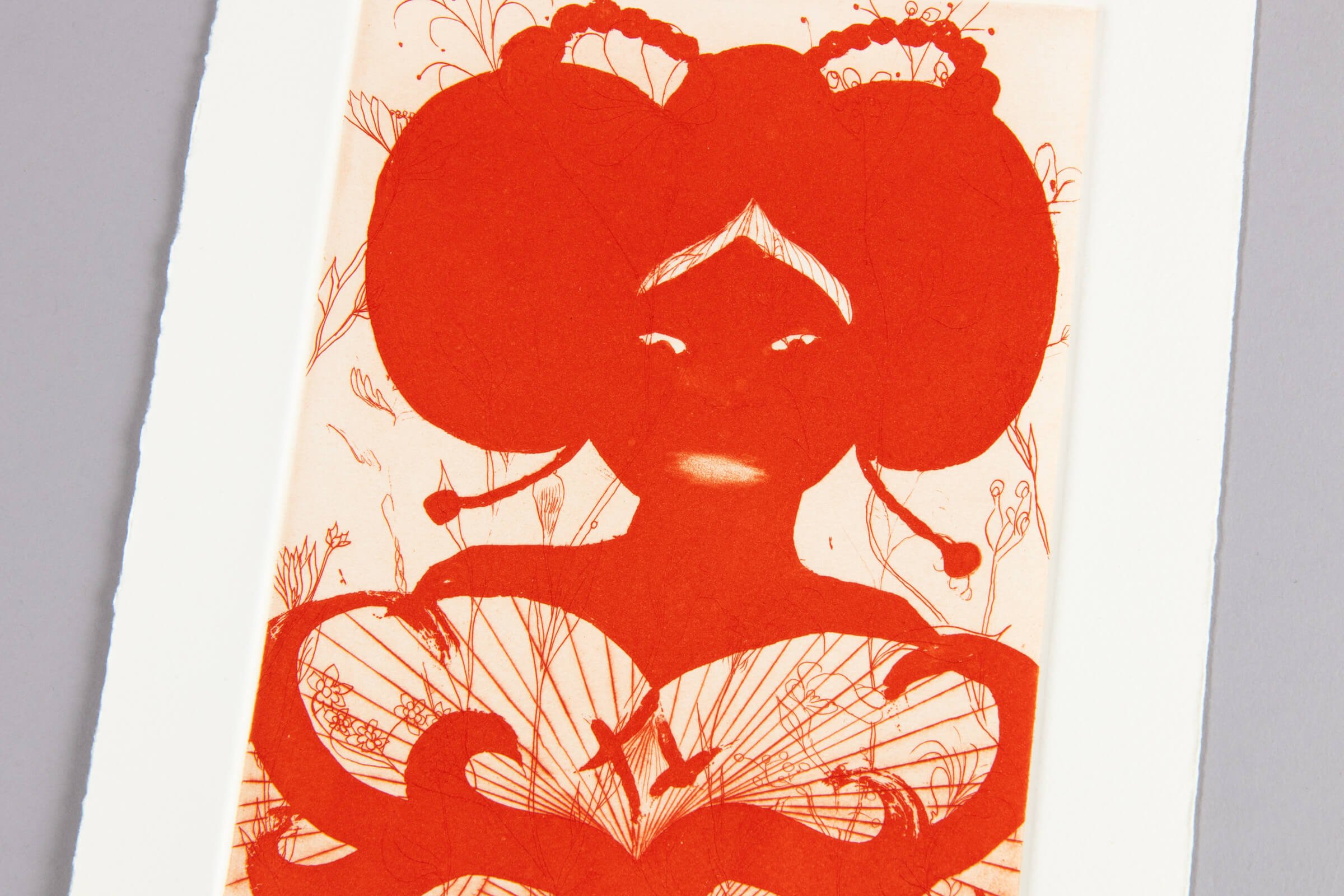
The Art of Printmaking
From the precise lines of woodcuts to the velvety depth of lithographs. Discover a curated selection of editioned works on paper that celebrate the unique texture and heritage of traditional print media.
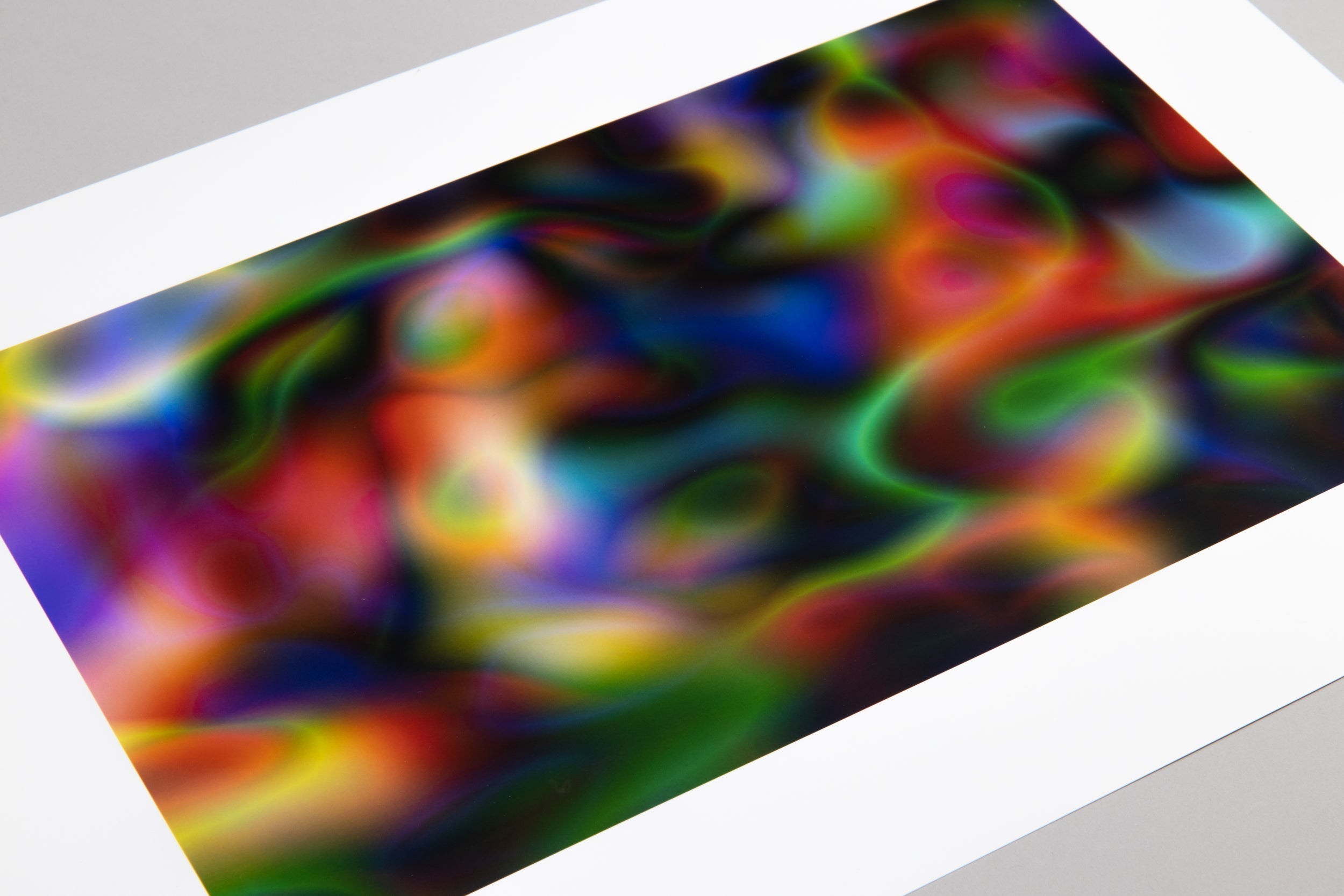
The Photographic Image
Explore contemporary photography through the lens of precision and scale. Our collection features exceptional photo editions that investigate the boundaries of representation and spatial order.
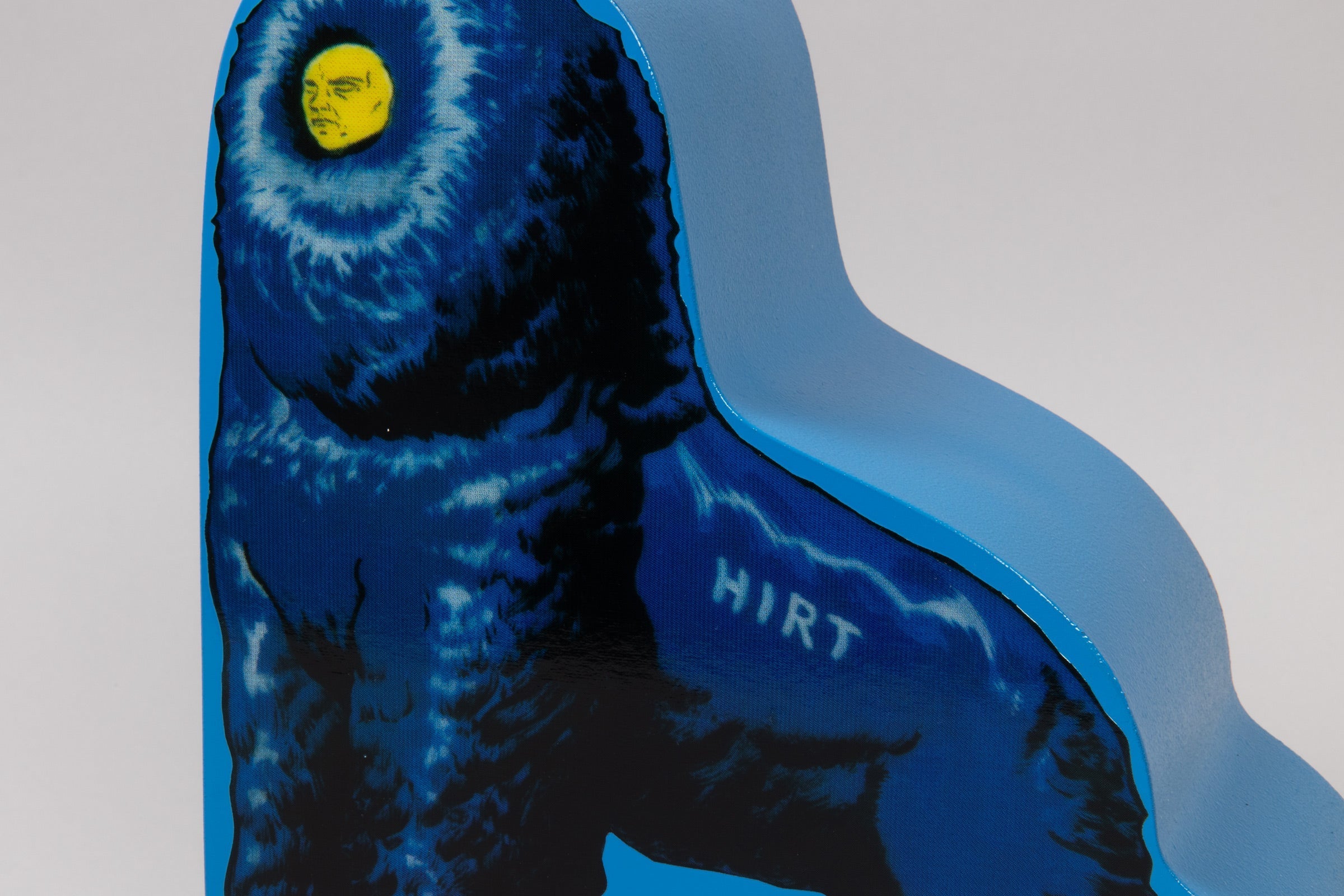
The Sculptural Multiple
Art beyond the pedestal. Discover three-dimensional objects designed to circulate ideas in space. These works bridge the gap between sculpture and the everyday, making radical art accessible.


