
Thomas Struth

Thomas Struth prints and photographs for sale.
In 1976, still a painting student under Gerhard Richter, Thomas Struth showed forty-nine photographs of empty Düsseldorf streets in a strict grid — before he had ever seen a single artwork by Bernd and Hilla Becher. The uncanny overlap convinced him to abandon painting entirely and join their first-ever photography class that same year. His signed prints and editions carry that same rigour directly from the darkroom: crowds staring at the Mona Lisa, a lone visitor before a Bellini altarpiece, museum-going itself turned into the actual subject of the picture.
Available Prints & Editions
3 products
Thomas Struth (born 1954 in Geldern, Germany, to a ceramicist mother and a bank director father) enrolled at the Kunstakademie Düsseldorf in 1973, initially studying painting under Peter Kleemann and, from 1974, under Gerhard Richter. His earliest photographs were made purely as reference material for his paintings — until a 1976 student exhibition changed the direction of his career entirely. Struth displayed a grid of forty-nine black-and-white photographs of deserted Düsseldorf streets, each shot from a rigidly centred perspective, unaware that Bernd and Hilla Becher had been developing an almost identical grid-based method for over a decade. The coincidence was conclusive: Struth abandoned painting and joined the Bechers' first photography class that same year, alongside fellow students Candida Höfer and Thomas Ruff, becoming one of the founding figures of what would become known as the Düsseldorf School of Photography.
A 1977–78 scholarship took Thomas Struth to New York, where his empty-street method extended internationally. But it was Museum Photographs, begun in June 1989 at the Louvre and the Musée d'Orsay, that established his reputation. Positioning a large-format camera inside the world's most visited museums, Struth photographed visitors looking at canonical paintings — a crowd jostling before the Mona Lisa, a group frozen beneath David's Coronation of Napoleon, a solitary figure before Bellini. He has described the museums as almost always crowded, prompting him to question what visitors were actually searching for in front of artworks centuries old. The photographs function as double portraits: of the viewers, and of the art they contemplate, museum-going staged as a genuine social ritual rather than passive spectatorship.
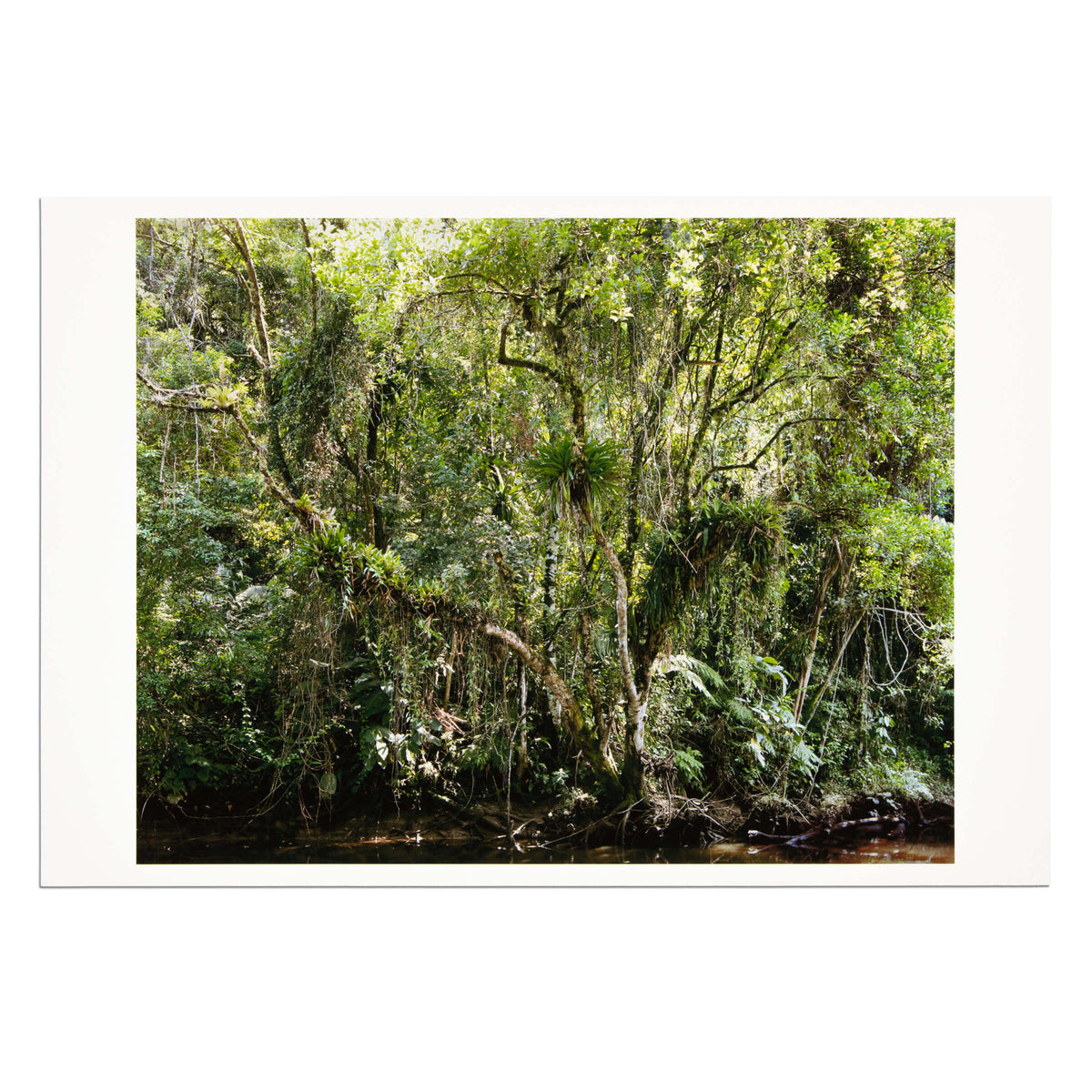
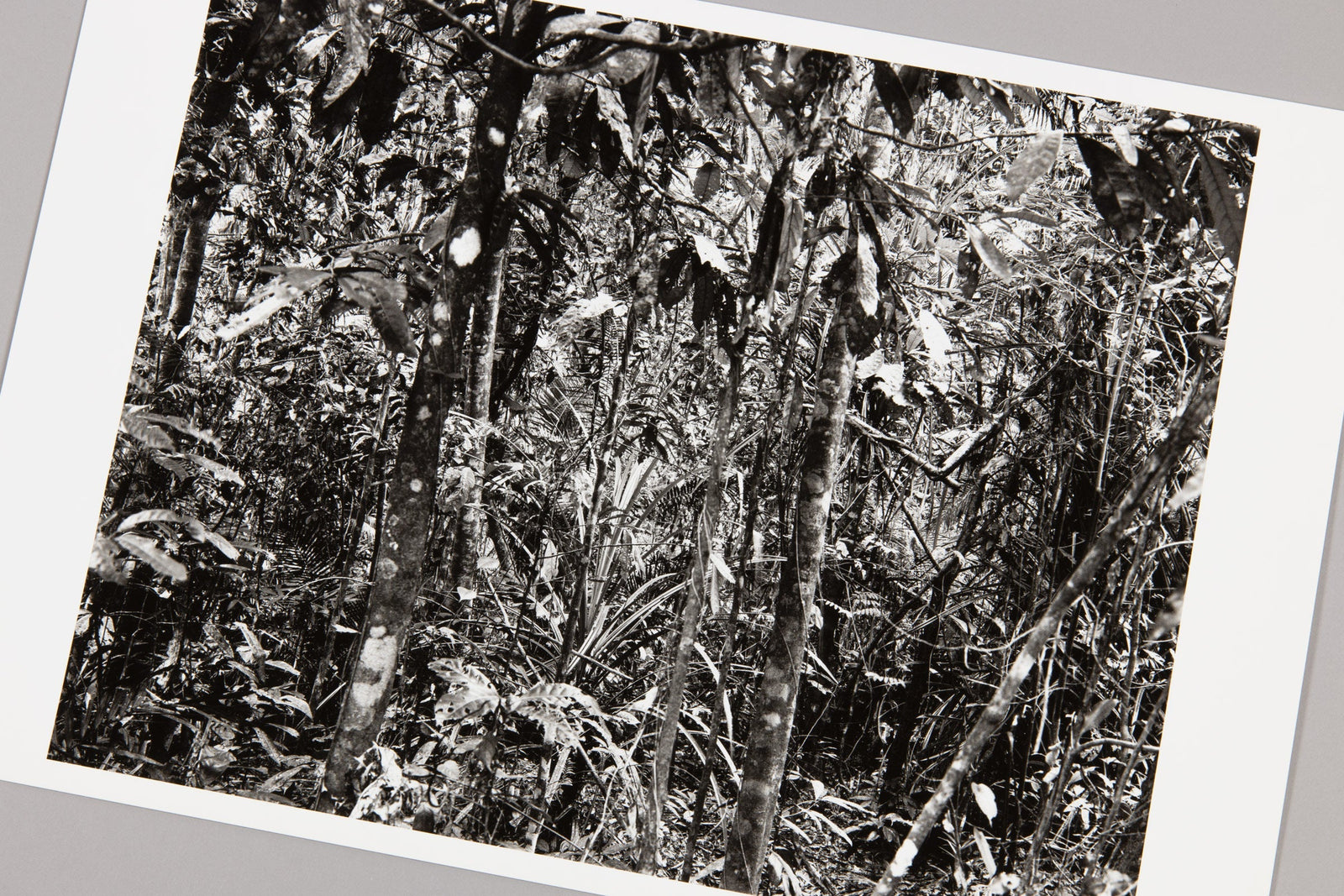
In a full-circle moment in 2002, Richter — Thomas Struth's own former teacher — asked him to make a portrait, later included among Struth's celebrated series of formal likenesses. Struth's Paradise series, begun in the late 1990s, turned away from human subjects entirely: dense, unspoiled forest interiors in Peru, Japan, and China, photographed with the same rigorous formal control he brought to crowded galleries, but with every trace of a viewer removed.
Major retrospectives have followed Thomas Struth steadily across four decades, including surveys at the Metropolitan Museum of Art (2003), the Museo del Prado (2007), Munich's Haus der Kunst (2017), and the Guggenheim Museum Bilbao (2019), alongside presentations at Berlin's Gropius Bau and the Kunsthaus Zürich — recognition that places him among the most consistently exhibited artists of the Düsseldorf generation. He divides his time between Berlin and New York.

Louvre IV, Paris (1989) by Thomas Struth depicts spectators standing before Géricault's The Raft of the Medusa — several staring into their guidebooks rather than the painting itself, a quietly damning observation on the mechanics of museum attention that recurs throughout the Museum Photographs series.
Pantheon, Rome (1990), Struth's auction record at $1,810,000 (Sotheby's New York, 2016), captures visitors dwarfed within the ancient Roman structure's oculus-lit interior — architecture and human presence held in the same exacting frame.
Museum Photographs extended in 1994 to the Museum of Modern Art in New York, where Struth photographed visitors before Jackson Pollock's One: Number 31, 1950 — chosen only after trial sessions in galleries hung with Mondrian, Newman, and Rothko — bringing the series' central question to abstraction rather than figuration for the first time.
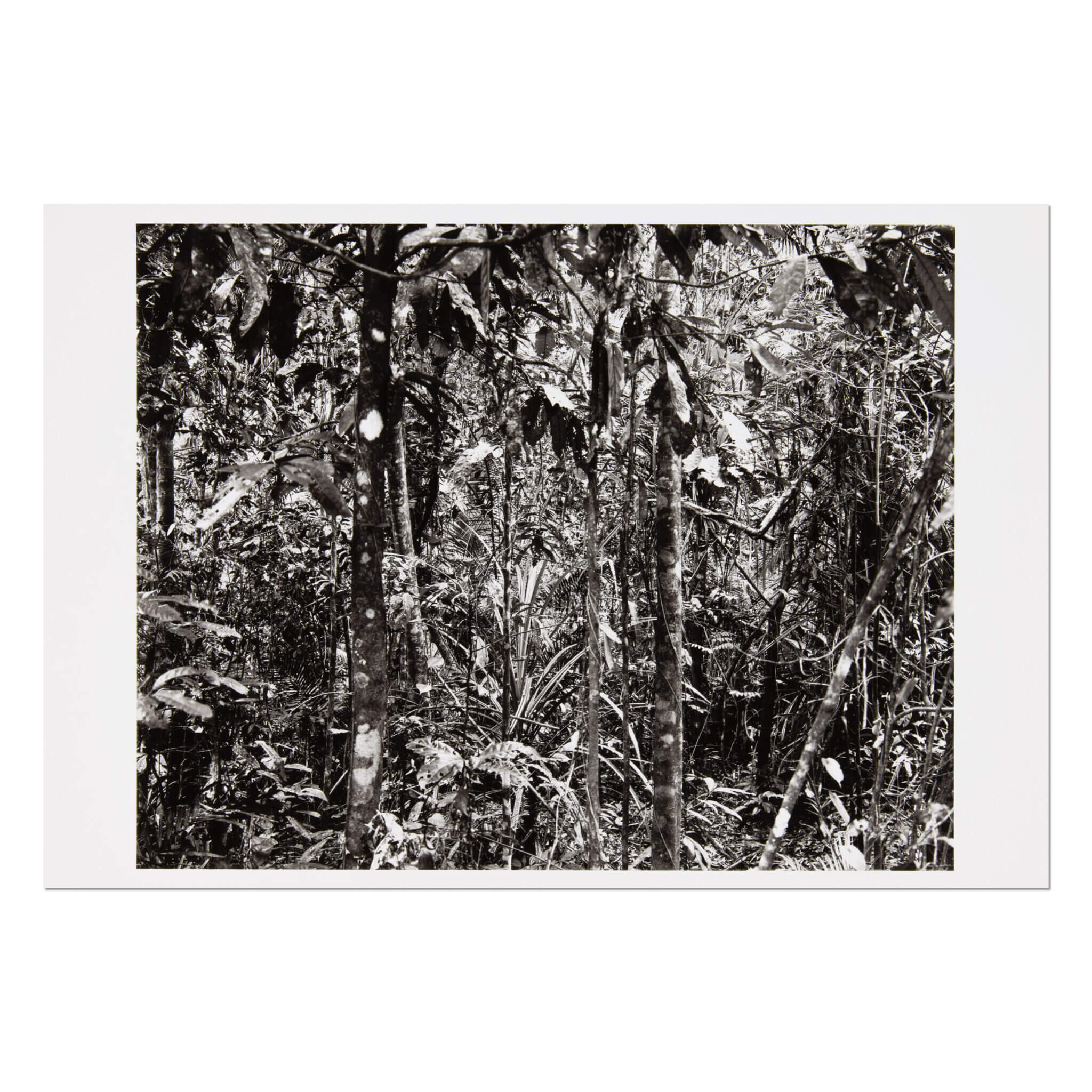
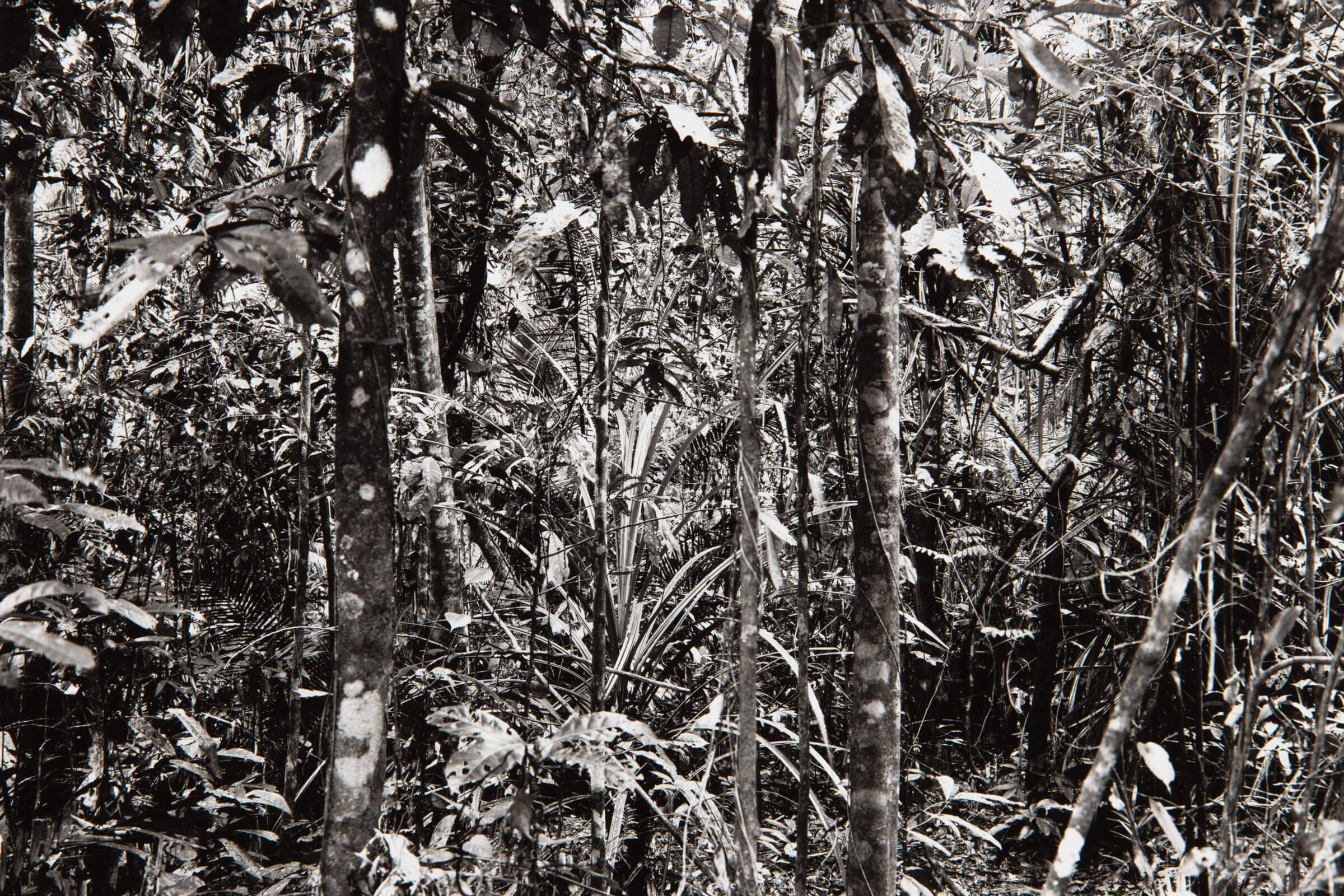
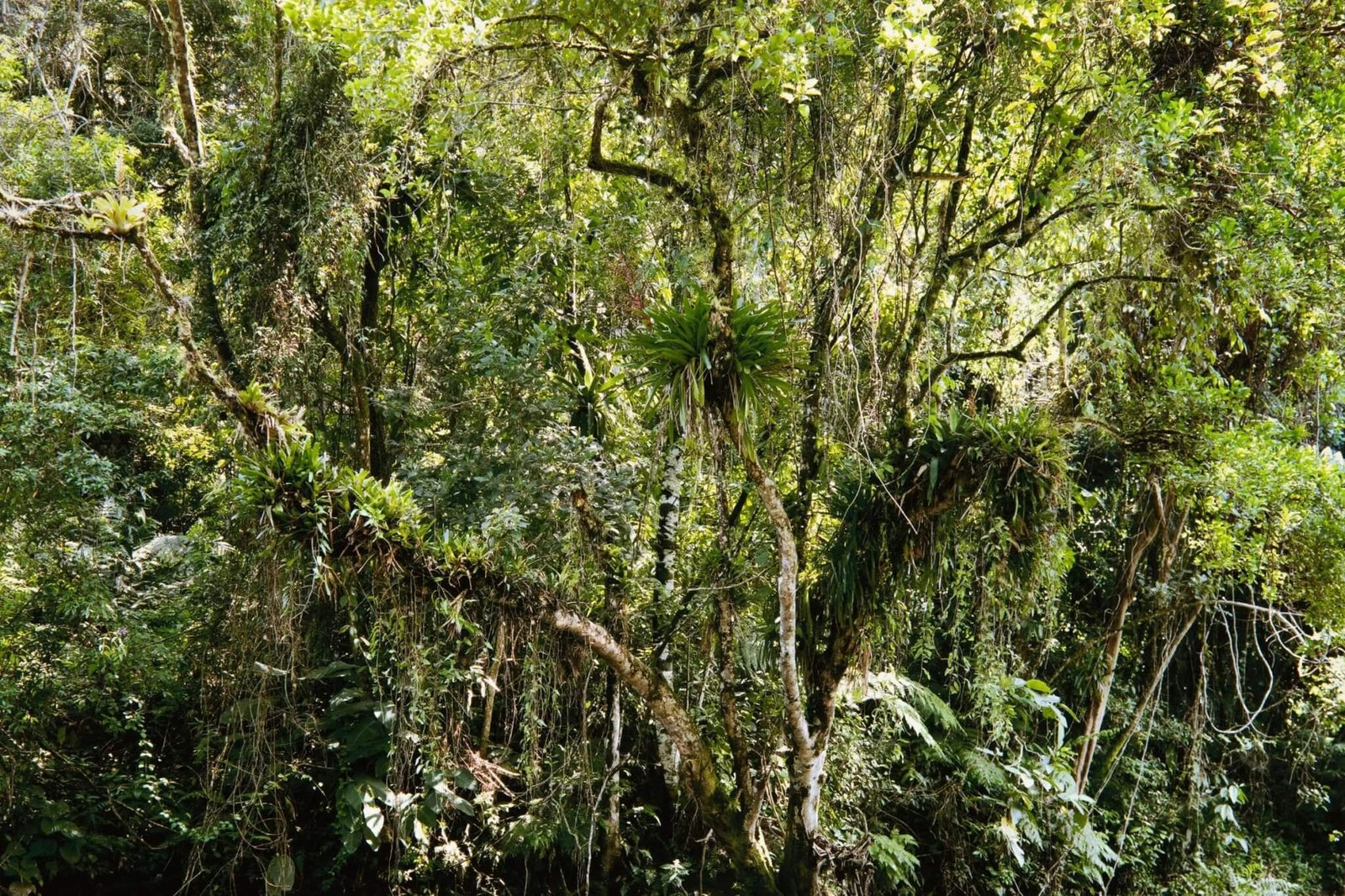
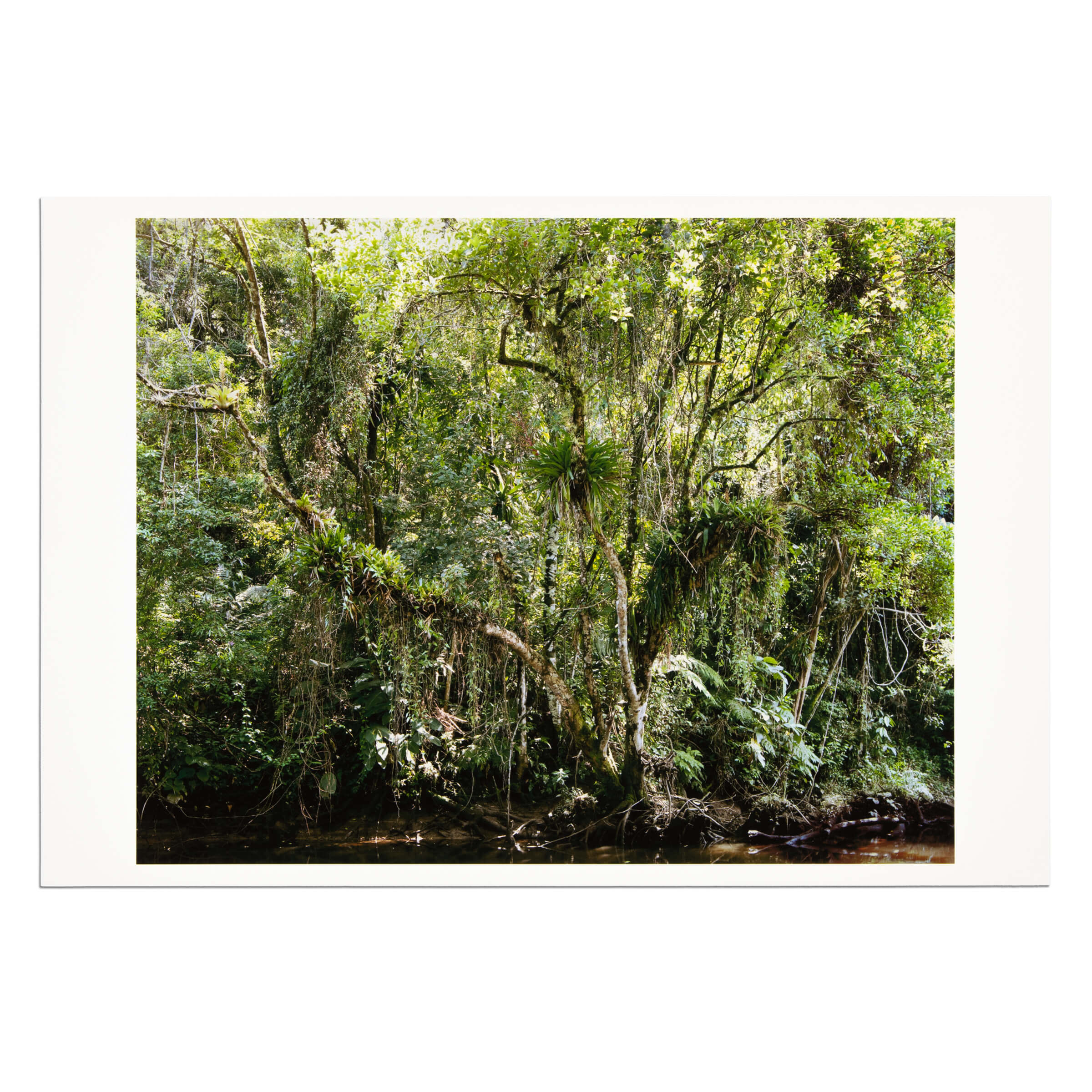
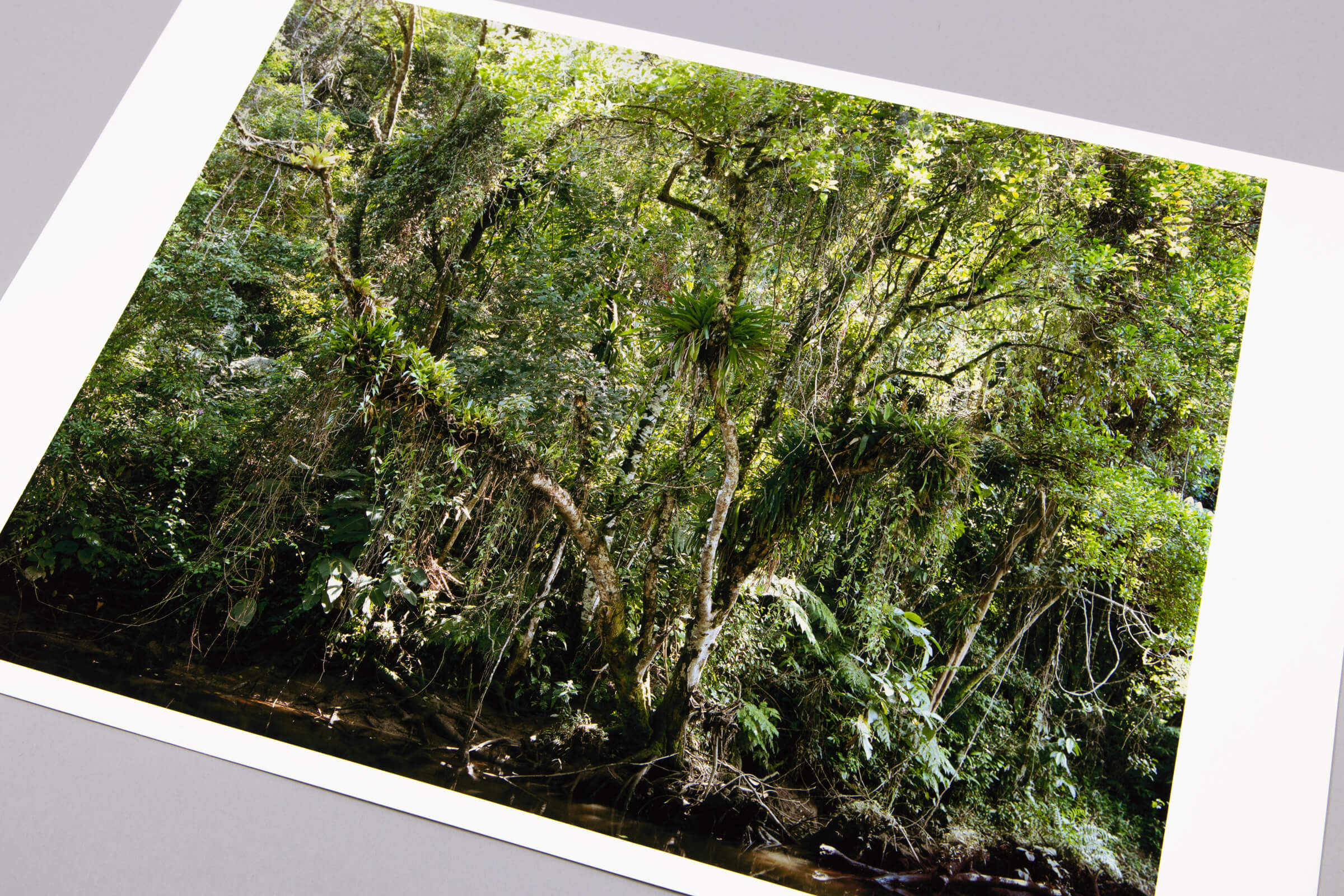
New Pictures from Paradise (begun late 1990s), photographed in dense, unspoiled forests across Peru, Japan, and China, marks Thomas Struth's most complete departure from human subject matter — the same rigorous formal control applied instead to tangled, chaotic natural environments with no viewer present at all.

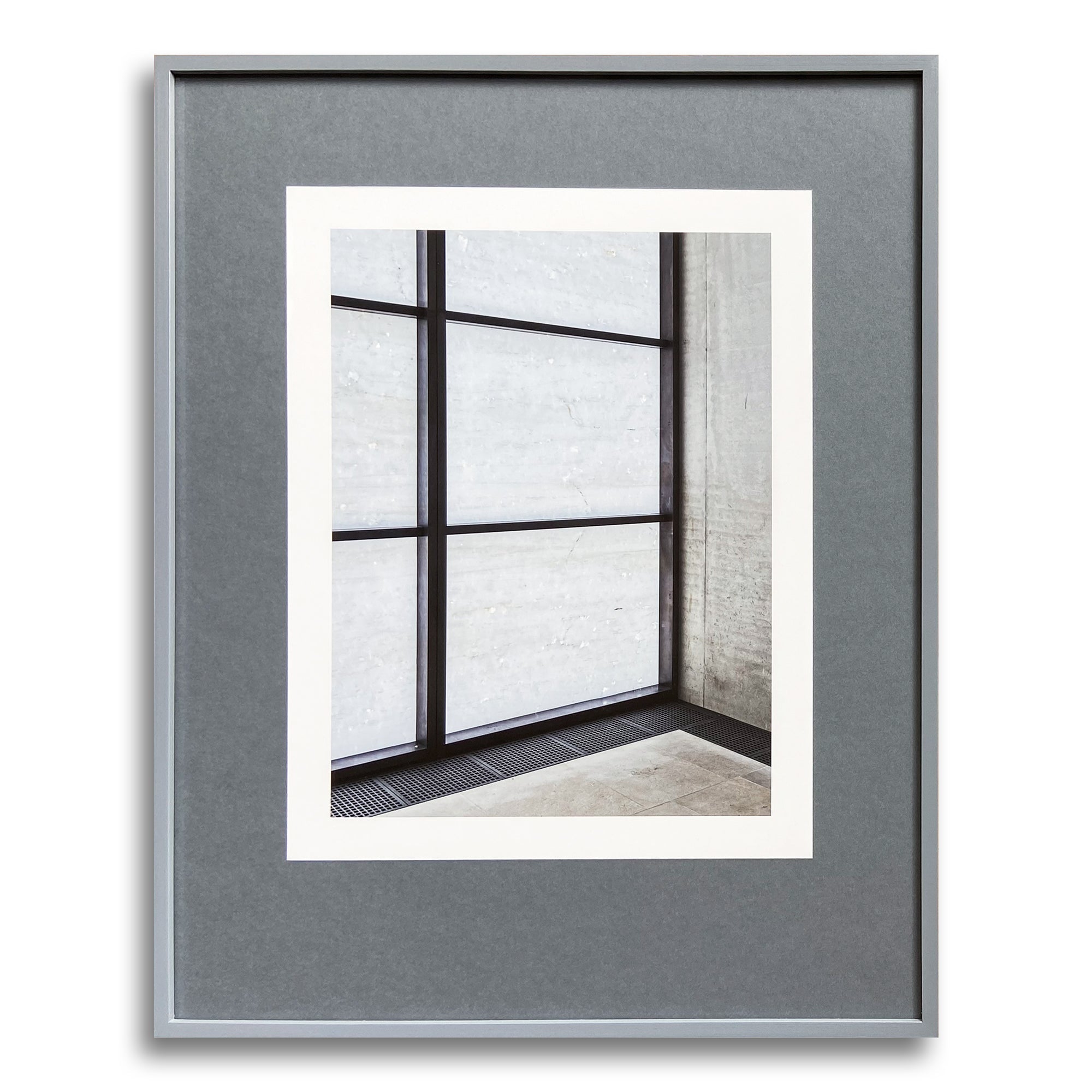
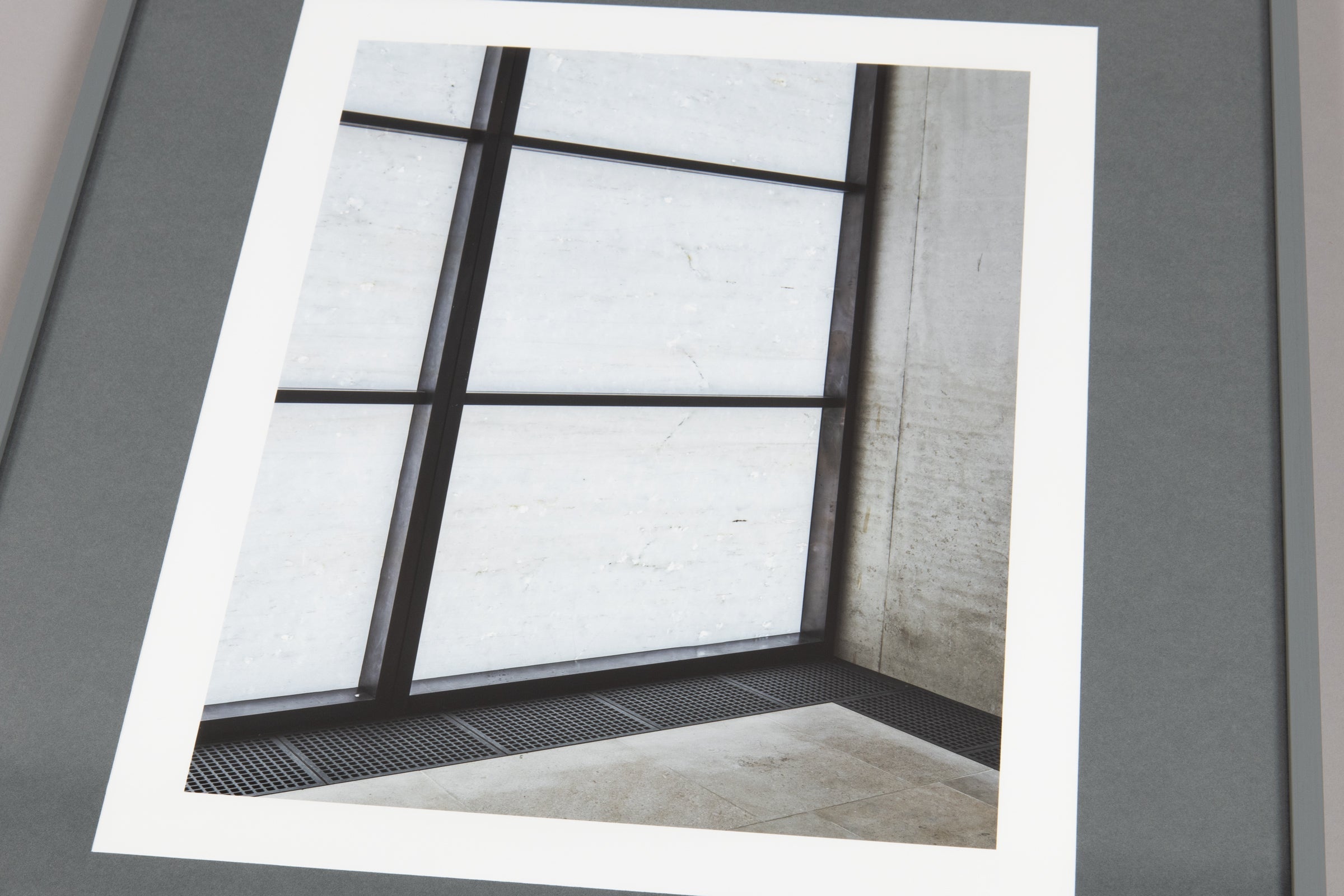
Thomas Struth editions carry the same large-format precision and formal rigour as his best-known institutional photographs — chromogenic colour prints (C-prints) produced to the exacting technical standard the Düsseldorf School established as its baseline, often reaching the same monumental scale as his museum artworks even in smaller, more accessible formats.
Because his major Museum Photographs and Paradise prints regularly reach six and seven figures at auction, his more modestly scaled signed photographic editions offer one of the more direct routes to owning an original Struth — carrying the same architectural and perceptual precision at a considerably more accessible size.
For collectors, Thomas Struth photographs and prints for sale offer entry into a practice built on turning the act of looking itself into the subject of photography. Artworks are held in the permanent collections of MoMA, Tate, and the Centre Pompidou.
Thomas Struth (born 1954 in Geldern, Germany, to a ceramicist mother and a bank director father) enrolled at the Kunstakademie Düsseldorf in 1973, initially studying painting under Peter Kleemann and, from 1974, under Gerhard Richter. His earliest photographs were made purely as reference material for his paintings — until a 1976 student exhibition changed the direction of his career entirely. Struth displayed a grid of forty-nine black-and-white photographs of deserted Düsseldorf streets, each shot from a rigidly centred perspective, unaware that Bernd and Hilla Becher had been developing an almost identical grid-based method for over a decade. The coincidence was conclusive: Struth abandoned painting and joined the Bechers' first photography class that same year, alongside fellow students Candida Höfer and Thomas Ruff, becoming one of the founding figures of what would become known as the Düsseldorf School of Photography.
A 1977–78 scholarship took Thomas Struth to New York, where his empty-street method extended internationally. But it was Museum Photographs, begun in June 1989 at the Louvre and the Musée d'Orsay, that established his reputation. Positioning a large-format camera inside the world's most visited museums, Struth photographed visitors looking at canonical paintings — a crowd jostling before the Mona Lisa, a group frozen beneath David's Coronation of Napoleon, a solitary figure before Bellini. He has described the museums as almost always crowded, prompting him to question what visitors were actually searching for in front of artworks centuries old. The photographs function as double portraits: of the viewers, and of the art they contemplate, museum-going staged as a genuine social ritual rather than passive spectatorship.
In a full-circle moment in 2002, Richter — Thomas Struth's own former teacher — asked him to make a portrait, later included among Struth's celebrated series of formal likenesses. Struth's Paradise series, begun in the late 1990s, turned away from human subjects entirely: dense, unspoiled forest interiors in Peru, Japan, and China, photographed with the same rigorous formal control he brought to crowded galleries, but with every trace of a viewer removed.
Major retrospectives have followed Thomas Struth steadily across four decades, including surveys at the Metropolitan Museum of Art (2003), the Museo del Prado (2007), Munich's Haus der Kunst (2017), and the Guggenheim Museum Bilbao (2019), alongside presentations at Berlin's Gropius Bau and the Kunsthaus Zürich — recognition that places him among the most consistently exhibited artists of the Düsseldorf generation. He divides his time between Berlin and New York.
Louvre IV, Paris (1989) by Thomas Struth depicts spectators standing before Géricault's The Raft of the Medusa — several staring into their guidebooks rather than the painting itself, a quietly damning observation on the mechanics of museum attention that recurs throughout the Museum Photographs series.
Pantheon, Rome (1990), Struth's auction record at $1,810,000 (Sotheby's New York, 2016), captures visitors dwarfed within the ancient Roman structure's oculus-lit interior — architecture and human presence held in the same exacting frame.
Museum Photographs extended in 1994 to the Museum of Modern Art in New York, where Struth photographed visitors before Jackson Pollock's One: Number 31, 1950 — chosen only after trial sessions in galleries hung with Mondrian, Newman, and Rothko — bringing the series' central question to abstraction rather than figuration for the first time.
New Pictures from Paradise (begun late 1990s), photographed in dense, unspoiled forests across Peru, Japan, and China, marks Thomas Struth's most complete departure from human subject matter — the same rigorous formal control applied instead to tangled, chaotic natural environments with no viewer present at all.
Thomas Struth editions carry the same large-format precision and formal rigour as his best-known institutional photographs — chromogenic colour prints (C-prints) produced to the exacting technical standard the Düsseldorf School established as its baseline, often reaching the same monumental scale as his museum artworks even in smaller, more accessible formats.
Because his major Museum Photographs and Paradise prints regularly reach six and seven figures at auction, his more modestly scaled signed photographic editions offer one of the more direct routes to owning an original Struth — carrying the same architectural and perceptual precision at a considerably more accessible size.
For collectors, Thomas Struth photographs and prints for sale offer entry into a practice built on turning the act of looking itself into the subject of photography. Artworks are held in the permanent collections of MoMA, Tate, and the Centre Pompidou.


Thomas Struth: Key Questions
Collecting Thomas Struth?
Looking for a specific artwork or have a question about an edition? We're happy to advise on availability, pricing, condition, and provenance — and to source artworks beyond our current selection.
What is Thomas Struth known for?
Thomas Struth is known for large-format colour photographs, most famously his Museum Photographs series depicting visitors looking at canonical artworks in institutions including the Louvre and the National Gallery. A key figure of the Düsseldorf School of Photography, he studied under both Gerhard Richter and Bernd and Hilla Becher, and remains one of the most significant photographers of his generation.
What was Thomas Struth's Museum Photographs series?
Begun in 1989 at the Louvre and the Musée d'Orsay, Thomas Struth's Museum Photographs depicts visitors observing celebrated paintings in major museums worldwide, from crowds before the Mona Lisa to solitary figures contemplating Renaissance altarpieces. The series functions as a double portrait, examining both the artworks and the ritual of looking that surrounds them.
Why did Thomas Struth switch from painting to photography?
Thomas Struth studied painting under Gerhard Richter at the Kunstakademie Düsseldorf, using photographs only as reference material, until a 1976 student exhibition revealed his own photographic grids closely paralleled the typological method Bernd and Hilla Becher had independently developed. Recognising the overlap, Struth abandoned painting and joined the Bechers' first photography class that same year.
Is Thomas Struth associated with the Düsseldorf School?
Yes, as one of its founding students. Thomas Struth joined Bernd and Hilla Becher's inaugural photography class at the Kunstakademie Düsseldorf in 1976, alongside Candida Höfer and Axel Hütte, and remains one of the movement's most institutionally celebrated figures.
How much do Thomas Struth artworks sell for?
Thomas Struth photographs have reached significant prices at auction — his record stands at $1,810,000, set at Sotheby's New York in 2016 for Pantheon, Rome (1990). His smaller-format signed prints and editions occupy a considerably more accessible range, offering direct entry into one of contemporary photography's most consequential practices.

Buy art online
Shop editions with transparent pricing, accurate condition reports, and fast dispatch. Built for international collectors — buying original art made simple and reliable.
Worldwide shipping
Every work ships fully insured and tracked, handled only by trusted international express carriers — DHL Express, FedEx, UPS — and typically dispatched within five days.
Professional packaging
Meticulous packing is our craft. Each artwork is packed in-house to archival standards — multi-layer construction built to ensure it arrives in mint condition, anywhere in the world.
Secure payment
Checkout is powered by Shopify Payments — the same encrypted, PCI-compliant infrastructure trusted by millions of merchants worldwide.