
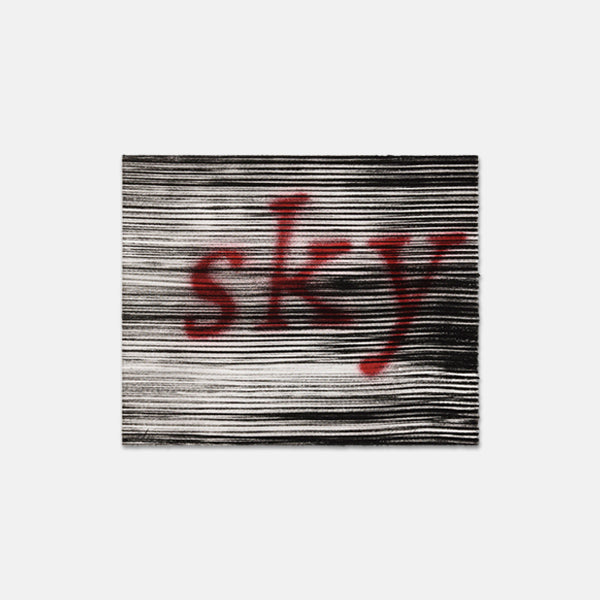
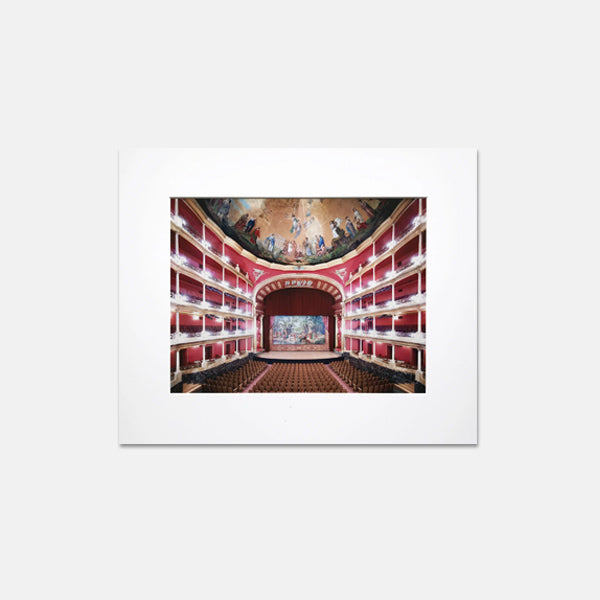

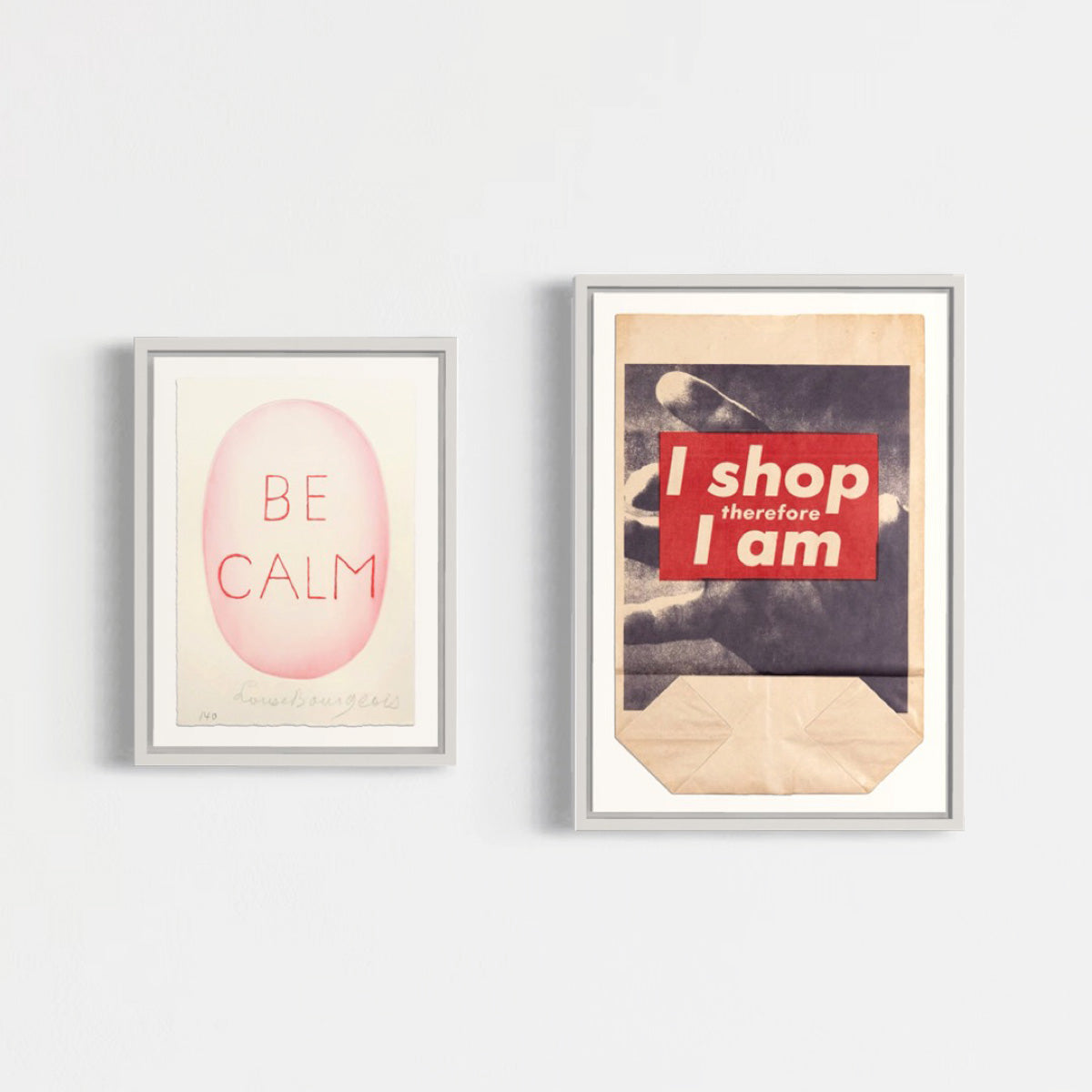



Postwar Abstraction refers to a broad range of abstract artistic practices that emerged after the Second World War, shaped by profound political, social, and cultural transformation. Artists working in abstraction sought new visual languages capable of responding to a world marked by rupture, reconstruction, and renewed questioning of representation.
Rather than forming a single unified movement, Postwar Abstraction encompasses diverse approaches to form, color, material, and process. Across Europe and the United States, abstraction became a means of rethinking painting and sculpture in the wake of historical trauma and modernity.
Explore our Abstract Art Collection.
Historical Context
In the aftermath of World War II, abstraction offered artists a way to move beyond figurative representation and inherited aesthetic traditions. The devastation of the war, alongside rapid industrial and technological change, prompted a reassessment of what art could and should communicate.
In Europe, abstraction was shaped by reconstruction and memory, while in the United States it developed alongside the emergence of new artistic institutions and international influence. Despite regional differences, artists shared an interest in redefining form, autonomy, and meaning.
Postwar Abstraction thus reflects both continuity with early modernist abstraction and a decisive break from prewar conventions.
Painting, Color, and Structure
Painting played a central role in Postwar Abstraction, with artists exploring color, surface, and spatial organization as primary concerns. Gestural approaches coexisted with more restrained, architectural compositions.
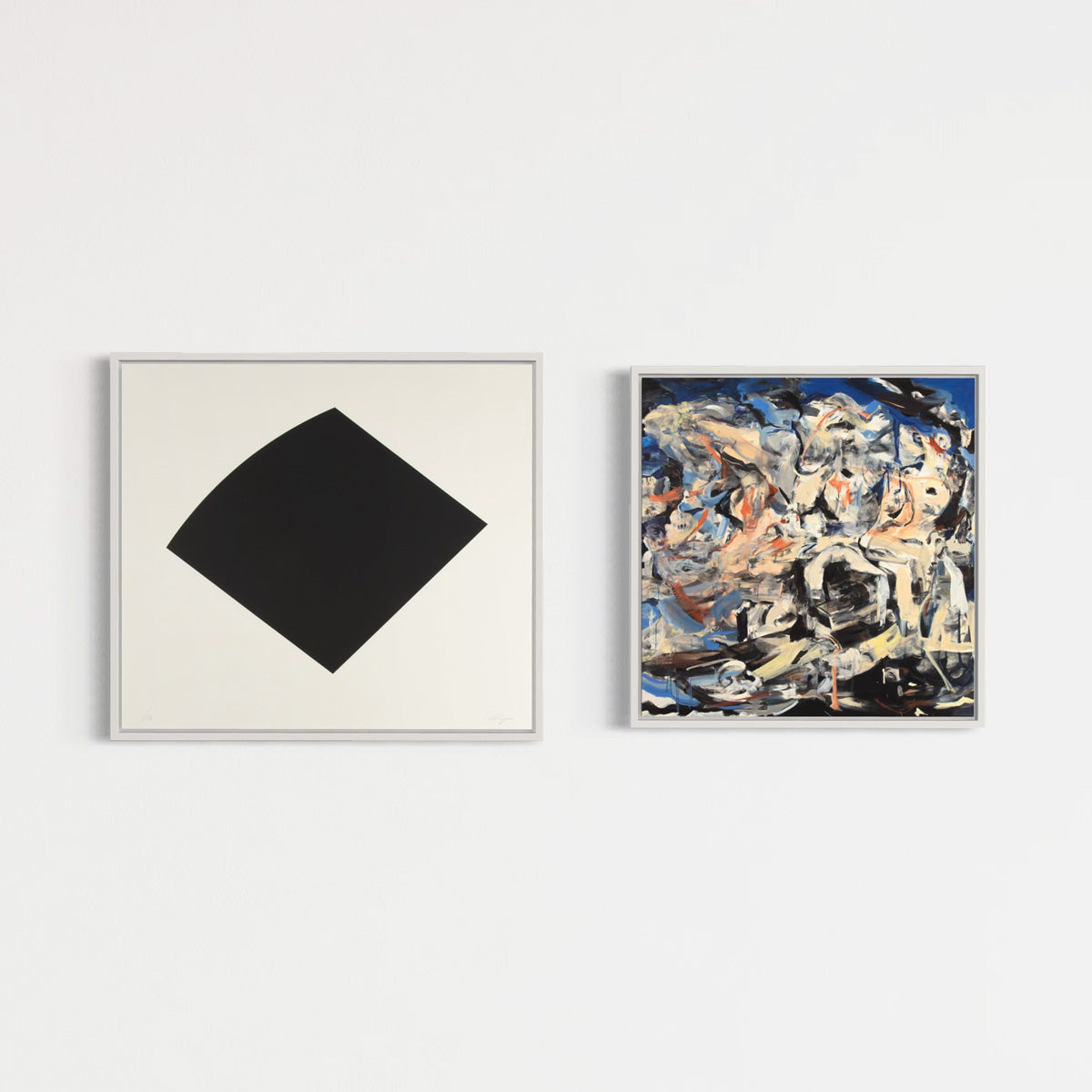
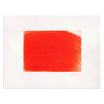
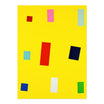
Ellsworth Kelly pursued a reductive language of color and form, emphasizing perception, edge, and spatial interaction. His work foregrounded color as an autonomous structural element rather than an expressive device.
Through varied strategies, Postwar Abstract painters treated color and form as independent forces capable of shaping visual experience.
Abstraction and Material Presence
Beyond composition, Postwar Abstraction often emphasized the physical qualities of materials and surfaces. Paint, support, and scale became integral to the meaning of the work, reinforcing its status as an object rather than an image.
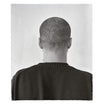
Günther Förg exemplified this approach through works that combined painterly gesture with architectural reference. His practice moved fluidly between painting, photography, and sculpture, maintaining abstraction as an open and adaptable language.
This attention to material presence aligned abstraction with broader postwar concerns around space, structure, and environment.
System, Reduction, and Seriality
Many artists associated with Postwar Abstraction adopted reductive strategies, limiting visual elements to explore structure and repetition. Seriality, symmetry, and controlled variation replaced expressive improvisation, developments that would later coalesce more explicitly within Minimalism. Within this broader postwar context, Minimalism can be understood not as a rupture, but as a focused articulation of tendencies already present within abstraction.
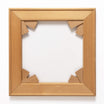
Imi Knoebel developed a rigorous abstract vocabulary grounded in geometry, surface, and modular construction. His work reflects a sustained engagement with modernist principles while asserting abstraction as an evolving practice.
Reduction functioned not as negation, but as a means of sharpening perception and visual clarity.
Abstraction and Memory
For many European artists, abstraction carried historical and psychological weight, shaped by the legacy of war and displacement. Color and form became vehicles for addressing memory without direct representation.
Rupprecht Geiger explored color as a spatial and perceptual force, producing works that balance precision with intensity. His practice reflects a postwar commitment to abstraction as a renewed visual language.
In this context, abstraction operates as both a formal inquiry and a response to lived history.
Postwar Abstraction and Contemporary Art
The legacy of Postwar Abstraction continues to shape contemporary artistic practice. Its emphasis on autonomy, materiality, and formal investigation remains foundational across painting and sculpture.
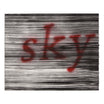
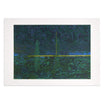
Gerhard Richter occupies a pivotal position in this lineage, navigating between abstraction and representation while questioning the limits of both. His work reflects the enduring relevance of postwar abstraction as a framework for artistic inquiry.
Rather than closing a historical chapter, Postwar Abstraction established a set of tools that continue to inform contemporary art.
Market and Institutional Reception
Postwar Abstraction has been extensively exhibited and collected by major museums, securing its position within the canon of modern and contemporary art. Institutional presentations often emphasize its diversity and historical complexity.
In the market, works associated with Postwar Abstraction are valued for their historical significance, material quality, and formal rigor. Editioned works and works on paper have played an important role in broadening access to these practices.
The movement remains central to both institutional and private collections.
Editorial Note
This editorial page provides an overview of Postwar Abstraction, outlining its historical context, key characteristics, and ongoing influence on contemporary art.
Selected works by artists associated with Postwar Abstraction are available through our collection.
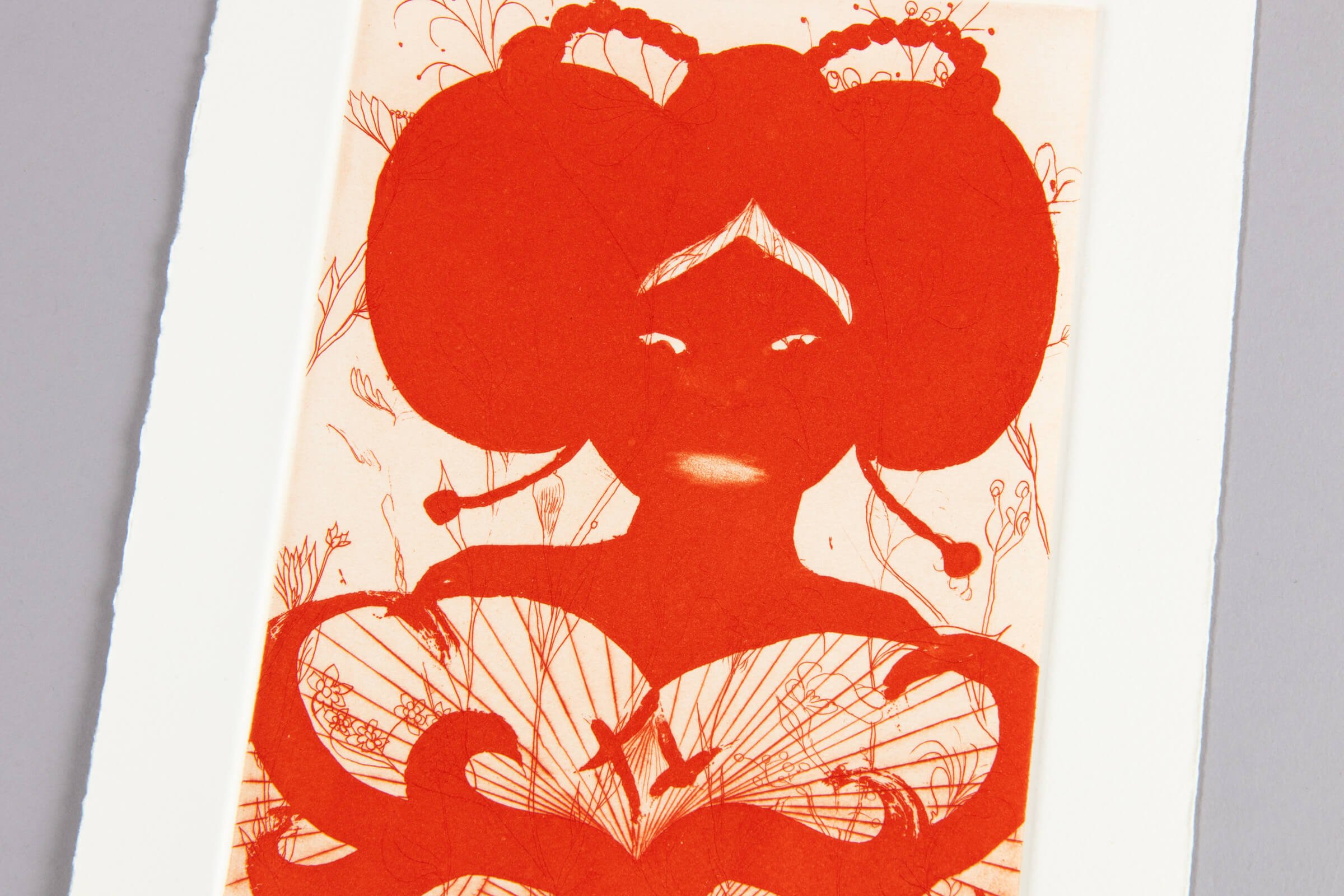
The Art of Printmaking
From the precise lines of woodcuts to the velvety depth of lithographs. Discover a curated selection of editioned works on paper that celebrate the unique texture and heritage of traditional print media.
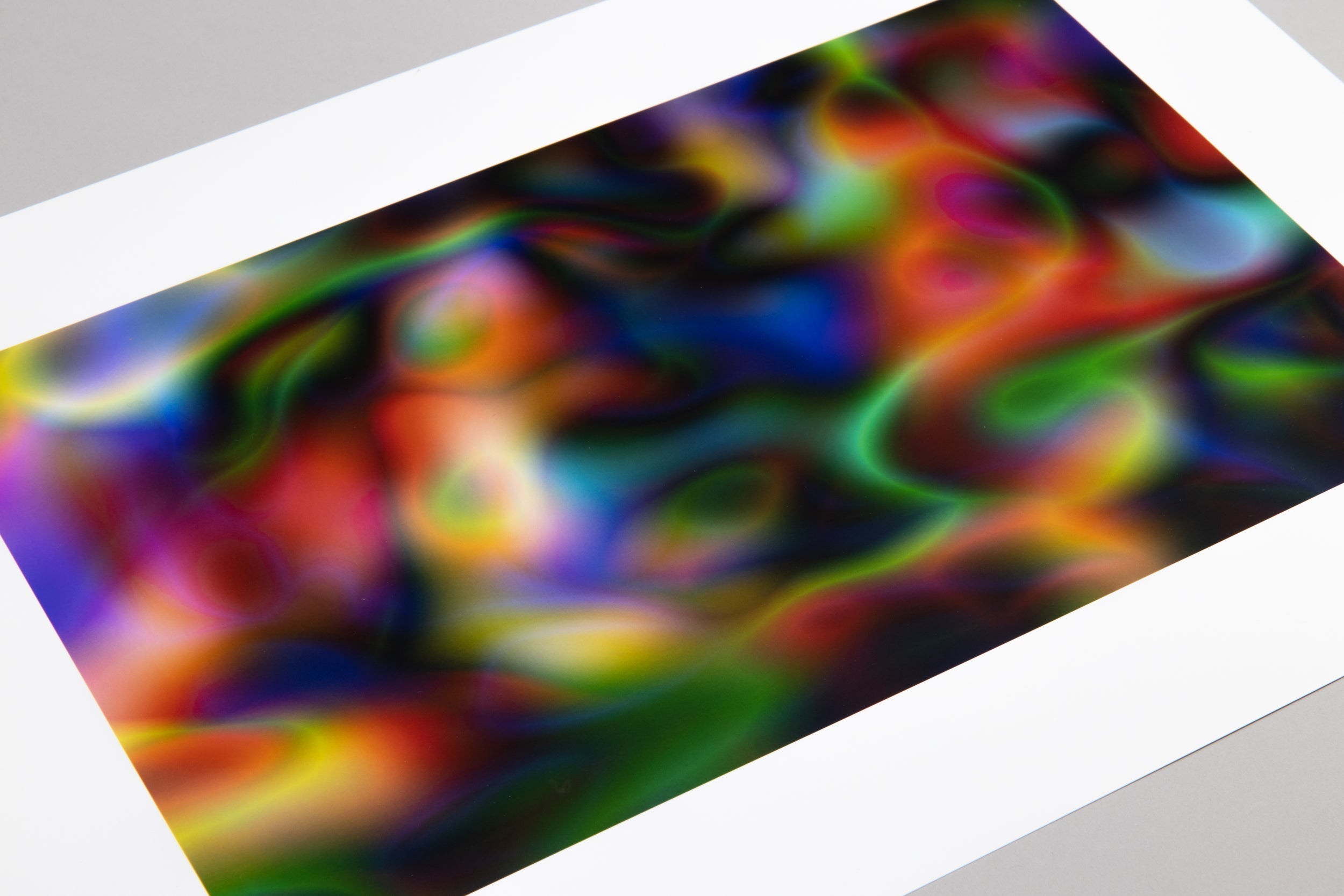
The Photographic Image
Explore contemporary photography through the lens of precision and scale. Our collection features exceptional photo editions that investigate the boundaries of representation and spatial order.
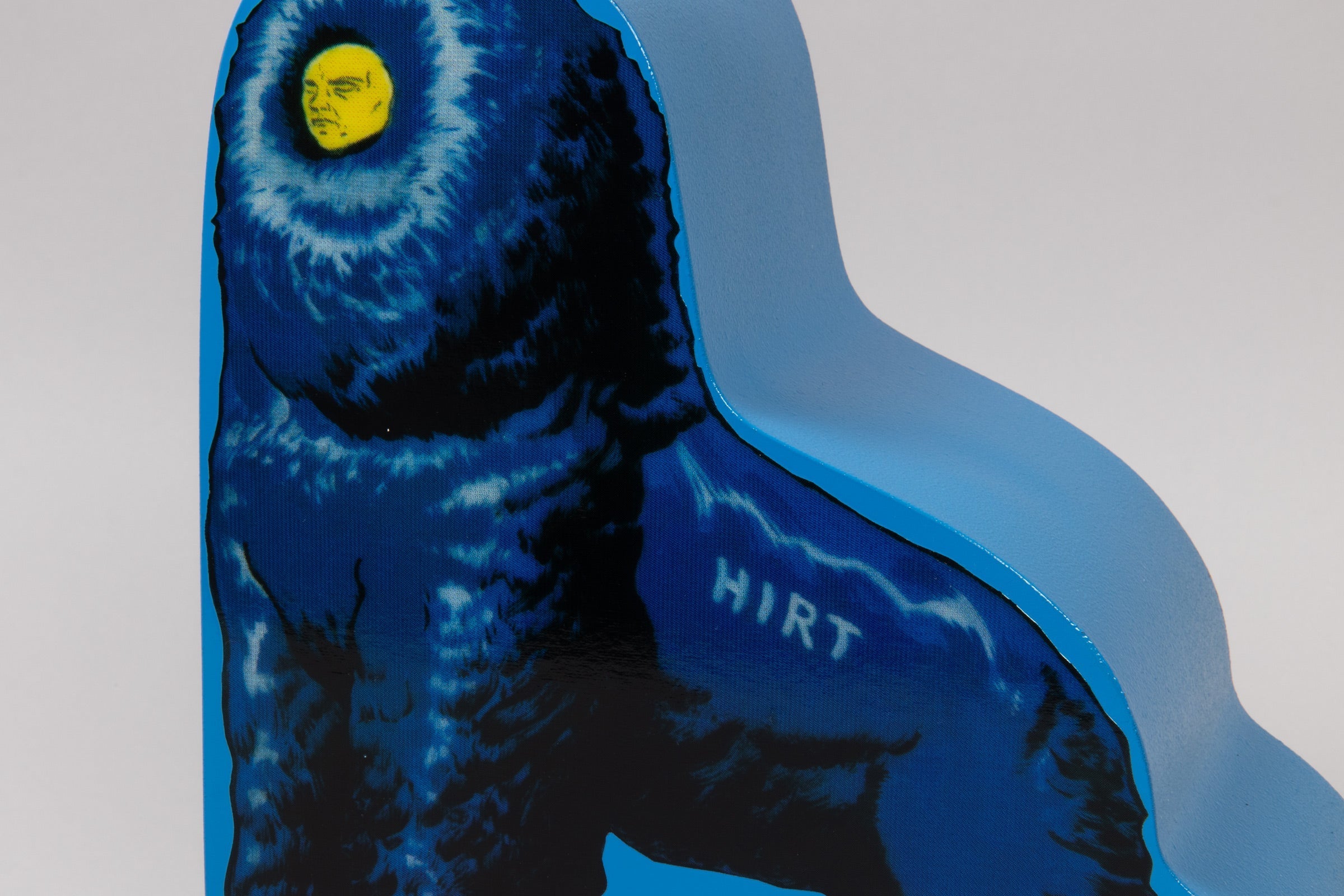
The Sculptural Multiple
Art beyond the pedestal. Discover three-dimensional objects designed to circulate ideas in space. These works bridge the gap between sculpture and the everyday, making radical art accessible.


