


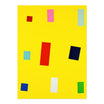
Rupprecht Geiger (1908–2009, Munich, Germany) was a German abstract painter whose work occupies a central position in the development of postwar abstraction and color-based painting in Europe. Best known for his radical engagement with red as both subject and material, Geiger developed a practice in which color functions as an autonomous force rather than a vehicle for representation.
Emerging in the aftermath of the Second World War, Geiger’s work formed part of a broader effort to establish new visual languages grounded in perception, materiality, and renewal. His practice has been exhibited internationally and is held in major public collections, positioning him as a key figure in European postwar abstraction.
Artistic Practice
Rupprecht Geiger’s artistic practice is defined by a sustained investigation of color as an independent, spatial, and perceptual phenomenon. From the late 1940s onward, he moved decisively away from figurative and symbolic approaches, focusing instead on chromatic intensity and surface.
Painting became the primary site of his inquiry. Geiger worked with carefully calibrated compositions in which color fields dominate the pictorial plane, often eliminating line, gesture, and compositional hierarchy. Paint is applied to create vibrating surfaces that engage the viewer’s optical and bodily perception.
Rather than using color descriptively, Geiger treated it as an active force capable of generating space, depth, and emotional resonance without recourse to imagery.
Key Themes and Motifs
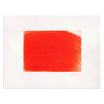
Central to Geiger’s work is the exploration of color as energy, particularly his sustained focus on red. For Geiger, red was not symbolic but experiential, functioning as a dynamic presence that activates the surface and the surrounding space.
His paintings often employ variations in hue, saturation, and luminosity, allowing subtle shifts to produce perceptual movement and tension. Circular forms, gradients, and softly contoured shapes recur as structural devices that intensify chromatic experience.
These motifs do not operate as compositional elements in a traditional sense, but as means of concentrating attention on color’s capacity to affect perception and sensation.
Historical and Cultural Context
Geiger’s practice developed within the context of postwar Europe, where artists sought to break with the visual languages compromised by ideological misuse during the Nazi period. Abstraction offered a means of renewal grounded in universality, perception, and material presence.
Geiger was associated with the ZERO movement and related tendencies that emphasized light, color, and reduction as alternatives to expressionist subjectivity. His work aligned with broader international developments in color-field painting and concrete abstraction while maintaining a distinct personal focus.
His commitment to abstraction reflects a belief in art’s capacity to operate beyond narrative and representation, engaging directly with human perception.
Color, Perception, and Space
Color in Geiger’s work is inseparable from spatial experience. Large-scale canvases and carefully modulated surfaces invite prolonged viewing, allowing color to unfold gradually over time.
The interaction between painted surface and ambient light plays a crucial role, with works changing subtly depending on viewing conditions. This emphasis on perception situates Geiger’s practice within phenomenological approaches to abstraction.
Rather than depicting space, his paintings generate spatial experience through chromatic intensity and visual vibration.
Editions and Works on Paper
Works on paper and editioned prints form an important component of Rupprecht Geiger’s artistic output. These works extend his chromatic investigations into more intimate formats, emphasizing precision, surface, and tonal variation.
Printmaking allowed Geiger to explore seriality and controlled variation, reinforcing his interest in systematic experimentation with color.
Editions are conceived as autonomous works that maintain the conceptual and perceptual integrity of his painting practice.
Market and Circulation Context
Rupprecht Geiger’s work circulates within a well-established institutional and market framework, particularly within European contexts focused on postwar abstraction. His long career and sustained commitment to color-based painting have contributed to stable recognition of his work.
Editions and works on paper have played a role in extending access to his practice while preserving its formal rigor and conceptual clarity.
Within the contemporary art ecosystem, Geiger’s work is frequently cited as a reference point for radical approaches to color and perception.
Institutional Exhibitions and Collections
Geiger’s work has been exhibited extensively at museums and institutions in Germany and internationally. Institutional presentations have emphasized his contribution to postwar abstraction and his association with movements centered on light and color.
His work is held in major public collections, including museums dedicated to modern and contemporary art, where it is positioned within narratives addressing abstraction, perception, and materiality.
Exhibitions of his work often foreground scale, chromatic intensity, and the relationship between painting and architectural space.
Position within Contemporary Art
Within contemporary art history, Rupprecht Geiger occupies a significant position as an artist who pursued abstraction as a perceptual and experiential project over several decades.
By treating color as an autonomous force, his practice continues to influence artists engaged with color-field painting, minimal abstraction, and phenomenological approaches to visual experience.
Editorial Note
This editorial page provides a structured overview of Rupprecht Geiger’s artistic practice, thematic concerns, institutional context, and market circulation, with particular attention to his sustained exploration of color and perception.
Selected works by Rupprecht Geiger are available through our collection.
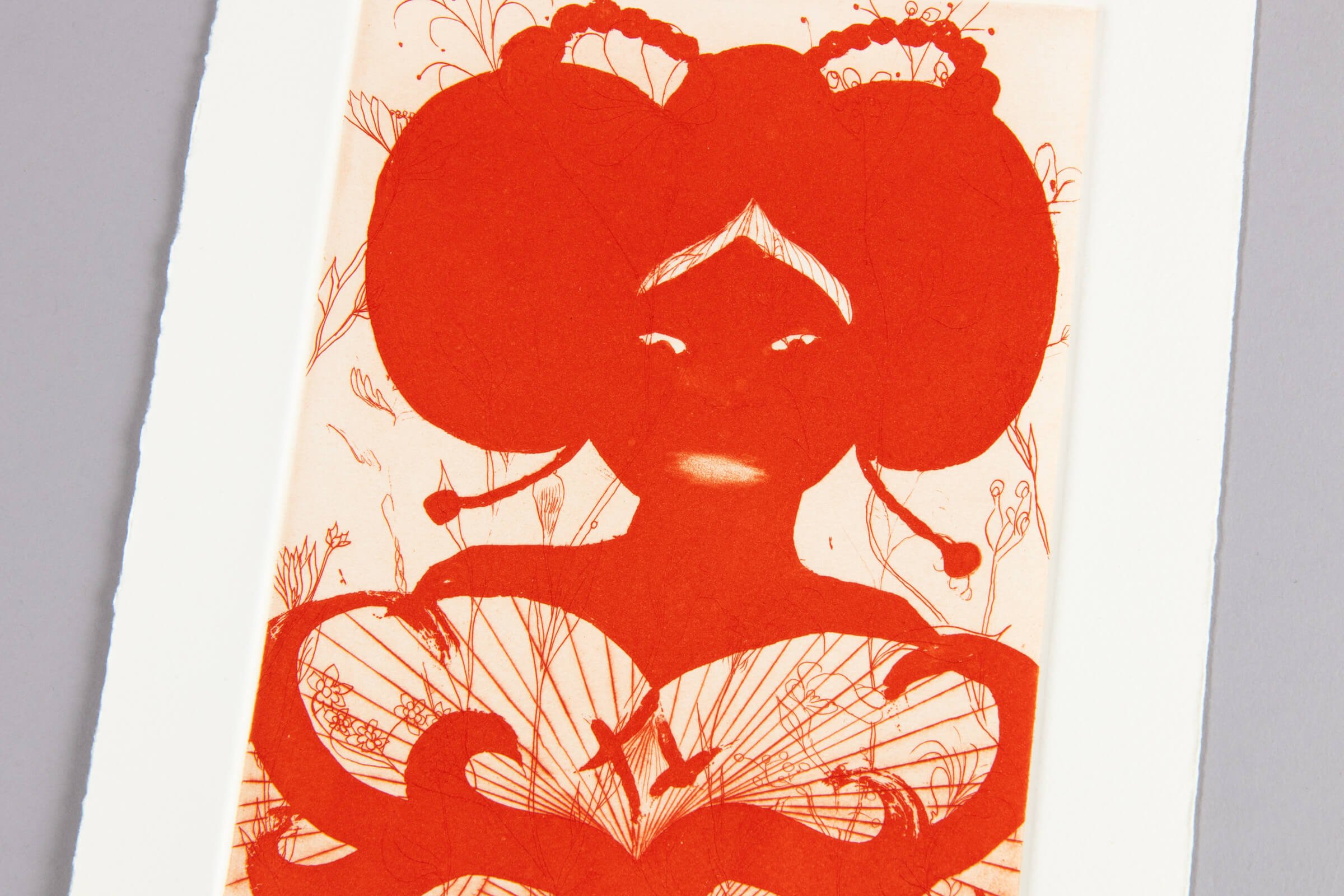
The Art of Printmaking
From the precise lines of woodcuts to the velvety depth of lithographs. Discover a curated selection of editioned works on paper that celebrate the unique texture and heritage of traditional print media.
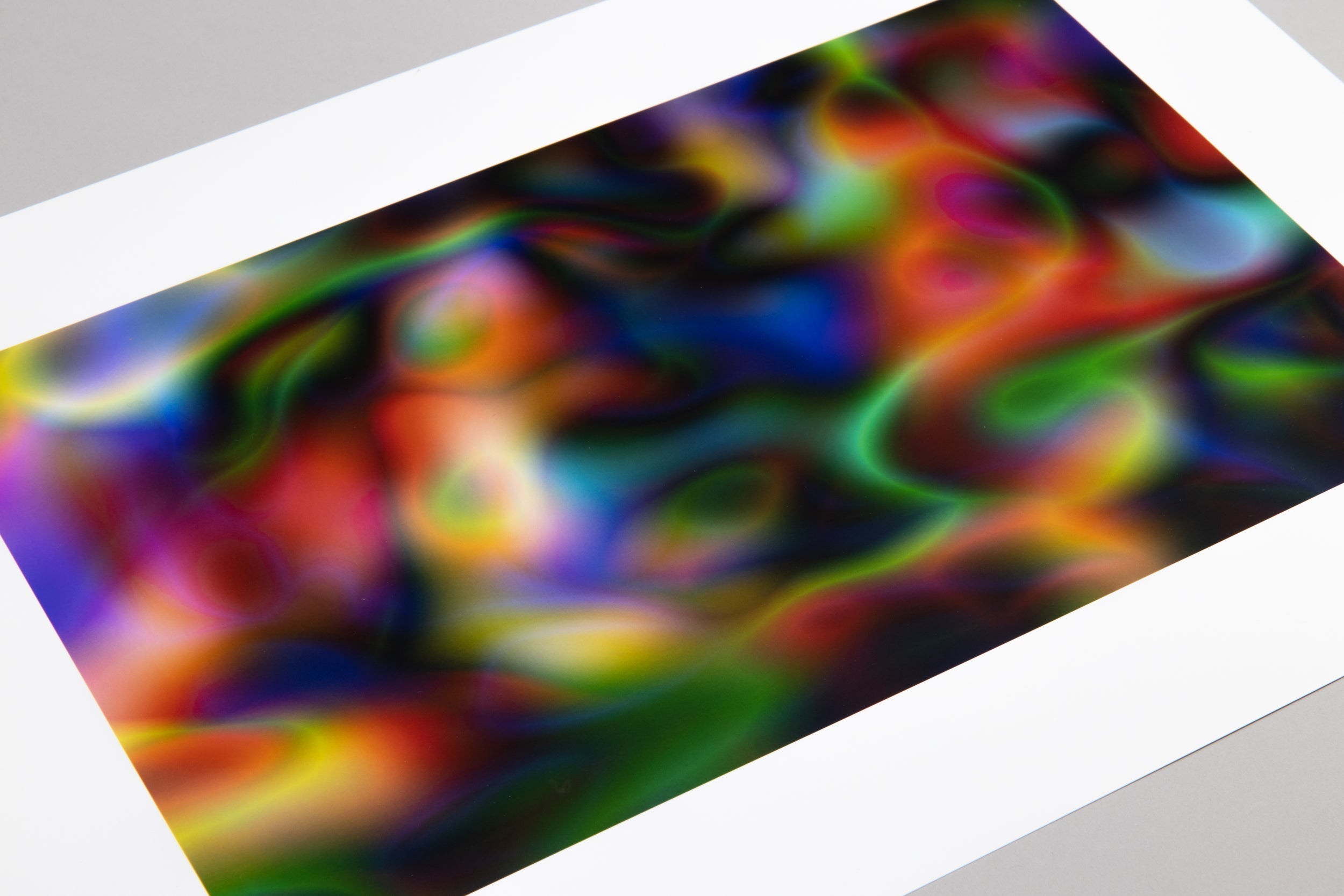
The Photographic Image
Explore contemporary photography through the lens of precision and scale. Our collection features exceptional photo editions that investigate the boundaries of representation and spatial order.
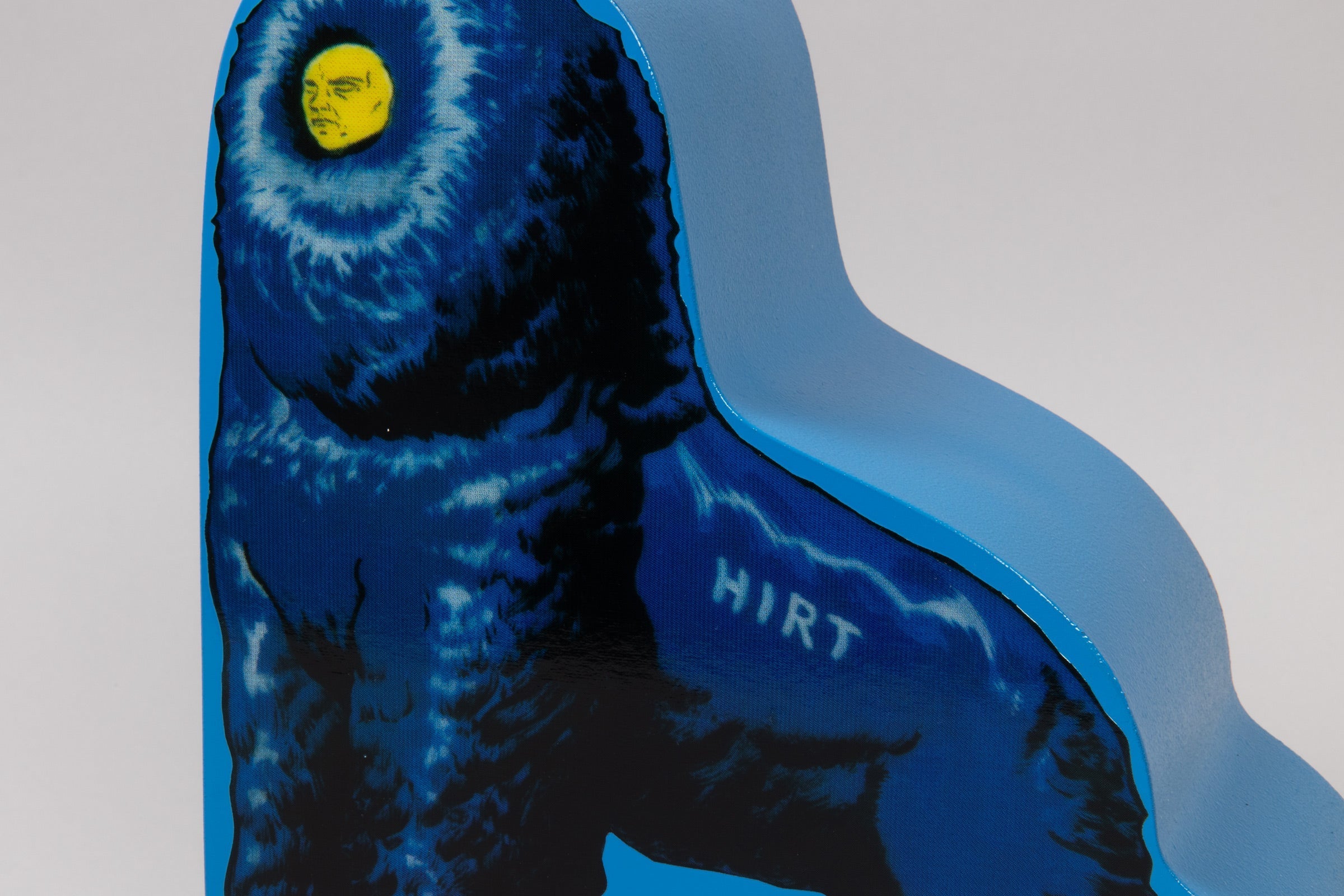
The Sculptural Multiple
Art beyond the pedestal. Discover three-dimensional objects designed to circulate ideas in space. These works bridge the gap between sculpture and the everyday, making radical art accessible.


