


Günther Förg (1952–2013) was a German artist whose work spans painting, sculpture, photography, and installation. His practice is characterized by a sustained engagement with modernist architecture, abstraction, and the legacy of twentieth-century art, approached through material restraint and formal rigor.
Emerging in the late 1970s and 1980s, Förg developed a distinctive position within postwar European art. His work is held in major public collections and has been exhibited widely at museums and institutions internationally, establishing him as a significant figure in the critical re-examination of modernism.
Artistic Practice
Förg’s practice is grounded in painting and sculpture, though it extends fluidly into photography and installation. Across media, his work is defined by an economy of means, an emphasis on surface and structure, and a deliberate avoidance of expressive gesture.
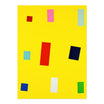
In painting, Förg frequently employed restrained color palettes and modular compositions. His works often appear provisional or understated, yet they are carefully constructed, emphasizing balance, proportion, and material presence rather than pictorial illusion.
Sculptural and photographic works similarly engage questions of structure and space, reinforcing Förg’s interest in how form operates within architectural and institutional contexts.
Key Themes and Motifs
Central to Förg’s work is an ongoing dialogue with modernist aesthetics and their ideological implications. References to figures such as Le Corbusier, Mies van der Rohe, and other modernist architects recur throughout his practice, not as homage but as critical engagement.
Themes of authority, order, and restraint are articulated through repetition, symmetry, and reduced formal language. Förg’s work often examines how modernist ideals are translated, compromised, or recontextualized within postwar cultural and political realities.
Rather than narrating history directly, his work abstracts architectural and artistic references into surfaces and structures that invite reflection on continuity and rupture.
Historical and Cultural Context
Förg’s work developed within the context of postwar Germany, where the legacy of modernism was inseparable from questions of history, ideology, and reconstruction. His engagement with architectural motifs reflects a broader interrogation of how cultural forms carry political and historical weight.
Working during a period marked by renewed interest in abstraction and institutional critique, Förg’s practice occupies a position between reverence and skepticism toward modernist traditions. This ambivalence is central to his work’s critical force.
His approach aligns with a generation of artists who revisited modernism not as a closed chapter, but as an unresolved project requiring continued examination.
Photography and Architectural Reference
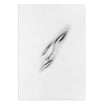
Photography plays a significant role in Förg’s practice, particularly through images of modernist buildings and architectural details. These photographs are typically frontal, neutral, and devoid of dramatic framing, emphasizing structure over atmosphere.
Rather than documenting architecture, Förg’s photographs function as analytical studies. They translate architectural forms into flat, pictorial surfaces, reinforcing connections between built space, image, and abstraction.
This photographic work informs his painting and sculpture, creating a reciprocal relationship between observation, translation, and construction across media.
Editions and Works on Paper
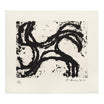
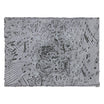
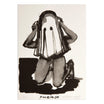
Editions and works on paper form an important component of Förg’s artistic output. Prints and multiples extend his engagement with surface, repetition, and modularity, often echoing compositional strategies found in his paintings.
These works are characterized by restraint and precision, emphasizing material qualities and structural clarity. Editions are not conceived as secondary reproductions, but as autonomous works that articulate core concerns of Förg’s practice.
Within the broader context of his work, editions underscore his sustained interest in seriality and the disciplined exploration of form.
Market and Circulation Context
Günther Förg’s work circulates within a firmly established institutional and market framework. His consistent presence in museum collections and exhibitions has contributed to a stable and enduring reception of his work within the contemporary art field.
Editions and works on paper have played a role in extending the accessibility of his practice beyond unique works, allowing key formal ideas to circulate while maintaining alignment with his broader artistic concerns.
Within both public and private collections, Förg’s work is often valued for its rigor, historical awareness, and sustained engagement with modernist legacies.
Institutional Exhibitions and Collections
Förg’s work has been presented in numerous solo and group exhibitions at major museums and institutions worldwide. Institutional exhibitions frequently emphasize the architectural and spatial dimensions of his practice, highlighting the relationship between artwork, wall, and exhibition context.
Critical discourse surrounding Förg has focused on his re-evaluation of modernism, his disciplined approach to abstraction, and his contribution to postwar European art. His work is widely regarded as a key reference point for discussions of materiality and structure in contemporary practice.
Position within Contemporary Art
Within contemporary art, Förg occupies a distinctive position as an artist who rigorously examined modernist traditions without resorting to nostalgia or expressive revival. His work maintains a critical distance while remaining deeply informed by historical precedent.
By emphasizing structure, restraint, and material presence, Förg’s practice continues to influence artists and institutions engaged with abstraction, architecture, and the ongoing reassessment of modernism.
Editorial Note
This editorial page provides a structured overview of Günther Förg’s artistic practice, thematic concerns, institutional context, and market circulation, with particular attention to his engagement with modernist architecture and abstraction.
Selected works by Günther Förg are available through our collection.
The Art of Printmaking
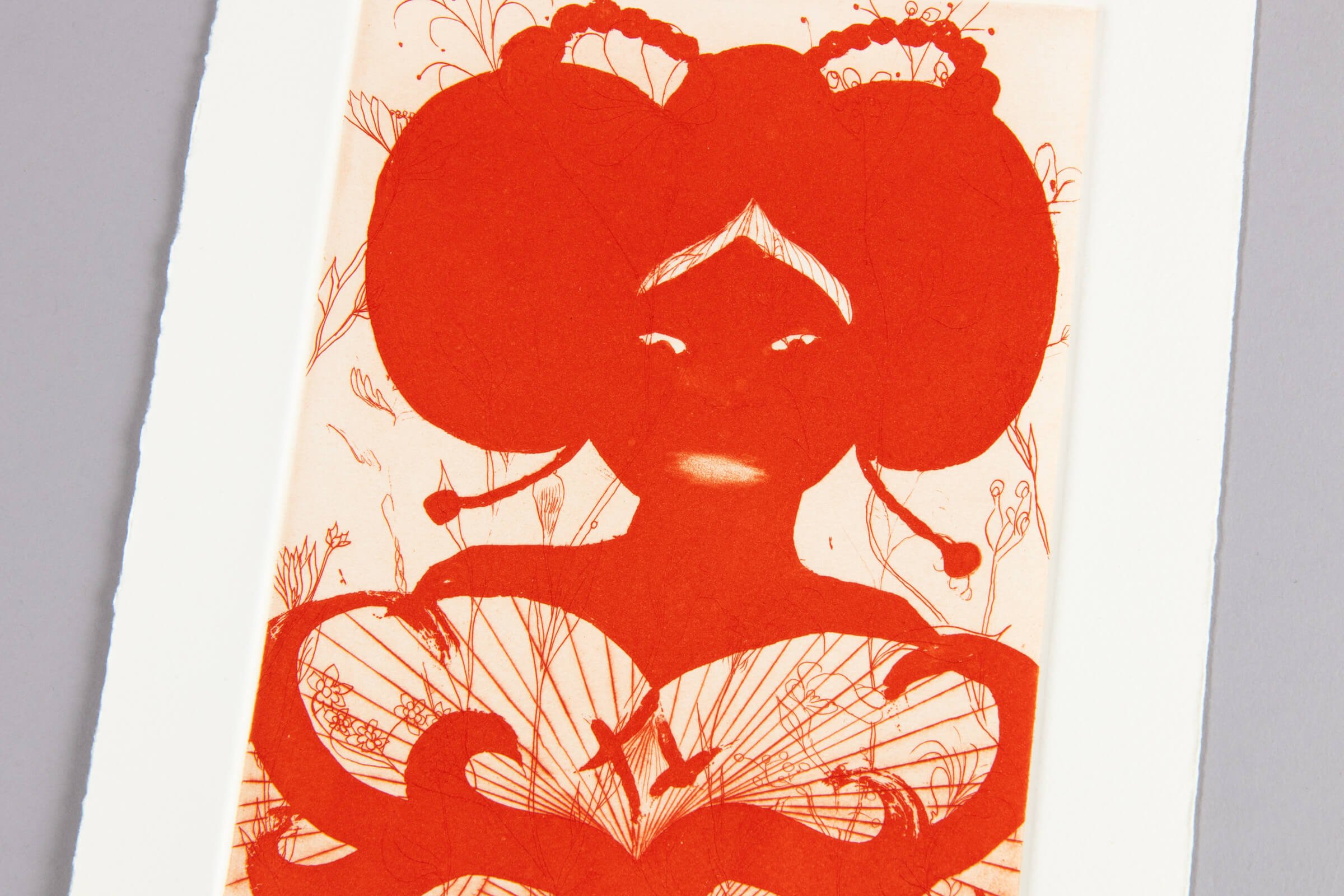
From the precise lines of woodcuts to the velvety depth of lithographs. Discover a curated selection of editioned works on paper that celebrate the unique texture and heritage of traditional print media.
The Photographic Image
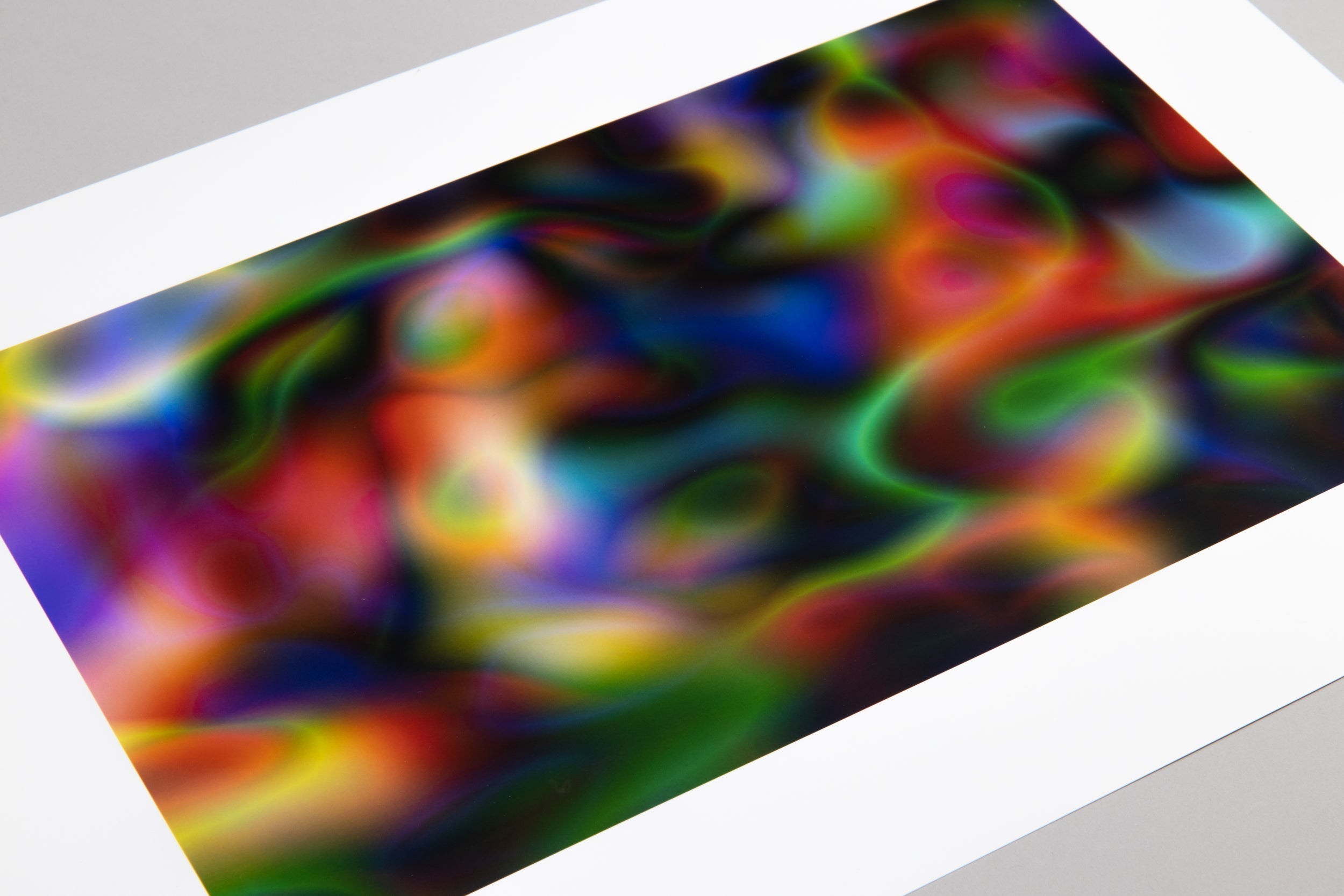
Explore contemporary photography through the lens of precision and scale. Our collection features exceptional photo editions that investigate the boundaries of representation and spatial order.
The Sculptural Multiple
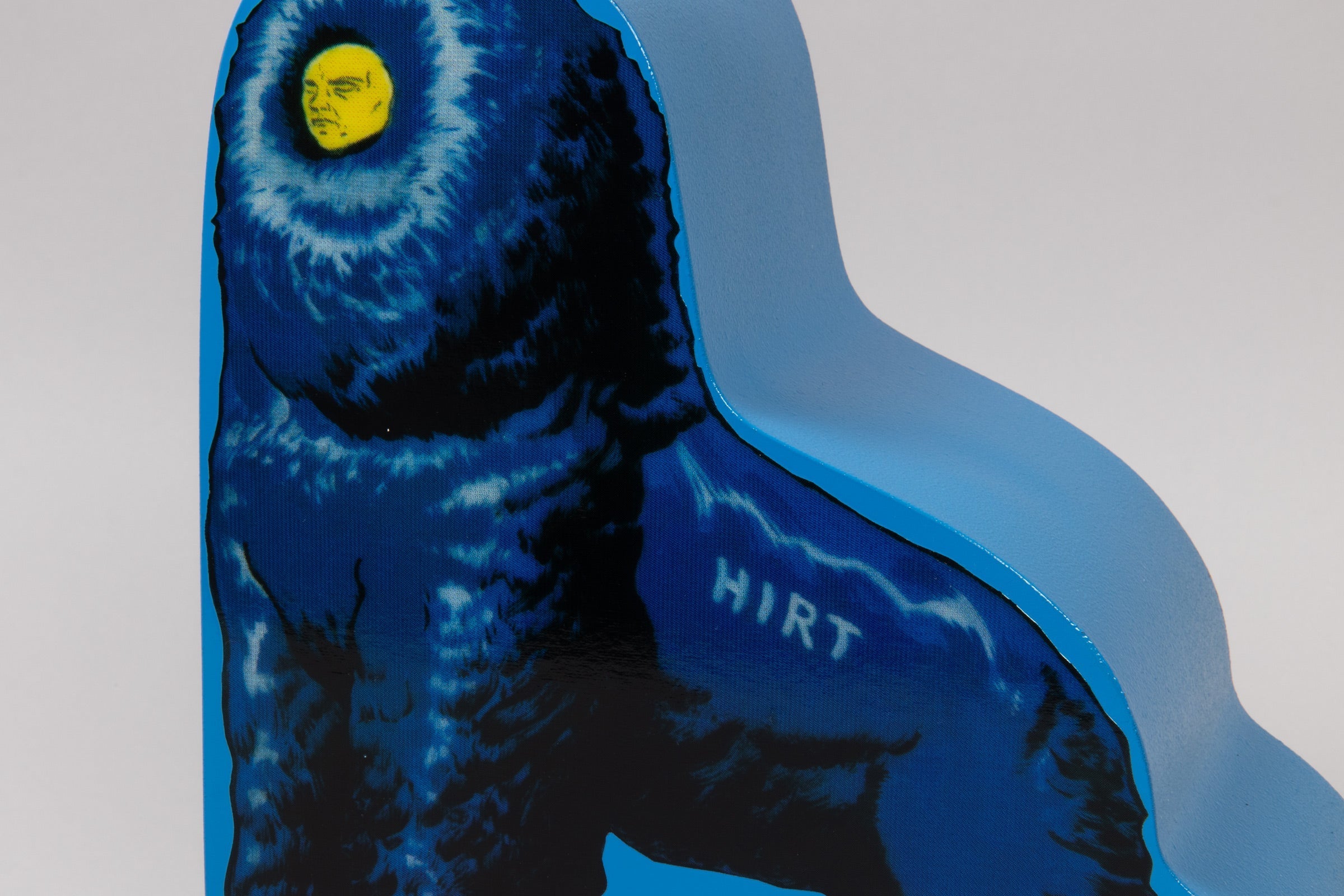
Art beyond the pedestal. Discover three-dimensional objects designed to circulate ideas in space. These works bridge the gap between sculpture and the everyday, making radical art accessible.


