
Abstract Art
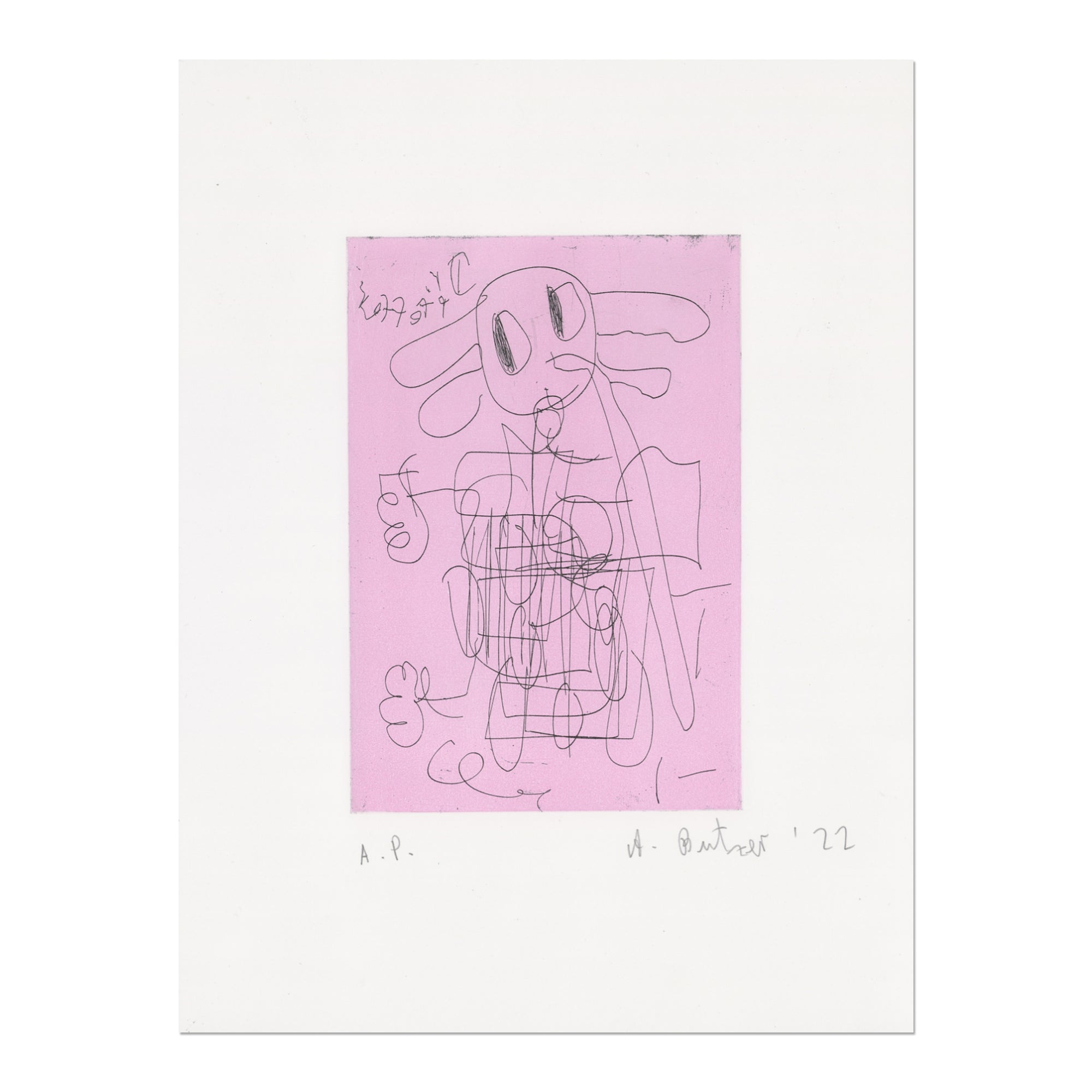
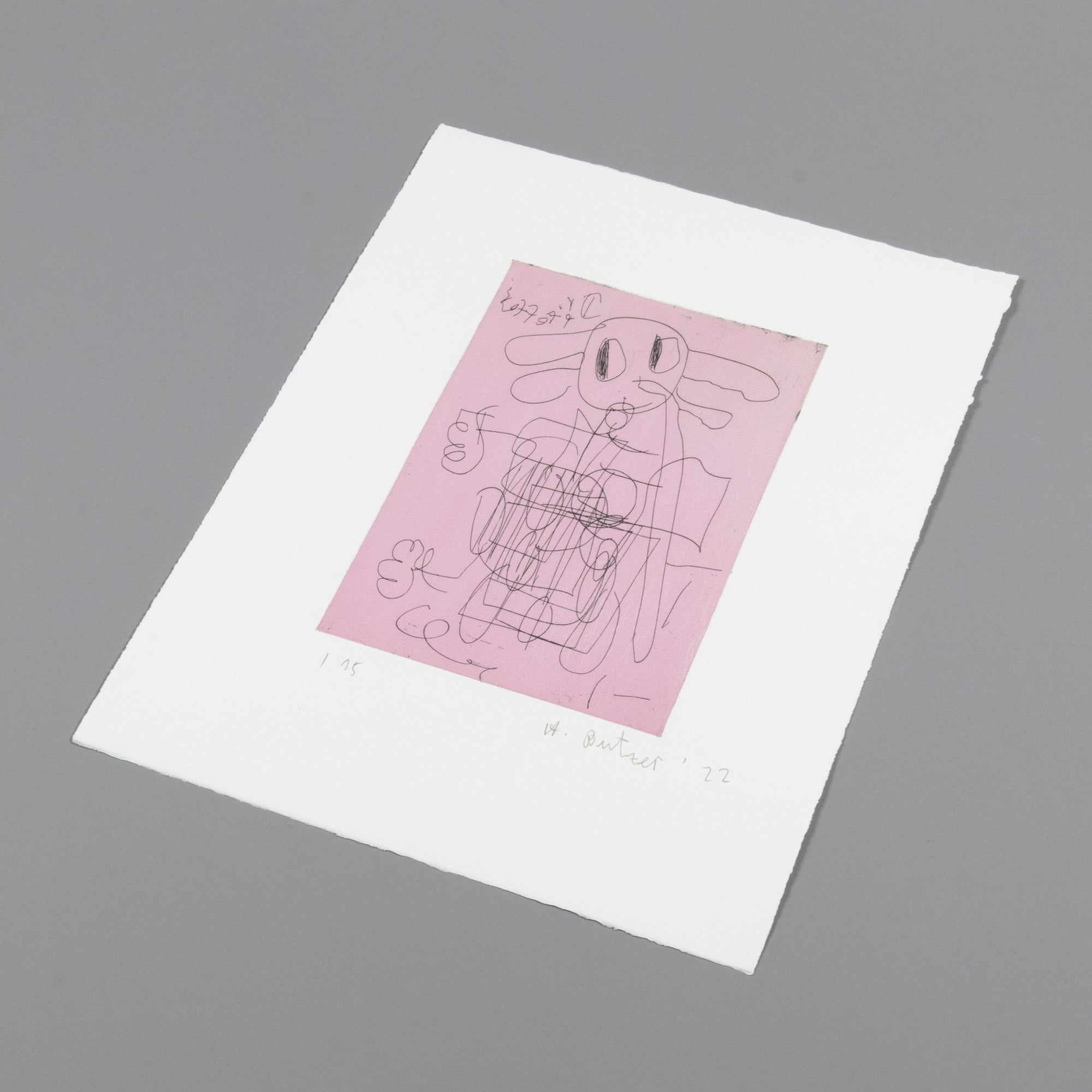
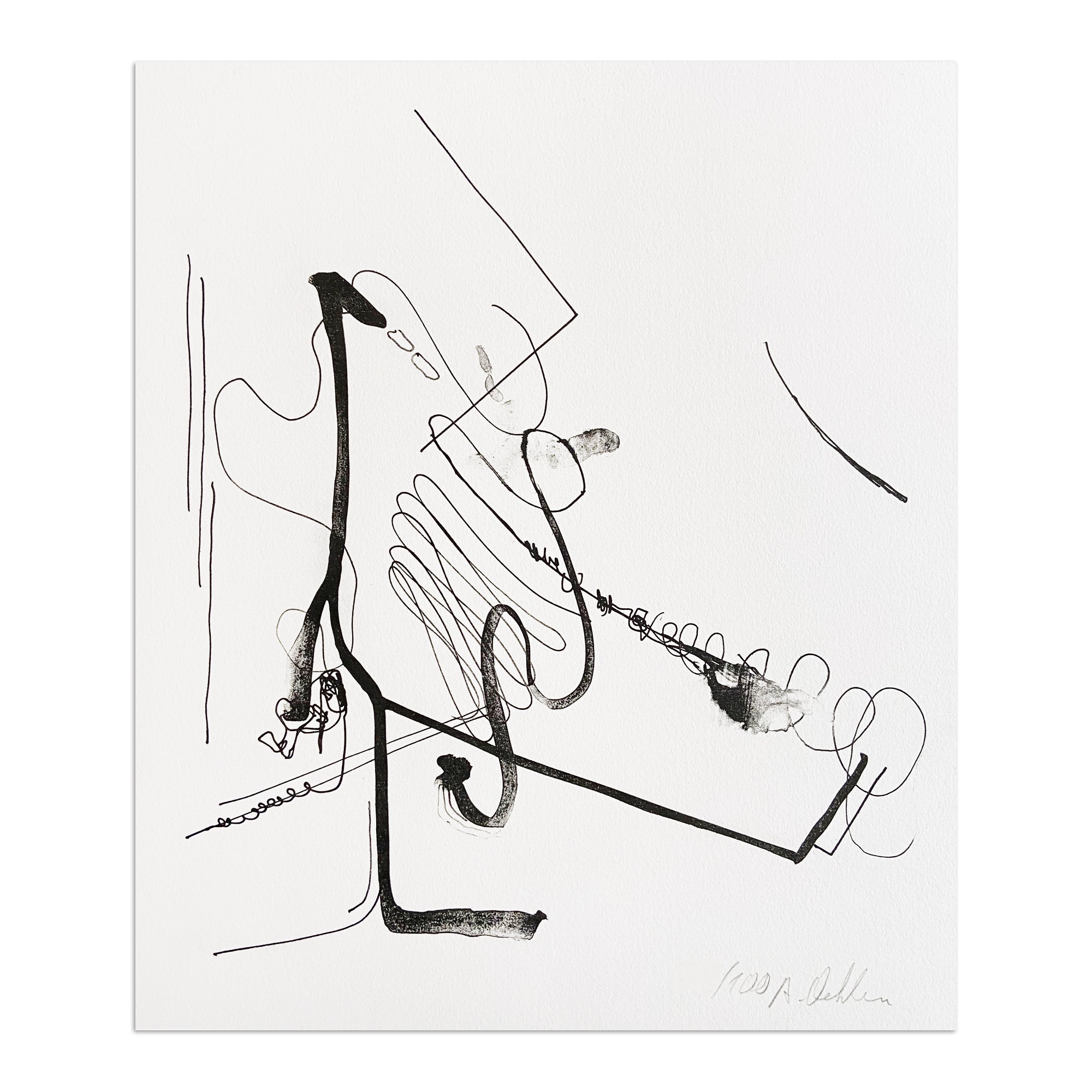
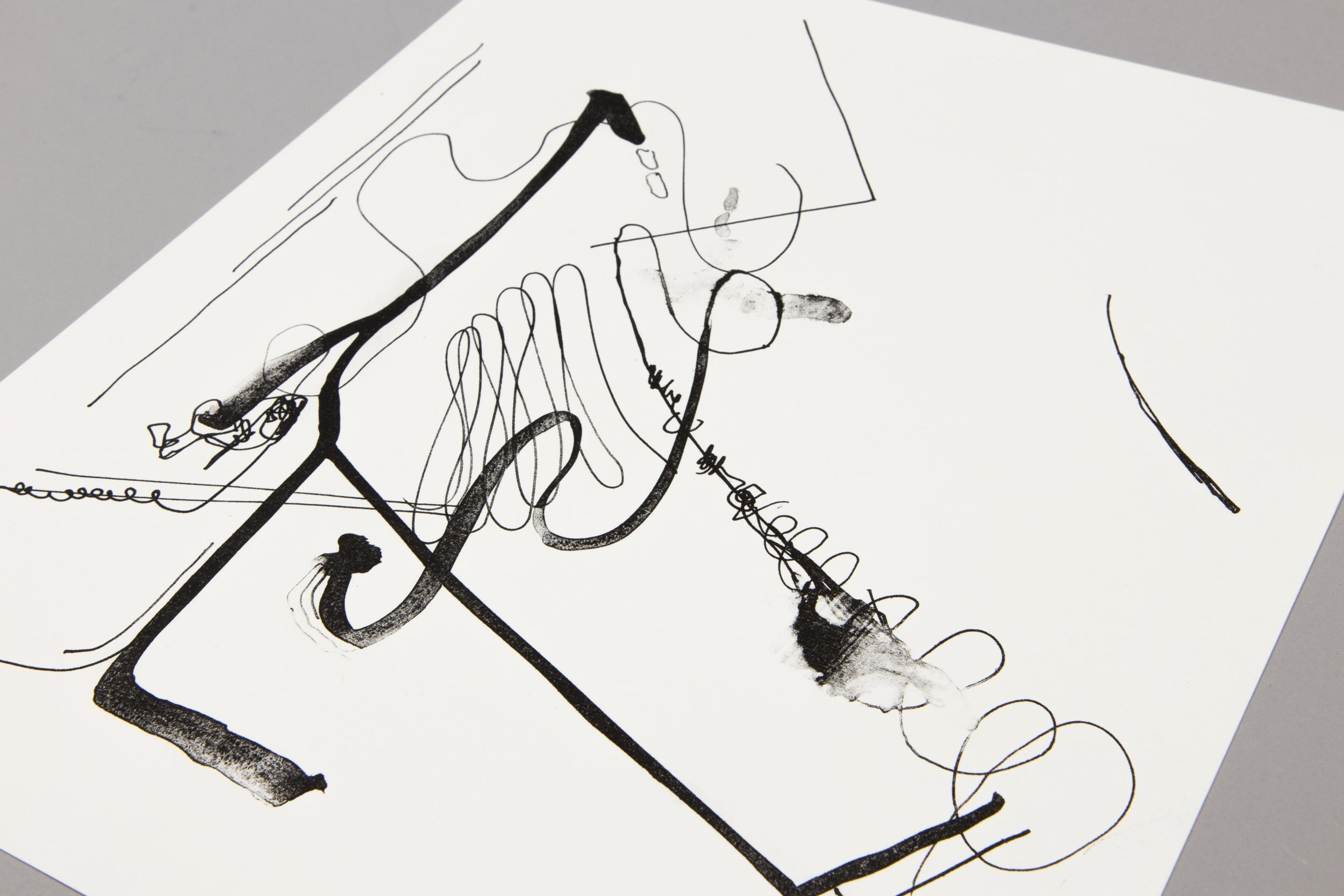
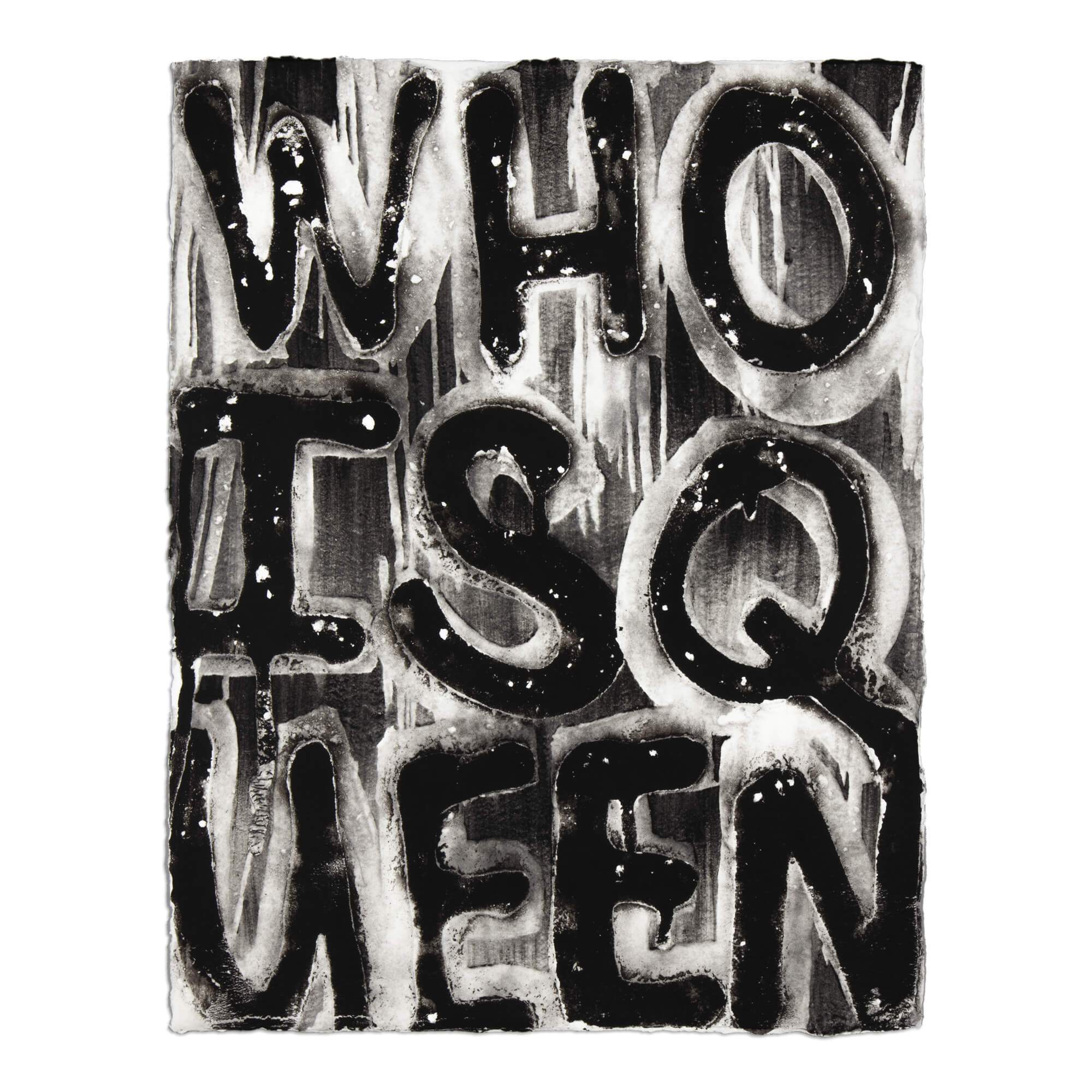
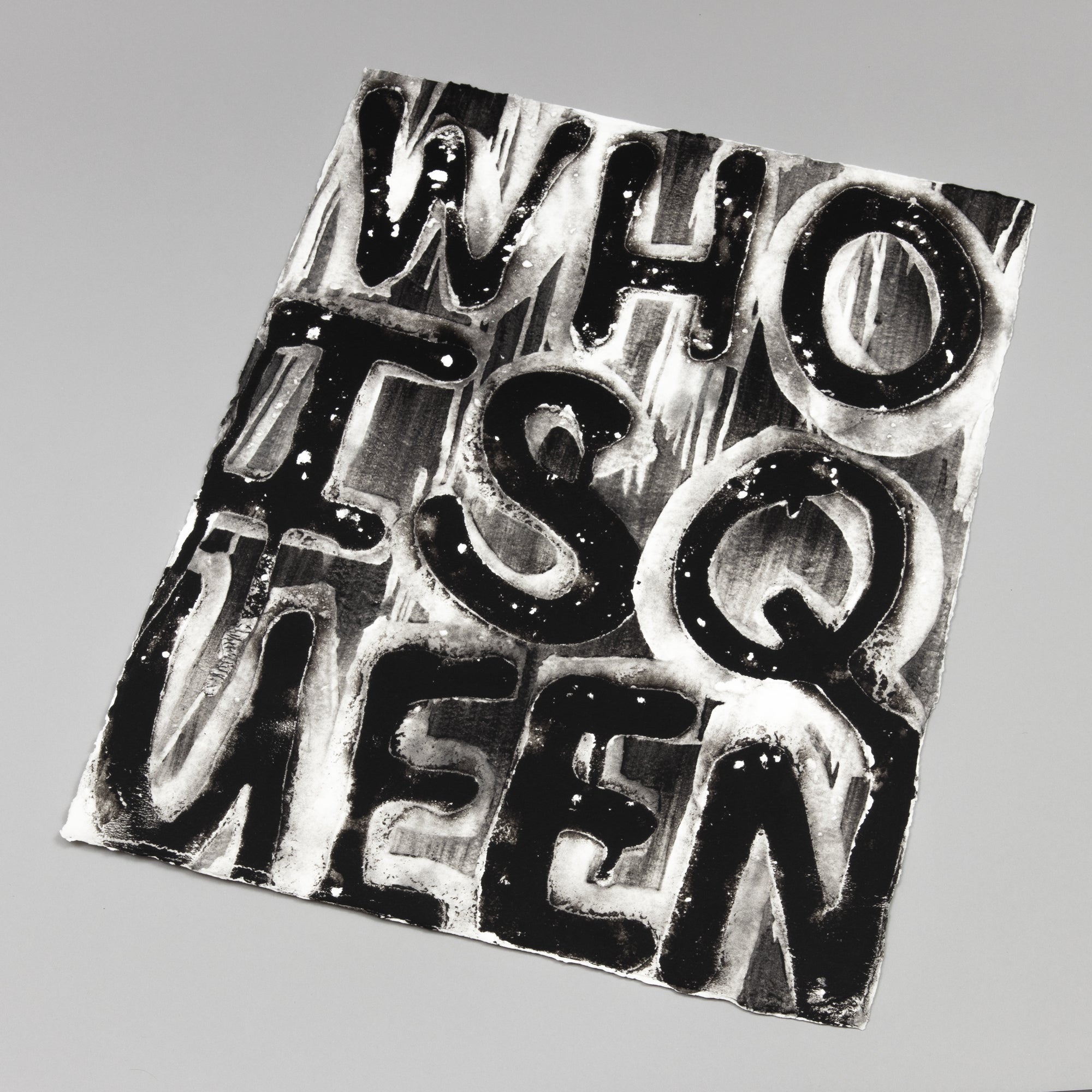
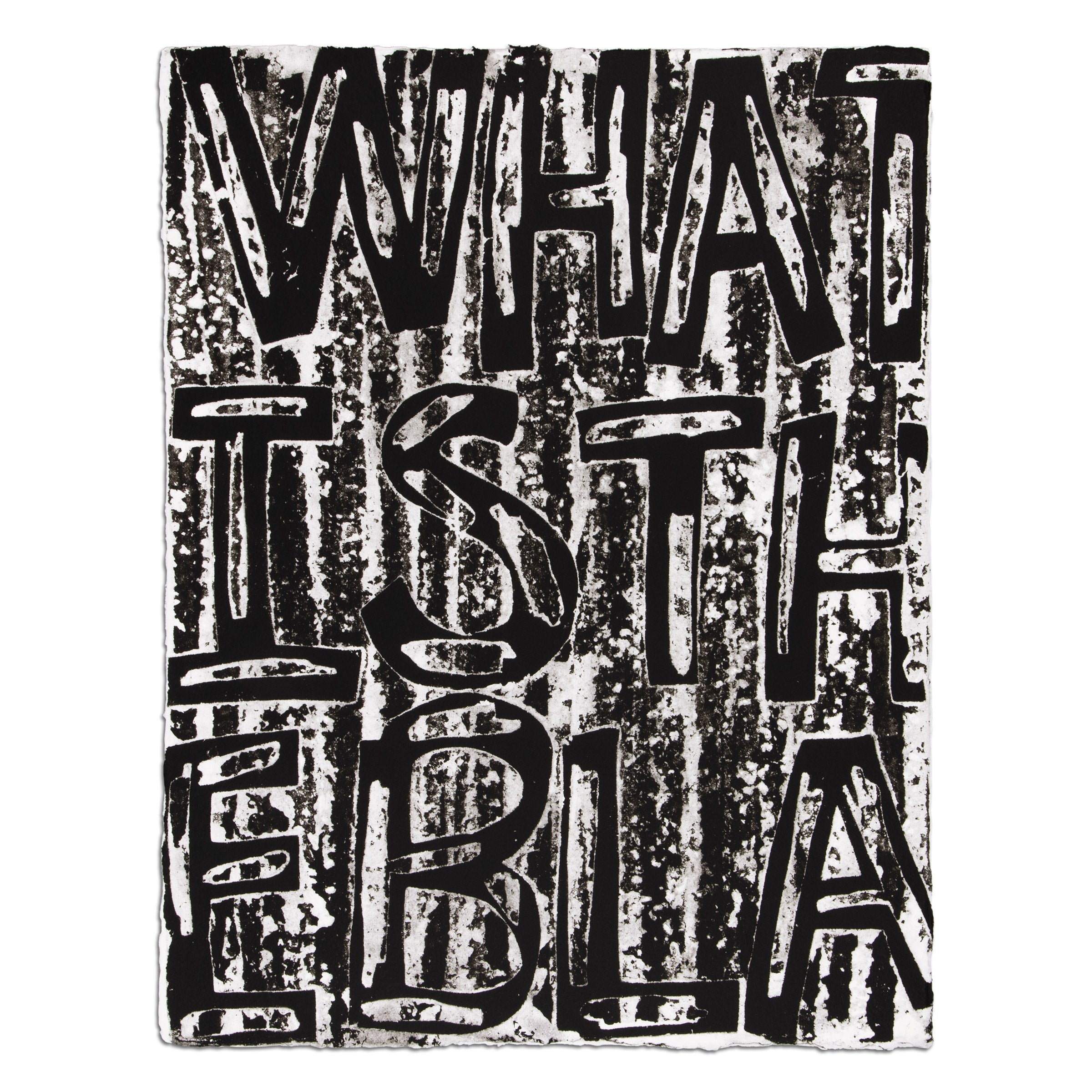
Abstract prints and editions for sale. Abstract art did not begin as a style — it began as a claim: that colour, form, and composition could carry meaning without depicting the visible world. When Kandinsky painted his first purely abstract watercolour in 1910, or when Malevich reduced painting to a black square on white ground, the gesture was philosophical as much as aesthetic. Our prints and editions carry that same conviction directly onto paper — not simplified versions of a painting, but original artworks in the same tradition of gestural abstraction and the systematic rigour of Minimalism and Conceptual Art.
Filters
149 products
Abstract Artists
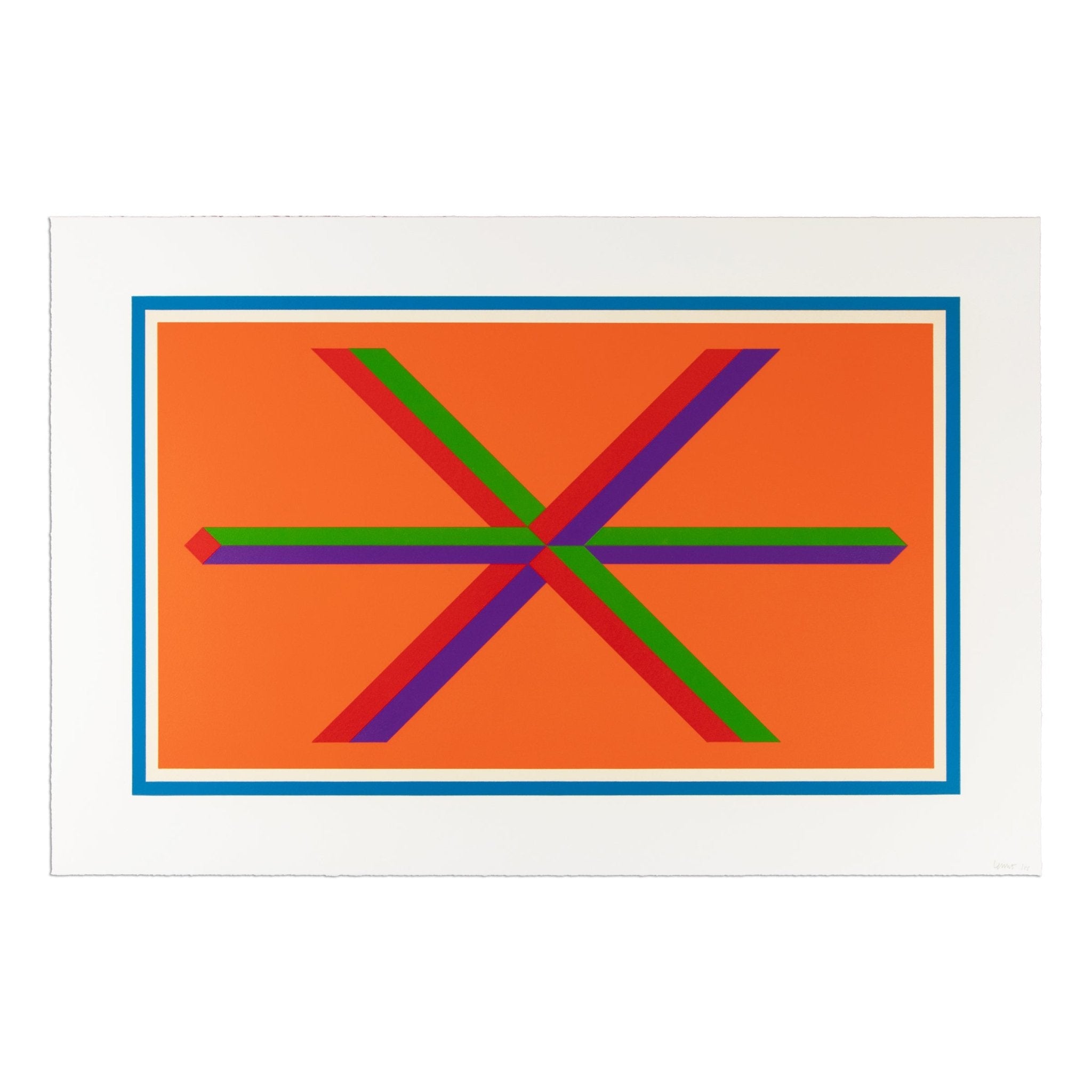
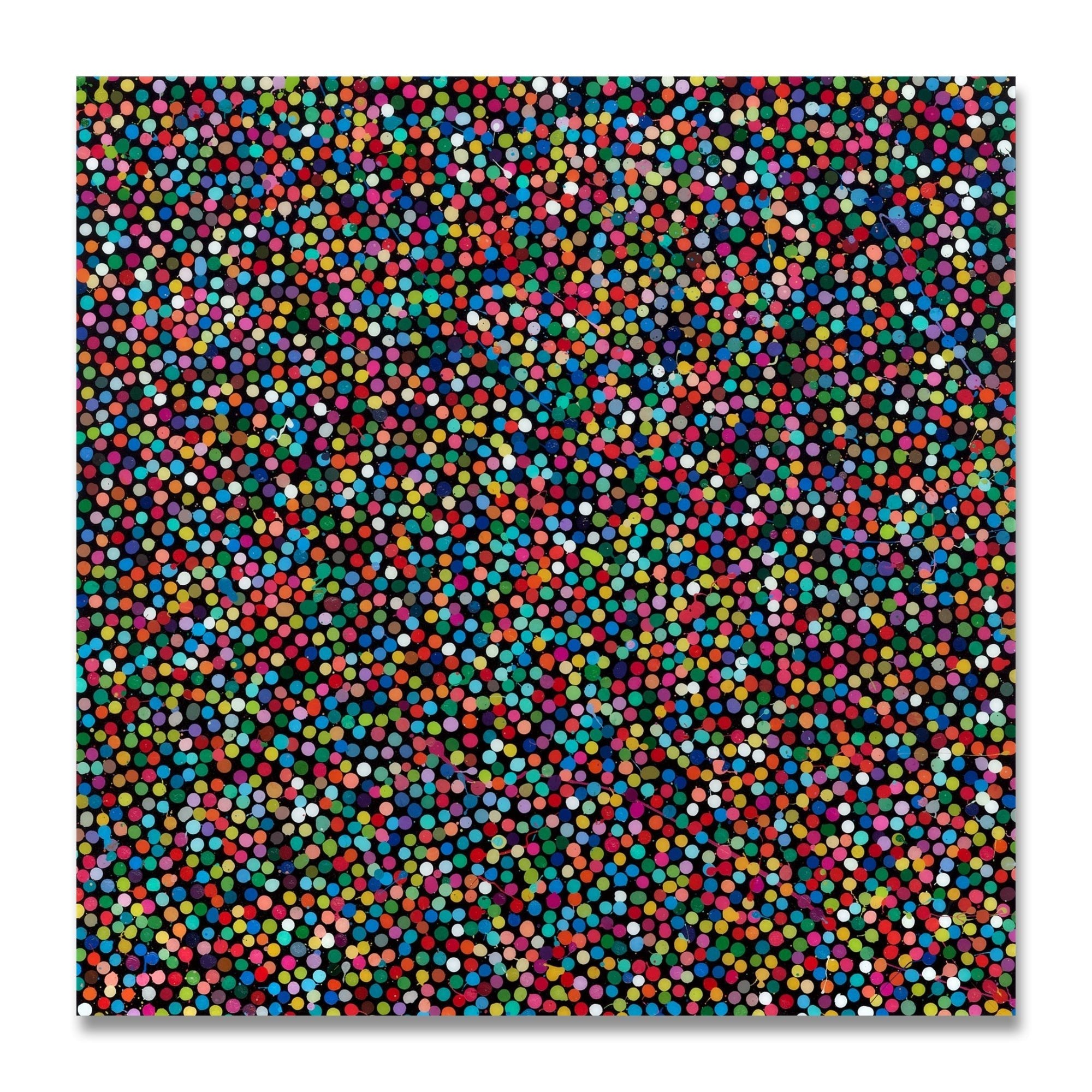
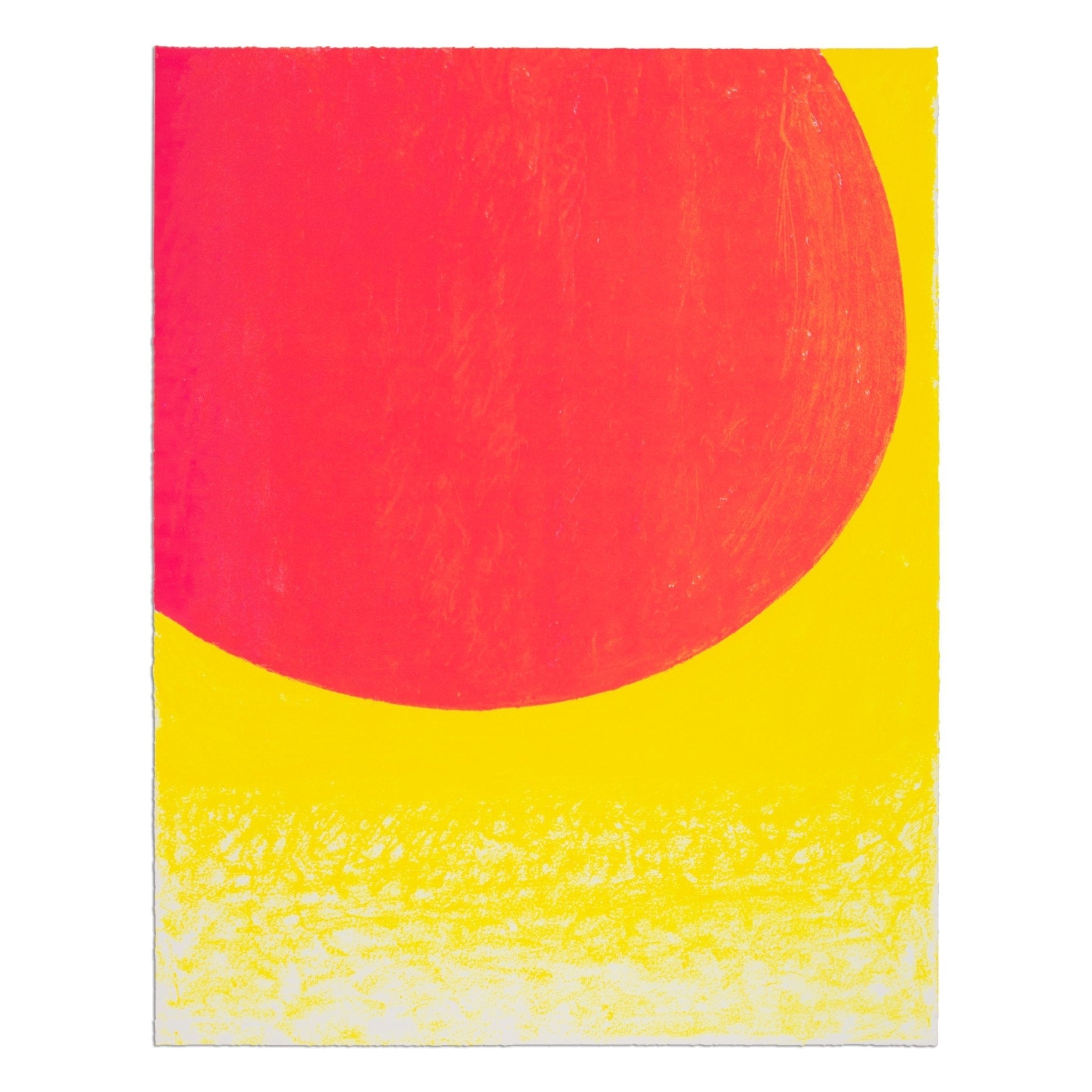
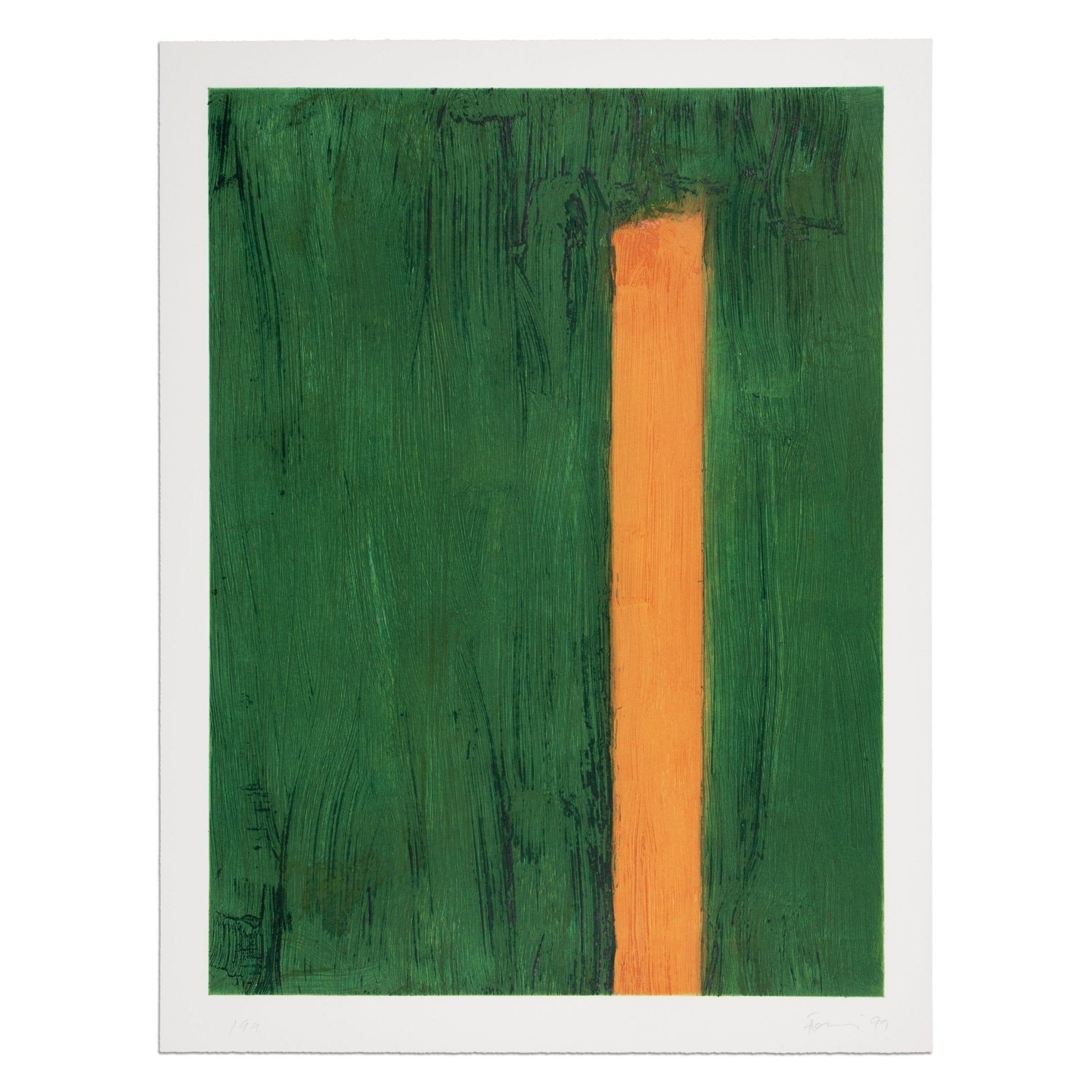
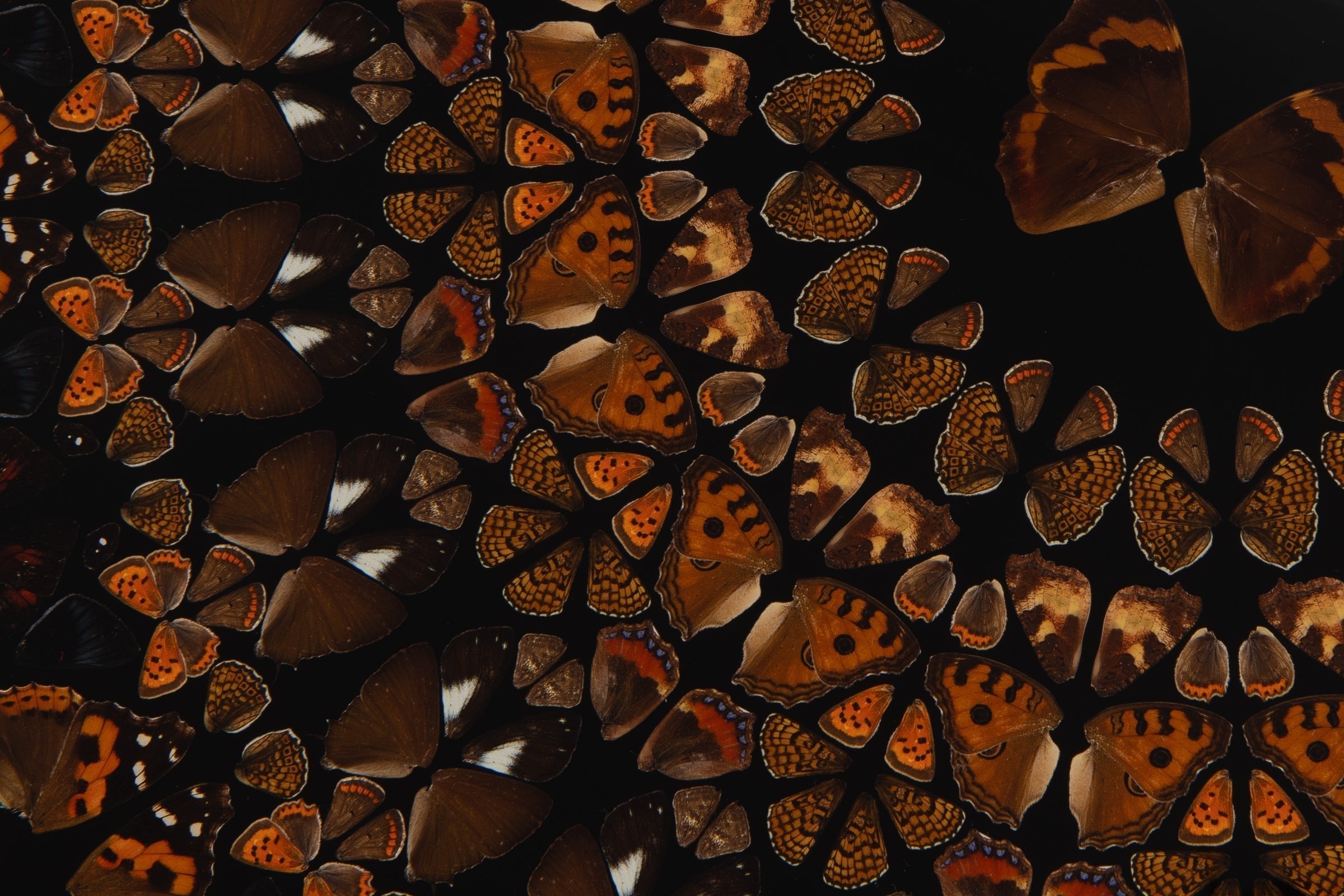
Sol LeWitt, Damien Hirst, Rupprecht Geiger and Günther Förg each arrive at abstraction from a different direction, and each has a page of their own with the signed abstract editions and lithographs currently available.

Abstract Art: Beyond Representation
Abstract art is the most misunderstood category in collecting. The misunderstanding is familiar: that abstraction is decorative, that it communicates nothing, that any coloured surface will do.
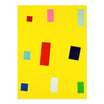
What distinguishes the artworks here is that abstraction is not the absence of meaning but its concentration. Sol LeWitt did not remove the artist’s hand to make things simpler — he did it to make the system visible. Ellsworth Kelly did not reduce painting to colour fields because he ran out of ideas — he did it because colour is the idea, perceived directly without the mediation of subject matter. Rupprecht Geiger did not paint in fluorescent red for effect — he did it because that red is the entire content of the artwork.
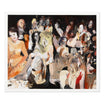
The field has been open for more than a century. After the war, abstraction expanded through Abstract Expressionism, geometric abstraction, Minimalism and Conceptual Art, with gesture and system pulling in opposite directions. Since the late twentieth century it has diversified again — figurative abstraction reintroduced the body, while Sarah Morris and Wolfgang Tillmans carried abstraction into painting, photography and digital processes.
Editions are particularly well-suited to abstract art: seriality, repetition and system-based thinking are native to abstraction in a way they are not to figurative painting. A Sol LeWitt print is not a reproduction of a wall drawing. It is a distinct artwork within the same conceptual system — signed, numbered, and as primary as anything he made.

Famous Postwar and Contemporary Abstract Artists
Abstraction since 1945 has never been one language. The artists below — postwar and contemporary — are named most often because each settled a different question about what a picture without a subject can be.
Sol LeWitt replaced execution with instruction: the work is a written set of conditions, issued with a diagram and a certificate. Whoever draws it is beside the point — which is why a LeWitt print stands on the same footing as a wall drawing.
Ellsworth Kelly derived his shapes from things he had actually seen — a shadow on a stair, the curve of a leaf — then stripped away everything that would identify them. What remains is colour and edge, and in the prints nothing to read past.
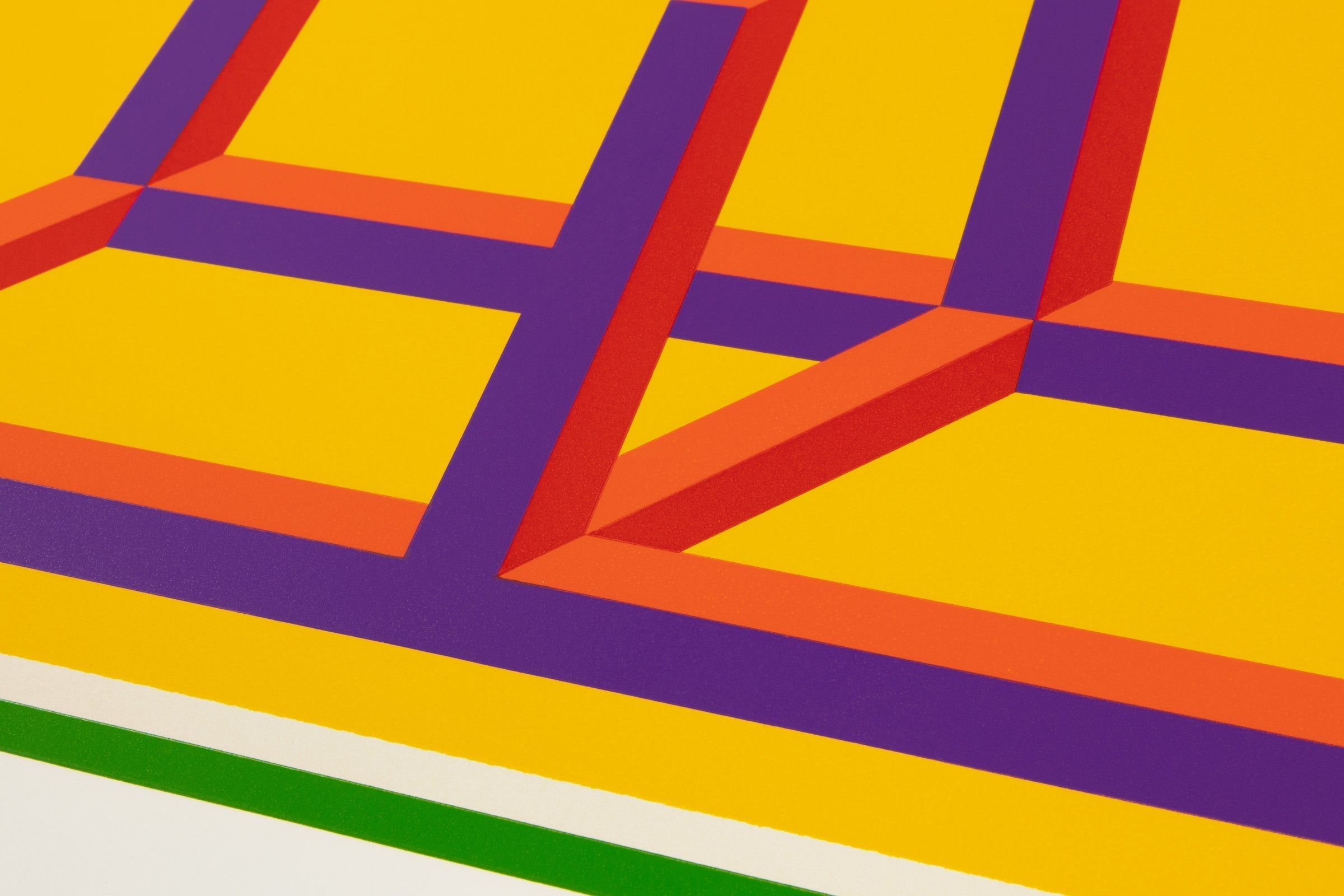
Rupprecht Geiger reduced painting to colour alone, and then to one part of the spectrum. From the 1960s he worked almost exclusively in fluorescent reds and oranges, applied so evenly that no gesture survives — the sheet does not depict a colour, it emits one.
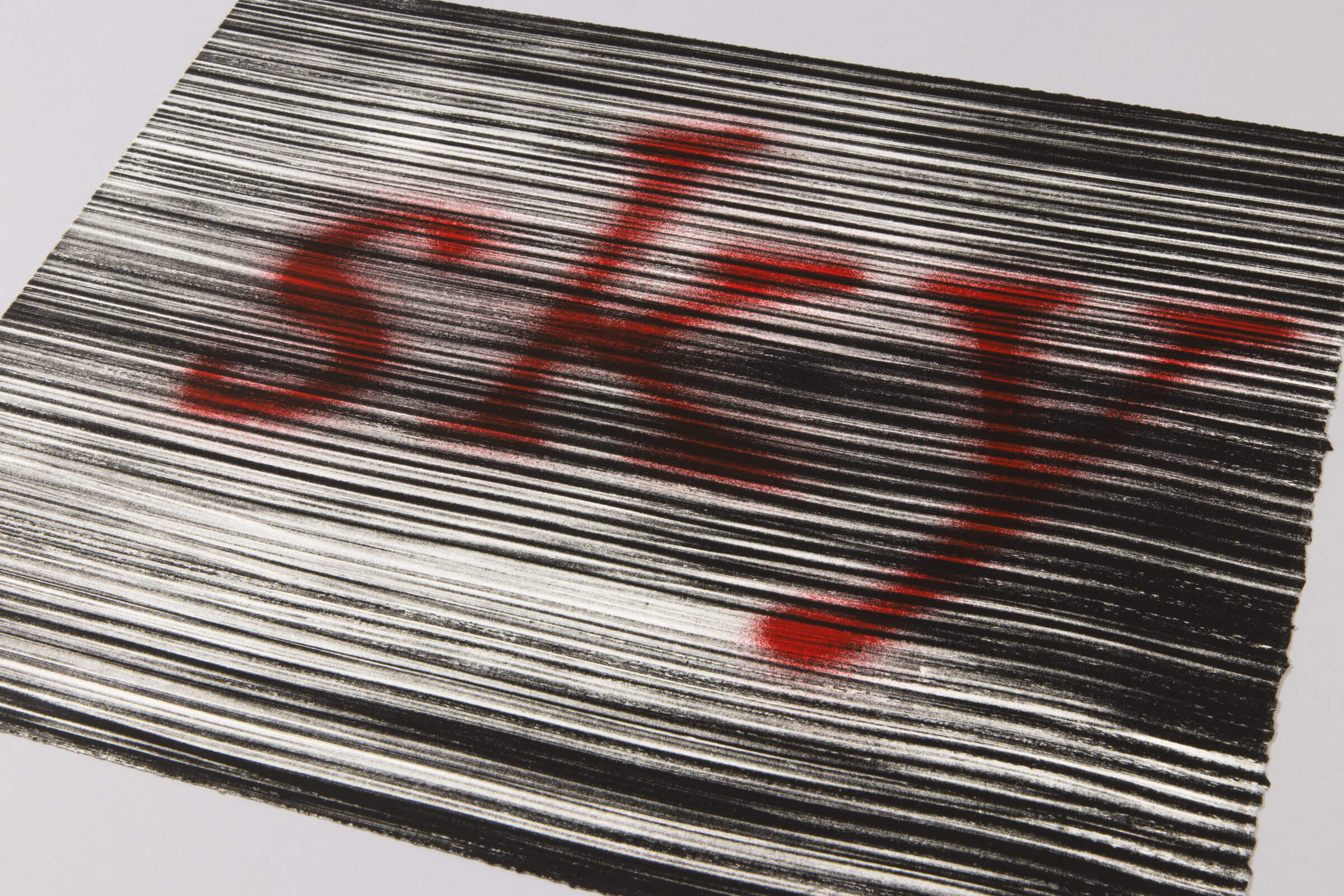
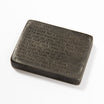
Richard Serra built black up until the ink had physical thickness, so that the sheet reads as mass rather than image. He worked on paper as he did in steel: weight, edge and the viewer’s position are the subject, and the material depicts nothing.
Günther Uecker works through the surface rather than on it. His embossed prints carry the nail itself into the paper, so the mark is a displacement rather than a deposit of ink, and his woodcuts leave the grain of the block visible as part of the image. In both, the material does the work that colour or line does elsewhere.
Gerhard Richter works in several abstract languages at once. The Colour Charts arrange commercially mixed paints in grids assigned by chance; the grey paintings reduce the decision to a single tone; the squeegee canvases leave a surface he sets in motion but cannot fully control. In each, personal taste is kept out of the outcome.
Günther Förg treated the vocabulary of modernist abstraction as inherited material. He painted on lead and copper so the ground corroded against the image, made lattice paintings that quote the grid without obeying it, and photographed Bauhaus and Italian rationalist buildings alongside.

Collecting Abstract Editions and Lithographs
Abstraction covers an unusually wide field — from gestural intensity to geometric precision, from monochrome reduction to chromatic complexity — and printmaking served each of those directions differently. It was never a sideline: in many cases it was the instrument the work required. Josef Albers could only make the colour comparisons of Interaction of Color because screenprint lays down flat, exactly repeatable tone; brushwork would have introduced the very variation he was testing against. Bridget Riley’s optical effects depend on absolute edges, which a printed sheet holds and a painted one argues with. Donald Judd’s woodcut portfolios repeat one form across identical sheets in changing colour — the logic of the stacks, in a medium that is natively serial. Frank Stella went the other way and treated the print shop as a laboratory, combining lithography, etching, relief and screenprint in single sheets he could not have produced in a studio. In none of these cases is the print a record of something that already existed elsewhere. That is the whole difference between an edition and a reproduction — a reproduction copies an image, these artists used the process to arrive at one — and every original abstract print for sale here belongs to that tradition.
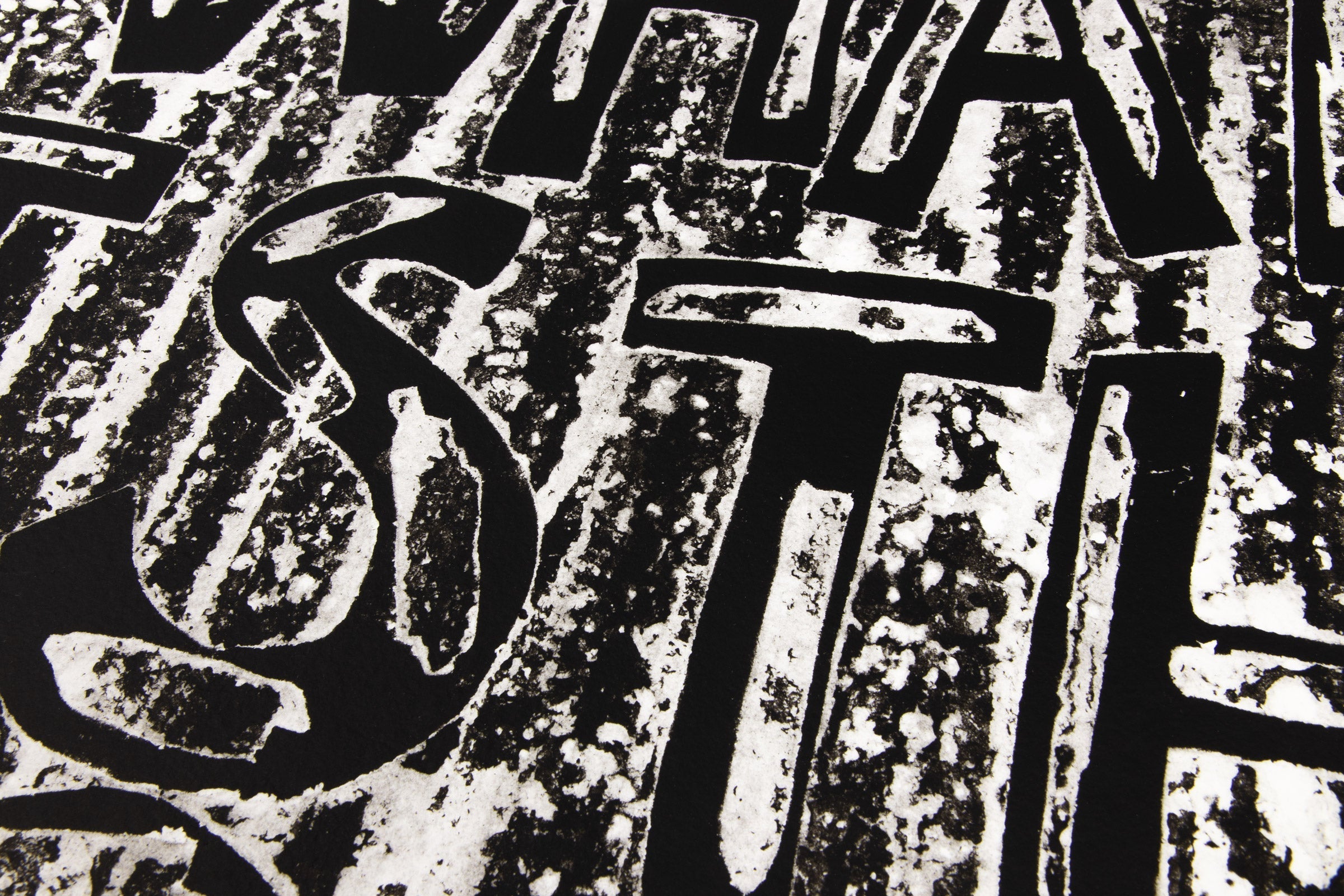
The processes are not interchangeable. Screenprinting deposits opaque, unmodulated colour in discrete layers, which is why it carries hard-edge and colour field work — and why Rupprecht Geiger’s daylight-fluorescent reds read as emission rather than application. Lithography holds the pressure of the hand almost without loss, keeping gesture legible where a mechanical process would flatten it. Etching and aquatint build tone through bitten depth, giving the sheet a physical surface. Embossing dispenses with ink altogether: in Günther Uecker’s Prägedrucke the image exists only as displacement in the paper, as it does in Eduardo Chillida’s reliefs, where the sheet performs what the iron performs in his sculpture. Richard Serra built ink up until it had measurable thickness — his print does not depict weight, it has some.
Limited edition prints, lithographs and multiples here range from bold gestural compositions to geometric and minimalist artworks — each a signed, numbered original by artists held in public collections. Value follows edition size, period and the artist’s record rather than scale: a small screenprint from a run of fifty can exceed a far larger sheet from a run of three hundred.
Abstract Art: Key Questions
Collecting Abstract Art?
Looking for a specific artwork or have a question about an edition? We're happy to advise on availability, pricing, condition, and provenance — and to source artworks beyond our current selection.
What makes an abstract print an original artwork?
An original abstract print is an artwork conceived for the medium, authorised and signed by the artist and issued in a fixed numbered edition — not a photographic copy of a painting held elsewhere. The distinction matters more in abstraction than almost anywhere else, because the market is crowded with open-edition reproductions sold as wall decoration. A signed lithograph by Rupprecht Geiger or a screenprint by Günther Förg was made as a print from the outset, with its own colour decisions and its own surface, and it carries an edition size, a publisher and a catalogue reference.
Who invented abstract art?
No single artist invented abstract art, and the ground was prepared long before anyone abandoned the subject outright. Turner’s late seascapes of the 1840s dissolved form into light until the motif is barely recoverable, and Monet’s last water lilies went further still — but both remained paintings of something. Cubism was the decisive hinge: by fragmenting the object between 1908 and 1912, Braque and Picasso made it possible to imagine a painting without one, though neither took the step themselves. Those who did arrived from several directions at once — Hilma af Klint from 1906, though she stipulated her work not be shown for decades; Wassily Kandinsky around 1910–13, conventionally credited with the first; then František Kupka, Kazimir Malevich and Piet Mondrian within a few years. What they shared was a conclusion rather than a programme: that a painting need not depict anything in order to mean something.
What are the main movements within abstraction?
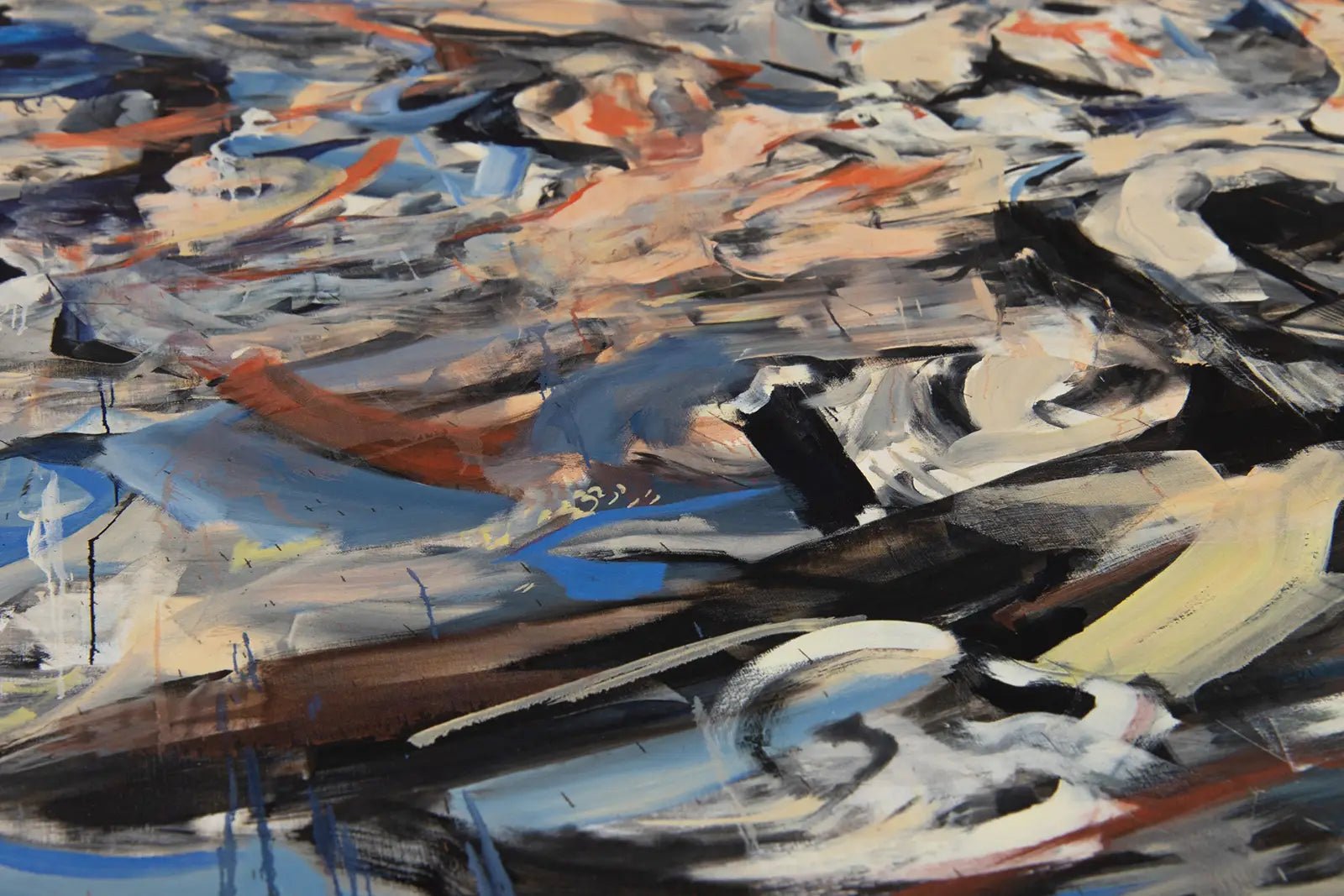
Abstraction is not one language but several. Gestural abstraction — Abstract Expressionism, Art Informel, Tachisme — treats the mark as a record of the act that made it. Colour field and monochrome painting reduce the artwork to colour held as a single sustained event. Geometric abstraction builds from measurable elements — line, grid, module, plane — where composition follows a system rather than an impulse. Material abstraction, particularly strong in postwar Germany, works through the surface itself: Günther Uecker’s nails, Arnulf Rainer’s overpaintings. Most serious collections cut across several of these rather than settling in one.
Why did artists stop painting realistically?
Photography is the short answer, but not the whole one. Once a camera could record appearance faster and more accurately than any painter, depiction stopped being painting’s obvious purpose, and artists began asking what painting could do that photography could not. The answers differed: Kandinsky looked to music, which moves people without depicting anything; Malevich wanted feeling stripped of objects altogether; Mondrian sought an order underlying appearances. Realism never disappeared — after 1910 it simply became one option among several rather than the default.
How can you tell if an abstract artwork is any good?
Judging abstraction by whether it looks pleasing is the least reliable test, because decoration can be pleasing and say nothing. The questions that hold up are whether the artwork belongs to a practice the artist pursued over years rather than a one-off effect, whether its decisions look necessary rather than arbitrary, and whether anyone has staked a reputation on it — a museum acquisition, a serious gallery, an entry in a catalogue raisonné. For editions the same test applies to the printing itself: a considered edition shows colour and registration decisions the artist made, not a scan of something else.
Related to Abstract Art
Abstraction splits into strands that each have a page here: LeWitt and Geiger in geometric abstraction, Baselitz where figuration survives inside the gesture, and Damien Hirst among the British artists who industrialised it.

Buy art online
Shop editions with transparent pricing, accurate condition reports, and fast dispatch. Built for international collectors — buying original art made simple and reliable.
Worldwide shipping
Every work ships fully insured and tracked, handled only by trusted international express carriers — DHL Express, FedEx, UPS — and typically dispatched within five days.
Professional packaging
Meticulous packing is our craft. Each artwork is packed in-house to archival standards — multi-layer construction built to ensure it arrives in mint condition, anywhere in the world.
Secure payment
Checkout is powered by Shopify Payments — the same encrypted, PCI-compliant infrastructure trusted by millions of merchants worldwide.