Günther Uecker

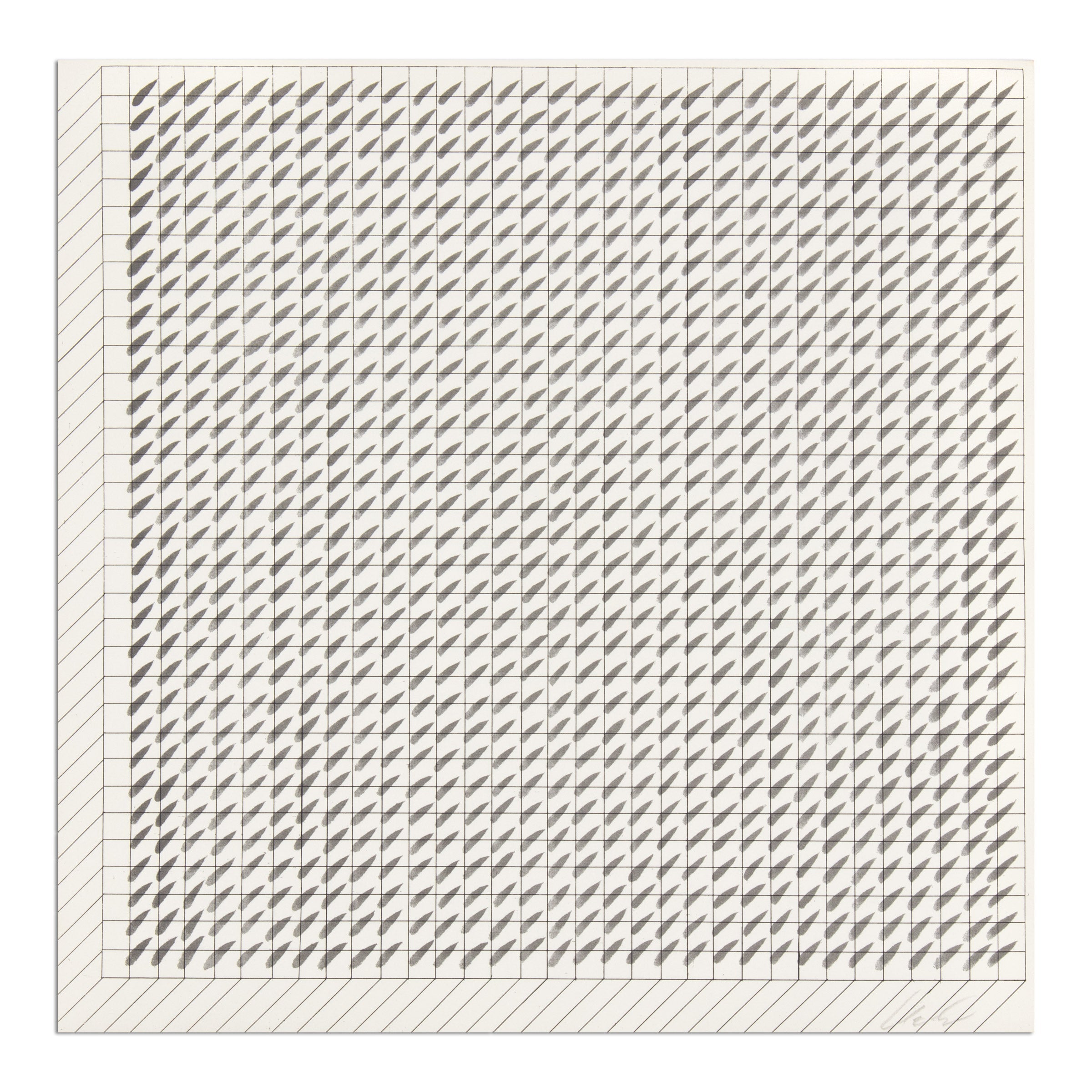
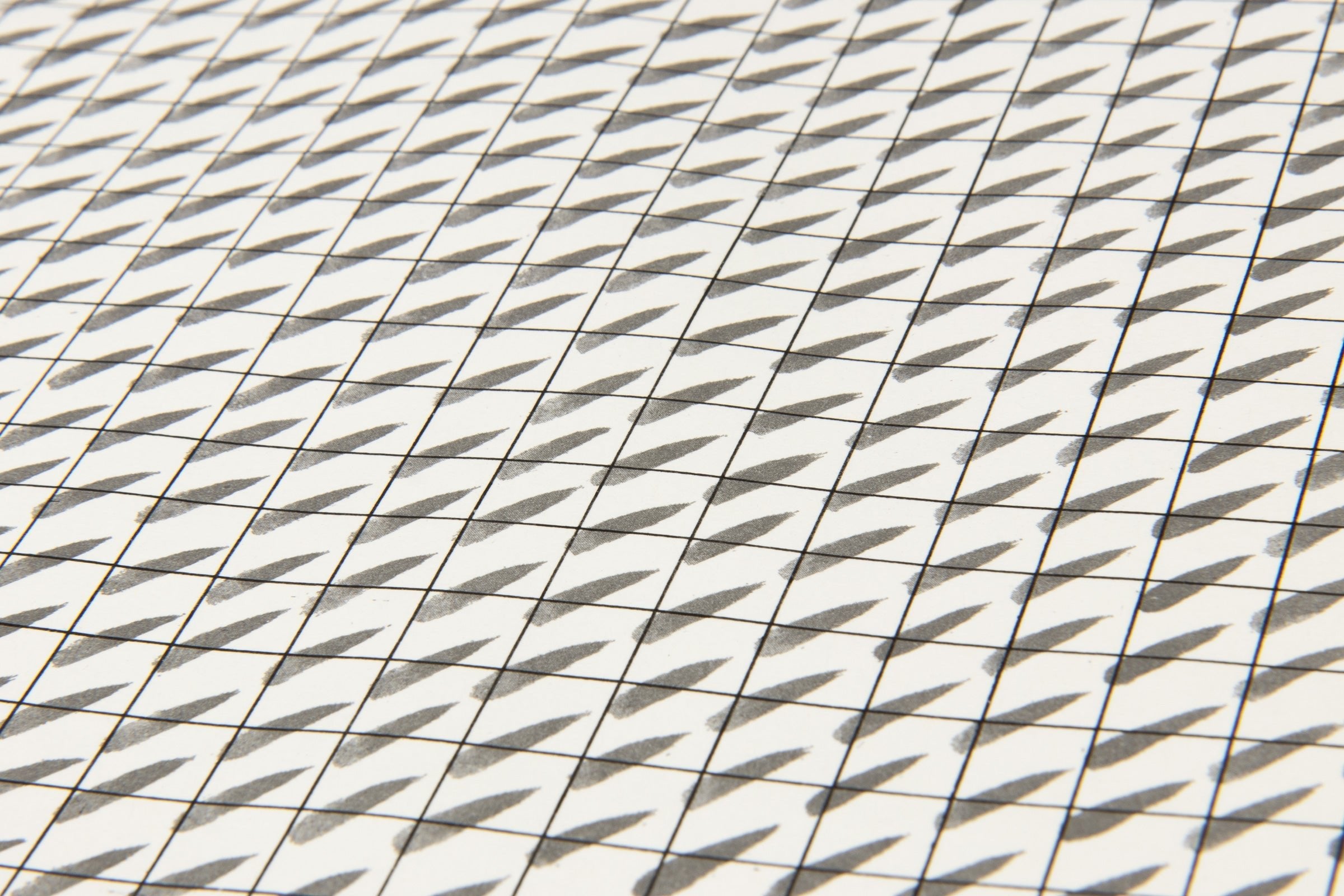
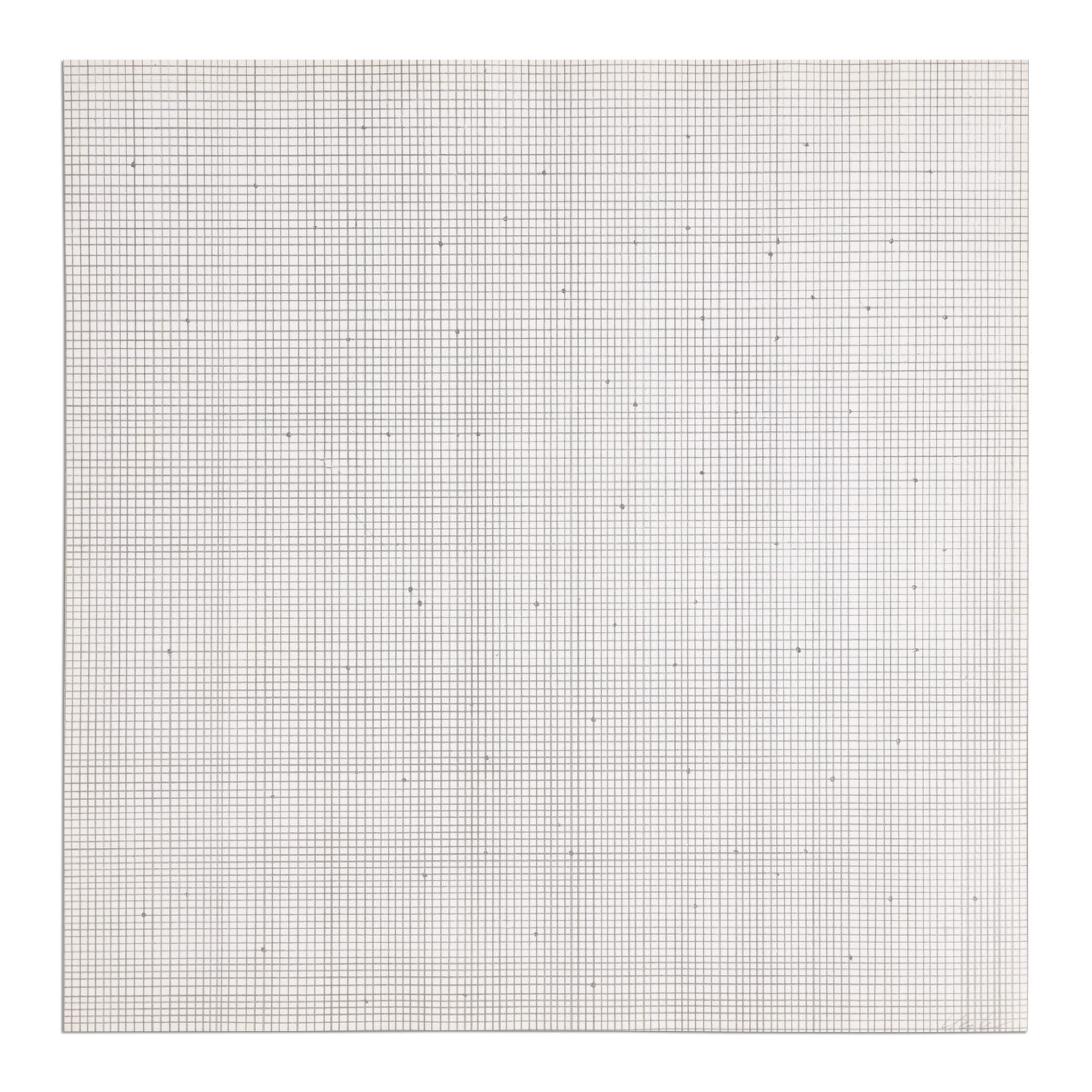
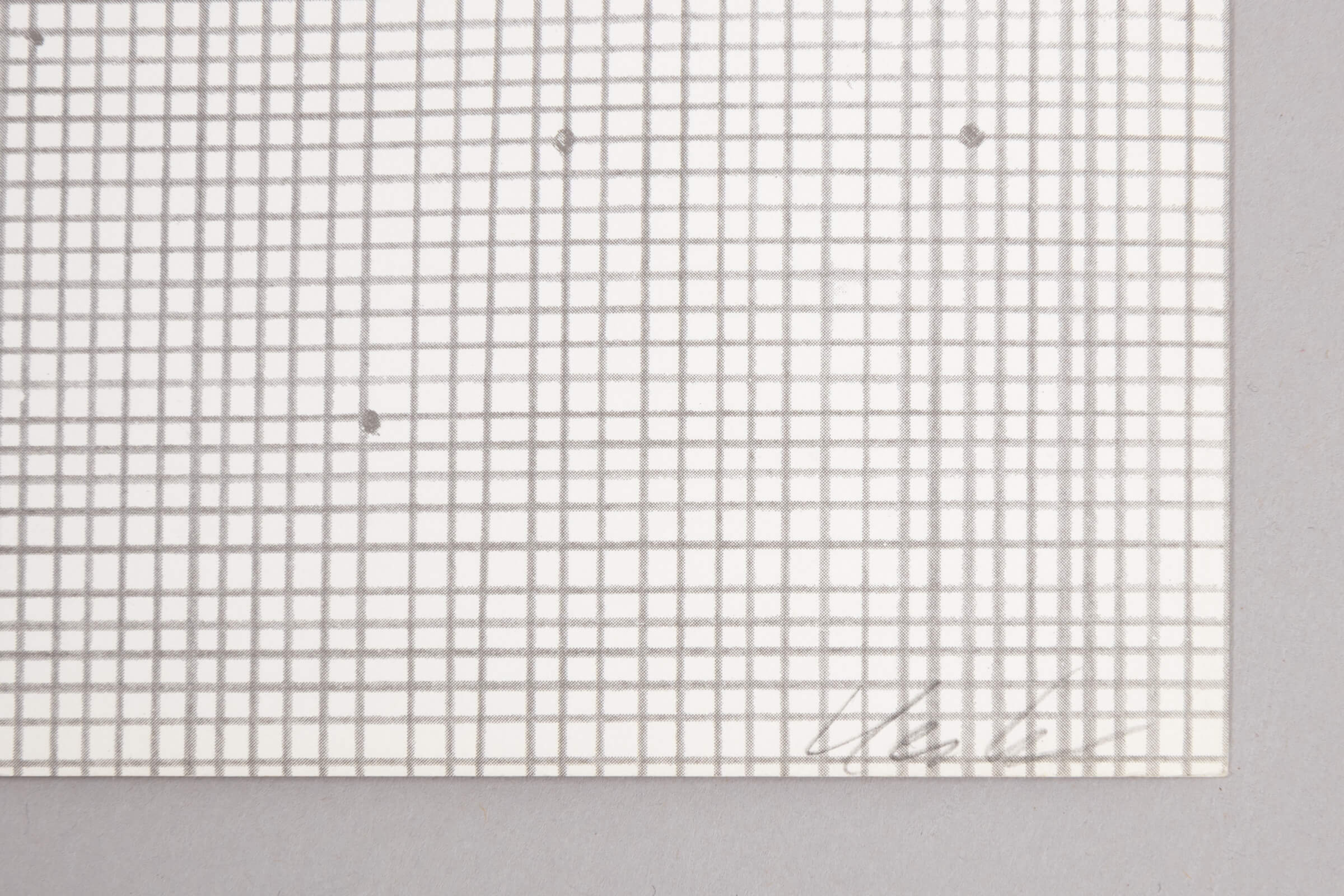
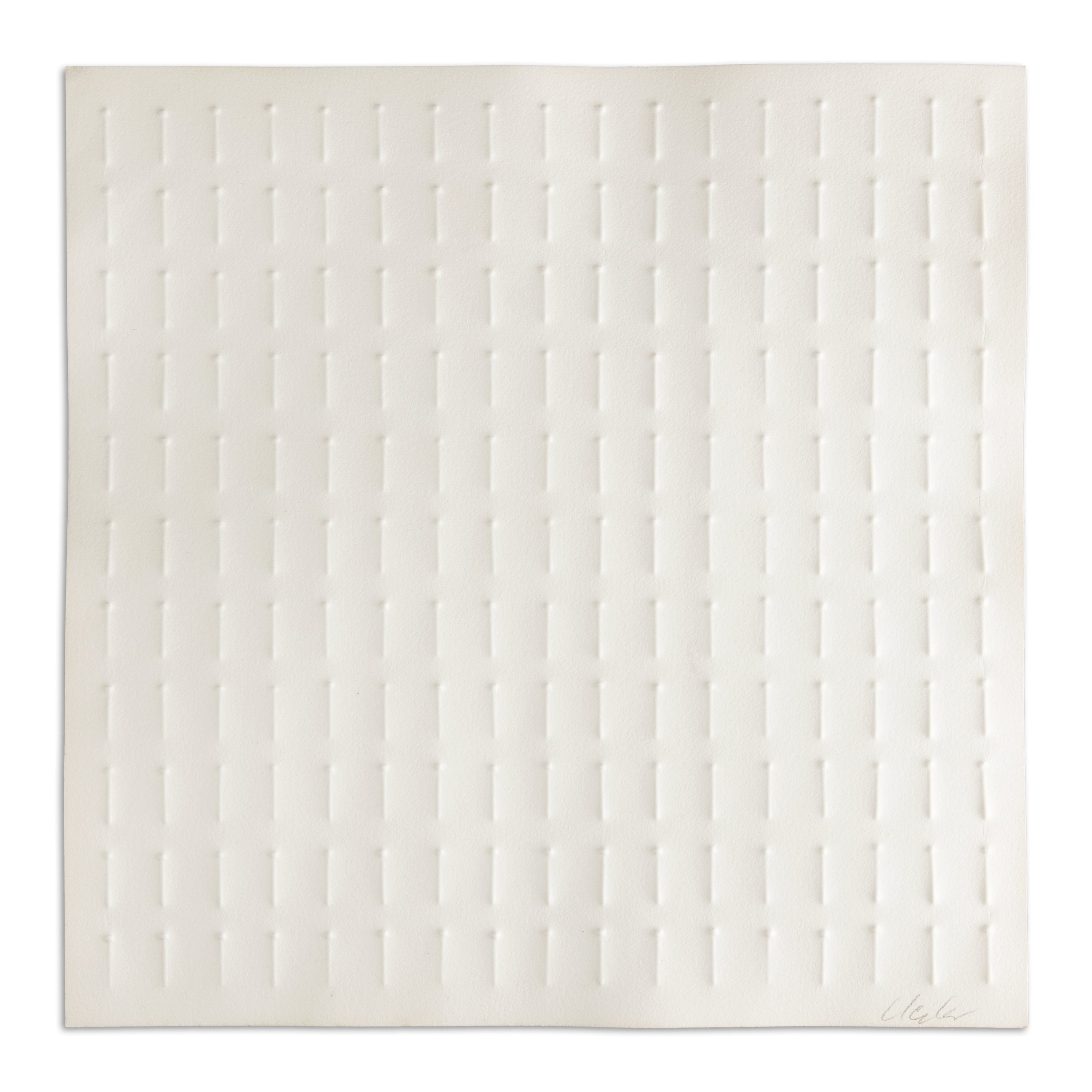
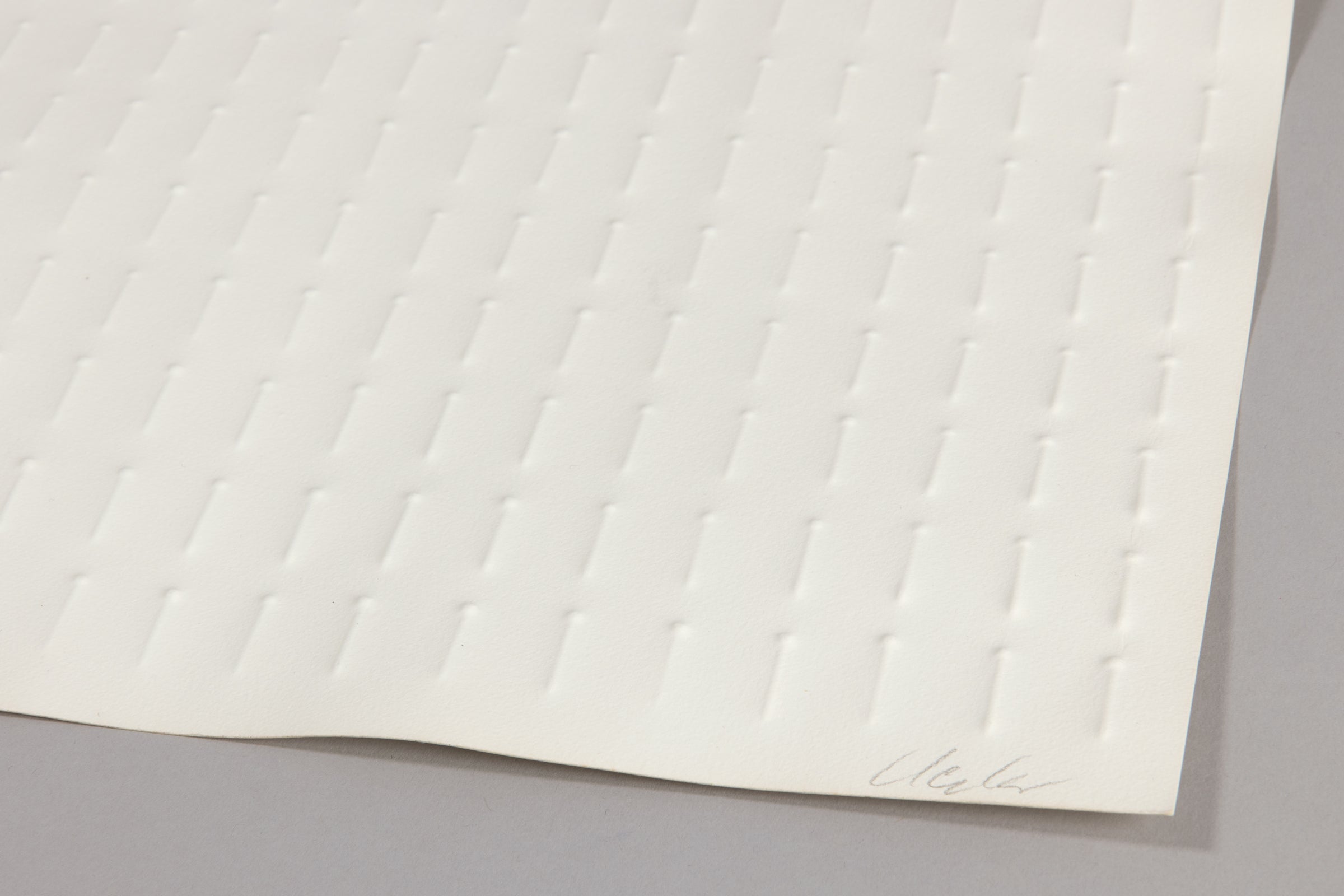
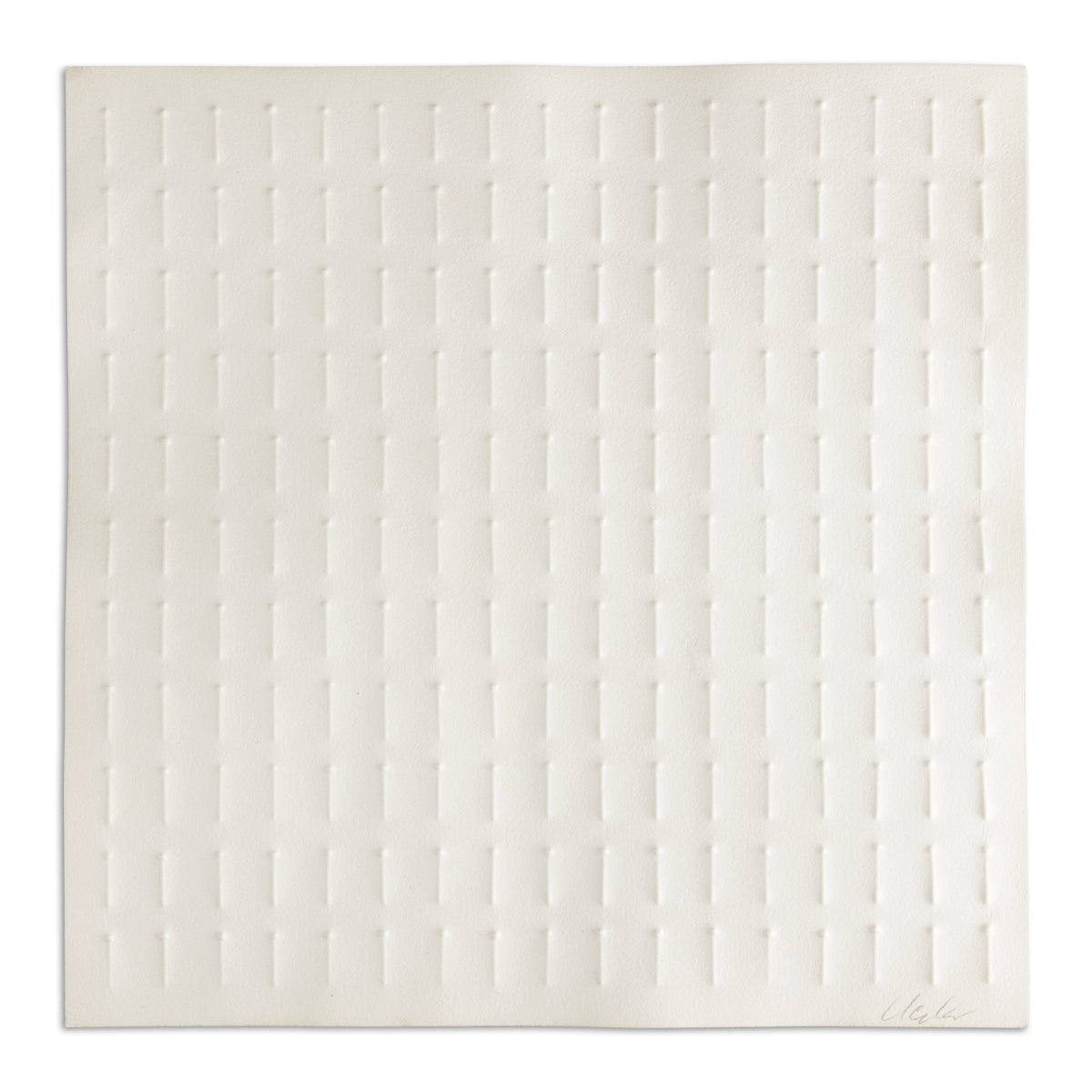
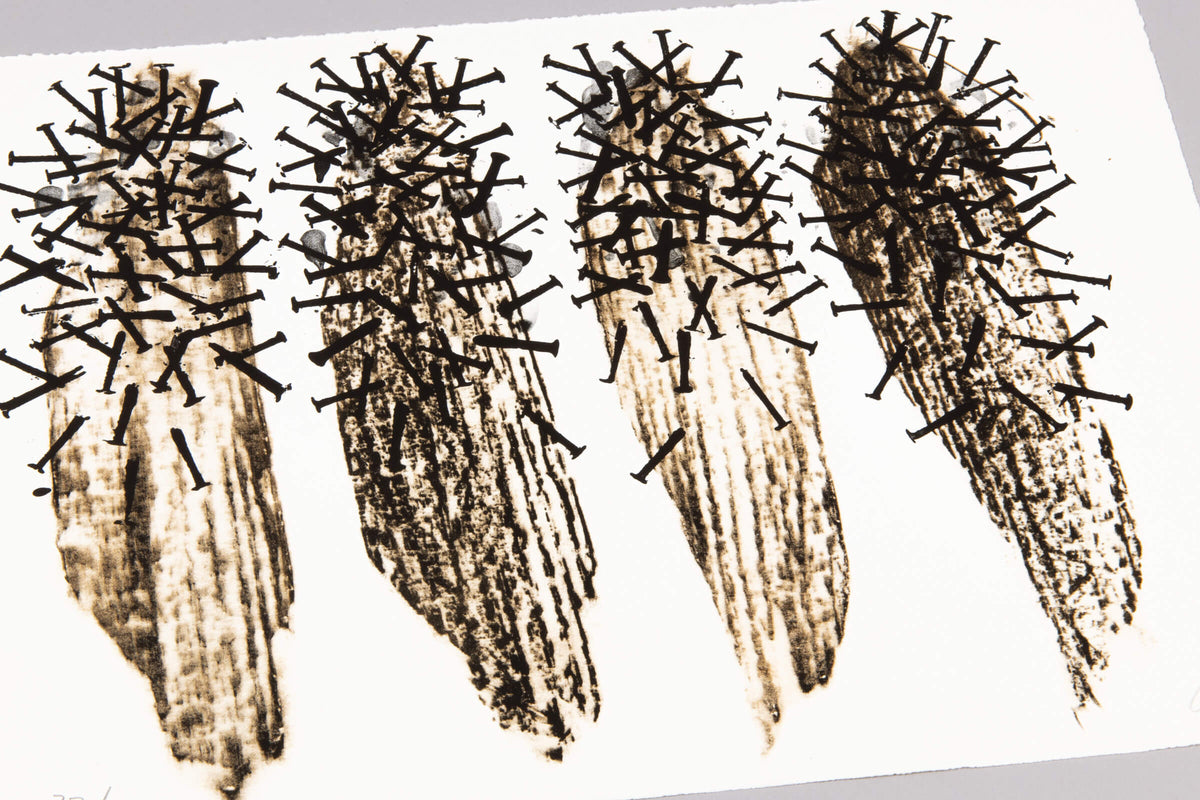
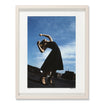
Günther Uecker - Etching (from Nagelbuch)

At the end of the Second World War, a teenage Günther Uecker nailed the doors and windows of his family's farmhouse shut to protect his mother and sister. Decades later, the nail became his defining material — driven by the thousands into canvases, furniture, pianos, even television sets, each surface transformed into a rhythmic field of light and shadow. A core member of the ZERO movement, he spent seven decades treating the nail as both wound and healing, working until his death in 2025 at 95. Works held at the Guggenheim and Tate.

Browse signed Günther Uecker prints and editions now.

Available Prints & Editions

8 products

Sold out
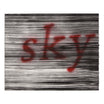
Günther Uecker - Etching (from Nagelbuch)Günther Uecker - Etching (from Nagelbuch)
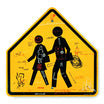
Günther Uecker – Untitled Print from NagelbuchGünther Uecker – Untitled Print from Nagelbuch
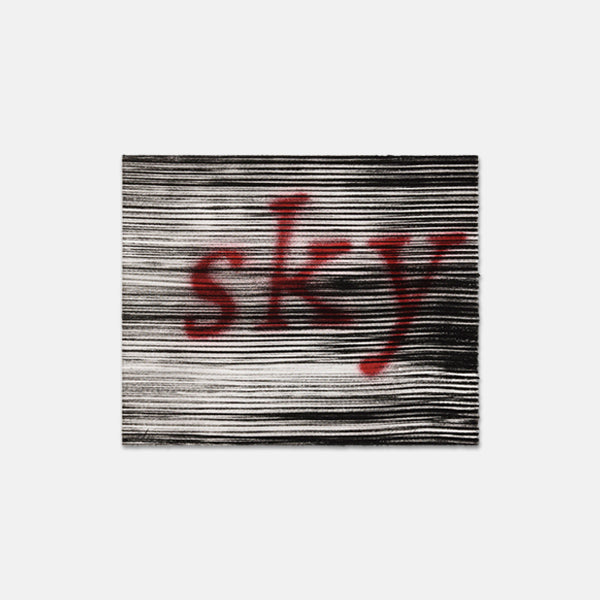
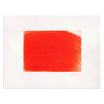
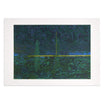
Günther Uecker – Lichtungen IGünther Uecker – Lichtungen I
Günther Uecker – Lichtungen I Sale price€1.600,00
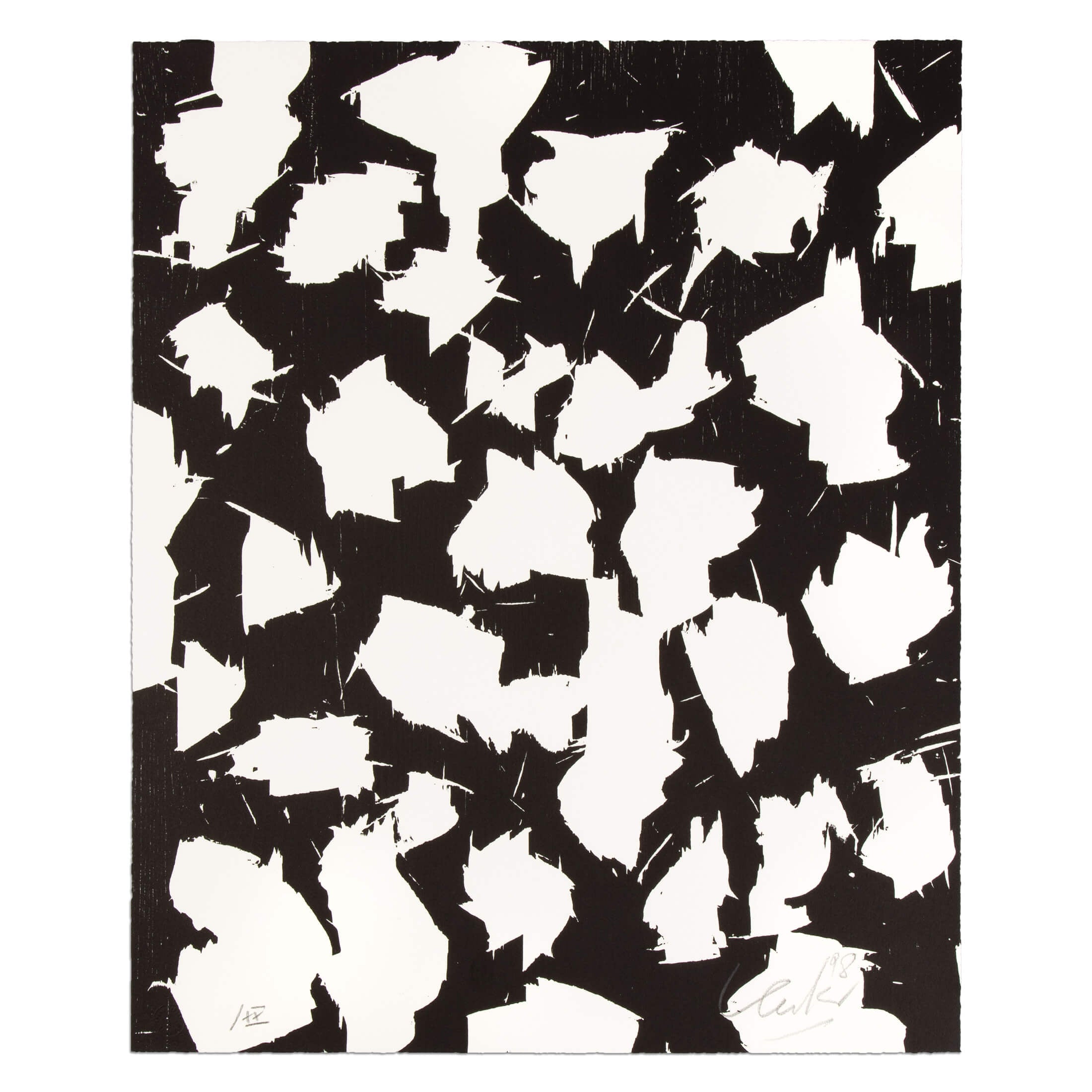
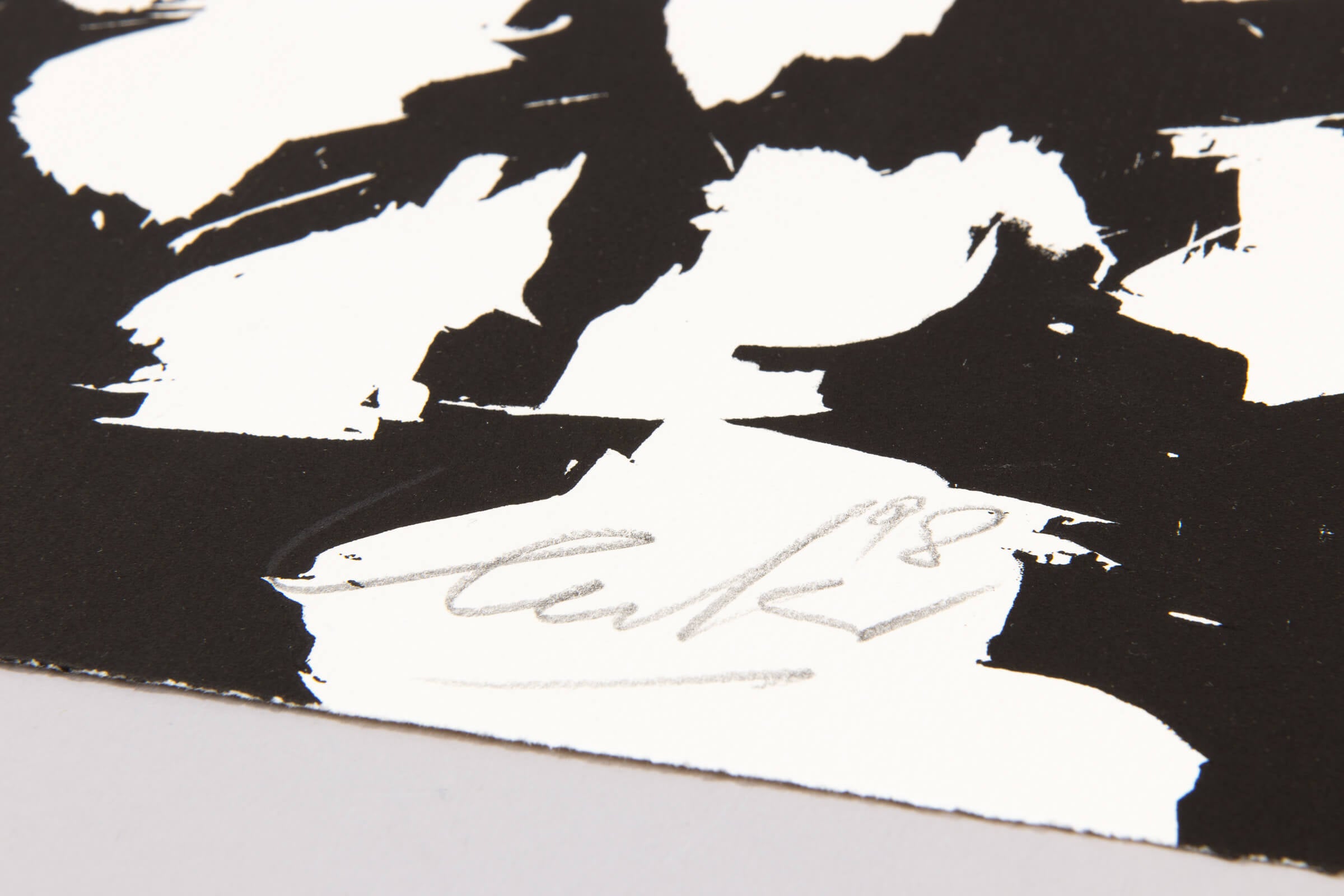
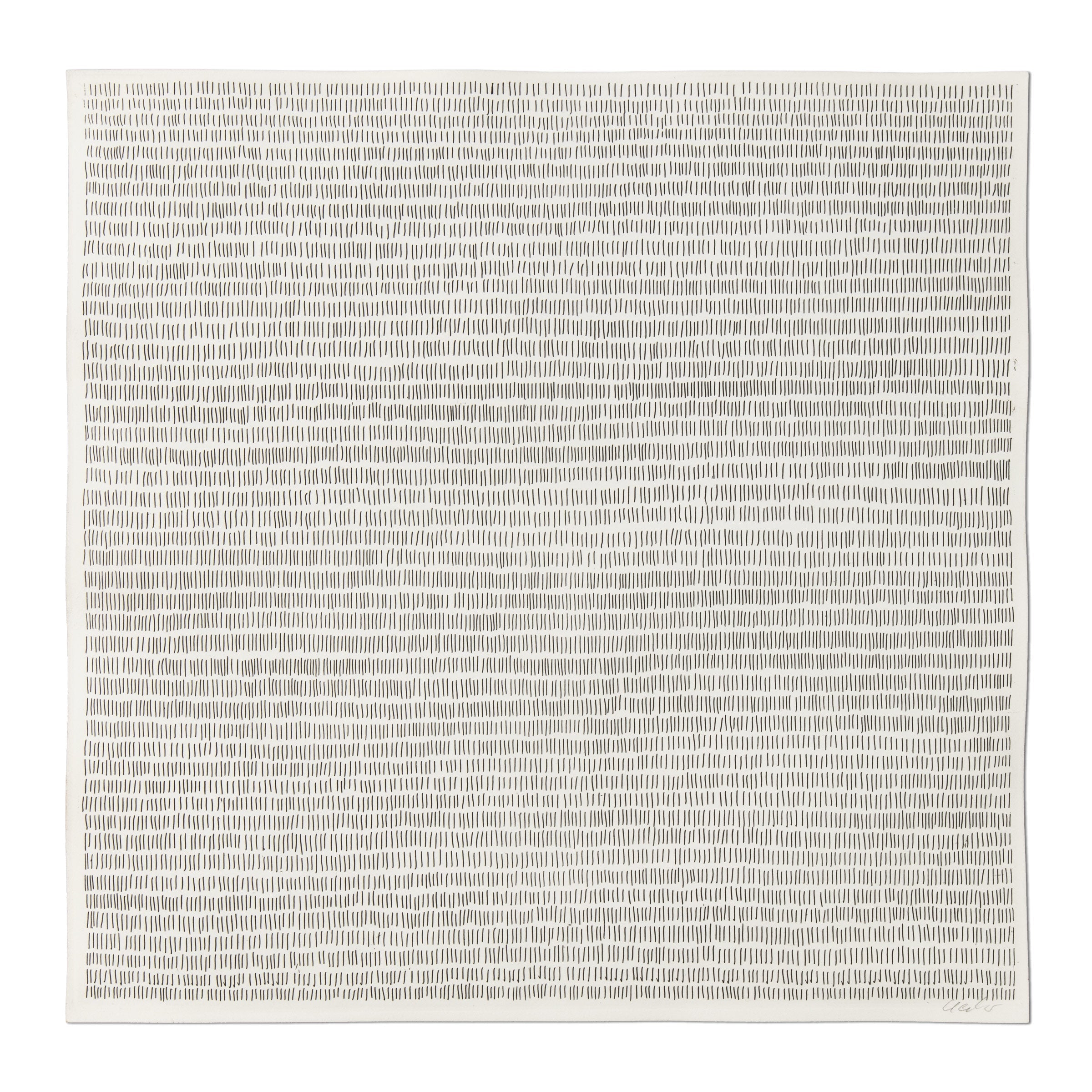
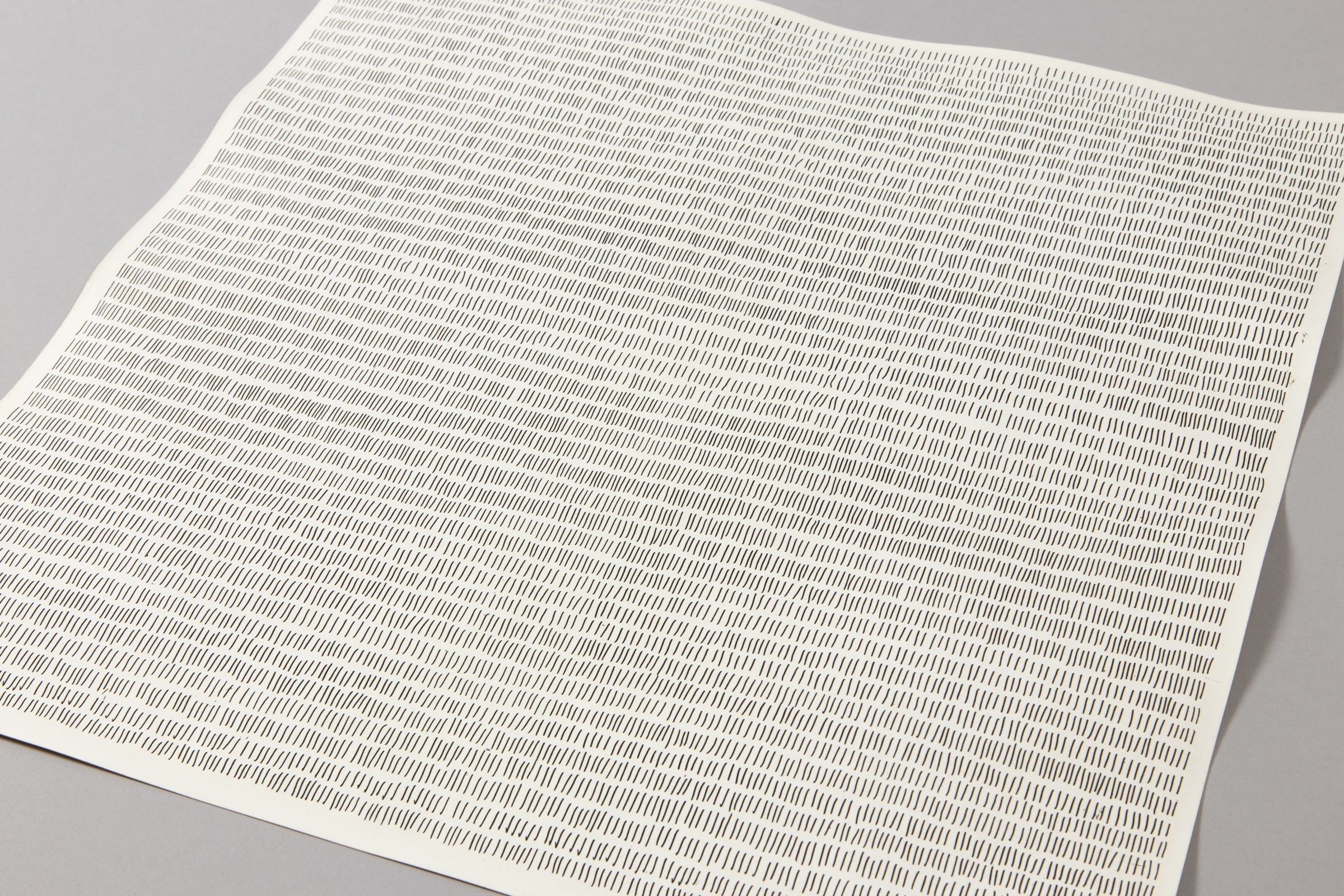
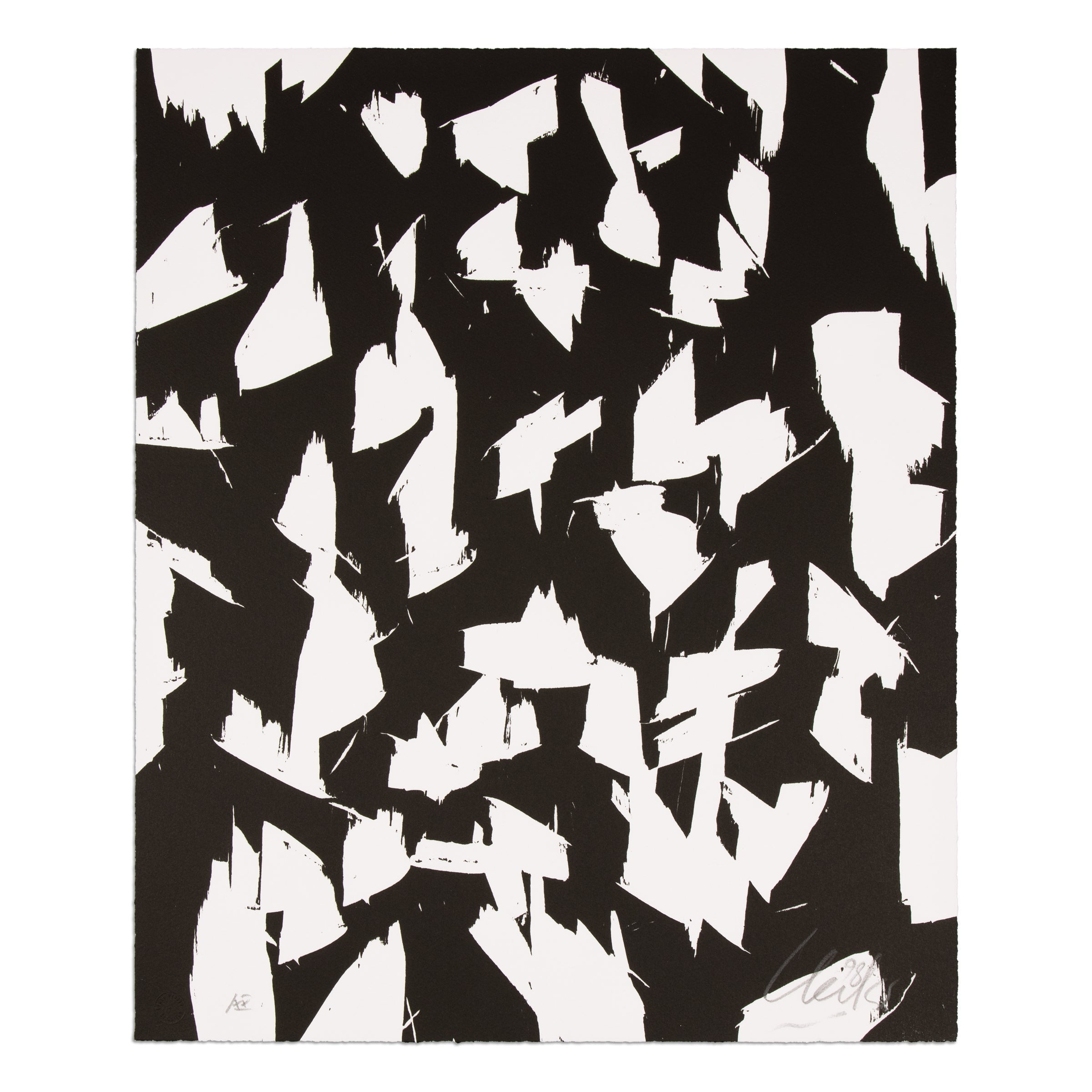
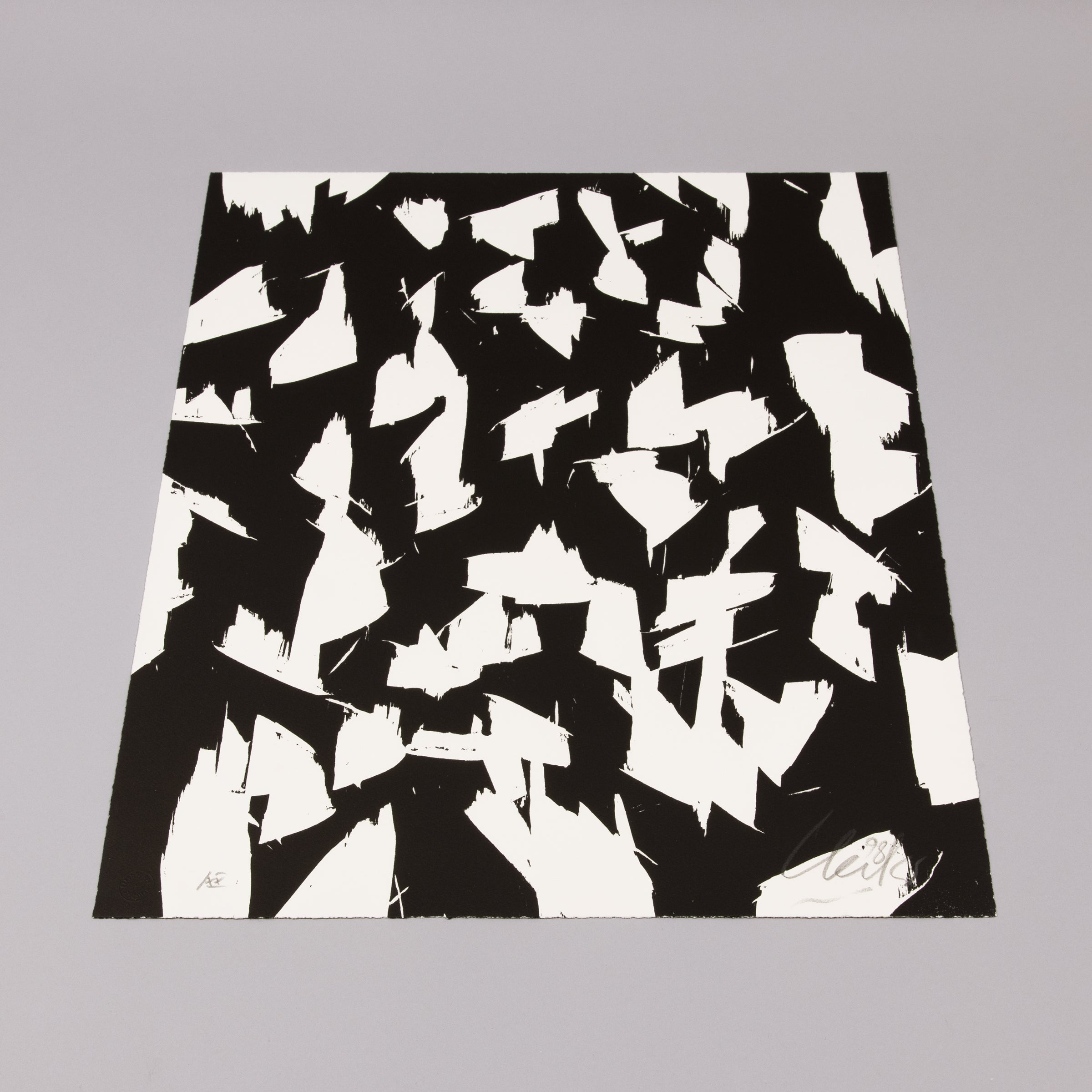
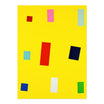
Günther Uecker – SplitterGünther Uecker – Splitter
Günther Uecker – Splitter Sale price€1.500,00
Günther Uecker - Lichtungen V
Günther Uecker - Lichtungen V Sale price€1.600,00
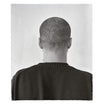
Günther Uecker – Lithograph from NagelbuchGünther Uecker – Lithograph from Nagelbuch
Sold out
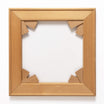
Günther Uecker - Prägedruck (from Nagelbuch)Günther Uecker - Prägedruck (from Nagelbuch)
Sold out
Günther Uecker - Lichtungen IVGünther Uecker - Lichtungen IV
Günther Uecker – Lichtungen IV Sale price€1.600,00
Günther Uecker - Prägedruck (from Nagelbuch)

Günther Uecker Biography
Günther Uecker (1930–2025) was born on a farm in Wendorf, Mecklenburg, son of a farmer who taught him that "our purpose in life is to bring the fruit from the earth." At the close of the Second World War, still a teenager, he nailed shut his family's doors and windows to protect his mother and sister — a wartime act that would resurface decades later as the defining material of his career. He studied painting at the Kunsthochschule Berlin-Weissensee before continuing under Otto Pankok at the Kunstakademie Düsseldorf.

Through the 1950s, Uecker explored Buddhism, Taoism, and Islam, drawn to purification rituals including Gregorian chant — a spiritual searching that shaped his mature method directly. In 1961 he joined ZERO, the movement founded in Düsseldorf in 1957 as a radical reset for postwar German art: purity, light, and renewal in place of Art Informel's gestural intensity. Within this abstract framework, he developed the nail reliefs that would define his reputation — rhythmically hammered surfaces activating light and shadow rather than colour, the nail read as symbol of both injury and healing.

After ZERO dissolved in 1966, his practice expanded into Conceptual art, Land Art, body art, and opera set design. His humanitarian convictions ran through the later work directly: ash pictures made in response to the 1986 Chernobyl disaster, human rights messages exhibited on fabric in Beijing, and travel to dictatorships and totalitarian states carrying an explicitly pacifist message. In 2000, he designed a prayer room for the rebuilt Reichstag in Berlin.

Uecker remained prolific into extreme old age — even at 90, working seven days a week in his Düsseldorf studio, held since 1987. Blue stained-glass windows for Schwerin Cathedral, inaugurated December 2024, numbered among his final works. He died in Düsseldorf on 10 June 2025, aged 95.

Famous Günther Uecker Artworks

Spirale I/Spirale II (Doppelspirale) (1997), Uecker's auction record at £2.2 million (Christie's London, 2017), demonstrates his mature nail-relief technique at its most ambitious — a rhythmic, spiralling field of hammered nails generating continuously shifting light and shadow as a viewer moves around it.

His Reichstag prayer room (2000), created for Germany's rebuilt parliament building in Berlin, extended his nail-based investigation of light and contemplation onto an architectural, explicitly spiritual scale within one of the country's most politically significant spaces.

His Chernobyl-related ash paintings (1986) marked a rare direct political response within his practice — the material itself, rather than imagery, carrying the weight of a specific historical catastrophe.

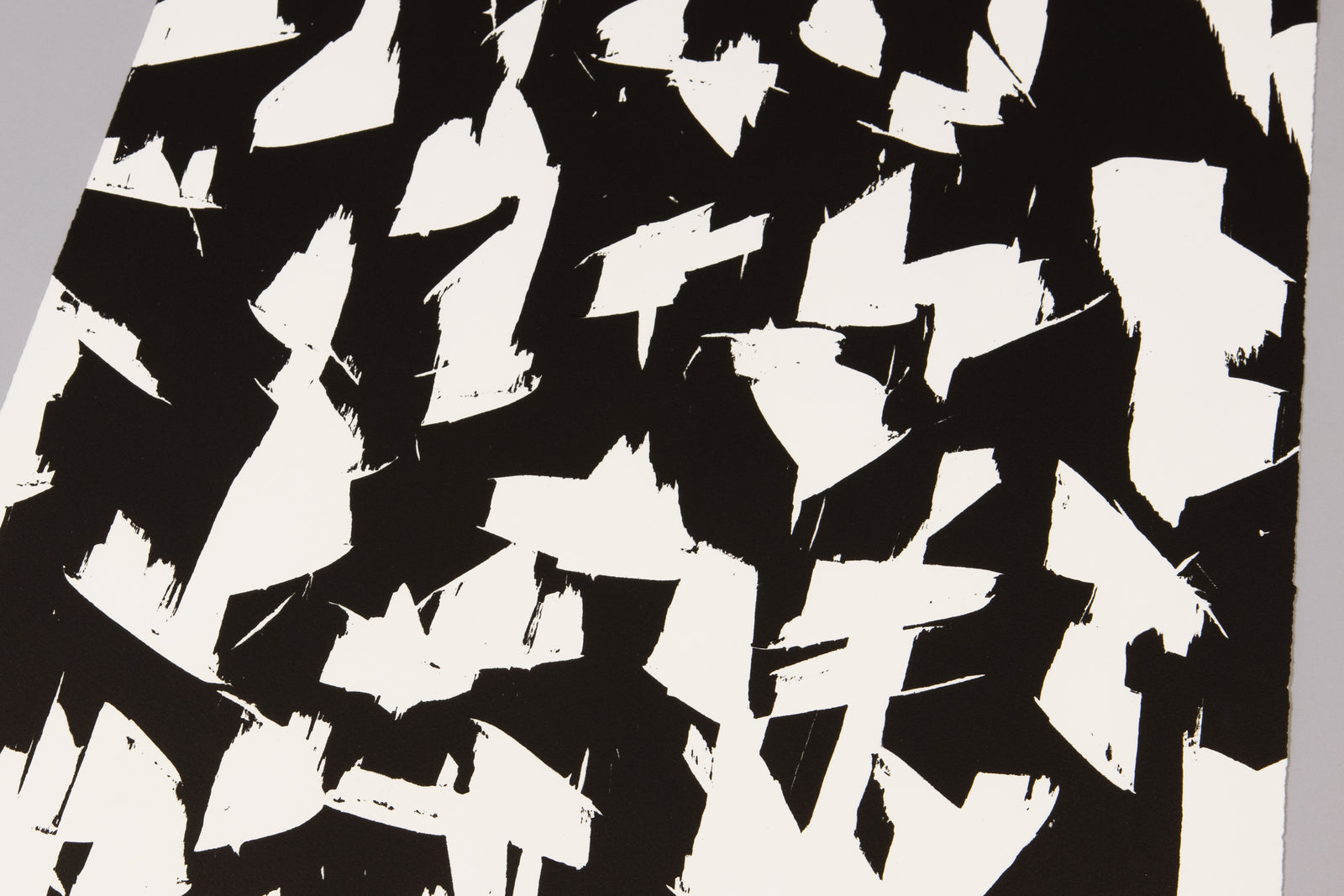
Günther Uecker – Splitter

Günther Uecker Prints & Editions

Uecker's limited edition prints translate the tactile, three-dimensional presence of his nail reliefs onto paper — embossed prints (Prägedruck), lithographs, and etchings from his Nagelbuch project, alongside later series including Lichtungen and Splitter, each carrying the rhythmic structure and optical intensity of his sculptural work into a flatter, more collectible format.

His print market has demonstrated genuine, sustained strength: Huldigung An Hafez (2015), a 42-piece nail-relief print collection, set his print auction record at £57,084 in Munich in 2017. Individual signed print prices start in the low thousands, and easily reach five digits for his in-demand nail-relief prints — considerably more accessible than his sculptural nail fields, which regularly reach six and seven figures at auction.

For collectors, Uecker's editions offer direct access to a practice that treated the nail as both instrument and metaphor across seven decades. Works are held in the permanent collections of the Guggenheim, Tate, and the Centre Pompidou.

Günther Uecker: Key Questions

Collecting Günther Uecker?

Looking for a specific artwork or have a question about an edition? We're happy to advise on availability, pricing, condition, and provenance — and to source artworks beyond our current selection.

Contact us

Prints, Photographs & Multiples

View our full collection of

Prints, Photographs & Multiples

Explore editions