

Georg Baselitz

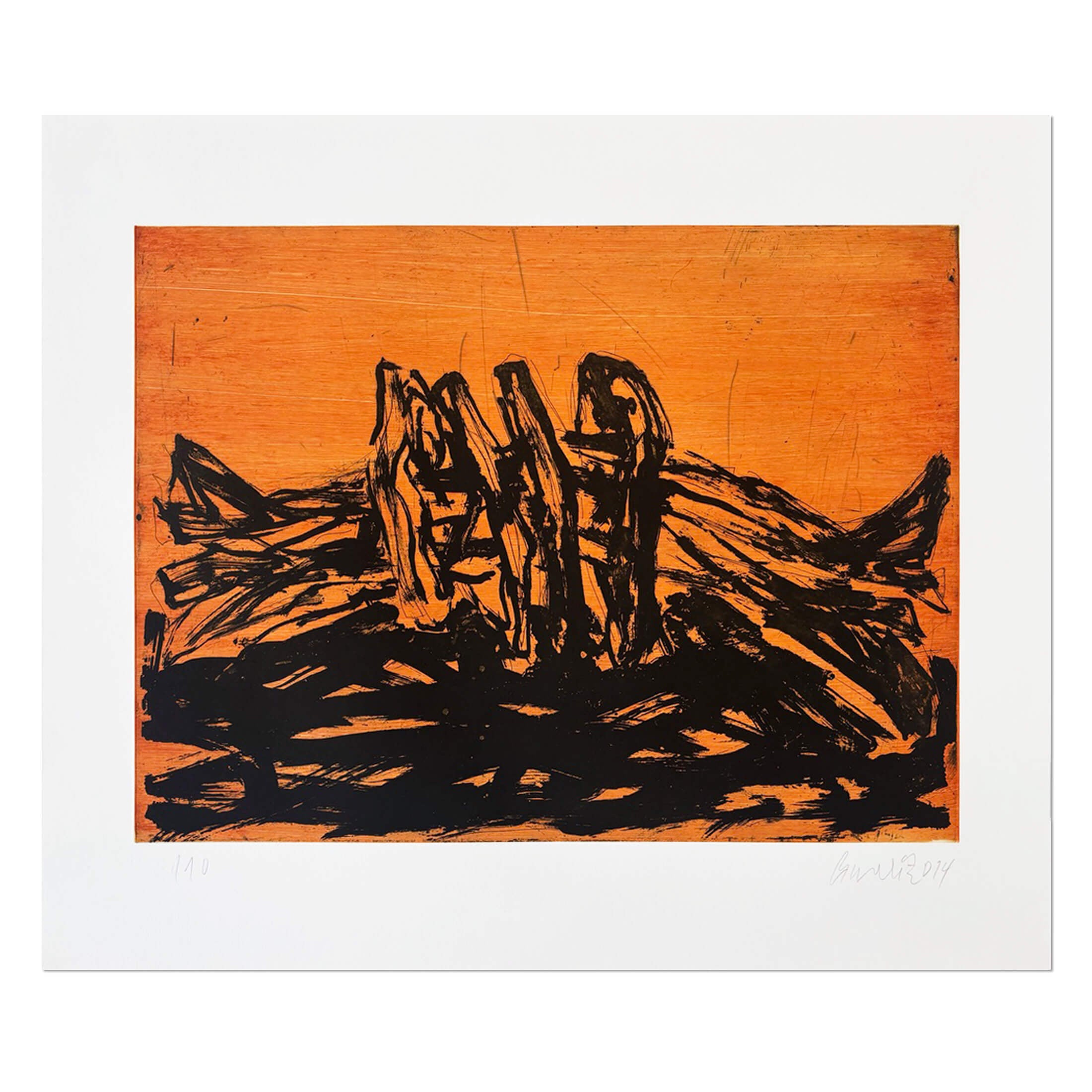
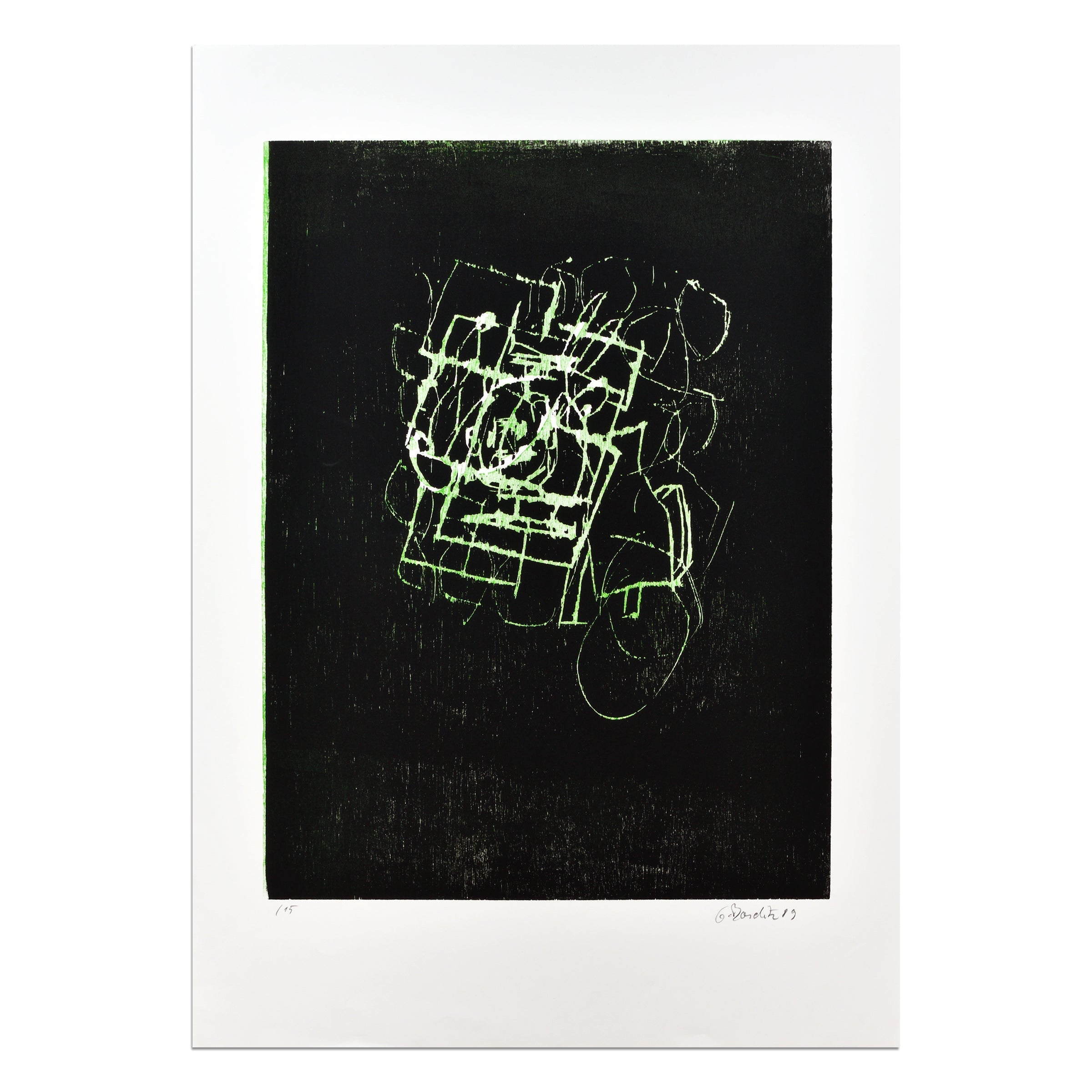
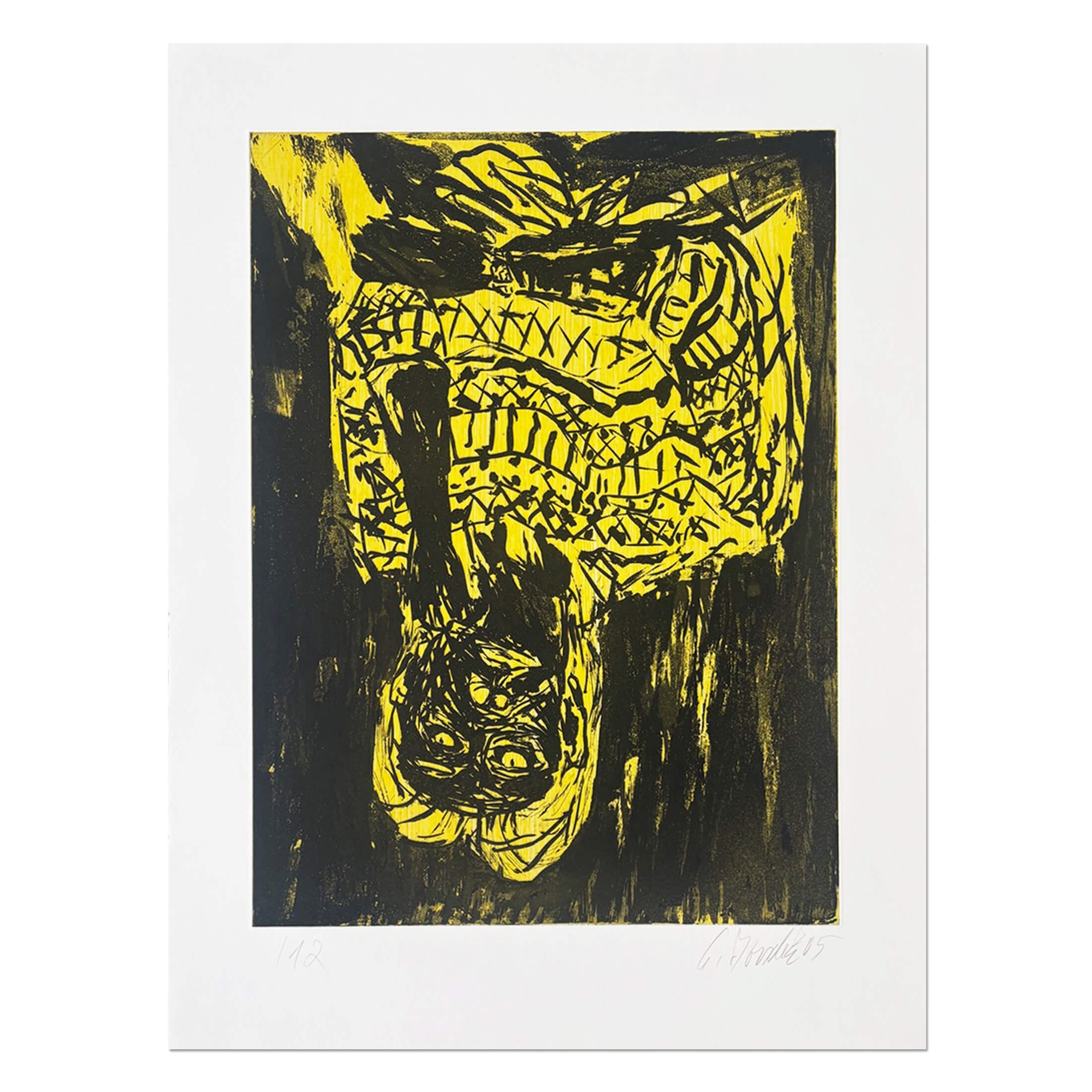
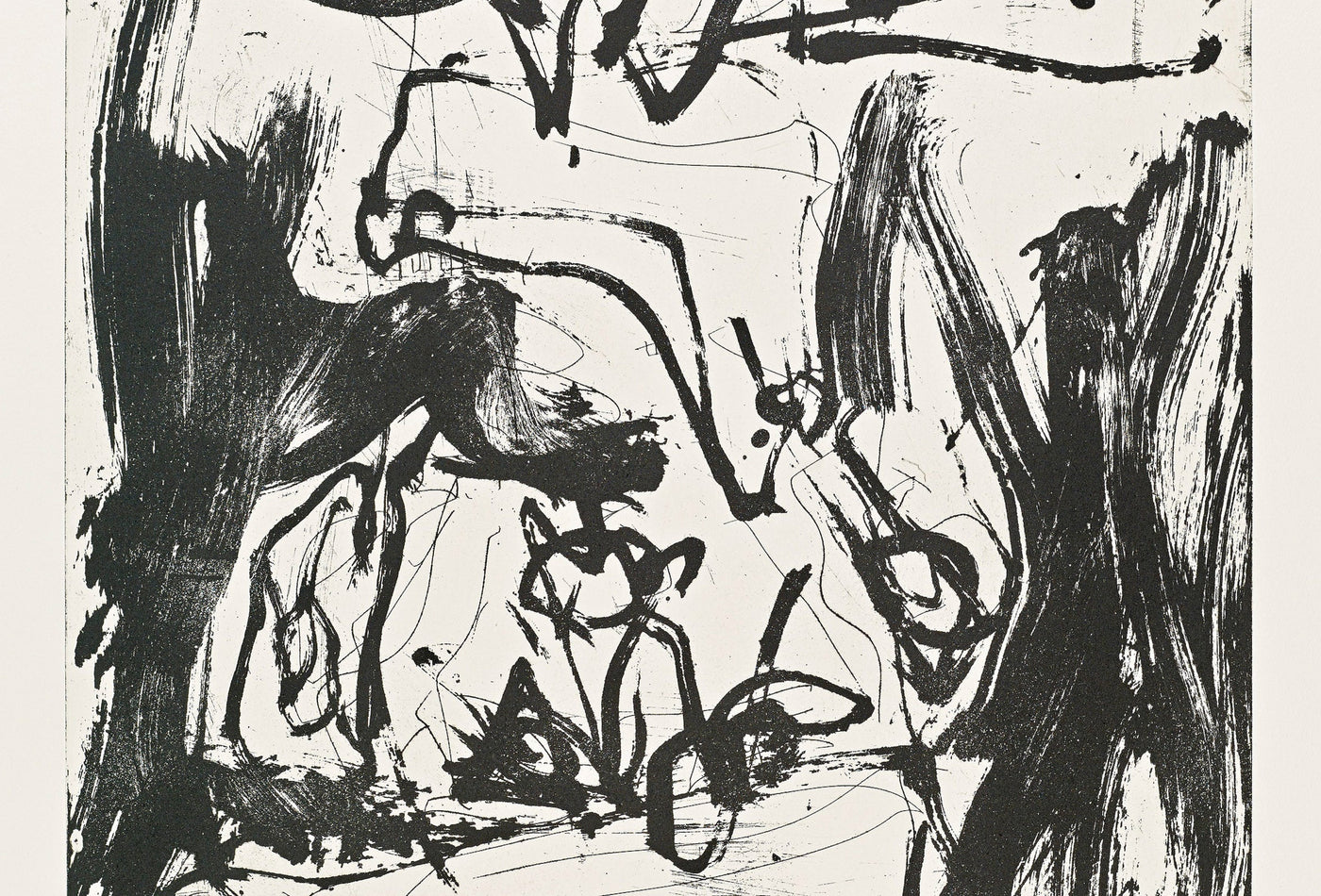
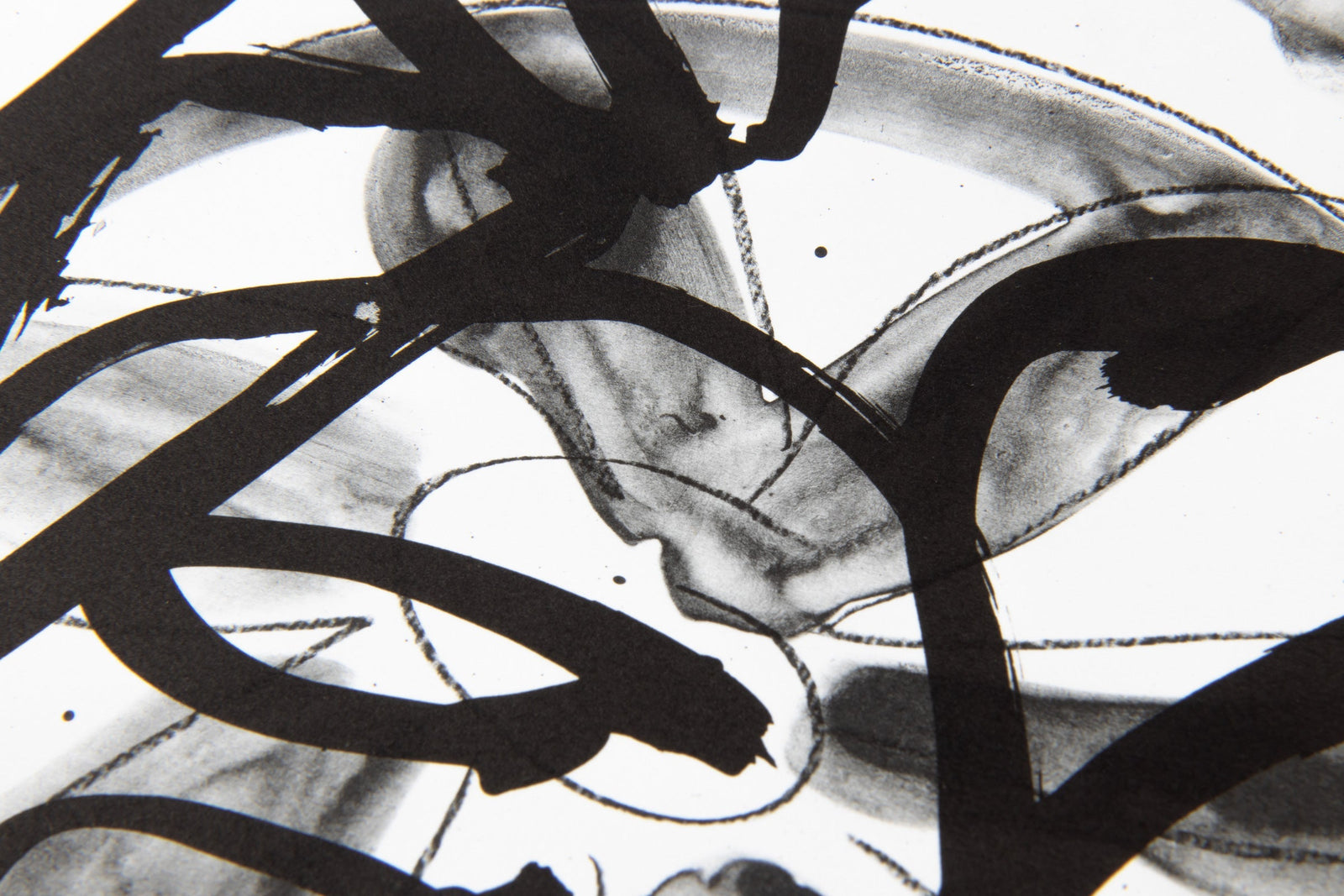
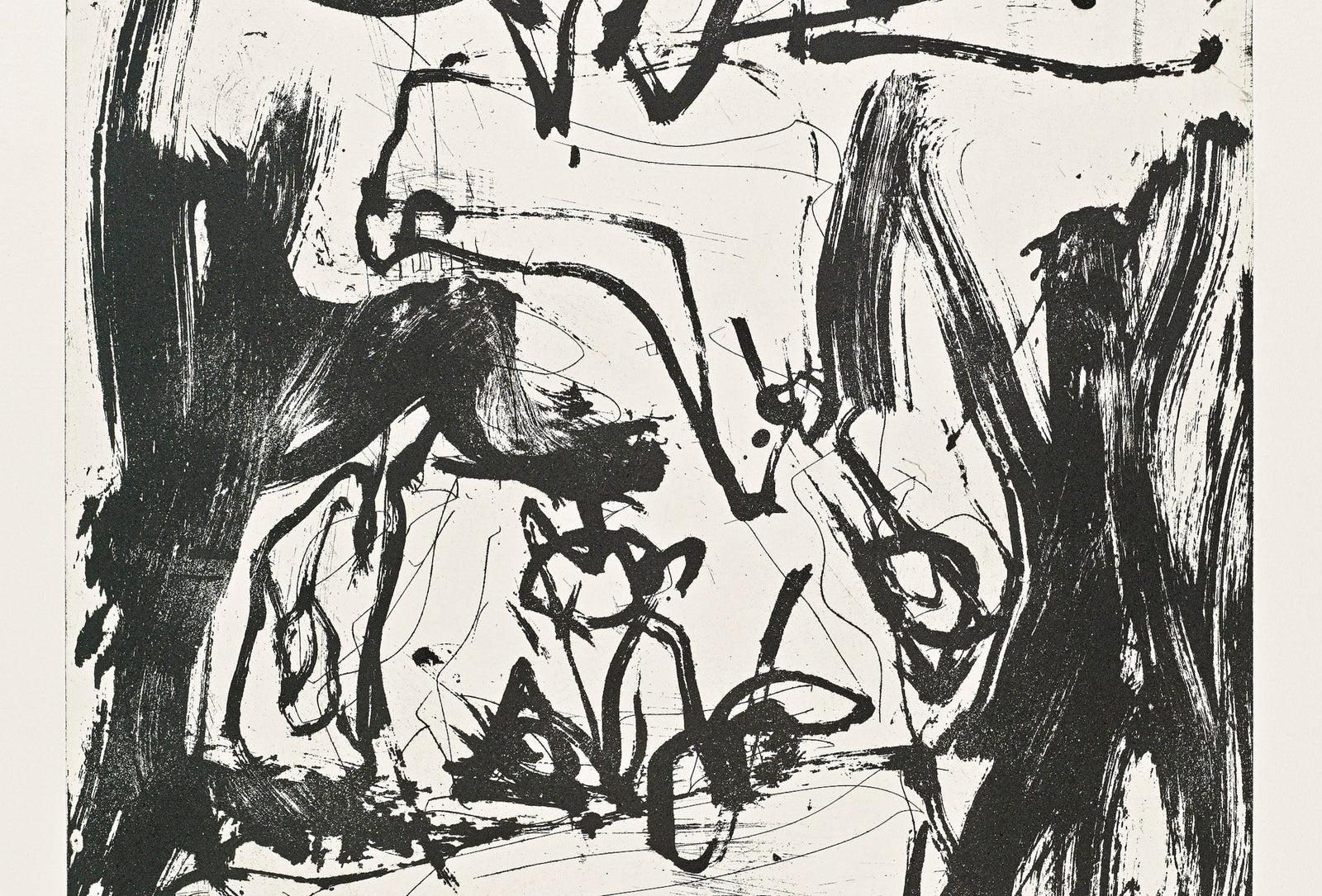
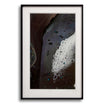
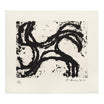
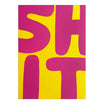
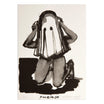
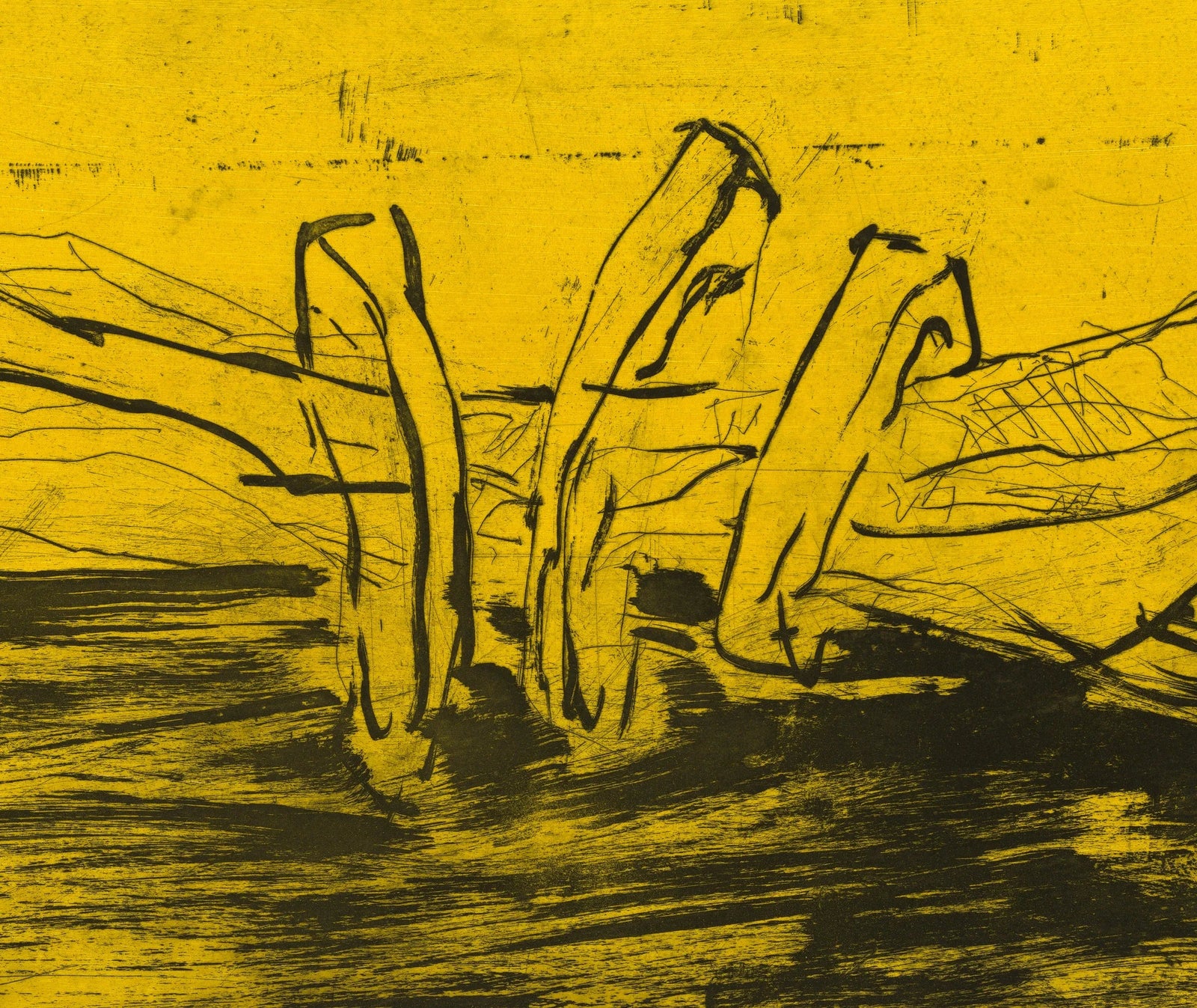
Georg Baselitz - Winterschlaf X

Georg Baselitz turned his figures upside down in 1969 — not as provocation but as method, a way of forcing painting to be about paint rather than subject. Born in 1938 in East Germany, he moved to West Berlin in 1956 and built a practice that positioned figuration as the only honest response to postwar German history. His prints were never secondary to his paintings. Baselitz himself described them as carrying "symbolic power which has nothing to do with a painting" — and across woodcut, etching, drypoint, and linocut, he consistently proved the point. Works held at MoMA, the Centre Pompidou, and the Guggenheim.

Browse signed Georg Baselitz prints and editions now.

Available Prints & Editions

15 products
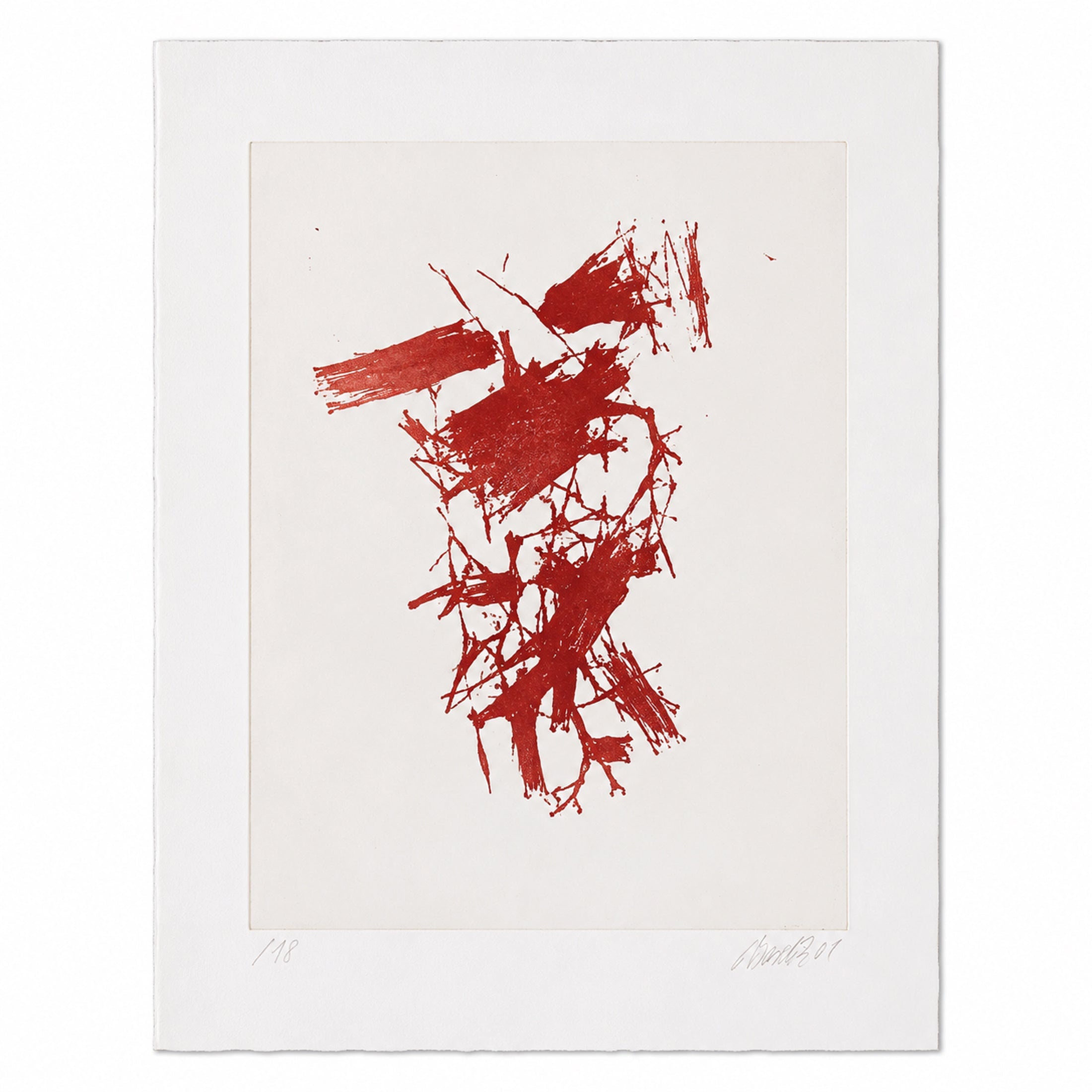
Georg Baselitz - AbeGeorg Baselitz - Abe
Georg Baselitz - Abe Sale price€3.000,00
Georg Baselitz - Winterschlaf IX
Georg Baselitz - Winterschlaf IX Sale price€7.700,00
Georg Baselitz - Schwester Rosi III
Georg Baselitz – PuckGeorg Baselitz – Puck
Georg Baselitz – Puck Sale price€3.900,00
Georg Baselitz - Farewell Bill #7Georg Baselitz - Farewell Bill #7
Georg Baselitz - Farewell Bill #7 Sale price€5.200,00
Georg Baselitz - Grüner Hase
Georg Baselitz - Serpentine (Blue)Georg Baselitz - Serpentine (Blue)
Georg Baselitz - Serpentine (Blue) Sale price€2.900,00
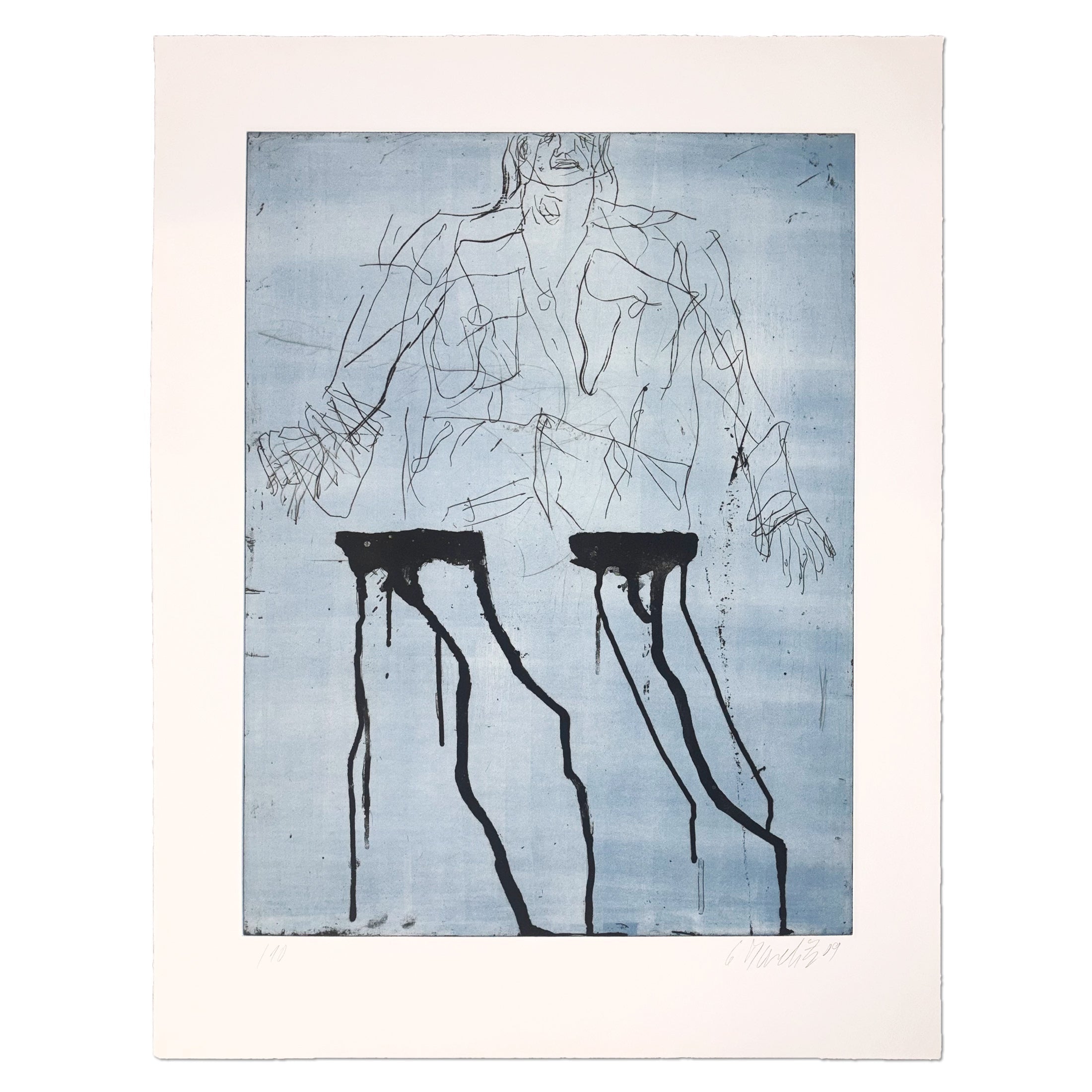
Georg Baselitz - Farewell Bill #4Georg Baselitz - Farewell Bill #4
Georg Baselitz - Farewell Bill #4 Sale price€5.200,00
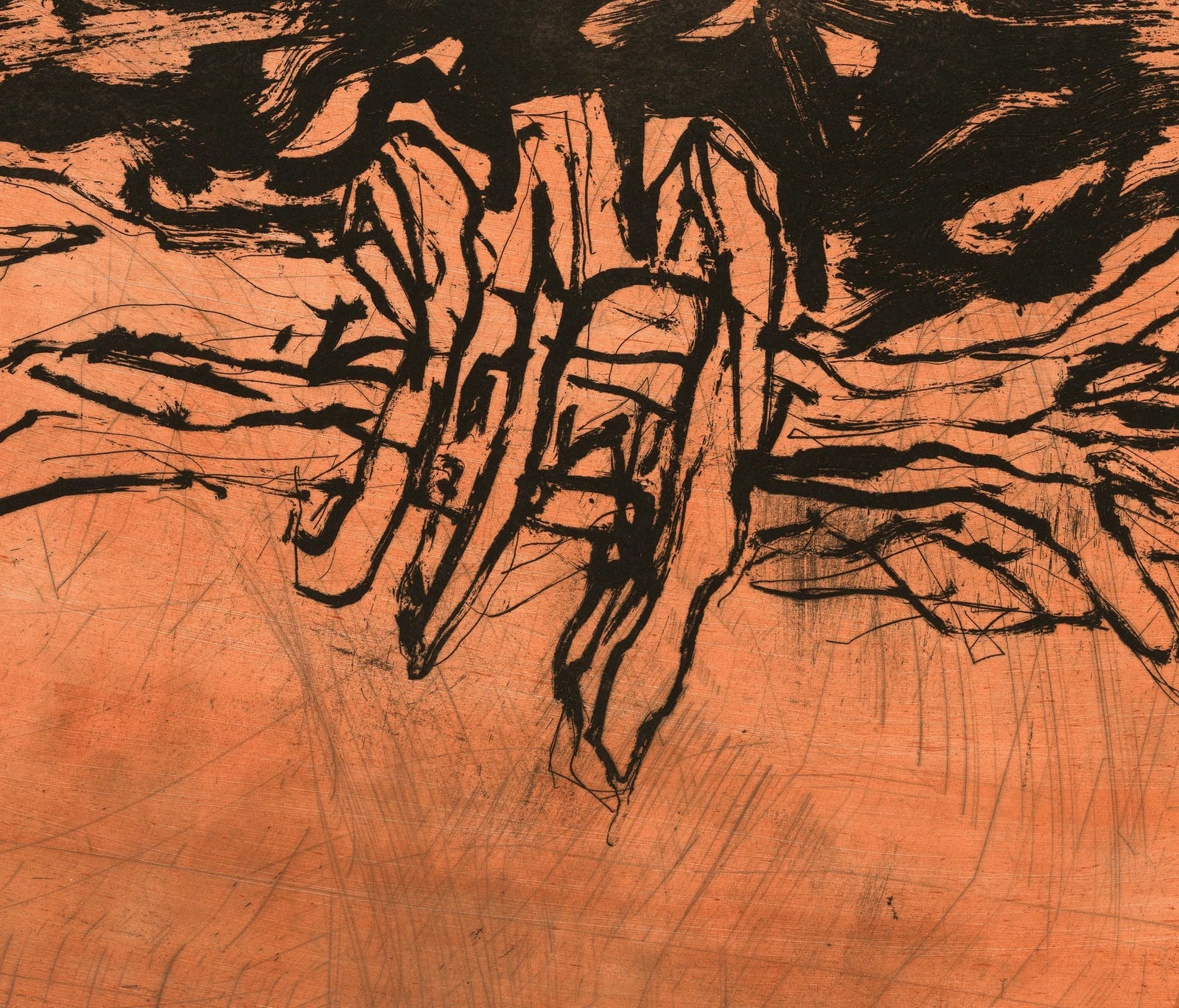
Georg Baselitz - Winterschlaf XGeorg Baselitz - Winterschlaf X
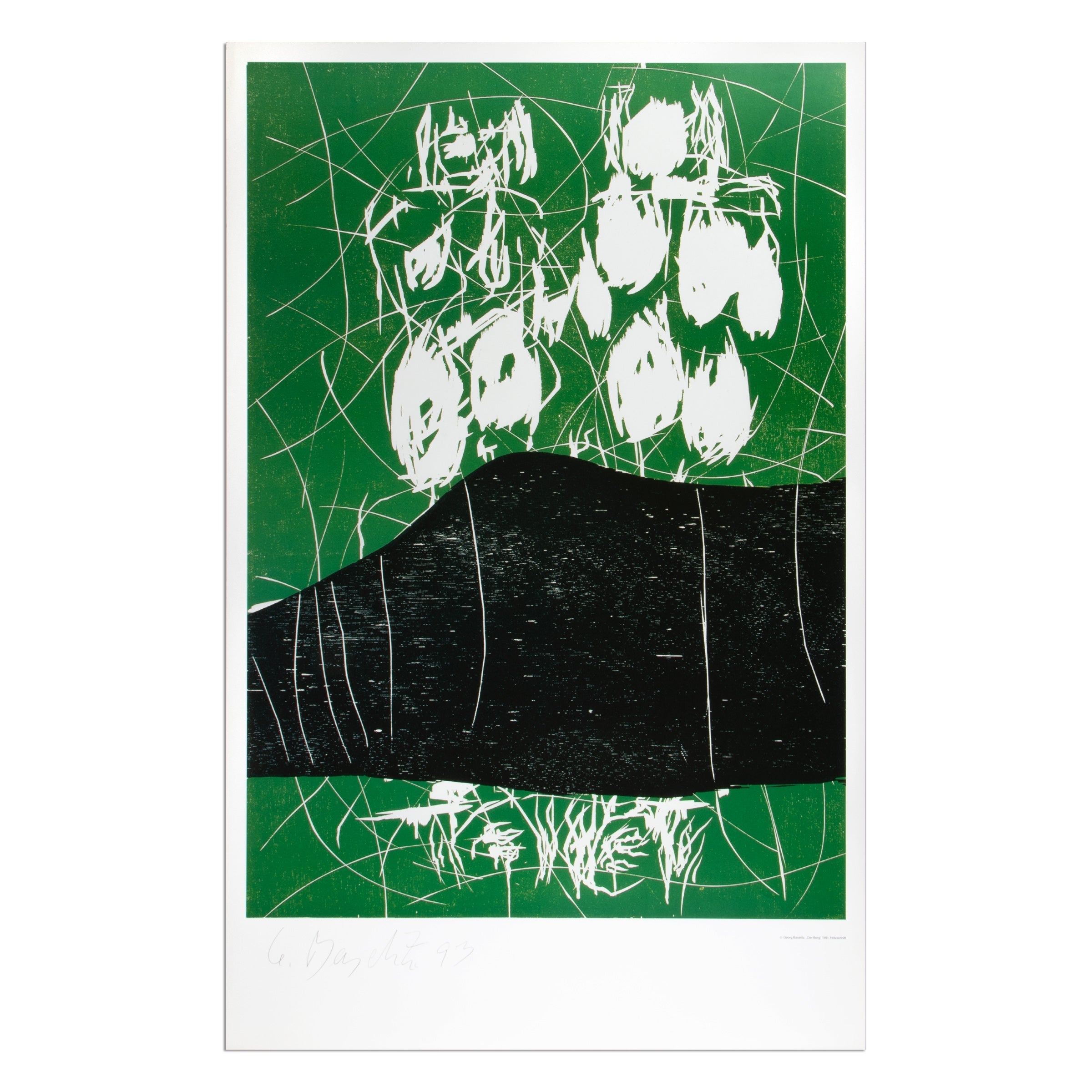
Georg Baselitz - Der BergGeorg Baselitz - Der Berg
Georg Baselitz - Der Berg Sale price€1.400,00
Georg Baselitz - BaseGeorg Baselitz - Base
Georg Baselitz - Base Sale price€3.000,00
Sold out
Georg Baselitz - 45 - AugustGeorg Baselitz - 45 - August
Georg Baselitz - 45 - August Sale price€8.400,00
Sold out
Georg Baselitz – Untitled (from Eine Woche)Georg Baselitz – Untitled (from Eine Woche)
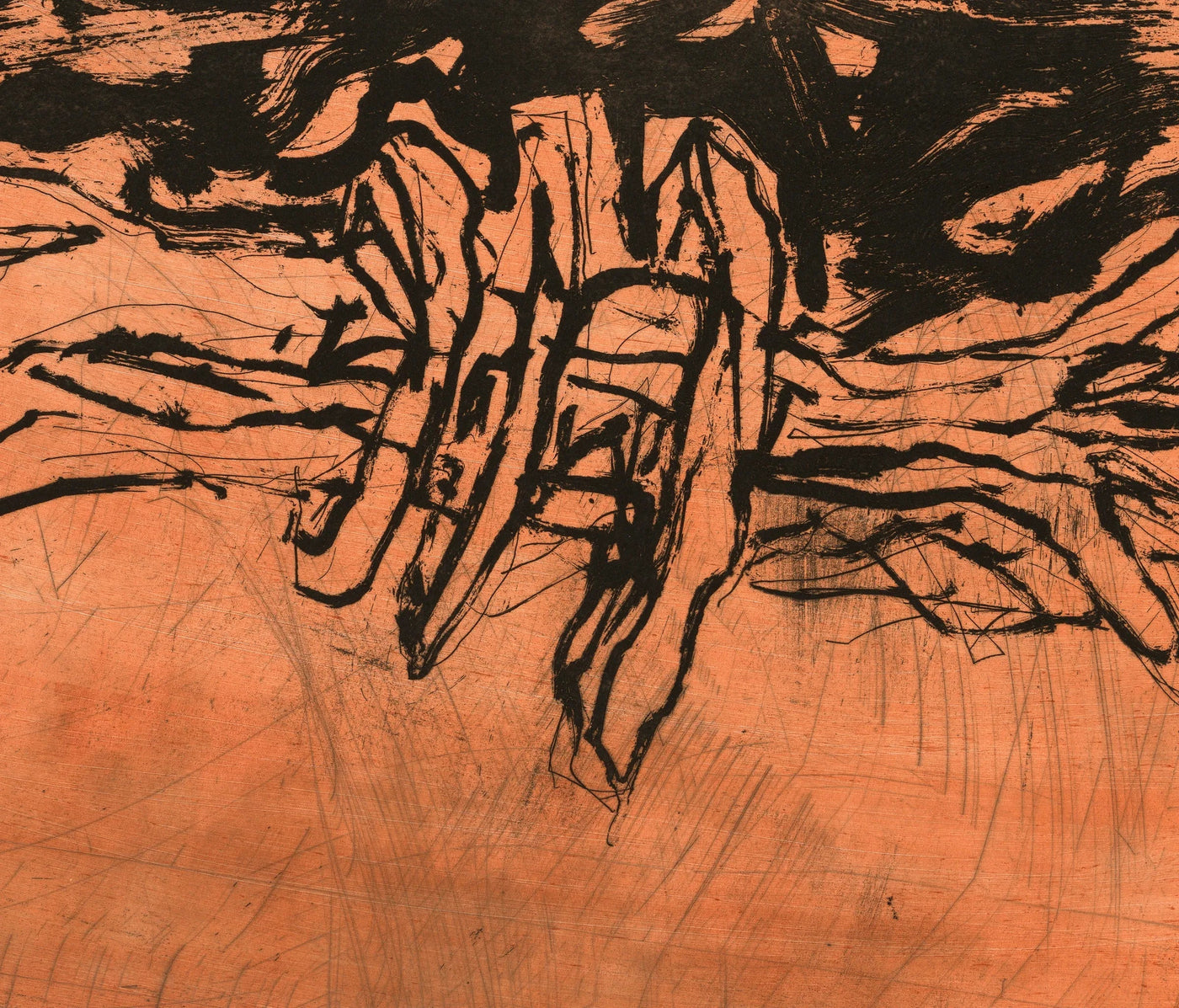
Georg Baselitz – Offene Hände
Georg Baselitz – Offene Hände Sale price€4.600,00
Georg Baselitz – 35 Jahre Später
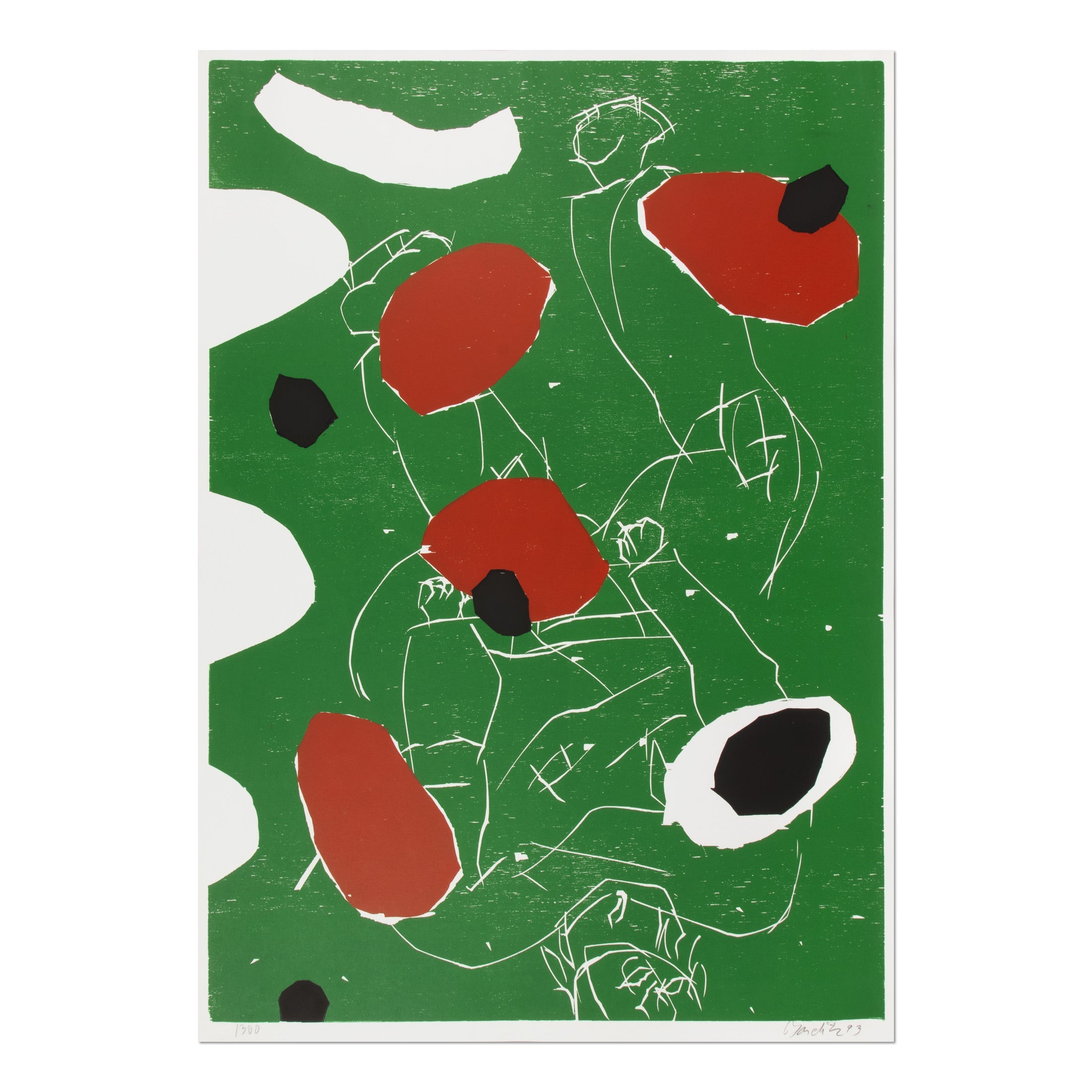
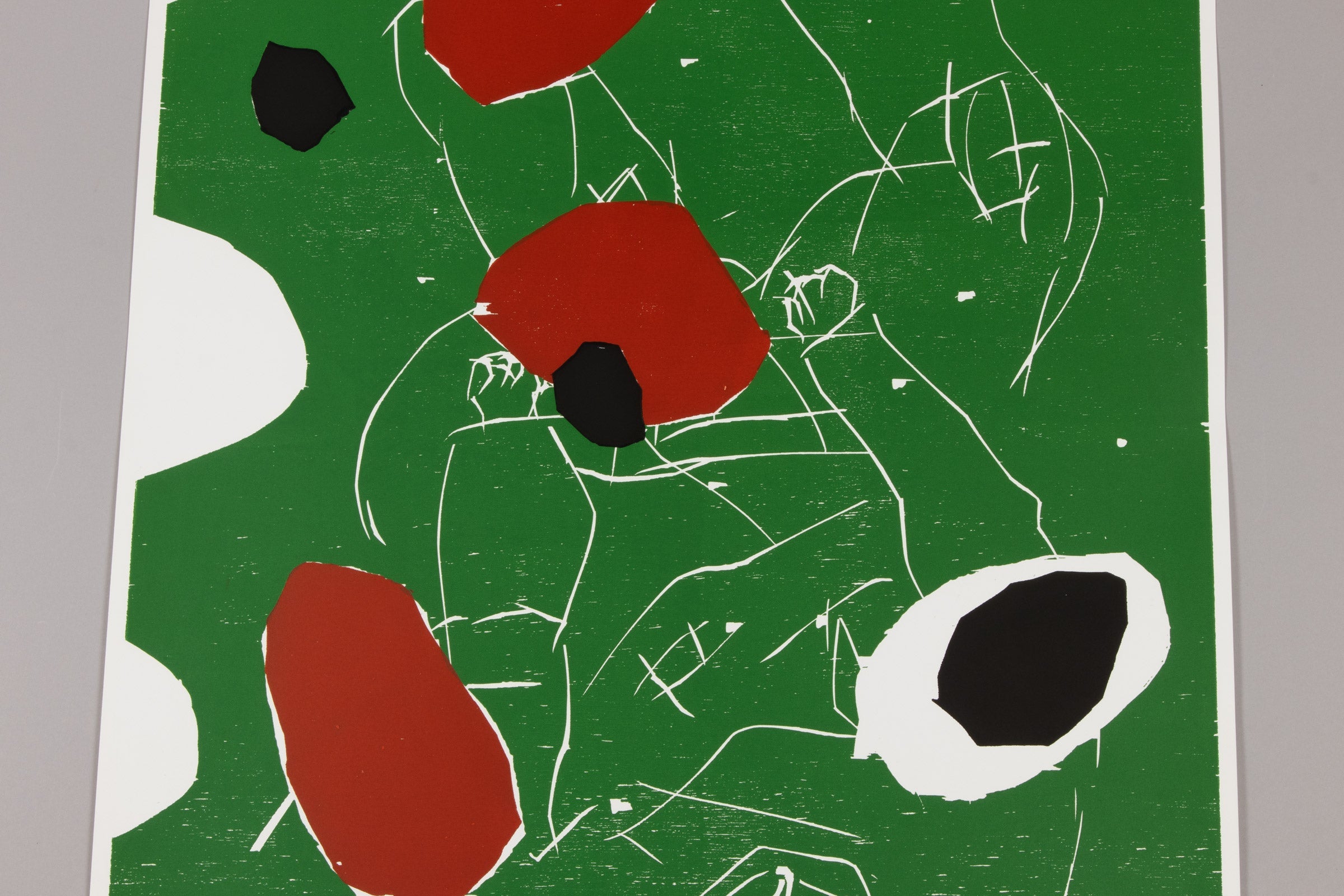
Georg Baselitz - Abe
01

Georg Baselitz Biography

Georg Baselitz (1938–2026) was born Hans-Georg Kern in East Germany and moved to West Berlin in 1956, enrolling at the Academy of Art before being expelled for "political immaturity." His first solo exhibition in 1963 caused a scandal when German authorities confiscated two paintings on grounds of public indecency — an early signal that his work would not accommodate institutional comfort. By the mid-1960s, a residency at the Villa Romana in Florence had introduced him to 16th-century Mannerist prints — Pontormo, Parmigianino, Rosso — whose distorted figures and technical rigour permanently shaped his approach to both painting and printmaking.

The inversion of his figures from 1969 onward was a formal decision with philosophical weight: by painting subjects upside down, Baselitz forced the viewer to abandon narrative and engage with the painting as a physical object. The same logic governed his prints. Where contemporaries like Richter and Polke adopted screenprinting, Baselitz committed to the techniques of the old masters — woodcut, drypoint, aquatint, linocut — treating the resistance of copper plates and woodblocks as creative forces rather than obstacles. The Centre Pompidou retrospective in 2021 confirmed what collectors had long known: his prints were not peripheral to his practice but central to it.

Baselitz continued working until the end of his life, dividing his time between Basel, Lake Ammersee, and Imperia. He died on 30 April 2026 at the age of 88. His printmaking was the subject of major dedicated exhibitions including at Kode Bergen (2024–25) and the Hall Art Foundation (2026). Works held at MoMA, the Centre Pompidou, the Guggenheim, and the Nationalgalerie Berlin.

Georg Baselitz - Winterschlaf I
02

Famous Georg Baselitz Artworks

Three moments define the arc of Baselitz's practice and recur across his prints and editions.

The Heroes paintings of 1965–66 introduced his core subject: anti-heroic figures — ragged, exposed, psychologically heavy — standing amid implied devastation. These were not triumphant monuments but damaged archetypes, their anatomy stressed and their scale paradoxical. The series refused both the cool neutrality of abstraction and the false reassurance of narrative reconstruction, insisting that Germany's postwar condition could not be painted cleanly.

In 1969, Baselitz turned his motifs upside down. The inversion was not provocation but method — a way of interrupting automatic recognition and redirecting attention to surface, facture, and compositional weight. When the figure is inverted, the viewer's normal habits slow, and the painting's decisions become unavoidable.

The Remix series, begun in the 2000s, extended this logic into self-interrogation. Baselitz returned to motifs from his own earlier work — testing memory, repetition, and the instability of the original. The painter who broke images apart early in his career also broke apart his own timeline, treating six decades of work as material rather than monument.

Georg Baselitz - Farewell Bill #4
03

Georg Baselitz Prints & Editions

Baselitz described his prints as carrying "symbolic power which has nothing to do with a painting" — and he consistently proved the point. He is widely regarded as a peintre-graveur in the tradition of Dürer: an artist for whom printmaking was not a reproductive exercise but a primary mode of investigation. The resulting prints are intimate where his paintings are monumental — focused on the same motifs but transformed by the demands of the medium.

Printmaking was not secondary in his practice. The Belle Haleine linocuts, each standing over two metres tall, rival his largest canvases in scale and ambition. His woodcuts of the 1980s — expressive faces and figures in varying positions and configurations — demonstrate the same formal rigour as the paintings while introducing a directness that only the carved surface can produce. That his prints were the sole subject of major dedicated exhibitions — at Kode Bergen (2024–25), the Hall Art Foundation (2026), and Cahiers d'Art in Paris — confirms a practice that stood entirely on its own terms. Baselitz worked with distinguished print studios and master printers throughout his career, maintaining the same standards of craft that defined his studio practice.

For collectors, his prints and editions offer direct access to a six-decade practice held in the permanent collections of MoMA, the Centre Pompidou, and the Guggenheim — in signed, strictly limited formats that carry the same conceptual weight as the large-scale works.

01

Georg Baselitz Biography

Georg Baselitz (1938–2026) was born Hans-Georg Kern in East Germany and moved to West Berlin in 1956, enrolling at the Academy of Art before being expelled for "political immaturity." His first solo exhibition in 1963 caused a scandal when German authorities confiscated two paintings on grounds of public indecency — an early signal that his work would not accommodate institutional comfort. By the mid-1960s, a residency at the Villa Romana in Florence had introduced him to 16th-century Mannerist prints — Pontormo, Parmigianino, Rosso — whose distorted figures and technical rigour permanently shaped his approach to both painting and printmaking.

The inversion of his figures from 1969 onward was a formal decision with philosophical weight: by painting subjects upside down, Baselitz forced the viewer to abandon narrative and engage with the painting as a physical object. The same logic governed his prints. Where contemporaries like Richter and Polke adopted screenprinting, Baselitz committed to the techniques of the old masters — woodcut, drypoint, aquatint, linocut — treating the resistance of copper plates and woodblocks as creative forces rather than obstacles. The Centre Pompidou retrospective in 2021 confirmed what collectors had long known: his prints were not peripheral to his practice but central to it.

Baselitz continued working until the end of his life, dividing his time between Basel, Lake Ammersee, and Imperia. He died on 30 April 2026 at the age of 88. His printmaking was the subject of major dedicated exhibitions including at Kode Bergen (2024–25) and the Hall Art Foundation (2026). Works held at MoMA, the Centre Pompidou, the Guggenheim, and the Nationalgalerie Berlin.

02

Famous Georg Baselitz Artworks

Three moments define the arc of Baselitz's practice and recur across his prints and editions.

The Heroes paintings of 1965–66 introduced his core subject: anti-heroic figures — ragged, exposed, psychologically heavy — standing amid implied devastation. These were not triumphant monuments but damaged archetypes, their anatomy stressed and their scale paradoxical. The series refused both the cool neutrality of abstraction and the false reassurance of narrative reconstruction, insisting that Germany's postwar condition could not be painted cleanly.

In 1969, Baselitz turned his motifs upside down. The inversion was not provocation but method — a way of interrupting automatic recognition and redirecting attention to surface, facture, and compositional weight. When the figure is inverted, the viewer's normal habits slow, and the painting's decisions become unavoidable.

The Remix series, begun in the 2000s, extended this logic into self-interrogation. Baselitz returned to motifs from his own earlier work — testing memory, repetition, and the instability of the original. The painter who broke images apart early in his career also broke apart his own timeline, treating six decades of work as material rather than monument.

03

Georg Baselitz Prints & Editions

Baselitz described his prints as carrying "symbolic power which has nothing to do with a painting" — and he consistently proved the point. He is widely regarded as a peintre-graveur in the tradition of Dürer: an artist for whom printmaking was not a reproductive exercise but a primary mode of investigation. The resulting prints are intimate where his paintings are monumental — focused on the same motifs but transformed by the demands of the medium.

Printmaking was not secondary in his practice. The Belle Haleine linocuts, each standing over two metres tall, rival his largest canvases in scale and ambition. His woodcuts of the 1980s — expressive faces and figures in varying positions and configurations — demonstrate the same formal rigour as the paintings while introducing a directness that only the carved surface can produce. That his prints were the sole subject of major dedicated exhibitions — at Kode Bergen (2024–25), the Hall Art Foundation (2026), and Cahiers d'Art in Paris — confirms a practice that stood entirely on its own terms. Baselitz worked with distinguished print studios and master printers throughout his career, maintaining the same standards of craft that defined his studio practice.

For collectors, his prints and editions offer direct access to a six-decade practice held in the permanent collections of MoMA, the Centre Pompidou, and the Guggenheim — in signed, strictly limited formats that carry the same conceptual weight as the large-scale works.

Georg Baselitz - AbeGeorg Baselitz - Winterschlaf IGeorg Baselitz - Farewell Bill #4

Georg Baselitz: Key Questions

Collecting Georg Baselitz?

Looking for a specific artwork or have a question about an edition? We're happy to advise on availability, pricing, condition, and provenance — and to source artworks beyond our current selection.

Contact us

Prints, Photographs & Multiples

View our full collection of

Prints, Photographs & Multiples

Explore editions