





About Georg Baselitz
Georg Baselitz (b. 1938, Deutschbaselitz) is one of the most significant painters of his generation — a defining figure in Neo-Expressionism and a towering presence in postwar European art. His work confronts the wreckage of German history head-on: the trauma of the Second World War, the fracture of national identity, and the urgent question of what painting itself can express in its aftermath. Since the 1960s, his inversion technique — painting subjects upside down — has become his most recognizable formal gesture, yet it remains far more than a stylistic signature. By severing image from meaning, Baselitz forces viewers to experience the work as pure form before narrative takes hold. The figure is still there, but disoriented — suspended between recognition and abstraction, familiar and strange. It is an act of deliberate disruption that has lost none of its force across six decades of practice.
His visual language draws from a wide range of sources: Soviet-era propaganda imagery, Mannerist painting, African sculpture, and the raw expressionism of the German tradition itself. These influences synthesize into a language entirely his own — one in which figuration and abstraction exist in constant tension. Whether working at monumental scale on canvas or in the intimate realm of printmaking, Baselitz's concerns remain consistent: the relationship between form and content, the instability of representation, and the possibilities of painting as a critical political and philosophical tool.
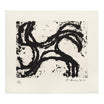
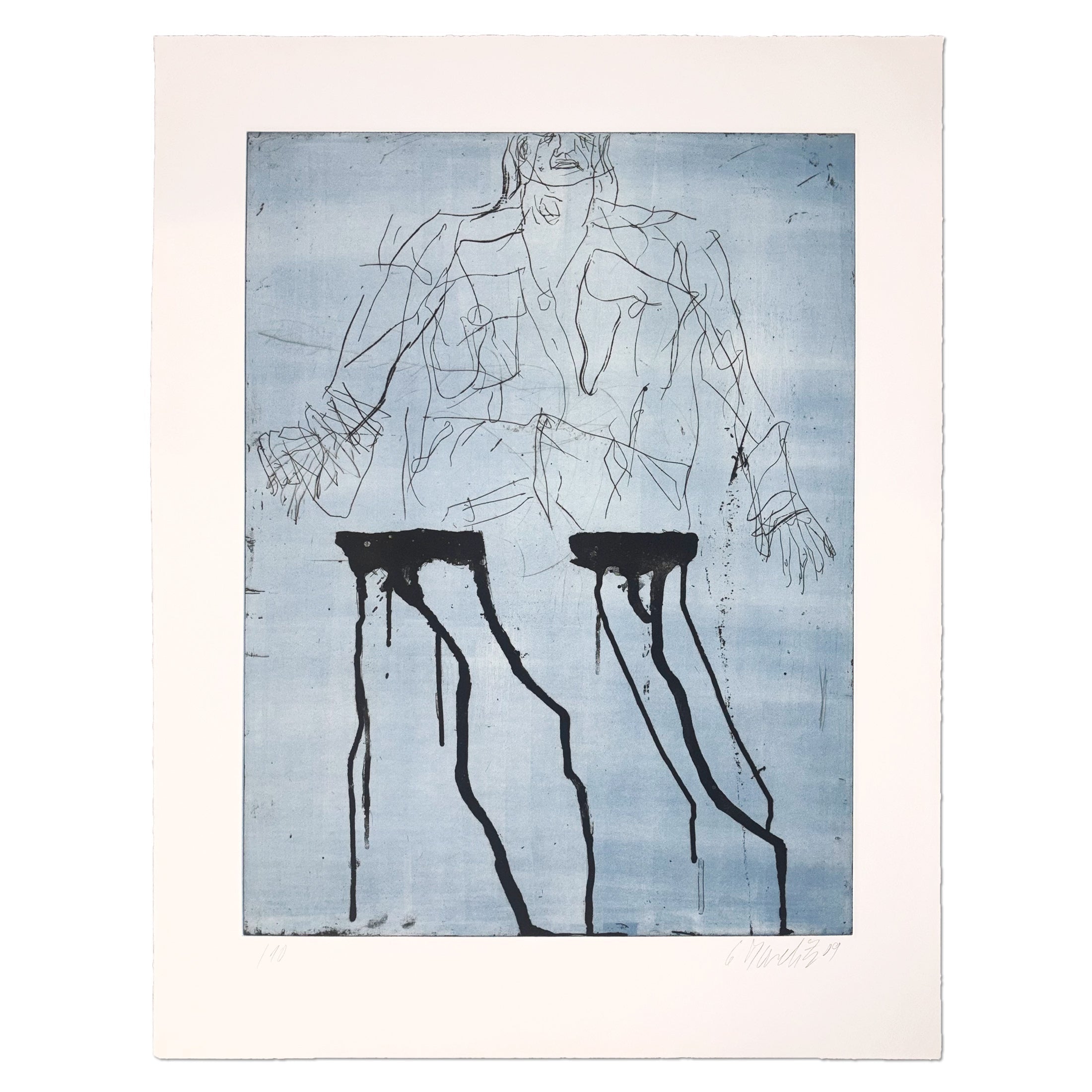
Baselitz's prints and limited edition editions occupy a central place within his oeuvre. His etchings, woodcuts, and lithographs demonstrate the same formal rigor and conceptual depth as his paintings, and have become increasingly sought-after by collectors worldwide. The hand-signed, limited edition prints allow access to his practice in a more intimate format, yet lose none of their power or complexity. Major museums including MoMA, the Tate, the Centre Pompidou, and the Guggenheim hold his work in their permanent collections.


