










About Rupprecht Geiger
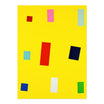
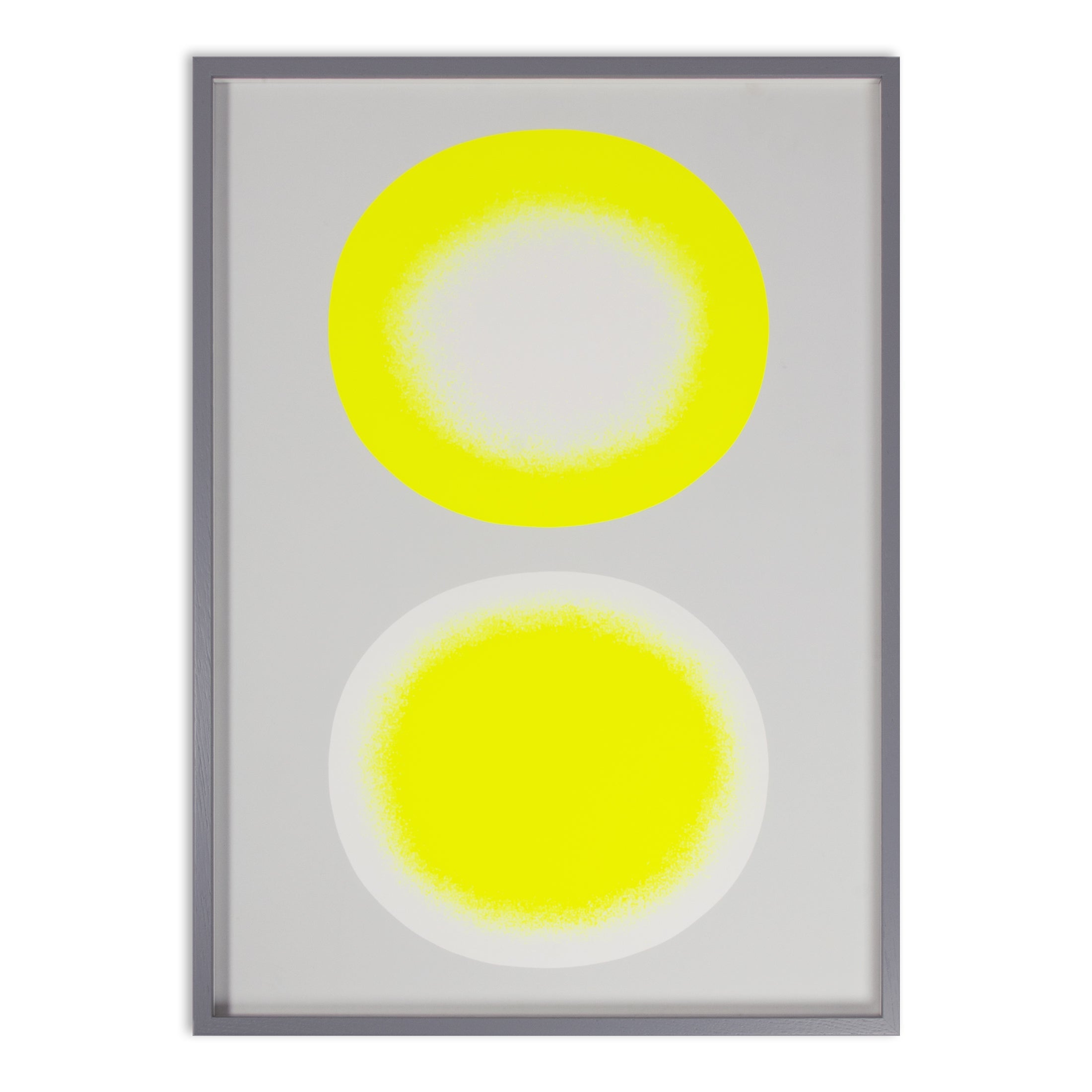
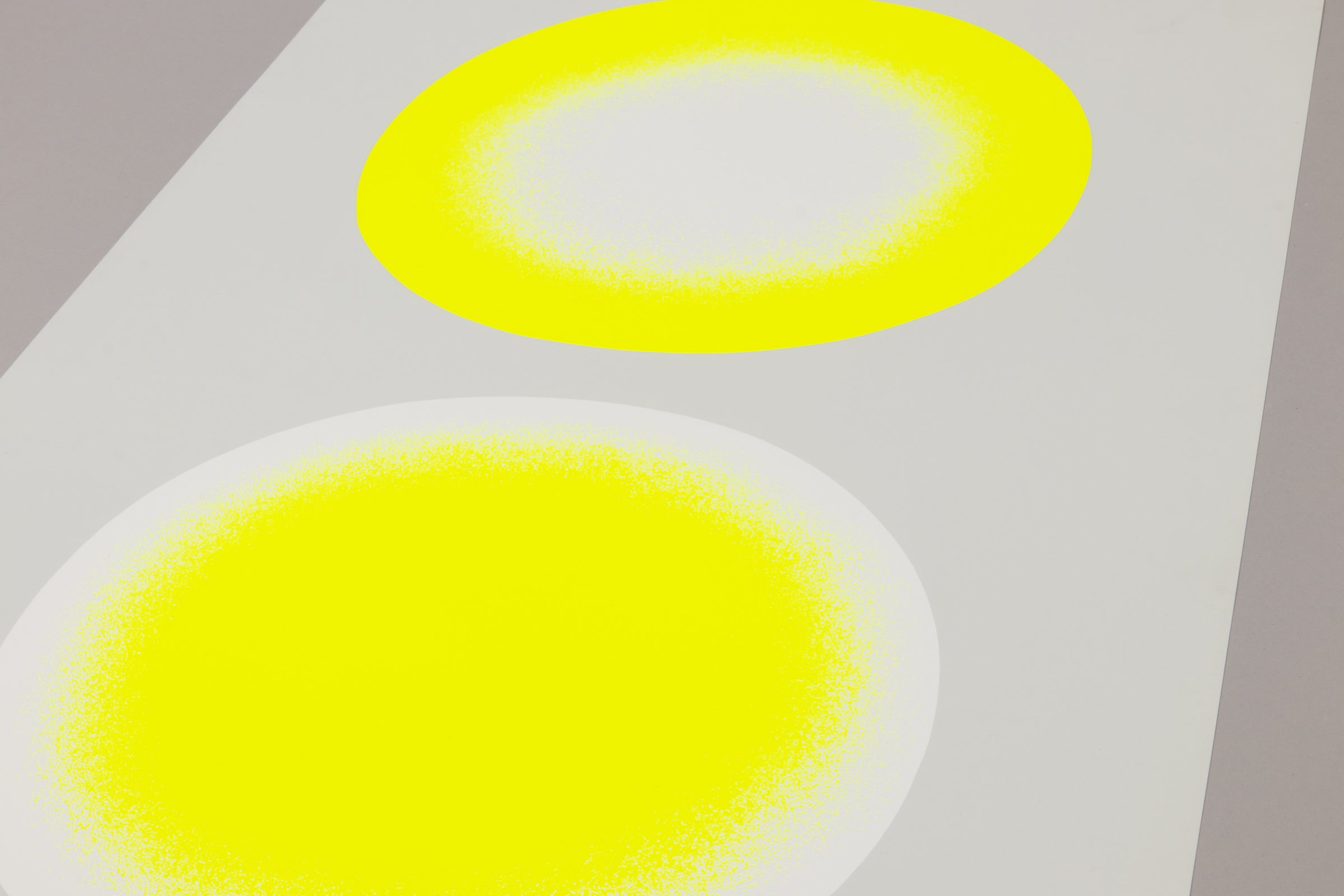
Rupprecht Geiger (German, 1908–2009) was a leading figure in postwar abstract and color field painting, celebrated for his radical use of pure, luminous color and precise geometric forms. The son of artist Willi Geiger, he developed a multidisciplinary practice spanning painting, sculpture, architecture, and printmaking. His work is especially recognized for its intense chromatic presence, with red as a recurring central motif, conveying energy, vitality, and emotional force within non-objective art.
In 1949, Geiger co-founded the influential Munich-based group Zen 49 together with Willi Baumeister and Fritz Winter, shaping the development of abstract art in Germany after World War II. By the early 1960s, Rupprecht Geiger dedicated himself entirely to painting and printmaking, using color as an autonomous subject rather than a descriptive tool. His screenprints and editions expanded his exploration of color dynamics and spatial perception beyond the canvas.
Geiger achieved international recognition through his participation in documenta 2, 3, 4, and 6, and through exhibitions at major institutions including the Museum for Non-Objective Painting, later the Solomon R. Guggenheim Museum. He also served as a professor at the Kunstakademie Düsseldorf. Major retrospectives of his work were held at the Neue Nationalgalerie in Berlin, Lenbachhaus Munich, and the Akademie der Künste Berlin, firmly establishing his legacy within contemporary abstract art and color-focused minimalism.


