








Public Art refers to artistic practices conceived for, or situated within, public space, engaging audiences beyond the traditional confines of museums and galleries. Rather than addressing a specialized art public alone, Public Art operates within shared environments, shaping everyday encounters with art through visibility, accessibility, and spatial presence.
Emerging in diverse forms throughout the twentieth century, Public Art encompasses permanent and temporary works, site-specific interventions, environmental practices, and unsanctioned urban actions. Its defining characteristic lies not in a single style or medium, but in its relationship to public space and collective experience.
Historical Development
While monuments and civic sculptures have long occupied public spaces, modern Public Art emerged in response to the social, political, and urban transformations of the postwar period. Artists increasingly questioned the authority of traditional monuments and sought alternative ways to address public life.
From the 1960s onward, developments in Conceptual Art, Land Art, and social practice expanded the scope of Public Art. These shifts coincided with broader debates around participation, authorship, and the role of art within society, positioning public space as an active field of artistic inquiry.
Site, Space, and Context
Public Art is fundamentally shaped by its site. Works respond to architectural, social, and historical conditions, often deriving meaning from their specific location. In contrast to portable artworks, Public Art is inseparable from its environment.
Christo exemplifies this approach through large-scale, temporary interventions that transform landscapes and urban spaces. By emphasizing ephemerality and collective experience, such projects foreground process, perception, and public engagement over permanence.
Related developments such as Land Art extended these concerns beyond the urban environment into natural landscapes. Artists working within this context treated walking, mapping, and minimal intervention as sculptural acts.
Richard Long exemplifies this approach through works that register movement through space using simple, often ephemeral gestures. By documenting walks and traces in the landscape, Long redefined sculpture as an experiential and temporal practice, positioning nature itself as both site and material.
Participation and Public Engagement
Many Public Art practices emphasize participation, inviting viewers to become active contributors rather than passive spectators. This shift reflects a broader interest in social interaction, collective authorship, and shared responsibility.
Artists working in this vein often collaborate with communities or intervene in everyday environments, addressing questions of memory, identity, and social presence. Engagement becomes a central dimension of the work, extending artistic meaning beyond visual form.
Street and Urban Art
Street and urban art represent a distinct strand within Public Art, defined by direct, often unsanctioned interventions in public space. These practices operate outside institutional frameworks, engaging audiences through immediacy, repetition, and visibility within the urban environment.
Banksy employs stenciling and visual satire to address themes of power, surveillance, and social inequality. By working anonymously and outside formal authorization, his practice challenges conventional notions of authorship, ownership, and cultural legitimacy.
Invader similarly engages the city as a field of intervention, installing pixelated mosaics across global urban landscapes. His work draws on digital culture and repetition, transforming public space into a networked visual system.
Street and urban art foreground accessibility and circulation, emphasizing how images move through cities and collective consciousness.
Public Art and Political Expression
Public space has long functioned as a site of political expression, and Public Art frequently addresses questions of power, visibility, and collective memory. By operating outside institutional boundaries, such works can confront audiences directly.
Ai Weiwei has employed public interventions to address human rights, migration, and state authority, using visibility and scale to amplify political discourse. His practice demonstrates how Public Art can function as a platform for critical engagement.
These approaches underscore the capacity of Public Art to intervene within social and political life.
Urban Space and Contemporary Practice
In contemporary contexts, Public Art increasingly engages with urban environments shaped by globalization, surveillance, and digital media. Artists respond to the rhythms and tensions of city life, integrating art into everyday movement and infrastructure.
JR employs photography and architectural scale to transform buildings into sites of representation and dialogue. By working directly within public space, such practices address questions of visibility, identity, and collective presence.
Public Art thus operates as both intervention and reflection within the urban fabric.
Ephemerality and Documentation
Many Public Art projects are temporary, emphasizing duration rather than permanence. Documentation through photography, film, mapping, and printed material becomes essential to preserving and disseminating these works.
This reliance on documentation challenges traditional notions of collectibility, shifting attention toward process, authorization, and historical record.
Market and Institutional Reception
Although often positioned outside commercial contexts, Public Art is closely connected to institutional and market structures. Commissions, public funding, and institutional partnerships play a significant role in enabling large-scale projects.
In the art market, Public Art is represented through drawings, models, photographs, prints, and editions, allowing practices rooted in public space to circulate within collections.
Legacy and Contemporary Relevance
Public Art continues to evolve alongside changing conceptions of public space, citizenship, and visibility. Its strategies influence installation, social practice, environmental art, and urban intervention across contemporary art.
Rather than existing at the margins of artistic production, Public Art occupies a central position in ongoing debates about access, representation, and the role of art within shared environments.
Editorial Note
This editorial page provides an overview of Public Art, outlining its historical development, key approaches, and continued relevance within contemporary artistic practice.
Selected works by artists associated with Public Art are available through our collection.
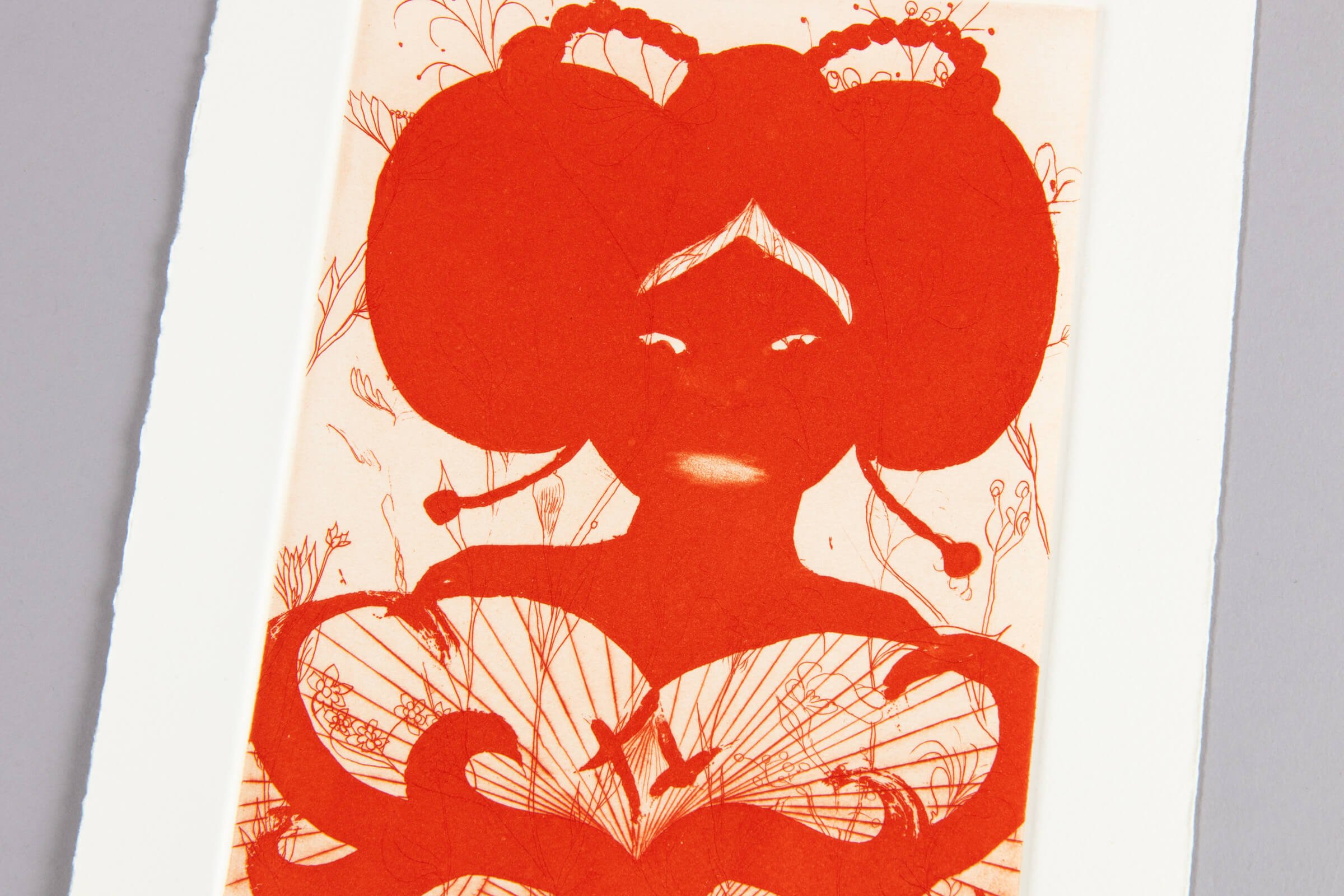
The Art of Printmaking
From the precise lines of woodcuts to the velvety depth of lithographs. Discover a curated selection of editioned works on paper that celebrate the unique texture and heritage of traditional print media.
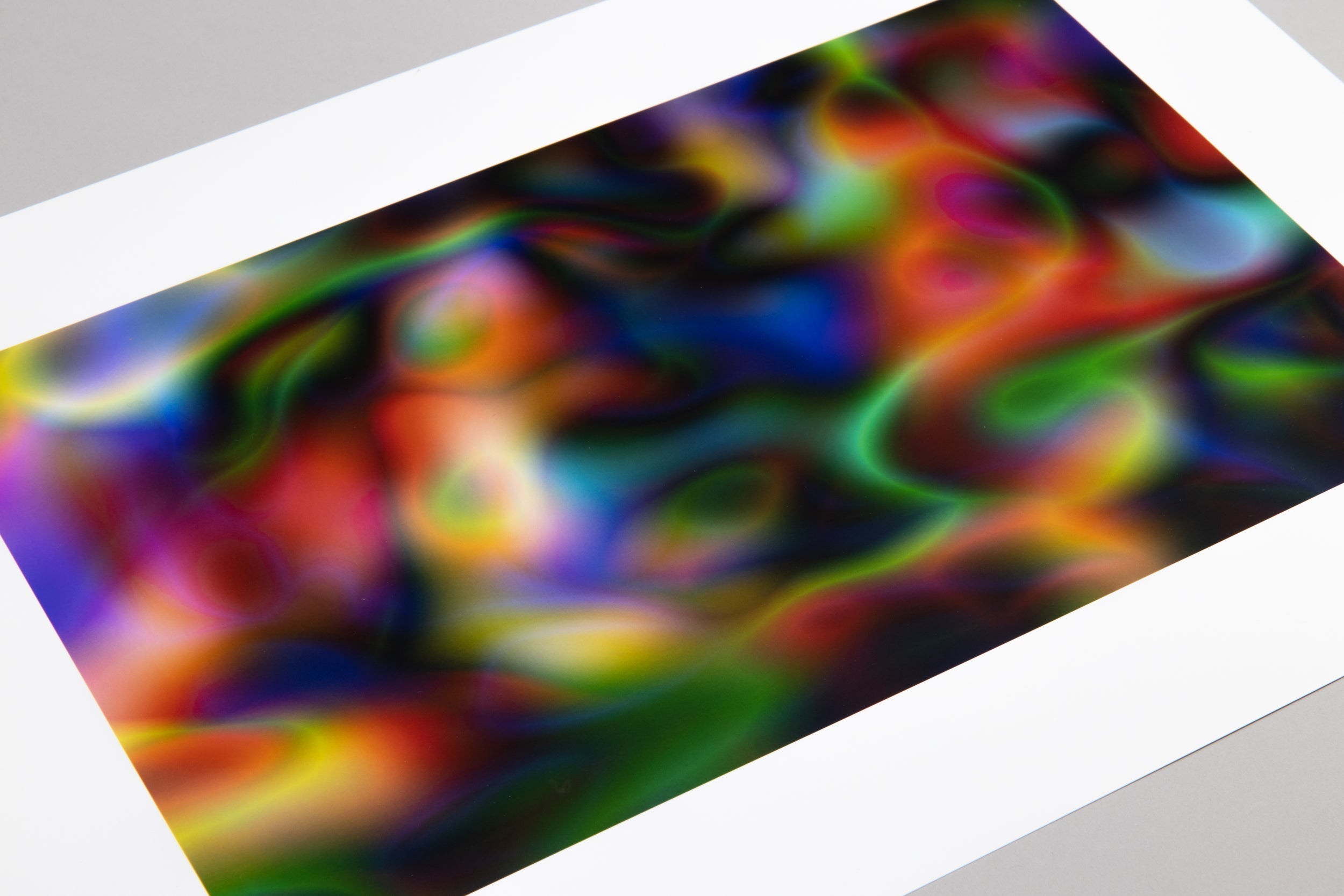
The Photographic Image
Explore contemporary photography through the lens of precision and scale. Our collection features exceptional photo editions that investigate the boundaries of representation and spatial order.
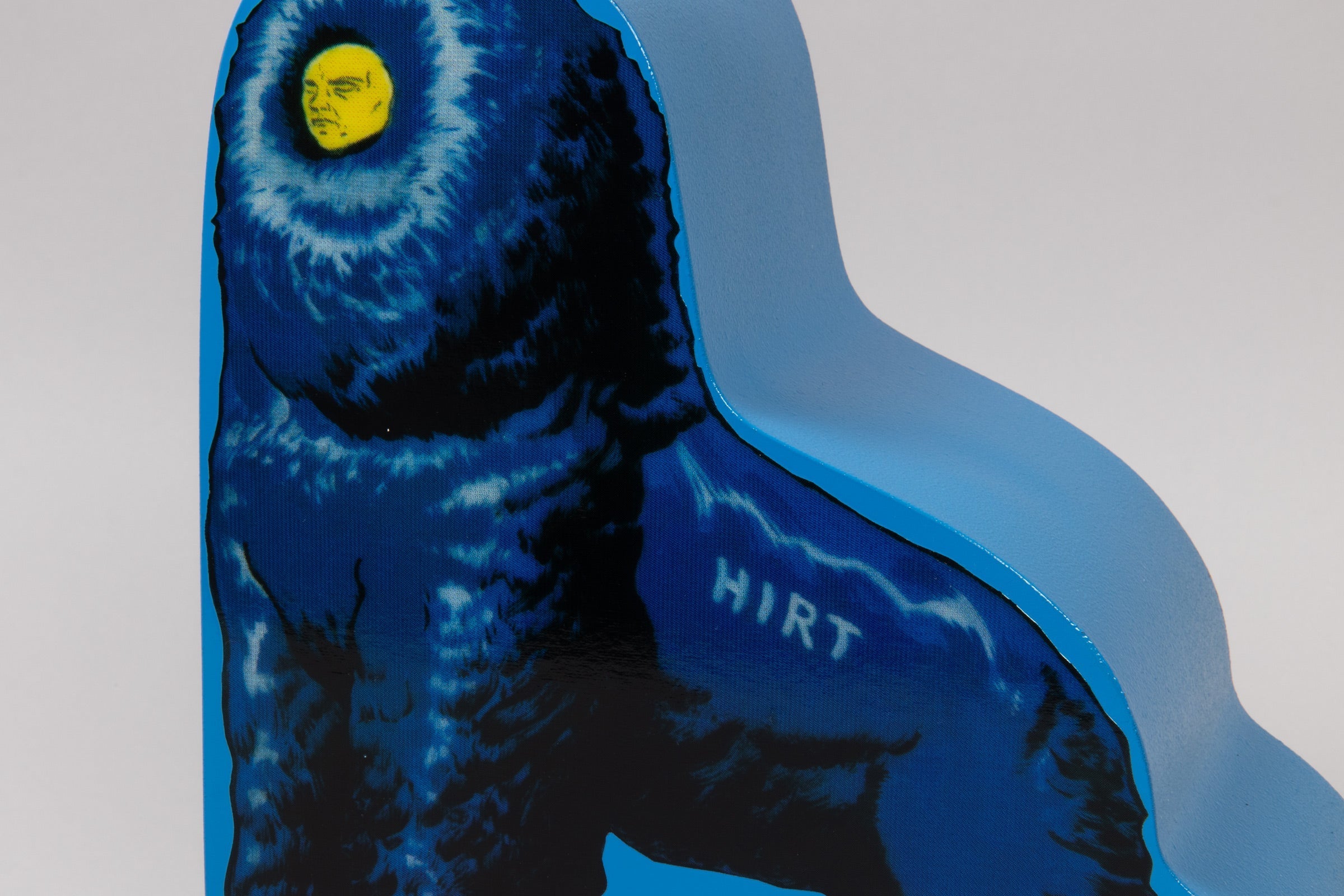
The Sculptural Multiple
Art beyond the pedestal. Discover three-dimensional objects designed to circulate ideas in space. These works bridge the gap between sculpture and the everyday, making radical art accessible.


