






Art Movement Insight

The Historical Roots of Political Art
The relationship between art and political life is as old as art itself. Monumental sculptures, architectural programs, and historical paintings have long served to celebrate rulers, commemorate victories, and legitimize authority. In these contexts, art functioned as a form of political communication that reinforced existing power structures.
Political art in its modern sense emerged when artists began to question rather than affirm those structures. One early example can be found in the prints of Francisco Goya, particularly The Disasters of War (1810–1820). These haunting etchings depict the brutality of conflict without glorifying heroism, exposing the suffering hidden behind official narratives of victory.
A defining moment in twentieth-century political art arrived with Pablo Picasso’s Guernica (1937). Created in response to the bombing of the Basque town during the Spanish Civil War, the painting uses fractured forms and symbolic imagery to convey terror and devastation. Rather than documenting the event literally, Picasso constructed a visual language capable of expressing the psychological trauma of modern warfare.
Throughout the twentieth century, artists continued responding to political upheaval. The two World Wars, the rise and fall of authoritarian regimes, decolonization movements, and global civil rights struggles all shaped the development of politically engaged artistic practices. In many cases, artists invented new visual languages in order to address the complexity of modern political experience.

Famous Political Artworks
Certain artworks have become defining examples of political art because of their cultural impact and historical significance.
Pablo Picasso – Guernica (1937)
Created in response to the bombing of the Basque town during the Spanish Civil War, Guernica remains one of the most powerful artistic condemnations of war ever produced. Its fragmented composition and anguished figures transform historical tragedy into a universal visual language.
Francisco Goya – The Disasters of War (1810–1820)
Goya’s series of etchings reveals the violence and suffering of the Peninsular War. By focusing on human vulnerability rather than heroic triumph, the works challenged traditional representations of war.
Barbara Kruger – Your Body is a Battleground (1989)
Kruger’s iconic image combines photography and bold textual language to address reproductive rights and gender politics. By appropriating the graphic style of advertising, she exposes how images shape cultural beliefs and political identities.
Ai Weiwei – Dropping a Han Dynasty Urn (1995)
In this photographic work, Ai Weiwei documents himself dropping and destroying a two-thousand-year-old urn. The gesture confronts questions of cultural heritage, authority, and the symbolic power of historical artifacts.

Political Art, Media, and Visual Protest
Political art frequently functions as a form of protest or witnessing. Artists document events, confront injustice, and preserve historical memory through images that resist erasure. Photography has played a particularly significant role in this context, from early documentary images of industrial labor to contemporary photographic investigations of conflict and displacement, including political art editions.
Yet political art rarely relies on documentation alone. Many artists recognize that images are never neutral. Every photograph, painting, or installation participates in systems of interpretation shaped by media institutions, cultural narratives, and political frameworks.
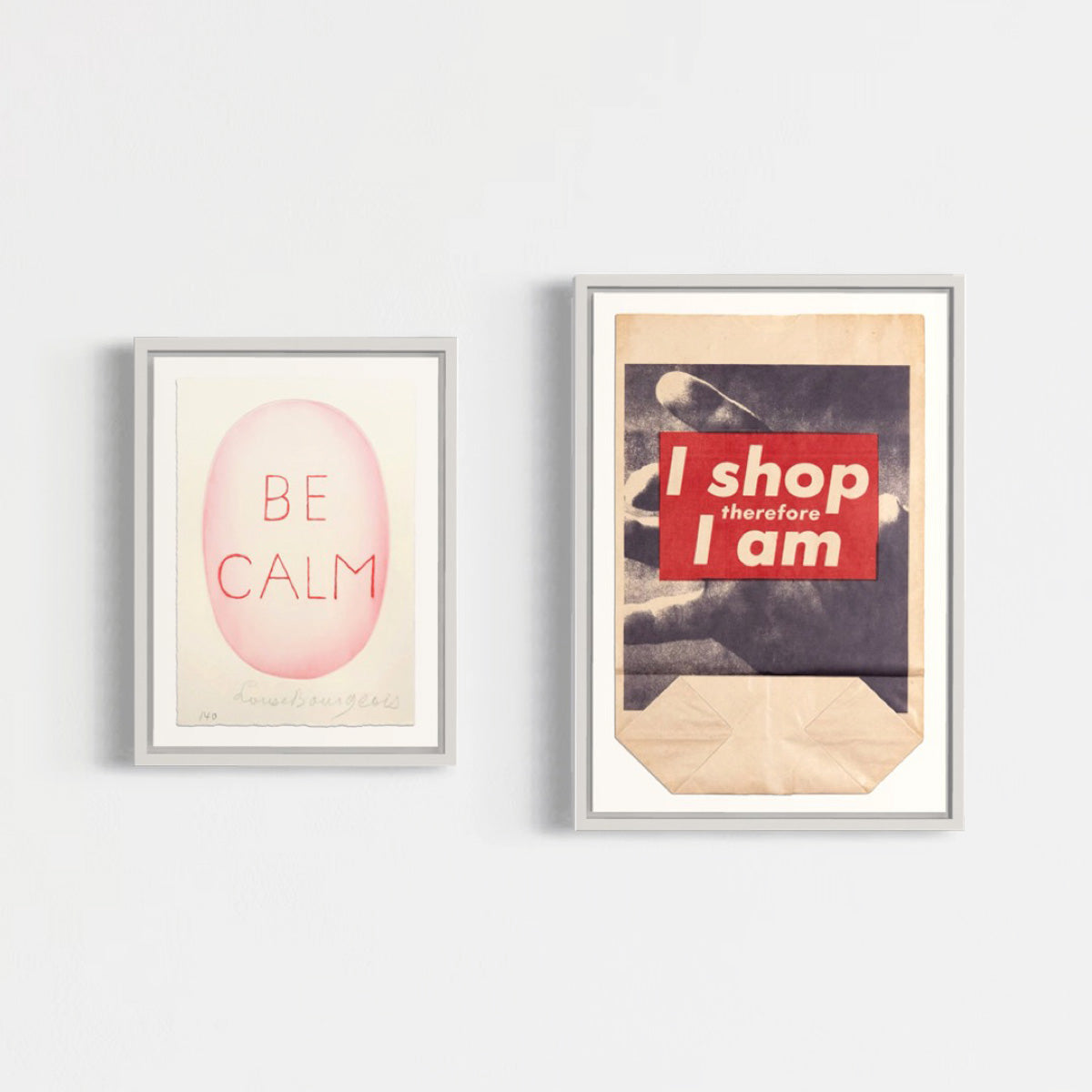
One of the most influential artists working at this intersection is Barbara Kruger. Her works combine photography with confrontational textual statements that critique systems of authority, consumer culture, and gender representation. By appropriating the visual language of advertising, Kruger demonstrates how images can shape belief, identity, and desire.
Jenny Holzer likewise uses language as a primary artistic medium. Her well-known Truisms and later LED installations present short, declarative statements in public spaces, confronting viewers with reflections on power, violence, and political authority. By placing text within urban environments, digital displays, and architectural surfaces, Holzer transforms everyday media formats into platforms for political critique.
Political artists increasingly investigate how visual culture itself constructs political meaning. Rather than depicting political events directly, they examine the media systems through which those events are represented and understood.

Political Art and Identity
Questions of identity, representation, and historical memory have played a central role in contemporary political art. Artists working across the African diaspora have significantly expanded the field by examining how images shape cultural visibility and historical narrative.
The paintings of Chris Ofili merge figuration, ornament, and symbolic imagery to explore Black identity, spirituality, and cultural hybridity. His work demonstrates that painting can carry profound political resonance without relying on overt political imagery.
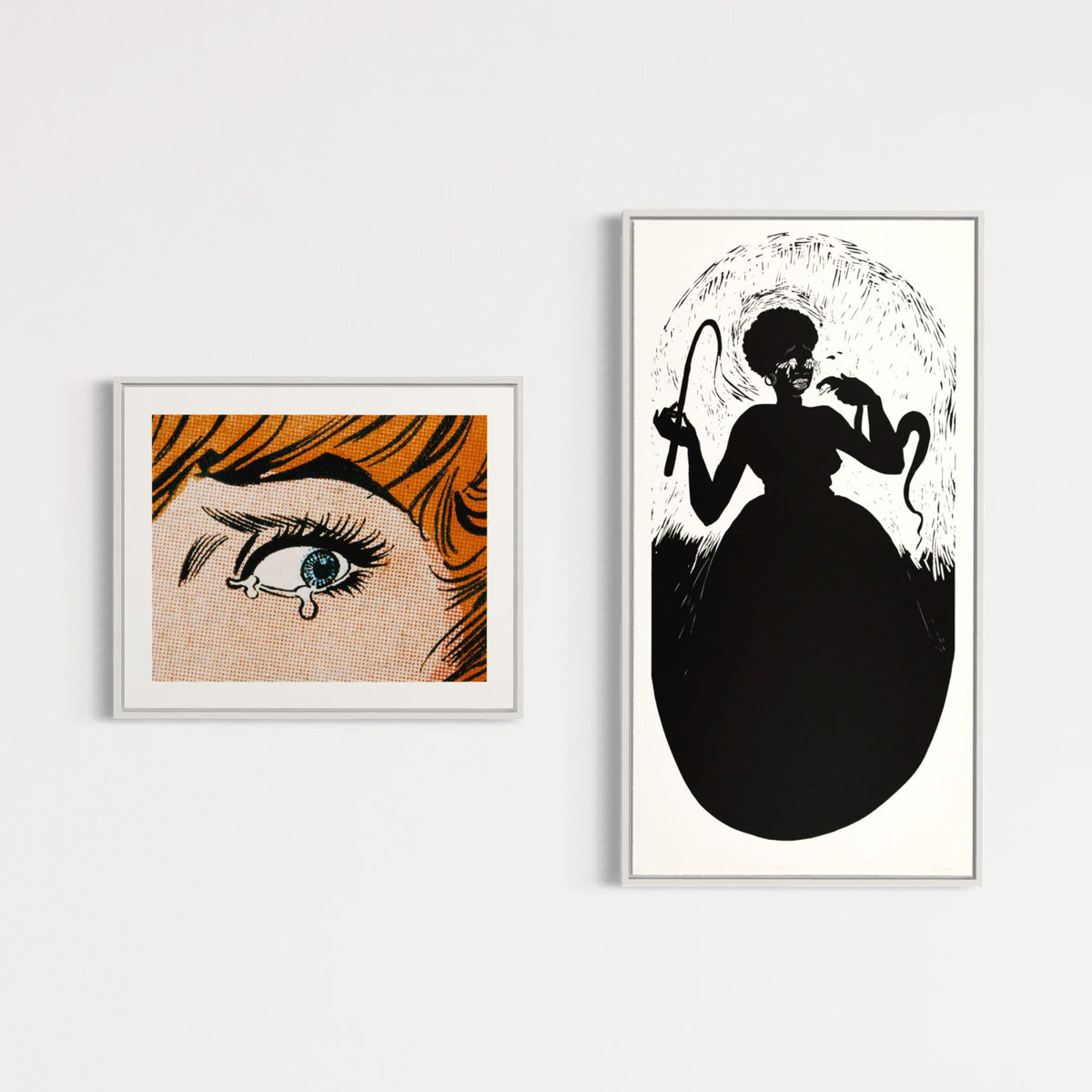
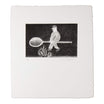
Kara Walker has developed one of the most powerful visual languages addressing the legacy of slavery and racial violence in the United States. Through stark silhouetted figures, she exposes the narratives embedded within collective memory and confronts the visual traditions through which history has been represented.
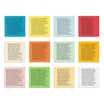
Conceptual approaches to political identity appear in the work of Adam Pendleton, whose paintings and installations integrate language, abstraction, and archival material while drawing on the intellectual tradition of Black radical thought.
Similarly, Yinka Shonibare investigates colonial history through sculpture, photography, and installation. By incorporating Dutch wax textiles associated with African identity into scenes drawn from European art history, he reveals the global networks of trade and empire that shaped cultural exchange.
The paintings of Otis Kwame Kye Quaicoe foreground the individuality and presence of contemporary Black subjects, countering historical traditions in which Black figures were marginalized or rendered anonymous.

Political Art in the Global Contemporary Moment
In recent decades, political art has become increasingly global in scope as artists respond to issues such as migration, environmental crisis, digital surveillance, and economic inequality.
Few artists embody this global dimension more visibly than Ai Weiwei. Through sculpture, installation, film, and social media engagement, his work addresses censorship, human rights, and state power. By combining artistic practice with direct activism, Ai Weiwei demonstrates how contemporary political art can operate simultaneously within cultural and civic spheres.
Artists working with photography and public imagery have also reshaped the field. The French artist JR produces monumental photographic installations in urban environments around the world. By transforming architecture into a platform for visual dialogue, JR highlights communities affected by conflict or marginalization while expanding the spatial possibilities of political art beyond traditional museum contexts.
Political Art and the Circulation of Images
The circulation of images has long been central to the political impact of art. Historically, printmaking enabled visual ideas to move beyond elite audiences, from revolutionary pamphlets to illustrated publications that carried political messages across geographic and social boundaries.
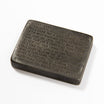
In the twentieth century, artists began to explore circulation itself as a medium. Cildo Meireles’ Insertions into Ideological Circuits: Banknote Project exemplifies this approach. By stamping political messages directly onto banknotes and returning them into everyday exchange, Meireles transformed systems of economic circulation into vehicles for artistic and political intervention.
Today, digital networks have accelerated this dynamic. Images travel instantly across platforms, reshaping how political narratives are produced and received. Within this expanded field, reproducible formats such as prints and photographs continue to play an important role, not as commodities alone, but as instruments through which ideas can be disseminated, contested, and recontextualized.

Why Political Art Matters Today
Political art remains vital because the conditions that give rise to it persist. Power structures continue to shape cultural narratives, determine whose stories are visible, and influence how history is remembered.
In an era defined by the rapid circulation of images, the ability to interpret visual culture critically has become increasingly important. Political art encourages precisely this awareness. By confronting injustice, exposing hidden systems of power, and reimagining collective narratives, artists expand the possibilities of public discourse.
Political art rarely offers simple answers. Instead, it creates spaces for reflection, confrontation, and dialogue. Its power lies in transforming the act of looking into a form of political awareness.

Political Art and Contemporary Collecting
Political art occupies a significant position within museum collections, biennials, and institutional exhibitions devoted to modern and contemporary practice. Works addressing political themes continue to shape curatorial discourse by engaging with questions of representation, power, and historical memory.
Prints, photographs, and editioned works have played a key role in this context by enabling images to circulate beyond singular objects and across different audiences. Within these frameworks, politically engaged art functions not only as an aesthetic form but as a means of critical inquiry and cultural reflection. These dynamics continue to shape how political art is produced, exhibited, and circulated today.
Selected works can be explored in the political art editions collection.
Art is not a mirror held up to reality but a hammer with which to shape it.
Selected questions on the artist’s practice, major artworks, and editions.
Political Art: Power, Identity and Resistance: Key Questions


