








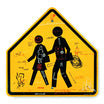
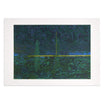



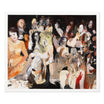


Neo-Expressionism refers to an international resurgence of painting that emerged in the late 1970s and rose to institutional and market prominence during the 1980s. Characterized by forceful brushwork, heightened color, fractured figuration, and a renewed emphasis on subjective intensity, Neo-Expressionism repositioned painting as a primary site of cultural and historical inquiry after the conceptual and minimalist reductions of the previous decade.
Rather than constituting a single stylistic movement, Neo-Expressionism developed through parallel tendencies in Germany, Italy, and the United States. What unites these distinct strands is a shared conviction: that painting, far from exhausted, remained capable of addressing history, myth, identity, and political memory through materially assertive and psychologically charged imagery.
Historical Context
By the late 1970s, many artists and critics perceived the dominance of Conceptual Art and Minimalism as having narrowed the field of painterly expression. The dematerialization of the artwork, the privileging of systems and language, and the emphasis on industrial fabrication had redefined artistic production. Neo-Expressionism emerged in part as a reaction to this condition.
This resurgence of painting coincided with broader geopolitical and economic shifts. Postwar memory remained unresolved in Europe, while new forms of media visibility and art-market expansion transformed the circulation of artworks internationally. Painting returned not as nostalgic revival, but as a medium capable of confronting historical trauma, ideological conflict, and contemporary anxiety.
Germany: The Neue Wilde
In Germany, Neo-Expressionism took shape through the Neue Wilde, or “New Wild” painters, whose work confronted national history and cultural identity with visceral urgency. Leading figures include Georg Baselitz, whose inverted figures destabilize perception and authority; Anselm Kiefer, whose monumental canvases address the legacy of German history; and Jörg Immendorff, who fused political allegory with theatrical intensity.
German Neo-Expressionism frequently employed distorted bodies, mythic references, and raw painterly handling. The canvas became a field of confrontation where history, guilt, and identity were staged rather than resolved. Gesture was not merely expressive but historical, carrying the weight of postwar consciousness.
The scale of many works reinforced their ambition. Large canvases envelop the viewer, positioning painting as an immersive, even overwhelming, experience. In this context, Neo-Expressionism functioned as both aesthetic renewal and historical reckoning.
Italy: Transavanguardia
In Italy, the resurgence of painting was articulated under the term Transavanguardia, introduced by critic Achille Bonito Oliva. Rather than confronting historical trauma directly, Italian artists emphasized stylistic plurality, mythic imagery, and the freedom to move beyond modernist teleology.
Key artists include Sandro Chia, Francesco Clemente, and Enzo Cucchi, whose work reintroduced allegorical figures, symbolic landscapes, and references to art history. The Italian strand of Neo-Expressionism foregrounded painterly autonomy and subjective invention.
Unlike the German focus on historical burden, Transavanguardia embraced eclecticism and narrative multiplicity. Painting was understood as a space where past and present could coexist without linear progression. This openness to stylistic hybridity became a defining feature of the movement.
United States: Image and Scale
In the United States, Neo-Expressionism manifested through large-scale, materially assertive painting that combined figuration with raw gesture. Prominent figures include Julian Schnabel, whose plate paintings foreground surface fragmentation; Jean-Michel Basquiat, whose works merge text, symbol, and urban experience; and David Salle, who juxtaposed disparate images within layered pictorial fields.
American Neo-Expressionism often engaged popular culture, media imagery, and personal mythology. The return to the figure did not imply a return to realism; rather, it signaled an embrace of ambiguity, theatricality, and cultural reference.
The American context also reflected the expanding art market of the 1980s. Monumental scale and bold imagery aligned painting with renewed spectacle, reinforcing its institutional visibility.
Figuration and Gesture
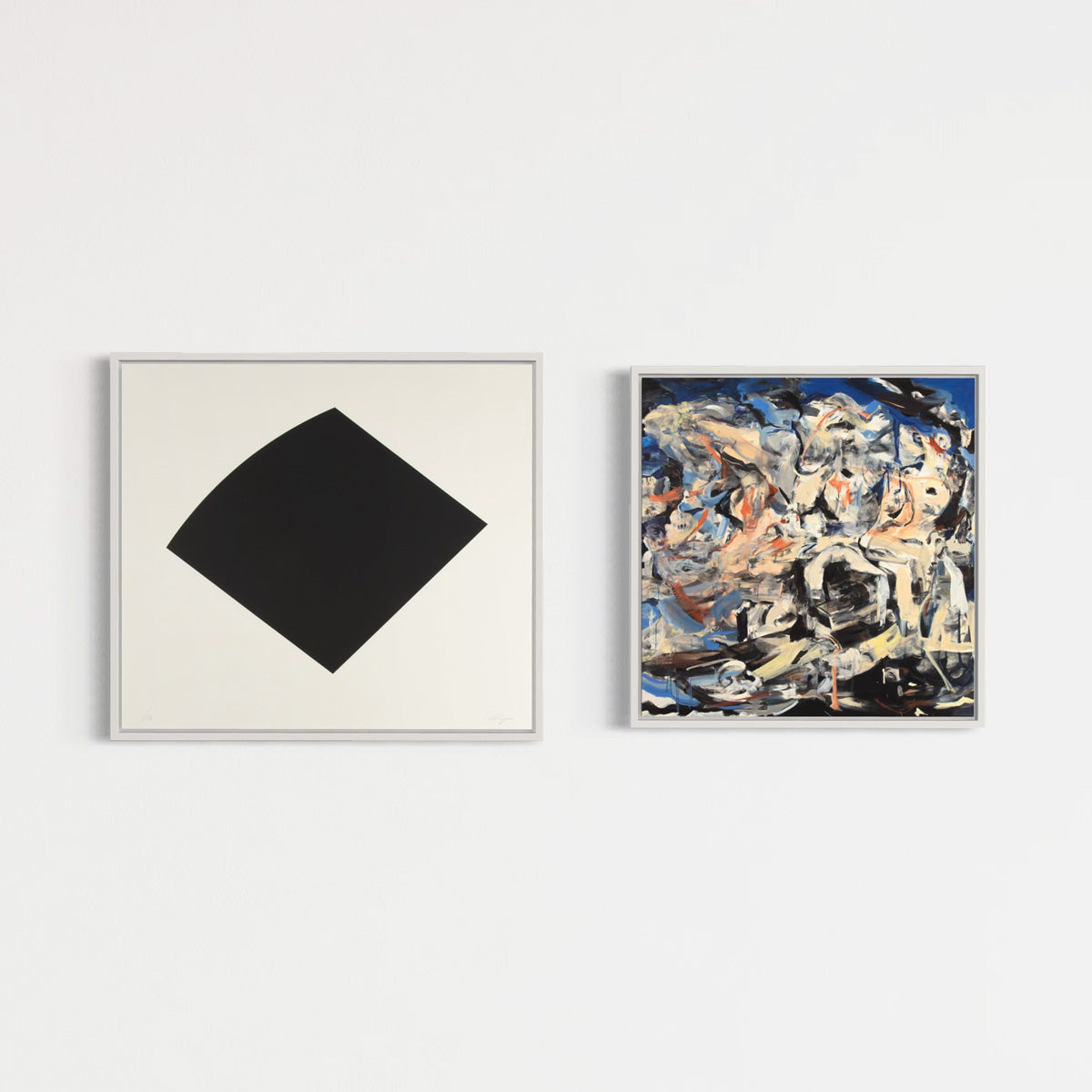
A defining feature of Neo-Expressionism is the reassertion of figuration. Bodies, animals, and emblematic forms reappear, yet they are fractured, distorted, or exaggerated. Representation becomes unstable, oscillating between recognition and abstraction.
Brushwork is often aggressive and visibly layered. Paint accumulates, drips, and resists smooth resolution. The surface becomes an arena where process remains evident, emphasizing immediacy and physical engagement.
This emphasis on gesture distinguishes Neo-Expressionism from the calculated neutrality of Minimalism. Painting once again records bodily action and subjective intensity.
Material Presence
Materiality plays a central role. Thick impasto, scraping, overpainting, and unconventional supports reinforce the objecthood of the canvas. Paint is not merely color; it is matter, weight, and resistance.
The physicality of the work challenges purely optical viewing. Instead, the viewer encounters painting as both image and object, aligning Neo-Expressionism with broader postwar investigations into material presence.
Critical Debate
Neo-Expressionism provoked significant critical debate. Supporters viewed it as a necessary reopening of painting to narrative and historical engagement. Critics questioned whether the movement signaled regression or capitulation to market spectacle.
These debates remain integral to understanding its position within art history. Neo-Expressionism occupies a transitional space between post-conceptual dematerialization and the renewed centrality of painting in contemporary practice.
Legacy
The influence of Neo-Expressionism extends into contemporary painting that combines figuration, historical awareness, and material intensity. Artists working after 1990 frequently revisit painterly gesture while remaining critically self-aware of its historical baggage.
Rather than a simple revival, Neo-Expressionism established a framework in which painting could operate after conceptual critique: expressive yet reflexive, narrative yet unstable, materially forceful yet historically conscious.
Editorial Note
This editorial page provides a comprehensive overview of Neo-Expressionism, examining its historical emergence, regional variations, leading figures, and continuing relevance within postwar and contemporary painting.
Selected works by artists associated with Neo-Expressionism are available through our collection.

The Art of Printmaking
From the precise lines of woodcuts to the velvety depth of lithographs. Discover a curated selection of editioned works on paper that celebrate the unique texture and heritage of traditional print media.

The Photographic Image
Explore contemporary photography through the lens of precision and scale. Our collection features exceptional photo editions that investigate the boundaries of representation and spatial order.
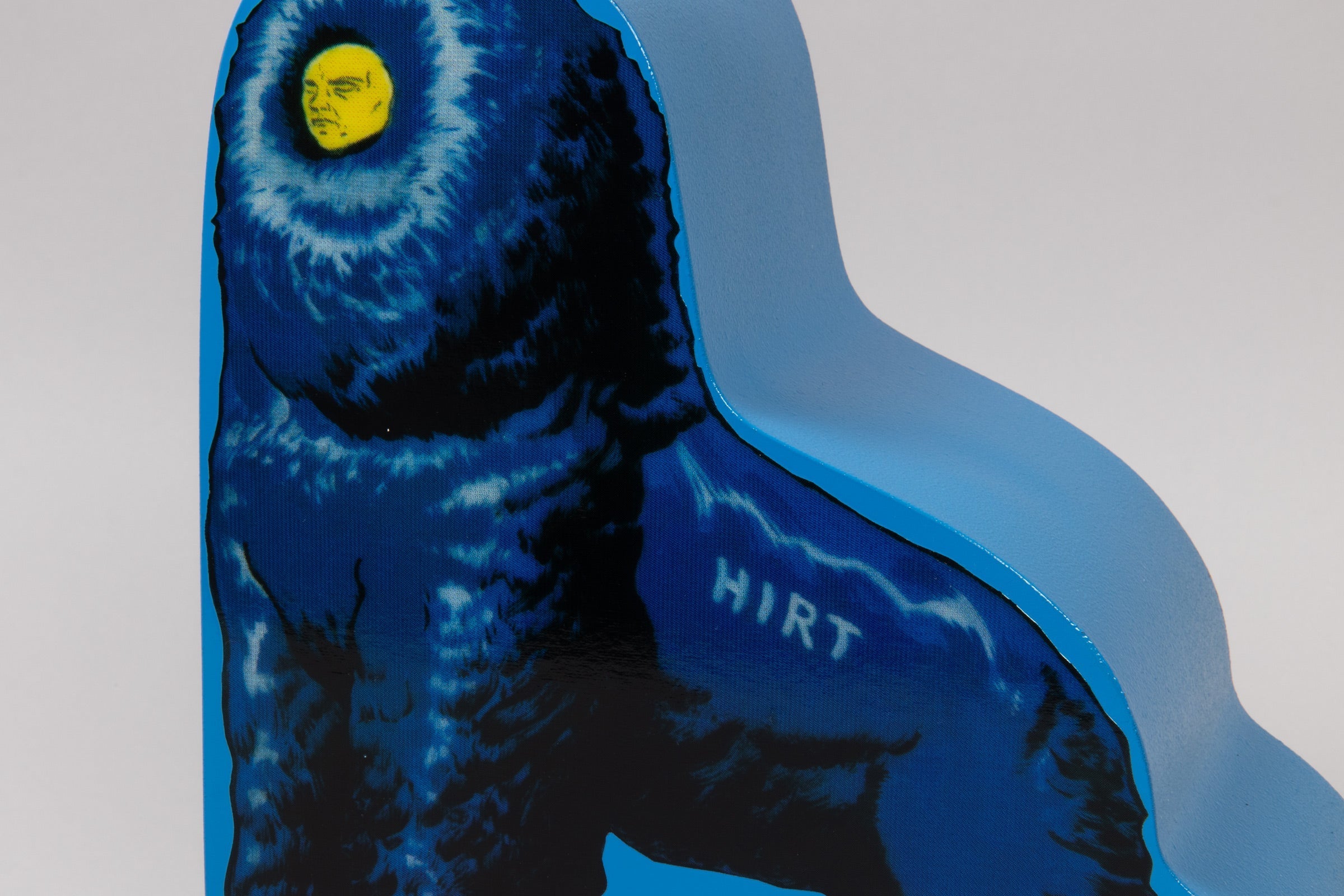
The Sculptural Multiple
Art beyond the pedestal. Discover three-dimensional objects designed to circulate ideas in space. These works bridge the gap between sculpture and the everyday, making radical art accessible.


